Category: News
Trump dice que la economía “ruge”. Las cifras pintan una realidad distinta
WASHINGTON
Por JOSH BOAK (AP) — El presidente Donald Trump prometió que 2026 sería un año excepcional para el crecimiento económico, pero en cambio ha comenzado con pérdidas de empleo, alzas en los precios de la gasolina y más incertidumbre sobre el futuro de Estados Unidos.
En su discurso sobre el Estado de la Unión hace menos de dos semanas, el presidente republicano aseguró: “La economía rugiente está rugiendo como nunca antes”. El más reciente conjunto de datos sobre empleo, precios en las gasolineras y el mercado bursátil sugiere que el rugido de Trump ha empezado a sonar mucho más como un gemido.
Hay una brecha entre el auge que Trump ha pronosticado y los resultados volátiles que ha producido, una que podría marcar el tono en las elecciones de mitad de mandato de este año, mientras intenta defender las mayorías de su partido en la Cámara de Representantes y el Senado. Con el drama de los aranceles aún en curso, la guerra en Irán ha generado de repente preocupaciones inflacionarias en torno al petróleo y el gas natural. Para la Casa Blanca, todavía es temprano en el año y se avecina un crecimiento más fuerte.
No hay señales de un auge del empleo
“¡WOW! ¡¡¡Ha llegado la Edad de Oro de Estados Unidos!!!”, publicó Trump en redes sociales el 11 de febrero después de que el informe mensual de empleo mostrara un aumento de 130.000 puestos de trabajo en enero.
Desde entonces, el mercado laboral se ha evaporado de manera preocupante.
El informe de empleo del viernes mostró pérdidas de 92.000 puestos de trabajo en febrero. Las cifras de enero y diciembre se revisaron a la baja, y diciembre pasó a registrar una pérdida de 17.000 empleos. Los datos mensuales pueden ser irregulares, pero ha surgido una tendencia que muestra una debilidad persistente. Sin el sector de la salud, la economía habría perdido aproximadamente 202.000 empleos desde que Trump asumió la presidencia en enero de 2025. Aun así, su gobierno señala que las ganancias de empleo en la construcción fuera del sector de la vivienda apuntan a un crecimiento futuro de la contratación.
Trump suele jactarse de que los empleos están yendo a personas nacidas en Estados Unidos, en lugar de a inmigrantes. Pero el informe más reciente lo desmiente.
La tasa de desempleo de las personas nacidas en Estados Unidos ha subido en los últimos 12 meses a 4,7% desde 4,4%. Esto significa que una mayor proporción de las personas que Trump dijo que conseguirían empleo debido a su ofensiva contra la inmigración, en realidad, están buscando trabajo.
Sube el precio de la gasolina
“Reducir los costos de la energía es una de las acciones más importantes que podemos tomar para bajar los precios para los consumidores estadounidenses”, afirmó Trump en un discurso en Texas en febrero, poco antes de que Estados Unidos e Israel atacaran Irán. “Porque cuando reduces el costo de la energía, realmente reduces — simplemente reduces el costo de todo”.
El presidente ha dicho repetidamente a los estadounidenses que mantener bajos los costos de la gasolina sería clave para derrotar la inflación. Ha destacado la caída, citando cifras muy por debajo del promedio nacional para asegurar al público que la gasolina está bajando.
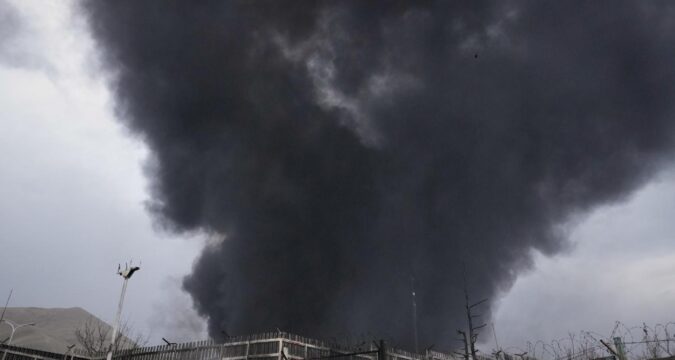
Pero los ataques contra Irán que comenzaron el 28 de febrero han, por el momento, destrozado esa narrativa. Los precios en las gasolineras han saltado 19% en el último mes hasta un promedio nacional de 3,45 dólares, según AAA. El banco de inversión Goldman Sachs advirtió en una nota de análisis que, si los precios más altos del petróleo persisten, la inflación podría subir desde 2,4% en enero hasta 3% para finales de año.
El gobierno apuesta por planes para contener cualquier aumento en los precios de la energía, esencialmente confiando en que el conflicto termine pronto o en que la administración logre que más petroleros atraviesen el estrecho de Ormuz.
“El presidente ha sido claro sobre las interrupciones a corto plazo debido a la Operación Epic Fury, incluso mientras las fuerzas de Estados Unidos y aliadas logran avances impresionantes contra el régimen terrorista iraní”, declaró el subsecretario de prensa de la Casa Blanca, Kush Desai. “La tendencia de largo plazo, sin embargo, ha sido clara: la agenda económica del presidente Trump sigue generando un sólido crecimiento del empleo, la inversión y la economía del sector privado, lo que está impulsando el resurgimiento de Estados Unidos”.
Las acciones se han alejado de sus máximos
“Ya saben, establecimos el récord histórico de todos los tiempos con el Dow llegando a 50.000”, dijo Trump el jueves en la Casa Blanca.
Este argumento, que repite con frecuencia, se ha quedado sin fuerza. El promedio industrial Dow Jones, una de las medidas de éxito preferidas por Trump, ha caído 5% en el último mes. Las acciones han subido durante su presidencia, tal como lo habían hecho antes cuando el demócrata Joe Biden era presidente. La caída reciente podría revertirse si termina la guerra con Irán y las empresas registran ganancias sólidas durante el próximo año y más allá. Sin embargo, el descenso reciente debería ser una señal de advertencia, ya que el gobierno ha subrayado la importancia de que más personas inviertan en el mercado bursátil mediante vehículos como las “cuentas Trump” para niños.
El mercado bursátil se ha convertido en un barómetro de cómo se siente la gente respecto de la economía: los inversionistas en acciones tienden a tener más confianza y quienes no tienen dinero en los mercados suelen ser más pesimistas.
Joanna Hsu, directora de las encuestas a consumidores de la Universidad de Michigan, señaló que en febrero un aumento “considerable” del ánimo entre las personas que poseen acciones “quedó totalmente compensado por una caída entre los consumidores sin tenencias de acciones”.
La productividad sube, pero los trabajadores no se benefician
Trump puede jactarse de una victoria en el sentido de que la economía se ha vuelto más productiva, generando más valor por cada hora de trabajo. Eso es una señal positiva para el crecimiento a largo plazo y un reflejo de su fuerte sector tecnológico.
La productividad laboral del sector empresarial subió 2,8% en el cuarto trimestre del año pasado, informó el Departamento de Trabajo el jueves. Pero el desafío es que las ganancias podrían no trasladarse a los trabajadores en forma de mayores salarios, ya que la participación del trabajo en el ingreso el año pasado cayó al nivel más bajo registrado, señaló Mike Konczal, director sénior de política e investigación del Economic Security Project, una organización sin fines de lucro alineada con temas económicos liberales.
La economía creció a un ritmo más rápido con Biden
“Bajo la administración Biden, Estados Unidos estuvo plagado por la pesadilla de la estanflación, es decir, bajo crecimiento y alta inflación: una receta para la miseria, el fracaso y el declive”, indicó Trump en el Foro Económico Mundial en Davos, Suiza, en enero.
La realidad es muy distinta y hace que el desempeño de Biden en 2024 se vea mejor que el de Trump el año pasado. La economía de Estados Unidos creció a un ritmo de 2,8% durante el último año de Biden, en comparación con 2,2% con Trump en 2025.
En cuanto a la inflación, la medida principal que utiliza la Reserva Federal es el índice de precios de gastos de consumo personal. Fue de 2,6% tanto en 2024 como en 2025.
Trump ha basado su argumento económico en hacerlo mejor que Biden. Pero aunque ha evitado los picos de inflación que acosaron la presidencia de Biden, no ha entregado un crecimiento más fuerte ni más contratación.
___________________________________
Esta historia fue traducida del inglés por un editor de AP con ayuda de una herramienta de inteligencia artificial generativa.

Shocking Number Of Gen Z’ers Are Bringing Mommy & Daddy To Job Interviews
Shocking Number Of Gen Z’ers Are Bringing Mommy & Daddy To Job Interviews
If you thought Gen Z arriving was the long-awaited antidote to the famously coddled Millennials, you might want to rethink that theory.
A new survey from career site Zety polled 1,000 Gen Z workers and found that a whopping 44% of these young workers had Mom or Dad help write or edit their resumes, while 20% admitted that a parent had joined them during a job interview (15% in-person, 5% virtually).
“Some in Gen Z feel having parental involvement when looking and applying for jobs is important, and I would certainly advocate for taking advice from parents and other mentors who have experience gaining employment,” a financial literacy instructor at the University of Tennessee at Martin said in an interview with Newsweek. “However, there are limits to this engagement, and they almost always end poorly for the applicant.”
If you thought those figures were grim, the hand-holding extends even after the job offer letter arrives. Roughly 28% of Gen Z professionals admitted that parents assisted with pay or benefits negotiations, and 32% cited parents as their main influence for career choices.
“There’s a lingering distrust between workers and corporations. While it’s not widespread, some Gen Z candidates are leaning on their parents for interview support – presentation, tone, even responses,” 9i Capital Group CEO Kevin Thompson told Newsweek. “A lot of that comes down to inexperience with professional settings and discomfort with contract language and expectations.”
The trend has rightfully drawn scorn from critics, including “Shark Tank” star Kevin O’Leary, who warned that any candidate arriving with a parental escort would be shown the door immediately.
“First question I’d have to the son or daughter, I’d say, ‘Do you want me to hire your mother or you? What’s she doing here?’” O’Leary told Fox Business. “That resume goes right into the garbage in one of my operations.” He recounted a recent virtual interview where the phenomenon played out in real time.
“It happened to me on a Zoom call, and I just said, this isn’t going to work… Your mom is not gonna be part of this discussion,” the businessman added. “It means you can’t do this on your own. It’s a horrific signal,”
Tyler Durden
Sun, 03/08/2026 – 08:45
https://www.zerohedge.com/political/shocking-number-gen-zers-are-bringing-mommy-daddy-job-interviews

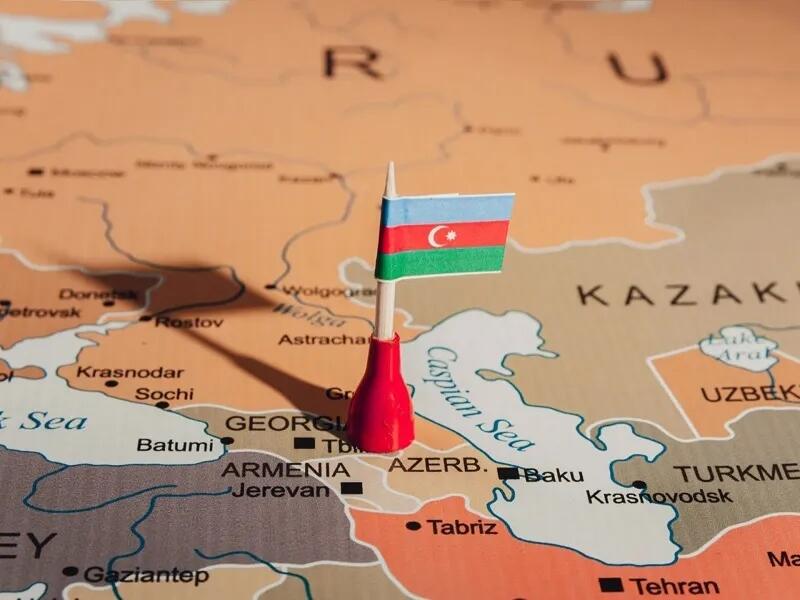
Azerbaijan’s “Multi-Vector Alignment” Poses A Serious Challenge To Russia
Azerbaijan’s “Multi-Vector Alignment” Poses A Serious Challenge To Russia
The “Trump Route for International Peace and Prosperity” is poised to become a military-logistics corridor for expanding NATO influence along Russia’s southern periphery and could thus force Putin into the zero-sum dilemma of accepting this or authorizing military action in an attempt to preempt it.
Valdai Club Programme Director Timofei Bordachev recently published an insightful piece asking whether former Soviet Republics are moving “Towards Genuine Multi-Vector Alignment?” This is described as “systematic efforts to create and maintain, insofar as possible, balanced and mutually beneficial relations with different global centres of power and regional actors, without obvious orientation towards any single bloc, and relying on tactical maneuvering to ensure security and achieve core development goals.”
He claims that “The fact that this habit began to take shape (among the post-Soviet states) through opposition to traditional Russian influence could be regarded as an ‘inevitable evil’ which, in essence, could not inflict truly fundamental damage on Russia…Today, however, the management of multi-vector alignment may confront Russia’s neighbours—and, one step further, Russia itself—with new challenges.” These include US coercion and “a readiness to significantly enhance one’s status in regional affairs.”
Bordachev didn’t name any of the post-Soviet states other than Russia in his article, but the argument can be made that his concerns are most relevant with respect to Azerbaijan.
Its decision to replace Russian mediation with Armenia with American mediation, agree last August to the “Trump Route for International Peace and Prosperity” (TRIPP) which replaces Russia’s envisaged regional corridor and role therein, and the outcome of Vance’s recent trip there collectively pose a serious challenge to Russia.
All of these moves are framed by Azerbaijan as part of what Bordachev describes as the “multi-vector alignment” policy, which is factually correct. It’s also true what he wrote about how “signalling one’s own foreign-policy autonomy and the capacity to make decisions based on national interests as shaped by domestic political development” is “by no means objectionable”. The problem therefore rests in this policy’s practical implementation by Azerbaijan in the current geostrategic context of the New Cold War.
Trump 2.0 is tightening the West’s encirclement of Russia in an attempt to coerce Putin into concessions in Ukraine that would leave unfulfilled the maximalist national security goals of the special operation. That was the purpose of Vance’s trip to the South Caucasus as was explained here. Azerbaijan now functions as a launchpad for expanding US economic, political, and inevitably, military influence across the South Caucasus, the Caspian Sea, and Central Asia, which is Russia’s entire southern periphery.
Nearby Kazakhstan, which announced in December that it plans to produce NATO-standard shells, might soon be emboldened to more openly defy Russia in Azerbaijani-inspired ways that challenge its security interests even more seriously under the pretext of implementing its own “multi-vector alignment” policy. This risks replicating the NATO-Russian security dilemma that ultimately led to the special operation when it became unmanageable, except this time along two southern fronts at once, Azerbaijan and Kazakhstan.
Azerbaijan’s “multi-vector alignment” policy and consequent “readiness to significantly enhance [its] status in regional affairs”, albeit at the expense of Russia’s security interests, is responsible for setting this scenario into motion. TRIPP is poised to become a military-logistics corridor for expanding NATO influence along Russia’s entire southern periphery so Putin might therefore soon be forced into the zero-sum dilemma of accepting this encirclement or authorizing military action in an attempt to preempt it.
Tyler Durden
Sun, 03/08/2026 – 08:10
Ministro libanés de Salud dice que hay 83 niños entre los casi 400 muertos en una semana de conflicto Hezbollah-Israel
BEIRUT (AP) — Ministro libanés de Salud dice que hay 83 niños entre los casi 400 muertos en una semana de conflicto Hezbollah-Israel.

BBC Slips In ‘Mistranslated’ Propaganda To Radically Alter Hegseth Speech On Iran
BBC Slips In ‘Mistranslated’ Propaganda To Radically Alter Hegseth Speech On Iran
The BBC has been caught yet again manipulating comments from the Trump administration to radically alter their meaning.
During a March 2 press conference about the war in Iran, US Secretary of War Pete Hegseth said that the United States is bringing death to the same regime that chanted “death to America.”
BBC Persia, however, substituted the word ‘people’ for ‘regime’ – fundamentally changing Hegseth’s meaning to sound like America was targeting all Iranians vs. the regime.
“It turns out the regime who chanted ‘death to America and death to Israel was gifted death from America and death from Israel,” is what Hegseth actually said.
The BBC translated the word “regime” as “mardom,” the Persian word for “people.” It later issued a correction.
The BBC “mistakenly” altered a speech by Secretary of War, Pete Hegseth on the war in Iran, making him appear to say the United States was targeting the Iranian “people”.
This comes only a handful of months since they did the same to President Trump.
Defund the BBC! pic.twitter.com/iezrIh5vFX
— Tommy Robinson 🇬🇧 (@TRobinsonNewEra) March 7, 2026
While we’re sure Israel and America will kill plenty of non-regime Iranians by the time this is done, mainstream media like the BBC isn’t doing anything for its reputation by shaping narratives.
The Trump administration has argued that that Tehran’s leadership, not regular Iranians, pose a direct threat to American national security because they’ve been chanting “death to America” (for the past 50 years), which justified Trump reneging on his repeated campaign promises not to start new wars.
The error drew condemnation from Iranians online, who accused the BBC of conflating ordinary civilians with the brutality of the regime and altering the meaning of Mr Hegseth’s speech. Others disagreed, saying the translation was acceptable.
The US president has called on the Iranian people to rise up and overthrow the leadership. On Monday, Mr Hegseth repeated that call, urging civilians to “take advantage of this incredible opportunity”. -Telegraph
According to Iran expert Thamar Eilam-Gindin of Haifa University, the BBC had “fundamentally altered the meaning” of Hegseth’s words.
“By mistranslating the English word ‘regime’ into the Persian word ‘mardom’ —meaning ‘people’—the BBC’s Persian service fundamentally altered the meaning of the US secretary of defence’s speech, making it appear as though he were attacking all Iranians rather than the Islamic Republic,” Eilam-Gindin told the Telegraph.
“Among members of the Iranian diaspora in the West, with whom I am in regular contact, this incident reinforces what they perceive as a long-standing pro-regime editorial line at BBC Persian.”
Explaining their actions, the BBC said “This mistranslated word was a mistake, as a result of human error, during the live simultaneous translation of a speech. We issued a correction to Persian audiences on air and on social media.”
Mistranslation is a very generous way to describe something that looks deliberate.
— Hans Mahncke (@HansMahncke) March 6, 2026
That said, perhaps Hegseth should choose his words a tad more carefully (the last 20 seconds or so):
As requested 😉 pic.twitter.com/ngk1DX2SaB
— Mr. Gerald Wayne (@geraldwayne) March 7, 2026
The ‘mistranslation’ echoes the BBC’s deceptive editing of Trump’s January 6, 2021 speech to falsely portray him as inciting violence at the Capitol, which earned them a $10 billion lawsuit.
Tyler Durden
Sun, 03/08/2026 – 07:35

El crudo construyó el golfo Pérsico. El agua desalinizada lo mantiene vivo. La guerra amenaza ambos
Por ANNIKA HAMMERSCHLAG
Mientras misiles y drones reducen la producción de energía en todo el golfo Pérsico, analistas advierten que el agua, y no el petróleo, podría ser el recurso más amenazado en una región rica en energía pero árida.
Cientos de plantas desalinizadoras salpican la costa del golfo Pérsico, lo que pone a sistemas individuales que abastecen de agua a millones de personas al alcance de ataques iraníes con misiles o drones. Sin ellas, las grandes ciudades no podrían sostener sus poblaciones actuales.
En Kuwait, cerca del 90% del agua potable proviene de la desalinización, junto con aproximadamente el 86% en Omán y alrededor del 70% en Arabia Saudí. La tecnología elimina la sal del agua de mar —por lo general, empujándola a través de membranas ultrafinas en un proceso conocido como ósmosis inversa— para producir el agua dulce que sostiene a ciudades, hoteles, la industria y parte de la agricultura en una de las regiones más secas del mundo.
Para las personas que viven fuera de Oriente Medio, la principal preocupación de la guerra con Irán ha sido el impacto en los precios de la energía. El golfo produce cerca de un tercio de las exportaciones mundiales de crudo y los ingresos energéticos apuntalan las economías nacionales. Los combates ya han detenido el tráfico de petroleros por rutas marítimas clave e interrumpido la actividad portuaria, lo que ha obligado a algunos productores a recortar exportaciones a medida que se llenan los tanques de almacenamiento.
Pero la infraestructura que mantiene abastecidas de agua potable a las ciudades del golfo podría ser igual de vulnerable.
“Todo el mundo piensa en Arabia Saudí y sus vecinos como petroestados. Pero yo los llamo reinos de agua salada. Son superpotencias hídricas artificiales impulsadas por combustibles fósiles”, afirmó Michael Christopher Low, director del Centro de Oriente Medio de la Universidad de Utah. “Es a la vez un logro monumental del siglo XX y un cierto tipo de vulnerabilidad”.
Primeras señales de riesgo
La guerra que comenzó el 28 de febrero con ataques de Estados Unidos e Israel contra Irán ya ha acercado los combates a la infraestructura clave de desalinización. Irán atacó el 2 de marzo el puerto de Jebel Ali, en Dubái, y los impactos cayeron a unos 19 kilómetros (12 millas) de una de las plantas desalinizadoras más grandes del mundo, que produce gran parte del agua potable de la ciudad.
También se reportaron daños en el complejo de energía y agua Fujairah F1, en Emiratos Árabes Unidos, y en la planta desalinizadora Doha West, en Kuwait. Los daños en las dos instalaciones parecieron derivados de ataques a puertos cercanos o de la caída de escombros de drones interceptados.
Bahrein acusó a Irán el domingo de atacar indiscriminadamente objetivos civiles y de dañar una de sus plantas desalinizadoras, aunque no dijo que el suministro hubiera quedado fuera de servicio. La nación insular, sede de la Quinta Flota de la Marina de Estados Unidos, ha estado entre los países atacados por drones y misiles iraníes.
Antes, Irán dijo que un ataque aéreo de Estados Unidos dañó una planta desalinizadora iraní. Abbas Araghchi, ministro de Exteriores del país, señaló que el ataque en la isla de Qeshm, en el estrecho de Ormuz, había afectado el suministro de agua para 30 aldeas. Advirtió que, al hacerlo, “Estados Unidos sentó este precedente, no Irán”.
Muchas plantas desalinizadoras del golfo están integradas físicamente con centrales eléctricas como instalaciones de cogeneración, lo que significa que los ataques a la infraestructura eléctrica también podrían obstaculizar la producción de agua. Incluso donde las plantas están conectadas a redes nacionales con rutas de suministro de respaldo, las interrupciones pueden propagarse en cascada a través de sistemas interconectados, explicó David Michel, investigador principal de seguridad hídrica en el Centro de Estudios Estratégicos e Internacionales.
“Es una táctica asimétrica”, indicó. “Irán no tiene la misma capacidad para responder atacando a Estados Unidos e Israel. Pero sí tiene esta posibilidad de imponer costos a los países del golfo para empujarlos a intervenir o a pedir un cese de hostilidades”.
Las plantas desalinizadoras tienen múltiples etapas —sistemas de captación, instalaciones de tratamiento, suministros de energía— y el daño en cualquier parte de esa cadena puede interrumpir la producción, según Ed Cullinane, editor para Oriente Medio de Global Water Intelligence, una editorial que presta servicios a la industria del agua.
“Ninguno de estos activos está más protegido que cualquiera de las áreas municipales que están siendo alcanzadas en este momento por misiles balísticos o drones”, sostuvo Cullinane.
Una preocupación de larga data
Los gobiernos del golfo y funcionarios de Estados Unidos han reconocido desde hace tiempo los riesgos que estos sistemas suponen para la estabilidad regional: si grandes plantas desalinizadoras quedaran fuera de servicio, algunas ciudades podrían perder la mayor parte de su agua potable en cuestión de días. Un análisis de la CIA de 2010 advirtió que ataques contra instalaciones de desalinización podrían desencadenar crisis nacionales en varios estados del golfo, y que interrupciones prolongadas podrían durar meses si se destruyera equipo crítico.
Más del 90% del agua desalinizada del golfo proviene de apenas 56 plantas, señaló el informe, y “cada una de estas plantas críticas es extremadamente vulnerable al sabotaje o a la acción militar”.
Un despacho diplomático estadounidense filtrado de 2008 advirtió que la capital saudí, Riad, “tendría que ser evacuada en una semana” si la planta desalinizadora de Jubail, en la costa del golfo, o sus tuberías o la infraestructura eléctrica asociada sufrían daños graves.
Desde entonces, Arabia Saudí ha invertido en redes de tuberías, embalses de almacenamiento y otras redundancias diseñadas para amortiguar interrupciones de corto plazo, al igual que Emiratos Árabes Unidos. Pero estados más pequeños como Bahrein, Qatar y Kuwait tienen menos suministros de respaldo.
El cambio climático podría amenazar las plantas de agua
A medida que el calentamiento de los océanos aumenta la probabilidad y la intensidad de ciclones en el mar Arábigo y eleva las posibilidades de que toquen tierra en la península arábiga, las marejadas y las lluvias extremas podrían desbordar los sistemas de drenaje y dañar la desalinización costera.
Las propias plantas contribuyen al problema. La desalinización requiere mucha energía, y las plantas de todo el mundo producen entre 500 y 850 millones de toneladas de emisiones de dióxido de carbono al año, acercándose a las aproximadamente 880 millones de toneladas emitidas por toda la industria mundial de la aviación.
El subproducto de la desalinización, una salmuera altamente concentrada, suele descargarse de nuevo al océano, donde puede dañar hábitats del fondo marino y arrecifes de coral, mientras que los sistemas de captación pueden atrapar y matar larvas de peces, plancton y otros organismos en la base de la cadena alimentaria marina.
A medida que el cambio climático intensifica las sequías, altera los patrones de lluvia y alimenta los incendios forestales, se espera que la desalinización se expanda en muchas partes del mundo.
La amenaza no es hipotética
Durante la invasión iraquí de Kuwait en 1990-1991 y la posterior Guerra del Golfo, las fuerzas iraquíes sabotearon centrales eléctricas e instalaciones de desalinización al retirarse, dijo Low, de la Universidad de Utah. Al mismo tiempo, millones de barriles de crudo fueron liberados deliberadamente en el golfo Pérsico, creando uno de los mayores derrames de petróleo de la historia.
La enorme mancha amenazó con contaminar las tuberías de captación de agua de mar utilizadas por plantas desalinizadoras en toda la región. Los trabajadores se apresuraron a desplegar barreras de contención protectoras alrededor de las válvulas de captación de las principales instalaciones.
La destrucción dejó a Kuwait en gran medida sin agua dulce y dependiente de importaciones de emergencia. La recuperación total tomó años.
Más recientemente, los rebeldes hutíes de Yemen han atacado instalaciones saudíes de desalinización en medio de tensiones regionales.
Los incidentes subrayan una erosión más amplia de normas de larga data contra los ataques a infraestructura civil, señaló Michel, al mencionar conflictos en Ucrania, Gaza e Irak.
El derecho internacional humanitario, incluidas disposiciones de los Convenios de Ginebra, prohíbe atacar infraestructura civil indispensable para la supervivencia de la población, incluidas las instalaciones de agua potable.
La posibilidad de ciberataques dañinos contra la infraestructura hídrica es una preocupación creciente. En 2023 y 2024, funcionarios de Estados Unidos responsabilizaron a grupos alineados con Irán de hackear varias empresas de servicios de agua estadounidenses.
El propio suministro de agua de Irán, en riesgo
Tras un quinto año de sequía extrema, los niveles de agua en los cinco embalses de Teherán cayeron a alrededor del 10% de su capacidad, lo que llevó al presidente, Masoud Pezeshkian, a advertir que la capital podría requerir una evacuación.
A diferencia de muchos estados del golfo que dependen en gran medida de la desalinización, Irán todavía obtiene la mayor parte de su agua de ríos, embalses y acuíferos subterráneos agotados. El país opera un número relativamente pequeño de plantas desalinizadoras, que abastecen apenas una fracción de la demanda nacional.
Irán se apresura a expandir la desalinización a lo largo de su costa sur y a bombear parte del agua hacia el interior, pero las limitaciones de infraestructura, los costos energéticos y las sanciones internacionales han limitado drásticamente la posibilidad de escalarla.
“Ya estaban pensando en evacuar la capital el verano pasado”, comentó Cullinane, de Global Water Intelligence. “No me atrevo a imaginar cómo será este verano bajo fuego sostenido, con una catástrofe económica en curso y una grave crisis de agua”.
___
Siga a Annika Hammerschlag en Instagram: @ahammergram.
___
Esta historia fue traducida del inglés por un editor de AP con la ayuda de una herramienta de inteligencia artificial generativa.

Chicago Bears have flexibility now heading into free agency. What are their biggest needs?
Chicago Bears general manager Ryan Poles had a busy week — and free agency hasn’t even started.
The fireworks will begin at 11 a.m. Monday, when the NFL’s negotiating period opens. Any contracts or trades agreed to can’t become official until the new league year begins at 3 p.m. Wednesday.
Poles spent this past week positioning the Bears for more flexibility. Notably, the team agreed to trade wide receiver DJ Moore to the Buffalo Bills. Moore was set to be the highest-paid player on the team in 2026 at $28.5 million. Instead, the trade saved the Bears $16.5 million against the salary cap that they can spend elsewhere.
Center Drew Dalman’s surprise retirement will save the team at least $10 million. And on Friday the Bears officially released veteran linebacker Tremaine Edmunds, saving an additional $15 million.
Also on Friday, the Bears swung a trade with the New England Patriots for veteran center Garrett Bradbury. In all, that leaves the Bears with a new starting center and approximately $27 million in salary-cap space heading into free agency.
They were big spenders in free agency over the past few years — signing such free agents as Edmunds, Dalman, defensive tackle Grady Jarrett, defensive end Dayo Odeyingbo and running back D’Andre Swift. But that was largely because they had cap space to spend.
So while the Bears now have some wiggle room to be active, they also have multiple positions of need to fill. Here are three priorities as they head into a busy week.
Safety
Colts safety Nick Cross (20) celebrates after intercepting a pass against the Chargers on Oct. 19, 2025, in Inglewood, Calif. (Keith Birmingham/Pasadena Star-News)
All-Pro Kevin Byard III is a free agent, as are the other three safeties on the 2025 Bears roster: Jaquan Brisker, Jonathan Owens and Elijah Hicks. Byard led the NFL last season with seven interceptions. Although he will be 33 when next season begins, he never has missed a game in 10 NFL seasons.
The Bears signed Byard to a two-year, $15 million contract in March 2024, but he could be in line to earn a bigger payday this time. It wouldn’t be a surprise to see him get north of $10 million per year.
“Kevin’s a special player,” Poles said days after the season ended. “I have no problem saying that’s a player that we would like to have back. But, again, when you add the other safeties into that mix and all the other decisions we have across the roster, with cap restraints and things like that, it’ll be a challenge.”
With a blank slate at safety, the Bears likely will attack the position in multiple ways via free agency and the draft. They’ll probably want at least one veteran starter.
If they’re unable to re-sign Byard, they could shift to another veteran in free agency. The Indianapolis Colts’ Nick Cross could be one option who shouldn’t cost what Byard will command. Cross played in 67 games for the Colts over the last four seasons and had four interceptions over the last two years as a starter.
Pairing a veteran with a draft pick in the starting lineup and filling out the backup spots with lower-priced free agents could be a reasonable path forward at the position.
Defensive line
Bengals defensive end Trey Hendrickson is introduced before a game against the Jets on Oct. 26, 2025, in Cincinnati. (Kareem Elgazzar/AP)
The Bears pass rush ranked 27th in pressure rate last season. They definitely will be looking to improve on that figure. End Dominique Robinson and tackle Andrew Billings are set to hit free agency, leaving a pair of openings. Odeyingbo and 2025 second-round pick Shemar Turner are coming off major injuries.
Even so, the Bears don’t figure to be big spenders when it comes to an edge rusher. Top edge rushers come with huge price tags, and the Bears already have a lot of money tied up in Odeyingbo and Montez Sweat.
Yes, Cincinnati Bengals star Trey Hendrickson is hitting the open market. He had 17½ sacks in both 2023 and 2024 before totaling only four in an injury-shortened 2025. But Hendrickson will command big money, possibly $30 million per year.
Given the asking price and what he went for, it was not a huge surprise that the Bears sat out the Maxx Crosby sweepstakes. The Baltimore Ravens agreed to trade two first-round picks for the Las Vegas Raiders star pass rusher Friday night.
Poles since day one has said he wants to build sustainable success through the draft, and it’s difficult to do that without your first-round picks.
The Bears could be inclined to seek a defensive tackle in free agency and fill out the depth chart at end in the draft because the position is considered deep in talent this year. Sweat totaled 10 sacks last season, and Austin Booker came on strong at the end of the year after missing the first half with a knee injury.
Linebacker
Bears linebacker D’Marco Jackson (48) tackles Browns wide receiver Gage Larvadain on Dec. 14, 2025, at Soldier Field. (Dominic Di Palermo/Chicago Tribune)
The Bradbury trade filled the brief void at center. The seven-year veteran has been durable, appearing in all 17 games during each of the last two seasons. Bradbury and All-Pro guard Joe Thuney were college teammates at N.C. State, so there is familiarity there.
With that, center is no longer a need heading into free agency. The Bears never seemed likely to go for Baltimore Ravens impending free agent Tyler Linderbaum because of the price.
Related Articles
Column: Distasteful White House videos another embarrassment for Commissioners Rob Manfred and Roger Goodell
Wolf Lake’s future is uncertain with Chicago Bears stadium proposal
Why NFL teams are becoming more willing to trade 2 first-round picks for elite defensive players
NFL draft notes: Fernando Mendoza on having Tom Brady as a mentor — and Luke Altmyer touts reasons to succeed
Maxx Crosby heading to Baltimore Ravens for 2 first-round picks in trade with Las Vegas Raiders
A three-time Pro Bowl pick who will be just 26 next season, Linderbaum is seeking to reset the center market, which would mean something north of $18 million per year. Ravens GM Eric DeCosta said at the combine that the franchise offered him “a market-setting” contract ahead of free agency.
Left tackle remains a need, too, after Ozzy Trapilo’s late-season knee injury. But the Bears do still have Theo Benedet as a viable starting option.
Perhaps a bigger need, especially after releasing Edmunds, is at linebacker. T.J. Edwards is coming off a broken left fibula suffered in the wild-card win over the Green Bay Packers in January. The hope is he’ll be ready to go for next season, but that remains to be seen.
The Bears could make a push to re-sign linebacker D’Marco Jackson, who filled in for Edmunds when he missed four games late in the season with an injury. Jackson even earned NFC Defensive Player of the Week honors in mid-December after recording an interception and a sack against the Cleveland Browns. He has extensive experience in defensive coordinator Dennis Allen’s system after playing the previous two years in New Orleans.
Whether it’s Jackson or somebody else, the Bears could take a similar approach to safety and look to sign a veteran and address the position in the draft.
https://www.chicagotribune.com/2026/03/08/chicago-bears-free-agency-top-needs/
Column: Distasteful White House videos another embarrassment for Commissioners Rob Manfred and Roger Goodell
It’s pointless these days to debate out the daily idiocy emanating from the White House, where the president is busy dropping bombs and trying to fix college sports.
But since the current administration is so obsessed with sports imagery, the latest Trumpian sports controversy needs to be addressed. (That’s a trigger warning, in case you missed it.)
In its latest effort at being “hip” with the bro crowd on X, the official White House social media account on Friday tweeted two videos interspersing MLB and NFL highlights with bombs being dropped on targets, presumably referring to the current war in the Middle East.
The MLB tweet, titled “Pure American dominance,” includes home run swings from the likes of Mark McGwire, Sammy Sosa, Barry Bonds and Ken Griffey Jr. The crack of the bat is equated to a bomb exploding, though one leads to a home run and the other to death and destruction. It’s unclear whether the creator understood that Sosa is Dominican, or that Sosa, McGwire and Bonds were all alleged PED-users. But I digress …
The NFL tweet, titled “Touchdown,” has a similar motif. But instead of power hitters, it features crunching hits from players such as linebacker Ray Lewis, interspersed with similar clips of bombs being dropped, as AC/DC’s “Thunderstruck” plays in the background.
Different sport, same idea: Killing and sports are both fun!
It’s the kind of ignorant and distasteful social media post we’ve come to expect from President Donald Trump’s account. He recently was forced to remove a racist post that depicted Barack and Michelle Obama as apes, and never apologized.
The latest sports/bombing videos were similar to one that featured clips of movies and TV shows interspersed with actual war video. Actor-director Ben Stiller objected to the use of his film “Tropic Thunder” in the video and responded to the White House post by asking them to remove the clip.
“We gave you no permission and have no interest in being part of your propaganda machine,” Stiller tweeted. “War is not a movie.”
Stiller’s plea was ignored, as expected, just like many musicians’ objections to the administration using their songs on social media to promote Trump or MAGA. When there is no actual name on the social media account, there’s no accountability, so it’s impossible to assess blame to any one individual other than Trump, the troll-in-chief.
MLB Commissioner Rob Manfred speaks before Game 2 of the World Series between the Blue Jays and Dodgers on Oct. 25, 2025, in Toronto. (David J. Phillip/AP)
It’s apparent to anyone with an ounce of empathy that the MLB and NFL videos from the White House account trivialize war and were incredibly disrespectful to the families of the six soldiers who died in Trump’s war. And it’s also clear they were created by a juvenile adult with the intellect of a 12-year-old, which could be anyone in the White House communications department run by Steven Cheung, a first-rate moron.
As of Saturday, neither MLB nor the NFL had responded to the use of their highlights to promote the war, even though anyone who has ever watched a baseball game knows by heart the phrase: “Any rebroadcast, retransmission or account of this game, without the express written consent of Major League Baseball, is prohibited.”
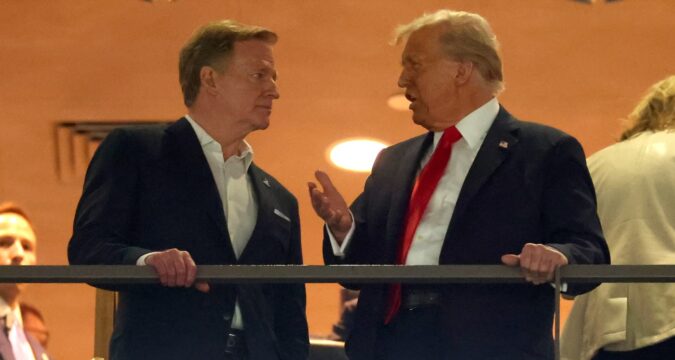
It would be easy for MLB Commissioner Rob Manfred and NFL Commissioner Roger Goodell to condemn the use of their game highlights in such a despicable manner and force X to remove them for copyright violations. I once posted a Facebook video from a Golden State Warriors shootaround in which a Jimi Hendrix song played in the background at Chase Arena. It took about a half-hour for the post to be removed for alleged copyright violations.
Of course, asking for the tweets to be removed would mean upsetting Trump, and that’s a nonstarter. Manfred and Goodell are both big men in positions of power who repeatedly kowtow to Trump, making them the living definition of empty suits.
The players themselves also could object. But that seems unlikely as well.
Cubs slugger Sammy Sosa carries an American flag around the bases after hitting a home run against the Astros on Sept. 27, 2001, at Wrigley Field. (James Prisching/Chicago Tribune)
The MLB video includes a brief clip of Sosa carrying a small American flag around the bases, which he famously did in the Cubs’ first home game after baseball was put on pause following the Sept. 11 attacks in 2001. Sosa loves that video of him waving the American flag, and it was a patriotic gesture when it was truly needed. But the flag-waving takes on a different meaning in his tweet, making Sosa part of the propaganda machine.
Maybe he doesn’t care. Should the Cubs? Chairman Tom Ricketts, who was eulogizing Rev. Jesse Jackson on Friday at Jackson’s homegoing when the tweet was posted, also could protest the use of the Cubs highlight in the video.
Álex Rodriguez, coincidentally, was at the White House on Thursday with Trump during a celebration of the MLS champions, Inter Miami. According to Trump, the two are good pals, so don’t look for A-Rod to rock the boat.
Amazingly, while Trump uses MLB to promote his war on social media, he continues to dump on the sport. During the Inter Miami ceremony, Trump bragged of his relationship with late New York Yankees owner George Steinbrenner, another bullying egomaniac who frequently invited Trump into his luxury box at home games.
“It would be a World Series when baseball was hot,” Trump said. “It’s not as hot now, I’ll be honest with you. They do things wrong. But when baseball was hot as a pistol, I’d sit (with him) and I’d watch the Yankees.”
Surely he’ll soon appoint a committee of sycophants to “Make Baseball Hot Again,” just as he’s trying to “save” college sports. Roger Clemens, another alleged steroid user and Trump pal, is likely available. After that, maybe he can get A-Rod into the Hall of Fame.
Every day is a new opportunity for Trump to insinuate himself into the sports world. We’re all just prisoners of this pure American ignorance.
https://www.chicagotribune.com/2026/03/08/white-house-vidoes-mlb-nfl/

What has led to Northwestern’s success in women’s sports, according to 3 national champion coaches
When Tracey Fuchs arrived at Northwestern in 2009 to try to revive the field hockey program, the coach sometimes found herself having to correct the people she met in Evanston.
“Everybody gets field hockey confused with lacrosse. So everybody’s like, ‘Oh, you’re that good team on campus,’” Fuchs said. “And I’m like, ‘No, that’s lacrosse.’ Fast-forward 10 years later, I can now say, ‘Thank you.’”
On Nov. 23, Fuchs’ Northwestern team beat Princeton 2-1 in double overtime to win its second straight national championship and third in five years.
In the stands in Durham, N.C., was a contingent of athletic department supporters that included women’s golf coach Emily Fletcher, who led the Wildcats to the program’s first national championship in May, and softball coach Kate Drohan, whose teams have won five Big Ten titles and made the College World Series three times since 2006.
Watching the broadcast from afar while with her daughter at a college wrestling tournament was Kelly Amonte Hiller, the coach of the aforementioned women’s lacrosse dynasty that has won eight national championships since 2005 and in May made the NCAA title game for the third straight season.
Northwestern doesn’t have just one good team on campus.
When it comes to women’s sports, the Wildcats have had a special run over the last 20 years, which also includes three NCAA quarterfinal finishes for the women’s tennis team under coach Claire Pollard. Individually, tennis players Cristelle Grier and Alexis Prousis won an NCAA doubles title in 2006, and platform diver Olivia Rosendahl won two NCAA championships in 2017-18.
In the last five years, the team successes have been particularly notable as Northwestern has broken through for five national championships in three sports: field hockey, golf and lacrosse.
The winning has come under a stable of high-level, long-tenured female coaches who were brought to Northwestern by multiple people. They have sustained quality programs even through troubled times for the Wildcats athletic department after a football hazing scandal that called the sports culture in Evanston into question.
In a college sports landscape where most of the money to pay athletes is funneled into football and basketball programs, the coaches say they have done it by embracing the other resources they can provide for their players — and trusting in what they can do at Northwestern.
“Through the years, we’ve been able to just build that belief that we can be successful here,” Amonte Hiller said. “And it’s really highlighted on the women’s side, but I think you’re seeing it even on the men’s side as well. There is a real market to be at a place like Northwestern where you can get this amazing education, really grow in a tremendous way as a person on the field, but also in the classroom at the same time.
“Just like losing can be contagious, winning can be contagious too. Your peers see, ‘Oh, OK, this girl’s not that much different than me. She’s winning. I can do it too.’”
‘If lacrosse can do it, we can do it’
Northwestern coach Kelly Amonte Hiller addresses her team in a huddle during a women’s lacrosse game against Central Michigan on Feb. 15, 2026, in Evanston. (Josh Boland/Chicago Tribune)
Amonte Hiller’s lacrosse team entered last week ranked No. 4 in the country with a 5-1 record. The Wildcats are looking to build toward their 12th NCAA championship game appearance in her tenure.
But when former athletic director Rick Taylor hired Amonte Hiller before the 2001 season, she felt like there was a mentality among some at the university that “you just do the best you can” and “you can only get so far here.”
The Wildcats had some women’s sports success in their past, including in the 1980s and ’90s in field hockey, tennis and softball, but the entire athletic department had only one NCAA team championship — in men’s fencing in 1940-41. They had many men’s individual champions over the years, but only the women’s tennis doubles team of Katrina Adams and Diane Donnelly had won in 1987.
“Like, we don’t have all the resources, we don’t have all the backing, and you just do the best job you can,” Amonte Hiller said of the mentality she encountered. “And then maybe you build up to move to some other institution that you can get more support.”
Amonte Hiller was an unproven coach tasked with guiding the lacrosse program from club to varsity status, but she had been a Hall of Fame player at Maryland and she was determined that she and her team would believe in the possibilities.
She was impressed by the people at Northwestern. She thought the academic stature of the university was an asset, not a hindrance. She believed it could be the “perfect place” to build a program if she could get the right players on board.
“I remember telling my team, we are insulary,” Amonte Hiller said. “The only people that you really listen to are each other. We’re going to influence each other. Don’t listen to other teams. Don’t listen to other cultures. We’re going to build our own thing here.”
Amid Amonte Hiller’s mission to build a culture of excellence, Northwestern lacrosse won its first of five straight championships in 2005. Former athletic director Mark Murphy, who went on to be the Green Bay Packers president, told Amonte Hiller he thought she was the one to “break the seal.” Other programs soon said, “Well, if lacrosse can do it, we can do it.”
Fuchs remembers thinking the Wildcats field hockey team was not performing to its potential when former athletic director Jim Phillips hired her in 2009.
Fuchs, who played on two Olympic teams and was twice named the USA Field Hockey athlete of the year, had been the associate head coach at Michigan and thought she might get the open head coaching job there that went to Marcia Pankratz.
Instead, with Phillips “hounding” her, she joined Northwestern, where she said creating the right culture with the right players and a consistent coaching staff has helped her build a winner.
“I was a very competitive player,” Fuchs said. “I loved to compete and win, and I wanted to bring that same energy and grit and determination to Northwestern. I have to dumb it down sometimes. They’re a different level player. But just being able to develop young women leaders and people and athletes is something that I’m really passionate about.”
Fletcher had spent decades on the club professional side of golf, working at the Glen View Club, and also was the swing instructor for LPGA player Jenny Lidback.
Pat Goss, Northwestern men’s golf coach at the time, was taking on a new role as director of golf for both Wildcats programs, and he wanted to bring Fletcher on board. In 2008, he persuaded her to become Northwestern’s coach, telling her that her experience would translate to coaching at that level.
Fletcher said she didn’t know from Day 1 what she could do with the program. But Goss had a vision for a program that hadn’t yet won a Big Ten championship, and he promised Fletcher he would help her achieve it.
“Basically Pat said, ‘Whatever we need, we’ll get it for you,’” Fletcher said. “‘We’ll raise money, and if we need extra trips, we need technology, whatever resource, you and (assistant coach Beth Miller) tell me what you need and we’ll figure it out.’
“He really had a belief that our program had underperformed for all those years and that we really could be a top-10 program in the country.”
The Wildcats golf team entered this season as the reigning national champion and was ranked No. 19 through last week after winning the Spartan Sun Coast Invitational in February and finishing ninth in the packed Darius Rucker Intercollegiate to open March.
Selling Northwestern
Assistant coach Beth Miller, left, and coach Emily Fletcher lay out tarps behind and in front of metal targets during a Northwestern women’s golf practice Feb. 20, 2026, at Ryan Fieldhouse in Evanston. (Josh Boland/Chicago Tribune)
Fletcher, Miller and Goss wanted to follow a couple of principles to put the Northwestern women’s golf program on the map.
First, they wanted to schedule competition against great programs, an “iron sharpens iron” approach. Fletcher wanted her players to see what an elite team looks like and try to glean from their opponents where they could improve in areas like training or course management.
Northwestern also started the Windy City Collegiate Classic, an annual tournament at various clubs around the North Shore that has attracted some of the country’s top women’s teams. Northwestern doesn’t charge an entry fee, pays for hotels and meals and hosts an event in Chicago for the teams, Fletcher said. The idea was that such an event would lend credibility to the Wildcats program.
Northwestern broke through for a share of its first Big Ten title in 2013. Starting that year, the Wildcats have qualified for the NCAA Championship 10 times, finishing second in 2017 and beating top-seeded Stanford 3-2 for the title in May.
“In all of this, the common thread is we had in (Goss) someone who was championing our efforts,” Fletcher said. “(He) really believed in Beth and I and believed in our women’s program and that we could do more and be more.”
This school year, the NCAA began to allow athletic departments to share revenue with their athletes, up to $20.5 million per school, to supplement the third-party name, image and likeness (NIL) deals that also financially support athletes.
Fletcher said the golf team is not a part of Northwestern’s revenue-sharing, but they do try to help their players make extra money through small NIL deals. She believes the experiences Northwestern provides for its golfers — in the trips they take and courses they play — are part of the draw in recruiting.
She also said the facilities, including the $270 million Walter Athletics Center and Ryan Fieldhouse — spaces utilized by multiple teams despite being the football team’s indoor base — are important for the teams.
When Amonte Hiller spoke of monetary resources, she said the Wildcats “may or may not ever win a bidding war,” but both she and Fuchs said they have the support they need to win. And one of the main resources they pointed to is the academic stature of Northwestern, which was tied for No. 7 in the most recent U.S. News & World Report national universities ranking.
Amonte Hiller noted that most female athletes — except for perhaps an elite group in basketball, tennis and golf — won’t go on to make millions of dollars if they turn pro. So the degree, and the networking base that comes with it, becomes the path to success that draws in recruits.
“I don’t have to sell our university,” Fuchs said. “It’s top 10 in the country. The athletes we’re recruiting we want to be smart and great athletes, and we’re able to combine the best of both. And it’s in a great location outside of Chicago. So all of that definitely works to our favor.
“We always tell recruits: ‘This isn’t a four-year decision. It’s a 40-year decision.’ So I think that resonates with them and their parents. And when you leave Northwestern, you might not go play pro, but you’re going to be set up for the rest of your life and be a strong woman leader.”
And of course, the more the teams win and the more players succeed individually, the easier the draw.
Northwestern has had the Tewaaraton Award winner — given to the nation’s best lacrosse player — in seven seasons, most recently Izzy Scane in 2023 and 2024. Northwestern’s Maddie Zimmer was named the National Field Hockey Coaches Association player of the year in back-to-back seasons.
The coaches believe the successes can be infectious, even between sports.
The culture perception
Northwestern field hockey coach Tracey Fuchs walks off the court during a timeout in a men’s basketball game against Oregon on Feb. 28, 2026, at Welsh-Ryan Arena in Evanston. (Josh Boland/Chicago Tribune)
When the Northwestern field hockey team lost to Princeton 3-2 on Oct. 13, Amonte Hiller marched over to Fuchs’ office — just down the hall from the lacrosse offices — and told her, “This is the best thing that’s ever happened to you.”
Sure enough, Northwestern bounced back, and the regular-season loss to Princeton was the Wildcats’ only defeat of the season. They went on to top the Tigers in the championship game.
“I’m so glad it actually ended up that way,” Amonte Hiller said. “And she does the same for us when she’s in season. When you have people around you that have been in those situations, have that experience, and you can rely on them for just a different way to think about things, that’s hugely valuable.
“I always look for inspiration from all of my colleagues, even if it’s the smallest little thing that I can bring to my program.”
The Northwestern athletic department’s reputation has been entrenched in controversy in recent years.
In May, the university settled 34 outstanding lawsuits with former football players over allegations of hazing — including physical, sexual and emotional abuse — within the program under former coach Pat Fitzgerald. The university fired Fitzgerald in July 2023 amid the controversy, then settled a $130 million lawsuit with him in August over his claims of breach of contract, defamation and intentional infliction of emotional distress.
Northwestern said it found no evidence Fitzgerald condoned the hazing or had it reported to him, and he returned to college football in December when Michigan State hired him as its new head coach.
The football program wasn’t the only one to come under fire. Northwestern fired former baseball coach Jim Foster after allegations of bullying and abusive behavior. And the athletic department and former women’s volleyball coach Shane Davis mutually parted after a former player alleged hazing.
A team led by former U.S. Attorney General Loretta Lynch concluded in a review in June 2024 that Northwestern had “robust” anti-hazing and anti-bullying policies but lacked clear guidelines on how to respond to concerns. Northwestern hired new athletic director Mark Jackson in August 2024.
For Amonte Hiller, Fuchs and Fletcher, the incidents were a reminder to try to keep lines of communication open with their players, to maintain transparency and to continue to evolve as coaches as athletes evolve.
Fletcher said she and her coaches try to be above reproach — and fight any complacency when it comes to such matters. She said they also need to focus on “really recruiting and attracting players who you really believe are good human beings.”
“It’s tough,” Fuchs said. “These are 17- to 21-year-olds and they’re not always going to make great decisions, and all you can do is hope that you have the leadership in place and you continue to talk about making good decisions with your program. And that’s what we try to do.
“It was a tough time for everybody’s program, right? Because it kind of puts a stain on Northwestern. But you just have to grow and learn and continue to mentor your leaders so that, if anything happens, they’re like, ‘Hey, that’s not cool.’”
Despite the recent issues, the coaches also talked about the support they feel from other coaches across the athletic department, and not just from the women’s sports teams.
That was the group that showed up for the field hockey championship in November, including new baseball coach Ben Greenspan, who was driving to Connecticut with his family and turned around to drive to North Carolina when the Wildcats made the final. That was Fuchs and softball associate head coach Caryl Drohan attending the golf championship match in California.
Amonte Hiller said the group, filled with decades of collective experience, is good about sharing ideas and offering pep talks and support.
“There’s a centering that happens when you see your peers and your friends and you’ve experienced success through their eyes by attending their events, whether it’s lacrosse or field hockey or softball,” Fletcher said. “And you begin to internalize that and learn from them.
“I mean, I’m a sponge. I listen to everything that they’re doing and sharing, if I can get a little bit of a glimpse, because I can learn from them. We’ve got athletes that are cut from a similar cloth.”
The coaches hope that breeds even more success among their programs, which have benefited from notable continuity among the coaching staffs.
Amonte Hiller said often when lacrosse jobs across the country open, athletic directors call with feelers for her and her now-extensive coaching tree. Early in her career, she went down that path seriously a couple of times and called it “a big pull.”
“Ultimately, the things that helped me be successful here, the reasons why I chose the job were the reasons why I stayed here,” she said. “And it was the best decision that I could have ever made to stick around at a place like this. When I believed in this place, that was hard to let go of. That was hard to change.
“I’m really happy that I stuck with it because there’s been a lot of growth — not just in our program, but across the board in Northwestern athletics, there’s a tremendous amount of momentum and belief.”
https://www.chicagotribune.com/2026/03/08/northwestern-womens-sports-success/
UK Government Brands Union Flag A ‘Tool Of Hate’ In Leaked ‘Social Cohesion’ Strategy
UK Government Brands Union Flag A ‘Tool Of Hate’ In Leaked ‘Social Cohesion’ Strategy
Authored by Steve Watson via Modernity.news,
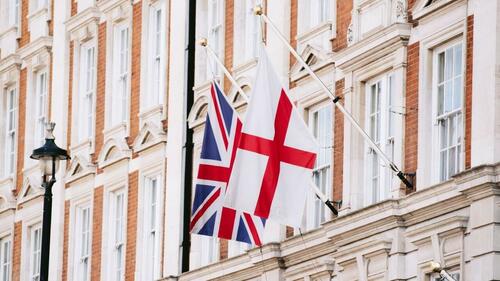
A leaked draft of the UK Government’s new ‘social cohesion’ strategy has sparked outrage by labeling the flying of English, Scottish, and Union Jack flags as potential “tools of hate.”
The document claims these national symbols were sometimes used last summer to “exclude or intimidate,” adding that the “extreme right has tried to turn symbols of pride into tools of hate.”
The 47-page draft, leaked to the Spectator magazine, also highlights how antisemitism has become “normalised in many corners of society” from schools and universities to workplaces and the NHS.
Flying a Union Jack flag is branded a ‘tool of hate’ in Government’s leaked ‘social cohesion’ strategy https://t.co/NePt9iDMJk
— Daily Mail (@DailyMail) March 7, 2026
Under the proposals, titled Protecting What Matters, some £800 million over 10 years would be allocated to 40 areas where social cohesion is “under pressure.”
The strategy is set for a cross-Government rollout next week, but critics are already slamming it as divisive.
Reform UK’s deputy leader Richard Tice blasted the draft, telling the Sun: “Absurdly, this says our national flag is a tool of hate used to intimidate. The whole paper is a divisive nonsense that should be consigned to the bin.”
The leak ties directly into ongoing controversies over national flags, as detailed in our previous coverage where English councils admitted spending tens of thousands to remove “unauthorised” English and Union Jack flags from lampposts.
As we highlighted, leftist activist Pablo O’Hana was caught on video removing flags from a bridge in Manchester, telling a man who placed them: “that’s not what our country is.”
Freedom of Information requests revealed councils spent at least £70,000 on flag removals, with O’Hana suggesting the true cost is far higher as many incorporate it into existing budgets.
Medway Council alone spent nearly £11,600 removing over 700 flags, with Labour councillor Alex Paterson calling it “money well spent” to counter “far-right agitators.”
Paterson added that clearing the streets of British and English flags was essential to “make the community feel safe again,” claiming: “I think at this stage the world is divided into people who know exactly why these flags were put up and those who are still pretending they don’t know why they were put up.”
The flag campaign, known as ‘Operation Raise The Colours,’ emerged amid unrest over sexual offences allegedly committed by illegal immigrants housed in taxpayer-funded hotels.
This grassroots effort, coordinated via a Facebook page with offers of transport and equipment like ladders, saw patriotic activists vowing to keep flags flying despite council interventions.
The Prime Minister previously supported the right to fly St George’s flags, but the leaked documents appear to associate them with far-right protests and immigration tensions.
The strategy also proposes a “special representative” to “champion efforts across the UK to tackle hostility and hatred directed at Muslims and those perceived to be Muslim.”
🔴 An “anti-Muslim hostility tsar” is to be created as part of Labour’s new social cohesion strategy to be unveiled next week
A leaked draft of the strategy cites Islamist extremism as the biggest threat to community cohesion
Find out more ⬇️https://t.co/PVO0VL3C72 pic.twitter.com/znWMqZSPqr
— The Telegraph (@Telegraph) March 7, 2026
A new definition of Islamophobia is also expected, with guidance on anti-Muslim hatred.
The Government is expected to announce a new anti-Muslim hostility tsar on Monday as part of a social cohesion plan.
“It is the Muslim vote that continues to preoccupy our bizarre Prime Minister.”@TVKev pic.twitter.com/G1VtiCCwNE
— Talk (@TalkTV) March 6, 2026
Critics warn this could become a backdoor “blasphemy law” stifling free speech, though the Government insists it protects against unacceptable treatment.
A Ministry of Housing, Communities and Local Government spokesperson declined to address the leak: “We do not comment on leaks.”
This leaked strategy exposes a government more focused on policing national pride than securing borders or protecting native culture. As flags continue to rise, the pushback against globalist erosion of British identity only intensifies—proving that true cohesion comes from shared heritage, not forced suppression.
Your support is crucial in helping us defeat mass censorship. Please consider donating via Locals or check out our unique merch. Follow us on X @ModernityNews.
Tyler Durden
Sun, 03/08/2026 – 07:00