Category: News

‘Killshot’ Is Coming For Earth Warned CIA Remote Viewer Before Recent Death
‘Killshot’ Is Coming For Earth Warned CIA Remote Viewer Before Recent Death
Authored by Steve Watson via Modernity.news,
A retired US Army major and former CIA-linked remote viewer issued stark final warnings of a devastating solar “Killshot” before his death in March, claiming the current period of heightened solar activity could trigger infrastructure collapse on a global scale.
Retired Major Ed Dames, who participated in the US government’s classified remote-viewing programs during the Cold War, described the event as enormous solar blasts that would knock out power grids, communications and essential services, potentially leading to millions of immediate deaths and widespread societal breakdown.
Dames died at age 76. In his last recorded interviews he tied the timing directly to Solar Cycle 25 and the recent passage of comet C/2023 A3.
Read more 🔗 https://t.co/YoGr2cu9nG ⬇️
— Daily Mail US (@Daily_MailUS) May 13, 2026
Dames was linked to Project Stargate, a declassified US intelligence initiative that ran from the 1970s until 1995. It explored whether psychic phenomena, particularly remote viewing—the claimed ability to perceive distant or hidden targets mentally—could be used for espionage.
The program originated amid Cold War concerns that the Soviet Union was investigating similar psychic capabilities.
Dames, who had served in Airborne Infantry and later as a tactical electronic warfare officer, transferred into the remote-viewing unit after studying biophysics and Mandarin at UC Berkeley.
He maintained that remote viewers sometimes supplied intelligence unavailable through conventional means.
The Stargate Project was, at least officially, shut down in 1995 after official reviews claimed it had not delivered reliable operational value.
In one of his last interviews, recently released, Dames stated: “Right now we’re at the beginning of the solar cycle. 25 Solar Max. Solar Max should last for about two years, and the sun’s doing unprecedented stuff. There are more solar spots than there have been in the last 20-something years.”
He continued: “I predict that this Solar Max will be the beginning of the kill shot sequence. But more, more interestingly, intriguingly, the comet C/2023 A3 that’s in the sky.”
“The timing of that appearance and the orbit exactly matches this passing space body with this huge event called the kill shot looming ahead,” Dames further suggested.
“This comet, we described as a passing space body. We didn’t know what it was, a planetoid or a comet, either one that is concomitant with the initiation of the kill shot sequence, and this comet, the trajectory and the timing is a perfect match,” he urged.
Dames warned of the practical consequences of such an event, “You wake up and there’s no power and there’s no water and there’s no gasoline, it’s going to be a bad nightmare scenario. That’s what you’re going to be confronted with. The government is not going to help you.”
He had previously written: “The true devastation of today’s Killshot will be unlike anything we have previously seen in history with solar radiation actually hitting ground level; resulting in the initial deaths of millions with implications resulting in economic collapse, war…”
“More than 30 years ago, we were looking for nuclear war and finding out that our star was going on a rampage.”
Dames first encountered the Killshot concept, he said, while remote viewing during his time in the classified programs. He later built a career teaching survival techniques and selling materials focused on preparing for the predicted event.
Dames’ warnings have drawn renewed scrutiny in light of separate reporting on extensive doomsday preparations by the ultra-wealthy.
Billionaires are transforming locations into exclusive enclaves and constructing fortified bunkers in anticipation of what they term “the event.”
Local historian Paul George told the outlet: “Only the very wealthy, the billionaires can afford to live in Indian Creek now. Hundreds of millions aren’t gonna cut it anymore.”
These ultra wealthy elites are purchasing private islands in Hawaii, Fiji and New Zealand while building underground shelters. Examples include Mark Zuckerberg’s reported 5,000-square-foot doomsday bunker at his Koolau Ranch property in Hawaii.
Some observers have noted the thematic overlap between Dames’ long-standing “Killshot” scenario and the vague but urgent “event” referenced in these elite preparedness efforts, though no direct connection has been publicly confirmed by the individuals involved.
NASA and NOAA continue to monitor Solar Cycle 25, which has produced significant flares and geomagnetic storms. Severe solar activity is known to threaten satellites, power grids and communications infrastructure.
Astronomers confirm that comet C/2023 A3 Tsuchinshan-ATLAS passed through the inner solar system on its predicted trajectory, again there is no established scientific link to apocalyptic solar events.
Sceptics have pointed out that several of Dames’ earlier timelines for the Killshot did not materialize. Remote viewing itself remains unproven under rigorous scientific scrutiny, and the Stargate Project was ultimately deemed non-operational by its reviewers.
Your support is crucial in helping us defeat mass censorship. Please consider donating via Locals or check out our unique merch. Follow us on X @ModernityNews.
Tyler Durden
Thu, 05/14/2026 – 20:05
https://www.zerohedge.com/geopolitical/killshot-coming-earth-warned-cia-remote-viewer-recent-death

Spencer Pratt Within Single-Digit Territory Of Far-Left L.A. Mayor Karen Bass
Spencer Pratt Within Single-Digit Territory Of Far-Left L.A. Mayor Karen Bass
A new public opinion survey from Emerson College Polling, a nonpartisan polling center based at Emerson College, shows that far-left incumbent Mayor Karen Bass remains the frontrunner in the Los Angeles mayoral race, though challenger Spencer Pratt appears to be gaining popularity and traction, which has clearly alarmed the Democratic Party.
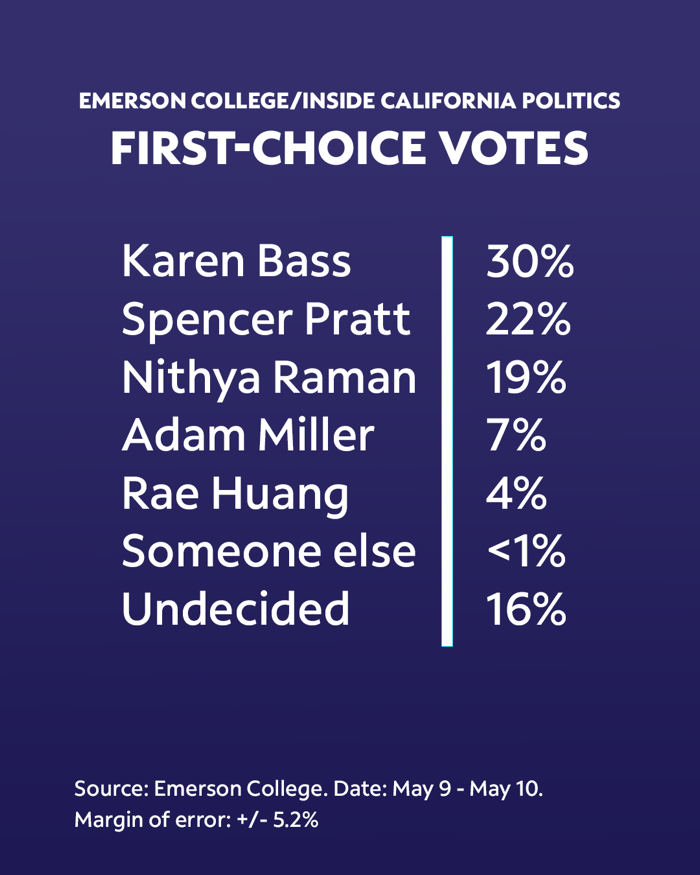
Local outlet Spectrum News 1 SoCal cited Emerson College’s new poll of the L.A. mayoral race, which shows Bass at 30%, Pratt at 22% (gaining ground), and Socialist Councilmember Nithya Raman at 19%.
The poll, conducted between May 9 and 10, came just a few days after the L.A. mayoral debate last Wednesday. An NBC Los Angeles poll showed Pratt dominated, with 88% of respondents saying he won.
🚨 LA MAYOR POLL: A whopping 88% say that @spencerpratt WON the Mayoral debate last night.
Spencer Pratt: 88%
Karen Bass: 7%
Nithya Rama: 5%
It wasn’t even close. pic.twitter.com/EMUmw9sDDs
— Dustin Grage (@GrageDustin) May 7, 2026
Spencer Pratt has been surging in popularity across L.A., thanks to his social media team’s impressive ability to go viral online, generating millions of likes, retweets, and views.
Karen Bass got FOMO. These AI attack ads are crazy desperate. pic.twitter.com/7nJrFISeQH
— Spencer Pratt (@spencerpratt) May 13, 2026
He has been particularly effective in messaging:
In L.A., that has not been difficult, as he has simply pointed out the truth: far-left Bass and her administration of leftists in City Hall have transformed the metro area into a DEI kingdom of crime and chaos in just a few short years through failed progressive policies.
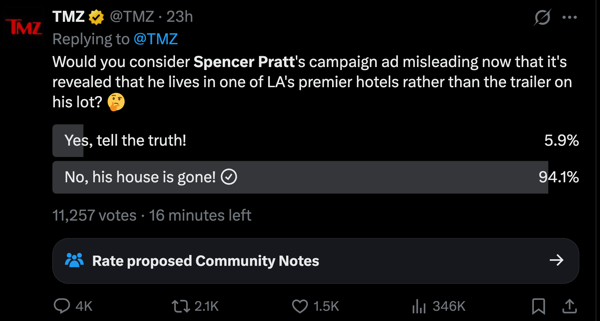
Earlier this week, TMZ tried to derail Pratt’s campaign with a piece about how he was not living in an Airstream trailer on his burned-out property in the Palisades, which he blames Bass for failing to protect during the fire.
🚨 JUST IN: After TMZ ran a SMEAR PIECE on him, LA mayoral candidate Spencer Pratt took it to them DIRECTLY on their network — he showed up and PUMMELED the lies
They tried saying he misled people about living in the trailer because his house burned down — that he’s at a “hotel”… pic.twitter.com/VCBONdAKJP
— Eric Daugherty (@EricLDaugh) May 13, 2026
Well, that backfired.
“Raman will drop out and Bass will surge, and in order for Pratt to make it beyond June 2, Bass needs to stay under 50%,” political commentator Katie Zacharia noted on X.
Raman will drop out and Bass will surge, and in order for Pratt to make it beyond June 2nd, Bass needs to stay under 50%.
— Katie Zacharia (@KatieZacharia) May 14, 2026
State-level Republicans nationwide should take note of Pratt’s effective campaign strategy and simply copy it. The truth about how Democrats ruined cities with nation-killing progressive policies is very easy to communicate to voters.
Tyler Durden
Thu, 05/14/2026 – 19:40
Ralph Baric And UNC’s Biodefense Contract Racket Exposed
Ralph Baric And UNC’s Biodefense Contract Racket Exposed
Authored by Paul D. Thacker via The DisInformation Chronicle,
“DLA Piper wants to get you,” I was told, from a source in DC over the weekend.
“Well, what can they do to me?” I asked.
“They can’t really do anything,” she said. “But they are pissed off.”
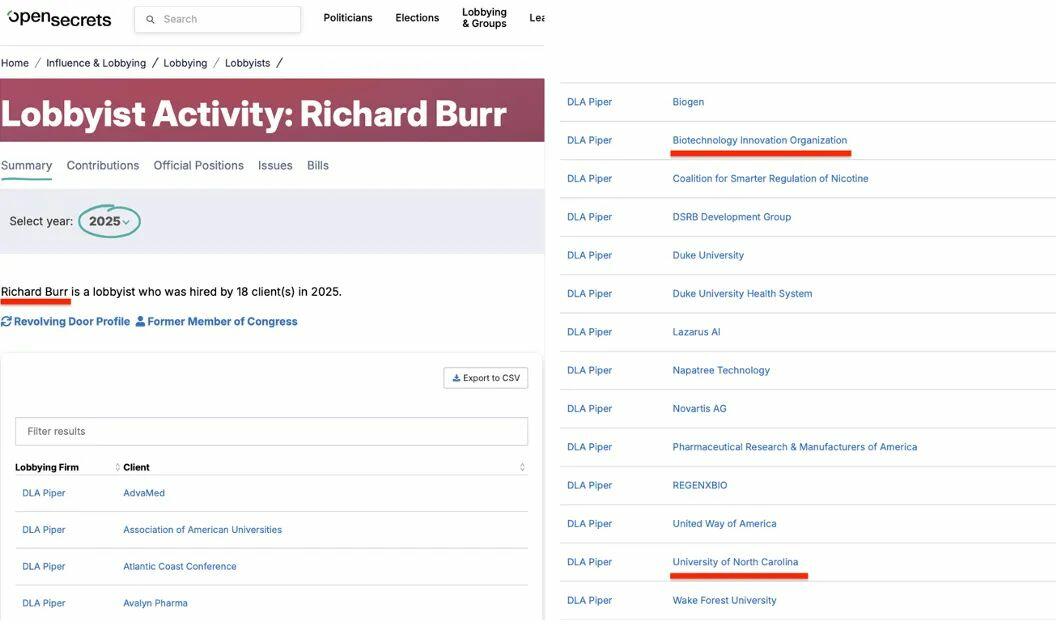
Well, they should be. DLA Piper is one of the largest law firms on the planet, with over 90 offices scattered across more than 40 countries. A week back, I took a shot at one of DLA Piper’s top lobbyists, former Republican North Carolina Senator Richard Burr, and one of DLA Piper’s major clients, the University of North Carolina (UNC).
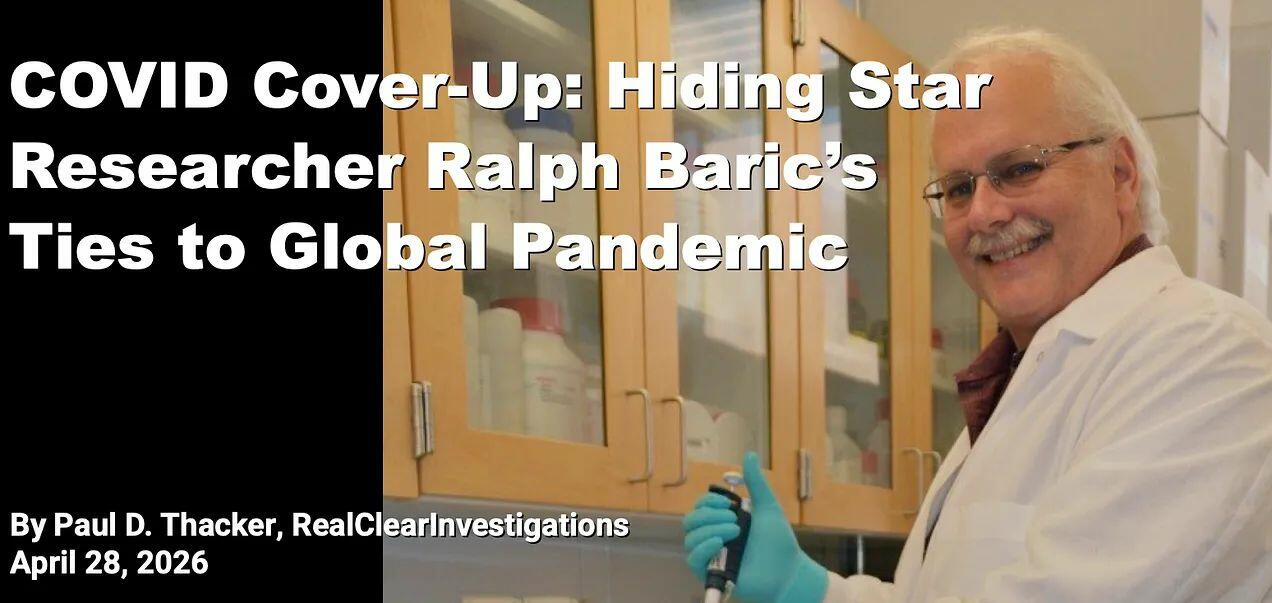
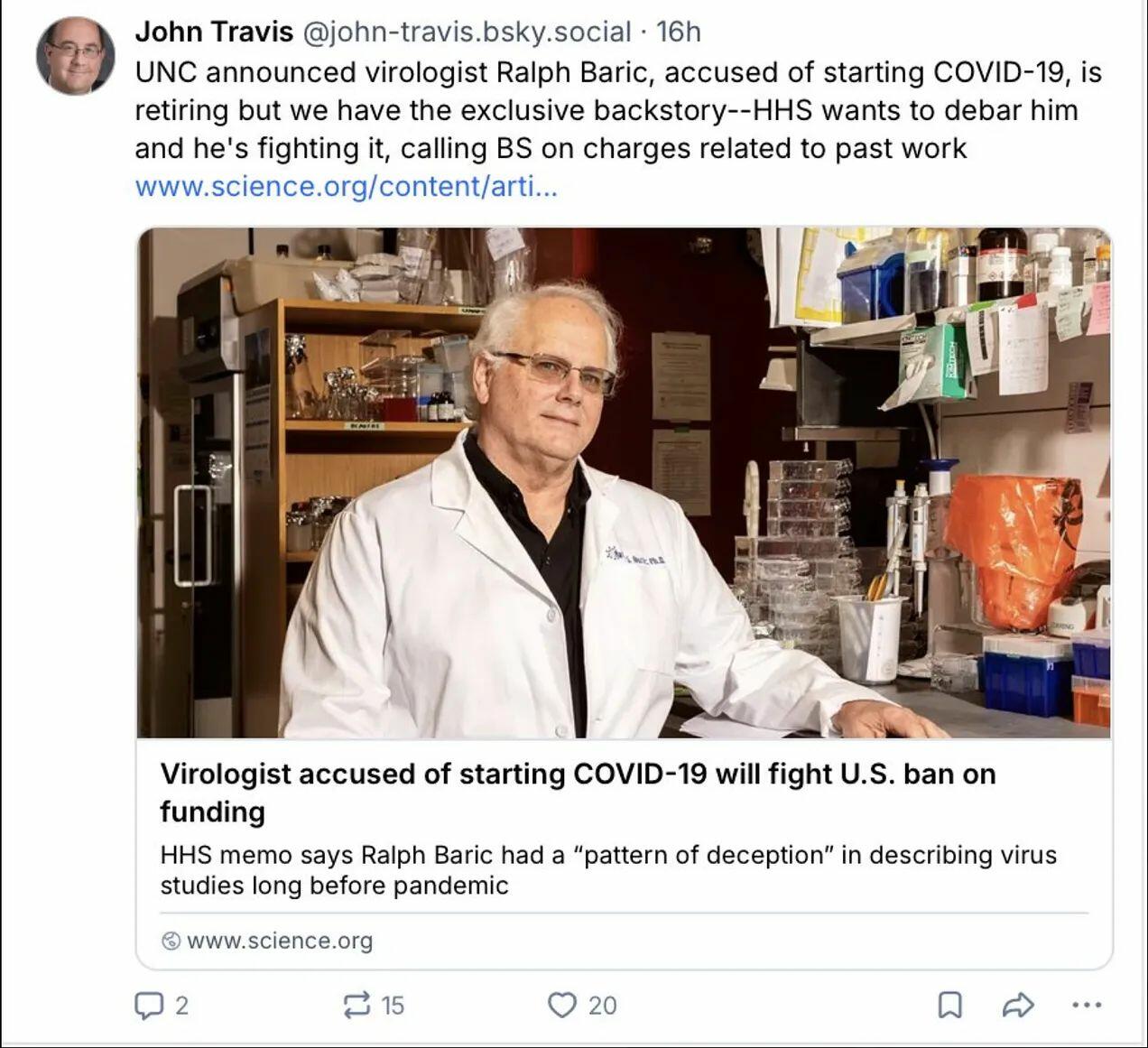
As I reported last month for RealClearInvestigations, The National Institutes of Health removed UNC virologist, Ralph Baric, from all his NIH grants. And UNC put Baric on administrative leave. This all took place last year, but remained hidden until I exposed it all in a sprawling investigation that delved into Baric’s career, his past lobbying efforts of the federal government to keep taxpayer money pouring into his UNC lab, and Baric’s manipulations of public opinion to shut down speculation that the pandemic started because of the dangerous virus research that he pioneered in collaboration with Shi Zhengli at the Wuhan Institute of Virology.
That’s right. Baric’s main collaborators to create experimental pandemic viruses were virologists working in the same city where the COVID pandemic started in 2019.
Neither Baric nor UNC would respond to my repeated inquiries. However, when a reporter sent them questions about my article, UNC said that they couldn’t discuss Baric “citing the university’s policy on personnel matters.” Another reporter who sent UNC questions, received this reply: “Thanks for reaching out. Under the North Carolina State Human Resources Act, the University of North Carolina does not comment on personnel matters.”
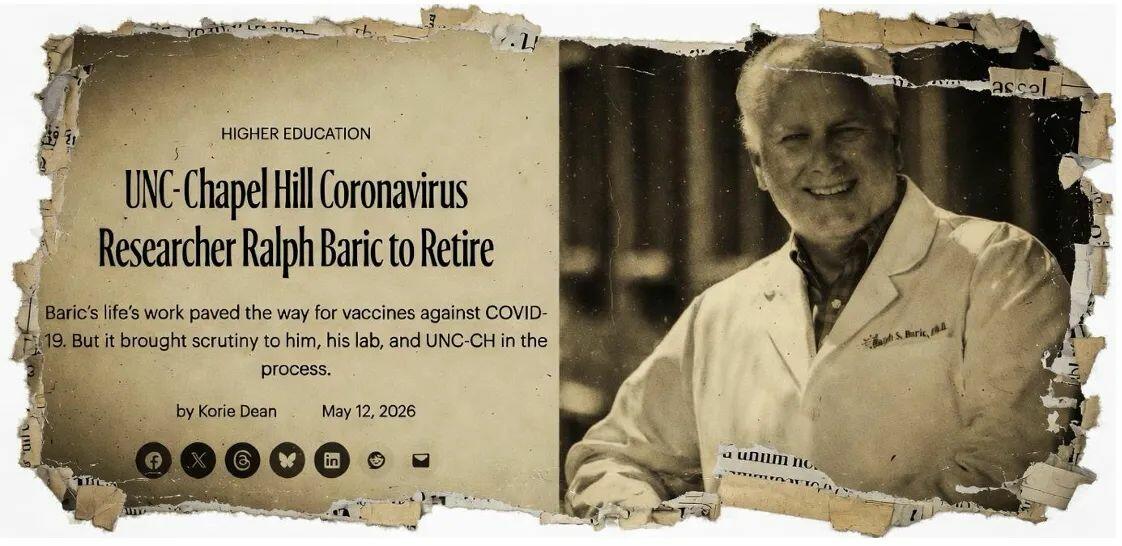
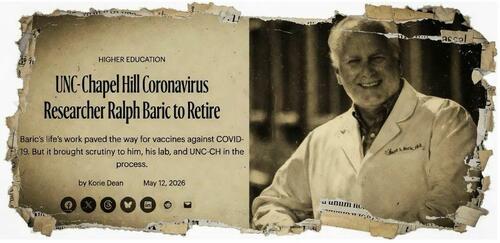
But the pressure became overwhelming and the dam finally burst on Tuesday, when UNC administrators sent out an email saying that Baric was retiring. (That email was then leaked to a local North Carolina paper.) Baric also collaborated with Science Magazine’s Jon Cohen, providing him all the details about my prior reporting that NIH removed Baric from grants last year and UNC placed him on leave. Cohen’s editor, John Travis, then tried to sell this repeat of my reporting from last month as an “exclusive backstory” to readers of Science.
Journalism can be a sleazy business. Since the pandemic’s beginning, Jon Cohen has distinguished himself as a soft touch for Tony Fauci-financed virologists who downplayed evidence that the pandemic began at the Wuhan Institute of Virology, earning himself the moniker: “Crooked Cohen”.
UNC’s Biodefense Lobby Hustle
Baric got away with shenanigans for years because, while he was in an elected official and purportedly serving voters, North Carolina Senator Richard Burr helped to protect Baric and sponsored legislation that poured tens of billions of taxpayer cash into biodefense research that paid Baric’s UNC lab, as well as a North Carolina company Baric founded. And let’s not forget all the biopharmaceutical companies that work with Baric and other virologists to suck down taxpayer-financed federal contracts to stockpile government warehouses with biomedical products.
One of Baric’s major sponsors was Tony Fauci, who ran the biodefense program at the National Institutes of Health (NIH). Trump officials now tell me that Baric’s cutting-edge biodefense studies led to virus experiments at the Wuhan Institute of Virology that caused the COVID pandemic.
“Baric designed the gun,” I was told by a senior health official. “But the Chinese built it, and then they pulled the trigger.”
A senior Trump official at one of the intelligence agencies refers to this multi-billion dollar biodefense complex as a “contract racket.” Here’s how he said it works:
NIH and other taxpayer-funded federal agencies give grants and contracts to university virologists to find viruses hidden throughout the world, and bring them back to labs for experiments, including dangerous gain-of-function studies that make viruses more deadly;
Academic virologists then partner with Big Pharma and biotech companies to create profitable therapeutics and vaccines to these experimental viruses, with universities getting a cut of the deal;
Biotech executives, academics, and universities make a windfall after these therapeutics and vaccines get sold back to the very taxpayers who paid for all this research in the first place.
I wrote about some of this back in 2023, the year in which President Biden began drowning the academic/biodefense industry in an historic amount of cash: $88.2 billion. That same year, Senator Burr left federal office to catch some of that deluge in dollars as a biodefense lobbyist. However, in 2023 this was all so new, and far too complicated to understand.
But today it’s no longer hard to follow once you take a look at Burr’s 18 lobbying clients:
Academic Research Centers: University of North Carolina, Duke University, Duke University Health System, Wake Forest University, Association of American Universities.
Pharma/Biotech in BioDefense Sector: Biogen, Biotechnology Innovation Organization Pharmaceutical Research and Manufacturers of America PhRMA, Novartis AG, REGENEX BIO, AdvaMed, Avalyn Pharma, Lazarus AI, Defence Security and Resilience Bank Development Group.
It’s quite something.
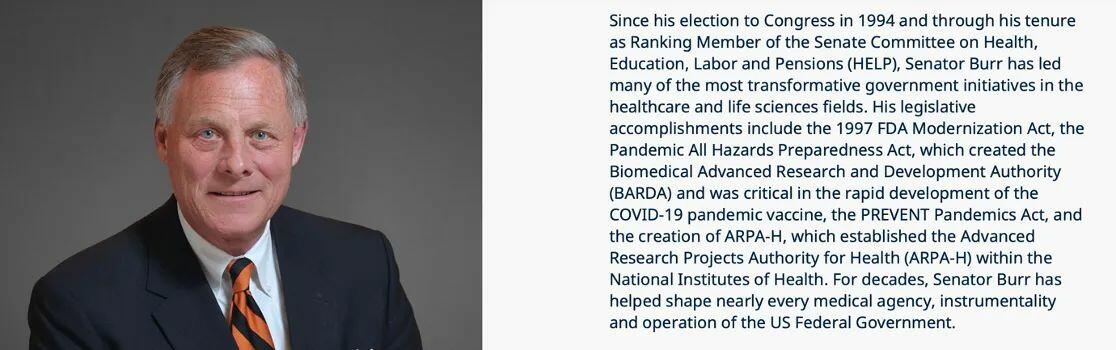
Burr laid the foundation for his lobbying career by sponsoring most of the major pieces of legislation that fund and regulate the biomedical and biodefense industry during his three decades in office. And he’s not shy about trumpeting these accomplishments, because he advertises them to potential clients in academia and corporate America on his bio at DLA Piper.
Burr helped pass the 1997 FDA Modernization Act which regulates pandemic products, and he was a primary architect of the 2006 Pandemic and All-Hazards Preparedness Act (PAHPA) which provided new authorities for companies to develop medical countermeasures which the government then buys from them. The PAHPA also created BARDA (Biomedical Advanced Research and Development Authority). BARDA spends billions every year to subsidize pandemic research, with a big portion of that money buying vaccines and other pandemic products that fill up government warehouses, in case a crazy virus (maybe leaked from a lab!) starts sweeping across the planet, killing people.
But there’s more money. So much money.
In his final year as a United States Senator, Burr introduced a bill to create ARPA-H inside the NIH, providing billions more in taxpayer spending for biodefense companies. As the Republican leader of the Senate Committee on Health Education, Labor and Pensions (HELP), he then published a report on COVID origins that placed sole blame for the pandemic on Chinese scientists at the Wuhan Institute of Virology, while ignoring extensive published evidence of the research ties between UNC’s Ralph Baric and the Wuhan Institute of Virology.
“With COVID-19 still in our midst, it is critical that we continue international efforts to uncover additional information regarding the origins of this deadly virus,” Burr wrote in the report’s forward. “I hope this report will guide the World Health Organization and other international institutions and researchers as they proceed with planned work to continue investigating the origins of this virus.”
To give this report’s distorted conclusions some added media juice with liberals, Burr co-opted reporter Katherine Eban to promote his misdirection from Baric’s lab in North Carolina to focus on the Wuhan Institute of Virology. Wittingly or not, that’s exactly what Eban did with an “exclusive” she co-published with ProPublica and Vanity Fair. Eban’s involvement was my first clue that this Burr’s report was a misdirection. As Politico reported in 2012, Eban has a habit of allowing her journalism to serve as “demonstrably false” propaganda for sources who dump documents in her lap. [SEE BELOW: “Katherine Eban Tells You What Power Tells Her”]
Spotlight on Ralph Baric
My investigation for RealClearInvestigations runs for several thousand words and the details of Senator Burr, his 2022 report, and Katherine Eban is only one section. But none of it has been told before.
And my reporting created waves in DC that washed down into North Carolina.
The day before the investigation went live, I sent Richard Burr details about my reporting via his email at DLA Piper. I wrote to Burr that I was a former Senate investigator, telegraphing to him that I understood how Committees put together reports. I then detailed all the problems I found in the 2022 report he released before leaving the Senate to become a biodefense lobbyist.
In my email to Burr, I included a set of facts that we were reporting at RealClearInvestigations and asked him to comment, correct, or clarify.
1) In your final year as Ranking on HELP, you released a 2022 report on the pandemic’s origin. That report pointed the finger solely at China as the purported origin of the virus.
2) That report made no mention of gain-of-function research funded by the NIH, nor any mention of gain-of-function research conducted in the United States.
3) The most notable researcher in the world for generating gain-of-function coronaviruses is Ralph Baric, professor at UNC, who is funded by the NIH.
4) Sources who Committee staff interviewed for your report said that Bob Kadlec removed any mention of gain-of-function research in the United States. Others said you made this decision.
4) After you left office, you joined DLA Piper as a lobbyist on pandemic preparedness, taking with you staff from the HELP Committee.
5) You then joined the board of the company Baric set up for pandemic preparedness, which had also received NIH money.
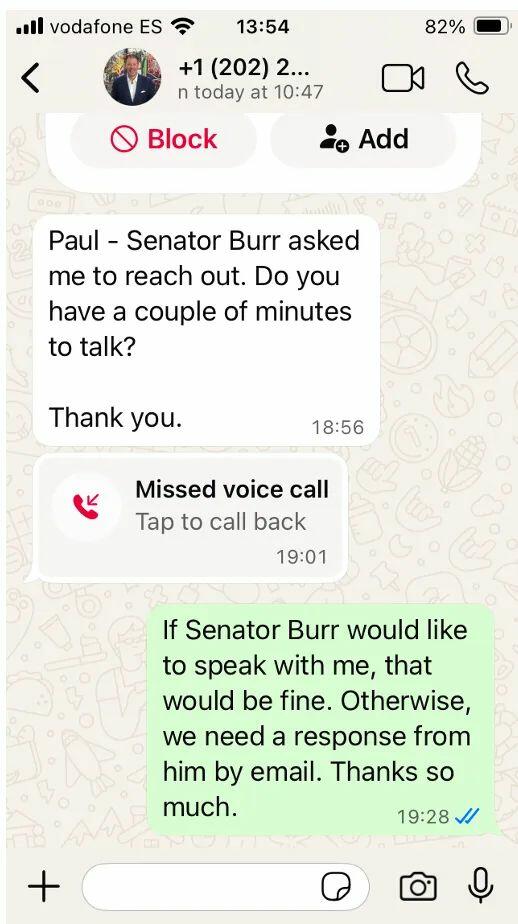
A few hours later, I got a text message from Douglas Heye, a former speechwriter for the Republican National Committee, and former Republican Hill staffer. According to one bio, Heye is from Burr’s home state of North Carolina and runs a PR firm called “Douglas Media.”
Heye wanted to talk to me about Senator Burr, but I wasn’t interested. He then called me, but I didn’t pick up. I then texted Heye back that Senator Burr could call me himself or email me to answer my questions.
Burr later emailed me that he couldn’t discuss the matter as DLA Piper represents UNC. What he didn’t tell me is that he, Richard Burr, is the person at DLA Piper who lobbies for UNC.
I now know that Burr is deeply embedded within the academic biomedical and biodefense industry that he helped to create with all the legislation he passed during three decades in Congress. Again, just look at his DLA Piper bio explaining all this, and check out Burr’s list of clients in academia and biodefense.
Between two laws he sponsored—BARDA and ARPA-H—taxpayers shovel several billions of dollars down the gaping maw of academic research centers and private companies in grants and contracts every year. Most of BARDA money has gone to big pharma companies such as Moderna, Pfizer/BioNTech, Janssen (Johnson & Johnson), AstraZeneca, and Sanofi/GSK.
That’s apparently why Burr put out a report in his final months as a United State Senator that pointed the finger at the Wuhan Institute of Virology as the sole problem in dangerous virus research. He couldn’t shine a spotlight on UNC and other American universities, as well as their corporate partners in biomedical and biodefense and then expect these same people to hire him as their man in DC.
Katherine Eban Tells You What Power Tells Her
When Katherine Eban partnered with Senator Burr and his staff in 2022, she understood that, in exchange for access to inside information, her role in this alliance was to promote the Senator’s report, not question the conclusions.
Renowned investigative reporter Dean Starkman laid out the problems inherent in Eban’s type of journalism many years ago in a critique of “access” versus “accountability” reporting—the latter being my preference. Access reporting tells you what the powerful said, Starkman explained, while accountability reporting tells you what they did.
And Eban has long snuggled up to the powerful for access, which inescapably hides what they did. It’s a fatal flaw in the scribblings of all stenographers to power.
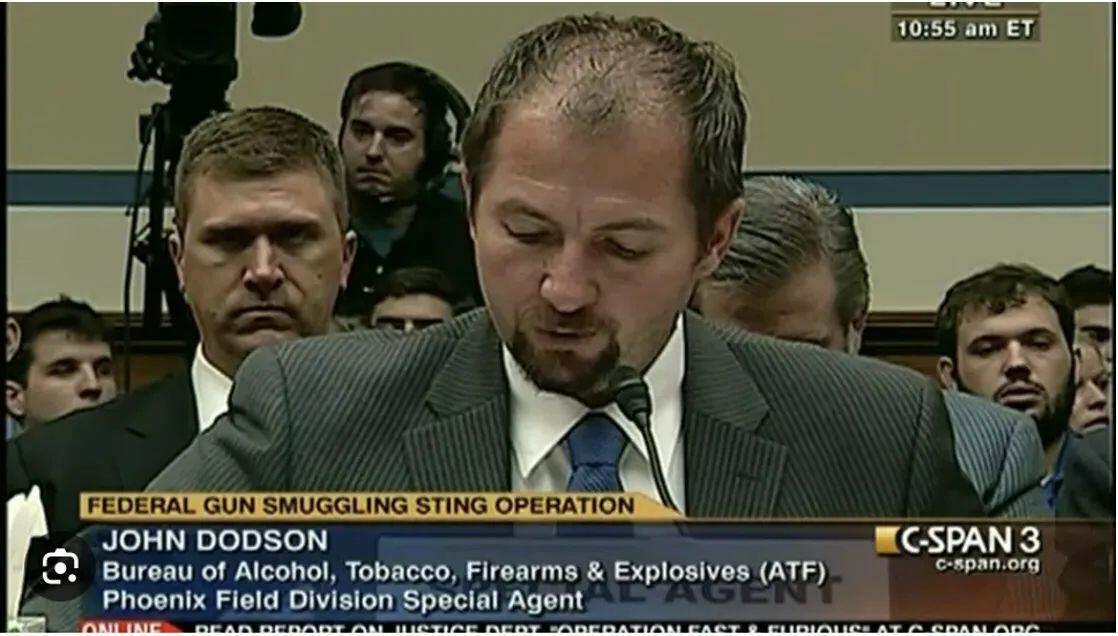
In 2011, Special Agent John Dodson with the Bureau of Alcohol, Tobacco, Firearms and Explosives (ATF) blew the whistle on the Fast and Furious gun walking scandal. This federal operation allowed over 2,000 firearms to be illegally purchased and then trafficked to Mexican drug cartels in order to track those weapons back to drug smugglers. The tactic was known as “gunwalking.” However, agents lost track of most weapons, which were later used in crimes, including the killing of a U.S. Border Patrol agent.
This inept operation drew a target on the back of Agent Dodson’s superiors and U.S. Attorneys who supervised the Fast and Furious Operation. And they retaliated against him by leaking sensitive internal government documents to reporters in a smear campaign. One of those reporters who got inside access to government documents and then smeared agent Dodson was Katherine Eban.
In a June 2012 “exclusive” for Fortune, Katherine Eban made a series of false allegations against Dodson, claiming that his whistleblowing was just a “grudge” against his superiors.
Dodson hired an attorney and sued Eban’s publisher Time Inc. for defamation, noting that Eban’s reporting was “dubious” and filled with falsehoods. A spokesperson for the Senate Committee investigating the Fast and Furious scandal told Politico, “This kind of misleading and highly opinionated narrative masquerading as objective mainstream journalism is an example of why many Americans distrust what they’re told by the media.”
Eban tried to defend hersefl, but Time Inc. later settled with Dodson.
The Department of Justice’s Office of the Inspector General later released a report that found a United States Attorney leaked internal government documents “motivated by a desire to undermine Special Agent Dodson’s public criticisms of Operation Fast and Furious.” The ACLU then protested the ATF’s attempt to censor Agent’s Dodson’s 2013 memoir on this gun trafficking scandal, “The Unarmed Truth: My Fight to Blow the Whistle and Expose Fast and Furious.”
That same year, ATF cleared Agent Dodsons of all false allegations made against him by his superiors.
When Fast and Furious first blew up, I had left my job as a Senate investigator so I did not deal with Agent Dodson and the smear campaign orchestrated against him. However, I was friends with the Senate staffer who ran the Dodson investigation alongside a Secret Service Agent who was on detail to the Committee that I had left.
I was appalled at the Eban’s shoddy reporting and defamation of Agent Dodson, and I have never trusted her since.
Eban viciously attacked an American hero, who risked his career and reputation to protect the United States and federal law officers. When I spoke to Agent Dodson a couple years ago about what happened to him, he said he couldn’t discuss the details of his settlement with Eban’s publisher. He did tell me that ATF punished him by never giving him a promotion after he went public about the scandal.
Eban did not return repeated requests to explain her defamation of Agent Dodson, and why she has never apologized publicly. Lionsgate studio picked up the rights to Dodson’s book in 2015 and chose “World War Z” writer Matthew Carnahan to adapt the memoir into a movie. However, plans for a movie on Agent Dodson appear to have been shelved.
Eban reprised her role as unquestioning sidekick to the powerful when she rode shotgun with Senate Burr to promote his 2022 report in co-published stories that ran in ProPublica and Vanity Fair. The articles provided intimate details of the Committee staffers she had grown close to, including colorful highlights of one with “very blue-collar” roots in Greenville, South Carolina.
Just like North Carolina’s Senator Burr, Eban ignored mountains of evidence, available at the time, that NIH-funded scientists like Ralph Baric of North Carolina were partnering with scientists at the Wuhan Institute of Virology. And just like Senator Burr, Eban focused solely on China as the problem with dangerous virus experiments.
In fact, this laser-like focus on Wuhan, China, is right there in the title of Eban’s ProPublica article.
Propublica later published an editor’s note to Eban’s regurgitation of Senator Burr’s report, adding context and corrections that stretches on for over 2,500 words. I’m not joking. The editor’s note is longer than this article that you are reading now.
Eban pulled a second stunt like this in 2023, shielding Ralph Baric and other corrupt virologlists from scrutiny, when she appeared at a University of Pennsylvania event discussing the origins of the COVID pandemic alongside virologist Susan Weiss. “There is no field where there is more need for clear communication than on the subject of the COVID origins debate,” said the event organizer, professor Claire Finkelstein. “We decided to get five of the smartest, most interesting, and level headed people that we could find together, to rise above the fray to have a serious intelligent discussion.”
Surprise: Event organizer Claire Finkelstein is Katherine Eban’s sister!
Years prior to her sister hosting a university event for Eban to rub shoulders with Weiss, emails spilled out showing that Weiss had allowed Ralph Baric to ghostwrite a 2020 essay she co-authored downplaying the possibility of a lab accident.
Weiss’s 2020 commentary was titled “No credible evidence supporting claims of the laboratory engineering of SARS-CoV-2” and appeared in the journal Emerging Microbes & Infections. Taylor and Francis later congratulated Weiss and her co-authors as their commentary became one of the most widely read pieces published in 2020. Media outlets such as The Week, Buzzfeed, and Baric’s local newspaper, the Raleigh News & Observer, cited the article in passages that dismissed a possible lab accident.
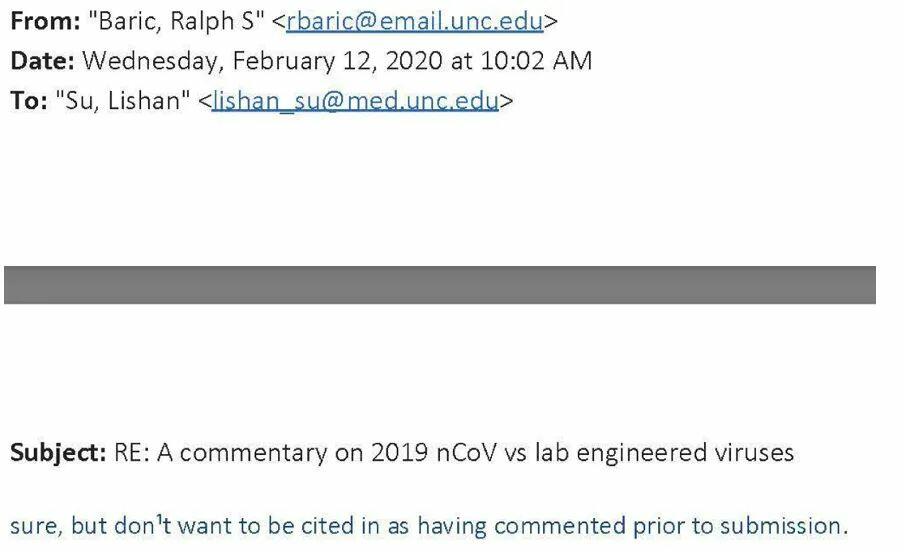
Emails show that both Baric and Shi Zhengli of the Wuhan Institute of Virology provided secret edits to Weiss’s manuscript. After one of the Weiss’s co-authors sent Baric a draft, asking for his input, Baric responded, “Sure, but don’t want to be cited in as having commented prior to submission.”
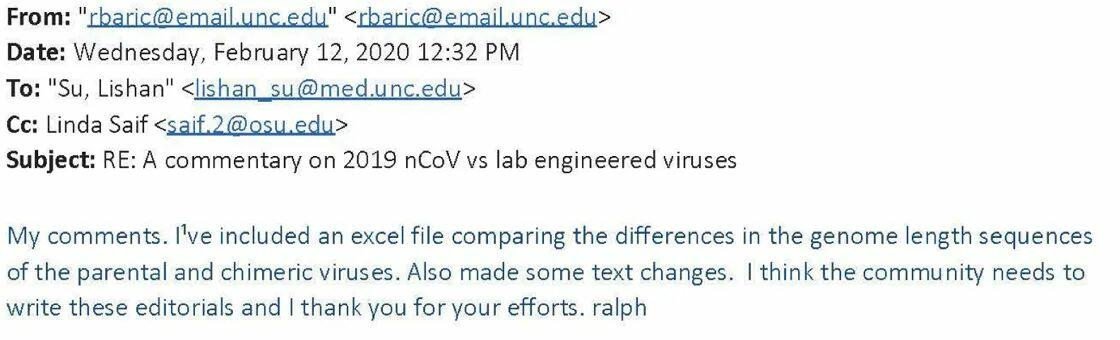
After then submitting alterations to the text in track changes, Baric added, “I think the community needs to write these editorials and I thank you for your efforts.”
But sitting on the stage next to Weiss, Eban didn’t ask a single question about this unethical incident. Even though the story and supporting emails had been made public years prior. Now why is that?
Here’s what I reported for RealClearInvestigations about this tawdry research episode involving Ralph Baric and Susan Weiss:
Although failing to disclose authors on a paper is considered a form of research misconduct, the journal failed to take action. Five years after publication, the journal added a disclosure in January 2025 that acknowledged Ralph Baric’s contribution to the commentary.
This is partly why we’re still trying to figure out today what happened during COVID coverup. Much of the dirt kicked up with these media deceptions is still floating in the air. But let’s keep blowing that dust away.
Tyler Durden
Thu, 05/14/2026 – 19:15
https://www.zerohedge.com/covid-19/ralph-baric-and-uncs-biodefense-contract-racket-exposed
Senators Unanimously Pass Resolution To Withhold Their Own Pay During Shutdowns
Senators Unanimously Pass Resolution To Withhold Their Own Pay During Shutdowns
Authored by Jackson Richman via The Epoch Times,
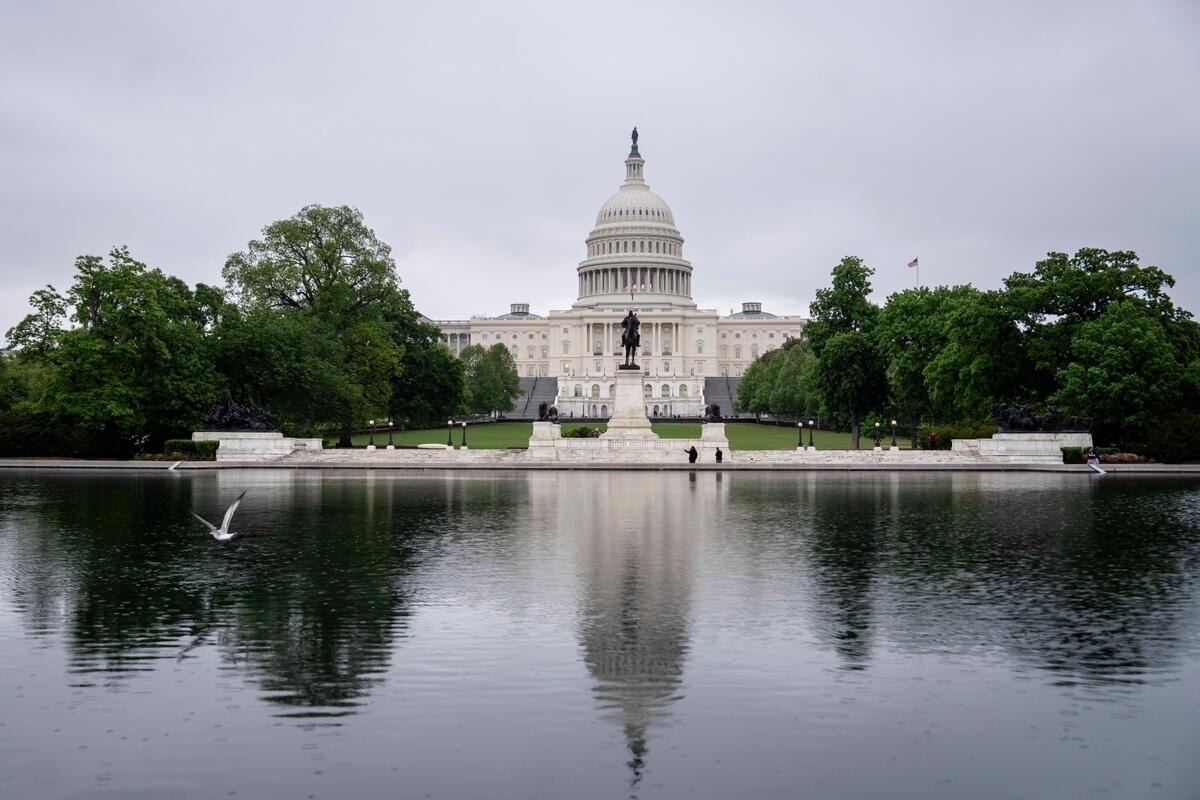
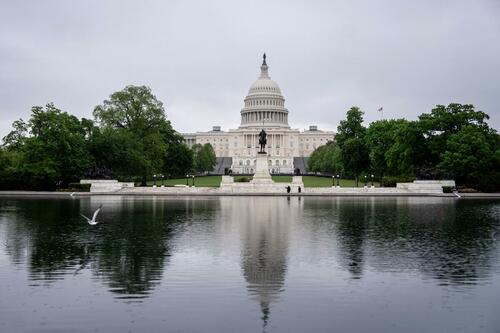
The Senate unanimously approved a resolution on May 14 that would suspend senators’ pay during government shutdowns.
The measure, introduced by Sen. John Kennedy (R-La.), passed by voice vote and is scheduled to take effect after the November midterm elections.
Under the resolution, the Senate secretary would withhold lawmakers’ salaries whenever a government shutdown affects one or more federal agencies. Pay would be released once government funding is restored.
Supporters say the proposal is intended to hold Congress accountable as shutdowns become increasingly frequent and prolonged.
“Shutting down government should not be our default solution to our refusal to work out our issues and our differences,” Kennedy said in a floor speech on Wednesday.
“This is about putting our money where our mouth is.”
Kennedy initially wanted the measure to take effect immediately, but included delayed implementation language to comply with the 27th Amendment, which bars changes to congressional pay until after the next House election.
He also accused Democrats of potentially using a shutdown before the elections “to create chaos” and influence the political environment heading into the midterms.
The legislation follows two major shutdowns over the past year that caused financial strain for thousands of federal employees, especially workers at the Department of Homeland Security. The agency reopened last month after a 76-day partial shutdown—the longest funding lapse affecting a federal agency in U.S. history.
That shutdown came shortly after a separate 43-day closure of the entire federal government, another record-setting disruption.
While federal workers often miss paychecks during shutdowns, members of Congress continue to receive salaries because the Constitution guarantees lawmakers’ compensation.
During a previous shutdown tied to disputes over health care subsidies, Sen. Lindsey Graham (R-S.C.) proposed a constitutional amendment requiring lawmakers to forfeit their pay during shutdowns.
“If members of Congress had to forfeit their pay during government shutdowns, there would be fewer shutdowns, and they would end quicker,” Graham said at the time.
Graham argued that a constitutional amendment would be the most legally secure solution, though such an effort would require ratification by three-fourths of the states.
Lawmakers have previously pledged to voluntarily reject their salaries during shutdowns, but Kennedy told reporters his proposal would ensure that “shared sacrifice” becomes official policy.
He acknowledged the resolution does not apply to the House of Representatives, saying, “the House’s business is the House’s business,” while also referencing tensions between the two chambers.
“There’s a very strong undercurrent of animosity among some of my friends in the House,” Kennedy said. “It’s quickly becoming like two kids fighting in the back of a minivan.”
Tyler Durden
Thu, 05/14/2026 – 18:25
Billionaire Democrat Donor Who Bankrolled Swalwell Breaks Silence After Surprise Arrest
Billionaire Democrat Donor Who Bankrolled Swalwell Breaks Silence After Surprise Arrest
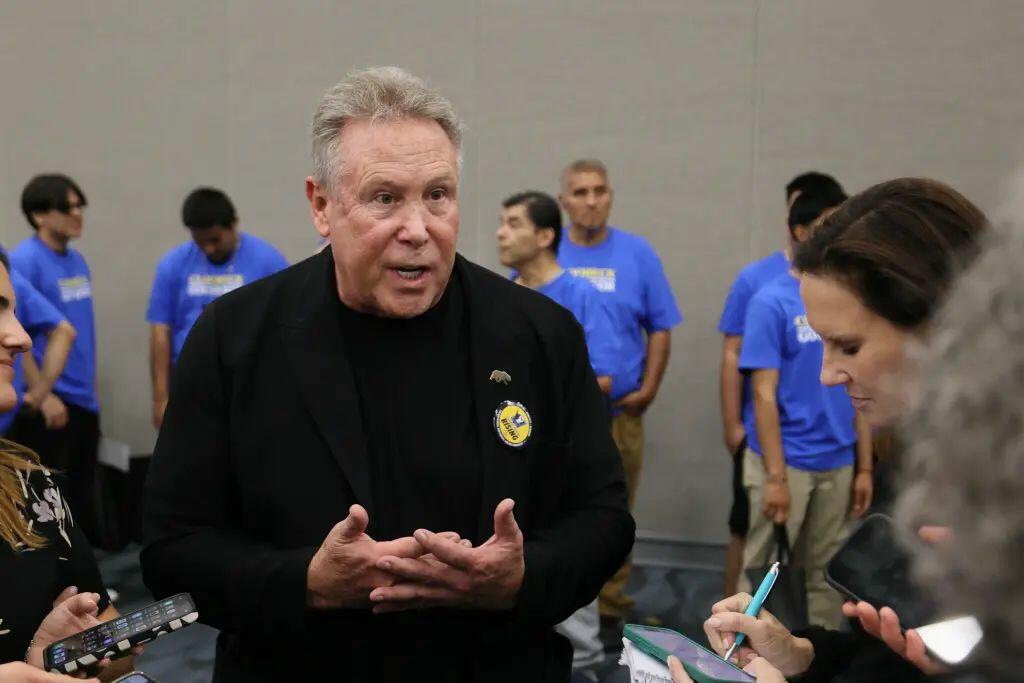
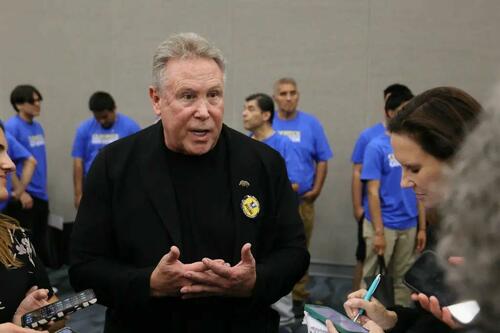
Billionaire and Democrat donor Stephen Cloobeck was arrested Tuesday in Los Angeles on suspicion of felony charges of attempting to prevent or dissuade a victim or witness from testifying after a warrant was issued for his arrest.
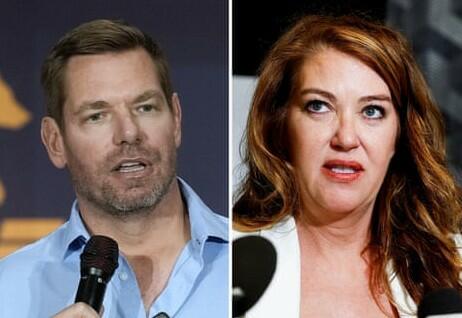
Cloobeck, founder of Diamond Resorts – who until recently was a major financial supporter of former Rep. Eric Swalwell’s (D) failed campaign for California governor, was booked into custody in West Hollywood, according to Los Angeles County Sheriff’s Department records. He was later released on $300,000 bail.
In a terse statement to the California Post, a press representative for Cloobeck said of the arrest: “These charges are false and we look forward to our day in court.”
Cloobeck cut ties with Swalwell following multiple allegations of sexual assault – but not before the now-former congressman recorded a bizarre apology video from inside his swanky mansion.
“I was with my counsel and we had a chat with him, I just told him, ‘You busted the trust,’” Cloobeck said of Swalwell at the time the allegations broke. “I’m shocked, I’m disturbed and get the fuck out of here.’ Then I walked away and that was it.”
“I was blown away!” the billionaire claimed. “Like blown away. Like, there’s no way I would have endorsed him. It’s such a shock.”
The billionaire, who briefly ran for governor himself last year before dropping out to support Swalwell, has since rebranded himself a Republican.
“I am no longer supporting Eric. Fucking tell everyone I’m a libertarian. Fuck you, Democrat Party,” he told the California Post.
Cloobeck has also recently made headlines thanks to his 28-year-old fiancée, Penthouse Pet Adva Lavie, who faces six felony charges for allegedly preying on older men through dating apps. However, his lover’s legal troubles haven’t impacted the impending nuptials, according to the billionaire.
“The marriage is still on, the date is now a secret,” he said.
Tyler Durden
Thu, 05/14/2026 – 18:00

Warren Whines As Senate Banking Committee Advances Crypto CLARITY Act, Two Democrats Break Ranks
Warren Whines As Senate Banking Committee Advances Crypto CLARITY Act, Two Democrats Break Ranks
Authored by Micah Zimmerman via BitcoinMagazine.com,
The Senate Banking Committee advanced the Digital Asset Market Clarity Act on a 15–9 vote Thursday, with Sens. Ruben Gallego (D‑Ariz.) and Angela Alsobrooks (D‑Md.) joining all 13 Republicans to move the sweeping crypto market structure bill to the full Senate.
The Clarity Act is the Senate’s bid to build a federal framework for digital asset trading, stablecoins and intermediaries, splitting oversight between the SEC and CFTC and setting registration, disclosure and compliance rules for exchanges, brokers and custodians. It now advances alongside a related bill from the Senate Agriculture Committee, with the two texts expected to merge before a floor vote.
Chair Tim Scott (R‑S.C.) cast the markup as a turning point after years in which crypto firms operated in what he called a “regulatory gray zone” under “outdated rules.”
He said the bill aims to protect consumers, keep innovation in the United States and “close the doors that criminals, terrorists and hostile regimes have tried to exploit,” after months of cross‑party talks that expanded the draft by more than 200 pages.
Sen. Cynthia Lummis (R‑Wyo.), who leads the committee’s digital assets panel, called the Clarity Act “the hardest piece of legislation” she has worked on across decades in state and federal office. She described it as a “case of first impression” that tries to fit new asset types and software into a regulatory code built for earlier markets.
BREAKING: 🇺🇸 Senate Banking Committee PASSES the Clarity Act in 15-9 vote.
The bill now goes to the full Senate. pic.twitter.com/TCs6T283y2
— Bitcoin Magazine (@BitcoinMagazine) May 14, 2026
Warren’s camp: “industry‑written” and “not ready”
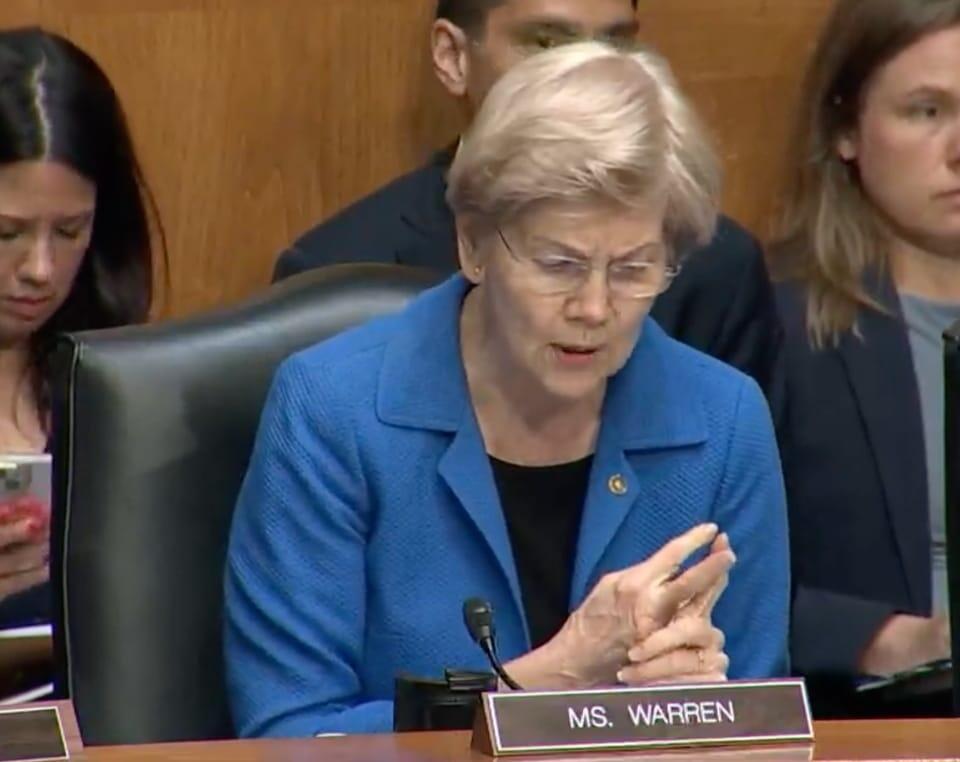
Ranking Member Elizabeth Warren (D‑Mass.) led the opposition, arguing the committee should focus on groceries, health costs and credit card rates, not “a bill written by the crypto industry for the crypto industry.”
Warren warned that the draft “blows a hole” in securities law that has protected investors since 1929, preempts state anti‑fraud rules and allows banks to load up on volatile crypto exposure in ways she linked to pre‑2008 practices.
She said the bill “declares open season on defrauding American consumers who use crypto,” and accused Republicans of advancing a framework that helps “the President of the United States’ crypto grift.
Sen. Raphael Warnock (D‑Ga.) tied his no vote to ethics concerns, calling President Donald Trump’s digital asset business ties “pure corruption” and faulting Republicans for refusing enforceable conflict‑of‑interest rules for all elected officials, including the president and vice president.
Illicit finance, mixers and stablecoins
National security concerns drove a series of Democratic amendments that Republicans rejected in 11–13 votes. Warren proposed stronger sanction tools against crypto mixers and DeFi services, citing Treasury’s 2022 designation of Tornado Cash and warning that the bill does not isolate mixers in statute.
Sen. John Kennedy (R‑La.) pressed her on why new anti‑money‑laundering sections do not already cover those services, then joined Republicans to defeat the proposal.
Sen. Jack Reed (D‑R.I.) described how Iranian actors use stablecoins to buy drone components, import sensitive goods and collect tolls from tankers in the Strait of Hormuz. He said the Treasury still must “go hat in hand” to issuers such as Tether for voluntary cooperation, and sought explicit power for regulators to block foreign illicit stablecoin flows; his amendment failed on the same party‑line split.
Sen. Chris Van Hollen (D‑Md.) pointed to estimates that more than 150 billion dollars in digital assets flowed through wallets tied to illicit activity last year and highlighted a large North Korean exchange hack where DeFi services helped launder funds.
His proposal to make it unlawful to release a DeFi protocol with the stated purpose of enabling money laundering, sanctions evasion or terror finance also fell in an 11–13 vote, after Republicans argued that existing criminal statutes already reach that conduct.
Republicans, led by Lummis and Sen. Bernie Moreno (R‑Ohio), answered that Titles II and III of the bill already tie digital asset intermediaries into the Bank Secrecy Act, expand Treasury’s “special measures” authority and bring kiosks, brokers and exchanges into clearer federal oversight than the House version.
President Trump, World Liberty and failed ethics amendments
Ethics provisions tied to Trump’s business ties to World Liberty Financial and other crypto ventures produced some of the sharpest exchanges. Van Hollen offered an amendment to bar the president, vice president and members of Congress from business ties to crypto firms and to require more disclosure, saying it was needed because “the president and members of his family” had been involved in “corrupt crypto ventures and various crypto scams.”
Moreno said the measure belonged in the Judiciary Committee because it carried criminal penalties and defended Trump as “a good man,” accusing Van Hollen of declaring criminal conduct without a court record. The amendment failed 11–13.
Warren tried to force banking regulators to release confidential supervisory records related to Jeffrey Epstein, arguing Epstein had backed early crypto investments and that exam files could reveal what banks and supervisors knew as he moved funds through major institutions. Lummis answered that confidential supervisory material is outside a market structure bill’s scope, and that amendment also failed, even after Kennedy said he would have supported it without “co‑conspirator” language.
DeFi safe harbor deal exposes Democratic split
One of the most consequential votes came on Lummis Amendment 122, a technical package negotiated with Sen. Mark Warner (D‑Va.) that refines when a DeFi protocol counts as controlled by a small group and interacts with the bill’s core safe harbors.
Warren argued the amendment embeds “a narrow test” for which entities count as crypto intermediaries and imports a Section 604 “loophole” that shields decentralized services from basic anti‑money‑laundering rules, saying that “it doesn’t matter if you have rules if nobody has to follow them.”
After a short technical fix to strike two lines, the committee adopted the amendment 18–6, with Warner, Cortez Masto and Alsobrooks joining Republicans. That vote marked a clear split: Warren, Reed and Van Hollen opposed the compromise, while a “crypto Democrat” bloc accepted the DeFi framework as a basis to refine before floor action.
Process fight over which amendments get heard
The markup also turned into a test of Scott’s control over the amendment list. Before the hearing, he ruled more than a dozen proposals out of order on drafting and filing grounds, including a National Sheriffs Association‑backed fix from Sen. Catherine Cortez Masto (D‑Nev.) on decentralized platform enforcement and a community‑bank‑supported stablecoin‑yield tweak from Reed and Sen. Tina Smith (D‑Minn.).
Later, seeking a bipartisan outcome, Scott reinstated several amendments, including Lummis 122, after Democrats such as Warner and Gallego said committee votes on those compromises would make support easier. Warren objected that he was reviving a subset of Republican‑side language while leaving law enforcement and community‑bank proposals sidelined.
Van Hollen noted that some of his own properly drafted amendments never reached a vote, even as previously disqualified Lummis text passed 18–6.
Scott replied that he and Warren had agreed to cap amendments from each side, and that within that cap he was using discretion to serve Democrats who wanted a bipartisan result.
Gallego and Alsobrooks give Clarity Act its bipartisan spine
Through the day, Republicans accepted targeted changes that industry and moderates backed, including Sen. Mike Rounds’ AI sandbox and Sen. Dave McCormick’s portfolio‑margin language, both adopted with Democratic support. They rejected every Democratic attempt to extend sanctions tools, bar bailouts, tighten DeFi liability or write ethics rules into the bill.
By the final vote, the Democratic side had split into clear camps. Warren, Warnock, Van Hollen, Smith and Reed built a record that presents Clarity as an industry‑driven framework that weakens enforcement and leaves presidential conflicts untouched. Warner helped shape key language but kept leverage for later stages.
Gallego and Alsobrooks supplied the decisive Democratic votes that turned a partisan project into a 15–9 bipartisan committee win, while both signaled that support on the floor will depend on further movement on ethics and enforcement as the bill heads toward merger with the Agriculture Committee’s version and a 60‑vote test before the full Senate.
Tyler Durden
Thu, 05/14/2026 – 17:40
Communist Mamdani’s Latest Redistribution Scheme: Tax On All New York Homes Over $1 Million Bought With Cash
Communist Mamdani’s Latest Redistribution Scheme: Tax On All New York Homes Over $1 Million Bought With Cash
Two days ago crestfallen commie mayor Zohran Mamdani abandoned his desperate plan to aggressively hike property taxes (even more) on New Yorkers following unprecedented pushback (but not before earning the former capitalist mecca a credit rating downgrade warning from most rating agencies). However, since communists who are not redistributing wealth (eventually under the barrel of a gun) are useless communists, it only took Mamdani administration 48 hours before pitching his latest idea how to take: according to Bloomberg, New York lawmakers are planning a new tax on New York City homes purchased in cash for at least $1 million. The lawmakers are also considering expanding the tax to all-cash purchases over $1 million in New York, including those in the suburbs and upstate.
The New York City levy alone is expected to raise $160 million to help fill the city’s budget hole. The proposed tax would be levied at 1% of the purchase price and would be paid by the buyer, according to the people.
A spokesperson for Governor Kathy Hochul said she “announced a general agreement with the State Legislature on many of the major elements of the FY 2027 Budget. The final budget bills will provide additional details.”
All-cash transactions have risen in New York as soaring mortgage costs have deterred financing, and instead buyers opt to be hit with capital gains taxes and liquidated other securities to fund real estate purchases. They are also an attractive option for sellers in New York City’s ultra-competitive real estate market as it’s faster than dealing with the lengthy mortgage approval process, and less likely to fall through.
Such purchases made up more than 60% of the nearly 18,000 transactions in New York City in the first six months of 2025, according to data compiled by the Center for New York City Neighborhoods. The report found that in Manhattan, nine out of 10 purchases over $3 million were done in all-cash transactions between January and June of 2025.
New York Assembly Speaker Carl Heastie said the tax would be included in the final budget as “part of the plan to help close the city’s deficit.” State Senator James Skoufis, who sits on the chamber’s finance committee, also said in an interview the new levy was discussed.
Mamdani unveiled his $124.7 billion budget plan for the fiscal year that starts on July 1 that includes more assistance from Albany. He is also counting on funds from a proposed tax on second homes worth more than $5 million that state and city lawmakers are still figuring out how to implement. Hochul said the state will send $4 billion in new aid to the city to help close the budget hole.
“New Yorkers are already the most heavily taxed residents in the country, and the city’s budget issues will not be solved by more taxes,” said James Whelan, president of the Real Estate Board of New York. He said that the new proposal would further burden home buyers and sellers in the city and threaten existing revenue.
There are other problems with the proposal: New Yorkers already pay a 1% mansion tax, rising to 3.9%, on homes over $1 million whether paying with cash or financing. On top of that, even the wealthiest cash buyers aren’t usually just wiring cash from their bank accounts to buy homes. They sell assets (i.e. stocks) to generate the cash. This liquidation is subject to heavy capital gains taxes already that go to both the federal government and also the state of NY. This tax is usually far ins excess of any 1% “cash” tax this idiotic Mamdani administration is proposing.
As some social media commentators were quick to point out correctly, “There are bad policy ideas, and then there are those that make absolutely zero sense. This is the latter.”
Tyler Durden
Thu, 05/14/2026 – 17:20
Murders Down Roughly 20% In 2025, FBI Preliminary Data Show
Murders Down Roughly 20% In 2025, FBI Preliminary Data Show
Authored by Kimberly Hayek via The Epoch Times (emphasis ours),
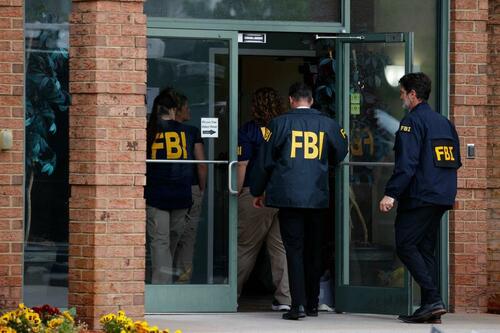
The FBI on Sunday published an early glimpse at annual crime data, releasing preliminary 2025 data alongside first-quarter 2026 numbers that together show that violent crime has dropped sharply.
The figures, typically released at the end of summer, marked the first time the bureau furnished a preview of annual crime tallies before the end of the following spring.
The first-quarter 2026 numbers, drawn from 67 major law enforcement agencies, showed homicides fell 17.7 percent against the same period last year, robberies fell 20.4 percent, reported rapes declined 7.2 percent, and aggravated assaults dropped 4.8 percent. Declines appeared in every region of the country, according to the bureau.
Among cities registering the steepest homicide reductions from January through March are Washington, D.C., down 64.7 percent; Philadelphia, 54 percent; San Diego, 50 percent; Houston, 36.4 percent; Memphis, Tennessee, 34.4 percent; New York City, 31.7 percent; and Los Angeles, 23 percent.
The 2025 full-year figures anchoring the release were equally stark.
The FBI recorded a 20 percent drop in the national murder rate, the largest single-year decrease ever captured in FBI data, alongside a 31 percent rise in fentanyl seizures, rescue of more than 6,000 child victims, and a 290 percent increase in gang disruptions. FBI Director Kash Patel told The Epoch Times that the achievements were the result of a “full-scale reset of the FBI—operationally, culturally, and fiscally.”
In 2025, FBI arrests climbed 197 percent, from 34,000 to 67,000; 1,800 gangs and criminal enterprises were dismantled—a 210 percent increase—and more than 30,000 were arrested for violent crimes, nearly double from 2024.
The U.S. homicide rate in 2025 fell 21 percent from 2024—44 percent below the 2021 pandemic peak, according to a report by the Council on Criminal Justice, which analyzed data from 40 large cities. The group projected that when the FBI finalized its annual report, the national homicide rate would stand at roughly 4.0 per 100,000 residents, the lowest recorded in law enforcement or public health data stretching back to 1900.
Patel hinted at the historic nature of the data for months.
“We are on track to have the lowest murder rate in modern American history. The lowest murder rate by double-digit percentages,” he told the Senate Judiciary Committee in September 2025. He attributed the shift in large part to the FBI’s Operation Summer Heat, noting that in New Orleans and Nashville alone, violent crime arrests climbed an average of 250 percent each.
A month later, Patel told The Epoch Times’s Jan Jekielek that homicides had fallen by double digits nationwide.
“I’m happy to announce, finally, that one of the big targets we had for this year, obviously, was to reduce the murder rate across America,” he said.
In October 2025, Trump and Patel announced that Operation Summer Heat resulted in more than 8,700 arrests and a 20 percent drop in violent crime in targeted cities. Trump, in a Truth Social post days later, said that since he was inaugurated, 28,000 violent criminals have been arrested, more than 6,000 illegal firearms were removed from the street, 5,000 children have been rescued, and 2,000 criminal enterprises have been disrupted—calling them “historic results.”
Tyler Durden
Thu, 05/14/2026 – 17:00
https://www.zerohedge.com/political/murders-down-roughly-20-percent-2025-fbi-preliminary-data-show

Bad Signs: Christopher Nolan’s “The Odyssey” Looks Like A Woke Disaster
Bad Signs: Christopher Nolan’s “The Odyssey” Looks Like A Woke Disaster
The signs are not looking good. Christopher Nolan’s version of Homer’s classic Greek epic “The Odyssey” was, at first, greatly anticipated. The director’s filmography is largely celebrated with blockbusters like Interstellar, The Dark Night, Dunkirk and Inception. However, woke ideology is like a virus infecting everything in Hollywood, and rumors were spreading from very early in the production that wokeness has invaded the brain of Christopher Nolan.
Even though the vast majority of “woke coded” films fail miserably at the box office, the Tinsel Town cult continues to lose billions of dollars every year pumping out one disastrous production after another. If we apply the universal definition of insanity (making the same mistakes over and over and expecting different results), then Hollywood is truly a lunatic asylum.
Well, it appears that the rumors of the new Odyssey adaptation being a leftist propaganda vehicle are true. The long running blackout on casting decisions now makes perfect sense, because it’s a DEI circus.
It is now confirmed that Nolan’s film features a race-swapped Helen of Troy. The “most beautiful woman in the world” will be played by Lupita Nyong’o, a Kenyan-Mexican actress. Truly a downgrade from previous iterations of the story on film. Not to mention, Helen of Troy was a Greek – A Spartan Princess.
But the sideshow doesn’t end there. Nolan has also been forced to defend his decision to cast rapper Travis Scott in “The Odyssey” after receiving harsh backlash. The filmmaker addressed the controversy surrounding Scott’s appearance:
“I cast him because I wanted to nod towards the idea that this story has been handed down as oral poetry, which is analogous to rap…”
Perhaps one of the most contrived and idiotic explanations ever spoken. Unless you’re making “Mel Brooks’ The Odyssey”, there is no reason for this decision.
Keep in mind, this is an Ancient Greek epic, a story depicting some mythological elements, yes, but also historically important to the pillars of western civilization. And, by modern standards and genetic standards, Ancient Greeks would be considered largely “white” today.
Sub-Saharan Africans, though mentioned as “Aitheopes” in Greek literature, were an exceedingly rare minority and are never mentioned in Homer’s Odyssey as prominent characters. In fact, only one fleeting character is mentioned as black; a figure named
Eurybates.
Then there’s Zendaya, cast as Athena, the Greek Goddess of Wisdom. At least she’s not a dude, but Zendaya is the most over-exposed actress in Hollywood and doesn’t come across as “wise” or Greek.
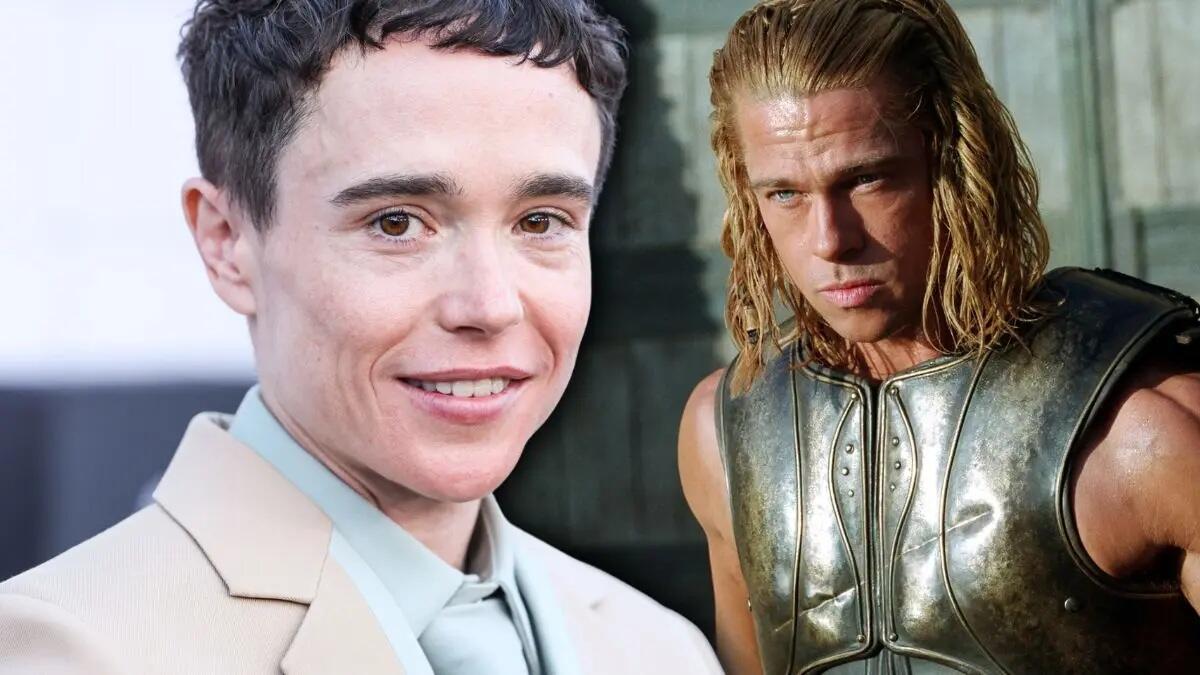
And it gets worse. Actress and trans activist Ellen Page (now known as Elliot Page) is confirmed as a cast member in the film. It is not known which role she will play, but leaked info suggest that she is set to play Achilles, known as the greatest of all the Greek warriors.
This might be the most ridiculous casting choice of all time, given that Page is a hundred pound skeleton, and also a woman.
It is a common woke propaganda trope to race-swap and gender swap figures from western classics and European history. From black female viking warriors, to black Roman Emperors, to Black Cleopatra (she was Greek and white) to black royals in the British court and female knights defending the realm; no historical setting is safe from Marxist rewrites that defy the record of events.
The message being sent is clear: We control history now, and the European west has been targeted for erasure.
Christopher Nolan’s decisions come off as incomprehensible, until we look into his inspirational sources. The director’s source material for his adaptation is the very first “interpretation” by a female scholar, published in 2017. Emily Wilson, a far-left activist, essentially rewrote The Odyssey as a feminist exploration on the “evils of masculinity”. She is noted for describing most women as “slaves”, instead of servants or maids, and highlighting the “evils of ancient forms of patriarchy”.
“We should be shocked that the English-speaking world hasn’t had a translation by a woman,” Wilson said during a visit to Harvard. “Slightly more women than men get Ph.Ds. in the classics in the U.S., and yet the vast majority of translations that readers read in English for classics are by men. This is an issue, and we should talk about it.”
Her work is a perfect example of why it’s best to keep modern women away from interpreting the classics. The British-born professor, in a lecture titled “Translating ‘The Odyssey’: Why and How”, stated:
“It’s very visible to me how misogynistic some of these translations are, and not because they were consciously imposing misogyny, but they had some unconsidered biases…Men are never asked about their gender, and this omission is seriously distorting. It’s very clear gender has an impact on men’s work.”
Wilson also injected modern vernacular into her interpretation, which is allegedly applied in the Nolan version of the story. In the highly insulated and inbred world of academia, this kind of rhetoric is considered a revelation. However, to everyone else, it sounds like a blend of pretentious conceit and woke zealotry.
It is also a fact that, in order to be considered for an Oscar, a film is now required to have at least one non-white/non-straight lead or significant role. At least 30% minor roles non-white/non-straight people. And, at least two Departments headed by non-white/non-straight people. But not all of Nolan’s choices can be explained away by his bid for an Oscar.
In other words, The Odyssey is most likely going to be a theatrical flop. Nolan was smart to hide his casting choices until now (the movie trailers also try to hide the casting), but the film’s July release gives the public plenty of time to discover the truth before they waste their money. It could have been the movie that saved Hollywood, but instead, it is escalating into yet another epic woke bomb.
Tyler Durden
Thu, 05/14/2026 – 16:40
https://www.zerohedge.com/political/bad-signs-christopher-nolans-odyssey-looks-woke-disaster
Minnesota ‘Culture Of Fraud’ Enabled More Than $9 Billion In Misused Taxpayer Funds, Panel Says
Minnesota ‘Culture Of Fraud’ Enabled More Than $9 Billion In Misused Taxpayer Funds, Panel Says
Authored by Janice Hisle via The Epoch Times (emphasis ours),
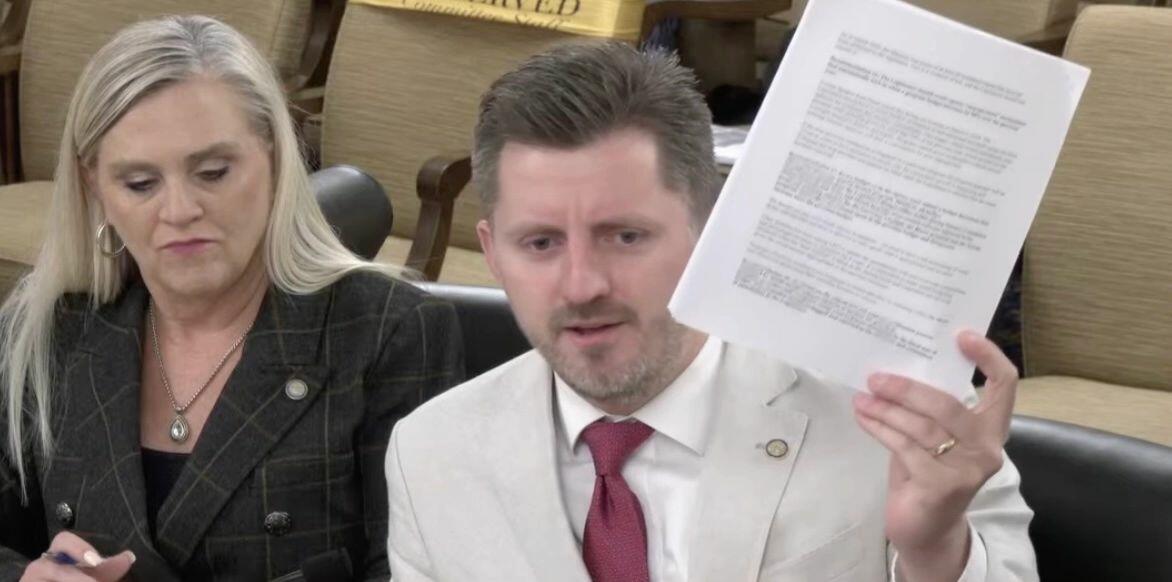
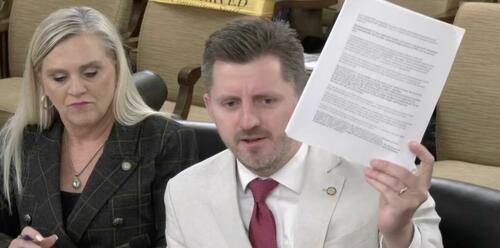
A “culture of fraud” infected Minnesota state agencies, resulting in more than $9 billion in taxpayers’ money squandered, a new legislative report says.
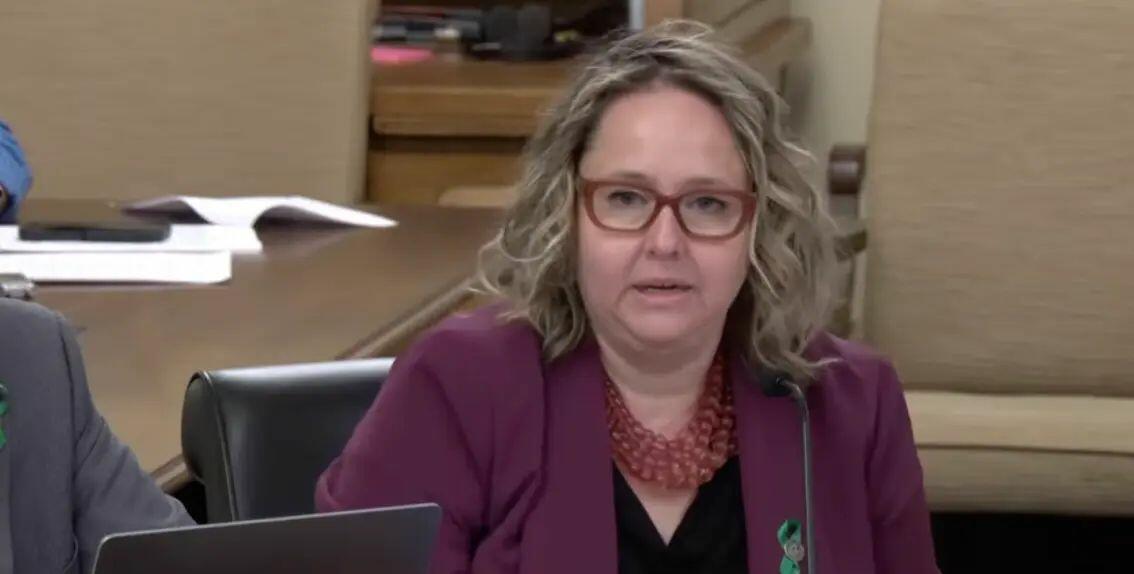
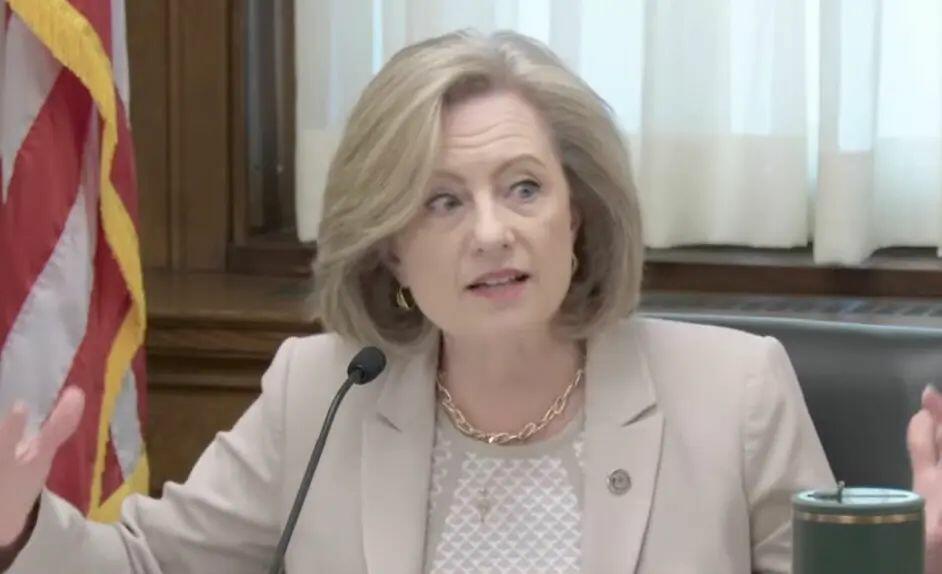
“We finally pulled the curtain back—and the public is grateful,” state Rep. Kristin Robbins, chair of the Minnesota House Fraud Prevention and State Agency Oversight Committee, said May 13 during a session that summarized 16 months of investigative work.
Many fraudsters “came to believe that fraud was tolerated and paid in a big way,” according to a report that Robbins released at the meeting. The report summarizes the committee’s attempts to dissect how state agencies became so mired in fraud.
Testimony from dozens of witnesses, including state employees and whistleblowers, demonstrated that Gov. Tim Walz’s administration neglected “basic due diligence” to protect taxpayers’ money, and instead “prioritized getting as much money out the door as possible” via government-benefits programs, the report says.
The administration also allegedly punished whistleblowers and “ignored and consciously downplayed shocking levels of fraud” in more than a dozen Medicaid-funded programs, such as autism services, medical transportation, and adult day care, according to the document.
“All of these failures have created opportunities for serial fraudsters to steal billions from Minnesota taxpayers across multiple programs for years,” the report says, estimating $300 million in federal meals fraud and $9 billion in Medicaid fraud. Those numbers exclude “potential hundreds of millions more in fraud in child care” and the Supplemental Nutrition Assistance Program, the report notes.
The governor’s office did not respond to The Epoch Times’ request for comment by publication time.
Walz has repeatedly defended his track record on tackling fraud, including in a May 6 news release, stating: “We’ve made significant progress to strengthen programs and root out fraud. Today, we’re building on our success by putting an even stronger structure in place; adding leadership, improving oversight, and ensuring these programs are managed with the discipline and accountability Minnesotans expect.”
Robbins said accountability is lacking because no one in state government has been fired for failures, nor even for falsifying records—a finding that the Office of Legislative Auditor, a state watchdog, released early this year.
The new report from Robbins’s committee was released May 13, the same day that Vice President JD Vance, who heads a new anti-fraud task force, announced that the federal government was withholding $1.4 billion from home health and hospice operations suspected of fraud across the nation. So far this year, fraud concerns prompted federal officials to withhold $350 million from Minnesota’s Medicaid program.
Five Republicans including Robbins prepared the report. The committee’s trio of Democrats were invited to prepare their own version, mirroring a practice used in Congress.
Two Democratic committee members at the meeting, Reps. Dave Pinto and Emma Greenman, did not say whether they would take that step. Both disputed what they called “partisan” characterizations in the report; Pinto and Greenman abstained from voting on the GOP-authored report. All four Republicans who were present voted to accept it.
Republican Rep. Isaac Schultz noted that despite allegations of partisanship, he sees signs of cooperation between the two parties. Just two weeks ago, the legislature approved “four great fraud-prevention bills on a bipartisan basis that were supported by members of this committee,” Schultz said, adding that one such bill called for “stopping grants going to convicted fraudsters.”
Remedies Proposed
The 84-page report contains numerous recommended changes in agency procedures and culture, and highlights broken internal processes.
For example, a law requires the Department of Human Services to annually review whether Medicaid beneficiaries are indeed eligible. The agency regularly skipped those verifications, and had conducted none since 2020, the report says, possibly costing “tens of millions of dollars.”
Under pressure from the committee and the public, the department conducted a review on March 20. It found “31,529 ineligible Minnesotans were receiving benefits,” who were then removed from the rolls, the report says.
Agency bureaucrats, who “viewed their role as supportive consultants rather than providing actual oversight” as they doled out taxpayers’ money, must instead use their authority to withhold payments and take other action, the report says.
The report also calls for agencies to log whistleblower complaints and hotline reports, then report those, along with actions taken, to lawmakers.
Fraud concerns and suspicious billing trends need to be tracked and reported too, the report says.
Another major recommended change: “Require electronic attendance records for child care, adult day care, sober homes, autism centers … and other billable services … before payments can be made.”
Committee’s Value Debated
The committee—the first of its kind in state history—began working in January 2025, nearly a year before Minnesota’s massive fraud scandals gained widespread national attention and sparked multiple federal probes.
As Robbins opened what could be the committee’s final meeting, she encouraged state lawmakers to re-establish the committee when the legislature reconvenes next year.
“The work we’ve done has hopefully carved a path for the next legislature in the next biennium to continue this important work,” she said, calling it “historic.”
The Republican lawmaker withdrew her bid for the governorship May 1, saying she would fight for improvements “from the outside” after her current term as a state representative expires in January 2027.
“It’s going to take many years, unfortunately, to undo the damage that has been done to taxpayers and vulnerable residents,” Robbins said. “But we must continue to expose the fraud, to strengthen internal controls and to make sure that fraudsters and agency officials are held accountable.”
Democrats Pinto and Greenman said the committee should have proposed legislation that could spark meaningful changes.
“Fighting fraud is urgent. Solutions were needed now,” Pinto said.
Robbins and other Republicans responded that the committee’s role was investigative, not legislative, and that the committee’s findings did inspire proposed laws.
Greenman said the document contains “misleading” information, and “no Democratic leader [is] left undisparaged” in the report. She defended the work of Minnesota Attorney General Keith Ellison in prosecuting fraud cases, and said the report fails to give him due credit.
Tyler Durden
Thu, 05/14/2026 – 16:20