Category: News

War ‘Very Close’ To Over, Trump Says, As Iran Ceasefire Extension Reportedly Advances, But More US Troops Deploy
War ‘Very Close’ To Over, Trump Says, As Iran Ceasefire Extension Reportedly Advances, But More US Troops Deploy
Summary
The Iran war is “very close to over” with authorities in Tehran eager to agree a peace deal, Trump says, adding: “We’ve beaten them militarily.”
AP/Bloomberg reporting the two sides have an “in principle agreement” to pursue further diplomacy; however, this is batted down as ‘unconfirmed’ by Tehran & a US official.
The Pentagon is sending thousands of additional troops into the Middle East in coming days: WaPo
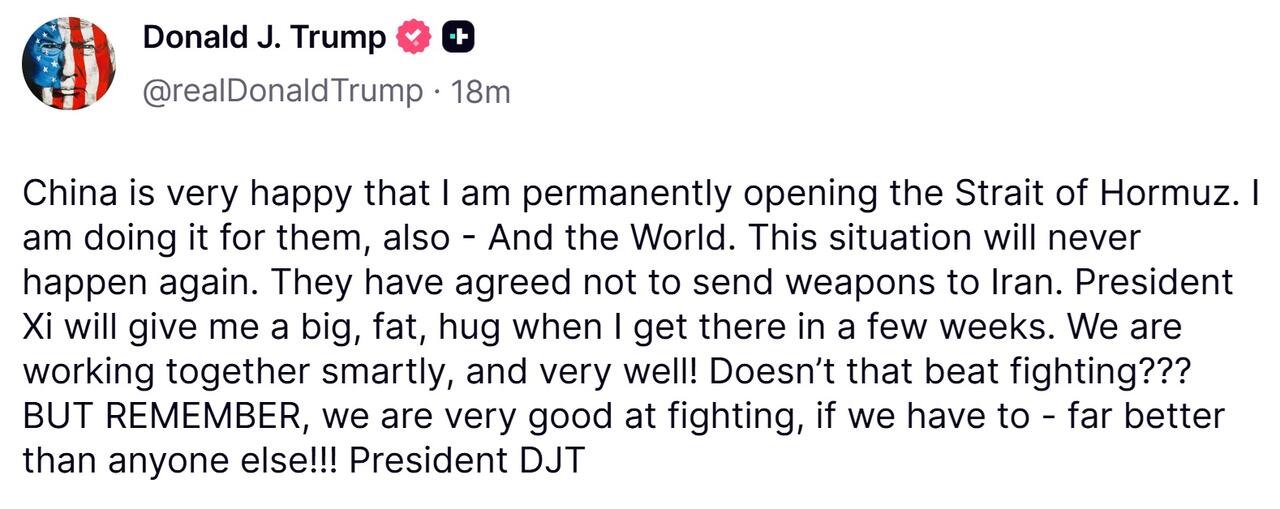
Trump claims China “very happy” the US is permanently opening the Strait of Hormuz, also Xi told him Beijing was not sending weapons/defense items to Tehran.
Significant Lebanon fighting continues: Israel issues more evacuation orders, moving into south; Tehran outraged, threatens Red Sea shipping.
US x Iran permanent peace deal by April 30, 2026?
Yes 33% · No 68%
View full market & trade on Polymarket
* * *
‘Very Close’ To War Over, Diplomacy in Reach: Trump
The latest from Trump: The Iran war is “very close to over” with authorities in Tehran eager to agree a peace deal, President Trump claimed in a fresh interview broadcast Wednesday. “We’ve beaten them militarily, totally,” Trump told Fox Business in a prerecorded interview. “I think it’s close to over, I view it as very close to over… If I pulled up stakes right now it would take them 20 years to rebuild that country, and we’re not finished.” He added: “We’ll see what happens, I think they want to make a deal very badly.”
This as the Associated Press has reported the US and Iran are closer to extending a ceasefire and restarting negotiations, even amid the intensifying standoff over the Strait of Hormuz as the US Navy has blockaded it for all shipping leaving Iranian ports or with ties, or under sanction.
The two sides have an “in principle agreement” to pursue further diplomacy after last weekend’s failed Islamabad talks. Trump on Tuesday had optimistically cited that the next round could be just two days away. Mediators are said to be pushing for a compromise on outstanding issues including Hormuz and Iran’s nuclear program before the April 7 truce expires next week, the news agency said – as they also eye the extension off the initial two weeks.
IRAN’S TASNIM: US-SANCTIONED CONTAINER SHIP GOLBON PASSED THROUGH HORMUZ pic.twitter.com/Wtca8fTZ2b
— zerohedge (@zerohedge) April 15, 2026
However, Iran’s Foreign Ministry has made clear the reports about the ceasefire extension are not confirmed, while Axios’ Barak Ravid similarly writes – US official tells me: “The US has not agreed to an extension of the ceasefire. There is continued engagement between the U.S. and Iran to reach a deal.”
Iran meanwhile is warning that it sees a prolonging of the US blockade as “a prelude to a breach of the ceasefire,” a military spokesman said, as featured state TV. Iran’s military “will not permit any exports or imports to continue in the Persian Gulf, the Sea of Oman or the Red Sea” if it continues, the spokesman added.
IRAN’S BAGHAEI: NO SPECIFIC DAY SET FOR NEW US NEGOTIATIONS
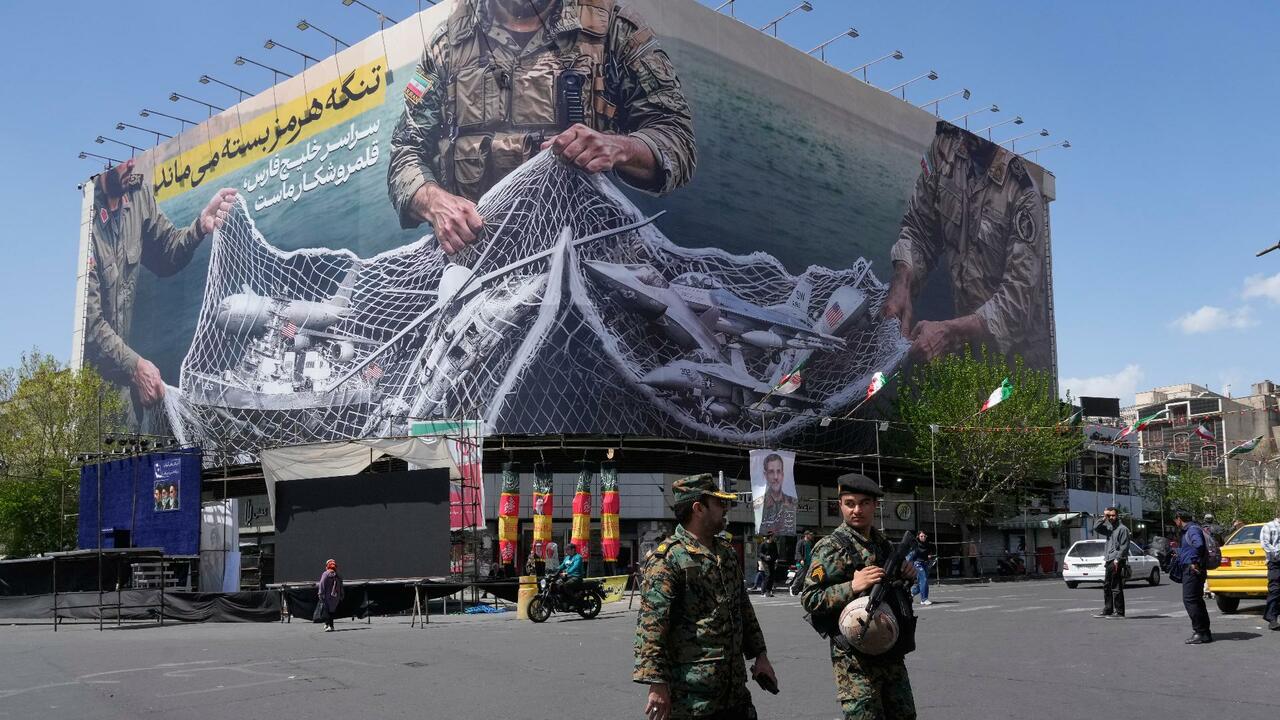
Via AP: A billboard depicting U.S. aircraft caught by Iranian armed forces in a fishing net.
Trump on China
President Trump says he asked his Chinese counterpart Xi Jinping not to supply weapons to Iran, and Xi replied he was not doing so. “I had heard that China’s giving weapons to, I mean – you’re seeing it all over the place – to Iran,” Trump also said in the aforementioned Fox Business interview.
“And I wrote him a letter asking him not to do that, and he wrote me a letter saying that essentially he’s not doing that.” Major media outlets previously reported that US intelligence indicated China was preparing to ship advanced weaponry to Iran. Beijing’s public rejection of the “baseless smear” – as the Foreign Minister called it – has indeed been swift and vehement.
With oil prices remaining elevated, with Brent crude trading about 33% higher than before the start of the war, Trump has issued a new Truth Social claiming China is “very happy that I am permanently opening the Strait of Hormuz.” This even though in many cases it is China bound tankers being blocked and turned back by the US naval armada. “This situation will never happen again,” Trump added. He is set to meet with Xi in Beijing on May 14-15. On this he wrote that “President Xi will give me a big, fat, hug when I get there in a few weeks. We are going working together smartly, and very well!” But then Trump says “But remember, we are very good at fighting, if we have to…”
More Troops Sent to Mideast
The Washington Post is out with a new report of more troops being sent to the theatre. “The Pentagon is sending thousands of additional troops into the Middle East in the coming days, as the Trump administration attempts to pressure Iran into a deal that could end the weeks long conflict there while considering the possibility of additional strikes or ground operations if a fragile ceasefire deal does not hold.”
Already a combined estimated ten thousand US sailors, Marines, and personnel – on at least a dozen US warships, are maintaining the Trump-ordered blockade on Hormuz. So Washington continues to try and build leverage, also with the announced additional forces being prepped, while also sounding optimistic on a potential peace deal – thought to two sides are very far apart especially on the nuclear issue.
Trump has at times still shrugged off the importance of a final peace deal, having told ABC News that while an official peace agreement may not be necessary, “I think a deal is preferable because then they can rebuild.” He had said, “They really do have a different regime now. No matter what, we took out the radicals.”
Trump:
I wrote a letter to Xi. I asked him not to give Iran weapons. He wrote me a letter, and he is saying that he is essentially not doing that. pic.twitter.com/yrTT9Dwi2V
— Clash Report (@clashreport) April 15, 2026
Tehran (& Houthis) Threaten Red Sea Trade as Lebanon Fighting Persists
Iran’s army warned it will block trade through the Red Sea, the Persian Gulf, and the Sea of Oman if the US naval blockade on Iranian ports continues. In a statement carried by Iranian state television, the head of the military’s central command center said the “powerful armed forces of the Islamic Republic will not allow any exports or imports to continue in the Persian Gulf, the Sea of Oman and the Red Sea.”
According to more via Al Jazeera, he added that Iran will “act decisively to defend its national sovereignty and its interests.” One key factor which has outraged Iran is Israel’s continued major attacks on Lebanon, after last Wednesday’s massive aerial attack on Beirut and elsewhere which left over 300 dead. Israel on Wednesday said that Hezbollah fired 40 rockets into Israel earlier in the morning.
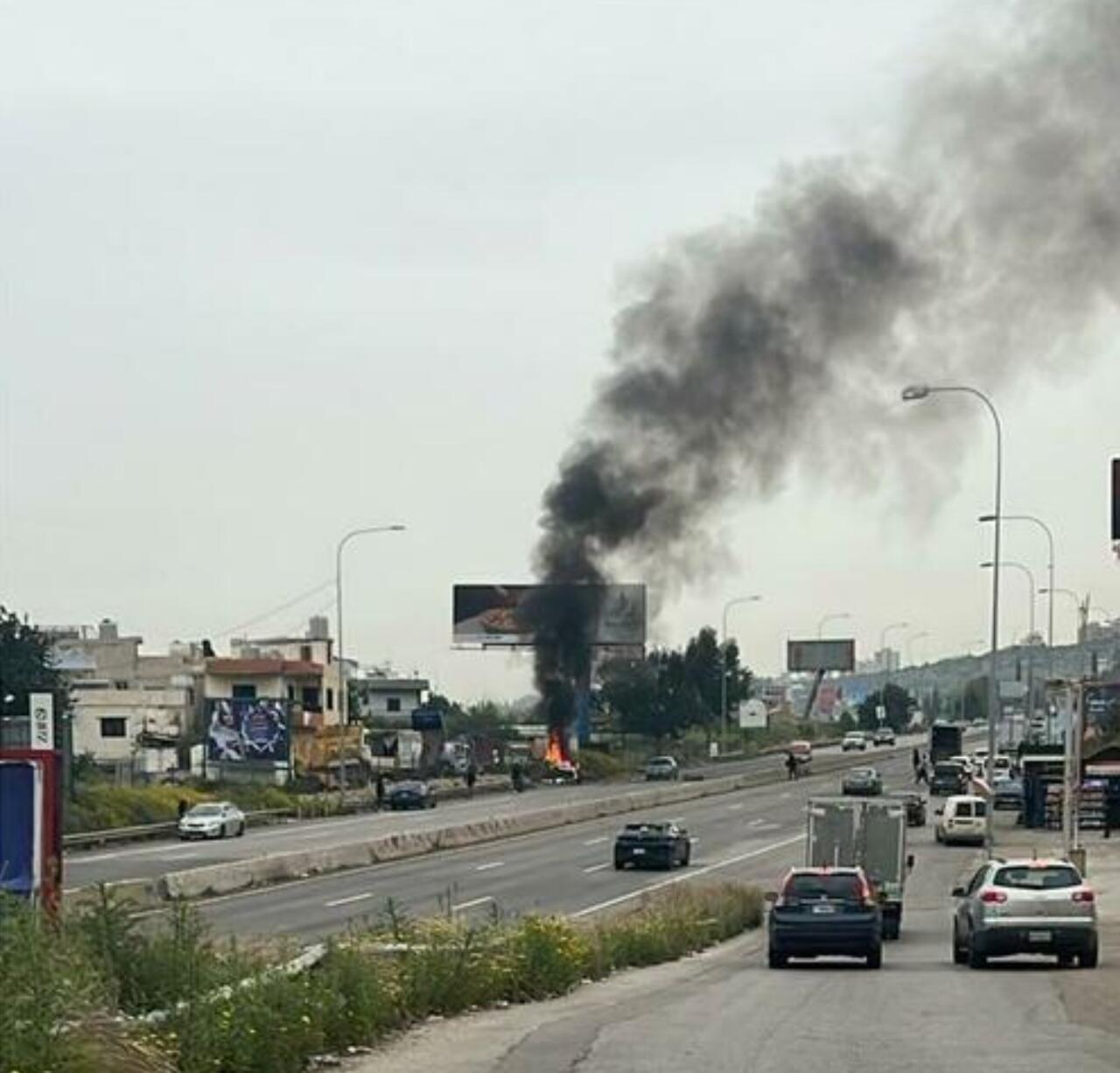
An Israeli drone strike on the Jiyeh road, Lebanon
More Geopolitical Headlines
via Newsquawk…
Effort to extend US-Iran ceasefire has made progress, AP reports citing official; mediators aim to extend the ceasefire for at least another two weeks; both sides gave an “in principle agreement” to extend the ceasefire.
Discussions are underway regarding possible extension of temporary ceasefire between Iran and US, according to Arab diplomatic sources cited by Russia on Wednesday and being reported by Chinese press CCTV.
However, US President Trump said it could end either way, but thinks a deal is preferable because then Iran can rebuild, also said he isn’t thinking about extending the ceasefire and doesn’t think it will be necessary, according to reported citing ABC reporter on X.
The Pentagon is sending thousands of additional troops into the Middle East in the coming days, WaPo reports citing US officials; in a bid to pressure Iran while mulling the possibility of additional strikes or ground operations if the ceasefire breaks.
US President Trump said it’s “very possible” a deal with Iran will be reached by the time the King visits the US later this month (27-29th April), Sky News reported.
US President Trump said he views the war being very close to over, according to Fox News.
US VP Vance said we are negotiating with Iran and ceasefire is holding, adds Iranian negotiators wanted to make a deal.
Feel good about where we are.
Lot of mistrust between the US and Iran, can’t be solved overnight.
US Vice President JD Vance is expected to lead a potential second round of talks with Iranian officials should negotiations lead to another face-to-face meeting before the ceasefire expires next week, according to sources familiar cited by CNN.
Pakistan leadership’s overseas tour until April 18th dims prospects of US-Iran talks in Islamabad before April 18th, Pakistani journalist Mallick reported.
Iran is to use alternative ports to those in southern Iran to bypass the US blockade in the Strait, Mehr News reported.
An Iranian VLCC (Very Large Crude Carrier), which was on the US sanctions list, entered the waters of Iran past the US blockade, Fars reported.
Iran secretly acquired a Chinese spy satellite that gave the Islamic republic a powerful new capability to target US military bases across the Middle East during the recent war, according to an FT investigation.
US Central Command said blockade of Iranian ports has been fully implemented and that US forces have completely halted economic trade going into and out of Iran by sea.
US has intercepted eight Iran-linked oil tankers since the start of the blockade, according to WSJ.
New satellite images show Iran digging for missile launchers trapped underground amid a ceasefire, according to CNN.
More than 20 commercial ships have passed through the Strait of Hormuz in the past 24 hours, WSJ reported, citing US officials.
US destroyer interdicted two oil tankers that attempted to leave Iran on Tuesday, according to an official cited by Reuters.
US President Trump reiterates on Truth Social “NATO wasn’t there for us, and they won’t be there for us in the future!”.
Europe is accelerating a NATO fallback plan in case US President Trump pulls US out of the treaty, according to WSJ.
US Pentagon is likely to trim its Iran wall funding request, according to WSJ citing Senator Coons who is the top democrat on the Senate appropriations defense committee.
Tyler Durden
Wed, 04/15/2026 – 08:35
Nvidia Unveils New AI Open Model, Sparking Rally In Quantum Stocks
Nvidia Unveils New AI Open Model, Sparking Rally In Quantum Stocks
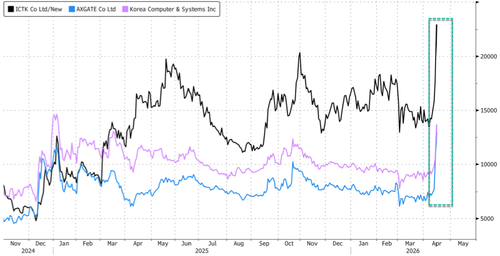
Nvidia unveiled the world’s first open-source AI models to accelerate the development of quantum computing. The news sent shares of several Asian software and cybersecurity firms soaring and sparked a rally in U.S.-listed quantum stocks in premarket trading.
Nvidia’s Ising open-model family is designed to improve two critical areas: quantum processor calibration and quantum error correction. Nvidia claims the models deliver calibration capabilities it describes as industry-leading, while its decoding tools operate 2.5 times faster and achieve up to 3x greater accuracy than traditional open-source approaches.
“AI is essential to making quantum computing practical,” Nvidia CEO Jensen Huang stated.
Jensen continued, “With Ising, AI becomes the control plane, the operating system of quantum machines, transforming fragile qubits into scalable and reliable quantum-GPU systems.”
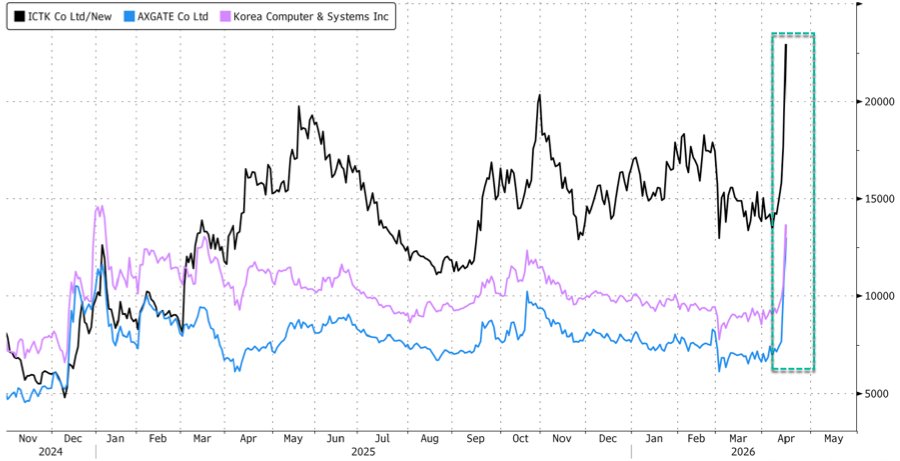
In South Korea, shares of software and cybersecurity firms, including Axgate Co. and ICTK Co., jumped to the 30% daily trading limit. China’s GuoChuang Software Co. and QuantumCTek Co., along with Japan’s Fixstars Corp., rose at least 8%.
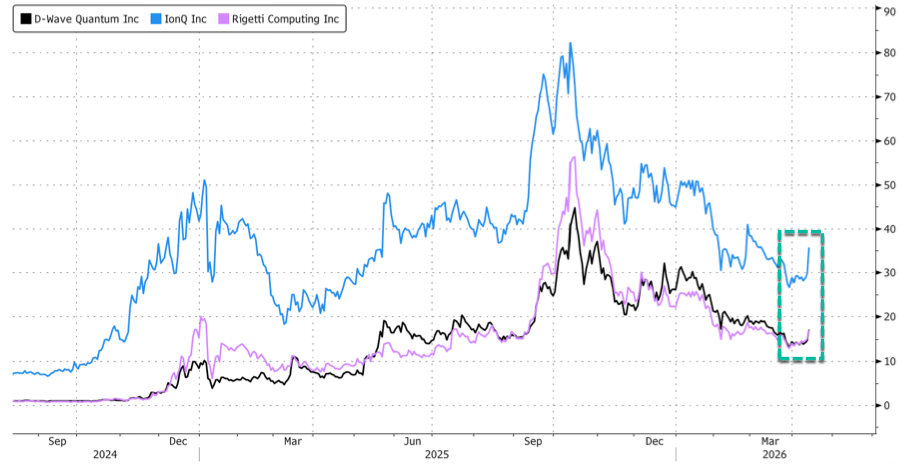
In the U.S., D-Wave Quantum Inc. (QBTS) rose 10%, while IonQ Inc. (IONQ) and Rigetti Computing Inc. (RGTI) climbed 5.9% following the Nvidia news.
Amid the hype in quantum stocks, Bloomberg Intelligence analyst Robert Lea reminded traders, “While these tools can potentially help accelerate developments, the deployment of practical, large-scale quantum computing remains a long way off.”
Tyler Durden
Wed, 04/15/2026 – 08:20
https://www.zerohedge.com/technology/nvidia-unveils-new-ai-open-model-sparking-rally-quantum-stocks

Tether Launches Self-Custodial Wallet Supporting USDT, Bitcoin, & Tokenized Gold
Tether Launches Self-Custodial Wallet Supporting USDT, Bitcoin, & Tokenized Gold
Authored by Naga Avan-Nomayo via TheBlock.co,
Tether, issuer of the world’s largest stablecoin USDT, is stepping further out from behind the rails with the launch of its self-custodial wallet, which it says is designed to put its payments infrastructure directly in the hands of users, rather than operating solely as a backend layer for crypto markets.
The application, dubbed tether.wallet, targets “billions of users left behind by the traditional financial system,” the firm said in a Tuesday announcement.
Tether stated that it also builds on a network that already reaches more than 570 million people globally.
Until now, that infrastructure has largely powered liquidity, settlement, and payments across crypto rather than serving as a direct consumer product.
The wallet focuses on a narrow set of assets. It supports digital dollars via USDT and USAT, tokenized gold through XAUT, and bitcoin – a mix Tether says reflects “the only assets that truly matter for most of the people.”
Moreover, the product also strips out several long-standing friction points in crypto.
Users can send funds using human-readable identifiers, instead of wallet addresses. Tether CEO Paolo Ardoino said the aim is to make digital asset transfers “as easily as sending a message,” without intermediaries or loss of custody.
Transaction fees can be paid directly in the asset being transferred, removing the need for separate gas tokens.
Private keys remain fully user-controlled, with all transactions signed locally on-device, per the company’s statement.
Tether’s expansion
The launch extends a broader push by Tether to move up the stack from issuer and infrastructure provider toward consumer-facing products.
In recent months, the company has open-sourced its Wallet Development Kit to enable self-custodial wallets for both humans and AI agents, backed crypto wallet integrations in platforms like Rumble, and supported stablecoin payout systems through investments such as Whop.
That direction ties into Ardoino’s longer-term view that future financial activity will not be limited to humans.
He has previously argued that AI agents will require native, self-custodial wallets and will rely on bitcoin and stablecoins for machine-to-machine payments.
It appears tether.wallet is built on that same foundation.
The app runs on Tether’s open-source Wallet Development Kit, supporting transactions across humans, machines and AI systems, with support for networks including Ethereum, Polygon, Arbitrum, and Bitcoin’s Lightning Network.
Tyler Durden
Wed, 04/15/2026 – 08:05

Kering And Hermès Sink As War Batters Earnings; Goldman Warns Luxury Dip-Buying Is “Premature”
Kering And Hermès Sink As War Batters Earnings; Goldman Warns Luxury Dip-Buying Is “Premature”
Goldman’s Natasha de la Grense summed it up well this morning: “Money was waiting on the sidelines to buy luxury for a de-escalation play – that feels premature with three misses in three days.”
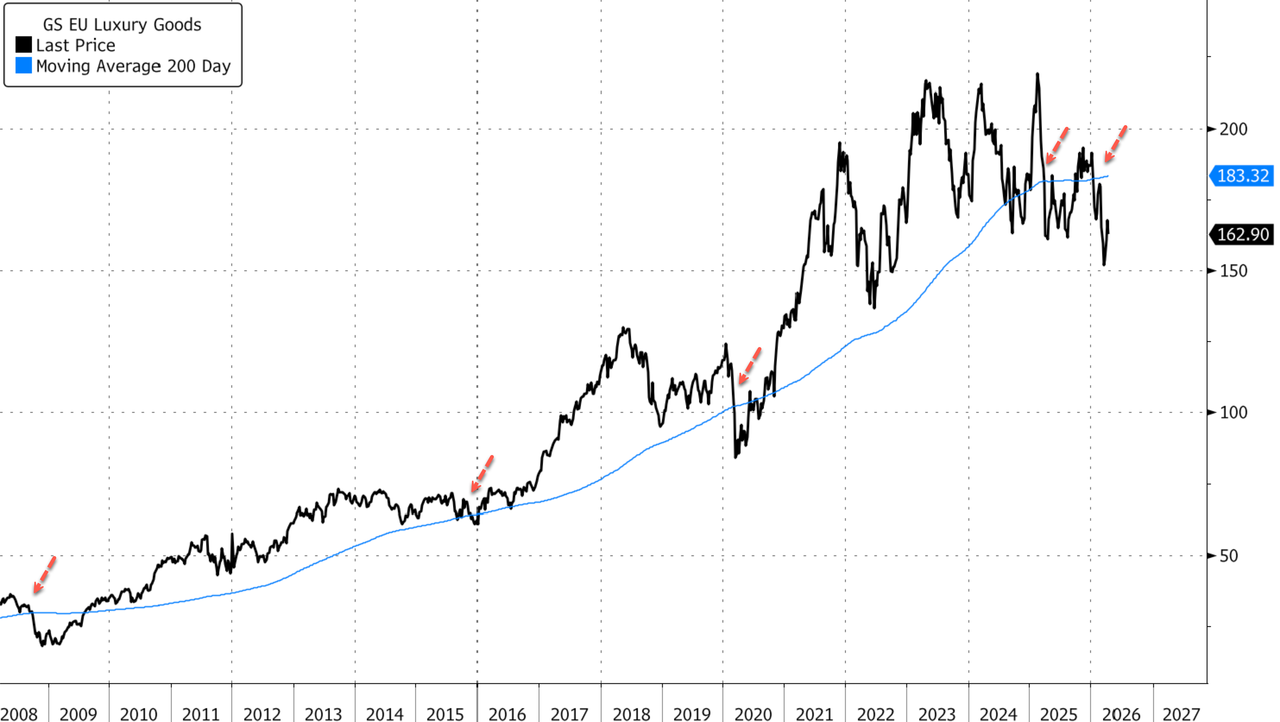
Disappointments from Kering and Hermès, both of which fell short of analyst estimates, reinforced the view that the industry of fine wine, overpriced shirts, shoes, belts, and designer bags, is not yet out of the woods and sent the Goldman Sachs EU Luxury Goods Index (GSXELUXG) down more than 4%.
Gucci’s turnaround appears to be faltering, with first-quarter revenue plunging 8% – nearly double the expected decline as the US-Iran conflict hit Middle East demand and tourism.
The conflict started late in the first quarter, resulting in an 11% sales drop in the Middle East (about 5% of revenue) and shaving roughly 1 percentage point off Kering’s overall sales.
Shares of Kering in Paris trade down as much as 10%, leaving them down about 16.5% on the year.
Also in the luxury space, Hermès missed expectations in the first quarter, with sales up 5.6% at constant exchange rates versus the Bloomberg Consensus estimates of 7.44%. This miss sent shares in Paris spiraling down by 10%, leaving them down 23% on the year.
Hermès’ weakness was similar to Kering’s, largely due to the Middle East Conflict. Sales in the region fell 5.9%, while France declined 2.8%, as lower tourism spending weighed on results, particularly due to fewer Middle Eastern shoppers visiting stores across France, Switzerland, and the UK. Italy was also affected, but not as much.
Both earnings results add to mounting evidence that the war is hitting luxury demand more broadly.
Natasha at Goldman outlined six points of what her team learned today about luxury stock earnings:
Taking a step back from this morning’s large share price moves in Luxury, what have we actually learnt from Q1 prints? Most companies are talking to a -100-150bps headwind in the quarter from events in the Middle East which is not too surprising but implies that underlying growth is still unexciting, particularly when you consider easier comps vs Q4. Areas of prior strength are still very solid (US, jewellery) and, on the positive side, the consumer is responding to leather newness in certain pockets. However, there is no real step change in the overall demand backdrop (aspirational remains weak) and so no reason to own this sector at large. Money was waiting on the sidelines to buy luxury for a de-escalation play – that feels premature with three misses in three days.
Hermes was the biggest surprise for me today. It seems this group’s exposure to tourism is higher than many of us had realised (>50% of sales in France), while wholesale was impacted by not just Travel Retail but also lower deliveries to concessions in the Middle East. On the positive side, space contribution will pick up through the year – Hermes didn’t say inventory had been held back ahead of store openings but did remind us Leather production can be lumpy, guiding for improved performance sequentially and reiterating FY guidance.
I still think the structural bear case on Hermes is overstated while waiting lists still exist and second hand bags are priced at a premium. And, with no change to outlook, consensus likely stays at 9% for FY26 – bang in line with the pre-covid average meaning this company is still “doing what it says on the tin”. That said, I appreciate there was nothing in the print to disprove the bears today. China is where we have heard most concern on the brand – largely due to second hand market headwinds (where there is more authentication, high supply and price premia have come down). To be fair, Hermes’ slight growth in China isn’t bad vs peers (Kering cluster down mid-teens, LVMH cluster flat) particularly considering the tougher comp. Bears also point to the non-Leather slowdown today as a sign of softer global brand momo – again this is hard to disprove, although they did flag on the call that RTW and shoes are quite geared to ME and tourism.
Meanwhile, I am less surprised by the move at Kering today. Unlike at Hermes, positioning was not short, and arguably the print raises more questions on FY delivery. Speaking with investors this morning, the main questions being raised are: 1) is the US improvement really a sign that the Gucci turnaround is working, or simply a function of macro (local wealth effects). Kering said that all brands improved in the US, with strength driven by higher end cohorts rather than this being broad based. In addition Gucci brand was down double digits in all other regions, suggesting global brand momo is still poor; 2) is FY26 guidance of top line growth across all brands achievable considering Gucci retail -9% in Q1, current trading for the group flat (consensus Q2 group +2%), ongoing conflict in the Middle East and a large store closure program; 3) was there a soft warning on margins in here? On the call, the CFO reiterated an “ambition” to grow margins but introduced the idea of stable margins even without growth.
Previously, investors told us they didn’t want to be short Kering ahead of the CMD but there is a growing view today that management will have to concede the top line recovery will be back-end loaded and, without top line, any margin story is hard to back. I’d still prefer to wait post CMD before putting on the short as I expect Mr de Meo will come across well once again and the headline on MT margins could sound good. Middle East would have been a credible reason to step away from top line guidance last night – the fact they didn’t arguably speaks to confidence in brand strategy presentations to come.
Bottom line: More earnings cuts for Luxury. It is still too early to go back to this sector with both limited visibility on how long conflict lasts and also likely knock-on impacts even after a ceasefire (rising inflation impacting aspirational demand recovery). Our flow has been better to sell in Luxury all year, driven by LOs. We think that investor base needs line of sight on a return to mid-single-digit growth before considering stepping back into this space.
GSXELUXG is down 4% this morning on dismal earnings from Kering and Hermès, and the index has been in an overall bear market since its 2025 peak. The index has traded sideways over the last five years.
Luxury was already under pressure before the conflict because of a tough economic backdrop, but the conflict in the Middle East made things a whole lot worse. The good news is that the US and Iran are agreeing to extend a truce, according to AP News, as talks of a peace deal appear promising.
Tyler Durden
Wed, 04/15/2026 – 07:45
Goldman Highlights Global Nuclear Progress Across SMRs And The Fuel Chain
Goldman Highlights Global Nuclear Progress Across SMRs And The Fuel Chain
March saw the submission of multiple construction permits for new reactors, while new designs like India’s thorium reactor, obtained their first criticality. Microreactors in the US also progressed through DOE regulatory pathways as they approach a criticality deadline in July.
Last month also saw multiple headlines in the US across the nuclear fuel chain. Uranium pricing in the spot market was relatively flat after the significant pullback in February. GS updated their uranium supply demand model to account for some of the latest updates resulting in a continued gross mismatch over the next couple decades.
These nuclear industry updates come in a time of great power competition in the form of an AI race between China and the US. Constellation Energy’s CEO Joseph Dominguez recently stated the US is “very behind” China in the race to build up energy to feed AI data centers.
Taking into account the fact that China has built the entirety of the US electric system since just 2010, Dominguez said “we’re in some trouble” if building as fast as China is what it takes to win. He additionally argues a restructuring of national grid operations to better manage peak energy demands could more appropriately balance use of the grid and potentially lead to lower energy prices.
Goldman Sachs analyst Brian Lee reviews headlines across the nuclear industry for March.
New reactor progress and announcements
North America
3/16/26 – Canada – Darlington Unit 4 has returned to service at 100% power, completing Ontario Power Generation’s four‑unit Darlington Refurbishment Project, which extends the plant’s operating life by around 30 years; the CAD 12.8 billion programme was finished four months ahead of schedule and CAD 150 million under budget, marking the full return of all four Candu units to operation.
3/26/2026 – United States – NASA plans to launch Space Reactor‑1 Freedom, the first nuclear‑powered interplanetary spacecraft, to Mars before the end of 2028, using nuclear electric propulsion to enable efficient deep‑space travel; the mission is intended to demonstrate flight‑ready nuclear technology and deploy Ingenuity‑class helicopters at Mars while establishing a foundation for future nuclear‑powered exploration beyond the Moon.
3/27/2026 – United States – Microsoft and Nvidia have announced an “AI for nuclear” collaboration to deploy AI‑driven tools that streamline permitting, accelerate plant design, and optimise construction and operations across the nuclear lifecycle, aiming to reduce regulatory bottlenecks and development timelines without compromising safety; the partnership brings Nvidia‑backed nuclear AI capabilities, including digital twins and simulation, onto Microsoft’s Azure platform, with Everstar contributing domain‑specific nuclear AI.
4/1/2026 – United States – Constellation Energy says it still expects to restart the Crane Clean Energy Center (formerly Three Mile Island Unit 1) in 2027, and plans to seek FERC approval to transfer grid‑capacity rights from its Eddystone plant to overcome potential PJM interconnection delays that could otherwise push grid upgrades into the 2030s.
4/1/2026 – United States – Holtec International has completed passivation of the Palisades plant’s primary system, bringing it to operating temperature and pressure for the first time since the reactor shut down in 2022; the system will now be cooled for further testing, equipment upgrades, and preparations for fuel loading.
Europe
3/31/26 – Poland – Polskie Elektrownie Jądrowe has submitted a construction‑permit application to Poland’s National Atomic Energy Agency for the country’s first nuclear power plant, including a comprehensive Preliminary Safety Analysis Report, marking a major regulatory milestone as Poland advances its nuclear build programme.
4/2/2026 – UK – The Hunterston B nuclear power station in Scotland has transferred from EDF Energy to UK government ownership, with responsibility moving to the Nuclear Decommissioning Authority and its subsidiary Nuclear Restoration Services, marking the first Advanced Gas‑Cooled Reactor plant to enter government ownership as it begins decommissioning.
Asia and other
3/13/2026 – China – Unit 1 of the San’ao nuclear power plant in Zhejiang, China, successfully connected to the grid on March 12, 2026. This HPR1000 reactor is the first of six planned for the site and is expected to enter full commercial operation in the first half of 2026.
3/16/2026 – Russia – The first VVER-TOI unit at Russia’s Kursk II plant has reached 100% power during commissioning. The 1,250 MWe reactor is undergoing final safety tests and is expected to enter commercial operation later in 2026. This new fleet will replace the site’s aging RBMK reactors, with all four units planned to be operational by 2034.
3/23/2026 – Vietnam – Vietnam and Russia have signed an intergovernmental agreement to build the Ninh Thuan 1 nuclear power plant, planned to use two VVER‑1200 reactors based on the Leningrad NPP‑2 design; the deal establishes the legal framework for the project and marks Vietnam’s restart of its nuclear programme following government approval in 2024.
3/27/2026 – Taiwan – Taipower has applied to Taiwan’s Nuclear Safety Council to restart the two‑unit Maanshan nuclear power plant after their 40‑year operating licenses expired, following a legal change allowing 20‑year license extensions; the submission initiates a procedural and technical review process, with additional safety inspections expected to take roughly 18–24 months before any potential return to service.
3/31/2026 – Bangladesh – Rooppur Unit 1 has successfully completed boron flushing of its primary circuit systems, a key pre‑commissioning milestone ahead of first criticality, clearing the way for nuclear fuel loading, which is scheduled to take place in April as Bangladesh’s first nuclear power reactor moves toward initial start‑up.
3/31/2026 – South Korea – South Korea’s Nuclear Safety and Security Commission has approved the restart of Kori Unit 2, allowing the 685 MWe PWR—offline since April 2023 after its original 40‑year license expired—to resume operations following completion of inspections and safety upgrades under its extended operating permit through 2033.
4/7/2026 – India – India’s 500 MWe PFBR at Kalpakkam reached first criticality on 6 April, marking a key milestone in the country’s second stage of its three‑stage nuclear programme and advancing plans for a closed fuel cycle centred on thorium.
SMR announcement tracker
3/5/2026 – United States – The US Nuclear Regulatory Commission has issued a construction permit for TerraPower’s first Natrium plant in Kemmerer, Wyoming. Per the NRC, this is the first approval in more than 40 years for a commercial non‑light‑water reactor; the 345 MWe sodium‑cooled fast reactor, which includes molten‑salt energy storage, can now begin nuclear construction, with a separate operating license still required before generation.
3/18/2026 – United States – Oklo has received US Department of Energy approval for Nuclear Safety Design Agreements covering both its Aurora powerhouse pilot reactor at Idaho National Laboratory and Atomic Alchemy’s Groves Isotopes Test Reactor in Texas, allowing both projects to move into the next phase of licensing under the DOE’s Reactor Pilot Program, with NRC licensing to follow for commercial operations.
3/19/2026 – Sweden – Blykalla is advancing plans for a lead‑cooled SMR plant in Norrsundet, Sweden, after studies confirmed the site’s suitability; the project would deploy six SEALER reactors totaling about 300 MW to supply fossil‑free power, with permitting expected to start later this year and potential operation in the early 2030s, subject to approvals.
3/20/2026 – United States – Aalo Atomics has completed assembly of its Critical Test Reactor at the Idaho National Laboratory, unveiling the experimental Aalo‑X reactor and targeting criticality well before the 4 July deadline under the US DOE’s Nuclear Reactor Pilot Program; the reactor serves as a precursor to Aalo’s planned 50 MWe extra‑modular reactors for data centres, with final startup pending fuel delivery and DOE approval.
3/20/2026 – United States – X‑energy has signed a letter of intent with Talen Energy to assess deploying multiple XE‑100 SMR plants in Pennsylvania and across the PJM market, potentially developing three or more four‑unit plants to add clean baseload capacity; the companies will carry out early‑stage feasibility studies and site evaluations, including opportunities to repower existing fossil‑fuel sites using established infrastructure, transmission, and workforce resources.
3/23/2026 – Sweden – Kärnfull Next has submitted Sweden’s first application under the new Act on Government Approval of Nuclear Facilities to build an SMR campus in Valdemarsvik, southeastern Sweden, covering a planned four‑to‑six‑unit light‑water reactor site; the project is part of its ReFirm South programme and represents a step from concept to formal permitting aimed at delivering new dispatchable, fossil‑free power, with additional SMR applications expected later this year.
3/24/2026 – Uzbekistan – Uzbekistan and Russia have marked progress on the country’s first SMR project by signing a nuclear cooperation roadmap and beginning initial concrete works for a RITM‑200N reactor at the Jizzakh site; the project now combines two large VVER‑1000 units with two 55 MWe SMRs, establishing the framework for construction, training, and long‑term nuclear development.
3/30/2026 – United States – New Hampshire has launched a formal review of advanced nuclear reactor deployment after Governor Kelly Ayotte issued an executive order directing the state’s Department of Energy to assess regulatory, financial, and market conditions and develop a statewide nuclear energy roadmap to guide potential next‑generation nuclear development.
3/31/2026 – South Africa – South Africa’s Nuclear Energy Corporation (Necsa) has launched an Expression of Interest to identify technology partners for the development and demonstration of a small modular reactor, aiming to assess mature SMR designs and financing models as part of its strategy to position the country in the global SMR supply chain and support future deployment.
3/31/2026 – UK – Holtec International’s SMR‑300 small modular reactor design has completed Step 2 of the UK Generic Design Assessment, with regulators concluding there are no fundamental safety, security, safeguards, or environmental protection issues that would prevent its deployment in Great Britain.
4/2/2026 – Canada – OPG has applied to the Canadian Nuclear Safety Commission for a 20‑year operating license for the first BWRX‑300 SMR at the Darlington New Nuclear Project, a step required to complete commissioning and begin operation once construction is finished; the application will be decided following a public hearing.
Global reactor critical updates
In the month of March, there have been few changes to new reactor construction starts, grid connections, shutdowns, or restarts.
Global reactor construction tracker
Global reactors under construction
China only
Fuel announcements
3/9/2026 – United States – Oklo and Centrus Energy are exploring a joint venture focused on HALEU deconversion services and advanced nuclear fuel‑cycle technologies, with proposed activities co‑located at Centrus’s Piketon, Ohio site to integrate enrichment and deconversion, improve efficiency, and expand domestic advanced nuclear fuel capacity to support Oklo’s reactors and broader US deployment.
3/11/2026 – United States – Framatome and NuScale Power have expanded their long‑standing fuel partnership to include Framatome’s European fabrication facilities, establishing a global supply chain to support NuScale’s SMR deployments in both the US and Europe; the agreement also advances qualification of Framatome’s Richland, Washington plant to produce NuScale’s NuFUEL‑HTP2 fuel, with deliveries for the first US customer targeted from around 2030.
3/12/2026 – UK – Urenco reported its order book has reached a record €21.3 billion, up about 14% year‑on‑year, with enrichment contracts now extending into the 2040s, reflecting strong demand for nuclear fuel services amid rising political and utility support for nuclear power in Europe and North America.
3/20/2026 – Belgium – Framatome has signed a contract with Belgium’s SCK CEN to supply high‑density silicide low‑enriched uranium fuel for the BR2 research reactor as it transitions away from high‑enriched uranium, following successful irradiation of lead test assemblies delivered in 2025.
3/23/2026 – United States – Uranium Energy Corp has expanded uranium production at its Christensen Ranch ISR mine in Wyoming by bringing new header houses into operation, while its subsidiary United States Uranium Refining & Conversion Corp has passed the first licensing milestone for a planned US uranium conversion facility; the developments support higher domestic uranium output and advance UEC’s strategy to rebuild a vertically integrated US nuclear fuel supply chain.
3/30/2026 – United States – FluxPoint Energy, plans to develop what it expects will be the first new uranium conversion facility in the US in about 70 years, aiming to convert uranium oxide U3O8 into UF6 to strengthen domestic nuclear fuel supply security, with first production targeted for 2030–2031.
4/1/2026 – Ukraine – Ukraine’s Cabinet of Ministers has approved a plan to build a domestic nuclear fuel assembly production facility, giving Energoatom the go‑ahead to design and construct a plant using Westinghouse technology in the Mykolaiv region, a move aimed at strengthening fuel security and advancing Ukraine toward a self‑sufficient nuclear fuel cycle.
Uranium pricing and volume trackers
Spot pricing starting to stabilize. Spot pricing continued its downward trend through much of March following February’s pullback, easing from the high‑$86/lb level at the start of the month to the low‑to‑mid $80s by the second half. Prices declined steadily through mid‑ and late‑March, briefly dipping below ~$84/lb, before stabilizing toward month‑end around ~$84/lb. Spot market activity picked up modestly relative to February but remained well below January levels, with flows largely driven by traders rather than utilities. Financial participation remained intermittent, with SPUT activity episodic rather than sustained. Despite softer pricing through March, year‑to‑date spot volumes in 2026 remain meaningfully ahead of last year, reflecting a stronger start to the year overall.
Term pricing holds strong. Term uranium pricing remained firm through March, holding at ~$90/lb following February’s step‑up, reinforcing the view that pricing has reset to a higher plateau. While reported term contracting activity was limited during the month, engagement remained active, with utilities continuing to evaluate both mid‑ and long‑term offers across uranium (U₃O₈), conversion, and EUP. Market color pointed to continued upward pressure on offer structures, with floor prices largely holding in the mid‑$70s and ceiling prices stretching into the low‑$130s and beyond for longer‑dated deliveries. Overall, March was characterized by constructive sentiment in term markets but limited execution, as buyers remained selective amid elevated price levels.
KAP earnings update. On 3/20/26, KAP held its 4Q25 earnings call where management reiterated its production guidance of 27,500-29,000 tU (71.5-75.4mn lbs), with the midpoint ~5% below its subsoil use contract annual production of 29,697 tU.
Tyler Durden
Wed, 04/15/2026 – 06:55

Roblox Rolls Out Restricted Accounts For Under-16 Users Amid Lawsuit, Social Media Ban
Roblox Rolls Out Restricted Accounts For Under-16 Users Amid Lawsuit, Social Media Ban
Authored by Rex Widerstrom via The Epoch Times (emphasis ours),
While managing to avoid Australia’s under-16 social media ban, the global game creation platform Roblox has moved to introduce restricted accounts for children and teenagers.
The move also comes in the wake of a lawsuit from Los Angeles County alleging it does not carry out adequate moderation and that its age-verification systems are not fit for purpose.
The suit claims that, as a result, young people were exposed to sexual content, exploitation, and online predators while playing the game.
It joined more than 60 other actions brought by players or their parents, the majority from families in the United States.
Roblox founder and CEO, David Baszucki, announced the changes online, saying an update to the platform will bring age checks, account-level defaults, content ratings, ongoing moderation, and expanded parental controls together into a “unified framework for younger users.”
“Based on our selection criteria, we believe age-checked users under 16 will have access to the vast majority of their favourite games at launch. Age-checked users 16 and older will not see any change to their Roblox experience,” Baszucki said.
With over 151 million active players every day, Roblox has become one of the most popular online platforms ever.
Users will now be sorted into one of three groups: Kids’ accounts (ages 5 to 8), Select accounts (ages 9 to 15) and those aged 16 and above, who will have access to the standard Roblox account.
Users between the ages of five and eight will be assigned to a Kid’s account by the platform’s systems, either based on a verified parent or its worldwide age-check technology, which includes facial recognition. They will be limited to games with a “minimal” or “mild” content maturity label, and communication will be disabled by default.
Roblox Select accounts will be able to access games with content maturity labels up to and including “moderate” and chat room functions will be gradually introduced with safeguards, allowing them to chat with family and friends or those that are a similar age.
Each of the two new levels will have a distinct background colour across the app to indicate the account type.
Roblox Chief Safety Officer Matt Kaufman told GamesBeat that there should be coordination between platforms.
“There has to be some coordination, some minimum bar we expect all companies to clear when you involve kids and teens. The reality is, they’re just jumping from platform to platform. That’s normal. I have two kids who have grown up online. It’s just what they do.”
Despite the action against it in the United States, Roblox was not among the platforms Australia’s eSafety Commissioner said she would be investigating for potential non-compliance with Australia’s social media ban.
Those were Facebook, Instagram, Snapchat, TikTok and YouTube, all of which are currently restricted platforms under the law, which has now been in place for 4 months.
Government Welcomes Changes
Meanwhile, Australian Communications Minister Anika Wells welcomed the Roblox announcement. She has previously met with representatives of the platform and expressed concerns over graphic content and reports of grooming.
“We made it clear to Roblox that something had to be done,” she told journalists, “and I welcome these steps towards stronger safety measures on their platform for under-16s, not just in Australia, but globally. Kids should be able to play their favourite games without being exposed to harmful content.
“We will closely watch the rollout of Roblox’s changes to make sure they create a meaningful difference to the experience of young Australians on their platforms.”
She dismissed concerns that young people have continued to circumvent the restrictions—including by reportedly drawing on facial hair—saying it’s no surprise.
“There isn’t 100 percent effectiveness for the law against murdering people in this country; people still murder [yet] no one is making an argument that we shouldn’t have a law against murdering people in this country,” she said.
“We’ve always said cultural change takes time, and we will not get a 100 percent strike rate, or anything like it, for any amount of time shortly after the ban comes in.
“The law is important because it sets a cultural standard.”
Tyler Durden
Wed, 04/15/2026 – 06:30
Europe Drafts Pie In The Sky Plan To Free Up Hormuz Without ‘Belligerent’ Parties
Europe Drafts Pie In The Sky Plan To Free Up Hormuz Without ‘Belligerent’ Parties
This is quite the ambitious headline revealing the latest ‘plan’ for Hormuz to come out of Europe, as it sits on the sidelines watching the US get potentially bogged down in the region following a month of heavy airstrikes on Iran: Europe drafts postwar plan to free up Strait of Hormuz without US, WSJ reports.
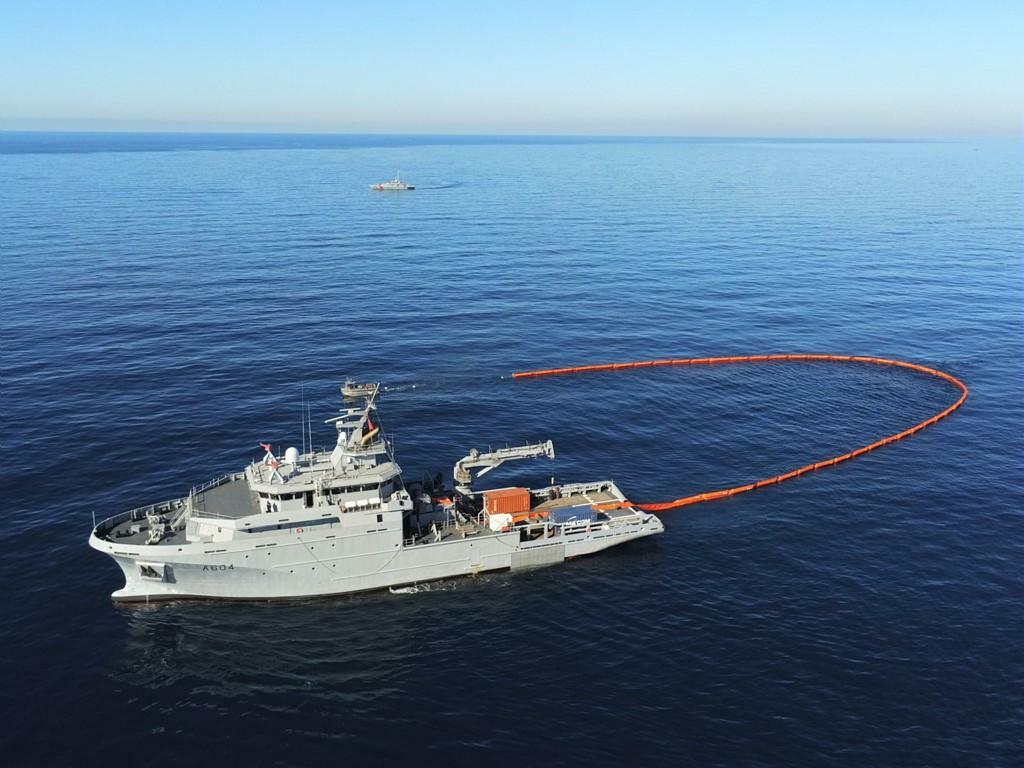
This is apparently a plan for after the main crisis is over, amid the strait still being blockaded (with the each warring side insisting it is they in control of the strategic chokepoint waterway). It seems the main idea is to eventually take the United States out of the equation, allowing only for the ‘neutral’ countries to free up and clean the Hormuz Strait.
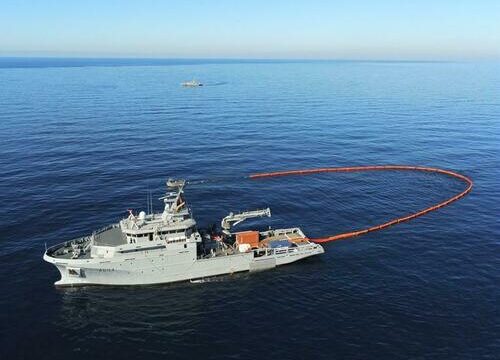
Both the Iranians & Americans still step aside & tiny French warships will move in?
But the whole thing is very strange – on the one hand, it purports to keep one of the key belligerents, namely the United States, at bay – while on the other envisioning European/NATO military ships engaged in freedom navigation operations, including some mine-clearing.
For example, there is this line from the Journal report: “French President Emmanuel Macron said Tuesday the plan is for an international defensive mission that doesn’t include the ‘belligerent’ parties, meaning the US, Israel and Iran. European diplomats familiar with the plan say European ships wouldn’t be under American command.”
According to a Newsquawk summary of the WSJ main highlights:
—European countries are putting together a plan for a broad coalition of countries to help free up shipping through the Strait of Hormuz, including sending mine-clearing and other military vessels. But the plan would only come after the war and may exclude the US.
—Some differences must still be worked: French diplomats think that any US involvement in the operation would make it less palatable to Tehran, while British officials worry that not including the Americans will anger Trump and limit the operation’s scope.
—The plan has three broad aims:
1) put logistics in place to ensure the hundreds of ships currently stuck in the strait can leave.
2) Employ a major demining operation to clear the way for a far larger number of ships to use a broader part of the strait.
3) Removing Iranian mines in Hormuz is crucial to getting ships going again.
The reality is that this supposed plan brings things back full circle to problem #1... as it’s not as if either Iran, or the United States, will simply shrug and cede control so that a European military coalition can step in and take over.
Which side will ever actually agree to this? The obvious answer, at least for the time being and foreseeable future is… nobody.
And then there’s the question of what leverage or force will Europe employ to assert its military presence in the strait in order to keep all parties in line… some mere harsh language and strong words?
Tyler Durden
Wed, 04/15/2026 – 05:45

Rolls-Royce 470-Megawatt Nuclear Reactors To Power 3 Million UK Homes For 60 Years
Rolls-Royce 470-Megawatt Nuclear Reactors To Power 3 Million UK Homes For 60 Years
Authored by Mrigakshi Dixit via Interesting Engineering,
The UK’s new nuclear approval at Wylfa officially kicks off what the government calls a “golden age” for the nation’s energy sector.
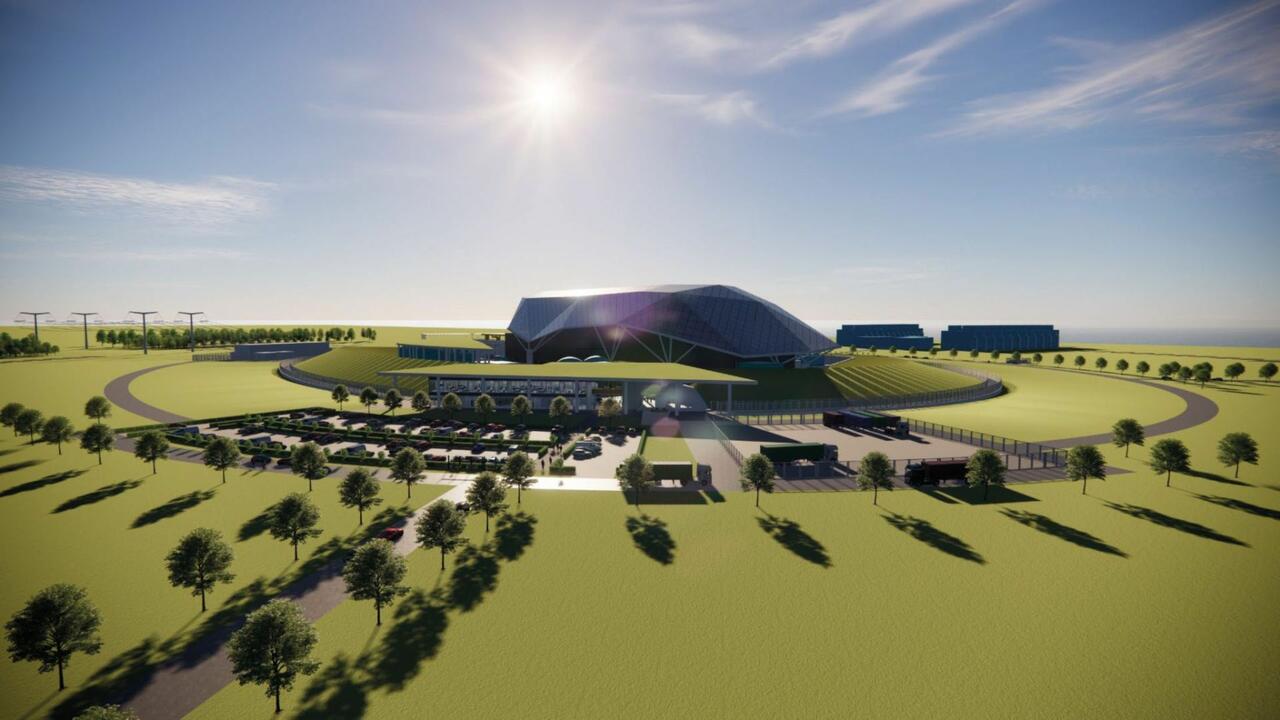
Depiction of Rolls-Royce SMR site at Wylfa on Anglesey, North Wales.
On April 13, the government approved the development of three Small Modular Reactors (SMRs) at the Wylfa site on Anglesey, North Wales.
This project, a partnership between Rolls-Royce SMR and Great British Energy – Nuclear, aims to advance domestic, low-carbon energy technology.
The BBC reported that the three units have a total output capable of powering approximately 3 million homes for over 60 years.
If all goes to plan, the first “Made in Britain” SMRs could begin feeding the National Grid in the 2030s.
“This is a critical milestone for Rolls-Royce SMR, for Rolls-Royce and for the UK as the Government looks to realize its ambition of a ‘golden age’ of new nuclear,” said Tufan Erginbilgic, CEO, Rolls-Royce, on April 13.
Reviving Wylfa
Last November, Prime Minister Sir Keir Starmer confirmed that the coastline of Ynys Môn (Anglesey) would become the official home for three of the UK’s first small modular reactors.
Through a £2.5 billion partnership, the site is being transformed into a high-tech energy hub.
The original Wylfa power station, once Britain’s oldest nuclear plant, concluded 44 years of operations in 2015, having reached the end of its natural lifespan.
The site’s closure was driven by the aging infrastructure of the 1960s-era reactors and the 2008 cessation of the specific fuel production required to run them.
Although initial replacement plans were abandoned in 2021, the site is now entering a new chapter following the 2024 proposals to revitalize the location as a modern energy hub.
The Rolls-Royce SMR is a 470 MWe pressurized water reactor designed to provide reliable baseload power for at least 60 years. Each unit has a compact footprint of approximately 16 meters by 4 meters.
According to a World Nuclear News report, the modular design allows 90% of the unit to be manufactured off-site.
Moving the bulk of the work off-site limits local disruption and ensures a much faster, more predictable construction timeline.
Rolls-Royce SMR chief Chris Cholerton pointed to the project as a clear win for domestic innovation, proving the UK can build its own path to energy security.
UK’s energy independence
The push for energy independence has become a mantra for the UK government. By building locally, the UK aims to insulate itself from global price spikes while meeting its aggressive net-zero targets.
To further the UK’s nuclear ambitions, a £599 million commitment from the National Wealth Fund has been allocated to support the engineering and rollout of these reactors.
The project is a massive engine for employment. Officials estimate it will create 8,000 new jobs. While 3,000 of these roles will be rooted locally in Anglesey, another 5,000 will be spread across the national supply chain.
Industry leaders have hailed the decision as a “historic step” in Welsh industrial growth, positioning the site as the launchpad for Britain’s first fleet of small modular reactors.
Wylfa has seen false starts before. A previous plan for a large-scale plant was scrapped in 2021, leaving the local community in limbo. While site work begins immediately, a final investment decision isn’t expected until the turn of the decade.
The goal is to clear all planning and regulatory hurdles so the reactors are operational during the 2030s.
This timeline ensures that once the financial and legal frameworks are settled, the site can begin contributing to the energy grid within the next decade.
Tyler Durden
Wed, 04/15/2026 – 05:00

Twin Suicide Attacks Rock Algerian City Near Where Pope Is Visiting
Twin Suicide Attacks Rock Algerian City Near Where Pope Is Visiting
Algeria has been hit by two terror attacks during Pope Leo XIV’s visit, officials say – though at this point there doesn’t appear to have been any direct effort at targeting the Pope or his accompanying officials.
Twin suicide attacks rocked a city outside Algeria’s capital Monday, just as the American-born Pontiff began his historic visit to the country, AFP reports.
Pope Leo at the presidential palace in Algiers on Monday, via Vatican Media Handout/EPA
“There were two security incidents yesterday afternoon in Blida, incidents of a terrorist nature. Two suicide bombers blew themselves up and were killed,” a source told AFP on Tuesday. The city in question is a little less than 30 miles southwest of Algiers.
But importantly, authorities have as yet found no link between the attacks and the pope’s visit, which is taking place under tight security. Video reviewed by AFP showed two bodies lying in a street in Blida.
According to a regional news report, “In the videos, several people gathered around the bodies, while passers-by covered them with sheets in a light rain.” The report continues, “The remains appeared severely mutilated, and the circumstances of their deaths could not be determined. Based on the images, the scene was located near several shops and a police station.”
Another report out of North Africa says that Algerian authorities have remained curiously silent on the incident, perhaps trying to avoid disrupting the Pope’s visit, or else on fears that the country will be seen as suffering serious security lapses:
Reports quoted eyewitnesses who said two individuals were wearing explosive belts and tried to target separate locations. Le Point said police officers opened fire on the two attackers before they could reach their targets.
Other reports said the first explosion targeted a security facility in Blida, with the fatal attack causing the deaths of two police officers. Reports also alleged that a second suicide bombing affected a food processing facility in the same province.
But again, little of this is actually confirmed by Algerian security officials. As for Leo, his visit has so far been unfolding without a hitch – but likely his security detail has been tightened and extra vigilant in light of the suicide bombings.
Pope Leo has landed in Algeria, birthplace of St. Augustine – the founder of his religious order. He told reporters on the plane this saint is an important ‘bridge’ in interreligious dialogue. “We must always seek bridges to build peace & reconciliation.” (CNS 🎥/Lola Gomez) pic.twitter.com/SZPYDQ1QUl
— Catholic News Service (@CatholicNewsSvc) April 13, 2026
The Pope kicked off his 11-day tour in four African countries this week- which after Algeria will include Cameroon, Angola, and Equatorial Guinea. He has while in Algeria focused on promoting Christian-Muslim coexistence, and has visited ancient Christian sites tied to when the region was previously predominantly Christian during late antiquity, under the late part of the Roman Empire in the West.
Tyler Durden
Wed, 04/15/2026 – 04:15
Is The EU’s €90 Billion Loan To Ukraine Meant To Buy Time For The Return Of Democrats
Is The EU’s €90 Billion Loan To Ukraine Meant To Buy Time For The Return Of Democrats
Orban’s “democratic ouster” is expected to remove Hungary’s procedural opposition to the EU’s planned €90 billion loan to Ukraine that’ll be financed by members raising common debt.
RT published a detailed article about this plan here last December, which was a compromise for financing this loan after the bloc failed to reach a consensus to either outright confiscate some of Russia’s frozen assets for giving to Ukraine or use at least some of them as collateral for a loan to it. Readers can learn more here and here.
If everything goes according to plan, and Bloomberg reported that the bloc plans to move swiftly after Hungary held everything up for several months already, then this move risks funding a forever war.
Hopes of a military breakthrough along the front or a diplomatic breakthrough in US-mediated talks have yet to materialize, so the pace of Russia’s on-the-ground advance remains glacial, thus meaning that it could take years to achieve Russia’s reported minimum goal of obtaining control over all of Donbass.
Funding two-thirds of the Ukrainian budget for the next two years per the EU’s goal would likely lead to another two-year round being agreed in order to encourage the US to continue its military aid.
Ever since last summer, the US no longer donates arms to Ukraine but instead sells them to NATO, which then transfers them there.
Even if Trump suspends these sales, so long as the Ukrainian budget is financed and nothing major changes, then it might hold out long enough for him to change his mind again.
To be sure, Ukraine cannot fight forever since even Zelensky’s new Chief of Staff Kirill Budanov recently admitted that it faces “a huge, huge problem” after new Defense Minister Mikhail Fedorov revealed that over 2 million Ukrainians are dodging the draft, which seriously complicates operations at the front.
There’s also always the chance that Putin will turn the special operation into a formal war in which he’d no longer care about civilian casualties in an attempt to decisively end the conflict on Russia’s terms.
There are two competing schools of thought about why he hasn’t yet done so.
One speculates that he doesn’t want to inadvertently risk an escalation with the US that could easily spiral into World War III…
…while the other is that he still truly considers Russians and Ukrainians to be one people like he explained at length in summer 2021’s magnum opus, ergo his reluctance to see their civilians suffer.
At any rate, the forever war scenario assumes that Putin won’t do this, which can’t be taken for granted.
Nevertheless, the EU operates under the assumption that he won’t do so, which explains why it plans to move swiftly to approve Ukraine’s €90 billion loan and still buys arms from the US for transfer to that country.
This not only perpetuates the risk that tensions spiral out of control but also perpetuates the EU’s energy insecurity amidst the ongoing crisis caused by the Third Gulf War since an end to the conflict could hypothetically result in the resumption of Russian energy exports to the EU to its citizens’ benefit.
The EU’s unstated goal is to perpetuate the conflict till at least 2029 in the hope that the Democrats will regain control of the White House and resume the US’ Biden-era Ukrainian policy.
Even though Europeans will economically suffer till then, not to mention more Russians and Ukrainians dying, the bloc is willing to pay these costs in pursuit of its ideologically driven goal of inflicting a strategic defeat upon Russia. Ultimately, however, the conflict might end up strategically defeating the EU instead.
Tyler Durden
Wed, 04/15/2026 – 03:30
https://www.zerohedge.com/geopolitical/eus-eu90-billion-loan-ukraine-meant-buy-time-return-democrats