Category: News
Rally in St. Charles stresses importance of immigrants: ‘We need to show support’
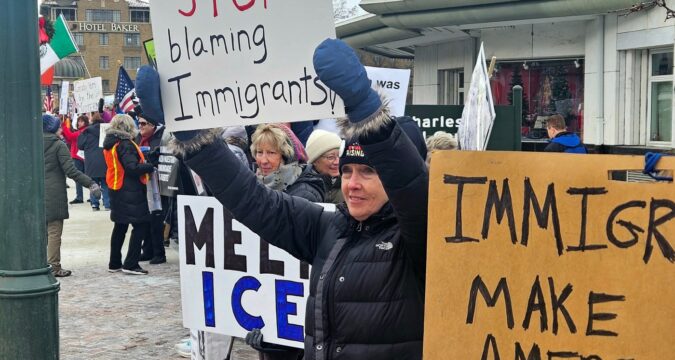
The local activist group We Can Lead Change – Fox Valley held a rally in downtown St. Charles on Saturday aimed at celebrating immigrants and their contributions to the area.
The event, which drew over 150 participants, began at 11 a.m. on Main Street near the St. Charles Municipal Building.
Following the rally, organizers from the group encouraged those in attendance to remain in the downtown area and visit local restaurants that were either owned or staffed by immigrants.
The local We Can Lead Change group has been active for months mobilizing over issues including immigration as well as against many of the policies of the current U.S. administration.
Miki Powell, a member of the We Can Lead Change group, said events like the one Saturday are important.
“We really want to support our immigrants in this community and so We Can Lead Change is going to do everything it can to support our immigrants in St. Charles, whether that means food drives or supporting the restaurants that support the immigrant employees, delivering food, whatever we can do,” Powell said.
Powell said the idea to support local restaurants with an immigrant connection was a way to show further support.
“We have walked our businesses in this area with ‘Know Your Rights’ cards and have been walking up and down in St. Charles handing out cards and we know which businesses are favorable,” Powell said.
Participants arrived well before the 11 a.m. start time for the event.
Participants line Main Street in downtown St. Charles on Saturday, Jan. 3, 2026, during a rally to honor immigrants and their contributions to the Fox Valley. (David Sharos/For The Beacon-News)
Linda Robertson of St. Charles has been at virtually every rally offered by the group and “wanted to be here as immigrants are important. We’re all descendent of immigrants.
“My family – the first one here – she was a maid who came from France in 1844 and ended up owning a hotel,” Robertson said. “They are the backbone – some of the hardest workers. I’ve worked all over the world and I find that creativity happens when cultures mix and that’s so important.”
Robertson added that as a scientist, “if you look at most of those who hold patents either worked internationally or are immigrants.”
“They see different ways of doing things,” Robertson said at the rally. “I hope that today, more awareness is the takeaway.”
Heidi DeMarco of Geneva came out to support the local immigrant community.
“I came because I wanted to raise awareness and we need to show support for our immigrant community,” DeMarco said. “There are a lot of people who are actually hiding in their homes right now and are afraid to come out for food. We are trying to figure out how to get them fed and get their kids coats so they can go to school. They don’t feel supported and we want to make sure that they know that we want them here.”
David Sharos is a freelance reporter for The Beacon-News.
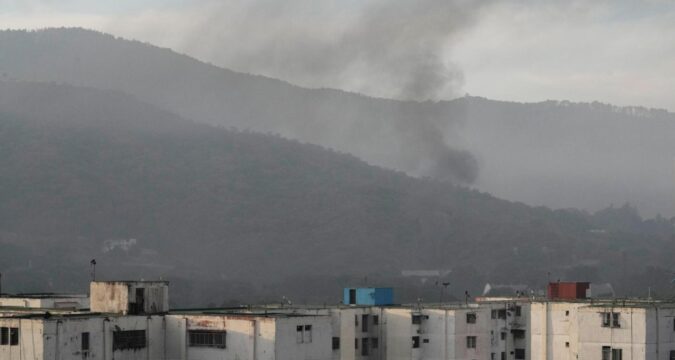
Nicolás Maduro’s capture disrupts Caribbean holiday travel, hundreds of flights canceled
The U.S. military operation that captured Venezuelan President Nicolás Maduro and flew him out of the country early Saturday has also disrupted Caribbean travel at a busy travel time for the region.
No airline flights were crossing over Venezuela on Saturday, according to FlightRadar24.com. And major airlines canceled hundreds of flights across the eastern Caribbean region and warned passengers that the disruptions could continue for days after the Federal Aviation Administration imposed restrictions.
Flights to Puerto Rico, the Virgin Islands, Aruba and other destinations near Venezuela were canceled. The airlines are waiving change fees for passengers who have to reschedule their flights this weekend.
The FAA had earlier said it imposed a temporary airspace restriction on Puerto Rico’s international airport and surrounding regions.
An announcement by Luis Muñoz Marín International Airport in San Juan posted on the social media site X said restrictions were put in place because of the “security situation related to military activity” in Venezuela.
As a result, most commercial airlines to and from the airport that are operated by U.S. airlines have been suspended or may be canceled.
Foreign airlines and military aircraft are not included in this restriction, the statement said. “Passengers are urged to check the status of their flight directly with their airline before heading to the airport.”
JetBlue said it canceled about 215 flights “due to airspace closures across the Caribbean related to military activity.” It also noted that flights to the Dominican Republic and Jamaica were not affected by the government’s restrictions. Customers could rebook their travel or request a refund if the flights were canceled, the company said.
United said it was adjusting its schedule to account for airspace closures in the Venezuela region. It said customers could change their travel plans in the region for free as it continued to monitor the situation and worked with U.S. aviation authorities.
Southwest said it canceled all Aruba flights for Saturday and suspended Puerto Rico flights until late afternoon, but flights to the Dominican Republic were unaffected.
American said it was waiving change fees for flights to and from about 20 island destinations, including Anguilla, Antigua, Curacao, Saint Lucia and the U.S. and British Virgin Islands.
Delta said it has issued a travel waiver for customers traveling to or from 13 impacted airports through Tuesday.
https://www.chicagotribune.com/2026/01/03/maduros-capture-flights-canceled/

Not The Bee: Woke City Appoints Convicted Murderer Who Shot Teen Girl To Police Review Board
Not The Bee: Woke City Appoints Convicted Murderer Who Shot Teen Girl To Police Review Board
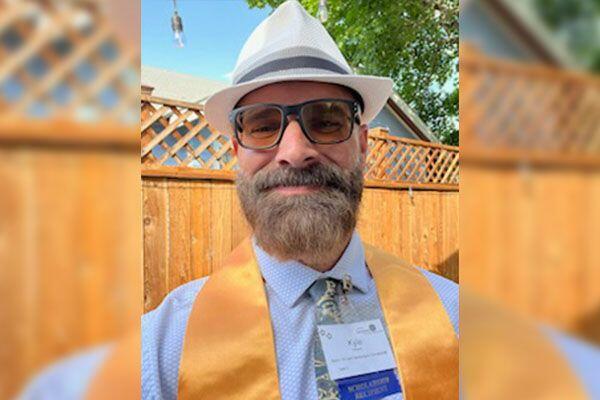
Kyle Hedquist, a convicted murderer who was sentenced to life in prison for shooting a teenage girl to death in cold blood, has been reappointed to serve on Salem, Oregon’s police review board – all in the name of his so-called “perspective” on the criminal justice system.
Hedquist, an Oregon native, was convicted of the aggravated murder of 19-year-old Nikki Thrasher, whom he lured down a remote rural road and shot in the back of the head to prevent her from revealing his involvement in a series of robberies. In 2022, then-Governor Kate Brown (D) played a key role in securing Hedquist’s early release, insisting that the killer “shouldn’t be locked up for life” simply because he was 17 years old at the time he executed Thrasher.
At the time of the commutation, Nikki’s mother, Hollie Thrasher, rightly condemned the decision to free her daughter’s murderer.
“I am upset. I wasn’t even told,” she told KOIN 6. “He took the life of my daughter in cold blood. It was a cold-blooded murder. He planned it.”
The New York Post has the details behind the city’s decision to hire Hedquist:
Defending his reappointment to the board — whose members train with police and take part in ride-alongs — a Salem councillor praised Hedquist for the “perspective” he brings.
Hedquist “brings a perspective that most of us don’t have,” Ward 6 City Councilor Mai Vang said in a video shared on Facebook following the Dec. 8 vote.
“As someone who’s been through the criminal justice system, he understands community safety from a different angle. He’s one voice among nine — he’s not running the show, but his experience matters,” she added.
While certain soft-on-crime ideologues may applaud this bizarre and tone-deaf appointment, law enforcement professionals are understandably appalled.
“To think that we’re providing education on kind of how we do what we do to someone with that criminal history, it just doesn’t seem too smart,” the Salem Police Employees’ Union declared in an interview with KATU2.
Salem Professional Fire Fighters Local 314 has likewise denounced the move.
“As police and fire professionals in the Salem community, we are asking Salem residents to stand with us,” their statement read.
Tyler Durden
Sat, 01/03/2026 – 14:35

The $60 Billion Question: Is Venezuela Secretly A Bitcoin Superpower?
The $60 Billion Question: Is Venezuela Secretly A Bitcoin Superpower?
Authored by Bradley Hope and Clara Preve via whalehunting.projectbrazen.com,
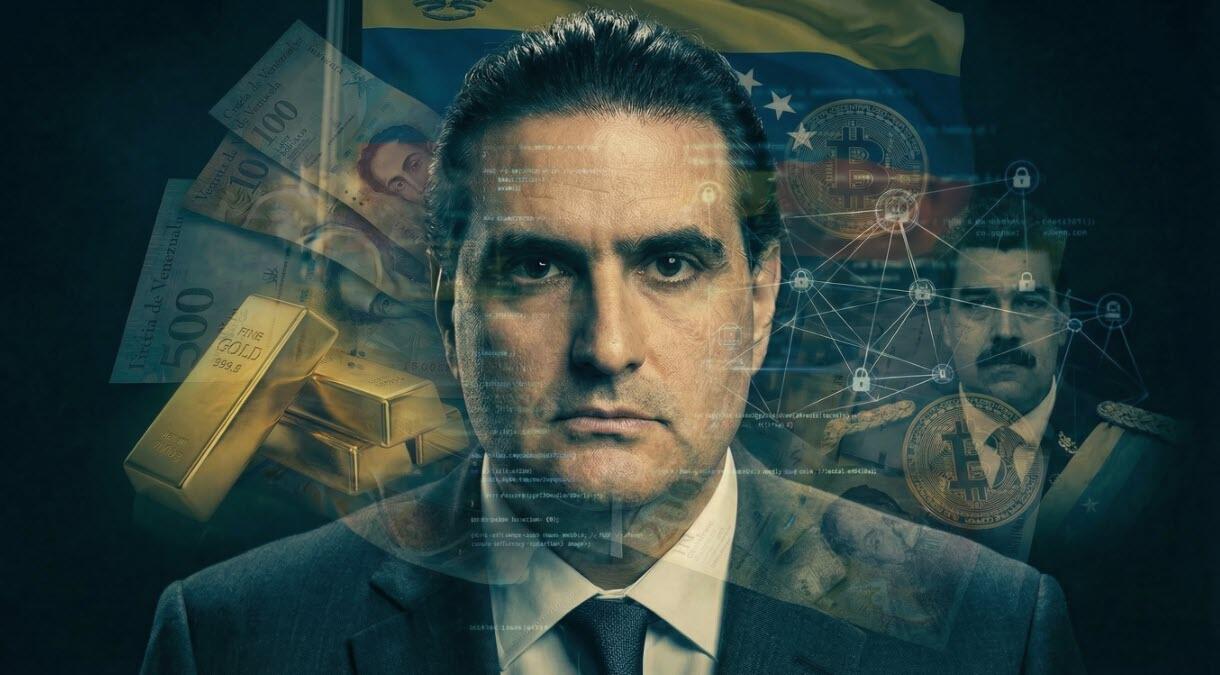
Alex Saab may control $60 billion in Bitcoin for the Maduro regime. As Trump’s naval blockade tightens, the real battle is being fought on the blockchain.
Nicolás Maduro is in U.S. custody. In the early hours of Saturday morning, Delta Force operators dragged the Venezuelan president and his wife from their bedroom in Caracas and flew them to the USS Iwo Jima, now steaming toward New York where Maduro will face drug trafficking and weapons charges in federal court.
But as Washington celebrates the most dramatic U.S. military operation in Latin America since the 1989 Panama invasion, a more urgent question is emerging in intelligence circles: Where is the money?
For years, Maduro and his inner circle systematically looted Venezuela—billions in oil revenue, gold reserves, and state assets—and, according to sources with direct knowledge of the operation, converted much of it into cryptocurrency.
The man who allegedly orchestrated that conversion, who built the shadow financial architecture that kept the regime alive under crushing sanctions, is not on that ship.
His name is Alex Saab.
And he may be the only person on Earth who knows how to access what sources estimate could be as much as $60 billion in Bitcoin—a figure that, if verified, would make the Maduro regime’s hidden fortune one of the largest cryptocurrency holdings on the planet, rivaling MicroStrategy and potentially exceeding El Salvador’s entire national reserve.
The claim comes from HUMINT sources and has not been confirmed through blockchain analysis, but the underlying math is provocative.
Venezuela exported 73.2 tons of gold in 2018 alone — roughly $2.7 billion at the time. If even a fraction of that was converted to Bitcoin when prices hovered between $3,000 and $10,000, and held through the 2021 peak of $69,000, the returns would be staggering.
Sources familiar with the operation describe a systematic effort to convert gold proceeds into cryptocurrency through Turkish and Emirati intermediaries, then move the assets through mixers and cold wallets beyond the reach of Western enforcement.
The keys to those wallets, sources say, are held by a small circle of trusted operatives—with Saab at the center.
What Washington didn’t know—and what court documents would later reveal—was that Saab had been a DEA informant since 2016, even as he built Maduro’s shadow financial empire.
Now, with Maduro captured, the question becomes: Will Saab cooperate again? Or will he disappear with the keys to Venezuela’s stolen fortune?
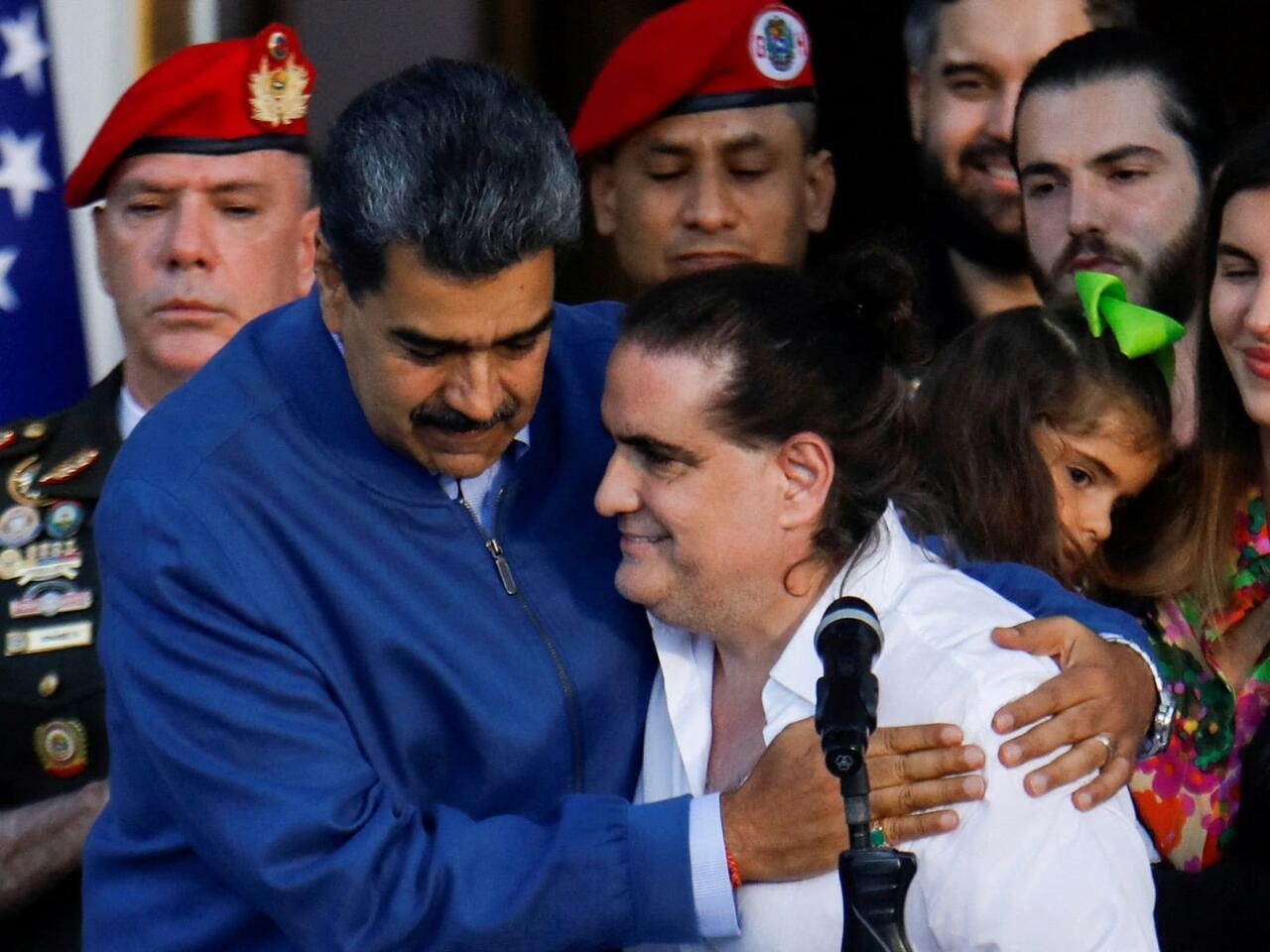
Alex Saab embraces Nicolas Maduro upon his return to Caracas, December 2023. With Maduro now in U.S. custody, Saab may hold the keys to Venezuela’s hidden crypto fortune.
In the official Venezuelan narrative, Alex Nain Saab Morán is a patriot, a diplomat, a martyr of U.S. imperial overreach. In Washington, he is the opposite: a professional sanctions-evader who built a labyrinth of offshore companies that enriched Nicolás Maduro’s inner circle while Venezuela collapsed.
Now he may be something else entirely: among the most valuable people on earth.
But Saab is not the only person who knows where the money went. Whale Hunting has learned that a key figure in the gold-to-crypto pipeline—a man who allegedly served as a physical courier, flying gold bars from Venezuela to Turkey and Dubai—was sanctioned by the U.S. Treasury in 2019 but has never been publicly charged.
His name is David Nicolas Rubio Gonzalez. He is the son of Álvaro Pulido, Saab’s longtime business partner. And his story may be the key to understanding what happened to Venezuela’s stolen fortune.
The Courier
On September 17, 2019, the U.S. Treasury’s Office of Foreign Assets Control added David Nicolas Rubio Gonzalez to its sanctions list. The designation identified him as controlling at least three companies: Corporacion ACS Trading S.A.S. in Colombia, Dimaco Technology, S.A. in Panama, and Global de Textiles Andino S.A.S. in Colombia.
His father, Álvaro Pulido, had been indicted by the U.S. Department of Justice two months earlier, charged alongside Alex Saab with laundering more than $350 million from fraudulent Venezuelan state contracts. But David was not charged. He was sanctioned—his assets frozen, his ability to do business with Americans severed—but he faced no criminal prosecution.
Why?
According to sources with direct knowledge of the operation, David Rubio Gonzalez was not just a businessman. He was a courier. These sources describe a network that physically moved gold along a route from the Dominican Republic through Venezuela to Turkey and Dubai. Each trip, they say, netted the courier $1 million for his services.
The gold originated in the Arco Minero del Orinoco, a vast mining zone in eastern Venezuela. It was purchased by the state-owned mining company Minerven, processed by CVG Minerven—whose president maintained close ties to Saab—and transported abroad by private aircraft or Turkish Airlines commercial flights. But moving gold at scale requires trusted hands. Someone has to physically carry it, clear customs, deliver it to the refineries and brokers who convert it to cash.
David, sources say, was one of those hands.
Venezuelan gold moved through Turkey, the UAE, and Iran before conversion to cryptocurrency. Couriers like David Rubio Gonzalez allegedly earned $1 million per trip.
The question that haunts investigators is simple: If David was important enough to sanction, why wasn’t he important enough to indict? His father faced eight counts of money laundering. David faced none.
There are only a few explanations. He could be cooperating with U.S. authorities—providing information in exchange for immunity or a reduced role in any future prosecution. He could be under sealed indictment, his charges hidden from public view until the moment of arrest. Or he could have simply slipped through the cracks, a secondary player deemed less important than the principals.
But if our sources are correct about his role as a courier—a man who physically handled the gold that became the regime’s crypto fortune—then David Rubio Gonzalez may know exactly where the money went. And with Maduro captured, that knowledge has never been more valuable.
The Gold-to-Crypto Pipeline
The $60 billion didn’t materialize from thin air. It was built through one of the most audacious financial operations in modern history: the systematic conversion of Venezuela’s gold reserves into untraceable cryptocurrency.
In 2018, as Venezuela’s economic crisis deepened and access to hard currency narrowed, the Maduro regime turned to gold. The country had been exporting gold for years, but now the operation scaled dramatically. Venezuela exported 73.2 tons of gold in 2018 alone—roughly $2.7 billion at the time.
Maduro placed the operation under the supervision of his close ally Tareck El Aissami, whom he appointed Minister of Industries and National Production. Alex Saab emerged as a central facilitator. The gold flowed to Turkey, where it was refined and sold. It flowed to the UAE, where it entered the global market. And in April 2020, tons of Venezuelan gold were flown to Iran on Mahan Air as part of a gold-for-gasoline swap.
Iran International reported that a Lloyd’s Insurance leak revealed the scheme was coordinated by the IRGC Quds Force and Hezbollah. Gold sold in Turkey and the Middle East generated proceeds that funded Hezbollah operations. Some nine tons of Venezuelan gold were exported in a single month, according to Bloomberg. In return, five Iranian oil tankers delivered an estimated 1.5 million barrels of gasoline to Venezuelan ports.
But gold is heavy. It’s traceable. It can be seized. The next step was converting it into something that couldn’t be touched.
Sources describe a systematic effort to convert gold proceeds into Bitcoin through OTC brokers in Turkey and the UAE—brokers who asked few questions and operated outside the traditional banking system. The Bitcoin was then moved through mixers, software that obscures the origin of cryptocurrency transactions, and into cold wallets: offline storage devices that exist beyond the reach of any government or exchange.
The timing was fortuitous. Venezuela began moving gold in earnest in 2018, when Bitcoin traded between $3,000 and $10,000. By the time the price peaked at $69,000 in November 2021, any holdings accumulated in those early years had multiplied by a factor of seven to twenty. If the regime converted even $3 billion in gold proceeds to Bitcoin at an average price of $5,000, those holdings would be worth $40 billion today.
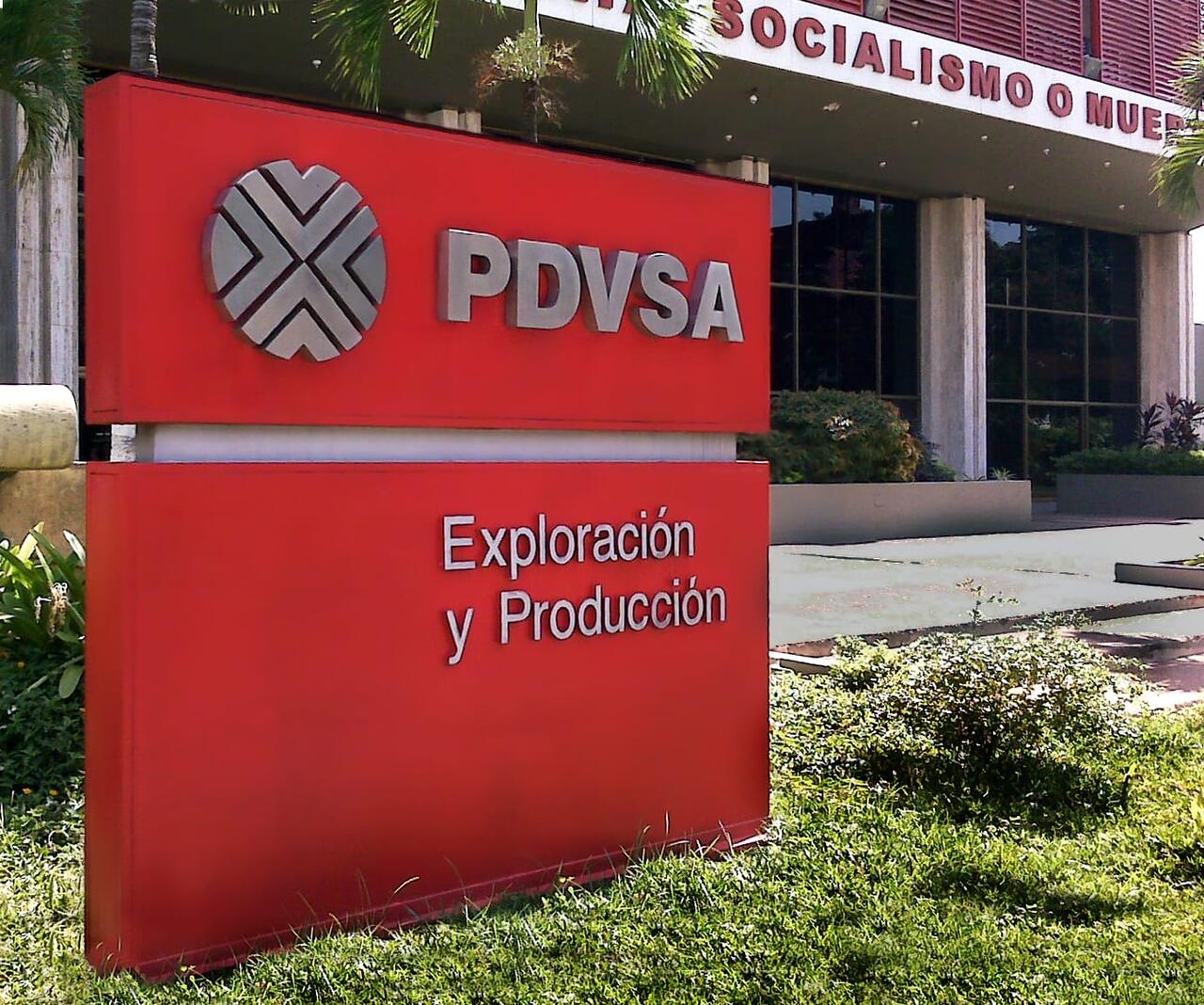
PDVSA headquarters. By December 2025, Venezuela was collecting 80% of its oil revenue in USDT.
The crypto infrastructure didn’t stop with gold. Venezuela’s own PDVSA-Cripto corruption scandal revealed that Saab’s partner Álvaro Pulido—David’s father—used Tether-based settlement systems to divert billions in oil-sale proceeds. Between 2020 and 2022, PDVSA increasingly required intermediaries to settle oil cargos in Tether, routing payments through OTC brokers and private digital wallets.
The scandal revealed ships loaded with more than $20 billion worth of oil departing Venezuelan ports without payment ever reaching PDVSA. By December 2025, Venezuela was collecting 80% of its oil revenue in USDT. Tether has frozen 41 wallets containing $119 million linked to Venezuela—but that represents only what authorities have been able to trace.
The Architect
To understand how this system was built, you have to understand the man who built it.
Alex Saab was born in Barranquilla, Colombia, in 1971. He spent the 1990s running modest textile businesses. His career changed when he partnered with Álvaro Pulido, who was involved in drug trafficking and invited Saab to do business in Venezuela. Colombian left-wing senator Piedad Córdoba—who died in January 2024—introduced Saab to Maduro.
The contracts that followed were staggering in their brazenness. In 2011, Saab agreed to supply parts for 25,000 prefabricated houses under “Gran Mision Vivienda Venezuela.” The contract paid up to four times the actual cost. His company received $159 million to import housing kits but delivered only $3 million worth of products.
In 2016, when the regime launched the CLAP program to distribute subsidized food to families in need, Saab and Pulido built a network to exploit it. They sourced low-quality food from foreign suppliers, assembled the boxes abroad, and shipped them to Venezuela at inflated prices. To move funds and conceal the scheme, they used shell companies in Hong Kong, the UAE, and Turkey. The U.S. Treasury designated these networks in July 2019, calling them a “corruption network stealing from Venezuela’s food program.”
Alex Saab’s network spans shell companies, government officials, and international intermediaries across multiple continents.
Zair Mundaray, a former Venezuelan prosecutor who investigated Saab, told Whale Hunting that Saab slipped into Maduro’s inner circle precisely because he had no loyalties outside it. Unlike other power brokers in Caracas, Saab was not tied to any traditional political families or factions.
“Saab fits the profile of someone with no links to Venezuela’s traditional castes or power groups, whose only real connection is to the presidential family,” Mundaray said. “In Venezuela, power operates much more like a criminal cartel than an institutional structure. That creates a climate of mutual distrust and internal power struggles.”
Saab’s goal was simple: to make money, “and he found the perfect platform in a president who is himself a criminal.”
But Saab became more than a contractor. He became the guarantor of Maduro’s fortune.
“As the public and private spheres ultimately merge, there’s no distinction,” Mundaray said. “Saab is the guarantor of Maduro’s fortune — money dispersed across multiple countries and stored in different convertible assets that ensure him a life of luxury for generations, without ever lifting a finger.”
In April 2018, Maduro made it official, appointing Saab as Special Envoy with “broad powers to carry out actions on behalf of the Bolivarian Republic of Venezuela.” He was no longer a contractor. He was a diplomat.
The Double Agent
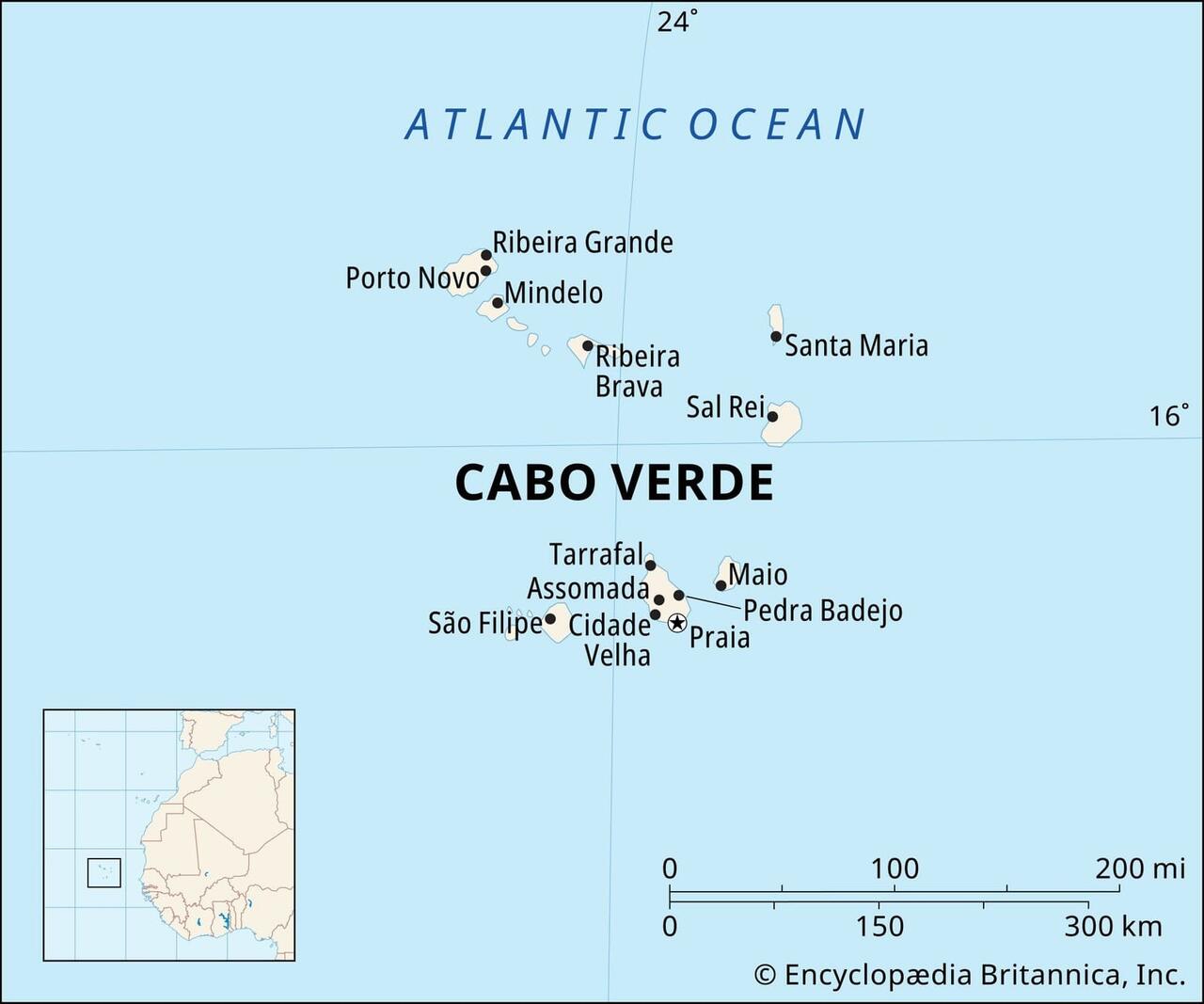
Saab was arrested during a refueling stop in Cabo Verde, off the coast of West Africa, en route to Iran.
On June 12, 2020, Saab’s plane touched down on the volcanic island of Sal in Cabo Verde for what should have been a routine refueling stop. He was en route to Iran. Instead, local authorities arrested him at the request of the United States.
The U.S. Department of Justice had unsealed an eight-count indictment charging Saab and Pulido with laundering more than $350 million through U.S. bank accounts. But then came the twist that no one expected.
Court documents reviewed by Whale Hunting revealed that Saab had also cooperated with U.S. law enforcement—providing information on bribe payments made to high-level Venezuelan officials.
Saab entered into a cooperative source agreement with the Drug Enforcement Administration on June 27, 2018—the same year Maduro appointed him Special Envoy. He met with U.S. law enforcement officials in August and September 2016, November 2017, June and July 2018, and April 2019. He also made four payments totaling over $12.5 million to DEA-controlled accounts to disgorge profits from his bribery schemes.
He was building Maduro’s shadow financial empire while simultaneously informing on it.
In December 2023, President Biden negotiated his release in exchange for ten American prisoners held in Venezuela, including one close to our hearts: Leonard “Fat Leonard” Francis (subject of our Fat Leonard podcast, listen here). Saab received a presidential pardon and was required to leave the United States permanently. He landed in Caracas to a hero’s welcome. Maduro embraced him publicly. Within weeks, Saab was appointed Minister of Industry and National Production.
He was once again at the center of Venezuela’s survival architecture. Until this morning.
Who Has the Keys?
Venezuela’s crypto infrastructure may outlast the regime that built it.
With Maduro in custody and facing drug trafficking charges in Manhattan, the question is no longer whether the regime can survive. It’s whether its stolen fortune can be recovered—or whether it will vanish into the blockchain, accessible only to those who hold the keys.
The old sanctions-evasion toolkit—ships, banks, front companies—still exists. But the new one runs on stablecoins, OTC brokers, private digital wallets, and bilateral deals with governments that have no incentive to cooperate with U.S. enforcement.
Sources describe a Swiss lawyer who allegedly controls access to the wallets. The keys may be distributed across multiple people, multiple jurisdictions, multiple layers of security designed to survive exactly this scenario: the capture of the regime’s leader.
David Nicolas Rubio Gonzalez was sanctioned in 2019 but never publicly charged. His father was indicted. He was not. If sources are correct that he served as a courier—physically moving the gold that became the crypto fortune—then he may know exactly where the money went. Is he secretly cooperating with U.S. authorities? Under sealed indictment? Or has he disappeared with knowledge that could unlock billions?
And then there is Saab himself. A man who has already cooperated with the DEA once. A man who was pardoned by one American president and may now be the most valuable intelligence asset for another. A man who, according to a former Venezuelan prosecutor, is “the guarantor of Maduro’s fortune.”
Where is Alex Saab?
Where is David Rubio Gonzalez?
And who has the keys to as much as $60 billion in Bitcoin?
Views expressed in this article are opinions of the author and do not necessarily reflect the views of ZeroHedge.
Tyler Durden
Sat, 01/03/2026 – 14:00
https://www.zerohedge.com/geopolitical/60-billion-question-venezuela-secretly-bitcoin-superpower
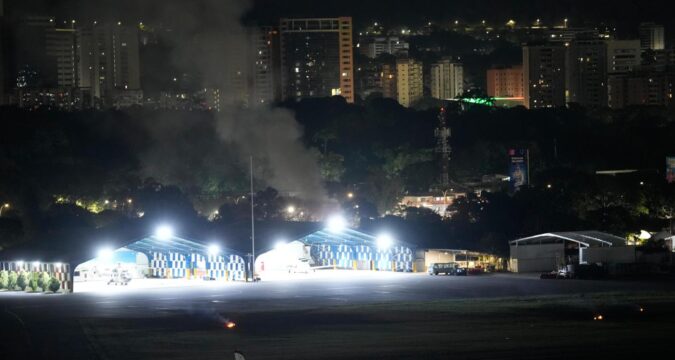
What we know about a US strike that captured Venezuela’s Nicolás Maduro
WASHINGTON — The United States carried out a lightning military strike on Venezuela early Saturday, capturing President Nicolás Maduro and his wife, Cilia Flores, and spiriting them out of the country. President Donald Trump said the U.S. is “going to run” Venezuela until a transition of power can occur and the U.S. will tap the country’s vast oil reserves as part of a rebuilding effort.
American officials say Maduro and his wife will face narco-terrorism charges in U.S. courts.
The overnight operation left Venezuela reeling, with its leadership uncertain and details of casualties and the impact on its military still to emerge. Countries across the region and the wider world were absorbing the destabilizing implications of the apparently unilateral U.S. action.
Here’s what we know — and what we don’t.
Rising US pressure, then an overnight attack
Explosions rang out and low-flying aircraft swept through Venezuela’s capital, Caracas, early Saturday. At least seven blasts were heard in an attack that lasted less than 30 minutes. The targets appeared to include military infrastructure. Smoke was seen rising from the hangar of a military base in Caracas and another military installation in the capital was without power.
Venezuelan ruling party leader Nahum Fernández told The Associated Press that Maduro and Flores were at their home within the Ft. Tiuna military installation outside Caracas when they were captured.
Venezuelan officials said people had been killed, but the scale of casualties was unclear.
The attack followed months of escalating pressure by the Trump administration, which has built up naval forces in the waters off South America and since early September has carried out deadly strikes on alleged drug-smuggling boats in the eastern Pacific and Caribbean. Last week the U.S. struck Venezuelan soil with a CIA drone strike at a docking area alleged to have been used by drug cartels.
What happens next in Venezuela
Trump said during a news conference Saturday the U.S. would run the country and gestured to officials arrayed behind, including Secretary of State Marco Rubio, Defense Secretary Pete Hegseth and Dan Caine, chairman of the Joint Chiefs of Staff, and said they’d be the ones doing it “for a period of time.”
Trump claimed the American presence was already in place, though there were no immediate signs of this. He suggested the U.S. would use revenues from oil sales to pay for running the country.
“We’re going to get reimbursed for everything that we spend,” he said.
Trump claimed that Venezuelan Vice President Delcy Rodríguez had been sworn in as president shortly before he spoke to reporters and added she had spoken with Rubio.
“She is essentially willing to do what we think is necessary to make Venezuela great again. Very simple,” Trump said.
Maduro facing US terrorism charges
U.S. Attorney General Pam Bondi said on social network X that Maduro and Flores had both been indicted in the Southern District of New York and “will soon face the full wrath of American justice on American soil in American courts.”
Maduro was indicted in March 2020, during Trump’s first term, but the indictment against Flores was not previously made public.
In the indictment made public on Saturday, Maduro is charged with narco-terrorism conspiracy, cocaine importation conspiracy, possession of machine guns and destructive devices and conspiracy to possess machine guns and destructive devices.
U.S. authorities accused Maduro of leading a “a corrupt, illegitimate government that, for decades, has leveraged government power to protect and promote illegal activity, including drug trafficking.” The indictment alleges the drug trafficking “enriched and entrenched Venezuela’s political and military elite.”
Authorities estimate that as much as 250 tons of cocaine were trafficked through Venezuela by 2020, according to the indictment. The drugs were moved on go-fast vessels, fishing boats and container ships or by plane from clandestine airstrips, authorities allege.
Trump said Maduro and his wife are aboard a U.S. warship and will face prosecution in New York.
How the US operation played out
Trump gave some details of the operation during a Saturday morning interview on “Fox and Friends.”
He said a few U.S. members of the operation were injured but he believed no one was killed.
He said Maduro was “highly guarded” in a presidential palace akin to a “fortress” and the Venezuelan leader tried to get to a safe room but wasn’t able to get there in time.
Trump said U.S. forces practiced the operation ahead of time on a replica building, and the U.S. turned off “almost all of the lights in Caracas,” although he didn’t detail how they accomplished that.
Venezuela’s vice president, Delcy Rodríguez, also offered some details of the operation, saying some Venezuelan civilians and members of the military were killed.
Questions over legality
The U.S. does not recognize the jurisdiction of the International Criminal Court, and the legal implications of the strike under U.S. law were not immediately clear.
The Trump administration maintains that Maduro is not the legitimate leader of Venezuela and claims he has effectively turned Venezuela into a criminal enterprise at the service of drug traffickers and terrorist groups.
Mike Lee, a U.S. senator from Utah, said on X that the action “likely falls within the president’s inherent authority under Article II of the Constitution to protect U.S. personnel from an actual or imminent attack.”
But some Democrats were more critical.
Sen. Tim Kaine, a Virginia Democrat, said in a statement, “President Trump’s unauthorized military attack on Venezuela to arrest Maduro — however terrible he is — is a sickening return to a day when the United States asserted the right to dominate the internal political affairs of all nations in the Western Hemisphere.”
Venezuela’s future uncertain
Maduro’s government accused the United States of an “imperialist attack” on civilian and military installations and urged citizens to take to the streets.
Armed individuals and uniformed members of a civilian militia took to the streets of a Caracas neighborhood long considered a stronghold of the ruling party. But in other areas of the city, the streets remained empty hours after the attack. Parts of the city remained without power, but vehicles moved freely.
Other countries scramble to respond
Venezuela’s neighbor Colombia sent troops to the border and anticipated an influx of refugees.
Latin American leaders were sharply divided over the strikes. Trump’s right-wing ally President Javier Milei of Argentina celebrated the operation, while leftist Brazilian President Luiz Inácio Lula da Silva condemned American actions and warned of the sharp repercussions of past American interventions in Latin America.
Cuba, a supporter of the Maduro government and a longtime adversary of the United States, urged the international community to respond to what President Miguel Díaz-Canel Bermúdez called “the criminal attack.”
Russia’s Foreign Ministry said the attack and capture of Maduro would be “an unacceptable infringement on the sovereignty of an independent state.”
U.S. allies in Europe — critical of Maduro but mindful of international law — offered muted responses as they scrambled to understand the scale and implications of the attack.
European Union foreign policy chief Kaja Kallas said the bloc “has repeatedly stated that Mr Maduro lacks legitimacy and has defended a peaceful transition. Under all circumstances, the principles of international law and the U.N. Charter must be respected. We call for restraint.”
British Prime Minister Keir Starmer said he had not spoken to Trump about the attack and stressed that “the U.K. was not involved in any way.” Spanish Prime Minister Pedro Sánchez said Spain was “conducting a thorough monitoring of the events in Venezuela” and called for “de-escalation and responsibility.”
Lawless reported from London. Associated Press Writer Danica Kirka in London contributed to this story.
https://www.chicagotribune.com/2026/01/03/what-we-know-us-strike-venezuelas-maduro/

9.3 Million Americans Work Multiple Jobs To Make Ends Meet
9.3 Million Americans Work Multiple Jobs To Make Ends Meet
Imagine getting home from your nine-to-five job to have dinner with your family, maybe read a bedtime story and put your kids to bed.
But instead of winding down on the couch afterwards, you get ready and start your second workday.
That’s the daily reality for millions of Americans, for whom one job is no longer enough to pay rent, put food on the table and cover other expenses.
As Statista’s Felix Richter reports below, according to the U.S. Bureau of Labor Statistics, 9.3 million Americans reported working multiple jobs in November 2025 – the highest number ever recorded since the BLS started tracking multiple jobholders in 1994.
You will find more infographics at Statista
In relative terms, 5.7 percent of employed Americans worked more than one job last month, which is also the highest share in 25 years.
Only in the mid-1990s, when the workforce was considerably smaller than it is today, was the share of multiple job holders higher, peaking at 6.5 percent in November 1996.
But whereas in 1996, around two thirds of multiple jobholders were not college-educated and presumably worked in low-wage occupations, half of those working more than one job now do hold a college degree, indicating that even an advanced degree no longer guarantees a job that pays well enough to make ends meet.
There are several reasons behind this trend, the most important one being economic necessity: several years of elevated inflation have left a legacy of high prices while wages have barely kept up. Housing costs, for example, have risen 28 percent over the past five years, while wages have only increased 24 percent. That leaves many families financially strained, especially as the prices of other necessities, food in particular, have also outpaced wage growth.
Another reason for the rise in multiple jobholders is the changing labor market: for one, the rise of remote jobs has made it easier for many people to work a second job, possibly from home.
Then there’s the availability of jobs in general: for large parts of the past few years, the number of job openings has vastly exceeded the number of job seekers, leaving workers willing to earn an extra paycheck with plenty of options.
And finally, the gig economy has created new opportunities for people to complement their income, offering flexible work schedules and relative freedom. As our chart shows, most multiple jobholders have one full-time and one part-time job, while two full-time jobs is the rarest form of multiple employment.
Tyler Durden
Sat, 01/03/2026 – 13:25
https://www.zerohedge.com/personal-finance/93-million-americans-work-multiple-jobs-make-ends-meet
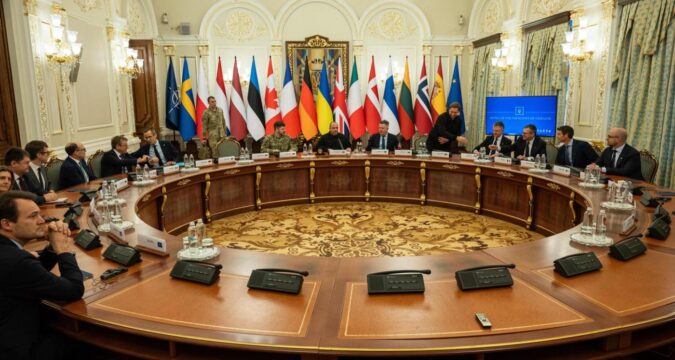
European security advisers discuss peace proposals in Ukraine ahead of leaders’ summit
KYIV, Ukraine — European national security advisers arrived in Kyiv on Saturday to discuss the latest peace proposals as a U.S.-led diplomatic push to end the nearly 4-year-old war in Ukraine intensifies. Ukrainian President Volodymyr Zelenskyy and European leaders meet next week.
“A busy working day lies ahead: security and economic issues, work on framework documents, coordination of further steps with partners,” Ukraine’s chief negotiator, Rustem Umerov, said in a post on X. He said representatives of Canada and NATO were attending, in addition to representatives of European countries and bodies.
Ukraine is coordinating security guarantee plans with European partners that would include a multilateral framework agreement involving Ukrainian forces as the first line of defense, European-led troops deployed in Ukraine and U.S. “backstop” support, according to Ukrainian negotiator Oleksandr Bevz.
Ukraine’s deputy prime minister, Taras Kachka, said Saturday that international partners have reached consensus on an economic support package of about $800 billion for Ukraine over the next decade.
The package, based on calculations by the World Bank, the International Monetary Fund and the European Union, would cover damage compensation, reconstruction, economic stability and a $200 billion growth “booster” and is tied to Ukraine’s EU accession reforms.
Specific funding sources have not yet been identified, economy minister Oleksii Sobolev said, though roughly $500 billion is expected from public grants and concessional loans, with details to be worked out over the next two weeks.
Zelenskyy on Tuesday announced plans for meetings with officials from about 30 countries, dubbed the Coalition of the Willing, which support Kyiv’s effort to end the war with Russia on acceptable terms.
Saturday’s meeting of national security advisers from those countries will be followed by a meeting of the countries’ leaders on Tuesday in Paris.
Zelenskyy on Saturday proposed Defense Minister Denys Shmyhal to become the energy minister and first deputy prime minister.
Zelenskyy on Friday appointed the head of Ukraine’s military intelligence as his new chief of staff. The president framed the appointment of Gen. Kyrylo Budanov as part of an effort to sharpen the focus on security, defense development and diplomacy.
Meanwhile, the death toll from a Russian missile attack on the city of Kharkiv on Friday increased to two, including a 3-year-old boy, Kharkiv regional head Oleh Syniehubov wrote on Telegram on Saturday.
An overnight Russian drone attack on the Mykolaiv region targeted critical infrastructure and left some communities without electricity Saturday, according to regional head Vitalii Kim. He said engineers spent the night working to restore power and there were no casualties reported.
https://www.chicagotribune.com/2026/01/03/european-security-advisers-peace-proposals-ukraine/
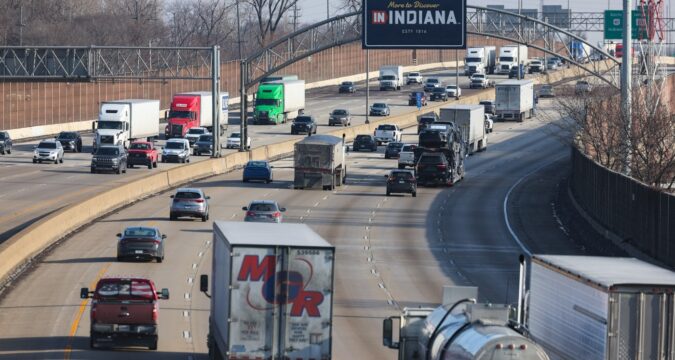
Joe Sanders: Moving to Indiana makes sense for the Chicago Bears
For several years, my beloved Chicago Bears have been trying to build a new multi-billion dollar stadium in Cook County, Illinois. But these efforts have been met with “no legislative partnership,” according to President and CEO Kevin Warren. After Illinois leadership told the Bears that this project will not be a priority in 2026, the Bears announced they are now considering a move to Northwest Indiana.
I currently represent the great City of Crown Point, Indiana as its Fifth District City Councilman. I was born and raised in Northwest Indiana and have proudly lived here all my life. I am equally proud to be a lifelong fan of the Bears. Given my credentials as both a lifelong Region resident and Bears fan, I can vividly remember the reaction the last time the team proposed moving to Northwest Indiana.
What to know about the Chicago Bears’ possible move from Soldier Field
While fighting with Illinois leaders over funding to improve Soldier Field in 1995, the Bears proposed moving to a new stadium in Gary, Indiana. The headline of “The Gary Bears?” was plastered across Chicago newspapers, broadcasts, and sports shows. But most commentators laughed at the potential move — and at Indiana itself. I remember my Illinois co-workers sharing this reaction as well.
Fast forward 30 years, and the Bears’ announcement has not received the same reaction. Instead, the Bears’ threat of moving across state lines has been taken seriously by government officials and the public alike. So what has changed in thirty years? The short answer is a lot.
The State of Illinois and City of Chicago’s finances have been in a continuous downward spiral because of their unbalanced budgets, spending, profligacy, and inability — especially from Chicago — to deal with the staggering unfunded pension liabilities. Beginning in 2003, the State of Illinois’ credit rating was downgraded twenty-four times. Despite upgrades in the past few years, the State of Illinois remains the lowest-rated state in the country. This year, S&P Global Ratings downgraded Chicago to two notches above “junk” because of its “persistent structural budget deficit, significantly weaker reserves following years of deficit spending, and reluctance to fully fund supplemental pension contributions” as required by its own policy.
Meanwhile, Indiana has a AAA credit rating from all three major agencies — a distinction it has maintained since 2010. This reflects Indiana’s two-decades-long financial turnaround that former Governor Mitch Daniels began, and his successors have continued. Unsurprisingly, Indiana has continuously been ranked as one of the best states in the country for business.
So while Illinois has given the Bears the stiff arm, Indiana leaders have proactively courted the team. Eight months before the Bears made their announcement, the Indiana Legislature passed a bill to establish the Northwest Indiana Professional Sports Development Commission to attract a professional sports franchise to Northwest Indiana — especially the Bears.
“I hear there are some teams in Chicago that are named after some animals … that are still trying to figure out where they’re going to live,” State Rep. Earl Harris, D-East Chicago, said at the time he introduced the bill. Within days of the Bears’ announcement, current Indiana Governor Mike Braun has said: “We’re going to do everything we can, now that they’ve made the overture, to see what we can do to make it happen.”
Thirty years ago, Indiana did not have the financial power to compete. Now, Indiana has the pocketbook and the proactivity to win over the Chicago Bears. I hope my Bears seriously consider such a move, but no matter what happens, at least this proposal is no longer a laughing matter to Illinoisans.
Joe Sanders is a Crown Point City Councilman, Northwest Indiana businessman, and avid fan of the Chicago Bears and Chicago White Sox.
https://www.chicagotribune.com/2026/01/03/column-moving-to-indiana-makes-sense-for-chicago-bears/
Five Takeaways From The US’ “Special Military Operation” In Venezuela
Five Takeaways From The US’ “Special Military Operation” In Venezuela
Authored by Andrew Korybko via Substack,
It was astoundingly successful and will likely serve to coerce the rest of the hemisphere into strategically capitulating to the US…
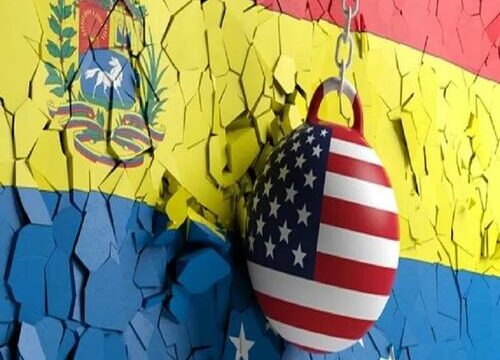
The US launched a half-hour-long “special military operation” in Venezuela on Saturday morning that culminated in Delta Force’s capture of President Nicolas Maduro. Several military sites were bombed, US helicopters flew freely over Caracas in a surreal display of the US’ aerial supremacy, and there were reportedly no US casualties. The US’ “special military operation” was therefore an astounding success regardless of one’s personal opinions about its merits. Here are five takeaways from this event:
1. The US’ Grand Strategic Goal Is To Build “Fortress America”
It was assessed here that the National Security Strategy’s prioritization of the Western Hemisphere is all about building “Fortress America”, which refers to the restoration of the US’ hegemony over the Americas in order for it to survive and even thrive if it loses control of the Eastern Hemisphere. It might not happen right away, but the US’ “special military operation” will likely result in it obtaining control over Venezuela’s oil reserves, the world’s largest. That would help make “Fortress America” a reality.
2. Maduro Should Have Taken Trump’s Deal In Hindsight
Trump earlier claimed that Maduro had “offered everything” to the US when asked about a report that the Venezuelan leader agreed to let American companies take control of his country’s resources. The only sticking point appeared to be Maduro’s political fate, with Trump wanting him to go into exile likely at the urging of Marco Rubio (his powerful Secretary of State and National Security Advisor), while Maduro seemingly refused. He should have taken Trump’s deal in hindsight to avoid this humiliating end.
3. The Ayatollah Is Likely Watching Everything Very Closely
Trump recently threatened military action against Iran in support of its latest protest movement, which assembled in response to the country’s deteriorating economy but is suspected of being orchestrated in part by foreign spy agencies in collusion with local agents. The US clearly wants Iran’s complete strategic capitulation after its arguable loss to Israel during last summer’s 12-day war, and if the US doesn’t get what it wants through diplomacy or a Color Revolution, then it might try to capture the Ayatollah too.
4. Adversarial Media Will Likely Try To Discredit Russia
Venezuela has an estimated $20 billion worth of Soviet/Russian arms, including Sukhoi fighter jets and S-300 surface-to-air missiles, yet none were used against the US (possibly due to it buying off top defense officials). Russia and Venezuela also ratified a strategic partnership pact late last year too, but it importantly didn’t contain any mutual defense clauses. Nevertheless, these two factors will likely be exploited by adversarial media to discredit Russia after the US’ “special military operation” in Venezuela.
5. Top Alt-Media Figures Once Again Discredited Themselves
Some top Alt-Media figures lie about the subjects of their geopolitical devotion like when they lied about how the Iranian-led “Resistance Axis” would destroy Israel in a war prior to their defeat at its hands last year. Many of the “usual suspects” did the same with regard to what Venezuela would do if the US attacked it, only to have once again discredited themselves, but Tim Anderson takes the cake after lying that Russia gave Venezuela Oreshniks with the innuendo that they’d be used if it was attacked.
The US’ astoundingly successful “special military operation” in Venezuela is a monumental geopolitical development that’ll likely serve to coerce the rest of the hemisphere into strategically capitulating to it, which could lead to “Fortress America’s” construction at an accelerated pace.
Iran might soon follow Venezuela even if the Ayatollah isn’t captured like Maduro just was.
The common thread between them is that the US has decided to take out its weaker adversaries across the world who refuse to submit to it.
Tyler Durden
Sat, 01/03/2026 – 12:50
https://www.zerohedge.com/geopolitical/five-takeaways-us-special-military-operation-venezuela

Trump Says Triumphal Arch Construction Just Two Months Away
Trump Says Triumphal Arch Construction Just Two Months Away
President Trump has announced that construction of a “triumphal arch” in Washington DC will begin within two months.
Nicknamed by some as the “Arc de Trump,” its 2026 construction is meant to commemorate the upcoming 250th anniversary of the signing of the Declaration of Independence in July.
“It hasn’t started yet. It starts sometime in the next two months,” Trump told Politico in phone interview from his Mar-a-Lago resort. “It’ll be great.”
Reminiscent of Paris’ famed Arc de Triomphe and similar European victory monuments, Trump’s triumphal arch promises to be a major addition to a capital city already laden with prominent monuments. Many details have yet to be announced, such as the size, duration of construction, cost, and — perhaps most significantly — its location. Based on Politico‘s reporting, it will likely be near the Lincoln Memorial, on the far end of a bridge that connects to Arlington National Cemetery.
“It will be like the one in Paris, but to be honest with you, it blows it away, in every way,” Trump said at a Christmas reception earlier this month. “[Washington] is the only city in the world that’s of great importance that doesn’t have a triumphal arch.”
BREAKING: On his desk in the Oval Office today, President Trump had a 3D model for a Triumphal Arch on the National Mall. 👀 pic.twitter.com/fB12oiLApt
— Wall Street Mav (@WallStreetMav) October 9, 2025
“Everyone loves it. They love the ballroom too. But they love the Triumphal Arch,” Trump told Politico, referring to the ongoing construction of a $300 million, 90,000-square-foot ballroom at the White House. Started in September with the sudden demolition of the East Wing, the project recently survived — at least temporarily — a legal challenge filed by the National Trust for Historic Preservation. Judge Richard Leon rejected the group’s request for a temporary restraining order, but will hold a hearing in January to entertain its request for a preliminary injunction.
Noting that “nothing about the ballroom has been finalized, including its size and scale,” Leon concluded “there is no sufficiently imminent risk of irreparable aesthetic harm warranting a temporary restraining order halting construction.” When announcing the ballroom project in July, the administration said “the White House is currently unable to host major functions honoring world leaders and other countries without having to install a large and unsightly tent approximately 100 yards away from the main building entrance.”
The DC arch will be financed by private donors, using leftover money from the privately-financed ballroom project. That hasn’t stopped leftists from moaning about how those private resources could be better spent.
The libs are so mad about the ballroom that they seem to have completely forgotten that he’s also building an Arc de Trump. Just wait until he starts construction on that. 😏 pic.twitter.com/zpzHF8Zm7N
— Whale Psychiatrist ™️ (@k_ovfefe2) October 25, 2025
Tyler Durden
Sat, 01/03/2026 – 12:15
https://www.zerohedge.com/political/trump-says-triumphal-arch-construction-just-two-months-away