Category: News

High-Intensity Beams, Not Whispers: Study Suggests Aliens Would Send Strong Signals
High-Intensity Beams, Not Whispers: Study Suggests Aliens Would Send Strong Signals
Authored by Rupendra Brahambhatt via Interesting Engineering,
For more than half a century, the search for extraterrestrial intelligence has been built on the assumption that if aliens exist and try to communicate, their signals will be faint, scattered, and easy to miss.
An alien doll.James Bat Barrera/Pexels
So astronomers have spent decades scanning narrow slices of the radio spectrum, hoping to catch a weak signal buried in cosmic noise. However, a new study suggests something totally different-if an advanced civilization actually wanted to be noticed, it would not broadcast weak, unfocused emissions.
It would do the opposite – concentrate its power into tightly aimed, high-intensity beams directed at specific targets.
“Our principal assumption is that a purposely communicative technological civilization will do its technological best to establish communication with other extraterrestrial technological intelligences (ETIs),” Benjamin Zuckerman, study author and an astrophysicist from the University of California, Los Angeles, said.
If this idea is even roughly right, then the silence in our data is not just a lack of evidence. It actually limits how many nearby civilizations could be sending signals we could detect.
From faint radio traces to laser-like beams
The traditional logic behind SETI comes from a simple constraint-interstellar communication is hard. If a civilization has limited power, the most efficient strategy is to broadcast in all directions.
However, this makes any signal extremely weak by the time it reaches another star. This is why SETI searches have focused on extremely narrow frequency bands.
“Radio search programs have employed very narrow (few Hz) bandwidths (BWs)-because, if an ETI has a given (limited) amount of power to transmit, then the way to maximize the signal-to-noise ratio at the receiving antenna is to use very narrow transmission and reception BWs,” Zuckerman notes.
The difficulty is that no one knows which frequency to listen to, so even decades of work have covered only a tiny fraction of possibilities.
The study challenges this assumption directly. It suggests that aliens capable of interstellar technology would not necessarily choose inefficiency. So instead of broadcasting isotropically like a dim bulb, it could use highly directional transmission systems, more like a laser pointer than a lamp.
Power is not the constraint
Detectability depends less on total power and more on direction-whether Earth happens to lie inside the beam. So, power is no longer the limiting factor. Even a system drawing on the order of 60 megawatts could generate a signal that, if correctly aimed at Earth, would stand out dramatically above cosmic background noise.
For instance, at distances of roughly 200 parsecs, such a directed signal could appear with a strength of around 10¹⁰ Jansky. For comparison, modern radio telescopes can detect signals down to about 1 Jansky.
In simple words, a well-aimed transmission would not be subtle – it would be obvious in routine astronomical data.
“The most uncertain factor in our communication with a nearby ETI will not be power starvation, but rather the wavelength of transmission; this may be radio, infrared, or optical,” Zuckerman said
This could also mean that we may already have observed such signals without recognizing them. Large-scale sky surveys, conducted over the past century for entirely different scientific purposes, have already scanned vast regions of the sky with sufficient sensitivity. Yet none have reported persistent, anomalous emissions from nearby Sun-like stars.
A quiet solar neighborhood, measured in missed encounters
To turn this idea into a constraint, Zuckerman builds a conservative model of where communicative civilizations might exist. The starting point is simple. Life as we know it requires liquid water, limiting potential habitats to planets in the habitable zones of their stars.
However, technological intelligence takes time to emerge-on Earth, roughly 4.5 billion years. This means only older, stable, Sun-like stars are realistic candidates. Within a sphere of about 200 parsecs, there are roughly 500,000 Sun-like stars.
Of these, about 200,000 are old enough to potentially host advanced life. Statistical estimates suggest that around 60,000 of them could host habitable planets.
An advanced civilization would not need to search blindly. With sufficiently powerful telescopes, it could identify which of these planets show signs of life, then further narrow its focus to worlds with Earth-like conditions-oceans, continents, and long-term climate stability.
At that point, communication becomes targeted rather than universal. A civilization might direct signals toward only a few hundred carefully selected worlds. From our perspective, detecting such a signal would require monitoring many stars-but if even a single nearby civilization were actively communicating, its signal should stand out in existing data.
Even slow interstellar probes, traveling at just 1% of the speed of light, could reach us in about 10,000 years-an extremely short timescale in cosmic terms.
“The absence of evidence for alien probes in the solar system suggests that no alien civilization has passed within ∼100 lt-yr of Earth during the past few billion years,” Zuckerman notes.
The silence is no longer just silence
Taken together, the absence of both signals and physical visitation leads to a more quantitative conclusion than SETI has traditionally offered. Rather than implying ignorance, the silence becomes a constraint.
It suggests that technologically communicative civilizations are either extremely rare in our region of the galaxy or not actively attempting to communicate in ways we can detect.
According to Zuckerman’s study, the number of civilizations in the Milky Way that are both technologically advanced and actively transmitting may be fewer than 100,000-and possibly closer to 10,000.
However, these numbers come with important boundaries. “The limits to be derived apply only to ETIs that are doing their technological best to establish communication with other technological species in their vicinity,” the study notes.
So they apply only to civilizations using electromagnetic communication and deliberately attempting contact. A species that communicates differently-or chooses not to broadcast at all-would remain invisible to this approach.
SETI programs should change
The implication of this study is not that the search should stop, but that it should change. Instead of focusing narrowly on tiny frequency bands, future surveys may need to examine broader wavelength ranges across large populations of nearby, Sun-like stars.
The goal would not just be to listen more carefully-but to search more completely. Such efforts could either tighten the limits further or finally reveal a signal that has been sitting in existing data all along.
“Thus, search programs should aim to cover as much of the electromagnetic (EM) spectrum as possible-this is very difficult to do with currently designed radio SETI programs.”
The study is published in The Astrophysical Journal.
Tyler Durden
Mon, 05/04/2026 – 17:40
Treasury Boost Quarterly Borrowing Estimate To $189BN: Full Quarterly Refunding Preview
Treasury Boost Quarterly Borrowing Estimate To $189BN: Full Quarterly Refunding Preview
The US Department hiked its estimates for US debt borrowing in the current quarter, citing lower net cash flows.
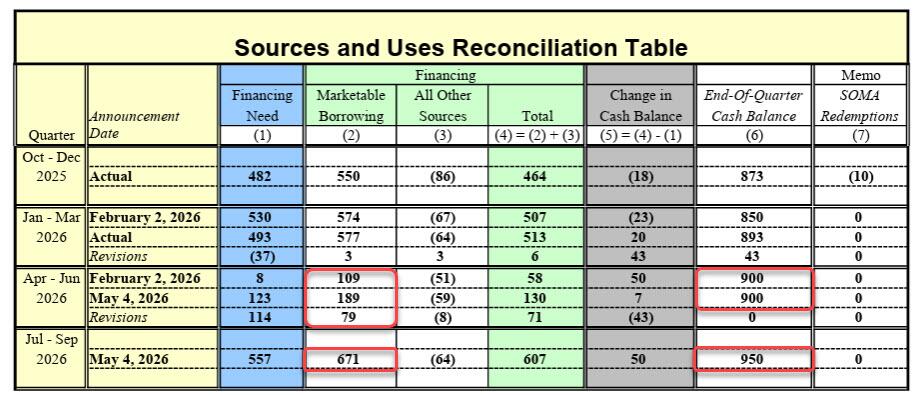
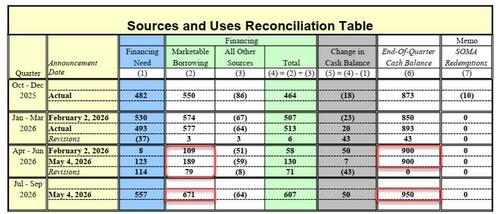
In a statement published today, and ahead of Wednesday’s Quarterly Refunding Announcement, the US Treasury said that it now expects to borrow $189 billion in net debt for the current quarter, up ~$80 billion from the $109 billion it had forecast in February. The estimate assumes a June quarter-end cash balance of $900 billion, the same as the prior forecast.
According to the Treasury, the borrowing estimate is $80 billion higher than announced in February 2026, primarily due to lower projected net cash flows (i.e., lower tax receipts), partially offset by the higher-than-assumed beginning-of-quarter cash balance (the cash balance at the start of the quarter was $893 billion, higher than the $850 billion estimated in February).
Excluding the higher-than-assumed beginning-of-quarter cash balance, the current quarter borrowing estimate is $122 billion higher than announced in February.
During the January–March 2026 quarter, Treasury borrowed $577 billion and ended the quarter with a cash balance of $893 billion. In February 2026, Treasury estimated borrowing of $574 billion and assumed an end-of-March cash balance of $850 billion.The $3 billion in higher borrowing resulted primarily from the higher-than-assumed end-of-quarter cash balance, partially offset by higher net cash flows. Excluding the higher-than-assumed end-of-quarter cash balance, actual borrowing was $40 billion lower than announced in February.
The Treasury last month slashed its issuance of Treasury bills in anticipation of a wave of US tax receipts due April 15. It has since started increasing the sizes of its shortest-dated bill auctions, beginning with the six-week tenor
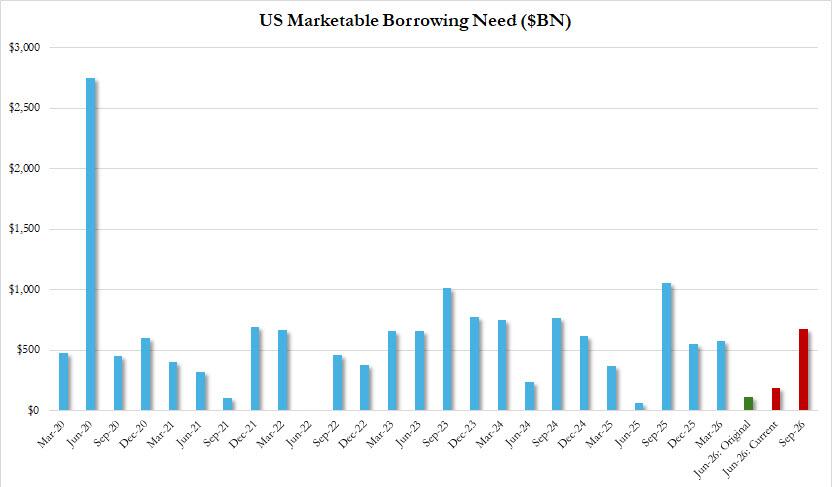
Looking ahead, Treasury expects to borrow $671 billion, targeting a $50 billion increase in end-September cash balance to $950 billion. While it may sound like a lot, the third calendar quarter of the year traditionally has the biggest borrowing needs (in 2025 the US borrowed $1.058 trillion in Q3, $762 billion in 2024, $1.01 trillion in 2023, etc).
Looking beyond the near term, Deutsche Bank’s base-case deficit outlook for FY2026 – FY2028 is modestly smaller than projected three months ago, driven by expectations for stronger economic growth. The bank’s economists now forecast deficits of:
FY2026: $2,068bn ($50bn smaller)
FY2027: $2,137bn ($77bn smaller)
FY2028: $2,255bn ($230bn smaller)
However, DB’s high-estimate scenario, which assumes passage of the Department of Defense budget proposal, implies materially wider deficits versus the base case. Under this scenario, to which DB only assigns 35% odds, deficits would rise by:
FY2026: ~$200bn
FY2027: ~$300bn
FY2028: ~$100bn
Regarding the repayment of IEEPA tariffs, DB assumes total payments of $175bn over the next three years. Given the relatively manageable size, as well as uncertainty around the timing and pace of payments, Treasury will likely address them through increased bill issuance rather bringing forward its coupon increases.
FY2026: ~$50bn
FY2027: ~$100bn
FY2028: ~$25bn
Today’s Treasury announcement of Marketable Borrowing Estimates always precedes the Quarterly Refunding Announcement, which is scheduled for this Wednesday at 8:30am. Here is a preview of what to expect courtesy of Deutsche Bank:
Treasury might adjust its statement language to soften the forward guidance on coupon auction sizes at this refunding announcement. A possible change would be dropping “at least” while retaining the expectation for unchanged coupon sizes over “the next several quarters”. Accordingly, DB now expects nominal coupon increases beginning in February 2027.
For buybacks, DB expects $38bn in liquidity-support operations targeting off-the-run securities. In addition, the bank sees up to $25bn of purchases in 1-month to 2-year for cash management around the June corporate tax date. Treasury will likely evaluate and announce new size increases along with any technical adjustments at the next refunding in August.
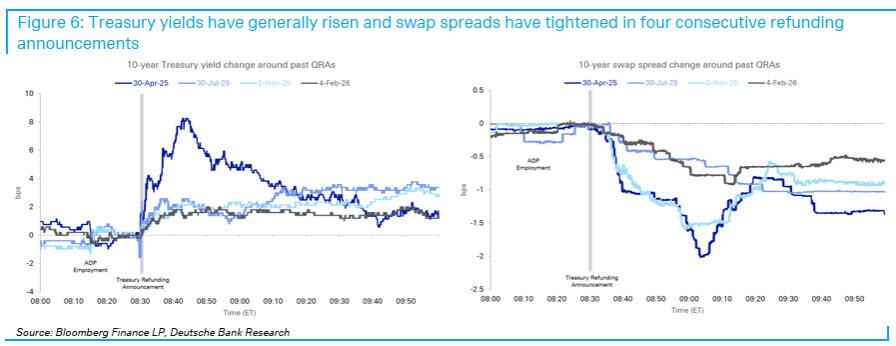
Treasury yields have generally risen, and swap spreads have tightened following four consecutive refunding announcements. Given DB’s slight bearish bias on duration and medium-term preference for wider spreads, the German bank recommends establishing shorts ahead of the QRA and using any post-announcement pullback in spreads to re-enter wideners.
Let’s take a closer look at each of these, starting with…
Coupon and TIPS financing
In line with Treasury’s gradual and incremental approach to soften its forward guidance around coupon sizes in recent refunding announcements, DB’s Steven Zeng expects a further modest adjustment to the statement language in the May refunding. In February, Treasury stated:
“Based on current projected borrowing needs, Treasury anticipates maintaining nominal coupon and FRN auction sizes for at least the next several quarters. Treasury is monitoring SOMA purchases of Treasury bills and growing demand for Treasury bills from the private sector. Looking ahead, Treasury continues to evaluate potential future increases to nominal coupon and FRN auction sizes, with a focus on trends in structural demand and potential costs and risks of various issuance profiles.”
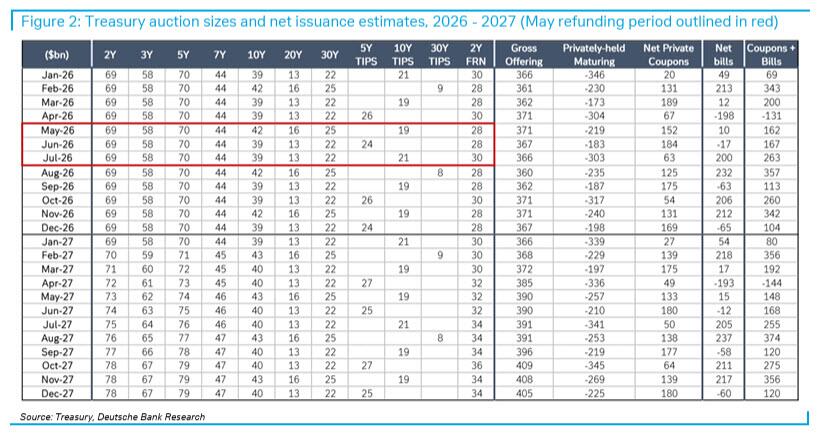
A possible change would be removing “at least” from the statement while retaining the expectation for unchanged coupon sizes over the “next several quarters”. This would suggest that the shelf life of the current guidance is shortening and that the window for coupon increases is drawing nearer. Accordingly, DB now expects nominal coupon increases to be announced at the February 2027 refunding. Tentative auction size estimates are shown in the table below
For TIPS, DB expects auction sizes to remain unchanged relative to the most recent auction cycle, with $19bn 10-year TIPS reopening in May, $24bn 5-year TIPS reopening in June, and $21bn 10-year TIPS new issue in July.
Bill issuance
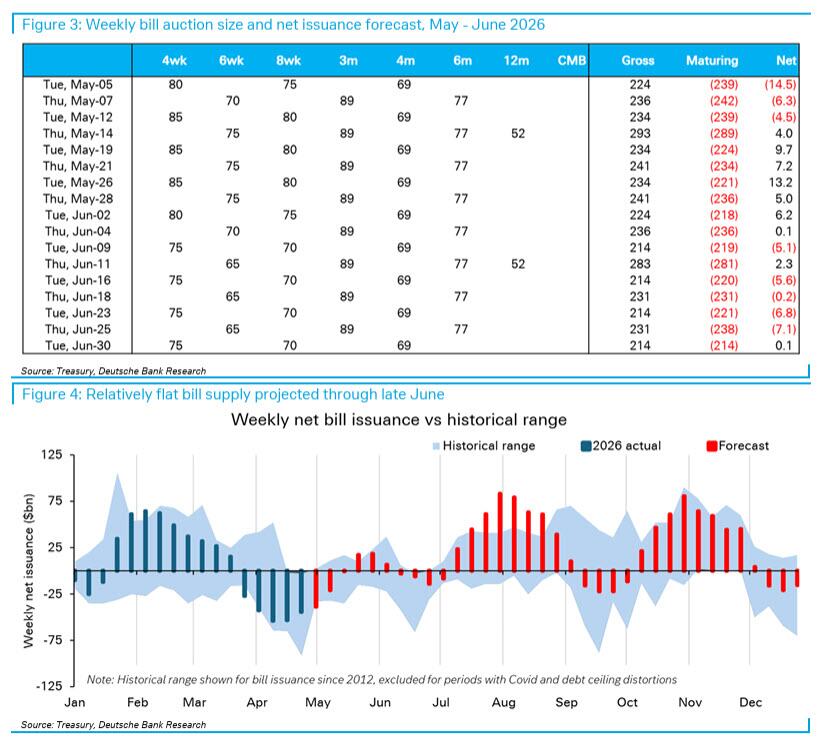
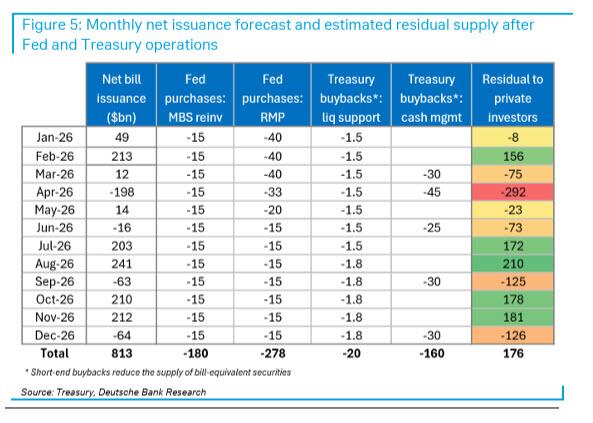
Zeng expects small increases in short-dated bill sizes to be announced next week, leaving net bill supply modestly positive beginning mid-May through early June. The strategist also tentatively expects the 52-week bill auction to rise by $2bn to $52bn. In early June, he projects reductions in bill sizes ahead of the June 15th corporate tax date. Then, a series of larger increases will be implemented in July, leaving bill supply to rise more rapidly during late summer months. The forecast for net bill issuance in the April-June quarter is -$200bn, and in the July-September quarter is +$382bn. Estimates of bill auction sizes and weekly net issuance is shown in the table below.
For calendar year 2026, DB’s current forecast for net bill issuance is $813bn, roughly $50bn higher than the forecast provided three months ago. However, after subtracting Fed purchases and short-end buybacks (which reduce the supply of bill-like coupon securities), the estimated residual supply to private investors is only $176bn.
Buybacks
Zeng expects $38bn in liquidity-support buybacks targeting off-the-run securities to be announced for the May-July period. Separately, he also expects up to $25bn of purchases in the 1-month to 2-year sector for cash-management purposes to be scheduled around the June corporate tax date. These combined purchases are consistent with the increased operation sizes announced last August, and together they imply roughly $150bn in liquidity-support and $150bn in cash-management operations for the full year. In addition, Treasury could unveil new details on potential buyback enhancements. Treasury previously explored yield-spread bidding and debtswitch operations in the February refunding. However, implementation likely involves time and plenty of advanced notice, so the bank does not expect any actual changes will be announced at this refunding. Treasury will likely evaluate and announce new size increases along with any technical adjustments to buybacks at the next refunding in August.
Dealer Discussion topics
In the primary dealer questionnaire, Treasury sought views on how changes in bank regulation are affecting demand and liquidity in the Treasury market. It also asked dealers for feedback on changing floating-rate note (FRN) maturity dates, so they fall on a business day. DB’s responses to both questions are summarized below.
Bank regulation reform
The easing of eSLR last year likely had a positive effect on Treasury demand and market liquidity, although other market structure changes and monetary policy initiatives (for example, the removal of Wells Fargo’s asset cap and the Fed’s reserve management purchases) make it difficult to observe the effect of eSLR alone.
Broadly speaking, the new eSLR calculation enables dealers to hold more Treasuries on balance sheet, which is supported by the weekly Fed data of dealer net positions which has shown a substantial increase since the rule change. Reduced eSLR constraints also make dealers more likely to engage in swap spread trades directly or facilitate them for clients, which increases demand for Treasuries and resulted in wider swap spreads. On the flip side, these activities lead to crowded positioning and thereby increases the risk of large price changes during volatility shocks.
Bank capital rules proposed in March could add to demand for Treasuries at the margin, though likely less impactful than the eSLR easing. Banks with freed-up capital can deploy them into Treasuries, although broader credit demand in the economy may ultimately determine whether banks expand into securities or loans. The GSIB surcharge proposal appears particularly beneficial for dealer banks with balance-sheet intensive business models and a low RWA base, which helps increase overall market-making capacity.
Potential regulatory changes aimed at reducing bank liquidity requirements, such as adjustments to Internal Liquidity Stress Testing (ILST), discount window reform, or adding a liquidity saving mechanism (LSM) to the Fed’s payment system, could allow banks to reallocate reserves into repo or securities, further supporting Treasury demand and market liquidity.
FRN maturity date
For FRNs that do not mature on a business day, the lack of accrued interest is a major concern for 2a7 investors. As a result, many 2a7 funds sell such securities back to the dealers as the maturity month approaches, which add pressure to dealer balance sheets. Treasury should therefore consider changing stated maturity dates for FRNs, so they always occur on a business day. DB does not see the same need for non-FRN securities, which generally have a broader and more diversified investor base that is less affected by this issue. The primary benefit would be stronger FRN liquidity and reduced need for dealers to warehouse affected securities on their balance sheet. A potential drawback would be increased fragmentation between FRNs and other Treasury securities, potentially resulting in similar but not identical maturity dates leading to pricing distortions in the front end of the curve.
Market reaction around QRA
In recent quarterly refunding announcements, Treasury yields have generally risen, and swap spreads have narrowed in response. While that reaction is not fully justified, it could reflect investor disappointment on Treasury not delivering a more market-friendly outcome. (expectations for long-end coupon size cuts and more explicit use of buybacks as a WAM management tool are extremely unlikely.) Given that Treasury will continue to loosen its guidance around coupon issuance sizes, the market could initially interpret any change to its statement as a negative. Given DB’s modestly bearish outlook on duration, the bank recommends using the refunding announcement to set up for shorts. Conversely, as DB holds a medium-term preference for wider swap spreads, the bank would look to use any post-announcement pullback in spreads as an opportunity to re-enter wideners.
More in the full DB note available to pro subs.
Tyler Durden
Mon, 05/04/2026 – 17:20
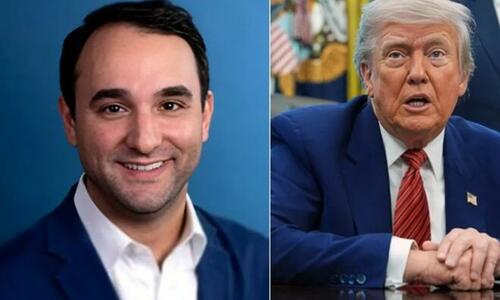
New Member Of Trump’s Iran Negotiating Team Comes From FDD Think Tank
New Member Of Trump’s Iran Negotiating Team Comes From FDD Think Tank
Authored by Dave DeCamp via AntiWar.com,
Amid stalled peace talks and a US blockade on Iranian ports, the Trump administration has added a new member to its negotiating team who comes from the Foundation for the Defense of Democracies, a notoriously hawkish think tank that has been lobbying for aggressive action against the Islamic Republic for many years.
Nick Stewart, the head of the FDD’s lobbying arm, has joined the office of US envoy Steve Witkoff, journalist Alex Marquardt first reported on his Substack on Friday.
The White House confirmed the appointment to Marquardt, calling Stewart a “sharp, seasoned policy expert who is a valuable asset to Special Envoy Steve Witkoff’s talented team.”
Stewart worked in the State Department during the first Trump administration under then-US Special Representative for Iran Brian Hook, who oversaw the increasing economic sanctions regime following the US withdrawal from the JCPOA in 2018, known as the Iran nuclear deal.
“Hiring a FDD staffer onto your team strongly suggests that reaching a diplomatic deal is not Trump’s objective,” Trita Parsi, an Iran expert who works as the executive vice president of the Quincy Institute for Responsible Statecraft, wrote on X in response to Stewart’s appointment.
However, White House spokesperson Olivia Wales confirmed later of Stewart:
“He brings a wealth of leadership and Iran policy experience to the role – from serving at the Department of State in the first Trump Administration and on Capitol Hill – and is a trusted voice as Special Envoy Witkoff works in lockstep with President Trump and his entire national security team to make a deal that is good for the United States and the world.”
Iran has reportedly submitted a new proposal to the US to reach a complete end to the war within 30 days, and President Trump has already cast doubt on it and suggested he’d rather continue the conflict.
“I will soon be reviewing the plan that Iran has just sent to us, but can’t imagine that it would be acceptable in that they have not yet paid a big enough price for what they have done to Humanity, and the World, over the last 47 years,” the president wrote on Truth Social on Saturday.
Tyler Durden
Mon, 05/04/2026 – 17:00
https://www.zerohedge.com/geopolitical/new-member-trumps-iran-negotiating-team-comes-fdd-think-tank
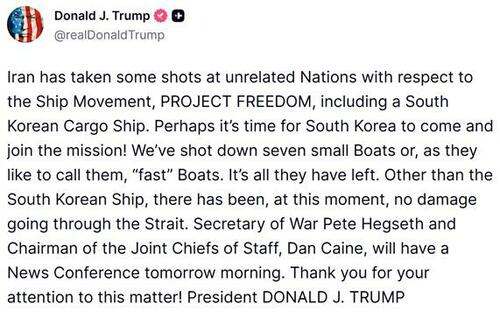
Ceasefire Over? Trump Downplays ‘Mini-War’ After US & Iranians Trade Shots, Missiles Target UAE
Ceasefire Over? Trump Downplays ‘Mini-War’ After US & Iranians Trade Shots, Missiles Target UAE
Summary
Trump employs interesting new term: “We’re in, I call it a mini-war.”
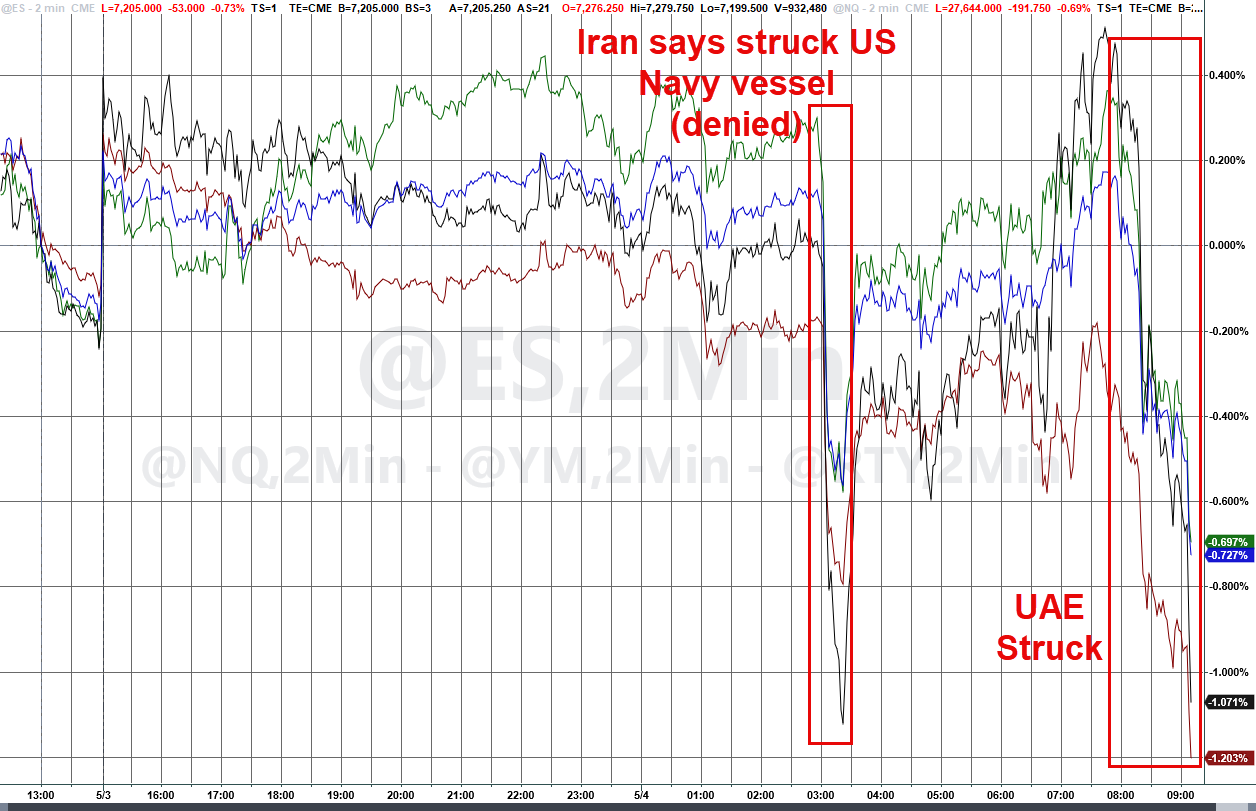
Fujairah says 3 injured in Iranian attack on Oil Industry Zone, UAE confirms “air defenses are now dealing with a missile threat”, we have gotten reports of explosions in Dubai, which has sent oil higher and Emini futures into the red. UAE threatens retaliation.
CENTCOM hails two US merchant ships exiting Hormuz Strait safely in “first step”. Bessent issues remarks warning the US “will fire if fired upon.”
Iran insists Hormuz is under its control & says it targeted & struck a US Navy vessel, which the Pentagon/Central Command has denied.
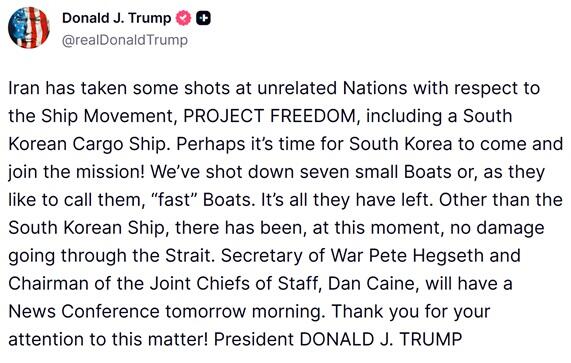
Trump announced Sunday US will ‘help free up’ ships stuck in Hormuz Strait through Project Freedom. Iran has in response issued a “redefined the control zone” in Strait of Hormuz.
US x Iran permanent peace deal by June 30, 2026?
Yes 37% · No 64%
View full market & trade on Polymarket
* * *
The ‘Mini War’
It’s looking like the White House does not wish to given up just yet on the ceasefire, given this afternoon President Trump referenced the conflict as a “mini-war” – as opposed to a full blown war – in what seemed like an effort to downplay today’s dramatic events. Not only did missiles rain down on the UAE, sparking a fire at a key oil facility, but the US Navy said it destroyed seven Iranian military boats. Here’s what Trump said.
“They did a poll on the war with Iran, and they said only 32% of the people like it,” Trump said, without specifying who conducted the poll. “Well, I don’t like it, I don’t like war at all.”
“We’re in, I call it a mini-war,” Trump added a few moments later.
Trump has previously said he’s been advised to not call it a war. House Speaker Mike Johnson, R-La., said last week that the U.S. is currently “not at war.”
Meanwhile, more details via CENTCOM on the earlier flare-up, which separately saw the UAE engage 12 ballistic missiles, 3 cruise missiles, and 4 drones on Monday:
US Central Command (Centcom) says it has used helicopters to destroy Iranian small boats.
It follows US President Donald Trump’s suggestion that the US has struck seven Iranian small boats as it works to open the Strait of Hormuz. “Earlier today, Sea Hawk and U.S. Army AH-64 Apache helicopters were used to eliminate Iranian small boats threatening commercial shipping”, Centcom writes in a social media update.
Ceasefire Broken? Israel Awaiting US Greenlight, Trump Downplays
There remain lingering questions over whether the US-Iran ceasefire has definitively broken down with today’s Iranian attack on the UAE, as well as tit-for-tat hostilities in the Persian Gulf area. This as Israeli media says the Netanyahu government is awaiting a ‘green light’ to attack Iran again. Also the UAE is now planning a ‘severe retaliatory response’ and ‘harsh revenge’ against Tehran, per MS Now.
Yet strangely, the latest statement out of CENTCOM doesn’t touch on the question of a broken ceasefire, and President Trump himself has been silent on the matter, per the AP:
Cooper declined to say whether the exchange of hostilities between U.S. and Iranian forces in the Strait of Hormuz today amounted to an end to the ceasefire agreement. Cooper told reporters in a phone call this afternoon that Iran “initiated aggressive behavior” in the strait, according to a readout of the call provided by The Associated Press. “What we saw this morning was Iran initiating aggressive behaviors,” Cooper said. “We are simply going to respond to that.”
Trump’s response:
In a phone conversation a short while ago, President Trump stopped short of saying Iran has violated the ceasefire.
Regarding the Iranian drone and missile attacks on UAE today: “They were shot down for the most part,” Trump told me. “One got through. Not huge damage.”…
— Jonathan Karl (@jonkarl) May 4, 2026
Meanwhile, amid the looming threat of bigger, renewed war:
UAE SAYS ALL SCHOOLS TO SWITCH TO REMOTE LEARNING
UAE Threatens Military Response
A fresh official statement: “The United Arab Emirates strongly condemns the new Iranian attacks that targeted civilian sites and facilities in the country, using missiles, drones, and cruise missiles, which resulted in the injury of three Indian nationals.”
“The Ministry of Foreign Affairs affirmed in its statement that these attacks constitute a serious and reckless escalation, and a blatant violation of the security and stability of the state, as well as a clear violation of the principles of international law and the United Nations Charter.” And the UAE followed with the threat that it has the right to respond militarily against ongoing “aggression and provocation”:
The UAE stressed that it will not tolerate any aggression against its security and sovereignty, and that it will respond with full force and firmness to these attacks, in a manner that fully protects its national security and the safety of its citizens and residents, in accordance with international law.
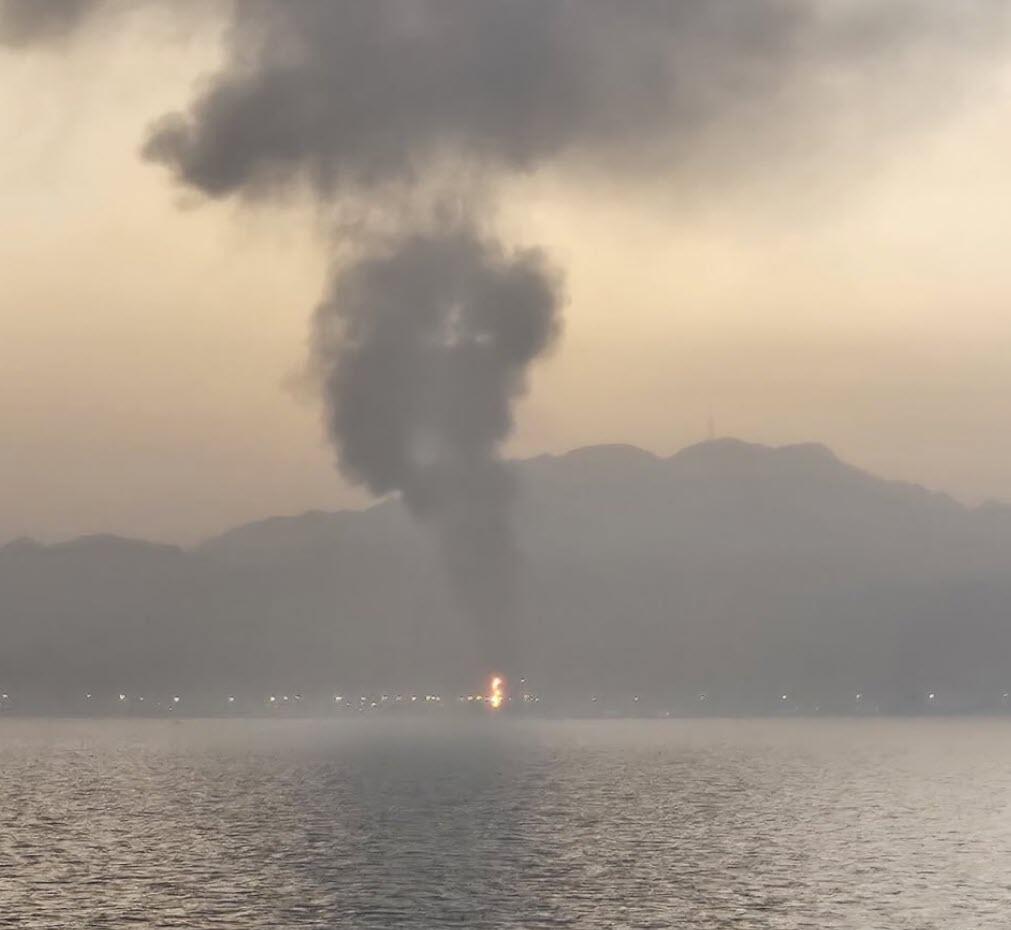
There are further confirmed reports of injuries and a fire at one or more oil facilities:
Three Indian nationals have been injured in the drone attack on Fujairah’s petroleum industrial site being blamed on Iran, the Fujairah Media Office says. The three have been taken to the hospital and their injuries have been termed “moderate”.
UAE, Bahrain, Oman Under Threat
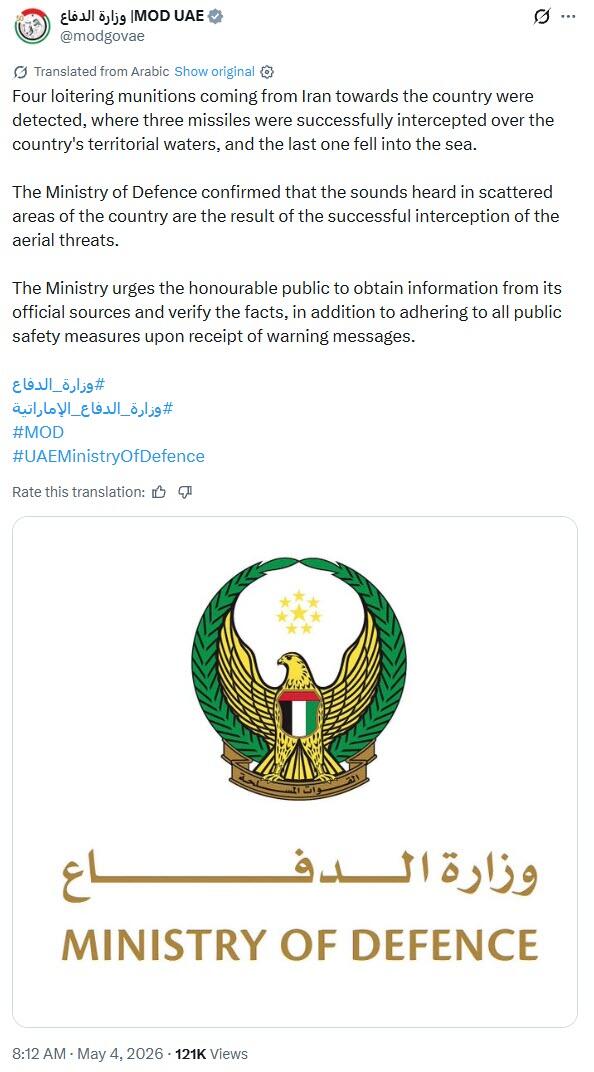
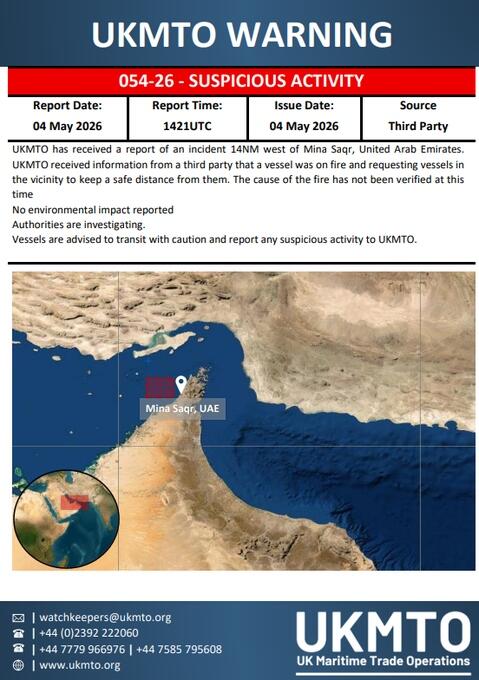
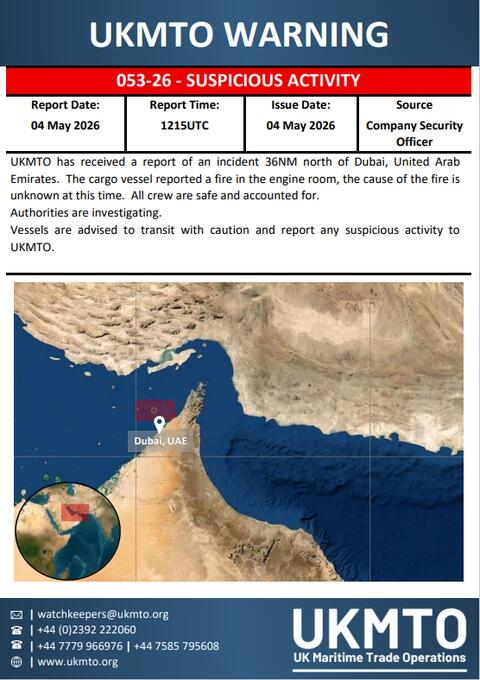
UAE air defences are actively engaging multiple Iranian missile and drone threats today, with the Ministry of Defence confirming four cruise missiles were detected heading toward the country; three were successfully intercepted over territorial waters while the fourth fell into the sea. Explosions have been reported in the Dubai area as air defence systems responded, prompting the National Emergency Crisis and Disaster Management Authority (NCEMA) to issue public safety alerts. In Fujairah, Iranian drones struck the Petroleum Industries Zone, causing a fire at the critical oil export terminal that includes the VTTI facility – the UAE’s key Hormuz-bypass hub. The Fujairah Media Office has confirmed three Indian citizens were moderately injured in the attack, marking the first reported civilian casualties in the current wave. UK Maritime Trade Operations (UKMTO) separately reported suspicious activity and a fire aboard a cargo vessel approximately 36 nautical miles north of Dubai, with cause unknown.
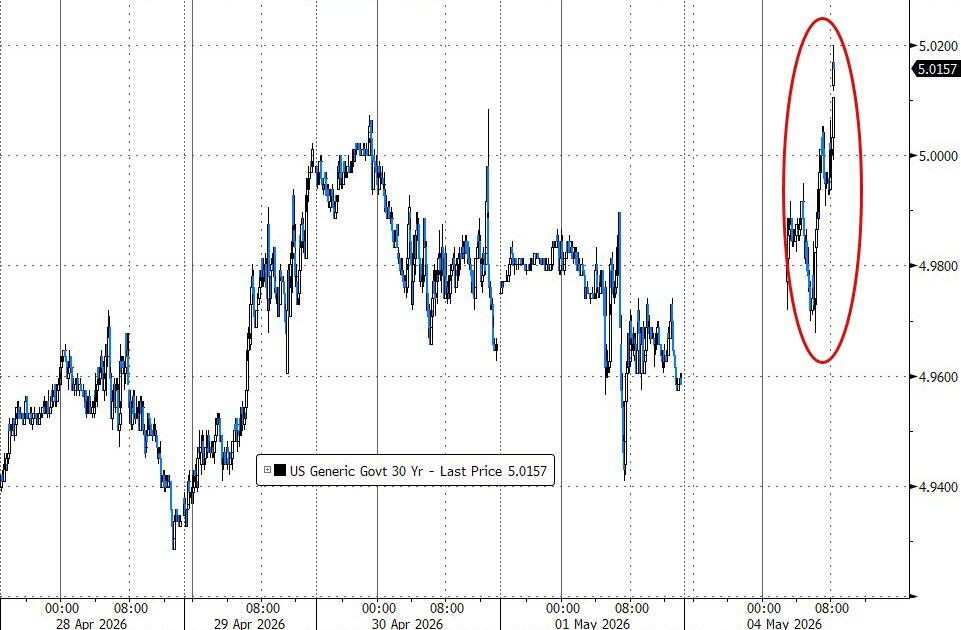
The incidents unfold against a backdrop of heightened US-Iran tensions in the Strait of Hormuz, where Iran claims control and has warned it will “forcefully stop” vessels violating its regulations, while denying US reports of safe transits under “Project Freedom.” CENTCOM has rejected Iranian claims of striking a US Navy vessel. Markets reacted sharply: Brent crude pushed back toward session highs above $119, E-mini futures turned lower, equities sold off, and the US 30-year Treasury yield rose above 5.01% for the first time since July. The situation remains fluid with conflicting claims on both sides, and further official updates from UAE authorities are expected.
Injuries Reported
The Fujairah Media Office / Emirate has confirmed that 3 Indian citizens/residents were moderately injured in today’s Iranian drone attack on the Fujairah Petroleum Industries Zone (oil industry complex).
Injuries are described as moderate (no fatalities reported).
This is the first confirmed civilian injuries from the current wave of attacks.
The incident is directly linked to the VTTI oil facility strike and the fire reported minutes earlier in the same zone.
Dubai, UAE Oil Infrastructure, Cargo Tankers Reportedly Struck by Iranian Missiles & Drones
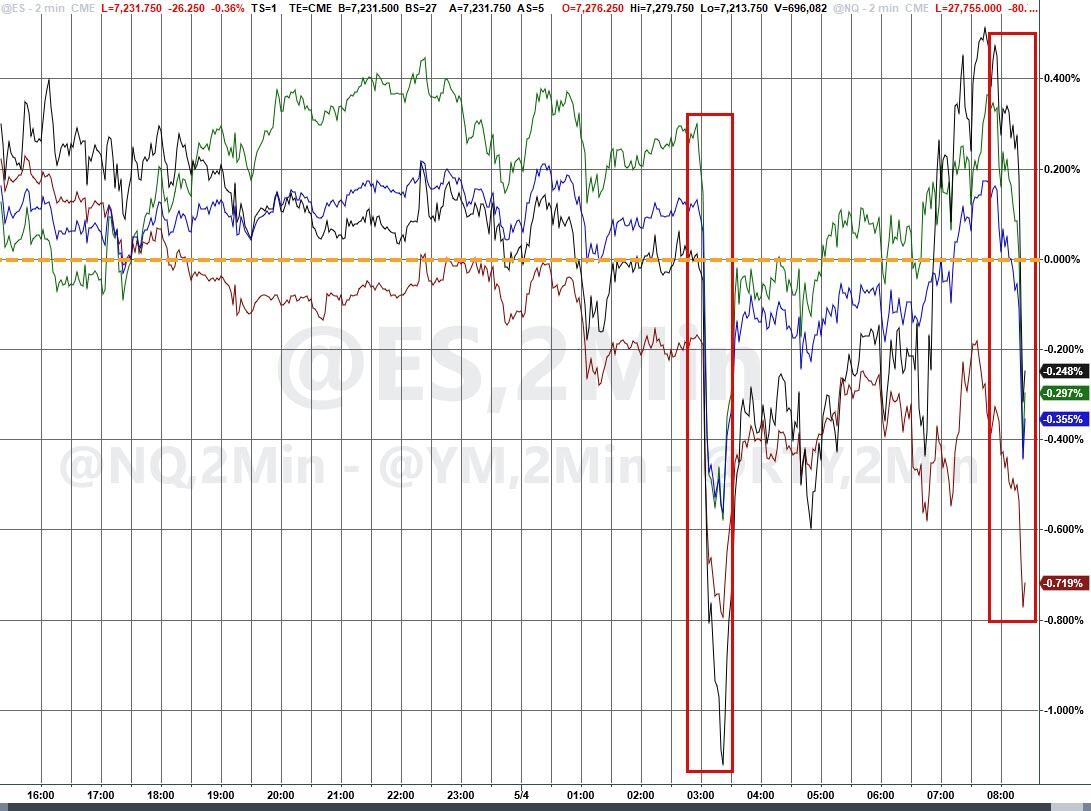
Following reports from the Following a report from the UAE National Emergency Crisis and Disaster that Emirati air defenses are responding to a missile threat, we have seen reports of explosions in Dubai, which has sent oil higher and Emini futures into the red
https://x.com/NCEMAUAE/status/2051337214282596616?s=20
Bloomberg adds that the UAE has detected four missiles coming from Iran
*UAE DETECTS FOUR MISSILES COMING FROM IRAN: DEFENSE MINISTRY
Air defense systems are currently responding to a missile threat. Please remain in a safe location and follow official channels for warnings and updates. pic.twitter.com/DJFh6q8xi1
— NCEMA UAE (@NCEMAUAE) May 4, 2026
At the same time, the UK MTO Operations Center said that it has received reports multiple “Suspicious activities”
*UKMTO RECEIVES REPORT OF INCIDENT 36NM NORTH OF DUBAI
*UK NAVY: CARGO VESSEL REPORTED A FIRE IN THE ENGINE ROOM
*UK NAVY: CAUSE OF THE FIRE IS UNKNOWN AT THIS TIME
Perhaps worst of all, it appears attacks have recommenced on UAE energy infrastructure (specifically, Fujairah – the end point of the pipeline the UAE uses to bypass the Strait of Hormuz).
*UAE’S FUJAIRAH SAYS AERIAL ATTACK FROM IRAN
*FUJAIRAH: IRAN DRONE ATTACK CAUSES FIRE AT OIL INDUSTRIAL ZONE
Operations at the strategic facility have been affected.
In the fog of war, it is increasingly unclear what is real and what is fiction, but while it is certainly possible that Iran has decided to re-escalate against the UAE, which is now as much of a nemesis as Iran, there is the possibility that the UAE is creating conditions for a false flag, hoping to drag the US into what would now be a “defensive” operation and thus not needing Congressional clearance.
In any case, the market is not happy, with stocks turning red…
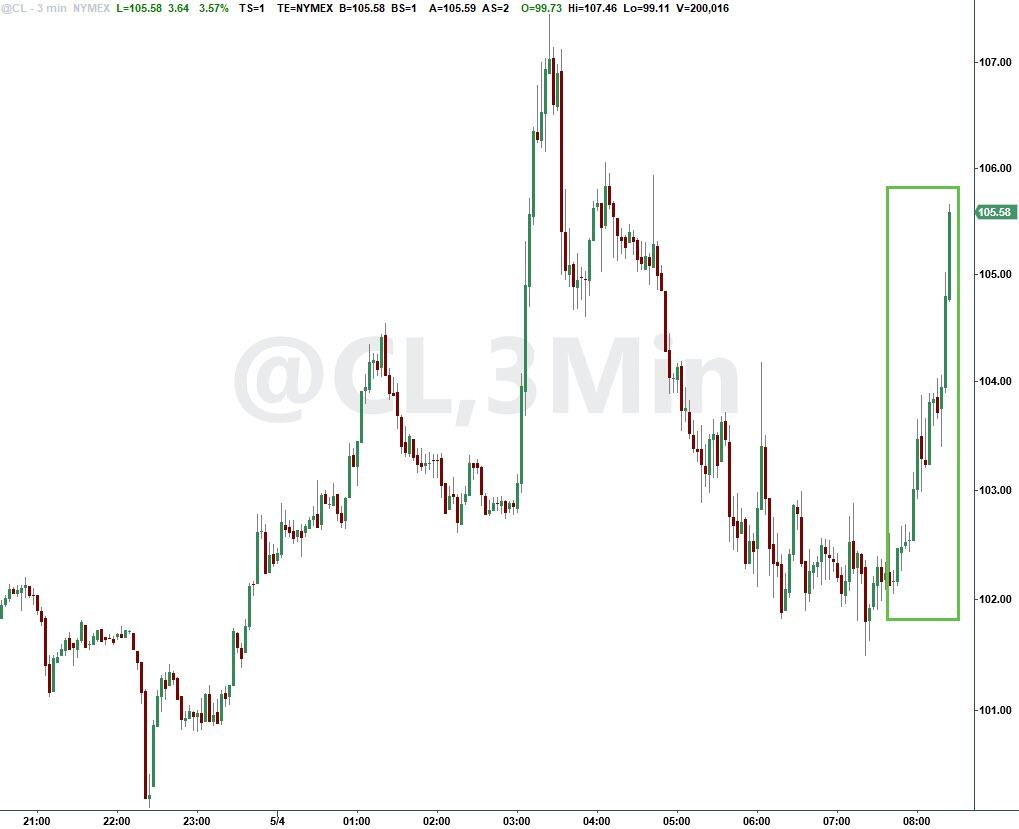
… and oil pushing back to session highs.
And bonds are being dumped with 30Y yield back above 5.01% for the first time since July…
Bear in mind what Goldman warned on Friday:
It feels as though there are a few lines in the sand starting to develop in markets:
120 USD in Crude (note COA roll likely dampens vol a bit today compared to earlier in the week),
4.5% and 5.0% in UST 10/30yrs,
160 in USDJPY
we would be wary of all of these and the proximity to them all adds further fuel to any future resolution risk rally/Dollar sell-off.
Patience is key as always.
Some of those signals have been hit and others are looming.
* * *
Bessent: Will Fire if Fired Upon
Coinciding with ‘Day 1’ of Trump’s Project Freedom to “guide” stranded vessels out of the heavily contested Strait of Hormuz, Treasury Secretary Scott Bessent has issued fresh remarks and warnings on Monday.
US Treasury Secretary Bessent says US is opening up the strait, we have absolute control of the strait. A quick summary of his main points via Newsquawk:
• Iranians do not have control of the strait.
• Project freedom was not done in coordination with Iran.
• If Iranians want to escalate, we are willing to do so.
• US is firing only when fired upon.
• It is a good time for US partners to step up and pressure Iran.
He further gave a very broad and fuzzy timeline, stating this ‘aberration’ will be over in ‘weeks or months’. At this point, admin officials are careful to avoid calling it a ‘war’ – given it has been 60 days since the start, and there’s the lingering question of Congressional authorization and war powers. Latest out of Hormuz:
Iranian IRGC attack hit a South Korean-linked ship in the Strait of Hormuz. Source: Yonhap
Pentagon: Two US-Flagged Ships Exit Hormuz
On Monday morning, US Central Command announced that within 12 hours after President Trump unveiled ‘Project Freedom’, a pair of US-flagged merchant ships made it out of the Strait of Hormuz. The wording of the statement makes it sound like a US naval escort made this possible – though the degree to which this was the case remains unclear. Below is the CENTCOM statement.
U.S. Navy guided-missile destroyers are currently operating in the Arabian Gulf after transiting the Strait of Hormuz in support of Project Freedom. American forces are actively assisting efforts to restore transit for commercial shipping. As a first step, 2 U.S.-flagged merchant vessels have successfully transited through the Strait of Hormuz and are safely headed on their journey.
This is being hailed as a the latest Pentagon success, however, the reality remains that Washington is celebrating a solution to a problem that did not exist before the launch of Operation Epic Fury. Or in other words, the US is seeking to open the strait which had never been closed prior to the Iran war. Meanwhile…
— The White House (@WhiteHouse) May 3, 2026
IRGC Says It Struck US Navy Ship, US Officials Deny
Iran is claiming to have attacked and struck a US Navy vessel, announcing that it stopped US warships from entering the Strait of Hormuz “with a firm and swift warning” and noting that “additional news will be announced later” – a statement by state Tasnim News Agency said. Soon after, Fars news agency said that two missiles hit a US navy vessel near Jask island after it ignored warnings from the IRGC to halt. Jerusalem Post also picked up on the statement, writing:
The ship reportedly turned back after being hit. The report further noted that the missiles had been launched after the US “violated security protocols for transit and navigation near Jask with the intent to pass through the Strait of Hormuz.”
However, soon after Axios stated that a “senior US official denies a US ship was hit by Iranian missiles.” CENTCOM soon after said that no US navy ships have been struck, adding that US forces are supporting Project Freedom and enforcing the naval blockade on Iranian ports. It is the latest claimed major incident soon on the heels of President Trump the night prior announcing “Project Freedom” to “guide” stranded ships out of the Strait of Hormuz. New threats:
But as we also noted, WSJ explained that Project Freedom “is a process through which countries, insurance companies and shipping organizations can coordinate moving traffic through the Strait, according to a senior U.S. official. It doesn’t currently involve U.S. Navy warships escorting vessels through the strait, the official said.” So a lot of confusion remains. UAE meanwhile chimes in with some verification of a strike on a LNG tanker:
UAE SAYS ADNOC VESSEL HIT BY TWO IRAN DONRES IN HORMUZ
UAE CONDEMNS TARGETING OF ADNOC VESSEL BY DRONES IN HORMUZ
🚨 LIVE IN THE STRAIT: The U.S. just launched “Project Freedom” to escort neutral commercial vessels through the Strait of Hormuz, but the sanctioned tanker NOOH GAS (IMO 9034690) is currently attempting transit.
Windward Multi-Source Intelligence is tracking NOOH GAS in… pic.twitter.com/zLgIzNsgUG
— Windward (@WindwardAI) May 4, 2026
Trump had also said in his Monday Truth Social statement that he is “fully aware that my Representatives are having very positive discussions with the Country of Iran, and that these discussions could lead to something very positive for all.”
Iranian Tanker Crew Swap in Pakistan
Some kind of ‘good faith’ swap is in the works, per Al Jazeera:
The crew members of an Iranian ship that was seized by the United States after it “failed to comply” with the US blockade on Iranian ports have been transferred to Pakistan for repatriation, Pakistan’s Ministry of Foreign Affairs has said.
“As a confidence-building measure by the United States of America, twenty-two crew members held aboard the seized Iranian container ship, ‘MV Touska’, have been evacuated to Pakistan,” the ministry said in a statement on Monday.
Pakistan’s foreign ministry is facilitating their return, after a couple weeks ago the US Navy seized it and characterized the capture of the merchant ship part of the spoils of war.
CNN had reported at the time that “US Central Command (CENTCOM) says the guided-missile destroyer USS Spruance warned the Touska repeatedly over a six-hour period, during which time the container ship was steaming in the Arabian Sea toward Bandar Abbas, Iran.” It was among the earliest direct actions by the US Navy after the US declared a blockade on all Iranian ports.
Iran Warns US It Will Attack
A fresh escalatory warning and rhetoric out of Iran’s military on Monday: US forces will be attacked if they enter the strait, as well as any commercial ship or oil tanker not willingly coordinating their movements with Iran ahead of time. That’s according to Ali Abdollahi, the head of the Iranian military’s unified command, and as cited in Al Jazeera:
“We warn that any foreign armed forces, especially the aggressive US army, will be attacked if they intend to approach and enter the Strait of Hormuz,” the statement said.
All of this means that what Trump touted as an act of “goodwill” has the obvious potential to become a dangerous flashpoint. Some pundits have raised the possibility of a new Gulf of Tonkin incident.
The IRGC reportedly carried out a missile strike on two ships attempting to cross the Strait of Hormuz at night.
The IRGC Navy reports that the ships turned off their transponders and were operating in the interests of the US Navy. pic.twitter.com/64Ez5bFOpR
— Dimitri Lascaris (@dimitrilascaris) May 4, 2026
And per BBC, things are already coming to a head:
The Iranian military is claiming it has prevented a US Navy destroyer from entering the Strait of Hormuz.
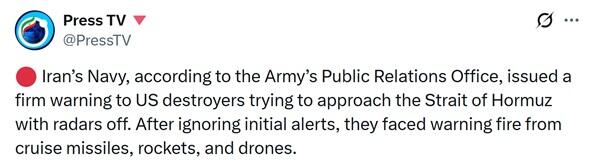
Iranian state media reports that the public relations arm of the army says: “With a firm and swift warning from the Islamic Republic Navy, the entry of American and Zionist enemy destroyers into the Strait of Hormuz was prevented.”
But it is hard to precisely confirm any of this, also as the Pentagon is mum and not expected to affirm any of Iran’s claimed ‘successes’ in stopping US naval movement in regional waters. There have also been reports of Iranian vessels firing warning shots on a US ship. And according to Axios Monday morning:
A U.S. official said the rules of engagement for U.S. forces in the region have been changed and they were authorized to strike immediate threats against ships that cross the strait, like IRGC fast boats or Iranian missile positions.
Iran’s ‘Control Zone’
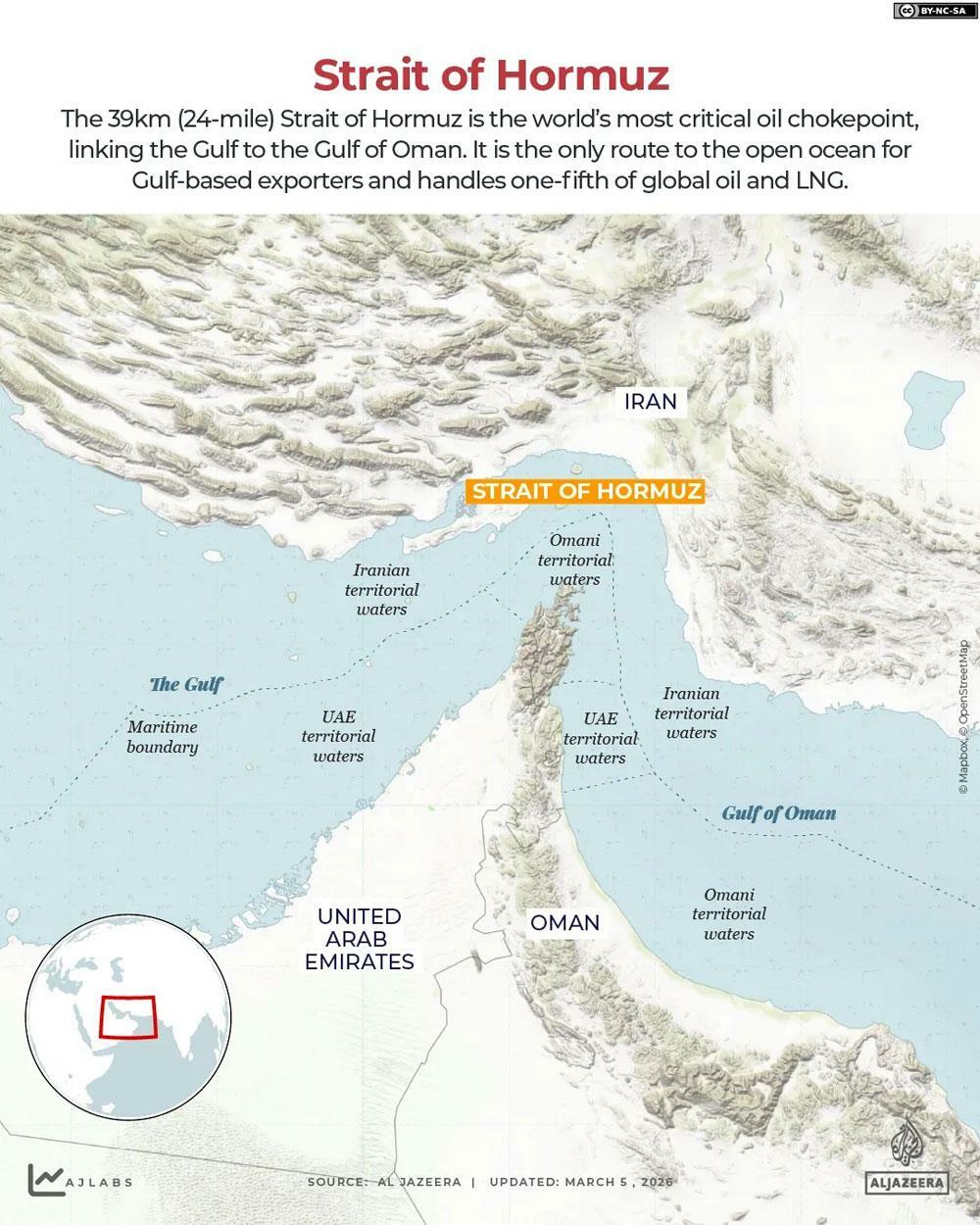
Iran has “redefined the control zone” in Strait of Hormuz, stretching from south of Mount Mobarak in Iran to south of UAE’s Fujairah, and from west of Qeshm Island in Iran to Umm al-Quwain in the UAE, according to Tasnim.
A statement from Iranian State TV gives Iran’s perspective on Trump’s new Project Freedom, as it insists the strait is “under the control of the armed forces of the Islamic Republic of Iran”.
Again, all of this directly contradicts Washington’s stance, and the two sides are once again headed toward escalation amid zero sum contrary positions with apparent willingness to use force. As a reminder, Trump had on Sunday described that “For the good of Iran, the Middle East, and the United States, we have told these Countries that we will guide their Ships safely out of these restricted Waterways, so that they can freely and ably get on with their business.”
Some More Regional Developments
via Al Jazeera
Two missiles hit a US navy vessel near Jask in the Strait of Hormuz after it ignored warnings from the Revolutionary Guard to halt, state media quote the IRGC as saying.
The reported attack comes after US President Donald Trump announced a naval mission, dubbed Project Freedom, to guide stranded ships out of the Strait of Hormuz on Monday.
Iran’s Foreign Ministry says it is assessing a response from Washington to its latest 14-point proposal to end the war. Trump had called Tehran’s proposal “unacceptable”.
Israel continues to bombard Lebanon, wounding five medics, and has expanded its area of control in Gaza by announcing a so-called “Orange Line”.
Tyler Durden
Mon, 05/04/2026 – 16:50

As Pump Prices Hit Iran War Highs, Duffy Claims They’ll Fall Immediately After Hormuz Reopens
As Pump Prices Hit Iran War Highs, Duffy Claims They’ll Fall Immediately After Hormuz Reopens
As pump prices for gasoline (and diesel) hit Iran War highs, U.S. Transportation Secretary Sean Duffy said on Sunday that gasoline prices should begin to decline “immediately” once shipping resumes through the Strait of Hormuz, pushing back against analyst warnings that relief for consumers could take months.
Duffy, speaking on ABC’s “This Week” program on May 3, acknowledged that prices may take time to return to pre-war levels but said reopening the critical oil transit chokepoint would quickly ease pressure at the pump.
“Once the Strait opens, you’ll see prices come down, come down immediately,” Duffy said.
“There’s going to be a tail to that … but you’re going to see, I think, immediate relief.”
As Tom Ozimek reports for The Epoch Times, prior to Duffy’s remarks, several analysts featured on the program said they expect fuel prices to climb further and predicted that a sustained decline could take months.
The transport chief’s comments come as U.S. fuel prices have risen to their highest levels in roughly four years, driven by disruptions linked to the Iran conflict and constrained flows through the Strait of Hormuz, a key maritime transit route that typically carries about one-quarter of global oil shipments.
Duffy’s remarks build on recent statements by President Donald Trump, who said on April 30 that gas prices would “drop like a rock” once the Iran war ends.
It comes as the Trump administration has launched “Project Freedom,” a military-backed effort to ease disruptions in the Strait of Hormuz.
U.S. Central Command said on May 4 that about 15,000 U.S. personnel, along with guided-missile destroyers, aircraft, and unmanned systems, would support merchant vessels “seeking to freely transit” the strait.
Iran’s military responded to the initiative by threatening to target U.S. forces entering the waterway.
Prices Climb as Disruptions Persist
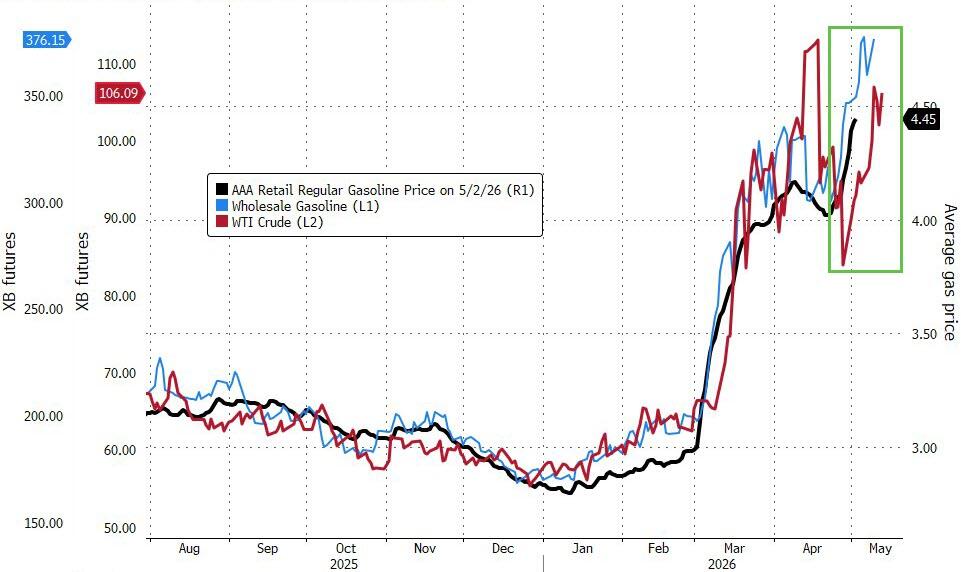
Oil prices rose again on Monday, with Brent crude climbing above $111 per barrel and U.S. West Texas Intermediate topping $105 in morning trading, after Iran claimed it had forced a U.S. warship to turn back from the strait—an assertion denied by U.S. Central Command.
The market reaction fed into ongoing supply uncertainty driven by the ongoing Middle East conflict. UBS analyst Giovanni Staunovo said the “path for prices remains skewed to the upside” as long as flows through the Strait of Hormuz remain restricted.
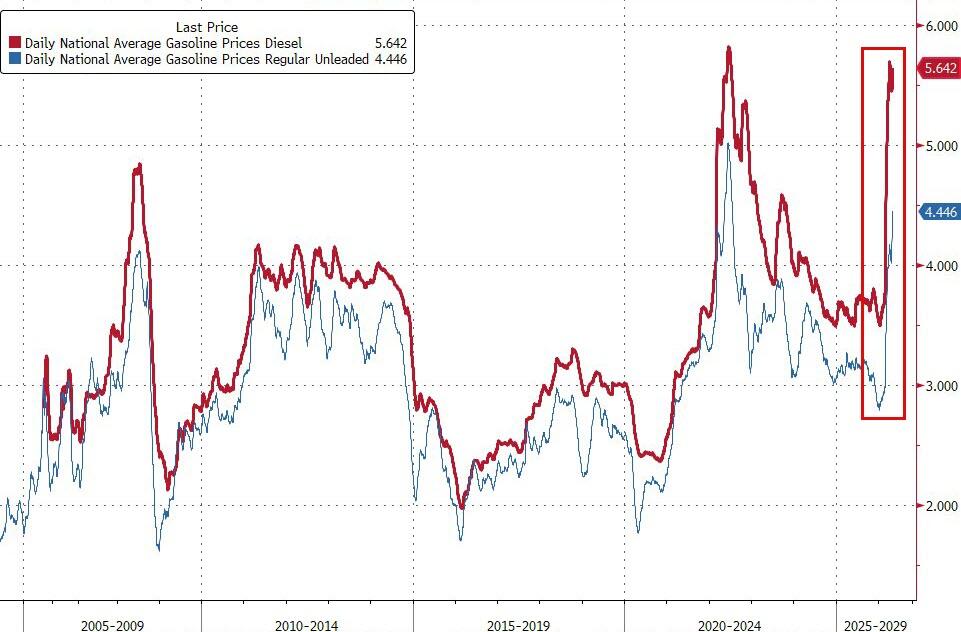
At the pump, the national average gasoline price has climbed to around $4.45 per gallon, up more than $1.50 since the conflict began, according to American Automobile Association data. Analysts say further increases are likely.
GasBuddy’s head of petroleum analysis, Patrick De Haan, said on May 4 that crude had jumped around $5 per barrel, with spot gasoline values pointing to another 10-cent rise.
He predicted the national average could soon reach $4.55 per gallon or higher, with uneven regional impacts.
Prices are “all over the place,” De Haan added in a separate post, noting that while $3.99 per gallon remains the most common price, levels near $4.39 and $4.99 are close behind.
Diesel costs—a key driver of freight and food prices—have climbed even faster, with averages above $6 per gallon in eight states, including California, Washington, and Illinois, according to GasBuddy data.
Trump’s ‘Project Freedom’ Plan
Details of “Project Freedom” remain unclear, with some analysts suggesting the initiative may struggle to deliver the kind of rapid supply normalization that would significantly ease fuel prices.
While U.S. Central Command has said U.S. forces will support merchant vessels transiting the Strait of Hormuz, officials have not clarified whether consistent naval escorts will be provided.
Analysts at ING said the initial oil price dip following Trump’s announcement of the initiative quickly faded as traders reassessed the plan’s likely impact.
“The announcement saw a brief sell-off in oil prices, but the market has since pared these losses,” ING said in a May 4 note. “The market does not seem convinced by the plan. … Even if this allows vessels to leave the Persian Gulf, we’re likely to see little inbound traffic. This would only amount to temporary relief.”
At the same time, risks in the region remain elevated. Iranian officials have warned that foreign military forces entering the strait would face retaliation, and Iran’s military has imposed a new maritime control zone in the Strait of Hormuz, further complicating efforts to normalize shipping, according to Iran’s state-affiliated media outlet Tasnim.
In an update on May 4, U.S. Central Command said U.S. Navy guided-missile destroyers had transited the Strait of Hormuz and were operating in the Arabian Gulf, adding that two U.S.-flagged merchant vessels had safely passed through the chokepoint.
Tyler Durden
Mon, 05/04/2026 – 16:45
https://www.zerohedge.com/energy/duffy-claims-gas-prices-will-fall-immediately-after-hormuz-reopens

Did Bill Maher Just Kill Gavin Newsom’s 2028 Dreams?
Did Bill Maher Just Kill Gavin Newsom’s 2028 Dreams?
For a man who fancies himself the future of the Democratic Party, Gavin Newsom had a rough Friday night.
The California governor appeared on Real Time with Bill Maher, probably expecting the kind of warm exchange that comes with being a friend of the host.
What he got instead was a methodical, public undressing from one of liberalism’s most prominent voices — and it proves how weak Newsom really is as a potential presidential candidate.
It may be early, but the Democratic presidential primary field for 2028 is slowly starting to take shape, and Newsom is quite clearly an early contender. Kamala Harris is the undisputed frontrunner at this point, owing much to her four years as vice president, but Newsom remains the only other potential candidate who has ever topped a primary poll to date. Earlier this year, an Emerson College poll also showed Newsom at 20% nationally, leading the Democratic pack.
The best thing that Newsom has going for him is that the Democrat establishment and donor class aren’t likely to want to gamble the 2028 election on her, given her two prior poorly run campaigns. The only thing that might give them pause is the optics of passing over a black female who happens to be the former vice president of the United States. But, considering the last two female Democratic Party nominees for president, Harris and Hillary Clinton, lost to Donald Trump, there’s plenty of reason to believe that Newsom, as a politically seasoned white male with a national profile, seems like a safer bet.
And yet, that viability is precisely what makes Maher’s observations about Newsom so damaging.
Maher did not come at Newsom with Republican talking points.
He came as a friend with facts about how poorly California has been run on his watch, and that’s what made it sting.
“The other side, what they are going to say, though, is, ‘But have you seen the stats from California?’” Maher said, framing the coming attack ad before it’s even produced.
Newsom fired back with “Good! One of the largest economies. Let’s go!”
Suggesting that the mere size of California was enough to distract from the state’s problems. “Well… are they going to say ‘Good,’ about gas prices?” he followed.
“Are they going to say ‘Good,’ about how high their rents are?” And even Maher couldn’t deny that those issues only scratched the surface.
“So many people live… I mean, there’s a whole litany.”
One key problem for Newsom is California’s high-speed rail project, which is a monument to what happens when ambition collides with institutional incompetence.
Initially sold to voters in 2008 with a price tag somewhere between $33 and $45 billion, the project has ballooned catastrophically. Its first phase isn’t expected to be complete until 2032 at the earliest, and the California High-Speed Rail Authority’s own 2026 business plan now projects costs north of $230 billion.
“The train, Gavin,” Maher said. “You got to get rid of the train!”
When Newsom pushed back — insisting the number wasn’t accurate — Maher leaned harder: “I say this as a friend, you got to let that train go! Let the train go. It’s up to $231 billion.”
Newsom’s expression visibly shifted, the polished composure cracking just enough to notice.
🚨 BOOM: Bill Maher CONFRONTS a cocky Gavin Newsom on his abysmal FAILURE
MAHER: “What they’re going to say though is, have you seen the stats from California?”
NEWSOM: “We’re the largest economy, let’s go!”
MAHER: “Gas prices? Are they going to say good about how high the… pic.twitter.com/XdSEpF3o5z
— Eric Daugherty (@EricLDaugh) May 2, 2026
Because here’s the thing about Gavin Newsom — his record is a verified reality that liberal commentators — the people who want to see Democrats win back the White House — are refusing to ignore. He inherited a $21 billion budget surplus, and his final year began with an $18 billion deficit. California has the highest cost of living of any state in the nation besides Hawaii. Its housing crisis has been ongoing for years, despite billions of dollars spent to address it. Over $37 billion has been spent to combat the state’s homelessness problem without anything to show for it. Crime remains a persistent and increasingly politicized issue. Newsom has governed all of this while simultaneously insisting — on national stages, in media appearances, to anyone who will listen — that California is a model the rest of the country should emulate.
The danger for Newsom is that Bill Maher isn’t a Republican operative. The danger is precisely the opposite.
When the critique of your leadership comes from the left, from someone who genuinely wants the Democrats to win elections and whose audience leans in your political direction, it strips away the only shield a Democrat typically carries into a policy debate: the ability to dismiss the criticism as partisan noise.
Maher made it clear that Newsom’s California record is ammunition for the left and the right against Newsom.
Tyler Durden
Mon, 05/04/2026 – 16:40
https://www.zerohedge.com/political/did-bill-maher-just-kill-gavin-newsoms-2028-dreams
All’s Not So Quiet On Any Front
All’s Not So Quiet On Any Front
Authored by James Howard Kunstler,
Project Freedom. Cute move! Notice that it’s not Operation Freedom. That would frame it as a military move.
The President is tactically framing this as a humanitarian action. Mr. Trump has advised Congress as of May 1 that hostilities with Iran (Operation Epic Fury) are terminated, at the 60-day limit of the War Powers Resolution. Commercial ships from countries not involved in the Iran / US dispute will now get escorted safely through the Strait of Hormuz by US naval vessels.
(Later amended by CENTCOM, around 9a.m. Monday as being protected by US Navy vessels “in the vicinity.”)
Any attack on these ships by Iran would prompt a forceful response and trigger a re-wind of the clock on the War Powers Resolution (WPR), meaning, another sixty days to conduct military operations, such as the destruction of key bridges and electric power plants promised earlier. Iran’s leadership — whoever that is — thought it could juke Mr. Trump on the 60-day deadline by stalling negotiations while it reorganized its remaining missile launchers. Tactical fail. Incidentally, the Supreme Court has never directly ruled on the WPR’s constitutionality or enforced the 60-day limit.
Also, by the way, the “neutral and innocent bystanders” designation means that oil tankers from Kuwait, the Emirate states, Qatar, and Saudi Arabia will be given safe escorts out of the Persian Gulf. That will have two effects: 1) avert the “shutting-in” of their productive oil wells (and the prospective geological damage to the oil fields); and 2) alleviate the price pressure on oil generally with new supply reentering the global oil market.
You can conclude that this “project” will bring new pressure on the “whoevers” running Iran to stop shucking and jiving about how this thing ends — which is them surrendering the 1000-pounds of 60-percent enriched uranium stashed somewhere on their premises. Of course, coming to terms on the nuclear bomb-making issue would allow Iran the possibility of becoming, once more, a normal advanced industrial modern nation, should it also decide to eschew the rule of the mullahs and their psychotic minions in the Revolutionary Guard (IRGC). But that remains to be seen.
The other major project underway is on the domestic US scene: the much-needed severe beat-down of the so-called Democratic Party that has become captive to seditionists, overt communists, racketeers, and jihadis.
DOJ prosecutions of color revolutionaries accelerate under Acting Attorney General Todd Blanche. James Comey finally has to account for his “86 / 47” seashell prank in a Carolina federal court while a long-dormant case was revived in the Eastern District of Virginia of Comey having used Columbia prof Daniel Richman as a cut-out to leak classified information to the press at the inception of RussiaGate, 2017.
Nobody knows exactly what’s going down in the Southern District of Florida these days (no leaks) where a grand Jury was convened in January to hear evidence in the RussiaGate matter including the years’ long train of organized seditions aimed at bum-rushing Mr. Trump out of the Oval Office in his first term, plus the mounting of various other operations (2020 election-rigging, the J-6 “Fedsurrection,” and maliciously fake serial prosecutions) aimed at stuffing him in prison at the end of that term.
All this is being treated as a “grand conspiracy” involving scores of agency officials and lawfare ninjas operating in the penumbra at the edge of government.
Do not be surprised when rafts of indictments come out of the Fort Pierce, Florida, grand jury, probably in bunches, each bunch dedicated to a particular phase or operation.
Characters such as former President Barack Obama, FBI Director Christopher Wray, Senator Adam Schiff (D-CS), CIA-agent Eric Ciaramella, legal tacticians Norm Eisen, Marc Elias, and Mary McCord, Andrew Weissmann, crooked member of the Senate Intel Committee Sen. Mark Warner (D-VA), and former CIA Directors Brennan with former DNI James Clapper, were involved in multiple seditions and possible treasons. Supporting actors such as the tag-team of Peter Strzok and Lisa Page, former Deputy AG Rod Rosenstein, former AG Merrick Garland, former Deputy AG Lisa Monaco, former Sec’y of State Hillary Clinton, “Joe Biden” autopen operators Jake Sullivan, Mike Donlon, Steve Richetti, Anita Dunn, Neera Tanden, former Sec’y of State Antony Blinken, and Domestic Policy Advisor Susan Rice, are probably in the mix somewhere, too.
The trials that come out of all this action will be mighty interesting shows. What they will show is what an absolutely criminal organization the Democratic Party became sometime during Barack Obama’s second term, and how each criminal act since then has provoked further criminal acts in the attempt to cover-up the train of crime.
On top of that, you see the first glimmers of action against the villains behind the Covid-19 operation, which was used as an additional instrument of sedition to eject President Trump from office with mail-in ballot fraud.
That was the eventual outcome anyway, though it appears that Anthony Fauci’s NIAID agency was subcontracting out the development of this disease at least a decade earlier. And now, Dr. Fauci’s chief advisor, David Morens, is indicted on extremely serious charges including conspiracy against the United States, destruction, alteration, or falsification of records in federal investigations (multiple counts), and concealment, removal, or mutilation of records (multiple counts).
This is serious business. It is likely to lead to Dr. Fauci, Dr. Deborah Birx, and other public health officials who ran a dastardly number on the citizens of this land. Be advised: the autopen pardons of “Joe Biden” will be tested in court.
While all this goes on in the months ahead, don’t underestimate what is liable to emerge from the ongoing FBI investigations into massive social service and health service fraud by the Democratic Party in its Blue State strongholds.
It is going to get very ugly. A governor or two (or three, or more) could be slammed with indictments for colluding to conceal vast episodes of organized grift.
All that. . . and then the SCOTUS decision striking down Congressional redistricting along racial lines — probably leading to the loss of up to ten Democratic seats in the House later this year.
Ouch! That one is really going to sting.
So, if you happen to believe that the concluding scenes of Operation Epic Fury in Iran will somehow work to advantage the Democratic party to sweep the midterm elections, better rethink your strategery (as George W. Bush liked to style the art of political warfare).
Tyler Durden
Mon, 05/04/2026 – 16:20
https://www.zerohedge.com/geopolitical/alls-not-so-quiet-any-front

Welfare Enrollment Drops Sharply Following New Federal Work Requirements
Welfare Enrollment Drops Sharply Following New Federal Work Requirements
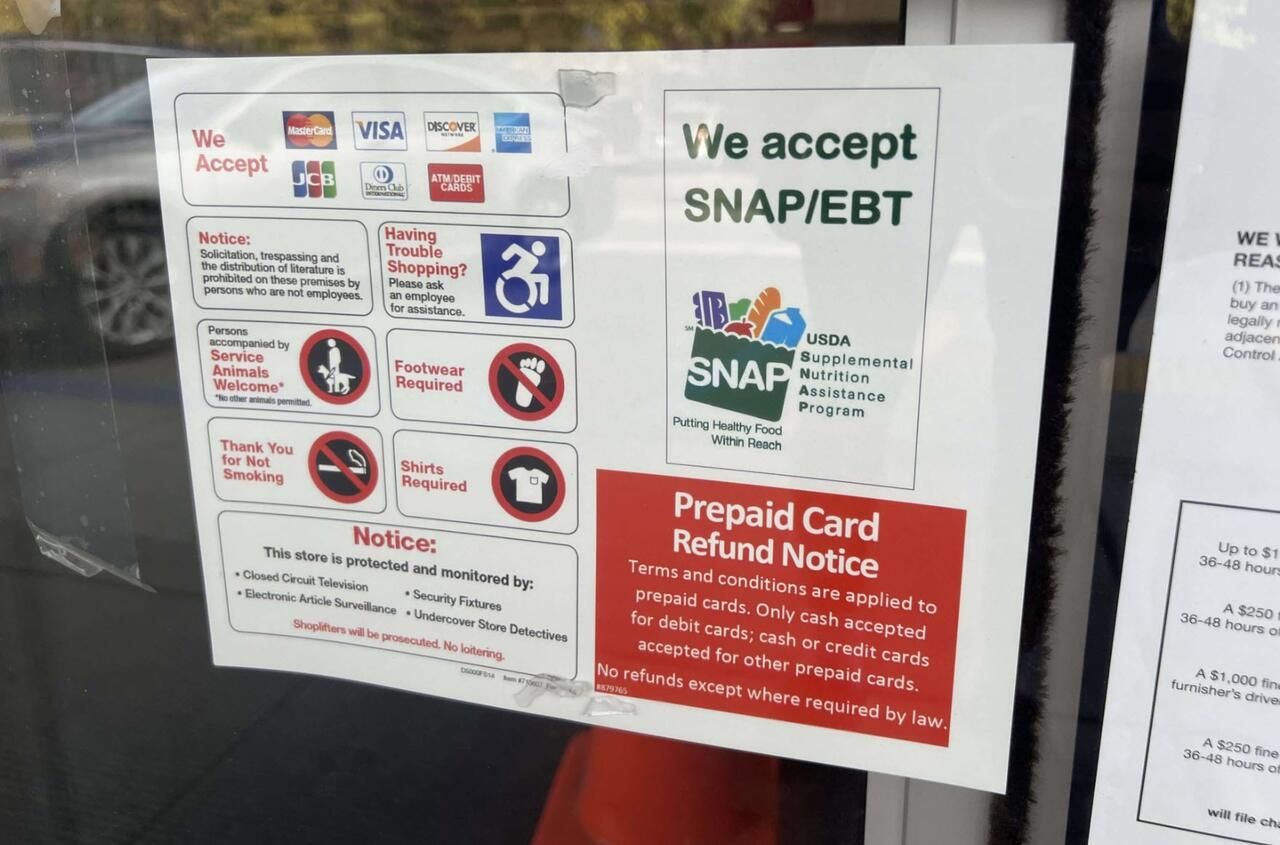
Enrollment in the Supplemental Nutrition Assistance Program has declined significantly since new federal work requirements took effect in mid-2025, with millions fewer Americans receiving benefits, according to newly reported federal data.
The number of people enrolled in SNAP has fallen by roughly 3.5 million since July 2025, dropping from an average of 42.1 million participants in the prior fiscal year to about 38.5 million as of January 2026, according to reporting by The Wall Street Journal.
The decline follows the implementation of expanded eligibility rules included in the “One Big Beautiful Bill,” signed into law by Donald Trump on July 4, 2025.
The legislation broadened existing work requirements for able-bodied adults, mandating that individuals between the ages of 18 and 64 without young dependents participate in at least 80 hours per month of work, volunteering, or government-run programs.
Previously, the requirements applied to a narrower age group and included different criteria for dependents, according to the U.S. Department of Agriculture, which oversees SNAP. Officials told The Wall Street Journal that the recent changes represent the most sweeping adjustments to the program in decades.
Under the updated policy, eligibility restrictions have also tightened for some categories of legal immigrants. Federal law has long barred undocumented immigrants from receiving SNAP benefits.
Data compiled by the Center on Budget and Policy Priorities shows that nearly every state has experienced a decline since the policy took effect.
Alaska, Hawaii, and Kentucky are exceptions, each reporting modest increases.
Meanwhile, SNAP participation in Guam has risen sharply, while Puerto Rico operates under a separate nutrition assistance program.
Several states, including Virginia, Florida, North Carolina, and Tennessee, have reported double-digit percentage declines. In response, some state officials have begun efforts to connect affected residents with employment and volunteer opportunities to help them meet the new requirements.
Arizona has seen the steepest drop, with participation falling by more than half.
According to state data, more than 424,000 fewer residents are receiving benefits, including approximately 181,000 children. State officials attributed much of the decline to the rapid implementation of the new federal rules.
“The expanded work requirements were primarily responsible for the drop,” Brett Bezio, a spokesman for Arizona’s Department of Economic Security, told The Wall Street Journal.
Tyler Durden
Mon, 05/04/2026 – 15:00
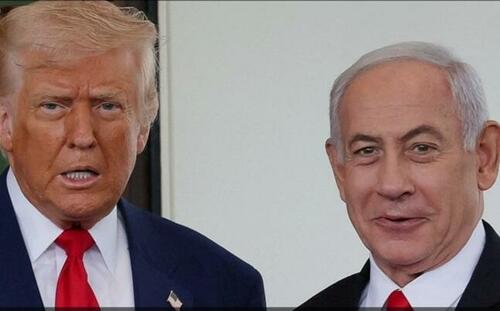
Trump Renews Call For Israel To Pardon Teflon Bibi, The “Wartime Prime Minister”
Trump Renews Call For Israel To Pardon Teflon Bibi, The “Wartime Prime Minister”
President Trump has renewed US pressure on some Israeli government decision-makers to grant a pardon to Prime Minister Benjamin Netanyahu as he’s still battling multiple corruption charges, at a moment he has ordered the armed forces to be engaged in several fronts, including in Lebanon.
Trump told the Israeli outlet Kan News on Sunday, “Tell your president to pardon Bibi. He’s a wartime prime minister. They wouldn’t have Israel if it wasn’t for me and Bibi in that order. You want to have a PM that can focus on the war, not focus on nonsense.”
Trump interestingly tried to flip the script with this statement, at a moment some conservative ‘influencers’ have increasingly attacked the White House for falling too much under Israeli influence.
But the US President is here saying the White House controls the narrative on Israel and its fate, not the other way around. And yet it also clearly affirms the airtight relationship, at a moment US naval forces are bogged down in trying to open back up the Strait of Hormuz.
Trump is directing his request to pardon Netanyahu to the only top official with the power to make it happen – Israel’s President Issac Herzog.
“I like the guy, Herzog,” Trump said in the fresh remarks. “He will be a national hero if he gives Bibi a pardon. I will very much appreciate it.” Trump has also long charged that this is a “witch hunt” by Bibi’s enemies.
Netanyahu has long been accused, even within Israel, of seeking to prolong Israel’s ‘multi-front’ wars in order to permanently delay the corruption trial and ensure his time in power is extended.
The trial focuses on three corruption cases – including charges of fraud and breach of trust, as well as charges of bribery.
The allegations range from illegally receiving expensive gifts based on political favors, to quid pro quo agreements with some Israeli media sources for more favorable coverage, to authorizing telecom-related regulatory decisions to benefit friends and allies.
In the meantime, Herzog says he does not plan to make a decision before ongoing negotiations with Netanyahu’s legal team have reached conclusion. An October election loss for Netanyahu’s Likud party means he could actually face jail time.
Will Benjamin Netanyahu be the next Prime Minister of Israel?
Yes 47% · No 54%
View full market & trade on Polymarket
However, he’s long been called ‘Teflon Bibi’ for his ability to dodge major political bullets over the years and decades, while staying in power as the country’s longest serving prime minister.
Tyler Durden
Mon, 05/04/2026 – 14:40

Deutsche Bank’s Woke ESG Whistleblower Denied Millions By SEC For Tattling To Press
Deutsche Bank’s Woke ESG Whistleblower Denied Millions By SEC For Tattling To Press
In 2021, Deutsche Bank sustainability chief Desiree Fixler thought she was going to make millions after she blew the whistle with claims that the bank did not adhere to its goal of integrating ESG (environmental, social and governance) into all investment decisions. Fixler – who worked within the bank’s DWS Group asset management arm – became a witness for the SEC, which fined the bank’s asset-management arm $19 million in 2023.
And had she actually gotten the SEC reward of 10% – 30%, it would have amounted to millions…
…however, because Fixler (who was fired) ran to the Wall Street Journal before the SEC, they denied her a payout.
The Wall Street Journal previously reported Fixler’s concerns about Deutsche Bank’s ESG business in an August 2021 article.
DWS misled investors about how it integrated ESG criteria into its investing process, Fixler told the Journal. DWS told clients that every investment team used ESG factors to make decisions. But she found a case in which Wirecard AG, a German payments-service provider that went bankrupt in a fraud scandal, ended up in an actively managed ESG fund, which was supposed to promote companies with good governance.
She filed a complaint with the SEC three days after The Journal’s article appeared. She later spent over 100 hours walking the commission’s staff through Deutsche Bank’s ESG program and how investment firms screen for ESG risks in public companies, she said in an interview.
The SEC acknowledged in an order denying Fixler’s award request that it opened its investigation based on her statements to the Journal. But it didn’t consider her cooperation to be “voluntary” because she didn’t approach the SEC first. –WSJ
“Where a claimant provides information to a media outlet, and commission staff learn of the allegations from the media outlet, a claimant has not provided the commission with information,” the SEC wrote.
Fixler and her lawyer, Stephen Kohn, say the SEC’s definition of “voluntary” does not comport with a plain-English meaning of the term, and discourages whistleblowers from using traditional methods of spreading concerns about wrongdoing – the media.
“This is a warning shot to every whistleblower who thinks about going to the press,” said Fixler.
Maybe she can escort kids to the Hunger Games to make ends meet when ESG finishes destroying the global economy?
Tyler Durden
Mon, 05/04/2026 – 14:00