Category: News
Q4 GDP Unexpectedly Grows At 1.4%, Half Expected Pace, As Government Shutdown Hits Q4 Growth
Q4 GDP Unexpectedly Grows At 1.4%, Half Expected Pace, As Government Shutdown Hits Q4 Growth
There was a big surprise at 8:30am ET when the BEA reported the (delayed) GDP print for the last quarter of 2025: With consensus expecting a 2.8% print (and the Atlanta Fed GDPNow model even higher) which would already be a big drop from the 4.4% in Q3, the BEA instead reported that the US economy grew at just 1.4% in the fourth quarter, the slowest growth since the tariff shock of Q1 2025.
According to the BEA, the contributors to the increase in real GDP in the fourth quarter were increases in consumer spending and investment. These movements were partly offset by decreases in government spending and exports. Imports, which are a subtraction in the calculation of GDP, decreased.
Overall, the economy expanded 2.2% last year, data from the Bureau of Economic Analysis showed.
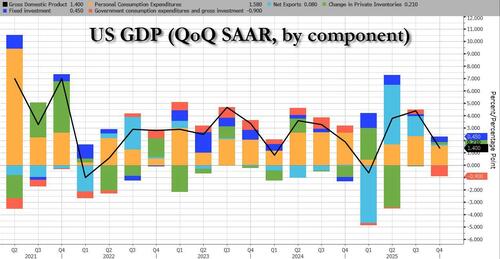
Specifically, the Q4 breakdown was as follows:
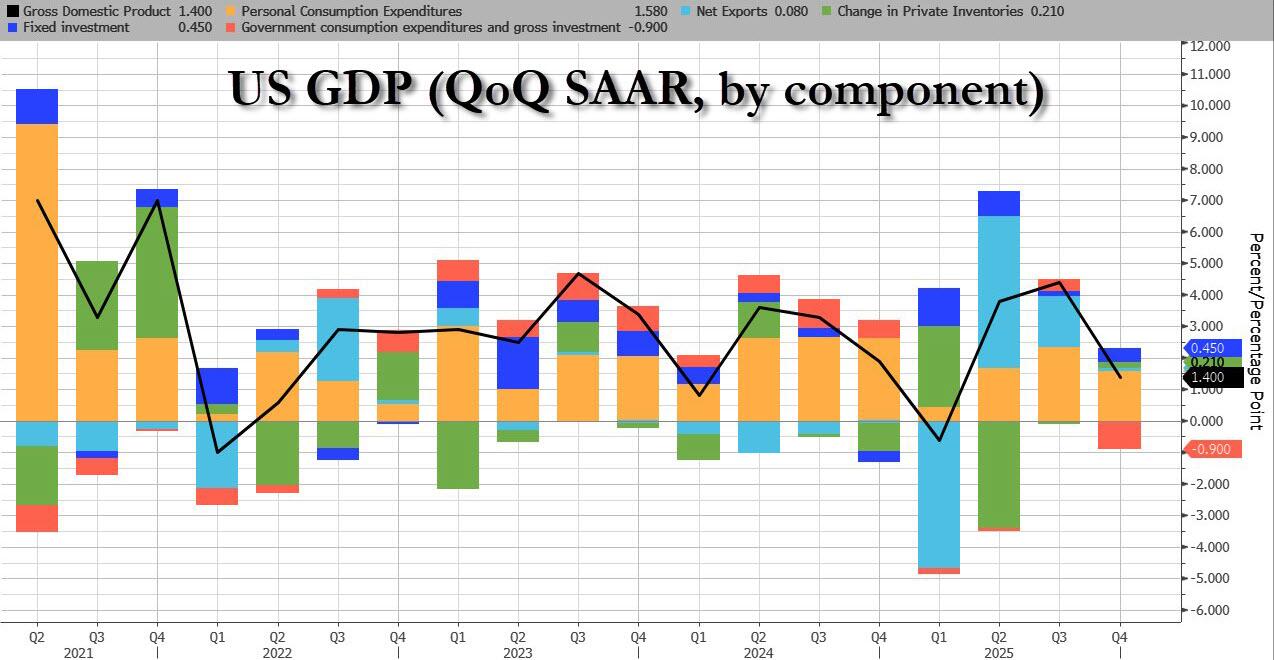
Personal consumption slowed notably, from 2.34% of the bottom line GDP to just 1.58% or more than 100% of the final 1.42% GDP print
Fixed Investment contributed to 0.45% of bottom line GDP, up from 0.15% in Q3
Change in private inventories added 0.21%, up from a decline of -0.12% in Q3
Net exports (exports less imports) continued to normalize and in Q4 added just 0.08% to the GDP number, down dramatically from 1.62% in Q3
Last and definitely worse, government was actually a major drawdown, reducing the Q4 GDP by 0.9%, a sharp reversal from the 0.38% addition in Q3.
And visually:
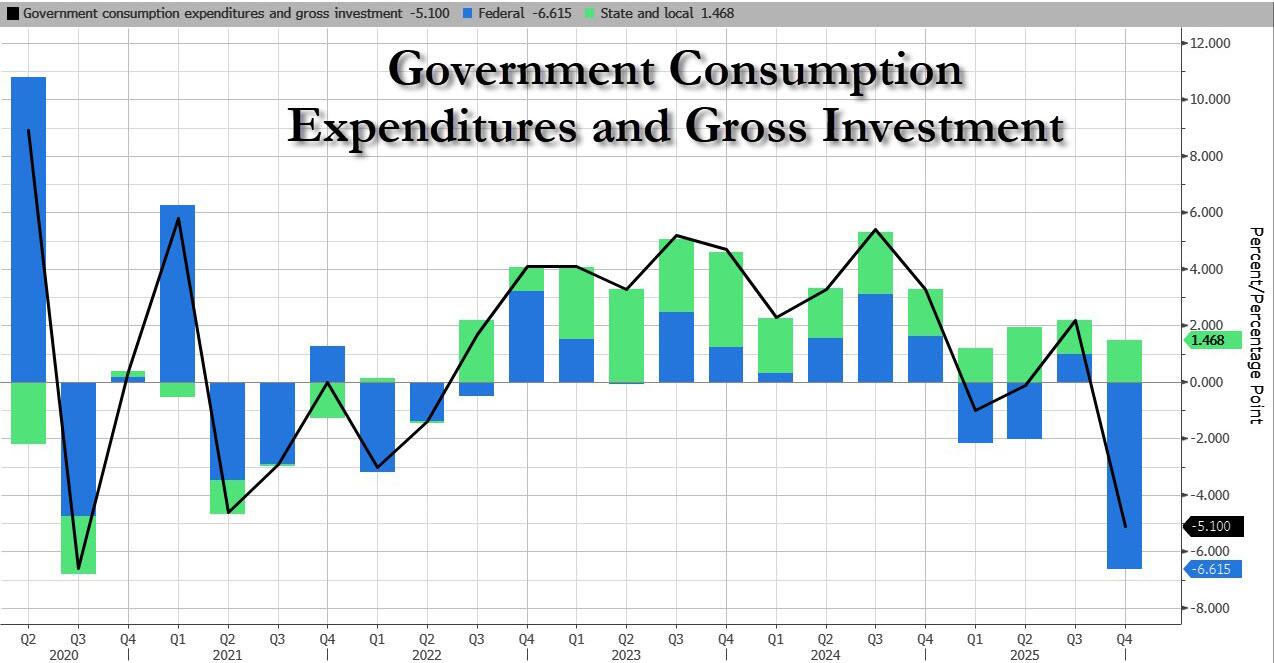
Of the above, the most notable variable was government spending, which due to the government shutdown in Q4 tumbled by 5.1% – the biggest drop since covid – and subtracted 0.9% from the final GDP number.
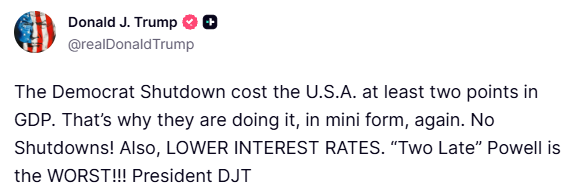
Knowing in advance how bad the number would be due to the shutdown, less than an hour before the data were released, Trump posted on social media that the shutdown would cost the US “at least two points in GDP.”
That may be an exageration, but it is modest: if one takes the average growth in recent quarters due to government which is about 0.5-0.6% and subtracts the 0.9% hit in Q4, the actual swing is about 1.5%.
Of course, this is just a delayed reversal, and expect to see Q1 GDP offset by this much if not more, meaning Q1 GDP will likely print around 4%.
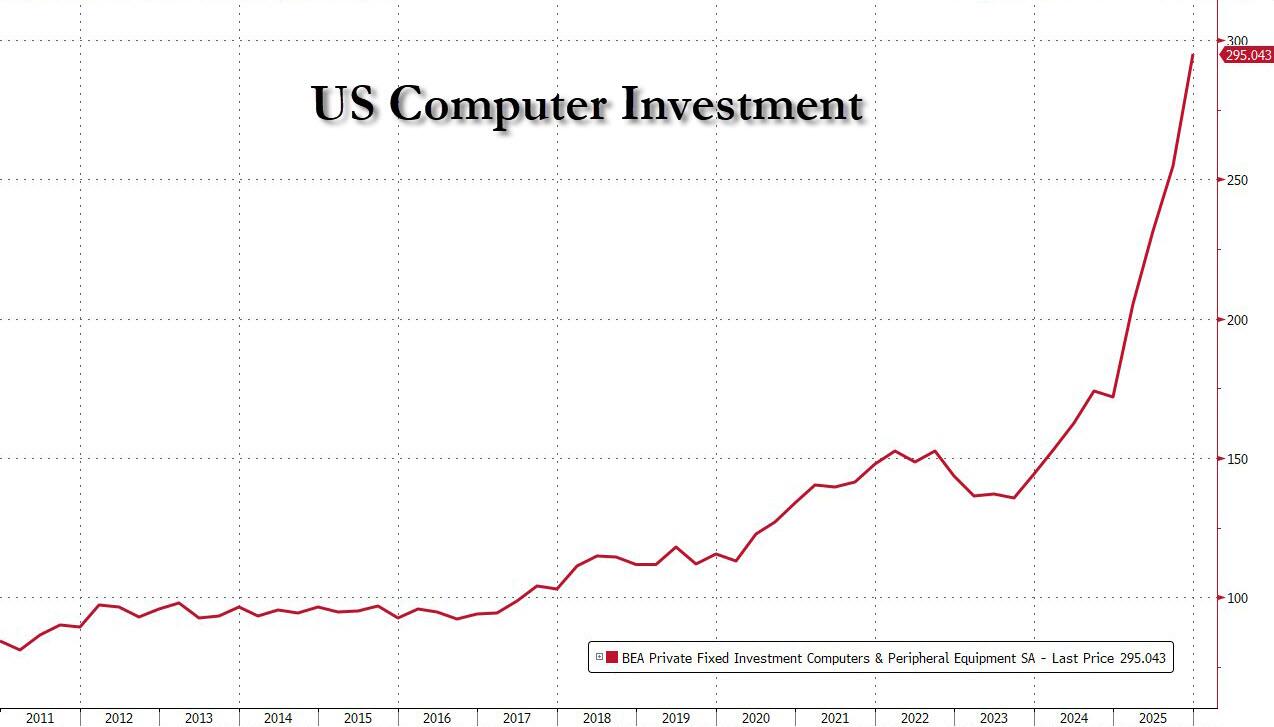
Government slowdown aside, perhaps an even more notable print is the continued explosion in spending on computers/peripheral equipment courtesy of AI, which has surged 70% in the past year and has more than doubled to $300BN at the end of 2025, more than double since the launch of chatGPT in 2022.
Despite the year-end slowdown, the data capped a solid year for the US economy, which shrank in the first quarter amid a monumental pre-tariff surge in imports, only to round out 2025 with one of the strongest growth rates in years. The turnaround came after Trump backed off of his most punitive levies and the Federal Reserve lowered interest rates, helping drive the stock market to record highs and enabling wealthier Americans to keep spending.
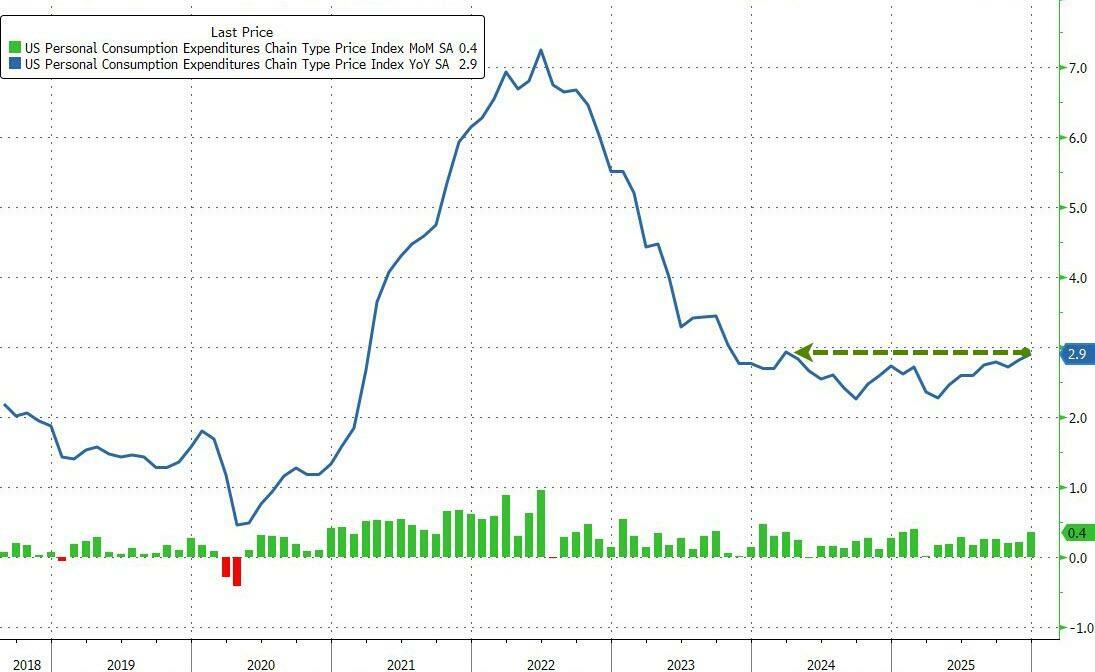
Separate monthly data out Friday showed the Fed’s preferred measure of underlying inflation — the core PCE index — rose 0.4% in December, the most in nearly a year. On an annual basis, the core PCE, which excludes food and energy, climbed 3%, compared to 2.8% at the start of 2025. All of these prints were hot…
… suggesting that all else equal, the US is once again flirting with stagflation, although as has so often been the case, the Q4 GDP print is an outlier, as is the December PCE, the first impacted by the government shutdown the second heated up by higher commodity prices which will reverse as soon as the geopolitical circus involving Iran quiets down.
Tyler Durden
Fri, 02/20/2026 – 09:17
Trump climate health rollback likely to hit poor, minority areas hardest, experts say
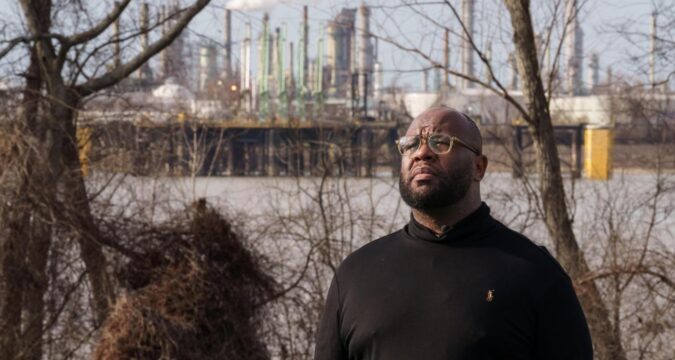
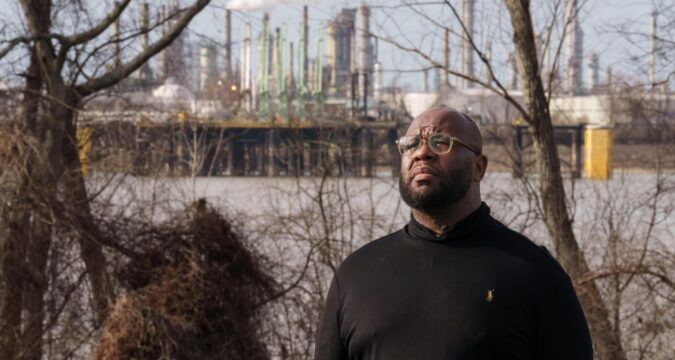
In a stretch of Louisiana with about 170 fossil fuel and petrochemical plants, premature death is a fact of life for people living nearby. The air is so polluted and the cancer rates so high it is known as Cancer Alley.
“Most adults in the area are attending two to three funerals per month,” said Gary C. Watson Jr., who was born and raised in St. John the Baptist Parish, a majority Black community in Cancer Alley about 30 miles outside of New Orleans. His father survived cancer, but in recent years, at least five relatives have died from it.
Cancer Alley is one of many patches of America — mostly minority and poor — that suffer higher levels of air pollution from fossil fuel facilities that emit tiny particles connected to higher death rates. When the federal government in 2009 targeted carbon dioxide and other greenhouse gases as a public health danger because of climate change, it led to tighter regulation of pollution and cleaner air in some communities. But this month, the Trump administration’s Environmental Protection Agency overturned that “endangerment finding.”
Public health experts say the change will likely mean more illness and death for Americans, with communities like Watson’s hit hardest. On Wednesday, a coalition of health and environmental groups sued the EPA over the revocation, calling it unlawful and harmful.
“Not having these protections, it’s only going to make things worse,” said Watson, with the environmental justice group Rise St. James Louisiana. He also worries that revoking the endangerment finding will increase emissions that will worsen the state’s hurricanes.
The Trump administration said the finding — a cornerstone for many regulations aimed at fighting climate change — hurts industry and the economy. President Donald Trump has called the idea “a scam” despite repeated studies showing the opposite.
Growing evidence shows that poor and Black, Latino and other racial and ethnic groups are typically more vulnerable than white people to pollution and climate-driven floods, hurricanes, extreme heat and more because they tend to have less resources to protect against and recover from them. The EPA, in a 2021 report no longer on its website, concluded the same.
The finding’s reversal will affect everyone, but “overburdened communities, which are typically communities of color, Indigenous communities and low-income communities, they will, again, suffer most from these actions,” said Matthew Tejada, senior vice president for environmental health at the Natural Resources Defense Council and a former deputy with the EPA’s office for environmental justice.
Hilda Berganza, climate program manager with the Hispanic Access Foundation, said: “Communities that are the front lines are going to feel it the most. And we can see that the Latino population is one of those communities that is going feel it even more than others because of where we live, where we work.”
Research shows the unequal harms of pollution, climate change
A study published in November found more than 46 million people in the U.S. live within a mile of at least one type of energy supply infrastructure, such as an oil well, a power plant or an oil refinery. But the study found that “persistently marginalized” racial and ethnic groups were more likely to live near multiple such sites. Latinos had the highest exposure.
The EPA, in that 2021 report, estimated that with a 3.6 Fahrenheit rise in global warming, Black people were 40% more likely to live in places with the highest projected rise in deaths because of extreme heat. Latinos, who are overrepresented in outdoor industries such as agriculture and construction, were 43% more likely to live where labor hour losses were expected to be the highest because of heat.
Julia Silver, a senior research analyst at the University of California, Los Angeles’ Latino Policy and Politics Institute, found in her own research that California Latino communities had 23 more days of extreme heat annually than non-Latino white neighborhoods. Her team also found those areas have poor air quality at about double the rate, with twice as many asthma-related emergency room visits. Other research shows that Latino children are 40% more likely to die from asthma than white children in part because many lack consistent health care access.
“What we’re risking with a rollback like this at the federal level is really human health and well-being in these marginalized groups,” Silver said.
Experts say the disparate impacts will be significant
Armando Carpio, a longtime pastor in Los Angeles, has seen firsthand how vulnerable his mostly Latino parishioners are. Many are construction workers and gardeners who work outside, often in extreme heat. Others live and work near polluting freeways. He sees children with asthma and elders with dementia, both linked to exposure to air pollution.
“We’re regressing,” he said. “I don’t know how many years back, but all of this really affects us.”
It is difficult to quantify how much more communities of color could be impacted by the finding’s revocation, but experts who spoke with The Associated Press all said it would be significant.
“You will see statistically significant increases in excess morbidity and mortality when it comes to climate impacts and health impacts associated with co-pollutants” in communities of color, said Sacoby Wilson, a University of Maryland professor and executive director of the nonprofit Center for Engagement, Environmental Justice and Health INpowering Communities.
Beverly Wright, founding director of the Deep South Center for Environmental Justice in New Orleans, said at least four Black communities in Cancer Alley no longer exist because of the expansion of industrial facilities. The repeal will bring more pollution, higher cancer rates, more extreme weather and the disappearance of more historic communities, she said.
“It has us going in the wrong direction, and our communities are now at greater risk,” she said.
https://www.chicagotribune.com/2026/02/20/trump-climate-health-rollback/
Trump climate health rollback likely to hit poor, minority areas hardest, experts say
In a stretch of Louisiana with about 170 fossil fuel and petrochemical plants, premature death is a fact of life for people living nearby. The air is so polluted and the cancer rates so high it is known as Cancer Alley.
“Most adults in the area are attending two to three funerals per month,” said Gary C. Watson Jr., who was born and raised in St. John the Baptist Parish, a majority Black community in Cancer Alley about 30 miles outside of New Orleans. His father survived cancer, but in recent years, at least five relatives have died from it.
Cancer Alley is one of many patches of America — mostly minority and poor — that suffer higher levels of air pollution from fossil fuel facilities that emit tiny particles connected to higher death rates. When the federal government in 2009 targeted carbon dioxide and other greenhouse gases as a public health danger because of climate change, it led to tighter regulation of pollution and cleaner air in some communities. But this month, the Trump administration’s Environmental Protection Agency overturned that “endangerment finding.”
Public health experts say the change will likely mean more illness and death for Americans, with communities like Watson’s hit hardest. On Wednesday, a coalition of health and environmental groups sued the EPA over the revocation, calling it unlawful and harmful.
“Not having these protections, it’s only going to make things worse,” said Watson, with the environmental justice group Rise St. James Louisiana. He also worries that revoking the endangerment finding will increase emissions that will worsen the state’s hurricanes.
The Trump administration said the finding — a cornerstone for many regulations aimed at fighting climate change — hurts industry and the economy. President Donald Trump has called the idea “a scam” despite repeated studies showing the opposite.
Growing evidence shows that poor and Black, Latino and other racial and ethnic groups are typically more vulnerable than white people to pollution and climate-driven floods, hurricanes, extreme heat and more because they tend to have less resources to protect against and recover from them. The EPA, in a 2021 report no longer on its website, concluded the same.
The finding’s reversal will affect everyone, but “overburdened communities, which are typically communities of color, Indigenous communities and low-income communities, they will, again, suffer most from these actions,” said Matthew Tejada, senior vice president for environmental health at the Natural Resources Defense Council and a former deputy with the EPA’s office for environmental justice.
Hilda Berganza, climate program manager with the Hispanic Access Foundation, said: “Communities that are the front lines are going to feel it the most. And we can see that the Latino population is one of those communities that is going feel it even more than others because of where we live, where we work.”
Research shows the unequal harms of pollution, climate change
A study published in November found more than 46 million people in the U.S. live within a mile of at least one type of energy supply infrastructure, such as an oil well, a power plant or an oil refinery. But the study found that “persistently marginalized” racial and ethnic groups were more likely to live near multiple such sites. Latinos had the highest exposure.
The EPA, in that 2021 report, estimated that with a 3.6 Fahrenheit rise in global warming, Black people were 40% more likely to live in places with the highest projected rise in deaths because of extreme heat. Latinos, who are overrepresented in outdoor industries such as agriculture and construction, were 43% more likely to live where labor hour losses were expected to be the highest because of heat.
Julia Silver, a senior research analyst at the University of California, Los Angeles’ Latino Policy and Politics Institute, found in her own research that California Latino communities had 23 more days of extreme heat annually than non-Latino white neighborhoods. Her team also found those areas have poor air quality at about double the rate, with twice as many asthma-related emergency room visits. Other research shows that Latino children are 40% more likely to die from asthma than white children in part because many lack consistent health care access.
“What we’re risking with a rollback like this at the federal level is really human health and well-being in these marginalized groups,” Silver said.
Experts say the disparate impacts will be significant
Armando Carpio, a longtime pastor in Los Angeles, has seen firsthand how vulnerable his mostly Latino parishioners are. Many are construction workers and gardeners who work outside, often in extreme heat. Others live and work near polluting freeways. He sees children with asthma and elders with dementia, both linked to exposure to air pollution.
“We’re regressing,” he said. “I don’t know how many years back, but all of this really affects us.”
It is difficult to quantify how much more communities of color could be impacted by the finding’s revocation, but experts who spoke with The Associated Press all said it would be significant.
“You will see statistically significant increases in excess morbidity and mortality when it comes to climate impacts and health impacts associated with co-pollutants” in communities of color, said Sacoby Wilson, a University of Maryland professor and executive director of the nonprofit Center for Engagement, Environmental Justice and Health INpowering Communities.
Beverly Wright, founding director of the Deep South Center for Environmental Justice in New Orleans, said at least four Black communities in Cancer Alley no longer exist because of the expansion of industrial facilities. The repeal will bring more pollution, higher cancer rates, more extreme weather and the disappearance of more historic communities, she said.
“It has us going in the wrong direction, and our communities are now at greater risk,” she said.
https://www.chicagotribune.com/2026/02/20/trump-climate-health-rollback/
Naperville Police Arrests for Feb. 14-15
The following items were taken from Naperville police reports and press releases. An arrest does not constitute a finding of guilt:
A 30-year-old man from Naperville was arrested on charges of improper lane usage, failure to yield to emergency vehicles and aggravated speeding in a school zone/35 mph or more over the posted limit at 2:13 p.m. Feb. 14 at West Ogden Avenue and Raymond Drive.
A 22-year-old man from Naperville was arrested on a warrant at 2:24 p.m. Feb. 14 at the police station, 1350 Aurora Ave.
A 37-year-old woman from Aurora was arrested on a warrant at 10:04 p.m. Feb. 14 at McDowell Road and North Route 59.
A 46-year-old woman from Elgin was arrested on two counts of speeding, two counts of failure to signal when required and one count of driving under the influence of alcohol at 11:35 p.m. Feb. 14 at Ferry Road and North Route 59.
A 35-year-old man from Naperville was arrested on charges of speeding 26 to 34 mph over the limit, resisting or obstructing a peace officer, driving on a suspended license, operating a vehicle on approach of authorized emergency vehicles and driving with expired license plates at 11:56 p.m. Feb. 14 in the 3200 block of 111th Street.
A 27-year-old man from Aurora was arrested on a warrant at 11:59 p.m. Feb. 14 in the 200 block of Brookshire Court.
A 29-year-old man from Naperville was arrested on a charge of driving under the influence of alcohol at 2:38 a.m. Feb. 15 at West Ogden Avenue and North Aurora Road.
A 26-year-old man from Naperville was arrested on charges of improper lane usage, driving with expired license plates, driving under the influence of alcohol, unlawful possession of cannabis by a driver and driving with a registration suspended for non-insurance at 2:59 a.m. Feb. 15 at East Ogden Avenue and Burlington Avenue.
A 40-year-old man from Humble, Texas, was arrested on a warrant at 6:35 a.m. Feb. 15 in the 1900 block of McDowell Road.
https://www.chicagotribune.com/2026/02/20/naperville-police-arrests-blotter-february-5/
Naperville Police Arrests for Feb. 14-15
The following items were taken from Naperville police reports and press releases. An arrest does not constitute a finding of guilt:
A 30-year-old man from Naperville was arrested on charges of improper lane usage, failure to yield to emergency vehicles and aggravated speeding in a school zone/35 mph or more over the posted limit at 2:13 p.m. Feb. 14 at West Ogden Avenue and Raymond Drive.
A 22-year-old man from Naperville was arrested on a warrant at 2:24 p.m. Feb. 14 at the police station, 1350 Aurora Ave.
A 37-year-old woman from Aurora was arrested on a warrant at 10:04 p.m. Feb. 14 at McDowell Road and North Route 59.
A 46-year-old woman from Elgin was arrested on two counts of speeding, two counts of failure to signal when required and one count of driving under the influence of alcohol at 11:35 p.m. Feb. 14 at Ferry Road and North Route 59.
A 35-year-old man from Naperville was arrested on charges of speeding 26 to 34 mph over the limit, resisting or obstructing a peace officer, driving on a suspended license, operating a vehicle on approach of authorized emergency vehicles and driving with expired license plates at 11:56 p.m. Feb. 14 in the 3200 block of 111th Street.
A 27-year-old man from Aurora was arrested on a warrant at 11:59 p.m. Feb. 14 in the 200 block of Brookshire Court.
A 29-year-old man from Naperville was arrested on a charge of driving under the influence of alcohol at 2:38 a.m. Feb. 15 at West Ogden Avenue and North Aurora Road.
A 26-year-old man from Naperville was arrested on charges of improper lane usage, driving with expired license plates, driving under the influence of alcohol, unlawful possession of cannabis by a driver and driving with a registration suspended for non-insurance at 2:59 a.m. Feb. 15 at East Ogden Avenue and Burlington Avenue.
A 40-year-old man from Humble, Texas, was arrested on a warrant at 6:35 a.m. Feb. 15 in the 1900 block of McDowell Road.
https://www.chicagotribune.com/2026/02/20/naperville-police-arrests-blotter-february-5/

Trump has stocked his administration with people who have backed his false 2020 election claims
President Donald Trump has long spread conspiracy theories about voting designed to explain away his 2020 election loss to Democrat Joe Biden. Now that he’s president again, Trump has stocked his administration with those who have promoted his falsehoods and in some cases helped him try to overturn his loss.
Those election conspiracists now holding official power range from the attorney general to lawyers filing lawsuits for the Justice Department. Kurt Olsen, a lawyer who unsuccessfully pushed the Justice Department in 2020 to back the president’s false claims, is now leading a sweeping probe of the vote from that election.
The most dramatic action from that mandate was the seizure in late January of ballots and 2020 election records from Fulton County in Georgia, a Democratic stronghold that includes Atlanta. The county has long been a target of election conspiracy theorists aligned with Trump, and the affidavit for the search warrant shows the action was based on 2020 claims that in many cases had been thoroughly investigated.
Election officials across the country, especially those in states controlled politically by Democrats, are bracing for more turmoil during this year’s elections, when control of Congress is on the line.
“The election denial movement is now embedded across our federal government, which makes it more powerful than ever,” said Joanna Lydgate, chief executive officer of States United Democracy Center, which tracks those who promote election conspiracy theories. “Trump and his allies are trying to use all of the powers of the federal government to undermine elections, with an eye to the upcoming midterms.”
Trump has remade the federal government as an arm of his own personal will, and his attorney general, Pam Bondi — who helped try to overturn Trump’s 2020 loss — has declared that everyone working at the Justice Department needs to carry out the president’s demands. Even with all the issues facing him in his second term, from persistent concerns about the economy to his immigration crackdown, Trump continues to push the false claim that he won the 2020 presidential election.
Some of the people who populate his administration are, like Bondi, longtime supporters who continued to help Trump even as he sought to overturn an election. Some played minor roles in supporting the false claims about the 2020 presidential election. Still others have pushed conspiracy theories, often fantastical or debunked, that have helped persuade millions of Republicans that Trump had the 2020 election stolen from him.
https://www.chicagotribune.com/2026/02/20/trump-administration-false-2020-election-claims/
Trump has stocked his administration with people who have backed his false 2020 election claims
President Donald Trump has long spread conspiracy theories about voting designed to explain away his 2020 election loss to Democrat Joe Biden. Now that he’s president again, Trump has stocked his administration with those who have promoted his falsehoods and in some cases helped him try to overturn his loss.
Those election conspiracists now holding official power range from the attorney general to lawyers filing lawsuits for the Justice Department. Kurt Olsen, a lawyer who unsuccessfully pushed the Justice Department in 2020 to back the president’s false claims, is now leading a sweeping probe of the vote from that election.
The most dramatic action from that mandate was the seizure in late January of ballots and 2020 election records from Fulton County in Georgia, a Democratic stronghold that includes Atlanta. The county has long been a target of election conspiracy theorists aligned with Trump, and the affidavit for the search warrant shows the action was based on 2020 claims that in many cases had been thoroughly investigated.
Election officials across the country, especially those in states controlled politically by Democrats, are bracing for more turmoil during this year’s elections, when control of Congress is on the line.
“The election denial movement is now embedded across our federal government, which makes it more powerful than ever,” said Joanna Lydgate, chief executive officer of States United Democracy Center, which tracks those who promote election conspiracy theories. “Trump and his allies are trying to use all of the powers of the federal government to undermine elections, with an eye to the upcoming midterms.”
Trump has remade the federal government as an arm of his own personal will, and his attorney general, Pam Bondi — who helped try to overturn Trump’s 2020 loss — has declared that everyone working at the Justice Department needs to carry out the president’s demands. Even with all the issues facing him in his second term, from persistent concerns about the economy to his immigration crackdown, Trump continues to push the false claim that he won the 2020 presidential election.
Some of the people who populate his administration are, like Bondi, longtime supporters who continued to help Trump even as he sought to overturn an election. Some played minor roles in supporting the false claims about the 2020 presidential election. Still others have pushed conspiracy theories, often fantastical or debunked, that have helped persuade millions of Republicans that Trump had the 2020 election stolen from him.
https://www.chicagotribune.com/2026/02/20/trump-administration-false-2020-election-claims/
Bears proposal with 1% tax gets mixed response in Porter County
From outrage to enthusiasm to everything in between, Porter County elected officials have a range of reactions to the request being made of them to raise a 1% food and beverage tax in order to bring the Chicago Bears to Hammond.
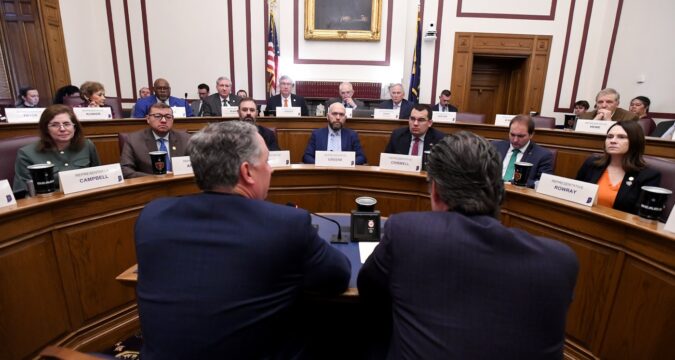
Porter County Council President Andy Vasquez, R-4th, and Vice President Red Stone, R-1st, were in Indianapolis Thursday morning for a hearing of the House Ways and Means Committee, where Senate Bill 27, which would establish a Northwest Indiana stadium authority for the purpose of acquiring and financing such a facility, was unanimously approved on amendment.
“It’s not really that much of an ask,” Vasquez said of the 1%, adding that state lawmakers and the Bears were initially asking for a 10% innkeepers tax, but he told them Porter County already has a 5% innkeepers tax and is unwilling to raise it. He said the county would get a lot out of that 1% tax.
“I’m not an engineer, but it’s a big building and they’ll have to tear some buildings down, so there’s some work,” he said of potential jobs to come from a new stadium in the region. “It’s going to be the biggest thing that happened to us since our steel mills went down.”
While he hasn’t been given any projected revenues, Vasquez thinks the council would vote to pass the 1% tax. “The only reason this has been considered by the county council is that we believe the return on the investment would be a lot better than if we didn’t do it,” he said. “They want more than that (1%), I think I would have a problem with that.” He would also like to see contracts signed and work about to commence before passing the tax.
Porter County Commissioner Jim Biggs, R-North, finds it egregious for the state to have told municipalities less than a year ago they needed to do less with more, but are now expecting them to pass a new tax. “We’re not talking about a first-rate trauma center,” he said. “Help this billionaire who owns this team and the millionaires who play for it make this possible.”
“God bless, Hammond. I’m glad you’re getting it, but just don’t look east for help. We can’t help ourselves,” Biggs added. Formally, county commissioners have no say in the fate of any proposed tax, as a simple majority vote by the county council would be required to pass a food and beverage tax, but Biggs says he’ll use his influence to encourage Porter County residents to vote out of office any Republican on the council who votes for such a tax.
“You didn’t have the courage to pass a county-wide public safety tax, why in God’s green earth would you even consider passing a food and beverage tax for a stadium that would benefit another county?” he asked.
He also doesn’t accept the argument that Porter County will benefit from customers trickling over from a stadium in Hammond. “I don’t buy for a minute that they’re going to jump into their car to drive to Porter County to eat in restaurants or go to the dunes.”
Biggs brought up the $3.5 million Porter County has been required by state statute to contribute annually since 2007 to the Northwest Indiana Regional Development Authority in the name of economic development. “Take some of that,” he said.
Stone also brought up the nearly $70 million the county has paid into that fund.
“We haven’t gotten the projects out of it,” he said. He wants to make sure that doesn’t happen again, but is declining to take a stance on the food and beverage tax “because I have zero economic numbers. I don’t know what a 1% food and beverage tax would create. I don’t vote on things unless I know what we’re getting out of them.”
Stone is thrilled for Hammond and thinks Mayor Tom McDermott did an excellent job courting the Bears, but he doesn’t feel banding together with Lake County in negotiations is appropriate. “No, we’re our own county. We have our own constituents,” he said. “If this amendment goes through, I want to make sure it gets built by our people,” he added, saying those people should be union labor. “We’re not going to have people coming in from Tennessee.”
For fellow Councilman Greg Simms, D-3rd, “if” is the crux of the question. “You think the Bears are going to come? We’ve heard this for years,” he said. The talk of moving to Indiana could be a ploy to get what they want from Illinois, he said.
Let them commit and spell out their wants and needs before talk of taxes, Simms said. “What if we say, ‘No’? Are they not going to come?”
Shelley Jones is a freelance reporter for the Post-Tribune.
Bears proposal with 1% tax gets mixed response in Porter County
From outrage to enthusiasm to everything in between, Porter County elected officials have a range of reactions to the request being made of them to raise a 1% food and beverage tax in order to bring the Chicago Bears to Hammond.
Porter County Council President Andy Vasquez, R-4th, and Vice President Red Stone, R-1st, were in Indianapolis Thursday morning for a hearing of the House Ways and Means Committee, where Senate Bill 27, which would establish a Northwest Indiana stadium authority for the purpose of acquiring and financing such a facility, was unanimously approved on amendment.
“It’s not really that much of an ask,” Vasquez said of the 1%, adding that state lawmakers and the Bears were initially asking for a 10% innkeepers tax, but he told them Porter County already has a 5% innkeepers tax and is unwilling to raise it. He said the county would get a lot out of that 1% tax.
“I’m not an engineer, but it’s a big building and they’ll have to tear some buildings down, so there’s some work,” he said of potential jobs to come from a new stadium in the region. “It’s going to be the biggest thing that happened to us since our steel mills went down.”
While he hasn’t been given any projected revenues, Vasquez thinks the council would vote to pass the 1% tax. “The only reason this has been considered by the county council is that we believe the return on the investment would be a lot better than if we didn’t do it,” he said. “They want more than that (1%), I think I would have a problem with that.” He would also like to see contracts signed and work about to commence before passing the tax.
Porter County Commissioner Jim Biggs, R-North, finds it egregious for the state to have told municipalities less than a year ago they needed to do less with more, but are now expecting them to pass a new tax. “We’re not talking about a first-rate trauma center,” he said. “Help this billionaire who owns this team and the millionaires who play for it make this possible.”
“God bless, Hammond. I’m glad you’re getting it, but just don’t look east for help. We can’t help ourselves,” Biggs added. Formally, county commissioners have no say in the fate of any proposed tax, as a simple majority vote by the county council would be required to pass a food and beverage tax, but Biggs says he’ll use his influence to encourage Porter County residents to vote out of office any Republican on the council who votes for such a tax.
“You didn’t have the courage to pass a county-wide public safety tax, why in God’s green earth would you even consider passing a food and beverage tax for a stadium that would benefit another county?” he asked.
He also doesn’t accept the argument that Porter County will benefit from customers trickling over from a stadium in Hammond. “I don’t buy for a minute that they’re going to jump into their car to drive to Porter County to eat in restaurants or go to the dunes.”
Biggs brought up the $3.5 million Porter County has been required by state statute to contribute annually since 2007 to the Northwest Indiana Regional Development Authority in the name of economic development. “Take some of that,” he said.
Stone also brought up the nearly $70 million the county has paid into that fund.
“We haven’t gotten the projects out of it,” he said. He wants to make sure that doesn’t happen again, but is declining to take a stance on the food and beverage tax “because I have zero economic numbers. I don’t know what a 1% food and beverage tax would create. I don’t vote on things unless I know what we’re getting out of them.”
Stone is thrilled for Hammond and thinks Mayor Tom McDermott did an excellent job courting the Bears, but he doesn’t feel banding together with Lake County in negotiations is appropriate. “No, we’re our own county. We have our own constituents,” he said. “If this amendment goes through, I want to make sure it gets built by our people,” he added, saying those people should be union labor. “We’re not going to have people coming in from Tennessee.”
For fellow Councilman Greg Simms, D-3rd, “if” is the crux of the question. “You think the Bears are going to come? We’ve heard this for years,” he said. The talk of moving to Indiana could be a ploy to get what they want from Illinois, he said.
Let them commit and spell out their wants and needs before talk of taxes, Simms said. “What if we say, ‘No’? Are they not going to come?”
Shelley Jones is a freelance reporter for the Post-Tribune.
FBI Director Kash Patel Says Bureau Uncovered Antifa Funding Sources
FBI Director Kash Patel Says Bureau Uncovered Antifa Funding Sources
Authored by Jack Phillips via The Epoch Times (emphasis ours),
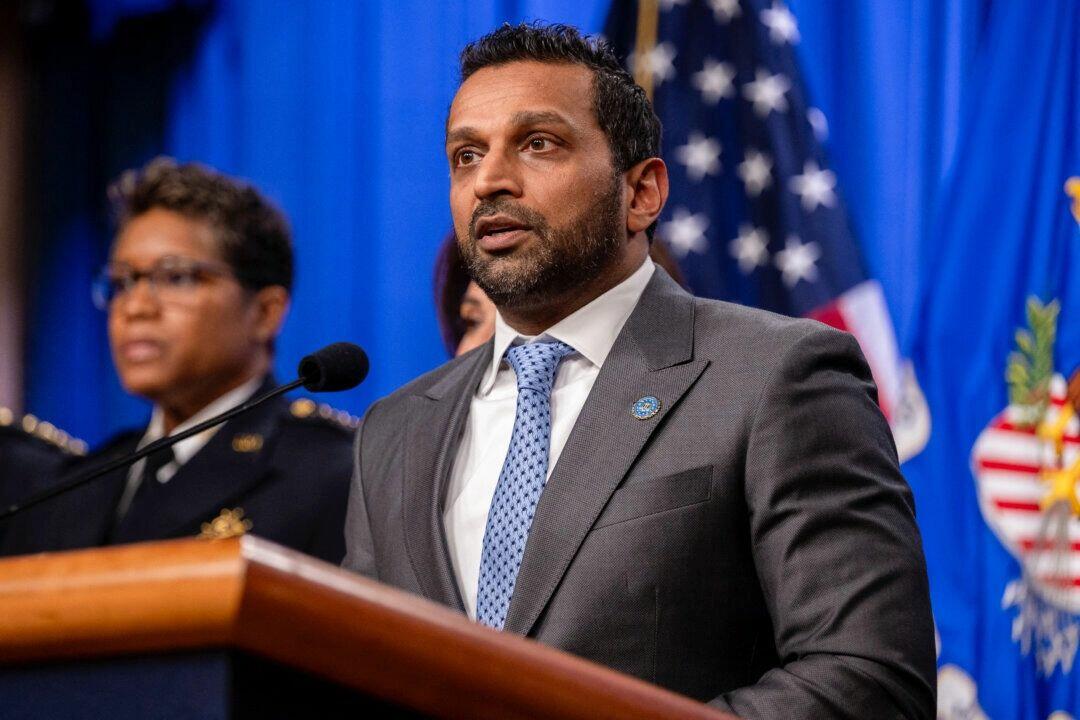
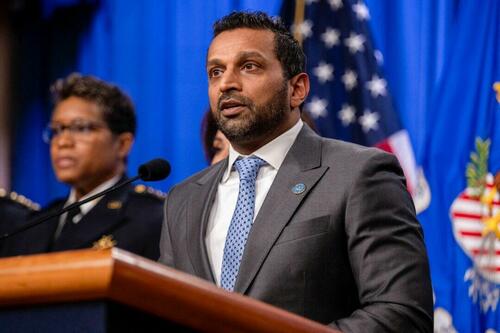
FBI Director Kash Patel said on Feb. 18 that the law enforcement agency uncovered what he said are funding sources tied to antifa organizations, suggesting that more enforcement actions could come against the left-wing movement.
“Whether it’s antifa or any other violent criminal organization—we know their operations don’t exist alone; they operate with heavy funding streams,” he wrote in a post on X, along with a clip from an interview with former deputy director Dan Bongino, on his show.
Patel said that the FBI is “finding them and those who fund their criminal activity.”
The FBI chief did not provide more information about the organizations, the source of the funding, or specific donors who may be involved. However, he said the FBI is looking into any financial backers linked to violence committed by alleged antifa operators.
Agents are looking at whether funding was sent through U.S.-based nonprofit groups and whether any of those nonprofits had tax-exempt status. They are also evaluating potential foreign funding streams, he said.
“Money doesn’t lie,” Patel told Bongino in the interview, saying that the FBI is right now “following the money” and that the law enforcement agency is “starting to arrest people who used their funds to incite violence in the guise of political peaceful protest.”
Last year, Patel told The Epoch Times’s Jan Jekielek in an interview that the FBI is mapping out the entire antifa network and indicated that funding streams are being traced, coming months after the Trump administration designated antifa as a domestic terrorist group.
The executive order, issued by President Donald Trump on Sept. 22, called antifa a “militarist, anarchist enterprise that explicitly calls for the overthrow of the United States Government, law enforcement authorities, and our system of law.” The administration also designated foreign antifa groups as foreign terrorist organizations in November 2025.
The State Department, in its designation, stated that “groups affiliated with this movement ascribe to revolutionary anarchist or Marxist ideologies, including anti-Americanism, anti-capitalism, and anti-Christianity, using these to incite and justify violent assaults domestically and overseas.”
In his first term, Trump signaled that he would designate antifa a terrorist group in the midst of anti-police riots, violence, and demonstrations in the summer of 2020. At one point during the 2020 unrest, Trump warned that he would invoke the Insurrection Act that was last used during the Los Angeles riots in 1992, and he again suggested invoking the law as National Guard deployments were sent to multiple cities last year.
Patel on Feb. 18 also dismissed longstanding claims that antifa is only an ideological framework and said that dozens of people in Texas have been arrested in connection with the left-wing organization.
Federal officials in October 2025 targeted antifa and filed terrorism charges against five people in Texas, citing the order issued by Trump. In November 2025, the five defendants pleaded guilty in response to charges that they were accused of supporting antifa in a July shooting that wounded a police officer outside a Texas immigration detention center.
Patel previously said the charges in Texas are the first time a material support to terrorism charge has targeted antifa.
Bongino, who was the FBI deputy director before leaving the government in January, returned to hosting his podcast this month.
The Associated Press contributed to this report.
Tyler Durden
Fri, 02/20/2026 – 08:55