Category: News
Imminent Supreme Court Rulings To Watch For
Imminent Supreme Court Rulings To Watch For
Authored by Sam Dorman via The Epoch Times (emphasis ours),
Birthright citizenship, girls sports, the definition of Election Day, and other hot-button topics are on the line in upcoming Supreme Court decisions.
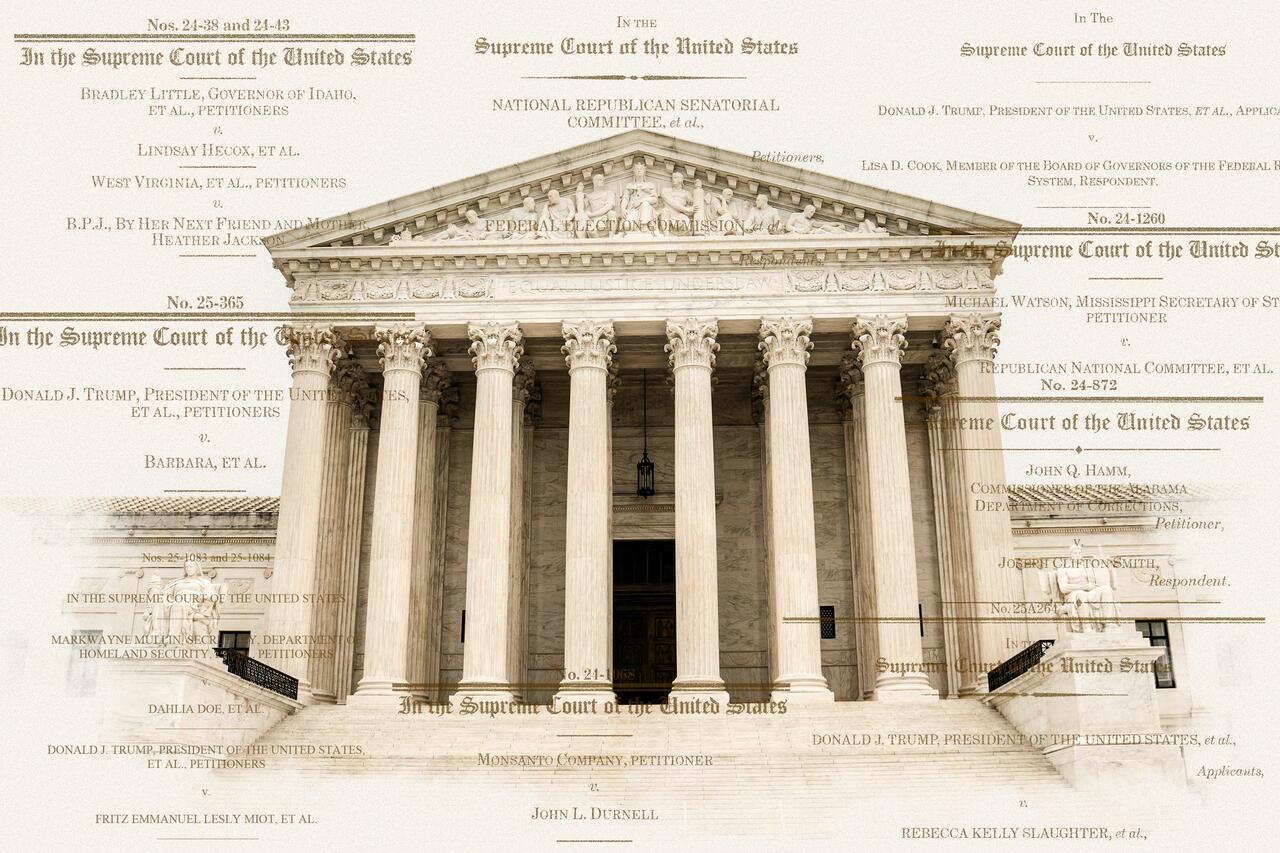
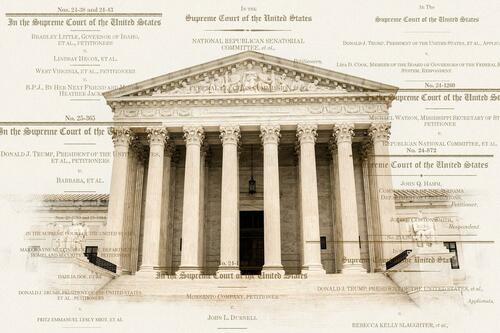
Illustration by The Epoch Times, Madalina Kilroy/The Epoch Times
The court’s 2025–2026 term is expected to end in June with a series of rulings that could impact social issues and President Donald Trump’s agenda.
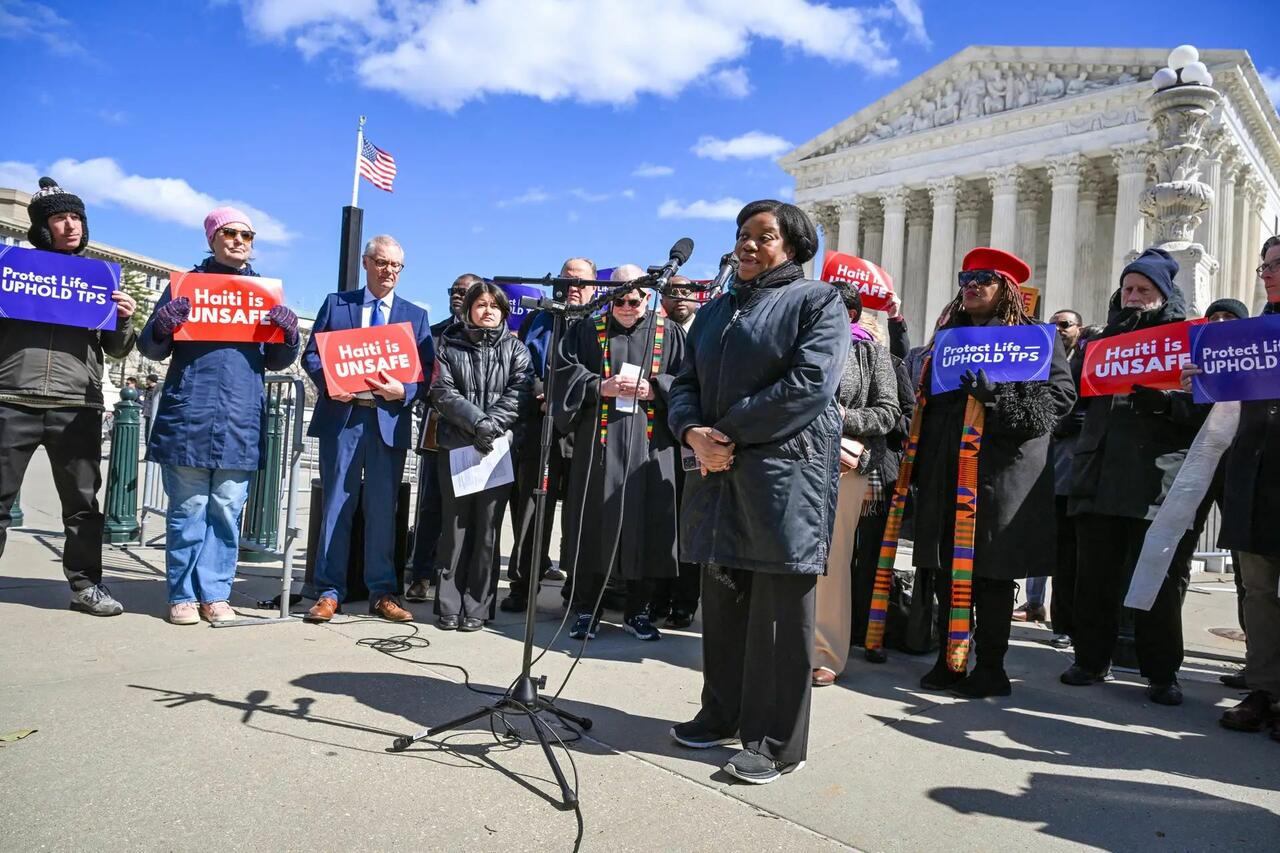
The last scheduled oral argument was held on April 29; the justices considered whether Trump wrongfully terminated deportation protections for thousands of Haitian and Syrian nationals. That decision and a ruling on Trump’s order restricting birthright citizenship could influence immigration policy for decades to come.
So far, the court has already issued opinions on Trump’s tariffs and redistricting. Its remaining decisions could change how elections are conducted, as well as alter the balance of power between Congress and the president.
Here are the main decisions expected before the end of June.
Birthright Citizenship
A key part of Trump’s immigration agenda has been his attempt to limit who receives American citizenship. The 14th Amendment states that “all persons born or naturalized in the United States, and subject to the jurisdiction thereof, are citizens of the United States and of the State wherein they reside.”
Historically, the executive branch interpreted this amendment to grant citizenship to babies born to illegal immigrants. Trump changed this interpretation on his first day in office, passing an executive order stating that the amendment only applied to children who had at least one parent with citizenship or lawful permanent residency.
In Trump v. Barbara, the president asked the Supreme Court to intervene after a federal judge blocked his executive order. During oral argument on April 1, the Justice Department said that parents should be legal residents or have some kind of allegiance to the United States before their children receive citizenship. The justices, however, seemed skeptical and indicated they may view citizenship more broadly.
Girls Sports
Another highly anticipated decision focuses on Idaho’s and West Virginia’s laws preventing males from participating in girls and women’s sports. Federal appeals courts blocked those laws, stating that they conflict with another portion of the 14th Amendment known as the equal protection clause. That clause generally prohibits laws that classify or discriminate on the basis of certain characteristics.
The appeals courts said the state laws conflict with that clause because they classify individuals on the basis of their sex and “transgender status.” The U.S. Court of Appeals for the Fourth Circuit also said West Virginia’s law violated Title IX of the Civil Rights Act. That law prohibits sex-based discrimination in federally funded education.
The justices heard oral argument in January for the cases, known as Little v. Hecox and West Virginia v. B.P.J. Overall, the justices seemed inclined to uphold the states’ laws.
Monsanto’s Weedkiller
Monsanto’s herbicide, known as Roundup, has cost the company millions of dollars following lawsuits alleging one of its ingredients, glyphosate, increases cancer risk.
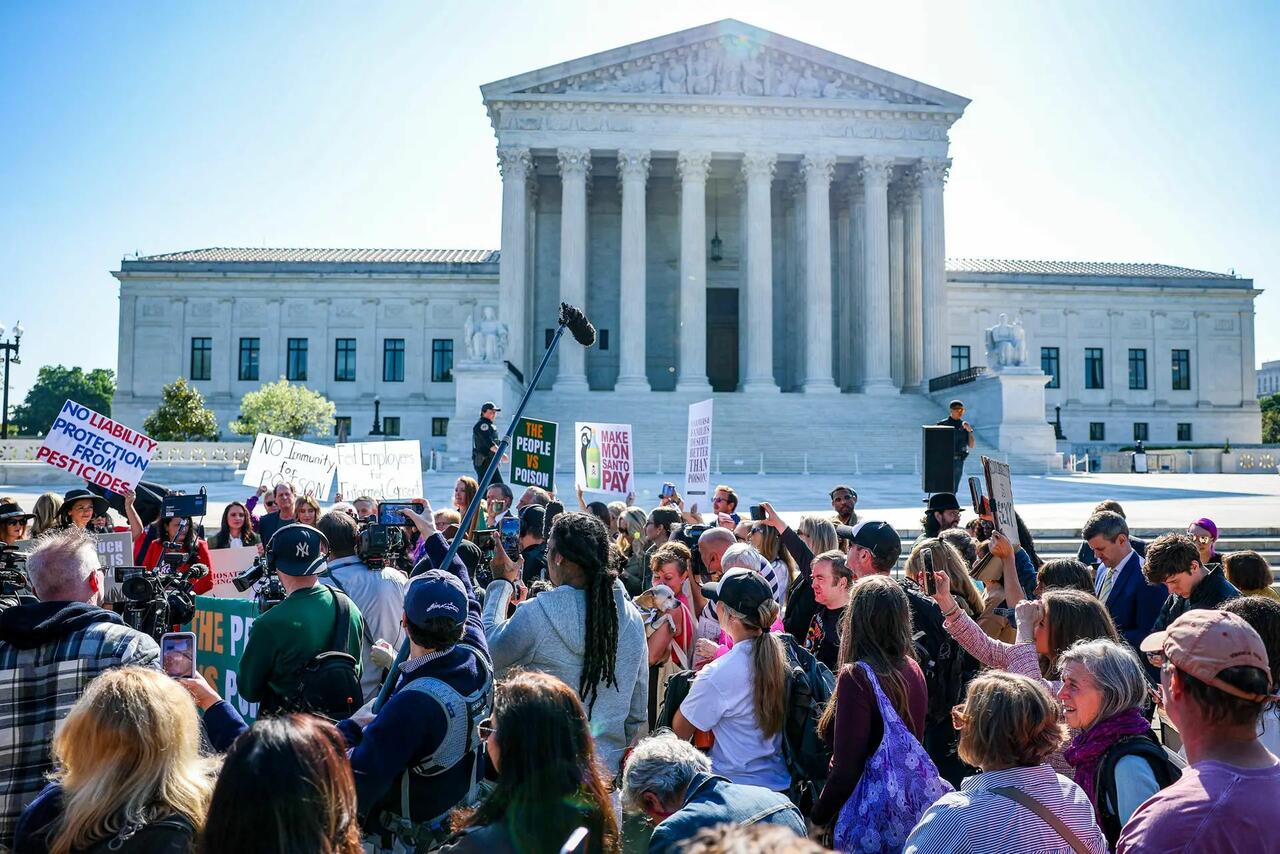
One of those lawsuits made it to the Supreme Court in April and could determine how much Monsanto has to pay in future lawsuits. The case, Monsanto v. Durnell, focused on a Missouri jury that held the company liable for not warning about glyphosate’s purported risks.
Monsanto told the Supreme Court that the jury’s verdict was based on a faulty interpretation of the law. The jury said Monsanto was liable under a Missouri law that requires warnings for consumer products. Monsanto argued that the jury interpreted the law in a way that conflicted with another law passed at the federal level.
The Supreme Court’s eventual decision is expected to touch on a legal doctrine known as preemption, which says that federal law takes precedence over state law when there is a conflict between the two. In this case, Monsanto said the Federal Insecticide, Fungicide, and Rodenticide Act should take precedence.
That law gives the U.S. Environmental Protection Agency authority to regulate chemicals such as glyphosate. Because the agency already approved glyphosate’s use and didn’t require additional warnings, Monsanto said Missouri couldn’t require more either. Durnell argued that the verdict didn’t conflict with federal law and that Missouri should be able to protect its citizens’ health.
Trump’s Ability to Fire Bureaucrats
One of the main legal complaints leveled during Trump’s second administration was that he fired high-level bureaucrats without good reason. Leaders of so-called “independent” agencies, such as the Federal Trade Commission (FTC), sued, alleging that Trump didn’t show the type of cause federal law required of presidents when firing officials.
In Trump v. Slaughter, Trump asked the Supreme Court to intervene after a lower court blocked his attempt to fire FTC Commissioner Rebecca Slaughter. The justices seemed inclined in December 2025 to not just allow her firing, but also expand the authority presidents have in removing bureaucrats like her.
Their eventual decision could overturn a 90-year-old precedent from Humphrey’s Executor v. United States. In that 1935 case, the Supreme Court held that former President Franklin D. Roosevelt wrongly fired a former FTC commissioner and that Congress could restrict his ability to do so.
The Trump administration argues that the Constitution gives the president greater authority and that Congress cannot use laws such as the FTC Act to restrict his ability to remove bureaucrats.
Fed Independence
Like the FTC Act, another law, known as the Federal Reserve Act, said presidents couldn’t remove high-level officials without cause. That was the law that Federal Reserve Governor Lisa Cook cited when she challenged Trump’s attempt to fire her last year.
Trump removed Cook while citing allegations that she committed mortgage fraud, something she has denied. During oral argument in January, the Supreme Court wrestled with multiple questions: whether Trump gave Cook enough due process before firing her, how the firing would impact the economy, and how Trump’s view of his authority would impact the Federal Reserve’s independence.
Overall, the justices seemed inclined to side with Cook. The case, Trump v. Cook, followed other decisions in which the Supreme Court suggested that the Federal Reserve was more independent than agencies such as the FTC and that its members therefore deserved additional protections.
Definition of ‘Election Day’
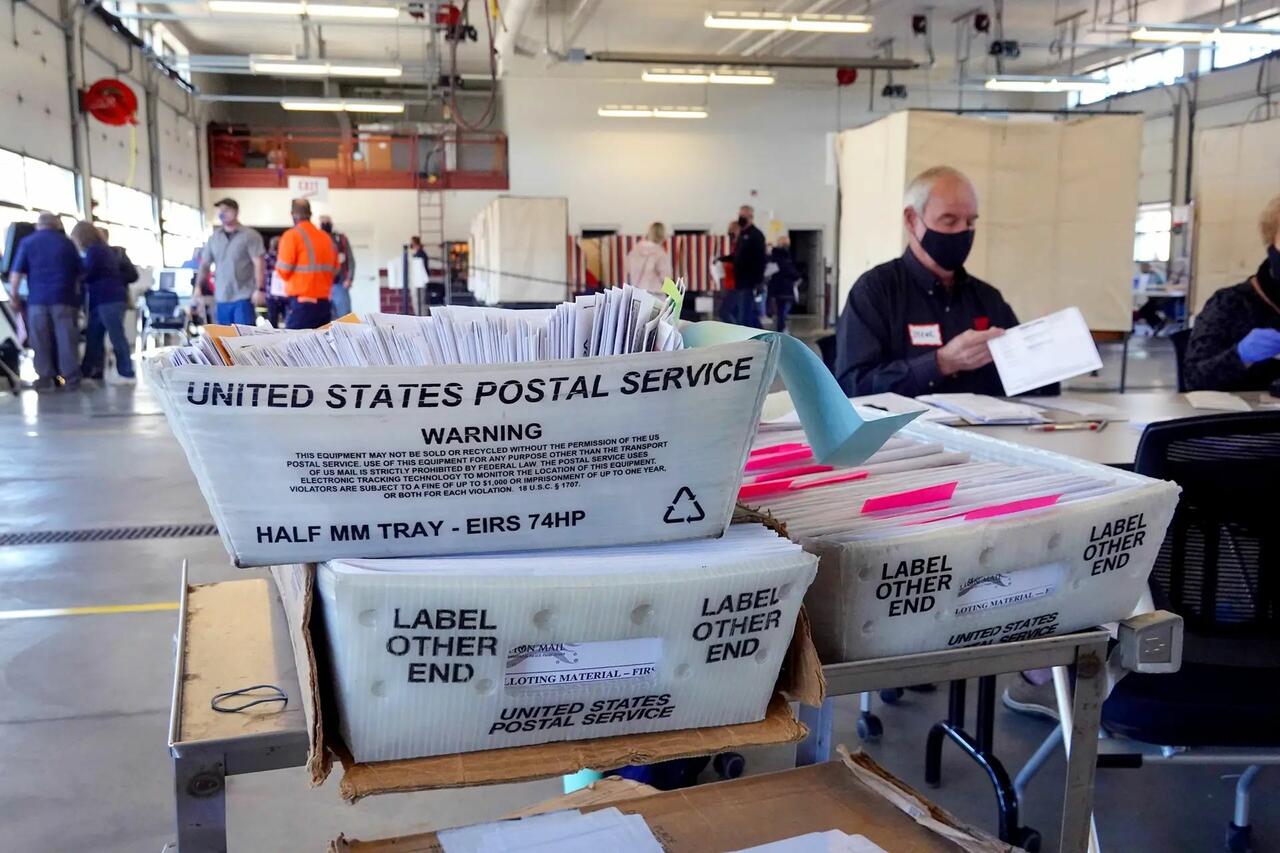
The 2020 presidential election reinvigorated debate over mail-in ballots, a controversial method of voting that Trump and others argue is vulnerable to fraud. Multiple states, including Mississippi, have allowed mail-in ballots to be counted after Election Day as long as they are postmarked on or before that day.
Trump and the Republican National Committee argue that practice violates a federal law that defines Election Day as “the Tuesday next after the first Monday in November.”
When the case, Watson v. Republican National Committee, reached the Supreme Court, the Trump administration supported the committee’s position.
“‘Election day’ was the day all voting needed to be completed; and the act of voting was not complete until a ballot had been officially received,” the Justice Department told the court.
Mississippi argues the law simply requires that voters make their choice by Election Day, not that their ballots are counted.
During oral argument in March, the justices seemed more likely to side with the committee. “We’re moving in this direction,” Justice Samuel Alito said. “We don’t have Election Day anymore. We have election month or we have election months.”
Deportation Protections
The court’s most recent oral argument focused on the Department of Homeland Security’s termination of deportation protections for thousands of Haitians and Syrians. “Temporary protected status” prevents nationals of certain countries from being removed if conditions in their home countries would make returning unsafe.
Under President Barack Obama, the department granted that status for Haiti, which was impacted by the 2010 earthquake, and Syria, which has seen ongoing political turmoil and armed conflict.
Former Homeland Security Secretary Kristi Noem terminated those protections last year, prompting lawsuits and federal judges’ orders blocking those terminations.
The justices heard oral argument in the cases, known as Mullin v. Doe and Trump v. Miot, on April 29. They considered whether those judges exceeded their authority under the Immigration and Nationality Act, which generally prohibits judicial review of the department’s determinations about temporary protected status.
Lower court judges, however, said the administration still had to follow certain procedures, but that it didn’t when it terminated those protections. The justices also considered a federal judge’s argument that the administration likely acted with racial animus toward Haitians and therefore violated the Constitution.
Campaign Finance
How much protection does the First Amendment afford political parties when they spend money on campaigns? That’s one of the questions the Supreme Court is expected to address in a case called National Republican Senatorial Committee v. Federal Election Committee.
The case originated with a lawsuit brought by then-Senate candidate JD Vance, who argued that Congress violated the First Amendment with the Federal Election Campaign Act. That law restricts how much political parties and candidates’ campaigns can coordinate their spending.
The Supreme Court upheld that restriction in 2001 on the basis that coordination opened a backdoor for corruption. In its upcoming decision, the court could maintain its prior position or overrule itself while siding with Republicans.
Read the rest here…
Tyler Durden
Wed, 05/13/2026 – 13:35
https://www.zerohedge.com/political/imminent-supreme-court-rulings-watch
Up To $170 Billion Needed To Secure Full Domestic Nuclear Fuel Supply Chain
Up To $170 Billion Needed To Secure Full Domestic Nuclear Fuel Supply Chain
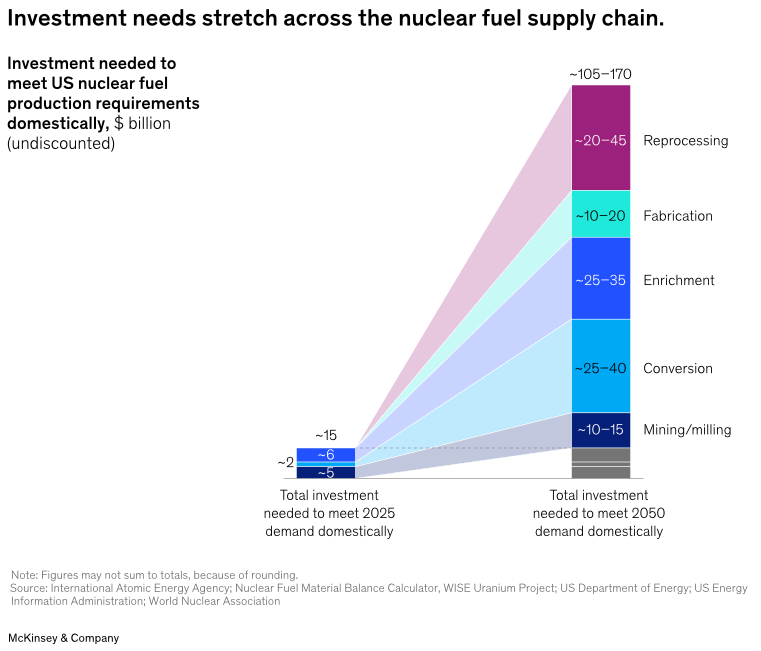
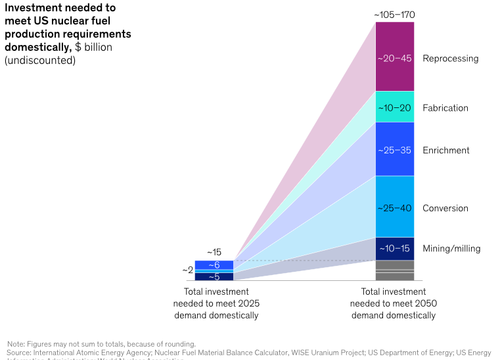
To support current commercial nuclear operations, plus 300 GW of new nuclear capacity for a total of roughly 400 GW by 2050, all fueled domestically, the country would need to invest between $105 billion and $170 billion across the entire nuclear fuel cycle.
Is it still called a bottleneck if the entire industry is the problem?
The consulting firm McKinsey & Company used the most aspirational scenario from the Trump administration’s May 2025 executive orders as its benchmark for their recent report. That means rebuilding capacity from mining and milling through conversion, enrichment, fabrication, and even reprocessing.
It’s looking more and more like the $2.7 billion award from the DOE for domestic enrichment barely scratches the surface:
$15-20 billion for mining and milling
$30-45 billion for conversion
$30-40 billion for enrichment
$10-20 billion for fabrication
$20-45 billion for reprocessing
These figures assume a mix of new and existing reactors, including Gen IV designs that will demand high-assay low-enriched uranium (HALEU).
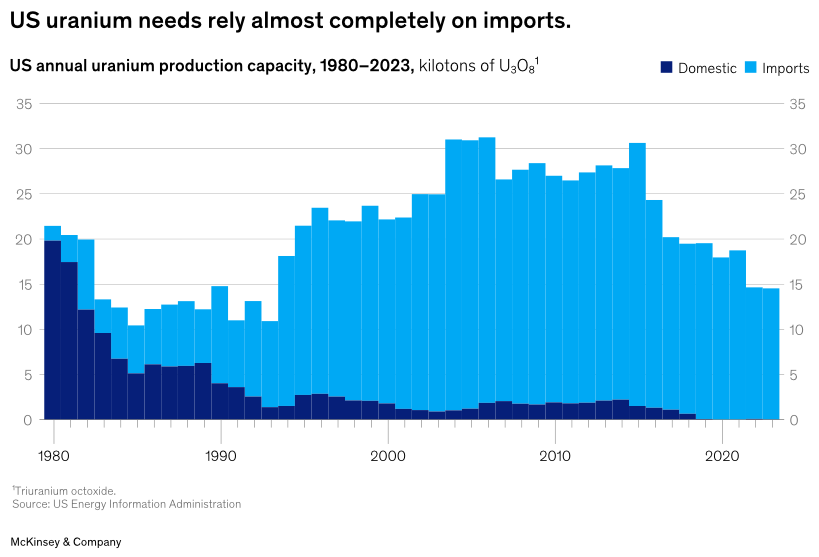
We have documented the vulnerabilities for months. Today the United States imports about 99 percent of the raw uranium ore needed for its commercial fleet…
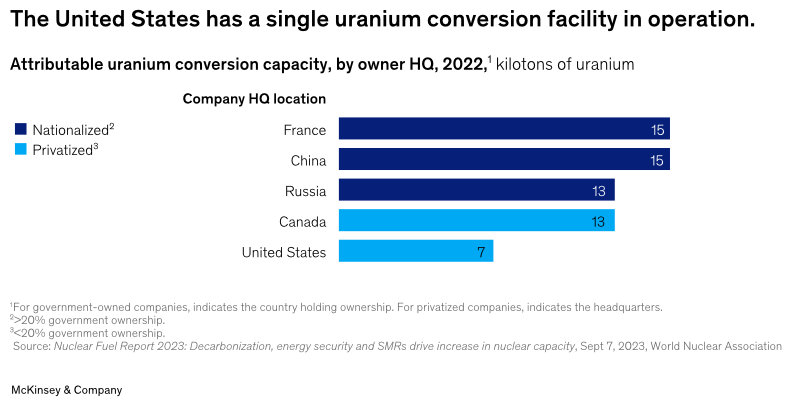
With milling capacity effectively nonexistent and conversion limited to a single operating facility…
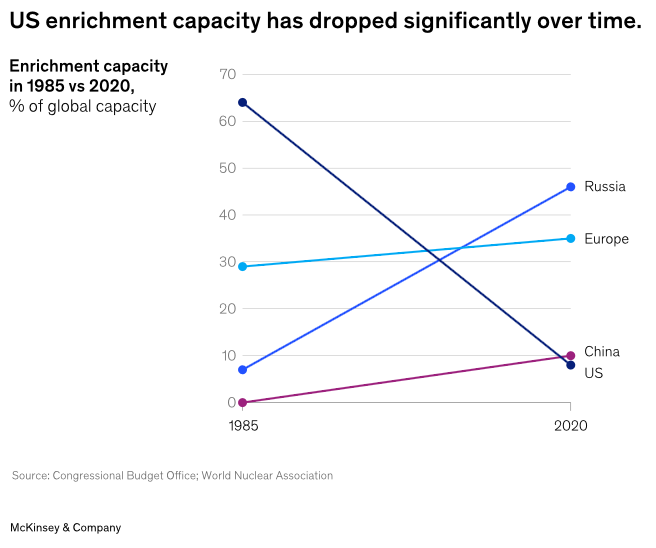
And enrichment capacity covers only about one-third of domestic needs…
The gaps leave utilities exposed to geopolitical risks and price volatility, a point we highlighted when uranium spot prices pulled back earlier this year even as long-term supply deficits widened…
Uranium: the next gold pic.twitter.com/2SSjvRkdSg
— zerohedge (@zerohedge) December 12, 2025
Uranium: the next gold pic.twitter.com/2SSjvRkdSg
— zerohedge (@zerohedge) December 12, 2025 “>accelerating, however. We reported on the DOE’s Nuclear Fuel Cycle Defense Production Act Consortium, which has met repeatedly to map out a seven-year “Nuclear Dominance – 3 by 33” plan covering every link from mining to reprocessing.
DOE has also awarded nearly $3 billion for enrichment projects, including $900 million each to Centrus Energy and General Matter, while the Export-Import Bank has backed up to $4.2 billion in additional financing. Centrus recently committed $560 million to scale centrifuge manufacturing in Oak Ridge, and we covered its joint-venture discussions with Oklo for HALEU deconversion services.
The private sector is also making progress on their own, not wanting to wait for the government to sort itself out and attempt to take market share while it’s up for grabs.
Uranium Energy Corp is expanding ISR mining and advancing conversion licensing. New entrants like FluxPoint Energy and LIS Technologies are targeting conversion and next-generation laser enrichment facilities, aiming for commercial operations before 2030.
We also noted Goldman Sachs’ updates showing persistent supply-demand mismatches that continue to support higher uranium prices over the coming decades.
McKinsey stresses that capital alone will not suffice. Permitting reform, infrastructure build-out, workforce development, and advanced technologies will prove critical to compressing the long lead times inherent in fuel-cycle projects. The firm acknowledges 100% domestic sourcing will prove challenging, yet the analysis underscores that options exist if stakeholders maintain focus.
Tyler Durden
Wed, 05/13/2026 – 13:00
https://www.zerohedge.com/markets/170-billion-needed-secure-full-domestic-nuclear-fuel-supply-chain

B200s Or B-2s?
B200s Or B-2s?
By Bas van Geffen, senior macro strategist of Rabobank
Concerns about the Middle East continued to dictate markets yesterday. The Strait of Hormuz remains closed, and there were no signs that this will change soon. Oil prices rose further. Dated Brent jumped 5% on the day to top $111.
Alongside the rise in benchmark energy prices, yields increased too. 10y US Treasury yields closed around 5bp higher, and 10y German Bund yields rose 6bp to 3.1%, dragging broader EUR yields up. Equities struggled. European bourses closed around 1.5% lower, but the S&P pared most of its losses after the European close, so the Euro Stoxx index may catch up to its US counterpart today.
This reversal happened after oil prices came off their intraday highs, and as news broke that Nvidia CEO Huang will join the US delegation to China. President Trump indicated that he wants to focus on economic issues during his summit with President Xi, more so than on geopolitical issues in the Middle East. Markets certainly seem hopeful that Trump and Xi will discuss B200 chips rather than B-2 bombers.
Of course, the Iran war complicates negotiations between the two leaders. China agrees to oppose any toll scheme for safe passage through the Strait of Hormuz, according to the US State Department. Meanwhile, Iraq and Pakistan have reportedly made deals with Iran to safeguard oil and LNG shipments from the Gulf – underscoring that Iran is able to effectively control the flow of energy through the Strait of Hormuz. China has also further diversified its oil imports. This may make China more resilient to prolonged disruptions in Hormuz, while it also cuts off more potential income for Iran.
But China will probably want something in return. President Trump will reportedly discuss US weapons sales to Taiwan with Xi, breaking with a decades-long US tradition. US allies in Asia are alarmed that Trump may agree to Xi’s request to delay or stop deliveries. That’s a longer-term geopolitical risk, but markets may shrug off any such potential concessions if the US and China report progress on economic issues.
And any optimism from the Trump-Xi summit may be overshadowed by developments in the Middle East. It’s unlikely that tensions will flare up again during the summit, but that’s only two days of respite. On his way to China, President Trump told reporters that stopping Iran’s nuclear programme outweighs Americans’ economic pain. The US presidents’ comments add to concerns that tensions in the Middle East may flare up again after the summit.
Adding further unease about the US’ next steps in the Middle East, the Wall Street Journal reports that the US president spoke with his U.A.E. counterpart to discuss “mutual interests.” This news follows on the WSJ’ report that the United Arab Emirates had secretly carried out military strikes in Iran.
Elsewhere, gilt yields’ rollercoaster ride continues, as domestic politics stack on top of geopolitical risks. Even the BBC is talking about intraday moves in gilts now, which is never a sign that things are going well. Pressure on a defiant PM Starmer is building. Several ministers resigned from their posts yesterday, after dozens of MPs had already called on Starmer to resign. Today, the 11 unions that support the Labour party are expected to issue a joint statement that calls for a roadmap to a new party leader into the next general elections.
Uncertainty about the UK’s leadership continues to weigh on both UK sovereign yields and the currency.
Tyler Durden
Wed, 05/13/2026 – 12:45

Qatar Asks Vessels At Key LNG Port To Go Dark for Safety
Qatar Asks Vessels At Key LNG Port To Go Dark for Safety
Submitted by Charles Kennedy of OilPrice.com
Qatar has requested LNG vessels near its Ras Laffan LNG port to switch off their transponders as part of safety measures at the key export port of the world’s second-largest LNG exporter before the war, anonymous sources with knowledge of the plan told Bloomberg on Tuesday.
The de facto closure of the Strait of Hormuz has trapped about 20% of daily global LNG flows, mostly those previously shipping out of Qatar and part of the UAE’s LNG flows.
In addition, Iranian drone and missile strikes on energy infrastructure in the region has damaged Qatar’s key LNG liquefaction complex Ras Laffan, the world’s single largest such facility. Due to the attacks, QatarEnergy has been forced to declare force majeure for up to five years on some long-term LNG contracts and has advised that full capacity could take up to five years to restore following extensive damage from the strikes.
The waters around Qatar have seen increased security threats since the war began on February 28. After more than two months of total blockage of Qatari shipments out of the Strait of Hormuz, the major Gulf LNG exporter is now apparently seeking to avoid being targeted.
At least nine LNG tankers that were anchored near Qatar stopped sending signals via their Automatic Identification System from May 11, vessel-tracking data compiled by Bloomberg showed, in a sign that Qatar may have indeed asked ships to go dark to avoid being targeted.
A tanker laden with LNG from Qatar successfully passed the Strait of Hormuz this weekend, the first such transit since February 28.
Crude tankers have also successfully exited the Strait in recent days, after going dark, according to shipping data cited by Reuters.
“Commercial shipping and maritime security activity around the Strait of Hormuz are increasingly shifting into dark or emissions-controlled conditions,” maritime intelligence firm Windward said on Monday.
Tyler Durden
Wed, 05/13/2026 – 12:30
https://www.zerohedge.com/energy/qatar-asks-vessels-key-lng-port-go-dark-safety
Goldman Flags Troubling Mortgage Delinquency Rise Across This U.S. Region
Goldman Flags Troubling Mortgage Delinquency Rise Across This U.S. Region
Mortgage delinquencies fell slightly in March, with the first-lien delinquency rate declining to 3.35%, down 37 basis points from February, as seasonal factors and tax refunds supported borrowers.
The real estate and mortgage industry outlet HousingWire cited Intercontinental Exchange’s May 2026 Mortgage Monitor report, which showed that while the overall mortgage delinquency rate fell in March, there was still concern over serious delinquencies and foreclosures, which are up by 154,000 borrowers from one year ago.
The increase was driven mostly by FHA loans, which rose by 164,000 and now account for a record 55% of seriously past-due mortgages. Overall, 1.6% of active mortgages are seriously delinquent, up 20% year over year.
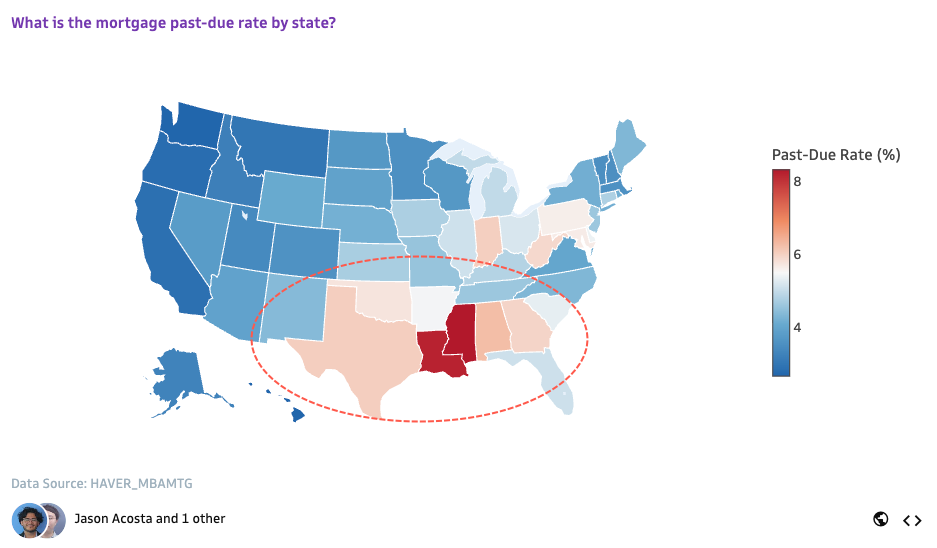
Adding to the mortgage delinquency story is Goldman analyst Jason Acosta, who released a note earlier today, showing what he described to clients as the “chart of the day.”
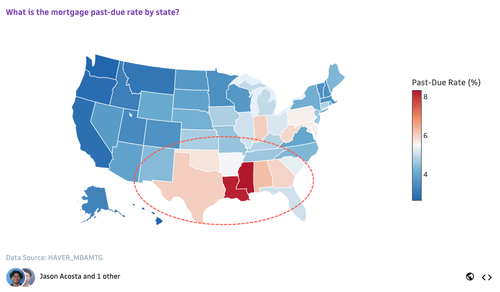
The chart indicates that mortgage past-due rates are highest across parts of the Deep South, with Mississippi and Louisiana as the worst-performing states, followed by elevated stress in Alabama, Texas, Indiana, Georgia, West Virginia, Oklahoma, Maryland, Pennsylvania, and others.
“On a national level, mortgage delinquencies eased in March, yet higher-severity stress remained elevated even amid the strongest monthly gain in U.S. home prices in two years,” Acosta said.
He added, “We just released a new widget looking at past-due rates on a state-by-state basis below, with updates incoming to select between ranges of 30-59 days, 60-89 days, and 90 days+.”
Here is the chart: What is the mortgage past-due rate by state?
Latest on the housing market:
Housing Market’s Crucial “Spring Selling Season” Is In Tatters
The read we have here is that mortgage distress is becoming increasingly concentrated in lower-income Southern states, even as the national delinquency rate improved modestly overall.
Tyler Durden
Wed, 05/13/2026 – 12:15
https://www.zerohedge.com/markets/goldman-flags-troubling-delinquency-rise-across-us-region
Treasury Department Alerts US Banks To Suspected Iranian Money Laundering Efforts
Treasury Department Alerts US Banks To Suspected Iranian Money Laundering Efforts
Authored by Victoria Friedman via The Epoch Times (emphasis ours),
The U.S. Treasury Department’s Financial Crimes Enforcement Network (FinCEN) on May 11 issued an alert to financial institutions warning them of efforts by the Iranian Islamic Revolutionary Guard Corps (IRGC) to evade sanctions.
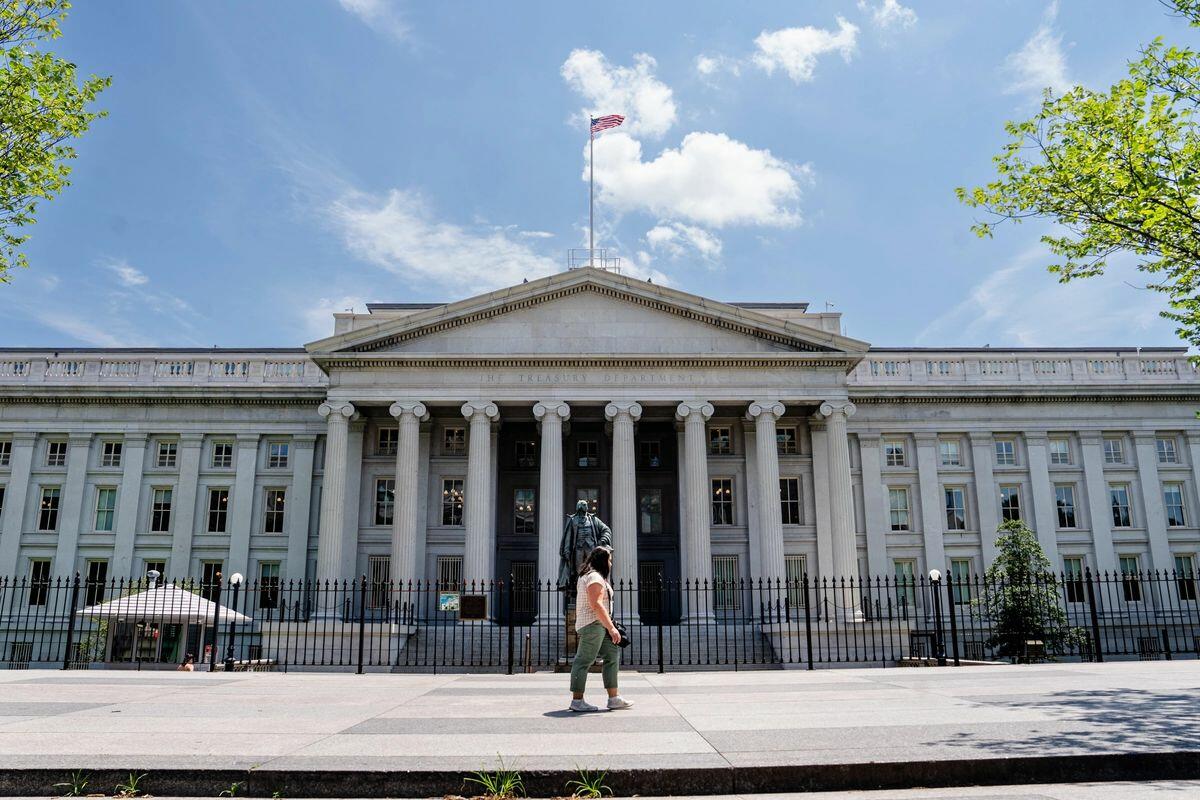
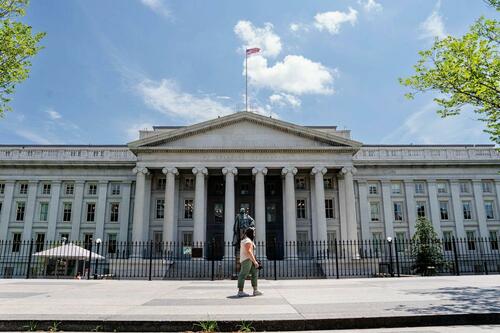
The U.S. Department of the Treasury in Washington on June 30, 2025.Madalina Kilroy/The Epoch Times
FinCEN said in a statement that the IRGC has been facilitating and laundering the proceeds of illicit oil sales using networks of financial facilitators and shell companies. The alert provides red flags on the IRGC’s oil smuggling, digital assets, and front-company abuse to aid financial institutions in detecting and reporting suspicious activity, the statement said.
Treasury Secretary Scott Bessent said that financial institutions have a responsibility to stop this activity.
“Degraded by Economic Fury, the Iranian military is desperately trying to fund its weapons programs and terrorist proxies,” Bessent said.
“Treasury will continue to deny the Islamic Revolutionary Guard Corps access to the financial networks it exploits to fund its terrorist acts. Financial institutions should be on notice that they have a responsibility to detect suspicious activity and stop it in its tracks.”
The Treasury network describes the IRGC as a parallel organization to Tehran’s regular armed forces, which reports directly to the leader, Ayatollah Mojtaba Khamenei. The IRGC is a U.S.-designated foreign terrorist organization.
Shadow Banking
FinCEN says the IRGC can make money from oil sales by misrepresenting its commercial activities. It smuggles oil using a “shadow fleet” of vessels that operate outside normal maritime rules and are often owned and operated by companies outside Iran.
Proceeds are then laundered through “shadow banking” networks to sell their oil and commodities abroad.
“By using front company accounts outside Iran to receive and remit payments, sanctioned entities like the IRGC are able to conduct transactions through the international financial system without repatriating funds to Iran,” FinCEN said.
The network says that with these proceeds, Iran can fund the procurement and development of weapons, as well as fund terrorist activity abroad.
Sanctions on Iran
The alert comes after President Donald Trump said on May 11 that a ceasefire with Iran was on “life support.”
The president’s remarks follow Tehran’s proposal to end the war over the weekend.
“I would call it the weakest right now after reading that piece of garbage they sent us,” Trump told reporters at the White House. “I didn’t even finish reading it.”
A ceasefire between the United States and Iran went into effect in April, ending weeks of U.S. and Israeli strikes on the country that started on Feb. 28.
The Strait of Hormuz, a key transit point for oil and natural gas, has remained effectively closed in the meantime, sending oil prices surging and rattling stock markets worldwide.
In the meantime, the U.S. military has imposed a naval blockade on Iranian ports. The U.S. Central Command (CENTCOM) said on May 11 that 62 commercial ships have been redirected and four ships disabled as it enforced the blockade.
Also on Monday, the U.S. Treasury Department announced sanctions against 12 new targets as part of its “Economic Fury” initiative to disrupt Tehran’s economic and military capacity.
The Treasury said it had designated 12 individuals and entities for their roles in enabling the IRGC’s sale and shipment of Iranian oil to China.
“The IRGC relies on front companies in permissive economic jurisdictions to obfuscate its role in oil sales and funnel the revenue to the Iranian regime. Instead of using this revenue to support the struggling Iranian people, the regime directs it toward weapons development, backing terrorist proxies, and funding security forces that suppress citizens’ freedoms,” the Treasury said.
Joseph Lord and Jack Phillips contributed to this report.
Tyler Durden
Wed, 05/13/2026 – 12:00

Palmer Luckey’s Anduril Secures $5B At $61B Valuation To Supercharge Killer Drone Production
Palmer Luckey’s Anduril Secures $5B At $61B Valuation To Supercharge Killer Drone Production
Palmer Luckey’s Anduril announced a $5 billion Series H funding round at a $61 billion valuation, led by Thrive Capital and Andreessen Horowitz. This comes as President Trump’s ‘war economy’ and the rise of ‘war unicorns’ gain momentum.
Anduril CEO Brian Schimpf wrote in a statement about the Series H funding round, indicating the “financing reflects that shift, and it gives us the ability to continue investing aggressively in manufacturing capacity, research and development, and the infrastructure required to build and field advanced defense systems at scale.”
Luckey’s Anduril is a new breed of defense technology company that builds autonomous weapons systems, drones, counter-drone platforms, surveillance networks, and AI-powered command-and-control software for the US military.
While most of Silicon Valley has gone soft and signed peace pacts with one another not to dual-use their technology for the military, we have diligently covered rising war unicorns and the Trump administration’s push to drive innovation in a space controlled by legacy primes, such as Boeing and Lockheed.
Here are Anduril’s products:
Fury, an autonomous fighter-style aircraft
Roadrunner and Anvil, counter-drone interceptors
Ghost, a tactical unmanned aircraft
Barracuda, a family of autonomous cruise missile-like systems
Autonomous undersea vehicles and broader defense networking tools
Related:
Race To Refill U.S. Weapons Stockpiles Will Supercharge War Economy
L3Harris’ Missile Business Files To Go Public As Trump’s War Economy Prepares For Launch
War Economy Returns: From Trucks To Tanks, Pentagon Looks To Automakers To Rebuild America’s Arsenal
DOGE Team At Pentagon Is Urgently Trying To Overhaul America’s Lagging Drone Program
And there’s this:
Ukraine, U.S. Draft Defense Deal To Supercharge America’s Kamikaze Drone Production
Follow the money:
“Serve Your Country”: Uncle Sam Seeks Investment Bankers For ‘Economic Defense Unit’
The war economy, reshoring, rare earths, and data center buildouts are some of Trump’s economic boom agenda.
Tyler Durden
Wed, 05/13/2026 – 11:45

Ireland Convicts 78-Year-Old Preacher For Preaching Near Abortion Clinic
Ireland Convicts 78-Year-Old Preacher For Preaching Near Abortion Clinic
Ireland is finally safe.
Clive Johnston has been convicted and can no longer menace the public.
Johnson, 78, is a retired pastor who committed the heinous offense of preaching near the Causeway Hospital in Coleraine.
That was considered within the “safe access zone” under Northern Ireland’s Abortion Services (Safe Access Zones) Act.
The Act prohibits “influencing,” “preventing or impeding access,” or “causing harassment, alarm or distress” to a protected person within 100 meters (about 328 feet) of facilities where abortions are performed.
So Johnson was found guilty of “influencing” inside the protected zone and fined 450 pounds (about $614).
Northern Ireland’s Public Prosecution Service told Fox News Digital, “The defendant was found guilty and convicted by the court of doing an act in a safe access zone with the intent of or being reckless as to whether it had the effect of influencing a protected person attending the premises; and failing to comply with a direction to leave a safe access zone.”
The language of the law is absurdly vague and abusively broad. What constitutes an “influence” is undefined and could include any religious, political, or social exchange. Would it include encouragements to have abortions?
It is equally perverse to treat praying or preaching the same as blocking or impeding access to a clinic. Finally, a hospital engages in a wide array of activities that raise religious or political issues that can be the subject of free speech.
We previously saw several cases in the United Kingdom where people were arrested for silently praying near abortion clinics.
For its part, Ireland has been a leader in censorship and the criminalization of speech. As the leader of the Irish Green Party proclaimed, “We are restricting freedom for the public good.”
By the way, his offense was reading John 3:16, including “For God so loved the world that he gave his one and only Son, that whoever believes him shall not perish but have eternal life.”
What could perish in Ireland and the United Kingdom is free expression as speech regulators target bad influences under time, place, and manner laws.
Tyler Durden
Wed, 05/13/2026 – 11:30
U.S. Wheat Crop Forecast To Hit Half-Century Low As Drought Hits Breadbasket
U.S. Wheat Crop Forecast To Hit Half-Century Low As Drought Hits Breadbasket
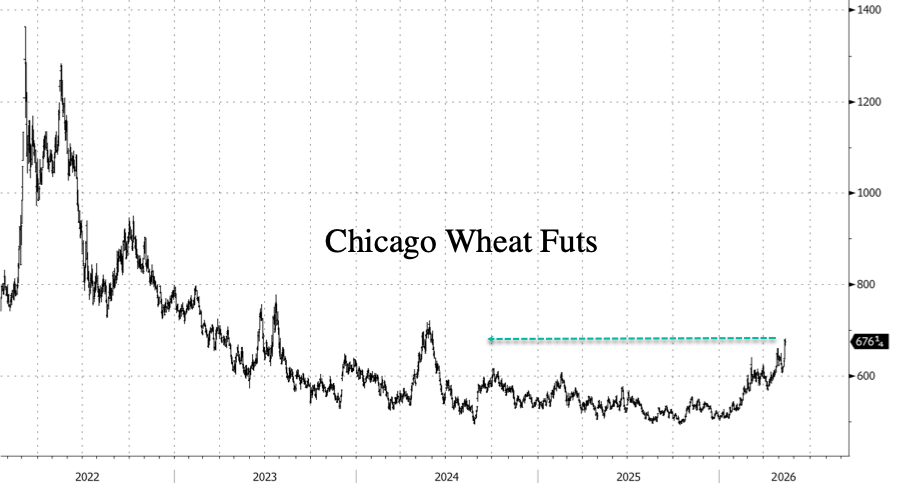
Chicago wheat futures surged on Tuesday, hitting two-year highs after the USDA’s latest WASDE report signaled a much tighter U.S. supply outlook than traders had anticipated.
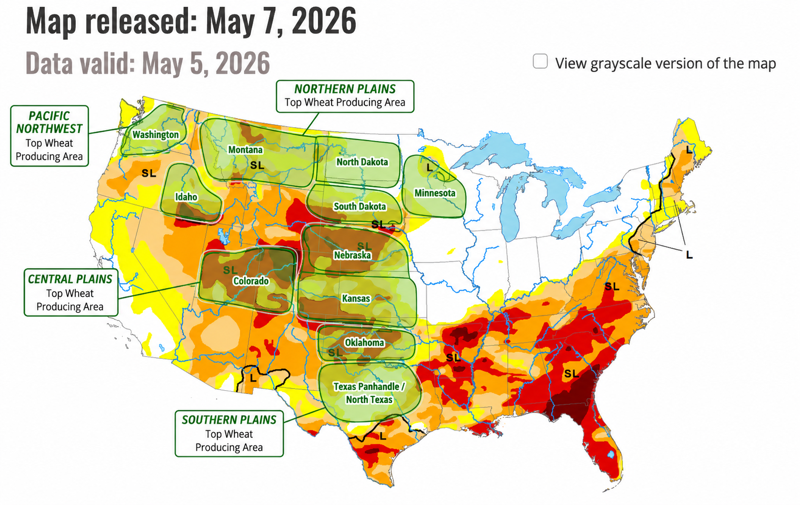
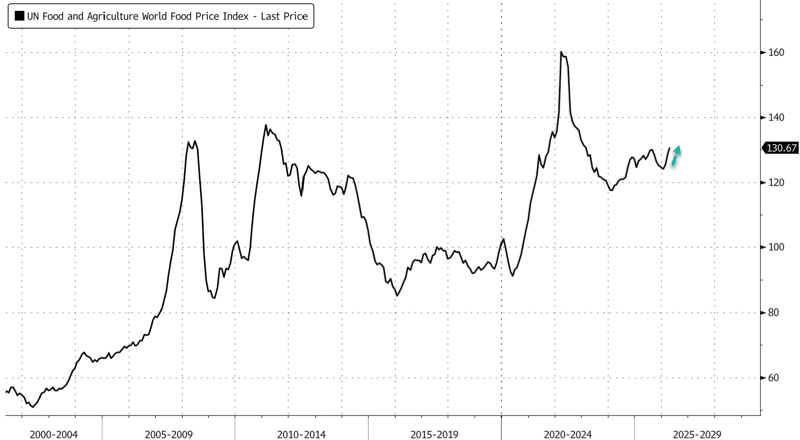
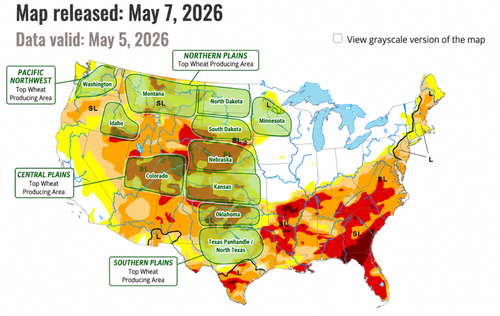
Production stress across America’s breadbasket is now converging with a megadrought and mounting fertilizer constraints, adding upward pressure on prices at a time when global food prices are rising.
🌾Due to poor crop health and a record-low planted area, the United States will produce the smallest wheat volume since 1972.
2026 winter wheat output (67% of total output) by class is seen at the lowest levels since:
All winter: 1965
Hard red winter: 1957
Soft red winter: 2020 pic.twitter.com/OcIP3DA0VS
— Karen Braun (@kannbwx) May 12, 2026
The USDA forecast 2026/27 U.S. all-wheat production at 1.56 billion bushels, sharply below Wall Street expectations of around 1.74 billion, marking the smallest harvest since 1972.
🇺🇸The U.S. in 2026 is set to harvest the smallest wheat crop in 54 years.
Weather has challenged winter wheat this year and condition ratings have plunged. Pairing low yield with low planted area, USDA projects the smallest U.S. winter wheat harvest since 1965. pic.twitter.com/xe2alJOPyr
— Karen Braun (@kannbwx) May 12, 2026
After the report on Tuesday, Chicago wheat futures jumped to their highest level since May 2024.
The latest WASDE report should come as no surprise to readers, as we have been closely tracking the intensifying drought stress plaguing the U.S. agricultural market:
Drought Engulfs 60% Of U.S. As Farmers Begin Spring Planting
UBS Warns Drought Shock Unfolding Across Breadbasket Of America
Wheat Spread Blows Out As Drought Chaos Plagues America’s Breadbasket
Saxo commodities head Ole Hansen penned a note on Wednesday, highlighting just how dire the report is for wheat production:
USDA projected the smallest U.S. wheat harvest since 1972, triggering sharp gains in both Chicago and Kansas wheat futures.
Hard red winter wheat production was estimated at the lowest level since 1957 following drought damage across the southern Plains.
The Bloomberg Grains Index has gained 17% YTD, supported by strong advances in soybean oil, wheat, and related biofuel-linked markets.
Managed money traders have returned aggressively to agriculture, although wheat positioning remains mixed due to continued contango focus.
Let’s not forget America’s breadbasket, plagued by drought, as the Middle East energy shock has disrupted the fertilizer trade and may impact harvests later this year. Global food prices are rising.
Related:
Seven Reasons Why The Hormuz Crisis Has Yet To Cause The Global Economy
Our debate at the start of May featured former Bridgewater head of commodities Alex Campbell and Brent Johnson of Santiago Capital. It was hosted by Tony Greer and Jared Dillian, who discussed the potential food crisis that appears to be festering.
— ZeroHedge Debates (@zerohedgeDebate) May 2, 2026
Tyler Durden
Wed, 05/13/2026 – 11:15
U.S. Wheat Crop Forecast To Hit Half-Century Low As Drought Hits Breadbasket
U.S. Wheat Crop Forecast To Hit Half-Century Low As Drought Hits Breadbasket
Chicago wheat futures surged on Tuesday, hitting two-year highs after the USDA’s latest WASDE report signaled a much tighter U.S. supply outlook than traders had anticipated.
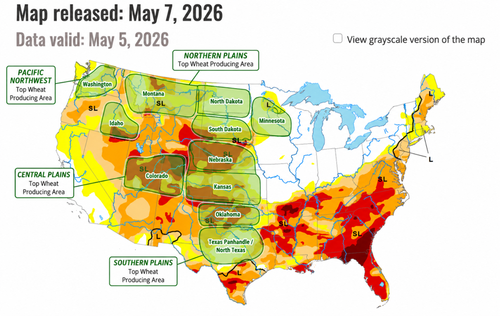
Production stress across America’s breadbasket is now converging with a megadrought and mounting fertilizer constraints, adding upward pressure on prices at a time when global food prices are rising.
🌾Due to poor crop health and a record-low planted area, the United States will produce the smallest wheat volume since 1972.
2026 winter wheat output (67% of total output) by class is seen at the lowest levels since:
All winter: 1965
Hard red winter: 1957
Soft red winter: 2020 pic.twitter.com/OcIP3DA0VS
— Karen Braun (@kannbwx) May 12, 2026
The USDA forecast 2026/27 U.S. all-wheat production at 1.56 billion bushels, sharply below Wall Street expectations of around 1.74 billion, marking the smallest harvest since 1972.
🇺🇸The U.S. in 2026 is set to harvest the smallest wheat crop in 54 years.
Weather has challenged winter wheat this year and condition ratings have plunged. Pairing low yield with low planted area, USDA projects the smallest U.S. winter wheat harvest since 1965. pic.twitter.com/xe2alJOPyr
— Karen Braun (@kannbwx) May 12, 2026
After the report on Tuesday, Chicago wheat futures jumped to their highest level since May 2024.
The latest WASDE report should come as no surprise to readers, as we have been closely tracking the intensifying drought stress plaguing the U.S. agricultural market:
Drought Engulfs 60% Of U.S. As Farmers Begin Spring Planting
UBS Warns Drought Shock Unfolding Across Breadbasket Of America
Wheat Spread Blows Out As Drought Chaos Plagues America’s Breadbasket
Saxo commodities head Ole Hansen penned a note on Wednesday, highlighting just how dire the report is for wheat production:
USDA projected the smallest U.S. wheat harvest since 1972, triggering sharp gains in both Chicago and Kansas wheat futures.
Hard red winter wheat production was estimated at the lowest level since 1957 following drought damage across the southern Plains.
The Bloomberg Grains Index has gained 17% YTD, supported by strong advances in soybean oil, wheat, and related biofuel-linked markets.
Managed money traders have returned aggressively to agriculture, although wheat positioning remains mixed due to continued contango focus.
Let’s not forget America’s breadbasket, plagued by drought, as the Middle East energy shock has disrupted the fertilizer trade and may impact harvests later this year. Global food prices are rising.
Related:
Seven Reasons Why The Hormuz Crisis Has Yet To Cause The Global Economy
Our debate at the start of May featured former Bridgewater head of commodities Alex Campbell and Brent Johnson of Santiago Capital. It was hosted by Tony Greer and Jared Dillian, who discussed the potential food crisis that appears to be festering.
— ZeroHedge Debates (@zerohedgeDebate) May 2, 2026
Tyler Durden
Wed, 05/13/2026 – 11:15