Category: News

Watch: EU Parliament Told Continent Is “On Track For Civil War”
Watch: EU Parliament Told Continent Is “On Track For Civil War”
Authored by Steve Watson via Modernity.news,
Europe’s ruling class has spent decades importing chaos under the banner of “diversity,” and now the bill is coming due in the most explosive way possible.
A major conference held inside the European Parliament has heard stark warnings that the continent is barreling toward civil war as mass migration erodes trust, creates no-go zones, and fractures societies along ethnic lines.
Professor David Betz of King’s College London cut straight to the point, telling the assembled lawmakers and experts: “Europe is on track for civil war”.
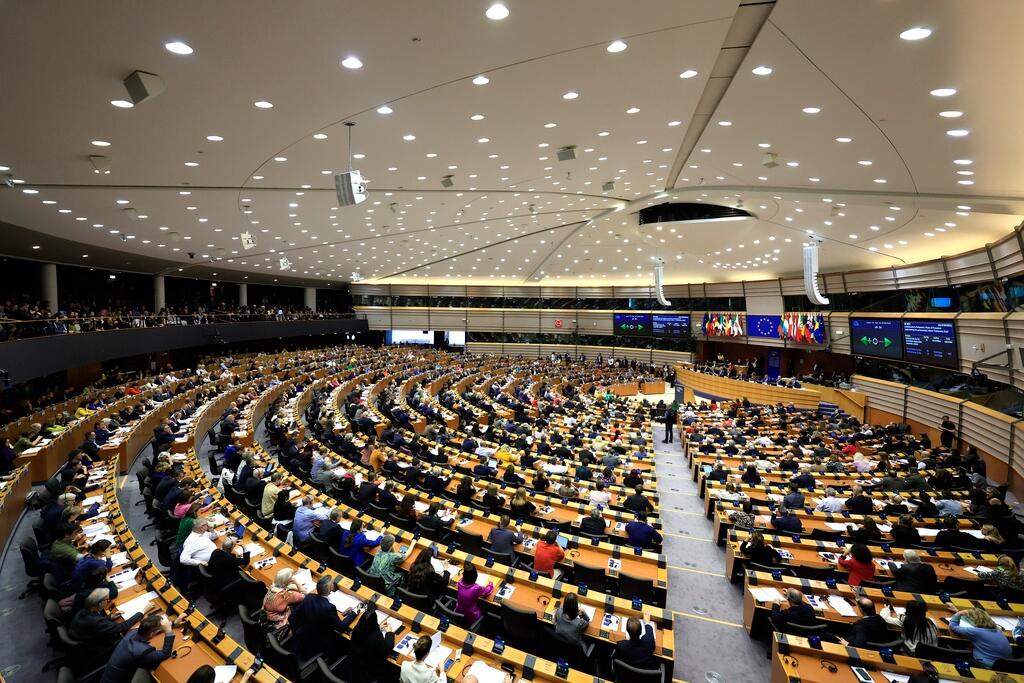
European Parliament Hosts “Civil War? Europe at Risk” Conference Amid Rising Social Tensions
MEPs Mikael Weimers and Marion Maréchal convene experts warning that eroding social cohesion from mass immigration could push Europe toward civil conflict, with Prof. David Betz… pic.twitter.com/80RUypdOqB
— Washington Eye (@washington_EY) March 25, 2026
The event, titled Civil War: Europe at Risk?, was hosted by French populist-right leader Marion Maréchal and Sweden Democrats MEP Charlie Weimers.
It also launched a new report documenting up to a thousand no-go zones across Europe based on public data including crime rates, sexual violence, youth gangs, unemployment, school performance, antisemitism, homophobia, mosque density, attacks on firefighters, and NGO presence.
Maréchal opened the conference by reflecting that formerly peaceful and stable societies are “rapidly transforming before our eyes into societies of violence and mistrust”, stating that “the main basis of trust between citizens is cultural homogeneity”, which is now fast eroding.
She warned Europe is already under a great strain of “diffuse guerrilla activity”, which takes various forms, including “riots, looting, random attacks, anti-white racism, and terrorist attacks”.
Weimers echoed the assessment, noting the impact of mass migration on cultural cohesion. The Swedish MEP reflected: “Western democracies that were once relatively homogenous societies have become deeply fragmented. Newcomers often share little in common with the indigenous population. More alarmingly, many have no intention of assimilating.”
Both hosts said they were driven to hold the conference to find political answers and prevent “the horror of civil war”.
Betz, who has gained prominence for highlighting the collapse of social cohesion, described the trajectory in chilling detail. He warned of “a peasant revolt. A conservative uprising in which the ruled seek to punish their rulers for violating their obligations under the social contract, and for changing the rules of the game against their wishes. It will look something like Italy’s Years of Lead, the ‘dirty wars’ of Latin America, or maybe The Troubles of Northern Ireland, but on a larger scale.”
He continued: “What is already a guarded society will become a radically more heavily fortified society as elites seek more protection with more walls, guards, and surveillance. It will be bloody… the Balkanisation of British life along ethnic lines [is underway].”
Betz further urged, “What I call assortative movement is already occurring, quite obviously in some places like Tower Hamlets in London, Sparkhill in Birmingham which are already ethnic enclaves, zones of negotiated policing with parallel legal systems, alternative economies, and… zones of endemic and large-scale out-group sexual predation… this ought to be more generally frightening.”
“In government there are plenty of people who understand fully the gravity of the situation, although it is, career-wise, terminal to speak of it openly,” he added.
Betz also warned of the ultimate stakes for native populations. “Where does Balkanisation lead us? … it leads to the extinguishment of Britain in the sense of a coherent cultural entity dominated by people genuinely sharing the titular identity of ‘British’… it leads to large scale and widespread civil war…”
“It is very possible that the Britons end up like the Canaanites or the Arcadians, a people of historic interest, their monuments visible here and there in some sort of ruination, of interest to archaeologists and historians,” Betz explained, adding “This would be a tragedy, but that is a very viable option in front of us, and in fact it is a possibility that is quite close.”
Weimers asked bluntly: “Where will Europe be in 50 years? Will there be a Europe in 50 years?”
Betz further outlined how any future conflict might unfold, describing “the siege of urban areas but with a few 21st century twists. In many ways it will be reminiscent of the siege of Sarajevo, but much more dominated by paramilitary actors using system disruption tactics. Most importantly, infrastructure attack to degrade and destroy the life support systems of urban, non-native enclaves.”
He continued, “The political object is very simple, it is to compel non-natives to leave. The strategy is to create conditions of life in the cities so intolerable that leaving is preferable to staying… it’s not an implausible theory of victory because its central premise, the instability of the modern urban condition, at the best of times is something scholars of urban studies have been warning against for 50 years already.”
Betz warned that “fuel systems are easy to attack, they are flammable if not explosive by definition, they are difficult to repair, and expensive to replace. In fact they are impossible to replace in civil war conditions where no insurance is available.”
He continued, “Moreover, disruption of fuel has very rapid knock-on effects of everything else logistically, most importantly the food distribution system which is the traditional weapon of siegecraft.”
The full conference is below:
Betz has continually warned of the deep social erosion he’s believes is cascading toward civil war in Britain and Europe.
Retired British Army Colonel Richard Kemp has also warned that integration breakdowns have worsened over the past two decades, paving the way for inevitable conflict.
Kemp outlined that there is “No government, the government now or any prospective government of the UK, has the guts to stop it” when it comes to the Islamification of Britain.
The pattern is unmistakable. Globalist policies of open borders and elite denial have created parallel societies, eroded national identity, and left ordinary Europeans with no peaceful political outlet.
As Betz has noted, many in government already grasp the gravity but stay silent to protect their careers.
As educational as this all is, Europe doesn’t need more conferences or reports. It needs leaders with the courage to end mass migration, restore cultural cohesion, and put their own people first — before the warnings stop being theoretical and the conflict becomes reality.
Your support is crucial in helping us defeat mass censorship. Please consider donating via Locals or check out our unique merch. Follow us on X @ModernityNews.
Tyler Durden
Mon, 03/30/2026 – 05:00
https://www.zerohedge.com/political/watch-eu-parliament-told-continent-track-civil-war
UAE Unveils Jet-Powered Kamikaze Drone As War Gets A Lot Scarier
UAE Unveils Jet-Powered Kamikaze Drone As War Gets A Lot Scarier
UAE state-backed defense company EDGE Group has released footage on X, unveiling a new low-cost, jet-powered kamikaze drone, the latest signal that the hyperdevelopment of drone warfare is accelerating.
EDGE Group unveiled the Shadow 25, a jet-powered loitering munition described as a rapid-strike system designed to deliver precision attacks against fixed targets.
Shadow 25 can reach speeds in excess of 650 mph, about 5.42 times faster than the Iranian Shahed-136 drone. It has a range of 155 miles, which EDGE says offers “new opportunities to swiftly neutralize stationary enemy targets.”
Capability built for modern operations.
Combining jet-powered speed, advanced guidance, and precision targeting, SHADOW 25 supports forces with rapid, reliable, mission-ready performance when it matters most. pic.twitter.com/yaEessVgTZ
— EDGE (@_edgegroup) March 27, 2026
EDGE is one of the UAE’s top national defense companies, developing, manufacturing, and supporting military and security products and services, including autonomous systems, missiles, naval platforms, electronic warfare, and radar systems.
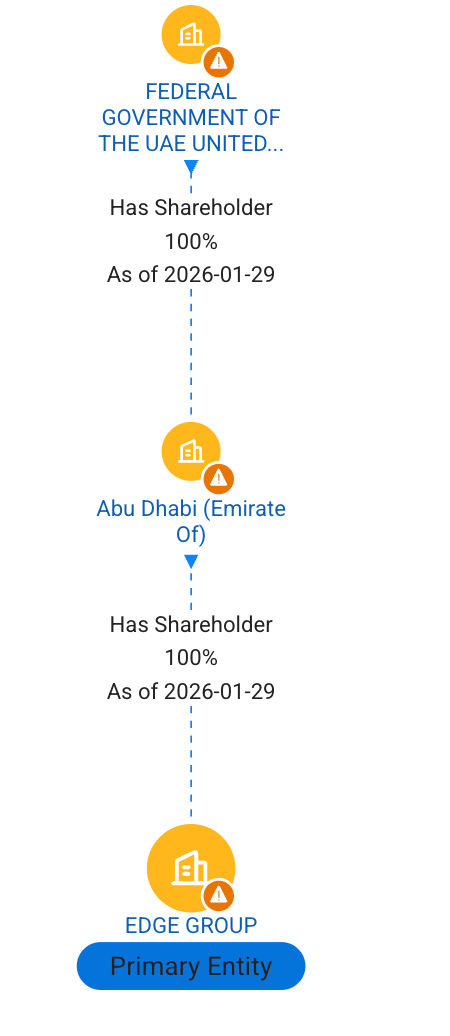
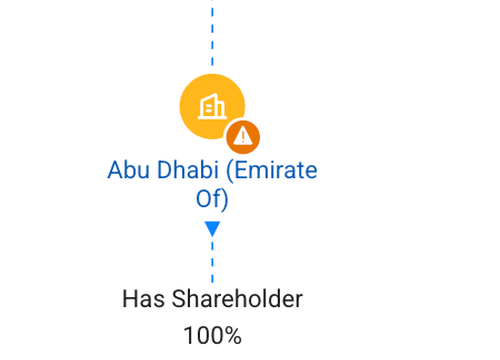
Company Structure (data via Sayari):
Corporate Network (data via Sayari):
EDGE has also been expanding its industrial footprint and international partnerships. In 2025, it said it operated more than 170 manufacturing and assembly facilities across the UAE.
Our takeaway is that after four years of hyperdevelopment in drone warfare across Ukraine, the US-Iran conflict now appears poised to unleash an evolutionary leap in drone warfare. The next phase is likely to be defined by fast strike drones and more advanced AI-enabled targeting, further compressing the kill chain and deepening battlefield automation. Across Eurasia, war is spreading, from Ukraine to the Gulf.
Tyler Durden
Mon, 03/30/2026 – 04:15
https://www.zerohedge.com/military/uae-unveils-jet-powered-kamikaze-drone-war-gets-lot-scarier

The Food Supply Chain Is Breaking… Again
The Food Supply Chain Is Breaking… Again
Authored by John Rubino,
Spring has sprung, which means seeds that were planted in late winter are starting to germinate.
They’re hungry and will only grow to their full nutritional potential if they’re well fed.
But that, apparently, isn’t happening, as fertilizer supplies are interrupted by yet another pointless Middle East war.
The result?
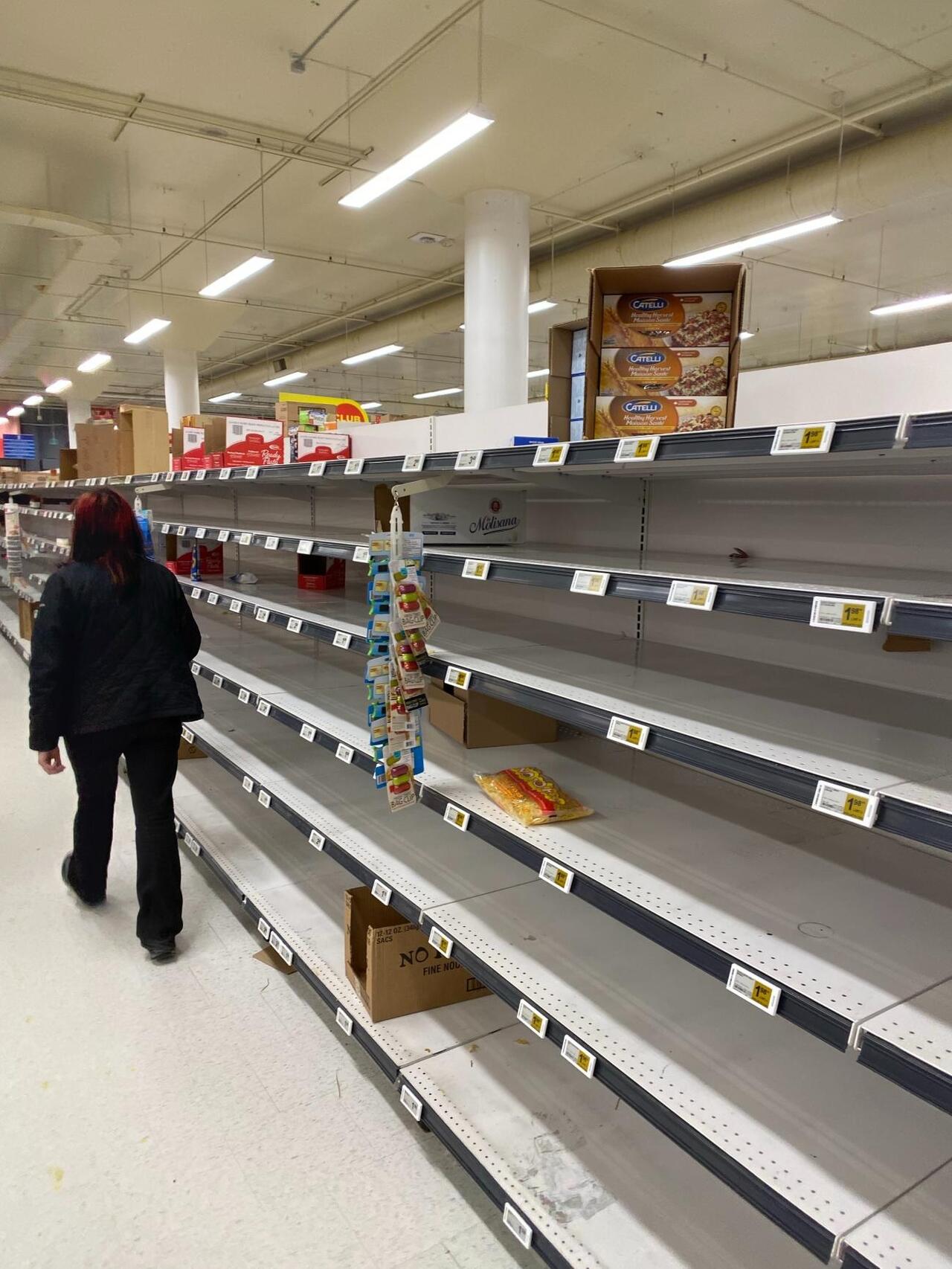
Global food shortages that might dwarf the COVID-era Costco-hoarding mess of recent memory.
Here’s an overview:
Shanaka Anslem Perera @shanaka86
BREAKING: The nitrogen trap just closed. Three locks snapped shut simultaneously. The planting window is closing behind them. And the food the world eats next year is now being decided by molecules that cannot reach the soil in time.
Lock one: the Strait of Hormuz. The IRGC permissioned corridor allows oil tankers from friendly nations to pay $2 million in yuan and pass. It does not allow fertiliser vessels to pass at any price. Zero approved fertiliser transits in 24 days. The Gulf supplies 49 percent of the world’s exported urea and roughly 30 percent of traded ammonia. That supply is not delayed. It is denied. The gate opens for molecules that fund the gatekeeper. It stays closed for molecules that feed the planet.
Lock two: Russia. The world’s largest exporter of ammonium nitrate just halted all AN exports until after April 21. Three to four million tonnes per year, gone from global markets at the exact moment the Northern Hemisphere needs it most. The official reason is “domestic priority.” The strategic effect is leverage. Russia earns windfall revenue from the oil price spike its ally’s war created, then removes the fertiliser that farmers need to plant through the crisis. The disease and the cure, again, from the same address.
Lock three: China. Beijing has banned exports of nitrogen-potassium blends and phosphate fertilisers through August 2026. China is the world’s largest phosphate producer and a major nitrogen supplier. The ban removes the last alternative source that could have compensated for Hormuz and Russia. Three locks. Three countries. Three deliberate decisions timed to the same biological calendar.
The biological calendar does not negotiate. Corn requires nitrogen at the V6 to VT growth stage or kernel set is permanently reduced. Wheat requires it at tillering and jointing or grain fill collapses. Rice requires it at transplanting or yield drops 20 to 40 percent in low-input systems. These are not economic models. They are cellular processes. The plant either receives nitrogen during the window or it does not. If it does not, no subsequent application, no price increase, no policy reversal can recover what was lost. The damage is written into the biology of the seed.
The US Corn Belt window closes mid-April. European top-dressing is happening now. Indian Kharif preparation begins in May. Bangladeshi Boro rice transplanting is underway this week. Every one of these windows is closing while the three largest sources of nitrogen on Earth are simultaneously locked: Hormuz by military blockade, Russia by export decree, China by trade ban.
The USDA Prospective Plantings report arrives March 31. The FAO Food Price Index publishes April 3. These will quantify what the molecules already know: the nitrogen did not arrive. The yield loss is locked in. The 5 to 10 percent global drag will concentrate where the buffers are thinnest: subsistence farms in Bangladesh, Sub-Saharan Africa, South Asia, where a 20 percent shortfall does not mean lower profits. It means hunger.
Sri Lanka banned synthetic fertiliser in 2021. Rice yields collapsed 40 percent. The government fell. In 2008, fertiliser and oil spiked simultaneously and food riots erupted across 30 countries. In 2026, the strait blocks fertiliser while Russia and China withdraw the alternatives, and the planting windows close on a planet with nowhere else to turn.
The war is fought with missiles. The famine is fought with molecules. The molecules are trapped behind three locks on three continents, timed to the one calendar that cannot be paused, extended, or negotiated: the calendar written into the DNA of every seed in the soil.
Read a deeper dive here…
This is Why We Should Have Gardens…and Gold, Goats, and Guns
Even after the pandemic, many (most?) people in the developed world continue to view “food supply chain disruption” as a tin-foil-hat concern. They’re apparently wrong. Again.
And note that higher food prices are just the first-order effect of a fertilizer shortage. The second and third-order impacts are geopolitical and possibly military.
So let this latest “peak complexity” signal encourage you to keep prepping. Anticipate shortages, higher prices, even more chaotic politics, and take some of the steps we’ve been discussing here.
Tyler Durden
Mon, 03/30/2026 – 03:30
https://www.zerohedge.com/geopolitical/food-supply-chain-breaking-again
US Senators Seek To Sanction Hungary Over Obstructing Ukraine Aid
US Senators Seek To Sanction Hungary Over Obstructing Ukraine Aid
Because US Congress is perfectly functional, and all domestic issues have been resolved (one would very ironically think), the FT reports that a bipartisan pair of US senators are set to introduce legislation calling for sanctions to be imposed on senior Hungarian officials involved in obstructing aid to Ukraine.
If passed, the Block Putin act would require President Trump to impose financial sanctions and visa bans on Hungarian government officials involved in the country’s purchases of Russian oil and gas, and who have sought to block support for Ukraine.
The introduction of the bill comes as Hungary’s Prime Minister Viktor Orbán has held up a €90bn EU loan to Ukraine as he faces a tough re-election campaign ahead of parliamentary elections next month. Opinion polls indicated Orbán, who has served as prime minister since 2010, could lose power. The opposition Tisza party’s lead stood at 23% points on Wednesday, according to pollster Median. Pro-government polls show a slight lead for Orbán’s ruling Fidesz.
Orbán, historically aligned with Vladimir Putin, has accused Kyiv of disrupting the flow of Moscow’s oil to Hungary by stalling repairs to the Druzhba pipeline, which transits Ukraine.
Democrat Jeanne Shaheen and Republican Thom Tillis, co-chairs of the Senate Nato observer group, are set to introduce the legislation this week. The pair have been outspoken about Europe’s continued dependence on Russian energy.
Tillis said: “The United States and our allies must remain united in supporting Ukraine and in cutting off the revenue streams that fuel Putin’s war.”
“This bill holds senior Hungarian officials accountable while giving Hungary a clear path to get back in line with its allies by ending its reliance on Russian energy and stopping its obstruction of support for Ukraine,” he added.
Shaheen, the top Democrat on the Senate foreign relations committee, said: “It is beyond belief that vice-president Vance is reportedly planning on visiting Hungary to provide an electoral boost to a corrupt government that continues to help fund Russia’s war machine.”
“If we want this war in Ukraine to end, the Trump administration needs to be consistent in holding our allies to the same standards; no one, especially Viktor Orbán, should get a free pass,” she said.
While much of the continent has sought to wean itself off Russian oil and gas supplies since Moscow’s full-scale invasion of Ukraine in 2022, Hungary and Slovakia have increased their dependence on Russian energy… and lucky for them, as now the “rest of the continent” is about to go dry as a result of the Iran war.
Complicating matters, Trump is very close to Orbán and has endorsed his re-election bid. Politico on Wednesday reported preparations were being made for US vice-president JD Vance to visit Hungary days ahead of the elections.
Trump has criticized Europe for continuing to buy Russian energy and has urged the continent to take the lead in supporting Ukraine.
“They’re buying oil and gas from Russia while they’re fighting Russia,” Trump said in his address to the UN General Assembly in September.
The draft text of the bill, which has been seen by the FT, does not mention Orbán explicitly as a target of the sanctions. Therefore, it would fall to the Trump administration to determine which Hungarian officials have been involved in holding up aid to Ukraine and continuing the country’s dependency on Russian energy, a congressional aide said.
Orbán and his foreign minister Péter Szijjártó have long sought close ties with Russia, with Szijjártó meeting his Russian counterpart Sergei Lavrov more than 20 times since the start of the war in 2022. The ruling Fidesz party has made anti-Ukraine messages the central element of its election campaign and insisted on maintaining Russian oil imports.
“If President [Volodymyr] Zelenskyy wants to get his money from Brussels, he must open the Druzhba crude pipeline,” Orbán said in a video message to the Ukrainian president last week. “They tell us openly that they don’t want to allow cheap Russian oil through to Hungary, so the situation is very simple. No oil — no money.”
Tyler Durden
Mon, 03/30/2026 – 02:45
https://www.zerohedge.com/political/us-senators-seek-sanction-hungary-over-obstrucing-ukraine-aid
‘The Era Of Deportations Has Begun!’ – European Parliament Backs Remigration Efforts In Major Victory For The European Right
‘The Era Of Deportations Has Begun!’ – European Parliament Backs Remigration Efforts In Major Victory For The European Right
Authored by Thomas Brooke via Remix News,
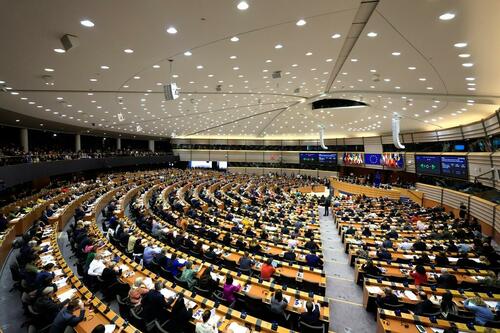
The European Parliament has taken a major step toward a far tougher migration regime, approving a new negotiating mandate for legislation designed to speed up the deportation of illegal migrants and tighten enforcement across the bloc.
In a vote on Thursday, MEPs backed the so-called Returns Regulation by 389 votes to 206, with 32 abstentions, clearing the way for talks with the European Council on a new legal framework governing the removal of illegal migrants who have no right to remain in the European Union.
The result was driven by support from a broad right-wing and center-right coalition, including the European People’s Party (EPP), the European Conservatives and Reformists (ECR), Europe of Sovereign Nations (ESN), and Patriots for Europe (PfE), illustrating how the balance of power on migration has shifted in Brussels.
The proposal is intended to overhaul the EU’s weak returns system, long criticized for allowing rejected asylum seekers and other illegal migrants to remain in Europe for years. When the regulation was initiated by the European Commission last year, Migration Commissioner Magnus Brunner summed up the scale of the failure when he said, “One out of five people who are told to leave the EU, actually leave the EU, and that is not acceptable.”
NEW: The European Parliament has voted in favor of progressing a stricter legal framework for the deportation of illegal migrants.
Migrants with a deportation order will be required to cooperate with the authorities to facilitate their return, and could be detained for up to two… pic.twitter.com/vvDPtgrg1B
— Remix News & Views (@RMXnews) March 26, 2026
The new framework would introduce stricter return procedures, longer detention in some cases, wider entry bans, and penalties for those who refuse to cooperate with their own deportation. It would also open the door to so-called return hubs outside the EU, an idea that was fiercely attacked by Brussels only a few years ago when Britain pursued a Rwanda plan, and Italy signed its Albania agreement.
Conservatives hailed the vote as a breakthrough. Charlie Weimers, vice chair of the ECR, called it a landmark moment for his party and for tougher border enforcement in Europe. “New, stricter return rules are the Sweden Democrats’ biggest negotiating success ever in the EU. It will soon be possible to send home those who are not supposed to be in Europe, and return hubs outside the EU will be made possible. The era of deportations has begun!”
EPP chairman Manfred Weber also stated, “Today we are clearly demonstrating that European solutions to take on illegal migration are possible. European citizens expect decisive action, and we are delivering. Anyone who does not have a right to remain in the EU must leave.”
French nationalist MEP Marion Maréchal presented the vote as a turning point for the right. “It was a historic step for the coalition of the right in committee, and it is now a victory in the plenary session of the European Parliament: the ‘return regulation’ for greater firmness toward undocumented migrants has been voted through by the MEPs. After adoption in trilogue, it will be up to the French government to take action!”
NEW: The European Parliament has voted in favor of progressing a stricter legal framework for the deportation of illegal migrants.
Migrants with a deportation order will be required to cooperate with the authorities to facilitate their return, and could be detained for up to two… pic.twitter.com/vvDPtgrg1B
— Remix News & Views (@RMXnews) March 26, 2026
In a press release, Patriots for Europe declared that “European voters have long demanded a fundamental shift in migration policy” and that “a first decisive step has been taken.” The group argued that the old Brussels approach had failed completely and said the new agreement would help restore control to national governments. “Crucially, this new agreement shifts the paradigm towards minimum harmonization,” it said. “Instead of imposing a rigid, one-size-fits-all dictate from Brussels, this framework returns control to the national capitals.”
Patriots for Europe also highlighted several measures it says will make the system far more effective, including “severe consequences for non-cooperation,” stricter detention rules, and an end to what it described as abuse of the appeals process to delay removals indefinitely. The group said the maximum detention period had been extended to 24 months and that migrants deemed security risks could now be placed in enhanced-security facilities or prisons.
Left-wing organizations reacted with alarm, accusing the EPP of joining forces with nationalist parties and abandoning the old parliamentary cordon sanitaire. The European Council on Refugees and Exiles (ECRE) said the decision would “normalize measures that stigmatize migrants” and weaken rights protections, while Amnesty International condemned what it called an “increasingly harmful and draconian direction” in EU migration policy.
This backlash, however, confirms how dramatically the debate has changed. Policies, such as remigration, once denounced as extreme, are now moving into the mainstream of EU law, and the focus in Brussels is no longer on managing migration flows, but on removing those who are not entitled to stay.
Tyler Durden
Mon, 03/30/2026 – 02:00
Global Demand Destruction: Subsidies, Empty Gas Stations, Rationing, Flight Cancelations, Export Limits, Price Controls
Global Demand Destruction: Subsidies, Empty Gas Stations, Rationing, Flight Cancelations, Export Limits, Price Controls
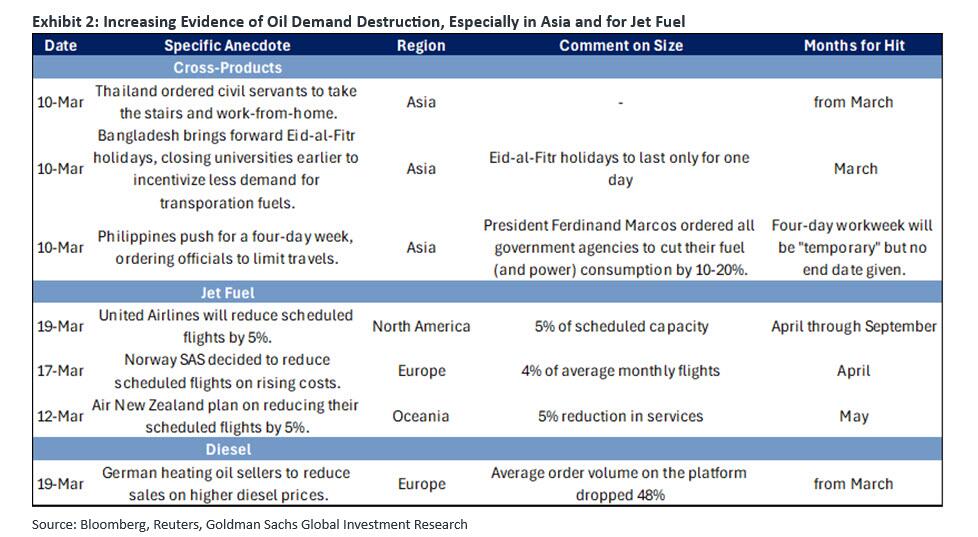
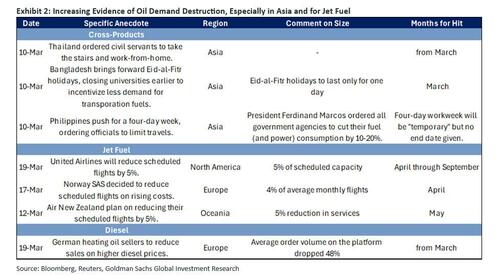
In the past two weeks we have discussed demand destruction as a result of soaring oil prices (here and here), and we are increasingly seeing anecdotal evidence of just that (here is a table from Goldman we showed previously, laying out where demand destruction is most acute).
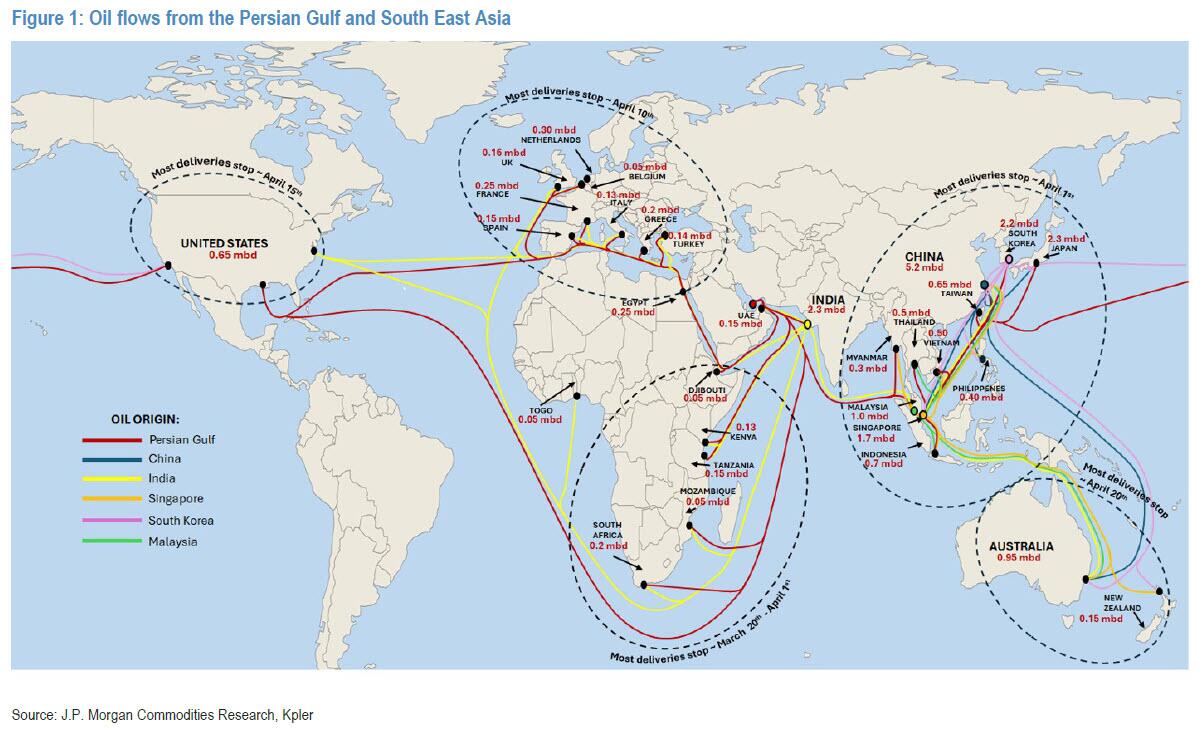
We start, as always, with Asia which has emerged as ground zero of the global energy crisis – as a reminder last week we first presented a map by JPMorgan’s resident commodity expert who how the shockwave from the Iran war spreads across the world, hitting Asia first, then Africa and Europe, before settling on the US, but mostly California.
According to UBS, a shortage of jet fuel in Asia and very high prices for what is available are now leading to greater flight cancellations. European jet fuel trades around $1713/tonne, up 114% since the war began. Singapore fuel is up around 140%. Both Vietnam Airlines and Air New Zealand have had to cancel flights due to limited fuel supply.
Let’s go down the list.
1. Panic buying prompts PM to reassure Australians over fuel supply (bbc)
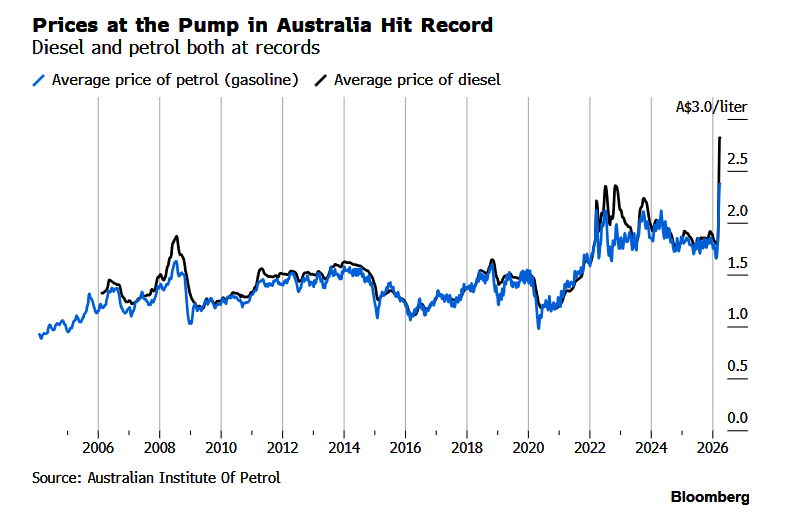
Australia will halve its fuel excise for three months from Wednesday after prices soared to a record last week as the impact of the Iran war spreads. Meanwhile, the average price of a liter of diesel jumped above A$2.82 last week, while petrol was almost A$2.40, both the highest in at least 20 years. The average price in rural regions like the Northern Territory was even higher, a blow to farmers and long-distance transport firms.
The temporary cut would reduce the price of petrol and diesel by about 26 Australian cents ($0.18) per liter, Prime Minister Anthony Albanese said at a press conference Monday in Canberra. “The longer this war goes on, the worse the impacts will be,” he said. The government will also reduce the heavy road user charge for the next three months, and delay the next planned increased in that charge by six months. The measures are expected to cost about A$2.55 billion and to lower CPI by 0.5 ppt, Treasurer Jim Chalmers said.
Albanese has sought to reassure Australians that the country’s fuel supply remains “secure” as prices soar and following reports of panic buying and petrol stations running dry since the start of the Iran war. There have been reports of truck drivers and other motorists stranded, while businesses say rising costs are affecting their viability. The government says demand and distribution issues have caused shortages rather than supply, which it says remains at the same level as before the war began.
In Cairns, Queensland, the BBC found a small independent garage that tells a pretty typical story in Australia. It has run out of unleaded petrol and the price of diesel is 85% higher than it was before the war in Iran started. In New South Wales, Australia’s most populous state, one in seven retailers say they are out of at least one type of fuel.
The price of diesel in Sydney has meanwhile risen to the 314.5 cents a litre as of Thursday, according to the National Roads and Motorists’ Association (NRMA), its highest ever price. Hundreds of petrol stations across the country have reported running out of at least one type of fuel this week. But shortages are due to people changing their buying habits, NRMA spokesperson Peter Khoury told the BBC. “People are filling up jerry cans of fuel and storing it in their garages,” he said.
“We’re hearing increasingly of transport companies telling their drivers that if you’re half full and you see diesel, buy it.”
2. Japan Says Oil Reserves for Domestic Use Amid Asia Pleas for Aid (bbg)
Japan’s trade minister said the country will sell oil from its reserves to domestic refiners as a general rule, signaling that the government isn’t currently planning to channel national supplies directly to other Asian nations seeking assistance.
“Regarding the sale of strategic petroleum reserves, we are certainly targeting domestic oil and refining companies,” Trade Minister Ryosei Akazawa said Friday, pointing out that they were legally established to secure Japan’s own energy supplies. “However, the situation may differ somewhat for joint reserves with oil-producing countries. We intend to closely monitor developments and make appropriate decisions on a case-by-case basis.”
Other Asian countries are facing similar oil supply challenges. The Philippines and Vietnam have reportedly sought support from Japan, which holds some of the world’s largest oil reserves. In addition to its own reserves, Japan also has reserves held with oil producing nations like Saudi Arabia, the United Arab Emirates and Kuwait.
Akazawa said he is well aware of the Philippines’ dire situation, noting that its reserves are far smaller than Japan’s while it relies heavily on the strait to secure oil, as Japan does.
3. Japan to relax rules from April to boost coal-fired power amid LNG import risks (reuters)
Japan’s industry ministry will relax rules for one year to increase the use of coal-fired power plants in the fiscal year starting April, as the U.S.-Israel war with Iran adds uncertainty to liquefied natural gas imports, it said on Friday. Japan takes delivery of some 4 million metric tons of LNG annually – or around 6% of its total imports – via the Strait of Hormuz, which has been effectively closed due to the war.
“There is increasing uncertainty about future LNG procurement. We believe that it is necessary to increase the operation of coal-fired power plants and save LNG fuel,” an industry ministry official told a special government panel. The Ministry of Economy, Trade and Industry proposed suspending for one year its 50% cap on the capacity utilisation rate of coal-fired power plants with generation efficiency below 42%.
LNG consumption could then fall by about 0.5 million tons a year, or slightly more than 10% of the LNG it imports via the Strait of Hormuz, according to a METI’s estimate. The ministry will implement the change from April 1 as an emergency measure and there were no objections from the panel members, the official told Reuters.
Japan has an LNG stockpile of around 4 million tons, METI data showed. Its thermal power generation largely depends on LNG and coal, with a small portion covered by oil, with electricity also being generated from nuclear power and renewable energy. So far, Japan has restarted 15 nuclear power reactors of 33 which remain operable after the Fukushima Daiichi disaster in 2011.
4. India Slaps Taxes on Fuel Exports as Iran War Jolts Supply (bbg)
India has announced a series of tax changes including a levy on fuel exports, as the country tries to shield consumers from the impact of a deepening conflict in the Middle East that has upended energy supply. The South Asian nation imposed a 21.5 rupee (23 cents) per liter duty on exports of diesel and 29.5 rupees on jet fuel, Finance Minister Nirmala Sitharaman said in a post on X. “This will ensure adequate availability of these products for domestic consumption,” she said.
India has also slashed taxes on locally sold gasoline and diesel by 10 rupees per liter each, a reduction intended to help keep prices stable at the pump.
As the third-largest oil consumer, India is among the countries most impacted by the war in the Persian Gulf and the closure of the Strait of Hormuz, which connects the region with the wider world. It has seen acute shortages of liquefied petroleum gas, used for cooking, and of liquefied natural gas. The country raised LPG prices earlier this month and subsequent speculation around a likely increase in pump prices of diesel and gasoline has led to panic buying, with people lining up outside forecourts.
The energy crunch comes at a delicate time for a price-sensitive country, with elections in key states where Prime Minister Narendra Modi’s Bharatiya Janata Party is looking to expand its foothold. Opposition parties have been pressing for more forceful measures to address the fuel crunch. Madhavi Arora, an economist at Emkay Global Financial Services, estimates the government’s annualized revenue loss from tax cuts at about 1.55 trillion rupees ($16.4 billion).
Diesel and jet fuel together form a significant portion of India’s refined product exports. Last month, India supplied around 500,000 barrels a day of the two products combined, out of the roughly 1.2 million barrels a day of fuels exported, tanker trading data from intelligence firms Vortexa and Kpler showed.
The government will lose 70 billion rupees every fortnight due to the excise duty cut, Vivek Chaturvedi, chairman of the Central Board of Indirect Taxes and Customs, told reporters at the daily government briefing on the situation. However, it expects to collect about 15 billion rupees over the same period from export taxes levied on jet fuel and diesel, he said.
5. Thailand Tightens Fuel Pricing, Supply Disclosure Amid Shortages (bbg)
Thailand is tightening oversight of fuel pricing and supply as authorities ramp up efforts to address shortages across parts of the country. Refineries must display selling prices at their sites along with current inventory levels, under new directives outlined by the Energy Ministry late Thursday. Traders are required to adhere to declared prices and cannot charge above government-set levels, it said.
The Southeast Asian country has faced fuel shortages in several provinces as the Middle East conflict drives up global oil prices, widening the gap between subsidized domestic rates and international markets. Fears of tighter supplies have sparked panic buying, particularly of diesel, despite government assurances that stocks can last about 100 days. While authorities have taken steps to shore up supplies to retail outlets, many pumps have had to ration fuel as agriculture and industrial users queued up with jerry cans along with commuters to buy diesel.
Diesel demand has jumped to about 87 million liters per day from an average 67 million liters before the start of the conflict, according to the ministry. The government has already raised retail prices to ease pressure on subsidies. However, even after Thursday’s increase, it is still subsidizing diesel at 19 baht (58 US cents) per liter, pushing the oil subsidy fund’s deficit to about 38 billion baht, acting Energy Minister Auttapol Rerkpiboon said.
6. Vietnamese Airlines Slash Flights From April on Jet Fuel Crunch (bbg)
Vietnamese airlines will significantly reduce flights and scale back operations from April as soaring jet fuel prices and supply constraints squeeze the industry, prompting carriers to focus on core routes as the Middle East conflict drags on. Vietnam Airlines, the national carrier, will suspend seven domestic routes from April 1, according to a document from the Civil Aviation Authority of Vietnam. The airline plans to cut 10-20% of its flights per month in the next quarter if jet fuel reaches $160-$200 per barrel, the document said. That could mean up to 18% of its international flights being canceled and up to 26% on domestic routes.
Low-cost carrier Vietjet Air is targeting an 18% reduction in total capacity in April, including a 22% cut in domestic flights and an 11% reduction in international routes, the document said. Bamboo Airways passengers are expected to see the biggest disruption in April, with flights halved to 15–17 per day.
Vietnam has moved to shore up energy security after severe disruptions to oil and gas flows through the Strait of Hormuz, prompting the government to tap its emergency fuel fund to stabilize prices. The country’s two domestic refineries meet around 70% of its domestic demand, but more than 80% of its crude imports come from Middle East.
The government announced on Friday it will temporarily freeze some taxes on gasoline, oil and jet fuel until April 15 as an ‘urgent’ move to stabilize the domestic market and ensure national security due to the ongoing conflict
7. Asia employs energy price control and subsidies (WoodMac)
Asian governments have rapidly deployed an unprecedented array of cushions to protect the hardest-hit sectors and consumers. But such interventions come at a staggering cost and, if oil prices remain high, some Asian governments will soon hit fiscal breaking point.
Asian countries are trying to prevent a repeat of the 2022 cost-of-living crisis. Beyond demand-side management, Asian governments have shifted from market pricing for oil products to aggressive intervention. A plethora of policy responses are being rolled out across the region. Most, though, amount to pretty much the same thing – subsidies for consumers.
Price caps at the pump are the go-to lever, with governments compensating losses through a variety of mechanisms. In Indonesia, losses by national oil company (NOC) Pertamina will be recovered by government compensation later; Japan and Malysia have a similar scheme for their refiners and fuel suppliers. In Thailand and Vietnam, oil company losses are currently made good from dedicated funds – though the longevity of these funds is already being tested. China, meanwhile, has a US$130/bbl crude price ‘cap’ on refined product prices that refiners can pass through to customers. Perhaps in anticipation of higher prices, China introduced subsidies on diesel and gasoline this week despite the cap not being breached.
India has a twist on the theme. The government moved fast to freeze retail prices but the state-owned oil marketing companies initially have to absorb the losses. Once these become unsustainable, the central government intervenes by cutting taxes, essentially sacrificing tax revenue to keep the pump price stable.
The affordability of current subsidy schemes varies greatly by country. Thailand and Vietnam have tapped into budget rainy-day funds to make subsidy payments. But Thailand’s fund is already in deficit, while Vietnam’s will be fully drawn by early April under the current subsidy scale. Expanded fiscal deficits look near-certain through 2026 across much of Asia. If Brent averages US$100/bbl for four months, India is hit hardest among Asia’s major economies: we estimate a cost equivalent to 0.7% of GDP and 7.2% of government revenue in fiscal year 2025-26. Indonesia is in danger of breaching its legal limit of 3% on its fiscal deficit if subsidy payments persist
On to Africa…
8. Kenya Plans to Stabilize Fuel Price as Outages Hit Some Stations (bbg)
Kenya plans to stabilize fuel prices as some stations run out of supply in the East African nation that typically depends on Middle East imports to meet demand. Vitol Group’s Vivo Energy, the biggest retailer in the country, said Thursday in a post on X that increased fuel demand resulted in temporary outages at some of its outlets. Kenya’s Treasury Secretary John Mbadi the same day outlined initial measures to be taken by the government to keep petrol and diesel prices from surging.
Kenya will utilize its petroleum development levy to cap pump prices, though a lengthy war could become an emergency, Mbadi told lawmakers in the capital, Nairobi. “It is my hope that we will not see this war prolonged for another month or so.”
Many African economies, particularly in East and Southern Africa where the Middle East is a major exporter, are running on weeks of stored refined products as the Iran war chokes shipments through the Strait of Hormuz. Governments have this week sought to reassure residents that there are sufficient stocks and asked them not to hoard fuel.
Kenya’s outlying gas stations have been the first to dry up as major oil companies are holding back from wholesaling product that would normally be distributed, according to a lobby group of independent operators.
“Rural stations are the worst hit — we can’t get product at competitive prices,” said Martin Chomba, chairman of the Petroleum Outlets Association of Kenya. About 68% of Kenya’s 6,200 gas stations are non-franchised and a “substantial number are not able to access products,” he said.
… and Europe
9. Czechs May Cap Fuel Margins as Premier Slams Retail Prices (bbg)
The Czech government said it’s considering regulating retail margins at gas stations after Prime Minister Andrej Babis criticized the two largest fuel distributors in the country for what he called “outrageous” prices at the pumps. Local media have reported that cost of petrol and diesel in the Czech Republic has shown one of the biggest jumps in the European Union since the outbreak of the war in Iran. While several nations in central and eastern Europe have adopted measures to ease the impact of surging oil on households and businesses, the Czech government rejected opposition proposals to lower excise taxes because of the impact on budget deficit.
“Instead, we are prepared to do something actually effective, and that is for instance regulating margins at the pumps,” Finance Minister Alena Schillerova said in a post on X Friday. “This option and other steps will be the main topic at the government meeting on Monday.”
The premier, a chemicals and agriculture billionaire who returned to power last year, urged Poland’s Orlen SA and Hungary’s Mol Nyrt to lower their prices immediately. “I’m asking you not to abuse the current situation in supply of fuels caused by the Iran crisis,” Babis said in a video on his Facebook account.
Officials in Prague previously stated they wouldn’t cut fuel taxes to ease the hit from energy shock, saying such a move wouldn’t guarantee lower retail prices. Orlen Unipetrol, the Czech unit of the Polish group, is operating in line with the law and its prices are set by the market, the CTK newswire reported, citing spokesman Pavel Kaidl. A spokesman for Mol’s Czech unit told the Seznamzpravy news website that fuel prices are determined mainly by oil prices on international markets, while taxes also have a significant influence.
10. Poland Plans Fuel Tax Cuts to Shield Consumers From High Prices (bbg)
Poland is joining a group of countries that shield consumers from surging fuel prices with a plan to cut taxes and cap prices at the pump, according to Prime Minister Donald Tusk. The government will reduce the value-added tax and excise levies on fuels as well as impose a cap on retail prices that will be set daily in line with wholesale levels, Tusk told a news conference on Thursday.
The moves, which need parliamentary approval, are expected to slash fuel costs by 1.2 zloty ($0.32) per liter and could take effect by Easter, Tusk said. The cabinet is also preparing windfall tax on fuel refiners — a measure that’s set to impact Polish energy champion Orlen SA, the largest company in Warsaw’s benchmark WIG20 stock index. Its shares have lost as much as 6.7% in the wake of the announcement.
The oil-importing nation has seen one of the sharpest increases in fuel prices among European Union members since the start of the Iran war. Unleaded gasoline costs have jumped 22%, while diesel by 40%, according to European Commission data. This compares with average increases of around 15% for gasoline and 26% for diesel across the 27-nation bloc.
* * *
And as the global shockwave from the Iran war gets more acute, expect the response from officials and authorities to become increasingly more panicked.
Tyler Durden
Sun, 03/29/2026 – 23:38

Birthright Citizenship Is National Suicide
Birthright Citizenship Is National Suicide
Authored by Daniel Greenfield via The Gatestone Institute,
Last year the Trump administration designated Mexico’s Jalisco New Generation Cartel (CJNG) as a terrorist group, allowing the military to carry out strikes against it and its leadership, but the massive drug cartel across the border understands the weaknesses of our system all too well.
That’s why its new leader has American citizenship.
Law enforcement, intelligence agencies and the military will have to jump through all sorts of legal hoops to spy on, target or take out Juan Carlos Valencia Gonzalez, who has a $5 million bounty on his head, but he has the best protection in the world because he was born in California.
The new cartel leader’s drug-dealing Mexican parents had a baby in America. That child became a US citizen who runs a Mexican drug cartel that the government has designated as being at war with the United States, and yet we can’t simply remove his citizenship.
And targeting the cartel boss without removing his citizenship will set off wails from Democrats and the Tucker Carlson wing of the GOP, who still whine that the United States took out Anwar Al-Awlaki, the head of Al Qaeda’s Yemeni operation, a sworn enemy of America, who happened to be born here when his father, a grad student, was in New Mexico on a Fulbright scholarship.
Americans of a century ago would have been baffled that foreign enemy leaders who happened to be born to foreign nationals in this country were somehow immune to being killed in battle or that their citizenship couldn’t be quickly and easily removed. Back then most of our modern problems were unthinkable because committing treason, aligning with any foreign government, including joining its army or voting in its elections, marrying a foreigner or just returning to your home country meant denaturalization. (As did dodging the draft or deserting from the military.)
Had the common-sense provisions of the Expatriation Act of 1907 or even the milder Nationality Act of 1940 been in force today, we wouldn’t have the farce of cartel and terrorist leaders who still hold our citizenship, active traitors with citizenship, “refugees” who spend most of their time back home or a Somali senator linked to fraud who is still voting in Minnesota elections.
Under these provisions, Bill Clinton would have lost his citizenship, and the “refugees” and “migrants” who maintain homes abroad, the women who marry foreign nationals for cash to give them citizenship, and the anchor baby would be as extinct as the dodo.
Unfortunately, a series of poorly grounded Supreme Court decisions unconstitutionally seized the powers of the executive and legislative branches to withdraw citizenship on most grounds based on a misreading of the notoriously poorly written Fourteenth Amendment.
The Warren Court’s deliberate misreading of the Fourteenth Amendment’s awkward attempt to define all black people as citizens, “all persons born in the United States and not subject to any foreign power… are declared to be citizens,” somehow trumped the clear language of Article I, Section 8, Clause 4 that Congress has the power “to establish an uniform Rule of Naturalization”. In a series of bad decisions, Supreme Court rulings argued that serving in a foreign military, desertion, marrying foreigners, and voting abroad did not merit denaturalization.
These rulings relied on now widely discredited premises, such as defining the Constitution’s “cruel and unusual punishment” term as being anything that the justices disapproved of, and “evolving standards of decency” which allowed judges to redefine the law to fit liberal mores.
These abuses of judicial activism that reached their peak during the Warren Court also gutted the constitutional powers of Congress and made denaturalization a dead letter in the law.
By the time Kennedy v. Mendoza-Martinez held that a Mexican born in the United States who returned to Mexico to avoid military service couldn’t be stripped of his citizenship because it violated his due process, denaturalization was a dead letter that could hardly be utilized except for naturalization fraud by immigrants who had lied about not committing war crimes abroad.
This was not strictly true because the provisions punishing treason or allegiance to an enemy power with denaturalization are theoretically still in effect, but administrations haven’t had the stomach to try them out. The Trump administration may be willing to take on “treason citizenship” and a more conservative Supreme Court may be willing to overturn Earl Warren.
Indeed, even the Fourteenth Amendment had emphasized “not subject to any foreign power”.
Both the left and the right tend to misunderstand “birthright citizenship.” The Fourteenth Amendment’s accidental introduction of the foreign concept into American law helped demolish citizenship as a meaningful participatory act rather than the involuntary one it was elsewhere.
“Birthright citizenship” is neither an immigrant ideal nor “magic dirt.” Rather it was the principle of “Jus Soli” or “Right of the Soil,” which, in British law, was limited to those “born under the obedience, power, faith, ligealty or ligeance of the King”. America’s founding principles were highly skeptical of both notions that were rooted in monarchial, rather than republican principles.
Monarchy made everyone born under the jurisdiction and sovereignty of the Crown into a “subject”. Allegiance to the Crown was not voluntary the way that it was in America. That was why the Founding Fathers, including Thomas Jefferson, labored to defend the right of “expatriation” which still remains the only unquestioned form of denaturalization.
The American Revolution was predicated on the idea of citizenship as a voluntary action rather than an involuntary compact created by a place of birth. The growing intrusion of “Jus Soli” began with the Fourteenth Amendment, which, rather than quickly naturalizing freed black slaves, clumsily made everyone born here and “not subject to any foreign power” citizens.
By the late 19th century, the Supreme Court had begun dismantling any meaningful limitations on citizenship, with United States v. Wong Kim Ark embracing the British notion that the sovereignty under which a child was born made him a citizen. But if sovereignty makes a child a citizen, then Anwar Al-Awlaki and Juan Carlos Valencia Gonzalez are fully American.
And that’s not only absurd; it’s national suicide.
The prototype for American citizenship is neither “Jus Soli” nor the “Sovereignty of the Crown,” but the concluding words of the Declaration of Independence, in which we “pledge to each other our Lives, our Fortunes and our sacred Honor.” A nation built on anything else is either a tyranny or an absurdity. Some on the left and the right now argue for tyranny or absurdity.
Birthright citizenship is not a liberal idea but an illiberal one. It was liberal only relative to the even more illiberal idea that citizenship came from personal allegiance to a monarch. America was based on neither tyranny nor absurdity, but a voluntary community of mutual allegiance that it is possible to join and to withdraw from, and to be tossed out of and barred from for disloyalty.
Past Supreme Court decisions reversed the tyrannical one-way allegiance of monarchy and instead replaced it with a one-way allegiance in which the state was obligated to do everything for the citizen, but nothing at all was required from the citizen. Not even allegiance. Even asking them not to run terrorist organizations and drug cartels at war with America is asking too much.
No nation can survive on such principles.
America is not a monarchy or a tyranny, and there are legitimate concerns about giving the state the easy power to strip away citizenship, but if citizenship can’t even be removed from the people who pledge allegiance to Al Qaeda and ISIS, then, to paraphrase President John F. Kennedy, what does it ask of us to do for our country, and what does it even mean beyond a set of legal complications?
The only pathway to reviving America is to make citizenship into a meaningful act of allegiance, not an accident of birth. Immigration in this regard is not the problem; immigration without allegiance is the real crisis, but so is the citizenship without allegiance of the likes of Bill Ayers of the “Weather Underground” who can trace his ancestry back to John Ayer, who came to this country from England in 1635 and was one of the original settlers of some of the Puritan towns.
America needs to exercise the traditional ability it once had to make citizenship meaningful by also making it selective, controlling immigration, ending the automatic grants of citizenship for happenstance births, and once again making citizenship conditional on ongoing allegiance.
Anything else is not citizenship; it’s a national death wish.
Views expressed in this article are opinions of the author and do not necessarily reflect the views of ZeroHedge.
Tyler Durden
Sun, 03/29/2026 – 23:20
https://www.zerohedge.com/political/birthright-citizenship-national-suicide
LNG Crisis From Bad To Worse As Storm Damage Adds Weeks To Restart Of Chevron Wheatstone Plant
LNG Crisis From Bad To Worse As Storm Damage Adds Weeks To Restart Of Chevron Wheatstone Plant
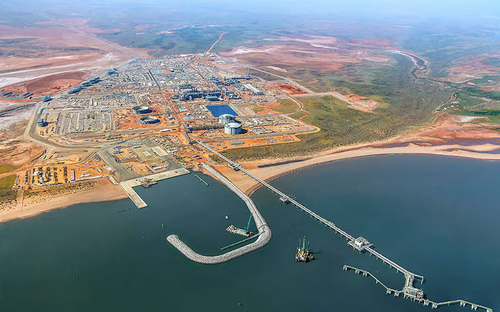
The perfect storm surrounding the global LNG supply chain, which hit a brick wall two weeks ago when Iranian attacks shuttered 17% of Qatar’s LNG output following devastating strikes on the Ras Laffan plant, the largest in the world, just went from metaphorical to literal after storm damage to Chevron’s Wheatstone gas plant in Western Australia is hampering efforts to restart operations and the facility won’t be back online fully for weeks, adding even more turmoil to the global LNG market.
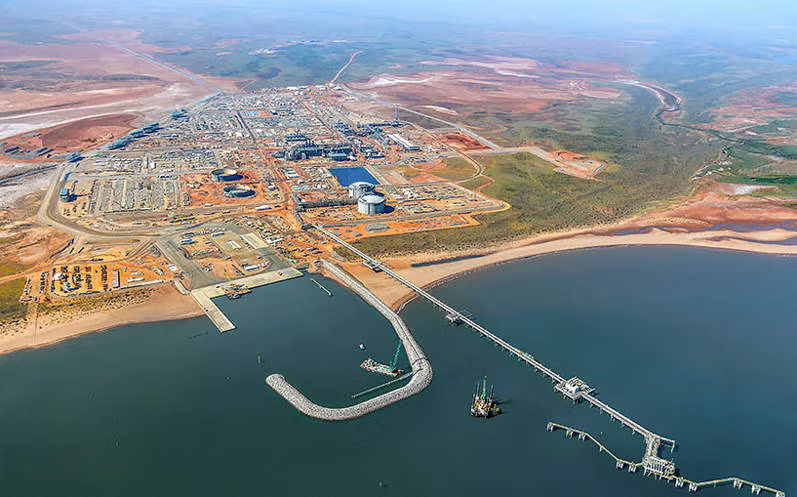
Wheatstone gas plant, Australia
As Reuters reports, tropical Cyclone Narelle was estimated to have disrupted Australian LNG facilities along the northern and western coasts, and disrupted supply equating to more than 30 million metric tons per year. Combined with the shock from conflict in the Middle East, more than a quarter of global LNG supply has been disrupted, MST Marquee analyst Saul Kavonic said on Friday.
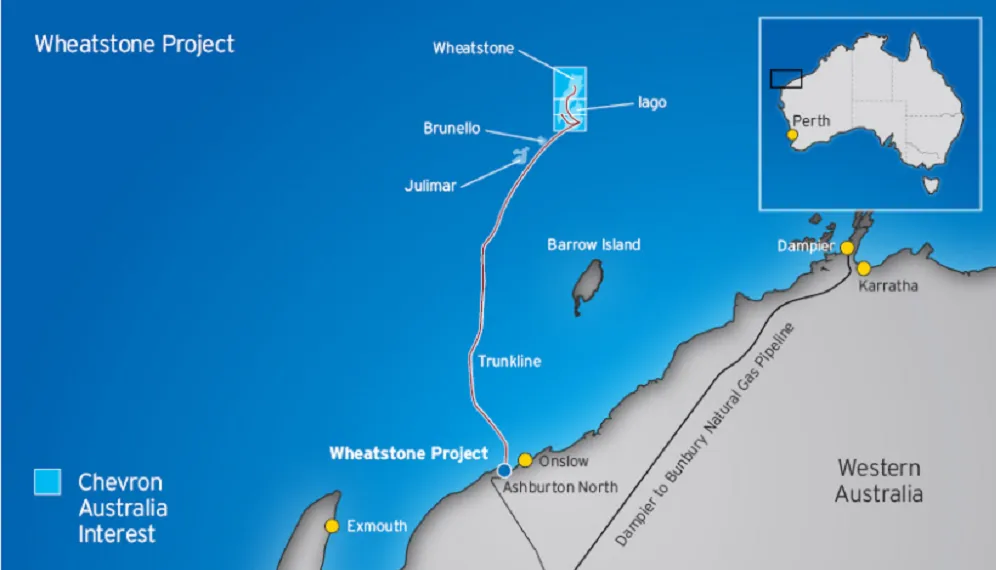
“The Wheatstone gas facility near Onslow has had equipment damage from the severe weather, which has impacted restart activities,” Chevron said in a statement, adding that “while damage assessments continue at both the onshore Wheatstone plant and offshore Wheatstone Platform, it is likely to be a number of weeks before production returns to full rates to allow time for repairs to be safely completed.”
As we reported last week, Chevron said earlier in the week that one of three LNG production units at its Gorgon plant was halted, as well as a platform that feeds Wheatstone, which is a two-train LNG project which produces 8.9 million tons a year, about 15% of which is meant to be reserved for the domestic market. On Sunday it said the 15.9 million ton Gorgon LNG export facility and domestic plant continued to operate at full rates, adding that all of its three trains returned to full production on Sunday.
The storm also hit infrastructure feeding Woodside Energy Group’s North West Shelf export plant. The company said it’s working to resume normal operations, and output continues at its Macedon and Pluto gas facilities.
Woodside also said ship loading at Pluto LNG is restarting following the reopening on Saturday of Dampier port.
Gorgon, Wheatstone and North West Shelf accounted for almost half of Australia’s exports last month, or about 8.4% of the global trade, according to researcher EnergyQuest.
Australia became the world’s second-largest LNG exporter when Qatar shut down production this month after Iranian airstrikes damaged its facilities. The country most impacted from the Australian outage will likely be China, which following the Qatar force majeure production halt has been forced to rely on Australian product to a far greater degree.
Tyler Durden
Sun, 03/29/2026 – 22:45
US To Let Russian Oil Tanker Deliver Fuel To Cuba: Report
US To Let Russian Oil Tanker Deliver Fuel To Cuba: Report
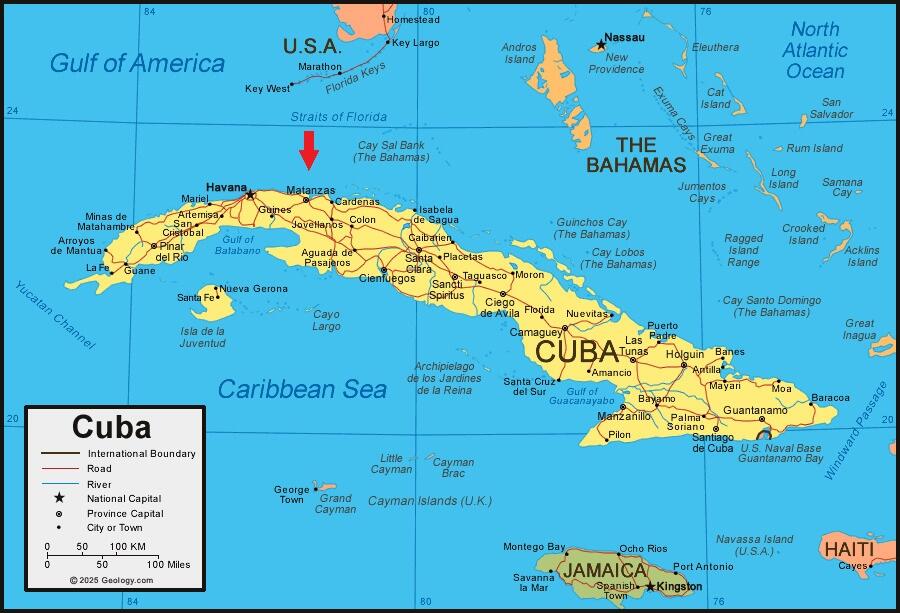
A week after Russian tankers loaded with fuel for Cuba were diverted due to a months-long US oil blockade, the US Coast Guard is permitting a Russian vessel carrying an estimated 730,000 barrels of crude oil to reach Cuba, the NY Times reports, citing an official briefed on the matter.
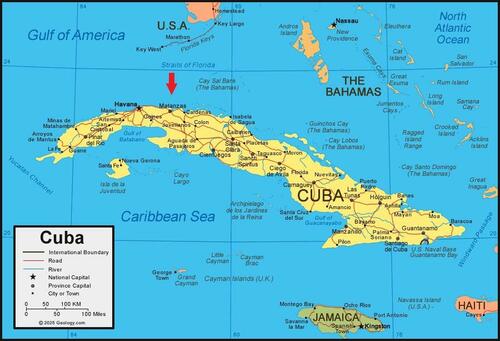
The tanker – Anatoly Kolodkin – owned by the Russian state-controlled shipping company Sovcomflot under U.S. sanctions since 2024 – left Primorsk, Russia on march 9, and is now expected to dock at the port of Matanzas as early as Monday night or Tuesday.
This development marks a notable pause in the administration’s “maximum pressure” campaign, which has included threats to third-party nations, the escorting of at least one earlier tanker away from Cuba, and recent Treasury Department measures explicitly barring Cuba from any waivers on Russian-origin oil. Despite two U.S. Coast Guard cutters positioned in the region capable of interception, no orders were issued to stop the vessel. The Coast Guard referred questions to the White House, which did not respond.
The decision avoids an immediate and potentially thorny naval confrontation with Russia in the Caribbean, even as President Trump has publicly suggested military options toward Cuba. At a recent investment conference, Trump stated he believed he would have “the honor of taking Cuba” and added, “Cuba is next, by the way,” in reference to possible use of force after the Iran conflict. Secretary of State Marco Rubio has similarly called for new leadership in Havana, stating that “Cuba’s economy can’t change unless their system of government changes.”
NOW: Trump on Cuba: “Within a short period of time, it’s going to fail, and we will be there to help it out.” pic.twitter.com/ssPdCmDraq
— Bruce Snyder (@realBruceSnyder) March 30, 2026
Temporary Relief for a Collapsing Energy Grid
The arrival could buy Cuba at least a few weeks of breathing room before its fuel reserves are exhausted again. The island has suffered repeated nationwide blackouts – including one lasting 29 hours in March – severe gasoline and diesel shortages, paralyzed agriculture and transportation, and deteriorating medical services. Diesel, the most critical product from this crude once refined, powers trucks, tractors, and many smaller power plants; shortages have even left humanitarian aid stranded in warehouses. Meanwhile, waste has been piling up.
Energy analyst Jorge Piñón of the University of Texas told the Times that the cargo will take roughly three weeks to refine and another week to distribute nationwide. While not a permanent fix, it should help stabilize the grid, reduce blackouts, and support essential government functions, including security forces. Cuba already generates about 40% of its electricity from domestic crude and has accelerated solar installations, but the remaining capacity relies heavily on imported diesel and fuel oil. Piñón estimates the Russian oil could be consumed in under a month, with some reserved for strategic needs. “It buys them time,” he said, “but this is not a magic wand.”
Earlier attempts at relief have faltered: another Russia-origin vessel (the Sea Horse, carrying diesel) diverted and remains in Venezuelan waters without discharging its cargo. Cuba has received only minimal fuel imports in 2026 amid the tightened blockade, which intensified after the U.S.-backed change in Venezuela’s leadership.
Cuban officials, including Deputy Foreign Minister Carlos Fernández de Cossío, have signaled resolve, stating the military is preparing for possible aggression while hoping it does not occur. Former Cuban diplomat Carlos Alzugaray observed that the Trump administration appears to expect the Cuban government to collapse under pressure, but Havana believes it can endure – and has been negotiating, apparently.
Tyler Durden
Sun, 03/29/2026 – 22:10
https://www.zerohedge.com/geopolitical/us-let-russian-oil-tanker-deliver-fuel-cuba
Leading Democrat Calls For Reparations For Illegal Immigrants
Leading Democrat Calls For Reparations For Illegal Immigrants
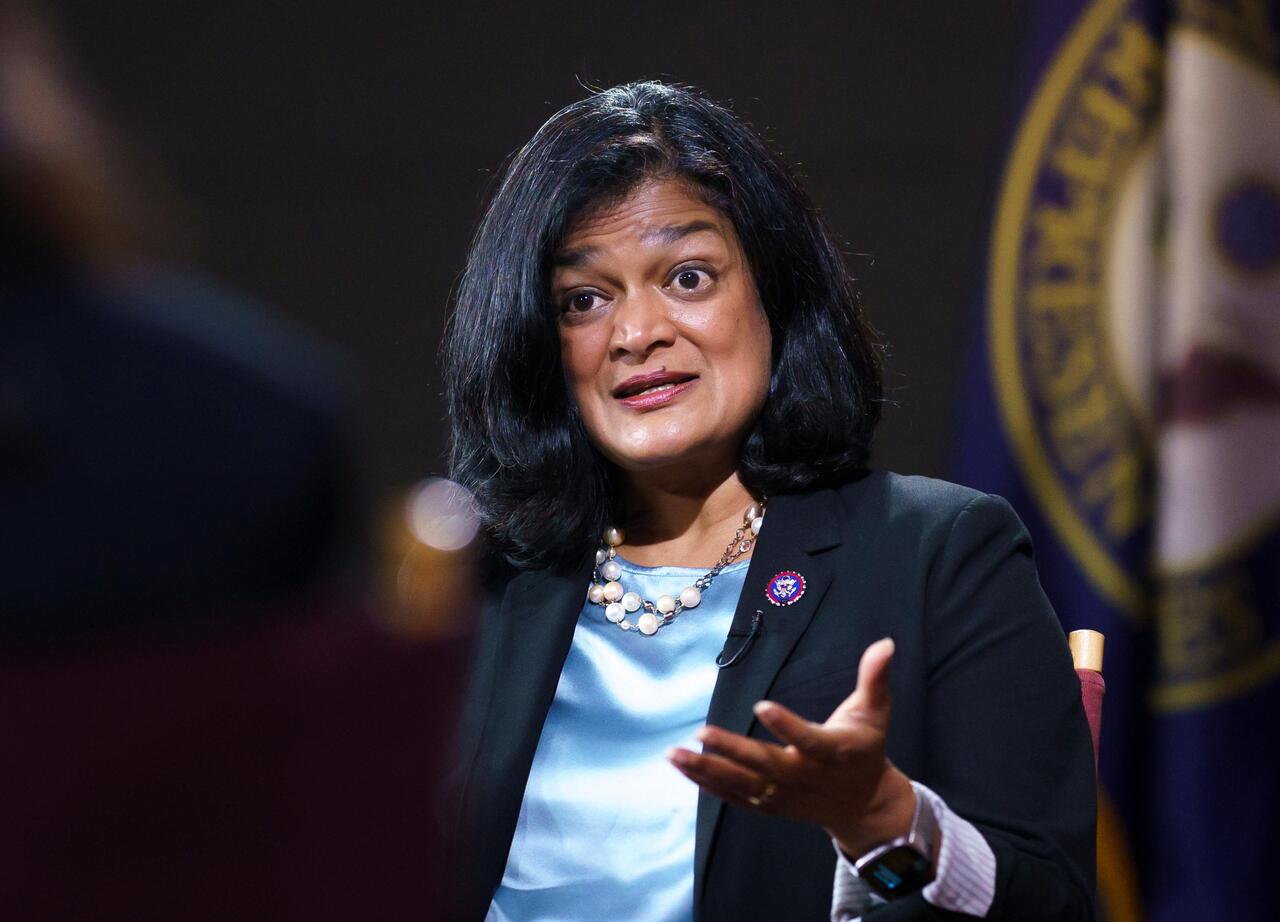
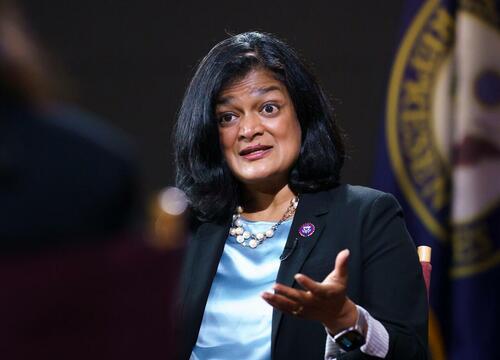
As Chicago and other blue cities move toward reparations for African Americans, Rep. Pramila Jayapal (D, Wa.) wants reparations for illegal immigrants for the trauma caused by immigration enforcement.
At the same time, various Democrats are making clear that they want to entirely defund and eliminate Immigration and Customs Enforcement.
So, after the Biden Administration allowed in millions over an open border, Democrats would eliminate ICE and some like Jayapal would pay illegal immigrants reparations.
Rep. Jayapal declared on Friday:
“They need to be brought before us, and they need to be held account [sic] for the trauma that they have created, and we are going to have to have some form of reparation for the kids and the families that have been traumatized through all of this.”
While not calling for reparations, other democrats have picked up the theme that someone has to pay for the trauma caused by immigration enforcement.
Rep. Maxine Dexter (D, Or.) echoed the mantra of Democratic members that “The administration has terrorized our communities and mine in the Willamette Valley.”
Rep. Christian Menefee (D-TX) told constituents, “I can’t imagine seeing my kid in a jail cell just because of where he was born, just because of what language he speaks at home.”
Jayapal fought back tears in her “shadow hearing” on Friday after calling for reparations, stating, “I still cannot believe that we are doing this to our own children.”
U.S.-born President Donald Trump is the outsider, Jayapal argued:
“When the founders put into the Constitution the idea that Congress would have power, they assumed that the party that was in control of Congress would stand up to a dictatorial, authoritarian president.”
Jayapal did not mention the many American children killed by what she called “our” migrants.
The question becomes, if more groups get reparations, when does this become a form of wealth redistribution?
Indeed, according to these members, much of the country has been traumatized by the Trump Administration.
What is missing in cities like Chicago facing economic meltdowns is any notion of financial limits.
Instead, Democrats are pushing tax hikes and wealth taxes to cover bloated budgets and growing deficits.
Tyler Durden
Sun, 03/29/2026 – 21:00
https://www.zerohedge.com/political/leading-democrat-calls-reparations-illegal-immigrants