Category: News
Registros vistos por AP revelan vigilancia en línea y arrestos en redada migratoria en Nueva Orleans
Por JIM MUSTIAN y JACK BROOK
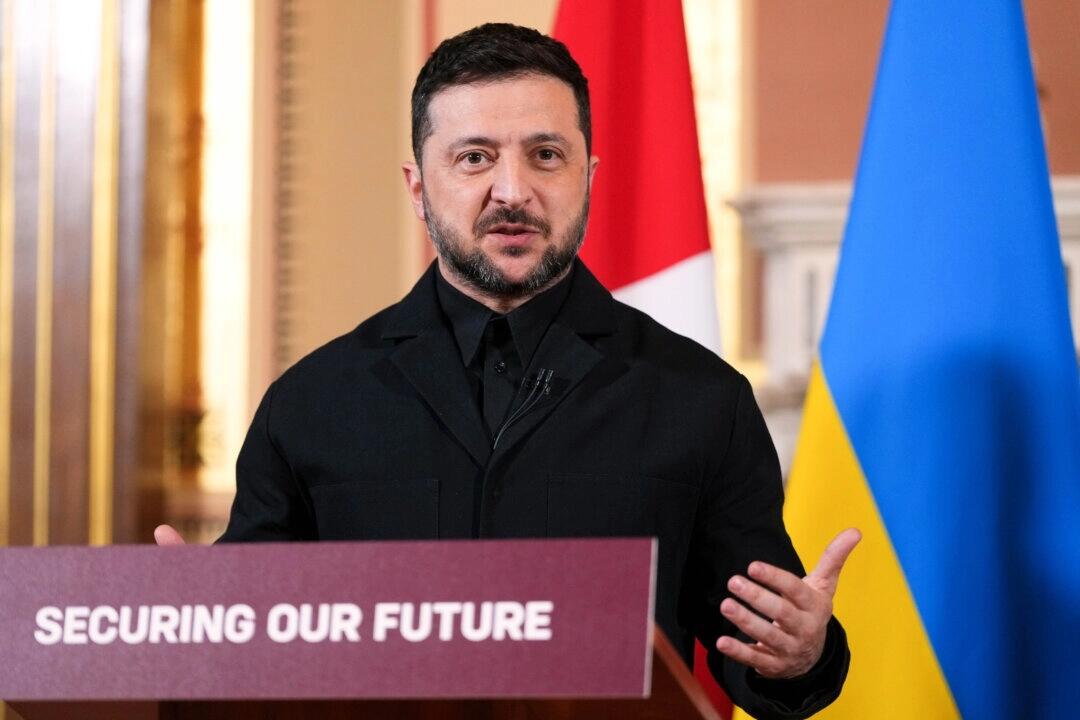
NUEVA ORLEANS (AP) — Las autoridades estatales y federales están siguiendo de cerca las críticas en línea y las protestas contra las redadas migratorias en Nueva Orleans, monitoreando las 24 horas los foros de mensajes para detectar amenazas a los agentes al tiempo que recopilan actualizaciones regulares sobre el “sentimiento” público en torno a los arrestos, según registros de las fuerzas policiales revisados por The Associated Press.
La recopilación de inteligencia se produce incluso cuando las autoridades han divulgado pocos detalles sobre los primeros arrestos realizados la semana pasada como parte del operativo “Catahoula Crunch”, lo que ha provocado exhortos a una mayor transparencia por parte de las autoridades municipales que afirman que se les ocultaron prácticamente todos los aspectos de la operación.
“Las opiniones en línea siguen siendo mixtas, con algunos apoyando los operativos y otros en contra”, afirmó un informe distribuido a las fuerzas del orden el domingo por la madrugada. Boletines anteriores señalaron “una combinación de grupos instando a la población a grabar a ICE y la Patrulla Fronteriza” y el revelar las “ubicaciones adicionales donde los agentes pueden encontrar inmigrantes”.
Las autoridades de inmigración han insistido en que las redadas están dirigidas a “extranjeros ilegales criminales”. Pero los registros de las fuerzas del orden detallan antecedentes penales para menos de un tercio de las 38 personas arrestadas en los primeros dos días de la operación.
Líderes locales dijeron a la AP que esos números —que se advirtió a los funcionarios de las fuerzas policiales que no distribuyeran a los medios— socavan el objetivo declarado de la redada. También expresaron su preocupación de que la vigilancia en línea sea una violación a la libertad de expresión al tiempo que las autoridades amenazan con acusar a cualquiera que interfiera con la aplicación de la ley de inmigración.
“Confirma lo que ya sabíamos: esto no se trata de seguridad pública, se trata de fomentar el caos y el miedo y aterrorizar a las comunidades”, sostuvo el senador estatal Royce Duplessis, un demócrata que representa a Nueva Orleans. “Está fomentando una narrativa enfermiza de estereotipos de que los inmigrantes son violentos”.
El Departamento de Seguridad Nacional de Estados Unidos (DHS, por sus siglas en inglés) no respondió a preguntas sobre la recopilación de inteligencia y remitió a la AP a un comunicado de prensa anterior que anunciaba “docenas de arrestos”. La agencia no ha publicado un recuento de los detenidos arrestados ni de sus antecedentes penales.
Pocos de los arrestados tenían antecedentes penales violentos
El DHS ha detallado públicamente sólo seis arrestos derivados de la operación, todas personas con antecedentes penales, incluyendo a un hombre que dijeron vagamente que fue condenado por “homicidio” y otro condenado por agresión sexual.
La agencia, que tiene varios cientos de agentes en el terreno en el sureste de Luisiana, ha afirmado que tiene como objetivo realizar al menos 5.000 arrestos en la región durante una operación que se espera dure hasta dos meses.
“Los estadounidenses deberían poder vivir sin miedo a que extranjeros ilegales criminales violentos les hagan daño a ellos, a sus familias o a sus vecinos”, dijo la portavoz del DHS, Tricia McLaughlin.
El DHS y líderes republicanos han enmarcado la represión como dirigida a los delincuentes más violentos. Pero los registros revisados por la AP identifican sólo a nueve de las 38 personas arrestadas en los primeros días como poseedoras de antecedentes penales que superan las infracciones de tráfico, información que los boletines de inteligencia advierten “no debe distribuirse a los medios”.
El presidente del Consejo de la Ciudad de Nueva Orleans, J.P. Morrell, dijo que los objetivos declarados de la operación para arrestar a delincuentes violentos no se alinean con la realidad de lo que está ocurriendo.
“No se está dando literalmente ninguna información a la ciudad de Nueva Orleans en absoluto”, aseveró Morrell. “Si el objetivo era que vinieran aquí y aumentaran la aplicación de la ley existente, para perseguir a delincuentes violentos o personas con extensos antecedentes penales, ¿por qué no ser más transparente sobre a quién has arrestado y por qué?”
Morrell y otros funcionarios han dicho que la represión parece ser una redada centrada en personas de piel morena, citando videos virales de encuentros como los de agentes enmascarados persiguiendo a un ciudadano estadounidense de 23 años que regresaba a casa del supermercado.
Las autoridades de las fuerzas policiales han estado siguiendo cuidadosamente tales imágenes y la reacción pública.
“Para algunos partidarios, los videos con sonidos de niños llorando de fondo cuando arrestan a sus padres pesan mucho en sus corazones”, resaltó un informe.
Autoridades monitorean opinión pública y las protestas
Los registros también arrojan nueva luz sobre la cooperación entre las autoridades estatales y federales en una operación celebrada por el gobernador republicano de Luisiana, Jeff Landry. Tanto el FBI como la Oficina de Aduanas y Protección Fronteriza de Estados Unidos (CBP, por sus iniciales en inglés) han estacionado agentes en el Centro de Intercambio de Análisis y Fusión del Estado de Luisiana, un centro de intercambio de inteligencia y datos que sigue de cerca las discusiones en el foro en línea Reddit que los residentes locales han utilizado para intercambiar información sobre las redadas de inmigración.
Un informe señaló que algunos “han llegado a acusar a los agentes de perfilar racialmente áreas hispanas específicamente”. Otro destacó publicaciones en redes sociales que sugieren que los agentes “no están cumpliendo con la misión de sólo apuntar a inmigrantes criminales”. Y un tercero señaló que los críticos de las redadas “mencionan huracanes pasados y el trabajo realizado por inmigrantes” en su secuela.
“La charla es más lenta durante la noche, principalmente sólo comentando publicaciones de más temprano en el día”, afirma uno de los informes. “Una vez que llega la luz del día y las agencias están de nuevo en acción, la charla y las nuevas publicaciones volverán a aumentar”.
Los informes no han identificado amenazas a las fuerzas del orden, pero el centro de fusión ha buscado desmentir lo que llamó informes falsos de que un peatón fue atropellado fatalmente por las fuerzas del orden.
“Se ha confirmado que esto en realidad no ocurrió”, indicó el centro a las fuerzas del orden el sábado.
Un informe describió un incidente que involucró a “personas/protestantes sospechosos” que se presentaron temprano el sábado en una instalación de ICE en la parroquia de St. Charles, donde los registros muestran que se esperaba que los detenidos fueran procesados.
Algunos funcionarios locales dijeron que no estaban al tanto del papel del estado en el monitoreo en línea. La Policía Estatal de Luisiana prometió “apoyo operativo” a las autoridades de inmigración y advirtió a la población que los agentes arrestarán a cualquiera que agreda a un agente federal o cause daños a la propiedad.
“La Policía Estatal de Luisiana permanece vigilante en el monitoreo de la actividad en las redes sociales relacionada con protestas, activismo y otras formas de respuesta pública”, escribió el portavoz de la policía estatal, Danny Berrincha, en un correo electrónico a la AP. “A través del Centro de Fusión de LSP, seguimos activamente los desarrollos y facilitamos el intercambio de información y comunicación entre nuestras agencias asociadas”.
El centro de fusión también ha seguido las herramientas utilizadas por los manifestantes para frustrar la aplicación de la ley de inmigración federal, destacando enlaces en redes sociales a folletos de silbatos, entrenamientos sobre cómo filmar a agentes federales y la aparición de una línea directa para reportar arrestos. La vigilancia se extendió a discusiones de activistas sobre la presencia de autoridades de inmigración cerca de una escuela primaria y recapituló manifestaciones dentro de las cámaras del Consejo de la Ciudad de Nueva Orleans y en otros lugares.
“Pueden monitorearme todo lo que quieran”, dijo Rachel Taber, una organizadora del grupo de defensa de base Union Migrante, con sede en Nueva Orleans, que comparte informes y videos de las operaciones de aplicación de la ley de inmigración federal. “No estamos haciendo nada ilegal”.
Beth Davis, portavoz de Indivisible NOLA, que ha organizado algunos de los entrenamientos descritos en los informes de las fuerzas del orden, dijo que era triste que las autoridades parecieran preocupadas por ciudadanos respetuosos de la ley.
“Que se sientan amenazados por un grupo de organizadores comunitarios que no tienen nada más que teléfonos y silbatos me sorprende”, indicó.
__
Mustian reportó desde Nueva York.
___
Esta historia fue traducida del inglés por un editor de AP con la ayuda de una herramienta de inteligencia artificial generativa.

Brunson y Hart lideran victoria de los Knicks 106-100 ante el Magic
NUEVA YORK (AP) — Jalen Brunson tuvo 30 puntos y nueve asistencias, Josh Hart añadió 17 unidades y 12 rebotes, y los Knicks de Nueva York vencieron el domingo 106-100 al Magic de Orlando.
OG Anunoby logró 21 puntos y siete tablas, y Mikal Bridges terminó con 12 tantos, siete rebotes y seis asistencias. Los Knicks (16-7) mejoraron a 13-1 en casa en su primera victoria en tres enfrentamientos ante el Magic, a pesar de que jugaron sin el pívot Karl-Anthony Towns (molestias en la pantorrilla izquierda).
Desmond Bane tuvo 16 puntos y seis rebotes, y Anthony Black sumó 14 unidades y 11 rebotes para el Magic (14-10), que perdió al alero estrella Franz Wagner en el primer cuarto debido a una lesión en la parte inferior de la pierna izquierda.
Wagner, quien lidera a Orlando con 23,4 puntos por partido, anotó siete en siete minutos, pero aterrizó de manera incómoda después de intentar una clavada tras recibir una falta del pívot de los Knicks, Ariel Hukporti.
Wagner inmediatamente se agarró el área debajo de la rodilla antes de necesitar ayuda para llegar al vestuario. El Magic anunció que sería reevaluado cuando regresen a Orlando antes de su partido de cuartos de final de la Copa de la NBA el martes contra Miami.
___
Deportes AP: https://apnews.com/hub/deportes

Dortmund vence 2-0 a Hoffenheim y se consolida en el tercer lugar en la Bundesliga
DORTMUND, Alemania (AP) — Borussia Dortmund se consolidó en el tercer lugar en la Bundesliga con una cómoda victoria el domingo 2-0 sobre Hoffenheim.
Julian Brandt encaminó la victoria del Dortmund poco antes del descanso y Nico Schlotterbeck duplicó la ventaja con un potente disparo que se coló en la esquina inferior en a los 60 minutos.
Dortmund se colocó a un punto detrás del segundo lugar, Leipzig, que demolió el sábado 6-0 al Eintracht Frankfurt 6-0.
El líder de la liga, Bayern Múnich, que aplastó igualmente el sábado 5-0 al Stuttgart 5-0, tiene una ventaja de ocho puntos sobre Leipzig.
Hoffenheim habría superado a Dortmund con una victoria, pero se mantuvo en el quinto lugar, cinco puntos por debajo de su oponente.
En el otro extremo de la tabla, Hamburgo se alejó de la zona de descenso cuando el suplente Yussuf Poulsen anotó dos minutos después de entrar de cambio para que su equipo remontara para vencer 3-2 al Werder Bremen.
___
Deportes AP: https://apnews.com/hub/deportes
Zelenskyy Says He Had ‘Long And Substantive’ Phone Call With Witkoff, Kushner As Peace Talks Continue
Zelenskyy Says He Had ‘Long And Substantive’ Phone Call With Witkoff, Kushner As Peace Talks Continue
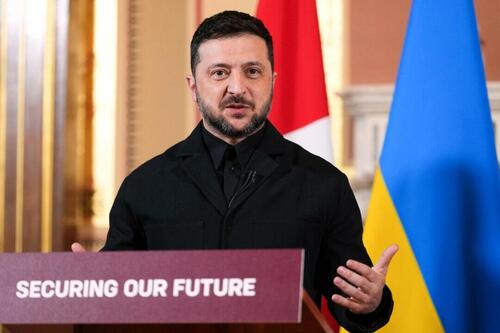
Ukrainian President Volodymyr Zelenskyy said on Saturday that he had a “long and substantive phone call” with his national security secretary Rustem Umerov, Ukrainian negotiator Andrii Hnatov, special envoy Steve Witkoff, and President Donald Trump’s son-in-law Jared Kushner, who were gathered in South Florida.
“I am grateful for a very focused, constructive discussion,” Zelenskyy said on X.
“We covered many aspects and went through key points that could ensure an end to the bloodshed and eliminate the threat of a new Russian full-scale invasion, as well as the risk of Russia failing to honor its promises, as has happened repeatedly in the past.”
“Ukraine is determined to keep working in good faith with the American side to genuinely achieve peace,” he added.
”We agreed on the next steps and formats for talks with the United States.”
The Epoch Times’ T.J.Muscaro reports that Zelenskyy also thanked Trump for his “intensive approach to negotiations,” and said he was now awaiting the return of Umerov and Hnatov to Ukraine, at which time he would receive their report.
“Not everything can be discussed over the phone, so we need to work closely with our teams on ideas and proposals,” he said.
”Our approach is that everything must be workable—every crucial measure for peace, security, and reconstruction.”
The call follows multiple days of in-person talks between Umerov and Hnatov with Witkoff and Kushner, and six meetings between the two negotiating parties in two weeks.
Those talks were ongoing during Russia’s attack on Dec. 6, which saw the launch of more than 50 missiles and more than 620 drone strikes on energy facilities, railways, and residential buildings in 29 locations.
While Ukraine was able to shoot down 30 of those missiles and neutralize 585 of those drones, the day still saw at least eight people wounded, including three in the Kyiv region, according to Ukrainian Minister of Internal Affairs Ihor Klymenko.
“Both parties agreed that real progress toward any agreement depends on Russia’s readiness to show serious commitment to long-term peace, including steps toward de-escalation and cessation of killings,” according to a summary of Friday’s meeting shared by Witkoff on X.
“Parties also separately reviewed the future prosperity agenda, which aims to support Ukraine’s post-war reconstruction, joint U.S.-Ukraine economic initiatives, and long-term recovery projects.”
The day after the attack, Zelenskyy gave a speech congratulating the “warriors” who are “holding back the occupiers on all fronts.”
“I thank our servicemembers who, on the battlefield, do their utmost so that Ukraine has confidence at the negotiating table,” he said.
Tyler Durden
Sun, 12/07/2025 – 14:35

Gobierno de Trump elimina parte de multa impuesta a Southwest Airlines por cancelaciones
Por DEE-ANN DURBIN
El Departamento de Transporte de Estados Unidos eliminó parte de una multa impuesta a Southwest Airlines después de que la compañía cancelara miles de vuelos durante una tormenta invernal en 2022.
Bajo un acuerdo de 2023 alcanzado por la administración de Biden, Southwest acordó pagar una sanción civil de 140 millones de dólares. El gobierno dijo en ese momento que la sanción era la más grande que había impuesto a una aerolínea por violar las leyes de protección al consumidor.
La mayor parte del dinero se destinó a compensar a los viajeros. Pero Southwest acordó pagar 35 millones de dólares al Tesoro de Estados Unidos. Southwest realizó un pago de 12 millones en 2024 y un segundo pago de 12 millones a principios de este año. Sin embargo, el Departamento de Transporte emitió una orden el viernes eximiendo el pago final de 11 millones, que vencía el 31 de enero de 2026.
El departamento afirmó que Southwest debería recibir crédito por mejorar significativamente su puntualidad y por invertir en operaciones de red.
El Departamento “cree que este enfoque es de interés público ya que incentiva a las aerolíneas a invertir en mejorar sus operaciones y resiliencia, lo que beneficia directamente a los consumidores”, declaró el departamento en un comunicado. “Esta estructura de crédito permite que los beneficios de la inversión de la aerolínea sean realizados por el público, en lugar de resultar en una sanción monetaria gubernamental”.
La multa se originó por una tormenta invernal en diciembre de 2022 que paralizó las operaciones de Southwest en Denver y Chicago y luego se agravó cuando el sistema de reprogramación de tripulaciones no pudo corregir el caos. Finalmente, la aerolínea canceló 17.000 vuelos y dejó varados a más de dos millones de viajeros.
La administración de Biden determinó que Southwest había violado la ley al no ayudar a los clientes que quedaron varados en aeropuertos y hoteles, dejando a muchos de ellos buscando desesperadamente otros vuelos. Muchos de los que llamaron al saturado centro de servicio al cliente de la aerolínea recibieron señales de ocupado o quedaron en espera durante horas.
Incluso antes del acuerdo, la cuarta aerolínea más grande del país por ingresos expresó que el colapso le costó más de 1.100 millones de dólares en reembolsos y compensaciones, costos adicionales y pérdida de ventas de boletos durante varios meses.
___________________________________
Esta historia fue traducida del inglés por un editor de AP con ayuda de una herramienta de inteligencia artificial generativa.
Iowa State and Kansas State decline bowl bids — and the Big 12 fines each $500,000
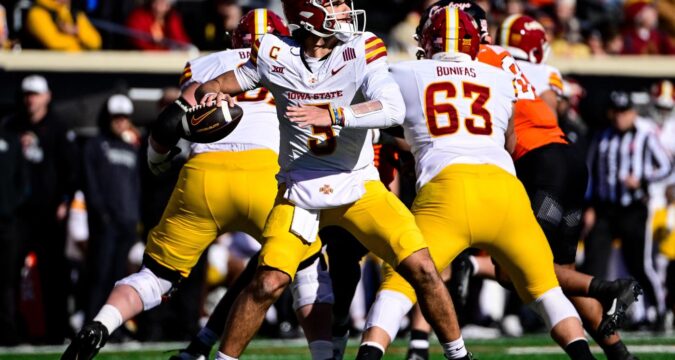
The Big 12 announced Sunday it would fine Iowa State and Kansas State $500,000 each for opting out of bowl participation.
Both schools are going through coaching transitions with Matt Campbell leaving Iowa State for Penn State and K-State’s Chris Klieman announcing his retirement.
“While the conference acknowledges the difficult timing around coaching changes, the Big 12 is responsible for fulfilling its contractual obligations to its bowl partners,” the Big 12 said in a statement.
Iowa State announced its players voted not to play in a bowl because the team doesn’t have enough healthy players to safely practice and play. ISU did not mention the coaching change from Campbell to Jimmy Rogers in its statement.
The Cyclones sustained numerous injuries this season while going 8-4, and members of the athletics administration and the previous coaching staff met Sunday with the players to gauge their interest in a bowl.
“The administrative staff and coaches respect and support the players decision,” athletic director Jamie Pollard said. “Our student-athletes have had an incredible season and we are grateful for their leadership as we worked through this process with them today.”
K-State athletic director Gene Taylor said he had conversations with players and Big 12 Commissioner Brett Yormark before deciding to decline a bowl bid. The Wildcats were 6-6 after beating Colorado in their final home game.
“This decision was not taken lightly, but with our coaching staff transition and several uncertainties regarding player availability, I felt it was not in our best interest to try to field a team that was not representative of Kansas State University,” Taylor said.
“We applaud this group for fighting back from a 2-4 record to lead us to bowl eligibility yet again, and we are happy that our seniors were able to go out on top with a victory inside Bill Snyder Family Stadium.”
https://www.chicagotribune.com/2025/12/07/iowa-state-kansas-state-decline-bowl-bids/

Brighton rescata un punto con gol tardío ante West Ham en la Premier League
Georginio Rutter anotó su primer gol de la temporada de la Liga Premier el tiempo de descuento y Brighton rescató un empate el domingo 1-1 en casa contra West Ham para mantenerse en la lucha por los puestos europeos.
Rutter encontró un hueco entre los defensores del West Ham para empatar con un disparo a corta distancia en el primer minuto del tiempo añadido en la segunda mitad. El gol fue confirmado tras una revisión de video por una posible mano del jugador en la jugada previa.
Jarrod Bowen había adelantado a los visitantes con un disparo angulado al 73.
Fue el segundo partido consecutivo de liga sin victoria para Brighton, que se encuentra en el séptimo lugar con 23 puntos en 15 partidos.
West Ham, que no ha conseguido victoria en sus últimos cuatro juegos de liga, se mantuvo en el puesto 18 y dentro de la zona de descenso.
La carrera por el título de la Liga Premier se abrió el sábado después de que Aston Villa sorprendiera al Arsenal al anotar en el tiempo descuento para ganar 2-1 y reduciendo la ventaja de los Gunners a solo dos puntos después de que el Manchester City venciera 3-0 al Sunderland.
Villa estaba un punto más atrás en el tercer lugar. El Liverpool tropezó nuevamente en la defensa de su título y dejó escapar puntos ante Leeds.
___
Deportes AP: https://apnews.com/hub/deportes
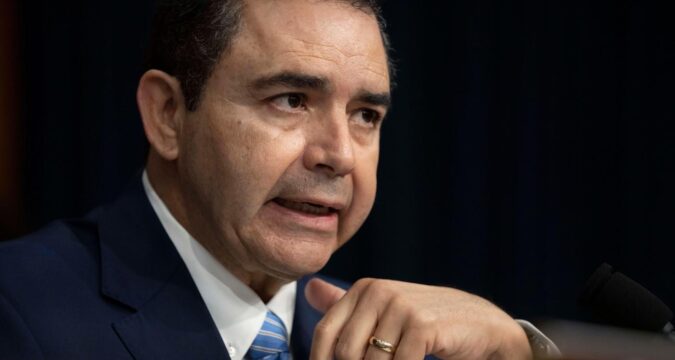
Trump enojado porque legislador demócrata que indultó no se cambió de partido
Por BILL BARROW
The Associated Press (AP) — Donald Trump está enojado porque el representante Henry Cuellar se postula nuevamente como demócrata en lugar de cambiar de partido después de que el presidente perdonara al congresista de Texas y a su esposa en un caso federal de soborno y conspiración.
“Qué falta de lealtad”, se quejó Trump, sugiriendo que lo indultó con la esperanza de que Cuellar se cambie de partido y así aumente la presencia republicana en Cámara de Representantes de cara a las elecciones de mitad de período de 2026.
Cuellar, en una entrevista televisiva el domingo después de la publicación en redes sociales de Trump, declaró que era un demócrata conservador dispuesto a trabajar con la administración “para ver dónde podemos encontrar puntos en común”. Indicó que rezó por el presidente en la iglesia esa mañana “porque si el presidente tiene éxito, el país tiene éxito”.
Citando a otro político texano, el difunto presidente Lyndon Johnson, Cuellar señaló que era estadounidense, texano y demócrata, en ese orden. “Creo que cualquiera que ponga al partido antes que a su país está haciendo un flaco favor a su país”, indicó en “Sunday Morning Futures” de Fox News Channel.
Trump apuntó en su plataforma Truth Social que la administración del presidente demócrata Joe Biden había presentado los cargos contra Cuellar y que el congresista, al postularse una vez más como demócrata, continuaba trabajando con “la misma IZQUIERDA RADICAL” que quería que él y su esposa estuvieran en prisión — “¡Y probablemente todavía lo quieren!”
“Qué falta de lealtad, algo que a los votantes de Texas, y a las hijas de Henry, no les gustará. ¡Oh, bueno, la próxima vez no seré tan generoso!” escribió Trump. Las dos hijas de Cuellar, Christina y Catherine, habían enviado una carta a Trump en noviembre pidiendo que indultara a sus padres.
Trump anteriormente había dicho que dio el indulto para frenar “la politización” de la justicia. Cuellar fue un crítico abierto de la política de inmigración de Biden, una posición que Trump comparte.
Cuellar aseguró que tiene buenas relaciones dentro de su partido. “Creo que la bancada demócrata en general y yo, nos llevamos bien. Pero saben que soy una voz independiente”, aseveró.
Un cambio de partido habría sido un impulso inesperado para los republicanos después de que la Legislatura en Texas — dominada por republicanos — redibujara los distritos congresionales del estado este año a instancias de Trump. La maniobra de Texas inició una lucha de manipulación de distritos a mitad de década que se está desarrollando en varios estados. Trump está tratando de defender la mayoría republicana en la Cámara y evitar una repetición de su primer mandato, cuando los demócratas dominaron las elecciones de mitad de período y usaron una nueva mayoría para obstaculizar la administración, lanzar investigaciones e impugnar a Trump dos veces.
Sin embargo, el distrito de Cuellar en el sur de Texas, que incluye partes del área metropolitana de San Antonio, no es uno de los distritos demócratas que los republicanos cambiaron sustancialmente, y Cuellar cree que sigue bien posicionado para ganar la reelección.
Las autoridades federales habían acusado a Cuellar y a su esposa de aceptar miles de dólares a cambio de promover los intereses de una empresa energética controlada por Azerbaiyán y un banco en México. Cuellar fue acusado de acordar influir en la legislación favorable a Azerbaiyán y pronunciar un discurso pro-Azerbaiyán en el pleno de la Cámara de Representantes.
Cuellar ha dicho que él y su esposa son inocentes. El juicio de la pareja iba a comenzar en abril.
En la entrevista de Fox, Cuellar insistió en que las autoridades federales intentaron atraparlo con “una operación encubierta para intentar sobornarme, y eso fracasó”.
Cuellar aún enfrenta una investigación del Comité de Ética de la Cámara.
___________________________________
Esta historia fue traducida del inglés por un editor de AP con ayuda de una herramienta de inteligencia artificial generativa.
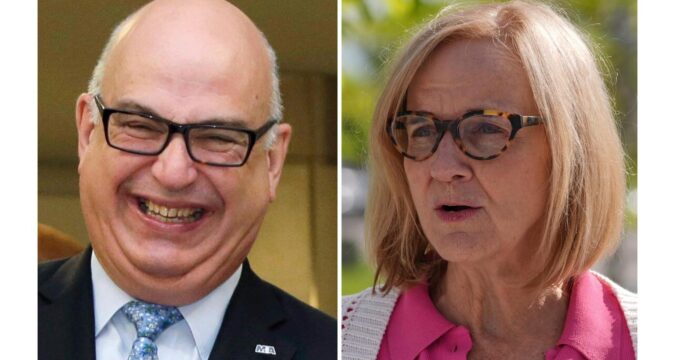
Demócratas ven posible ganar alcaldía de Miami en la prueba más reciente del clima político en EEUU
Por ADRIANA GÓMEZ LICÓN
MIAMI (AP) — Han pasado casi tres décadas desde que un demócrata ocupó la alcaldía de Miami, una etapa de futilidad que el partido espera revertir durante una elección especial de segunda vuelta esta semana, en uno de los últimos enfrentamientos electorales antes de las elecciones intermedias del próximo año.
Si bien se trata de una contienda local, esta elección se ha convertido en la prueba más reciente del clima político del país a casi un año del segundo mandato del presidente Donald Trump.
Trump y otros republicanos de renombre de Florida, como el gobernador Ron DeSantis y el senador Rick Scott, apoyan al candidato conservador, el exadministrador municipal Emilio Gonzalez, en una contienda que, por lo demás, no es partidista. Demócratas conocidos a nivel nacional, incluido el exsecretario de Transporte Pete Buttigieg, han ofrecido su apoyo a Eileen Higgins, una demócrata que formó parte de la comisión del condado antes de ganar un lugar en la segunda vuelta el mes pasado.
Una victoria inesperada de los demócratas el martes dará al partido un impulso adicional de cara a un año electoral crucial en que estará en juego el control del Congreso, especialmente en una región que se ha convertido en un territorio cada vez más favorable para los republicanos —y donde Trump planea construir su biblioteca presidencial.
Higgins, quien reside en el enclave cubano de La Pequeña Habana y había representado a un distrito de tendencia conservadora, lleva con orgullo el apelativo de “La Gringa”, un término que quienes hablan español utilizan para referirse a los estadounidenses blancos. Hispanohablante también, Higgins ha centrado su campaña incansablemente en problemas locales como el costo de la vivienda, y a la vez ha capitalizado los nacionales, incluido el trato que da el gobierno de Trump a los inmigrantes en una ciudad con una considerable población hispana y de nacidos en el extranjero.
“He sido una demócrata que sirve en un distrito predominantemente republicano, y todo lo que he hecho es trabajar para la gente”, dijo a The Associated Press.
Demócratas intentan acabar con dominio republicano
Miami es la segunda ciudad más poblada de Florida, después de Jacksonville, pero es el epicentro de la diversidad cultural del estado y uno de los destinos internacionales más prominentes del país, lo que le da a su alcalde una plataforma de gran alcance.
La ciudad de 487.000 habitantes es parte del condado Miami-Dade, y Trump cambió su tendencia el año pasado cuando derrotó cómodamente a la demócrata Kamala Harris después de perder el condado ante el demócrata Joe Biden en 2020. Una derrota de Gonzalez se percibirá en Florida como un revés tanto para el Partido Republicano como para Trump.
Christian Ulvert, director de campaña de Higgins, reveló que los primeros resultados de las papeletas de voto por correo son alentadores. Alrededor del 44% habían sido emitidas por demócratas registrados hasta el jueves, un día antes que comenzara la votación anticipada en persona, en comparación con aproximadamente el 30% de los republicanos registrados.
“Lo que se percibe es un gran entusiasmo demócrata y una participación electoral acorde con ese entusiasmo”, agregó.
Higgins, quien de ser elegida será la primera alcaldesa no hispana de Miami en casi 30 años, manifestó estar segura de que recibirá el apoyo no sólo de los demócratas, sino también de los votantes no afiliados y de algunos republicanos gracias a su labor como funcionaria electa.
Su propuesta a los votantes incluye encontrar terrenos municipales que puedan convertirse en viviendas económicas y recortar gastos innecesarios. Durante un foro reciente patrocinado por la Cámara de Comercio del Área Metropolitana de Miami, se le preguntó si intentará convertir el cargo de alcaldesa, que es más protocolario, en un trabajo de tiempo completo y no aceptar otros trabajos, algo que planteó dudas éticas para el actual alcalde, Francis Suarez, cuyo mandato está limitado.
“No tengo empleo externo ahora. Fui comisionada a tiempo completo. Voy a ser alcaldesa a tiempo completo”, dijo Higgins cuando el entrevistador mantuvo su presión sobre si eso significaba no aceptar ningún empleo externo.
Con un estilo directo de hablar, Higgins respondió con severidad: “De acuerdo, ¿tengo que decirlo más claramente? ¡No! Es un trabajo de tiempo completo”.
Republicanos se preocupan ante disminución de apoyo latino
Si bien los votantes latinos a nivel nacional se han inclinado tradicionalmente por los demócratas, los republicanos en Florida han encontrado un fuerte respaldo entre los inmigrantes cubanos, venezolanos y nicaragüenses, quienes se resisten a inclinaciones socialistas similares a las de los gobiernos de los que huyeron. Trump aprovechó esos sentimientos para ganar el condado Miami-Dade el año pasado, un cambio radical respecto a su derrota allí de 30 puntos porcentuales ante la demócrata Hillary Clinton, en 2016.
No obstante, algunos republicanos de Florida comenzaron a dar la voz de alarma tras las elecciones de noviembre, cuando los demócratas lograron victorias en las contiendas por la gobernatura en Nueva Jersey y Virginia, con gran repercusión nacional. Los dos candidatos ganadores tuvieron un sólido desempeño entre los votantes no blancos, y el ganador demócrata en la contienda de Nueva Jersey recibió dos tercios del voto hispano, según la Encuesta de Votantes de la AP.
Esos resultados fueron interpretados en gran medida como un reflejo de la preocupación por el aumento de los precios y las agresivas políticas migratorias del gobierno de Trump.
La representante federal María Elvira Salazar, una republicana cuyo distrito incluye la ciudad de Miami, calificó las elecciones en otros lugares como una “llamada de atención”. Ileana Garcia, senadora estatal de Florida quien en 2016 fundó el grupo Latinas for Trump (Latinas por Trump), ha dicho sobre los arrestos por inmigración que “lo que estamos presenciando es inhumano”.
Gonzalez, exdirector del Servicio de Ciudadanía e Inmigración de Estados Unidos (USCIS, por sus siglas en inglés) durante la presidencia republicana de George W. Bush, declaró durante un debate patrocinado por el canal afiliado a la cadena CBS en Miami que apoyaba los arrestos por inmigración contra quienes cometen delitos. Sin embargo, objetó cuando el moderador destacó que la mayoría de los arrestados no habían cometido delitos violentos.
“Pero este es un asunto federal”, respondió Gonzalez. “Este no es un asunto que tenga que ver con el alcalde de Miami”.
Higgins ha hablado sobre la adhesión de Miami a un programa federal que delega la autoridad migratoria a la policía local, los jefes policiales de los condados y las agencias estatales, y añadió que buscará opciones legales para revertir esa decisión y reconstruir la confianza entre los residentes y las fuerzas del orden.
“Cuando empecemos a aplicar cualquier artimaña que surja del gobierno federal para detener a personas al azar, podríamos erosionar esa confianza”, dijo.
Demócratas de Florida esperan impulsar su regreso a la relevancia
Higgins ha recibido el apoyo de los demócratas de Florida, quienes buscan demostrar que el partido aún tiene presencia allí —previamente un estado clave sin una tendencia política definida.
También respaldan su campaña algunos demócratas que tal vez consideran una candidatura presidencial en 2028. Buttigieg animó a los votantes en un video a votar por ella, y el senador estadounidense Ruben Gallego, de Arizona, planeaba acompañarla el domingo en las paradas de las votaciones anticipadas.
Muchos de los problemas locales en juego en la contienda tienen resonancia nacional, como la desigualdad de ingresos y uno de los mercados inmobiliarios más inaccesibles del país.
Gustavo Ascani, un votante de Miami de 30 años de edad, manifestó que la ciudad tiene problemas no resueltos desde hace mucho tiempo que deben abordarse. Agregó que aún no ha decidido por quién votará, pero que afrontar la falta de vivienda y el tráfico vehicular es una prioridad para él.
“Quizá los republicanos han pasado por alto, después de haber estado en el poder local tanto tiempo, ciertos asuntos que son importantes para la población de Miami”, añadió Ascani.
Robin Peguero, exfiscal que se postula para competir contra Salazar por su escaño en el Congreso, dijo que las preocupaciones de los votantes se centran en la asequibilidad, un tema que se ha convertido en un punto medular para ambos partidos tras las victorias de los demócratas en Nueva Jersey y Virginia.
Eso incluye los fuertes aumentos en las primas de los seguros médicos que se espera comiencen el 1 de enero, cuando expiren los subsidios de la Ley de Cuidado de Salud Asequible. La ley de salud de la era Obama aún es popular en el sur de Florida, y encuestas recientes muestran que la mayoría de las personas afectadas por los aumentos culpan a Trump y a los republicanos.
“(Esos) son asuntos cotidianos, ya sea una elección para funcionarios locales o una elección para presidente”, expresó Peguero. “Es un rechazo a lo que está sucediendo en este país”.
‘Twas The Night Before Fed Day…
‘Twas The Night Before Fed Day…
By Peter Tchir of Academy Securities
Maybe it was being in Europe, with a particular shout-out to Zurich for putting me in a holiday mood. Academy also has our holiday party this week, which I’m looking forward to, though I’m not sure why I thought guest hosting Bloomberg TV at 6am the next morning would be a good idea. Or maybe it was the daunting task of needing to write about something that I didn’t feel passionate writing about (knowing that it would be about one out of a thousand Fed write-ups hitting your inbox in the next 48 hours didn’t help the motivation level). Or maybe, I was just jet lagged, lazy, and felt that we covered some of the groundwork in last weekend’s The Santa Rally Recipe.
If I was to do a serious report, in as few words as possible, I’d go with:
Market is pricing in a 95% probability – the Fed won’t disappoint.
Powell is as close to being a lame duck chair as we’ve seen, so nothing he says will carry much weight into the new year.
I think the market is still underpricing:
The level of coordination we will see between the Treasury, the Fed, and the admin.
The “out of the box” thinking we will see in terms of tools implemented and even the shaping of the Fed to try to achieve my interpretation of the stated goal of 3-3-3 (3% growth, 3% front-end yields, and 10-year bond yields with a 3 handle).
If I was to do something for fun, maybe a bit aggressive and tongue in cheek, I’d go with:
‘Twas the night before Fed Day, when all through the bourse,
Rate cutters were stirring, ready to open the purse.
The voters in revamped Eccles were afraid of a stock market bear,
But, had high hopes that the Santa Rally soon would be there.
The vigilantes were nestled all smug in anger with the Fed,
While visions of much steeper curves danced in their heads.
With Powell at the podium, about ready to rap,
Reporters were left wondering if markets would give a crap.
When out on the South Lawn there arose such a clatter,
The media sprang up to see what was the matter.
Away to the window they flew like a flash,
Clicked on their phone camera shutters, to witness a great clash.
The spotlight fell on the newly named chair,
Who argued that the hawks didn’t have a prayer.
When, what to my wondering eyes should appear,
But a shadow chair, with a team of new voices to hear.
With the new driver, sent from crypto heaven,
We knew in a moment it must be Kevin.
More rapid than hawks his doves they came,
And he whistled, and shouted, and called them by name.
“Now QE! Now Operation Twist! No time to waste!
On Yield Curve Control! Get ready as markets might get a taste.
To the top of the chart! Up Main Street along with Wall!
Now buy every day! Buy away! Buy away all!”
The vigilantes did grumble, the “new” Fed basking in their cries,
When the admin meets an obstacle, they send markets to new highs.
So up to the White House – the doves, they flew,
With the sleigh full of tools, willing to use them too.
And then in a twinkling, I heard on the roof,
The prancing and speaking and even a little woof.
The bond markets were strong, especially in the belly,
Vigilantes shook with rage, arguing that this was all very smelly.
Bessent, with a wink of his eye and a twist of his head,
Soon let us know we had nothing to dread.
He spoke a lot of words, and went straight to his work,
And filled all the bulls stockings, giving the economy a newly found perk.
But I heard him exclaim, even as they never left our sight,
Happy Santa Rally to all, and to all a good night.
My apologies to anyone whose sensibilities I offended (it was meant to be fun) and even greater apologies to those who realize I got bored and eliminated a few stanzas.
In any case, while a bit “over the top,” it more or less fits with my “serious” take, and leaves me with the following bond market outlook:
3% or below on Fed Funds by the June 2026 meeting at the latest.
Steeper yields curves (2s vs 10s are currently at 57) but not so steep that the 10-year doesn’t manage to trade sub 4% (thinking 3.6% to 3.8% seems reasonable).
There could be some periods where longer bond yields go higher, but I expect quick and decisive action to try to fight those moves.
War and Peace
Ukraine and Russia keep agreeing to peace deals with the U.S. Unfortunately, the deals that Ukraine agrees to and the deals that Russia agrees to don’t look much alike.
The road to an actual peace deal seems to end in one of two ways:
One side gains ground in the war in the coming months (most likely Russia) causing the deal to look more like what they have agreed to in principle.
Europe does something aggressive:
Sanctions (including aggressively enforcing the sanctions in place and stopping the loopholes being used, many quite blatantly).
Military support like we haven’t seen (seems highly unlikely, if not impossible).
Making a grab at Russia’s frozen reserves (this is what I would do).
In Venezuela, we expect actions to continue to ramp up. While there isn’t an “expiration date” on the USS Ford, there is a sense of urgency to use its capabilities sooner rather than later (it is due for dock time and is very expensive to maintain, especially in a body of water that is relatively small for a carrier group to operate in).
We continue to see three main reasons why the U.S. is so focused on Venezuela:
It sends a statement to our adversaries. Putin and Mexican Drug Cartels are high on that list.
A serious effort to “fight the war on drugs” while also refocusing our policy on a North/South alignment.
Oil. From what we’ve seen in the Middle East and in various proposals for Russia and Ukraine, the admin is likely eyeing access for America and American companies to Venezuela’s oil riches.
What does China make of all of this?
China has been very quiet on the Russia/Ukraine front. How quickly will they embrace a solution where the U.S. is granted vast access and potentially special treatment in Russia? Xi and Putin have had more photo ops than the Kardashians – so they may have a say in what Russia does in the event of peace.
While China has not created any new, far reaching pacts with Venezuela (the way they have with Russia), they have been very involved in the oil production there. Will they readily hand over all further development and control to the U.S.? (Assuming we are correct that this is one of the conditions the President will push for).
Bottom Line
The list of issues that the market needs to deal with have not abated:
Valuations and the direction of AI tech and spending.
Electricity generation bottle necks.
Supply chain risks, especially as the trade agreement with China remains nebulous.
How markets will react to potential changes at the Fed (you know my thoughts).
Will rising bond yields in Japan impact bond markets globally? Especially, as recently, we are seeing a strong yen along with higher bond yields – not great for the “carry” trade. In addition to the outright yield being a question mark for global bond markets, the spread between the Japanese 10-year and the U.S. 10-year yield is down to 4.2%, the lowest since early 2022. That too could impact markets.
The shape of the consumer. The health of the consumer. Whether the market is K, k, or i-shaped is a discussion that is occurring with greater frequency – please see What Shape is the Economy from late September.
Having said that, at the risk of being “complacent,” I don’t think real fear creeps back into the market until later this year, or early next year – seasonality is real and the easing of financial conditions seems real as well.
Looking forward to a potentially interesting week, and my view on the Fed’s likely decision is that it isn’t necessarily what I would do, but it is what I think will happen.
Tyler Durden
Sun, 12/07/2025 – 14:00