Category: News

Today in History: Wikipedia makes its debut
Today is Thursday, Jan. 15, the 15th day of 2026. There are 350 days left in the year.
Today in history:
On Jan. 15, 2001, Wikipedia, the free online encyclopedia maintained by volunteer editors, made its debut.
Also on this date:
In 1559, Elizabeth I was crowned queen of England and Ireland in Westminster Abbey.
In 1919, in Boston, a tank containing an estimated 2.3 million gallons (8.7 million liters) of molasses burst, flooding the city’s North End and killing 21 people in what was later dubbed the “Great Molasses Flood.”
In 1929, civil rights leader Martin Luther King Jr. was born in Atlanta.
In 1943, work was completed on the Pentagon, headquarters of the U.S. Department of War (now Defense).
In 1967, the Green Bay Packers of the National Football League defeated the Kansas City Chiefs of the American Football League 35-10 in the first AFL-NFL World Championship Game, known retroactively as Super Bowl I.
In 1991, Sean Lennon’s remake of his father’s “Give Peace A Chance” was released to coincide with the United Nations’ midnight deadline for Iraq to withdraw from Kuwait. The lyrics were updated to reflect concerns of the 1990s.
In 1992, more than two dozen European nations formally recognized Croatia and Slovenia as independent nations amid the breakup of Yugoslavia.
In 2009, US Airways Capt. Chesley “Sully” Sullenberger landed an Airbus A320 safely in New York’s Hudson River after striking a flock of birds that disabled both engines shortly after takeoff; all 155 people aboard survived the emergency water landing, which became known as “The Miracle on the Hudson.”
In 2019, extremists stormed a luxury hotel in Kenya’s capital of Nairobi, setting off explosives and gunning down people at cafe tables in an attack claimed by Africa’s deadliest Islamic militant group, al-Shabab. At least 21 people were killed in the attack and 28 others wounded.
Related Articles
Today in Chicago History: Lackluster coronavirus precautions cause CPS students to walk out
Today in History: Summer of Love begins
Claudette Colvin, who refused to move seats on a bus at start of civil rights movement, dies at 86
La Grange OKs demolition of historic Jackson Square building for condo development
Today in History: Japan apologizes for forcing Korean women to serve as ‘comfort women’
In 2022, an undersea volcano erupted in the Pacific island nation of Tonga, shooting millions of tons of water vapor high into the atmosphere. A handful of deaths were blamed on the eruption, and scientists studied the blast afterward seeking to determine whether the water vapor acted as a heat-trapping greenhouse gas.
Today’s birthdays: Actor Andrea Martin is 79. Football Hall of Famer Randy White is 73. Actor-director Mario Van Peebles is 69. Boxing Hall of Famer Bernard Hopkins is 61. Actor-director Regina King is 55. Italian Prime Minister Giorgia Meloni is 49. Former NFL quarterback Drew Brees is 47. Rapper-reggaeton artist Pitbull is 45. Conservative commentator Ben Shapiro is 42. DJ-music producer Skrillex is 38. Actor-singer Dove Cameron is 30. Singer-songwriter Grace VanderWaal is 22.
https://www.chicagotribune.com/2026/01/15/today-in-history-wikipedia-makes-its-debut-2/
Tyrants
Tyrants
Authored by Lars Møller via American Thinker,
History is replete with revolutionary figures who transformed society through “vision”, “vanity”, and “violence” – a vicious triad covering the strategy of being ideologically uncompromising, outmaneuvering rivals, and eliminating political opposition, respectively.
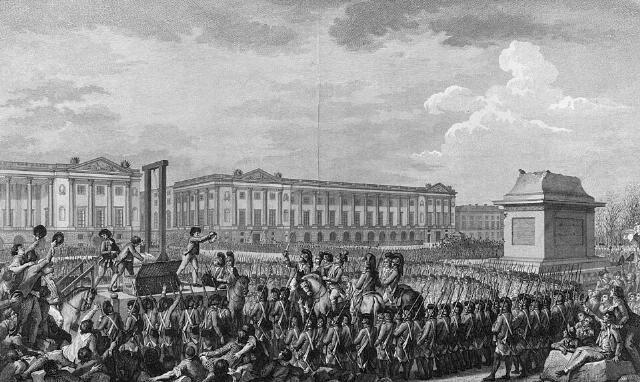
From Wikimedia Commons: Execution of Louis XVI (Charles Monnet, 1794)
Maximilien Robespierre and Vladimir Lenin stand out as architects of radical political transformation. Bridging the cultural divide, their leadership styles and psychological profiles show striking similarities. Both men were pedantic ideologues driven by an unshakable belief in their own moral and intellectual superiority.
A comprehensive personality profiling of Robespierre and Lenin requires an analytical framework that transcends ideological taxonomy and historical contingency. While both men operated under conditions of revolutionary crisis, their responses to this strain were neither inevitable nor merely situational. Rather, the extremes of savagery that they authorized, rationalized, and sustained reflect enduring psychological structures that shaped their political conduct. Revolutionary atrocity, in this sense, is best understood, not as an accidental excess of upheaval but as an expressive manifestation of personality under pressure.
At the center of both profiles lies a distinctive form of narcissism, albeit one that diverges from popular caricature. Neither Robespierre nor Lenin cultivated flamboyance or sensual excess. Instead, they embodied a restrained and severe narcissism, grounded in ascetic discipline and intellectual or moral exclusivity. This “austere narcissism” is particularly insidious, as it disguises grandiosity beneath the rhetoric of sacrifice and historical necessity. Both men perceived themselves as uniquely attuned to the demands of history, endowed with a clarity unavailable to others. This conviction constituted the psychological foundation of their authority and simultaneously foreclosed the possibility of self-doubt.
Robespierre’s personality was organized primarily around moral absolutism. His self-conception as l’Incorruptible was not a mere political posture but a deeply internalized identity. Personal frugality, emotional restraint, and rhetorical solemnity served as symbolic reinforcements of moral superiority. From a psychological standpoint, this configuration suggests a rigid superego structure in which ethical norms were internalized as categorical imperatives rather than negotiable principles. Moral conflict could not be accommodated; it had to be eradicated.
This psychic architecture is indispensable for understanding Robespierre’s embrace of terror during 1793–94. The Law of Suspects, enacted on September 17, 1793, dramatically expanded the definition of counter-revolutionary guilt to include vague categories such as “enemies of liberty” and those lacking “civic virtue”. In practice, this legislation enabled the arrest of tens of thousands on the basis of suspicion alone. The resulting mass incarcerations and executions were not only tactical responses to military threats but also expressions of Robespierre’s moralized worldview. Political ambiguity itself became criminal.
The Revolutionary Tribunal exemplified this moral reductionism. Legal safeguards were progressively dismantled, culminating in the Law of the Great Terror, enacted on June 10, 1794, which eliminated defense counsel and limited verdicts to acquittal or death. The acceleration of executions—over 1,300 in Paris alone within six weeks—reflected not panic but moral certainty. Violence functioned as ethical enforcement. The guillotine, with its mechanical regularity, transformed killing into procedure, allowing Robespierre to experience mass death as impersonal justice rather than cruelty. Psychologically, such depersonalization constitutes a dissociative defense: suffering is abstracted, responsibility displaced, and violence reclassified as virtue.
Robespierre’s increasing hostility towards former allies further reveals the fragility underlying his moral absolutism. The executions of Georges Danton and Camille Desmoulins—longstanding revolutionaries accused of “indulgence”—illustrate how moral rigidity devolved into paranoid purification. Dissent was no longer external but internal. The purges thus served not only political consolidation but also psychic stabilization. Each execution reaffirmed Robespierre’s self-image as guardian of revolutionary purity against an ever-expanding field of corruption.
Lenin’s psychological profile, though equally absolutist, was structured along a different axis. His narcissism was intellectual rather than moral. Lenin did not portray himself as virtuous but as scientifically correct. Authority derived from his conviction that he alone grasped the objective laws of historical development. This intellectual narcissism produced profound disdain for spontaneity, pluralism, and moral hesitation.
Lenin’s approach to violence during and after the October Revolution exemplifies this orientation. The establishment of the Cheka in December 1917 marked the institutionalization of terror as a permanent instrument of governance. Unlike the revolutionary tribunals of 1793, the Cheka operated extrajudicially from the outset. Its remit included summary execution, hostage-taking, and mass repression. Lenin explicitly endorsed these measures. In correspondence from 1918, he called for “merciless mass terror” against class enemies, insisting that hesitation would doom the revolution.
The Red Terror of 1918–22 provides stark illustration. Following the attempted assassination of Lenin in August 1918, the regime launched widespread reprisals. Thousands were executed without trial, often selected, not for actions but for social origin. Former nobles, priests, merchants, and officers were targeted as categories rather than individuals. The mass shootings at Petrograd and Moscow, as well as the use of concentration camps—precursors to the Gulag system—demonstrate how violence was bureaucratized and de-personalized. Psychologically, this categorical annihilation reflects cognitive reductionism: human beings were reduced to structural obstacles to be removed.
The suppression of the Tambov peasant uprising (1920–22) further illustrates Lenin’s instrumental rationality. When peasants resisted grain requisitioning, the Red Army deployed poison gas, mass deportations, and hostage executions. Lenin personally authorized these measures, framing them as necessary to break “kulak resistance”. The scale and severity of the repression—tens of thousands killed or interned—underscore his willingness to annihilate entire populations in pursuit of economic and ideological objectives. Emotional detachment was not incidental but functional: empathy would have impeded efficiency.
Similarly revealing was the crushing of the Kronstadt rebellion in 1921. The sailors, once celebrated as heroes of the revolution, demanded free elections and an end to Bolshevik repression. Lenin and Trotsky responded with overwhelming force. Thousands were executed or sent to labor camps. The psychological significance lies in the readiness to destroy former allies once they ceased to serve the ideological script. Dissent, regardless of origin, was pathologized as counter-revolution.
Despite stylistic differences, Robespierre and Lenin shared a fundamental incapacity to recognize others as autonomous moral agents. From a developmental psychology perspective, this suggests impaired “mentalization”. Opposition was interpreted, not as disagreement but as moral corruption or structural deviance. Consequently, violence acquired an air of inevitability.
Both leaders also exhibited marked emotional austerity and social withdrawal. Their reluctance to engage in ordinary social life reinforced authority but deepened isolation. Isolation intensified suspicion. Deprived of corrective feedback, both increasingly relied on internal narratives of betrayal. Terror became self-reinforcing: fear confirmed paranoia, paranoia justified repression, and repression entrenched power.
This dynamic accords with established models of authoritarian personality, which emphasize the interplay between dominance and insecurity. Such leaders are not psychologically secure. Their need for absolute control compensates for internal fragility. Power functions as an external stabilizer, imposing order upon both society and the self.
The handling of failure further illuminates these personalities. Neither Robespierre nor Lenin demonstrated genuine self-criticism. Military setbacks, economic collapse, or popular resistance were invariably attributed to insufficient repression. Violence thus substituted for reflection. Rather than revising assumptions, both escalated coercion.
The persistence of terror beyond immediate necessity underscores its expressive function. Once institutionalized, violence became ritualized, reaffirming alignment with virtue or history. Each execution symbolized inevitability and correctness. Atrocity communicated omnipotence.
The contrast between Robespierre’s “moralized terror” and Lenin’s “instrumental terror” reflects divergent emotional economies within a shared absolutist framework. Robespierre’s violence was theatrical and ethical; Lenin’s procedural and technical. Yet both converged in their effect: the annihilation of individuality and the normalization of death as a political tool.
Ultimately, the personality profiling of Robespierre and Lenin demonstrates how revolutionary leadership magnifies latent psychological traits. Ideology supplied justification; crisis provided opportunity; personality determined execution. Their atrocities were not historical aberrations but behavioral culminations of rigid cognition, narcissistic self-identification, emotional detachment, and intolerance of uncertainty.
The broader implication is sobering. Extreme political violence need not arise from overt sadism. It often emerges from moral certainty, intellectual arrogance, and the refusal to acknowledge human complexity. Robespierre and Lenin exemplify how revolutionary ideals, when filtered through psychologically brittle leadership, can transmute aspirations of emancipation into systems of terror. Their legacies endure as warnings of what occurs when conviction eclipses conscience and abstraction supplants humanity.
Without any mitigating self-irony, Robespierre and Lenin embodied an unlimited commitment to ideology, indifferent to the concerns of ordinary people, their lives and freedoms.
Tyler Durden
Thu, 01/15/2026 – 05:00
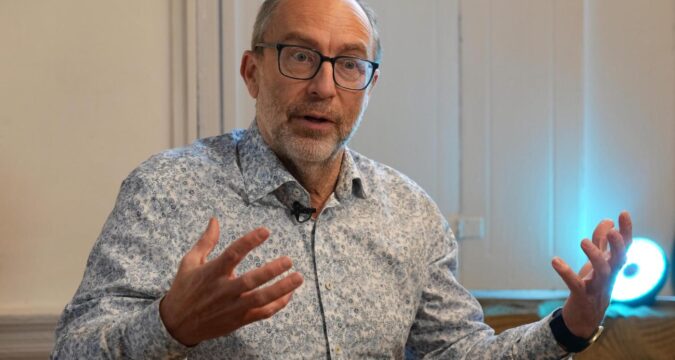
Wikipedia anuncia nuevos acuerdos de licencias de IA en su 25º aniversario
Por KELVIN CHAN
LONDRES (AP) — Wikipedia presentó el jueves nuevos acuerdos comerciales con una serie de empresas de inteligencia artificial,, dentro de las celebraciones de su 25º aniversario.
La enciclopedia en línea de contenido colaborativo anunció que ha firmado acuerdos de licencia con empresas de IA como Amazon, Meta Platforms, Perplexity, Microsoft y la francesa Mistral AI.
Wikipedia es uno de los últimos bastiones de los primeros días de internet, pero esa visión original de un espacio en línea gratuito se ha visto nublada por el dominio de las grandes plataformas tecnológicas y el auge de los chatbots de inteligencia artificial generativa, entrenados con contenido extraído de la web.
Los métodos agresivos de recopilación de datos por parte de los desarrolladores de IA, incluidos los de la vasta reserva de conocimiento gratuito de Wikipedia, han planteado preguntas sobre quién paga en última instancia por el auge de la inteligencia artificial.
La organización sin fines de lucro que gestiona el sitio firmó con Google como uno de sus primeros clientes en 2022 y anunció otros acuerdos el año pasado con actores de IA más pequeños como el motor de búsqueda Ecosia.
Los nuevos acuerdos ayudarán a uno de los sitios web más populares del mundo a monetizar el tráfico intenso de las empresas de IA. Están pagando por acceder al contenido de Wikipedia “a un volumen y velocidad diseñados específicamente para sus necesidades”, dijo la Fundación Wikimedia. No proporcionó detalles financieros u otros detalles.
Mientras que el entrenamiento de IA ha provocado batallas legales en otros lugares por derechos de autor y otros temas, el fundador de Wikipedia, Jimmy Wales, dijo que lo acoge con satisfacción.
“Estoy muy contento personalmente de que los modelos de IA se entrenen con datos de Wikipedia porque están editados por humanos”, dijo Wales a The Associated Press en una entrevista. “Realmente no querría usar una IA que esté entrenada solo en X, ya sabe, como una IA muy enojada”, dijo Wales, refiriéndose a la plataforma de redes sociales del multimillonario Elon Musk.
Wales dijo que el sitio quiere trabajar con las empresas de IA, no bloquearlas. Pero “probablemente deberías contribuir y pagar tu parte justa del costo que nos estás imponiendo”.
La Fundación Wikimedia, un grupo sin fines de lucro que gestiona Wikipedia, instó el año pasado a los desarrolladores de IA a pagar por el acceso a través de su plataforma empresarial y dijo que el tráfico humano había caído un 8%. Mientras tanto, las visitas de bots, a veces disfrazadas para evadir la detección, estaban sobrecargando sus servidores al extraer grandes cantidades de contenido para alimentar los modelos de lenguaje de IA.
Los hallazgos destacaron las tendencias cambiantes en línea, ya que los resúmenes de IA de motores de búsqueda y chatbots resumen la información en lugar de enviar a los usuarios a sitios mostrándoles enlaces.
Wikipedia es el noveno sitio más visitado en internet. Tiene más de 65 millones de artículos en 300 idiomas que son editados por unos 250.000 voluntarios.
El sitio se ha vuelto tan popular en parte porque es gratuito para que cualquiera lo use.
“Pero nuestra infraestructura no es gratuita, ¿verdad?” dijo la directora general de la Fundación Wikimedia, Maryana Iskander, en una entrevista separada en Johannesburgo, Sudáfrica.
Cuesta dinero mantener los servidores y otra infraestructura que permite tanto a individuos como a empresas tecnológicas “extraer datos de Wikipedia”, dijo Iskander, quien dejará su cargo el 20 de enero y será reemplazada por Bernadette Meehan.
La mayor parte de la financiación de Wikipedia proviene de ocho millones de donantes, la mayoría de ellos particulares.
“No están donando para subsidiar a estas enormes empresas de IA”, dijo Wales, y señaló que esos donantes opinan que “no puedes simplemente aplastar nuestro sitio web. Tienes que entrar de la manera correcta”.
Los editores y usuarios podrían beneficiarse de la IA de otras maneras. La Fundación Wikimedia ha delineado una estrategia de IA que, según Wales, podría resultar en herramientas que reduzcan el trabajo tedioso para los editores.
Aunque la IA no es lo suficientemente buena para escribir entradas de Wikipedia desde cero, podría, por ejemplo, usarse para actualizar enlaces rotos escaneando el texto circundante y luego buscando en línea para encontrar otras fuentes.
“Aún no tenemos eso, pero ese es el tipo de cosas que creo que veremos en el futuro”.
La inteligencia artificial también podría mejorar la experiencia de búsqueda en Wikipedia, evolucionando del método tradicional de palabras clave a un estilo más de chatbot, dijo Wales.
“Puedes imaginar un mundo donde puedes hacerle una pregunta al cuadro de búsqueda de Wikipedia y te citará de Wikipedia”, dijo. Podría responder diciendo “aquí está la respuesta a tu pregunta de este artículo y aquí está el párrafo real. Eso me parece realmente útil y creo que también nos moveremos en esa dirección”.
Reflexionando sobre los primeros días, Wales dijo que fue un momento emocionante porque muchas personas estaban motivadas para ayudar a construir Wikipedia después de que él y el cofundador Larry Sanger, quien abandonó el proyecto hace mucho tiempo, la crearon como un experimento.
Sin embargo, aunque algunos podrían mirar hacia atrás con nostalgia a lo que ahora parece ser un tiempo más inocente, Wales dijo que esos primeros días de internet también tenían un lado oscuro.
“La gente también era bastante tóxica en ese entonces. No necesitábamos algoritmos para ser malos entre nosotros”, dijo. “Pero, ya sabe, fue un tiempo de gran emoción y un verdadero espíritu de posibilidad”.
Wikipedia ha recibido críticas recientes de personas de la derecha política, que han acusado al grupo de estar sesgada a favor de la izquierda.
Los legisladores republicanos en el Congreso de Estados Unidos están investigando supuestos “esfuerzos de manipulación” en el proceso de edición de Wikipedia que, según ellos, podrían inyectar sesgo y socavar puntos de vista neutrales en su plataforma y en los sistemas de IA que dependen de ella.
Una fuente notable de crítica es Musk, quien el año pasado lanzó su propio rival impulsado por IA, Grokipedia. Ha criticado a Wikipedia por estar llena de “propaganda” y ha instado a la gente a dejar de donar al sitio.
Wales dijo que no considera a Grokipedia una “amenaza real” para Wikipedia porque se basa en grandes modelos de lenguaje, que son los archivos de texto en línea en los que se entrenan los sistemas de IA.
“Los modelos de lenguaje grande no son lo suficientemente buenos para escribir material de referencia de calidad. Así que mucho de eso es simplemente Wikipedia regurgitada”, dijo. “A menudo divaga bastante y en cierto modo es un sinsentido. Y creo que cuanto más oscuro sea el tema que investigues, peor es”.
Recalcó que su crítica no iba dirigida específicamente contra Grokipedia.
“Es solo la forma en que funcionan los modelos de lenguaje grande”.
Wales dice que conoce a Musk desde hace años, pero no han estado en contacto desde que se lanzó Grokipedia.
“Probablemente debería escribirle”, dijo Wales.
¿Qué le diría?
“¿Cómo está tu familia? Soy una persona amable, realmente no quiero pelear con nadie”.
____
El periodista de AP Mogomotsi Magome en Johannesburgo contribuyó a este informe.
___
Esta historia fue traducida del inglés por un editor de AP con la ayuda de una herramienta de inteligencia artificial generativa.

Best laptops to replace your desktop
Which laptop to replace your desktop is best?
If you’ve grown tired of the amount of space a full desktop PC takes up and you also want to be able to take your work with you anywhere, then it’s time to swap out the immobile with the transportable. There are plenty of high-powered laptop options out there that are more than capable of entirely replacing your desktop without missing a beat.
The best laptop for replacing your desktop is the Apple 2025 MacBook Pro Laptop with M5 chip. This big and beefy machine is lightning fast and with tremendous processing power, not to mention a gorgeous, high-quality screen and up to 24 hours of battery life.
What to know before you buy a laptop to replace your desktop
Processor
The central processing unit handles the various tasks you might need, like office applications or gaming. The more strenuous the task, the better CPU you’ll want to ensure your laptop contains.
Storage
Laptops will either have a hard disk drive or solid-state drive of varying capacities. Hard disk drives are older forms of technology that take far longer to access data than the more recent solid-state drives. Using a solid-state drive over a hard disk drive can drastically increase the speed of your laptop, so choose accordingly. Also, make sure to select a laptop with enough storage for your needs. If you store everything in the cloud, you won’t need much space, but if you keep lots of chunky files, handpick a laptop with plenty of storage.
Random-access memory
RAM is the short-term memory of your laptop. The more you have, the faster your laptop will be able to process tasks. You’ll want at least 8 gigabytes if you’re replacing a desktop, but if you plan to use it for any strenuous activities like video editing or gaming, you’ll want at least 16-32 gigabytes worth of RAM.
What to look for in a quality laptop to replace your desktop
Graphics processing unit
The GPU renders the images you see on your screen, and they can be either dedicated or integrated into the motherboard. Much like RAM, you’ll want a better GPU if you intend to edit video or play intensive games, which means you’ll want a dedicated option. Otherwise, you’ll be perfectly fine if it’s integrated.
Ports
There are tons of different port types you may or may not need and not every laptop will have every port. At the very least, you’ll want a few USB ports as they are the standard for connecting most devices. Other possibilities are HDMI ports, a 3.5-millimeter headphone jack, an SD card slot and an ethernet port.
How much you can expect to spend on a laptop to replace your desktop
Computers are a tricky thing to price as there are an endless series of variables that significantly affect the total cost of each machine. Generally, most low-end laptops run $500-$1,000, with mid-range options going up to $1,800. The best of the best can reach into the several thousands. Also, remember that each pricing tier can have a vast range of possible qualities.
Laptop to replace your desktop FAQ
Why should I replace my desktop with a laptop to begin with?
It’s all about portability and the space it uses up. A desktop PC requires both the computer itself and a display, and while you’ll never run out of battery with a desktop, the ability to work or play anywhere you go is unbeatable. Plus, most people just don’t need the extra power that a desktop PC has the potential to have. A laptop with slightly less power could still be more than you need to begin with, and if you need the juice, there are laptops just as strong as even some of the best PCs.
How long will my laptop last?
Generally speaking, a laptop will last for around five years. This five-year time considers both the use you’ll put into your laptop and the eventual falling behind of its technical components. You can always have your laptop repaired, and some high-end laptops can have individual components upgraded, so your laptop could last much longer than five years.
What are the best laptops to replace your desktop to buy?
Top laptop to replace your desktop
Apple 2025 MacBook Pro Laptop with M5 chip
What you need to know: This is the perfect laptop to replace your desktop for creative professionals.
What you’ll love: It has up to 24 hours of battery life and a powerful M5 processing chip, keeping this powerful laptop running as long as needed.
What you should consider: It’s slightly heavy, weighing 3.41 pounds.
Top laptop to replace your desktop for the money
Microsoft Surface Laptop (2025)
What you need to know: This is an excellent choice for those who want to replace their desktop to save space.
What you’ll love: It has 23 hours of battery life, outperforming most laptops’ batteries, and it is designed for multitasking.
What you should consider: Certain options in the Surface line can be challenging to acquire.
Worth checking out
What you need to know: This is another top-tier pick for creative professionals who need power and versatility.
What you’ll love: The dual-screen touchscreens allow for a tremendous array of useful multitasking.
What you should consider: This is a laptop specifically made for artists, making many of its functions unnecessary for other consumers.
Prices listed reflect time and date of publication and are subject to change.
Check out our Daily Deals for the best products at the best prices and sign up here to receive the BestReviews weekly newsletter full of shopping inspo and sales.
BestReviews spends thousands of hours researching, analyzing and testing products to recommend the best picks for most consumers. BestReviews and its newspaper partners may earn a commission if you purchase a product through one of our links.
Distributed by Tribune Content Agency, LLC.
https://www.chicagotribune.com/2026/01/15/best-laptops-to-replace-your-desktop/
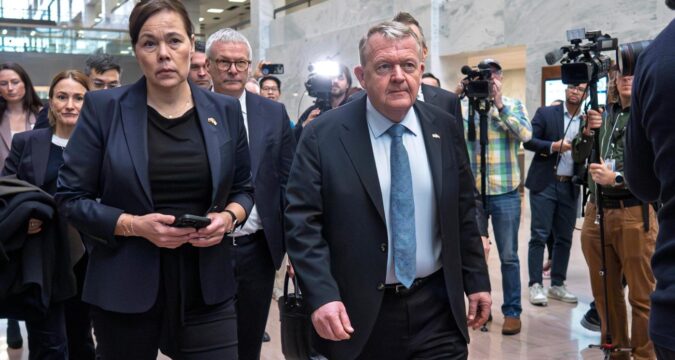
Tropas europeas llegan a Groenlandia tras reunión con EEUU que destacó “desacuerdo” sobre su futuro
Por EMMA BURROWS, CLAUDIA CIOBANU y BEN FINLEY
NUUK, Groenlandia (AP) — Tropas de varios países europeos, incluidos Francia, Alemania, Noruega y Suecia, están llegando a Groenlandia para ayudar a reforzar la seguridad de la isla ártica después de que las conversaciones del miércoles entre representantes de Dinamarca, Groenlandia y Estados Unidos destacaran un “desacuerdo fundamental” entre el gobierno de Trump y los aliados europeos.
“Los primeros elementos militares franceses ya están en camino” y “otros seguirán”, anunció el miércoles el presidente francés, Emmanuel Macron, mientras las autoridades francesas informaron que unos 15 soldados franceses de la unidad de infantería de montaña ya estaban en Nuuk para un ejercicio militar.
Alemania desplegará un equipo de reconocimiento de 13 personas en Groenlandia el jueves, según informó su Ministerio de Defensa.
Copenhague anunció que aumentaría su presencia militar en Groenlandia, con aliados de la OTAN que se sumarían a sus efectivos, justo cuando los ministros de Exteriores de Dinamarca y Groenlandia se reunían con representantes de la Casa Blanca el miércoles en Washington para tratar las intenciones del presidente de Estados Unidos, Donald Trump, de tomar el control de la isla para explotar sus recursos minerales y proteger la seguridad de la región ártica ante el creciente interés ruso y chino.
El ministro danés de Defensa, Troels Lund Poulsen, dijo el jueves que la intención era “establecer una presencia militar más permanente con una mayor contribución danesa”, según el medio danés DR. Dijo que los soldados de varios países de la OTAN estarán en Groenlandia en un sistema de rotación.
El ministro danés de Exteriores, Lars Løkke Rasmussen, acompañado por su homóloga groenlandesa Vivian Motzfeldt, dijo el miércoles que persiste un “desacuerdo fundamental” sobre Groenlandia con Trump después de mantener conversaciones muy esperadas en la Casa Blanca con el vicepresidente, JD Vance y el secretario de Estado, Marco Rubio.
Rasmussen agregó que sigue estando “claro que el presidente tiene este deseo de conquistar Groenlandia”.
“De verdad lo necesitamos”, dijo Trump a los medios en la Oficina Oval después de la reunión. “Si no entramos, Rusia va a entrar y China va a entrar. Y no hay nada que Dinamarca pueda hacer al respecto, pero nosotros podemos hacer todo al respecto”.
Trump dijo que aún no había sido informado sobre el contenido de la reunión en la Casa Blanca cuando hizo sus comentarios.
En la capital de Groenlandia, Nuuk, los residentes locales dijeron a The Associated Press que estaban contentos de que se hubiera llevado a cabo la primera reunión entre funcionarios groenlandeses, daneses y estadounidenses, pero sugirieron que dejó más preguntas que respuestas.
Varias personas dijeron que veían la decisión de Dinamarca de enviar más tropas y las promesas de apoyo de otros aliados de la OTAN como una protección contra una posible acción militar de Estados Unidos. Pero los mandos militares europeos no han sugerido que el objetivo sea disuadir un movimiento de Estados Unidos contra la isla.
Maya Martinsen, de 21 años, estuvo de acuerdo y dijo que era “reconfortante saber que los países nórdicos están enviando refuerzos” porque Groenlandia es parte de Dinamarca y de la OTAN.
La disputa, dijo, no se trata de “seguridad nacional” sino más bien de “los petróleos y minerales que tenemos que están intactos”.
Más tropas, más conversaciones
Poulsen había anunciado el miércoles una presencia militar reforzada en el Ártico “en estrecha cooperación con nuestros aliados”, calificándolo de una necesidad en un entorno de seguridad en el que “nadie puede predecir lo que sucederá mañana”.
“Esto significa que desde hoy y en el tiempo venidero habrá una presencia militar aumentada en y alrededor de Groenlandia de aviones, barcos y soldados, incluidos otros aliados de la OTAN”, dijo Poulsen.
Al ser preguntado si los movimientos de tropas europeas estaban coordinados con la OTAN o qué papel podría desempeñar la alianza militar liderada por Estados Unidos en los ejercicios, la OTAN remitió todas las preguntas a las autoridades danesas.
Sin embargo, la OTAN está considerando cómo los miembros pueden fortalecer colectivamente la presencia de la alianza en el Ártico, según un funcionario de la OTAN que no estaba autorizado a comentar públicamente y habló bajo condición de anonimato.
Rasmussen, el ministro danés de Exteriores, anunció la creación de un grupo de trabajo con los estadounidenses para discutir formas de resolver las diferencias.
“El grupo, en nuestra opinión, debería centrarse en cómo abordar las preocupaciones de seguridad estadounidenses, al mismo tiempo que respeta las líneas rojas del Reino de Dinamarca”, dijo.
Comentando sobre el resultado de la reunión en Washington el jueves, Poulsen dijo que el grupo de trabajo era “mejor que ningún grupo de trabajo” y “un paso en la dirección correcta”. Sin embargo, agregó que el diálogo con Estados Unidos no significaba que “el peligro haya pasado”.
Line McGee, una mujer de 38 años de Copenhague, dijo a AP que estaba contenta de ver algún progreso diplomático. “No creo que la amenaza haya desaparecido”, dijo. “Pero me siento un poco mejor que ayer”.
Hablando en el programa Special Report de FOX News Channel el miércoles después de las conversaciones en la Casa Blanca, Rasmussen rechazó tanto una toma militar como la posible compra de la isla por parte de Estados Unidos. Cuando se le preguntó si cree que Estados Unidos invadirá, respondió: “No, al menos no lo espero, porque, quiero decir, eso sería el fin de la OTAN”.
Rasmussen dijo que era poco probable que los groenlandeses votaran por el dominio estadounidense incluso si se ofrecieran incentivos financieros “porque creo que no hay manera de que Estados Unidos pague por un sistema de bienestar escandinavo en Groenlandia, hablando con sinceridad”.
“No han introducido un sistema de bienestar escandinavo en su propio país”, agregó.
Trump, en su reunión con reporteros en la Oficina Oval, dijo: “Veremos cómo resulta todo. Creo que algo se resolverá”.
___
Niemann informó desde Copenhague, Dinamarca, y Ciobanu desde Varsovia, Polonia.
___
Esta historia fue traducida del inglés por un editor de AP con la ayuda de una herramienta de inteligencia artificial generativa.
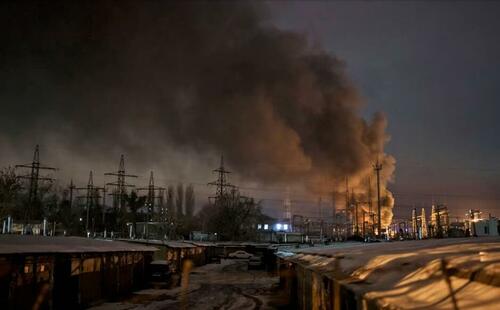
Zelensky Declares Permanent State Of Emergency For Energy Sector
Zelensky Declares Permanent State Of Emergency For Energy Sector
Already Ukraine’s power grid has long suffered, with rolling blackouts having been in effect across parts of the country for much of the past year, but this week things have gotten worse amid a harsh freeze.
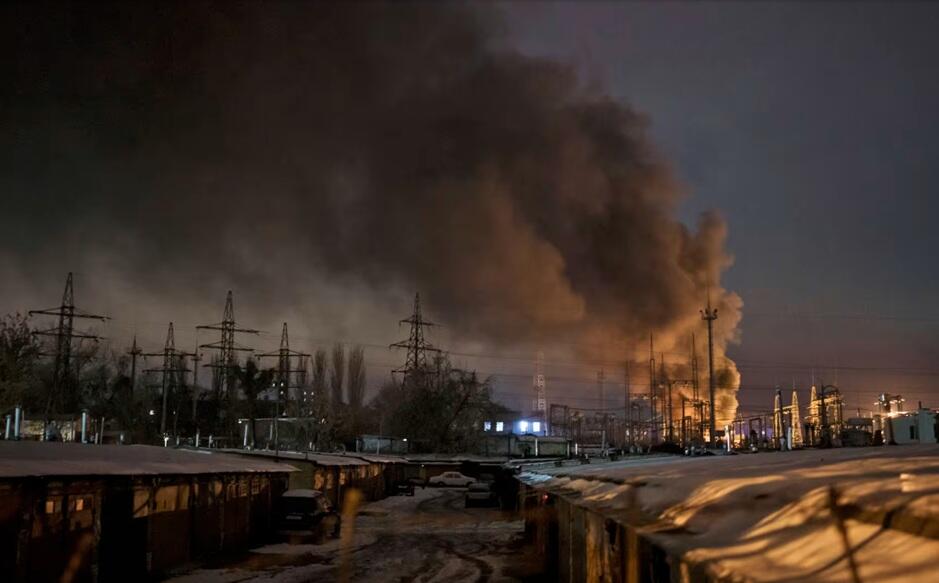
Ukrainian President Volodymyr Zelensky has announced that the government is declaring a state of emergency in the energy sector after repeated Russian strikes damaged heating and power facilities during freezing winter conditions.
“A permanent coordination headquarters will be established to address the situation in the city of Kyiv. Overall, a state of emergency will be declared for Ukraine’s energy sector,” Zelensky confirmed after coming out of a crisis meeting.
He added that efforts were underway “to significantly increase the volume of electricity imports into Ukraine.” But no matter how fast repair teams work, or alternative imports enter, the energy grid is being degraded faster than parts can be found or replaced.
Emergency repair teams are working nonstop to restore power across the capital region. For example, in Boryspil – a town of roughly 60,000 residents southeast of Kiev – engineers have been dismantling and reconstructing damaged electrical systems after strikes destroyed critical components.
Local energy officials say crews are operating in subzero conditions, even down to minus 15 degrees Celsius (5 degrees Fahrenheit), from early morning until late at night.
Kyiv Mayor Vitali Klitschko has described the situation the most severe and prolonged power outage since Russia launched its full-scale invasion nearly four years ago, noting that some neighborhoods have been without electricity for several days in a row.
The European Union and NATO have been scrambling to come up with ways to both keep the lights on in Ukraine and defend its cities and vital infrastructure from being devastated by Russia.
All of this is part of Moscow’s attrition strategy, knowing it can outlast, out-gun, and out-manpower Ukraine. This is also about inflicting broader pain and suffering among the population, in hopes of destabilizing the Zelensky government enough to replace him.
Lights out in Ukrainian cities, with some residents having generators or alternative means…
Kyiv.
No electricity for 15 hours.
Maybe it’ll be back tomorrow morning (usually for no more than four hours).
I’ll save my phone battery.
Will write only if something critical happens (or when power returns). pic.twitter.com/UofzwAZiWD
— Yaroslava (@strategywoman) January 13, 2026
But Europe is equally scrambling to pull resources to prop up Zelensky as well as Ukraine’s civic sector. But looming is the continued escalation, and the potential for the West to pour more powerful weapons into the conflict, such as long-range missiles.
If this happens, Moscow will probably unleash more intensive ‘shock and awe’ style strikes on population and decision-making centers like Kiev.
Tyler Durden
Thu, 01/15/2026 – 04:15
https://www.zerohedge.com/geopolitical/zelensky-declares-permanent-state-emergency-energy-sector
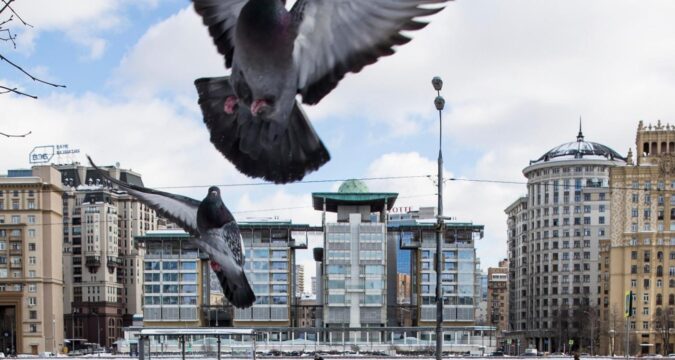
Rusia expulsa a diplomático británico de embajada en Moscú por acusaciones de espionaje
Por The Associated Press
MOSCÚ (AP) — Las autoridades rusas ordenaron el jueves a un diplomático británico que abandone el país debido a acusaciones de espionaje.
El Servicio Federal de Seguridad, conocido por su acrónimo en ruso FSB, alegó que el miembro del personal de la legación diplomática de Reino Unido había trabajado para la inteligencia británica. No proporcionó pruebas.
Se revocó la acreditación del diplomático, que tiene dos semanas para abandonar el país, explicó el Ministerio de Exteriores del Kremlin en un comunicado. La encargada de negocios de Reino Unido en Rusia, Danae Dholakia, fue convocada a la sede del ministerio en Moscú para recibir la notificación.
“Moscú no tolerará el trabajo de agentes de inteligencia británicos no declarados en Rusia”, indicó el ministerio en su nota, agregando que responderá con reciprocidad a cualquier acción de Londres con respecto a este tema.
El gobierno de Reino Unido no comentó la medida.
Rusia y los aliados de la OTAN han llevado a cabo múltiples rondas de expulsiones mutuas de diplomáticos, mientras que sus relaciones han caído a su nivel más bajo desde la Guerra Fría después de que Moscú enviara tropas a Ucrania en febrero de 2022.
El Kremlin ya había expulsado a dos diplomáticos británicos asentados en Moscú, acusados de espionaje en marzo de 2025. Londres calificó esos cargos de “maliciosos e infundados”.
___
Esta historia fue traducida del inglés por un editor de AP con la ayuda de una herramienta de inteligencia artificial generativa.

Un equipo de astronautas regresa a la Tierra en la primera evacuación médica de la NASA
Por MARCIA DUNN
SAN DIEGO (AP) — Un astronauta enfermo regresó a la Tierra con otros tres compañeros el jueves, terminando su misión en la estación espacial más de un mes antes de lo previsto en la primera evacuación médica de la NASA.
SpaceX guio la cápsula para un amerizaje en plena noche en el Pacífico cerca de San Diego, menos de 11 horas después de que los astronautas salieran de la Estación Espacial Internacional.
“Es estupendo estar en casa”, dijo la astronauta de la NASA Zena Cardman, comandante de la cápsula.
Fue un final inesperado para una misión que comenzó en agosto y dejó al laboratorio orbital con apenas un estadounidense y dos rusos a bordo. La NASA y SpaceX dijeron que intentarían adelantar el lanzamiento de una nueva tripulación de cuatro personas. El despegue está actualmente previsto para mediados de febrero.
Zena Cardman y Mike Fincke de la NASA fueron acompañados en el regreso por Kimiya Yui de Japón y Oleg Platonov de Rusia. Las autoridades se han negado a identificar al astronauta que tuvo el problema de salud o a explicar lo que sucedió, citando la privacidad médica.
Aunque el astronauta estaba estable en órbita, la NASA quería que regresara a la Tierra lo antes posible para recibir la atención adecuada y realizar pruebas diagnósticas. La entrada y el amerizaje no requirieron cambios o adaptaciones especiales, dijeron las autoridades, y el barco de recuperación tenía su equipo habitual de expertos médicos a bordo. No se sabía de inmediato cuándo volarían los astronautas desde California a su base en Houston. El regreso de Platonov a Moscú también era incierto.
La NASA enfatizó repetidamente durante la última semana que esto no era una emergencia. El astronauta se enfermó o resultó herido el 7 de enero, lo que llevó a la NASA a cancelar la caminata espacial del día siguiente de Cardman y Fincke, y finalmente resultó en el regreso anticipado. Fue la primera vez que la NASA acortó un vuelo espacial por razones médicas. El programa espacial ruso lo hizo hace décadas.
La estación espacial ha funcionado antes con tres astronautas, a veces incluso con sólo dos. La NASA dijo que no podrá realizar una caminata espacial, incluso en caso de emergencia, hasta la llegada de la próxima tripulación, que incluye a dos estadounidenses, un francés y un cosmonauta ruso.
___
El Departamento de Salud y Ciencia de Associated Press recibe apoyo del Departamento de Educación Científica del Instituto Médico Howard Hughes y de la Fundación Robert Wood Johnson. AP es el único responsable de todo el contenido.
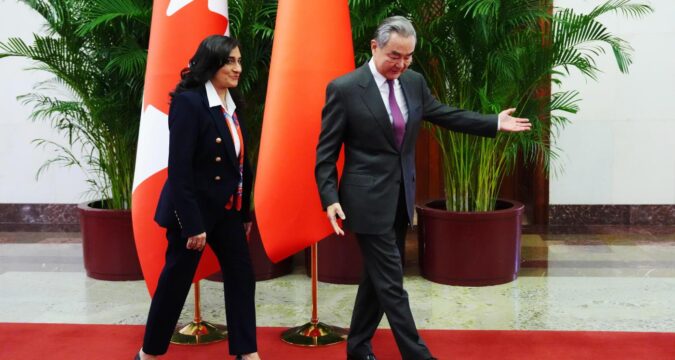
¿Nueva era en la relación Canadá-China? Visita de primer ministro Carney indica un cambio
Por KEN MORITSUGU
BEIJING (AP) — En la primera visita de un líder canadiense a China en ocho años, ambas partes envían señales que indican el inicio de una era de mejores relaciones.
En una reunión con su homóloga canadiense el jueves, el ministro de Exteriores de China, Wang Yi, describió la visita del primer ministro, Mark Carney, esta semana como un punto de inflexión que se espera abra nuevas perspectivas en sus lazos, según un comunicado del ministerio.
Anita Anand, la canciller canadiense, le dijo a Wang que Carney espera sentar las bases para el desarrollo de las relaciones bilaterales y reiniciar el diálogo en varios ámbitos, de acuerdo con la nota china.
Carney, quien asumió como primer ministro hace 10 meses, está intentando reparar los lazos con Beijing tras varios años de desencuentros por temas que van desde el arresto en 2018 de una alta ejecutiva tecnológica china en Canadá hasta los aranceles a los vehículos eléctricos fabricados en China.
Carney tiene previsto reunirse más tarde en el día con el primer ministro, Li Qiang, y el viernes se verá con el presidente, Xi Jinping.
Su misión se ha vuelto más urgente debido a la subida arancelaria decretada por el presidente Donald Trump a las exportaciones canadienses a Estados Unidos. Carney se ha fijado el objetivo de reducir esa dependencia duplicando las exportaciones del país a otros países extranjeros en la próxima década.
“Estamos listos para construir una nueva asociación, una que se base en lo mejor de nuestro pasado y responda a los desafíos actuales”, señaló Carney en X tras su llegada a Beijing el miércoles por la noche.
Siguiendo el ejemplo de Estados Unidos, en 2024, durante el mandato de Justin Trudeau, Canadá anunció aranceles del 100% sobre vehículos eléctricos chinos y del 25% sobre el acero y el aluminio.
China respondió con impuestos del 100% al aceite y la harina de canola canadienses y del 25% al cerdo y los mariscos. Además, añadió un gravamen del 75,8% sobre las semillas de canola en agosto. En su conjunto, estos impuestos cerraron de facto el mercado chino a las exportaciones canadienses de canola, según un grupo sectorial.
China espera que los aranceles de Trump y otras tácticas de presión a Canadá y otros aliados les hagan adoptar una política exterior más independiente de Washington. El gobierno en Beijing ha acusado a menudo a Estados Unidos de reunir a sus aliados para actuar contra el gigante asiático, especialmente durante la presidencia de Joe Biden, el predecesor de Trump.
Las autoridades canadienses enfurecieron a China a finales de 2018 al arrestar a Meng Wanzhou, directora financiera de Huawei Technologies Co., a pedido de la Casa Blanca, que solicitaba su extradición por varios cargos. Beijing respondió con la detención de dos canadienses acusados de espionaje, lo que empañó su relación durante más de dos años.
___
Esta historia fue traducida del inglés por un editor de AP con la ayuda de una herramienta de inteligencia artificial generativa.
UK BANS Dutch Commentator For Criticizing Starmer While Welcoming Illegal Migrant Hordes
UK BANS Dutch Commentator For Criticizing Starmer While Welcoming Illegal Migrant Hordes
Authored by Steve Watson via modernity.news,
Under Keir Starmer’s Labour government, the UK has become a dystopian nightmare where criticizing the Prime Minister gets you banned from entry. Meanwhile, boatloads of illegal migrants wash across the Channel daily, rewarded with hotel stays and taxpayer-funded perks.
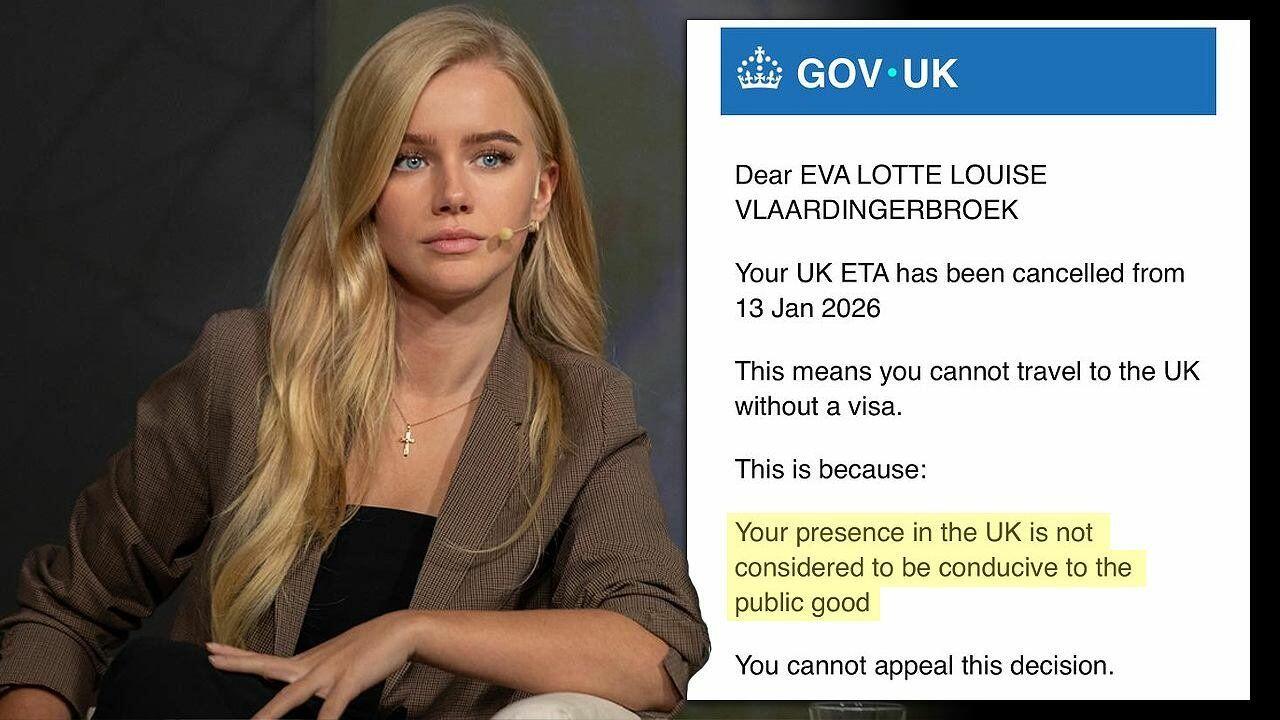
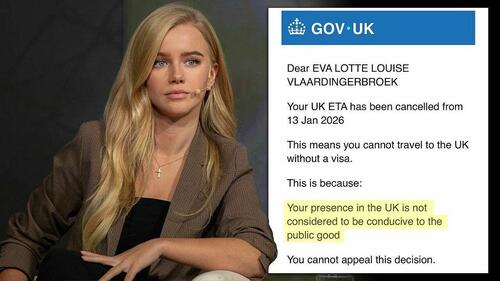
Dutch commentator Eva Vlaardingerbroek learned this the hard way when her travel authorization was revoked just days after calling out Starmer’s hypocrisy on immigration and free speech.
This blatant act of political censorship highlights Labour’s twisted priorities: protect the establishment narrative at all costs, even as unchecked migration erodes British sovereignty and burdens citizens.
I’ve been banned from traveling to the UK. 🇬🇧
No reason given. No right to appeal. Zero due process.
Just an email saying the UK government deems me “not conducive to the public good” – exactly three days after I criticized Keir Starmer.
I guess my point that the UK is no… pic.twitter.com/JAcMMcjf1I
— Eva Vlaardingerbroek (@EvaVlaar) January 14, 2026
Vlaardingerbroek, a 29-year-old Dutch lawyer, political commentator, and activist, has built a reputation for her outspoken criticism of mass immigration, globalism, and threats to Western culture. Formerly affiliated with the Netherlands’ Forum for Democracy party, she advocates for “remigration” policies to preserve national identity and has amassed a large following on social media for her unfiltered takes on Europe’s migration crisis. As such, her views have made her a target for leftist regimes eager to silence dissent.
The UK government informed Eva “Your presence in the UK is not considered to be conducive to the public good.”
Holy sh*t.
I’ve been banned from traveling to the UK. They revoked my ETA.
“Your presence in the UK is not considered to be conductive to the public good.”
3 days after posting this about Starmer. https://t.co/NqWBtaTkZe pic.twitter.com/lm5lZgL2i7
— Eva Vlaardingerbroek (@EvaVlaar) January 14, 2026
The post she referenced slammed Starmer directly: “Keir Starmer wants to crack down on X under the pretense of “women’s safety”, whilst he’s the one allowing the ongoing rape and killing of British girls by migrant rape gangs. Evil, despicable man.”
“I’ve become a victim of two tier justice and Keir Starmer is a TYRANT!”
World exclusive Outspoken interview with Eva Vlaardingerbroek after being banned from the UK.@EvaVlaar ❤️ pic.twitter.com/eOWH3av0HU
— Dan Wootton (@danwootton) January 14, 2026
Meanwhile Starmer recently announced that one of his top priorities was getting an anti-white Egyptian extremist to the UK and was “delighted” to “welcome”‘” him:
Despite el-Fattah’s vile history – including posts like “fucking hate white people … a blight on the earth they are” and calls for “random shooting of white males” – Starmer celebrated his return to the UK.
As we higlighted, el-Fattah has praised Osama bin Laden, denied the Holocaust, and urged violence against police and Zionists. Yet Labour bent over backward to import this hate-monger, exposing their contempt for British values.
Last month, the UK government welcomed into the country a man who told people to “burn Downing Street,” said “I don’t like white people,” and called British people “dogs and monkeys.”
Apparently, he was ‘conducive to the public good’. https://t.co/keEFFGu5bJ
— Paul Joseph Watson (@PrisonPlanet) January 14, 2026
Meanwhile @Keir_Starmer announced his “top priority” was getting this guy to the UK and was “delighted” to “welcome” him… 😩 pic.twitter.com/dnyv50mPFi
— Emily Wilding Davison🏴 (@Wommando) January 14, 2026
As Vlaardingerbroek’s ban made headlines, recent reports confirm the UK’s borders remain a sieve. In the first week of January 2026 alone, dozens braved sub-zero temperatures to cross the Channel in small boats, adding to the over 41,000 arrivals in 2025 – the second-highest year on record. These migrants are often housed in hotels at taxpayer expense, with costs soaring to £8 million per day, while British families struggle.
You’re not a rapey illegal migrant so Keir Starmer won’t let you in
— Inevitable West (@Inevitablewest) January 14, 2026
The Home Office plans to evict some from hotels by spring 2026, but with crossings continuing unabated – 32 detected in the first five days of the year – the system is overwhelmed. Labour’s “one in, one out” scheme faltered when the first 2026 return flight to France was cancelled, leaving more invaders to stay.
But if u get on a dinghy, we’ll put you in a hotel, feed u, give u healthcare, internet, phones and free travel.
— Adam Brooks AKA EssexPR 🇬🇧 (@EssexPR) January 14, 2026
This ties into deeper rot. A former aide to Starmer recently blew the whistle on a “deep state” – a “political perma-class” of insiders, NGOs, and lobbyists – controlling the government and obsessing over fringe issues like el-Fattah’s case while ignoring voter concerns.
The former aide Paul Ovenden described it as a “stakeholder state” that shifts power “away from voters and towards groups with the time, money and institutional access to make themselves too important to ignore.”
Ovenden slammed policies that “import antisemitic Islamists who wish us harm” and treat “British citizenship as a scrap of paper.” This blob forces the government to “row with muffled oars” to appease campaign groups and regulators, sidelining secure borders.
The reason for Vlaardingerbroek’s ban is clear. Her call for “remigration” of immigrants made her persona non grata. And the Labour government’s message is clear: Dissent against open borders and leftist agendas? You’re out. But if you’re an illegal crosser or hate-spewing extremist, welcome aboard – hotel room included.
The “You cannot appeal this decision” is the most Leftist sentence I have ever read.
This fascist thinking is so fundamental to their ethos that they do not even recognize it.
It is simply the air that they breathe and is of no consequence. pic.twitter.com/QsiolJGjWx
— Andy Martin (@Dollarlogic) January 14, 2026
This hypocrisy must end. Brits deserve a government that puts citizens first, secures borders, and defends free speech against the deep state’s grip. Until then, the invasion continues, and patriots like Vlaardingerbroek pay the price.
Your support is crucial in helping us defeat mass censorship. Please consider donating via Locals or check out our unique merch. Follow us on X @ModernityNews.
Tyler Durden
Thu, 01/15/2026 – 03:30