Category: News
Iran & Israel Secretly Agreed Not To Attack Each Other Through Russian Backchannel
Iran & Israel Secretly Agreed Not To Attack Each Other Through Russian Backchannel
There may have been some back-channel dealmaking and a ‘mutual understanding’ reached between Iran and Israel far behind the scenes as protests unfolded on Iran’s streets, and as President Trump began to make threats about striking Tehran.
At a moment Trump seems to have climbed down (at least for now) from the threatened drive to intervene militarily, The Washington Post has issued a Wednesday report saying Israel and Iran have been in indirect diplomatic contact via Russia as a mediator.
“Days before protests erupted in Iran in late December, Israeli officials notified the Iranian leadership via Russia that they would not launch strikes against Iran if Israel were not attacked first,” WaPo writes. “Iran responded through the Russian channel that it would also refrain from a preemptive attack, diplomats and regional officials with knowledge of the exchange said.”
Could this be because of the Iranian missiles that rained down on Tel Aviv back in June? If so, it seems the Islamic Republic has finally established deterrence.
The timeline of what was communicated when remains unclear. But this backchannel had already been revealed in Middle East media reports, for example in the following prior reporting:
Israel and Iran have recently exchanged secret, indirect messages through Russia in the midst of heightened regional tensions, according to a new report by Amwaj.media today. The exchanges were described as an effort to prevent further military escalation rather than to establish any form of ceasefire or diplomatic framework.
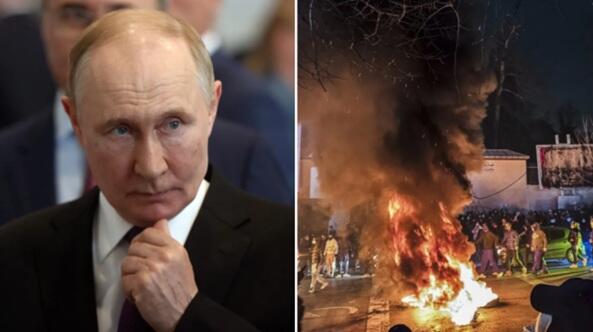
According to the report, the messages were conveyed through Russian President Vladimir Putin after Israel sought to pass along a signal that it was not interested in escalating military conflict at this stage. Iranian officials acknowledged the message but emphasized that their reply carried no commitment, no coordination, and no obligation on Iran’s part. An Iranian political source quoted in the report said bluntly that “there is no commitment, no coordination, and no ceasefire agreement.” The source emphasized that the contact should not be interpreted as a step toward broader understandings between the two countries, which remain bitter adversaries with no direct diplomatic ties.
The exchanges were reportedly limited in scope and intent. No guarantees were offered, no timelines were discussed, and no monitoring or enforcement mechanisms were established. One source described the communication as “a mutual announcement to a mutual friend on no new strikes,” meaning that the goal was simply to manage tensions at a specific moment rather than to lock in any lasting arrangement.
A senior Iranian political source confirmed that indirect communication with Israel had indeed taken place, identifying Russia, and specifically Putin, as the intermediary. The source reiterated that there was “no ceasefire agreement” and that the messages amounted only to parallel notifications of intent, rather than a shared understanding or deal.
The report says the Iranian side of the exchanges was handled not by the foreign ministry but by Ali Larijani, secretary of Iran’s Supreme National Security Council.
It’s possible that this served as important background to Trump’s apparent decision to not strike Iran at this point. Israel is usually the country yelling loudest to hit Iran, but this time the Netanyahu government was somewhat muted.
Sorry to be a hater, but this is not “breaking news”. It was reported over two weeks ago: https://t.co/SjEJKtgAT6 https://t.co/jDExKOZVND
— Mohammad Ali Shabani (@mashabani) January 14, 2026
By all accounts, Iran’s streets have pretty much gone quiet by now, after a crescendo of violence this week left hundreds dead, including many police and security personnel.
Tyler Durden
Wed, 01/14/2026 – 23:50
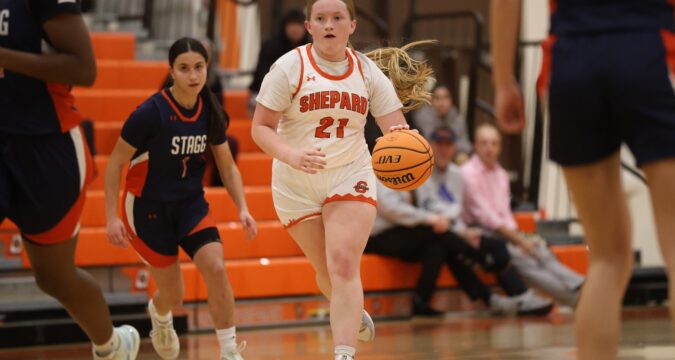
Basketball and local scores for the Southland, Aurora, Elgin, Naperville and Lake County
High school and local college results and highlights from the Southland, Aurora, Elgin, Naperville and Lake County coverage areas.
Email Daily Southtown results to southtownsports@gmail.com, Beacon-News, Courier-News and Naperville Sun results to tribwestsports@gmail.com and News-Sun results to newssunsports@gmail.com.
WEDNESDAY’S RESULTS
HIGH SCHOOLS
BOYS BASKETBALL
Antioch 59, Grayslake North 49
Antioch (4-13, 1-5 Northern Lake County): Mark Render 18 points, 5 rebounds. Chance Parsons 14 points.
Batavia 43, Wheaton Warrenville South 41 (OT)
Brother Rice 64, St. Laurence 47
Burlington Central 62, Huntley 55
Geneva 52, St. Charles East 42
Hampshire 42, Dundee-Crown 26
Hampshire (4-14, 1-7 Fox Valley): Jordan Parish 14 points.
Kaneland 77, St. Charles North 45
Lakes 65, Grant 59 (OT)
Lakes (9-7, 5-1 Northern Lake County): Carter Martin 19 points.
Grant (6-8, 2-3): D.J. Stitts 15 points.
Parker 58, Elgin 53
Reed-Custer 52, Beecher 41
St. Rita 53, Hancock 46
Stevenson 79, Zion-Benton 40
Stevenson (12-5, 4-2 North Suburban): Donny Williams 26 points, 4 assists. Rocco Pagliocca 16 points 6 rebounds, 5 assists.
Warren 67, Lake Zurich 55
Warren (15-1, 5-0 North Suburban): Braylon Walker 18 points. Jaxson Davis 15 points.
Wauconda 47, Grayslake Central 44
Wauconda (12-5, 6-0 Northern Lake County): Tony Salemi 17 points, 4 rebounds.
Grayslake Central (11-6, 5-1): Carson Woods 14 points.
Waukegan 77, Mundelein 42
Waukegan (14-5, 4-1 North Suburban): Simereon Carter 21 points. Rico Love 16 points.
GIRLS BASKETBALL
Benet 51, Carmel 35
Genoa-Kingston 60, Harvest-Westminster 22
Grant 45, Round Lake 35
Grayslake North 57, Maine East 54
Indian Creek 64, Mooseheart 4
Lindblom 52, Morgan Park 47
Marian Catholic 41, Joliet Catholic 26
Nazareth 56, Marist 33
LOCAL COLLEGES
MEN’S BASKETBALL
Augustana 98, North Central College 93
Aurora University 95, Concordia (Wis.) 84
Governors State 97, Indiana Northwest 80
Holy Cross (Ind.) 83, St. Xavier 69
Indiana South Bend 82, Judson 55
St. Francis 81, St. Ambrose 80
Viterbo (Wis.) 83, Trinity Christian 65
WOMEN’S BASKETBALL
Aurora University 70, Concordia (Wis.) 59
Governors State 71, Indiana Northwest 59
Holy Cross (Ind.) 43, St. Xavier 39
St. Francis 74, St. Ambrose 45
TUESDAY’S RESULTS
HIGH SCHOOLS
BOYS BASKETBALL
Beecher 67, Donovan 33
Beecher (4-13, 4-4 River Valley): Wences Baumgartner 22 points, 6 steals.
Bloom 55, Thornridge 51
Bloom (10-7, 3-2 Southland): Keiwon Gulley 14 points, 6 steals.
Bremen 48, Argo 43
Bremen (6-10, 2-3 SSC Blue): Jalen Clardy 16 points.
Argo (4-13, 1-4 SSC Red): Adrian Lee-Horton 16 points.
Brother Rice 57, Aurora Central Catholic 23
Carmel 50, Zion-Benton 37
Carmel (7-11): Ethan Matz 15 points. Jackson Stavros 15 points.
De La Salle 67, Providence 34
De La Salle (7-12): Steph Dixon 23 points.
Providence (7-13): Reece Kras 11 points.
Eisenhower 66, Tinley Park 63
Hillcrest 76, Shepard 42
Hillcrest (11-5, 5-0 SSC Blue): Jamir Ratliff 24 points.
Shepard (8-11, 2-3 SSC Red): Billy Massey 13 points.
Hinckley-Big Rock 91, DePue 52
Hinckley-Big Rock (11-5, 5-0 Little Ten): Luke Badal 25 points. Marshall Ledbetter 21 points.
IMSA 53, LaMoille 29
IMSA (8-4): Freddy Igbinosa 13 points.
Kankakee 59, Rich Township 51
Lemont 60, Evergreen Park 55
Lemont (11-6, 5-0 SSC Blue): Ryan Crane 19 points. Julian Overton 15 points.
Evergreen (6-8, 2-3 SSC Red): Connor Gallagher 17 points.
Leo 59, Fenwick 45
Leo (13-4): Brian Kizer 18 points. Karon Shavers 13 points.
Lincoln-Way Central 50, Bradley-Bourbonnais 42
Lincoln-Way Central (12-5, 5-2 SWSC): Nick Brzezniak 16 points. Nolan Morrill 13 points.
Lincoln-Way East 68, Sandburg 59
Lincoln-Way West 71, Stagg 51
Lincoln-Way West (11-8, 4-3 SWSC): Drake Been 31 points; tied school record with 9 3-pointers.
Stagg (10-7, 2-4): Mohammad Farhan 12 points, 7 rebounds.
Lockport 67, Andrew 57
Lockport (14-4, 5-2 SWSC): Nedas Venckus 21 points. Trace Schaaf 14 points, 7 rebounds.
Andrew (8-11, 2-6): Ryan Dinnon 25 points, 5 rebounds.
Loyola 60, Marmion 53
Marmion (10-7): Ali Tharwani 15 points.
Marist 60, Bosco (Ind.) 59
Marist (17-1): Chuck Barnes 26 points; GW basket as time expired.
Metea Valley 90, East Aurora 53
Metea (10-7): Tre Watkins 28 points. Sincere Williams 13 points.
Momence 70, Illinois Lutheran 53
Morgan Park 67, Ag. Science 65
Mount Carmel 68, St. Rita 36
Newark 58, Indian Creek 55
Newark (10-6, 5-0 Little Ten): Reggie Chapman 18 points, 4 rebounds, 4 assists. Austin Reibel 14 points, 5 rebounds. Cody Kulbartz 13 points, 10 rebounds, 4 assists, 3 blocks.
Indian Creek (12-4, 2-2): Payton Hueber 17 points.
Oak Lawn 48, Oak Forest 35
Oak Lawn (12-6, 3-2 SSC Red): Jack Dempsey 24 points.
Oswego 68, Plainfield East 61 (2 OTs)
Oswego (11-7, 5-3 Southwest Prairie West): Graham Schwab 20 points. Mariano Velasco 17 points, 6 rebounds, 3 steals. Brayden Borrowman 13 points, 11 rebounds.
Plano 56, Woodstock 54
Plano (10-8, 4-0 Kishwaukee River): Jayden Zepeda 16 points; GW basket as time expired. Ethan Taxis 23 points.
Richards 66, T.F. North 54
Richards (10-6, 4-1 SSC Red): Travon Gourdine 21 points, 6 rebounds, 5 assists. Messiah Horton 19 points, 10 rebounds, 5 assists.
Richmond-Burton 71, Sandwich 50
St. Laurence 69, IC Catholic 49
St. Laurence (18-2): Markese Peoples 19 points. Noah Corro 16 points.
Somonauk 61, Leland 54
Somonauk (6-13, 3-2 Little Ten): Landon Johnson 17 points.
T.F. South 65, Reavis 30
Thornton 58, Crete-Monee 51
Thornton (6-8, 3-2 Southland): DeAndre Higgs 14 points. Kobe Stevenson 13 points.
Crete (10-8, 1-4): Joe Jones 26 points.
Westlake Christian 72, Harvest-Westminster 58
Yorkville 58, Romeoville 33
Yorkville (9-7, 6-2 Southwest Prairie West): Gabe Sanders 17 points. Braydon Porter 16 points.
GIRLS BASKETBALL
Argo 64, Bremen 11
Argo (15-6, 2-3 SSC Red): Ice Alshaikh 15 points. Zanarhia Lawrence 15 points.
Aurora Central Catholic 71, Rosary 30
Beecher 50, Wilmington 36
Beecher (11-8): Gianna Bonomo 11 points. Emily Wuest 11 points. Allie Johnson 11 points.
Benet 62, St. Viator 29
Benet (16-1, 6-0 ESCC): Emma Briggs 23 points.
Evergreen Park 51, Lemont 40
Evergreen (15-4, 4-1 SSC Red): Ella Throndson 24 points.
Hampshire 43, Dundee-Crown 31
Hillcrest 63, Shepard 30
Huntley 70, Burlington Central 41
IC Catholic 57, De La Salle 32
Kaneland 65, LaSalle-Peru 25
Kaneland (16-5, 5-0 Interstate Eight): Grace Brunscheen 11 points. Amani Meeks 11 points. Kyra Lilly 11 points.
Lake Zurich 59, Warren 25
Libertyville 58, Prospect 51
Libertyville (15-3): Lily Fisher 32 points.
Lincoln-Way East 58, Sandburg 54
Lincoln-Way East (12-9, 3-5 SWSC): Coach Jim Nair 300th career victory.
Lincoln-Way West 42, Stagg 31
Lockport 58, Andrew 42
Lockport (17-5, 8-1 SWSC): Katie Peetz 13 points, 12 rebounds, 5 blocks. Evelyn Ingram 13 points, 4 rebounds.
Maine East 58, Deerfield 39
Maine South 45, Batavia 25
Naperville North 50, Wheaton North 44
Oak Lawn 55, Oak Forest 53 (OT)
Oak Lawn (14-6, 4-1 SSC Red): Bianca Fleitas 21 points.
Oswego 56, Plainfield East 41
St. Charles East 61, Neuqua Valley 51
St. Laurence 61, Wheaton St. Francis 37
St. Laurence (10-8): Elle Rice 15 points. Aaliyah Flores 14 points. Ciyah Thomas 14 points.
South Elgin 58, Elgin 26
Southland Prep 41, Eisenhower 40
Stevenson 46, Zion-Benton 19
T.F. North 58, Richards 28
T.F. North (13-6, 4-1 SSC Blue): Lauryn Jackson 18 points, 13 rebounds. Kamariyah McClinton 14 points, 8 rebounds, 6 assists.
Wauconda 66, North Chicago 20
Wauconda (17-0, 7-0 Northern Lake County): Avery Geoghan 17 points, 3 steals.
Yorkville 69, Romeoville 40
Yorkville (10-7, 5-3 Southwest Prairie West): Aubrey Spychalski 14 points.
Yorkville Christian 49, Unity Christian 37
LOCAL COLLEGES
MEN’S BASKETBALL
Kankakee Community College 86, Joliet Junior College 75
South Suburban College 91, Madison (Wis.) 72
WOMEN’S BASKETBALL
Joliet Junior College 96, Kankakee Community College 94 (OT)
Compiled by Josh Krockey.
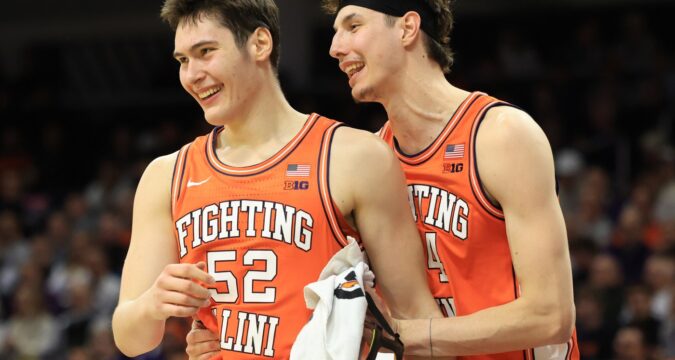
Photos: No. 13 Illinois 79, Northwestern 68
Photos from No. 13 Illinois’ 79-68 victory over Northwestern on Jan. 14, 2026, at Welsh-Ryan Arena in Evanston.
Illinois center Tomislav Ivišić, left, hugs strength and conditioning coach Adam Fletcher after a 79-68 win over Northwestern at Welsh-Ryan Arena on Jan. 14, 2026, in Evanston. (John J. Kim/Chicago Tribune)
Illinois guard Kylan Boswell (4) celebrates after drawing a foul on a basket in the first half against Northwestern at Welsh-Ryan Arena on Jan. 14, 2026, in Evanston. (John J. Kim/Chicago Tribune)
Northwestern forward Arrinten Page dunks in the second half against Illinois at Welsh-Ryan Arena on Jan. 14, 2026, in Evanston. (John J. Kim/Chicago Tribune)
Northwestern guard Jayden Reid (4) is congratulated after hitting a 3-pointer in the second half against Illinois at Welsh-Ryan Arena on Jan. 14, 2026, in Evanston. (John J. Kim/Chicago Tribune)
Northwestern forward Nick Martinelli (2) makes a rainbow shot attempt as Illinois guard Andrej Stojaković (2) defends in the second half at Welsh-Ryan Arena on Jan. 14, 2026, in Evanston. (John J. Kim/Chicago Tribune)
Illinois players Kylan Boswell, from left, Andrej Stojaković, David Mirković and Keaton Wagler head to the bench on a timeout in the second half against Northwestern at Welsh-Ryan Arena on Jan. 14, 2026, in Evanston. (John J. Kim/Chicago Tribune)
Northwestern forward Nick Martinelli (2) dunks in the second half against Illinois at Welsh-Ryan Arena on Jan. 14, 2026, in Evanston. (John J. Kim/Chicago Tribune)
Northwestern guard Jayden Reid (4) dribbles past the defense of Illinois guard Kylan Boswell in the second half at Welsh-Ryan Arena on Jan. 14, 2026, in Evanston. (John J. Kim/Chicago Tribune)
Illinois guard Kylan Boswell (4) is fouled by Northwestern guard Jordan Clayton (11) on a drive in the second half at Welsh-Ryan Arena on Jan. 14, 2026, in Evanston. (John J. Kim/Chicago Tribune)
Northwestern forward Tre Singleton falls to the floor with the ball in the second half against Illinois at Welsh-Ryan Arena on Jan. 14, 2026, in Evanston. (John J. Kim/Chicago Tribune)
Northwestern forward Tre Singleton falls to the floor with the ball in the second half against Illinois at Welsh-Ryan Arena on Jan. 14, 2026, in Evanston. (John J. Kim/Chicago Tribune)
Northwestern head coach Chris Collins yells to players in the second half against Illinois at Welsh-Ryan Arena on Jan. 14, 2026, in Evanston. (John J. Kim/Chicago Tribune)
Illinois center Zvonimir Ivišić (44) falls to the floor on a jump ball with Northwestern forward Tre Singleton, center right, in the second half at Welsh-Ryan Arena on Jan. 14, 2026, in Evanston. (John J. Kim/Chicago Tribune)
Illinois guard Keaton Wagler gestures after hitting a 3-pointer against Northwestern in the second half at Welsh-Ryan Arena on Jan. 14, 2026, in Evanston. (John J. Kim/Chicago Tribune)
Illinois head coach Brad Underwood shows his mood after the Illinois bench is called for a technical foul in the second half against Northwestern at Welsh-Ryan Arena on Jan. 14, 2026, in Evanston. (John J. Kim/Chicago Tribune)
Northwestern forward Nick Martinelli, center left, passes the ball as Illinois guard Keaton Wagler, center right, defends in the second half at Welsh-Ryan Arena on Jan. 14, 2026, in Evanston. (John J. Kim/Chicago Tribune)
Illinois forward David Mirković looks to pass as Northwestern forward Nick Martinelli (2) defends in the second half at Welsh-Ryan Arena on Jan. 14, 2026, in Evanston. (John J. Kim/Chicago Tribune)
Northwestern forward Tre Singleton, center, is surrounded by Illinois players in the second half at Welsh-Ryan Arena on Jan. 14, 2026, in Evanston. (John J. Kim/Chicago Tribune)
Northwestern mascot Willie and a security worker greet each other before a Northwestern-Illinois men’s basketball game at Welsh-Ryan Arena on Jan. 14, 2026, in Evanston. (John J. Kim/Chicago Tribune)
Northwestern guard Jayden Reid (4) drives to the basket as Illinois center Tomislav Ivišić (13) defends in the first half at Welsh-Ryan Arena on Jan. 14, 2026, in Evanston. (John J. Kim/Chicago Tribune)
Illinois forward David Mirković (0) loses the ball in the first half against Northwestern at Welsh-Ryan Arena on Jan. 14, 2026, in Evanston. (John J. Kim/Chicago Tribune)
Northwestern guard Jayden Reid (4) is helped off the floor after hitting a 3-pointer in the first half against Illinois at Welsh-Ryan Arena on Jan. 14, 2026, in Evanston. (John J. Kim/Chicago Tribune)
Illinois guard Keaton Wagler (23) dribbles as Northwestern guard Jayden Reid (4) defends in the first half at Welsh-Ryan Arena on Jan. 14, 2026, in Evanston. (John J. Kim/Chicago Tribune)
Illinois head coach Brad Underwood argues with an official in the first half against Northwestern at Welsh-Ryan Arena on Jan. 14, 2026, in Evanston. (John J. Kim/Chicago Tribune)
Northwestern forward Nick Martinelli (2) is defended by Illinois guards Andrej Stojaković (2) and Kylan Boswell (4) in the first half at Welsh-Ryan Arena on Jan. 14, 2026, in Evanston. (John J. Kim/Chicago Tribune)
Illinois guard Andrej Stojaković (2) grabs a rebound in the first half against Northwestern at Welsh-Ryan Arena on Jan. 14, 2026, in Evanston. (John J. Kim/Chicago Tribune)
Northwestern head coach Chris Collins, right, watches a loose ball scrum in the first half against Illinois at Welsh-Ryan Arena on Jan. 14, 2026, in Evanston. (John J. Kim/Chicago Tribune)
Illinois head coach Brad Underwood argues a call with an official in the first half against Northwestern at Welsh-Ryan Arena on Jan. 14, 2026, in Evanston. (John J. Kim/Chicago Tribune)
Illinois forward Ben Humrichous, right, passes the ball in the first half against Northwestern at Welsh-Ryan Arena on Jan. 14, 2026, in Evanston. (John J. Kim/Chicago Tribune)
Illinois players watch as forward Ben Humrichous (3) makes free-throw attempts after a technical foul on Northwestern in the first half at Welsh-Ryan Arena on Jan. 14, 2026, in Evanston. (John J. Kim/Chicago Tribune)
Illinois center Tomislav Ivišić (13) looks to pass as Northwestern guard Max Green (10) defends in the first half at Welsh-Ryan Arena on Jan. 14, 2026, in Evanston. (John J. Kim/Chicago Tribune)
Illinois guard Andrej Stojaković (2) grabs a rebound in the first half against Northwestern at Welsh-Ryan Arena on Jan. 14, 2026, in Evanston. (John J. Kim/Chicago Tribune)
Northwestern forward Arrinten Page (22) aims for a rebound as Illinois guard Keaton Wagler (23) grabs Page’s arm in the first half at Welsh-Ryan Arena on Jan. 14, 2026, in Evanston. (John J. Kim/Chicago Tribune)
Northwestern forward Arrinten Page (22) and Illinois center Tomislav Ivišić (13) rise for the tipoff at Welsh-Ryan Arena on Jan. 14, 2026, in Evanston. (John J. Kim/Chicago Tribune)
Northwestern forward Nick Martinelli warms up with dribble skills before a game against Illinois at Welsh-Ryan Arena on Jan. 14, 2026, in Evanston. (John J. Kim/Chicago Tribune)
Northwestern forward Nick Martinelli talks with teammates during warmups for a game against Illinois at Welsh-Ryan Arena on Jan. 14, 2026, in Evanston. (John J. Kim/Chicago Tribune)
A worker adjusts a backboard camera before a Northwestern-Illinois game at Welsh-Ryan Arena on Jan. 14, 2026, in Evanston. (John J. Kim/Chicago Tribune)
https://www.chicagotribune.com/2026/01/14/photos-illinois-northwestern-basketball/
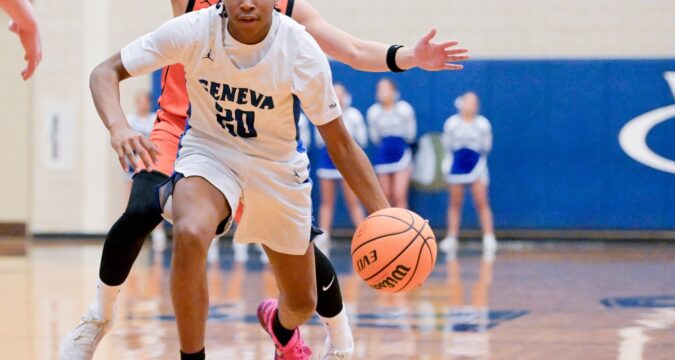
In three games as an emergency starter, David Udoiwod turns into a star for Geneva. ‘How cool for that kid?’
Junior guard David Udoiwod had settled into a bench role during his first varsity season for Geneva, but that all changed when Kyle Suger went down with an injury.
The Vikings, who were 1-3 in their last four games before that, turned to Udoiwod to start Friday night in place of Suger.
“I was going into the film room and I was kind of down because I just had a bad game,” Udoiwod said. “They were like, ‘David, you’re going to start today.’ I had to get mentally prepared.”
Fast forward to Wednesday night, with Udoiwod making his third varsity start.
He continued to make himself right at home among the regulars in the lineup, scoring 16 points to help lead the host Vikings to a 52-42 DuKane Conference win over St. Charles East.
Only three players scored for Geneva (14-3, 6-1). Nathan Palmer led the way with 19 points, followed by Gabe Jensen with 17. Gavin Belli paced St. Charles East (2-16, 0-6) with 11 points.
Geneva’s David Udoiwod (20) moves the ball around the perimeter against St. Charles East during a DuKane Conference game in Geneva on Wednesday, Jan. 14, 2026. (Mark Black / The Beacon-News)
Udoiwod scored eight of his 16 points in the fourth quarter as the Vikings tried to fend off the Saints. They led 34-33 going into the fourth before finally pulling away.
“It’s been really good,” Udoiwod said. “I’m trying to help myself as much as I can. (Wednesday) we definitely needed the scoring.”
Udoiwod made a fast entry into the starting lineup Friday. He poured in a career-high 32 points in a 63-57 win over Wheaton North to make his presence felt immediately.
“It was like a fever dream,” Udoiwod said. “There was one play I hit a three and I blacked out. I was yelling. It was crazy. I didn’t expect to go out there and just score 32 points.
Geneva’s David Udoiwood (20) drives past St. Charles East’s Gavin Belli (25) during a DuKane Conference game in Geneva on Wednesday, Jan. 14, 2026. (Mark Black / The Beacon-News)
“That was my dream, images in my head. I was just happy with how it went down.”
When Geneva coach Scott Hennig put Udoiwod in the lineup, he didn’t expect that either.
“How cool for that kid?” Hennig said.
Geneva was already not the biggest team around. Replacing the 6-foot-7 Suger with the 5-10 Udoiwod made the Vikings even smaller.
Geneva’s David Udoiwod (20) takes a shot over St. Charles East’s Reese Dumpit (3) during a DuKane Conference game in Geneva on Wednesday, Jan. 14, 2026. (Mark Black / The Beacon-News)
But Hennig still liked what he brought to the table to get the nod.
“It was nothing analytical — we just thought he gave us a little more athleticism,” Hennig said. “Between him and Gabe, we have some really good rebounding guards.”
It was those three guards that carried the load Wednesday. Not only did they score all 52 points, they combined for 15 rebounds and 11 steals. That didn’t come as a surprise to Hennig.
“Him, Nate and Gabe are strictly basketball 24/7, 365 (days), so he kind of fits that mold,” Hennig said. “He’s sneaky athletic, bouncy.”
Udoiwod was worried how his athleticism would bounce back this season. He played only seven games at the sophomore level last winter before injuring his knee and missing the rest of the way.
He had to work his way back.
“I was hoping for an opportunity to show myself this season,” Udoiwod said. “There was a lot of ambiguity with my knee and how I could play. I feel like I’m still bouncy, I’m still athletic.”
Geneva’s David Udoiwod (20) goes up for a basket against St. Charles East during a DuKane Conference game in Geneva on Wednesday, Jan. 14, 2026. (Mark Black / The Beacon-News)
St. Charles East, meanwhile, hung around all night. The Saints cut the deficit to 44-42 before Palmer’s third driving layup of the fourth quarter started an 8-0 run to end the game.
Udoiwod scored the other six points.
“We have to treat every team like they’re the best team in conference,” he said. “We didn’t play with energy.”
Udoiwod broke down the door when given a chance. Now averaging 24 points in two DuKane Conference games, he wants to keep it rolling.
“If I didn’t show out, I don’t know what would be next,” Udoiwod said. “That’s what all the hours in the gym are for. I’m just happy that I capitalized on the opportunity.”
Paul Johnson is a freelance reporter for The Beacon-News.
https://www.chicagotribune.com/2026/01/14/david-udoiwod-geneva-st-charles-east-ihsa-boys-basketball/

How BRICS May Deliver Structural Shock To US Dollar System
How BRICS May Deliver Structural Shock To US Dollar System
Authored by Pepe Escobar,
The oligarchy that really controls the Empire of Chaos has hit the panic button, as the structural contours of Hegemony seriously wobble.
The petrodollar is one of the key features of this Hegemony: a recycling machine channeling non-stop buying of US Treasuries then spent on Forever Wars. Any player even thinking of diversifying from this infernal machine is met with asset freezes, sanctions – or worse.
At the same time, the Empire of Chaos cannot demonstrate raw power by bleeding itself dry in the black soil of Novorossiya. Dominance requires ever-expanding – plundered – resources, side by side with that non-stop printing of US dollars as a reserve currency to pay for astronomic bills. Additionally, borrowing from the world works as imperial financial containment of rivals.
But now a choice becomes imperative – an inescapable structural constraint. Either keep astronomical spending on military dominance (enter Trump’s proposed $1.5 trillion budget for the Department of War.) Or keep ruling the international financial system.
The Empire of Chaos cannot do both.
And that’s why, when the math was done, Ukraine became expendable. At least in theory.
Against the weaponization of the US Treasury bond system – de facto monetary imperialism – BRICS incarnate the strategic choice of the Global South, coordinating a drive towards alternative payment systems.
The straw that broke the steppe camel’s back was the freezing – actually stealing – of Russian assets after the expulsion of a nuclear/hypersonic power, Russia, from SWIFT. Now it’s clear that Central Banks everywhere are going for gold, bilateral deals and considering alternative payment systems.
As the first serious structural shock to the system since the end of WWII, BRICS is not overtly trying to overturn the system – but to build a viable alternative, complete with large-scale infrastructure financing bypassing the US dollar.
Venezuela now illustrates a critical case: Can a major oil producer survive outside of the US dollar system – without being destroyed?
The Empire of Chaos has ruled, “No”. The Global South must prove it wrong. Venezuela was not that critical on the geopolitical chessboard as it represented just 4% of China’s oil imports. Iran in fact is the crucial case, as 95% of its oil is sold to China and settled in yuan, not US dollars.
Iran though is not Venezuela. The latest coordinated intel op/terror attacks/regime change attempt on Iran – complete with a pathetic mini-Shah refugee in Maryland – miserably failed. The threat of war, though, remains.
BRICS Pay, The Unit, or CIPS?
The US dollar now represents less than 40% of global currency reserves – the lowest in at least 20 years. Gold now accounts for more global foreign exchange reserves than the euro, the yen and the pound combined. Central Banks are stockpiling gold like crazy, while BRICS accelerates the test of alternative payment systems in what I previously defined as “the BRICS lab”.
One of the scenarios being directly proposed to BRICS, and designed as an alternative to cumbersome SWIFT, which does at least $1 trillion in transactions a day, features the introduction of a non-sovereign, blockchain-based trade token.
That’s The Unit.
The Unit, correctly described as “apolitical money”, is not a currency, but a unit of account used for settlement in trade and finance between participating countries. The token could be pegged to a commodity basket or a neutral index to prevent domination by any single country. In this case it would work like the IMF’s Special Drawing Rights (SDRs), but within a BRICS framework.
Then there’s mBridge – not part of the “BRICS lab” – which features a multi-central bank digital currency (CBDC) shared among participating central banks and commercial banks. mBridge includes only five members, but that includes powerful players such as the Digital Currency Institute of the People’s Bank of China and the Hong Kong Monetary Authority. Other 30 countries are interested to join.
mBridge tough was the inspiration behind BRICS Bridge, still being tested, which aims to speed up a range of international payment mechanisms: money transfers, payment processing, account management.
It’s a very simple mechanism: instead of converting currencies into US dollars for international trade, BRICS countries exchange their currencies directly.
The New Development Bank (NDB), or the BRICS bank, established in Shanghai in 2015, should be the key connectivity node of BRICS Bridge.
But that, for the moment, is on hold – because all the NDB’s statutes are linked to the US dollar, and that must be reassessed. With the NDB integrated into the broader financial infrastructure of BRICS member-nations, the bank should be able to handle currency conversion, clearing, and settlement under BRICS Bridge. But we’re still very far away from that.
BRICS Pay is a different animal: a strategic infrastructure for building a self-described “decentralized, sustainable, and inclusive” financial system across BRICS+ nations and partners.
BRICS Pay is on pilot mode all the way to 2027. By then the member-nations should start discussing a deal to set up a settlement unit for intra-BRICS trade no later than 2030.
Once again, that will not be a global reserve currency; but a mechanism offering a “parallel, compatible option” to SWIFT within the BRICS ecosystem.
BRICS Pay, for the moment, is also a very simple system: for instance, tourists and business travelers may use it without opening a local bank account or exchanging currency. They simply link their Visa or Mastercard to the BRICS Pay app and use it to pay via QR code.
And that’s exactly the crucial problem: how to circumvent Visa and Mastercard, under US financial system vigilance, and incorporate BRICS members cards such as Union Pay (China) and Mir (Russia).
Overall, for bigger and more complex transactions, the problem of bypassing SWIFT persists. All these “BRICS lab” tests need to solve two key problems: messaging interoperability – via secure, standardized data formats; and processing the actual settlement, as in how funds move via Central Bank accounts bypassing the inevitable threat of sanctions.
Internalization of The Yuan, Or a New Reserve Currency?
The inestimable Prof. Michael Hudson is on the global forefront of studying solutions to minimize US dollar hegemony. He is adamant that “the line of least resistance is to follow the already-in-place Chinese system.” That means CIPS – the China International Payment System, or Cross-Border Interbank Payment System, yuan-based, and already extremely popular, used by participants in 124 nations across the Global Majority.
Prof. Hudson insists “it’s very hard to create an alternative. The Unit’s principle (his emphasis), reported to be 40% gold and the rest in member currencies is fine. But this is best done through a new Keynes-style central bank to denominate debts and claims for payment to settle imbalances among member countries – along the lines of the Bancor.”
The Bancor was proposed by Keynes in Bretton Woods in 1944 – to prevent serious discrepancies in external balances, protectionism, tariffs and the scam of nations built up as tax havens. It’s no wonder the hyper-Hegemonic US at the end of WWII vetoed it.
In a new paper on the Weaponization of Oil Trade as the Bedrock of the US World Order, first published at democracycollaborative.org, Prof. Hudson clarifies how “Russian and Venezuelan freedom to export oil has weakened the ability of US officials to use oil as a weapon to squeeze other economies by threatening them with the same withdrawal of energy that has wrecked German industry and price levels. This supply of oil not under US control thus was held to be an infringement of the US rules-based order.”
And that brings us to one of the key reasons for the BRICS drive towards alternative payment systems: “The US foreign policy of creating choke points to keep other countries dependent on oil under US control, not oil supplied by Russia, Iran or Venezuela, is one of America’s key means of making other countries insecure.”
Prof. Hudson succinctly lines up the five imperatives for the Empire of Chaos: “control of the world’s oil trade is to remain a US privilege”; “oil trade must be priced and paid for in US dollars”; the petrodollar must rule, as “international oil-export earnings are to be lent to, or invested in, the United States, preferably in the form of US Treasury securities, corporate bonds and bank deposits”; “green energy alternatives to oil are to be discouraged”; and “no laws apply to or limit US rules or policies.”
Paulo Nogueira Batista Jr, one of the co-founders of the NDB, and its vice-president during 2015-2017, advances in parallel with Prof. Hudson, designing a viable path towards a new international currency in a paper that he is currently finalizing.
Considering that the US dollar system is “inefficient, unreliable and even dangerous”, and has become “an instrument of blackmail and sanctions”, Batista Jr cuts to the chase along the same lines of Prof. Hudson, arguing that “the only scenario that may present some viability would be the large-scale internationalization of the Chinese currency (…) But there is a long way to go before it can replace the dollar in a significant way. And the Chinese are reluctant to try.”
Batista Jr then proposes a solution similar to Prof. Hudson’s: “A group of countries in the Global South, something like 15 to 20 countries, which would include most of the BRICS and other emerging middle-income nations”, could be at the forefront of creating a new currency.
Yet “a new international financial institution would therefore have to be created – an issuing bank, whose sole and exclusive function would be to issue and put into circulation the new currency.”
That sounds very much like Bancor: “This issuing bank would not replace the national central banks and its currency would circulate in parallel with the other national and regional currencies existing in the world. It would be restricted to international transactions, with no domestic role.”
Batista Jr clarifies that “the currency would be based on a weighted basket of the currencies of the participating countries and would therefore fluctuate on the basis of changes in these
currencies. Since all currencies in the basket would be floating or flexible, the new currency would also be a floating currency. The weights in the basket would be given by the share of each country’s PPP GDP in the total GDP.”
Inevitably, “the high weight of the Chinese currency, issued by a country with a solid economy, would favor confidence in the backing and in the new reserve currency.”
Batista Jr is fully aware of “the risk that the initiative will provoke negative reactions from the West, which would resort to threats and sanctions against the countries involved.”
Yet the time for action is pressing: “Will we gather economic, political and intellectual efforts to get out of this trap?
The costs of maintaining Hegemony are becoming prohibitive. BRICS, gathering forces for the annual summit later this year in India, must capitalize on the fact that we are fast approaching the structural change moment when the Empire of Chaos loses the ability to unilaterally enforce its will – except via all-out war.
Tyler Durden
Wed, 01/14/2026 – 23:20
https://www.zerohedge.com/geopolitical/how-brics-may-deliver-structural-shock-us-dollar-system
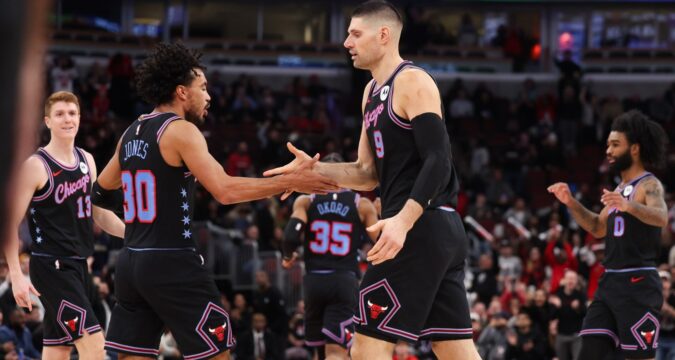
Photos: Chicago Bulls 128, Utah Jazz 126
Photos from the Chicago Bulls’ 128-126 win over the Utah Jazz on Jan. 14, 2026, at the United Center.
Bulls guard Tre Jones (30) saves the ball from going out of bounds before center Nikola Vučević made a basket to give the Bulls the lead in the final seconds against the Jazz on Jan. 14, 2026, at the United Center. (Armando L. Sanchez/Chicago Tribune)
Center Nikola Vučević walks to the locker room after making the winning basket to give the Bulls a 128-126 win against the Jazz on Jan. 14, 2026, at the United Center. (Armando L. Sanchez/Chicago Tribune)
Bulls forward Isaac Okoro (35) tries to block a shot from Jazz guard Keyonte George as George puts up a shot in the final seconds Jan. 14, 2026, at the United Center. The Bulls won 128-1216. (Armando L. Sanchez/Chicago Tribune)
Forward Isaac Okoro celebrates after the Bulls defeated the Jazz 128-126 on Jan. 14, 2026, at the United Center. (Armando L. Sanchez/Chicago Tribune)
Guard Coby White smiles after the Bulls defeated the Utah Jazz 128-126 on Jan. 14, 2026, at the United Center. (Armando L. Sanchez/Chicago Tribune)
Bulls guard Coby White (0) looks up at the scoreboard after being called for a foul during the fourth quarter against the Jazz on Jan. 14, 2026, at the United Center. (Armando L. Sanchez/Chicago Tribune)
Jazz guard Ace Bailey (19) and forward Kyle Anderson (2) battle Bulls center Nikola Vučević (9) and forward Dalen Terry for a loose ball during the third quarter Jan. 14, 2026, at the United Center. (Armando L. Sanchez/Chicago Tribune)
Bulls forward Dalen Terry (7) goes up for a shot against Jazz guard Ace Bailey during the third quarter Jan. 14, 2026, at the United Center. (Armando L. Sanchez/Chicago Tribune)
Bulls forward Matas Buzelis (14) defends Jazz guard Keyonte George during the third quarter Jan. 14, 2026, at the United Center. (Armando L. Sanchez/Chicago Tribune)
Bulls guard Ayo Dosunmu (11) looks before taking a shot during the third quarter against the Jazz on Jan. 14, 2026, at the United Center. (Armando L. Sanchez/Chicago Tribune)
Alex Bregman, who recently signed a five-year, $175 million contract with the Cubs, watches the Bulls-Jazz game Jan. 14, 2026, at the United Center. (Armando L. Sanchez/Chicago Tribune)
Bulls center Nikola Vučević (9) shoots a 3-pointer during the third quarter against the Jazz on Jan. 14, 2026, at the United Center. (Armando L. Sanchez/Chicago Tribune)
Bulls guard Kevin Huerter (13) goes up for a basket past Jazz forward Kyle Filipowski during the third quarter Jan. 14, 2026, at the United Center. (Armando L. Sanchez/Chicago Tribune)
Bulls guard Ayo Dosunmu celebrates after making a 3-pointer during the second quarter against the Jazz on Jan. 14, 2026, at the United Center. (Armando L. Sanchez/Chicago Tribune)
Bulls guard Ayo Dosunmu celebrates after making a 3-pointer during the second quarter against the Jazz on Jan. 14, 2026, at the United Center. (Armando L. Sanchez/Chicago Tribune)
Chicago Bulls center Nikola Vučević smiles after shooting an air ball during the first quarter against the Jazz on Jan. 14, 2026, at the United Center. (Armando L. Sanchez/Chicago Tribune)
Bulls forward Matas Buzelis (14) handles the ball during the second quarter against the Jazz on Jan. 14, 2026, at the United Center. (Armando L. Sanchez/Chicago Tribune)
Bulls guard Coby White, left, passes the ball during the first quarter against the Jazz on Jan. 14, 2026, at the United Center. (Armando L. Sanchez/Chicago Tribune)
Utah Jazz forward Kyle Filipowski (22) guards Bulls center Nikola Vučević during the second quarter Jan. 14, 2026, at the United Center. (Armando L. Sanchez/Chicago Tribune)
Jazz guard Keyonte George (3) defends Bulls guard Ayo Dosunmu during the second quarter Jan. 14, 2026, at the United Center. (Armando L. Sanchez/Chicago Tribune)
Bulls guard Coby White (0) defends Utah Jazz forward Cody Williams during the second quarter Jan. 14, 2026, at the United Center. (Armando L. Sanchez/Chicago Tribune)
Bulls guard Coby White (0) reaches for the ball against Jazz forward Brice Sensabaugh during the first quarter Jan. 14, 2026, at the United Center. (Armando L. Sanchez/Chicago Tribune)
Jazz guard Ace Bailey goes up for a dunk in the first quarter against the Bulls on Jan. 14, 2026, at the United Center. (Armando L. Sanchez/Chicago Tribune)
Jazz forward Brice Sensabaugh (28) lays the ball up against Bulls guard Kevin Huerter during the first quarter Jan. 14, 2026, at the United Center. (Armando L. Sanchez/Chicago Tribune)
Jazz guard Ace Bailey (19) dunks the ball over Bulls forward Matas Buzelis during the second quarter Jan. 14, 2026, at the United Center. (Armando L. Sanchez/Chicago Tribune)
Bulls guard Ayo Dosunmu (11) commits a flagrant foul against Jazz forward Brice Sensabaugh during the second quarter Jan. 14, 2026, at the United Center. (Armando L. Sanchez/Chicago Tribune)
Jazz forward Kyle Filipowski dunks the ball during the first quarter against the Bulls on Jan. 14, 2026, at the United Center. (Armando L. Sanchez/Chicago Tribune)
Bulls forward Dalen Terry shoots a 3-pointer during the first quarter against the Jazz on Jan. 14, 2026, at the United Center. (Armando L. Sanchez/Chicago Tribune)
Bulls forward Dalen Terry, left, fouls Jazz forward Brice Sensabaugh during the first quarter Jan. 14, 2026, at the United Center. (Armando L. Sanchez/Chicago Tribune)
Jazz forward Cody Williams (5) goes up for a shot over Bulls forward Matas Buzelis during the first quarter Jan. 14, 2026, at the United Center. (Armando L. Sanchez/Chicago Tribune)
Jazz guard Ace Bailey dunks the ball during the first quarter against the Bulls on Jan. 14, 2026, at the United Center. (Armando L. Sanchez/Chicago Tribune)
Cubs left fielder Ian Happ walks around the court before a game against the Jazz on Jan. 14, 2026, at the United Center. (Armando L. Sanchez/Chicago Tribune)
https://www.chicagotribune.com/2026/01/14/photos-chicago-bulls-utah-jazz/
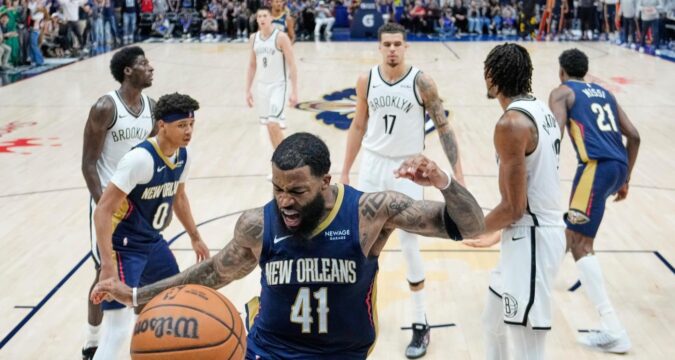
Los 34 puntos de Murphy y la actuación decisiva de Bey llevan a Pelicans a victoria ante Nets
NUEVA ORLEANS (AP) — Saddiq Bey encestó un triple para empatar, convirtió un rebote ofensivo en una clavada y acertó dos tiros libres en los últimos 1:04 minutos del encuentro que los Pelicans de Nueva Orleans ganaron el miércoles 116-113 a los Nets de Brooklyn.
Trey Murphy III anotó 34 puntos, mientras que Zion Williamson sumó 25 por Nueva Orleans, que ganó por segunda vez en 13 partidos. Yves Missi contribuyó con 12 puntos y 12 rebotes, nueve de ellos en el lado ofensivo, para ayudar a que los Pelicans terminaran con 33 unidades en segunda oportunidad.
Egor Demin anotó 17 tantos y encestó cinco triples, el último de los cuales dio a los Nets una ventaja de 110-107 con 1:28 minutos por jugar. Bey respondió con su triple para empatar cuando el reloj de tiro estaba a punto de expirar.
Su volcada vino después de que capturó un rebote largo tras un triple fallido de Murphy, y sus tiros libres llegaron con cinco segundos restantes después de que recibió falta intencional.
Bey terminó con 12 puntos.
_____
Deportes AP: https://apnews.com/hub/deportes

Tesla Shifts Full Self-Driving To Subscription-Only As Musk Targets Pay Package Milestones
Tesla Shifts Full Self-Driving To Subscription-Only As Musk Targets Pay Package Milestones
Elon Musk announced early Wednesday that Tesla will eliminate the one-time purchase option for its Full Self-Driving (FSD) software beginning in mid-February, transitioning the product to an exclusive monthly subscription.
“Tesla will stop selling FSD after Feb 14. FSD will only be available as a monthly subscription thereafter,” Musk wrote on X.
Tesla will stop selling FSD after Feb 14.
FSD will only be available as a monthly subscription thereafter.
— Elon Musk (@elonmusk) January 14, 2026
The move comes as vehicle sales slow and appears to signal a strategic shift toward recurring revenue, while also aligning with Musk’s new incentive compensation structure, which is tied to scaling FSD subscriptions and hitting key performance milestones.
For Musk to unlock the full value of his massive Tesla compensation plan (valued at $1 trillion), a key milestone is reaching 10 million active FSD subscriptions over a sustained period. That target sits alongside other ambitious goals, including delivering 20 million vehicles, deploying 1 million robotaxis, delivering 1 million humanoid robots, and achieving certain profitability and market-cap thresholds.
X users were divided on FSD’s transition to an entirely subscription-based model, similar to that of Chinese automaker BYD Motors.
“The year is 2050. I pay the monthly subscription for my HBAAS (Heartbeat as a service).”
— Autism Capital 🧩 (@AutismCapital) January 14, 2026
What about transferring to a different car
— Robin (@xdNiBoR) January 14, 2026
“You’ll own nothing and you’ll be happy”
— Ethan (@0xEthan) January 14, 2026
Brilliant decision, this will increase FSD usage. Overall (my 2 cents), I think all Teslas should have FSD enabled for every new owner. No one will choose not to experience it.
— Gail Alfar (@gailalfaratx) January 14, 2026
Everything is a subscription
And then next is going to be the expiring universal income
— Shaman Ste (@shamanste8) January 14, 2026
Add FSD to the mountain of subscriptions, whether that’s TV, social media, music, food, dating, fitness, transportation, and the list goes on and on.
Tyler Durden
Wed, 01/14/2026 – 23:00
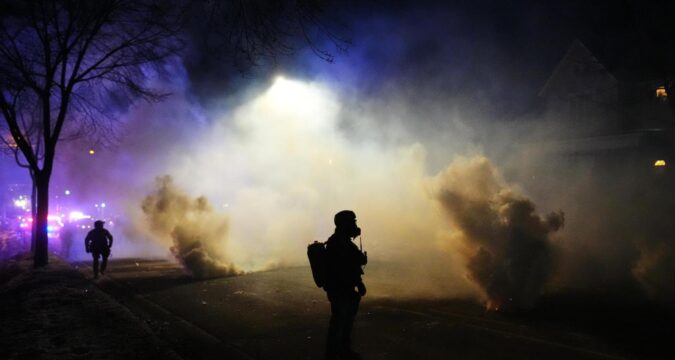
Federal officer shoots person in leg after being attacked during Minneapolis arrest, officials say
MINNEAPOLIS — A federal officer shot a person in the leg in Minneapolis after being attacked with a shovel and broom handle while trying to make an arrest Wednesday, federal officials said.
The shooting took place about 4.5 miles north of where an immigration agent fatally shot Renee Good on Jan. 7.
The Department of Homeland Security said in a statement on the social media platform X that federal law enforcement officers stopped a person from Venezuela who was in the U.S. illegally. The person drove away and crashed into a parked car before taking off on foot, DHS said.
After officers reached the person, two other people arrived from a nearby apartment and all three started attacking the officer, according to DHS.
“Fearing for his life and safety as he was being ambushed by three individuals, the officer fired a defensive shot to defend his life,” DHS said.
The two people who came out of the apartment are in custody, it said.
A large group of officers wearing gas masks fired tear gas into a crowd gathered at a north Minneapolis intersection near where Wednesday’s shooting took place.
Minnesota braces for what’s next amid immigration arrests and in the wake of Renee Good shooting
Clashes in court and on streets
Earlier Wednesday, a judge gave the Trump administration time to respond to a request to suspend its immigration crackdown in Minnesota, while the Pentagon looked for military lawyers to join what has become a chaotic law enforcement effort in the state.
Plumes of tear gas, bursts of chemical irritants and the screech of protest whistles have become common on the streets of Minneapolis, especially since Good’s shooting.
Agents have yanked people from cars and homes and been confronted by angry bystanderswho are demanding that officers pack up and leave.
“What we need most of all right now is a pause. The temperature needs to be lowered,” state Assistant Attorney General Brian Carter said during the first hearing in a lawsuit filed by Minnesota and the cities of Minneapolis and St. Paul.
Local leaders say the government is violating free speech and other constitutional rights with the surge of law enforcement. U.S. District Judge Katherine Menendez promised to keep the case “on the front burner” and gave the U.S. Justice Department until Monday to file a response to a request for a restraining order.
The judge said these are “grave and important matters,” and that there are few legal precedents to apply to some of the key points in the case.
Justice Department attorney Andrew Warden suggested the approach set by Menendez was appropriate.
The judge is also handling a separate lawsuit challenging the tactics used by Immigration and Customs Enforcement and other federal officers when they encounter protesters and observers. A decision could be released this week.
During a televised speech Wednesday evening, Gov. Tim Walz described Minnesota as being in chaos, saying what’s happening in the state “defies belief.”
“Let’s be very, very clear, this long ago stopped being a matter of immigration enforcement,” he said. “Instead, it’s a campaign of organized brutality against the people of Minnesota by our own federal government.”
Walz added that “accountability” will be coming through the courts.
Military lawyers may join the surge
The Department of Homeland Security says it has made more than 2,000 arrests in the state since early December and is vowing to not back down. The Pentagon is preparing to send military lawyers to Minneapolis to assist.
CNN, citing an email circulating in the military, says Defense Secretary Pete Hegseth is asking the branches to identify 40 lawyers known as judge advocate general officers or JAGs, and 25 of them will serve as special assistant U.S. attorneys in Minneapolis.
Pentagon spokesperson Kingsley Wilson appeared to confirm the CNN report by posting it on X with a comment that the military “is proud to support” the Justice Department.
The Pentagon did not immediately respond to emails from The Associated Press seeking more details.
It’s the latest step by the Trump administration to dispatch military and civilian attorneys to areas where federal immigration operations are taking place. The Pentagon last week sent 20 lawyers to Memphis, U.S. Attorney D. Michael Dunavant said.
Mark Nevitt, an associate professor at Emory University School of Law and a former Navy JAG, said there’s concern that the assignments are taking lawyers away from the military justice system.
“There are not many JAGs but there are over one million members of the military, and they all need legal support,” he said.
An official says the agent who killed Good was injured
Jonathan Ross, the Immigration and Customs Enforcement officer who killed Good, suffered internal bleeding to his torso during the encounter, a Homeland Security official told The Associated Press.
The official spoke to AP on condition of anonymity in order to discuss Ross’ medical condition. The official did not provide details about the severity of the injuries, and the agency did not respond to questions about the extent of the bleeding, exactly how he suffered the injury, when it was diagnosed or his medical treatment.
There are many causes of internal bleeding, and they vary in severity from bruising to significant blood loss. Video from the scene showed Ross and other officers walking without obvious difficulty after Good was shot and her Honda Pilot crashed into other vehicles.
She was killed after three ICE officers surrounded her SUV on a snowy street a few blocks from her home.
Bystander video shows one officer ordering Good to open the door and grabbing the handle. As the vehicle begins to move forward, Ross, standing in front, raises his weapon and fires at least three shots at close range. He steps back as the SUV advances and turns.
Homeland Security Secretary Kristi Noem has said Ross was struck by the vehicle and that Good was using her SUV as a weapon — a self-defense claim that has been deeply criticized by Minnesota officials.
Chris Madel, an attorney for Ross, declined to comment on any injuries.
‘An agent of peace’
Good’s family, meanwhile, has hired a law firm, Romanucci & Blandin, that represented George Floyd’s family in a $27 million settlement with Minneapolis. Floyd, who was Black, died after a white police officer pinned his neck to the ground in the street in May 2020.
The firm said Good was following orders to move her car when she was shot. It said it would conduct its own investigation and publicly share what it learns.
“They do not want her used as a political pawn,” the firm said, referring to Good and her family, “but rather as an agent of peace for all.”
Family of Minnesota ICE shooting victim hires Chicago law firm to investigate killing
Students march against ICE
Waving signs reading “Love Melts ICE” and “DE-ICE MN,” hundreds of teenagers left school in St. Paul and marched in freezing temperatures to the state Capitol for a protest and rally.
The University of Minnesota, meanwhile, informed its 50,000-plus students that there could be online options for some classes when the new term starts next week. President Rebecca Cunningham noted that “violence and protests have come to our doorstep.” The campus sits next to the main Somali neighborhood in Minneapolis.
Associated Press reporters Julie Watson in San Diego, California; Rebecca Santana in Washington, D.C.; Ed White in Detroit; Giovanna Dell’Orto in Minneapolis; Graham Lee Brewer in Oklahoma City, Oklahoma; and Hallie Golden in Seattle contributed.
https://www.chicagotribune.com/2026/01/14/immigration-enforcement-shooting-minneapolis/

Norma del DHS busca acortar tiempo para que trabajadores religiosos obtengan visa de EEUU
Por TIFFANY STANLEY y GIOVANNA DELL’ORTO
WASHINGTON (AP) — En un momento en que se endurecen las restricciones migratorias en Estados Unidos, el Departamento de Seguridad Nacional intenta facilitar que los trabajadores religiosos que cuentan con visa sirvan a sus congregaciones en el país con menos alteraciones en sus labores.
El DHS (siglas en inglés del departamento) anunció el miércoles un cambio regulatorio, con el cual se pretende reducir los tiempos de espera para obtener visas fuera de Estados Unidos para los clérigos extranjeros, de quienes dependen muchas comunidades religiosas estadounidenses para que sirvan como pastores, sacerdotes, monjas, imanes o rabinos. Estos trabajadores religiosos enfrentan un retraso de años para obtener la residencia legal permanente en el país, pero las congregaciones pueden traerlos con visas temporales llamadas R-1.
El DHS introdujo una solución a un problema que afecta al clero y que activistas habían solicitado: eliminar el requisito de que los trabajadores religiosos con visa R-1 salgan de Estados Unidos durante un año después de alcanzar el máximo de cinco años de estancia permitido por su visa. Ese tiempo de visa solía ser más que suficiente para obtener la tarjeta de residencia permanente para inmigrantes —la llamada “tarjeta verde”—, pero en 2023, el gobierno implementó un cambio en el procesamiento que lo alargó tanto que la mayoría tuvo que irse del país. Ahora, aún deben salir de Estados Unidos, pero pueden solicitar el reingreso inmediatamente.
“Estamos tomando las medidas necesarias para garantizar que las organizaciones religiosas continúen brindando los servicios de los que dependen los estadounidenses”, dice el comunicado del DHS. “Los pastores, los sacerdotes, las monjas y los rabinos son esenciales para el tejido social y moral de este país. Mantenemos nuestro compromiso de encontrar maneras de apoyar y fortalecer a estas organizaciones en su labor crucial”.
Abogados de inmigración y líderes religiosos celebran la nueva norma
La norma del DHS flexibiliza una restricción migratoria en un momento en que el gobierno del presidente Donald Trump ha endurecido muchas otras vías de inmigración. El comunicado del DHS enfatizó el compromiso de proteger la libertad religiosa y minimizar las alteraciones operativas en las comunidades religiosas.
“Es un gran logro”, dijo Lance Conklin, un abogado de inmigración de Maryland que representa a iglesias evangélicas con titulares de visas R1. “Potencialmente, le permitiría a la gente no causar alteraciones en el funcionamiento de la organización al tener que hacer que alguien se vaya durante un año, porque esa es una gran imposición ahora”.
La Conferencia Episcopal de Estados Unidos (USCCB, por sus siglas en inglés) lo calificó como un “paso verdaderamente significativo para apoyar los servicios religiosos esenciales en Estados Unidos”.
En una declaración conjunta, el arzobispo Paul Coakley, presidente de la USCCB, y el obispo Brendan Cahill, presidente del comité de migración de la USCCB, expresaron su gratitud por la labor del gobierno en este tema. “No puede subestimarse el valor del programa de visas para trabajadores religiosos y nuestra apreciación por los esfuerzos realizados para apoyarlo”.
“¡Aleluya!”, exclamó Olga Rojas, asesora de inmigración de la arquidiócesis de Chicago. “Nos alegra que el gobierno haya implementado este cambio. Nos beneficia para no perder a trabajadores religiosos valiosos que contribuyen tanto a nuestras parroquias y escuelas”.
La Iglesia católica de Estados Unidos depende desde hace tiempo del clero nacido en el extranjero debido a la escasez de sacerdotes. Otras confesiones religiosas, desde el budismo hasta el cristianismo pentecostal, también reclutan a clérigos nacidos en el extranjero para servir a las crecientes congregaciones no angloparlantes, o debido a que cuentan con formación especializada de instituciones internacionales profundamente arraigadas en la historia de la religión.
Un cambio de 2023 extendió los tiempos de espera
La visa R1 de cinco años solía brindar tiempo suficiente a las congregaciones para solicitar la residencia permanente bajo una categoría especial llamada EB-4, que le permitía al clero obtener la residencia permanente.
El Congreso establece una cantidad específica de “tarjetas verdes” disponibles por año, dividida en categorías, casi todas con base en el tipo de empleo o el parentesco con ciudadanos estadounidenses. En la mayoría de las categorías, la demanda supera la cantidad anual autorizada.
Los ciudadanos de países con una demanda especialmente alta son colocados en “filas” separadas, a menudo más largas, donde el procesamiento de las solicitudes puede tardar décadas.
En una fila separada también se encontraban los niños migrantes con “Estatus Especial de Inmigrante Juvenil” —menores abandonados o maltratados— de Guatemala, Honduras y El Salvador. Cientos de miles de personas solicitaron tarjetas de residencia permanente para inmigrantes por razones humanitarias o asilo tras cruzar ilegalmente a Estados Unidos desde mediados de la década de 2010, aunque recientemente el gobierno de Trump restringió el programa.
En marzo de 2023, en la presidencia de Joe Biden, el Departamento de Estado repentinamente comenzó a añadir a los menores a la fila general de solicitudes de tarjetas de residencia, junto con el clero.
Esto generó nuevos retrasos que amenazaron la posibilidad de que los trabajadores religiosos permanecieran en Estados Unidos. No existen cifras exactas, pero se calcula que la situación de miles de trabajadores religiosos está retrasada en el sistema de tarjetas de residencia permanente o que aún no han podido solicitarlas.
En el verano de 2024, la diócesis de Paterson, Nueva Jersey, y cinco de sus sacerdotes afectados demandaron al DHS, al Departamento de Estado y al Servicio de Ciudadanía e Inmigración de Estados Unidos (USCIS, por sus siglas en inglés). La demanda argumentó que el cambio de 2023 “causará una alteración severa y sustancial en la vida y la libertad religiosa” de los sacerdotes y los fieles a quienes sirven. La demanda fue desestimada voluntariamente en el otoño de 2025 “para permitir que la Agencia tome medidas o promulgue una normativa que deje sin efecto las pretensiones de los demandantes ante el tribunal”, según documentos judiciales.
“Estamos obteniendo la resolución que buscábamos, que en última instancia es mantener a los sacerdotes en Estados Unidos”, dijo el miércoles Raymond Lahoud, abogado de la diócesis en la demanda. “Pero el problema subyacente es que todavía tienen que esperar una década para obtener la tarjeta de residencia permanente para inmigrantes. Por lo tanto, la incertidumbre continúa hasta que el Congreso trabaje en conjunto en una reforma migratoria integral”.
En la primavera de 2025, se presentó un proyecto de ley bipartidista en el Senado y la Cámara de Representantes de Estados Unidos que solicita una pequeña solución similar a la norma del DHS del miércoles, la cual permitiría la extensión de las visas de los trabajadores religiosos durante el tiempo en que su solicitud de residencia permanente esté en trámite.
____
Dell’Orto informó desde Minneapolis.
____
La cobertura religiosa de The Associated Press recibe apoyo a través de la colaboración de la AP con The Conversation US, con financiamiento de Lilly Endowment Inc. La AP es la única responsable de este contenido.