Category: News
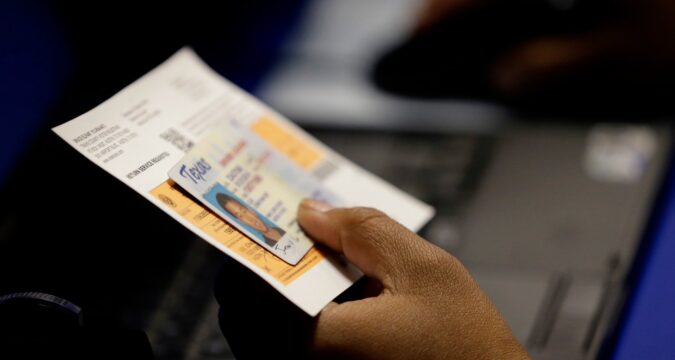
Today in History: Poll taxes prohibited in federal elections
Today is Friday, Jan. 23, the 23rd day of 2026. There are 342 days left in the year.
Today in history:
On Jan. 23, 1964, the 24th Amendment to the United States Constitution was ratified, prohibiting poll taxes in federal elections.
Also on this date:
In 1368, China’s Ming dynasty, which lasted nearly three centuries, began as Zhu Yuanzhang was formally acclaimed Hongwu Emperor, following the collapse of the Yuan dynasty.
In 1789, Georgetown University was established in present-day Washington, D.C.
In 1849, Elizabeth Blackwell became the first woman to receive a medical degree in the United States.
In 1870, approximately 200 Piegan Blackfoot tribe members, mostly women, children and older adults, were killed by U.S. Army troops under the command of Major Eugene Mortimer Baker in Montana, in what became known as the Baker Massacre.
In 1973, President Richard Nixon announced an accord had been reached to end the Vietnam War, and would be formally signed four days later in Paris.
In 1986, the Rock and Rock Hall of Fame inducted its first members, including Chuck Berry, Little Richard and Elvis Presley.
In 1997, Madeleine Albright was sworn in as the United States’ first female secretary of state.
In 2002, Wall Street Journal reporter Daniel Pearl was kidnapped by extremists in Pakistan while researching Islamic militant groups, leading to the beheading of the American journalist weeks later in captivity.
In 2018, at age 33, LeBron James became the youngest NBA player to reach the 30,000 career-point milestone.
Related Articles
Vintage Chicago Tribune: When the Rev. Martin Luther King Jr. moved to the city
Today in History: Theodore Kaczynski pleads guilty
Today in Chicago History: Naked bodies of the Grimes sisters found near Burr Ridge
Today in Chicago History: Bears earn second trip to the Super Bowl — their first in 21 years
Today in History: Women’s March held
In 2020, Democratic House prosecutors presented arguments before skeptical Senate jurors at Donald Trump’s first impeachment trial over his dealings with Ukraine, accusing him of abuse of power. (The Republican-led Senate would later vote to acquit Trump, and he would also be acquitted at another impeachment trial in 2021 following the U.S. Capitol riot).
Today’s birthdays: Football Hall of Famer Jerry Kramer is 90. Jazz musician Gary Burton is 83. Actor Richard Dean Anderson is 76. Retired airline pilot Chesley “Sully” Sullenberger (‘Miracle on the Hudson’ landing) is 75. Rock singer Robin Zander (Cheap Trick) is 73. Princess Caroline of Monaco is 69. Singer Anita Baker is 68. Actor Mariska Hargitay is 62. Hockey Hall of Famer Brendan Shanahan is 57. CBS News senior correspondent Norah O’Donnell is 52. Actor Tiffani Thiessen is 52. Actor Jack Reynor is 34. Singer and actress Rachel Crow is 28.

Watch: Davos Elites Push Lab-Grown ‘Meat’ Despite Massive Backlash
Watch: Davos Elites Push Lab-Grown ‘Meat’ Despite Massive Backlash
Authored by Steve Watson via Modernity.news,
The clips in this piece were all sourced and edited by Wide Awake Media. Please give them a follow on X.
As the Trump administration’s Make America Healthy Again initiative ramps up its assault on processed poisons and added sugars, Davos elites are scrambling to defend their synthetic food agenda. From lab-grown “meat” to artificial additives, the WEF crowd insists their tech-driven “solutions” will save the planet, even as public resistance mounts and states impose bans on cultivated cell products.
This clash highlights the divide between policies prioritizing nutrient-dense, farm-fresh eats and the globalist push for factory-farmed fakes and lab grown substances riddled with unknown risks.
WEF Insider Touts Lab-Grown Meat as ‘Way Forward’ Amid Ecological Claims
In a discussion on food innovation, Davos participant Andrea Illy championed tech foods like cultivated meat, dismissing cultural resistance as outdated, despite acknowledging massive consumer backlash.
Davos participant Andrea Illy claims that fake, lab-grown foods “represent the way forward”, despite massive public resistance.
“70% of the ecological footprint of agriculture is due to animal proteins.”
“Why should I use animals when I can cultivate meat [in a lab]?” pic.twitter.com/tZYK4uy6ST
— Wide Awake Media (@wideawake_media) January 22, 2026
The clip captures Illy saying: “So I think that I acknowledge, let me say, there is a terrible cultural resistance from consumer to accept tech foods. But in my opinion they represent the way forward.”
He continued, “If you look at it from the ecological perspective, maybe we have to be selective. And Because we know from statistics, correct me if I’m wrong, that 70% of the ecological footprint of agriculture is due to animal proteins, and then on the other side, they kind of physiological, we know that an excessive consumption of animal proteins is the first cause of non-communicable diseases. Which are like the number one health problem in the western society.”
“So what about reducing the animal protein to the level which is healthy and increasing, also optimizing the environmental impact?” Illy suggested, adding “Why should I use animals when I can cultivate meat and get only the best part of this? This I know is a kind of cultural revolution, it will take decades.”
This push ignores growing evidence of lab-grown meat’s inefficiencies, high costs, and potential health unknowns.
Recent developments show the sector struggling, with shutdowns like Believer Meats in late 2025 amid declining investments.
Dutch startup Meatable also ceased operations in December 2025 after failing to secure funding.
Meanwhile, states are cracking down: Seven Republican-led states, including Texas, have banned the manufacture, sale or distribution of lab-grown meat.
Texas Agriculture Commissioner Sid Miller blasted a federal ruling allowing a lawsuit against the state’s ban to proceed, calling lab-grown products a “Trojan horse” threatening rural livelihoods and food safety.
Davos Speaker Warns MAHA Scrutiny on Additives Will ‘Injure’ Consumers and the Planet
During another panel, WEF participant Jasmin Hume voiced concerns over heightened scrutiny of synthetic additives and dyes, partly driven by MAHA, predicting harm to consumers, industry, and the environment.
In the footage, Hume explained: “Right now, the food industry is under an unprecedented amount of stress. There are increasing and ever-evolving consumer expectations in terms of the foods that they’re purchasing and prioritizing.”
She continued, “In the United States there’s been a lot of talk recently from Make America Healthy Again And how we need to take a really close look at some compounds like synthetic additives and dyes that have been in the food system for many decades in other countries and are now coming under scrutiny.”
Davos: WEF participant Jasmin Hume argues that increased public scrutiny of the “synthetic additives and dyes that have been in the food system for many decades”—driven in part by Make America Healthy Again—will ultimately harm the consumer, the food industry and the planet.… pic.twitter.com/PDtWOOLdKL
— Wide Awake Media (@wideawake_media) January 22, 2026
“It’s really, really difficult to be able to do the level of reformulation, and not mention regulation, that has to happen at the same pace,” Hume further claimed.
Hume argued that removing these long-used compounds would require massive reformulation and regulatory changes, creating backlogs under FDA’s GRAS process. She claimed consumers would suffer from foods lacking expected nutrition and value, while industry and the planet face injury.
This defense of synthetic ingredients clashes directly with MAHA’s mission, as outlined in our previous coverage of the Trump admin’s dietary guidelines overhaul.
HHS Secretary Robert F. Kennedy Jr. has declared war on added sugars and ultra-processed junk, prioritizing real, nutrient-dense foods to combat chronic diseases.
The reset ends subsidies for low-quality items in federal programs, saving billions in healthcare while bolstering American farmers.
Moderna CEO Blames ‘Misinformation’ for Vaccine Hesitancy, Pins Hopes on mRNA Cancer Shots
Meanwhile, at another Davos panel on cancer care, Moderna CEO Stéphane Bancel lamented societal pushback against mRNA vaccines, attributing it to under-communication during the pandemic and rampant social media misinformation.
Davos: Moderna CEO Stéphane Bancel blames social media “misinformation” for declining vaccination rates, insisting no corners were cut on Covid mRNA “vaccine” safety.
He predicts that mRNA cancer vaccines will “change the pendulum” of public opinion over time.
“We’ve seen what… pic.twitter.com/cMXxnJej9b
— Wide Awake Media (@wideawake_media) January 22, 2026
In the clip, Bancel expressed regret over not addressing psychological barriers more effectively, while insisting no safety corners were cut. Bancel also highlighted declining vaccination rates amid a severe flu season and expressed hope that mRNA applications in cancer and other diseases would shift public perception over time.
This comes amid ongoing debates over mRNA tech’s long-term effects, with critics pointing to excess deaths and health issues post-rollout. Yet Bancel frames resistance as tragic, overlooking widespread distrust fueled by real-world outcomes.
The Davos rhetoric exposes globalists’ desperation as MAHA dismantles Big Food’s and Big Pharma’s grip. With lab-grown meat bans spreading—now in seven states including Texas—and public demand for transparency soaring, the era of unchecked synthetic slop is crumbling.
America’s return to real food signals a victory against technocratic overreach, putting health and sovereignty first.
Your support is crucial in helping us defeat mass censorship. Please consider donating via Locals or check out our unique merch. Follow us on X @ModernityNews.
Tyler Durden
Fri, 01/23/2026 – 05:00

How Four Sigmatic mushroom coffee compares to regular brewed coffee
Four Sigmatic Instant Mushroom Coffee Mix review
Your morning coffee is satisfying, but is it good for you? What began as a wartime swap has evolved into a wellness trend in the form of Four Sigmatic’s mushroom-fueled coffee blends.
The Finnish founders of Four Sigmatic took inspiration from their grandparents’ World War II coffee substitute, chaga mushrooms, to create a healthier coffee that still tasted delicious. Four Sigmatic Instant Mushroom Coffee Mix claims to help you focus better thanks to three superfood mushrooms, while providing a convenient and tasty instant brew.
We wanted to find out if Four Sigmatic Instant Mushroom Coffee Mix tasted better than the instant coffee we’re used to, so we put it to the test. Here’s what we discovered.
Testing the Four Sigmatic Instant Mushroom Coffee Mix
We asked three daily coffee drinkers to give us their thoughts on Four Sigmatic Instant Mushroom coffee. One had never tried any instant coffee before, while the other two relied on it for traveling, camping or rushed mornings. Our testers received a 10-serving sample pack of Four Sigmatic Instant Mix.
What is the Four Sigmatic Instant Mushroom Coffee Mix?
Four Sigmatic coffee is inspired by the high levels of mushroom and other superfood consumption in Nordic countries. Four Sigmatic “Think” Instant Mushroom Coffee Mix contains organic chaga mushrooms, which can boost the immune system and balance the jittery effects caffeine can have. It’s also made with lion’s mane mushrooms and rhodiola, which can help improve focus and productivity.
Four Sigmatic coffee contains less caffeine to help prevent jitteriness and energy crashes. Each cup of Four Sigmatic mushroom coffee contains about 50 milligrams of caffeine, which is about half the amount in a standard cup of coffee. Adaptogens in the mushrooms are intended to amplify the energy we get from caffeine without its associated drawbacks.
How to use Four Sigmatic Instant Mushroom Coffee Mix
We tested a multiserving pack of Four Sigmatic Instant Mushroom Coffee, which comes in a large bag. It’s made the same way you’d prepare instant coffee: Use the included scoop to measure a portion into your mug, then add hot water and stir until the coffee is dissolved. Four Sigmatic instant coffee is also available in single-serve sachets for even easier portioning.
Four Sigmatic Instant Mushroom Coffee Mix benefits
Our testers all enjoyed the taste of Four Sigmatic Instant Coffee, and all three agreed that it tasted much better than typical instant coffee and almost as good as normal brewed coffee. The mushrooms in the mix give it a subtle earthiness that doesn’t taste quite the same as regular coffee, but it’s not overpowering. The instant formula dissolved fully in seconds, resulting in a smooth texture similar to a standard cup of coffee.
We liked how the multiserve Four Sigmatic Instant Coffee is packaged. The coffee comes in a 30-serving bag with an included portion scoop. It’s also available in boxes of 10 single-serve packets. For more sustainability-minded consumers, Four Sigmatic is organic.
While overall we didn’t notice a complete transformation in our focus or productivity, Four Sigmatic still gave us a comparable level of energy to drinking coffee. Plus, the reduced amount of caffeine from coffee makes Four Sigmatic’s drink easier on the digestive system.
Four Sigmatic Instant Mushroom Coffee Mix drawbacks
While the flavor of the Four Sigmatic mix’s mushrooms is subtle, it does give the coffee an earthiness that may not be to everyone’s taste. The mushroom instant coffee also didn’t have the same aroma as brewed or even normal instant coffee, which a couple of our testers missed.
While the instructions are for brewing up to an 8-ounce cup of coffee, it’s important to maintain the ratio of water to coffee if you want a larger cup. We found that adjusting the amount of instant coffee mix for a larger cup was tricky to do without negatively affecting the flavor.
Our testers also noted that while the Four Sigmatic formula helped them feel more alert and less jittery, it didn’t deliver the promised higher levels of focus. Considering its comparatively high price point, we’d hoped for a more noticeable cognition difference from Four Sigmatic.
Should you get Four Sigmatic Instant Mushroom Coffee Mix?
Our testers universally agreed that while Four Sigmatic Instant Mushroom Coffee wouldn’t replace their everyday cup of coffee, they’d happily keep it in their pantry for hectic mornings and the formula’s health benefits. For a busy coffee drinker, Four Sigmatic instant coffee is a better-tasting and more nutritious swap for standard instant coffee. It’s also a great choice for anyone looking for ways to reduce their caffeine intake while still getting a boost of productive energy.
Consider other products
Four Sigmatic Whole Bean Coffee with Lion’s Mane and Chaga Mushrooms
If you prefer the ritual and flavor of brewing your own coffee, consider this dark roast, whole-bean coffee that promises the same crash-free energy as Four Sigmatic instant coffee. Each bean is coated with lion’s mane and chaga mushroom extracts.
Sun Alchemy Mushroom Instant Coffee
This instant coffee contains lion’s mane, reishi, chaga and cordyceps mushrooms for cognitive and mood support and balanced energy levels. Each sachet contains 110 milligrams of caffeine, as much as a standard cup of coffee.
Four Sigmatic Mushroom Coffee Latte Mix
For an even easier drinking experience, try this instant latte, which includes stevia and organic lucuma for sweetness. Maitake, chaga and lion’s mane mushrooms supply antioxidants and can help balance the digestive system.
Mount Hagen Organic Instant Coffee
If you’re skeptical of both mushroom coffee and instant coffee, consider this organic and fair-trade instant coffee. It has a smooth, full-bodied taste and is convenient for camping, travel and more.
Prices listed reflect time and date of publication and are subject to change.
Check out our Daily Deals for the best products at the best prices and sign up here to receive the BestReviews weekly newsletter full of shopping inspo and sales.
BestReviews spends thousands of hours researching, analyzing and testing products to recommend the best picks for most consumers. BestReviews and its newspaper partners may earn a commission if you purchase a product through one of our links.
Distributed by Tribune Content Agency, LLC.

The best nasal decongestant for fast sinus relief
Which nasal decongestant is best?
Whether you’re stuffed up from allergies or are dealing with the common cold, the best nasal decongestants help reduce the symptoms of a stuffy nose. These medicines can help lessen swelling and inflammation, making breathing easier. Nasal decongestants can minimize sniffling and sneezing, and they help you get a good night’s rest.
The best option is the Vicks Sinex Severe Nasal Spray because it works quickly to clear up the nasal passageway for near-immediate relief.
What to know before you buy a nasal decongestant
What are nasal decongestants?
Nasal decongestants are a form of medicine that provides temporary relief for a stuffy or runny nose. It also alleviates sinus pressure and general breathing issues caused by general illness or allergies. They are available at your local pharmacy, and you can purchase them without a prescription. They come in nasal sprays, liquids, pills and drops.
If you are experiencing a runny or stuffy nose due to allergies or a cold, a decongestant may help. But if your symptoms include sneezing, itching or watery eyes, an antihistamine might be more beneficial.
One exception is if you get a medication such as Allegra-D or Zyrtec-D, which is an antihistamine and decongestant combined in one.
How decongestants works
Decongestants shrink swollen tissues and blood vessels through a process called vasoconstriction. This process lessens the inflammation, letting air pass through the nasal passages unhindered. While these medicines provide relief, they cannot cure the root problem. If you want a long-term solution, connect with your primary care physician for more guidance.
Form
Nasal decongestants come in two main forms:
Liquid: Nasal sprays, nose drops and liquids come in small portable containers. They sometimes have a bitter taste but are easy to use. For sprays, simply tip the container back into the nasal passage, press the top down and inhale.
Pills: These take longer to kick in and should be taken with a spray or nose drops for maximum benefit. You can take these with water.
Concerns and side effects
Decongestants are generally safe to take, but you should consult a doctor before if any of the following conditions apply:
High blood pressure
Heart conditions
Thyroid or prostate problems
Glaucoma
Diabetes
You take SSRIs
Some medications cause jitters, rapid heartbeat or difficulty sleeping. Other side effects include nausea, vomiting, dizziness and headaches. If you experience any of these or have an allergic reaction, stop taking the decongestant immediately. If you take selective serotonin reuptake inhibitors (SSRIs), some oral nasal decongestants can increase your serotonin levels and may put you at risk for serotonin syndrome. Consult your doctor or psychiatrist if you’re unsure if you should take an oral nasal decongestant.
What to look for in a quality nasal decongestant
Active ingredients
Most decongestants have pseudoephedrine, phenylephrine or oxymetazoline as their main active ingredient. These ingredients are typically nondrowsy and target nasal congestion. Some of the most common medicines are Vicks, Sudafed and Silafedrine.
Some medicines, such as Benadryl Allergy and Claritin-D, act as a decongestant and antihistamine. These both contain pseudoephedrine, which can alleviate nasal congestion, watery eyes and other symptoms caused by hay fever or seasonal allergies.
Proper usage
When using any form of medicine, follow the directions listed on the packaging or as provided by your doctor. Generally, it’s safe to take a pill form once every 4-6 hours, with a maximum of four doses each day. With nasal sprays and drops, try to limit them to one to three times a day. You should stop using a nasal spray after three days. Otherwise, you could build up an immunity to it, making the medicine less effective.
Duration of effect
How long it takes for the decongestant to take effect depends on the medicine and the person. For example, Afrin’s nasal spray could start working immediately and last between three and 12 hours. Some oral decongestants may take a bit longer to start working.
How much you can expect to spend on a nasal decongestant
Most over-the-counter nasal decongestants, including tablets and sprays, cost around $5-$25. The price range depends on the brand, formula and quantity.
Nasal decongestant FAQ
Should children use nasal decongestants?
A. You should not give cold or cough medicine that contains decongestants or antihistamines to children under 2 years old. These medicines could cause severe or even life-threatening conditions or side effects. For older children, use decongestants sparingly and make sure they’re formulated specifically for them. For example, Children’s Mucinex is safe for kids ages 6 and up.
What are some ways to alleviate congestion naturally?
A. Other options include getting a humidifier, neti pot or taking a steam bath. You should also stay hydrated and try to keep your nasal passages moist, so they remain clear.
What’s the best nasal decongestant to buy?
Top nasal decongestant
Vicks Sinex Severe Nasal Spray
What you need to know: This two-pack of nasal sprays uses a fine mist to provide up to 12 hours of relief.
What you’ll love: These sprays come in 15-milliliter containers and last for approximately 530 sprays each. They’re great for the common cold, seasonal allergies and upper respiratory allergies. They’re also suitable for individuals over the age of 6.
What you should consider: Those trying to manage high blood pressure should consult a doctor before using these sprays, as they can result in higher blood pressure.
Top nasal decongestant for the money
Sudafed PE Sinus Congestion Maximum Strength Non-Drowsy Decongestant Tablets
What you need to know: This nondrowsy decongestant comes in pill form and is easy to take with water.
What you’ll love: Available in 18-count, 24-count and 36-count bottles, this medicine provides maximum strength to clear sinus congestion and pressure. It’s recommended for individuals 12 years old and up.
What you should consider: Many feel the newer formula isn’t as effective as the original formula.
Worth checking out
Afrin Original Maximum-Strength 12-Hour Nasal Congestion Relief
What you need to know: Offering up to 12 hours of relief, this nasal spray is a great option for tackling congestion related to allergies or the common cold.
What you’ll love: The pump mist design delivers the maximum strength formula easily, and it works quickly. It contains 15 milliliters and can alleviate pressure in the nose, ears and head.
What you should consider: The nozzle for the spray is not very long, so it can be tricky to spray it effectively.
Prices listed reflect time and date of publication and are subject to change.
Check out our Daily Deals for the best products at the best prices and sign up here to receive the BestReviews weekly newsletter full of shopping inspo and sales.
BestReviews spends thousands of hours researching, analyzing and testing products to recommend the best picks for most consumers. BestReviews and its newspaper partners may earn a commission if you purchase a product through one of our links.
Distributed by Tribune Content Agency, LLC.
https://www.chicagotribune.com/2026/01/23/the-best-nasal-decongestant-for-fast-sinus-relief/
Fiscal general de Irán dice que afirmación de Trump sobre paralización de ejecución de 800 reos es “completamente falsa”
DUBÁI, Emiratos Árabes Unidos (AP) — Fiscal general de Irán dice que afirmación de Trump sobre paralización de ejecución de 800 reos es “completamente falsa.”

Minnesota se alista para protesta contra la campaña migratoria de Trump pese al frío extremo
Por GIOVANNA DELL’ORTO
MINNEAPOLIS, Minnesota, EE.UU. (AP) — Una vasta red de sindicatos, organizaciones progresistas y clérigos ha instado a los residentes en Minnesota a no acudir al trabajo, a la escuela ni a comprar el viernes para protestar contra la aplicación de las leyes migratorias en el estado.
“Realmente queremos que ICE se vaya de Minnesota, y no se van a ir de Minnesota a menos que haya una gran presión sobre ellos”, dijo Kate Havelin, de Indivisible Twin Cities, uno de los más de 100 grupos que se están movilizando, refiriéndose a los agentes del Servicio de Control de Inmigración y Aduanas (ICE, por sus siglas en inglés). “No deberían estar recorriendo las calles de nuestro país de la manera en que lo hacen ahora”.
Las Ciudades Gemelas de Minneapolis y St. Paul han registrado protestas diarias desde que Renee Good falleció tras ser baleada por un agente de ICE durante un operativo el 7 de enero. En las últimas semanas, los agentes federales han aumentado su presencia en la zona y se han enfrentado repetidamente con residentes y activistas que rastrean sus movimientos en internet y en las calles.
El jueves, una destacada abogada de derechos civiles y al menos otras dos personas involucradas en una protesta contra la campaña migratoria de la Casa Blanca que interrumpió una misa en una iglesia de Minnesota fueron arrestadas.
El vicepresidente de Estados Unidos, JD Vance, visitó Minneapolis para reunirse con funcionarios de ICE. Reiteró que creía que la tensa situación se aliviaría con una mayor cooperación de las autoridades estatales y locales, y animó a que las protestas sigan siendo pacíficas.
La movilización del viernes se planeó como la mayor acción de protesta coordinada hasta la fecha. Incluye una marcha por el centro de Minneapolis a pesar de las peligrosas temperaturas previstas, que según el Servicio Meteorológico Nacional estarán en los -20º y los -30º Celsius (entre -1º y -2º Fahrenheit).
Aunque los convocantes han pedido a los asistentes que se preparen para el frío, Havelin comparó la presencia de los agentes migratorios con esas advertencias meteorológicas.
“Los habitantes de Minnesota entienden que cuando estamos ante una emergencia por nieve… todos tenemos que responder y eso nos hace actuar de manera diferente”, indicó. “Y lo que está sucediendo con ICE en nuestra comunidad, en nuestro estado, significa que no podemos reaccionar como si nada hubiera pasado”.
Más de un centenar de pequeños negocios en las Ciudades Gemelas, en su mayoría cafeterías y restaurantes, avanzaron que no abrirán sus puertas o donarán parte de sus beneficios, de acuerdo con los organizadores.
Los negocios de minorías étnicas, en concreto, han perdido ventas durante las oleadas de redadas: ni trabajadores ni los clientes se acercan por temor a ser detenidos.
Pero algunos están optando por cerrar de todos modos, prefiriendo adoptar una postura solidaria en lugar de sufrir la “interrupción imprevista” que supone que las autoridades detengan al personal, explicó Luis Argueta, de Unidos MN, un grupo de derechos civiles.
Muchas escuelas planeaban cerrar por distintas razones. La Universidad de Minnesota, que tiene alrededor de 50.000 estudiantes matriculados, dijo que no habría clases presenciales debido a la advertencia de frío extremo, y el distrito escolar público de St. Paul comunicó que no habría clase por la misma razón. Las Escuelas Públicas de Minneapolis también tenían previsto cerrar el viernes para que los maestros pudiesen ponerse al día con los registros.
El clero planeaba unirse a la marcha, además de realizar oraciones y ayuno, según una delegación de representantes de tradiciones religiosas que van desde el budismo al judaísmo, el luteranismo o el islam.
El obispo Dwayne Royster, líder de la organización progresista Faith in Action, llegó a Minnesota el miércoles desde Washington, D.C.
“Queremos que el ICE se vaya de Minnesota”, afirmó. “Queremos que salga de todas las ciudades del país donde están ejerciendo un poder excesivo”.
Según Royster, al menos 50 de los líderes religiosos de su red que abarca a todo Estados Unidos se unirían a la protesta.
Alrededor de 10 líderes religiosos planeaban viajar al estado desde Los Ángeles, mientras que otros miembros del grupo planeaban una manifestación de solidaridad en California, de acuerdo con uno de los organizadores allí.
“Fue una experiencia muy angustiante”, dijo la reverenda Jennifer Gutiérrez acerca de la gran campaña migratoria que tuvo lugar en Los Ángeles el año pasado. “Creemos que Dios está del lado de los migrantes”.
___
Los periodistas de The Associated Press Jack Brook y Sarah Raza en Minneapolis, y Tiffany Stanley en Washington contribuyeron a este despacho.
___
Esta historia fue traducida del inglés por un editor de AP con la ayuda de una herramienta de inteligencia artificial generativa.

Finnish President Claims Europe Can ‘Unequivocally’ Defend Itself Without US
Finnish President Claims Europe Can ‘Unequivocally’ Defend Itself Without US
Donald Trump’s opposition to the US continuing to bankroll NATO has become a defining issue in global politics, so much so that a considerable percentage of time and energy at the ongoing Davos conference has been spent talking about it.
During a panel discussion on Europe’s defense capabilities with NATO Secretary-General Mark Rutte and Polish President Karol Nawrocki, Finnish President Alexander Stubb argued that Europe ‘unequivocally’ has the ability to defend itself without US support.
The claim coincides with the Finnish leader’s assertion that a ” new world order” is rising with the UN at the helm. The suggestion has, of course, drawn scrutiny as being overly optimistic.
NOW – Finland’s President, Alexander Stubb, says Europe can “unequivocally” defend itself, without the Americans. pic.twitter.com/AeHFshxBr5
— Disclose.tv (@disclosetv) January 21, 2026
Stubb’s argument hinges largely on Finland’s military reliance on the mandatory conscription of at least 1 million citizens.
It also assumes other European nations will be able to do the same. Conscription propaganda in the EU and UK has become commonplace in the past couple of years, and European leaders have been lamenting the lack of interest among citizens to volunteer for service.
Finland and the majority of EU nations rely heavily on US weapons systems and military personnel with the expertise to use those systems. Then there is the extensive abilities of US intelligence resources from satellites to covert assets.
In the case of the war in Ukraine, it was largely US resources and intel that stopped Ukraine from being completely overrun by Russian forces. European governments have been taking a larger part in this role since Donald Trump’s return to office, but the fact remains that Russia is not fighting Ukraine so much as it is fighting NATO in Ukraine and NATO is backstopped by the US.
This has led European leaders to misrepresent Russia’s capabilities; downplaying their gains in Ukraine and ignoring their attrition warfare methods which have been grinding down the Ukrainian military. European elites know that Ukraine is losing despite NATO aid, which is why they have been pushing for conscription and the deployment of troops to the Ukrainian theater. A possible motive may also be their hope that this will force the US to also deploy ground forces.
The reality is, Europe has little to no industrial capacity needed to sustain a large scale war lasting years rather than months. They have also been quietly and quickly destroying their own energy production capabilities in the name of “climate change.” Even worse, most Europeans citizens have no intention of dying in the trenches for governments that have openly sought to replace them with third world immigrants. Recruitment will be difficult or impossible.
A key problem is the fact that European nations have grown comfortable in the shade of America’s security umbrella. They rely almost exclusively on the US as a deterrent to Russian invasion (which is highly unlikely without European provocation). The vast majority of NATO’s defensive capability is reliant on US military spending. And, because the US foots the bill for Europe’s defense, they are free to spend exorbitant budgets on social welfare programs like subsidized healthcare while making fun of Americans for having to pay high prices for doctor’s visits.
Meanwhile, progressive European governments have grown increasingly hostile to free speech and freedom in general. The crackdown against conservative and “anti-immigration” discourse has placed the EU and UK in direct confrontation with the Trump Administration. The arrests of citizens for “crimes” as innocuous as flying a national flag or posting memes on social media in the name of “not offending people” brings into question whether or not Americans and Europeans are ideological enemies rather than friends.
EU governments clearly want to convince their respective populations that Europe can survive without the US. The claim is delusional.
Trump’s battles over NATO membership are hindered by the fact that the President requires a two-thirds senate vote to withdraw from the agreement. However, his efforts to acquire Greenland present on interesting scenario. If Trump forces the sale of Greenland (or takes Greenland by force), European governments will effectively end the NATO alliance themselves. In other words, Trump won’t need a Senate vote.
The general reaction from many conservatives to the threat of a broken NATO alliance is “good riddance”. Why should Americans continue to spend their tax dollars and risk their lives coddling Europe? It’s a response the Europeans do not seem to understand.
Tyler Durden
Fri, 01/23/2026 – 04:15
IMEC’s Future Is Once Again In Doubt
IMEC’s Future Is Once Again In Doubt
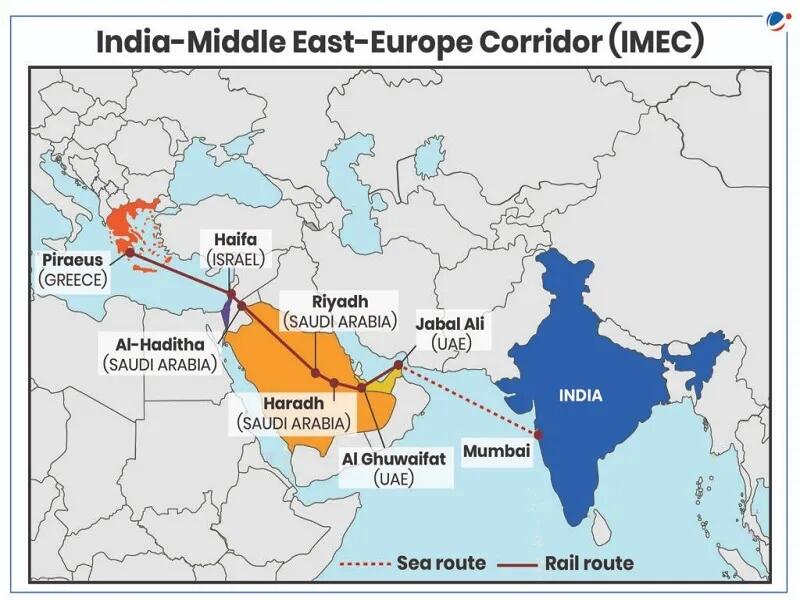
The India-Middle East-Europe Economic Corridor (IMEC), which was envisaged as a game-changing geo-economic megaproject when it was announced in September 2023 at the G20 Summit in Delhi, was abruptly frozen by the Gaza War that broke out a month later and the West Asian War that followed.
The end of those conflicts then gave rise to optimism that Saudi Arabia would normalize ties with Israel like it reportedly planned to do prior to their outbreak as the political prerequisite for building IMEC.
After all, without the normalization of Israeli-Saudi ties, there can be no logistical connection between IMEC’s Emirati and Israeli Mideast anchors across the West Asian landmass.
Saudi Arabia requires Israel at least making superficial concessions on Palestinian independence, however, which Israel under Prime Minister Benjamin Netanyahu is opposed to doing after the latest wars.
This dilemma might therefore derail IMEC yet again unless the US mediates a creative compromise or gets one of them to back down.
That’s difficult to imagine as a result of three fast-moving developments in December.
The first was Israel’s recognition of Somaliland’s 1991 redeclaration of independence as a sovereign state. Saudi Arabia fiercely opposes this, and while it was argued here that Israel was motivated more by its rivalry with Turkiye than its one with Iran (whose Houthi allies still control North Yemen), a related motivation could have been to ensure the security of maritime trade with India in the absence of IMEC.
That’s reasonable if Israel tacitly accepted by then that the normalization of ties with Saudi Arabia won’t happen as a result of pressure upon it by the international Muslim community (Ummah) over the humanitarian consequences of the Gaza War.
Shortly afterwards, Saudi Arabia militarily aligned with the Muslim Brotherhood’s Yemeni branch against UAE-backed South Yemen despite considering the group as a whole to be terrorists, after which South Yemen was swiftly conquered by the Saudis’ Yemeni allies.
Israel just finished a war with the Brotherhood’s Palestinian branch, Hamas, so the aforementioned development would have understandably led to a further deterioration of trust in the Saudis.
In parallel, the Saudis demanded that the UAE withdraw from South Yemen within 24 hours, which it did. That ultimatum also described the UAE’s actions in South Yemen as a threat to Saudi national security. Even though they didn’t come to blows in South Yemen, trust between them is now absolutely destroyed.
Accordingly, even if Israeli-Saudi ties were to normalize in spite of Saudi anger at Israel over its recognition of Somaliland, new Israeli distrust of the Saudis over their military alignment with the Muslim Brotherhood in Yemen, the Ummah’s pressure on Saudi Arabia, and new Saudi-Emirati tensions would still undermine tangible progress on building IMEC.
India’s trade with Israel and Europe will therefore remain reliant on traditional maritime routes since IMEC’s future is once again in doubt.
In fact, given how serious Saudi Arabia’s problems with the UAE and Israel are, IMEC might never get off the ground at all.
India might then strengthen its ties with those two afterwards since it could consider them to be more reliable partners, especially after Saudi Arabia’s mutual defense pact with India’s Pakistani nemesis last September that Turkiye now wants to join too.
The end of IMEC might then result in an Emirati-Indian-Israeli bloc formed in opposition to the emerging Saudi-Pakistani-Turkish one.
Tyler Durden
Fri, 01/23/2026 – 03:30
https://www.zerohedge.com/geopolitical/imecs-future-once-again-doubt
Old-fashioned sticky toffee pudding is the dessert I swear by
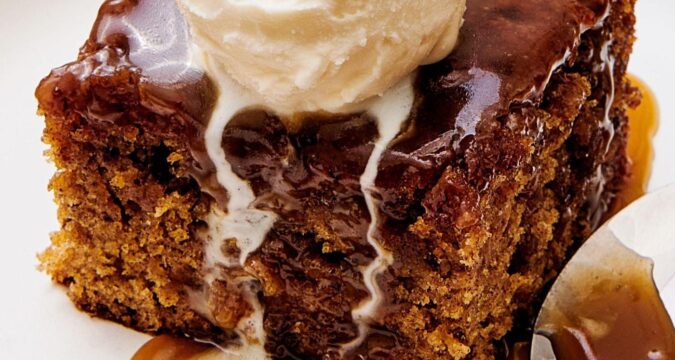
The first time I went to visit my best friend in London, she insisted we go to a traditional Sunday roast. While the roast beef was exceptional, the real standout to me was the traditional sticky toffee pudding served at the end of the meal. It was decadent without being cloyingly sweet, and felt somehow celebratory and comforting all at the same time. It’s draped in a generous layer of toffee sauce and often served with a side of vanilla ice cream, whipped cream, or custard sauce.
Why you’ll love it
It’s a classic dessert. This isn’t pudding in the American sense of the word. It’s a classic English pudding of a moist date sponge cake with a tender crumb.
I’ve perfected the recipe. After trying and testing dozens of sticky toffee pudding recipes over the years, I’ve landed on this one being my absolute favorite.
Key ingredients in sticky toffee pudding
Butter: Use unsalted butter for the cake and the toffee sauce.
Dried dates: While you can’t distinguish the flavor of dates once it’s baked, they add a rich, almost caramel-like flavor to the sponge. Dates also keep the sponge moist, which is crucial to absorbing the toffee sauce.
Spices: A combination of warm spices like ground cinnamon, cloves, and nutmeg taste just like the holidays.
Brown sugar: Use dark brown sugar for a deeper flavor.
Heavy cream: Adds richness to the sauce.
Helpful tips
Use room-temperature ingredients. Sticky toffee pudding is all about the leavening agents here. Make sure to use room-temperature eggs in order to ensure a tall, tender sponge. If you don’t have time to let your eggs come to temperature, you can slip them into a bowl of warm water for five to 10 minutes and they’ll be ready to use.
Keep an eye on time. This recipe bakes quickly! After just about 30 minutes the sponge will be set and ready for a generous blanket of toffee sauce. It gets popped in the oven for five more minutes just to let the sauce properly soak into the sponge.
Plan ahead. Toffee sauce can easily be made ahead of time (up to one week!). The batter can be prepared and set out at room temperature for a few hours so that it can be baked when you’re nearing time for dessert. Sticky toffee pudding is best served warm, so this really helps with timing.
The history of sticky toffee pudding
While the exact origins are a bit murky, sticky toffee pudding is a decidedly British dish. Multiple people and restaurants throughout the 20th century across the country claimed to have created the popular dessert, but most have been disputed. While sticky toffee pudding has a reputation for being an old-timey dessert, it wasn’t until the 1970s that it really became popularized. Because no one knows exactly where sticky toffee pudding was created, it’s unclear how the addition of dates was added, but it’s certain you can’t make the recipe without them.
Sticky Toffee Pudding
Serves 9
For the cake:
6 tablespoons unsalted butter, plus more for the pan
2 large eggs
8 ounces dried pitted dates (about 1 1/2 cups)
1 teaspoon baking soda
1 cup boiling water
1 1/2 cups all-purpose flour
1 1/2 teaspoons baking powder
1/2 teaspoon kosher salt
1/2 teaspoon ground cinnamon
1/4 teaspoon ground cloves
1/8 teaspoon ground nutmeg
3/4 cup packed dark brown sugar
1 1/2 teaspoons vanilla extract
For the sauce and serving:
8 tablespoons (1 stick) unsalted butter
1 1/4 cups packed dark brown sugar
1 cup heavy cream
2 teaspoons vanilla extract
1/2 teaspoon kosher salt
Flaky salt, for sprinkling (optional)
Vanilla ice cream, for serving
Make the cake:
1. Place 6 tablespoons unsalted butter in the bowl of a stand mixer (or large bowl if using an electric hand mixer). Place two large eggs on the counter. Let both sit at room temperature until the butter is softened.
2. Arrange a rack in the middle of the oven and heat the oven to 350 F. Coat a 9-by-9-inch square baking dish with butter.
3. Place 8 ounces pitted dates and 1 teaspoon baking soda in a medium bowl. Pour 1 cup boiling water over the dates and let stand until softened, about 10 minutes. Scrape the date mixture into a food processor fitted with the blade attachment and process until pureed, 20 to 25 seconds.
4. Wipe the bowl the dates were in dry. Place 1 1/2 cups all-purpose flour, 1 1/2 teaspoons baking powder, 1/2 teaspoon kosher salt, 1/2 teaspoon ground cinnamon, 1/4 teaspoon ground cloves, and 1/8 teaspoon ground nutmeg in the bowl. Whisk until combined.
5. Add 3/4 cup packed dark brown sugar to the bowl of butter. Beat with the paddle attachment on medium speed until combined, about 1 minute. Add one egg and beat on medium speed until combined, then add the second egg and beat until just combined. Add the date puree and 1 1/2 teaspoons vanilla extract and beat on medium speed until just combined. Scrape down the sides of the mixer.
6. Add the flour mixture to the date mixture and beat on the lowest speed until just combined, scraping down the sides of the bowl as needed. Transfer the batter to the baking dish and smooth into an even layer.
7. Bake until the cake is set and a tester inserted into the center comes out clean, 30 to 35 minutes. Immediately use the tines of a fork to poke holes all over the cake, poking all the way down to the bottom and spacing the pokes about 1/2-inch apart.
Make the sauce:
1. Melt a stick unsalted butter in a medium saucepan over medium-high heat. Add 1 1/4 cups packed dark brown sugar, 1 cup heavy cream, 2 teaspoons vanilla extract, and 1/2 teaspoon kosher salt. Stir until smooth and glossy, about 1 minute.
2. Remove the saucepan from the heat. Drizzle 1 cup of the sauce over the warm cake. Return the pan to the oven and bake until the sauce bubbles, about 5 minutes. Sprinkle with flaky salt if desired. Serve the toffee pudding hot with the remaining sauce and vanilla ice cream.
Related Articles
This French beef casserole is the best thing you’ll make all winter
This spinach apple salad is perfect with everything
Boston cream brownies are the boxed mix hack anyone can make
The Kitchn: How to make a classic whiskey sour
The Kitchn: This easy lasagna is what comfort food dreams are made of
Recipe note: Leftover cake and sauce can be refrigerated in separate airtight containers for up to four days.
(Alexis deBoschnek is a contributor to TheKitchn.com, a nationally known blog for people who love food and home cooking. Submit any comments or questions to editorial@thekitchn.com.)
https://www.chicagotribune.com/2026/01/23/old-fashioned-sticky-toffee-pudding/

Netanyahu Skipped ‘Board Of Peace’ Signing In Davos On ICC Arrest Fears
Netanyahu Skipped ‘Board Of Peace’ Signing In Davos On ICC Arrest Fears
One of the more interesting aspects to the Thursday signing ceremony for President Donald Trump’s ‘Board of Peace’ in Davos, Switzerland was who was not in attendance.
Israeli Prime Minister Benjamin Netanyahu failed to attend the signing ceremony, but not necessarily by choice, as he is currently unable to travel to much of Europe on fears of being arrested.
In 2024, the International Criminal Court (ICC) in The Hague issued arrest warrants for Netanyahu and then-Defense Minister Yoav Gallant, alleging war crimes that included using starvation as a weapon of war and deliberately targeting civilians, as well as crimes against humanity.
Gaza sources have said over 70,000 Palestinians were killed in the some two-year long bombardment and siege of the Gaza Strip in the wake of the Oct.7, 2023 terror attacks by Hamas and Islamic Jihad. Israel has countered that tens of thousands of the deceased were armed Hamas militants.
Israel was still represented at the signing ceremony, however:
Netanyahu was replaced at the summit by Israel’s President Isaac Herzog, who travelled to Davos on Tuesday and met German Foreign Minister Annalena Baerbock.
During the meeting, Herzog criticised the absence of Israeli officials from the forum and called for the removal of ICC arrest warrants issued against Israeli leaders, describing the court’s actions as “politically motivated”.
Israeli leaders have blasted the ICC, along with the US, which has actually sanctioned some ICC officials. “Israel is given here a bum rap. I think it’s dangerous. Basically, it’s the first democracy being taken to the dock when it is doing exactly what democracies should be doing in an exemplary way,” Netanyahu told CNN in a past interview. “It endangers all other democracies. Israel is first, but you’re next. Britain is next. Others are next, too.”
As for the newly initiated Board of Peace, the White House earlier this month named several members of the Trump administration, as well as international leaders, to top positions. It officially aims to mobilize international resources while overseeing Gaza’s transition and reconstruction. But critics have said it’s a colonial-style land grab and Western investment project which has nothing to do with the interests of the Palestinian people.
This is who is on the board and participated in the signing event:
Isa bin Salman bin Hamad Al Khalifa, minister of the prime minister’s court, Bahrain
Nasser Bourita, minister of foreign affairs, Morocco
Javier Milei, president, Argentina
Nikol Pashinyan, prime minister, Armenia
Ilham Aliyev, President, Azerbaijan
Rosen Zhelyazkov, prime minister, Bulgaria
Viktor Orban, prime minister, Hungary
Prabowo Subianto, president, Indonesia
Ayman Al Safadi, minister of foreign affairs, Jordan
Kassym-Jomart Tokayev, president, Kazakhstan
Vjosa Osmani-Sadriu, president, Kosovo
Mian Muhammad Shehbaz Sharif, prime minister, Pakistan
Santiago Peña, president, Paraguay
Mohammed Bin Abdulrahman Al Thani, president, Qatar
Faisal bin Farhan Al Saud, minister of foreign affairs, Saudi Arabia
Hakan Fidan, minister of foreign affairs, Turkey
Khaldoon Khalifa Al Mubarak, special envoy to the U.S. for the UAE
Shavkat Mirziyoyev, president, Uzbekistan
Gombojavyn Zandanshatar, prime minister, Mongolia
And here’s something deeply ironic: 11 of the 25 countries on Trump’s Board of Peace are currently banned from immigrant visas to the United States.
Jared Kushner presenting this morning at the “Board of Peace” ceremony their mock ups of “New Gaza” & “New Rafah.” pic.twitter.com/zWuhhqPVz1
— Vaughn Hillyard (@VaughnHillyard) January 22, 2026
Trump will chair the board, which will be tasked with overseeing the next phase in Gaza. Dozens of countries have been invited to join. Notably absent from the Davos signing event were Canada, France, Germany, Italy and some other European nations.
Tyler Durden
Fri, 01/23/2026 – 02:45
https://www.zerohedge.com/geopolitical/netanyahu-skipped-board-peace-signing-davos-icc-arrest-fears