Category: News

3 US Warships Dispatched To Haiti As Part Of Campaign Against Drug Traffickers
3 US Warships Dispatched To Haiti As Part Of Campaign Against Drug Traffickers
Authored by Chris Summers via The Epoch Times,
Three U.S. warships have been sent to Haiti as part of Operation Southern Spear, a military operation in the Caribbean to counter narcotics trafficking.
“At the direction of the Secretary of War [Pete Hegseth], the ships USS Stockdale, USCGC Stone, and USCGC Diligence have arrived in the Bay of Port-au-Prince as part of Operation Southern Spear,” the U.S. Embassy in Haiti posted on X on Feb. 3.
The embassy said the presence of the warships reflects the United States’ “unwavering commitment to Haiti’s security, stability, and brighter future.”
The USS Stockdale is an Arleigh Burke-class guided-missile destroyer based in San Diego, while USCGC Stone and USCGC Diligence are Coast Guard cutters based in North Charleston, South Carolina, and Pensacola, Florida, respectively.
“The U.S. Navy and U.S. Coast Guard reaffirm their partnership and support to ensure a safer and more prosperous Haiti,” the U.S. Embassy posted on X.
Operation Southern Spear is targeting narco-trafficking and has led to strikes on several drug smuggling boats since September 2025. On Jan. 3, Venezuelan leader Nicolás Maduro was captured and indicted on drug trafficking and other charges.
Another boat strike was carried out on Jan. 23, at an undisclosed location, according to U.S. Southern Command.
Unrest in Haiti
Haiti has been mired in political and economic turmoil since July 2021, when President Jovenel Moïse was assassinated at his home in the Haitian capital, Port-au-Prince, by a group of mercenaries, most of whom were Colombian nationals.
Gangs have proliferated and begun to dominate large parts of Haiti, and in May 2025, U.S. Secretary of State Marco Rubio designated two of the largest gangs, Viv Ansanm and Gran Grif, as foreign terrorist organizations.
In November 2025, U.S. President Donald Trump published a new National Security Strategy, which calls for expanded naval and Coast Guard operations and aggressive targeting of drug cartels.
“We want to ensure that the Western Hemisphere remains reasonably stable and well-governed enough to prevent and discourage mass migration to the United States,” the strategy document states. “We want a Hemisphere whose governments cooperate with us against narco-terrorists, cartels, and other transnational criminal organizations.”
Haiti has not had elections since 2016. A nine-member Transitional Presidential Council was appointed in April 2024, but has been marked by allegations of corruption and a declining security situation in Haiti.
On Jan. 23, Haitian Prime Minister Alix Didier Fils-Aimé, who was appointed by the Transitional Presidential Council, spoke to U.S. Secretary of State Marco Rubio, who said the call “reaffirmed U.S. support for Haiti’s stability and security.”
“The current violence caused by gangs can only be stopped with consistent, strong leadership, with the full support of the Haitian people,” the State Department said. Rubio said the Transitional Presidential Council ”must be dissolved by February 7 without corrupt actors seeking to interfere in Haiti’s path to elected governance for their own gains.”
Last month the State Department took steps to revoke the visas of two unidentified members of Haiti’s Transitional Presidential Council (TPC) and their immediate families because of their alleged involvement in gangs.
“These actions are being taken due to the TPC members’ involvement in the operation of gangs and other criminal organizations in Haiti, including through interference with the Government of Haiti’s efforts to counter gangs designated as Foreign Terrorist Organizations (FTO) by the United States,” the State Department said in a Jan. 25 statement.
In September 2025 the United Nations Security Council authorized the conversion of a Multinational Security Support mission—which had been deployed in Haiti in June 2024—into a 5,500-strong Gang Suppression Force.
China, Russia, and Pakistan abstained in the vote.
In December 2025, the United States and Canada said 18 entities had offered personnel, resources, and technical support for the Gang Suppression Force.
“We were looking for 5,500 forces,” Rubio said on Dec. 19, 2025. “We already have pledges of up to 7,500 forces from a variety of countries. We’ve seen donors step up to fund that effort.”
Tyler Durden
Wed, 02/04/2026 – 17:40

Retiran a abogada del gobierno de operación en Minnesota tras quejarse que “este trabajo es un asco”
Por MICHAEL KUNZELMAN y ALANNA DURKIN RICHER
WASHINGTON (AP) — Una abogada del gobierno que le dijo a un juez que su trabajo “apesta” durante una audiencia judicial derivada de la operación migratoria federal en Minnesota fue retirada de su cargo en el Departamento de Justicia, de acuerdo con una persona al tanto del asunto.
Julie Le había estado trabajando como parte del equipo del Departamento de Justicia, pero la oficina del fiscal federal en Minnesota puso fin a su asignación luego de sus comentarios del martes ante el tribunal, indicó la persona. La fuente habló bajo condición de anonimato a fin de discutir un asunto de personal.
Le había estado trabajando para el Servicio de Inmigración y Control de Aduanas de Estados Unidos (ICE por sus iniciales en inglés) antes de su asignación temporal.
Durante una audiencia para discutir varios casos de inmigración, Le le dijo al juez federal Jerry Blackwell que desearía que pudiera declararla en desacato de la corte “para que pueda dormir las 24 horas”.
“¿Qué quiere que haga? El sistema es un asco. Este trabajo es un asco. Y dedico cada aliento que tengo para poder entregarle lo que necesita”, señaló Le, según una transcripción.
Los comentarios de Le reflejan la intensa presión sobre el sistema judicial federal desde que el presidente Donald Trump regresó a la Casa Blanca hace un año con la promesa de llevar a cabo una campaña de deportaciones a gran escala. Los funcionarios de ICE han dicho que, desde que se intensificaron a principios de enero, las redadas en Minnesota se han convertido en la mayor operación migratoria de su historia.
Varios fiscales han dejado la oficina del fiscal de Estados Unidos en Minnesota ante la frustración con la intensificación de las redadas migratorias y la respuesta del Departamento de Justicia a la muerte de dos ciudadanos estadounidenses que fueron abatidos a disparos por agentes federales. A Le se le asignaron al menos 88 casos en menos de un mes, según los registros judiciales en línea.
Blackwell le dijo a Le que el número de casos no era excusa para ignorar las órdenes judiciales. Expresó su preocupación de que, rutinariamente, las personas arrestadas en los operativos migratorios pasen varios días en prisión después de que se ordenó su liberación.
“Y entiendo las preocupaciones sobre toda la energía que gasta el DOJ con todo esto, pero, con todo respeto, parte de esto es su propia culpa al no cumplir con las órdenes”, le dijo el juez a Le.
Le dijo que trabajaba para el Departamento de Seguridad Nacional (DHS por sus iniciales en inglés) como abogada del ICE en el tribunal de inmigración antes de que “estúpidamente” se ofreciera como voluntaria para trabajar en la operación en Minnesota. Dijo al juez que no estaba capacitada adecuadamente para la asignación. Añadió que quiso renunciar al trabajo pero no pudo conseguir un reemplazo.
“Arreglar un sistema, un sistema fallido… no tengo un botón mágico para hacerlo. No tengo el poder ni la voz para hacerlo”, subrayó.
La subsecretaria de Seguridad Nacional, Tricia McLaughlin, destacó que Le era una abogada en período de prueba.
“Esta conducta es poco profesional e impropia de un abogado del ICE al abandonar su obligación de actuar con compromiso, dedicación y celo por los intereses del gobierno de Estados Unidos”, señaló McLaughlin en un comunicado.
Ni Le ni la oficina del fiscal de Estados Unidos en Minnesota no respondieron de momento a correos electrónicos en busca de comentarios.
Kira Kelley, abogada que representó a dos peticionarios en la audiencia, dijo que la avalancha de solicitudes de inmigración es necesaria porque “hay tantas personas que están siendo detenidas sin un atisbo de bases legales”.
“Y no hay indicios de que ningún nuevo sistema o correos electrónicos en negritas o cualquier instrucción al ICE vaya a solucionar esto”, agregó.
___
Esta historia fue traducida del inglés por un editor de AP con la ayuda de una herramienta de inteligencia artificial generativa.

Of Notoriety: Chicago Street Theatre has Madame Curie, IUN launches auditions for Challenger play
Among history’s Polish names of leaders and achievers, Madame Marie Curie, the Polish-French physicist and chemist, is a clear favorite from my classroom history days.
However, I’ve somehow never heard of her close friend and counterpart of great inventions and discoveries, Hertha Aryton, also of Polish roots.
Audiences and I have an opportunity to learn more about both of these great innovators this month as a stage prelude to welcome March, designated as “Women’s History Month.”
An intimate examination of the bond shared between these two leading females of scientific and engineering discovery is the subject of Chicago Street Theatre’s new production “The Half Life of Marie Curie,” with a run Feb. 13 through March 1 on the main stage space at 154 W. Chicago St. in Valparaiso.
Written by Lauren Gunderson and first performed in 2019 at the Minletta Lane Theatre in New York, “The Half-Life of Marie Curie” is told as a biographical tale that begins in 1912 during the turbulent time in Marie Curie’s career after the scandal leaked of her affair with her colleague, the married French physicist Paul Langevin, all of which unfold shortly following her second Nobel Prize award.
This was a scandal that put her reputation and achievements at risk while under public scrutiny and was a catalyst for Curie to retreat to the seaside cottage of close friend and fellow celebrated physicist Hertha Aryton. The play invites audiences to gain perspective and absorb little-known details as the two discuss many aspects of their lives and careers.
The two roles are being played by veteran actresses of the Chicago Street Theatre stage, Barb Baker Malangoni as Marie Curie and Lisa Formosa-Parmigiano as Hertha Aryton.
Malangoni admits, like so many of us, she knew little about Curie before reading the play, other than her discovery of radium. She said the playwright provides audiences with a depiction of Curie as a mother, wife and friend besides being a Nobel Prize-winning scientist.
Formosa-Parmigiano, who is also the artistic and education director at CST in addition to performing in shows like “LEAR” and “Rosemary and Ginger,” said though her character is lesser known than Curie, she hopes audiences learn more about the genius hailed as “the woman who tamed lightning.”
Allison Granat is directing the run with assistant director Theresa Haus.
The theatre lobby will share the deeper details and further fascinating stories of Curie and Aryton with factoids about their lives and work and a recreation of their workspace, including artwork inspired by original posters depicting Curie’s radium discovery that were culturally popular at the time.
Arython died in 1923 at age 69, the result of an infected insect bite causing blood poisoning. Curie died at age 66 in 1934 of radium poisoning as a result of her research. Her famous last words were in the form of a question, serving as evidence she was a researching scientist right until her last breath of life: “Was it [her poisoning] done with radium or with mesothorium?”
The nine performances of “The Half-Life of Marie Curie” are 7:30 p.m. Thursdays, 8 p.m. Fridays and Saturdays and 2:30 p.m. Sundays. Tickets are $25 for adults and $22 for seniors and military at www.chicagostreet.org or 219-464-1636.
Indiana University Northwest Theatre Department is holding auditions this week for a new production April 2026 run of “Defying Gravity,” written by Jane Anderson and first premiered to audiences in 1997 in New York City, chronicling the events of the Challenger space shuttle tragedy in 1986. (Image courtesy of Concord Theatricals)
Ready for auditions
The Indiana University Northwest Theatre Department has started auditions this week for their new production run of “Defying Gravity,” a play inspired by the 1986 Challenger space shuttle explosion and “exploring the dangers, limits, glories and consequences of human achievement.” The play run is April 9 through 12 on campus at the IUN Blackbox Theatre. Tom Mackey is directing and he can be reached at tomdirectsplays@gmail.com to schedule an audience. Roles include as a mother, an astronaut in training, a 5-year-old portrayed by an adult, a painter, a NASA mechanic, a bartender and a retired couple in their 60s. The play was written by Jane Anderson, first premiered in 1997 in New York City and is licensed by Concord Theatricals and Samuel French Inc. Visit northwest.iu.edu/theatre/ for more details.
Philip Potempa is a journalist, published author and weekly radio host on WJOB 1230 AM. He can be reached at philpotempa@gmail.com.

Red Wedding At WaPo: Hundreds Axed In Widespread Layoffs
Red Wedding At WaPo: Hundreds Axed In Widespread Layoffs
The Washington Post on Wednesday told employees that it was launching a widespread round of layoffs, which will amount to roughly 30% of all employees.
Most affected will be the Sports, Local News, and International sections, according to the NY Times, citing two people with knowledge of the decision. Of the outlet’s roughly 800 journalists, more than 300 are getting the axe.
And of course, the left-wing media complex is firmly blaming owner Jeff Bezos – who decided not to endorse a candidate in the 2024 election before vowing to be less biased as an organization.
The Atlantic, owned by Epstein pal Laurene Jobs, was very dramatic:
The NY Times also framed it as Bezos’ fault, writing;
The cuts are a sign that Jeff Bezos, who became one of the world’s richest people by selling things on the internet, has not yet figured out how to build and maintain a profitable publication on the internet. The paper expanded during the first several years of his ownership, but the company has sputtered more recently.
In a Wednesday call, executive editor Matt Murray told employees that the company had been losing too much money for too long, and had not been meeting readers’ needs. As a result, all sections will be affected in some way, and what rises from the ashes would be a publication more focused on national news and politics, business, and health, and less on other things.
“If anything, today is about positioning ourselves to become more essential to people’s lives in what is becoming a more crowded, competitive and complicated media landscape,” Murray said. “And after some years when, candidly, The Post has had struggles.”
Murray also said that search traffic has plummeted nearly in half over the last three years, partly due to the rise of generative AI – and that the Post’s “daily story output has substantially fallen in the last five years.”
“Even as we produce much excellent work, we too often write from one perspective, for one slice of the audience,” he said.
Learn to Vibecode
[pause for a second, open this, hit play, continue reading]
In memoriam:
I have been laid off today from the @washingtonpost, along with most of the International staff and so many other wonderful colleagues. I’m heartbroken for our newsroom and especially for the peerless journalists who served the Post internationally — editors and correspondents…
— Ishaan Tharoor (@ishaantharoor) February 4, 2026
I have been laid off today from the @washingtonpost, along with most of the International staff and so many other wonderful colleagues. I’m heartbroken for our newsroom and especially for the peerless journalists who served the Post internationally — editors and correspondents…
— Ishaan Tharoor (@ishaantharoor) February 4, 2026
I was just laid off by The Washington Post in the middle of a warzone. I have no words. I’m devastated. https://t.co/dVCLF39YV1
— lizzie johnson (@lizziejohnsonnn) February 4, 2026
Some personal news: I’m among today’s @washingtonpost layoffs. It was a dream 11-year run as an investigative reporter focused on sports—making billionaires tremble (or at least mildly annoying them and their lawyers.)
A few highlights from the ride: 🧵
— Will Hobson (@TheWillHobson) February 4, 2026
Some personal news: I’m among today’s @washingtonpost layoffs. It was a dream 11-year run as an investigative reporter focused on sports—making billionaires tremble (or at least mildly annoying them and their lawyers.)
A few highlights from the ride: 🧵
— Will Hobson (@TheWillHobson) February 4, 2026
Average WaPo journalist today after spending a decade trying to help cancel ZeroHedge and advising laid off coal workers to learn to code:
Tyler Durden
Wed, 02/04/2026 – 17:20
https://www.zerohedge.com/political/red-wedding-wapo-hundreds-axed-widespread-layoffs
Red Wedding At WaPo: Hundreds Axed In Widespread Layoffs
Red Wedding At WaPo: Hundreds Axed In Widespread Layoffs
The Washington Post on Wednesday told employees that it was launching a widespread round of layoffs, which will amount to roughly 30% of all employees.
Most affected will be the Sports, Local News, and International sections, according to the NY Times, citing two people with knowledge of the decision. Of the outlet’s roughly 800 journalists, more than 300 are getting the axe.
And of course, the left-wing media complex is firmly blaming owner Jeff Bezos – who decided not to endorse a candidate in the 2024 election before vowing to be less biased as an organization.
The Atlantic, owned by Epstein pal Laurene Jobs, was very dramatic:
The NY Times also framed it as Bezos’ fault, writing;
The cuts are a sign that Jeff Bezos, who became one of the world’s richest people by selling things on the internet, has not yet figured out how to build and maintain a profitable publication on the internet. The paper expanded during the first several years of his ownership, but the company has sputtered more recently.
In a Wednesday call, executive editor Matt Murray told employees that the company had been losing too much money for too long, and had not been meeting readers’ needs. As a result, all sections will be affected in some way, and what rises from the ashes would be a publication more focused on national news and politics, business, and health, and less on other things.
“If anything, today is about positioning ourselves to become more essential to people’s lives in what is becoming a more crowded, competitive and complicated media landscape,” Murray said. “And after some years when, candidly, The Post has had struggles.”
Murray also said that search traffic has plummeted nearly in half over the last three years, partly due to the rise of generative AI – and that the Post’s “daily story output has substantially fallen in the last five years.”
“Even as we produce much excellent work, we too often write from one perspective, for one slice of the audience,” he said.
Learn to Vibecode
[pause for a second, open this, hit play, continue reading]
In memoriam:
I have been laid off today from the @washingtonpost, along with most of the International staff and so many other wonderful colleagues. I’m heartbroken for our newsroom and especially for the peerless journalists who served the Post internationally — editors and correspondents…
— Ishaan Tharoor (@ishaantharoor) February 4, 2026
I have been laid off today from the @washingtonpost, along with most of the International staff and so many other wonderful colleagues. I’m heartbroken for our newsroom and especially for the peerless journalists who served the Post internationally — editors and correspondents…
— Ishaan Tharoor (@ishaantharoor) February 4, 2026
I was just laid off by The Washington Post in the middle of a warzone. I have no words. I’m devastated. https://t.co/dVCLF39YV1
— lizzie johnson (@lizziejohnsonnn) February 4, 2026
Some personal news: I’m among today’s @washingtonpost layoffs. It was a dream 11-year run as an investigative reporter focused on sports—making billionaires tremble (or at least mildly annoying them and their lawyers.)
A few highlights from the ride: 🧵
— Will Hobson (@TheWillHobson) February 4, 2026
Some personal news: I’m among today’s @washingtonpost layoffs. It was a dream 11-year run as an investigative reporter focused on sports—making billionaires tremble (or at least mildly annoying them and their lawyers.)
A few highlights from the ride: 🧵
— Will Hobson (@TheWillHobson) February 4, 2026
Average WaPo journalist today after spending a decade trying to help cancel ZeroHedge and advising laid off coal workers to learn to code:
Tyler Durden
Wed, 02/04/2026 – 17:20
https://www.zerohedge.com/political/red-wedding-wapo-hundreds-axed-widespread-layoffs
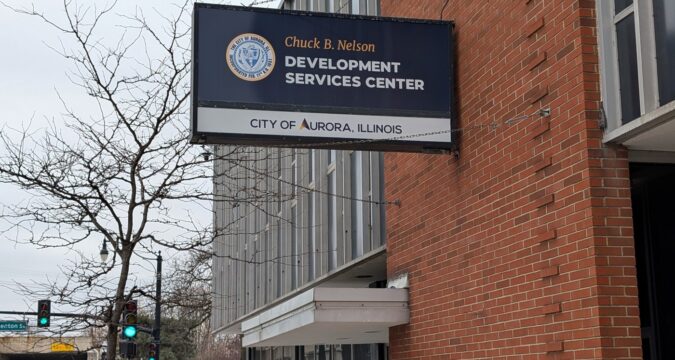
Aurora planning over half-million-dollar upgrade to Development Services Center
The city of Aurora is planning to spend over a half-million dollars to upgrade the HVAC system of its Development Services Center in downtown.
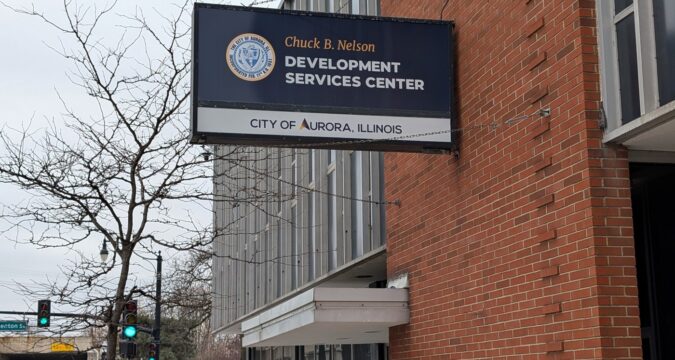
Aurora’s Development Services Center is at 77 S. Broadway and holds a variety of city departments and divisions, including information technology, planning and zoning, training and development, fire prevention, building and permits, property standards and development services administration, according to Aurora Director of Public Facilities Derrick Winston.
The planned HVAC upgrades would allow the city to more precisely set the temperature within the building, and set it on a certain schedule, which would save money, he said at an Aurora City Council committee meeting late last month.
A $664,500 contract with Artlip and Sons, Inc. for the upgrade work is set to go before the Aurora City Council on Tuesday. It is likely to pass as it was placed on the meeting’s consent agenda, which is typically reserved for routine or non-controversial items that are all approved with a single vote.
Currently, the building’s heating, ventilation and cooling system has outdated controls with thermostats that need to be manually adjusted, according to a city staff report about the project. Staff said the current controls lack precision and frequently malfunction, and some don’t work at all.
Plus, since the HVAC system can’t be remotely controlled or monitored, it has used an unnecessary amount of energy, increased costs and led to erratic temperatures, the staff report said.
The planned HVAC upgrade would include the replacement of around 60 dual duct air boxes and thermostats with electronic units, along with the installation of automated controls that will connect to the city’s network, city staff said in their report.
Of the six contractors that submitted bids for the work, Artlip and Sons, Inc. submitted the lowest bid that met all the requirements, according to the report.
Staff said that city operations are not expected to be disrupted in any major way due to the construction.
Last July, the Aurora City Council approved the replacement of the Development Services Center’s roof, along with the roof of the fifth floor of City Hall, at 44 E. Downer Place, at a combined cost of $687,300.
rsmith@chicagotribune.com
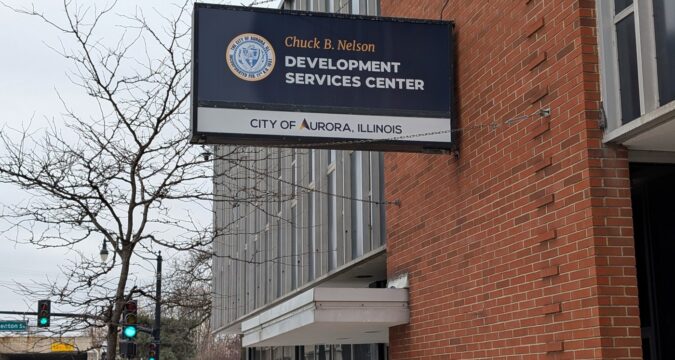
Aurora planning over half-million-dollar upgrade to Development Services Center
The city of Aurora is planning to spend over a half-million dollars to upgrade the HVAC system of its Development Services Center in downtown.
Aurora’s Development Services Center is at 77 S. Broadway and holds a variety of city departments and divisions, including information technology, planning and zoning, training and development, fire prevention, building and permits, property standards and development services administration, according to Aurora Director of Public Facilities Derrick Winston.
The planned HVAC upgrades would allow the city to more precisely set the temperature within the building, and set it on a certain schedule, which would save money, he said at an Aurora City Council committee meeting late last month.
A $664,500 contract with Artlip and Sons, Inc. for the upgrade work is set to go before the Aurora City Council on Tuesday. It is likely to pass as it was placed on the meeting’s consent agenda, which is typically reserved for routine or non-controversial items that are all approved with a single vote.
Currently, the building’s heating, ventilation and cooling system has outdated controls with thermostats that need to be manually adjusted, according to a city staff report about the project. Staff said the current controls lack precision and frequently malfunction, and some don’t work at all.
Plus, since the HVAC system can’t be remotely controlled or monitored, it has used an unnecessary amount of energy, increased costs and led to erratic temperatures, the staff report said.
The planned HVAC upgrade would include the replacement of around 60 dual duct air boxes and thermostats with electronic units, along with the installation of automated controls that will connect to the city’s network, city staff said in their report.
Of the six contractors that submitted bids for the work, Artlip and Sons, Inc. submitted the lowest bid that met all the requirements, according to the report.
Staff said that city operations are not expected to be disrupted in any major way due to the construction.
Last July, the Aurora City Council approved the replacement of the Development Services Center’s roof, along with the roof of the fifth floor of City Hall, at 44 E. Downer Place, at a combined cost of $687,300.
rsmith@chicagotribune.com
Aurora planning over half-million-dollar upgrade to Development Services Center
The city of Aurora is planning to spend over a half-million dollars to upgrade the HVAC system of its Development Services Center in downtown.
Aurora’s Development Services Center is at 77 S. Broadway and holds a variety of city departments and divisions, including information technology, planning and zoning, training and development, fire prevention, building and permits, property standards and development services administration, according to Aurora Director of Public Facilities Derrick Winston.
The planned HVAC upgrades would allow the city to more precisely set the temperature within the building, and set it on a certain schedule, which would save money, he said at an Aurora City Council committee meeting late last month.
A $664,500 contract with Artlip and Sons, Inc. for the upgrade work is set to go before the Aurora City Council on Tuesday. It is likely to pass as it was placed on the meeting’s consent agenda, which is typically reserved for routine or non-controversial items that are all approved with a single vote.
Currently, the building’s heating, ventilation and cooling system has outdated controls with thermostats that need to be manually adjusted, according to a city staff report about the project. Staff said the current controls lack precision and frequently malfunction, and some don’t work at all.
Plus, since the HVAC system can’t be remotely controlled or monitored, it has used an unnecessary amount of energy, increased costs and led to erratic temperatures, the staff report said.
The planned HVAC upgrade would include the replacement of around 60 dual duct air boxes and thermostats with electronic units, along with the installation of automated controls that will connect to the city’s network, city staff said in their report.
Of the six contractors that submitted bids for the work, Artlip and Sons, Inc. submitted the lowest bid that met all the requirements, according to the report.
Staff said that city operations are not expected to be disrupted in any major way due to the construction.
Last July, the Aurora City Council approved the replacement of the Development Services Center’s roof, along with the roof of the fifth floor of City Hall, at 44 E. Downer Place, at a combined cost of $687,300.
rsmith@chicagotribune.com
Why The ‘Hype Phase’ Of Wind And Solar Is Over
Why The ‘Hype Phase’ Of Wind And Solar Is Over
Authored by Kevin Stocklin via The Epoch Times,
The Trump administration has taken a sharp turn from its predecessor regarding wind and solar energy, curtailing many of the loans, grants, and permitting that the Biden administration had put in place.
Without government subsidies and regulatory support, energy analysts are questioning whether these industries can stand on their own merits.
“We’ve reached the end of the hype phase, and the beginning of the reality phase,” Sam Romain, chairman of Americans for Energy Dominance, told The Epoch Times.
“Technologies that lower costs, improve reliability, and strengthen the grid will grow.
“Those that don’t will fade.”
On his first day in office, President Donald Trump suspended new leases and permits for wind and solar on public lands and waters and raised fees for existing projects. Subsequently, his One Big Beautiful Bill Act set tighter deadlines to cut off subsidies to wind and solar energy projects, putting more than $300 billion in planned wind and solar investments at risk of cancellation.
In August 2025, Transportation Secretary Sean Duffy canceled $679 million in federal funding for 12 offshore wind projects across the United States, stating that the administration is “prioritizing real infrastructure improvements over fantasy wind projects that cost much and offer little.”
And in December 2025, the Interior Department halted leases for five large-scale offshore wind projects under construction in the United States, citing security risks.
Calling the wind installations “expensive, unreliable [and] heavily subsidized,” Interior Secretary Doug Burgum posted on X that “ONE natural gas pipeline supplies as much energy as these 5 projects COMBINED.”
Without these subsidies, many analysts say wind and solar power will struggle to survive, at least on the scale that was envisioned under the Biden administration.
“Wind and solar won’t be able to credibly compete with affordable, reliable baseload sources like gas, coal, and nuclear at the utility scale,” Sarah Montalbano, energy policy analyst at Always On Energy Research, told The Epoch Times. “Intermittent wind and solar depend on tax credits and state mandates that require their construction.”
Today, some analysts say, developers are putting many renewable projects on hold, waiting until another Democratic administration takes the White House.
“For the remainder of Trump’s term, wind and solar will be in decline,” H. Sterling Burnett, director of climate and environmental policy at The Heartland Institute, told The Epoch Times. “Whether that sticks depends upon who is the next president.
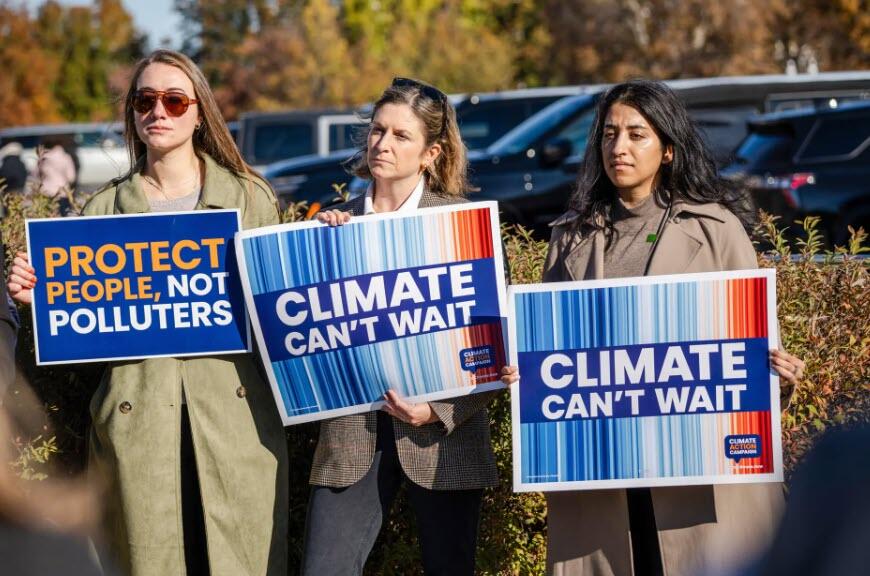
Climate change activists hold signs during a news conference with members of the House Sustainable Energy and Environment Coalition on Capitol Hill in Washington on Nov. 13, 2025. Since taking office, President Donald Trump has slashed subsidies and canceled permits on federal lands for wind and solar energy—an industry that has long thrived on government subsidies. Madalina Kilroy/The Epoch Times
“Some wind and solar will be built due to state support and mandates, especially those already contracted for and under construction, but the money spigot is ending and that will doom new developments,” Burnett said.
As of January, there are 4,202 planned solar projects and 802 planned wind projects in development in the United States, according to Cleanview, an energy analytics firm.
State Support for Wind, Solar
While renewable energy has lost some of its strongest advocates in Washington, experts say that the industry will survive, even if scaled back, because regulation of power generation was reserved to the states in the 1920 Federal Power Act, within their borders.
And many states, particularly those run by Democrats, have regulations in place that require or incentivize utilities to buy wind and solar power over gas, coal, and nuclear.
However, even in those states that favor them, wind and solar energy are running up against two major hurdles: reliability and cost.
When comparing wind or solar to alternatives such as nuclear, “you’re comparing two very unlike things,” said Bill Glahn, policy fellow at the Center of the American Experiment and former deputy commerce commissioner for the state of Minnesota.
One is “an intermittent resource that may last 10 to 20 years before the equipment breaks down and has to be replaced, versus a 24/7 dispatchable plant that could be around 50 to 70 years,” Glahn told The Epoch Times.
He said the nuclear plants currently operating in Minnesota were built in the 1970s and will likely operate until 2040 or beyond.
“Wind and solar can’t compete on that basis,” he said.
Oilfield pump jacks in Williston, N.D., on Dec. 21, 2023. Madalina Vasiliu/The Epoch Times
Hidden Costs
Renewable energy was supposed to be a cheaper energy source, advocates claimed, because wind and sunshine are free. However, the true aggregate cost of these technologies has been obscured in several ways.
First, weather-dependent energy requires backup systems, typically gas-fired plants, to generate electricity when the sun is not shining or the wind is not blowing. However, the cost of building and running these backup systems is generally not attributed to the wind and solar plants that required them.
There are also additional costs to build new distribution lines to transmit electricity from the often remote locations where wind and solar power are generated to end users in cities and towns.
“With so many of these projects, be they wind or solar, you have to either upgrade a transmission line or upgrade the local distribution system to put those assets on the grid, and those costs are never assigned to wind and solar,” Glahn said. “The wind and solar projects cause the transmission projects to be needed—and these are multi-billion dollar projects—but that cost all gets assigned, in this extremely bizarre twist, to resources that are running and that are useful.”
In Minnesota, the source that is running is usually nuclear power and natural gas, so the additional transmission costs are attributed to them, Glahn said.
“We put the thumb on the scale to make sure wind and solar pass some rudimentary cost-benefit analysis by just out and out cheating, and it’s super frustrating,” he said.
Another hidden cost is that wind and solar plants typically have shorter lifespans than gas, coal, and nuclear plants, and the expense of decommissioning them is often also not taken into account in the way that it is with traditional power plants.
An October 2025 study by Curtis Schube and Mark Mills for the National Center for Energy Analytics found that, while 30 U.S. states made little or no provisions for decommissioning wind and solar plants, the vast majority of states did so for coal, gas, and nuclear plants. In many cases, this could leave local residents with the bill for cleanup, once wind and solar facilities reach the end of their relatively short lives.
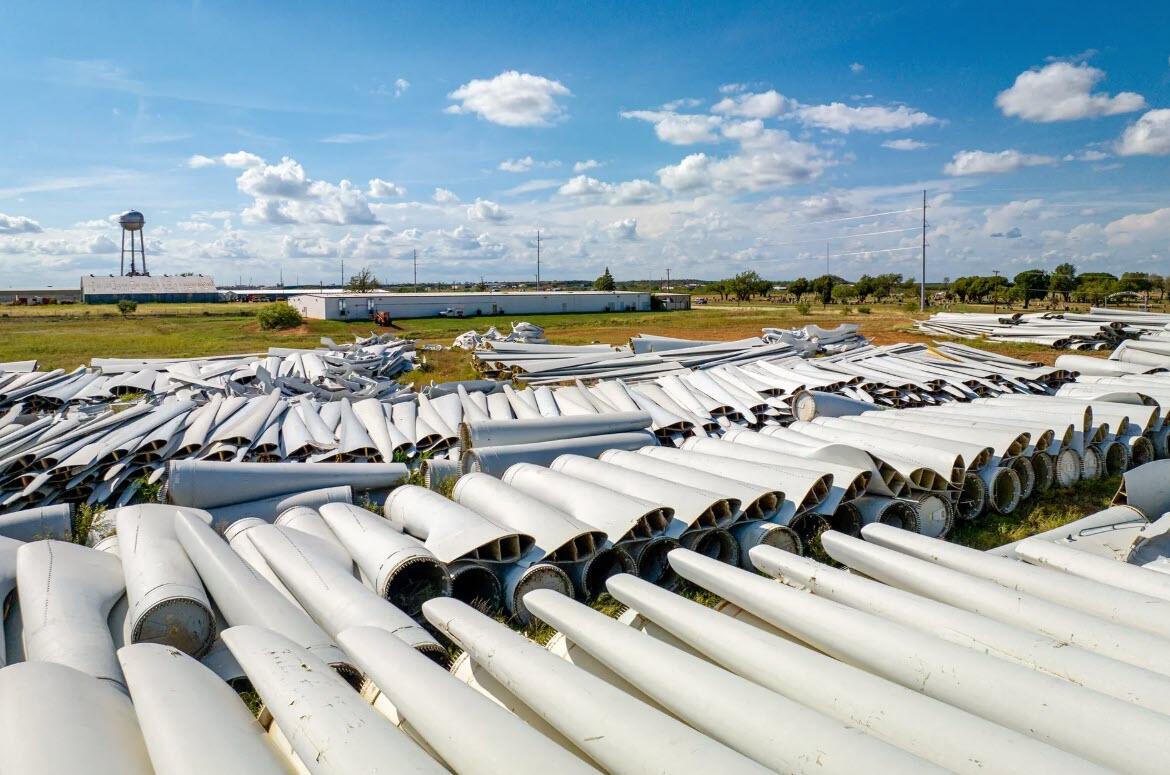
Discarded wind turbine blades are seen in a field next to the Sweetwater Cemetery in Sweetwater, Texas, on Oct. 4, 2023. Brandon Bell/Getty Images
There are currently more than 75,000 wind turbines operating across 45 U.S. states, and more than 5,700 large-scale solar installations across 49 states, according to the U.S. Geological Survey. In both cases, the first installations were built prior to 1990, putting many of them close to their decommissioning date.
Consumers often bear all of these additional costs through higher utility bills and higher taxes.
Environmental organizations that advocate net-zero policies and wind and solar construction often have strong lobbying support in state legislatures, as do public utilities that simply pass on their costs to consumers, Glahn said.
“Utilities make sure that they’re going to come out of this neutral, but the consumers are the ones who get screwed, and there’s really nobody to speak for them at the capitol,” he said.
Struggle to Pay Electric Bills
This more sober assessment of the costs and benefits of wind and solar is happening at a time when Americans increasingly are struggling to pay their electric bills.
A 2025 report by the Century Foundation states that average electricity prices have climbed by 32 percent since 2022 and as a result, 14 million Americans—or about one in 20 households—are on track to have unpaid utility bills sent to collection agencies.
“If a policy drives up bills and increases blackout risk, it’s not sustainable,” Romain said. “These ‘net zero’ mandates are often written by elites who never worry about paying their power bill.”
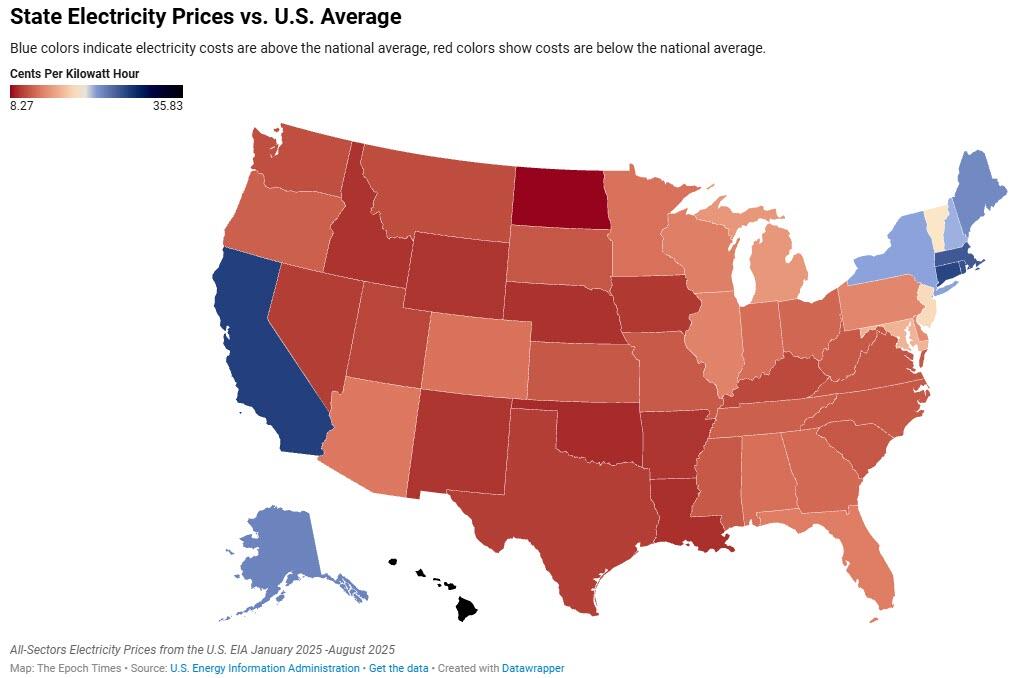
A December 2025 study by the Institute for Energy Research found that 86 percent of the states with electricity prices above the national average were Democrat-led, or “reliably blue.” All of the five states with the highest electric bills had mandates requiring that 100 percent of their power must come from carbon-free sources.
By contrast, 20 of the 25 states with the lowest electricity prices were red states, and seven of the 10 states with the cheapest electricity did not have 100 percent carbon-free mandates.
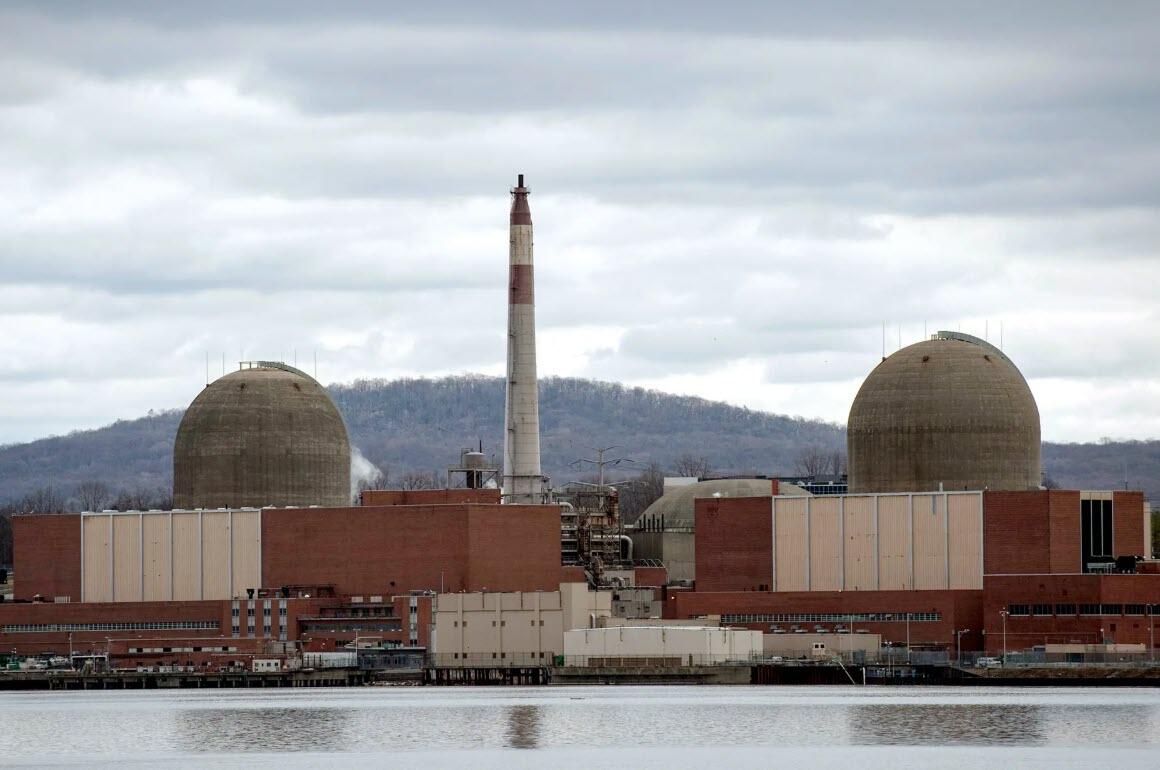
Energy analyst Robert Bryce cited the case of New York in a recent op-ed published in the New York Post. The state just approved a $615 per year rate hike in gas and electricity bills for the average New York City resident by 2028. The state’s political leaders have not only incentivized utilities to build wind and solar capacity, but also shuttered the Indian Point nuclear plant, which produced one-quarter of New York City’s electricity.
Closing Indian Point will cost between $1.5 billion and $2.2 billion by 2030, Bryce said, and as a result of such policies, New York’s electricity prices are now 58 percent above the national average.
The Indian Point nuclear power plant on the Hudson River in Buchanan, N.Y., on March 22, 2011. Bill Glahn, a policy fellow at the Center of the American Experiment, said nuclear plants have longer life spans than wind and solar and are “24/7 dispatchable,” making them more reliable. Don Emmert/AFP via Getty Images
Renewable Rejection
And while Americans may not have control over their electric bills, they are increasingly fighting back against the installations of large wind and solar projects in their neighborhoods.
“It was clear before the end of subsidies that Big Wind was facing more and more friction from local communities fighting back against their projects,” Bryce told The Epoch Times, citing the most recent example of the California Energy Commission rejecting the Fountain Wind project in Shasta County.
According to Bryce’s database, Renewable Rejection, there have been 1,148 cases to date of local communities working to halt the installation of wind, solar, or battery projects.
Wind turbines obstruct views and injure wildlife, and both wind and solar facilities consume significantly more acreage than traditional energy plants, according to a 2024 report by the Massachusetts Institute of Technology.
“When it comes to land use, nuclear plants take up as little as 10 hectares per terawatt-hour of electricity produced per year, while wind uses about 100 hectares, measuring just the area taken up by turbines,” the report found.
“This rises to an astounding 10,000 hectares if you include all the land covered by a wind farm, but most of this space is open land and can be used for ranching or farming.”
In January, a federal judge blocked the Trump administration’s attempt to revoke permits for five offshore wind projects, allowing several of them to resume construction. According to Burnett, however, even if these wind projects move through to completion, there will likely be delays and cost overruns.
“Dozens of offshore wind projects approved and permitted by the Biden administration have already ceased construction and withdrawn from the projects simply due to economics,” Burnett said. “Materials costs keep rising and supply chain problems have hampered construction.”
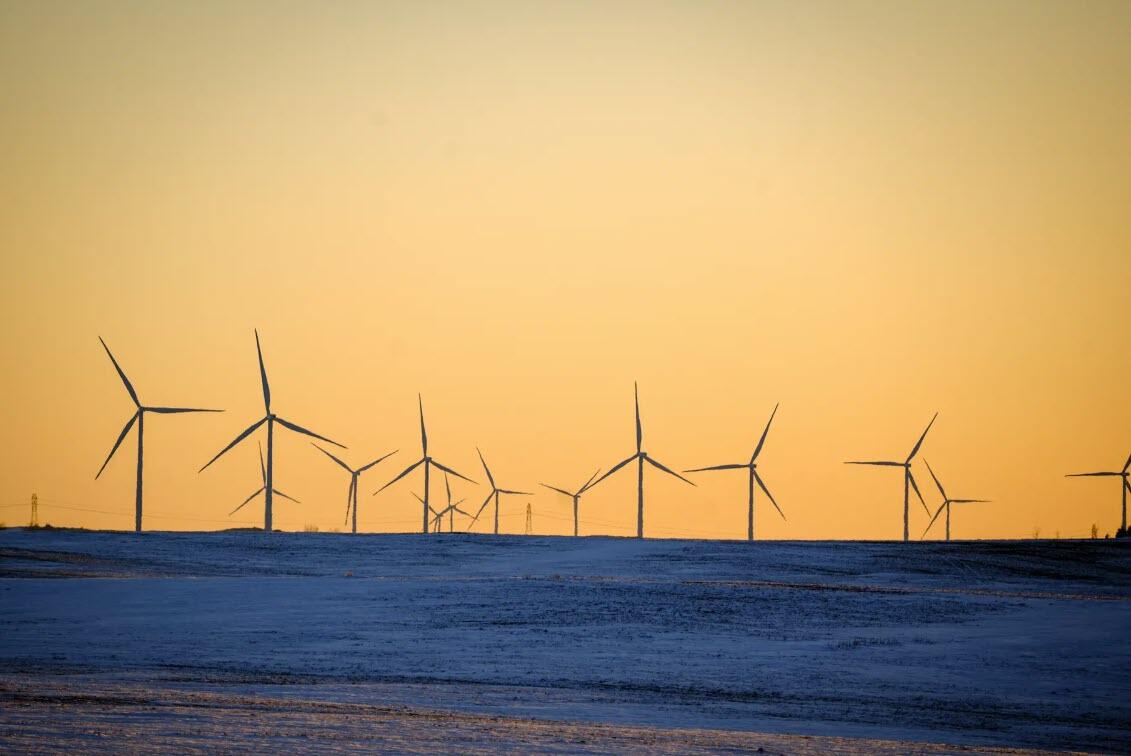
Wind turbines operate in a field in Beulah, N.D., on Dec. 22, 2023. Madalina Vasiliu/The Epoch Times
Because much of the material for wind turbines and solar panels originates in China, construction costs are being driven even higher by tariffs imposed on Chinese imports.
As their costs rise, many wind developers have repeatedly gone back to states to renegotiate terms, “and still they’ve pulled out,” Burnett said. “The remaining five projects still under construction will cost ratepayers billions of dollars, pollute the oceans, kill protected species, compromise national security, and provide relatively little reliable power.”
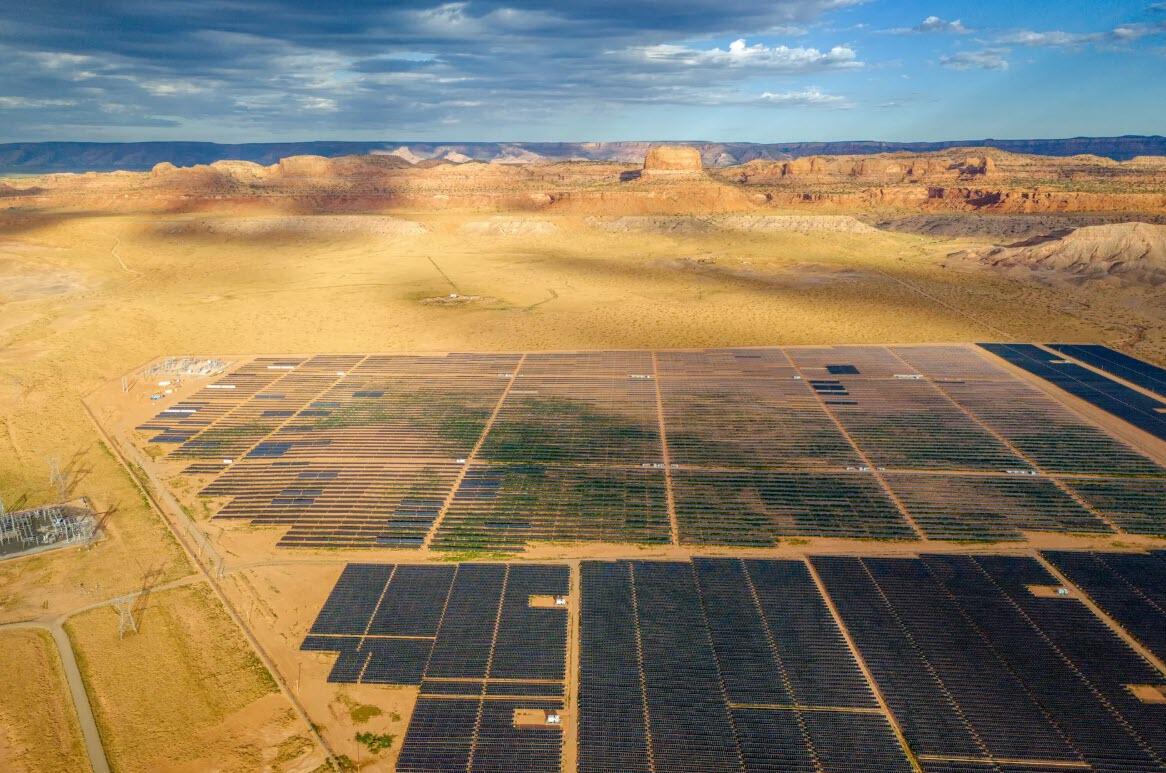
An aerial view shows the Kayenta Solar Plant in Kayenta, Ariz., on June 23, 2024. Observers said that the true aggregate cost of renewable energy is often understated because existing utilities must build the new lines to carry power from remote wind and solar sites to cities and towns. Brandon Bell/Getty Images
However, the prospects for solar energy are likely brighter than for wind.
“It is important to distinguish between massive wind and solar farms that stretch for miles and the solar panels that homeowners install on their rooftops,” Romain said.
“The economics of home batteries and rooftop solar work for a lot of Americans, which is why they privately installed 4.7 gigawatts of rooftop solar in 2024 alone—roughly the output of five nuclear plants.”
Bryce concurs.
“Solar will continue to grow for several reasons: It is politically popular, in many cases the economics work without subsidies, and solar land-use requirements are about one-tenth those of wind,” he said.
“The only thing dumber than onshore wind energy is offshore wind energy.”
Tyler Durden
Wed, 02/04/2026 – 17:00
https://www.zerohedge.com/energy/why-hype-phase-wind-and-solar-over
Why The ‘Hype Phase’ Of Wind And Solar Is Over
Why The ‘Hype Phase’ Of Wind And Solar Is Over
Authored by Kevin Stocklin via The Epoch Times,
The Trump administration has taken a sharp turn from its predecessor regarding wind and solar energy, curtailing many of the loans, grants, and permitting that the Biden administration had put in place.
Without government subsidies and regulatory support, energy analysts are questioning whether these industries can stand on their own merits.
“We’ve reached the end of the hype phase, and the beginning of the reality phase,” Sam Romain, chairman of Americans for Energy Dominance, told The Epoch Times.
“Technologies that lower costs, improve reliability, and strengthen the grid will grow.
“Those that don’t will fade.”
On his first day in office, President Donald Trump suspended new leases and permits for wind and solar on public lands and waters and raised fees for existing projects. Subsequently, his One Big Beautiful Bill Act set tighter deadlines to cut off subsidies to wind and solar energy projects, putting more than $300 billion in planned wind and solar investments at risk of cancellation.
In August 2025, Transportation Secretary Sean Duffy canceled $679 million in federal funding for 12 offshore wind projects across the United States, stating that the administration is “prioritizing real infrastructure improvements over fantasy wind projects that cost much and offer little.”
And in December 2025, the Interior Department halted leases for five large-scale offshore wind projects under construction in the United States, citing security risks.
Calling the wind installations “expensive, unreliable [and] heavily subsidized,” Interior Secretary Doug Burgum posted on X that “ONE natural gas pipeline supplies as much energy as these 5 projects COMBINED.”
Without these subsidies, many analysts say wind and solar power will struggle to survive, at least on the scale that was envisioned under the Biden administration.
“Wind and solar won’t be able to credibly compete with affordable, reliable baseload sources like gas, coal, and nuclear at the utility scale,” Sarah Montalbano, energy policy analyst at Always On Energy Research, told The Epoch Times. “Intermittent wind and solar depend on tax credits and state mandates that require their construction.”
Today, some analysts say, developers are putting many renewable projects on hold, waiting until another Democratic administration takes the White House.
“For the remainder of Trump’s term, wind and solar will be in decline,” H. Sterling Burnett, director of climate and environmental policy at The Heartland Institute, told The Epoch Times. “Whether that sticks depends upon who is the next president.
Climate change activists hold signs during a news conference with members of the House Sustainable Energy and Environment Coalition on Capitol Hill in Washington on Nov. 13, 2025. Since taking office, President Donald Trump has slashed subsidies and canceled permits on federal lands for wind and solar energy—an industry that has long thrived on government subsidies. Madalina Kilroy/The Epoch Times
“Some wind and solar will be built due to state support and mandates, especially those already contracted for and under construction, but the money spigot is ending and that will doom new developments,” Burnett said.
As of January, there are 4,202 planned solar projects and 802 planned wind projects in development in the United States, according to Cleanview, an energy analytics firm.
State Support for Wind, Solar
While renewable energy has lost some of its strongest advocates in Washington, experts say that the industry will survive, even if scaled back, because regulation of power generation was reserved to the states in the 1920 Federal Power Act, within their borders.
And many states, particularly those run by Democrats, have regulations in place that require or incentivize utilities to buy wind and solar power over gas, coal, and nuclear.
However, even in those states that favor them, wind and solar energy are running up against two major hurdles: reliability and cost.
When comparing wind or solar to alternatives such as nuclear, “you’re comparing two very unlike things,” said Bill Glahn, policy fellow at the Center of the American Experiment and former deputy commerce commissioner for the state of Minnesota.
One is “an intermittent resource that may last 10 to 20 years before the equipment breaks down and has to be replaced, versus a 24/7 dispatchable plant that could be around 50 to 70 years,” Glahn told The Epoch Times.
He said the nuclear plants currently operating in Minnesota were built in the 1970s and will likely operate until 2040 or beyond.
“Wind and solar can’t compete on that basis,” he said.
Oilfield pump jacks in Williston, N.D., on Dec. 21, 2023. Madalina Vasiliu/The Epoch Times
Hidden Costs
Renewable energy was supposed to be a cheaper energy source, advocates claimed, because wind and sunshine are free. However, the true aggregate cost of these technologies has been obscured in several ways.
First, weather-dependent energy requires backup systems, typically gas-fired plants, to generate electricity when the sun is not shining or the wind is not blowing. However, the cost of building and running these backup systems is generally not attributed to the wind and solar plants that required them.
There are also additional costs to build new distribution lines to transmit electricity from the often remote locations where wind and solar power are generated to end users in cities and towns.
“With so many of these projects, be they wind or solar, you have to either upgrade a transmission line or upgrade the local distribution system to put those assets on the grid, and those costs are never assigned to wind and solar,” Glahn said. “The wind and solar projects cause the transmission projects to be needed—and these are multi-billion dollar projects—but that cost all gets assigned, in this extremely bizarre twist, to resources that are running and that are useful.”
In Minnesota, the source that is running is usually nuclear power and natural gas, so the additional transmission costs are attributed to them, Glahn said.
“We put the thumb on the scale to make sure wind and solar pass some rudimentary cost-benefit analysis by just out and out cheating, and it’s super frustrating,” he said.
Another hidden cost is that wind and solar plants typically have shorter lifespans than gas, coal, and nuclear plants, and the expense of decommissioning them is often also not taken into account in the way that it is with traditional power plants.
An October 2025 study by Curtis Schube and Mark Mills for the National Center for Energy Analytics found that, while 30 U.S. states made little or no provisions for decommissioning wind and solar plants, the vast majority of states did so for coal, gas, and nuclear plants. In many cases, this could leave local residents with the bill for cleanup, once wind and solar facilities reach the end of their relatively short lives.
Discarded wind turbine blades are seen in a field next to the Sweetwater Cemetery in Sweetwater, Texas, on Oct. 4, 2023. Brandon Bell/Getty Images
There are currently more than 75,000 wind turbines operating across 45 U.S. states, and more than 5,700 large-scale solar installations across 49 states, according to the U.S. Geological Survey. In both cases, the first installations were built prior to 1990, putting many of them close to their decommissioning date.
Consumers often bear all of these additional costs through higher utility bills and higher taxes.
Environmental organizations that advocate net-zero policies and wind and solar construction often have strong lobbying support in state legislatures, as do public utilities that simply pass on their costs to consumers, Glahn said.
“Utilities make sure that they’re going to come out of this neutral, but the consumers are the ones who get screwed, and there’s really nobody to speak for them at the capitol,” he said.
Struggle to Pay Electric Bills
This more sober assessment of the costs and benefits of wind and solar is happening at a time when Americans increasingly are struggling to pay their electric bills.
A 2025 report by the Century Foundation states that average electricity prices have climbed by 32 percent since 2022 and as a result, 14 million Americans—or about one in 20 households—are on track to have unpaid utility bills sent to collection agencies.
“If a policy drives up bills and increases blackout risk, it’s not sustainable,” Romain said. “These ‘net zero’ mandates are often written by elites who never worry about paying their power bill.”
A December 2025 study by the Institute for Energy Research found that 86 percent of the states with electricity prices above the national average were Democrat-led, or “reliably blue.” All of the five states with the highest electric bills had mandates requiring that 100 percent of their power must come from carbon-free sources.
By contrast, 20 of the 25 states with the lowest electricity prices were red states, and seven of the 10 states with the cheapest electricity did not have 100 percent carbon-free mandates.
Energy analyst Robert Bryce cited the case of New York in a recent op-ed published in the New York Post. The state just approved a $615 per year rate hike in gas and electricity bills for the average New York City resident by 2028. The state’s political leaders have not only incentivized utilities to build wind and solar capacity, but also shuttered the Indian Point nuclear plant, which produced one-quarter of New York City’s electricity.
Closing Indian Point will cost between $1.5 billion and $2.2 billion by 2030, Bryce said, and as a result of such policies, New York’s electricity prices are now 58 percent above the national average.
The Indian Point nuclear power plant on the Hudson River in Buchanan, N.Y., on March 22, 2011. Bill Glahn, a policy fellow at the Center of the American Experiment, said nuclear plants have longer life spans than wind and solar and are “24/7 dispatchable,” making them more reliable. Don Emmert/AFP via Getty Images
Renewable Rejection
And while Americans may not have control over their electric bills, they are increasingly fighting back against the installations of large wind and solar projects in their neighborhoods.
“It was clear before the end of subsidies that Big Wind was facing more and more friction from local communities fighting back against their projects,” Bryce told The Epoch Times, citing the most recent example of the California Energy Commission rejecting the Fountain Wind project in Shasta County.
According to Bryce’s database, Renewable Rejection, there have been 1,148 cases to date of local communities working to halt the installation of wind, solar, or battery projects.
Wind turbines obstruct views and injure wildlife, and both wind and solar facilities consume significantly more acreage than traditional energy plants, according to a 2024 report by the Massachusetts Institute of Technology.
“When it comes to land use, nuclear plants take up as little as 10 hectares per terawatt-hour of electricity produced per year, while wind uses about 100 hectares, measuring just the area taken up by turbines,” the report found.
“This rises to an astounding 10,000 hectares if you include all the land covered by a wind farm, but most of this space is open land and can be used for ranching or farming.”
In January, a federal judge blocked the Trump administration’s attempt to revoke permits for five offshore wind projects, allowing several of them to resume construction. According to Burnett, however, even if these wind projects move through to completion, there will likely be delays and cost overruns.
“Dozens of offshore wind projects approved and permitted by the Biden administration have already ceased construction and withdrawn from the projects simply due to economics,” Burnett said. “Materials costs keep rising and supply chain problems have hampered construction.”
Wind turbines operate in a field in Beulah, N.D., on Dec. 22, 2023. Madalina Vasiliu/The Epoch Times
Because much of the material for wind turbines and solar panels originates in China, construction costs are being driven even higher by tariffs imposed on Chinese imports.
As their costs rise, many wind developers have repeatedly gone back to states to renegotiate terms, “and still they’ve pulled out,” Burnett said. “The remaining five projects still under construction will cost ratepayers billions of dollars, pollute the oceans, kill protected species, compromise national security, and provide relatively little reliable power.”
An aerial view shows the Kayenta Solar Plant in Kayenta, Ariz., on June 23, 2024. Observers said that the true aggregate cost of renewable energy is often understated because existing utilities must build the new lines to carry power from remote wind and solar sites to cities and towns. Brandon Bell/Getty Images
However, the prospects for solar energy are likely brighter than for wind.
“It is important to distinguish between massive wind and solar farms that stretch for miles and the solar panels that homeowners install on their rooftops,” Romain said.
“The economics of home batteries and rooftop solar work for a lot of Americans, which is why they privately installed 4.7 gigawatts of rooftop solar in 2024 alone—roughly the output of five nuclear plants.”
Bryce concurs.
“Solar will continue to grow for several reasons: It is politically popular, in many cases the economics work without subsidies, and solar land-use requirements are about one-tenth those of wind,” he said.
“The only thing dumber than onshore wind energy is offshore wind energy.”
Tyler Durden
Wed, 02/04/2026 – 17:00
https://www.zerohedge.com/energy/why-hype-phase-wind-and-solar-over