Category: News
The Gerrymander Debacle In Virginia Leaves The Democratic Party With A Dangerous Agenda
The Gerrymander Debacle In Virginia Leaves The Democratic Party With A Dangerous Agenda
Authored by Jonathan Turley via jonathanturley.org,
“Eff around and find out”: That taunt from Hakeem Jeffries celebrating Virginia’s gerrymander did not age well.
On Friday, the House minority leader found out that Virginia’s Supreme Court was not quite as gleeful as he about Democrats’ attempt to virtually eliminate Republican representation in the purple state.
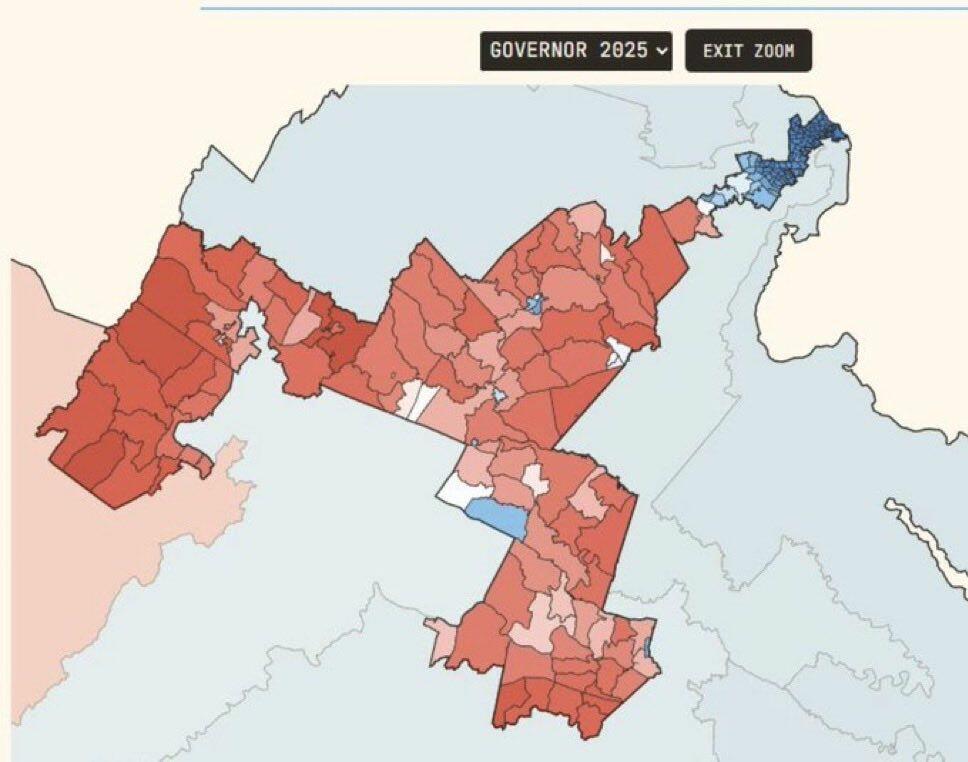
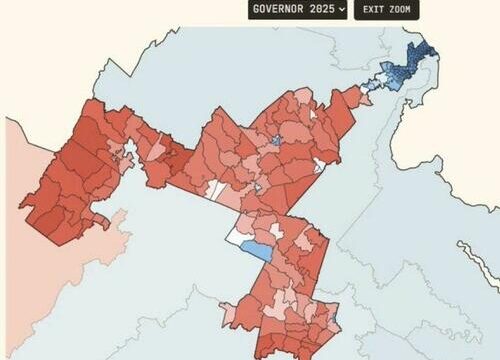
The court just cooked the party’s infamous lobster, a district over 100 miles long that was designed to help devour the GOP’s slender majority in the House of Representatives.
It also cooked the ambitions of Gov. Abigail Spanberger and the Democratic establishment, which tossed aside any pretense of principle in a raw political gambit.
The resulting faceplant is nothing short of legendary: Spanberger’s Democrats have succeeded in alienating half of the state.
For the governor, the court’s decision was particularly embarrassing.
Before assuming power, Spanberger denounced gerrymandering as “detrimental to our democracy and weakens the individual voices that form our electorates.”
She ran as a moderate, but Spanberger immediately turned sharply left once in office and called for the most extreme gerrymander in the nation.
The court found that effort was not only unconstitutional, but “wholly unprecedented in Virginia’s history.”
It characterized the state’s position as “a story of the tail wagging the dog that has no tail.”
While some of us had previously expressed skepticism over the rushed effort to circumvent the state constitution, the media almost exclusively relied on liberal experts who predicted the new districts would be upheld.
It was a calculated risk for Democrats, who have now burned their bridges with Virginia conservative and Republican voters.
As Winston Churchill said, “Nothing in life is so exhilarating as to be shot at without result.”
Exhilarating and unforgettable: In a purple state where politicians often require crossover votes to prevail, the redistricting push was not just partisan but personal for voters.
National Democrats will soon “find out” whether Jeffries was right to prematurely celebrate a victory that seemed to secure his anticipated elevation to Speaker of the House.
The party is facing a potentially catastrophic reversal of fortune.
When Democrats declared a gerrymandering war, some of us warned that the party, with its already heavily gerrymandered blue states, had far more to lose than the GOP did.
It was particularly comical when Massachusetts Gov. Maura Healey pledged to join the redistricting fray, even though her state is so badly gerrymandered that it’s elected zero Republicans to the House since the 1990s.
Virginia, a state long opposed to gerrymandering, has been considered the fairest state in the country, with a distribution of congressional seats that closely matches its partisan divide.
Once Spanberger sought to eradicate Republican representation, total war broke out — and now red states like Florida and Tennessee have moved forward with their own redistricting.
On top of the fact that GOP states have more room for partisan gerrymandering, the Virginia Supreme Court decision comes on the heels of the US Supreme Court’s ban on racial gerrymandering.
That means a dozen or more Democratic districts could now be deemed unconstitutional — and Louisiana and Mississippi are moving to redistrict in line with the Supreme Court’s decision.
The result could be a dramatic shift in districts favoring the GOP.
To make matters worse for the Democratic Party, a new census in 2030 will correct the mistakes that erroneously awarded them multiple districts after the 2020 census.
Those corrections, and the ongoing exodus from high-tax blue states to booming red ones, could translate into even more congressional gains for the GOP.
That prospect of a political apocalypse has Democratic strategists pushing for radical changes in Washington before it’s too late.
Top priority: packing the Supreme Court as soon as they retake power.
As Virginia has shown, an independent court can unravel the best-laid plans.
Democratic politicians, pundits and professors have been openly pushing for expanding the high court to 13 members with four new liberal additions, in order to rubber-stamp the radical changes needed to keep the party in power.
James Carville recently told Democratic politicians that they have no choice but to pack the court, declaring “F–k it . . . Just do it.”
He suggested, however, that they might not want to tell the voters.
“Don’t run on it. Don’t talk about it,” he said. “Just do it.”
Last week, Jeffries declared the Supreme Court “illegitimate” as he blasted its ban on racial gerrymandering.
After the Virginia court’s ruling, the frustrated Democratic establishment is ever more likely to echo him — and to go beyond.
Many Democrats are now “all in” with this radical agenda.
With the courts declaring their redistricting efforts unconstitutional, it is the constitutional system itself that will now have to go.
Jonathan Turley is a law professor and the best-selling author of “Rage and the Republic: The Unfinished Story of the American Revolution.”
Tyler Durden
Sun, 05/10/2026 – 19:15
SPLC Leader Pleads Not Guilty To Charges Of Funneling Millions To Neo-Nazis
SPLC Leader Pleads Not Guilty To Charges Of Funneling Millions To Neo-Nazis
Authored by Steve Watson via Modernity.news,
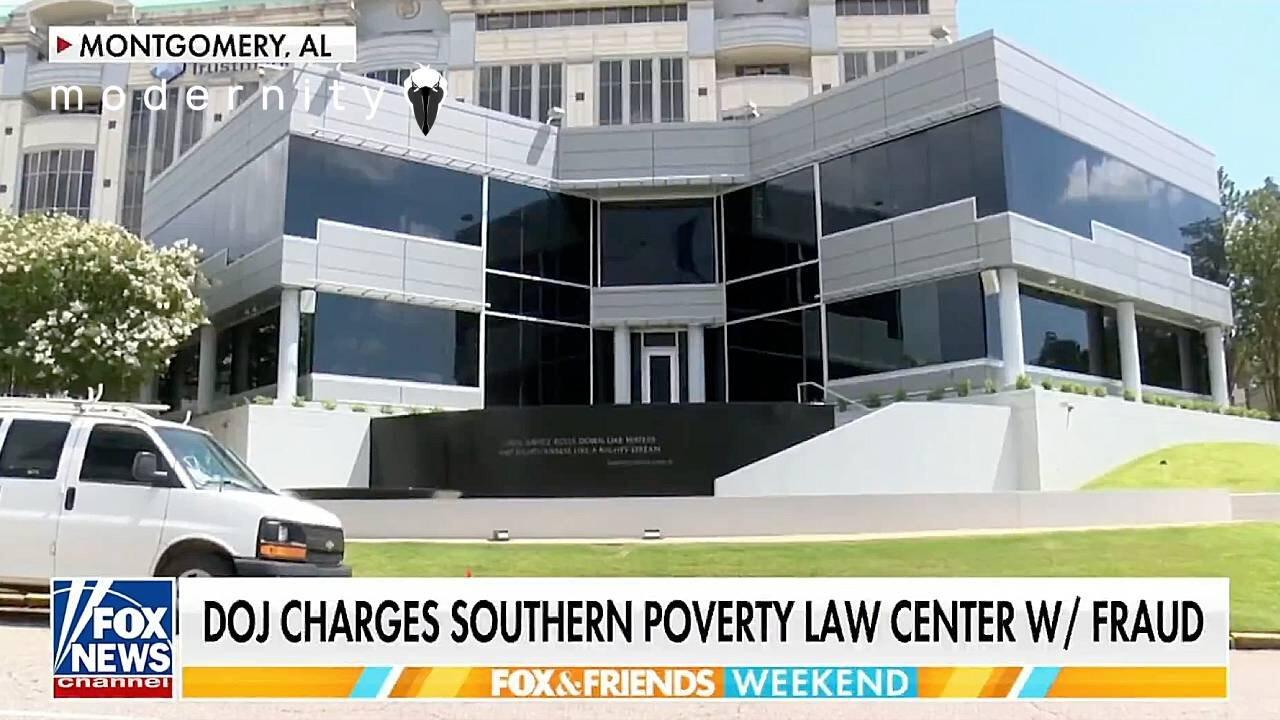
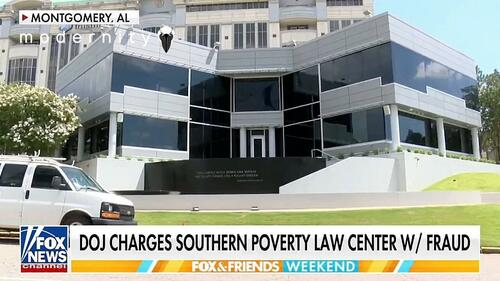
The Southern Poverty Law Center’s leader entered a not guilty plea in federal court this week, desperately fighting charges that the organization defrauded its donors by secretly funneling more than $3 million to the very white supremacist and neo-Nazi groups it claimed to oppose.
The SPLC was forced to respond to an 11-count indictment from the Trump DOJ, including six counts of wire fraud, four counts of bank fraud and false statements, and one count of conspiracy to commit money laundering.
Commentators are labelling the case one of the biggest scams ever to be exposed.
🚨 UPDATE: The Southern Poverty Law Center leader frantically pleads NOT GUILTY after they were exposed funding millions to white supremacists and neo-nazis
SHUT IT DOWN!
– 6 counts of wire fraud
– 4 counts of bank fraud and false statements
– 1 count of conspiracy to commit… pic.twitter.com/bfHORfLgTG
— Eric Daugherty (@EricLDaugh) May 9, 2026
The SPLC is accused of making payments amounting to over $1 million to a National Alliance affiliate, more than $300,000 to an Aryan Nations affiliate, $270,000 to a “Unite the Right” member, $140,000 to a former National Alliance chairman, $73,000 to former KKK members, and $19,000 to an American Front president and felon.
The court appearance comes just weeks after the Trump DOJ’s indictment exposed the scheme.
The DOJ alleges the SPLC used a now-defunct informant program as cover. Donors were never told their money was going to actual extremists through shell companies, sham accounts, and prepaid cards between 2014 and 2023.
Instead of dismantling hate groups, the organization allegedly propped them up—manufacturing the very threats it used to justify its existence and fundraising.
SPLC interim president and CEO Bryan Fair issued a statement after the arraignment: “The charges against the SPLC are provably wrong; they are based on inaccurate facts and a misapplication of law. Our informant program was successful in accomplishing its purposes: Threats and attacks were prevented, criminal activity was stopped, and information was gathered to dismantle the efforts of hate and extremist groups.”
The statement continued, “There is no question that the information the SPLC shared with law enforcement saved lives. The SPLC will continue to fight white supremacy and various forms of injustice in our mission to build a democracy where we can all live and thrive. We will continue that mission no matter what.”20
Fair’s team also filed court documents claiming the indictment “seeks to criminalize some of the very investigative tools and programs that the SPLC has used for decades.”
Yet the numbers don’t lie. Over $3 million allegedly flowed directly to leaders and organizers of the racist groups the SPLC publicly condemned. Trial is set to begin in October.
This plea comes as no surprise to those who have watched the SPLC’s pattern. Long accused of inflating “hate group” lists to smear mainstream conservatives, the organization now stands accused in federal court of the very extremism it claims to fight. The Trump administration’s Justice Department has made clear it will not tolerate the scam.
Acting Attorney General Todd Blanche previously stated at the indictment announcement: “The SPLC is manufacturing racism to justify its existence. Using donor money to allegedly profit off Klansmen cannot go unchecked. This Department of Justice will hold the SPLC and every other fraudulent organization operating with the same deceptive playbook accountable. No entity is above the law.”
FBI Director Kash Patel added: “The SPLC allegedly engaged in a massive fraud operation to deceive their donors, enrich themselves, and hide their deceptive operations from the public. They lied to their donors, vowing to dismantle violent extremist groups, and actually turned around and paid the leaders of these very extremist groups—even utilizing the funds to have these groups facilitate the commission of state and federal crimes. That is illegal—and this is an ongoing investigation against all individuals involved.”
GOP representative Andy Ogles has also declared the SPLC “absolutely culpable” in the assassination of Charlie Kirk, linking the group’s inflammatory labeling of conservatives to real-world violence:
The SPLC’s frantic not-guilty plea changes nothing. The evidence is in the indictment, the payment records, and now the courtroom itself. While the organization vows to fight on and continue its “mission,” Americans can see the truth: a so-called watchdog that funded the wolves it claimed to hunt.
Your support is crucial in helping us defeat mass censorship. Please consider donating via Locals or check out our unique merch. Follow us on X @ModernityNews.
Tyler Durden
Sun, 05/10/2026 – 18:05
Kim Jong Un Creates Ultimate Deadman Switch: North Korea To Auto-Launch Nukes If Assassinated
Kim Jong Un Creates Ultimate Deadman Switch: North Korea To Auto-Launch Nukes If Assassinated
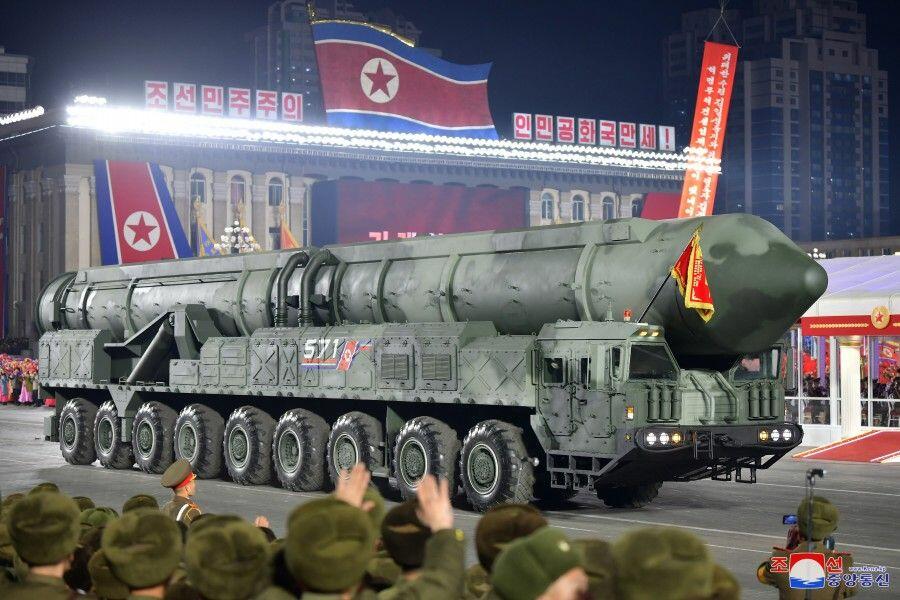
North Korea just casually revised its constitution to automatically launch a nuclear strike if leader Kim Jong Un is assassinated, or if the country’s nuclear command-and-control system is placed in danger by hostile forces’ attacks.
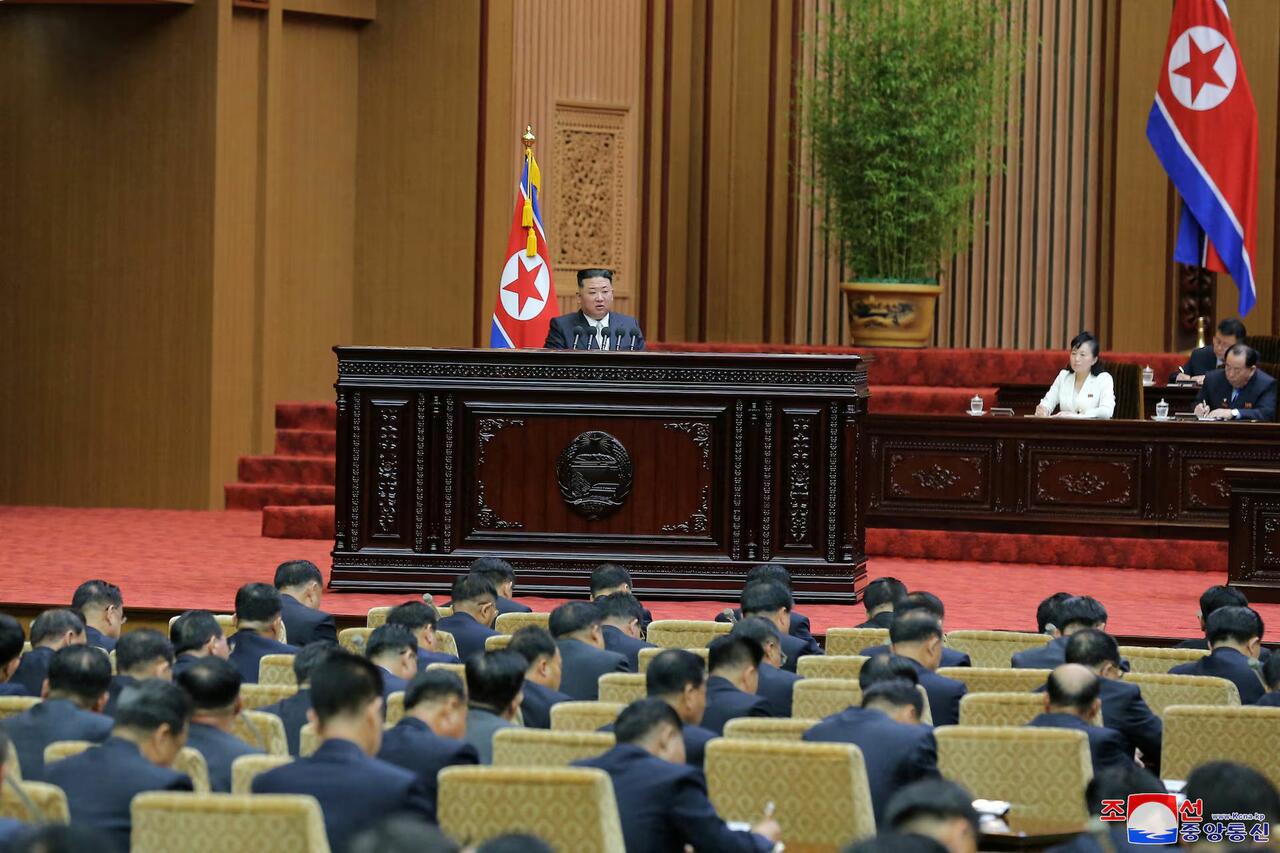
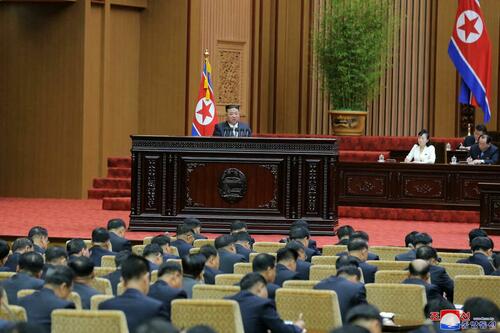
The change was adopted during the first session of the 15th Supreme People’s Assembly in Pyongyang on March 22 and was disclosed this week by South Korea’s National Intelligence Service, which briefed senior officials on the details.
The updated Article 3 of North Korea’s nuclear policy law states: “If the command-and-control system over the state’s nuclear forces is placed in danger by hostile forces’ attacks … a nuclear strike shall be launched automatically and immediately.”
South Korean intelligence officials said the revision codifies procedures for retaliatory nuclear attacks in the event that Kim is killed or incapacitated during an attack, Reuters reports.
The policy update comes months after the assassination of Iran’s Supreme Leader Ayatollah Ali Khamenei and other senior Iranian officials in U.S.-backed Israeli strikes in February 2026. Analysts have described those operations as a “wake-up call” for Pyongyang, highlighting the effectiveness of leadership-targeted strikes.
Professor Andrei Lankov of Kookmin University in Seoul told The Telegraph that the constitutional emphasis gives added weight to what may have been existing policy: “This may have been policy before, but it has added emphasis now it has been enshrined in the constitution. Iran was the wake-up call.”
The nuclear policy revision was adopted alongside broader changes to North Korea’s constitution, also passed in March and revealed earlier this week. Those amendments remove all references to unification with South Korea, add an explicit territorial clause defining the country’s borders (including with the Republic of Korea to the south), and formally state that command authority over nuclear forces rests with Kim Jong Un as chairman of the State Affairs Commission.
North Korea has not issued an official response to the reports. South Korea’s government has said it remains committed to its policy of peaceful coexistence on the Korean Peninsula and will review the implications of the changes.
The moves come as North Korea continues to expand its nuclear and missile capabilities, including plans to deploy new long-range artillery systems near the border with South Korea.
Tyler Durden
Sun, 05/10/2026 – 17:30
How The American System Reshaped The World
How The American System Reshaped The World
Authored by J.B. Shurk via American Thinker,
Freedom exists in the absence of government control. We are free when we are able to worship, speak, write, make a living, and protect our families and property without fear that government agents will punish us for our actions. America’s Founding Fathers embraced an expansive view of personal liberty that recognizes the inherent right of each person to do as he sees fit, so long as that person refrains from infringing upon the liberties of another.
Right away, then, freedom comes with some restraint. If we each lived alone on our own island, no-one’s liberty but our own would matter. When we live within a society, our freedom comes with certain encumbrances – namely, an obligation not to poach the freedom of others. There is, in other words, a moral consideration that necessarily accompanies the exercise of freedom. Do my actions cause someone else harm? Does the expression of my will unfairly restrict the expression of another? Do my decisions unjustly deny someone else’s liberty?
Harm…fairness…justice – these are words essential to every person’s moral reasoning. They are subjects that are dissected and analyzed throughout the Bible. Because our common law has evolved from a Biblical worldview, our legal system is rooted in Judeo-Christian morality. Therefore, an American who tries earnestly to be a good Christian is also likely acting within the boundaries of American law.
Taken together, freedom, moral restraint, and legal punishment operate in concert within any society. To the extent that a member of society can reasonably govern himself, State-implemented punishment becomes unnecessary. When members of society abandon self-control and pursue personal liberty recklessly or in ways that threaten the liberty of others, State-implemented punishment steps in to provide legal constraints where moral restraint proved ineffective.
Thus, there is a natural relationship among personal freedom, moral conscience, and State force. The more that people pursue their freedom in moral and just ways, the more irrelevant the State becomes. A society whose people are individually capable of governing themselves has no need for the machinery of government. The policing of a population’s legal obligations and the application of State-enforced punishments become not only redundant but also unjust infringements upon personal liberty.
It is no coincidence that free societies exist where there is a high degree of mutual trust among people. If a shop owner trusts that customers will not steal, then businesses can thrive without a government police force monitoring private transactions. If customers trust that manufacturers will refrain from making harmful products, then commerce can thrive without the need for government regulatory agencies. If members of society recognize that the fruits of an individual’s labor belong to that person, then property rights are respected without the need for courts and lawsuits. If public debate, dissent, and personal expression are highly valued, then there is no need for government agents to police words and ideas as “hate speech,” “harmful speech,” or “disinformation.”
High-trust societies are natural incubators of freedom. Accordingly, fostering trust among members of society maximizes personal liberty. How do societies cultivate trust? In a word: culture.
Culture is that collection of customs, mores, attitudes, traditions, beliefs, habits, language, and ways of life that bind a people together. Culture is an unwritten code of conduct passed from one generation to the next. Culture is the essential glue that allows common members of society to move in the same direction without any obvious director. Societies with strong cultures do not need external police forces because members of society “police” themselves.
When that culture includes a profound respect for personal freedom, private property, religious liberty, free expression, and self-defense, the mutual trust that exists among citizens naturally secures the blessings of liberty. It is no accident that an American, Thomas Jefferson, wrote the Declaration of Independence two hundred and fifty years ago. It is no accident that representatives from America’s original thirteen colonies devised together a Constitution that both greatly limits the powers of government and explicitly protects the inalienable rights of Americans. It is no accident that Americans’ respect for private property transformed an unsettled continent into the wealthiest, most innovative, and most influential country in the world. A moral people committed to personal freedom can build, do, and accomplish anything. A moral people committed to self-government can remake the entire world.
It is not difficult to see why the New World’s values have always threatened the Old World’s grip on global power. In a world where intelligence, hard work, and dedication matter more than titles of nobility and unearned inheritance, the common man is capable of generating wealth without a feudal lord’s permission. In a world where free speech and freedom of assembly are cherished political virtues, the common man is capable of forming opinions without the help of so-called “elites.” In a world where self-defense and private ownership of firearms go hand in glove with self-expression and private property, the common man is master of his castle and servant to none.
Globalism’s “elites” have been pushing the idea of a “New World Order” for decades. But it is important to remember that when Americans declared their independence from the British Empire, they established a “New World” order that has continued to the present day. Two hundred and fifty years after the Declaration of Independence, the United States is the wealthiest, strongest, and most robust nation that has ever existed. It has 4% of the world’s population but influences every part of the globe. When Old Europe pushes for a “New World Order,” old aristocrats are desperate to return to the social conditions that existed prior to 1776. Globalists want the “Old World Order” rebranded as something new.
Ask yourself how you might go about destroying America’s “New World” order, so that the Old World’s feudal system can return. If you want to dismantle Americans’ economic and political freedoms, then you need to wreck Americans’ mutual trust. If you want to turn Americans against each other, then you need to ruin the foundations of their shared culture. In order to weaken the bonds of culture, you must first discourage self-restraint. By discouraging self-restraint, you encourage demands for government control. By empowering the State, you diminish the sphere of personal freedom. When the people have been denied freedom for long enough, they forget what it means to be free. Eventually, when the government offers “free” welfare in exchange for obedience, the descendants of free people accept their new chains. They accept total government control. They accept slavery.
Flooding Western countries with foreign immigrants has never been about compassion. Globalists use mass migration to destroy any semblance of social trust. “Multiculturalism” has nothing to do with fostering civic peace. Globalists “divide and conquer” populations in order to more easily rule over the dismembered parts. Anti-Christian programs do not exist to protect “diverse” points of view. Globalists attack Christians because Christian virtue cultivates the moral restraint necessary for freedom to thrive.
For globalists, freedom is the enemy. Government control is their greatest friend. You cannot destroy the former and promote the latter until the natural bonds of society are first broken. Totalitarianism never arrives by decree. It comes by request. In the two hundred and fiftieth year of America’s “New World” order, remember this: Our freedom is always under attack. Be vigilant and defend it.
Tyler Durden
Sun, 05/10/2026 – 16:55
https://www.zerohedge.com/political/how-american-system-reshaped-world
Vegetable-Oil Inflation Sends World Food Prices Higher
Vegetable-Oil Inflation Sends World Food Prices Higher
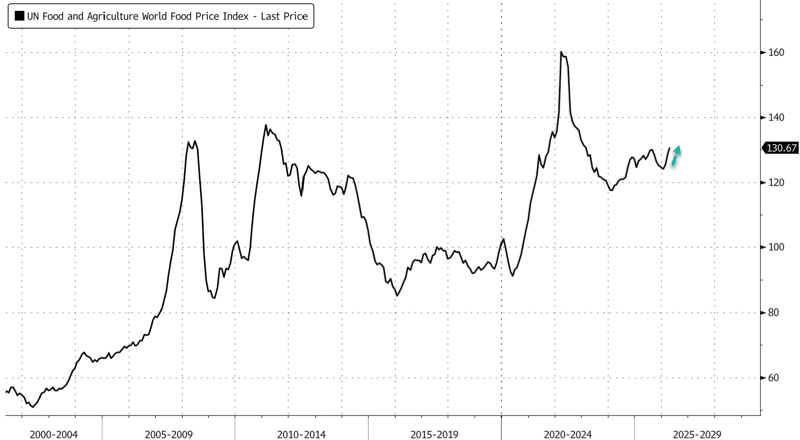
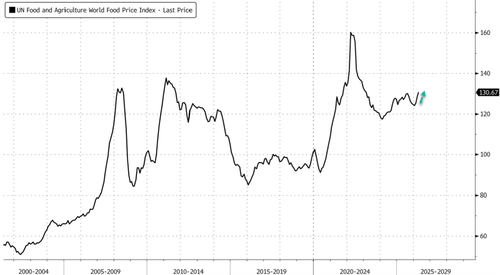
The benchmark for global food commodity prices rose for a third consecutive month in April, hitting its highest level since early 2023, as Middle East supply disruptions, elevated energy costs, and tightening supplies of certain agricultural products appear to be driving the next leg higher in global food prices.
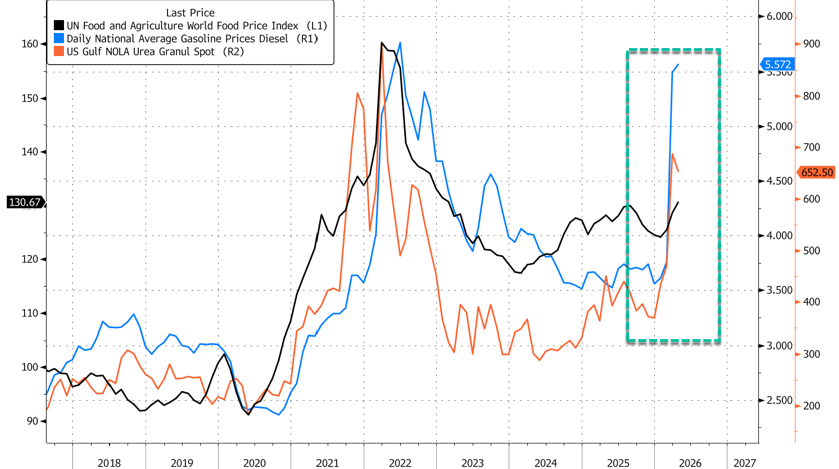
This is a major risk we have warned about throughout the U.S.-Iran war, as energy and supply chain disruptions spread quickly through fertilizer, diesel, freight, biofuels, grains, and vegetable oils. We even treated readers to a special food debate late last week to examine how the conflict could produce a broader food-inflation shock later this year.
The United Nations’ Food and Agriculture Organization’s FAO Food Price Index, which tracks monthly changes in the international prices of a basket of globally traded food commodities, averaged 130.7 in April, up 1.6% from its revised March level and 2% higher than a year ago. This places the global food index at its highest level since February 2023.
The largest move in the food index came from vegetable oils, where prices jumped 5.9% to the highest level since July 2022. Palm, soy, rapeseed, and sunflower oils all rose, supported by stronger biofuel demand, higher crude prices, and tight Black Sea supplies.
“Despite the disruptions linked to the crisis in the Strait of Hormuz, global agrifood systems continue to show resilience. Cereal prices have increased only moderately so far, supported by relatively strong stocks and adequate supplies from previous seasons. Vegetable oils, however, are experiencing stronger price increases, driven largely by higher oil prices, which are increasing demand for biofuels and putting additional pressure on vegetable oil markets,” said FAO Chief Economist Máximo Torero.
Here is how the other subcomponents performed last month:
The FAO Cereal Price Index rose by 0.8 percent from March and was up 0.4 percent from a year ago, reflecting higher prices across major cereals, except sorghum and barley. World wheat prices increased by 0.8 percent, due to concerns over drought in parts of the United States of America and a higher likelihood of below-average rainfall in Australia. The increase was further reinforced by expectations of reduced wheat plantings in 2026, with farmers shifting to less fertilizer‑intensive crops amid high fertilizer prices – driven by elevated energy costs and disruptions associated with the effective closure of the Strait of Hormuz.
Global maize prices increased by 0.7 percent, underpinned by seasonally tighter supplies and weather-related concerns in Brazil, as well as dry conditions affecting sowing in parts of the United States of America. Additional upward pressure came from firm ethanol demand amid elevated crude oil prices and ongoing concerns over fertilizer affordability. By contrast, world sorghum prices dropped by 4.0 percent, largely due to weaker global import demand and improved supply prospects in key producing and exporting countries.
The FAO All Rice Price Index rose by 1.9 percent in April, driven by higher Indica and fragrant rice prices, reflecting increased production and marketing costs in most rice-exporting countries following the surge in the prices of crude oil and its derivatives.
The FAO Vegetable Oil Price Index increased by 5.9 percent from March, reaching its highest level since July 2022. The rise was driven by higher prices of palm, soy, sunflower and rapeseed oils. International palm oil prices rose for the fifth consecutive month in April, largely underpinned by prospective stronger demand from the biofuel sector, supported by policy incentives in several producing countries and higher crude oil prices. Additional upward pressure stemmed from concerns over lower production in Southeast Asia in the coming months.
The FAO Meat Price Index reached a new record high in April, rising by 1.2 percent from March and 6.4 percent from a year ago. World bovine meat prices climbed to a new peak, underpinned by higher export quotations in Brazil amid limited supplies of slaughter-ready cattle, reflecting ongoing herd rebuilding. Pig meat prices also rose, driven by firmer quotations in the European Union amid rising seasonal demand, though partly offset by lower prices in Brazil due to ample supplies.
By contrast, the FAO Dairy Price Index declined by 1.1 percent from March, mainly reflecting lower international quotations for butter and cheese amid abundant milk supplies in the European Union and stronger-than-expected late-season output in Oceania.
The FAO Sugar Price Index also dropped, down 4.7 percent from March and as much as 21.2 percent from a year ago. The decrease was largely driven by expectations of ample global supplies in the current season, reinforced by improved prospects in key Asian producing countries, notably China and Thailand. The start of the new harvest in Brazil, the world’s largest sugar producer, further contributed to the downward pressure on sugar prices.
The question now is whether the latest rise in global food prices marks the early stage of a much larger move higher, as surging diesel and fertilizer costs begin to filter through the agricultural complex.
How Bad Will It Get? Watch the food debate here.
Tyler Durden
Sun, 05/10/2026 – 16:20
https://www.zerohedge.com/commodities/vegetable-oil-inflation-sends-world-food-prices-higher
Earnings Estimate Revisions Are Very Optimistic
Earnings Estimate Revisions Are Very Optimistic
Authored by Lance Roberts via RealInvestmentAdvice.com,
💰 Earnings Estimate Revisions Are Very Optimistic
Last week, we discussed the S&P earnings record and why such record earnings could be a warning for the market. I want to continue that discussion by focusing not only on what has happened but also on what is expected to happen in the future. While the Q1 2026 earnings results are spectacular, so far, the earnings estimate revisions behind them are the real story.
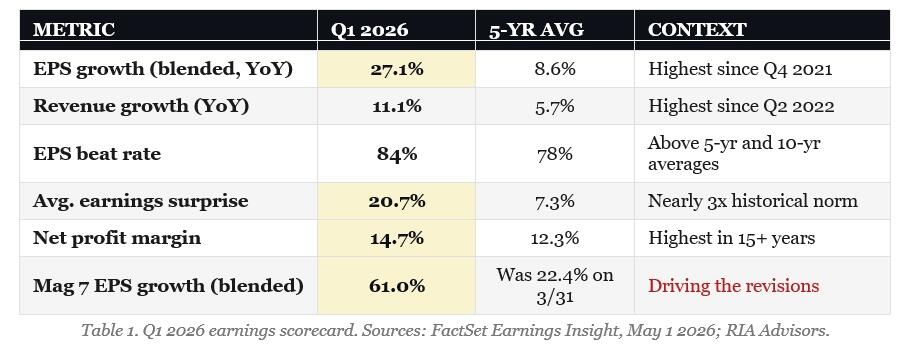
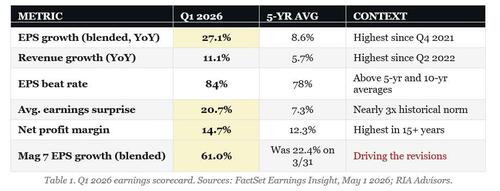
The first-quarter 2026 earnings season is delivering results that Wall Street rarely sees. With roughly two-thirds of the S&P 500 having reported, the blended growth rate has climbed to 27.1% year-over-year, more than double the 13.2% that consensus modeled at the end of the quarter on March 31. If that figure holds, it will be the strongest year-over-year print since the post-COVID rebound quarter of Q4 2021. 84% of companies have beaten EPS, 81% have beaten revenue, and the average earnings surprise sits at 20.7%, nearly three times the 5-year average of 7.3%.
That’s the surface story. The more interesting question, and the one investors should be asking, is why analysts were so wrong heading in, and what it means that they’re now revising earnings estimates higher with a velocity that has almost no historical parallel.
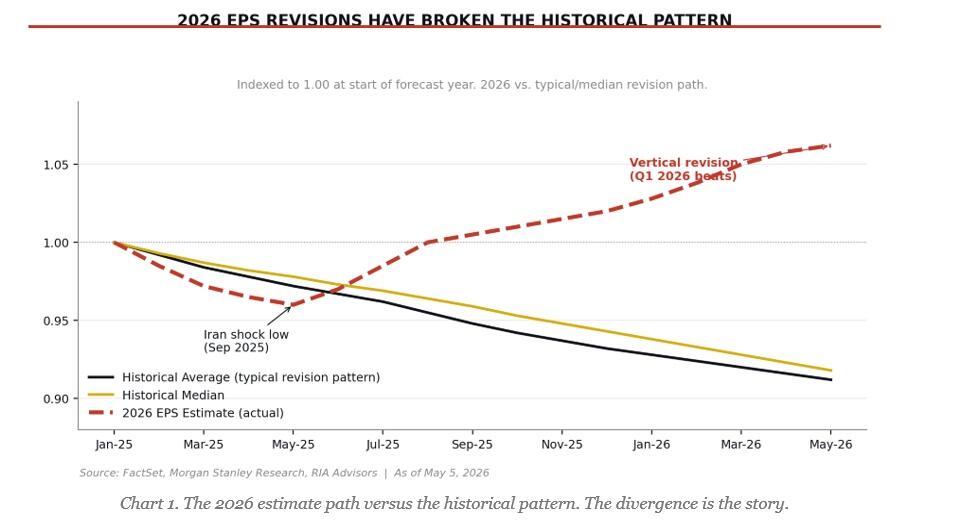
Look at Morgan Stanley’s chart of consensus 2026 earnings estimate revisions versus history. In any normal year, by the time Q1 earnings season rolls around, analysts have been quietly walking earnings estimates down for six months. The historical median revision pattern drifts from 1.00 in January to roughly 0.92 by year-end. Two years of cuts. That’s the analyst playbook. Start the year too optimistic, get reset by reality, and end the year right.
This year is doing the opposite. The 2026 earnings estimate index cratered to 0.96 last summer during the Iran shock, then turned vertical. By May, it’s broken above 1.06. We’re looking at a roughly 14-point swing in earnings estimates relative to the historical pattern. That is what Morgan Stanley calls “fairly unprecedented,” and that’s analyst-speak for something they don’t have a clean comparison for.
The Mag 7 alone moved from a 22.4% expected growth rate at the end of March to a 61% blended print today. Four of the top five contributors to S&P 500 earnings growth this quarter are Alphabet, NVIDIA, Amazon, and Meta. The same four names driving index returns are now driving the earnings estimate revisions. That’s not a coincidence, and there is more to this story as noted by Sage Road Research:
“The AI distortion goes beyond stock prices to profits. Total S&P 500 earnings are on track to rocket 27% higher in the first quarter, FactSet estimates. But profits for the Mag-7 alone will be up 61%; for the other 493, just 16%, a figure itself inflated by semiconductor companies like Micron. This is skewing the division of the economic pie between capital and labor. As profits gallop ahead, labor compensation (wages and benefits) grew just 3.1% annualized in the first quarter, and actually shrank 0.5% after inflation, the Labor Department reported Thursday. Labor’s share of total business-sector output fell to 54.1%, the lowest since records began in 1947.” – @TrevorNoren
So, if it isn’t consumers’ and subsequently economic growth, driving earnings estimate revisions, then what is?
What’s Actually Driving the Upside
Three things are happening at once, and we have to separate them.
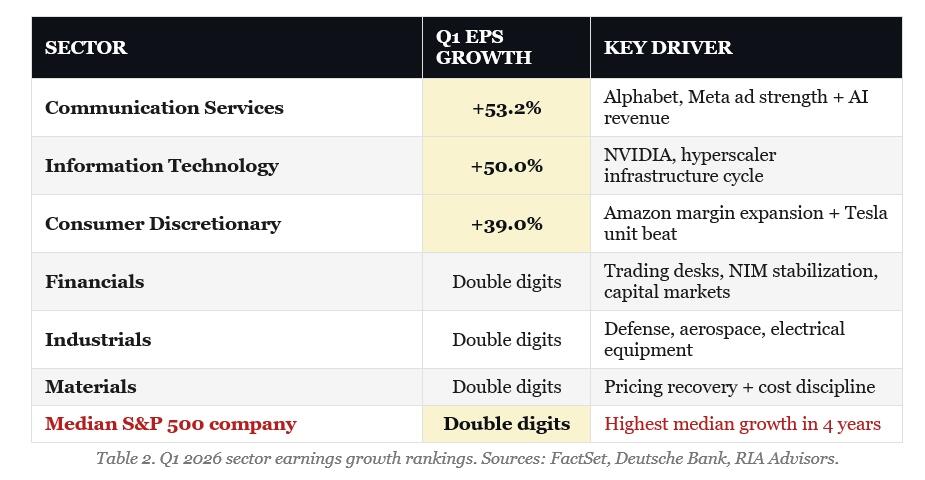
First, the AI capex cycle is finally showing up in the income statement. Hyperscalers have spent the better part of two years building out compute. The revenue is now landing. Communication Services is reporting +53% earnings growth, Tech is at +50%, and Consumer Discretionary is at +39%. Those aren’t soft beats. They’re the result of capex that was already locked in before the quarter started.
Second, margins are at a record. The blended Q1 net profit margin came in at 14.7%, the highest reading in over 15 years. That’s the real engine behind the surprise factor. Revenues grew 11.1%, which is solid but not extraordinary. The gap between 11% revenue growth and 27% earnings growth is operating leverage. A company that cut 8% of its workforce in 2023 and held headcount flat through 2025 is now monetizing every dollar of incremental revenue at a much higher incremental margin.
Third, breadth in Q1 results is finally improving. The Deutsche Bank charts make this point clearly. Earnings growth for the median S&P 500 company is now in the double digits, the highest reading in four years. All eleven sectors are tracking positive growth for the first time since 2022. Margins for “the rest” of the index, the 493 names outside the Mag 7, are turning higher after a steady three-year decline. Operating cash flow for non-financial corporates is running near 20% year-over-year. Q1 results are genuinely broader than they have been in years, and that deserves credit. But there’s an important asterisk on this point that I’ll address in the next section.
The Asterisk on “Broadening”
Now we have to separate two things that get confused in the headlines. Q1 reported earnings broadened, but the forward-year earnings estimate revisions did not. Those are different statements about different time horizons, and the difference matters.
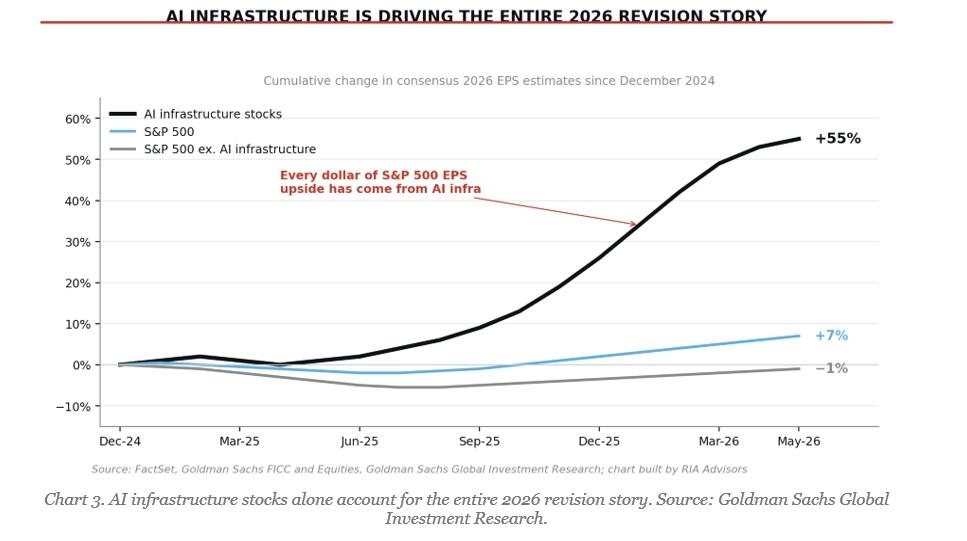
Goldman Sachs published a chart in early May that quantifies the gap. The bank tracks a basket of AI infrastructure stocks (S&P 500 constituents in their AI Semiconductors, AI Data Centers, and Power Up America baskets) and compares it to the broader index on cumulative 2026 EPS revisions since December 2024. The numbers are striking.
AI infrastructure stocks have seen 2026 earnings estimates revised higher by 55% since December 2024. The full S&P 500 is up 7%. The S&P 500 ex-AI infrastructure is down 1%. Read that last figure twice. Strip out chip designers, hyperscaler infrastructure, AI data centers, and the power and grid names that feed them, and the remaining 470-odd companies in the index have collectively had their 2026 earnings estimates revised lower over the past 17 months. Not flat. Lower.
This is the cleanest picture of concentration risk you’ll see this cycle. The narrow-market critique, which has been valid for 2 years, isn’t going away, even after Q1 results came in. It’s hiding inside the index math. Mega-cap AI names have absolute earnings dollars so dominant that even modest forward growth in their numbers swamps the rest of the 500. When analysts publish their 2026 earnings estimate consensus forecast for the index, they’re effectively publishing a forecast for roughly 30 companies. The other 470 are a rounding error to the headline.
“Strip AI infrastructure out of the index, and 2026 estimates are actually lower than they were 17 months ago.”
The implication for portfolio construction is direct. If you own a market-cap-weighted S&P 500 index fund, you don’t own the diversified earnings stream the marketing material implies. You own a concentrated AI infrastructure bet wrapped in a passive vehicle. The two largest holdings in the SPY are Nvidia and Microsoft. Apple, Amazon, Meta, Alphabet, and Broadcom round out the top eight. Seven of the top eight names are direct AI infrastructure plays. That’s not diversification. That’s a thematic fund with 490 other names attached for legal reasons.
None of this is bearish on AI itself. The capex cycle is real, the earnings growth is landing, and the demand picture remains durable. The point is more subtle. The index’s strength masks the weakness of its components. If AI infrastructure names hit a single quarter of disappointment, whether from capex digestion, an export control surprise, or simple revenue deceleration, there’s no second engine in the index to absorb the impact. Equal-weighted measures of breadth being healthy on Q1 results don’t fix the forward-revision concentration problem. They are two different problems.
Here is What Nobody Wants to Talk About
Here’s where I have to put the brakes on. When earnings estimates are revised this hard, this fast, you have to ask whether the market is pricing the beat or the trend. Because historically, vertical earnings estimate revisions are a late-cycle phenomenon, not an early one.
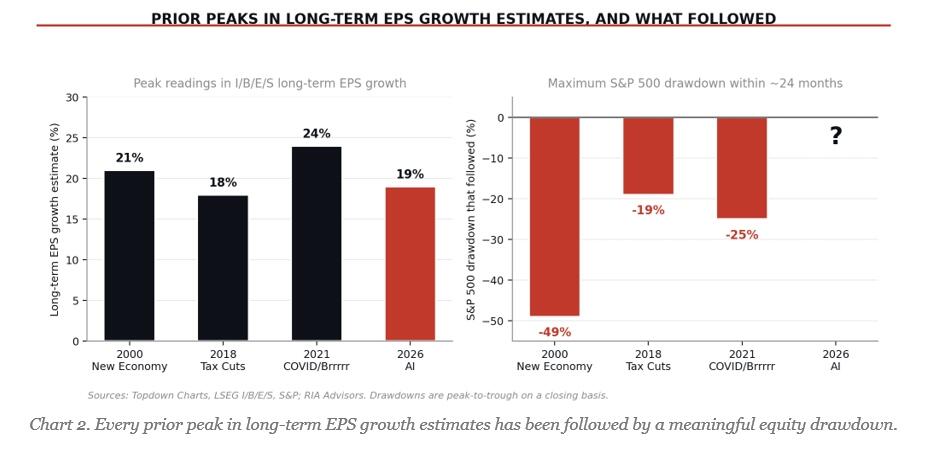
Notice the long-term S&P 500 earnings growth estimate chart. The current reading sits near 19%, the highest print since 2000. The chart’s prior peaks tell a story. The “New Economy” peak in 2000. The “Tax Cuts” peak in 2018. The “COVID” rebound peak in 2021. Every one of those readings was followed by a meaningful drawdown in equities and a sharp downward revision cycle in earnings within twelve to twenty-four months. Forecasts above the long-term trend channel have a poor history.
“When everybody is revising higher, the marginal trade is no longer to buy the beats. It’s to fade the next miss.”
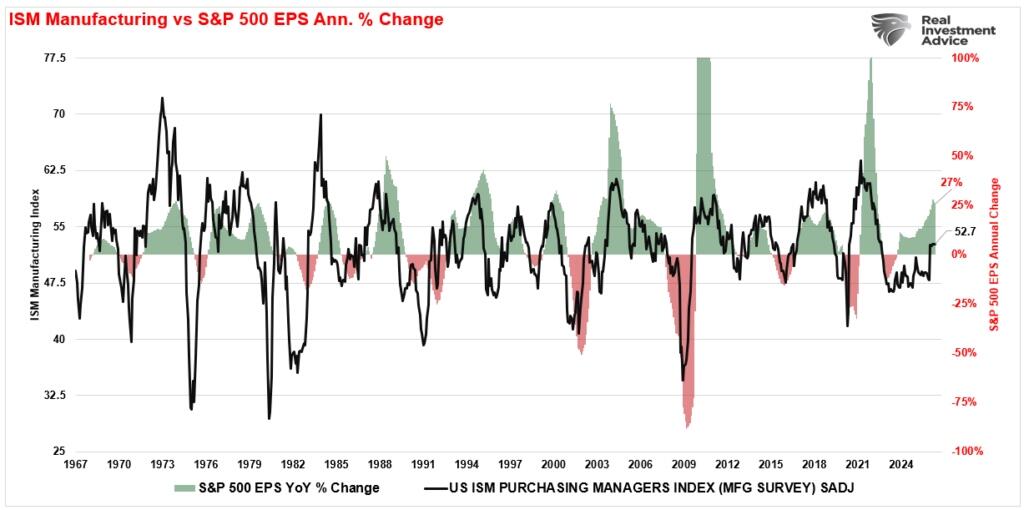
The other tell is the divergence between hard data and earnings. ISM Manufacturing is sitting in the low 50s, barely above the contraction line. The S&P 500 is up roughly 19% year over year. That gap historically closes one of two ways. Either ISM rallies into the high 50s as the cycle accelerates, or earnings get marked down to meet the macro. The latter has happened more often than the former at this point in a cycle.
This Summer is Where Headwinds Rise
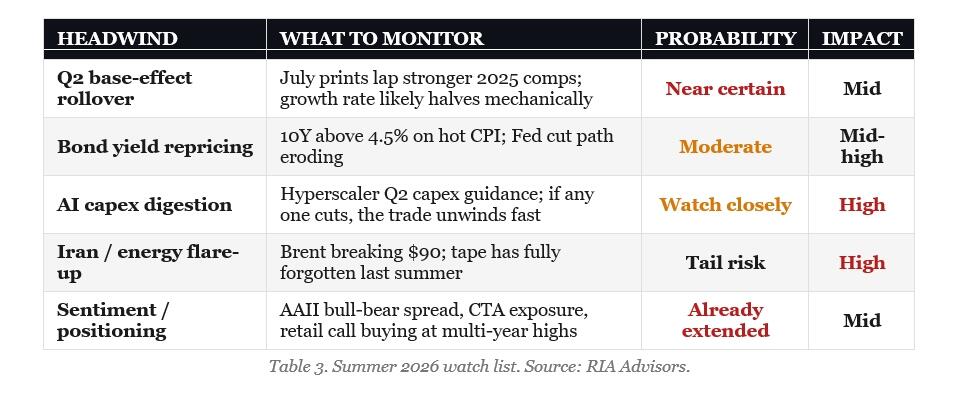
There’s a calendar problem stacking up behind these numbers. The Q1 print benefited from easy year-over-year comparisons. Q2 won’t have that tailwind. By the time July prints arrive, the comparison base resets to 2025’s stronger second-quarter results, which means the same level of underlying earnings translates into a much smaller growth rate. That mechanical effect alone could pull the headline growth rate from 27% back into the low double digits, even if absolute earnings keep climbing. Markets don’t always distinguish between “growth slowing” and “earnings missing.” They tend to react to the headline number first and sort it out later.
Then there’s the bond market setup. The 10-year is still trading near 4.4%, the front end is pricing barely two cuts for the rest of the year, and core inflation has been sticky in the high 2s for six months. If the AI capex cycle keeps running hot, that’s incremental demand for chips, electricity, and skilled labor, all of which feed into the inputs the Fed watches. The risk isn’t a recession scare. It’s a “no cuts, maybe a hike” repricing that historically chops 5% to 8% off equity valuations in short order.
Positioning is the other variable. Sentiment surveys are stretched. Equity allocations among retail and institutional investors are at multi-year highs. CTAs are max long. When everyone is on the same side of a trade, and the data starts to disappoint, price discovery is brutal because there are no marginal buyers left to absorb the unwind.
Institutions Are On Risk Watch
The most useful way to gauge the risk landscape is to look at what institutional trading desks are actually doing, not just what they’re saying. The substance of the conversations across the buy-side and the dealer community is converging on a single posture: stay long, but explicitly hedge. The same desks publishing constructive twelve-month equity targets are simultaneously paying for downside protection in size. That’s the tell.
Five points are worth laying out.
First, positioning. The Nasdaq 100 just delivered its biggest monthly gain in over 23 years. A move of that magnitude has consequences for who is left to buy. Systematic strategies (CTAs, vol-target funds, risk parity) have completed their re-risking. The buy-the-dip retail bid has been engaged since the March lows. Discretionary trading desks are now running long exposure at around +6 on a -10 to +10 scale, up from -4 at the March lows. The marginal buyer in this tape has already shown up. From here, the question is who steps in if the data disappoints.
Second, the fundamental catalyst stack is largely behind us. The fiscal pulse that supported corporate margins is fading. The Q1 EPS print of 27% will not repeat against tougher comparisons. The operating leverage that drove the surprise factor cannot keep expanding indefinitely. The combination means the next four quarters of earnings reports face a higher bar with less wind at their backs.
Third, the Strait of Hormuz is still live. The tape has effectively forgotten last summer’s oil shock. That’s how markets work. We discount tail risk after the immediate catalyst passes, but the underlying geopolitical setup has not materially improved. A single headline can reprice oil 4% in a session, and equities are positioned for a benign energy backdrop that may not hold.
Fourth, the Fed is constrained. Last week’s hawkish hold told us where the committee sits when core inflation prints closer to 3% than 2%. The base case for cuts in September and December assumes labor market softening that has not yet arrived. If those cuts get pushed, the equity multiple has to absorb the disappointment, and historically that costs the index 5% to 8% in short order.
Fifth, narrow breadth is a real risk that history takes seriously. Most standard measures of S&P breadth are exceptionally thin right now. Nine of eleven sectors are positive on the year, which sounds healthy on the surface, but participation under the index headline is concentrated in a handful of mega-cap names. The strongest historical conclusion isn’t that narrow breadth is bearish (because, for two years, it hasn’t been), but that it raises the probability of a momentum rollover when the rotation eventually breaks. You don’t pick that fight. You do prepare for it.
Here’s the practical math that ties this back to portfolio action. One-month at-the-money puts on the S&P 500 are currently priced at less than 2% of the spot price. For investors carrying meaningful long exposure into a summer with the stack of risks described above, that’s compelling risk transfer. The same institutional desks publishing constructive twelve-month equity views are paying for that protection right now. They call it “the cost of a good night’s sleep.” That phrase belongs in every portfolio review this quarter.
🔑 Key Catalysts Next Week
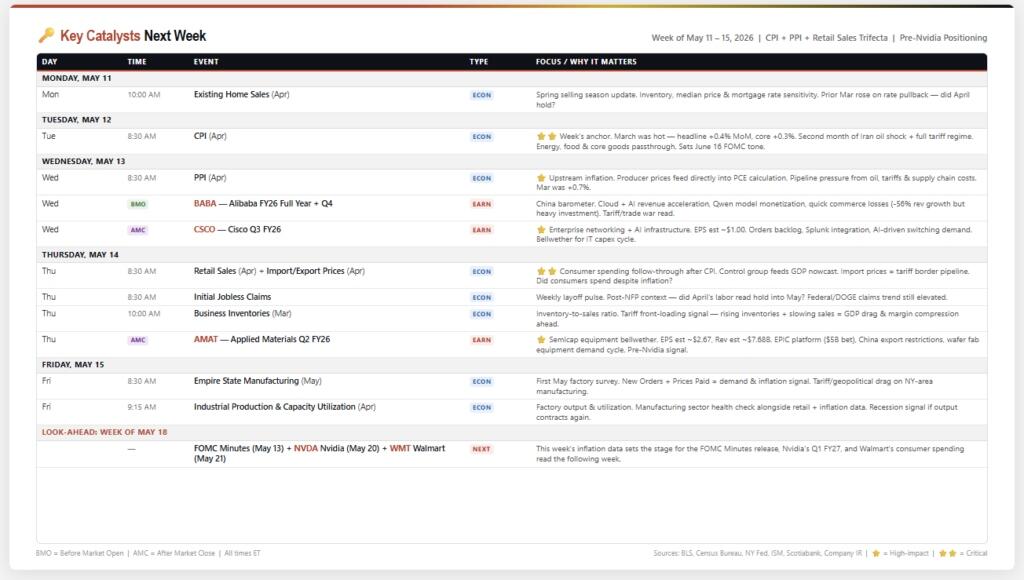
After two weeks of Magnificent 7 earnings and payrolls data, the calendar pivots back to the macro gauntlet that will define the Fed’s June path. Tuesday’s April CPI, Wednesday’s April PPI, and Thursday’s April Retail Sales create a three-day inflation-consumer trifecta that will either confirm or break the “higher for longer” trade heading into the June 16 FOMC meeting. This week isn’t about individual stocks; it’s about the price level and the consumer’s willingness to pay it.
Tuesday’s April CPI is the week’s anchor. March ran hot with the headline at +0.4% MoM and the core reading rising +0.3%. That reflected the first full month of the Iranian oil shock and the broadened tariff regime. April is the second month of that regime, and the question is whether the acceleration was a one-month spike or the beginning of a new trend. Energy prices eased modestly in late April as Iran ceasefire talks gained traction, potentially providing a one-month offset. But core goods, where tariff passthrough lives, won’t have that benefit. Used car prices, which had been masking tariff pressure in prior months, are no longer declining. Shelter costs remain stubbornly elevated. If the headline comes in above +0.3% MoM or core reaccelerates, summer rate-cut expectations are dead.
Wednesday’s PPI doubles down. Producer prices feed directly into the PCE calculation that the Fed actually targets. March PPI printed a blistering +0.7%, the hottest monthly reading in over a year. April PPI tells us whether the upstream pipeline is still pressurized or whether oil’s modest pullback and easing supply chains provided relief. A PPI-to-CPI passthrough story is forming: if producers are absorbing cost increases now, margins will compress, and earnings will be revised down. If they’re passing them through, consumer inflation stays elevated, and the Fed stays on hold. Either outcome is negative for someone.
On the earnings side, this is the bridge week between Big Tech and the Nvidia event on May 20th. Cisco, on Wednesday after the close, is the enterprise IT capex bellwether. AI-driven switching demand, progress on Splunk integration, and the order backlog will tell us whether corporate technology spending is holding up or pulling back amid macro uncertainty. Alibaba Wednesday morning is the China read on cloud and AI revenue from the Qwen model, quick commerce investment, and tariff/trade war impact on cross-border commerce. Applied Materials on Thursday after the close is the semiconductor capital equipment signal ahead of Nvidia, its $5 billion EPIC platform bet, and wafer fab equipment orders are the leading indicator for chip manufacturing capacity expansion.
CPI will tell us where inflation is, while PPI tells us where it’s going. Retail Sales on Thursday will tell us whether the consumer breaks before the Fed blinks. Three data points, three days, one narrative. If all three run hot, the “higher for longer” trade hardens into “higher for the foreseeable future,” and risk assets may begin to reprice. This is why we continue to suggest maintaining portfolio management practices carefully.
What Should Investors Do Now
Q1 was a genuinely strong quarter. Margins are real. Cash flow is real. The broadening is real. None of that is in dispute. What’s worth disputing is the assumption baked into consensus. An 18.6% full-year forecast assumes the run rate from Q1 just delivered continues for three more quarters, with no margin compression, no demand weakness, and no AI capex digestion. That’s a stack of optimistic assumptions, and the historical record on stacks like that is unkind.
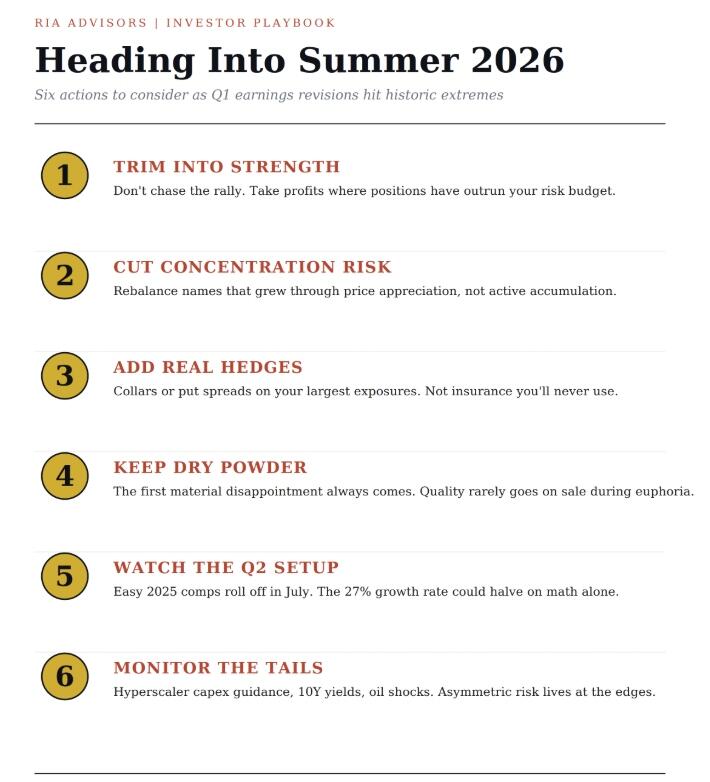
For investors, the playbook into summer is unchanged in direction but tighter in execution. Trim into strength rather than chase. Reduce concentration in the names that have done the most work, especially where position sizes have crept up from price appreciation rather than active accumulation. Add hedges, not insurance you’ll never use, but actual collars or put spreads on the largest exposures. Keep dry powder for the first material disappointment, because it always comes, and the names worth owning rarely go on sale during euphoria.
The setup that worries me isn’t that earnings are bad. It’s that they’re so good the bar has been raised to a level that historically marks a peak, not a launching pad. When everybody is revising higher, the marginal trade is no longer to buy the beats. It’s to fade the next miss. That moment usually arrives without warning, and the pattern has held in every prior cycle that produced a chart like the one in front of us today.
Stay long, but stay hedged. The asymmetry has shifted.
Tyler Durden
Sun, 05/10/2026 – 15:45
https://www.zerohedge.com/markets/earnings-estimate-revisions-are-very-optimistic

Secret Israeli Base Hidden In Iraqi Desert Backed Operations Inside Iran
Secret Israeli Base Hidden In Iraqi Desert Backed Operations Inside Iran
In a revelation sure to outrage Baghdad and broad swathes of the Iraqi public, Israel established a secret military base in Iraq’s desert region to support air operations against Iran, related to the start of Trump’s Operation Epic Fury, The Wall Street Journal reported Saturday.
Israeli forces even at one point launched airstrikes early in the conflict on Iraqi troops who approached the site and risked exposing it, per sources cited in the report. The outpost was reportedly erected under extreme secrecy shortly before the US and Israel launched the surprise, unprovoked aerial bombardment of Iran, and at a moment Tehran thought it was negotiating with Washington.
The WSJ further said the secret base was placed there with US awareness and used it as a logistics hub for Israeli air force operations, further with Israeli special forces operating.
According to details in the report, the site was to assist in any emergency special forces operations connected with the bombing raids on nearby Iran:
Search-and-rescue teams were positioned there in case Israeli pilots were downed. None have been. When a U.S. F-15 was shot down near Isfahan, Israel offered to help, but U.S. forces managed the rescue of two airmen themselves, one of the people said. Israel did carry out airstrikes to help protect the operation.
The Israeli base was almost discovered in early March. Iraqi state media said a local shepherd reported unusual military activity in the area, including helicopter flights, and the Iraqi military sent troops to investigate. Israel kept them at bay with airstrikes, one of the people familiar with the matter said.
In the end, no rescue missions became necessary, or at least as far as public awareness goes. There may be much that happened related to the outpost which remains classified, however.
The report further describes that after a US F-15 fighter jet was downed near Isfahan, Israel offered assistance, but US forces recovered the two crew members on their own. Strangely, the Pentagon has still issued nothing confirmable related to that operation, and not even the identities of the rescued pilots are as yet known.
The base almost was exposed in early March after Iraqi state media reported that a shepherd spotted suspicious military activity in the area, including helicopter movements, triggering an Iraqi military investigation.
Certainly if Iraqi forces had discovered it, the base would have been immediately attacked, especially by pro-Iran paramilitary forces.
The blue lines on the Israeli flag symbolize the Nile and Euphrates rivers – the borders of the biblical “Greater Israel”
In other news, Israel maintained a secret base inside Iraq and attacked Iraqi soldiers when they attempted to investigate it https://t.co/sHoetrHrOC
— Max Blumenthal (@MaxBlumenthal) May 9, 2026
As the WSJ story becomes more well-known inside Iraq this weekend, rising anger and outrage is expected, at a sensitive moment that a new future Iraqi prime minister has been tapped.
“This reckless operation was carried out without coordination or approval,” Qais Al-Muhammadawi, deputy commander of Iraq’s Joint Operations Command, told Iraqi state media following the March incident.
Tyler Durden
Sun, 05/10/2026 – 15:10

Bahrain Intensifies Crackdown On Shia Communities, Arrests Dozens Over Alleged IRGC Links
Bahrain Intensifies Crackdown On Shia Communities, Arrests Dozens Over Alleged IRGC Links
Bahrain’s Interior Ministry announced on Saturday the arrest of 41 citizens, including multiple Shia religious leaders, over alleged ties to Iran’s Islamic Revolutionary Guard Corps (IRGC).
The ministry said security services uncovered the alleged network through “investigations, security reports, and previous Public Prosecution cases related to espionage involving foreign entities.” The detainees are accused of “espionage involving foreign entities and sympathy with blatant Iranian aggression.”
Around 30 Shia Muslim clerics were among the 41 arrested, as the Gulf monarchy intensifies a campaign of raids and arrests predominantly targeting Shia religious figures and seminary teachers in Bahrain.
The arrests mark a new security escalation by Manama and form part of a continued policy of restrictions against clerics in the country. The Bahrain News Agency reported that legal proceedings are now underway against the 41 detainees.
Earlier this week, Bahrain stripped three lawmakers of their seats in parliament after they publicly criticized the monarchy’s crackdown on dissent over its support for the US–Israeli war on Iran:
In a vote in Manama on Thursday, the Bahraini House of Representatives revoked the memberships of Abdulnabi Salman, Mahdi al-Shuwaikh, and Mamdouh al-Saleh. The three lawmakers publicly opposed the monarchy’s move last week to revoke the citizenship of 69 Bahrainis and their families, accusing them of “sympathizing with Iran.”
Bahrain has a majority Shia population but is ruled by the Sunni Al-Khalifa royal family. The kingdom hosts the largest US naval base in the region, home to the US Fifth Fleet.
That decision came less than two weeks after Bahrain revoked the citizenship of 69 people over alleged support for Iranian retaliatory attacks on the country.
The Bahrain Institute for Rights and Democracy described the move as “dangerous” and a “blatant abuse of power,” saying the individuals had not been publicly named and that their legal status remained unclear.
Since the launch of the US-Israeli war on Iran on February 28, Bahrain has escalated a sweeping domestic crackdown tied to alleged support for Tehran and opposition to the country’s western alignments.
#Bahrain’s regime has intensified a sweeping campaign of raids and arrests targeting Shiite religious scholars, including prominent cleric and seminary professor Sheikh Mahmoud Al-A’ali, amid the systematic crackdown tied to political expression and public positions regarding the… pic.twitter.com/aJ52unoTzb
— Alwefaq Society – English (@AlWefaqEnglish) May 9, 2026
Authorities have reportedly arrested hundreds of people since then, targeting Shia communities, banning public gatherings, detaining activists, and jailing dissidents.
In March, Bahraini authorities tortured Shia activist Mohammad al-Mousawi to death after accusing him of being an Iranian spy, with AP citing witnesses who described signs of beatings, cable whippings, and electrocution burns on his body.
Tyler Durden
Sun, 05/10/2026 – 14:35
Spencer Pratt Surges In L.A. Mayoral Race As Democrats Grow Nervous
Spencer Pratt Surges In L.A. Mayoral Race As Democrats Grow Nervous
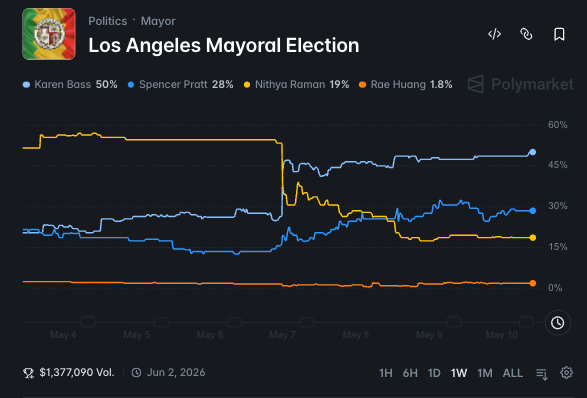
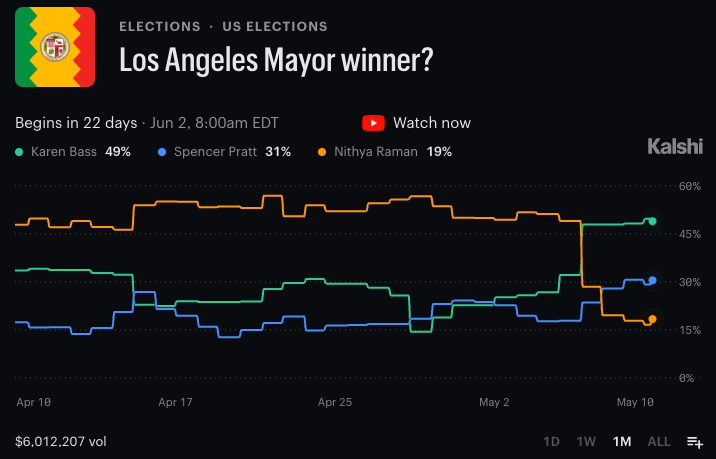
Los Angeles mayoral candidate Spencer Pratt, best known for his role on MTV’s The Hills, is gaining traction on online prediction markets, including Polymarket and Kalshi, as well as local polling, after a series of viral campaign videos and last week’s mayoral debate.
Pratt’s campaign has released hard-hitting viral ads that have spread across social media like wildfire. His election odds are rising as voters realize that the far-left incumbent, Mayor Karen Bass, and socialist Councilmember Nithya Raman have transformed one of America’s top cities into a cesspool of crime, chaos, drugs, and out-of-control taxes.
The debate last week served as a major inflection point, boosting Pratt’s visibility and positioning him as a more serious contender in the race.
Spencer Pratt is coherent and reasonable.
If he becomes LA’s next mayor he will return that city to safety and greatness.
Please watch the entire debate and judge for yourself. pic.twitter.com/sbicgR7dMm
— Chamath Palihapitiya (@chamath) May 7, 2026
After last Wednesday’s mayoral debate, an online poll from NBC Los Angeles showed that, as of Thursday morning, 88% of voters had picked Pratt, causing alarm within the Democratic Party.
🚨 LA MAYOR POLL: A whopping 88% say that @spencerpratt WON the Mayoral debate last night.
Spencer Pratt: 88%
Karen Bass: 7%
Nithya Rama: 5%
It wasn’t even close. pic.twitter.com/EMUmw9sDDs
— Dustin Grage (@GrageDustin) May 7, 2026
So much concern that Bass dropped out of an upcoming mayoral forum:
“The League of Women Voters and the Pat Brown Institute for Public Affairs regret to announce that Mayor Karen Bass has withdrawn from the televised Los Angeles mayoral forum scheduled for May 13 on FOX 11,” the organizations wrote in a statement posted on Instagram.
The statement continued, “The forum was organized to give Los Angeles voters the opportunity to hear directly from candidates seeking to lead the city through a period of extraordinary challenges.”
Pratt’s campaign has been energized by high-profile donations, including a contribution from Lakers owner Jeanie Buss and support from Joe Rogan. His message is grounded in common sense and data, making it hard to counter with Bass’ left-wing talking points, which do not resonate with voters.
Spencer Pratt’s PRICELESS reaction when Nithya Raman dismisses him as a ‘MAGA Republican’ pic.twitter.com/1CEeVTDr4q
— Daily Caller (@DailyCaller) May 7, 2026
Pratt has accused Bass of being a communist…
I’m sorry I am now a broken record but oh my God I did not have Spencer Pratt, exposing Karen Bass’s entire communist, revolution history during the race for mayor in Los Angeles.
I mean the best part about this is everything he’s saying is completely 100% true.
So if you… pic.twitter.com/iyoR93WOFh
— Insurrection Barbie (@DefiyantlyFree) May 7, 2026
Viral ads:
They not like us pic.twitter.com/78hducHDUE
— Spencer Pratt (@spencerpratt) April 29, 2026
LA has over 40K drug addicts holding Angelenos hostage. All it takes is one to make moms feel too nervous to let their kids just go be kids and explore the quiet streets of their beautiful neighborhood. ENOUGH. We are done being held hostage in our own homes. Vote PRATT today! pic.twitter.com/9J3QJWvd1u
— Spencer Pratt (@spencerpratt) May 9, 2026
— Spencer Pratt (@spencerpratt) May 8, 2026
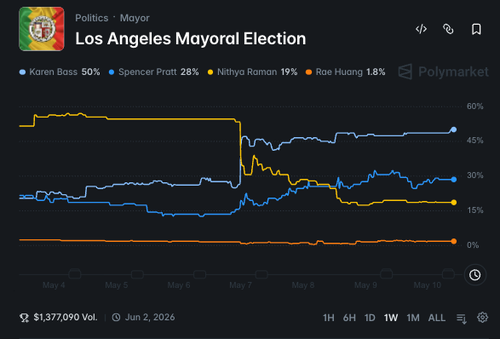
Both Polymarket and Kalshi show that Pratt’s odds of winning the local election are rising, but Bass remains the front-runner:
Pratt accused CBS of election interference…
CBS got the call after fact-checking Karen Bass, so they tried to turn a 1 hour interview with me into a 5 minute hit piece. They need to air the full, unedited interview. pic.twitter.com/ff6UsWZLuA
— Spencer Pratt (@spencerpratt) May 9, 2026
“Will Spencer win enough votes to overcome the usual mass voter fraud by Democrats? His stunning mastery of the facts trounced the talking-point blather of the two hacks,” James Woods asked on X.
Tyler Durden
Sun, 05/10/2026 – 14:00
https://www.zerohedge.com/political/spencer-pratt-surges-la-mayoral-race-democrats-grow-nervous

Hantavirus-Plagued Cruise Ship Begins Evacuations
Hantavirus-Plagued Cruise Ship Begins Evacuations
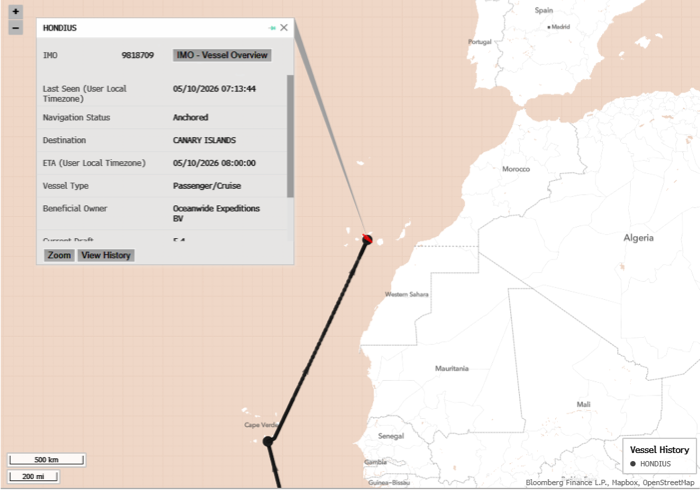
Early Sunday morning, the Dutch-flagged cruise ship MV Hondius, anchored off Spain’s Canary Islands, began evacuating passengers after a deadly hantavirus outbreak triggered a multinational public health response and put global health authorities on red alert.
“The docking took place at 6:30 a.m. and has been a success in spite of all the adversities,” Health Minister Mónica García said in a statement quoted by Bloomberg News.
Health officials have found that “all passengers are asymptomatic,” García added.
The U.S. government is evacuating American passengers from a cruise ship tied to a deadly hantavirus outbreak. A CDC team is currently in the Canary Islands assessing potential exposure and monitoring needs.
Passengers will be flown back to the U.S. on a medical repatriation… pic.twitter.com/CSrpbpMXLR
— Breaking911 (@Breaking911) May 10, 2026
Ship-tracking data show that the Hondius was anchored in Granadilla Port, Tenerife, and has since docked.
Last week, the World Health Organization identified eight hantavirus cases linked to the cruise ship: five suspected and three confirmed by laboratory testing. This includes three deaths. There were 149 passengers and crew members on the ship before the evacuation.
The outbreak appears to have started after a Dutch man and his wife traveled in South America, then boarded the Hondius in Argentina on April 1. Both died weeks later.
The New York Post identified patient zero as ornithologist Leo Schilperoord, who was on a multi-month birdwatching trip in South America with his wife, Mirjam Schilperoord. Both died.
Hantavirus is typically spread through rodent droppings or contaminated dust. People can inhale contaminated particles when rodent waste is disturbed. Symptoms may take weeks to appear, making containment and monitoring difficult.
On Friday, President Trump was questioned by reporters about the virus-plagued cruise ship. He said the situation is “very much under control.”
Polymarket odds of a hantavirus pandemic have remained under 10% for the last several days.
Hantavirus pandemic in 2026?
Yes 7% · No 93%
View full market & trade on Polymarket
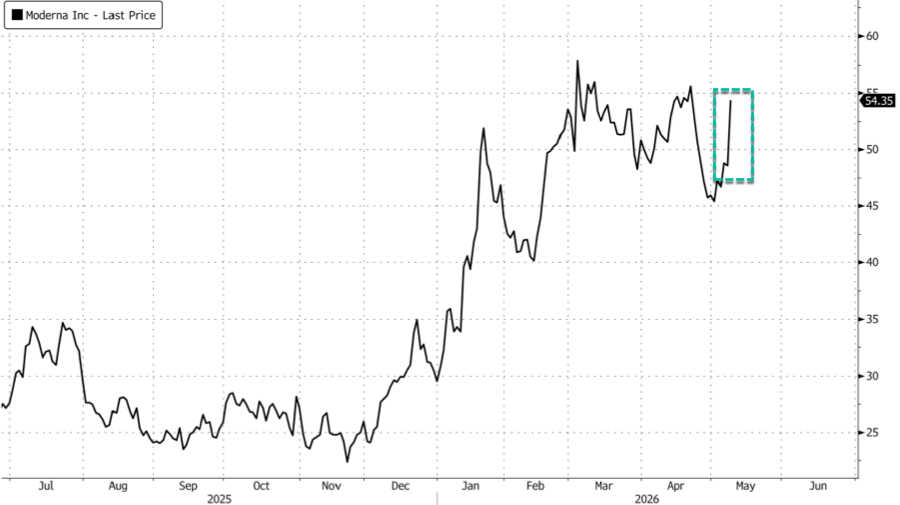
We questioned at the end of last week whether the vaccine stock trade was back, with Moderna conveniently announcing it was working on a vaccine.
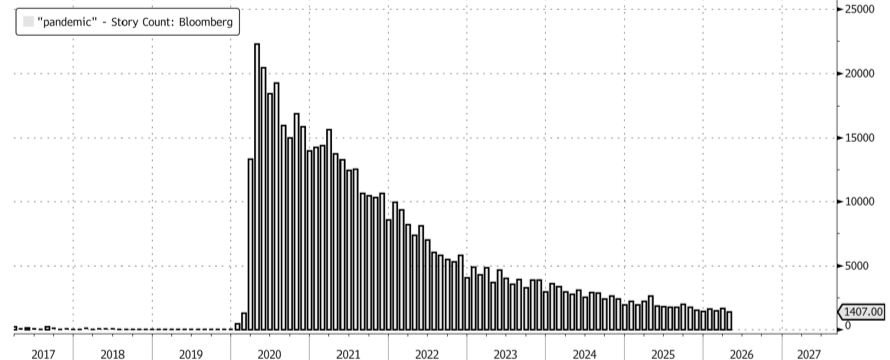
The story count for “pandemic” in Bloomberg news stories remains well below the highs of the Covid-era mass hysteria driven by corporate media.
Will WHO create mass hysteria? That is the question.
Tyler Durden
Sun, 05/10/2026 – 12:50
https://www.zerohedge.com/medical/hantavirus-plagued-cruise-ship-begins-evacuations