Category: News

Asking Eric: Hurt feelings, half a century later
Dear Eric: My sister-in-law, Suzy, married John 51 years ago in a state distant from where we lived at the time. I am married to John’s older brother. I was seven months pregnant with our third child, and we were living paycheck to paycheck at the time, which made spending money on travel and accommodations a burden.
But the real reason I did not want to attend the wedding was because John did not choose to include my husband, his only brother, in the wedding party. He chose a cousin to be his best man.
There was never any discussion at the time of the wedding regarding his choice and our excuse for not attending was that it was just too much of a financial burden with the baby on the way.
Now our granddaughter is engaged to be married and Suzy told her that we did not attend their wedding. There has never been a falling out between the brothers before or since the wedding. Since the wedding, John and his cousin rarely see each other.
I question Suzy’s motivation for telling our granddaughter and her fiancé that we did not attend their wedding. I am not asking what Suzy’s side of the story was, but since Suzy feels it relevant 51 years later to let my granddaughter believe her grandparents were uncaring relatives, is it time to tell Suzy it was hurt feelings that kept us from making the sacrifice to attend?
– Wedding Guests
Dear Guests: Ideally, this wouldn’t be an issue for either of you. It’s odd, verging on inappropriate, that Suzy is bringing it up half a century later. And she certainly doesn’t need to involve your granddaughter in it.
However, I don’t see the use in relitigating it with her. If she chooses not to go to your granddaughter’s wedding because you didn’t attend hers, that’s behavior that she has to own.
Ask your granddaughter if it’s really meaningful that Suzy attend. If so, you can have a conversation with her with the intention of clearing the air. “I understand that you have some feelings about us not attending your wedding. I’d love for that not to interfere with my granddaughter’s wedding. So, can we talk about it?”
It sounds as if Suzy and John may not be big parts of your granddaughter’s life. If that’s the case, she may be simply trying to stir the pot. That’s something neither you nor your granddaughter need to be caught up in.
Dear Eric: My 80-year-old sister (I’ll call her Jane) doesn’t have much faith in doctors but is free with her own remedies for everyone else’s ailments (mostly vitamins, herbs and supplements). We used to refer to her as Dr. Jane behind her back because she had a vitamin for every health problem.
Jane developed problems walking and is now in a nursing home. It turns out Jane has been taking eight B-100 vitamin supplements a day for years. The percentage daily value of vitamin B-6 in one pill is 5882 percent. She has no feeling in her lower extremities whatsoever and we doubt she will ever walk again.
My brother tried to suggest to Jane that the vitamins were the likely cause of her problem, but Jane is adamant vitamins can’t harm you. She is running out of money for the nursing home bill and is going to have to sign over her house and go on public aid. We have been shielding Jane from the fact that she’s most likely going to lose her house. Should we go ahead and tell her?
And please tell me how to handle myself when she tells me vitamins had nothing to do with her condition. I am going to have a hard time keeping myself from screaming “you did this to yourself!” I love my sister but dealing with her situation is difficult.
– Not the Remedy
Dear Remedy: There are more pressing issues for Jane, and for the family, than who is right about proper vitamin intake, so I’d advise that you not engage with her about that at all. There are already enough doctors providing “Dr.” Jane care and counsel. Stepping into the debate, even just to express your frustration, is only going to cause upset. There’s no upside.
Related Articles
Asking Eric: We each grieve in our own ways
Asking Eric: I don’t enjoy emojis
Asking Eric: Ex-wife still visits the house
Asking Eric: Grandson embezzled more than $100,000
Asking Eric: I’m sick of small talk
Instead, focus on having a grounded and frank conversation with her about her financial position. It does her a disservice to hide this information. Her life has changed dramatically and she’s going to need the truth in order to make wise decisions. Consider reaching out to a financial planner or a social worker who can guide her through the process of setting up long-term care. In finances, as with medicine, we make the most informed decisions with input from experts.
(Send questions to R. Eric Thomas at eric@askingeric.com or P.O. Box 22474, Philadelphia, PA 19110. Follow him on Instagram and sign up for his weekly newsletter at rericthomas.com.)
https://www.chicagotribune.com/2025/11/20/asking-eric-hurt-feelings-half-a-century-later/
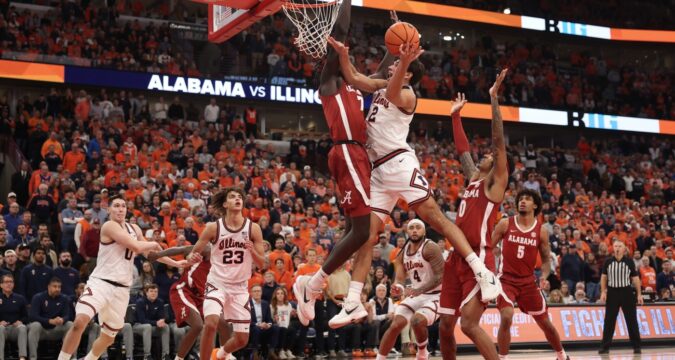
Photos: No. 11 Alabama defeats No. 8 Illinois 90-86 at the United Center
No. 8 Illinois Fighting Illini lost 90-86 to the No. 11 Alabama Crimson Tide in a game at the United Center on Wednesday, Nov. 19, 2025.
Illinois center Zvonimir Ivisic (44) grabs a rebound as Alabama forward Taylor Bol Bowen (7) defends in the second half at the United Center on Nov. 19, 2025, in Chicago. (John J. Kim/Chicago Tribune)
Illinois center Zvonimir Ivisic (44) grabs a rebound as Alabama forward Taylor Bol Bowen (7) defends in the second half at the United Center on Nov. 19, 2025, in Chicago. (John J. Kim/Chicago Tribune)
Illinois guard Andrej Stojakovic advances the ball as Alabama guard Labaron Philon defends in the second half at the United Center on Nov. 19, 2025, in Chicago. (John J. Kim/Chicago Tribune)
Illinois guard Kylan Boswell aims for the basket as Alabama forward Keitenn Bristow defends in the second half at the United Center on Nov. 19, 2025, in Chicago. (John J. Kim/Chicago Tribune)
Illinois guard Mihailo Petrovic (77) passes the ball in the second half against Alabama at the United Center on Nov. 19, 2025, in Chicago. (John J. Kim/Chicago Tribune)
Illinois center Tomislav Ivisic (13) is fouled by Alabama guard Aden Holloway, right, in the second half at the United Center on Nov. 19, 2025, in Chicago. (John J. Kim/Chicago Tribune)
Illinois forward David Mirkovic (0) and Alabama forward Taylor Bol Bowen tug on a jump ball in the second half at the United Center on Nov. 19, 2025, in Chicago. (John J. Kim/Chicago Tribune)
Illinois guard Kylan Boswell, right, defends Alabama guard Labaron Philon (0) in the second half at the United Center on Nov. 19, 2025, in Chicago. (John J. Kim/Chicago Tribune)
Alabama guard Labaron Philon (0) passes the ball in the second half against Illinois at the United Center on Nov. 19, 2025, in Chicago. (John J. Kim/Chicago Tribune)
Illinois guard Andrej Stojakovic (2) falls to the floor as the ball is inbounded in the second half against Alabama at the United Center on Nov. 19, 2025, in Chicago. (John J. Kim/Chicago Tribune)
Illinois guard Andrej Stojakovic (2) is fouled by Alabama forward Taylor Bol Bowen in the second half at the United Center on Nov. 19, 2025, in Chicago. (John J. Kim/Chicago Tribune)
Illinois guard Andrej Stojakovic (2) is helped off the floor after getting fouled in the second half against Alabama at the United Center on Nov. 19, 2025, in Chicago. (John J. Kim/Chicago Tribune)
Illinois guard Kylan Boswell (4) is fouled by Alabama guard Aden Holloway in the second half at the United Center on Nov. 19, 2025, in Chicago. (John J. Kim/Chicago Tribune)
Illinois guard Kylan Boswell loses the ball after getting fouled by Alabama guard Aden Holloway (2) in the second half at the United Center on Nov. 19, 2025, in Chicago. (John J. Kim/Chicago Tribune)
Illinois players break a huddle after a whistle in the second half against Alabama at the United Center on Nov. 19, 2025, in Chicago. (John J. Kim/Chicago Tribune)
Illinois guard Keaton Wagler (23) is fouled by Alabama forward Amari Allen (5) in the second half at the United Center on Nov. 19, 2025, in Chicago. (John J. Kim/Chicago Tribune)
Alabama forward Keitenn Bristow (10) reaches for a rebound in front of Illinois forward Ben Humrichous in the final seconds of the second half at the United Center on Nov. 19, 2025, in Chicago. (John J. Kim/Chicago Tribune)
Illinois head coach Brad Underwood yells at an official on a possession call in the second half against Alabama at the United Center on Nov. 19, 2025, in Chicago. (John J. Kim/Chicago Tribune)
Illinois head coach Brad Underwood keeps his hands behind his back after being warned by an official during an argument of a call in the second half against Alabama at the United Center on Nov. 19, 2025, in Chicago. (John J. Kim/Chicago Tribune)
Illinois head coach Brad Underwood yells at an official in the second half against Alabama at the United Center on Nov. 19, 2025, in Chicago. (John J. Kim/Chicago Tribune)
Illinois players wait for a timeout to end in the second half against Alabama at the United Center on Nov. 19, 2025, in Chicago. (John J. Kim/Chicago Tribune)
Illinois players watch the second half against Alabama at the United Center on Nov. 19, 2025, in Chicago. (John J. Kim/Chicago Tribune)
An Alabama fan yells in celebration as a timeout is called by Illinois after a Crimson Tide basket that put the team up by eight points with under four minutes left in the second half at the United Center on Nov. 19, 2025, in Chicago. (John J. Kim/Chicago Tribune)
An Illinois fan waits for a timeout to end in the second half against Alabama at the United Center on Nov. 19, 2025, in Chicago. (John J. Kim/Chicago Tribune)
Illinois fans dance during a timeout in the second half against Alabama at the United Center on Nov. 19, 2025, in Chicago. (John J. Kim/Chicago Tribune)
Illinois forward Ben Humrichous (3) passes the ball in the first half against Alabama at the United Center on Nov. 19, 2025, in Chicago. (John J. Kim/Chicago Tribune)
Illinois guard Mihailo Petrovic looks up at a video replay in the first half against Alabama at the United Center on Nov. 19, 2025, in Chicago. (John J. Kim/Chicago Tribune)
Illinois head coach Brad Underwood yells to players during a timeout in the first half against Alabama at the United Center on Nov. 19, 2025, in Chicago. (John J. Kim/Chicago Tribune)
Alabama guard Labaron Philon (0) looks to pass the ball in the first half against Illinois at the United Center on Nov. 19, 2025, in Chicago. (John J. Kim/Chicago Tribune)
Illinois guard Andrej Stojakovic (2) gestures after hitting a3-pointer in the first half against Alabama at the United Center on Nov. 19, 2025, in Chicago. (John J. Kim/Chicago Tribune)
Illinois center Tomislav Ivisic (13) defends Alabama forward Taylor Bol Bowen in the first half at the United Center on Nov. 19, 2025, in Chicago. (John J. Kim/Chicago Tribune)
Illinois forward David Mirkovic (0) and teammates wait for play to resume in the first half against Alabama at the United Center on Nov. 19, 2025, in Chicago. (John J. Kim/Chicago Tribune)
Illinois guard Andrej Stojakovic (2) is fouled by Alabama guard Labaron Philon in the first half at the United Center on Nov. 19, 2025, in Chicago. (John J. Kim/Chicago Tribune)
Illinois head coach Brad Underwood watches the first half against Alabama at the United Center on Nov. 19, 2025, in Chicago. (John J. Kim/Chicago Tribune)
Alabama head coach Nate Oats watches the first half against Illinois at the United Center on Nov. 19, 2025, in Chicago.(John J. Kim/Chicago Tribune)
Illinois center Zvonimir Ivisic (44) gets high fives from fans in the first half against Alabama at the United Center on Nov. 19, 2025, in Chicago. (John J. Kim/Chicago Tribune)
Illinois forward David Mirkovic (0) gets trapped in the first half against Alabama at the United Center on Nov. 19, 2025, in Chicago. (John J. Kim/Chicago Tribune)
Illinois guard Keaton Wagler (23) passes the ball in the first half against Alabama at the United Center on Nov. 19, 2025, in Chicago. (John J. Kim/Chicago Tribune)
Illinois forward David Mirkovic (0) defends Alabama guard Latrell Wrightsell Jr. in the first half at the United Center on Nov. 19, 2025, in Chicago. (John J. Kim/Chicago Tribune)
Illinois guard Keaton Wagler (23) aims for the basket as Alabama forward Taylor Bol Bowen (7) defends in the first half at the United Center on Nov. 19, 2025, in Chicago. (John J. Kim/Chicago Tribune)
Illinois forward David Mirkovic (0) reaches for a loose ball in the first half against Alabama at the United Center on Nov. 19, 2025, in Chicago. (John J. Kim/Chicago Tribune)
Illinois guard Andrej Stojakovic releases a successful 3-pointer against Alabama in the first half at the United Center on Nov. 19, 2025, in Chicago. (John J. Kim/Chicago Tribune)
Alabama guard Latrell Wrightsell Jr. looks to pass the ball as Illinois guard Keaton Wagler, left, and teammates defend in the first half at the United Center on Nov. 19, 2025, in Chicago. (John J. Kim/Chicago Tribune)
University of Illinois student fans hold a cutout of head coach Brad Underwood wearing an eastern European style track suit as they cheer for a broadcast camera before a game against Alabama at the United Center on Nov. 19, 2025, in Chicago. (John J. Kim/Chicago Tribune)
The logo for the 2026 Big Ten Men’s Basketball Tournament is unveiled at the United Center on Nov. 19, 2025, in Chicago. (John J. Kim/Chicago Tribune)
Kendall Gill, former University of Illinois and Chicago Bulls player, speaks during an unveiling of the logo for the 2026 Big Ten Men’s Basketball Tournament at the United Center on Nov. 19, 2025, in Chicago. (John J. Kim/Chicago Tribune)
The logo for the 2026 Big Ten Men’s Basketball Tournament is unveiled as Kerry Kenny, Big Ten Chief Operating Officer, speaks at the United Center on Nov. 19, 2025, in Chicago. (John J. Kim/Chicago Tribune)
Kerry Kenny, Big Ten Chief Operating Officer, speaks during an unveiling of the logo for the 2026 Big Ten Men’s Basketball Tournament at the United Center on Nov. 19, 2025, in Chicago. (John J. Kim/Chicago Tribune)
Josh Whitman, athletic director at the University of Illinois, right, greets Kendall Gill, former University of Illinois and Chicago Bulls player, during an unveiling of the logo for the 2026 Big Ten Men’s Basketball Tournament at the United Center on Nov. 19, 2025, in Chicago. (John J. Kim/Chicago Tribune)
https://www.chicagotribune.com/2025/11/19/illinois-alabama-basketball-united-center-photo-gallery/
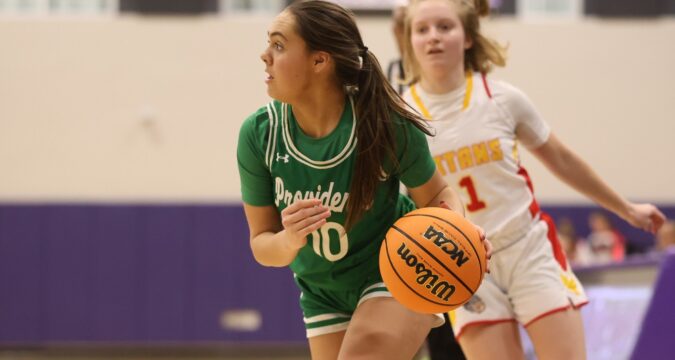
Using her grit, Olivia Anderson takes nothing for granted on defense for Providence. ‘Work for what you have.’
Junior guard Olivia Anderson has been around basketball for a long time, starting out in the sport back in kindergarten. And she also has longtime ties to Providence through her mother.
Katie Anderson, whose maiden name is Hultgen, played for the Celtics. She got her daughter going in a Mokena league and coached her over the years. Mom also gave her great advice.
“She said to work hard every single day,” Anderson said. “You have to work for what you have.”
According to junior forward Taylor Healy, Anderson has taken that to heart.
“Liv is very feisty and she goes after every single ball,” Healy said. “She gets rebounds that you think would be impossible to get. It’s really fun playing with her.”
Anderson had some fun Wednesday night, setting the tone with seven points in the first quarter to spark Providence to a 71-15 win over Tinley Park in a WJOL Tournament second-round game at Joliet Junior College.
Providence’s Olivia Anderson (10) makes a pass and pushes the ball up the court against Tinley Park during a WJOL Tournament second-round game in Joliet on Wednesday, Nov. 19, 2025. (Gary Middendorf / Daily Southtown)
Pepperdine commit Landrie Callahan, a Morris transfer, led the Celtics (2-0) with 18 points and 11 rebounds. Healy added 12 points, while Layken Callahan, Landrie’s sister, scored all 10 of her points in the second quarter.
Sophomore forward Kennady Kotowski added five points and four rebounds, just days after helping Providence’s volleyball team take third in the state in Class 3A. In Monday’s season opener, she scored nine points on three 3-pointers.
The 5-foot-6 Anderson, meanwhile, pushed Providence to a quick 15-3 lead and finished the game with nine points, five rebounds and four steals. The starters were subbed in early and often.
For Anderson, though, it was a nice start.
Providence’s Landrie Callahan (53) puts up a shot against Tinley Park during a WJOL Tournament second-round game in Joliet on Wednesday, Nov. 19, 2025. (Gary Middendorf / Daily Southtown)
“Liv is a scrapper and is tough on defense,” Providence coach Eileen Copenhaver said of Anderson. “She may look like one of the little kids on the floor, but she has that dog mentality.
“She is always going to be playing hard and she always works hard. When you think the big girls are going to come up with the ball, somehow (Olivia’s) hands are on it.”
Tinley Park (0-2) got a helping hand from Chorah Horbaczewski with a team-best six points.
Providence faces Joliet West (1-1) in the final pool-play game at 4 p.m. Friday with a chance to advance to the championship game at 2:30 p.m. Saturday.
Anderson pointed out she’s not sure where she picked up having a nose for the ball.
Providence’s Eilish Raines (2) drives to the basket against Tinley Park during a WJOL Tournament second-round game in Joliet on Wednesday, Nov. 19, 2025. (Gary Middendorf / Daily Southtown)
“I have no idea,” she said with a laugh. “I just like going for the ball and getting my hands on it.”
The Celtics would love to get their hands on a state trophy this season. The addition of 6-2 Landrie Callahan and 5-11 Layken Callahan changes the whole look of the Celtics.
“It’s really been exciting seeing the new dynamic of the team,” Healy said. “It’s totally different from last year having so many guards. Now, we have so many posts.
“We have so much height and it’s so much fun to play with.”
Providence’s Olivia Anderson (10) cheers on her teammates from the bench against Tinley Park during a WJOL Tournament second-round game in Joliet on Wednesday, Nov. 19, 2025. (Gary Middendorf / Daily Southtown)
Anderson confirmed that the new look makes the Celtics strong in many different ways.
“It’s great because we have more rebounding and we can play different defenses,” she said. “The height brings a lot of easy passes.”
Copenhaver, who was announced as a inductee for this year’s class for the Illinois Basketball Coaches Association Hall of Fame, is impressed with how often Anderson gets to the basketball on defense despite her lack of height.
On top of that, Copenhaver praised Anderson for improving from her sophomore season.
“Yes, she’s on the smaller side,” Copenhaver said of Anderson. “She plays strong and now she’s able to hit the 3-pointer a little bit better. She is going to help us in a lot of different ways.”
Jeff Vorva is a freelance reporter for the Daily Southtown.
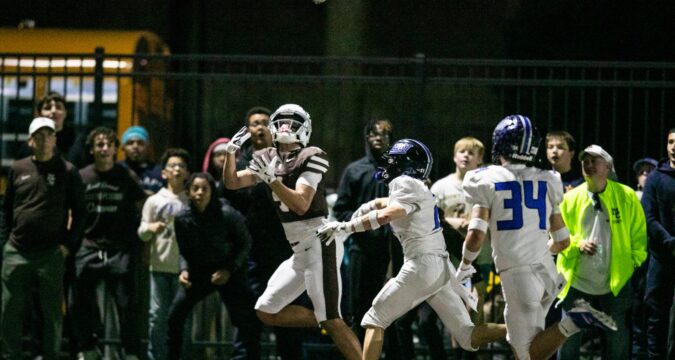
Football pairings and local scores for the Southland, Aurora, Elgin, Naperville and Lake County
High school and local college results and highlights from the Southland, Aurora, Elgin, Naperville and Lake County coverage areas.
Email Daily Southtown results to southtownsports@gmail.com, Beacon-News, Courier-News and Naperville Sun results to tribwestsports@gmail.com and News-Sun results to newssunsports@gmail.com.
FRIDAY’S EVENT
HIGH SCHOOLS
FOOTBALL
CHICAGO PUBLIC LEAGUE CHAMPIONSHIP
Morgan Park (8-4) vs. Kenwood (9-2) at Rockne Stadium, 5:30 p.m.
SATURDAY’S EVENTS
HIGH SCHOOLS
FOOTBALL
STATE SEMIFINALS
CLASS 8A
No. 4 Fremd (11-1) at No. 1 Mount Carmel (12-0), 5 p.m.
No. 23 Lockport (9-3) at No. 11 Oswego (10-2), 5 p.m.
CLASS 7A
No. 13 Batavia (10-2) at No. 25 St. Rita (8-4), 2 p.m.
No. 15 Downers Grove North (10-2) at No. 6 Brother Rice (11-1), 4 p.m.
CLASS 6A
No. 11 Fenwick (9-3) at No. 1 Nazareth (11-1), 1 p.m.
No. 8 East St. Louis (9-3) at No. 10 St. Laurence (8-4), 1 p.m.
CLASS 5A
No. 9 Wheaton St. Francis (9-3) at No. 2 Belvidere North (12-0), 4 p.m.
No. 2 Oak Forest (11-1) at No. 5 Providence (9-3), 1 p.m.
LOCAL COLLEGES
FOOTBALL
LAKEFRONT BOWL
At Wisconsin Lutheran
Aurora University (7-3) vs. Illinois College (8-2), 11 a.m.
WEDNESDAY’S RESULTS
HIGH SCHOOLS
GIRLS BASKETBALL
Lockport 65, Wheaton North 38
Lockport (2-0): Evelyn Ingram 18 points. Laura Arstikaitis 13 points. Katie Peetz 11 points, 8 rebounds, 7 assists, 6 steals.
Marian Catholic 61, Latin 37
Marian (2-0): Ty Jackson 22 points, 13 rebounds, 3 assists. Nyila Williams 14 points. Jordyn Hodges 10 points.
Naperville Central 63, Hinsdale Central 36
Naperville Central (1-0): Trinity Jones 30 points, 6 rebounds, 3 assists. Erin Hackett 16 points, 6 rebounds, 4 assists. Annabelle Kritzer 10 points, 6 rebounds, 3 assists.
Southland Prep 46, Julian 32
BOBBY BOLTON TIP-OFF CLASSIC
At Richards
Evergreen Park 60, Ag. Science 24
Evergreen (2-0): Tatum Harris 18 points. Grace Kole 11 points.
Richards 34, Thornton 22
Richards (2-0): Eliana Power 12 points. Ameera Martin 9 points.
At Shepard
Hillcrest 48, Shepard 38
Shepard (1-1): Jessica Manley 20 points.
MARK EINWICH KICKOFF TOURNAMENT
Burlington Central 60, East Aurora 14
CHICAGO CHRISTIAN TOURNAMENT
Chicago Christian 43, Bremen 14
Parkview Christian 64, Reavis 50
ELK GROVE TOURNAMENT
Round Lake 42, Elk Grove 24
Streamwood 61, Addison Trail 23
HAMPSHIRE DOREEN ZIERER TURKEY TOURNAMENT
Mother McAuley 55, Lake Zurich 49
Fremd 44, Geneva 29
IMSA KEITH MCINTOSH TOURNAMENT
Hinckley-Big Rock 38, Elgin 24
Mather 44, IMSA 26
West Chicago 40, Harvest-Westminster 23
MUNDELEIN TOURNAMENT
St. Viator 57, Grayslake North 37
RICH TOWNSHIP RAPTOR CLASSIC
Bloom 68, Brooks 11
SOMONAUK TIM HUMES BREAKOUT TOURNAMENT
Aurora Central Catholic 60, Dwight 34
VERNON HILLS COUGAR CLASSIC
Lake Forest 49, Antioch 48
Lake Forest Academy 41, Niles North 31
Rockford Guilford 50, Vernon Hills 46
Vernon Hills (1-1): Emma Jocson 16 points. Keira Thomas 14 points.
WHEATON ACADEMY TOURNAMENT
Wheaton Academy 49, Morgan Park 18
WJOL TOURNAMENT
At Joliet Junior College
Joliet Catholic 42, Lincoln-Way Central 36
Providence 71, Tinley Park 15
LOCAL COLLEGES
MEN’S BASKETBALL
Lake Forest College 87, Illinois Tech 74
North Central College 66, Wisconsin Platteville 60 (OT)
Olivet Nazarene 81, Judson 55
St. Ambrose (Iowa) 106, Governors State 100 (2 OT)
St. Francis 83, Viterbo (Wis.) 79 (OT)
St. Xavier 94, Calumet (Ind.) 63
Saginaw Valley State (Mich.) 72, Lewis 60
Trinity Christian 75, Holy Cross (Ind.) 69
Wisconsin Whitewater 82, Aurora University 73
WOMEN’S BASKETBALL
Governors State 100, Mount Mary (Wis.) 28
Milwaukee Engineering 63, Lake Forest College 42
Olivet Nazarene 117, Judson 67
St. Francis 82, Viterbo (Wis.) 52
St. Xavier 75, Calumet (Ind.) 42
TUESDAY’S RESULTS
HIGH SCHOOLS
GIRLS BASKETBALL
De La Salle 56, Hancock 19
De La Salle (2-0): Maggie Robinson 15 points.
Glenbard North 52, Metea Valley 29
Lyons 54, Benet 53
Benet (0-1): Bridget Rifenburg 24 points.
Momence 60, Illinois Lutheran 18
Yorkville 56, Sandburg 55
BEECHER FALL CLASSIC
Andrew 55, Crete-Monee 25
Andrew (1-0): Bree Milazzo 16 points. Charlotte Gallivan 14 points.
Oak Forest 49, Peotone 37
Oak Forest (1-0): Maddie Martinez 20 points.
T.F. North 61, Beecher 30
T.F. North (1-0): Natalie McGhee 18 points, 12 steals, 11 rebounds. Lauryn Jackson 15 points, 13 rebounds.
Beecher (0-1): Gina Bonino 15 points.
MARK EINWICH KICKOFF TOURNAMENT
Burlington Central 55, Sycamore 51
Burlington Central (1-0): Julia Scheuer 13 points, 5 rebounds. Audrey LaFleur 13 points.
Kaneland 49, Prairie Ridge 26
Kaneland (1-1): Grace Brunscheen 16 points.
DUNDEE-CROWN TOURNAMENT
Hononegah 56, South Elgin 33
IMSA KEITH MCINTOSH TOURNAMENT
Harvest-Westminster 41, Elgin 38
Hinckley-Big Rock 49, Mather 34
West Chicago 56, IMSA 21
LOYOLA/NEW TRIER TOURNAMENT
Loyola 41, Carmel 33
New Trier 56, Stevenson 40
MAINE EAST TOURNAMENT
T.F. South 56, Lakes 21
MUNDELEIN TOURNAMENT
Highland Park 70, Grayslake North 48
Mundelein 40, Regina 26
Mundelein (2-0): Casey Vyverman 23 points, 4 rebounds. Grace Dunigan 10 points, 5 rebounds.
St. Viator 50, Grant 45
REED-CUSTER COMET CLASSIC
Rosary 39, Gardner-South Wilmington 29
SCHAUMBURG THANKSGIVING CLASSIC
Schaumburg 49, Bartlett 12
SOMONAUK TIM HUMES BREAKOUT TOURNAMENT
Aurora Central Catholic 43, LaSalle-Peru 30
Somonauk 54, Sandwich 46
Somonauk (2-0): Kiley Mason 21 points, 11 rebounds. Abby Hohmann 15 points, 6 steals.
Dwight 58, Newark 20
WJOL TOURNAMENT
At Joliet Junior College
Joliet West 39, Tinley Park 24
YORK TOURNAMENT
St. Charles East 43, York 39 (OT)
St. Charles East (1-1): Kathlyn Bainbridge 16 points.
Waubonsie Valley 60, Downers Grove South 32
Glenbrook South 61, Oswego East 60
Oswego East (0-2): Aubrey Lamberti 16 points. Desiree Merritt 12 points.
Compiled by Josh Krockey.
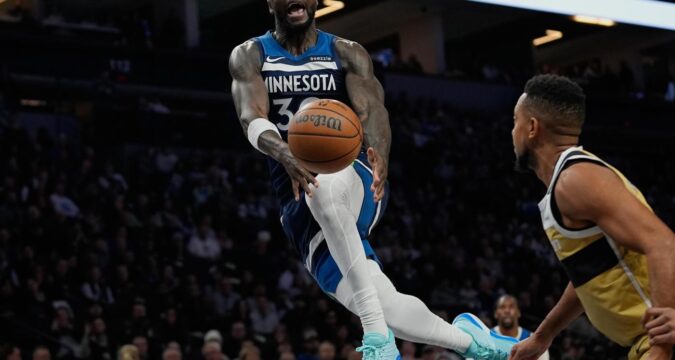
Randle anota 32 puntos y Timberwolves vencen 120-109 a Wizards
MINNEAPOLIS (AP) — Julius Randle tuvo 32 puntos y diez rebotes, y los Timberwolves de Minnesota resistieron un ataque tardío de los Wizards de Washington para lograr una victoria el miércoles de 120-109.
Los Timberwolves, que han ganado seis de sus últimos siete juegos, estuvieron sin el alero Jaden McDaniels, quien se perdió su primer juego en dos años con un esguince en la muñeca izquierda. Naz Reid anotó 28 unidades desde el banquillo.
Kyshawn George tuvo 23 puntos para los Wizards, que han perdido 12 consecutivos.
Los Timberwolves lideraron por hasta 27 tantos, pero los Wizards cerraron la brecha en el último cuarto con un triple de George que puso el marcador 98-93 con 7:06 por jugar.
La clavada de Randle alejó a Minnesota 105-96 con 5:51 restantes, pero el tiro de media distancia de Khris Middleton acercó nuevamente a los Wizards a 106-101. Los Timberwolves nunca cedieron la ventaja y aseguraron el juego con un triple de Donte DiVincenzo que puso el marcador 116-106 con 1:29 por jugar.
___
Deportes AP: https://apnews.com/hub/deportes
Águilas Cibaeñas encadenan su 7ma victoria en Dominicana
Por The Associated Press
Las Águilas Cibaeñas derrotaron el miércoles 3-1 a los Toros del Este para enhebrar su séptima victoria y ostentar una marca de 17-3 tras sus primeros 20 encuentros de la temporada, con lo que dominan la Liga Dominicana de Béisbol.
Con sus 17 triunfos, las Águilas igualaron el mejor registro de la historia tras los primeros 20 compromisos, un récord que les pertenece a ellas mismas y que fue impuesto en la temporada 1997-1998, cuando terminaron como campeonas.
Jonatan Clase empujó una carrera con un doble, Aderlin Rodríguez añadió un jonrón solitario y Alberto Rodríguez aportó un sencillo remolcador, suficiente para sostener la ofensiva.
En Santo Domingo, Erick González respondió con un sencillo remolcador en la parte baja del noveno episodio, y los Leones del Escogido dejaron en el terreno a los Tigres del Licey para imponerse por 5-4.
Los Gigantes del Cibao remontaron una pizarra adversa y superaron 5-2 a las Estrellas Orientales en San Francisco de Macorís. Hanser Alberto conectó un elevado de sacrificio para coronar un ataque de cuatro anotaciones en el octavo capítulo.
Caribes asaltan la cima en Venezuela
Los Caribes de Anzoátegui apalearon 11-3 a los Navegantes del Magallanes, para meterse a la pelea por el liderato de la Liga Venezolana de Béisbol Profesional.
Diego Infante bateó de 3-2 con tres carreras remolcadas, mientras que Omar Alfonzo añadió un cuadrangular de tres anotaciones.
En Caracas, Jhonny Pereda conectó un jonrón de tres carreras, Brainer Bonaci añadió dos cuadrangulares solitarios y Lenyn Sosa disparó uno más, para liderar la explosiva ofensiva de los Leones del Caracas en su victoria por 9-4 sobre los Tiburones de La Guaira.
Los Tigres de Aragua se impusieron 5-3 sobre los Cardenales de Lara en Maracay. David Rodríguez conectó un doble remolcador de dos anotaciones en el tercer capítulo y un sencillo productor de otra para romper un empate en el séptimo.
Carolina aplasta a Leones en Puerto Rico
Los Gigantes de Carolina arrollaron 10-1 a los Leones de Ponce, para mantenerse a la caza del primer puesto en la Liga de Béisbol Profesional Roberto Clemente de Puerto Rico.
Abimelec Ortiz bateó de 1-1 con tres carreras remolcadas; J.D. González se fue de 4-2 con tres anotadas y dos producidas y Gabriel Cancel conectó de 2-1 con un doble y dos remolcadas.
En Mayagüez, Rubén Castro remolcó dos anotaciones con un doble, mientras que Johneshwy Fargas bateó de 4-1 con un doble y tres remolcadas en la victoria de los Cangrejeros de Santurce por 7-2 sobre los Indios de Mayagüez.
Los Criollos de Caguas se impusieron 2-0 sobre los Senadores en San Juan. Jancarlos Cintrón y Luis Vázquez conectaron sencillos remolcadores.
_____
Deportes AP: https://apnews.com/hub/deportes
https://www.chicagotribune.com/2025/11/19/guilas-cibaeas-encadenan-su-7ma-victoria-en-dominicana/
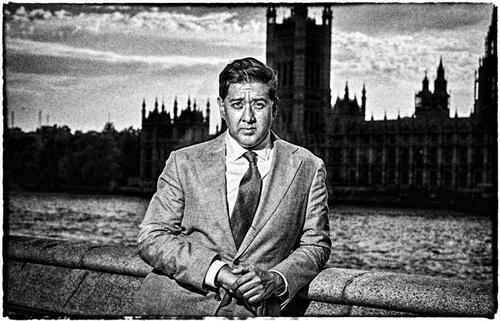
UK Political Operative Imran Ahmed Of CCDH Should Be Prosecuted Before He’s Deported: Thacker
UK Political Operative Imran Ahmed Of CCDH Should Be Prosecuted Before He’s Deported: Thacker
Authored by Paul D. Thacker via The DisInformation Chronicle,
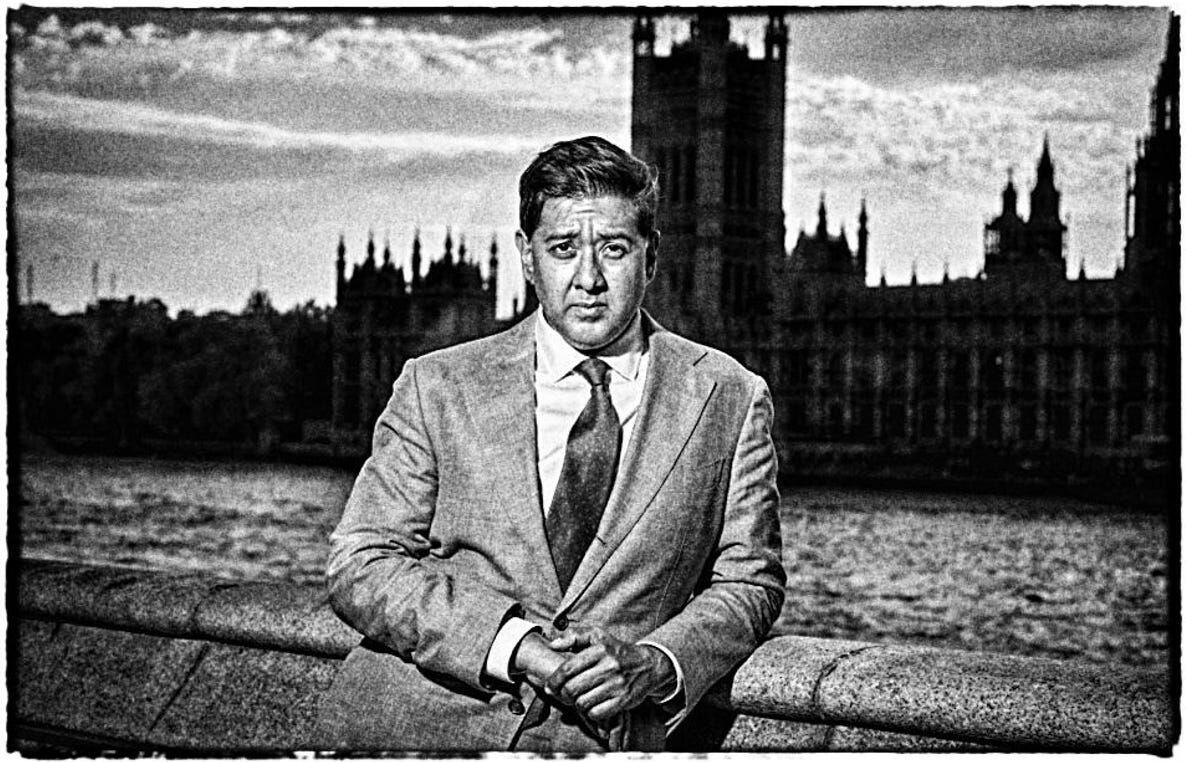
A British newspaper reported last week that the Trump White House aims to deport British political operative Imran Ahmed who runs the Center for Countering Digital Hate, a pro-censorship organization Ahmed founded in London several years ago with Morgan McSweeney, the chief of staff to British Prime Minister Keir Starmer. But before they kick him out of the country, the Department of Justice should indict Imran Ahmed for laws he broke in America, to include lying to Congress and filing materially false statements with the IRS.
Here’s a quick review of Imran Ahmed and the Center for Countering Digital Hate (CCDH).
Based on documents provided to me by a whistleblower, I reported with Matt Taibbi that CCDH was seeking to “Kill Musk’s Twitter” and interfere in the 2024 presidential elections by allying with Democrats. Our October 2024 investigation blew up across the internet—my first post on X getting over 40 million views, and BBC Today reporting on the story the following morning.
A Trump campaign official pledged CCDH would be “investigated from all angles.” But since the election, the Trump government has done nothing.
According to documents provided by a CCDH whistleblower, Ahmed now lives in Northeast Washington, D.C. with his American wife. And while The Telegraph reported that the White House wants to revoke Ahmed’s visa, I’m not sure this is possible as I have been told that Ahmed might have an American passport.
Instead, the Department of Justice should indict Ahmed first for lying to Congress in an August 2023 letter about the nature of his funding, and second for lying to the IRS when he applied for nonprofit, tax-exempt status for CCDH in 2021. Third, my CCDH whistleblower told me Ahmed has ranted in staff meetings that he “might go to jail.” While nobody inside CCDH understands why Ahmed is frightened about going to jail, they suspect it involves his shady funding.
I uncovered an American company Ahmed incorporated in Delaware that is likely how he hides some of his finances.
Lying and misleading Congress
Trying to figure out who was funding CCDH Congressman Jim Jordan asked Ahmed to explain if he was receiving government monies. In response, Ahmed, sent an August 2023 letter claiming that “CCDH is entirely funded by private donors.”
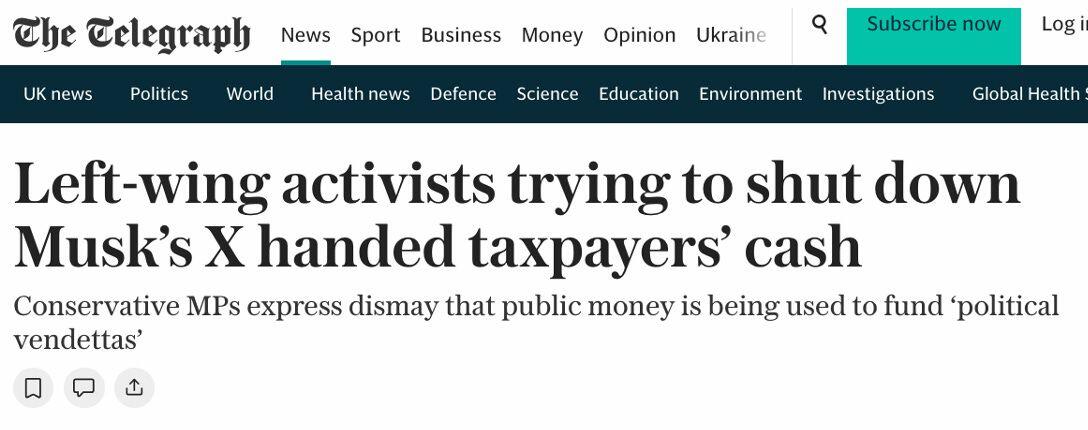
That claim is false, and providing false and misleading information to Congress is a crime. The British Telegraph reported last January that Members of Parliament were upset because the government had funded CCDH.
Here’s one paragraph from The Telegraph’s report:
Ben Obese-Jecty, the Conservative MP for Huntingdon, said: “It’s disgraceful that taxpayers’ hard-earned money is being wasted on Left-wing campaign groups, one set up by the Prime Minister’s Chief of Staff, who are waging war on our free media and trying to shut down X.
Again, Ahmed misled Congressman Jordan in his letter that denied government funding, but the Department of Justice has failed to investigate this misleading claim.
False statements to IRS
“A finding that there is a materially incorrect statement on an application for tax exempt status should hopefully encourage the IRS to take a hard look,” said Dean Zerbe, regarding CCHD’s application to the IRS to get tax exempt status. Zerbe is a tax attorney with consulting firm Alliant, and a former Senate staffer who investigated corruption in the nonprofit industry.
So what’s materially false in CCDH’s submission to the IRS?
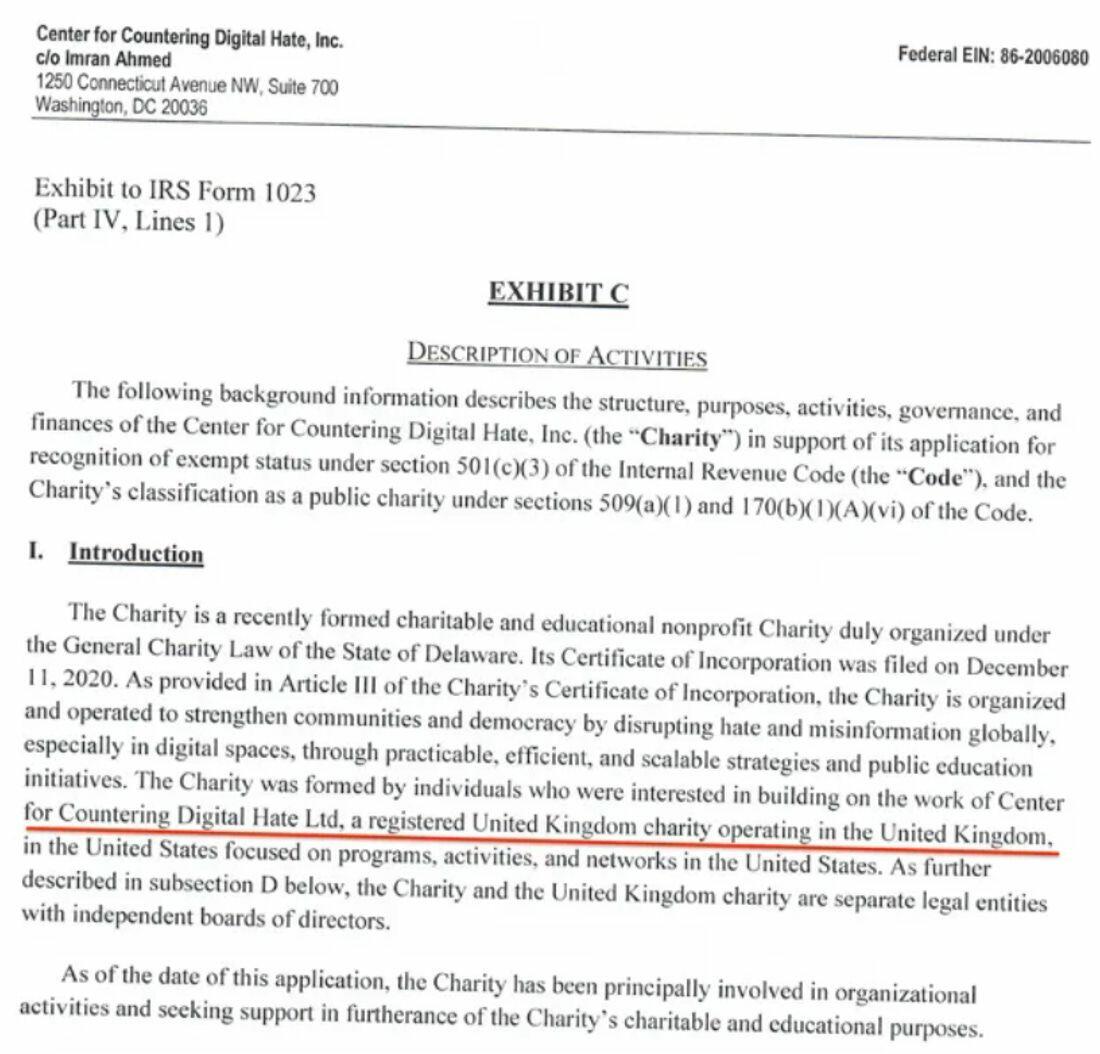
CCDH falsely claimed in their 2021 submission to the IRS that CCDH was already operating as a registered charity in the U.K. However, London investigative reporter Paul Holden found that CCDH never registered as a British nonprofit. CCDH likely made the false claim to speed up the IRS process to gain tax-exempt status so they could begin fundraising in the States.
Yet, neither the IRS nor the Department of Justice has investigated CCDH’s materially false claim.
CCDH’s Secret Funding
Imran Ahmed launched the U.S. versions of the Center for Countering Digital Hate in 2021. You can find all the nonprofit’s financial reports called 990s, at ProPublica’s website.
In 2021, for example, CCDH reported taking in $1,471,247 in donations. While nonprofits are not required to report their donors, I discovered that someone donated $1.1 million to CCDH in 2021. But they hid the donor by running the money through a private Schwab Charitable Fund, meaning someone secretly gave Ahmed’s group almost 75% of the donations they raised in their first year.
Hiding the money has always been important to Ahmed, and CCDH’s whistleblower pointed me to another financial stream: a private company in Delaware that Ahmed also owns. Mirroring the name of the nonprofit, Ahmed’s private company is called the “Center for Countering Digital Hate Inc.”
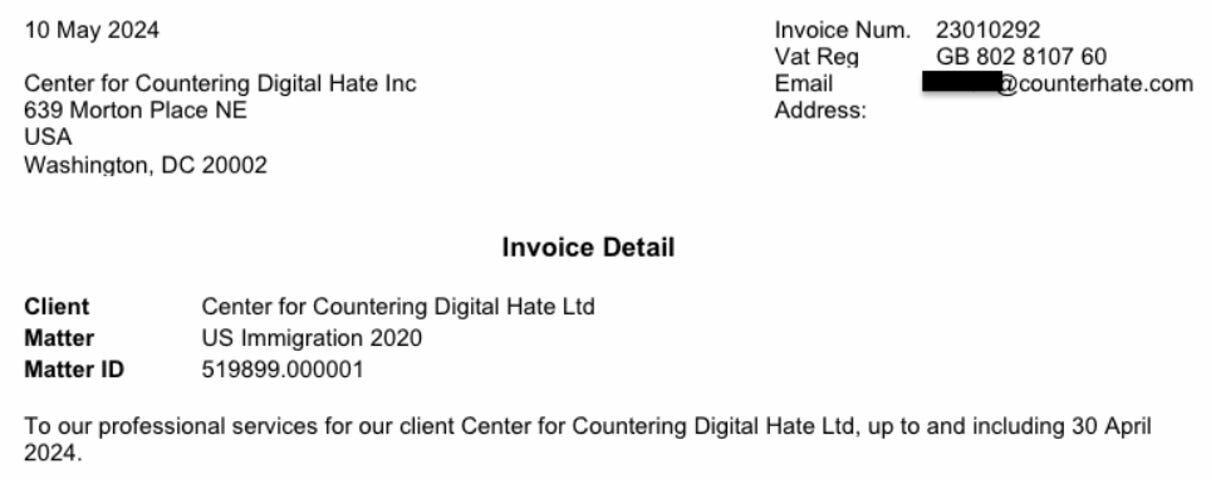
Unlike the CCDH the nonprofit, CCDH Inc. (the private company) is not required to make its finances public. Yet I found that the CCDH nonprofit uses CCDH Inc. to pay the nonprofit’s bills. For example, when CCDH the nonprofit pays its law firm, the invoice is paid by the company, the Center for Countering Digital Hate Inc.
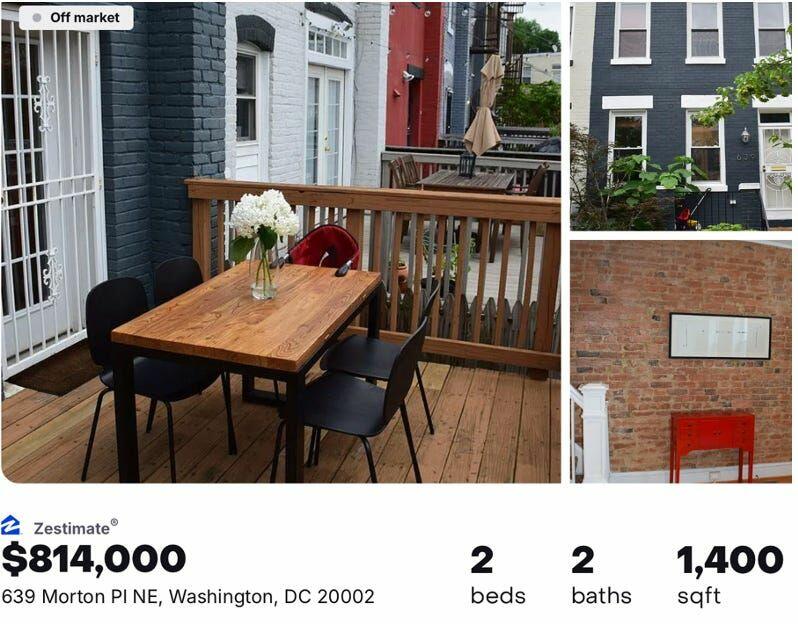
You can find the invoice here that CCDH paid to the law firm Faegre Drinker for help with renting a WeWork space and for help with immigration matters. According to Delaware state records, the CCDH company was incorporated in 2020, and the address on the invoice is 639 Morton Place NE which is a personal residence in DC, with 2 bedrooms.
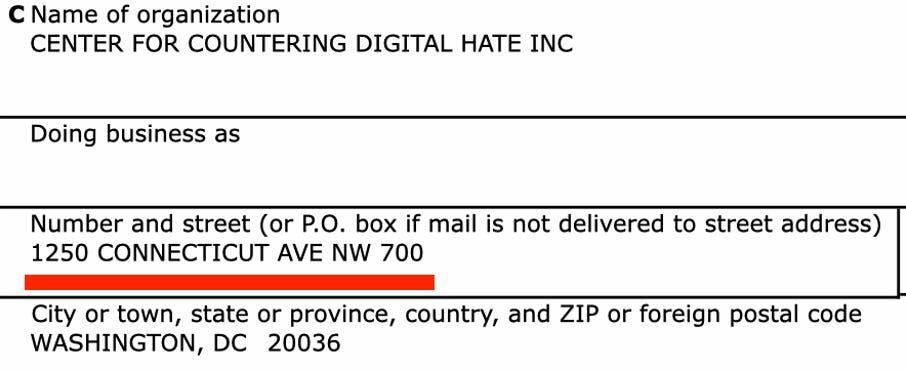
Note also that the CCDH company has a different address from the CCDH nonprofit, which states in its 990s that it operates from an office building at 1250 Connecticut Avenue, in Northwest DC.
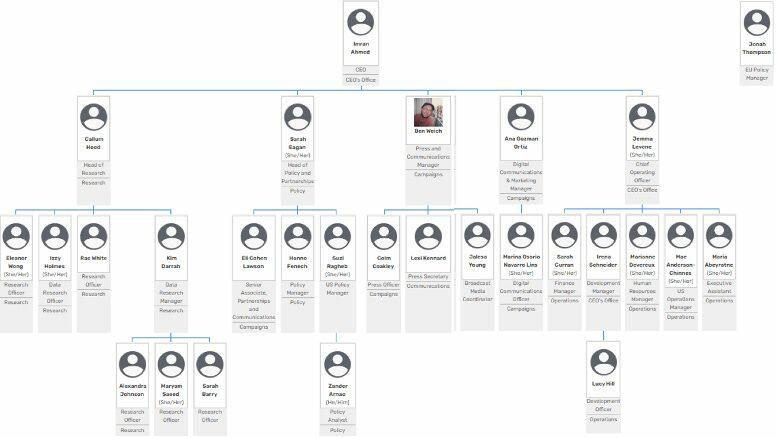
Since Morgan McSweeney and Imran Ahmed created CCDH, they have not only hidden the organization’s finances, but also who they employ. CCDH’s website currently shows only 6 employees. My whistleblower at CCDH sent me an organization chart that shows CCDH had 28 employees in the summer of 2024.
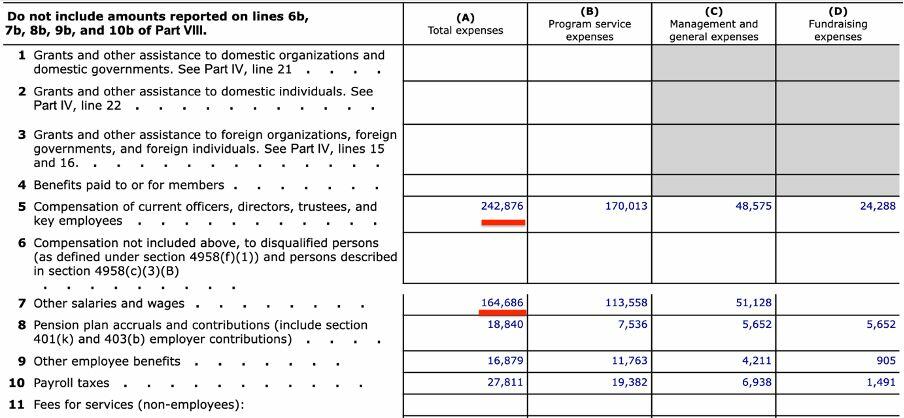
Imran Ahmed tells CCDH’s employees that he hides their names so that they are not retaliated against, but this is nonsense. A more likely explanation is money. CCDH’s nonprofit tax records filed with the IRS report that the nonprofit takes in around $2 million a year in donations. Ahmed is paid about $250,000 and his is the only salary reported to the IRS. None of the other salaries are reported, as required.
Instead, CCDH reports to the IRS that a couple hundred thousand dollars covers all their employee salaries.
Several members of CCDH’s leadership team are also paid six figure salaries. Yet, CCDH has never explained how they pay dozens of staff members with only the money they report to the IRS. The Washington Free Beacon just reported that the database for the George Soros, Open Society Foundations details a $250,000 donation to CCDH for 2024, but where else does the group get its money to censor free speech?
Enough is enough. When will Department of Justice demand answers?
Subscribe to the DisInformation Chronicle here…
Tyler Durden
Wed, 11/19/2025 – 23:25

Discussion with defensive coordinator gets Batavia’s Luke Gardner starring role at safety. ‘Just want to play.’
It was a discussion that Batavia sophomore safety Luke Gardner never expected but now one that the Bulldogs needed more than they even knew at that time.
Last year as a freshman, Gardner was a receiver promoted to play on the scout team as Batavia reached the Class 7A state championship game.
In the offseason, Gardner figured he would be on the sophomore team this fall, seeing that the Bulldogs were loaded at receiver. But Batavia defensive coordinator Matt Holm had other ideas.
“I remember it like it was yesterday,” Gardner said. “I was in the weight room working out with my buddies. He came up to me, and I had never really talked to him before.
“He asked if I could play safety. I was like, ‘I can do it.’ I just want to play.”
Gardner was willing to give it a shot and, boy, are the Bulldogs glad he did.
The 6-foot, 175-pound Gardner has become an integral part of the defense for Batavia (10-2), which travels to St. Rita (8-4) at 2 p.m. Saturday for a state semifinal game in Chicago.
As the strong safety, Gardner leads the Bulldogs with 86 tackles, picking up his production even more as the playoffs have gone on. He has 27 tackles the past two weeks alone.
“I think we were looking at areas of need because we graduated some pretty good safeties,” Batavia coach Dennis Piron said of the process of tabbing Gardner for that role. “With his movement skills, speed and tackling, we thought it was a good spot for him.
“He really stuck out over the summer and stuck to it, worked very hard.”
Batavia’s Luke Gardner (24) looks to wrap up Glenbard North’s Donato Gatses (22) during the first quarter of a Class 7A state quarterfinal game in Batavia on Saturday, Nov. 15, 2025. (H. Rick Bamman / The Beacon-News)
It didn’t always come easily, however.
“At first in the summer, it was really hard because as a safety, you have to read and keep your eyes right and make sure you’re reading the receivers,” Gardner said. “It took me a long time to understand route combinations and also tackling.”
It led to a memorable moment with defensive backs coach Billy Colamatteo during summer camp.
Colamatteo challenged Gardner to get tough and want to tackle. He received that opportunity against Preston Brummel, Batavia’s bowling ball of a fullback, coming full speed toward him.
“Preston hit the hole,” Gardner said. “That was my first time really laying it down, and since then, I kind of enjoy hitting.”
Holm couldn’t have been happier with the move.
“We were going around the room talking about the growth that everyone has had this season,” Holm said of Gardner. “He’s one of the ones that really stand out.
“He’s out of position. He’s never played safety before. He’s a good tackler, smart, and he’s done a fantastic job.”
The Bulldogs utilize their strong safety in the box often, which has suited Gardner quite well.
“People don’t usually like defensive backs to have a lot of tackles, but the way our defense plays, our safeties have a lot of tackles,” Holm said. “You have to be able to recognize pass-run quickly and fill your assignments against the run.
“He’s become a very sure tackler. He’s done a great job for us.”
Batavia’s Luke Gardner (24) reacts in the huddle against Glenbard North during the first quarter of a Class 7A state quarterfinal game in Batavia on Saturday, Nov. 15, 2025. (H. Rick Bamman / The Beacon-News)
This is technically Gardner’s first playoff run on varsity as well. He was along for the ride in a reserve role last season, but being in the mix has been a whole different feeling.
“It’s definitely been very emotional,” Gardner said. “I didn’t experience the true feelings of the games. Now that I’ve experienced it, I realize how much has to go right for you to win.”
He’s not just experiencing it. He’s going to have to be a big part of slowing down an explosive St. Rita team with a repeat trip to state on the line for Batavia.
“I’ve been getting a lot more confident in my play,” Gardner said. “I know what’s happening. We’ve come a long way and we’ve progressed as a group, so I’m really happy about that.”
Paul Johnson is a freelance reporter for The Beacon-News.
https://www.chicagotribune.com/2025/11/19/luke-gardner-batavia-ihsa-football/
Thunder mejora a una foja de 15-1 con victoria 113-99 ante Kings
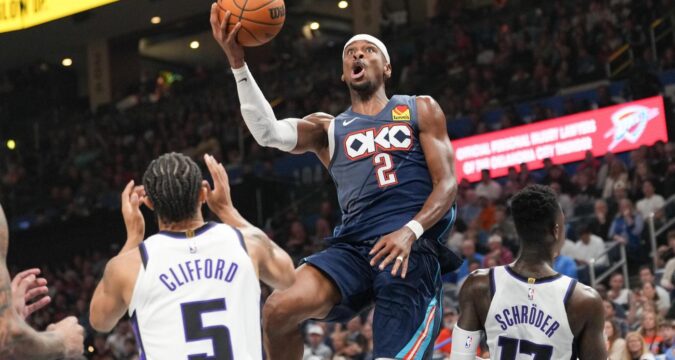
OKLAHOMA CITY (AP) — Shai Gilgeous-Alexander anotó 33 puntos y el Thunder de Oklahoma City ganó su séptimo partido consecutivo para mejorar a una marca de 15-1 al vencer el miércoles 113-99 a los Kings de Sacramento.
Chet Holmgren sumó 21 unidades y Lu Dort anotó sus 14 puntos en la segunda mitad, incluidos 11 en el último cuarto para el campeón defensor. El Thunder ha ganado los tres enfrentamientos con los Kings.
Dennis Schroder anotó 21 tantos y DeMar DeRozan agregó 17 para los Kings, quienes perdieron su séptimo partido consecutivo. El pívot de los Kings, Domantas Sabonis, no jugó debido a molestias en su rodilla izquierda.
El Thunder comenzó la temporada con un par de victorias en doble tiempo extra y tuvo algunos momentos ajustados antes de finalmente perder contra Portland. Desde esa derrota, han ganado todos los partidos, con un margen promedio de 20,3 puntos. Todos han sido por cifras dobles. Incluyendo una victoria por 24 unidades sobre Golden State y un triunfo por 29 sobre los Lakers en noches consecutivas la semana pasada en casa.
La exestrella del Thunder, Russell Westbrook, como de costumbre, recibió una cálida bienvenida del público de Oklahoma City durante las presentaciones de los titulares. Fue el MVP de la liga en 2017 y dos veces campeón de anotación con el Thunder.
___
Deportes AP: https://apnews.com/hub/deportes
Triple-doble de Jokic y 32 puntos de Watson llevan a Nuggets a triunfo ante Pelicans, 125-118
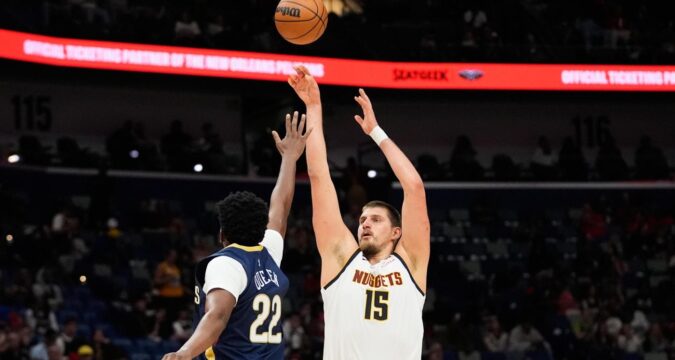
NUEVA ORLEANS (AP) — Nikola Jokic aportó 28 puntos, 12 asistencias y 11 rebotes para que los Nuggets de Denver derrotaran el miércoles 125-118 a los Pelicans de Nueva Orleáns.
Peyton Watson anotó un récord personal de 32 puntos por Denver, que ganó por octava vez en nueve duelos. Jamal Murray totalizó 14 puntos, incluyendo un par de tiros libres con 31 segundos restantes.
Zion Williamson anotó 14 unidades por Nueva Orleans en 29 minutos. Fue su regreso tras una lesión en los isquiotibiales izquierdos que lo había dejado fuera durante ocho compromisos.
El novato Derik Queen, quien comenzó frente a Jokic como pívot, anotó 30 puntos, su máximo número en la temporada, junto con nueve rebotes, y Trey Murphy III agregó 23 puntos a la causa de los Pelicans, quienes perdieron su séptimo partido consecutivo y cayeron a 0-3 bajo las órdenes del entrenador interino James Borrego.
_____
Deportes AP: https://apnews.com/hub/deportes