Category: News

Brandon Ingram anota tiro tardío clave y Raptors ganan 97-95 a Pacers con su 9na victoria seguida
TORONTO (AP) — Brandon Ingram encestó un tiro de 15 pies con 0,6 segundos restantes para darle a los Raptors de Toronto su novena victoria consecutiva, derrotando 97-95 a los Pacers de Indiana el miércoles por la noche.
Toronto aseguró uno de los dos primeros puestos y la ventaja de local en los cuartos de final de la Copa NBA con la victoria y combinada con la derrota de Milwaukee ante Miami el miércoles.
Ingram sumó 26 puntos y ocho rebotes para ayudar a Toronto a terminar la fase de grupos de la Copa con 4-0 y mejorar a 14-5 en general. Scottie Barnes tuvo 24 puntos y diez rebotes, e Immanuel Quickley añadió 15 unidades.
TJ McConnell lideró a Indiana con 16 puntos. Los Pacers, plagados de lesiones, han perdido tres seguidos y caen a 2-16. Están 0-tres en el juego de la Copa.
___
Deportes en español AP: https://apnews.com/hub/deportes
Águilas retoman paso ganador en la desigual liga Dominicana
Por The Associated Press
Las Águilas Cibaeñas se afianzaron el miércoles en la cima de la Liga Dominicana de Béisbol, al imponerse 6-4 a los Toros del Este, sus escoltas en un certamen que está resultando sumamente desigual.
La ventaja de las Águilas sobre los Toros en el primer sitio se amplió a nueve juegos y medio. Y todos los equipos del circuito tienen récord negativo, a excepción de los dominantes líderes.
Steward Berroa bateó de 5-3 con un doble, un jonrón, tres carreras anotadas y una producida, mientras que Ezequiel Durán se fue de 5-3 con un doble y dos remolcadas.
En San Francisco de Macorís, Shaun Anderson completó cinco entradas sin permitir anotaciones y con siete abanicados, mientras que Christian Adames y Mel Rojas Jr. conectaron sencillos remolcadores en la primera entrada, para que los Tigres del Licey derrotaran 2-0 a los Gigantes del Cibao.
Los Leones del Escogido doblegaron en tanto 6-3 a las Estrellas Orientales en Santo Domingo. Junior Lake conectó un triple remolcador de dos anotaciones para encabezar un ataque de cinco carreras en la quinta entrada.
Eddie Rosario e Indios agudizan mala racha de Gigantes
Los Indios de Mayagüez contaron con una buena actuación del pelotero de Grandes Ligas Eddie Rosario para vencer 5-1 a los Gigantes de Carolina, que ahora han perdido cuatro juegos consecutivos en la Liga de Béisbol Profesional Roberto Clemente de Puerto Rico.
Rosario, veterano de 11 temporadas en las mayores, bateó de 4-2 con un doble, un jonrón y dos carreras remolcadas.
En Ponce, Anthony Calarco y William Simoneit conectaron sencillos remolcadores para darles a los Leones de Ponce un triunfo por 2-0 sobre los Cangrejeros de Santurce.
Como locales, los Senadores de San Juan superaron 2-1 a los Criollos de Caguas. Darlin Moquete respondió con un sencillo remolcador para romper un empate en la séptima entrada.
Milagroso triunfo de Caribes sobre Bravos en Venezuela
Ramón Flores coronó un ataque de siete anotaciones en la parte alta del noveno episodio mediante un jonrón con las bases llenas, y los Bravos de Margarita concretaron una increíble remontada para dejar en el terreno a los Caribes de Anzoátegui, vencidos por 9-6.
Abajo por dos carreras en el último episodio, Henry Rodríguez acercó a los Bravos con un doble remolcador de una carrera; Carlos Pérez y Alexi Amarista redujeron la desventaja a la mínima con sencillos remolcadores, y Flores apareció para sacarla del parque con los senderos congestionados y desatar la locura de los aficionados locales.
En Maracaibo, Franklin Barreto conectó un jonrón de dos carreras y Daniel Montano remolcó dos anotaciones con un sencillo, en la victoria de los Tiburones de La Guaira por 7-4 sobre las Águilas del Zulia.
Los Navegantes del Magallanes supraron 4-3 a los Cardenales de Lara en Barquisimeto, Eliezer Alfonso conectó un cuadrangular de dos carreras en la parte alta del séptimo episodio.
En Caracas, el segunda base Livan Soto cometió un error en su tiro tras fildear un roletazo de rutina de Jesús Rodríguez, y abrió la puerta para que los Tigres de Aragua anotaran dos carreras en la novena entrada en un triunfo por 5-4 ante los Leones del Caracas.
_____
Deportes AP: https://apnews.com/hub/deportes

Thanksgiving: America’s Forgotten Religious Holiday
Thanksgiving: America’s Forgotten Religious Holiday
Authored by J.T. Young via RealClearReligion,
Thanksgiving is America’s forgotten religious holiday. Not simply a holiday, it was meant to be a true holy day. That it is forgotten as such runs counter to the original Thanksgiving. It also runs counter to logic. And it also runs right into those who seek to imbue it with their own cultural causes.
America has many holidays that have nothing to do with “holy days,” from whence the word came. Labor Day is a holiday but not a holy day. Arbor Day is on the calendar but hardly holy — perhaps, unless you are a druid.
“Holiday” has become just a secularized term for a day when many break from their routines. However, Thanksgiving is one holiday that truly is a holy day — or at least it was to the Pilgrims who held the first one. To them, Thanksgiving was utterly religious.
That Thanksgiving was a religious expression to the Pilgrims is hardly surprising. After all, they came to the New World for religious purposes (“Having undertaken, for the glory of God, and advancement of the Christian faith” as the Mayflower Compact stated): freedom of religion — not freedom from religion, as so many today seek to recast it.
The Pilgrims suffered greatly on their ocean voyage over and had to turn back twice. Then, they landed at the wrong place. Next, they faced a mutiny as they waited to come ashore; the response to this impending revolt was the Mayflower Compact, America’s first act of independent governance. They suffered no less once ashore, with barely half surviving the first year: 52 of the 102 who had set sail on the Mayflower.
However, despite their suffering, like Job, they did not forsake God. And like Job, those who survived saw themselves blessed; for their survival they gave thanks — hence, thanksgiving.
The Pilgrims had no doubt as to whom they were giving thanks: God. Their action of thanks was to them as obvious as their longed-for connection. The two were inseparable, just as they themselves sought to be to God.
The Pilgrims’ directing of thanks to God made perfect sense to them. When you think about it, it also makes sense logically: We direct thanks to someone. Thanking inanimate objects or circumstances makes no sense. You direct thanks to someone who can understand it, who welcomes it, who acknowledges it. You do not write thank-you notes to no one; you do not address them to “Occupant” or “Current Resident” when you send them. As for the Pilgrims, they had no doubt to whom they were giving thanks or that their thanks would be heard.
That was all over four hundred years ago. In those four centuries, America has secularized the Pilgrims’ holy day as we have secularized so much else. All too often today, Thanksgiving is an occasion for over-indulging and inactivity (something in which there is no little irony because, to the Pilgrims, gluttony and sloth were sins).
There is also no little sadness in this secularization. We are the poorer for it. Thanksgiving is the emptier for it. And being emptied, it is open to being filled with other things.
Like so many other things, Thanksgiving is now a target for the cultural contrarians who live to loathe anything and everything that is not of their own creation. Do a quick internet search and you will find a long list of woke alternatives to Thanksgiving.
Our secularization is somewhat to blame for this. Without content, Thanksgiving is ripe for such picking — or nitpicking. Without a core, people fill it up, like stuffing into a turkey.
Yet Thanksgiving has a core. It has always had one — even if we forget or choose to reject it. Logic says it must have one. We cannot simply be thankful to luck; we can be happy, but we cannot be grateful. Gratitude must be directed to someone.
Thanksgiving is a holiday in name and in fact. It is our forgotten holy day because we have forgotten to whom we are grateful. The Pilgrims did not forget, which is why they were able to endure so much and survive.
It is because we have forgotten that we are able to endure so little. For us, there is no moment beyond the “here and now.” To us, nothing is more important than “us”; so, all our moments must be pleasant ones or they are unendurable.
A holiday that is about no more than “us” is empty: ephemeral, as we are. A little gratitude in our Thanksgiving is a good thing. A better thing. A little more God — and a little less “us” — in it would be better still.
Tyler Durden
Wed, 11/26/2025 – 23:05
https://www.zerohedge.com/political/thanksgiving-americas-forgotten-religious-holiday
FDA Chief: Fauci ‘100% Involved” In “Massive” COVID-19 Origins Cover-Up
FDA Chief: Fauci ‘100% Involved” In “Massive” COVID-19 Origins Cover-Up
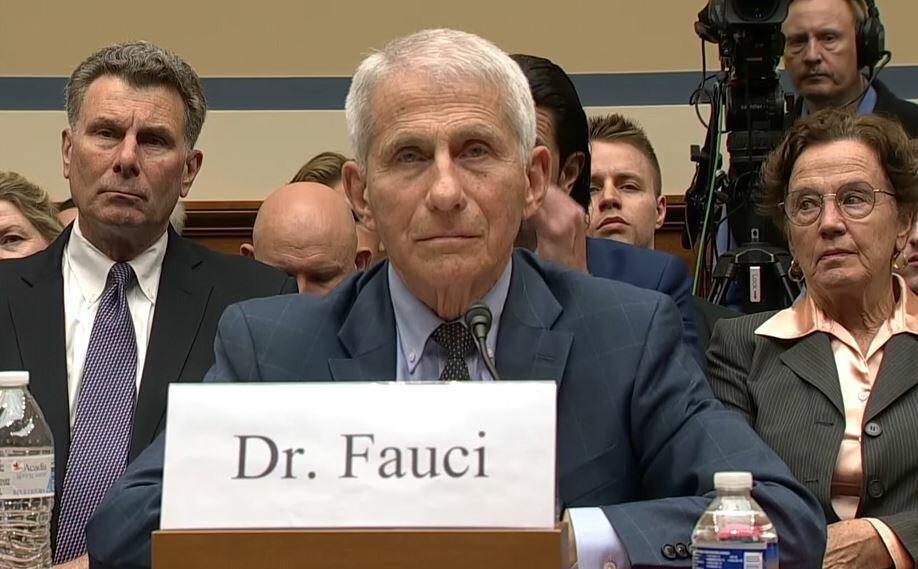
Food and Drug Administration Commissioner Dr. Marty Makary accused former top health official Dr. Anthony Fauci of orchestrating a “massive cover-up” of the origins of Covid-19. In an interview with “Pod Force One” podcast, Makary said that Fauci, who served as director of the National Institute of Allergy and Infectious Disease during the pandemic, worked to suppress the Wuhan lab-leak theory.
“One thing that’s extremely obvious that very few people realize, and certainly hardly anyone in the medical establishment where I come from realized, is that [Fauci] was involved in a massive cover-up of the origins of COVID, a massive cover-up,” Makary, who previously served as a professor at Johns Hopkins School of Medicine, told host Miranda Devine.
“Whether or not he was involved in the experiments or funding the experiments that led to the origins of COVID, he was clearly 100% involved in the cover-up,” the FDA head added.
🚨 NEW: FDA Commissioner Dr. Marty Makary says Anthony Fauci “was involved in a massive coverup of the origins of COVID”
“Whether or not he was involved in the experiments or funding the experiments that led to the origins of COVID, he was clearly 100% involved in the coverup.” pic.twitter.com/KaOWZT5sIi
— Chief Nerd (@TheChiefNerd) November 26, 2025
In 2023, the House Oversight Committee released evidence showing Fauci commissioned and approved a February 2020 scientific paper, “The Proximal Origin of SARS-CoV-2,” which appeared aimed at refuting the lab-leak hypothesis.
Shortly after, Fauci highlighted the paper’s findings during a White House briefing alongside President Donald Trump as evidence against the lab-leak theory.
“If you think back to the end of January, just before COVID became a thing in the news in the United States, January, February, what was Dr. Fauci doing? He was frantically engaging in a massive cover-up with 3 a.m. emails and phone calls,” Makary said.
“He was convening people. And the notes from those meetings reveal that all these virologists he convened had told him, ‘We think it came from the Wuhan lab,’ and the output was days later, those same scientists wrote a letter in the medical journal saying it definitely did not come from the lab,” the FDA head added. “This is not rocket science. It’s a no-brainer where it came from.”
Makary also alleged Fauci and Collins “meticulously worked in their bureaucratic ways to water down” Obama-era restrictions on gain-of-function research, which involves genetically modifying viruses, enabling federal grants for such work.
“They did everything you could do bureaucratically,” the FDA head added.
In the final days of then-President Joe Biden’s administration, Fauci infamously received a presidential pardon covering potential offenses committed between Jan. 1, 2014, and the pardon date. Makary told Devine that he believes the pardon was related to Fauci’s alleged involvement in suppressing information about the pandemic’s origins.
“[O]nly recently did Anthony Fauci take it to the next level of using science as political propaganda,” Makary said. “He commissioned the pieces that lied about the COVID origins. The author who submitted the article said this was commissioned by Dr. Fauci and [Dr. Francis Collins, the former director of the National Institutes of Health] in that cover letter.”
Fauci’s schemes to control the narrative around the lab-leak theory was part of a larger effort to censor debate surrounding the lockdowns and virus itself.
Our readers will remember that ZeroHedge was deplatformed for reporting inconvenient facts on the origins of COVID, something Director of the National Institute of Health, Dr. Jay Bhattacharya strongly criticized during our one-one-one interview with the top Trump health official.
“It wasn’t just ZeroHedge that got subject to this censorship. I did too. I was on the Twitter blacklist,” Bhattacharya said. “It was all true information that was just found inconvenient. That’s what you guys were sharing. That’s what I was sharing. And it was a gross violation of the American First Amendment.”
The Stanford professor—blacklisted for co-authoring the Great Barrington Declaration—was among those exposed in the Twitter Files as a target of covert suppression.
Bhattacharya told us that the NIH under his leadership will chart a different course: “We’re no longer in the misinformation detection business. We’re no longer in the censorship business,” he assured.
Tyler Durden
Wed, 11/26/2025 – 22:40
https://www.zerohedge.com/political/fda-chief-fauci-involved-massive-covid-19-origins-cover

Erik Spoelstra llega a 800 triunfos, Tyler Herro anota 29 puntos y Heat vence a Bucks en Copa NBA
MIAMI (AP) — Tyler Herro anotó 29 puntos, Bam Adebayo terminó con 17 unidades y 11 rebotes, y el Heat de Miami superó el miércoles 106-103 a los Bucks de Milwaukee en un duelo de la Copa NBA.
Erik Spoelstra, entrenador del Heat, llegó a 800 triunfos.
Norman Powell, Andrew Wiggins y Kel’el Ware anotaron 11 unidades cada uno por Miami, que mejoró a 3-1 en los partidos de la Copa y a a 9-1 en casa esta temporada. Miami ganaría el Grupo C si Milwaukee vence a Nueva York el viernes.
Si los Knicks ganan ese partido, el Heat necesitaría algo de ayuda para llegar a los cuartos de final.
Ryan Rollins anotó 26 tantos por Milwaukee, que obtuvo 24 de Myles Turner y 15 de Gary Trent Jr. Los Bucks han perdido seis duelos seguidos, los últimos cuatro sin Giannis Antetokounmpo.
Spoelstra es el 17º entrenador en la historia de la NBA con 800 victorias y apenas el tercero en alcanzar ese total con una sola franquicia en la temporada regular, uniéndose a Gregg Popovich (1.390 con San Antonio) y Jerry Sloan (1.127 con Utah).
Milwaukee perdió un partido de la fase de grupos de la Copa NBA por primera vez. Los Bucks, campeones defensores del certamen, estaban 10-0 en esa ronda de partidos desde que el torneo, ahora en su tercera temporada, se agregó al calendario. El entrenador de los Bucks, Doc Rivers, estaba 8-0 en partidos de la Copa antes del miércoles.
Antetokounmpo se perdió un cuarto partido consecutivo debido a una distensión en el aductor izquierdo. Pero participó en parte del calentamiento del miércoles e hizo un entrenamiento previo al encuentro, indicadores de que su retorno estaría cerca.
_____
Deportes AP: https://apnews.com/hub/deportes
Dos hermanos de Virginia presuntamente planeaban matar a agentes de ICE, según Seguridad Nacional.
Por JESSICA HILL
Dos hermanos oriundos de Virginia fueron arrestados después de que un policía fuera de servicio los escuchó mientras supuestamente discutían sus planes para asesinar a agentes de inmigración, informó el Departamento de Seguridad Nacional de Estados Unidos el miércoles.
John Wilson Bennett y Mark Booth Bennett, ambos ciudadanos estadounidenses, fueron arrestados a finales de la semana pasada bajo sospecha de que planeaban llevar a cabo ataques contra agentes del Servicio de Inmigración y Control de Aduanas (ICE por sus iniciales en inglés), anunció el Departamento de Seguridad Nacional (DHS por sus iniciales en inglés).
El DHS abrió a una investigación el 17 de noviembre en conjunto con el Departamento de Policía de Virginia Beach después de que un policía de Norfolk, Virginia, reportó que había escuchado a los hermanos mientras presuntamente discutían sus planes para “matar a agentes de policía y del ICE”.
También se escuchó a Mark Bennett mientras supuestamente decía que viajaría a Las Vegas para reunirse con otras personas con el objetivo de comprar armas de fuego y llevar a cabo los ataques, destacó el comunicado del DHS.
Añadió que Mark Bennett fue arrestado el 19 de noviembre en el Aeropuerto Internacional de Norfolk, desde donde se disponía a viajar rumbo a Las Vegas. Su hermano, John Bennett, subdirector de la Escuela Secundaria Kempsville, fue arrestado horas más tarde en Virginia Beach.
Ambos fueron acusados de “asociación delictuosa para causar lesiones dolosas”, según los registros judiciales.
“Es escalofriante que un ser humano, y mucho menos alguien dedicado a la educación de los niños, haya planeado emboscar y asesinar a agentes del ICE –ofreciendo detalles tan específicos como conseguir un fusil de alto calibre capaz de perforar los chalecos antibalas de las fuerzas policiales”, señaló la subsecretaria de asuntos públicos del DHS, Tricia McLaughlin, en un comunicado.
De momento no se pudo contactar a los hermanos ni a sus abogados para obtener comentarios. Durante una audiencia celebrada la semana pasada en un tribunal de Virginia Beach, sus abogados aseguraron que todo eran rumores y que los hermanos no representaban una amenaza para la comunidad, según Virginia 13 News Now. Añadieron que Mark Bennett viajaba a Las Vegas para asistir a una carrera de Fórmula uno cuando fue detenido en el aeropuerto de Norfolk, según el medio noticioso.
Los hermanos fueron liberados y se les ordenó permanecer en confinamiento domiciliario supervisado hasta la fecha del juicio, según Virginia 13 News Now.
El comunicado de McLaughlin destacó lo que describió como un marcado incremento en el número de agresiones y amenazas de muerte contra agentes de inmigración, incluidos casos de asesinatos a sueldo, amenazas contra sus familiares, acoso y publicación de información personal en línea.
El arresto se produce en un momento de creciente tensión en el país debido a las restricciones migratorias.
Funcionarios de Seguridad Nacional han intensificado sus operativos de inmigración como parte de la restrictiva agenda migratoria del presidente Donald Trump, la cual se destaca por arrestos en masa y redadas en ciudades con gobiernos demócratas como Chicago y Los Ángeles.
El Departamento de Policía de Virginia Beach confirmó los arrestos en un comunicado y el jefe Paul Neudigate aseguró que las acusaciones son “increíblemente alarmantes”.
___
Esta historia fue traducida del inglés por un editor de AP con la ayuda de una herramienta de inteligencia artificial generativa.
El campeón Toluca remonta y vence 2-1 a Ciudad Juárez en ida de cuartos de final de la Liga MX
CIUDAD JUÁREZ, México (AP) — Antonio Briseño y Paulinho convirtieron las dianas con las que el campeón Toluca remontó para superar el miércoles 2-1 a Ciudad Juárez como visitante en el encuentro de ida de la serie de cuartos de final del torneo Apertura de la Liga MX.
Jesús Murillo puso adelante al conjunto fronterizo con un certero cabezazo a los tres minutos.
La reacción escarlata a ese tanto de vestuario no se reflejó en el marcador sino hasta el complemento, cuando Briseño igualó con otro testarazo a los 56.
El portugués Paulinho, triple monarca de goleo del fútbol mexicano, concretó la vuelta en el marcador, con un sobresaliente recurso al adelantarse a su marcador para apenas desviar el esférico y mandarlo con la punta del botín a las redes a los 65.
Los Diablos Rojos tienen la mesa puesta para sellar su pase a las semifinales el sábado por la tarde, cuando sean anfitriones del duelo de vuelta en el Estadio Nemesio Diez.
Para Ciudad Juárez, que se quedó con el octavo sitio para la liguilla tras eliminar a Pachuca en el play-in, únicamente queda buscar la victoria por dos goles de diferencia, para superar en el global al monarca.
Toluca no salió del campo del Estadio Olímpico Benito Juárez con una victoria mucho más amplia sólo por la destacada actuación del arquero Sebastián Jurado, quien realizó desviadas salvadoras a disparoa de Diego Barbosa en la primera mitad.
El arquero de los Bravos evitó más daño en su arco durante el complemento a remates francos de gol de Robert Morales y a Nicolás Castro.
Los duelos de ida de la liguilla continuaban el miércoles. Monterrey recibía al América y Tijuana a Tigres.
Este jueves, se realizará el cuarto de los encuentros de esta fase, la ida entre Guadalajara y Cruz Azul.
_____
Deportes AP: https://apnews.com/hub/deportes

Brunson anota 33 puntos y Knicks aplastan 129-101 a Hornets, mejoran a 3-1 en la Copa NBA
CHARLOTTE, Carolina del Norte, EE.UU. (AP) — Jalen Brunson anotó 33 puntos, Karl-Anthony Towns sumó 19 y diez rebotes, y los Knicks de Nueva York propinaron a los Charlotte Hornets su séptima derrota consecutiva por 129-101 el miércoles por la noche.
Josh Hart añadió 22 unidades para los Knicks, quienes acertaron 13 de 26 tiros desde la línea de tres puntos para mejorar a 3-1 en el grupo de la Copa NBA.
Brandon Miller consiguió 18 puntos en su segundo partido tras regresar de una lesión en el hombro para los Hornets, quienes han perdido diez partidos consecutivos de la Copa en las últimas tres temporadas y fueron eliminados de la competencia de este año.
Los Knicks jugaron como un equipo ansioso por avanzar en el torneo de mitad de temporada de la Copa NBA y mejorar su diferencial de puntos, que era de -2 al comenzar la noche.
El entrenador de Nueva York, Mike Brown, no sacó a sus titulares hasta que quedaban 2:17 en el juego y su equipo estaba arriba por 24.
Los Knicks no dejaron dudas sobre este partido.
Se lanzaron a una ventaja de 25 puntos al medio tiempo gracias a un ataque ofensivo equilibrado, ya que los cinco titulares anotaron en doble dígito antes del descanso. Nueva York lanzó con un 64% de efectividad desde el campo y acertó seis de diez tiros desde más allá del arco antes del descanso.
De los 72 puntos de los Knicks en la primera mitad, 68 provinieron de sus titulares, incluyendo 19 de Hart.
LaMelo Ball de Charlotte tuvo dificultades para mantenerse al ritmo de Brunson, quien lo envió al banco en el tercer cuarto con su cuarta falta.
Ball, el único jugador en la historia de los Hornets en firmar un contrato máximo que le paga 260 millones de dólares, posteriormente recibió una falta técnica por discutir con los oficiales y terminó con solo 11 puntos al acertar cuatro de 14 tiros.
Mientras tanto, Brunson fue recibido con repetidos cánticos de “¡MVP! ¡MVP!” por parte de la multitud en el Spectrum Center de Charlotte.
___
Deportes en español AP: https://apnews.com/hub/deportes
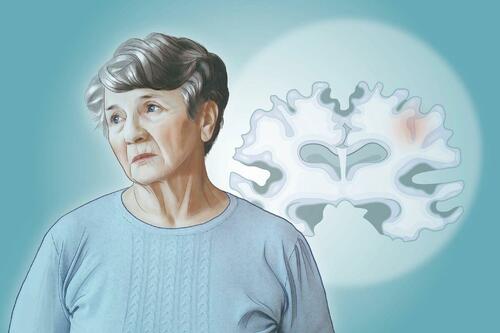
Alzheimer’s Disease: The Most Common Neurodegenerative Disease – Here Are The Causes
Alzheimer’s Disease: The Most Common Neurodegenerative Disease – Here Are The Causes
Authored by Mercura Wang via The Epoch Times (emphasis ours),
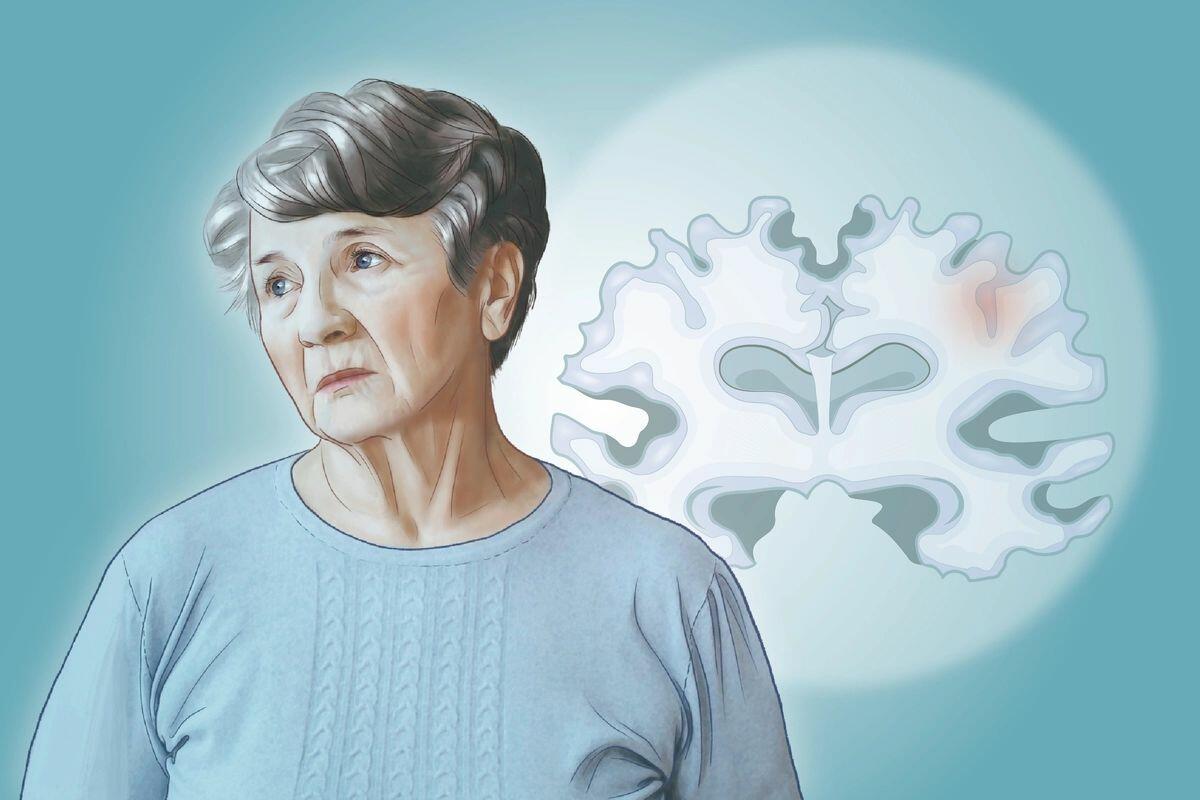
Alzheimer’s disease is a progressive neurological disorder that gradually destroys memory, thinking skills, and the ability to perform everyday tasks. As the single most common neurodegenerative disease, it affects more than 6 million Americans—most of them age 65 or older. The disease is irreversible and fatal.
It often begins subtly—years before it’s diagnosed—showing up as everyday lapses that are easy to brush off.
Illustration by The Epoch Times, Shutterstock
What Are the Early Signs and Symptoms of Alzheimer’s Disease?
Alzheimer’s symptoms develop differently depending on when the disease begins.
There are generally two types: early-onset Alzheimer’s, which develops before age 65, and late-onset Alzheimer’s, which occurs afterward.
Early-onset Alzheimer’s accounts for about 5 percent to 6 percent of cases, often has a stronger genetic link, progresses more quickly, and may start with problems in thinking, language, or vision rather than memory alone, making it harder to diagnose initially.
Late-onset Alzheimer’s, which starts after age 65, typically begins with gradual memory loss and progresses slowly through predictable stages.
The following five stages describe the progression of late-onset Alzheimer’s, the most common form of the disease.
1. Asymptomatic Stage
Biological changes characteristic of Alzheimer’s disease are present long before cognitive or behavioral symptoms appear. This stage may last for years or even up to two decades.
2. Early Stage
Early-stage Alzheimer’s disease is characterized by mild symptoms that may resemble normal aging difficulties. People at this stage are typically aware of their condition and remain largely independent, able to drive, work, and engage in daily activities with minimal assistance.
Common warning signs include:
Frequently misplacing items and being unable to retrace steps
Confusion about time, dates, or familiar places
Difficulty with planning or organizing
Trouble learning new information or maintaining focus
New challenges in finding the right words in conversation or writing
Difficulty interpreting visual information
Personality or emotional changes
3. Middle/Moderate Stage
This stage is marked by more noticeable symptoms. Memory and cognitive abilities continue to decline, and people often require greater supervision and assistance with everyday activities, although some mental clarity remains. This stage can persist for many years.
Common symptoms include:
Difficulty performing daily activities, including dressing, driving, reading, or writing
Trouble remembering recent events or important personal experiences
Confused speech or incorrect word use
False beliefs or hallucinations
Mood changes, including depression, agitation, or aggressive behavior
Withdrawal from social interactions
Repetitive or compulsive actions
Sleep disturbances
Impaired spatial awareness
4. Severe/Late Stage
This stage is characterized by profound cognitive and physical impairment, requiring constant assistance with daily activities.
Common symptoms include:
Severe memory loss, including the inability to recognize family members or familiar faces
Loss of the ability to communicate
Loss of bladder and bowel control
Difficulty swallowing
Progressive weakness and reduced mobility
Potentially violent behavior
Unintentional weight loss
Recurrent infections
Episodes of delirium
5. End-of-Life Stage
During this stage, the person is in the final months of Alzheimer’s disease and loses all functional independence. Cognitive decline is severe, requiring round-the-clock care, with a focus on palliative support and maintaining comfort and quality of life. Ultimately, the condition can lead to coma and death, often as a result of infections or organ failure.
Signs of Rapid Decline in Alzheimer’s Disease
Rapidly progressive Alzheimer’s disease is a recognized clinical subtype of Alzheimer’s distinguished by unusually fast cognitive deterioration and a markedly shorter survival. It often advances over months to a few years, with people showing steep declines in global cognition and daily functioning.
What Causes Alzheimer’s Disease?
Alzheimer’s is a complex condition resulting from multiple interacting processes in the brain. Its causes have always been considered a set of hypotheses.
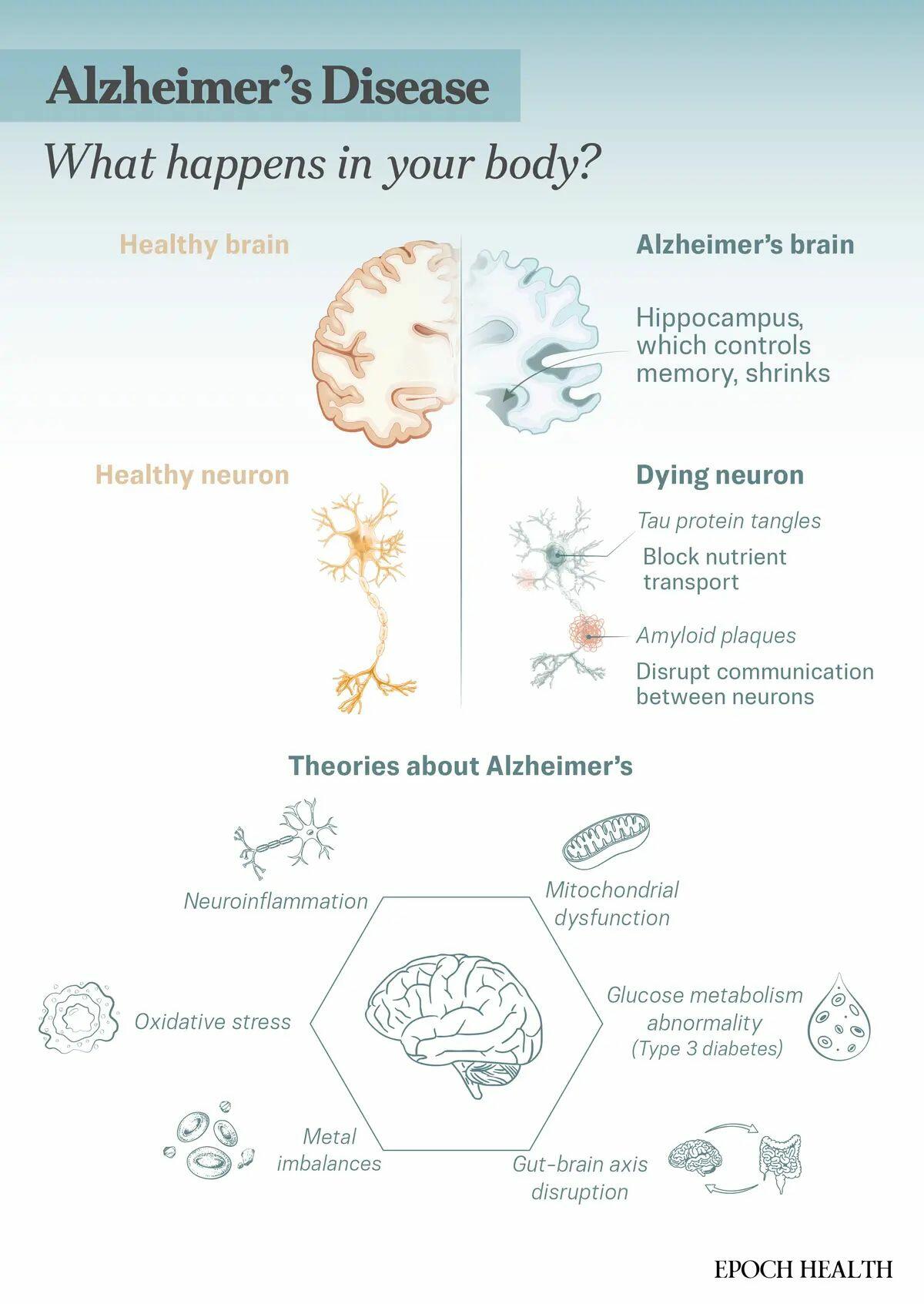
A common hypothesis is that the disease involves abnormal accumulations of two proteins: amyloid and tau. Amyloid forms sticky plaques around brain cells. These plaques keep neurons from communicating, while tau forms tangles inside brain cells, blocking nutrient transport.
These protein abnormalities disrupt cell signaling, are toxic, and eventually lead to neuron death. As neurons die, brain regions shrink, with memory-related areas often affected first.
However, this hypothesis—the most well-known one—has also been implicated in research fraud and study manipulation.
In recent years, scientists have come up with many new theories:
Neuroinflammation: In Alzheimer’s disease, brain immune cells (microglia) can become overactive, triggering chronic inflammation that damages neurons and promotes the spread of toxic proteins.
Mitochondrial Dysfunction: Mitochondria fail to produce enough adenosine triphosphate or ATP, the cell’s energy fuel, while releasing harmful molecules that damage neurons.
Glucose Hypometabolism: The brain becomes resistant to insulin and can’t use glucose properly—sometimes called “Type 3 diabetes“—which disrupts cell signaling and promotes toxic protein buildup.
Gut-Brain Microbiota Axis: An unhealthy gut microbiome can trigger body-wide inflammation that reaches the brain, damages the protective blood-brain barrier, and contributes to neurodegeneration.
Metal Imbalances: Abnormal accumulation or deficiency of metals such as copper, iron, or zinc can promote oxidative stress, protein misfolding, and neurotoxicity.
Excess Glutamate: Overactivation of glutamate receptors (excitotoxicity) can lead to sodium and calcium overload and neuronal death, particularly in memory-related brain regions such as the hippocampus.
Cholinergic Neuron Damage: Damage to cholinergic neurons, which produce acetylcholine—a neurotransmitter essential for memory and attention–can contribute to early cognitive decline in Alzheimer’s disease.
Oxidative Stress: The brain’s high oxygen use and mitochondrial activity increase exposure to reactive oxygen species (ROS). In Alzheimer’s disease, excessive ROS and impaired antioxidant defenses cause lipid, protein, and DNA damage, while amyloid beta both accumulates and further promotes oxidative stress.
Blood-Brain-Barrier Disruption: Cerebral amyloid angiopathy, a vascular pathology linked to Alzheimer’s disease, involves the deposition of amyloid-beta in the walls of small cerebral blood vessels. This impairs blood flow, disrupts blood-brain barrier integrity, and promotes neuroinflammation.
Pathological Proteins: Misfolded amyloid-beta and over-phosphorylated tau accumulate to form plaques and tangles that disrupt synaptic function, neuronal transport, and overall brain network stability.
Brain Structure Changes: Progressive loss of brain tissue—especially in the hippocampus and cortex—reflects widespread neuron death and worsening symptoms.
Risk Factors
Age is the strongest risk factor, with the chance of developing Alzheimer’s roughly doubling every five years after age 65. Age-related brain changes—such as shrinkage, inflammation, blood vessel damage, and impaired cellular energy—can harm neurons and disrupt the function of other brain cells. Women have a slightly higher risk of developing Alzheimer’s disease than men, possibly because women tend to live longer.
The risk of developing Alzheimer’s disease is approximately two times higher for black and Latino populations than for white populations.
Lifestyle and Environmental Factors
Lifestyle habits and environmental exposures play an important role in brain health and may influence the risk of developing Alzheimer’s disease.
Social Isolation: Social isolation increases the risk of dementia by up to 60 percent.
Lack of Mental Stimulation: Low cognitive activity can accelerate mental decline, whereas mentally stimulating work is associated with a lower risk of developing dementia later in life.
Chronic Stress: Chronic stress leads to prolonged elevated cortisol levels. High cortisol can damage the hippocampus, impair neuronal plasticity, promote neuroinflammation, and accelerate amyloid beta and tau pathology.
Lack of Sleep: Poor or insufficient sleep may contribute to protein buildup. Most people benefit from six to eight hours of uninterrupted sleep each night.
Unhealthy Diet: Diets high in processed foods, sugar, and unhealthy fats may raise the risk of Alzheimer’s disease by contributing to cardiovascular problems, reduced blood flow to the brain, and neuroinflammation.
Lack of Exercise: Regular physical activity supports heart health, blood flow, and oxygen delivery to the brain, which helps maintain cognitive function.
Excess Belly Fat: Excess abdominal fat, particularly visceral fat, promotes chronic inflammation, insulin resistance, vascular dysfunction, hormonal imbalances, and oxidative stress—all of which contribute to brain atrophy and cognitive decline.
Nutritional Deficiencies: Lack of certain micronutrients—such as manganese, selenium, copper, and zinc, and vitamins A, B, C, D, and E—may increase Alzheimer’s risk. People with Alzheimer’s disease have also been found to have lower brain levels of lutein, zeaxanthin, and lycopene.
Exposure to Pollutants: Higher exposure to fine particulate air pollution (PM2.5) is linked to more severe Alzheimer’s-related brain changes and greater dementia severity because these tiny particles can travel into the bloodstream and the brain, where they trigger chronic inflammation and oxidative stress.
Exposure to Environmental Toxins: A 2020 review found that infections caused by viruses, bacteria, or fungi can trigger inflammation, which may gradually shrink brain tissue and contribute to Alzheimer’s disease.
Nighttime Light Exposure: Greater exposure to outdoor light at night is linked to a higher risk of Alzheimer’s disease, especially in people under 65, because it disturbs the body’s natural circadian rhythm, increases inflammation, and weakens disease resistance.
Smoking: Smoking damages blood vessels and reduces blood flow to the brain, with studies suggesting a 30 percent to 50 percent increased risk of dementia. Quitting smoking, even later in life, can lower this risk.
Genetics
Both types of Alzheimer’s disease have significant genetic components, although they are driven by different underlying causes, ranging from direct gene mutations to a complex mix of genetic and environmental risk factors.
PSEN1 or PSEN2 Genes: Early-onset Alzheimer’s can sometimes be inherited, known as familial Alzheimer’s disease, caused by mutations in the APP, PSEN1, or PSEN2 genes. These mutations lead to the overproduction of amyloid beta, which accumulates into amyloid plaques in the brain.
APOE Gene: The APOE gene is a well-known risk factor for late-onset Alzheimer’s. A 2024 study found that people with two APOE4 genes almost always showed Alzheimer’s-related brain changes by age 55, and most developed abnormal amyloid levels by age 65.
Medical Conditions and Intervention
Certain medical conditions and the ways they are managed can affect cognitive health and may contribute to Alzheimer’s disease risk.
Certain Conditions: Diabetes, hearing loss, brain injury, cardiovascular disease, hypertension, and certain infections may increase Alzheimer’s risk.
Certain Medications: Examples include zolpidem (for insomnia) and benzodiazepines (for anxiety), as they can impair cognitive function, leading to memory loss, reduced verbal memory, and slowed processing speed.
How Is Alzheimer’s Disease Diagnosed?
There is no single test for diagnosing Alzheimer’s disease. Specialists diagnose it with about 95 percent accuracy by ruling out other conditions. Confirmation is only possible after death through autopsy. Comprehensive evaluations—including medical history, neurological exams, and other diagnostic procedures—are essential.
Assessment Methods
Several tools and evaluations help doctors assess memory, thinking, and overall brain function when diagnosing Alzheimer’s disease.
Physical and Neurological Exams
They check overall function, muscle tone, strength, vision, and hearing.
Cognitive Assessments
Brief mental status exams to evaluate memory, thinking, and concentration by using short, structured tasks that measure cognitive skills.
Mini-Mental State Examination: Uses tasks such as identifying dates, naming objects, following simple commands, and recalling short lists
Mini-Cog: Uses a three-word recall test and a clock-drawing exercise to assess memory and executive function
Montreal Cognitive Assessment: Uses tasks that assess attention, memory, language, visuospatial skills, and executive function to provide a more sensitive, broad evaluation
Brain Imaging
Brain imaging tests create detailed pictures of brain structure and activity to identify changes associated with Alzheimer’s disease.
CT Scan: Creates cross-sectional images of the brain
MRI Scan: Generates detailed images to reveal brain shrinkage
PET Scan: Visualizes brain activity and detects molecular changes, including brain metabolism, protein deposits, inflammation, and chemical activity
Laboratory Tests
Laboratory tests analyze bodily fluids to detect biomarkers and rule out other conditions that can resemble Alzheimer’s disease.
Lumbar Puncture (Spinal Tap): Collects cerebrospinal fluid to assess protein levels
Blood Tests: Measure proteins and biomarkers linked to brain changes, including early Alzheimer’s pathology
Urinalysis: Checks for infections or other abnormalities
What Are the Treatments for Alzheimer’s Disease?
There is no cure for Alzheimer’s disease, so treatment focuses on slowing its progression, managing symptoms, and adapting the home environment to simplify daily activities.
1. Medicines
Medications for Alzheimer’s disease aim to reduce beta-amyloid protein levels in the brain and help manage behavioral issues, although their overall benefits may be modest, and some drugs remain controversial regarding safety and effectiveness. Doctors typically begin Alzheimer’s treatment with low doses and gradually increase them based on tolerance.
Medications for Mild to Moderate Alzheimer’s Disease
Medicines used in the early stages of Alzheimer’s aim to support memory, thinking, and daily functioning.
Cholinesterase Inhibitors: These medicines may help manage cognitive and behavioral symptoms by preventing the breakdown of acetylcholine, a neurotransmitter that supports communication between neurons, although their effectiveness declines as the disease progresses. Examples include galantamine, rivastigmine, benzgalantamine, and donepezil.
Immunotherapy Drugs: These medicines target beta-amyloid to reduce brain plaques and have been shown in early-stage patients to slow cognitive decline and lower amyloid levels. Examples include lecanemab and donanemab.
Medications for Moderate to Advanced Alzheimer’s Disease
Medicines used in the later stages of Alzheimer’s focus on easing symptoms and supporting quality of life.
Memantine: This medicine can help reduce symptoms and allow people to maintain certain daily functions, such as using the bathroom independently, for longer. It regulates glutamate, which in excess can damage brain cells, and can be combined with cholinesterase inhibitors for added benefit.
Brexpiprazole: This atypical antipsychotic is approved to manage agitation associated with Alzheimer’s disease.
Medications to Use With Caution
The following medications should be used only after a doctor reviews their risks and side effects, when safer nondrug options have been ineffective, and with careful monitoring by both the person with Alzheimer’s and their caregivers.
Sleep Aids: These medicines should generally be avoided, as they can increase confusion and the risk of falls.
Anti-Anxiety Medications: Some medicines, such as benzodiazepines, can cause drowsiness, dizziness, falls, and increased confusion.
Anticonvulsants: These medicines can cause drowsiness, dizziness, mood changes, and confusion.
Antipsychotics: These medicines are prescribed to treat hallucinations, delusions, paranoia, agitation, and aggression, but may have serious side effects, including an increased risk of death in some older people with dementia.
2. Cognitive Therapies
Cognitive therapies involve structured activities and strategies designed to stimulate thinking, memory, and problem-solving, while supporting daily functioning and emotional well-being.
Cognitive Stimulation Therapy: This therapy involves engaging in activities to improve memory, language, and problem-solving skills, often in a group setting that also encourages social interaction.
Cognitive Rehabilitation: A specialist and a support person work together to develop strategies for managing daily tasks, aiming to use healthy brain functions to support weaker areas, and to provide a sense of accomplishment.
Reminiscence and Life Story Work: These therapies focus on long-term memories, skills, and positive experiences to boost mood and well-being. Reminiscence uses prompts such as photos or music to recall the past, while life story work creates a personal record of someone’s life.
3. Neuroprotective Herbs
Certain herbs show potential for supporting brain health and may help reduce processes linked to Alzheimer’s disease.
Ashwagandha: The extract withaferin A may help reduce the buildup of harmful brain proteins and lower inflammation and oxidative stress. A randomized controlled trial of 40 adults with mild cognitive impairment used 250 milligrams of ashwagandha extract per day for 60 days and reported improvements in memory and attention.
Turmeric: Turmeric contains curcumin, a natural compound with antioxidant and anti-inflammatory properties that support brain health. Research suggests it may help slow Alzheimer’s progression by reducing brain plaques and preventing the buildup of harmful beta-amyloid proteins.
Sage: Sage extract may help support mood, cognition, and cholinergic function. One study tested a fixed dose of sage extract (60 drops/day) for four months in people with mild to moderate Alzheimer’s disease and found it effective.
4. Acupuncture
Acupuncture may help support brain function in Alzheimer’s disease at both molecular and systemic levels by improving symptoms and the brain’s microenvironment, especially when applied early. Research suggests it works through multiple pathways, including reducing beta-amyloid deposits, improving tau protein changes, and easing neuroinflammation.
A 2019 meta-analysis of 13 studies found that acupuncture can improve memory and cognitive function in Alzheimer’s disease, and in many cases, it has been more effective than conventional Western medicines, with fewer adverse effects. Despite its potential, acupuncture is not yet widely used in clinical Alzheimer’s treatment.
5. Apitherapy
Honey bee products may help support brain health in Alzheimer’s disease.
Royal jelly, a creamy substance produced by worker bees and fed to queen bees, has shown promising neuroprotective and memory-boosting effects in multiple preclinical studies by helping brain cells survive, reducing inflammation and oxidative stress, improving energy regulation, and limiting damage from harmful proteins such as amyloid-beta.
6. Emerging Treatments
Researchers are exploring new treatments that may slow Alzheimer’s disease by targeting underlying biological changes.
Lithium Treatment: A study published in August found that lithium levels in the brain’s prefrontal cortex—important for memory and decision-making—dropped by more than half in people with Alzheimer’s disease. A meta-analysis found that lithium treatment may help slow cognitive decline and support thinking and memory in people with mild cognitive impairment and Alzheimer’s disease.
Sodium Benzoate Treatment: This common food preservative has shown potential benefits for Alzheimer’s disease by supporting cognitive function. It appears to enhance brain cell communication by preserving D-serine, a chemical messenger needed for learning and memory, and may also reduce oxidative stress, which contributes to Alzheimer’s progression.
What Are the Natural and Lifestyle Approaches to Alzheimer’s Disease?
Managing Alzheimer’s disease relies on regular social engagement, physical exercise, proper nutrition, consistent health care, and a calm, structured environment.
1. Games
Using play as an intervention strategy for people with dementia provides notable cognitive, emotional, and social benefits. A 2022 study found that caregivers observed improvements in energy levels, mood, communication, and connection through customized play activities.
2. Music
A 2023 systematic review of eight studies found that music therapy improves cognitive function in people with Alzheimer’s disease, with particularly strong effects seen in active music interventions where people participate in music-making. These findings support music therapy as a promising complementary approach. A study published in July also found that exposure to Mozart’s K.448 rhythm improved cognitive function in mice.
3. Dance
A 2019 review of 12 studies found that dancing can improve physical, cognitive function, and psychological well-being in people with Alzheimer’s disease. Most studies showed that dance either enhanced or slowed the decline in quality of life for both patients and caregivers.
4. Brain-Boosting Foods and Diets
Eating brain-supportive foods may help protect memory and overall brain health. Whole grains and legumes provide steady energy for neurons. Fruits such as berries, grapes, watermelon, and avocados supply antioxidants, resveratrol, and lycopene that protect against memory loss. Dark leafy greens and beets support circulation and reduce inflammation, while seafood and shellfish provide omega-3s and vitamin B-12 for cognitive function.
Nuts and olive oil offer healthy fats that support vascular health. Seeds such as pumpkin, sunflower, and sesame are rich in vitamin E and other key nutrients essential for brain health.
Sesame seeds, in particular, contain tyrosine, which boosts dopamine production, as well as zinc, vitamin B6, and magnesium—nutrients that help keep the brain sharp and alert.
The specific diets that people with Alzheimer’s disease may benefit from include:
Mediterranean Diet: This diet emphasizes vegetables, fruits, whole grains, beans, nuts, olive oil, and frequent fish intake while limiting red meat and processed foods. It may help slow Alzheimer’s progression.
MIND Diet: This diet combines elements of the Mediterranean and DASH (Dietary Approaches to Stop Hypertension) diets and emphasizes green leafy vegetables, berries, whole grains, beans, nuts, fish, and olive oil, while limiting red meat, sweets, cheese, butter, and fried foods.
5. Nutritional Supplements
Some vitamins and minerals may help support brain health and address deficiencies linked to cognitive decline.
Selenium: Research shows that people with Alzheimer’s disease have lower levels of selenium in their blood compared to healthy older people.
Zinc: Early clinical trials suggest that zinc therapy may help people with Alzheimer’s disease by lowering harmful copper levels and possibly improving cognition.
B Vitamins: A 2022 meta-analysis of 95 studies found that vitamin B supplementation may help slow the rate of cognitive decline.
6. Aerobic and Resistance Exercises
Regular physical activity—such as walking, gardening, cooking, or playing sports—can help slow cognitive decline and may delay the progression of dementia.
Combining aerobic and strength exercises with everyday activities such as walking, dancing, and gardening supports brain health and general well-being. Try to aim for at least 30 minutes of activity, five days a week, to boost circulation and brain health.
7. Sufficient Sleep
Deep, restorative non-REM slow-wave sleep helps protect the brain against beta-amyloid. Research shows a strong connection between Alzheimer’s progression and the circadian system—the body’s internal clock that controls sleep, wakefulness, and other daily cycles. The circadian system regulates the activity of about half of the 82 genes associated with Alzheimer’s risk.
8. Meditation
Meditation may support brain health and could help prevent or even reverse cognitive decline. Research shows that people who meditate experience less hippocampal atrophy—a reduction in the size of the hippocampus, which controls memory formation, learning, and spatial navigation—and report less isolation and loneliness, which are linked to higher Alzheimer’s risk. Meditation may also improve sleep, lower blood pressure, and reduce cardiovascular disease risk, further supporting overall brain and body health.
9. Aromatherapy
Aromatherapy, which uses plant-based essential oils through inhalation or skin application, may help improve thinking and memory in people with Alzheimer’s disease, as essential oils possess neuroprotective and antiaging properties.
Several recommended essential oils include:
Lavender: Calms mood and may reduce depression, anger, and irritability
Lemon Balm: Eases anxiety and insomnia, and may support memory
Ylang-Ylang: Helps relieve depression and may improve sleep
Bergamot: Reduces anxiety, agitation, and stress, and may support sleep
10. Other Considerations
Although not treatments, these approaches play a vital role in supporting the well-being of people with Alzheimer’s disease.
Safety and Supportive Measures: The environment should be bright, cheerful, and secure, with moderate stimulation such as a quiet TV or radio to avoid overwhelming the person. Maintaining structure and routine for daily tasks such as eating, bathing, and sleeping helps with orientation, provides a sense of stability, and can improve sleep. Regularly scheduled activities, both physical and mental, support independence and engagement, and can be simplified into smaller steps as dementia progresses.
Long-Term Care: Specialized long-term care facilities provide trained staff, structured routines, meaningful activities, and safety features.
The progression of Alzheimer’s disease is unpredictable. On average, patients live about seven years after diagnosis, although the disease course can vary widely, lasting anywhere from one to 25 years. Most people who lose the ability to walk survive no longer than six months, but life expectancy differs from person to person.
Read the rest here…
Tyler Durden
Wed, 11/26/2025 – 22:15

Waubonsee Community College plans December concerts
Waubonsee Community College is inviting the community to attend its annual series of December concerts.
The free performances serve as a culminating showcase of student and faculty talent from a variety of musical styles and performing groups, college officials said.
The performances include the Waubonsee Chorale and Jazz Combo at 5 p.m. Friday, Dec. 5, at the Aurora Downtown Campus of Waubonsee; the Waubonsee Concert Band at 2 p.m.
Saturday, Dec. 6, at the Sugar Grove campus auditorium; and the Waubonsee Chorale and Chamber Choir at 3 p.m. Sunday, Dec. 7, at the auditorium.
Also, the Waubonsee Steel Drum Band at 7 p.m. Wednesday, Dec. 10, at the Sugar Grove campus auditorium; Waubonsee’s Jazz Combo and Ensemble at 7 p.m. Friday, Dec. 12, at the auditorium; and the General Student Recital at 2 p.m. Saturday, Dec. 13, at Von Ohlen Hall, Room 114, on the Sugar Grove campus.
For more information on the performances, go to calendar.waubonsee.edu/humanities.
Nature programs planned this winter
The Kane County Forest Preserve District has scheduled three upcoming programs in its “Nurtured by Nature” series, which incorporates stretching, deep breathing and a focus on awareness during gentle hikes designed to nurture the mind, body and spirit, district officials said.
The upcoming programs will all take place from 10 to 11 a.m. on Sundays. The sessions include Dec. 28 at Hannaford Woods Forest Preserve, 5S002 Merrill Road in Sugar Grove; Sunday, Jan. 25, at Les Arends Forest Preserve, 2S731 Route 31 in Batavia; and Sunday, Feb. 22, at LeRoy Oakes Forest Preserve, 37W700 Dean St. in St. Charles.
The free programs are for those 18 years old and older, officials said. Advance registration is required. To register, go to www.kaneforest.com/register, call 630-444-3190 or email programs@kaneforest.com.
For more information on the programs, go to www.kaneforest.com or find the district on social media by searching @forestpreserve.
DuPage County state’s attorney given victims’ rights award
Marsy’s Law for Illinois has presented DuPage County State’s Attorney Robert Berlin with the Champion of Victims’ Rights award for his commitment to empowering crime victims.
The organization acknowledged Berlin’s work in strengthening and refining components of the Marsy’s Law language, which was approved by Illinois voters in 2014 and added to the Illinois Constitution.
It also praised the state’s attorney’s office for being strong advocates for victims’ rights, protecting domestic violence victims and educating crime victims about their right to obtain restitution for the crimes committed against them.
“Bob Berlin was instrumental to ensuring the language in the Illinois version of Marsy’s Law made sense for our state and would result in the best possible outcomes for crime victims and those who work with them,” Jennifer Bishop Jenkins, state director for Marsy’s Law for Illinois, said in a news release.
“He and his office have continued to take a trauma-informed approach to helping victims navigate the criminal justice system including his latest innovation of adding a facility dog to his office.”
https://www.chicagotribune.com/2025/11/26/waubonsee-community-college-plans-december-concerts-2/