Category: News
Pro-Israel Forces Throw Kitchen Sink At Massie Ahead Of Tuesday Primary
Pro-Israel Forces Throw Kitchen Sink At Massie Ahead Of Tuesday Primary
Eleven months after President Trump launched an all-out political war on Rep. Thomas Massie, the Tuesday, May 19 Kentucky GOP primary is almost here. With polls showing the race going down to the wire, the anti-Massie forces — whose animus is largely driven by Massie’s refusal to vote in accordance with the Israel lobby’s wishes — have been throwing everything they can at him, from vague 11th-hour allegations of inappropriate conduct with a woman, to AI ads showing Massie entering a hotel room with progressive congresswomen, to a new round of Trump social media rants and enough money to make the contest the most expensive House primary in US history. Massie’s challenger is former Navy SEAL Ed Gallrein.
In just the past few days, various anti-Massie PACs have filed disclosures indicating another huge load of cash showering down on the race. The Republican Jewish Coalition is spending another $470,000. The misleadingly-named United Democracy Project, which is a PAC affiliated with the formidable American Israel Public Affairs Committee (AIPAC) revealed more than $950,000 in additional spending. The MAGA Kentucky PAC — which was created solely to oust Massie and funded by non-Kentuckian Jewish billionaires Miriam Adelson, Paul Singer and John Paulsen — disclosed more than $1.6 million since May 7.
UPDATE: AIPAC and the Israel lobby have now spent >$15 MILLION boosting Ed Gallrein and attacking Rep. Thomas Massie in #KY04. pic.twitter.com/Znmtc4GEXz
— AIPAC Tracker (@TrackAIPAC) May 16, 2026
As large as those sums sound, they’re just a fresh coating atop a mountain of money: The race has now seen more than $20 million dollars in “outside spending” — that is, money spent by PACs and other entities that are not part of the candidates’ campaigns or political parties. Not coincidentally, the next two most-expensive-ever primary races also featured quests by pro-Israel PACs and individuals to oust incumbents who failed to heed the Israel lobby’s voting directives. In 2024, AIPAC alone spent $14.5 million and $9 million, respectively, to successfully dislodge New York Democrat Jamaal Bowman and Missouri Democrat Cori Bush.
On Tuesday — exactly one week before the primary — Massie was hit by oddly-vague allegations of wrongdoing by an ex-girlfriend, Cynthia West, who said Massie paid her $5,000 in “hush money” after the two had dated following Massie becoming a widower in 2024. Massie denies the characterization of the money, saying he gave it to her to help her move to Washington, and that she even repaid some of the money. What’s more, he said she’s never been under any restriction from him about speaking about anything. Among others, the sensationalist, pro-Israel attack-dog Laura Loomer has been running wild with the non-story on X, with characteristic long posts heavy on innuendo and light on details or evidence. (For a deep dive, check out Robby Soave’s thorough dissection of the fuzzy allegations at Reason.)
There’s more where that came from. Earlier this month, the Adelson-Singer-Paulsen-funded MAGA KY PAC rolled out an anti-Massie ad that used AI video showing him cavorting on the town with Democratic Representatives Alexandria Ocasio-Cortez and Ilhan Omar. The ad starts by displaying “Thomas Massie caught in a throuple!” on the screen. It concludes by showing the three holding hands and checking into a hotel room together:
#KYPol: “Thomas Massie, caught in a throuple in Washington. He’s cheating with the Squad on the America First movement…it’s a complete and total betrayal of President Trump.”
MAGA KY is up with a new #KY04 ad featuring AI-generated content. pic.twitter.com/MEUmsPdH5W
— AdImpact Politics (@AdImpact_Pol) May 4, 2026
While the video has a brief, smaller-print disclosure calling it a “satirical ad created with artificial intelligence,” some people, including Massie, say that notification may go overlooked, particularly by those in the older crowd where Gallrein draws the most support. “Older voters who don’t know that AI exists [are] going to look at that and think that’s actually me going on a date with AOC and Ilhan Omar and checking into a hotel together. It’s so ridiculous,” said Massie at a “debate” that, along with all the other debates, Gallrein refused to participate in. Gallrein has skipped eight debate opportunities, which is an extraordinary choice for someone challenging an incumbent who’s spent most of the race leading the polls, albeit by decreasing margins.
In one of the most eyebrow-raising ads on Massie’s behalf, Restore Freedom PAC recently launched this one that attacks Gallrein over this sponsorship by billionaire Paul Singer, who has donated to LGBT causes, imploring voters to “say ‘no’ to Woke Eddie Gallrein and his billionaire club of LGBT weirdos.”
NEW: Take a look at this #KY04 ad called “LGBTQ Mafia” from a PAC affiliated w/ Jan. 6 rioter Derrick Evans.
It depicts Jewish donor Paul Singer with an unexplained rainbow Star of David.
More on this insane, now record-breaking $25 million primary: https://t.co/iT3YN8wYEz pic.twitter.com/0YIRYmaJwL
— Andrew Solender (@AndrewSolender) May 11, 2026
In a Big Data poll published Friday, Massie was up by just 1.2%, leading Gallrein 50.6% to 49.4%. Like other polls, Big Data’s showed enormous differences across age groups. At the extremes, 82% of voters under age 30 support Massie, while 61% of voters over age 64 support Gallrein.
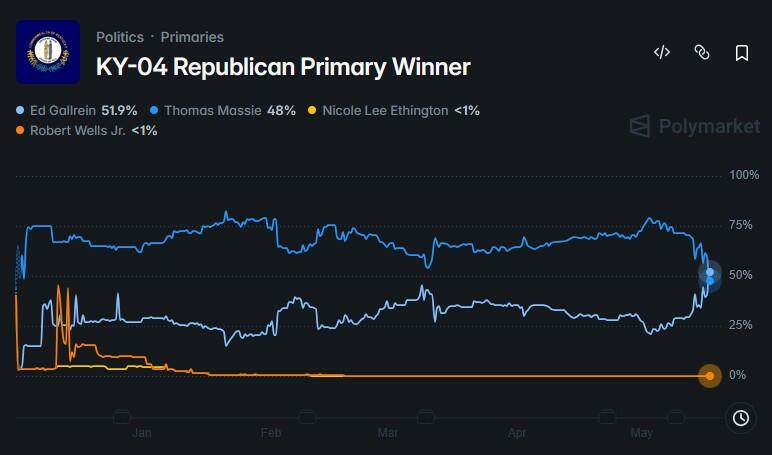
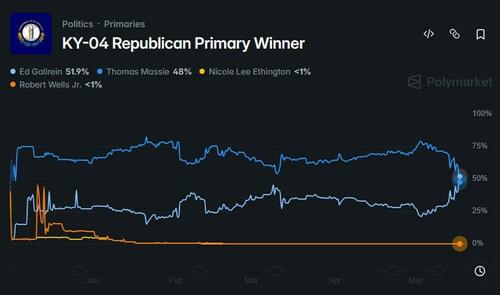
After long having Massie out in front by often-large percentages, prediction markets have shifted mightily in Gallrein’s direction in the closing weeks of the primary, to an extent that some have accused anti-Massie individuals of manipulating the markets to create headlines and optimism for Gallrein. As of Saturday night, Polymarket participants gave Gallrein a 53% chance of winning, while Kalshi’s gave him a 54% chance. Massie’s odds, meanwhile, have been… well…
Will Thomas Massie be the Republican nominee for KY-04?
Yes 48% · No 53%
View full market & trade on Polymarket
With early voting ended Saturday and election happening Tuesday, various political figures have been flying into Kentucky to boost Massie or Gallrein. In an unusual move, the sitting Secretary of Defense, Pete Hegseth, will campaign with Gallrein on Monday. Over the weekend, former Congressman Matt Gaetz and current Colorado Rep. Lauren Boebert made appearances with Massie.
The latter appearance triggered Trump’s wrath, which was manifested in the latest of his dozens and dozens of Truth Social posts excoriating Massie and his supporters. Much as he did with MAGA-centric Georgia Rep. Marjorie Taylor Green (MTG), Trump is now excommunicating long-time supporter Boebert from the movement, and seeking a primary challenger for her (though he may not have realized it’s too late for this cycle.) On Saturday night, Trump let loose on the “weak-minded” and “dumb” Boebert:
It should be noted that, while Boebert has almost uniformly backed Trump’s agenda, she was one of a small handful of Republicans — including MTG, who defied Trump and joined Massie in demanding the release of the Epstein files. Trump’s vilification of Boebert was one of three Massie-centric rants Trump posted on Saturday. In them, he called Massie a “major sleazebag,” a “loser,” an “insult to our nation,” and an “disloyal, ungracious and sanctimonious FOOL.”
Massie gets high marks from right-wing evaluators of his voting record, but has refused to support several Trump undertakings. In Trump’s first term, Massie tried to thwart the $2 trillion Covid-19 “relief” package. Last May, Massie was one of only two Republicans to vote against the “Big Beautiful Bill.” The last straw was Massie’s condemnation of Trump’s June 2025 decision to join Israel in waging war on Iran, and Massie’s introduction of a war powers resolution to prohibit further military action without congressional consent. Within days, the PAC funded by three pro-Israel billionaires was launched.
Asked if he would change his party affiliation to Democrat, Thomas Massie replied:
“I vote with Republicans 91% of the time, and the 9% I don’t, they’re taking up for pedophiles, starting another war, or bankrupting our country.” 🔥 pic.twitter.com/5UOfWYSEvh
— Wide Awake Media (@wideawake_media) April 23, 2026
Massie has repeatedly put a spotlight on the fact that Gallrein’s campaign is being turbocharged by pro-Israel forces. In a “debate” on public TV that Gallrein opted out of, Massie told the audience:
“This is another reason I’m in trouble with the swamp, why they want me gone. 95% of my opponent’s donations come from the Israeli lobby. This comes from Miriam Adelson, Paul Singer, John Paulson, AIPAC. They put millions of dollars into this race for one simple reason: I’ve never voted for foreign aid, not to Ukraine, not to Egypt and not to Israel.”
The Massie campaign has countered the Israel lobby’s enormous monetary onslaught to some extent via small-dollar donations from thousands of supporters from across the country, achieving particular success with three “moneybomb” campaigns. The “Finish the Fight Moneybomb” raked in more than $2.4 million, and a “Final Countdown Moneybomb” that started on Saturday had $31,000 in the early-Sunday hours.
Tuesday will also bring primary elections in Alabama, Georgia, Idaho, Oregon and Pennsylvania. However, on both sides of the aisle, all across the country — and in Israel — none will be more closely-watched than the Kentucky 4th Congressional District race in which Trump and his pro-Israel allies have gone all-in to remove Massie.
Tyler Durden
Sun, 05/17/2026 – 22:45
Are There Really ‘No Bad Ideas’ When It Comes To ‘Saving Or Democracy’?
Are There Really ‘No Bad Ideas’ When It Comes To ‘Saving Or Democracy’?
Authored by Eric Utter via AmericanThinker.com,
Former Vice President Kamala (hic!) Harris recently opined that there are “no bad ideas” when it comes to brainstorming ways to reinvigorate the Democrat party.
During a May 13th livestream on something called the “Win with Black Women” podcast, Hic! Harris suggested that the Democrat party prepare an “expanded playbook” of ideas to help it retake power after the 2026 midterm elections.
Harris opined:
“And in that no bad ideas brainstorm, we talk about what we need to do and think about doing around the Electoral College. We talk about the idea of Supreme Court reform, which includes expanding the Supreme Court. We invite a conversation about multi-member districts.”
The old sot suggested that, when Democrats retake the Senate, the Senate Judiciary Committee should quickly establish rules to “penalize people for lying” for Supreme Court justices and nominees.
It is always hilarious when Democrats speak of their dislike for lying … and always lie.
They are to prevarication as Kamala is to drinking, as retrievers are to … retrieving things. They can’t help themselves.
The Tipsy One added,
“Let’s talk about statehood for Puerto Rico and D.C. These are the things I think that we’ve got to do.”
She concluded by saying of Democrats:
“We gotta fight fire with fire. We gotta be ruthless, too.”
Democrats start fires. (They don’t always put them out, as clearly demonstrated in Los Angeles County last year.) And Democrats have always been ruthless, whether they were plantation owners or, more recently, possessed by Trump Derangement Syndrome (TDS) and the rabid desire to dispense, by any means necessary, with those with whom they disagree.
As for the notion that there are no bad ideas? How about “Let’s kill all the Jews” or “Islam is totally compatible with a free, democratic republic?” Or even, “I’ve only had 10 rum and cokes, I think I’ll take a nice drive in my car?” And let’s be honest, Kamala doesn’t have brainstorms, she has perhaps a mild squall or minor dust-up on occasion, maybe even a moderate gust of wind, but no brainstorms.
So, Democrats, just continue to call conservatives Nazis. Keep trying to imprison all your political opponents. An assassination or two might be needed here and there to, you know, “save our democracy.” (The problem is that Democrats actually think the country is their democracy, and that no one else has a right to govern it.)
Kamala may still have her mind set on Running for President Under the Influence (RPUI), but it is hard to see any current likely Democrat heading a ticket the equal of Vance-Rubio or vice-versa. As sure as water is wet, Democrats will resort to their time-tested tactics of slander, libel, lies, gas-lighting, projection, and cheating.
Maybe they should just, hic!, forcibly take power via a good, old-fashioned insurrection?
Anything to save their our democracy, right?
Tyler Durden
Sun, 05/17/2026 – 22:10
https://www.zerohedge.com/markets/are-there-really-no-bad-ideas-when-it-comes-saving-or-democracy

By Targeting Dairy Farmers, ESG Wants To Decide Your Milk
By Targeting Dairy Farmers, ESG Wants To Decide Your Milk
Authored by Samantha Fillmore via RealClearMarkets,
It starts with a letter in the mail.
A dairy farmer opens it to find new requirements from their milk processing plant.
Herd data, energy usage, emissions figures. The letter calls it voluntary but if you don’t comply, the plant can’t take your milk. And if the plant can’t take your milk, you’re out of business.
That’s ‘Pathways to Dairy Net Zero’ in practice…
Pathways to Dairy Net Zero (P2DNZ) is presented as a voluntary, science-based initiative to reduce greenhouse gas emissions from dairy producers. In practice, however, it functions as yet another sector-specific implementation of global ESG and net-zero governance.
In the case of P2DNZ, this governance model is applied to large-scale milk producers. The result is the downward transfer of climate-compliance costs and onerous ESG restrictions on farmers. Especially mid-sized and small farms, while offering no plausible pathway to detectable global emissions reductions. In short, this is the latest attack on American farmers from globalist board rooms seeking to control what you consume.
P2DNZ may be presented as a voluntary, science-based initiative but in reality, it’s the same ESG playbook we’ve seen used to squeeze entire industries into net-zero compliance without a single vote being cast. The pressure doesn’t come from government. It comes from the giant food corporations at the top of the supply chain. It comes from the boardrooms of companies like Nestlé and Danone and filters down through processors until it lands on the farmer who has no real choice but to comply.
What begins as “guidance” quickly becomes obligation.
For dairy farmers, especially the ones that make up the lifeblood of the American Heartland, that obligation carries a heavy cost. P2DNZ effectively embeds climate compliance into the financial and commercial conduits of the industry. It deeply impacts how farmers access credit, who processes their milk, who buys their milk, and under what conditions they can continue operating. The burden doesn’t fall on distant institutions or multinational coalitions. It falls squarely on the people milking cows before sunrise, managing tight margins, and trying to pass their family farms on to the next generation.
And for what measurable gain?
Even under the most aggressive assumptions, eliminating all emissions from U.S. dairy production would have no detectable impact on global climate trends. That’s not a political statement; it’s a matter of scale. Yet the economic consequences are anything but theoretical. Farmers face rising compliance costs. Consumers face higher prices at the grocery store. And the industry itself faces increasing consolidation, as smaller producers struggle to keep up with mandates they had zero role in shaping.
This is the uncomfortable truth at the heart of P2DNZ: it is less about environmental outcomes and more about control. It’s about shifting decision-making power away from independent producers and toward a network of globalist financial and corporate actors.
The attacks on American agriculture have taken on many forms. From discriminating against the use of diesel- and gasoline-powered farming equipment in the lending market, to corporate shareholder resolutions calling on food companies to “reduce greenhouse gas emissions” by cutting beef production, to utter demands to adopt plant-based alternatives to actual meat, and even outright litigation designed to bankrupt American businesses and farmers. Regardless of the tactic, they share a common objective. To create a world in which every single human is under the thumb of a global set of rules that would ensure more pain and misery than anyone should entertain.
The good news is that the current federal administration seems to be sticking up for small- and mid-sized American farms and dairy producers. Yesterday, the U.S. Secretary of Agriculture, Brooke Rollins, shared a post on X highlighting the Pathways to Dairy Net Zero Problem. “Dairy farmers are vital in rural America, but now face radical ESG mandates disguised as “sustainability.” As (@Heartland Impact) notes, Pathways to Dairy Net Zero will burden small farms with costly compliance.”
P2DNZ is not an isolated initiative. It is the agricultural, and diary centered, expression of a broader ESG governance model that substitutes accounting targets for physical outcomes and private coordination for public accountability.
Hopefully, in the months and years to follow, more Americans and policymakers will become aware of the harms associated with incorporating ESG metrics into farming. American famers feed the nation, and they deserve better.
Samantha Fillmore (sfillmore@heartland.org) is the senior state government relations manager at The Heartland Institute.
Tyler Durden
Sun, 05/17/2026 – 21:00
https://www.zerohedge.com/political/targeting-dairy-farmers-esg-wants-decide-your-milk
Social Security Recipients Could See Larger Payment Adjustment In 2027 Amid Higher Inflation
Social Security Recipients Could See Larger Payment Adjustment In 2027 Amid Higher Inflation
Authored by Jack Phillips via The Epoch Times (emphasis ours),
A senior citizens group has forecast that the cost-of-living adjustment (COLA) for Social Security payments will increase by 3.9 percent next year, more than 1 percentage point higher than last month’s prediction.
The Senior Citizens League, which issues monthly projections on the COLA for Social Security, said in a statement Tuesday the 3.9 percent for 2027 is already higher than the 2.8 percent increase that went into effect in 2026. The group in April had forecast a 2.8 percent increase for next year’s payments.
“Fast-rising oil prices could have downstream effects on the economy and push inflation even higher,” potentially leading to a higher COLA projection, the group said, adding that research has show that higher gas prices can lead to higher prices across the board.
The COLA for next year is usually announced by the Social Security Administration in October and is based on Consumer Price Index for Urban Wage Earners and Clerical Workers (CPI-W) reports issued by the Labor Department for the months of July, August, and September.
The group’s forecast Tuesday came as the department released its monthly CPI report, which found that inflation in April increased by 0.6 percent month over month, along with a 3.8 percent annual increase.
According to the Labor Department’s report, the rise in inflation was in part caused by higher gasoline, energy, and fuel prices. The gasoline index rose 5.4 percent over the past month while gas prices increased 11.1 percent in April, and the fuel index increased by 5.8 percent, it found.
Data released by the American Automobile Association (AAA) showed that as of Thursday, the average price of a gallon of regular gasoline rose by 2 cents to $4.53 nationwide. Diesel rose by 1 cent to $5.66 per gallon, according to the data.
Just two days before the U.S.–Iran war started in late February, regular gasoline cost around $2.98 per gallon on average nationwide, according to AAA.
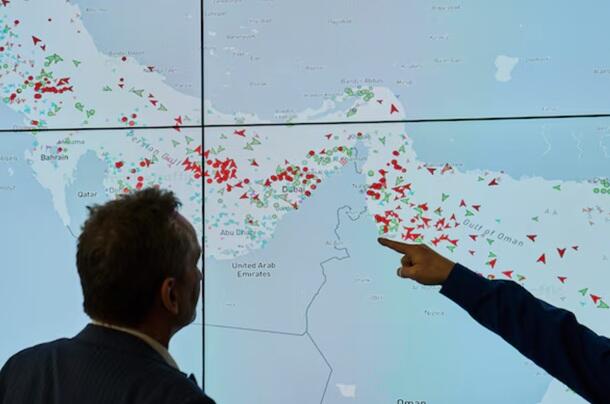
After the United States and Israel launched strikes on Iran on Feb. 28, Tehran effectively closed off access to the Strait of Hormuz, through which a fifth of the world’s oil and liquefied natural gas passes. The choking off of the strait has sent energy prices higher and has rattled world markets.
The oil shock shows no sign of letting up as the International Energy Agency warned Wednesday that the “mounting supply losses from the Strait of Hormuz are depleting global oil inventories at a record pace.’’
Meanwhile, the producer price index, another measure of inflation that tracks prices before they reach consumers, rose 6 percent from a year earlier, the highest point in more than three years, the Labor Department reported Wednesday.
“Many seniors are telling us the same thing: As inflation picks back up, life still does not feel affordable. The average senior already lives on much less than younger Americans, according to the Census Bureau, and our supporters constantly tell us they feel like they’re falling farther and farther behind,” Shannon Benton, the president of the Senior Citizens League, said in a statement on Tuesday.
She added that retirees living on fixed incomes are seeing prices on health care, housing, utilities, and insurance “continue to rise faster than prices in the rest of the economy, silently wrenching seniors dry.”
The Associated Press contributed to this report.
Tyler Durden
Sun, 05/17/2026 – 19:50
Complete Q1 13-F Summary: The Fireworks In Berkshire’s Post-Buffett Portfolio, And Everything Else
Complete Q1 13-F Summary: The Fireworks In Berkshire’s Post-Buffett Portfolio, And Everything Else
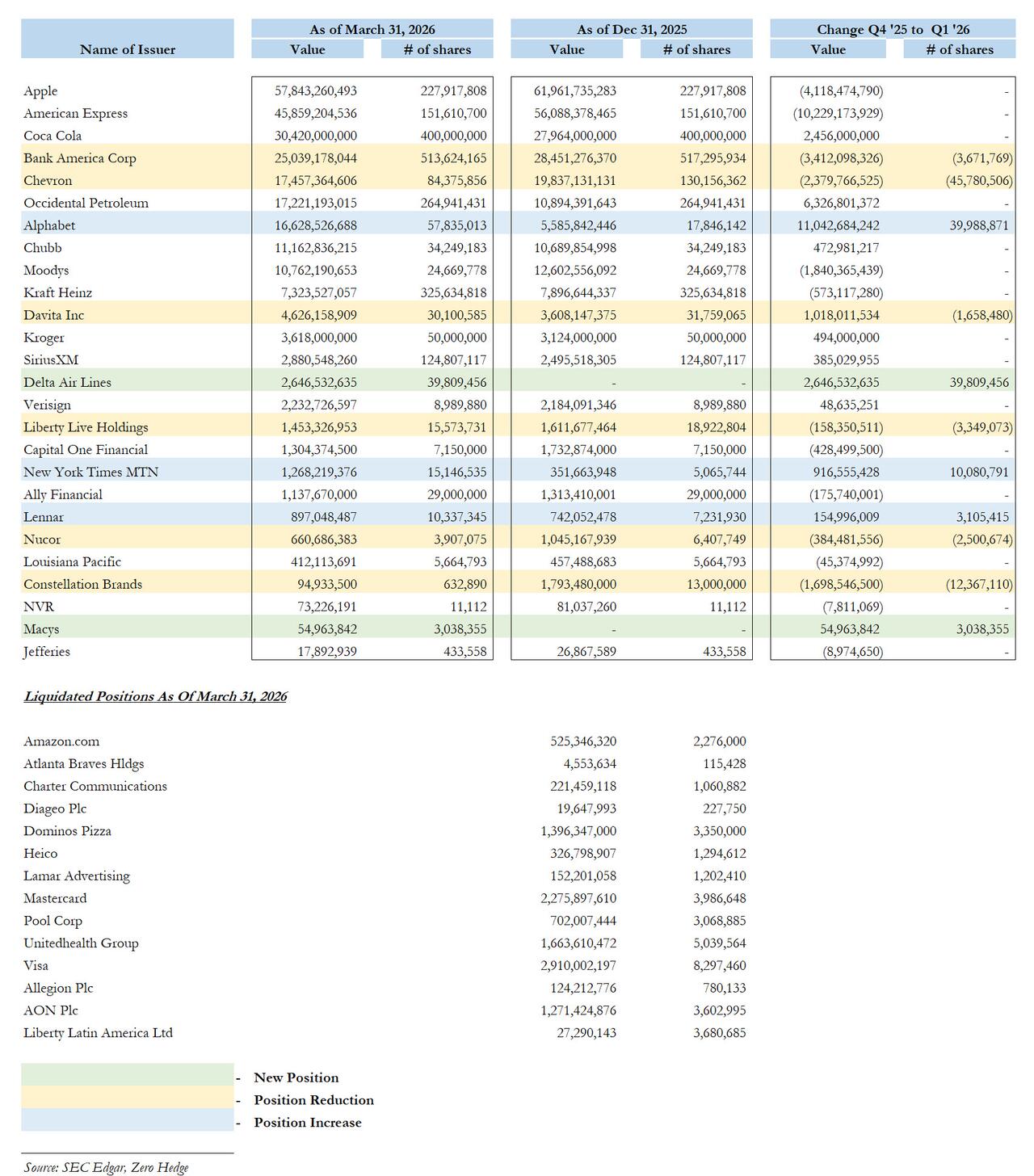
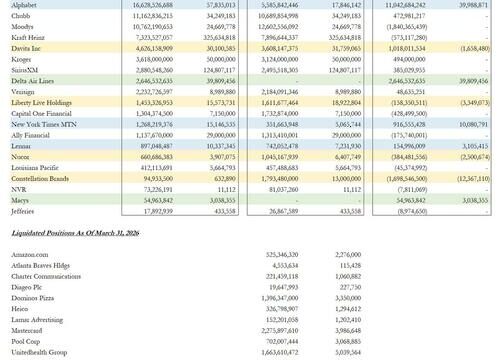
Friday was the 15th of the month 45 days after quarter end, which means we got a flood of 13F reports indicating what asset managers were long as of March 31. We will do a summary recap below of all the biggest names, but as usual we start with Berkshire due to its traditional lack of turnover and corresponding price impact of the stock of new positions or liquidations. And we should underline “traditional” because in Berkshire’s first full quarter under Warren Buffett replacement Greg Abel, who took the reins at Berkshire this year after Buffett stepped down following six decades at the helm, the new CEO took a machete to no less than 14 existing position which he dumped unceremoniously.
But first, let’s look at the additions of which there were two: one big one and a much smaller one.
Starting with the former, Berkshire unveiled a new $2.6 billion stake in Delta Airlines, reigniting the conglomerate’s complicated relationship with the airline industry. The Omaha-based hedge fund-cum-conglomerate said it had purchased 39.8 million shares in the airline as of the end of March, according to its latest 13F. The move – which amounted to a 6.1% stake – sent shares of the carrier up more than 3% in late trading.
It’s not the first time Berkshire has been involved with the name: Under the recently departed former CEO Warren Buffett, Berkshire had a tense relationship with the airline industry over the decades. After a troublesome investment in USAir, Buffett once joked in 2001 that he would call an 800 number to declare he was an “air-o-holic” if he ever got the urge to invest in airlines again. Then in 2016, Berkshire dove into the industry again, amassing stakes in the four largest U.S. airlines. But Buffett reversed course again in 2020, when he exited his airline holdings in Delta, Southwest, American Airlines and United as the sector was grappling with the fallout from the Covid-19 pandemic. Fast forward 6 years and the company is once again building up a stake in airlines, only at much higher prices.
Berkshire also revealed it has amassed a small stake in retailer Macy’s. A stronger-than-expected sales outlook had boosted Macy’s stock earlier this year. Shares of the department store operator jumped more than 6% in late trading on Friday in response to the Berkshire filing.
During the quarter, Berkshire also boosted its holding in star AI performer Alphabet, adding 36.4 million shares in Google’s parent company. Berkshire also added modestly to its stake in Lennar.
But while Abel added to Google, it dumped all its holdings of Amazon.com, some 2.276 million shares as of Dec 31, 2025.
There was much more: Berkshire also exited its sizable positions in credit card companies Visa and Mastercard (combined over $5 billion as of Dec 31), and liquidated holdings in UnitedHealth Group, which proved to be a brief flirt for the conglomerate; UnitedHealth had been trying to rebuild confidence with investors after struggling to adapt to changing US government payment policies. The stock dropped roughly 2.5% in post-market trading on Friday. Berkshire also sold out all its holdings in Diageo plc, Pool Corp, Charter Communications, Domino’s Pizza, Heico, Lamar Advertising, Allegion, AON, and Liberty Latin America.
Why the mass dump? According to the WSJ, Abel offloaded all the equity holdings that were previously managed by Todd Combs, Berkshire’s former stock-picker. Combs left Berkshire and joined JPMorgan in December for a broad investing advisory role.
Finally, Berkshire reduced its holdings in Bank of America, Chevron, Davita, Liberty Live Holdings, Nucor and Constellation Brands. The full breakdown of Berkshire’s 13F is in the table below.
Beksrhire, aside
Senator Investment Group disclosed yesterday its updated portfolio positions in 13F filing: New RIOT PFE RKT HAL C V ALKS COP AVGO positions, Added to NU AS holdings, Exited LTH CMCSA SSNC; Highlights from Q1 2026 filing as compared to Q4 2025 (all amounts are approximate):
New: RIOT (1.5 mln shares), PFE (1.25 mln), RKT(1.25 mln), HAL (847K), EEM (570K), C (330K), V(255K), ALKS (235K), COP (219K), AVGO (188K), CVS (175K) , HAS (175K), SATS (103K), AEIS (100K), LHX (90K), KNTK (76K), AMAT (65K) Increased: NU (2.45 mln shares from 2.2 mln shares),AS (1.3 mln from 0.93 mln), NVDA (825K from 505K), DHR (433K from 169K), BA (441K from 28K), AMZN(610K from 430K), SN (554K from 400K), WRBY(500K from 377K), ETHA (243K from 134K), ULS(400K from 300K), VST (197K from 110K), MSFT(268K from 188K), META (134K from 74K), WULF(139K from 85K), VIK (523K from 475K), GOOG (13K from 11K)
Maintained: WBD (3 mln shares), PRM (2.4 mln), APH (200K) Exited: LTH (from 1.3 mln shares), CMCSA (1.2 mln), SSNC (1.04 mln), IMSR (900K), BILL (693K), COF(472K), MEOH (375K), PFSI (287K), UNP (275K), GE(150K), KWEB (103K), LPLA (100K), XLI (61K), FBTC(33K), PLTR (12K), COIN (7K)
Decreased: UAL (1.4 mln shares from 3.1 mln shares), BKD (2.5 mln from 3.4 mln), TECK (0.77 mln from 1.66 mln), JHX (1.1 mln from 1.8 mln), ATRO(22K from 459K), HOOD (141K from 405K), MT (341K from 580K), WWD (227K from 452K), APO (340K from 537K), ATI (145K from 325K), CVNA (185K from 260K), TSM (263K from 325K), HWM (42K from 98K),UNH (35K from 75K), VRT (260K from 274K)
Lansdowne Partners discloses updated portfolio positions in 13F filing: New SLB BKR positions, Added to AMZN SW ARM ADI UAL DAL TECK LIN IONQ; Highlights from Q1 2026 filing as compared to Q4 2025 (all amounts are approximate):
New: SLB (2.96 mln), BKR (40K)
Increased: SW (1.9 mln from 257K), ARM (936K from 472K), UAL (1.5 mln from 1.2 mln), TECK (2 mln from 1.8 mln), LIN (449K from 227K), IONQ (796K from 643K), RAL (195K from 100K), B (343K from 266K),DAL (2.5 mln from 2.4 mln), MDT (89K from 31K), AMZN (78K from 47K), ADI (664K from 635K), ETN(130K from 110K), TXN (92K from 78K)
Maintained: TSM (1.3 mln)
Exited: CRH (308K), FTV (48K), FLUT (2K)
Decreased: ROK (14K from 31K)
Meritage Group discloses updated portfolio positions in 13F filing: New TOST CSGP AON positions, Exited QSR SGI; Highlights from Q1 2026 filing as compared to Q4 2025 (all amounts are approximate):
New: TOST (3.4 mln shares), CSGP (3.3 mln), AON(680K), SPGI (504K), SPY (52K)
Maintained: PCOR (2.68 mln shares), AMZN (1.86 mln), WDAY (1.62 mln), MSFT (1.27 mln)
Exited: QSR (from 3.2 mln shares), SGI (2.4 mln)
Decreased: TRU (3.6 mln shares from 5.3 mln shares), COF (1.3 mln from 1.8 mln), MSCI (406K from 467K), EFX (154K from 165K)
Baupost Group (Seth Klarman) discloses updated portfolio positions in 13F filing: New NCLH DNOW TFX PCVX V positions, Added to COLD AMZN FERG GOOG AERO, Exited FIS FISV LBTYA; Highlights from Q1 2026 filing as compared to Q4 2025 (all amounts are approximate):
New: NCLH (3.6 mln shares), DNOW (3.6 mln), TFX(1.6 mln), PCVX (800K), AON (769K), V (701K)
Increased: COLD (7.8 mln shares from 3.5 mln shares), AERO (4.88 mln from 4.86 mln), AMZN (3.1 mln from 2.1 mln), FERG (1.4 mln from 1.1 mln), GOOG (1.18 mln from 1.09 mln), MOH (634K from 625K)
Maintained: HLF (9.3 mln shares), QSR (8.1 mln), GDS (3.0 mln), GPC (1.5 mln), WCC (1.4 mln), ELV(1.3 mln)
Exited: FIS (from 4.5 mln shares), FISV (2.2 mln), LBTYA (2.1 mln), DG (2.06 mln), CRH (1.07 mln), TBN(257K)
Decreased: LBTYK (13.4 mln shares from 20.9 mln shares), WTW (893K from 1.36 mln), EXP (893K from 1.19 mln), UNP (1.5 mln from 1.6 mln)
Softbank discloses updated portfolio positions in 13F filing: New LIFE position, maintained INTC SYM WBTN KLAR TEM TSM, Exited LMND, Cut TMUS (18.49); Highlights from Q1 2026 filing as compared to Q4 2025 (all amounts are approximate):
New: LIFE (3.13 mln shares)
Maintained: XXI (89.11 mln shares), INTC (86.96 mln), INTR (60.51 mln), SYM (39.83 mln), VTEX (38.43 mln), WBTN (31.43 mln), NU (17.84 mln), KLAR (15.4 mln), TEM (5.41 mln),
Exited: LMND (from 0.93 mln shares), CRCL (0.1 mln), UBER (0.02 mln)
Decreased: TMUS (10 mln shares from 28.5 mln shares), NMRA (6.09 mln from 6.43 mln)
Marathon Partners discloses updated portfolio positions in 13F filing: New FLEX CRCL positions; Highlights from Q1 2026 filing as compared to Q4 2025 (all amounts are approximate):
New: FLEX (13K), CRCL (3K)
Increased: CNS (115K from 75K), TPB (31K from 18K)
Maintained: XMTR (115K), GOOG (6K)
Decreased: RELY (1270K from 1338K), LION (220K from 275K), HSIC (13K from 48K), SXT (5K from 23K),TKO (73K from 84K), UBER (140K from 150K), FLUT(10K from 17K), ATMU (75K from 80K), META (25K from 28K), ATI (18K from 20K)
TCI Fund (Chris Hohn) discloses updated portfolio positions in 13F filing: New GOOGL position (and adds to GOOG holding), Boosted V SPGI MCO holdings, Cut MSFT; positions Highlights from Q1 2026 filing as compared to Q4 2025 (all amounts are approximate):
New: GOOGL (2.46 mln shares)
Increased: V (30.47 mln shares from 27.72 mln shares), SPGI (14.04 mln from 11.79 mln), GOOG(8.85 mln from 7.6 mln), MCO (14.33 mln from 13.31mln)
Maintained: GE (47.51 mln shares), CP (46.52 mln), FER (20.74 mln), CNI (9.85 mln)
Decreased: MSFT (2.73 mln shares from 16.78 mln shares)
Eminence Capital (Ricky Sandler) discloses updated portfolio positions in 13F filing: New U MTN EL DHR TSM positions, Added to AMZN VVV CPNG SE Z SGI PFGC holdings, Exited PTON GPK DKNG GTLB PINS JEF CF CRM; Highlights from Q1 2026 filing as compared to Q4 2025 (all amounts are approximate):
New: U (725K), MTN (714K), EL (698K), DHR (561K), TSM (422K), MRSH (320K), MNDY (248K), AON(17 9K)
Increased: CPNG (15.5 mln from 12.6 mln), SE (4.1 mln from 2.6 mln), Z (3.5 mln from 2.1 mln), SGI (1.5 mln from 314K), PFGC (3.72 mln from 2.65 mln), DT(5.3 mln from 4.5 mln), MDLN (2.28 mln from 1.5 mln),FLUT (484K from 79K), VVV (4.4 mln from 4.2 mln), AMD (1.2 mln from 968K), SNPS (449K from 249K), THC (790K from 614K), FERG (646K from 500K),FWONK (1.98 mln from 1.9 mln), AMZN (1.54 mln from 1.48 mln), BABA (861K from 826K), ABG (956K from 926K), MDB (163K from 156K)
Exited: PTON (18.2 mln), GPK (12.8 mln), DKNG (8.4 mln), GTLB (7.7 mln), PINS (4.5 mln), JEF (3.8 mln),CF (1.28 mln), CRM (1.0 mln), SYY (897K), ELV(487K), LPLA (442K), UNH (378K), UNP (352K), META (62K)
Decreased: ATMU (1.28 mln shares from 3.83 mln shares), LPX (2.53 mln from 4.05 mln), RRR (0.41 mln from 1.6 mln), WK (2.52 mln from 3.71 mln), MGRC(806K from 950K)
Miller Value Partners (Bill Miller) discloses updated portfolio positions in 13F filing: New BLMN CRGY positions, Added to CNDT JELD GTN holdings, Exited STLA; Highlights from Q1 2026 filing as compared to Q4 2025 (all amounts are approximate):
New: BLMN (2.0 mln shares), CRGY (2 mln), ABR(604K), PTLO (129K), MBC (105K), FIGR (91K), REZI(70K), ZD (68K), CPNG (63K), PINS (60K), VRM(58K), CTRN (54K), CART (46K), PRDO (40K), CROX(39K), SPY (30K), FOUR (30K), BLDR (19K), A BNB(16K) Increased: CNDT (10.0 mln shares from 5.6 mln shares), JELD (6.6 mln from 4.1 mln), GTN (5.4 mln from 4 mln), CTO (556K from 434K), VTRS (732K from 619K), MRP (181K from 83K), LNC (571K from 505K),ARLP (185K from 132K), UPBD (120K from 70K), UPS (119K from 87K), MSTR (52K from 25K), BBW(104K from 78K), CHRD (69K from 58K)
Maintained: OMF (83K), CALM (62K)
Exited: STLA (0.43 mln shares)
Decreased: TDAY (2 mln shares from 3.4 mln shares),FOSL (2.4 mln from 3.2 mln), DCH (1.4 mln from 1.7mln), QUAD (2.65 mln from 2.74 mln), NBR (444K from 603K), UGI (121K from 262K), BMY (70K from 108K), VZ (168K from 198K), ITRN (204K from 215K), WAL (55K from 64K), BFH (194K from 201K), UNFI(5K from 13K), JXN (81K from 86K), FTI (3K from 8K), TPC (3K from 7K)
Scopia Capital discloses updated portfolio positions in 13F filing: New VISN position, Exited BRZE TRU TREX LPX SGI; Highlights from Q1 2026 filing as compared to Q4 2025 (all amounts are approximate):
New: VISN (664K)
Maintained: MNKD (695K)
Exited: BRZE (293K), TRU (236K), TREX (209K), LPX(200K), SGI (107K), CVNA (8K),
Decreased: CC (562K from 1.9 mln), HLIT (644K from 1.9 mln), VSTS (453K from 1.4 mln), VVV (203K from 1.1 mln), PTON (1.8 mln from 2.3 mln), CTVA (148K from 600K), LIVN (186K from 538K), AZTA (236K from 567K), PRMB (466K from 780K), GOOS (391K from 667K), KKR (90K from 277K), RRX (43K from 217K), AER (28K from 199K), BATRK (78K from 239K), ENS(30K from 154K), AMZN (43K from 146K), JBHT (38K from 115K)
Kerrisdale Advisors discloses updated portfolio positions in 13F filing: New ADTN DV NOK PAYO SWKS MRVL positions; Highlights from Q1 2026 filing as compared to Q4 2025 (all amounts are approximate):
New: ADTN (552K), DV (398K), NOK (284K), PAYO(163K), LNSR (139K), SWKS (127K), MRVL (114K), C VE (111K), ACVA (91K), CNQ (73K), FTRE (73K),ADEA (71K), FRSH (62K), INTC (61K), LBTYA (61K), FL O (56K), MOS (40K), OI (40K), PYPL (37K), FVRR(36K), SMCI (35K), AMTM (29K), KHC (29K), WHD(28K) , BAC (27K)
Increased: SNAP (283K from 39K), UHAL.B (127K from 55K), SHC (608K from 557K), LGN (106K from 61K), GTLB (69K from 26K), CPNG (150K from 109K), CART (94K from 73K), RICK (27K from 9K), AMZN(59K from 41K), AMRZ (62K from 47K), MSFT (12K from 1K), V (50K from 39K), GFF (17K from 7K), ZM(47K from 38K), APPF (22K from 16K), UNP (20K from 16K), DEO (34K from 31K)
Exited: GTM (348K), RTO (69K), LBRT (64K), VAL(50K), LESL (24K), KNX (23K)
Decreased: TDS (298K from 506K), KVUE (171K from 344K), NE (14K from 148K), SYY (83K from 211K),WMG (9K from 67K), CIB (40K from 91K), ACMR(224K from 263K), FOXF (51K from 83K), PERI (49K from 76K), NXE (30K from 51K)
Public Investment Fund (sovereign wealth fund of Saudi Arabia) discloses updated Q1 2026 portfolio positions in 13F filing: Maintained LCID UBER EA positions, Exited ALUR warrants; Maintained: LCID (177.09 mln shares), UBER (72.84 mln), EA (24.81 mln), CTEV (1.2 mln).
Leon Cooperman discloses updated portfolio positions in 13F filing: New COF AMZN positions, Added to OMF PLGO STKL LAD holdings, Exited AMRZ OXY RRX; Highlights from Q1 2026 filing as compared to Q4 2025 (all amounts are approximate):
New: COF (370K), AMZN (170K)
Increased: OMF (2.01 mln shares from 0.7 mln shares), PLGO (7.98 mln from 7.04 mln), STKL (9.3 mln from 9.05 mln), LAD (0.34 mln from 0.32 mln),EWJ (0.02 mln from 0.01 mln)
Maintained: RKT (21.02 mln shares), ET (13.32 mln), VRT (2.16 mln)
Exited: AMRZ (880K), OXY (700K), RRX (690K)
Decreased: AESI (4.08 mln shares from 5.05 mln shares), ELV (0.23 mln from 0.34 mln)
D1 Capital discloses updated portfolio positions in 13F filing: New NU CPNG SGI U DASH TMO LYV CVNA CLS GOOGL positions, Added to AMZN NVDA JHX DHR TXN AFRM holdings, Exited CNM ENTG APG SATS GEHC BAC; Highlights from Q1 2026 filing as compared to Q4 2025 (all amounts are approximate):
New: NU (25.89 mln shares), CPNG (11.61 mln), SGI(4.69 mln), U (3.26 mln), DASH (1.44 mln), TMO(725K), LYV (674K), CVNA (668K), CLS (542K), GOOGL (469K), FERG (349K), TSM (329K), M LM(323K), ADI (292K), BLD (213K), ASML (7K)
Increased: JHX (28.3 mln shares from 24.4 mln shares), DHR (2.3 mln from 0.56 mln), TXN (1.75 mln from 0.49 mln), AFRM (1.94 mln from 0.82 mln), KRC(11.28 mln from 10.4 mln), AVGO (0.98 mln from 0.36mln), SE (4.05 mln from 3.49 mln), AMZN (1.81 mln from 1.34 mln), NVDA (1.57 mln from 1.15 mln), RDDT(2.46 mln from 2.12 mln), COF (1.12 mln from 828K),MELI (374K from 224K), DIS (2.36 mln from 2.22 mln)
Maintained: CART (22.56 mln shares), LINE (7.4 mln), USFD (4.28 mln), APO (1.16 mln), APP (0.67 mln)
Exited: CNM (from 2.65 mln shares), ENTG (2.49 mln), APG (2.2 mln), SATS (1.86 mln), GEHC (1.76 mln), BAC (1.25 mln), NI (1.21 mln), ANET (962K), Q (937K), LIN (484K), SNPS (378K), MDLN (377K), META (376K), AEP (344K)
Decreased: KNX (5.49 mln from 7.72 mln), FLS (5.87 mln from 7.66 mln), CLH (1.34 mln from 2.78 mln), SCHW (2.36 mln from 3.15 mln), XPO (1.29 mln from 2.04 mln), SHW (474K from 962K), ADSK (309K from 456K), JCI (1.22 mln from 1.35 mln), SPOT (340K from 396K)
Soros Capital discloses updated portfolio positions in 13F filing: New EIKN AMT TXN positions, Added to PUMP ALC, Exited NBIS EWZ AEO GM CZR; Highlights from Q1 2026 filing as compared to Q4 2025 (all amounts are approximate):
New: EIKN (485K), AMT (53K), TXN (25K), AS (21K), GEV (18K), ADI (16K), SKYW (15K)
Increased: PUMP (1.09 mln from 685K), ALC (94K from 76K), CAT (17K from 8K), MSI (14K from 7K), NFLX (31K from 25K), DHR (33K from 27K), FIX (12K from 6K), TJX (19K from 14K), AMZN (35K from 32K), VRSN (21K from 18K), NVDA (12K from 9K), LOW(19K from 17K), IUSB (6K from 5K), CPAY (13K from 12K)
Maintained: PACK (4.63 mln), WULF (713K), CP(69K), NKE (69K)
Exited: NBIS (229K), EWZ (150K), AEO (143K), GM (131K), CZR (100K), ON (90K), GAP (74K), BSX(55K), EWY (53K), CHDN (50K), SEI (44K), TM (23K), TRU (22K)
Decreased: GOOGL (6K from 247K), TSM (5K from 83K), AVGO (7K from 81K), FLUT (3K from 34K), GDDY (16K from 42K), ICE (15K from 34K), BE (38K from 57K), V (22K from 31K), TPR (4K from 9K), SBUX (47K from 51K), EME (6K from 9K), UNP (18K from 21K), HD (13K from 15K)
Engaged Capital (Glenn Welling) discloses updated portfolio positions in 13F filing: Added to PTLO BL, Exited FRPT, Trimmed VFC CGNX YETI; Highlights from Q1 2026 filing as compared to Q4 2025 (all amounts are approximate):
Increased: PTLO (3.4 mln shares from 1.5 mln shares), BL (1.4 mln from 1.1 mln)
Maintained: BRCC (13.94 mln shares), EVH (5.56 mln), GXO (822K)
Exited: FRPT (401K)
Decreased: VFC (4.68 mln shares from 5.31 mln shares), CGNX (484K from 933K), YETI (1784K from 2033K)
Tiger Global discloses updated portfolio positions in 13F filing: New EQPT INTC XNDU PAYP RVI LITE MELI positions, Added to CPNG TSM Z NVDA AMAT AVGO META SPOT holdings, Exited GRAB FLUT VEEV HNGE ESTC WDAY CRCL; Highlights from Q1 2026 filing as compared to Q4 2025 (all amounts are approximate):
New: EQPT (4.6 mln shares), INTC (1.6 mln), XNDU(500K), PAYP (400K), RVI (400K), LITE (137K), MELI(135K)
Increased: CPNG (34.6 mln shares from 26.3 mln shares), TSM (5.6 mln from 3.7 mln), Z (7.4 mln from 6.1 mln), NVDA (12.0 mln from 11.0 mln), AMAT (1.7 mln from 0.9 mln), AVGO (3.6 mln from 2.9 mln), META (3.1 mln from 2.8 mln), SPOT (1.6 mln from 1.3 mln)
Maintained: SE (15.4 mln shares), GOOGL (10.6 mln), AMZN (10 mln), LRCX (3.9 mln), NFLX (2.4 mln), CPAY (1.8 mln), GEV (973K)
Exited: GRAB (from 92.9 mln shares), FLUT (4 mln), VEEV (2.4 mln), HNGE (1.8 mln), ESTC (1.69 mln),WDAY (1 mln), CRCL (500K)
Decreased: TTWO (2 mln shares from 5.8 mln shares), CHYM (11.1 mln from 14.2 mln), MSFT (2.5 mln from 5.5 mln), APO (3.3 mln from 6.2 mln), XYZ (4 mln from 6.4 mln), RDDT (2.5 mln from 3.8 mln), CSGP (1.5 mln from 2.3 mln), NOW (1.5 mln from 2.1mln), APP (1 mln from 1.3 mln), UNH (350K from 420K)
Discovery Capital (Rob Citrone) discloses updated portfolio positions in 13F filing: New ON JMIA CAR HUYA WOLF INFQ FPS MDLN SNDK NVDA positions, Added to GENI CX AMX GEO AMZN, Exited AMKR GDS SNAP, Trimmed IREN CLF; Highlights from Q1 2026 filing as compared to Q4 2025 (all amounts are approximate):
New: ON (1.4 mln), IFS (1.1 mln), VLRS (964K), RKT(884K), JMIA (697K), CAR (549K), HUYA (467K), WOLF (425K), INFQ (396K), FP S (275K), MDLN(250K), SNDK (184K), CMPS (180K), ONMD (112K), ARE (100K), VLO (85K), ROST (72K ), LNG (67K), NVDA (57K), TER (52K), CRM (50K), BRRR (48K), ULTA (47K), SOXX (44K), FSLR (42K), I NTU (21K), IYM (12K)
Increased: GENI (7.5 mln shares from 4.2 mln shares), QXO (1.38 mln from 1.35 mln), NU (2.2 mln from 0.4 mln), TV (22.4 mln from 21.8 mln), BBAR (1.0 mln from 448K), JBS (3.4 mln from 3 mln), CX (3.5 mln from 3.1 mln), YPF (538K from 270K), SATS (412K from 173K), GGAL (869K from 641K), MU (276K from 105K), AMX (4.44 mln from 4.29 mln), PINS (773K from 621K), LRCX (298K from 152K), GEO (1.43 mln from 1.31 mln), AMZN (124K from 43K), GLNG (267K from 192K), AGRO (1.27 mln from 1.2 mln), BAP(141K from 83K), FISV (310K from 259K), SHY (57K from 8K), COF (269K from 232K), APP (51K from 37K), IBIT (644K from 7K)
Maintained: METC (5.5 mln shares), PPTA (1.3 mln), PSN (0.5 mln)
Exited: ORBS (from 14.9 mln shares), AMKR (2.6 mln), GDS (1.4 mln), SNAP (1.0 mln), GDLC (423K),COHR (329K), ACMR (296K), EAT (250K), GSIT(184K), DAL (167K), FRO (160K), ES TA (155K), SOLV(147K), TTWO (137K), AMD (131K), AWI (118K), SLM(111K), EWW (105K), UAL (105K), GLXY (100K), AVGO (83K), DDOG (83K), BA (77K), BIDU (76K),KRMN (75K), LOAR (75K), LITE (62K), VIK (50K), BMA (49K), NVT (44K), META (42K), ADBE (38K), MCD (37K), BE (25K), SN (25K), DPZ (24K)
Decreased: IREN (1.8 mln shares from 2.6 mln shares), CLF (1.5 mln from 2 mln), PRMB (1.4 mln from 1.7 mln), VNET (6.0 mln from 6.3 mln), JPM(155K from 227K), CHDN (160K from 169K), AEM(43K from 50K), HDB (183K from 756K)
Impactive Capital discloses updated portfolio positions in 13F filing: New GTLB CART LRN ICLR positions, Added to SLM, Exited CLVT ETSY; Highlights from Q1 2026 filing as compared to Q4 2025 (all amounts are approximate):
New: GTLB (3.91 mln shares), CART (1.57 mln), LRN(1.11 mln), ICLR (0.45 mln)
Increased: SLM (7.82 mln shares from 7.23 mln shares), IWM (0.25 mln from 0.08 mln)
Maintained: VAC (4.13 mln shares)
Exited: CLVT (from 36.41 mln shares), ETSY (3.04 mln)
Decreased: WMS (0.86 mln shares from 1.46 mln shares), WEX (1.71 mln from 2.2 mln), ABG (1.07 mln from 1.25 mln)
Stadium Capital discloses updated portfolio positions in 13F filing: Trimmed LCII BC GTLB holdings; Highlights from Q1 2026 filing as compared to Q4 2025 (all amounts are approximate):
Maintained: SNBR (2.62 mln), BLDR (159K), DKS(35K)
Decreased: LCII (42K from 168K), BC (134K from 233K), GTLB (45K from 85K)
Duquesne (Stanley Druckenmiller) discloses updated portfolio positions in 13F filing: New NUVB CAI JBS GSG INTC ARGT positions, Added to YPF STM ADMA CLF NTRA TBBB holdings, Exited XLF COGT AEVA DOCU GOOGL; Highlights from Q1 2026 filing as compared to Q4 2025 (all amounts are approximate):
New: NUVB (4.5 mln shares), CAI (1.9 mln), OLMA (987K), JBS (656K), GSG(643K), INTC (411K), ARGT (387K), DBVT (383K), RV MD (316K), XENE(239K), TWST (206K), AVGO (196K), TWLO (182K), HUM (138K), VIST( 135K), LYB (131K), Q (126K), ARM(107K), BLTE (106K), JBL (82K), SOLS(63K), NET (53K), STX (51K), LIN(41K), COHR (40K), SNDK (38K), CLS(33K), MU (23K), WLK (21K)
Increased: YPF (3.2 mln shares from 0.6 mln shares), STM (2.6 mln from 0.77 mln), ADMA (1.55 mln from 0.25 mln), CLF (2.3 mln from 1.75 mln), NTRA (3.1 mln from 2.5 mln), TBBB(3.1 mln from 2.7 mln), U (739K from 410K), ROKU (750K from 583K), SE(1.1 mln from 944K), OPCH (1.87 mln from 1.75 mln), AA (1.49 mln from 1.38 mln)
Maintained: NAMS (3.1 mln shares)
Exited: XLF (from 5.5 mln shares), COGT (2.2 mln), AEVA (1.8 mln), DOCU (1.02 mln), EEM (903K), ENTG(844K), DAL (651K), AAL (640K), ON(536K), CMG (392K), GO OGL (385K), PGNY (295K), Z (193K), WOLF (187K), FLUT (115K), RH (88K), PM (67K), DASH (36K), AGX (30K), GS (28K), NP(20K)
Decreased: CPNG (2.7 mln shares from 6.8 mln shares), TEVA (2.4 mln from 5.9 mln), PCT (1 mln from 2.9 mln), STUB (1.4 mln from 2.3 mln), QSR (454K from 1.2 mln), BE (136K from 741K), LSCC (323K from 926K), FIGR (1.2 mln from 1.5 mln), WWD(211K from 591K), INSM (1.15 mln from 1.48 mln), DAKT (563K from 853K), WAB (95K from 300K), CRH(378K from 475K), UAL (262K from 348K), TSM (495K from 543K), MELI(3K from 47K)
Land & Buildings discloses updated portfolio positions in 13F filing: New INVH LAMR DLR positions, Exited NSA AMH CSR; Highlights from Q1 2026 filing as compared to Q4 2025 (all amounts are approximate):
New: INVH (1.97 mln), LAMR (134K),DLR (114K), SBAC (60K)
Increased: CURB (905K from 217K),NHI (587K from 413K), RHP (288K from 204K), CBRE (185K from 128K),SPG (217K from 168K), PLD (169K from 134K)
Exited: NSA (1.31 mln), AMH (1.08 mln), CSR (828K)
Decreased: FUN (642K from 1743K), OUT (854K from 1242K), VTR (367K from 505K), GLPI (445K from 570K),FR (864K from 913K), AHR (1011K from 1053K), SKT (799K from 827K),EQIX (47K from 58K), SUI (276K from 285K), MAR (60K from 64K)
Jana Partners (Barry Rosenstein) discloses updated portfolio positions in 13F filing: Added to FISV ALKT, Exited FRPT, Trimmed MRCY SPY MKL holdings; Highlights from Q1 2026 filing as compared to Q4 2025 (all amounts are approximate):
Increased: FISV (4.44 mln shares from 2.25 mln shares), ALKT (5.43 mln from 4.89 mln)
Maintained: RPD (6.74 mln shares), LW (5.01 mln), FUN (4.12 mln), COO (3.57 mln), EHAB (2.09 mln)
Exited: FRPT (0.56 mln)
Decreased: MRCY (4.11 mln shares from 4.96 mln shares), SPY (0.34 mln from 0.39 mln), MKL (0.08 mln from 0.08 mln)
Berkshire Hathaway (Warren Buffett) discloses updated portfolio positions in 13F filing: New DAL GOOG M positions, Added to GOOGL NYT LEN holdings, Exited V UNH MA AON DPZ POOL AMZN LAMR CHTR positions, Cut CVX STZ NUE DVA (482.30 -1.36); Highlights from Q1 2026 filing as compared to Q4 2025 (all amounts are approximate):
New: DAL (39.81 mln shares), GOOG (3.59 mln), M(3.04 mln)
Increased: GOOGL (54.25 mln shares from 17.85 mln shares), NYT (15.15 mln from 5.07 mln), LEN (10.1 mln from 7.05 mln), LEN.B (0.24 mln from 0.18 mln)
Maintained: BAC (513.62 mln shares), KO (400 mln), KHC (325.63 mln), OXY (264.94 mln), AAPL (227.92 mln), AXP (151.61 mln), SIRI (124.81 mln), KR (50 mln), CB (34.25 mln),
Exited: V (8.3 mln), UNH (5.04 mln), MA (3.99 mln), AON (3.6 mln), DPZ (3.35 mln), POOL (3.07 mln),FWONK (3.02 mln), LILA (2.4 mln), AMZN (2.28 mln), HEI.A (1.29 mln), LILAK (1.28 mln), LAMR (1.2 mln), CHTR (1.06 mln), ALLE (780K), DEO (228K), BATRK(115K)
Decreased: CVX (84.38 mln shares from 130.16 mln shares), STZ (0.63 mln from 13 mln), NUE (3.91 mln from 6.41 mln), DVA (30.1 mln from 31.76 mln),LLYVK (10.59 mln from 10.92 mln)
ValueAct (Jeffrey Ubben and Bradley Singer) discloses updated portfolio positions in 13F filing: New KKR WIX SPOT positions, Added to TOST V holdings, Exited NSIT, Lowered RKT DIS AMZN MDB LYV BLK META holdings; Highlights from Q1 2026 filing as compared to Q4 2025 (all amounts are approximate):
New: KKR (3.28 mln shares), WIX (1.1 mln), SPOT(0.36 mln)
Increased: TOST (12.9 mln shares from 8.02 mln shares), V (2.32 mln from 1.72 mln)
Maintained: CRM (2.99 mln shares)
Exited: NSIT (1.22 mln shares)
Decreased: RKT (28.21 mln shares from 39.38 mln shares), DIS (0.4 mln from 3.08 mln), AMZN (2.88 mln from 3.39 mln), MDB (1.04 mln from 1.41 mln), LYV(0.62 mln from 0.82 mln), BLK (0.55 mln from 0.7 mln), LLYVK (3.56 mln from 3.6 mln) LLYVA (1.78 mln from 1.8 mln), RBLX (5.85 mln from 5.98 mln), META(916K from 1.05 mln), SSD (1.4 mln from 1.47 mln)
Carl Icahn discloses updated portfolio positions in 13F filing: Added to CVI position, Exited SWX, Lowered SATS holding; Highlights from Q1 2026 filing as compared to Q4 2025 (all amounts are approximate):
Increased: CVI (71.2 mln shares from 70.42 mln shares)
Maintained: IEP (549.4 mln shares) JBLU (33.62 mln), CTRI (14.34 mln), IFF (4.28 mln), UAN (4.16 mln), AEP (1.21 mln)
Exited: SWX (6.03 mln shares)
Decreased: SATS (1.4 mln shares from 3.35 mln shares)
Himalaya Capital discloses updated portfolio positions in 13F filing: New TME HRB SPGI MCO MSCI positions; Highlights from Q1 2026 filing as compared to Q4 2025 (all amounts are approximate):
New: TME (6.59 mln), HRB (1.63 mln), SPGI (121K), MCO (118K), MSCI (19K)
Increased: CROX (887K from 628K)
Maintained: PDD (4.61 mln), EWBC (2.78 mln), GOOGL (2.54 mln), GOOG (2.45 mln), OXY (1.47 mln), BRK.B (898K)
Decreased: BAC (2998K from 10431K)
DME / Greenlight Capital (David Einhorn) discloses updated portfolio positions in 13F filing: New DCH STUB PSKY SLM VTRS REZI TRIP positions, Added to PTON ACHC SHC BKV GPK SLDE VSCO holdings, Exited KD WBD PRKS GPN; Highlights from Q1 2026 filing as compared to Q4 2025 (all amounts are approximate):
New: DCH (6.31 mln shares), STUB (4.23 mln), PSKY(3.93 mln), VSNT (3.03 mln), SLM (2.1 mln), VTRS(1.82 mln), REZI (1.57 mln), TRIP (1.56 mln), CROX(0.67 mln), ZIM (0.35 mln)
Increased: PTON (10.11 mln shares from 0.25 mln shares), SHC (2.07 mln from 0.46 mln), BKV (2.7 mln from 1.29 mln), GPK (9.1 mln from 8.42 mln), SLDE(1.69 mln from 1.15 mln), VSCO (2.26 mln from 1.74 mln), SNX (0.48 mln from 0.06 mln), ACHC (4.52 mln from 4.12 mln), COYA (2.34 mln from 2.03 mln), BHF(2.84 mln from 2.79 mln), DECK (481K from 299K),CPRI (4.93 mln from 4.77 mln), HSIC (599K from 469K), CNC (2.73 mln from 2.64 mln), ROIV (2.15 mln from 2.07 mln)
Maintained: GRBK (9.47 mln shares), PENN (6.04 mln)
Exited: KD (from 3.82 mln shares), WBD (1.53 mln),PRKS (575K), GPN (453K), KWEB (132K), GDX (65K)
Decreased: DHT (5.27 mln shares from 7.37 mln shares), CNH (4.19 mln from 5.77 mln), PCG (6.63 mln from 7.78 mln), FLR (4.75 mln from 5.56 mln), WFRD(0.15 mln from 0.74 mln), CNR (1.86 mln from 2.1mln), AR (0.81 mln from 1.01 mln), TEVA (2.91 mln from 3.06 mln), SPB (0.65 mln from 0.66 mln), LBTYA(4.96 mln from 5 mln), GLD (100K from 171K), CI(88K from 94K)
Long Pond John Koury) discloses updated portfolio positions in 13F filing: New JAN DOC NCLH JHX AMH KRC positions, Added to JBGS IRT KREF PRKS WH, Exited; Highlights from Q1 2026 filing as compared to Q4 2025 (all amounts are approximate):
New: JAN (3.3 mln shares), DOC (2.5 mln), NCLH (1.7 mln), JHX (1.16 mln), AMH (1.11 mln), KRC (1.04 mln), FUN (750K), SMA (613K), WYNN (529K), TMHC(174K)
Increased: IRT (5.7 mln shares from 1 mln shares),KREF (5.73 mln from 1.56 mln), PRKS (1.68 mln from 0.86 mln), JBGS (4.4 mln from 4.2 mln), PRKS (1681K from 855K), WH (702K from 338K), CPT (401K from 54K), LINE (411K from 184K), CUBE (435K from 347K), H (224K from 203K)
Maintained: INN (9.4 mln shares), TRTX (7.03 mln)
Exited: NSA (from 2.59 mln shares), CZR (1.48 mln), GLPI (994K), SHO (485K), TREX (484K), ARE(479K), PLD (350K), VRE (150K), AVB (140K)
Decreased: COLD (4.5 mln shares from 5.8 mln shares), SAFE (554K from 945K), NXRT (453K from 843K), CSR (190K from 444K), HGV (485K from 732K), MHO (48K from 71K), SLG (130K from 138K)
Altimeter Capital (Brad Gerstner) discloses updated portfolio positions in 13F filing: New ARM AXON positions, Added to UBER CRWV NVDA TSM META AVGO holdings; Highlights from Q1 2026 filing as compared to Q4 2025 (all amounts are approximate):
New: ARM (1.72 mln shares), AXON(149K)
Increased: UBER (7.97 mln shares from 5.59 mln shares), CRWV (4.5 mln from 3.21 mln), NVDA (9.34 mln from 8.1 mln), TSM (1.37 mln from 1.22 mln), META (1.95 mln from 1.85 mln), AVGO (0.07 mln from 0.03 mln)
Exited: CPNG (from 15.68 mln shares), CFLT (6.93 mln), Z (2.19 mln), SHOP(0.57 mln), GOOGL (0.52 mln), BE(0.26 mln), MELI (0.07 mln)
Decreased: HOOD (0.9 mln shares from 1.29 mln shares), AMZN (2.09 mln from 2.22 mln), SNOW (1.93 mln from 2.03 mln), MSFT (1.18 mln from 1.28 mln)
Soros Capital discloses updated portfolio positions in 13F filing: New EIKN AMT TXN positions, Added to PUMP ALC, Exited NBIS EWZ AEO GM CZR; Highlights from Q1 2026 filing as compared to Q4 2025 (all amounts are approximate):
New: EIKN (485K), AMT (53K), TXN(25K), AS (21K), GEV (18K), ADI(16K), SKYW (15K)
Increased: PUMP (1.09 mln from 685K), ALC (94K from 76K), CAT (17K from 8K), MSI (14K from 7K), NFLX(31K from 25K), DHR (33K from 27K), FIX (12K from 6K), TJX (19K from 14K), AMZN (35K from 32K), VRSN(21K from 18K), NVDA (12K from 9K), LOW (19K from 17K), IUSB (6K from 5K), CPAY (13K from 12K)
Maintained: PACK (4.63 mln), WULF(713K), CP (69K), NKE (69K)
Exited: NBIS (229K), EWZ (150K), AEO (143K), GM (131K), CZR (100K), ON (90K), GAP (74K), BSX (55K), EWY(53K), CHDN (50K), SEI (44K), TM(23K), TRU (22K)
Decreased: GOOGL (6K from 247K), TSM (5K from 83K), AVGO (7K from 81K), FLUT (3K from 34K), GDDY (16K from 42K), ICE (15K from 34K), BE(38K from 57K), V (22K from 31K), TPR(4K from 9K), SBUX (47K from 51K), EME (6K from 9K), UNP (1
Soros Fund (George Soros) discloses updated portfolio positions in 13F filing: New CX TALK OBDC MFIC SEM AES VRE positions, Exited DBRG INDV JHG ONB CADE TRIP; Highlights from Q1 2026 filing as compared to Q4 2025 (all amounts are approximate):
New: CX (2.99 mln), TALK (2.77 mln), OBDC (2.45 mln), MFIC (1.94 mln), SEM (1.83 mln), AES (1.56 mln), VRE (1.53 mln), HTO (1.23 mln), OTF (1.01 mln), BXSL (868K), NATL (730K), WBS (712K), SUNB(546K), POR (506K), THR (448K), GFS (444K), ING M(400K), STLA (379K), NSA (317K), KWEB (300K), SVAC (295K), SHLS (289K), ARRY (275K), LIN(260K ), HYG (250K), WIX (250K), CG (245K), KKR(245K), VST (244K), JAN (229K), ETSY (215K), PEN(203K), MDA (200K), ARES (196K), COF (180K), BX(173K), TPG (173K), NOW (154K), KO (151K), EQPT(150K), OFRM (150K), MWH (141K), BRK.B (133K),APO (131K), LBRDK (127K), MCD (124K)
Increased: CCO (5.41 mln from 680K), BGC (4.2 mln from 2.11 mln), KVUE (3.16 mln from 1.25 mln), EVGO(6.04 mln from 4.5 mln), WBD (1.09 mln from 150K),OWL (2.02 mln from 1.19 mln), EA (966K from 428K), WEC (513K from 96K), NVDA (1.07 mln from 666K), CORZ (329K from 5K), HON (358K from 71K), SARO(700K from 425K), TEAM (536K from 287K), SEMR (1.48 mln from 1.29 mln), GTLS (470K from 286K), VSEC (157K from 7K), SW (2.52 mln from 2.4 mln),JPM (118K from 2K), FWONK (247K from 140K), AAPL (501K from 416K), LCID (173K from 96K), BHF(847K from 774K), CRBG (2.13 mln from 2.07 mln)
Exited: DBRG (2.4 mln), INDV (1.15 mln), JHG(997K), ONB (856K), CADE (597K), TRIP (520K), FUN (440K), SAIL (425K), LION (401K), ENP H(400K), CSGS (377K), FXI (325K)
Decreased: RUN (20K from 2.23 mln), FIGR (1 mln from 2.1 mln), ALLY (725K from 1.69 mln), EXC (105K from 623K), STUB (125K from 487K), XLF (12K from 312K), MDLN (1.29 mln from 1.58 mln), SRE (109K from 397K), DDOG (101K from 380K), ITT (90K from 329K), GFL (530K from 733K), CNM (232K from 434K), CORZW (874K from 1.06 mln), ULS (395K from 581K), AMRZ (89K from 267K), CRM (361K from 519K), RDNT (438K from 575K), IBKR (645K from 771K), GO (37K from 137K), CODI (25K from 125K), BKU (31K from 130K), AAMI (649K from 737K), GL(60K from 146K), CRH (115K from 200K), WWD (100K from 181K), SMR (70K from 150K), ETR (77K from 156K)
Paulson & Co (John Paulson) discloses updated portfolio positions in 13F filing: New FOLD position, Added to THM THRY holdings, Exited SOLS; Highlights from Q1 2026 filing as compared to Q4 2025 (all amounts are approximate):
New: FOLD (0.03 mln shares)
Increased: THM (99.57 mln shares from 70.24 mln shares), THRY (8.44 mln from 4.35 mln)
Maintained: BHC (73.26 mln shares), PPTA (32.35 mln), NG (27.24 mln), AAMI (7.74 mln), AEM (0.78 mln)
Exited: SOLS (1.4 mln shares)
Decreased: MDGL (1.39 mln shares from 1.71 mln shares)
Trian Fund (Nelson Peltz) discloses updated portfolio positions in 13F filing: New MICC position, Maintained JHG WEN SOLV GE IVZ FERG holdings; Highlights from Q1 2026 filing as compared to Q4 2025 (all amounts are approximate):
New: MICC (241K)
Maintained: JHG (31.87 mln shares), WEN (30.45 mln), SOLV (8.24 mln), GE (4.03 mln), IVZ (2.97 mln), FERG (1.09 mln)
Third Point (Dan Loeb) discloses updated portfolio positions in 13F filing: New HUT GOOGL GLD META LRCX AVGO positions, Exited PCG RKT BN CMG KVUE CSGP VST, Cut NVDA UNP LYV SGI SN APG holdings; Highlights from Q1 2026 filing as compared to Q4 2025 (all amounts are approximate):
New: HUT (870K), GOOGL (175K), GLD (95K), META(90K), LRCX (75K), AVGO (50K), SMH (40K), TDG( 25K), ASML (12K), KLAC (11K)
Increased: SPRY (1 mln from 556K)
Maintained: SRTA (5 mln)
Exited: PCG (34.3 mln), RKT (9.52 mln), BN (6.2 mln), CMG (4.73 mln), KVUE (3.25 mln), CSGP (3.17 mln),VST (1.01 mln), MSFT (925K), BABA (825K), LPLA(510K), CSX (500K), CEG (475K), CASY (455K), BHC(350K), WI X (225K), PGR (220K), FIX (105K), SPOT(100K), TMO (50K)
Decreased: NVDA (190K from 2.95 mln), UNP (100K from 1.81 mln), LYV (465K from 1.73 mln), SGI (2.27 mln from 3.4 mln), SN (131K from 1.2 mln), APG (2.03 mln from 3 mln), COF (140K from 1.1 mln), NSC (100K from 975K), CRH (1.9 mln from 2.6 mln), MTZ (320K from 925K), CRS (310K from 785K), AMZN (1.94 mln from 2.17 mln), TSM (275K from 425K), CTEV (44K from 145K), DHR (525K from 600K), TDS (6.6 mln from 6.68 mln)
Lone Pine (Stephen Mandel) discloses updated portfolio positions in 13F filing: New WULF HUT PFGC USFD GLW TER MTZ positions, Added to NU VST APP TLN CRS holdings, Exited AFRM PM DASH AMZN AVGO WING MSFT; Highlights from Q1 2026 filing as compared to Q4 2025 (all amounts are approximate):
New: WULF (19.92 mln shares), HUT (6.08 mln),PFGC (3.98 mln), USFD (3.8 mln), GLW (3.72 mln), TER (1.87 mln), MTZ (1.53 mln), CIEN (810K), AGX(393K), MCK (392K), GOOGL (188K)
Increased: NU (38.01 mln shares from 29.63 mln shares), VST (6.19 mln from 5.21 mln), APP (1.46 mln from 0.78 mln), TLN (1.82 mln from 1.29 mln), CRS(1.82 mln from 1.31 mln), THC (2.26 mln from 1.79 mln), CLH (1.75 mln from 1.38 mln), V (93K from 15K),SPOT (69K from 18K), ASML (655K from 605K), HLT(89K from 58K), TDG (36K from 19K)
Maintained: MDLN (11.79 mln shares), ENTG (3.12 mln), COF (2.27 mln), LPLA (2.05 mln), CVNA (1.75 mln)
Exited: AFRM (from 3.82 mln shares), PM (2.64 mln), DASH (2.53 mln), AMZN (2.41 mln), AVGO (1.73 mln),WING (1.6 mln), MSFT (1.23 mln)
Decreased: KKR (0.18 mln shares from 5 mln shares),BN (11.21 mln from 15.92 mln), APH (223K from 2.81 mln), TSM (1.39 mln from 3.05 mln), VMC (144K from 1.68 mln), BSX (105K from 202K), MA (57K from 96K),BKNG (2K from 5K)
Starboard Value (Jeffrey Smith) discloses updated portfolio positions in 13F filing: New KMX LW GPGI positions, Added to TRIP, Exited ADSK CRM; Highlights from Q1 2026 filing as compared to Q4 2025 (all amounts are approximate):
New: KMX (6.2 mln shares), LW (6.1 mln), GPGI (5.0 mln)
Increased: TRIP (10.8 mln shares from 9.6 mln shares), IJH (5.8 mln from 5.3 mln)
Maintained: ACTG (61.1 mln shares), KVUE (27.3 mln), MTCH (11.4 mln), QRVO (7.5 mln), BILL (7.0 mln)
Exited: ADSK (from 1 mln shares), CRM (0.94 mln)
Decreased: AQN (57.2 mln shares from 63.5 mln shares), HR (6.8 mln from 12.6 mln), CWAN (5.46 mln from 9.96 mln), GEN (7.81 mln from 10.59 mln), FLR(2.89 mln from 5.19 mln), NWS (2.59 mln from 4.44mln), ROG (0.58 mln from 1.2 mln), BDX (0.64 mln from 0.93 mln), NWSA (5.6 mln from 5.9 mln)
Elliott Management (Paul Singer) discloses updated portfolio positions in 13F filing: New RIG NCLH positions, Added to HPE SDRL, Exited ST BILL positions, Cut LUV holding; Highlights from Q1 2026 filing as compared to Q4 2025 (all amounts are approximate):
New: RIG (15.63 mln shares), NCLH (13.19 mln)
Increased: HPE (27.42 mln shares from 18.63 mln shares), SDRL (4.72 mln from 4.56 mln), HDB (797K from 217K)
Maintained: TFPM (133.25 mln shares), UNIT (59.01 mln), SU (52.67 mln), PINS (28 mln), PSX (19.25 mln)
Exited: ST (from 3.25 mln shares), BILL (3 mln), FSK(265K)
Decreased: LUV (30.35 mln shares from 51.13 mln shares)
NVDA; Highlights from Q1 2026 filing as compared to Q4 2025 (all amounts are approximate):
New: COHR (7.79 mln shares), GENB (0.83 mln)
Increased: CRWV (47.21 mln shares from 24.28 mln shares)
Maintained: INTC (214.78 mln shares),NOK (166.39 mln), SNPS (4.82 mln)
Pershing Square (Bill Ackman) discloses updated portfolio positions in 13F filing: New MSFT position, Added to AMZN holding, Exited HLT; Highlights from Q1 2026 filing as compared to Q4 2025 (all amounts are approximate):
New: MSFT (5.65 mln shares)
Increased: AMZN (11.45 mln shares from 9.61 mln shares)
Maintained: HHH (18.85 mln shares)
Exited: HLT (3.03 mln shares)
Decreased: GOOG (312K shares from 6.16 mln shares), BN (59.7 mln from 61.4 mln), GOOGL (32K from 678K), UBER (29.96 mln from 30.21 mln), QSR(22.65 mln from 22.87 mln), META (2.66 mln from 2.67 mln)
Gates Foundation discloses updated portfolio positions in 13F filing: Exited MSFT, Trimmed BRK.B WM; Highlights from Q1 2026 filing as compared to Q4 2025 (all amounts are approximate):
Maintained: CNI (51.83 mln shares), WMT (8.39 mln), CAT (6.35 mln), KOF (6.21 mln), ECL (5.22 mln), DE(3.56 mln), FDX (2.38 mln), WCN (2.04 mln)
Exited: MSFT (7.69 mln shares)
Decreased: BRK.B (17.05 mln shares from 19.41 mln shares), WM (27.64 mln from 28.93 mln)
Full 13F breakdown in pdf format available to pro subs
Tyler Durden
Sun, 05/17/2026 – 19:15
“Taiwan Loses Its Strategic Importance In 18 Months,” Says Chamath Palihapitiya
“Taiwan Loses Its Strategic Importance In 18 Months,” Says Chamath Palihapitiya
In an interview with Fox News’ Bret Baier that aired Friday, President Trump said that he doesn’t want “to travel 9,500 miles to fight a war” over Taiwan.
“I’m not looking to have somebody to go independent and, you know, we’re supposed to travel 9,500 miles to fight a war,” Trump told Baier. “I’m not looking for that. I want them to cool down. I want China to cool down.”
Taiwan has been a major point of friction between Washington and Beijing. Last week, Secretary of State Marco Rubio told NBC News that the issue was not a key topic during Trump’s summit with Chinese leader Xi Jinping.
The initial White House readout of the summit also did not mention Taiwan, home to the world’s most advanced semiconductor production.
Taiwan is strategically important for three main reasons:
It is indispensable to global semiconductor production.
It sits at the center of the Western Pacific security architecture.
It remains a major flashpoint in U.S.-China relations.
In other words, Taiwan is critically important to the U.S. because it is not only a semiconductor production supernode, but also a geopolitical fortress against China and a potential flashpoint in U.S.-China relations.
However, Chamath Palihapitiya, CEO of Social Capital and part of the All-In podcast, pointed out that Taiwan could be on track to lose one of its most strategic advantages in the next 18 months.
Palihapitiya continued:
We’re 18 months from Taiwan not being an important moment of conversation the way it is today.
Why 18 months? Because we are at a point where we’re probably 1-2 nanometers away from being able to do what we need Taiwan to strategically do for us.
And so as we scale up our chip fabs, as we get more capacity, and interestingly, there are these orthogonal technologies being developed.
I don’t know if you guys saw, but Neuralink was showcasing a machine that is literally operating at the almost nanometer scale to do the brain operations for the implantation, all automatically.
When you have the dexterity and the capability mechanically to make these things, the real reason then is a very different one than what it is today.
Today, it’s economic. And if you take that off the table, I think we’ll have a very different attitude to Taiwan.
Chamath: Taiwan Loses Its Strategic Importance in 18 Months@chamath:
“ We’re 18 months from Taiwan not being an important moment of conversation the way it is today.
Why 18 months? Because we are at a point where we’re probably 1-2 nanometers away from being able to do what… pic.twitter.com/XL2UqRIQyi
— The All-In Podcast (@theallinpod) May 17, 2026
Palihapitiya’s take on the rise of U.S. chip fabs, many of which are based in Arizona and could soon turn the state into the new Taiwan, drew backlash on X, notably from geopolitical risk analyst Ian Bremmer, who said, “This is Trump’s perspective: the only thing that matters about Taiwan is the chips. Very different from the view of U.S. allies in the region: Japan, South Korea, and Australia.”
Tyler Durden
Sun, 05/17/2026 – 18:05
Iran Launches Crypto-Based “Hormuz Safe” Insurance Platform For Ships Crossing Strait
Iran Launches Crypto-Based “Hormuz Safe” Insurance Platform For Ships Crossing Strait
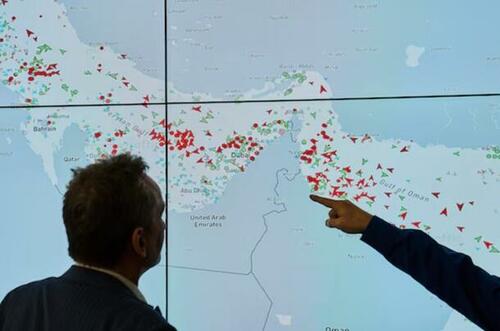
The Islamic Republic of Iran has launched a digital insurance platform, titled Hormuz Safe, in order to guarantee safe passage through the Strait of Hormuz and provide coverage for commercial vessels.
The platform will rely on cryptocurrency payments from vessels and is being advanced by the Iranian Economy Ministry, according to a Saturday report by Fars News Agency. “The Ministry of Economy is advancing a plan that would make the management of the Strait of Hormuz possible through insurance – a model that would be acceptable to other countries during peacetime while still allowing Iran to exercise control over the Strait,” the agency’s correspondent reported, citing a government document.
“Under this plan, Iran would achieve informational dominance and be able to distinguish between the transit of vessels from different countries,” the report added.
“From an international law perspective, while imposing tolls on ships in the post-war period may be possible, it would carry political costs. Management of the Strait would then be limited to selling services, which, under the best circumstances, would generate up to $2 billion in revenue for Iran. Under the Economy Ministry’s plan, managing the strait through an insurance framework would enable the issuance of various marine insurance policies as well as certificates of financial responsibility,” it explained.
According to the document, the plan will start with insurance covering inspection, detention, and confiscation. Damage from military attacks would not be covered.
The ministry estimates that “this approach, while assuming low risk, would generate over $10 billion in revenue” for Iran. Since the start of the unprovoked US-Israeli war on Iran, the Strait of Hormuz has been closed to Washington and Tel Aviv.
Chinese ships and vessels belonging to other nations, which have coordinated with Iran, including France and India, have at times crossed throughout the war and the so-called ceasefire period.
The Islamic Republic of Iran Broadcasting (IRIB) network reported on May 16 that several European governments have opened direct channels with Tehran to discuss safe passage through the waterway.
The Fars News Agency report comes weeks after Bloomberg said Iran has set up a “toll booth” in the strait, requiring ships to undergo vetting and pay fees for safe passage.
One of Tehran’s main terms is a new global system that would grant authority over the Strait of Hormuz, in coordination with Oman and potentially other regional states.
Iran’s Economy Ministry Proposes Insurance-Based Model to Manage Strait of Hormuzhttps://t.co/40dZnoQg1M pic.twitter.com/Qlg1ME4zGL
— Fars News Agency (@EnglishFars) May 16, 2026
Iranian media said days ago that Iranian and Omani officials convened a legal-technical meeting in Muscat to discuss the Strait of Hormuz, arrangements for the secure passage of ships, and the sovereign rights of both nations over the waterway. The US has maintained an ‘illegal’ blockade of Iranian ports since the ceasefire began, while repeatedly threatening to renew bombardment. Israel has also said it is awaiting US approval to renew attacks against Iran.
Washington violated the truce earlier this month by attacking several vessels and bombing Iran’s coast. Iranian forces targeted two US military vessels in response (while the Pentagon maintains it was the other way around). The next day, skirmishes broke out between Iranian and US forces in the Strait of Hormuz.
Iranian officials are warning that “restraint has ended” and that renewal of the war will result in “crushing” responses.
Tyler Durden
Sun, 05/17/2026 – 17:30
Big Pharma RINO Bill Cassidy Smoked By Trump-Endorsed Candidate In Louisiana Senate Primary
Big Pharma RINO Bill Cassidy Smoked By Trump-Endorsed Candidate In Louisiana Senate Primary
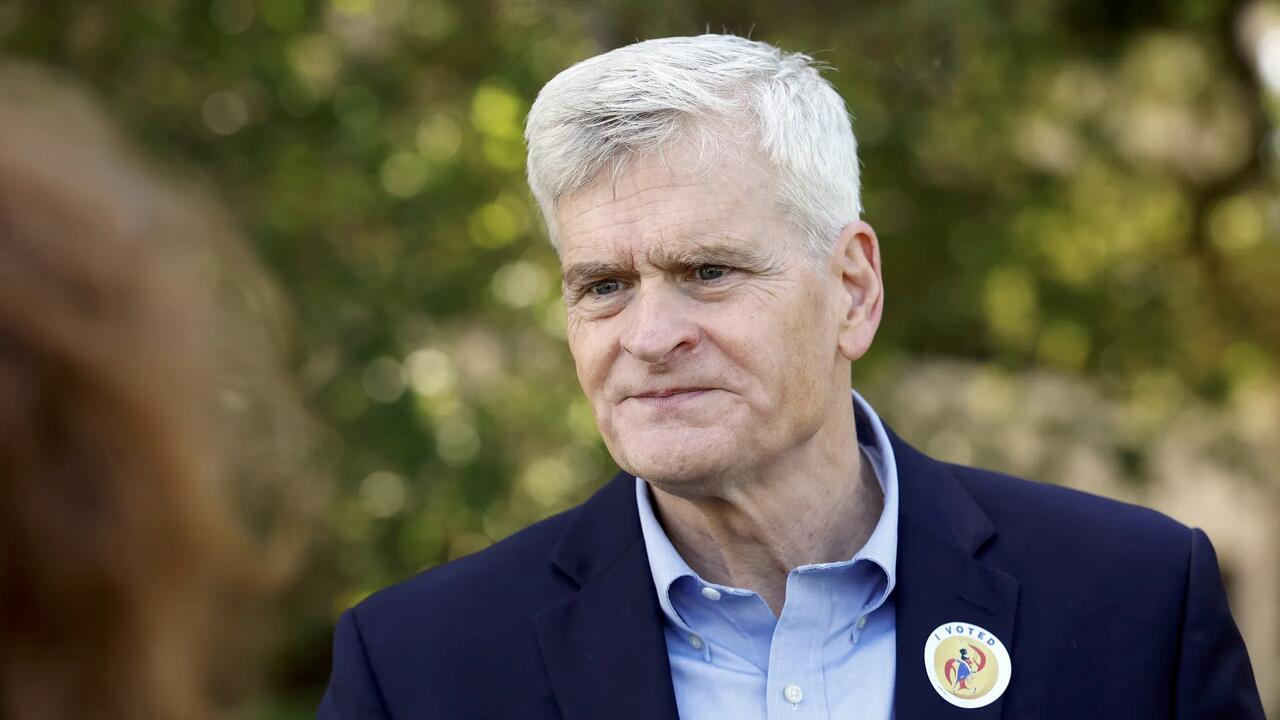
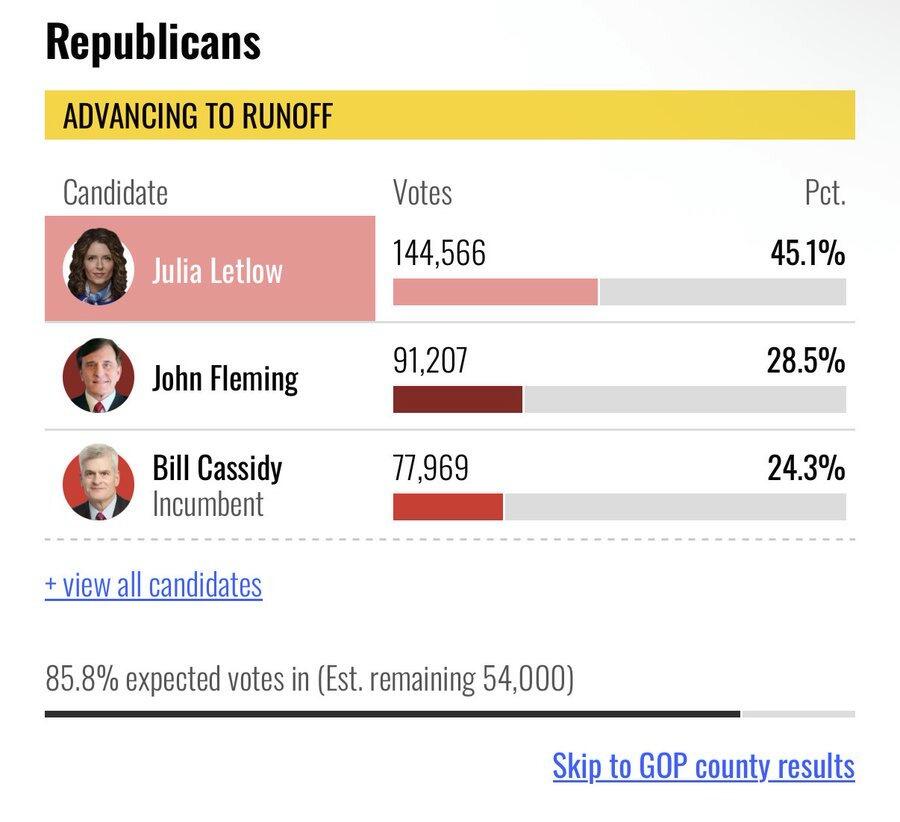
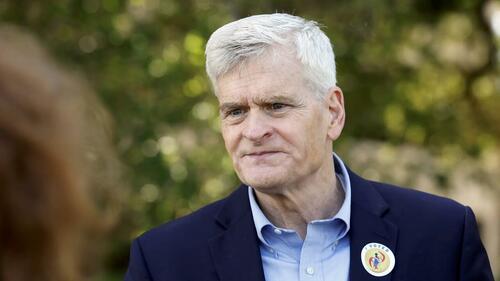
Senator Bill Cassidy (R-LA) came in third in Louisiana’s Republican Senate primary on Saturday – marking the first time in nearly 15 years that a sitting US Senator has lost a primary in a regularly scheduled election.
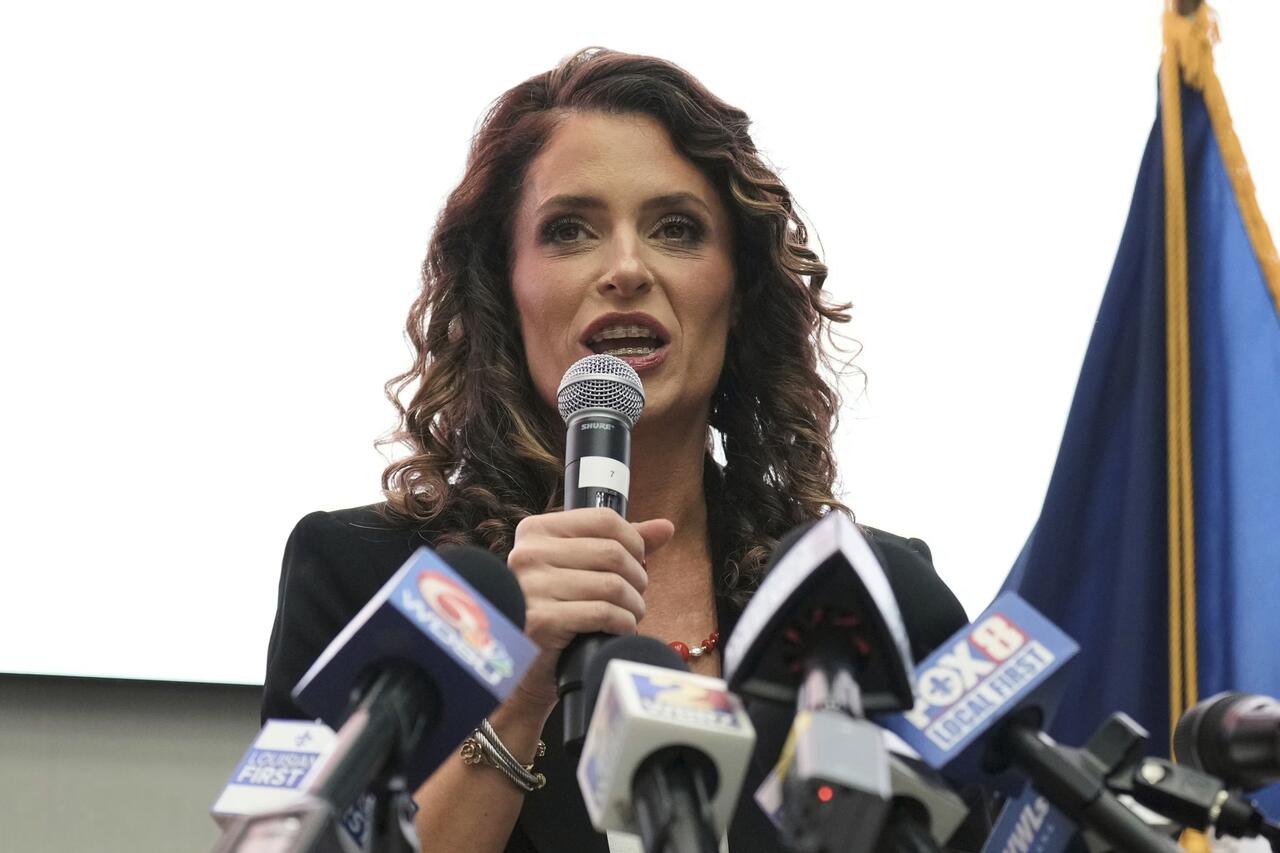
Instead, Trump-endorsed Rep. Julia Letlow led with ~45% of the vote, while state Treasurer John Fleming came in second at 28%.
Letlow and Fleming will now face off in a June 27 runoff.
Cassidy was a notable fan of Obamacare, and voted to convict Trump during impeachment over the Jan. 6, 2021 Capitol riot. He also helped sink Casey Means’ nomination for surgeon general, which drew sharp criticism from Health Secretary Robert F. Kennedy Jr, and his MAHA movement. He’s been labeled a big pharma shill by opponents.
With Bill Cassidy’s primary defeat last night, @PeterKolchinsky has one less Big Pharma puppet to play with in Congress. https://t.co/NLmnYVaIXQ
— Jason Poulos (@jasonvpoulos) May 17, 2026
Of note…
Over $1.2 million in career contributions from the pharmaceutical and health products industry, according to OpenSecrets data, with hundreds of thousands received in recent cycles.
Pharma executives showered him with donations shortly after he became the top Republican on the Senate HELP Committee in 2023, including $5,800 from Pfizer CEO Albert Bourla, $5,000 from Eli Lilly CEO David Ricks, and contributions from other PhRMA board members.
Opposed key drug pricing reforms aimed at lowering prescription costs, while taking substantial industry money during those periods.
Received nearly $330,000 from the pharma/health industry in the 2023-2024 cycle alone, ranking him among the top Senate recipients.
Sen. Bill Cassidy, the biggest obstacle to medical freedom and reforming the vaccine cartel got crushed yesterday in the Louisiana GOP primary. Cassidy has stood in the way of every reform proposed by RFKJ, opposed the appointment of anybody who would change the current corrupt… pic.twitter.com/pfJFr22cB0
— Autism Action Network (@AutismActionNet) May 17, 2026
The last time a sitting US Senator lost their seat in a primary was in 2012, when longtime Sen. Dick Lugar (R-IN) lost his Republican primary to Richard Mourdock.
🚨 HOLY CRAP! RINO Sen. Bill Cassidy just got completely SHUT OUT of his Senate seat — not only getting pummeled by Trump-backed Julia Letlow, but also losing to John Fleming, who got 2nd
This is the first time in nearly 15 YEARS a sitting US Senator lost their primary in a… https://t.co/1zvNKA5K7v pic.twitter.com/OxBTYO6dNq
— Eric Daugherty (@EricLDaugh) May 17, 2026
Letlow, meanwhile, is your standard issue conservative. The Louisiana congresswoman has a solidly right-leaning congressional record. She earned Trump’s full backing after Cassidy voted to convict him, and she campaigned on core America First priorities including border security, energy production, and opposition to woke policies.
While critics on the right point to her membership in the more moderate Main Street Caucus, slightly softer Club for Growth scores on spending, and past academic work involving DEI language, these are relatively minor compared to her overall alignment with Republican and MAGA priorities. In the context of Louisiana’s deep-red politics, Letlow represents a clear shift away from Cassidy-style establishment Republicanism toward a more Trump-aligned Senate candidate heading into the June runoff.
Tyler Durden
Sun, 05/17/2026 – 16:55

Largest Ukrainian Drone Attack On Moscow In Over A Year Leaves Four Dead
Largest Ukrainian Drone Attack On Moscow In Over A Year Leaves Four Dead
The Russian capital has just suffered possibly its single biggest and deadliest Ukrainian drone attack of the war – and certainly the largest attack wave on Moscow in the last year. It ironically comes exactly a week after President Zelensky signed on to a three day Russian ‘Victory Day’ ceasefire at the behest of President Trump. It also comes after several days of major Russian missile and drone attacks on Ukraine.
At least four people have been killed in the overnight large-scale assault wave, with dozens more wounded. Regional airports have been shut down, and there’s been a sense of panic as the threat lingered into the daylight hours Sunday, with onlookers filming drones flying uncontested over Moscow airspace.
“A woman died in Khimki, north of Moscow, and a person was trapped under rubble, regional governor Andrei Vorobiev said. A man and a woman were killed in the village of Pogorelki,” BBC reports, citing local authorities.
Additionally, “A male Indian citizen was killed and three others injured, India’s Moscow embassy said, but it was not clear whether these casualties were included in Vorobiev’s tally. Another person died in Belgorod region bordering Ukraine.”
The regional governor said that residences were on fire, with a home in the village of Subbotino, southwest of Moscow, being one of them.
Reports say the attack marks the first time of the entire 4+ year long war that Ukraine directly struck a Moscow oil refinery, considered to be the most protected energy facility in the country, with multiple strikes landing on target.
Moment of attack on Moscow refinery:
For the first time, Ukraine has managed to hit the Moscow oil refinery, the most protected facility in the country – multiple strikes. pic.twitter.com/0CE3rYACwJ
— Jay in Kyiv (@JayinKyiv) May 17, 2026
Hours-long fire at the key refinery…
Among other burning Russian things across Moscow today, fires at Moscow’s massive Solnechnogorsk oil facility continue to spread, 8 hours after Ukraine’s strikes. pic.twitter.com/RDFOS8zMm6
— Jay in Kyiv (@JayinKyiv) May 17, 2026
Some eyewitness accounts said at one point drones were seen flying in formation over Moscow, as if to make a mockery of Russian anti-air defense.
Ukraine’s drone swarms have long proven a major problem for Russia’s military, being small and low to the ground, able to evade expensive air defenses which were designed to intercept larger, faster inbound projectiles like rockets or aircraft.
Overnight, Russia’s defense ministry said 556 drones were intercepted around the country. Some 130 of them were intercepted in the Moscow region alone, but clearly at least dozens still made it through.
Ukriane hitting Moscow today… multiple times pic.twitter.com/iDu4rBqHct
— Open Source Intel (@Osint613) May 17, 2026
Amid the suicide UAV attack mayhem, Sheremetyevo – Russia’s busiest airport that serves Moscow – suffered drone damage and falling debris, but there were no reports of injury at the airport.
“The situation in the passenger terminals is calm. Sheremetyevo Airport is providing stable passenger and aircraft services,” airport officials said.
There have also been dramatic scenes of massive fires just underneath busy highways, causing panicked drivers to try and get past the flames quickly and safely, and watching the skies above.
Damage at Sheremetyevo airport…
Ukrainian President Zelensky later owned up to authorizing the attack, saying the strikes were an “entirely justified” response to the last several days of Russian attacks on Ukrainian cities, including Kiev. This past week saw massive Russian attacks, which killed seven bystanders and wounded many more, including children.
Rare moment of chaos and fear over Moscow…
Moscow. Drone attack continues right now. Our local correspondent reports air defense activity directly above him. https://t.co/1Y7rrdEsjB pic.twitter.com/bMgFm6NCpT
— WarTranslated (@wartranslated) May 17, 2026
The tit-for-tat drone hits have increasingly expanded to include civilian neighborhoods on either side of the border, sadly. The ground war has lately been largely stale-mated, with Russia having the clear edge, but the air war has been heating up – with both sides suffering serious damage, particularly at energy sites.
Tyler Durden
Sun, 05/17/2026 – 15:45

YouTube, Snap, And TikTok Settle Kentucky School District’s Social Media Addiction Claims
YouTube, Snap, And TikTok Settle Kentucky School District’s Social Media Addiction Claims
Authored by Kimberly Hayek via The Epoch Times (emphasis ours),
YouTube, Snap, and TikTok have settled a Kentucky school district’s claims that the platforms fueled a youth mental health crisis that the school district said it was forced to manage.
The Breathitt County School District in rural eastern Kentucky still plans to take Meta Platforms, parent of Facebook and Instagram, to trial on June 15.
The agreements, detailed in federal court filings on Friday, are among the first set for trial in more than 1,200 similar lawsuits filed by school districts nationwide.
“This matter has been amicably resolved and our focus remains on building age-appropriate products and parental controls that deliver on that promise,” a YouTube spokesperson said in a statement.
Snap and TikTok did not immediately respond to a request for comment.
The district had sought more than $60 million to cover costs of countering social media’s effects on students and to fund a 15-year mental health program. It also asked the court to order changes to reduce addictive features on the platforms. Terms of the agreements were not disclosed.
More than 3,300 addiction-related lawsuits are pending in California state courts. Another 2,400 cases filed by individuals, cities, states, and school districts have been filed in the California federal court.
The companies have denied the allegations. They say they already take extensive steps to protect teens and young users.
The settlements come weeks after a landmark verdict in a related individual case.
In March, a jury found Meta and Google’s YouTube negligent and awarded $6 million to a 20-year-old woman identified in court records as K.G.M. or Kaley G.M., who argued she suffered depression, body dysmorphia, anxiety, and suicidal ideation as a result of being addicted to the social media apps.
K.G.M.’s case focused narrowly on how design and function—including features such as notifications, “infinite scroll,” and the companies’ proprietary algorithms—rather than third-party content, may have led to alleged psychological harms.
Meta and YouTube executives testified that they do not design their platforms to be addictive.
K.G.M.’s attorneys said the evidence clearly shows that leadership at both Meta and YouTube knew of the harms associated with preteen use, that young people with other co-stressors were particularly vulnerable, and that they went after that demographic anyway, introducing features such as vertical video feeds to compete with rivals such as Snapchat.
Like K.G.M.’s case, the Breathitt County School District’s agreement is one of a handful of bellwether trials expected to have a profound bearing on thousands of related, consolidated civil injury lawsuits brought by parents, children, school districts, and district attorneys.
Reuters and Beige Luciano-Adams contributed to this report.
Tyler Durden
Sun, 05/17/2026 – 15:10