Category: News

Best light therapy lamp
Which light therapy lamp is best?
A light therapy lamp can help boost your mood, whether you are experiencing depression or your mood is simply worse than normal. Light therapy lamps impact the chemicals in your brain linked to sleep and mood, and they can help decrease the signs and symptoms of seasonal depression. It’s important to understand what to look for when purchasing a light therapy lamp, as well as the best options on the market.
What to know before you buy a light therapy lamp
Consider your budget
Think about your budget when you are deciding which type of light therapy lamp to buy. These lamps vary in price, depending on their size and intensity, but you can typically expect to pay anywhere from $30-200.
Use your light therapy lamp in the morning
It’s important to use a light therapy lamp in the morning, starting with 20-30 minutes at a time to see if the light therapy boosts your mood. If you don’t feel any effects from that 20- to 30-minute session, then you can increase your time to an hour each day.
Find the right size for you
Light therapy lamps come in a wide range of different sizes, from larger, box-style lamps to small, tabletop lamps. It’s important to choose the right size for you, but keep in mind that smaller lamps might be less effective.
What to look for in a quality light therapy lamp
Intensity
The intensity of the light therapy lamp is the primary factor in predicting the effectiveness of the lamp. The intensity of the light from the lamp is measured in a unit known as lux. The lux describes how brightly your eyes perceive the light.
Light therapy lamps typically fall into a range of 2,500-10,000 lux. In comparison, the average rating for home lighting is about 50 lux. Light therapy lamps with 10,000 lux are recommended for the fastest treatment.
Full-spectrum vs. broad-spectrum
Some light therapy lamps feature broad-spectrum light, while other lamps use full-spectrum light. Broad-spectrum light is usually whitish in color and does not contain any UV rays, while full-spectrum light has a bluish color and features wavelengths from infrared to near-ultraviolet. You should make sure that the UV light is filtered out if you use a full-spectrum bulb, since the UV rays can damage and burn your skin.
Timer
Having a built-in timer on your light therapy lamp is important, since the timer can automatically keep track of how long your light therapy sessions are. These timers make it easier to offer accurate records, particularly if your doctor wants you to track the amount of time you spend with the light therapy lamp.
How much you can expect to spend on a light therapy lamp
Most light therapy lamps vary in price between $30 and $200. You can usually expect to spend $30-40 for small, 2,500 lux lamps, $45-65 for small, 7,500-8,000 lux lamps, $70-90 for larger lamps with 7,500-8,000 lux, $75-100 for small, 10,000 lux lamps and $100-200 for larger 10,000 lux lamps.
Light therapy lamp FAQ
Are there side effects to using a light therapy lamp?
A. There are some side effects from using light therapy lamps, but they are typically minor. Some light therapy lamp users report getting jitters, anxiety and headaches when they first start using the lamps.
These side effects typically go away after just a few days, but you can also decrease the chance of experiencing these side effects by beginning your light therapy lamp usage with shorter sessions. Keep in mind that you should speak to an eye doctor before using a light therapy lamp if you have any eye disease or vision problems.
Do you need to stare into the lamp to get the benefits?
A. No, you should actually not stare directly into the light of the lamp, since it can lead to retina or cornea damage. The light therapy lamp should instead be positioned so that it shines down at you from an elevated position.
What are the best light therapy lamps to buy?
Top light therapy lamp
What you need to know: This best-in-class light therapy lamp offers highly effective light therapy and is considered an industry leader.
What you’ll love: This incredibly light therapy lamp features a spacious light surface, a sleek design, bright light and a fairly compact size. It can be positioned either vertically or horizontally.
What you should consider: Keep in mind that some customers have reported faulty units.
Top light therapy lamp for the money
Verilux HappyLight V10 Compact Light Therapy Lamp
What you need to know: This effective and portable light therapy lamp from Verilux provides light therapy at an accessible price.
What you’ll love: This budget-friendly yet well-made light therapy lamp features a small and durable design that is meant for travel and use in small spaces. The lamp emits bright light and is an excellent option for prolonged use.
What you should consider: It’s important to consider that this lamp gets fairly hot, particularly when you use it for extended periods of time.
Worth checking out
Circadian Optics Lumos 2.0 Light Therapy Lamp
What you need to know: This budget-friendly light therapy lamp is effective, small and discreet and is an excellent option for personal use.
What you’ll love: This affordable light therapy lamp is meant for people who live in regions with dark and long winters. The lamp is easy to adjust, features a trim design and emits bright, full-spectrum light.
What you should consider: The power cord on this light therapy lamp is not very long.
Prices listed reflect time and date of publication and are subject to change.
Check out our Daily Deals for the best products at the best prices and sign up here to receive the BestReviews weekly newsletter full of shopping inspo and sales.
BestReviews spends thousands of hours researching, analyzing and testing products to recommend the best picks for most consumers. BestReviews and its newspaper partners may earn a commission if you purchase a product through one of our links.
Distributed by Tribune Content Agency, LLC.
https://www.chicagotribune.com/2026/01/16/best-light-therapy-lamp/

Prendió fuego a una foto, encendió un cigarrillo y se convirtió en símbolo de resistencia en Irán
Por LAURIE KELLMAN
LONDRES (AP) — Con una calada a un cigarrillo, una mujer en Canadá se convirtió en un símbolo global de desafío contra la sangrienta represión de Irán a la disidencia, y el mundo vio la llama.
Un video que se ha vuelto viral en los últimos días muestra a la mujer —que se presenta como refugiada iraní— abriendo un encendedor y prendiendo fuego a una foto que sostiene. La imagen empieza a arder, iluminando el rostro del ayatolá Ali Jamenei, el clérigo de mayor rango de Irán. Luego, acerca un cigarrillo a la llama, da una rápida calada y deja que lo que queda de la imagen caiga al pavimento.
Ya fuese un acto de rebeldía espontáneo o escenificado —y hay mucho debate al respecto— el video se ha convertido en una de las imágenes definitorias de las protestas en Irán contra la maltrecha economía de la República Islámica, mientras el presidente de Estados Unidos, Donald Trump, vuelve a considerar una intervención militar en el país.
El gesto ha saltado del mundo virtual al real, con los opositores al régimen encendiendo cigarrillos en fotos del ayatolá desde Israel hasta Alemania, y de Suiza a Estados Unidos.
En los 34 segundos que dura la grabación, muchos en redes sociales como X, Instagram y Reddit ven a una persona que desafía una serie de leyes y normas de la teocracia en una fascinante muestra de autonomía. No lleva hiyab, tres años después de las protestas “Mujeres, Vida, Libertad” contra la exigencia del régimen de cubrirse la cabeza con un pañuelo.
Además, quema una imagen del líder supremo de Irán, que en el país es un delito que se castiga con la muerte. Su cabello rizado cae en cascada, otra transgresión a los ojos de la teocracia. Y enciende su cigarrillo con la llama, un gesto considerado indecoroso allí.
Y en esos pocos segundos, difundidos y amplificados un millón de veces, pasa a la historia.
Batalla por el control narrativo
En 2026, las redes sociales son un campo de batalla clave para controlar la narrativa sobre los conflictos. Los manifestantes en Irán afirman que las movilizaciones son contra las restricciones y competencias del régimen. Teherán sostiene desde hace tiempo que son un complot de agentes extranjeros como Estados Unidos e Israel para desestabilizar la República Islámica.
Y ambas partes compiten por contar el relato que perdurará.
La prensa estatal iraní anuncia las sucesivas oleadas de detenciones por parte de las autoridades, dirigidas contra quienes califican como “terroristas” y que, al parecer, buscan también antenas parabólicas de internet por satélite Starlink, la única forma de publicar videos e imágenes online. El jueves hubo indicios de que la sangrienta represión del régimen había sofocado en cierta medida la disidencia, luego de que activistas reportaran la muerte de al menos a 2.615 personas. La cifra supera con creces a los fallecidos en cualquier otra ronda de protestas o disturbios en el país en las últimas décadas, y recuerda el caos de la Revolución Islámica de 1979.
Las redes sociales se han llenado de fotos de personas encendiendo cigarrillos con fotos del líder iraní. “Fúmalo si lo tienes. #Irán”, publicó el senador republicano por Montana Tim Sheehy.
En la era de la IA, la desinformación y las noticias falsas, hay abundantes motivos para cuestionar las imágenes con carga emocional y política. Así que cuando “la chica del cigarrillo” apareció en internet este mes, muchos usuarios hicieron precisamente eso.
No estaba claro, por ejemplo, si prendía el cigarrillo en Irán o en algún lugar con libertad de expresión como una muestra de solidaridad. Algunos, por el fondo, apuntaron que podría estar en Canadá. La mujer lo confirmó en entrevistas. Pero, ¿tiene el cuello alineado? ¿La llama era realista? ¿Una mujer real dejaría que su cabello se acercara tanto al fuego?
Muchos se preguntaron si la “chica del cigarrillo” era un ejemplo de las llamadas “operaciones psicológicas”, algo que tampoco está claro. Se trata de una táctica de guerra y diplomacia tan antigua como los conflictos humanos, por la que alguien interesado en un resultado difunde una imagen o sonido deliberadamente. Desde las transmisiones de radio falsas de los aliados durante la Segunda Guerra Mundial hasta los desfiles de misiles nucleares de la Guerra Fría, la historia está llena de ejemplos.
El Ejército de Estados Unidos ni siquiera lo oculta. El 4º Grupo de Operaciones Psicológicas de Ft. Bragg, Carolina del Norte, lanzó el año pasado un video de reclutamiento llamado “Ghost in the Machine 2”, lleno de referencias a la “PSYWAR” (“guerra psicológica”). Y la guerra en Gaza fue el escenario de una feroz batalla visual: Hamás obligó a los rehenes israelíes a sonreír y posar en público antes de su liberación mientras que Israel transmitió sus jubilosos reencuentros con familiares y amigos.
Sea cual sea la respuesta, el simbolismo del acto de la mujer iraní fue lo suficientemente poderoso como para dar la vuelta al mundo en las redes sociales e inspirar a otros a imitarla en las molivizaciones en la vida real.
La mujer detrás de la imagen
La mujer no respondió a los múltiples intentos de The Associated Press para confirmar su identidad. Pero ha hablado con otros medios, y la AP confirmó la autenticidad de esas entrevistas.
En X se autodenomina “feminista radical” y su nombre de usuario es Morticia Addams —en honor a la exuberante y espeluznante matriarca de “Los locos Addams” (“The Addams Family”)— por su interés en las “cosas terroríficas”, explicó en una entrevista con el medio sin fines de lucro The Objective.
No permite que se publique su nombre real por razones de seguridad tras lo que describe como un angustioso viaje desde ser una disidente en Irán —donde dijo que fue detenida y maltratada— a la seguridad en Turquía. Allí, según contó a The Objective, obtuvo una visa de estudiante para Canadá. Ahora, mediada la veintena, indicó que tiene estatus de refugiada y vive en Toronto.
Fue allí, el 7 de enero, donde grabó su video viral, un día antes de que el régimen iraní impusiera un bloqueo casi total al acceso a internet.
“Solo quería decirles a mis amigos que mi corazón y mi alma estaba con ellos”, manifestó en declaraciones a CNN-News18, una filial de la televisora en India.
En las entrevistas, la mujer afirmó que fue arrestada por primera vez a los 17 años durante las protestas del “noviembre sangriento” de 2019, que comenzaron después de que Trump retiró unilateralmente a Estados Unidos del acuerdo nuclear entre Irán y las potencias mundiales e impuso aplastantes sanciones a la República Islámica.
“Me oponía firmemente al régimen islámico”, le dijo a The Objective. Las fuerzas de seguridad “me arrestaron con pistolas eléctricas y porras. Pasé una noche en un centro de detención sin que mi familia supiera dónde estaba o qué me había pasado”. Finalmente, su familia logró su liberación presentando una nómina como fianza. “Desde ese momento estuve bajo vigilancia”.
En 2022, durante las protestas derivadas de la muerte de Mahsa Amini mientras estaba detenida, participó en un programa de YouTube en contra del uso obligatorio del hiyab y comenzó a recibir llamadas de números bloqueados amenazándola. En 2024, después de la muerte del presidente iraní Ebrahim Raisi en un accidente de helicóptero, hizo pública su historia y fue arrestada en su casa en Isfahan.
De acuerdo con su relato, fue interrogada y “sometida a una humillación severa y a abusos físicos”. Luego, sin explicación alguna, quedó en libertad con una cuantiosa fianza. Huyó a Turquía y comenzó su periplo hacia Canadá y, eventualmente, a la fama global.
“Todos los miembros de mi familia están todavía en Irán, y no he sabido de ellos en varios días”, dijo durante la entrevista publicada el martes. “Estoy realmente preocupada de que el régimen islámico pueda atacarlos”.
___
Esta historia fue traducida del inglés por un editor de AP con la ayuda de una herramienta de inteligencia artificial generativa.

Best Miele vacuum
Which Miele vacuum is best?
Cleaning the house and doing chores are unfortunately part of our everyday life. There is no way of getting around it, which is why you need the best tools for minimal effort. Luckily there are several Miele vacuum cleaners that will make short work of any dust or debris.
One of the most powerful vacuum cleaners available is the Miele Complete C3 Marin Canister Vacuum Cleaner. It has a HEPA air filter to remove any pollen or dust, and it even has a light on the suction head to make it easier for spotting errand particles.
What to know before you buy a Miele vacuum
Miele only makes five vacuum cleaners
It will either make your choice harder or easier, but Miele only sells five different vacuum cleaners. With that said, each model has been designed for a specific purpose. But if you already know what type of cleaner you want, there are only a few other considerations you need to make to arrive at the best option.
Are you looking for an upright or canister vacuum?
Largely dependent on the amount of space you have and the power of the vacuum, consider whether you want an upright or canister vacuum cleaner. Upright cleaners are often called stick vacuums and don’t have the typical canister on wheels. They are also easier to store but aren’t as powerful as their canister counterparts.
The suction power on multiple surfaces
Arguably the most important aspect of any vacuum cleaner is the suction power. If it doesn’t have enough power to do the job, it can leave your house in more of a mess than when you started. The suction power is measured in watts and generally refers to how well it will clean. The more debris and particles the vacuum picks up, the fewer passes you’ll have to do.
What to look for in a quality Miele vacuum
Accessories for different surfaces
A vacuum might seem like it only has one job, and while that is correct, it will do this job differently depending on the accessories. It is vital that you use the best tool for the job, which is why Miele vacuums come with a host of nozzle accessories. There is a specific attachment for hardwood floors, while the upholstery tool will remove dust from furniture. If you have pets, the hair and fur tool will remove any shedding from surfaces.
Filtration system for allergies
Together with the pet hair tool, many Miele vacuum cleaners have a special filtration system to prevent any airborne particles from triggering allergies. A good quality vacuum cleaner will only release clean air back into the room and trap all particles smaller than a micron in the filter. Look for a vacuum that has a HEPA filter that traps up to 99% of dust, pollen, pet dander and bacteria.
Lightweight for mobility
Cleaning is a strenuous task, and you certainly don’t need an added workout by pulling or pushing a heavy vacuum all over the house. Thankfully, most Miele cleaners are incredibly lightweight and can be operated with minimal effort. Most Miele canister vacuums weigh less than 10 pounds, while the upright models are slightly heavier.
How much you can expect to spend on a Miele vacuum
The average price of a Miele vacuum will depend on the suction power, the capacity and whether it is an upright or canister. Top-quality models retail for $800-$1,000, while smaller, more affordable cleaners retail for $300-$500.
Miele vacuum FAQ
Can you replace the bags of a Miele vacuum?
A. Yes, but that will also depend on the model that you have. Upright vacuum cleaners tend to not have a dust bag but rather a container that it goes into. Canister cleaners on the other hand, sometimes do have filtration bags and dust collectors that need to be cleaned out.
Does Miele make robotic vacuum cleaners?
A. Yes, and they are incredibly useful. Miele only makes one model (the RX2) and can work autonomously for two hours.
What’s the best Miele vacuum to buy?
Top Miele vacuum
Miele Complete C3 Marin Canister Vacuum Cleaner
What you need to know: The C3 is billed as the most powerful vacuum for its size.
What you’ll love: Best used on low to medium pile carpeting, the Miele C3 has a 1200 watts Silence motor with six speed settings in addition to an automatic motor setting. The suction head can rotate 180 degrees, making sure that you can get to all the particles. It comes with a HEPA AirClean Filter and has an operating range of 36 feet.
What you should consider: Some users have indicated that the 90-degree angle at which the hose connects to the handle can cause blockages.
Top Miele vacuum for the money
Miele Compact C1 Turbo Team Bagged Canister Vacuum
What you need to know: This lightweight cleaner is ideal for hardwood floors and low-pile carpets.
What you’ll love: The C1 has a powerful 1,200-watt Vortex motor with built-in suction control. It comes with a dusting brush, crevice tool and upholstery tool. To make sure that dust particles don’t escape, it incorporates the three-tier AirClean Sealed System.
What you should consider: The storage canister might not be large enough for roomier homes.
Worth checking out
Miele Triflex HX2 Cat & Dog Cordless Stick Vacuum Cleaner
What you need to know: This Miele vacuum is a must-have for pet owners or those who suffer from allergies.
What you’ll love: Rated as one of the best upright vacuum cleaners, the HX2 can be used on floors, furniture and ceilings. It has a built-in battery that can last for up to 60 minutes, and HEPA Lifetime Filter traps 99.99% of particles. It is turned on through one switch, which is easier to operate when compared to other trigger upright devices.
What you should consider: Some customers say the battery doesn’t last as long as advertised.
Prices listed reflect time and date of publication and are subject to change.
Check out our Daily Deals for the best products at the best prices and sign up here to receive the BestReviews weekly newsletter full of shopping inspo and sales.
BestReviews spends thousands of hours researching, analyzing and testing products to recommend the best picks for most consumers. BestReviews and its newspaper partners may earn a commission if you purchase a product through one of our links.
Distributed by Tribune Content Agency, LLC.
https://www.chicagotribune.com/2026/01/16/best-miele-vacuum/
Canadá se distancia de EEUU y reduce aranceles a autos eléctricos chinos a cambio de menos tasas a productos agrícolas
BEIJING (AP) — Canadá se distancia de EEUU y reduce aranceles a autos eléctricos chinos a cambio de menos tasas a productos agrícolas.

Danish Intelligence Confirms The Russia-China Threat To Greenland
Danish Intelligence Confirms The Russia-China Threat To Greenland
A 2025 Intelligence Assessment by the government of Denmark highlights the long term Russian and Chinese ‘threat’ in Arctic waters, at a moment Greenland officials have rejected the US assertion that the large resource-rich island and its waters are being gradually influenced and taken over by the Russia/China ‘menace’.
Trump has recently stated, “We need that because if you take a look outside of Greenland right now, there are Russian destroyers, there are Chinese destroyers and, bigger, there are Russian submarines all over the place. We’re not gonna have Russia or China occupy Greenland, and that’s what they’re going to do if we don’t.”
Greenlanders meanwhile are by and large rejecting this, though perhaps Trump was using hyperbole in a “see Alaska from my house” Sarah Palin moment.
While Trump has already proven he often first sets his interventionist policy and agenda, and then goes looking for a justification in a post hoc fallacy kind of way (a longstanding tradition among pretty much all American presidents, sadly), the Danish intelligence report does seem to add general weight to Trump’s arguments.
For a sampling of official quotes from the Danish Defence Intelligence Service (DDIS) – Intelligence Outlook 2025, complied by Conservative pundit Nick Solheim:
“In recent years, the United States has significantly increased its security policy focus on the Arctic, while Russia continues its military build-up, and China continues to develop its capacity to operate both submarines and surface vessels in the region.” (p. 30)
“Russia remains the strongest military power in the Arctic but sees itself as being challenged by the West. As a result, Russia will increasingly assert its interests through a more confrontational approach, both politically and militarily.” (p. 30)
“Most of Russia’s nuclear-armed submarines are stationed in the Arctic. They form a key component of Russia’s plan to deter the United States from attacking, providing Russia with the capability to launch a potential retaliatory nuclear strike.” (p. 31)
“The United States’ assessment of the scale and nature of future Chinese military activity in the Arctic is a key factor shaping its engagement in the region. Any Chinese military activity in the Arctic – particularly in proximity to US territory – would be regarded as a serious concern.” (p. 31)
“China aims to develop the capacity for independent military operations in the Arctic. Chinese activities are primarily concentrated in the waters north of the Bering Strait, extending towards the North Pole.” (p. 35)
“China’s long-term goal is to deploy missile submarines beneath the ice, thereby attaining the same nuclear second-strike capability as Russia and the United States.” (p. 36)
“Although Chinese companies have shown interest in investing in Greenland, this has so far not produced tangible results. Nevertheless, China’s long-term Arctic interests include Greenland, and it is expected to continue pursuing cooperation with Greenland, particularly in research but also in commercial ventures.” (p. 36)
“Despite the considerable geographical distance, Russia periodically deploys submarines, surface vessels and aircraft near both Greenland and the Faroe Islands, as well as throughout the waters between them.” (p. 38)
“In addition, Russia employs civilian vessels operating in the area to carry out tasks such as surveillance on behalf of the Russian state.” (p. 38)
“For Russia, the waters between Greenland, Iceland, the Faroe Islands and the United Kingdom – the so-called GIUK Gap – form the main maritime gateway to and from the Arctic. Thus, the GIUK Gap is vital for Russia in the event of an armed conflict with NATO.” (p. 35)
“In such a conflict, Russia would seek to disrupt the supply lines between the United States and Europe by deploying attack submarines capable of transiting the GIUK Gap undetected.” (p. 35)
But it should be clear there’s also a convenient invoke the Moscow/Beijing bogeyman for when it suits your purpose kind of thing at play here…
Deterrence as usual- this is less a threat asessment than a review of the militarily un-alarming by commercially ominous status quo. You might as wll have quoted FA & The Economist.
— Russell Seitz (@RussellSeitz) January 13, 2026
BREAKING: The odds of the U.S. acquiring Greenland hit 25%, as the Trump admin floats offer valuing Greenland at over $10 million per resident. pic.twitter.com/EGgRQqrFww
— Polymarket (@Polymarket) January 14, 2026
The ‘fact checkers’ have been quick to push back, for example in this fresh Associated Press article: “Experts have repeatedly rebuffed Trump’s claims of Chinese and Russian military forces lurking off Greenland’s coastline. Experts say Russia instead operates in the Barents Sea, off the Scandinavian coast, and both China and Russia have a presence in the Bering Sea south of Alaska.”
It remains that the “Arctic” is a big, big place – and pretty much every great power with significant maritime capability patrols it as international waters. Whether Greenland is truly under threat or not from Russia and China is another matter.
Tyler Durden
Fri, 01/16/2026 – 04:15
https://www.zerohedge.com/geopolitical/danish-intelligence-russia-china-threat-greenland

What’s Behind Washington’s Signaling Support For NATO Troops In Ukraine?
What’s Behind Washington’s Signaling Support For NATO Troops In Ukraine?
It might be a negotiating tactic to pressure Russia into concessions on its maximalist goals in the conflict as a quid pro quo for not reprioritizing Russia’s containment over China’s by extending Article 5 to NATO states’ troops in Ukraine and thus reducing the odds that they’ll actually deploy there.
France and the UK recently committed to deploying troops to Ukraine in the event of a ceasefire as part of their latest proposed security guarantees to that country, the principle of which was praised for the first time ever by Steve Witkoff and Jared Kushner, the US’ Special Envoys for talks with Russia. The Paris Declaration that France and the UK signed also pledged their support for “Participation in a proposed US-led ceasefire monitoring and verification mechanism”. All of this certainly raises concern in Russia.
Secretary of War Pete Hegseth declared last February during his speech at NATO HQ that his country won’t consider member states’ troops in Ukraine to be covered by Article 5 and won’t deploy any of its own there either as part of any security guarantee. In light of the Paris Declaration, however, some in Russia might wonder whether the US is soon planning to reverse both policies to protect its NATO allies’ troops in Ukraine upon their deployment and deploy its own there too for monitoring a ceasefire.
Putin himself warned as recently as last September that Russia would deem Western troops in Ukraine “legitimate targets for destruction.” It’s therefore easy to see how their deployment en masse, unlike the minor unofficial French and UK troop presence in Odessa that Russian spies confirmed later that same month, could spiral out of control into World War III if Russia targets their forces. That might not happen, though, if the US’ support for the latest security guarantees is just a negotiating tactic (at least for now).
To explain, Trump 2.0 could have continued pumping Ukraine with weapons for free and never initiated talks with Russia if it wasn’t sincere about ending the conflict, all while gradually ramping up escalations against Russia as part of a “boiling the frog” approach for normalizing the path to World War III.
Abstaining from those courses of action only to suddenly engage in the unprecedented escalation of extending Article 5 to NATO states’ troops in Ukraine and even sending its own is possible but unlikely.
The “Trump Doctrine”, which readers can learn more about here, relegates Russia as a junior partner in a US-led world order. All that the US wants is to deny China access to more of Russia’s resources, which it requires for maintaining its growth and thus its superpower trajectory, by massively investing in some deposits as an incentive for compromising on its security-related goals in Ukraine and then outbidding China for access to others in the future. This quid pro quo, however, remains unacceptable to Putin.
Even if his position doesn’t change and the conflict continues, achieving the above goal vis-à-vis Russia might become increasingly less important for the US if it soon obtains control over Iran’s, Nigeria’s, and other major BRI countries’ resources after its astounding success in Venezuela. In that event, it’s difficult to imagine Under Secretary of War for Policy Elbridge Colby, whose “Strategy of Denial” is at the center of the “Trump Doctrine”, prioritizing the Russian front of the New Cold War over the Chinese one.
After all, the aforesaid complementary policies include radically ramped-up multilateral military pressure upon China in parallel with denying it access to the resources (and markets) that it requires, which doubling down on the Ukrainian Conflict would detract from. If the non-military aspects of Colby’s “Strategy of Denial” are advanced in major BRI countries and among US partners in the Indo-Pacific, the EU, and the Gulf, then the cost of stubbornly trying to advance this with Russia wouldn’t be justified.
Accordingly, the US would be less likely to extend Article 5 to NATO states’ troops in Ukraine and naturally wouldn’t deploy its own there either in that scenario, instead possibly suggesting a compromise whereby its allies would concentrate their troops in Poland and Romania instead while the US might monitor a ceasefire via remote means like satellites and drones. This proposed compromise would be necessitated by circumstances, but the context likely wouldn’t be told to the Russians.
Rather, it could be presented as a pragmatic compromise for Russia scaling back its goals, particularly those related to demilitarization and territory. Putin is reluctant to do that, however, but he also might not want to risk upsetting the current arrangement within the US’ permanent military, intelligence, and diplomatic bureaucracies (“deep state”) whereby containing China now takes priority over containing Russia like could happen if he rejects a compromise and/or presses forward after Donbass.
Given the US’ eagerness to outsource Russia’s containment in Europe to the Polish-led “Three Seas Initiative” in partnership with Germany after the Ukrainian Conflict ends, which would enable the US to fully prioritize China’s containment, Russia’s post-conflict security situation might relatively improve (albeit not to the extent envisaged when the special operation began) so long as it agrees to a compromise. This opportunity of sorts could be lost if Russia continues pursuing its maximalist goals.
Five questions therefore arise whose answers will determine what might come next:
1. How serious is the US about extending Article 5 to NATO states’ troops in Ukraine and possibly deploying its own there too even at the expense of derailing plans to more muscularly contain China?
2. Does Putin believe that it’s serious or does he think that it’s bluffing? How might he react based on each assessment and what factors could change how he views its intentions?
3. What’s the likelihood of the US’ “deep state” dynamics reverting from prioritizing China’s containment to Russia’s if Putin rejects a compromise and/or presses forward after Donbass?
4. How might the US’ success or lack thereof in denying China access to other states’ resources (and markets) just like it did Venezuela’s affect the above as well as its flexibility in compromising with Russia?
5. To what extent might Putin compromise on his maximalist goals? Could he be persuaded to accept NATO troops in Ukraine after the conflict ends if the US doesn’t extend Article 5 to them?
There are more or less two ways for Putin to look at everything:
1. The US’ plans to more muscularly contain China will remain its priority, especially if it succeeds in denying China access to more energy and markets, so Russia can safely reject a compromise in favor of retaining its maximalist goals and pressing forward after Donbass without worrying that the US will redouble its military support for Ukraine and/or provoke a Cuban-like brinksmanship crisis by extending Article 5 to NATO states’ troops in Ukraine who might then unilaterally deploy there alongside its own.
2. The US’ “deep state” dynamics remain fluid so it’s possible that rejecting a compromise and then pressing forward after Donbass could be manipulated by Russia’s enemies to persuade Trump to reprioritize its containment over China’s, which could greatly raise the chances of the US redoubling its military support for Ukraine and/or provoking a Cuban-like brinksmanship crisis by extending Article 5 to NATO states’ troops in Ukraine who might then unilaterally deploy there alongside its own.
As for the US, it prefers a swift political end to the conflict so as to more muscularly contain China afterwards but not entirely on Russia’s terms, so it’ll likely apply more secondary sanctions upon Russia’s partners in pursuit of that if Putin rejects a compromise. If there’s a major Russian breakthrough, it might even threaten to extend Article 5 to NATO states’ troops in Ukraine if Russia doesn’t stop and then order their deployment to partition Ukraine if it still doesn’t at the risk of World War III if they’re attacked.
This approach could backfire if China and Russia become more dependent on each other due to the US denying the first access to more resources and the second its access to more of the markets in which it sells its resources (like India if there’s more secondary sanctions pressure and India then replaces Russian oil with Venezuelan as part of a deal). China could then gain access to Russia’s entire resource base on the cheap while Russia would receive the financing required for indefinitely perpetuating the conflict.
Such unprecedented mutual dependence on one another could backfire on them too, however, if it breeds resentment among one and/or if the US abruptly makes one of them a much better offer than before on the condition that they dump the other and thus indirectly help the US strategically defeat them. To be clear, Putin and Xi have repeatedly reaffirmed how deeply they trust one another so this dark scenario is unlikely, but it shouldn’t be casually dismissed either since the possibility still exists.
Circling back to the subject of the US supporting European security guarantees to Ukraine for the first time ever, this is arguably just a negotiating tactic at this stage, but it also signals (whether sincerely or not) that the US’ “deep state” isn’t solidly behind prioritizing China’s containment and could thus revert to prioritizing Russia’s if Putin rejects a compromise and/or presses forward after Donbass.
That’s all that can be assessed for now given the complexity of the global systemic transition at its latest stage.
Tyler Durden
Fri, 01/16/2026 – 03:30

Plataformas de redes sociales eliminaron 4,7 millones de cuentas tras veto a menores en Australia
Por CHARLOTTE GRAHAM-McLAY
WELLINGTON, Nueva Zelanda (AP) — Las empresas de redes sociales han revocado el acceso a aproximadamente 4,7 millones de cuentas identificadas como pertenecientes a niños en Australia desde que el país prohibió el uso de esas plataformas a menores de 16 años, dijeron las autoridades.
“Nos enfrentamos a todos los que decían que no se podía hacer, algunas de las empresas más poderosas y ricas del mundo y sus partidarios”, afirmó la ministra de Comunicaciones, Anika Wells. “Ahora, los padres australianos pueden estar seguros de que sus hijos pueden recuperar su infancia”.
Las cifras, reportadas al gobierno de Australia por 10 plataformas de redes sociales, fueron las primeras en mostrar la magnitud de la histórica prohibición desde su entrada en vigor en diciembre por temor a los efectos de los entornos digitales perjudiciales para los más jóvenes. La ley provocó intensos debates sobre el uso de la tecnología, la privacidad, la seguridad infantil y la salud mental en el país, y ha llevado a otros a considerar medidas similares.
Autoridades dicen que la cifra es alentadora
Según la ley australiana, Facebook, Instagram, Kick, Reddit, Snapchat, Threads, TikTok, X, YouTube y Twitch enfrentan multas de hasta 49,5 millones de dólares australianos (33,2 millones de dólares) si no toman medidas razonables para eliminar las cuentas de los australianos de menos de 16 años. Los servicios de mensajería como WhatsApp y Facebook Messenger están exentos.
Para verificar la edad, las plataformas pueden solicitar copias de documentos de identificación, usar a un tercero para aplicar tecnologías de estimación de la edad del rostro del titular de la cuenta, o hacer deducciones a partir de los datos ya disponibles, como el tiempo que lleva activa la cuenta.
En Australia hay alrededor de 2,5 millones de personas que tienen entre ocho y 15 años, indicó la comisionada de seguridad electrónica del país, Julie Inman Grant. De acuerdo con estimaciones previas, el 84% de los niños de entre ocho y 12 años tenían cuentas en redes sociales. Aunque se desconoce cuántas seguían activas en las 10 plataformas, Inman Grant dijo que la cifra de 4,7 millones “desactivadas o restringidas” era alentadora.
“Estamos impidiendo que las empresas de redes sociales depredadoras accedan a nuestros niños”, manifestó.
Las 10 compañías más importantes afectadas por la prohibición la cumplieron y reportaron la cifra de perfiles eliminados al regulador australiano en plazo, apuntó Inman Grant, que añadió que espera que las plataformas cambien su enfoque de cumplir con la legislación a evitar que los niños creen nuevas cuentas o eludan el veto de otra forma.
Meta elimina 550.000 cuentas
Las autoridades australianas no desglosaron las cifras por plataforma. Pero Meta —propietaria de Facebook, Instagram y Threads— dijo esta semana que el día después de que entrara en vigor la normativa había eliminado casi 550.000 cuentas pertenecientes a usuarios que se entendía eran menores de 16 años.
En la publicación del blog que reveló las cifras, Meta criticó la medida y señaló que las plataformas más pequeñas donde no se aplica podrían no priorizar la seguridad. Además, señaló que las plataformas de navegación seguirían ofreciendo contenido a los niños basado en algoritmos, una preocupación que llevó a la promulgación del veto.
La ley era muy popular entre los padres y los defensores de la seguridad infantil. Quienes abogan por la privacidad en internet y algunos grupos que representan a adolescentes se opusieron, citando el apoyo que encontraban en espacios online jóvenes vulnerables o aquellos geográficamente aislados en las extensas áreas rurales del país.
Algunos indicaron que habían logrado engañar a las tecnologías de evaluación de edad o recibieron la ayuda de sus padres o hermanos mayores para esquivar el veto.
Otros países podrían seguir el ejemplo
Desde que Australia comenzó a debatir las medidas en 2024, otros países han considerado seguir su ejemplo. Dinamarca es uno de ellos: su gobierno dijo en noviembre que planea prohibir el acceso a redes sociales a los menores de 15 años.
“El hecho de que, a pesar de cierto escepticismo, esté funcionando y se esté replicando ahora en todo el mundo, es algo que es motivo de orgullo australiano”, señaló el primer ministro Anthony Albanese el viernes.
Legisladores de la oposición han sugerido que los jóvenes han podido esquivar fácilmente la prohibición o están migrando a otras apps que están menos vigiladas que las grandes plataformas. Inman Grant apuntó el viernes que los datos vistos por su oficina mostraron un repunte en la descarga de aplicaciones alternativas cuando entró en vigor la norma, pero no un aumento en su uso.
“Aún no hay tendencias reales a largo plazo de las que podamos hablar, pero estamos trabajando en ello”, declaró.
También avanzó que el regulador que dirige planea introducir “restricciones de IA y chatbots líderes en el mundo en marzo”, pero no reveló más detalles.
___
Esta historia fue traducida del inglés por un editor de AP con la ayuda de una herramienta de inteligencia artificial generativa.
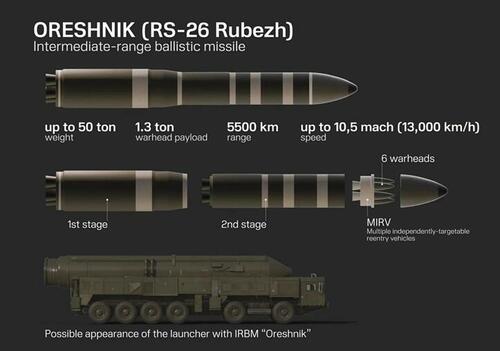
Nervous-Looking Macron Urges Military To Produce Own Version Of Russia’s Oreshnik
Nervous-Looking Macron Urges Military To Produce Own Version Of Russia’s Oreshnik
French President Emmanuel Macron while addressing French military personnel at the Istres airbase in the south of the country on Thursday said that Europe needs its own answer to Russia’s cutting edge hypersonic arsenal.
In the remarks he specifically invoked Russia’s hypersonic ‘Oreshnik’ missile, which has been launched on Ukraine at least two known times – one just a week ago – and is capable of reaching speeds exceeding Mach 10.
Macron made clear that France needs its own type of Oreshnik missile: “We must also acquire such weapons, capable of changing the situation in the short term,” the president said in a speech broadcast on the Elysee Palace’s page on X.
Macron said this is crucial while acknowledging that “France is within the range of the ‘Oreshnik'”. He explained:
“We’ve witnessed the second launch of the Russian long-range missile Oreshnik. We Europeans must acquire these new weapons, capable of changing the balance of power, if we want to remain credible.”
Russian state media observed that Macron appeared “scared” of Russia’s hypersonic capabilities.
And he vowed, “We will continue the work we began with the Europeans to develop ultra-long-range weapons. This is an initiative we launched.”
The NY Times has called it a warning delivered to Europe at Mach 10: “The message came screaming through the skies at 8,000 miles per hour. Early Friday morning [Jan.9], for just the second time since its all-out invasion of Ukraine, Russia fired a nuclear-capable Oreshnik missile — a hypersonic intermediate-range ballistic weapon that until recently was banned under international treaty,” the publication wrote.
2025 was a big year for Moscow showcasing its military might and tech. As we reviewed earlier, in a matter of less than a year (after years prior in design and development), Russian scientific know-how came up with four bangers:
1. Oreshnik: hypersonic missile, already tested in the Ukraine battleground.
2. Burevestnik: Or “Stormbringer”, with that nice Deep Purple ring. Nuclear cruise missile with unlimited range.
3. Poseidon: nuclear-powered torpedo, capable of loitering underwater, undetected, for unlimited time; then, at a command, strikes enemy coasts with a nuclear payload, provoking a radioactive tsunami. Largely exceeds the destructive power of the Sarmat, Russia’s largest ICBM.
4. Khabarovsk: nuclear sub. Call him The Messenger of Doom: capable of delivering at least 6 Doomsday-enabling Poseidons.
Oreshnik is such a nothingburger that Macron says France needs an equivalent ASAP while looking like this. https://t.co/DZxj3YN3KY
— Russians With Attitude (@RWApodcast) January 15, 2026
Earlier this month and into last, Russia made clear it would be stationing Oreshnik missiles inside the territory of the ‘Union State’ of Belarus, and this was seen as a reaction to several trends: increased long-range drone attacks on Russia out of Ukraine, and the US increasingly moving against Russia-linked tankers on the high seas.
Tyler Durden
Fri, 01/16/2026 – 02:45
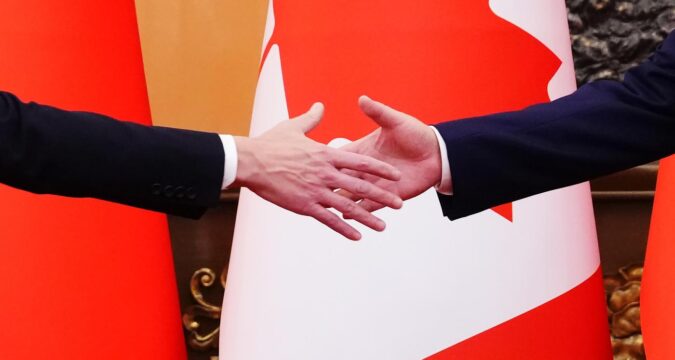
Xi Jinping y Mark Carney buscan una nueva etapa en la relación entre China y Canadá
Por KEN MORITSUGU
BEIJING (AP) — Ante los nuevos desafíos globales, los líderes de China y Canadá se comprometieron el viernes a mejorar los lazos entre los dos países después de años de tensiones.
Xi Jinping mostró al primer ministro Mark Carney, que está de visita en el país, su disposición a seguir trabajando para mejorar las relaciones y apuntó a las conversaciones para restablecer y reiniciar la cooperación están en marcha desde su encuentro inicial en octubre, en un aparte de una conferencia económica regional en Corea del Sur.
“Se puede decir que nuestra reunión del año pasado abrió un nuevo capítulo en el camino hacia la mejora de las relaciones entre China y Canadá”, afirmó el presidente de China.
Carney, que es el primer primer ministro canadiense que visita China en ocho años, dijo que una mejor relación ayudaría a mejorar un sistema de gobernanza global que describió como “bajo gran presión”.
Además, abogó por una nueva relación “adaptada a las nuevas realidades globales” y por cooperación en materia de agricultura, energía y finanzas.
Esas nuevas realidades reflejan en gran medida el enfoque denominado “Estados Unidos primero” del presidente estadounidense Donald Trump. Los aranceles que ha impuesto han afectado a las economías de ambas naciones. Carney, que se ha reunido con varias empresas líderes chinas en Beijing, dijo antes del viaje que su gobierno está centrado en construir una economía menos dependiente de Estados Unidos en lo que calificó como “un momento de perturbaciones en el comercio global”.
No se hizo ningún anuncio sobre los aranceles entre China y Canadá, que son un punto de fricción en su relación.
Canadá siguió el ejemplo de Washington e impuso gravámenes del 100% a los vehículos eléctricos chinos y del 25% al acero y el aluminio durante el mandato del exprimer ministro Justin Trudeau, el predecesor de Carney.
Beijing respondió con aranceles del 100% al aceite y la harina de canola canadienses, y del 25% a la carne de cerdo y los mariscos. Además, en agosto añadió un impuesto del 75,8% a las semillas de canola. En conjunto, estas medidas cerraron de facto el mercado chino a la canola canadiense, según un grupo sectorial.
China espera que las tácticas de presión de Trump a aliados como Canadá los lleven a adoptar una política exterior menos alineada con Estados Unidos. El presidente estadounidense ha sugerido que Canadá podría convertirse en el estado número 51 del país.
___
Esta historia fue traducida del inglés por un editor de AP con la ayuda de una herramienta de inteligencia artificial generativa.

A Greenland-To-Patagonia Defense Axis
A Greenland-To-Patagonia Defense Axis
Authored by Rick Fisher via The Epoch Times,
While President Donald Trump’s ambition to control Denmark’s massive territory of Greenland has many strategic merits, it is also politically problematic and risks wasting scarce political capital that could be directed toward a far greater prize.
A far more decisive use of the administration’s three years of limited political capital would be to assemble a Greenland-to-Patagonia defense axis of cooperation that secures the Western Hemisphere from Russian and Chinese missile attack for generations to come.
The military-strategic value of Greenland to the defense of the United States—especially to the future of Trump’s “Golden Dome” national and allied missile defense program, as well as preventing Russia–China control of the Arctic—is undeniable.
When viewed from a Polar perspective of the Earth, Greenland offers an ideal location for long-range ground-based radar and ground-based missile interceptors to shoot down Russian and even some Chinese nuclear-armed intercontinental ballistic missiles (ICBMs) and submarine-launched ballistic missiles (SLBMs) before they cross the North Pole and enter Canadian and U.S. territory.
So far, both Denmark and the government of Greenland are not willing to sell their territory to the United States, while a 1951 U.S.–Denmark defense agreement grants the United States broad rights for defense-related construction.
Furthermore, the former Thule Air Base, now the U.S. Pituffik Space Base, on Greenland already provides critical warning of a Russian missile attack and helps enable U.S. superiority in space.
Pressing the issue risks a crisis.
Should it force the North Atlantic Treaty Organization (NATO) to expel Washington, how long before Russia is tempted to escalate its aggression against Ukraine and then against Poland and the Baltic states?
Also possible would be an immediate Europe–Russia condominium that Russia and China would exploit by shifting significant Russian forces to support a Chinese attack on Taiwan, including the deployment of more Russian and Chinese forces to threaten key U.S. bases in Alaska, Seattle, and along the U.S. West Coast.
A far more productive use of U.S. political capital would be to enlist key NATO members, starting with Denmark and the UK, to expand the scope of the Golden Dome national missile defense by making Greenland part of a hemispheric defense network and engaging the major democracies of Patagonia—Argentina and Chile—to build early-warning and missile-interceptor bases on their territories to defend against Chinese missiles with South Polar trajectories.
In May 2025, the Defense Intelligence Agency (DIA) released a rare future estimate of Chinese and Russian nuclear missile threats against the United States, underscoring the need for Trump’s Golden Dome initiative.
DIA predicted that by 2035, China would have 60 Fractional Orbital Bombardment Systems (FOBS) or nuclear missiles that achieve orbital altitude to exploit flight trajectories over the South Pole, in the expectation that southern approaches to U.S. targets will be less defended.
But there is a more profound future Chinese missile threat that would justify investment in a hemispheric missile defense capability, especially one that would justify the radar and missile reach attainable from Patagonian bases.
This is the quickly looming threat of weaponized Chinese reusable space launch vehicles (SLVs), now under development by about 15 Chinese state-owned and “commercial” SLV companies.
What these companies build and what they do is ultimately controlled by the Central Military Commission of the Chinese Communist Party (CCP). The commission controls the People’s Liberation Army’s Aerospace Force, which, in turn, controls all Chinese space activities.
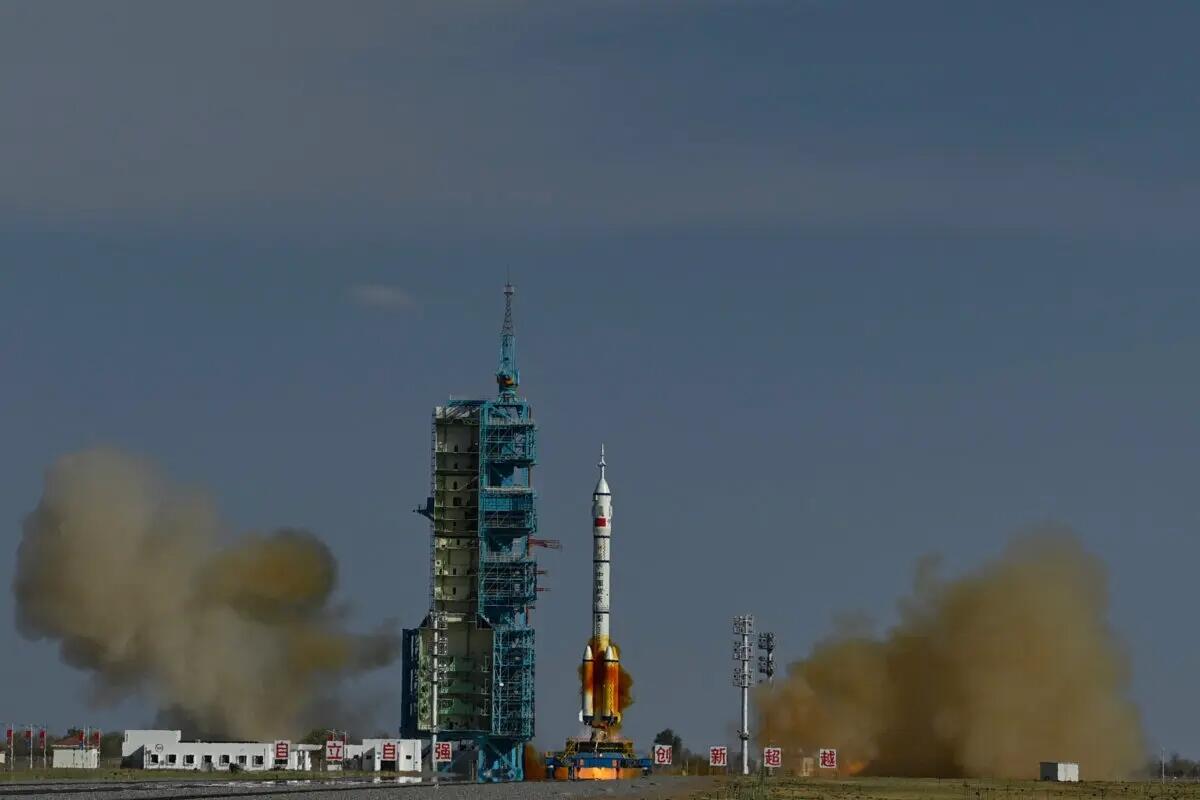
A Long March-2F carrier rocket, carrying the Shenzhou-20 spacecraft and a crew of three astronauts, lifts off from the Jiuquan Satellite Launch Centre in the Gobi desert, in northwest China, on April 24, 2025. Pedro Pardo/AFP via Getty Images
In December 2025, two Chinese SLV companies—LandSpace (commercial) and the China Aerospace Science and Technology Corporation (state-owned)—tested their first reusable first-stage SLVs; both failed to recover for reuse, but further tests are expected this year.
In 2026, Chinese sources indicate that up to eight additional “commercial” Chinese SLV companies may begin testing reusable SLVs.
In addition, the PLA could order these Chinese SLV companies to develop SLV second stages capable of carrying multiple independently targetable reentry vehicle (MIRV) nuclear warheads over Antarctica and into Latin America to attack the United States.
At least two Chinese SLV companies intend to develop first-stage reusable SLVs nearly as large as the U.S. SpaceX Corporation’s Starship—that could put payloads as large as 100 tons into Low Earth Orbit, or potentially very large space combat satellites armed with lasers or equipped to drop warheads.
Another threat is that the PLA will have access to enough reusable SLVs to conduct massive intercontinental strikes with non-nuclear missile warheads and Hypersonic Glide Vehicles (HGVs) against the United States, NATO member countries, and other U.S. allies—a destabilizing prospect because China would be more tempted to use these weapons with a lower risk of nuclear retaliation.
It is in the interest of the defense of the United States and Europe that China not be able to exploit South Pole trajectory nuclear attack routes, just as it is in the interest of all Latin American states that Chinese nuclear or non-nuclear attack payloads not fly over or near their territories.
This highlights the need to engage Chile and Argentina to consider cooperation in building powerful long-range early warning radar and, if possible, missile defense bases on their territories that provide maximum coverage of potential Chinese missile routes over the east and west sides of Latin America.
It would also be advantageous to engage the UK on the construction of early warning systems and, if possible, missile defense sites in the Falkland Islands, which would provide coverage over a larger area of the South Atlantic and even Southern Africa.
On Jan. 9, China, Russia, and Iran began a third joint naval exercise with South Africa, an activity likely funded by China. Iran, in the midst of a serious economic and political crisis, was still able to send its largest warship.
The CCP has ambitions to expand its space cooperation in Africa, potentially building bases for Chinese reusable SLV companies that would have to obey military orders from the CCP and the PLA.
Initially, it is possible to conceive of the United States building large missile defense ships that could, with agreement, be stationed in Chilean, Argentine, and Falkland Islands ports, avoiding the requirement to build bases on their territories.
But even a minimal presence approach should also consider how to include participation from the military forces of at least Chile, Argentina, and the UK to jointly staff prospective missile defense facilities.
This, in turn, could open new opportunities for defense and space cooperation—all three are already signatories to the Artemis Accords, which promote transparent and peaceful behavior on the moon.
The prospect of greater “Patagonian” defense cooperation also offers the UK and Argentina opportunities to build greater confidence, which can facilitate economic cooperation across the greater Falklands area.
There is also greater hemispheric and U.S. interest in promoting a Falklands resolution process, inasmuch as China spent most of the last 15 years trying to sell leftist Peronist regimes in Argentina the weapons they would need to start a second Falklands War.
Promoting a hemispheric defense against current and future Chinese missile threats—and denying China trouble-making opportunities such as promoting a second Falklands War—can go far in dissuading Latin American states from granting the CCP and PLA any further access detrimental to hemispheric security.
Views expressed in this article are opinions of the author and do not necessarily reflect the views of The Epoch Times or ZeroHedge.
Tyler Durden
Fri, 01/16/2026 – 02:00
https://www.zerohedge.com/geopolitical/greenland-patagonia-defense-axis