Category: News
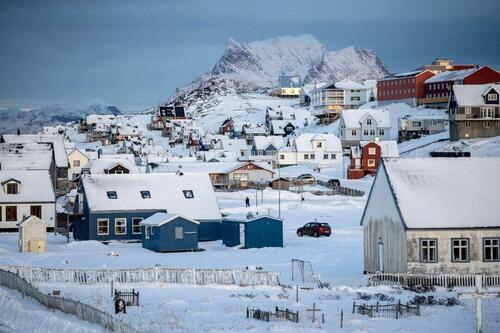
EU Hosts Emergency Meeting Over Trump’s Greenland Tariffs, Germany Threatens World Cup Boycott
EU Hosts Emergency Meeting Over Trump’s Greenland Tariffs, Germany Threatens World Cup Boycott
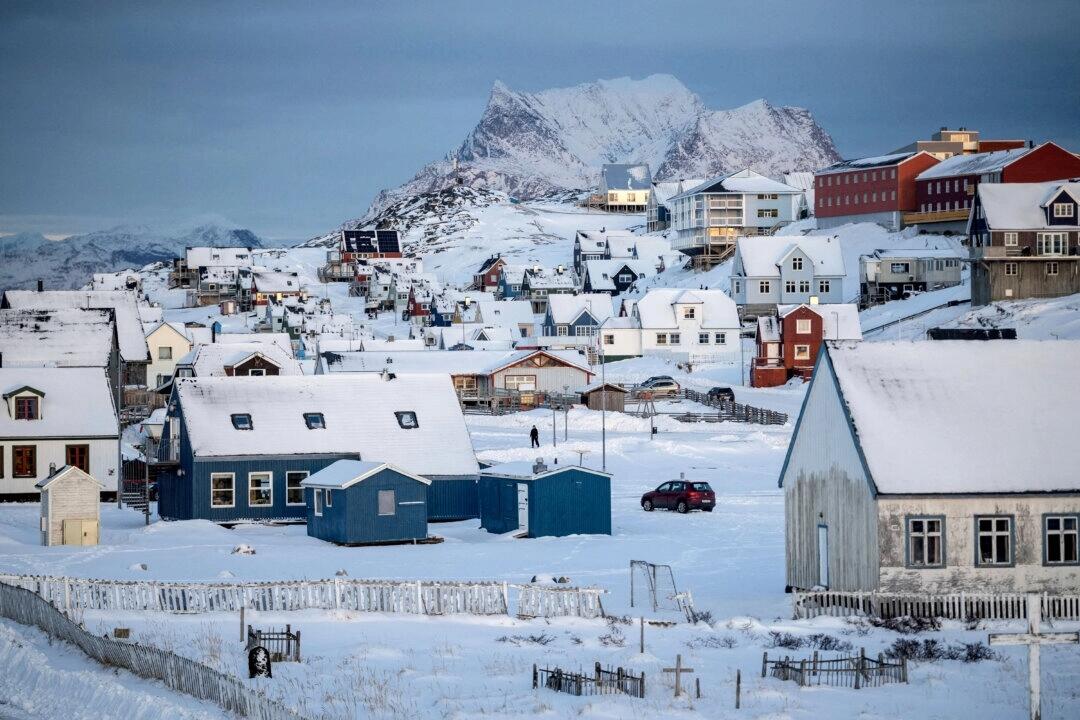
Treasury Secretary Scott Bessent clarified Trump’s positioning on Greenland overnight, stating that “we are not going to outsource our national security.”
The elites of The European Union are not best pleased at Trump’s tariff threat (on some European allies that oppose the United States’ efforts to acquire Greenland) and immediately called an emergency meeting of ambassadors from the bloc’s 27 nations to discuss just how sternly worded their email response would be.
As we detailed yesterday, Trump has reiterated numerous times that the United States needs Greenland for national security purposes and warned that “world peace is at stake” if the United States does not succeed in obtaining Greenland.
Meanwhile, the eight European nations, which are already subject to 10 percent or 15 percent tariffs by the United States, have sent a small military presence to Greenland.
“Tariff threats undermine transatlantic relations and risk a dangerous downward spiral,” the group of eight countries said in a joint statement on Jan. 18.
As Jacob Burg reports below for The Epoch Times, the military deployment is intended to bolster Arctic security “as a shared transatlantic interest” and poses no threat to anyone, the nations said, adding that they are ready for dialogue with the United States “based on the principles of sovereignty and territorial integrity that we stand firmly behind.”
“We stand in full solidarity with the Kingdom of Denmark and the people of Greenland,” the eight countries said, adding, “We are committed to upholding our sovereignty.”
In an English translation of her written statement, Danish Prime Minister Mette Frederiksen said, “Since the U.S. President’s announcement of tariffs, the [Danish] government has been in intensive dialogue with our allies.”
“It is all the more important that we stand firm on the fundamental values that created the European community. We want to cooperate, and we are not the ones seeking conflict,” she said.
“And I am pleased with the consistent messages from the rest of the continent: Europe will not be blackmailed.”
Swedish Prime Minister Ulf Kristersson echoed Frederiksen in a social media post on Saturday, adding, “Only Denmark and Greenland decide on issues concerning Denmark and Greenland.”
“This is an EU issue that affects many more countries than those now being singled out,” he added.
“Sweden is now having intensive discussions with other EU countries, Norway, and the United Kingdom for a coordinated response.”
Germany’s vice-chancellor and finance minister Lars Klingbeil said that “a line had been crossed”, adding that the affected nations “must not allow ourselves to be blackmailed”.
“There will be a European response to this threat,” he said.
“It is unacceptable to hit countries that are now taking more responsibility for our common security in Nato,” said Troels Lund Poulsen, Denmark’s defence minister, who will meet Nato secretary-general Mark Rutte on Monday.
Not to be outdone, France’s Emmanuel Macron has called for the EU to activate its so-called anti-coercion instrument that can restrict access to the single market for American companies.
“He will be in contact throughout the day with his European counterparts and will request, on France’s behalf, the activation of the anti-coercion instrument,” said an Élysée official.
Greenland Governance
U.S. Vice President JD Vance and Secretary of State Marco Rubio met with Denmark’s Foreign Minister Lars Lokke Rasmussen and Greenland’s Foreign Minister Vivian Motzfeldt at the White House on Jan. 14.
Rasmussen described the talks as a “frank but also constructive discussion.”
Trump said on Jan. 16 that he was considering a wave of tariffs on European allies “if they don’t go along” with allowing the United States to purchase the Danish territory.
The U.S. president noted on social media that attempts by the United States to “do this transaction” for Greenland date back “over 150 years.” U.S. President Andrew Johnson’s administration first floated the idea of expanding American influence in the Arctic in the 1860s.
Trump has also previously signaled that Greenland would be a wise investment for the United States due to estimates of high quantities of rare earth mineral deposits on the Arctic island.
While the island was under formal Danish control since the era of colonization in the early 1700s, Greenland was granted self-governance in the 1970s with the creation of a parliament and the Self-Government Act of 1979, expanding the island’s autonomy. However, the island didn’t gain full self-governance until 2009.
On Jan. 9, the officials from Greenland, including Prime Minister Jens-Frederik Nielsen and multiple political party leaders, released a statement reaffirming Greenland’s sovereignty and rejecting any claims that would impede the island’s autonomy.
“We don’t want to be Americans, we don’t want to be Danes, we want to be Greenlanders,” the statement said. “The future of Greenland must be decided by the Greenlandic people. … No other country can interfere in this.”
World Cup Boycott
German politician Jurgen Hardt (CDU) spoke to newspaper BILD recently to suggest that Germany could withdraw from football’s biggest competition in response to Trump’s threats against Greenland. “Dropping out of the tournament would, however, only be considered as a last resort in order to get Trump to see sense on the Greenland issue,” he said.
🇩🇪🇺🇸 Germany does not rule out boycotting the 2026 World Cup to convince Trump not to seize Greenland
“Canceling the tournament will only be considered as a last resort to bring President Trump to his senses on the Greenland issue,” said Jürgen Hardt, a representative of the… pic.twitter.com/yNepjU5AAx
— Savchenko Volodymyr (@SavchenkoReview) January 17, 2026
Germany are not the only nation who have raised concerns over the participation at this summer’s World Cup. Back in September 2025, Spanish government officials suggested that withdrawing their national team was on the cards due to political tensions on the global stage.
It seems to us that boycotting The World Cup would be a naive and we’re sure highly unpopular move (most notably in Germany who are among the favorites), likely ending disastrously from a domestic political perspective. Perhaps the politicians are not aware of the proletariat’s passion for the beautiful game!?
Tyler Durden
Sun, 01/18/2026 – 13:25
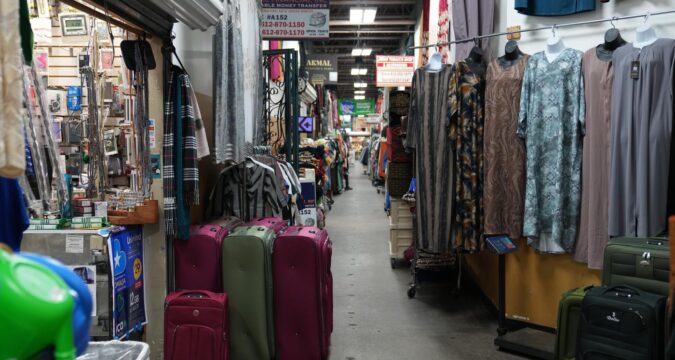
Negocios somalíes enfrentan dificultades durante redadas del ICE en Minneapolis
Por SARAH RAZA
MINNEAPOLIS (AP) — Filas de locales en el sur de Minneapolis permanecían cerradas dentro de un extenso complejo de negocios somalíes una tarde reciente.
En Karmel Mall hay más de un centenar de pequeños negocios en suites que ofrecen de todo, desde ropa y comida hasta servicios de seguros y contabilidad. El jueves, los ruidosos pasillos interiores estaban en silencio, salvo por el ocasional murmullo entre los vendedores vecinos. El olor a comida frita aún flotaba desde las panaderías, la calefacción central zumbaba y el sonido de la recitación del Corán fluía suavemente desde algunas tiendas.
Pero muchos vendedores se sentaban solos en sus tiendas de ropa, esperando que algún cliente ocasional pasara. Todos tienen miedo de los agentes federales de inmigración, dijeron los dueños de negocios. Vendedores y clientes, ciudadanos y no ciudadanos. Algunos ni se molestan en abrir sus tiendas porque no esperan clientes.
“Ya van tres semanas así”, dijo Abdi Wahid, quien trabaja en la tienda de conveniencia de su madre en el centro comercial. “En todas partes todo está cerrado, todas las tiendas”.
El Karmel Mall es un centro económico para la población somalí del área, que es la más grande en Estados Unidos. Pero también cuenta con viviendas, una mezquita y clases de Corán que sirven como un robusto centro comunitario para la zona.
El impacto económico de la “Operación Metro Surge” de la administración Trump se extiende más allá de la comunidad somalí: muchos inmigrantes están al borde, con miedo de ir a trabajar o salir de su casa en medio de la represión migratoria.
Pero el presidente Donald Trump ha hecho de la comunidad somalí un objetivo especial de su retórica de deportación después de que un reciente caso de fraude gubernamental en Minnesota incluyó a varios acusados somalíes. Desde diciembre, Trump ha lanzado numerosos ataques a la comunidad, llamándolos “basura” y diciendo que “no contribuyen en nada”.
Wahid dijo que las primeras tardes en el negocio familiar solían significar de 15 a 20 clientes. Estos días, es difícil conseguir uno.
Wahid es ciudadano, pero dijo que el miedo se extiende más allá de solo los inmigrantes. Los ciudadanos también tienen miedo de entrar, especialmente después de la muerte de Renee Good, baleada por un agente del Servicio de Inmigración y Control de Aduanas (ICE), y la redada federal en la Escuela Secundaria Roosevelt, en el sur de Minneapolis.
“Creo que eso hizo que mucha gente ni siquiera quisiera venir”, dijo, porque podrían ser objetivo “solo por su raza”.
La secretaria asistente de Seguridad Nacional, Tricia McLaughlin, dijo en un comunicado que las fuerzas del orden usan “sospecha razonable” para hacer arrestos bajo la 4ta enmienda constitucional.
“El estatus migratorio de una persona la convierte en objetivo de la aplicación de la ley, no su color de piel, raza o etnia”, dijo.
Subiendo las escaleras, Bashir Garad dirige Safari Travel & Accounting Services. No solo la represión en Minneapolis ha significado que ha perdido casi todos sus clientes, sino que sus clientes existentes están cancelando viajes próximos porque temen que no se les permita regresar al país.
“Ven muchas cosas ilegales sucediendo en la ciudad”, dijo. “Ven algo malo, y luego piensan que algunas cosas malas pueden sucederles a ellos.” La mayoría de sus clientes son de África Oriental, y casi todos son ciudadanos estadounidenses. Aún dudan en viajar.
“El gobierno no está haciendo lo correcto”, dijo. “Si hay un criminal, hay un criminal. Independientemente, hay formas de encontrar al criminal, pero marginar el nombre de la comunidad, y a todo un pueblo, eso es ilegal”.
Ibrahim Dahiye, quien vende electrónicos, dijo que el invierno siempre solía ser lento, “pero ahora es totalmente diferente. Nadie viene aquí. Todas las tiendas están cerradas, pocas están abiertas”.
Desde que comenzó la represión, Dahiye dijo que su negocio ha bajado 20.000 dólares mensuales, y ahora está reuniendo fondos para pagar el alquiler.
Indicó que ha perdido a la mayoría de sus clientes. Sus empleados tienen demasiado miedo de venir a trabajar. Tocó el bolsillo de su chaqueta, diciendo que lleva su pasaporte consigo en todo momento.
“No sé qué podemos hacer”, señaló Dahiye. “Creemos en Alá, pero no podemos hacer nada”.
__________
Esta historia fue traducida del inglés por un editor de AP con la ayuda de una herramienta de inteligencia artificial generativa.

Business news: Leadership changes at HUB, Methodist Hospitals, Valpo Parks
New leadership takes HUB helm
The HUB of Porter County announces a planned leadership transition as Dawn Pelc steps down from her role as executive director and assumes an advisory position with the organization, according to a release.
Chuck Harris, the HUB board president, is the new executive director. Harris brings extensive nonprofit leadership experience, having worked with organizations including Porter-Starke Services, United Way of Northwest Indiana and the VNA of Northwest Indiana. Tim Beach will become the group’s president, the release said.
The HUB of Porter County’s mission is to connect individuals affected by substance use disorder with resources, support and hope, the release said.
The HUB of Porter County has changed leadership. From left, Tim Beach takes over as president, Dawn Pelc, executive director, has taken an advisory role, and Chuck Harris becomes the group’s new executive director. (Photo provided by HUB)
Valparaiso Redevelopment Commission adds Clapp
Valparaiso Mayor Jon Costas recently named Dale S. Clapp to the Valparaiso Redevelopment Commission, a release said.
Rob Thorgren, a commission member since 2015, has left the board, Costas said.
Clapp has more than 40 years of banking experience and has been with First Merchants Bank for the past 17 years. He is currently executive director for Community Banking, the release said.
He is also serving as chairman of the Valparaiso Economic Development Corp; is the immediate past chair of the Valparaiso University National Athletic Council, the current treasurer for Mental Health NWI and an active board member with St. Mary’s Hospital (Powers Health). For more information on Valparaiso’s RDC, visit Valpo.us.
Valparaiso Mayor Jon Costas recently named Dale S. Clapp to the Valparaiso Redevelopment Commission. (Photo provided by the City of Valparaiso)
Casino makes $15K donation
In recognition of National Human Trafficking Awareness Month, Hard Rock Casino Northern Indiana recently donated $15,000 to the Raindrops Rising Foundation for the second consecutive year, a release said.
The mission of the Raindrops Rising Foundation is to inspire hope, raise awareness, advocate for survivors of sexual assault and human trafficking, and support them at every step of their journey, a
release said.
The Methodist Hospitals Foundation recently appointed Celina A. Weatherwax as its new executive director. (Photo provided by Methodist Hospitals)
Methodist Foundation appoints executive director
The Methodist Hospitals Foundation recently appointed Celina A. Weatherwax as its new executive director, a release said.
Weatherwax brings more than a decade of experience in philanthropic leadership, nonprofit management, and community engagement to the role. She most recently served as president and CEO of the MAAC Foundation, where she led strategic growth initiatives, strengthened community partnerships and helped secure philanthropic investment.
Weatherwax’s professional background also includes experience in government relations and communications, having served with U.S. Sen. Richard G. Lugar, R-Indiana, and U.S. Rep. Pete Visclosky, D-Gary, where she led advocacy, communications strategy, and regional outreach efforts.
Valparaiso Director of Parks Kevin Nuppnau has accepted a leadership position with the Porter County Community Foundation. (Photo provided by City of Valparaiso)
Parks director joins Porter County Foundation
Valparaiso Director of Parks Kevin Nuppnau has accepted a leadership position with the Porter County Community Foundation, according to a release.
Nuppnau joined Valpo Parks in 2018 and was appointed director in 2023. During his tenure, he helped lead projects including Creekside Trails, Flounder & Friends Skatepark, the $10 million RePlay initiative and the Valpo REC.
Tristan Leonhard, assistant director, has been named Acting Director. Leonhard joined Valpo Parks in 2023 after previously serving as Director of Campus Recreation & Well-Being at Valparaiso University.
To learn more about Valpo Parks, its properties, programs, and projects, visit valpoparks.org.

Oil, Dollars, Gold, & Venezuela In A Nutshell
Oil, Dollars, Gold, & Venezuela In A Nutshell
Authored by Matthew Piepenburg via VonGreyerz.gold,
Putting any kind of bow on the current headlines to conveniently explain or “wrap up” recent events in Venezuela would be a fool’s errand. The extraordinary mix, as well as polarized views, as to the personalities, policies, economics, military acumen, and even international legality of the entire saga makes consensus impossible.
Political Optics?
The operation itself, of course, has all the Hollywood features of a daring and successful military drama, which can create tailwind optics for a President.
The opposite, of course, happened for Jimmy Carter, when his April 1980 Iranian hostage rescue mission stalled tragically in the desert, along with any hope of his re-election shortly thereafter.
Political “optics,” however, are often as short and capricious as politics itself. We all remember, for example, President Bush’s famous “mission accomplished” moment on the deck of the USS Abraham Lincoln long before the mission, in fact, was not accomplished…
From Politics to Economics
But moving away from the undeniably swampy terrain of politics to the Realpolitik of hard math, we can begin to discern certain financial and sovereign motives that speak far more honestly than patriotic narratives of bringing “bad guys” to justice or the stemming of drug trafficking.
There is something far more basic, and even mathematical, behind the headlines in Venezuela whose roots lie years deeper, and whose ripple effects will run far longer into an admittedly unknowable yet nevertheless somewhat precarious future.
The Past – Hegemonic to Broke(n)
This future will directly involve, and impact, gold’s international profile in the years ahead. But to put the present and even future into a greater context, let’s first take a brief look backwards.
For years, we have tracked, debated and observed the many intertwining themes of the slow decline of American hegemony on the global stage and its widening economic fissures and inequalities at the national level.
As always, the familiar themes begin with irrational and unsustainable debt levels, which have compounded under every red or blue administration since Nixon took away the gold standard in 1971.
What followed was an era of extraordinary credit expansion and hence currency debasement, wealth inequality, social unrest and the subsequent centralization schemes which always follow.
Within this mix of ever-changing financial forces and headlines, of course, includes the central theme of the U.S. Dollar and Treasury markets, whose health and strength are absolutely central to U.S. hegemony on the global stage. Period.
Times, Dollars & Trust Are Changing
But that USD and UST, we also know, have been losing strength, credibility and trust in the backdrop of a world slowly moving away from a paper-money system in general and a weaponized USD in particular.
The reasons and forces behind the mounting de-dollarization headlines are both complex yet paradoxically simple.
At a basic level, the over-issuance of IOUs from a nation whose debt levels have gone from $250B in 1971 to $38T in 2026 speaks for itself.
The trillions in mouse-clicked dollars engineered by the Fed to monetize those IOUs and the credit expansion that followed has had an undeniable impact on the absolute purchasing power of that USD.
This is objectively apparent when recognizing the dollar’s 99% decline in purchasing power when measured against gold since 1971.
In addition to the distrust which always follows an IOU or currency from an over-indebted issuer, the subsequent weaponization of the dollar in 2022 only made Uncle Sam’s UST and USD even less trusted and hence less demanded.
The World Is Catching On
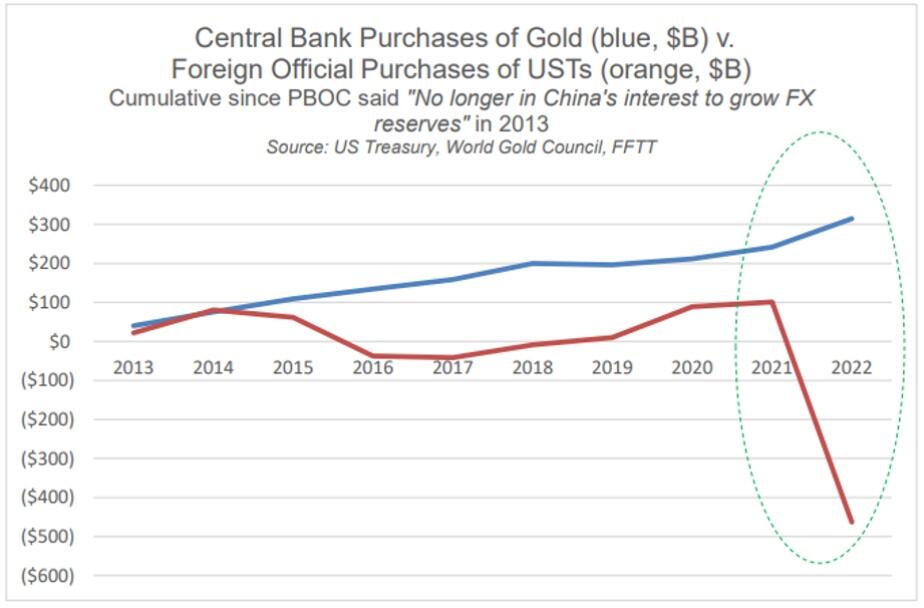
Central banks, seeing this growing distrust, had been net-selling USTs and net-stacking gold since 2014:
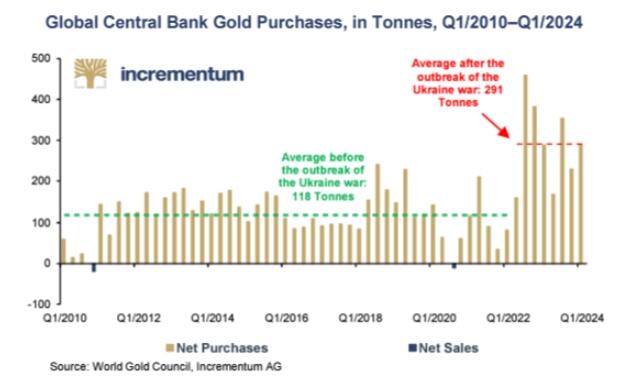
Through no coincidence at all, the pace of this move toward gold tripled after the 2022 sanctions.
Unsurprisingly, central banks now hold more gold than USTs. Even the BIS can’t help but confess that gold is a superior strategic reserve asset than the once-sacred US 10Y Treasury Bond.
This now obvious move away from the dollar toward gold is no longer a warning or cry from the “gold-bug” camp, but a neon indicator of the structural shift in a global trading and monetary system in open flux.
A Nervous U.S. Resisting Change
Needless to say, the US is therefore admittedly concerned.
It needs a commanding currency and buyers for its IOUs beyond just the Fed itself. At some point, too much QE becomes an open signal that the U.S. (and its Greenback) has become broken beyond repair and hence respect.
This explains other alternative-QE tricks in consideration, such as a possible gold revaluation measure.
Such realities, of course brings us full circle back to the headlines of Venezuela, which are intrinsically connected to the complex interplay of the USD, the UST, the oil markets, and, you guessed it, gold itself.
Oil & USTs: The Traditional Pillars of U.S. Hegemony
I have written about the brief history and changing patterns of the critical petrodollar arrangement and gold’s evolving place in its narrative in prior reports here, here, and here.
To simplify, the petrodollar, “agreed” between the U.S. and the OPEC alliance led by Saudi Arabia shortly after the dollar’s gold-decoupling in 1971, was of central importance to maintaining the USD’s dominance in the global currency system.
By effectively tying global oil sales to the USD, the petrodollar arrangement provided an extraordinary source of demand for a dollar whose supply, following its gold decoupling, was otherwise unlimited.
Acting as a treaty-based “sponge” to absorb otherwise grossly over-produced dollars, the petrodollar system was a therefore an essential buffer against otherwise unsustainable currency debasement.
Equally beneficial to Uncle Sam, the petrodollar system mandated that the producers of that oil earmark a significant percentage of their oil revenues toward the purchasing of Uncle Sam’s IOUs. This served as an undeniable source of support for the UST market and hence America’s ability to expand its debt issuance at levels no other nation in the world could mirror.
In short, the petrodollar became an extraordinary source of both USD and UST demand, making global oil sales via the petrodollar a critical pillar to U.S. financial hegemony.
2026 Is not 1974…
In exchange for this dollar-backed oil arrangement, Saudi Arabia/OPEC received U.S. protection from the Soviets in a cold war era that has changed in the intervening decades since 1974.
What has also changed in those intervening decades, of course, are U.S. debt levels, bond yields, dollar strength, and post-2022 trust in the USA.
As de-dollarization headlines increased in the post-sanction era, there was much hype about the end of the petrodollar when Saudi Arabia waffled on renewing/extending its dollar peg in 2025.
As there was no formal petrodollar treaty ratified by the Senate, technically either side could opt out, but in fact, the Saudis were considering a petrodollar 2.0 contingent upon Israel’s culmination of its war in Gaza.
Wobbling Pillars
By 2025, 20% of Saudi oil was being sold in euros, not dollars, but Trump was offering more carrot than stick to keep the petrodollar going, for obvious reasons.
Meanwhile, however, the Saudis, for the equally obvious reasons listed above, were not blind to the USD’s weakening credibility, the UST’s weakening yields (compared to the 1970’s) and China’s strengthening desire to find a non-dollar energy solution.
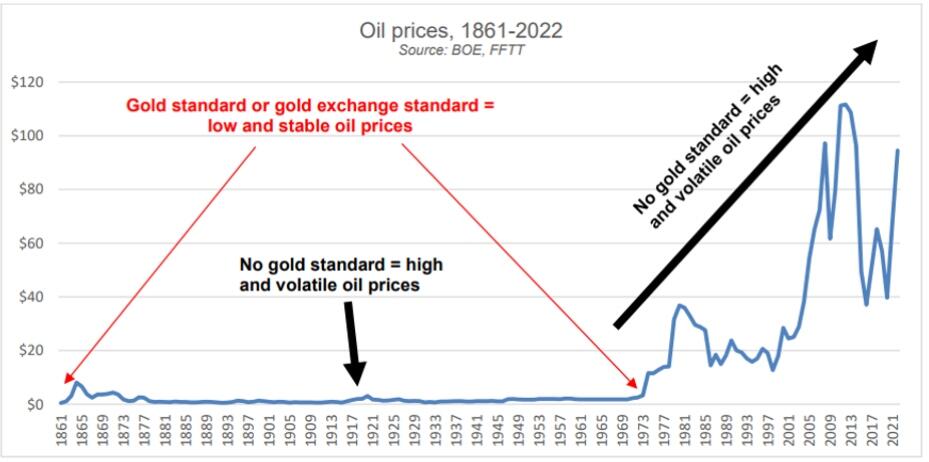
Furthermore, anyone, including OPEC, who tracked oil prices throughout the decades, knew full well that oil priced in gold was infinitely more stable than oil priced in USD.
In short, the petrodollar pillar to USD hegemony was not broken, but it was certainly wobbling.
From Nervous to Violent
The U.S. was thus nervous.
Dollar-backed oil is essential to its paper currency’s survival, which is precisely why figures like Muammar Gaddafi and Saddam Hussein, who had each tried to sell their oil outside the dollar, did not, well… survive at all.
As Kissinger noted decades ago, commanding a world reserve currency equally requires the world’s strongest military. In short, monetary and military might went hand-in-hand to protect U.S. interests.
Thus, the recent military actions in Venezuela don’t require too much imagination to understand. Regardless of whether they were right or wrong, the actions against Nicolas Maduro were a classic reminder of oil’s importance to the U.S.
Which raises the obvious question: Can any major oil power ever leave the petrodollar without a fight?
Although China took only 4% of Venezuelan oil in Yuan purchases from the Belt & Road Initiative, 95% of Iran’s oil goes to China and is sold in Yuan, not dollars. Is it any coincidence that “regime change” in Iran is an almost daily headline?
Folks—it’s all about the oil…
Looking Ahead
The US, whose dollar share of global FX reserves has been sinking like a stone in the past two decades, is viscerally worried about a de-dollarizing world in which the BRICS in general, and China in particular, are developing gold-backed trading currencies and other systems (the BRICS “Unit”, M-Bridge membership, BRICS-Pay etc.) to trade resources in general, and oil in particular, outside the USD.
Again: This terrifies Washington DC.
Could 15 to 20 nations in the global south develop a new oil trade currency via a basket of weighted currencies outside the USD? Could the Saudis slowly look away from the petrodollar?
No one can predict the precise nature, policies, agreements or even wars of the future when it comes to oil and the dollar. We can only track past patterns and measure current cracks in the old system.
And Gold, Of Course…
What we are currently seeing in Venezuela may be desperate, but it’s no surprise.
US refineries are designed for the heavy crude which Venezuela holds. And within hours of meeting representatives from China, Maduro was coincidentally whisked away by DELTA forces before a larger arrangement could be met.
It’s also worth noting that billions worth of Venezuelan gold was frozen in their accounts at the Bank of England.
In short, this interplay of dollars, USTs, oil and gold is also no coincidence.
If the petrodollar weakens in any meaningful way, USTs, already seeing a dramatic decline in demand, would fall even further, meaning UST yields, and hence the cost of Uncle Sam’s massive debt burden, would become fatal rather than just embarrassing.
Such a scenario would compel the Fed to initiate extraordinary money-printing to support Uncle Sam’s unloved IOUs, thereby debasing its paper dollar even more and sending gold’s relative valuations considerably higher.
In addition to such monetary desperation, military desperation is an equally concerning possibility.
I, of course, do not know the future. No one does. We can only track patterns, motives, debt levels and hence debt-based desperations, in everything from stablecoins to foreign policy.
What we can all see and agree upon, however, is that things are clearly changing and shaking up as the chaos meter rings louder with each headline.
Gold, of course, loves chaos, and in a world of dying paper currencies, fracturing geopolitics, systemic monetary shifts and wars, or rumors of wars, gold’s secular direction today and tomorrow should be of no surprise to anyone paying attention.
Tyler Durden
Sun, 01/18/2026 – 12:50
https://www.zerohedge.com/geopolitical/oil-dollars-gold-venezuela-nutshell
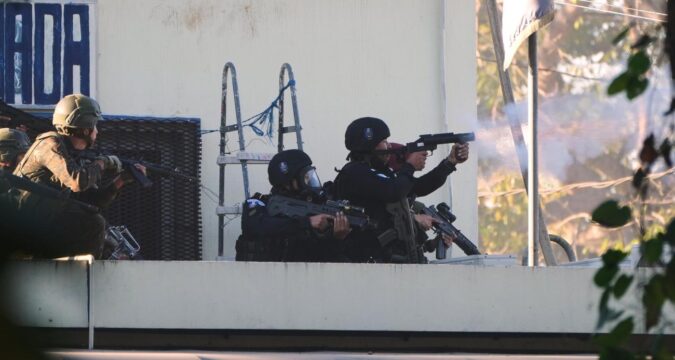
Policía de Guatemala libera rehenes en prisión mientras ataques matan a tres agentes
Por MOISÉS CASTILLO
ESCUINTLA, Guatemala (AP) — Cientos de policías antidisturbios ingresaron a una prisión de máxima seguridad en Guatemala temprano el domingo para liberar a los guardias que habían sido tomados como rehenes y retomar el control de la instalación que alberga a líderes de pandillas.
Se escucharon disparos mientras la policía ingresaba a la prisión de Renovación, a unos 76 kilómetros (unas 47 millas) al suroeste de Ciudad de Guatemala. Aproximadamente 15 minutos después, un periodista de Associated Press vio a los guardias siendo escoltados fuera de la prisión. Parecían estar ilesos. No se reportaron heridos ni muertos.
Sin embargo, poco después de que las autoridades retomaran el control de la prisión, comenzaron a surgir informes de ataques a la policía en la capital.
El director de la Policía Nacional Civil, David Custodio Boteo, dijo que hubo al menos 10 ataques armados contra la policía, dejando tres muertos y al menos cinco heridos. Cinco atacantes fueron capturados, afirmó.
El ministro del Interior Marco Antonio Villeda declaró el sábado por la noche que nueve guardias fueron tomados como rehenes en la prisión. Más 30 guardias estaban siendo retenidos en otras dos prisiones, donde los reclusos tomaron el control en un levantamiento coordinado el sábado.
El Ministerio del Interior indicó en un comunicado que el levantamiento fue un resultado directo de la decisión de los administradores de la prisión de retirar privilegios a algunos líderes de pandillas encarcelados.
“En Guatemala no se negocia con terroristas ni con el crimen organizado”, señaló el comunicado. “Tampoco se tolera que grupos que han sembrado violencia pretendan imponer sus condiciones”.
___________________________________
Esta historia fue traducida del inglés por un editor de AP con ayuda de una herramienta de inteligencia artificial generativa.
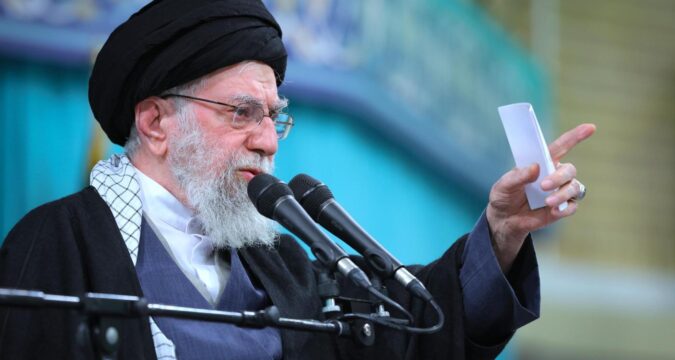
Activistas dicen que 3.766 personas murieron en protestas en Irán
Por ELENA BECATOROS
DUBÁI, Emiratos Árabes Unidos (AP) — Una agencia activista con sede en Estados Unidos dijo el domingo que ha verificado al menos 3.766 muertes durante la ola de protestas en Irán y la subsiguiente represión, y expresó temores de que el número pueda ser significativamente mayor.
La Agencia de Noticias de Activistas de Derechos Humanos publicó la cifra revisada, aumentando su conteo previo de 3.308. El número de muertos supera al de cualquier otra ronda de protestas o disturbios en Irán en décadas, y recuerda el caos que rodeó la revolución de 1979.
La agencia ha sido precisa a lo largo de los años de manifestaciones en Irán, basándose en una red de activistas dentro del país que confirma todas las muertes reportadas. La Associated Press no ha podido confirmar de manera independiente el número de víctimas.
Los funcionarios iraníes no han dado una cifra clara de muertos, aunque el sábado, el líder supremo del país, el ayatolá Ali Jamenei, declaró que las protestas habían dejado “varios miles” de personas muertas, y culpó a Estados Unidos por las muertes. Fue la primera indicación de un líder iraní sobre la magnitud de las bajas de la ola de protestas que comenzó el 28 de diciembre por la debilitada economía de Irán. La Agencia de Noticias de Activistas de Derechos Humanos dice que 24.348 manifestantes han sido arrestados en la represión.
Los funcionarios iraníes han acusado repetidamente a Estados Unidos e Israel de fomentar disturbios en el país.
La tensión con Estados Unidos ha sido alta, con el presidente estadounidense Donald Trump amenazando repetidamente a Teherán con acciones militares si su administración encontraba que la República Islámica estaba usando fuerza letal contra manifestantes.
El presidente iraní Masoud Pezeshkian, en una publicación el domingo en X, culpó a la “enemistad de larga data y sanciones inhumanas” impuestas por Estados Unidos y sus aliados por cualquier dificultad que el pueblo iraní pudiera estar enfrentando. “Cualquier agresión contra el Líder Supremo de nuestro país equivale a una guerra total contra la nación iraní”, escribió.
Durante las protestas, Trump había dicho a los manifestantes que “la ayuda está en camino” y que su administración “actuaría en consecuencia” si continuaba la matanza de manifestantes o si las autoridades iraníes ejecutaban a los manifestantes detenidos.
Pero luego adoptó un tono conciliador, diciendo que los funcionarios iraníes habían “cancelado la ejecución de más de 800 personas” y que “respeto mucho el hecho de que lo cancelaron”.
El sábado, Jamenei calificó a Trump de “criminal” por apoyar las manifestaciones y culpó a Estados Unidos por las bajas, describiendo a los manifestantes como “peones” de Estados Unidos.
Trump, en una entrevista con Politico el sábado, pidió el fin del reinado de casi 40 años de Jamenei, calificándolo de “un hombre enfermo que debería gobernar su país adecuadamente y dejar de matar gente”.
No se han reportado protestas en días en Irán, donde las calles han vuelto a una calma inquietante. En cambio, algunos iraníes corearon consignas anti-Jamenei desde las ventanas de sus casas el sábado por la noche, los cánticos resonando en los vecindarios de Teherán, Shiraz e Isfahan, dijeron testigos.
Las autoridades también han bloqueado el acceso a internet desde el 8 de enero. El sábado, servicios de internet muy limitados funcionaron brevemente de nuevo. El acceso a algunos servicios en línea como Google comenzó a funcionar nuevamente el domingo, aunque los usuarios dijeron que solo podían acceder a sitios web nacionales, y los servicios de correo electrónico continuaron bloqueados.
___________________________________
Esta historia fue traducida del inglés por un editor de AP con ayuda de una herramienta de inteligencia artificial generativa.

Republicanos y demócratas intentan frenar la agresión de Trump hacia Groenlandia. ¿Será suficiente?
Por STEPHEN GROVES
WASHINGTON (AP) — Los legisladores republicanos están apresurándose para contener las amenazas del presidente Donald Trump de tomar posesión de Groenlandia, y algunos están mostrando la oposición más enérgica a casi cualquier cosa que la administración Trump haya hecho desde que asumió el cargo.
La semana pasada, pronunciaron discursos en el pleno sobre la importancia de la OTAN. Introdujeron proyectos de ley destinados a evitar que Estados Unidos ataque Dinamarca. Y varios viajaron a Copenhague para reunirse con sus homólogos daneses.
Pero no está claro si eso será suficiente, ya que el presidente sigue insiste en que tomará el control de la isla ártica. Esto ha generado temores de un fin de la OTAN, una alianza de décadas que ha sido un pilar de la fuerza estadounidense en Europa y en todo el mundo, y ha planteado preguntas en el Capitolio y en todo el mundo sobre lo que significará la política exterior agresiva y unilateral de Trump para el orden mundial.
“Cuando la nación militar más poderosa del mundo amenaza tu territorio a través de su presidente una y otra vez, empiezas a tomarlo en serio”, afirmó el senador Chris Coons a The Associated Press.
El demócrata de Delaware organizó el viaje bipartidista a Dinamarca para “bajar un poco la temperatura”, dijo, así como para continuar las conversaciones sobre acuerdos militares mutuos en el Ártico. Los senadores republicanos Thom Tillis, de Carolina del Norte, y Lisa Murkowski, de Alaska, acompañaron a un grupo de demócratas en el viaje. Además, legisladores republicanos estuvieron en reuniones en Washington la semana pasada con los cancilleres danés y groenlandés, donde discutieron acuerdos de seguridad.
Sin embargo, está claro que Trump tiene otras ideas. Dijo el sábado que impondrá aranceles del 10% a partir de febrero a ocho naciones europeas que se oponen a sus planes para Groenlandia.
Trump dijo en las redes sociales que debido a los sistemas de armas modernos “la necesidad de ADQUIRIR es especialmente importante”.
Resistencia a los planes de Trump para Groenlandia
Republicanos clave han dejado claro que creen que tomar Groenlandia por la fuerza está fuera de discusión. Pero hasta ahora, han evitado reprender directamente a Trump por su discurso.
En las redes sociales, Tillis calificó los planes de aranceles de Trump como “malos para Estados Unidos, malos para las empresas estadounidenses y malos para los aliados de Estados Unidos”.
El líder de la mayoría del Senado, John Thune, republicano de Dakota del Sur, dijo a los periodistas el jueves que “ciertamente no hay apetito aquí para algunas de las opciones que se han mencionado o considerado”.
En un discurso en el pleno, el predecesor de Thune como líder republicano, el senador Mitch McConnell, advirtió que un intento de apoderarse de Groenlandia “rompería la confianza de los aliados” y empañaría el legado de Trump con una desastrosa decisión de política exterior.
Legisladores republicanos y demócratas por igual ven un camino obvio para fortalecer los intereses estadounidenses en Groenlandia mientras mantienen intacta la relación con Dinamarca, aliada de la OTAN.
En una reunión con legisladores el jueves, el ministro danés de Relaciones Exteriores, Lars Løkke Rasmussen, y su homóloga groenlandesa, Vivian Motzfeldt, discutieron cómo los países podrían trabajar juntos para desarrollar industrias minerales críticas y cooperación militar, dijo Coons. Los diplomáticos también dijeron a los senadores que no hay evidencia de actividad china o rusa en Groenlandia.
Trump dice que Estados Unidos debería tomar Groenlandia antes de que lo hagan China o Rusia, lo que ha generado preocupación en toda Europa. Tropas de varias naciones han sido enviadas a Groenlandia en apoyo de Dinamarca.
Murkowski dijo en las redes sociales que “nuestros aliados de la OTAN se ven obligados a desviar atención y recursos hacia Groenlandia, una dinámica que cae directamente en manos de Putin al amenazar la estabilidad de la coalición más fuerte de democracias que el mundo haya visto”.
¿Qué puede hacer el Congreso?
Los legisladores están considerando algunas opciones para sacar del tablero un ataque militar a Groenlandia. Sin embargo, la administración Trump ha mostrado poca o ninguna disposición a obtener la aprobación del Congreso antes de tomar acción militar.
Los legisladores, incluidos republicanos como Murkowski, están impulsando una legislación que prohibiría que los fondos del Departamento de Defensa se utilicen para atacar u ocupar territorio que pertenece a otros miembros de la OTAN sin su consentimiento.
La senadora de Alaska también sugirió que el Congreso podría actuar para anular los aranceles de Trump. Murkowski y varios otros republicanos ya han ayudado a aprobar resoluciones el año pasado destinadas a deshacer aranceles en todo el mundo, pero esas piezas de legislación no ganaron tracción en la Cámara de Representantes. También habrían requerido la firma de Trump o el apoyo de dos tercios de ambas cámaras para anular su veto.
Los demócratas también han encontrado algo de tracción con resoluciones de poderes de guerra destinadas a obligar al presidente a obtener la aprobación del Congreso antes de participar en hostilidades. La semana pasada, los republicanos derrotaron por poco una de esas resoluciones que prohibiría a Trump atacar nuevamente a Venezuela, y los demócratas piensan que podría haber más republicanos que apoyen una que aplique a Groenlandia.
“Lo que he notado es que estas resoluciones de poderes de guerra, ejercen cierta presión sobre los republicanos”, dijo el senador Tim Kaine, un demócrata de Virginia que ha forzado votaciones sobre varias resoluciones similares. Agregó que la táctica también ha obligado a la administración Trump a proporcionar a los legisladores informes y compromisos para obtener la aprobación del Congreso antes de desplegar tropas.
Sin embargo, al desestimar la resolución de poderes de guerra sobre Venezuela el miércoles, los líderes republicanos argumentaron que la legislación debería ser descartada porque la administración Trump ha dicho que actualmente no hay tropas estadounidenses en el terreno en Venezuela.
Ese argumento puede sentar un precedente para futuras resoluciones de poderes de guerra, dando a los republicanos una forma de evitar votar en contra de los deseos de Trump.
“Si no tienes botas en el terreno, es un punto discutible”, dijo el senador Mike Rounds, un republicano de Dakota del Sur, sobre las resoluciones de poderes de guerra en general. También argumentó que la perspectiva de tomar Groenlandia en contra de las objeciones de Dinamarca no es “más que un hipotético”.
Otros republicanos han expresado su apoyo a la insistencia de Trump de que Estados Unidos posea Groenlandia, aunque han minimizado la idea de tomarla por la fuerza.
Eso ha dejado las objeciones más fuertes en el lado republicano del pasillo viniendo de un puñado de legisladores que dejarán el Congreso el próximo año.
El representante Don Bacon, un republicano de Nebraska, dijo al Omaha World Herald que una invasión de Groenlandia llevaría al juicio político de Trump, algo que él “se inclinaría” a apoyar.
Tillis, otro republicano que se retira, ha dirigido su crítica a asesores de Trump como el subjefe de despacho de la Casa Blanca, Stephen Miller.
“El hecho de que un pequeño puñado de ‘asesores’ esté impulsando activamente acciones coercitivas para apoderarse del territorio de un aliado es más que estúpido”, expresó.
__________
Esta historia fue traducida del inglés por un editor de AP con la ayuda de una herramienta de inteligencia artificial generativa.
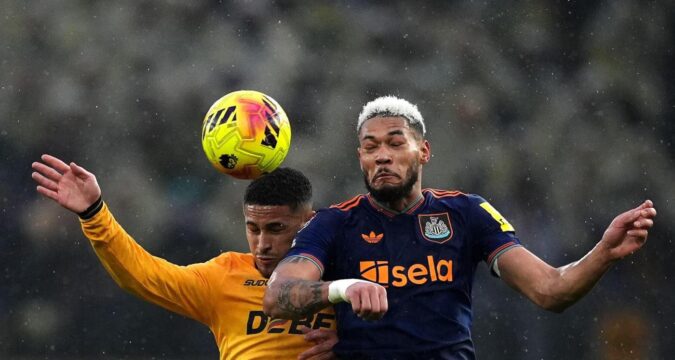
El resurgente Wolverhampton empata 0-0 con Newcastle en la Liga Premier
Por STEVE DOUGLAS
El colista Wolverhampton continuó su resurgimiento en la Liga Premier al conseguir el domingo un empate 0-0 como local ante Newcastle, extendiendo su racha invicta a cinco partidos en todas las competiciones.
Los Wolves sumaron apenas dos puntos de sus primeros 18 partidos de liga, pero han embolsado seis unidades en sus últimos cuatro. Sin embargo, todavía están a 14 puntos de la salvación y parecen destinados a regresar a la segunda división después de ocho años en la máxima categoría.
También necesitan cuatro puntos más para evitar el total más bajo en una sola temporada de la Premier: los 11 cosechados por Derby County en la campaña 2007-08.
El empate puso fin a una racha de tres victorias consecutivas en la liga para Newcastle, que quedó en el octavo lugar, a dos puntos del quinto Manchester United.
Más tarde, Aston Villa recibe a Everton con la oportunidad de escalar al segundo lugar, cuatro puntos detrás del líder Arsenal, con una victoria.
___
Deportes AP: https://apnews.com/hub/deportes
Trump Wants $1BN Fee From States Seeking To Join Gaza Peace Board
Trump Wants $1BN Fee From States Seeking To Join Gaza Peace Board
According to a Saturday Bloomberg report, the Trump administration is asking nations interested in holding a permanent seat on a proposed Gaza Strip “Board of Peace” to pledge at least $1 billion in funding.
Bloomberg described that US allies and regional partners have already been briefed on the concept as part of wider diplomatic efforts to influence and direct Gaza’s future after the Israel-Hamas conflict.
The intent of the funding threshold is reportedly to ensure that participating countries have substantial financial involvement in stabilizing the territory and supporting long-term redevelopment.
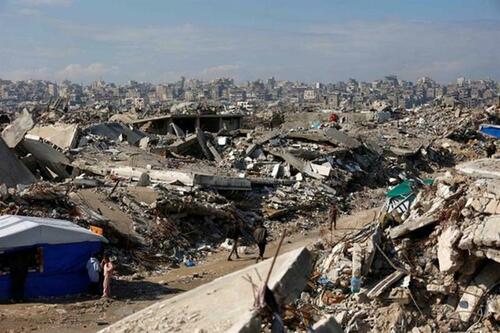
Washington seems to be arguing that spreading the financial burden internationally is critical to preventing American taxpayers from shouldering most of the reconstruction costs. Sadly, this was of no concern when the same taxpayers were footing the bill for billions in weaponry and foreign aid for Israel over prior years – even as Palestinian neighborhoods got flattened by US bombs.
Officials privy to internal deliberations told Bloomberg, “Several European nations have been invited to join the peace board. The draft appears to suggest Trump himself would control the money, something that would be considered unacceptable to most countries who could have potentially joined the board.”
The Times of Israel has obtained a copy of the text of the board’s charter, which says, “Each Member State shall serve a term of no more than three years from this Charter’s entry into force, subject to renewal by the Chairman (Trump).”
“The three-year membership term shall not apply to Member States that contribute more than USD $1,000,000,000 in cash funds to the Board of Peace within the first year of the Charter’s entry into force,” it added.
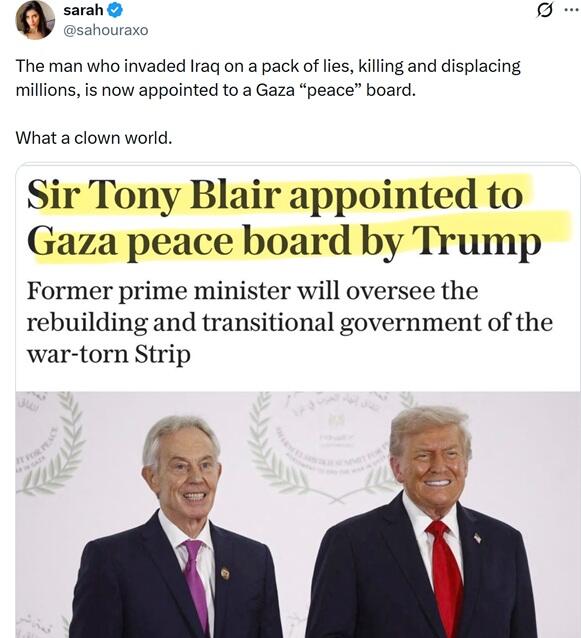
As we detailed earlier, among the “founding executive board” members are US Secretary of State Marco Rubio, presidential special envoy Steve Witkoff, Trump’s son-in-law Jared Kushner, and former British Prime Minister Tony Blair.
The board also includes private equity executive Marc Rowan, World Bank President Ajay Banga, and US national security adviser Robert Gabriel, according to a White House statement.
The board, to be chaired by Trump, will oversee the Palestinian technocratic committee-also known as the National Committee for the Administration of Gaza (NCAG)-which will be led by former Palestinian Authority official Ali Abdel Hamid Shaath.
An anonymous official has sought to ensure to Bloomberg that almost every dollar raised will be “used to execute its mandate” – in reference to the Gaza board and rebuilding and stabilizing the strip. Given that so far Palestinian representation is a small minority, most Gazans will probably remain deeply distrustful of this US-backed and controlled board.
Tyler Durden
Sun, 01/18/2026 – 12:15
https://www.zerohedge.com/geopolitical/trump-wants-1bn-fee-states-seeking-join-gaza-peace-board

Fiorentina rinde homenaje al fallecido dueño Rocco Commisso con emotiva victoria 2-1 ante Bologna
Por DANIELLA MATAR
MILÁN (AP) — Fiorentina rindió homenaje al propietario Rocco Commisso con camisetas especiales y una emotiva celebración de gol en una victoria 2-1 Bolonia en la Serie A el domingo.
La noticia del deceso de Commisso, quien compró a la Viola en 2019, se anunció temprano el sábado. Pero su familia quiso que el equipo jugara según lo programado en su honor.
Fiorentina calentó usando camisetas con la foto de Commisso, así como las palabras “Un Rocco” en la espalda y “Grazie Rocco” en el frente.
Se guardó un minuto de silencio antes del inicio del partido, como en todos los partidos de la Serie A este fin de semana. Los jugadores también llevaron brazaletes negros, mientras que los aficionados visitantes mostraron pancartas en homenaje a Commisso.
Rolando Mandragora festejó al marcar el primer gol a los 19 minutos corriendo hacia la línea de banda y levantando una camiseta especial de Fiorentina con “Rocco” en ella.
Roberto Piccoli aumentó la ventaja de Fiorentina al borde del descanso. Inicialmente fue anulado por fuera de juego, pero se concedió tras la revisión del video.
Vincenzo Italiano, el técnico de Bologna que condujo a Fiorentina a tres finales antes de irse en 2024, se mostró visiblemente irritado por el desempeño de su equipo, lanzando su sombrero al suelo. Hizo cuatro cambios en el descanso.
Uno de esos suplentes, Giovanni Fabbian, logró descontar con un cabezazo en las postrimerías del partido.
Fiorentina, amenazada por el descenso, alcanzó en puntos con Lecce, que amaneció justo por encima de la zona de peligro y que más tarde enfrentaba el AC Milan, segundo en la tabla.
Bologna sigue en picada: marchan en el octavo lugar tras cosechar apenas una victoria en sus últimos 10 partidos de la Serie A.
Más temprano el domingo, Parma empató 0-0 con Genoa en un encuentro entre equipos concentrados en evitar el descenso.
Genoa quedó tres puntos por encima de la línea roja y tres por debajo de Parma.
___
Deportes AP: https://apnews.com/hub/deportes