Category: News

España inicia tres días de luto por el accidente de tren mientras el número de muertos sube a 41
Por IAIN SULLIVAN y JOSEPH WILSON
ADAMUZ, España (AP) — España despertó el martes con las banderas a media asta en el primero de tres días de luto por las víctimas del mortal accidente de tren en el sur del país, mientras los equipos de emergencia continuaban sacando cuerpos de los restos.
El número oficial de muertos del accidente del domingo aumentó a 41 el martes por la mañana, después de que el ministro español de Transportes, Óscar Puente, dijera que se había descubierto otro cadáver cuando una grúa levantó un vagón dañado.
Las autoridades han advertido repetidamente que la cifra podría aumentar, ya que los trabajadores de emergencia aún están buscando cuerpos entre lo que el presidente regional de Andalucía, Juanma Moreno, describió como “un amasijo de hierros”.
El ministro del Interior, Fernando Grande-Marlaska, dijo a la televisora nacional española RTVE el lunes por la noche que los rescatistas creen haber localizado tres cuerpos más aún atrapados en los restos. No está claro si esos cuerpos están incluidos en el conteo oficial.
El accidente ocurrió el domingo a las 7:45 de la tarde cuando la parte trasera de un tren que transportaba a 289 pasajeros en la ruta de Málaga a la capital, Madrid, se salió de las vías. Chocó contra un tren en sentido contrario que viajaba de Madrid a Huelva, otra ciudad del sur de España, según el operador ferroviario Adif.
La parte delantera del segundo tren, que transportaba a casi 200 pasajeros, recibió el mayor impacto. Esa colisión hizo que sus dos primeros vagones se salieran de la vía y cayeran por una pendiente de cuatro metros (13 pies). Algunos cuerpos fueron encontrados a cientos de metros del lugar del accidente, dijo Moreno.
Las autoridades continúan investigando las causas del incidente que Puente ha calificado de “extraño” ya que ocurrió en una línea recta y ninguno de los trenes iba a alta velocidad.
Sin embargo, Puente dijo en entrevistas con medios españoles el lunes por la noche y el martes por la mañana que las autoridades habían encontrado una sección rota de la vía que podría estar relacionada con el origen del accidente, aunque insistió en que es sólo una hipótesis y que alcanzar conclusiones podría llevar semanas.
“Se trata de determinar si es la causa o la consecuencia” del descarrilamiento, dijo Puente a la radio española Cadena Ser.
El tren que se salió de la vía pertenecía a la empresa privada Iryo, mientras que el segundo tren, que recibió el mayor impacto, pertenecía a la empresa pública española Renfe. Iryo dijo en un comunicado el lunes que su tren fue fabricado en 2022 y pasó su última revisión de seguridad el 15 de enero.
Tanto Puente como Álvaro Fernández, el presidente de Renfe, dijeron que ambos trenes viajaban muy por debajo del límite de velocidad de 250 km/h (155 mph), y Fernández señaló que “se puede descartar el error humano”.
El accidente sacudió a una nación que lidera Europa en kilometraje de trenes de alta velocidad y se enorgullece de una red que se considera a la vanguardia del transporte ferroviario.
El presidente del gobierno español, Pedro Sánchez, visitó el lugar del accidente cerca del pueblo de Adamuz el lunes, donde declaró tres días de luto en los que las banderas ondearán a media asta en todos los edificios públicos y buques de la armada.
El rey Felipe y la reina Letizia de España tenían previsto visitar Adamuz y un hospital en Córdoba donde muchos de los heridos seguían ingresados el martes.
Las autoridades sanitarias dijeron que 39 personas seguían hospitalizadas el martes por la mañana, mientras que 83 personas fueron atendidas y dadas de alta.
Mientras tanto, la Guardia Civil española recogía muestras de ADN de familiares que temen tener seres queridos entre los muertos no identificados.
Los servicios de trenes entre Madrid y ciudades de Andalucía, la región más poblada de España, seguían cancelados el martes, causando grandes complicaciones. La aerolínea española Iberia añadió vuelos a Sevilla y Málaga para ayudar a los viajeros varados. Algunas compañías de autobuses también reforzaron sus servicios en el sur.
___
Esta historia fue traducida del inglés por un editor de AP con la ayuda de una herramienta de inteligencia artificial generativa.

Bessent afirma que los lazos EEUU-Europa “nunca han sido más cercanos” pese a crisis en Groenlandia
Por JAMEY KEATEN
DAVOS, Suiza (AP) — El secretario del Tesoro de Estados Unidos, Scott Bessent, afirmó el martes que las relaciones de Estados Unidos con Europa siguen siendo sólidas e instó a los socios comerciales a “tomar un respiro” y dejar que las tensiones provocadas por las nuevas amenazas arancelarias del gobierno de Trump sobre Groenlandia “se desarrollen”.
“Nuestras relaciones nunca han sido más cercanas”, expresó, hablando en un aparte de la reunión anual del Foro Económico Mundial en Davos, Suiza.
Trump anunció el sábado un impuesto de importación del 10% a partir de febrero sobre productos de ocho naciones europeas que han apoyado a Dinamarca tras los renovados llamados del presidente a que Estados Unidos tome el control del territorio semiautónomo danés de Groenlandia.
Trump ha insistido en que Estados Unidos necesita el territorio por razones de seguridad ante posibles amenazas de China y Rusia.
Las amenazas del líder estadounidense han provocado indignación y un frenesí de actividad diplomática en toda Europa, mientras los líderes consideran posibles contramedidas como tarifas de represalia y utilizar por primera vez del mecanismo anticoerción de la Unión Europea.
La UE tiene tres herramientas económicas principales que podría usar para presionar a Washington: nuevos aranceles, la suspensión del acuerdo comercial entre Estados Unidos y la UE, y un “bazuca comercial”, el término no oficial para el Instrumento Anticoerción del bloque que podría sancionar a individuos o instituciones que se considere que están ejerciendo una presión indebida sobre la UE.
Bessent dice que confía en que lazos EEUU-Europa seguirán fuertes y Groenlandia acabará en “muy buen lugar para todos”
DAVOS, Suiza (AP) — Bessent dice que confía en que lazos EEUU-Europa seguirán fuertes y Groenlandia acabará en “muy buen lugar para todos.”

China’s 200,000-Satellite Filing Sparks Fears Of An Orbital Power Grab
China’s 200,000-Satellite Filing Sparks Fears Of An Orbital Power Grab
China has filed requests to reserve orbital slots for almost 200,000 satellites, prompting concerns it may be positioning itself to control large swathes of near-Earth space, according to the Daily Mail.
The applications, submitted on December 29 by the newly formed Institute of Radio Spectrum Utilisation and Technological Innovation, outline two constellations—CTC-1 and CTC-2—each with 96,714 satellites spread across thousands of orbits. If built, the system would dwarf SpaceX’s Starlink plans and could restrict access for rival operators.
Officials have offered little detail about the satellites’ role, fuelling speculation about military or security uses. According to China in Space, Nanjing University of Aeronautics says the network would support “Low-altitude electromagnetic space security, integrated security defence systems, electromagnetic space security assessment of airspace, and low-altitude airspace safety supervision services.” Analysts say this closely resembles SpaceX’s military-focused Starshield system.
The Daily Mail writes that the filings were made with the International Telecommunications Union (ITU), which allocates orbital spectrum. Once registered, other companies must prove their satellites will not interfere. While the spacecraft could have civilian uses, the move comes amid intensifying US-China competition in space.
Satellites now underpin modern warfare, forming part of the so-called “kill mesh.” The war in Ukraine has shown how vital satellite communications and jamming capabilities can be, and US officials have raised alarms about unusual manoeuvres by some Chinese satellites in geostationary orbit. One senior officer warned they are “sliding” across the GEO belt, behavior seen as inconsistent with normal communications missions.
China openly treats space as a strategic domain. President Xi Jinping has called it an “important strategic asset for the country that must be well managed and utilized and, more importantly, protected.” China’s satellite count has risen from about 40 in 2010 to roughly 1,000 today.
Despite the scale of the proposal, many experts doubt it will be realised. China would need to launch around 500 satellites every week for seven years—far beyond its current manufacturing and launch capacity. This has led analysts to suspect the move is an orbital “land grab,” reserving space for future use rather than signalling an imminent build-out.
As Victoria Samson of the Secure World Foundation put it, “It is possible they’re just trying to create some space for later on.” Even Chinese industry figures have played down the feasibility, with Spacety executive Yang Feng warning that “Leading in terms of filing applications does not mean surpassing in final execution,” citing major technical and capacity hurdles.
The move is notable given China’s recent criticism of SpaceX at the UN, where it argued that the unchecked spread of commercial satellite constellations “has given rise to pronounced safety and security challenges.”
Tyler Durden
Tue, 01/20/2026 – 02:45
https://www.zerohedge.com/markets/chinas-200000-satellite-filing-sparks-fears-orbital-power-grab
Un ciudadano dice que ICE lo sacó de su casa en Minnesota en ropa interior tras irrumpir sin orden
Por JACK BROOK
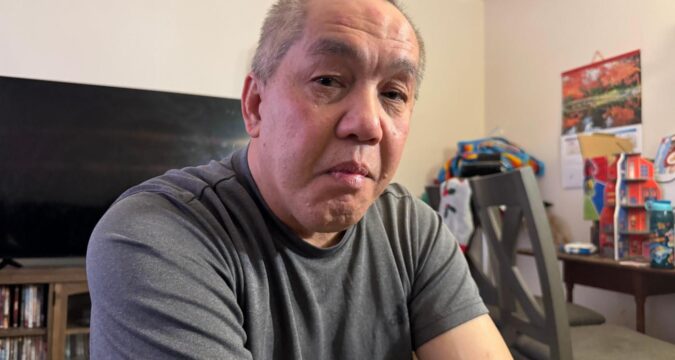
ST. PAUL, Minnesota, EE.UU. (AP) — Agentes federales de inmigración forzaron la entrada de una puerta y detuvieron a un ciudadano estadounidense en su casa de Minnesota a punta de pistola sin una orden judicial, luego lo sacaron a la calle en ropa interior pese a las temperaturas bajo cero, según su familia y videos revisados por The Associated Press.
ChongLy “Scott” Thao dijo a la AP que su nuera lo despertó de una siesta el domingo por la tarde y le dijo que agentes del Servicio de Inmigración y Control de Aduanas de Estados Unidos estaban golpeando la puerta de su casa en St. Paul. Él le dijo que no la abriera. Entonces, agentes enmascarados se abrieron paso y apuntaron con armas a la familia mientras les gritaban, recordó Thao.
“Estaba temblando”, afirmó. “No mostraron ninguna orden; simplemente derribaron la puerta”.
En medio de un despliegue masivo de agentes federales en las Ciudades Gemelas, como se conoce a las ciudades vecinas de Minneapolis y St. Paul, las autoridades de inmigración están enfrentando la indignación de vecinos y líderes locales por arrestos sin orden judicial, enfrentamientos agresivos con manifestantes y el tiroteo fatal de Renee Good, madre de tres hijos.
“El ICE no está haciendo lo que dicen que están haciendo”, dijo la alcaldesa de St. Paul, Kaohly Her, una estadounidense de origen hmong, en un comunicado sobre el arresto de Thao. “No están persiguiendo a criminales peligrosos. Están yendo tras cualquiera y todos en su camino. Es inaceptable y antiestadounidense”.
Incidente grabado en video
Thao, que es ciudadano estadounidense desde hace décadas, dijo que mientras lo detenían pidió a su nuera que buscara su identificación, pero los agentes le dijeron que no querían verla.
En cambio, mientras su nieto de cuatro años observaba y lloraba, Thao fue sacado esposado vestido sólo con sandalias y ropa interior, con apenas una manta colocada sobre los hombros.
Los videos capturaron la escena, que incluía personas haciendo sonar silbatos y bocinas y vecinos gritando a los más de una docena de agentes armados que dejaran en paz a la familia de Thao.
Thao dijo que los agentes lo llevaron “al medio de la nada” y lo hicieron salir del auto al exterior gélido para poder fotografiarle. Dijo que temía que lo golpearan. Le pidieron su identificación, que los agentes anteriormente le impidieron tomar.
Finalmente, los agentes se dieron cuenta de que era un ciudadano estadounidense sin antecedentes penales, dijo Thao, y una o dos horas después, lo llevaron de regreso a su casa. Allí le hicieron mostrar su identificación y luego se fueron sin disculparse por detenerlo o romper su puerta, dijo Thao.
El Departamento de Seguridad Nacional defiende la operación
El Departamento de Seguridad Nacional de Estados Unidos (DHC, por sus siglas en inglés) describió la operación del ICE en la casa de Thao como una “operación dirigida” en busca de dos delincuentes sexuales convictos.
“El ciudadano estadounidense vive con estos dos delincuentes sexuales convictos en el lugar de la operación”, dijo el DHS. “El individuo se negó a ser identificado por huellas dactilares o reconocimiento facial. Coincidía con la descripción de los objetivos.”
La familia de Thao dijo en un comunicado que “rechaza categóricamente” la versión del Departamento y “se opone firmemente al intento del DHS de justificar públicamente esta conducta con afirmaciones falsas y engañosas”.
Thao dijo a la AP que solo él, su hijo, su nuera y su nieto viven en la casa alquilada. Ni ellos ni el propietario de la propiedad están incluidos en el registro de delincuentes sexuales de Minnesota. El delincuente sexual más cercano que figura como residente en el código postal vive a más de dos cuadras de distancia.
El DHS no respondió a una solicitud de The Associated Press de obtener las identidades de los “dos delincuentes sexuales convictos” o por qué la agencia creía que estaban presentes en la casa de Thao.
El hijo de Thao, Chris Thao, dijo que los agentes del ICE lo detuvieron mientras conducía al trabajo antes de que fueran a detener a su padre. Dijo que estaba conduciendo un auto que había tomado prestado del novio de su prima. Los registros judiciales muestran que el novio comparte el nombre de pila de otro hombre asiático que ha sido condenado por un delito sexual. Chris Thao dijo que no son la misma persona.
La familia huyó de Laos después de ayudar a EEUU
La familia dijo que están particularmente molestos por el trato que recibió ChongLy Thao a manos del gobierno de Estados Unidos porque su madre tuvo que huir a Estados Unidos desde Laos cuando los comunistas tomaron el poder en la década de 1970, ya que había apoyado operaciones encubiertas estadounidenses en el país y su vida estaba en peligro.
La madre adoptiva de Thao, Choua Thao, era una enfermera que trató a soldados hmong respaldados por la CIA en la “Guerra Secreta” del gobierno de Estados Unidos de 1961 a 1975 contra los comunistas, según el sitio web de la Asociación de Enfermeras Hmong.
Choua Thao, quien falleció a finales de diciembre, “trató a innumerables civiles y soldados estadounidenses, trabajando estrechamente con el personal de Estados Unidos”, escribió su nuera, Louansee Moua, en una página de GoFundMe para la familia.
ChongLy Thao dice que planea presentar una demanda por derechos civiles contra el DHS y ya no se siente seguro para dormir en su casa.
“No me siento seguro en absoluto”, dijo Thao. “¿Qué hice mal? No hice nada”.
___
El periodista de Associated Press Michael Biesecker en Washington contribuyó a este despacho.
___
Brook es miembro del cuerpo de The Associated Press/Report for America Statehouse News Initiative. Report for America es un programa nacional de servicio sin fines de lucro que coloca periodistas en redacciones locales para informar sobre temas poco cubiertos.
La destacada red española de trenes de alta velocidad sufre su primer revés con accidente mortal
Por JOSEPH WILSON
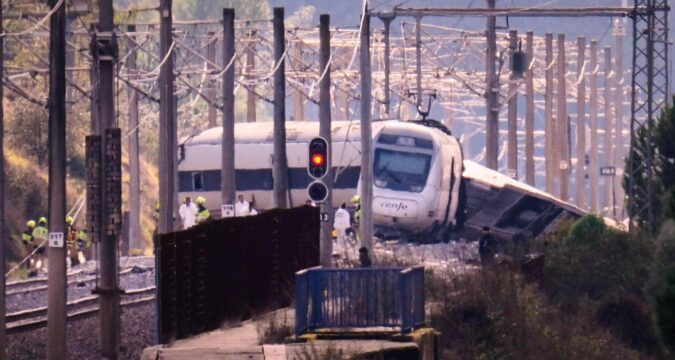
BARCELONA (AP) — El mortal accidente de tren en el sur de España ha ensombrecido uno de los símbolos de éxito de la nación.
El choque del domingo mató al menos a 40 personas y dejó a decenas más heridas, según informaron las autoridades el lunes por la noche.
A continuación, un vistazo en cifras a la historia de una red ferroviaria que se convirtió en una joya de la corona de la España contemporánea.
34 años
El número de años desde que España inauguró su primer AVE como se conocen los trenes, siglas de “alta velocidad española”.
Tanto antes como después de ese hito, los sucesivos gobiernos españoles dedicaron ingresos fiscales y ayudas al desarrollo de la Unión Europea a su red ferroviaria de alta velocidad, que rápidamente alcanzó y superó a los pioneros de alta velocidad Japón y Francia.
El primer tren de alta velocidad que cruzó España precedió la apertura de los Juegos Olímpicos de Verano de 1992 en Barcelona por dos meses.
Los dos eventos marcaron puntos destacados en la historia reciente de España después de que emergiera de la depresión económica y el aislamiento cultural y político de la dictadura del siglo XX del general Francisco Franco.
3.900 kilómetros
La cantidad de kilómetros, equivalente a 2.400 millas, de vías de alta velocidad que España ha tendido en las últimas tres décadas para sus 49 millones de habitantes.
Sólo China, con 45.000 kilómetros (28.000 millas) para sus 1.400 millones de personas, tiene más vías de alta velocidad, según la Unión Internacional de Ferrocarriles.
El compromiso de España con el ferrocarril de alta velocidad, que el sindicato ferroviario define como vías para trenes que van a 250 km/h (155 mph), ha ayudado a España a deshacerse de su reputación de estar a menudo detrás de la curva industrial en comparación con otras economías líderes.
Los constructores de trenes de España han podido capitalizar su expansión nacional. Un consorcio español construyó la línea de alta velocidad de Arabia Saudí que conecta las ciudades santas de La Meca y Medina, que comenzó a operar en 2018.
7 horas frente a 2,5
El número aproximado de horas que tomaba un viaje en tren entre Madrid y Barcelona antes y después de la adopción del ferrocarril de alta velocidad en 2008.
En un tren antiguo y lento, el viaje de 600 kilómetros (385 millas) entre las ciudades más grandes de España solía tomar alrededor de siete horas, lo que significaba que muchos viajeros de negocios optaban por tomar un avión.
Ahora ese viaje se puede hacer en 2,5 horas, y España anunció planes en noviembre para modernizar la línea Madrid-Barcelona para permitir que los trenes alcancen los 350 km/h (218 mph), igualando a los trenes chinos más rápidos. Eso reduciría el tiempo de tránsito a menos de dos horas.
El AVE ha ayudado a unir un país cuyos principales centros de población, aparte de Madrid, están ubicados en sus costas, separadas por algunas de las áreas más escasamente pobladas de Europa.
Cada región y capital provincial ha presionado mucho por conseguir su propia línea de alta velocidad. Algunos críticos dicen que los gobiernos pueden haber gastado demasiado en líneas cuestionables en detrimento de la inversión en líneas de cercanías locales, que sufren muchos más retrasos que el ferrocarril de alta velocidad.
Quedarse sin una línea y parada del AVE se ha convertido en sinónimo de declive económico para una ciudad provincial.
El alejamiento del transporte aéreo hacia el ferrocarril también sigue siendo un pilar clave del plan de energía verde y electrificación de España para combatir el cambio climático.
1 accidente
El número de accidentes mortales que involucran un tren de alta velocidad en la historia de España. Un funcionario describió el choque del domingo como la transformación de un tren en un “amasijo de hierros”.
Los funcionarios españoles dicen que todavía están perplejos sobre qué salió mal el domingo por la noche cuando un tren de alta velocidad se salió de la vía y chocó con otro tren rápido que iba en sentido contrario.
Álvaro Fernández, presidente de la empresa pública de trenes Renfe, dijo a la emisora pública española RNE que ambos trenes viajaban muy por debajo del límite de velocidad y que “se puede descartar el error humano”.
Uno de los dos trenes era operado por Renfe y otro por una empresa privada.
El peor accidente de tren de España en este siglo ocurrió en 2013, cuando 80 personas murieron después de que un tren descarrilara en el noroeste del país. Una investigación concluyó que el tren viajaba a 179 km/h (111 mph) en un tramo con un límite de velocidad de 80 km/h (50 mph) cuando se salió de las vías. Ese tramo de vía no era de alta velocidad.
3 operadores de alta velocidad
El número de operadores con trenes de alta velocidad en España.
España no abrió su red ferroviaria a empresas privadas para competir contra Renfe hasta 2022.
La primera empresa en entrar en el mercado privado de alta velocidad fue Iryo, que es de propiedad italiana. Fue seguida por la empresa francesa Ouigo.
Fue un tren de Iryo el que primero descarriló el domingo, sacando al tren de Renfe de su vía. Iryo ha dicho que está trabajando con las autoridades para determinar las causas del accidente.
___
Esta historia fue traducida del inglés por un editor de AP con la ayuda de una herramienta de inteligencia artificial generativa.
Much Defiance, No Strategy: Germany’s Outrage At Trump’s Greenland Policy
Much Defiance, No Strategy: Germany’s Outrage At Trump’s Greenland Policy
Submitted by Thomas Kolbe
The defiant reaction of Germany’s business and political elite to Donald Trump’s tariff measures in the Greenland conflict reveals a remarkable denial of reality. It is increasingly clear that Brussels and Berlin are more willing to accept significant collateral damage in a dispute with the United States than to pursue rational solutions. It is high time to acknowledge their own weaknesses.
In the end, the dispute over Greenland’s strategic future unfolded as expected. In response to the deployment of a tiny contingent of European troops to the Danish-administered island, Washington wielded a substantial lever: trade tariffs. This now well-established tool is aimed at the eight nations participating in the action – including Germany, which contributed a mere 13 soldiers to this peculiar measure.
Starting February 1, an additional 10 percent tariff will take effect. If the situation remains unchanged, it will rise to 25 percent on June 1. Should the Greenland dispute escalate into a trade casus belli, it will directly impact the overall economy. Export-heavy economies like Germany could see up to 0.3 percent of their GDP wiped out.
Shipping Routes and Resources
What is this conflict really about? Donald Trump’s interest in Greenland’s strategic control is twofold. On one hand, Greenland’s rich natural resources – particularly rare earths – are crucial. On the other, it’s about controlling key Arctic shipping routes. Washington’s focus is on dominating the Northeast Passage along Russia and the Northwest Passage along Canada. These routes linking Europe, Asia, and North America could become strategically vital in the future. The Davis Strait between Greenland and Canada also plays a key role in the U.S. power game, providing access to significant resource zones. The North Atlantic region is generally considered essential for the U.S. government’s military security.
In recent days, Trump repeatedly emphasized that neither NATO nor the European Union had taken substantive political action in response to China’s and Russia’s growing influence in the region.
This raises the inevitable question: why is Europe suddenly so interested in Greenland? A clean resolution would undoubtedly be a referendum on the partially autonomous island. How this process will develop remains to be seen.
Defiance Instead of Strategy
Germany’s business and political responses indicate a willingness to escalate rhetorically. Representatives of German trade associations speak of a “U-turn” in U.S. policy. VDMA President Bertram Kawlath criticized the tariffs as politically motivated, calling the new demands absurd. Similarly, DIW President Marcel Fratzscher warned that Germany and Europe should no longer allow themselves to be extorted in the trade dispute with the U.S.
BGA President Dirk Jandura and VDA President Hildegard Müller labeled the announced tariffs grotesque. They would place an enormous burden on an already heavily affected European industry. Both called on Brussels to act decisively and strategically.
Notably, Fratzscher’s call for closer cooperation with China stands out. Yet only weeks ago, the rare earth supply dispute with Beijing nearly escalated – a player that enforces its interests just as ruthlessly using its resource leverage.
There is agreement that Brussels must now pick up the gauntlet thrown by the U.S. EU Commission President Ursula von der Leyen announced negotiations for a retaliatory tariff package, which could hit U.S. businesses in Europe with up to €93 billion. The signs point to a storm, but it remains unclear whether the U.S. administration will be impressed.
From a European perspective, two main options emerge: first, the long-discussed model of heavily taxing American tech companies – the so-called digital tax – could finally be implemented. Second, EU-proposed counter-tariffs could be used to apply pressure in upcoming negotiations with the U.S. administration.
The crucial question: how far can the EU play this power game before the economic costs become unbearable? Brussels has shown a tendency in conflicts like the Ukraine war to stick to maximalist demands while accepting significant collateral damage. The same dynamic now threatens in the trade dispute with the U.S.: European rhetoric is strong, but economic substance is vulnerable.
Much like in its standoff with Russia, the EU faces a visible power asymmetry against the U.S. economy, which grew at an annualized 5.5 percent in the last quarter while unemployment fell to 4.4 percent. Growth is driven primarily by private investment and a massive gain in productivity – the true measure of sustainable economic success.
By contrast, the EU – and Germany’s industrial heartlands in particular – are bleeding. Despite massive borrowing and extensive government stimulus programs, private investment and productivity gains remain elusive.
Power Asymmetry
Over the slowly escalating trade conflict hangs the Damocles sword of the Ukraine conflict and Germany’s associated energy crisis. The missed opportunity months ago to resolve a Gordian knot with U.S. mediation now exacts its toll. Step by step, the United States could adjust its security guarantees for Europe, exposing the EU’s economic and military vulnerabilities.
Washington’s new security strategy, released in December, makes it clear that the EU is no longer regarded as a strategic ally. Instead, the U.S. is prepared to pursue its own interests with an iron hand if necessary.
There is no denying it: under the current administration, realpolitik is back in the EU-U.S. relationship. Europe must recognize these new realities and approach them with a realistic assessment of its own position. And the current economic situation is anything but rosy.
Moral posturing over the supposed “Wild West methods” of the Americans is hypocritical. Was it not the EU Commission that, over many years, forced trade partners – most recently the Mercosur countries – under its climate-protectionist regime? Is it not at least equally problematic to drive one’s own population into economic hardship to enforce climate-socialist power fantasies and expand political control?
* * *
About the author: Thomas Kolbe is a German graduate economist. For over 25 years, he has worked as a journalist and media producer for clients from various industries and business associations. As a publicist, he focuses on economic processes and observes geopolitical events from the perspective of the capital markets. His publications follow a philosophy that focuses on the individual and their right to self-determination.
Tyler Durden
Tue, 01/20/2026 – 02:00

Nicknamed Baby Nash by teammates, Cody Rader looks to play like Steve Nash for Geneva. ‘Be a beast out there.’
Freshman point guard Cody Rader has a keen sense of what’s expected of him for Geneva.
He has been entrusted to make plays whenever the time and opportunity take shape.
“You always have to be ready to step up and make shots, make 3-pointers or make that fake and get to the basket,” Rader said. “My style is to make those shots, but also be that facilitator.”
The 5-foot-9 Rader did a little bit of that and more Monday night.
He scored a career-high 12 points on four 3-pointers and also made a crucial steal, sparking the host Vikings to a 45-43 victory over West Aurora at the Geneva MLK Shootout.
Senior guard Nathan Palmer hit the go-ahead 3-pointer off a steal and assist by Rader with 26 seconds left for Geneva (16-3). Palmer scored a game-high 13 points. David Udoiwod added 12.
Geneva’s Cody Rader (10) sets up for a 3 pointer against West Aurora in the third quarter of a Geneva MLK Shootout game on Monday, Jan. 19, 2025. (H. Rick Bamman / The Beacon-News)
Senior forward Drew Lundberg scored 11 points for West Aurora (12-9), which had its six-game winning streak snapped. Lundberg’s 3-pointer gave the Blackhawks a 43-42 lead.
Junior guard Travis Brown had eight points, seven rebounds, three assists and three steals for West Aurora. That performance was countered by Rader going 4 of 4 on 3-pointers.
Rader’s steal turned into a scramble before he controlled the loose ball and passed it to Palmer.
“He’s been clutch in so many games already for us and he’s just so fun to watch,” Palmer said of Rader. “His shot is so pure — I just feel like it’s going in every time he shoots.
Geneva’s Cody Rader (10) drives against West Aurora’s Drew Lundberg (12) in the fourth quarter of a Geneva MLK Shootout game on Monday, Jan. 19, 2025. (H. Rick Bamman / The Beacon-News)
“He already has a lot of confidence.”
Rader started the season on the sophomore team but was elevated to varsity for a 63-44 win over St. Charles North the first week of December. He scored 11 points in that game.
“He really wants it and stepped up as soon as he came up,” Udoiwod said of Rader. “Watching him on the sophomore team I could see his talent. Late in the game, we needed that defensive stop.
“He just made a great play there.”
Geneva’s Cody Rader (10) reacts to a West Aurora turnover in the fourth quarter of a Geneva MLK Shootout game on Monday, Jan. 19, 2025. (H. Rick Bamman / The Beacon-News)
Rader was the starting quarterback on the sophomore football team. He’s set to be a pitcher for the baseball team. Regardless of the sport, he loves having the ball in his hands.
And he loves being a playmaker, including on the defensive side of the ball.
“On that steal, I saw the ball get loose and nobody was really going for it,” Rader said. “I missed the layup, but the ball got kicked around. I was able to control it and play it over to Nate.”
The presence and poise that Rader showed in the moment validated the decision of Geneva coach Scott Hennig to elevate him to the varsity.
“His father went here and I’ve known the family for a long time,” Hennig said. “He’s been coming to our camps since he was very young. He’s played a lot of high-level sports, travel baseball, 7-on-7 football.
“He does not lack confidence. I had to challenge him a little bit at halftime because I thought he was hesitant. He responded.”
Geneva’s Cody Rader (10) delivers a pass that splits West Aurora’s defense in the fourth quarter of a Geneva MLK Shootout game on Monday, Jan. 19, 2025. (H. Rick Bamman / The Beacon-News)
The precocious Rader is a dynamic presence on the court with his long, wavy, curly hair. He has excellent anticipation skills and a strong feel for the game. He’s averaging 5.6 points off the bench.
“The biggest transition is that everyone you go up against is so much bigger,” Rader said. “They’re bigger, stronger and jump a lot higher. I haven’t really had to adjust my game.
“I just have to keep doing what makes me successful.”
Rader already has acquired a nickname from Geneva’s veteran players — Baby Nash, in honor of former two-time NBA MVP Steve Nash. Rader has lived up to the challenge.
“With any sport that I play, my mentality is always the same,” Rader said. “You have to be a beast out there and do whatever it takes to win. It’s my favorite part about playing with this team.”
Patrick Z. McGavin is a freelance reporter for The Beacon-News.
https://www.chicagotribune.com/2026/01/20/cody-rader-geneva-west-aurora-ihsa-boys-basketball/
Asking Eric: You are an adult who has eyes on them at times
Dear Eric: My 92-year-old father and my 66-year-old brother live together in another state. My father lives at home, is completely functional, drives and can take care of himself. My brother is independent and takes trips frequently.
My issue is visiting them, something I feel like I need/want to do on a regular basis. Their house is livable, but not very clean. It’s not horrible, but it is dirtier than I can comfortably be inside of for very long. I have offered to clean when I’m there, but my father seems to take this as an insult to his pride and then bans me from doing any cleaning.
Neither washes his hands in the kitchen. Both handle food at mealtime and invariably, I get sick every time I go there.
I offer to take over the kitchen duties, but neither seems to let go of handling things in the kitchen.
I try to minimize my time there as much as possible by picking up my father and taking him on trips. I stay only a few days and really dread going. I’m asking if you have any advice for making these visits work, or how. My father will not hear of me going to a motel, and if I did, he would insist on eating together at his home. I appreciate any advice you have.
– Safe Visits
Dear Visits: I know you write that your father won’t hear of you staying elsewhere, but the best path forward may necessitate making that non-negotiable. It doesn’t need a lot of discussion, however if he persists, you can remind him that you and he have different at-home comfort levels and you’ve talked about this before. Assure him that you want the focus of your visits to be on him, and so the easiest way to do that is to remove obstacles that create little points of conflict between you, like the question of where you’re staying.
Similarly, if he insists on eating together at his home, perhaps you can order takeout together instead of eating something that he and your brother prepare.
I know it might feel like you don’t have an option in the face of your father’s insistence. And the dynamics of family can make insistence seem like the law. But you have agency here to set the parameters of your visits. If it’s just not workable for you to stay in his home, you have every right to say so and have your wants honored. You can respect your father and still hold space for what you need. Indeed, being kind but firm about what you need might feel like a pain point initially, but it will take away a lot of the on-going dread that’s siphoning your enjoyment of these visits.
Dear Eric: My two children have started to become friends with the two children who live next door, which is great. They’re similar ages, and I generally get along with their mother while we stand outside and supervise.
The problem is that my older child, who is five, has started to ask about playing at the neighbor’s home instead of in the front yard. I am not OK with that.
The neighbors are fine at arm’s length, but there is for sure domestic violence in their relationship. It isn’t a daily occurrence, but there is alcohol abuse, visible injuries and the police.
How can I explain to my child that while the neighbor kids are fun and we can be friends, we are not going to visit them in their home? I also don’t want my child saying anything that will hurt her friends’ feelings, because the situation certainly isn’t their fault.
– Cautious Playtime
Dear Playtime: There are many things from which parents want to shield their children, things that the children aren’t yet equipped to understand. So, a succinct but firm explanation may leave some things unanswered for your kids while still keeping them safe.
Try an explanation that keeps the focus on yourself, like “I need to see you when you’re playing, and I don’t have time to go over to the neighbors’ house.” Or “I’m more comfortable with you all playing in the yard.”
You can also invite the neighbor children over to yours instead.
While the neighbor’s children aren’t your responsibility, you are an adult who has eyes on them at times and is aware of some of the dysfunction in the house. There may come a time that you see something that makes you concerned for their welfare. Be proactive about reaching out for help for them, and for their parents.
Related Articles
Asking Eric: Not a good fit for a holiday gathering
Asking Eric: How much are our items worth?
Asking Eric: I don’t want him in my life anymore
Asking Eric: How can I learn more about this?
Asking Eric: I feel excluded from my own family
Similarly, if you have the opportunity, check in with one or both of the neighbors individually to see if they need outside support or a connection to the National Domestic Violence Hotline (thehotline.org/1-800-799-SAFE).
(Send questions to R. Eric Thomas at eric@askingeric.com or P.O. Box 22474, Philadelphia, PA 19110. Follow him on Instagram and sign up for his weekly newsletter at rericthomas.com.)

Photos: Chicago Blackhawks 2, Winnipeg Jets 0
Photos from the Chicago Blackhawks’ 2-0 win over the Winnipeg Jets in Jonathan Toews’ first game back at the United Center on Monday, Jan. 19, 2026.
Winnipeg Jets center Jonathan Toews (19) interacts with fans while warming up before facing the Chicago Blackhawks at the United Center in Chicago on Jan. 19, 2026. (Chris Sweda/Chicago Tribune)
Winnipeg Jets center Jonathan Toews (19) looks into the crowd while warming up for a game against the Chicago Blackhawks at the United Center in Chicago on Jan. 19, 2026. (Chris Sweda/Chicago Tribune)
Winnipeg Jets center Jonathan Toews (19) warms up before facing the Chicago Blackhawks at the United Center in Chicago on Jan. 19, 2026. (Chris Sweda/Chicago Tribune)
Winnipeg Jets center Jonathan Toews (19) is honored during a timeout in the first period of a game against the Chicago Blackhawks at the United Center in Chicago on Jan. 19, 2026. (Chris Sweda/Chicago Tribune)
Winnipeg Jets center Jonathan Toews (19) is honored during a timeout in the first period of a game against the Chicago Blackhawks at the United Center in Chicago on Jan. 19, 2026. (Chris Sweda/Chicago Tribune)
Winnipeg Jets center Jonathan Toews (19) is honored during a timeout in the first period of a game against the Chicago Blackhawks at the United Center in Chicago on Jan. 19, 2026. (Chris Sweda/Chicago Tribune)
Fans applaud as Winnipeg Jets center Jonathan Toews (19) is honored during a timeout in the first period of a game against the Chicago Blackhawks at the United Center in Chicago on Jan. 19, 2026. (Chris Sweda/Chicago Tribune)
Chicago Blackhawks defenseman Connor Murphy (5) and his teammates celebrate after a 2-0 victory over the Winnipeg Jets at the United Center in Chicago on Jan. 19, 2026. (Chris Sweda/Chicago Tribune)
Chicago Blackhawks fans watch as Winnipeg Jets center Jonathan Toews (19) warms up for a game against his old team at the United Center in Chicago on Jan. 19, 2026. (Chris Sweda/Chicago Tribune)
Winnipeg Jets center Jonathan Toews (19) interacts with fans while warming up before facing the Chicago Blackhawks at the United Center in Chicago on Jan. 19, 2026. (Chris Sweda/Chicago Tribune)
Chicago Blackhawks center Connor Bedard (98) takes a shot in the first period of a game against the Winnipeg Jets at the United Center in Chicago on Jan. 19, 2026. (Chris Sweda/Chicago Tribune)
Chicago Blackhawks center Oliver Moore (11) is unable to score on Winnipeg Jets goaltender Connor Hellebuyck (37) in the first period of a game at the United Center in Chicago on Jan. 19, 2026. (Chris Sweda/Chicago Tribune)
Chicago Blackhawks player Nick Lardis takes a shot in the first period of a game against the Winnipeg Jets at the United Center in Chicago on Jan. 19, 2026. (Chris Sweda/Chicago Tribune)
Chicago Blackhawks player Nick Lardis takes a shot in the first period of a game against the Winnipeg Jets at the United Center in Chicago on Jan. 19, 2026. (Chris Sweda/Chicago Tribune)
Winnipeg Jets defenseman Dylan DeMelo (2) and Chicago Blackhawks left wing Nick Foligno (17) battle in the first period of a game at the United Center in Chicago on Jan. 19, 2026. (Chris Sweda/Chicago Tribune)
Winnipeg Jets left wing Cole Koepke (45) and Chicago Blackhawks defenseman Artyom Levshunov (55) battle in the second period of a game at the United Center in Chicago on Jan. 19, 2026. (Chris Sweda/Chicago Tribune)
Chicago Blackhawks left wing Nick Lardis (76) gets tangled up with Winnipeg Jets center Adam Lowry (17) in the first period of a game at the United Center in Chicago on Jan. 19, 2026. (Chris Sweda/Chicago Tribune)
Chicago Blackhawks center Jason Dickinson (16) celebrates with his teammates after scoring a goal in the second period of a game against the Winnipeg Jets at the United Center in Chicago on Jan. 19, 2026. (Chris Sweda/Chicago Tribune)
Chicago Blackhawks goaltender Spencer Knight (30) secures the puck in the second period of a game against the Winnipeg Jets at the United Center in Chicago on Jan. 19, 2026. (Chris Sweda/Chicago Tribune)
Winnipeg Jets center Jonathan Toews (19) and Chicago Blackhawks center Ryan Greene (20) battle in the third period of a game at the United Center in Chicago on Jan. 19, 2026. (Chris Sweda/Chicago Tribune)
Chicago Blackhawks center Connor Bedard (98) celebrates after scoring an empty-net goal in the third period of a game against the Winnipeg Jets at the United Center in Chicago on Jan. 19, 2026. (Chris Sweda/Chicago Tribune)
Chicago Blackhawks center Connor Bedard (98) takes a shot in the third period of a game against the Winnipeg Jets at the United Center in Chicago on Jan. 19, 2026. (Chris Sweda/Chicago Tribune)
Chicago Bears quarterback Caleb Williams cheers with fans in the third period of a game between the Chicago Blackhawks and the Winnipeg Jets at the United Center in Chicago on Jan. 19, 2026. (Chris Sweda/Chicago Tribune)
Chicago Bears quarterback Caleb Williams bangs on the glass while sitting with Chicago Cubs center fielder Pete Crow-Armstrong as the two attend a game between the Chicago Blackhawks and the Winnipeg Jets at the United Center in Chicago on Jan. 19, 2026. (Chris Sweda/Chicago Tribune)
Chicago Blackhawks center Connor Bedard (98) celebrates after scoring an empty-net goal in the third period of a game against the Winnipeg Jets at the United Center in Chicago on Jan. 19, 2026. (Chris Sweda/Chicago Tribune)
Chicago Blackhawks center Connor Bedard (98) celebrates after scoring an empty-net goal in the third period of a game against the Winnipeg Jets at the United Center in Chicago on Jan. 19, 2026. (Chris Sweda/Chicago Tribune)
Chicago Blackhawks center Jason Dickinson (16) collides with Winnipeg Jets goaltender Connor Hellebuyck (37) in the third period of a game at the United Center in Chicago on Jan. 19, 2026. (Chris Sweda/Chicago Tribune)
Chicago Blackhawks center Jason Dickinson (16) collides with Winnipeg Jets goaltender Connor Hellebuyck (37) in the third period of a game at the United Center in Chicago on Jan. 19, 2026. (Chris Sweda/Chicago Tribune)
Chicago Blackhawks defenseman Alex Vlasic (72) looks to make a move in the third period of a game against the Winnipeg Jets at the United Center in Chicago on Jan. 19, 2026. (Chris Sweda/Chicago Tribune)
Chicago Blackhawks goaltender Spencer Knight (30) blocks a shot by Winnipeg Jets defenseman Dylan Samberg (54) in the second period of a game at the United Center in Chicago on Jan. 19, 2026. (Chris Sweda/Chicago Tribune)
Chicago Blackhawks goaltender Spencer Knight (30) blocks a shot by Winnipeg Jets defenseman Dylan Samberg (54) in the second period of a game at the United Center in Chicago on Jan. 19, 2026. (Chris Sweda/Chicago Tribune)
Chicago Blackhawks center Jason Dickinson (16) is congratulated by his teammates after scoring in the second period of a game against the Winnipeg Jets at the United Center in Chicago on Jan. 19, 2026. (Chris Sweda/Chicago Tribune)
Winnipeg Jets center Jonathan Toews (19) stands on the ice during a break in the action in the second period of a game against the Chicago Blackhawks at the United Center in Chicago on Jan. 19, 2026. (Chris Sweda/Chicago Tribune)
Winnipeg Jets center Jonathan Toews (19) tries to locate the puck in the second period of a game against the Chicago Blackhawks at the United Center in Chicago on Jan. 19, 2026. (Chris Sweda/Chicago Tribune)
https://www.chicagotribune.com/2026/01/19/photos-chicago-blackhawks-winnipeg-jets-jonathan-toews/