Category: News
Una fuga de gas tóxico en mina de Nigeria mata a 37 personas
Por DYEPKAZAH SHIBAYAN
ABUYA, Nigeria (AP) — Una fuga de gas tóxico en una mina del centro norte de Nigeria mató a 37 personas y envió al hospital a otras 26, según la policía.
El incidente ocurrió la madrugada del martes en la población de Kampani Zurak, ubicada en el área de Wase, en el estado de Plateau, informó el portavoz policial Alfred Alabo en un comunicado.
“La investigación preliminar reveló que los mineros se vieron afectados debido a una descarga repentina de óxido de plomo y otros gases asociados como azufre y monóxido de carbono, que son tóxicos y venenosos para los seres humanos, particularmente en un entorno confinado o con poca ventilación”, explicó Alabo. “Los cuerpos de las víctimas fallecidas han sido entregados a sus familias para su entierro de acuerdo con sus prácticas religiosas”.
El gobierno nigeriano ha cerrado la explotación y está investigando la fuga.
Los mineros desconocían la naturaleza tóxica de las emisiones y continuaron trabajando, señaló en un comunicado el ministro de Desarrollo de Minerales Sólidos de Nigeria, Dele Alake.
No está claro qué se estaba extrayendo en el lugar ni si la mina operaba legalmente. Nigeria intenta combatir la minería ilegal de oro en todo el país, que a lo largo de los años han registrado cientos de muertes.
___
Esta historia fue traducida del inglés por un editor de AP con la ayuda de una herramienta de inteligencia artificial generativa.
Una fuga de gas tóxico en mina de Nigeria mata a 37 personas
Por DYEPKAZAH SHIBAYAN
ABUYA, Nigeria (AP) — Una fuga de gas tóxico en una mina del centro norte de Nigeria mató a 37 personas y envió al hospital a otras 26, según la policía.
El incidente ocurrió la madrugada del martes en la población de Kampani Zurak, ubicada en el área de Wase, en el estado de Plateau, informó el portavoz policial Alfred Alabo en un comunicado.
“La investigación preliminar reveló que los mineros se vieron afectados debido a una descarga repentina de óxido de plomo y otros gases asociados como azufre y monóxido de carbono, que son tóxicos y venenosos para los seres humanos, particularmente en un entorno confinado o con poca ventilación”, explicó Alabo. “Los cuerpos de las víctimas fallecidas han sido entregados a sus familias para su entierro de acuerdo con sus prácticas religiosas”.
El gobierno nigeriano ha cerrado la explotación y está investigando la fuga.
Los mineros desconocían la naturaleza tóxica de las emisiones y continuaron trabajando, señaló en un comunicado el ministro de Desarrollo de Minerales Sólidos de Nigeria, Dele Alake.
No está claro qué se estaba extrayendo en el lugar ni si la mina operaba legalmente. Nigeria intenta combatir la minería ilegal de oro en todo el país, que a lo largo de los años han registrado cientos de muertes.
___
Esta historia fue traducida del inglés por un editor de AP con la ayuda de una herramienta de inteligencia artificial generativa.
The star of this pot roast recipe is the sauce
When it comes to comfort food, there is truly nothing better than pot roast. I grew up knowing just the classic version with thick-cut carrots and potatoes in a savory sauce. But I’ve come to learn over time that one of the greatest qualities of pot roast is that it’s a blank slate willing to be transformed with any flavors you please. Everything from French onion pot roast to smoky, slightly spicy harissa pot roast to bold-flavored Mississippi pot roast, and so many more.
Related Articles
Brighten your table with a citrus salad
A home remedy to boost the immune system
Seven-layer dip is a game-day classic for a reason
The secret to impossibly fluffy Southern biscuits
My entire family devours these chicken bites in minutes
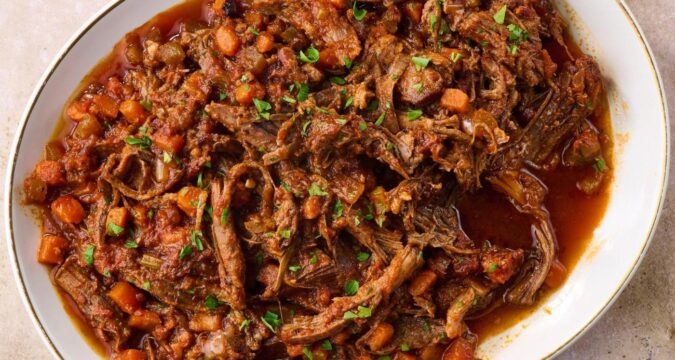
These days my favorite version is Italian pot roast, or Stracotto. You get tender braised beef that falls apart with the touch of your fork, but I’d argue the star of the dish is the sauce. The beef is cooked in a rich red wine and tomato-based sauce flavored with pancetta, a classic mix of aromatic vegetables, lots of garlic, plus woodsy fresh rosemary and thyme. Spoon this pot roast over a bowl of creamy polenta or noodles and you have a cozy, impressive dinner.
Why you’ll love it
It’s incredibly cozy. Between the tender beef that falls apart with the touch of your fork, rich red wine sauce, and plenty of garlic, and herbs, it doesn’t get more comforting. Better yet, like most braises, this pot roast is even better the next day.
Mostly hands-off cooking. While pot roast does have a lengthy cook time, the beauty of this dinner is that the bulk of the cooking happens in the oven and requires zero attention from you.
Your kitchen will smell amazing. Be prepared for the rich scents of garlic, herbs, tomatoes, and meat to fill your kitchen with the most intoxicating, delicious aroma.
Key ingredients in Italian pot roast
Chuck roast: A boneless beef chuck roast between 3 to 4 pounds is the best choice for this recipe. Choose one with minimal surface fat if possible.
Vegetables and herbs: A combination of onion, carrot, celery plus fresh thyme and rosemary infuse the sauce with so much flavor.
Wine and broth: A combination of red wine (I recommend a dry Italian red like Barbera, Valpolicella, or Montepulciano that you’d also be game to drink) and beef broth are the base for the deep, rich sauce.
Canned tomatoes: A small can of crushed tomatoes adds flavor and helps thicken the sauce.
Helpful swaps
Diced thick-cut bacon can be used as a substitute for pancetta.
Low-sodium chicken broth or vegetable broth can be used as a substitute for beef broth.
Canned whole peeled tomatoes or diced tomatoes and juices can be used as a substitute for crushed tomatoes.
Red wine vinegar can be used as a substitute for balsamic vinegar.
Storage and make-ahead tips
The pot roast can be cooked a day in advance. Wait to shred the meat and add the balsamic vinegar. Let cool completely, then cover and refrigerate. Scrape off the hardened layer of fat from the top and discard. Reheat covered over medium heat on the stovetop or in a 325-degree oven, flipping the roast occasionally, until warmed through. Shred the beef and add the balsamic vinegar before serving.
Leftovers can be refrigerated in an airtight container for up to four days. This also freezes and reheats well, and will keep in the freezer for up to three months.
What to serve with Italian pot roast
Creamy Polenta
Mashed Potatoes
Garlicky Sautéed Escarole
Easy 10-Minute Garlic Broccolini
Arugula Salad
Italian Pot Roast
Serves 4 to 6
4 ounces pancetta, diced
1 (3- to 4-pound) boneless beef chuck roast, trimmed of excess surface fat
3 teaspoons kosher salt, divided, plus more as needed
1/2 teaspoon freshly ground black pepper
1 large yellow onion, diced (about 2 cups)
2 large carrots, peeled and diced (about 2 cups)
2 medium stalks celery, diced (about 2/3 cup)
4 cloves garlic, minced
2 cups dry red wine
1 (14.5-ounce) can low-sodium beef broth (scant 2 cups)
1 (14-ounce) can crushed tomatoes (1 3/4 cups)
2 dried bay leaves
2 sprigs fresh thyme
1 large sprig fresh rosemary
2 teaspoons balsamic vinegar (optional)
Chopped fresh parsley leaves, for garnish (optional)
Serving options: crusty bread, cooked egg noodles, creamy polenta
1. Arrange a rack in the lower third of the oven and heat the oven to 350 F.
2. Cook 4 ounces diced pancetta in a Dutch oven or heavy-bottomed pot oven-safe pot over medium heat, stirring occasionally, until lightly browned, 6 to 8 minutes. Meanwhile, pat one (3- to 4-pound) boneless beef chuck roast dry with paper towels. Season all over with 2 teaspoons of the kosher salt and 1/2 teaspoon black pepper.
3. When the pancetta is ready, use a slotted spoon to transfer it to a large plate. Add the roast to the pot and sear until well-browned on two sides, 3 to 4 minutes per side. Transfer to the plate with the pancetta.
4. Add diced large yellow onion, peeled and diced large carrots, diced celery, minced garlic cloves, and remaining 1 teaspoon kosher salt. Cook, stirring occasionally, until the onions are softened, 5 to 8 minutes. Stir in 2 cups dry red wine and bring to a boil. Boil for 1 to 2 minutes.
5. Stir in the reserved pancetta, one (14.5-ounce) can low-sodium beef broth, one (14-ounce) can crushed tomatoes, dried bay leaves, fresh thyme sprigs, and fresh rosemary sprig. Bring to a simmer. Return the roast and any accumulated juices to the pot.
6. Cover and transfer to the oven. Cook until the meat is very tender and gently falling apart when pricked with a fork, 3 to 3 1/2 hours.
7. Skim off some of the fat from the surface if desired. Remove and discard the bay leaves, thyme sprigs, and rosemary sprig. Shred the roast into bite-size pieces right in the pot with tongs. Stir in balsamic vinegar if desired. Taste and season with more kosher salt as needed. Garnish with chopped fresh parsley leaves if desired.
(Kelli Foster is a culinary producer for TheKitchn.com, a nationally known blog for people who love food and home cooking. Submit any comments or questions to editorial@thekitchn.com.)
https://www.chicagotribune.com/2026/02/19/italian-pot-roast/
The star of this pot roast recipe is the sauce
When it comes to comfort food, there is truly nothing better than pot roast. I grew up knowing just the classic version with thick-cut carrots and potatoes in a savory sauce. But I’ve come to learn over time that one of the greatest qualities of pot roast is that it’s a blank slate willing to be transformed with any flavors you please. Everything from French onion pot roast to smoky, slightly spicy harissa pot roast to bold-flavored Mississippi pot roast, and so many more.
Related Articles
Brighten your table with a citrus salad
A home remedy to boost the immune system
Seven-layer dip is a game-day classic for a reason
The secret to impossibly fluffy Southern biscuits
My entire family devours these chicken bites in minutes
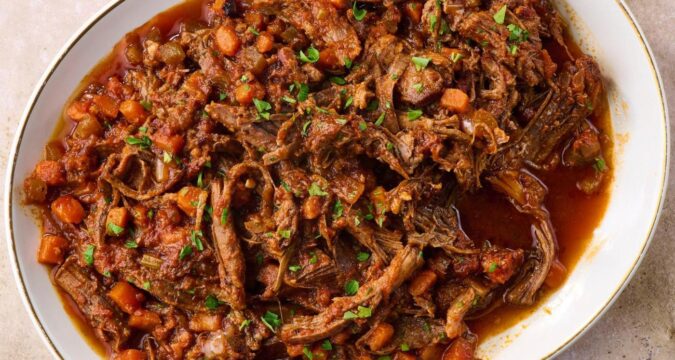
These days my favorite version is Italian pot roast, or Stracotto. You get tender braised beef that falls apart with the touch of your fork, but I’d argue the star of the dish is the sauce. The beef is cooked in a rich red wine and tomato-based sauce flavored with pancetta, a classic mix of aromatic vegetables, lots of garlic, plus woodsy fresh rosemary and thyme. Spoon this pot roast over a bowl of creamy polenta or noodles and you have a cozy, impressive dinner.
Why you’ll love it
It’s incredibly cozy. Between the tender beef that falls apart with the touch of your fork, rich red wine sauce, and plenty of garlic, and herbs, it doesn’t get more comforting. Better yet, like most braises, this pot roast is even better the next day.
Mostly hands-off cooking. While pot roast does have a lengthy cook time, the beauty of this dinner is that the bulk of the cooking happens in the oven and requires zero attention from you.
Your kitchen will smell amazing. Be prepared for the rich scents of garlic, herbs, tomatoes, and meat to fill your kitchen with the most intoxicating, delicious aroma.
Key ingredients in Italian pot roast
Chuck roast: A boneless beef chuck roast between 3 to 4 pounds is the best choice for this recipe. Choose one with minimal surface fat if possible.
Vegetables and herbs: A combination of onion, carrot, celery plus fresh thyme and rosemary infuse the sauce with so much flavor.
Wine and broth: A combination of red wine (I recommend a dry Italian red like Barbera, Valpolicella, or Montepulciano that you’d also be game to drink) and beef broth are the base for the deep, rich sauce.
Canned tomatoes: A small can of crushed tomatoes adds flavor and helps thicken the sauce.
Helpful swaps
Diced thick-cut bacon can be used as a substitute for pancetta.
Low-sodium chicken broth or vegetable broth can be used as a substitute for beef broth.
Canned whole peeled tomatoes or diced tomatoes and juices can be used as a substitute for crushed tomatoes.
Red wine vinegar can be used as a substitute for balsamic vinegar.
Storage and make-ahead tips
The pot roast can be cooked a day in advance. Wait to shred the meat and add the balsamic vinegar. Let cool completely, then cover and refrigerate. Scrape off the hardened layer of fat from the top and discard. Reheat covered over medium heat on the stovetop or in a 325-degree oven, flipping the roast occasionally, until warmed through. Shred the beef and add the balsamic vinegar before serving.
Leftovers can be refrigerated in an airtight container for up to four days. This also freezes and reheats well, and will keep in the freezer for up to three months.
What to serve with Italian pot roast
Creamy Polenta
Mashed Potatoes
Garlicky Sautéed Escarole
Easy 10-Minute Garlic Broccolini
Arugula Salad
Italian Pot Roast
Serves 4 to 6
4 ounces pancetta, diced
1 (3- to 4-pound) boneless beef chuck roast, trimmed of excess surface fat
3 teaspoons kosher salt, divided, plus more as needed
1/2 teaspoon freshly ground black pepper
1 large yellow onion, diced (about 2 cups)
2 large carrots, peeled and diced (about 2 cups)
2 medium stalks celery, diced (about 2/3 cup)
4 cloves garlic, minced
2 cups dry red wine
1 (14.5-ounce) can low-sodium beef broth (scant 2 cups)
1 (14-ounce) can crushed tomatoes (1 3/4 cups)
2 dried bay leaves
2 sprigs fresh thyme
1 large sprig fresh rosemary
2 teaspoons balsamic vinegar (optional)
Chopped fresh parsley leaves, for garnish (optional)
Serving options: crusty bread, cooked egg noodles, creamy polenta
1. Arrange a rack in the lower third of the oven and heat the oven to 350 F.
2. Cook 4 ounces diced pancetta in a Dutch oven or heavy-bottomed pot oven-safe pot over medium heat, stirring occasionally, until lightly browned, 6 to 8 minutes. Meanwhile, pat one (3- to 4-pound) boneless beef chuck roast dry with paper towels. Season all over with 2 teaspoons of the kosher salt and 1/2 teaspoon black pepper.
3. When the pancetta is ready, use a slotted spoon to transfer it to a large plate. Add the roast to the pot and sear until well-browned on two sides, 3 to 4 minutes per side. Transfer to the plate with the pancetta.
4. Add diced large yellow onion, peeled and diced large carrots, diced celery, minced garlic cloves, and remaining 1 teaspoon kosher salt. Cook, stirring occasionally, until the onions are softened, 5 to 8 minutes. Stir in 2 cups dry red wine and bring to a boil. Boil for 1 to 2 minutes.
5. Stir in the reserved pancetta, one (14.5-ounce) can low-sodium beef broth, one (14-ounce) can crushed tomatoes, dried bay leaves, fresh thyme sprigs, and fresh rosemary sprig. Bring to a simmer. Return the roast and any accumulated juices to the pot.
6. Cover and transfer to the oven. Cook until the meat is very tender and gently falling apart when pricked with a fork, 3 to 3 1/2 hours.
7. Skim off some of the fat from the surface if desired. Remove and discard the bay leaves, thyme sprigs, and rosemary sprig. Shred the roast into bite-size pieces right in the pot with tongs. Stir in balsamic vinegar if desired. Taste and season with more kosher salt as needed. Garnish with chopped fresh parsley leaves if desired.
(Kelli Foster is a culinary producer for TheKitchn.com, a nationally known blog for people who love food and home cooking. Submit any comments or questions to editorial@thekitchn.com.)
https://www.chicagotribune.com/2026/02/19/italian-pot-roast/
Irán y EEUU recurren a la diplomacia de cañoneras mientras el diálogo nuclear pende de un hilo
Por JON GAMBRELL
DUBÁI, Emiratos Árabes Unidos (AP) — Irán y Estados Unidos recurrieron el jueves a la diplomacia de cañoneras mientras las conversaciones nucleares entre los dos países pendían de un hilo, con Teherán realizando maniobras con Rusia y los estadounidenses acercando otro portaaviones a Oriente Medio.
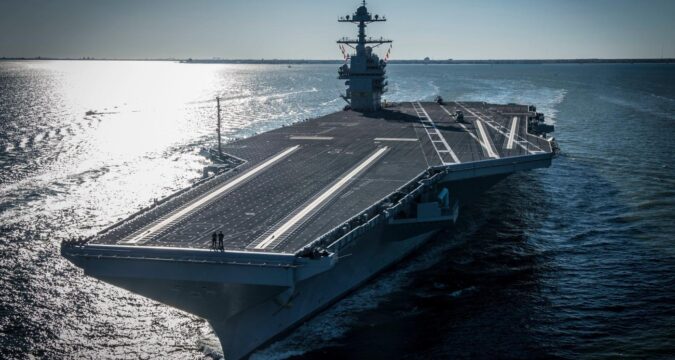
Los ejercicios iraníes y la llegada del portaaviones USS Gerald R. Ford cerca de la embocadura del mar Mediterráneo subrayan las tensiones entre Teherán y Washington. A principios de semana, Irán inició también maniobras que incluyeron fuego real en el estrecho de Ormuz, la estrecha entrada al golfo Pérsico por la que pasa una quinta parte del petróleo comercializado en el mundo.
Los movimientos de buques de guerra y aviones estadounidenses adicionales no garantizan un ataque de Estados Unidos a Irán, pero sí le dan a su presidente, Donald Trump, la capacidad de llevarlo a cabo si así lo decide. Hasta ahora ha evitado atacar la República Islámica tras fijar como líneas rojas la muerte de manifestantes pacíficos y las ejecuciones masivas ordenadas por Teherán, al tiempo que volvió a entablar conversaciones nucleares con el país, reanudando un proceso que se había visto interrumpido por la guerra entre Irán e Israel en junio.
“Si Irán decide no llegar a un acuerdo, puede ser necesario que Estados Unidos use Diego García y el aeródromo ubicado en Fairford, a fin de erradicar un posible ataque de un régimen sumamente inestable y peligroso”, escribió Trump en su red social, Truth Social, en un intento por presionar a Reino Unido acerca de sus planes para resolver el futuro de las islas Chagos con Mauricio.
Por su parte, Irán lidia con el descontento interno tras la represión de las protestas, mientras los dolientes celebran ceremonias en honor a los fallecidos 40 días después de su muerte a manos de fuerzas de seguridad. En algunos de esos actos se escucharon gritos contra el gobierno a pesar de las amenazas de las autoridades.
Irán realiza maniobras con Rusia
En los ejercicios del jueves, fuerzas iraníes y marinos rusos llevaron a cabo operaciones en el golfo de Omán y el océano Índico, reportó la agencia noticiosa estatal iraní IRNA. Las maniobras están orientas a “mejorar la coordinación operativa, así como al intercambio de experiencias militares”, añadió.
China se había sumado al ejercicio “Cinturón de Seguridad” en años anteriores, pero no hubo confirmación de su participación esta vez. En los últimos días se vio en un puerto militar de la ciudad iraní de Bandar Abbas un buque que parecía ser una corbeta rusa de la clase Steregushchiy.
Irán también emitió una aviso a los pilotos en la región sobre disparos de cohetes, lo que sugiere que planeaban lanzar misiles antibuque durante el ejercicio.
Además, los datos de seguimiento mostraron que el Ford estaba frente a la costa de Marruecos, en el océano Atlántico, al mediodía del miércoles, lo que significa que el portaaviones podría pasar por Gibraltar y posiblemente posicionarse en el Mediterráneo oriental junto con los destructores de misiles guiados que lo acompañan.
Situar el portaaviones en esa zona podría permitir a las fuerzas estadounidenses contar con aeronaves adicionales y una mayor capacidad antimisiles para, potencialmente, proteger a Israel y Jordania si estallara un conflicto con Irán. El Pentágono ya desplegó buques de guerra allí durante la guerra entre Israel y Hamás en Gaza para protegerse del fuego iraní.
Consignas antigubernamentales en ceremonias fúnebres
Las ceremonias fúnebres por los fallecidos a manos de las fuerzas de seguridad en las protestas del mes pasado también se han incrementado. Los iraníes suelen conmemorar la muerte de un ser querido 40 días después de que se produzca. Tanto testigos como videos en redes sociales mostraron homenajes en el enorme cementerio Behesht-e Zahra de Teherán. En algunos, los asistentes corearon consignas contra la teocracia mientras entonaban canciones nacionalistas.
Las manifestaciones comenzaron el 28 de diciembre en el histórico Gran Bazar de Teherán. En un primer momento estuvieron motivadas por el colapso de la moneda iraní, el rial, y luego se extendieron por todo el país. Las tensiones estallaron el 8 de enero, con las manifestaciones convocadas por el príncipe heredero iraní en el exilio, Reza Pahlavi.
El gobierno de Irán ha ofrecido solo un reporte de fallecidos por la violencia, con 3.117 personas. La Human Rights Activists News Agency, con sede en Estados Unidos, que ha sido precisa en rondas anteriores de disturbios en Irán, sitúa la cifra de víctimas mortales en más de 7.000, y se teme que pueda ser mucho mayor.
___
El periodista de The Associated Press Nasser Karimi en Teherán, Irán, contribuyó a este despacho.
___
Esta historia fue traducida del inglés por un editor de AP con la ayuda de una herramienta de inteligencia artificial generativa.
Irán y EEUU recurren a la diplomacia de cañoneras mientras el diálogo nuclear pende de un hilo
Por JON GAMBRELL
DUBÁI, Emiratos Árabes Unidos (AP) — Irán y Estados Unidos recurrieron el jueves a la diplomacia de cañoneras mientras las conversaciones nucleares entre los dos países pendían de un hilo, con Teherán realizando maniobras con Rusia y los estadounidenses acercando otro portaaviones a Oriente Medio.
Los ejercicios iraníes y la llegada del portaaviones USS Gerald R. Ford cerca de la embocadura del mar Mediterráneo subrayan las tensiones entre Teherán y Washington. A principios de semana, Irán inició también maniobras que incluyeron fuego real en el estrecho de Ormuz, la estrecha entrada al golfo Pérsico por la que pasa una quinta parte del petróleo comercializado en el mundo.
Los movimientos de buques de guerra y aviones estadounidenses adicionales no garantizan un ataque de Estados Unidos a Irán, pero sí le dan a su presidente, Donald Trump, la capacidad de llevarlo a cabo si así lo decide. Hasta ahora ha evitado atacar la República Islámica tras fijar como líneas rojas la muerte de manifestantes pacíficos y las ejecuciones masivas ordenadas por Teherán, al tiempo que volvió a entablar conversaciones nucleares con el país, reanudando un proceso que se había visto interrumpido por la guerra entre Irán e Israel en junio.
“Si Irán decide no llegar a un acuerdo, puede ser necesario que Estados Unidos use Diego García y el aeródromo ubicado en Fairford, a fin de erradicar un posible ataque de un régimen sumamente inestable y peligroso”, escribió Trump en su red social, Truth Social, en un intento por presionar a Reino Unido acerca de sus planes para resolver el futuro de las islas Chagos con Mauricio.
Por su parte, Irán lidia con el descontento interno tras la represión de las protestas, mientras los dolientes celebran ceremonias en honor a los fallecidos 40 días después de su muerte a manos de fuerzas de seguridad. En algunos de esos actos se escucharon gritos contra el gobierno a pesar de las amenazas de las autoridades.
Irán realiza maniobras con Rusia
En los ejercicios del jueves, fuerzas iraníes y marinos rusos llevaron a cabo operaciones en el golfo de Omán y el océano Índico, reportó la agencia noticiosa estatal iraní IRNA. Las maniobras están orientas a “mejorar la coordinación operativa, así como al intercambio de experiencias militares”, añadió.
China se había sumado al ejercicio “Cinturón de Seguridad” en años anteriores, pero no hubo confirmación de su participación esta vez. En los últimos días se vio en un puerto militar de la ciudad iraní de Bandar Abbas un buque que parecía ser una corbeta rusa de la clase Steregushchiy.
Irán también emitió una aviso a los pilotos en la región sobre disparos de cohetes, lo que sugiere que planeaban lanzar misiles antibuque durante el ejercicio.
Además, los datos de seguimiento mostraron que el Ford estaba frente a la costa de Marruecos, en el océano Atlántico, al mediodía del miércoles, lo que significa que el portaaviones podría pasar por Gibraltar y posiblemente posicionarse en el Mediterráneo oriental junto con los destructores de misiles guiados que lo acompañan.
Situar el portaaviones en esa zona podría permitir a las fuerzas estadounidenses contar con aeronaves adicionales y una mayor capacidad antimisiles para, potencialmente, proteger a Israel y Jordania si estallara un conflicto con Irán. El Pentágono ya desplegó buques de guerra allí durante la guerra entre Israel y Hamás en Gaza para protegerse del fuego iraní.
Consignas antigubernamentales en ceremonias fúnebres
Las ceremonias fúnebres por los fallecidos a manos de las fuerzas de seguridad en las protestas del mes pasado también se han incrementado. Los iraníes suelen conmemorar la muerte de un ser querido 40 días después de que se produzca. Tanto testigos como videos en redes sociales mostraron homenajes en el enorme cementerio Behesht-e Zahra de Teherán. En algunos, los asistentes corearon consignas contra la teocracia mientras entonaban canciones nacionalistas.
Las manifestaciones comenzaron el 28 de diciembre en el histórico Gran Bazar de Teherán. En un primer momento estuvieron motivadas por el colapso de la moneda iraní, el rial, y luego se extendieron por todo el país. Las tensiones estallaron el 8 de enero, con las manifestaciones convocadas por el príncipe heredero iraní en el exilio, Reza Pahlavi.
El gobierno de Irán ha ofrecido solo un reporte de fallecidos por la violencia, con 3.117 personas. La Human Rights Activists News Agency, con sede en Estados Unidos, que ha sido precisa en rondas anteriores de disturbios en Irán, sitúa la cifra de víctimas mortales en más de 7.000, y se teme que pueda ser mucho mayor.
___
El periodista de The Associated Press Nasser Karimi en Teherán, Irán, contribuyó a este despacho.
___
Esta historia fue traducida del inglés por un editor de AP con la ayuda de una herramienta de inteligencia artificial generativa.
Una fuga de gas tóxico mata a 37 personas en una mina en Nigeria, según la policía
Associated Press
ABUYA, Nigeria (AP) — Una fuga de gas tóxico mata a 37 personas en una mina en Nigeria, según la policía.
Eni Considers Return To Oil Trading As Rivals Reap Billions
Eni Considers Return To Oil Trading As Rivals Reap Billions
By Charles Kennedy of OilPrice.com,
Italy’s Eni is considering reopening its oil-trading business as it misses out on the profits that its fellow European supermajors are generating from selling the commodities they produce, the company’s chief executive told the Financial Times.
“I stopped trading in 2019, but the other big companies are all traders,” Claudio Descalzi told the publication in an interview. “BP, Shell, Total are big traders, and they make billions from that.”
Indeed, trading has been especially profitable for the other supermajors, so Eni is pivoting via partnerships.
Descalzi told the FT that Eni was in preliminary talks with a number of commodity trading houses, including Mercuria.
“It is not in our DNA. We are not very commercial,” Descalzi explained.
“So I thought to become commercial, we have to have a partnership to understand the business.”
“If we can offer physical hedging, that is a big advantage for them. We can complement each other,” the chief executive of the supermajor added, noting the amount of oil and gas that Eni produces should make it an attractive partner.
Despite oil trading being a major profit source for Big Oil, Shell, for one, flagged a weaker performance of its trading division ahead of its fourth-quarter results announcement. BP also said its trading business has weakened over the final three months of last year.
TotalEnergies, meanwhile, recently sealed a trading joint venture deal with Bahrain’s BapcoEnergies backed by production flows from Bapco Energies’ refinery. The new entity is positioned as a competitive regional trading player, designed to maximize downstream value and broaden access to international markets for Bahraini oil products.
Big Oil, and especially European Big Oil, has recently pivoted away from its low-carbon energy ventures and back to its core business of producing and refining oil and gas amid slowing energy transition momentum. Shareholders are now pushing for growth as predictions for peak oil move into the more distant future.
Tyler Durden
Thu, 02/19/2026 – 03:30
https://www.zerohedge.com/energy/eni-considers-return-oil-trading-rivals-reap-billions
5 mineros quedan atrapados bajo tierra tras un deslave en una mina de diamantes de Sudáfrica
Associated Press
JOHANNESBURGO (AP) — Cinco mineros quedaron atrapados a gran profundidad bajo tierra en una mina de diamantes de Sudáfrica después de que un deslizamiento de lodo inundara un pozo en el que trabajaban, informaron funcionarios de la mina y un sindicato el jueves.
Los mineros llevaban atrapados desde las primeras horas del martes, según el Congreso de Sindicatos Sudafricanos, una alianza de sindicatos que incluye al principal sindicato de trabajadores mineros. La organización indicó que se creía que los mineros estaban atrapados a unos 800 metros (media milla) bajo tierra.
El gerente general de Ekapa Mining, Howard Marsden, cuya empresa opera la mina, declaró el miércoles a la emisora nacional SABC que los rescatistas estaban bombeando agua fuera del pozo, mientras un equipo separado intentaba perforar un agujero hasta el lugar donde se creía que los mineros estaban atrapados para tratar de establecer comunicación con ellos “o cualquier prueba de vida”.
La mina está en la ciudad central de Kimberley, que es famosa por sus minas de diamantes y fue el corazón de la industria mundial después de que se descubrieran diamantes en la zona a finales del siglo XIX.
El Consejo de Minerales de Sudáfrica señaló este mes en su informe anual de seguridad que 41 mineros murieron en accidentes mineros en Sudáfrica el año pasado, un mínimo histórico y una cifra inferior a los cientos por año registrados en la década de 1990 y a principios de la de 2000.
Sudáfrica está entre los mayores productores mundiales de diamantes y oro, y es el principal productor de platino.
___
Esta historia fue traducida del inglés por un editor de AP con la ayuda de una herramienta de inteligencia artificial generativa.
Chinese EVs Flood Europe, Signals Hollowing Out Of Bloc’s Industrial Core
Chinese EVs Flood Europe, Signals Hollowing Out Of Bloc’s Industrial Core
The rapid growth of China’s electric vehicles on Europe’s streets and highways isn’t just a market share story. In fact, it’s an industrial security threat for the bloc. When Chinese manufacturers undercut domestic car brands, the damage goes well beyond margin pressure and shuttered production lines. The much larger and alarming issue is the hollowing out of Europe’s industrial core.
While Europe deindustrialises and focuses on Wokeism
Chinese company BYD is building a mega factory larger than San Francisco (Not AI)
At this scale, and such low costs, vast human resources, and its own market, it will become impossible for Europe to compete. pic.twitter.com/SnRjvO0Wp9
— Chay Bowes (@BowesChay) February 3, 2026
Goldman analyst Christian Frenes released the latest Chinese OEM Competition Monitor, which covers January registrations of Chinese EVs across Europe.
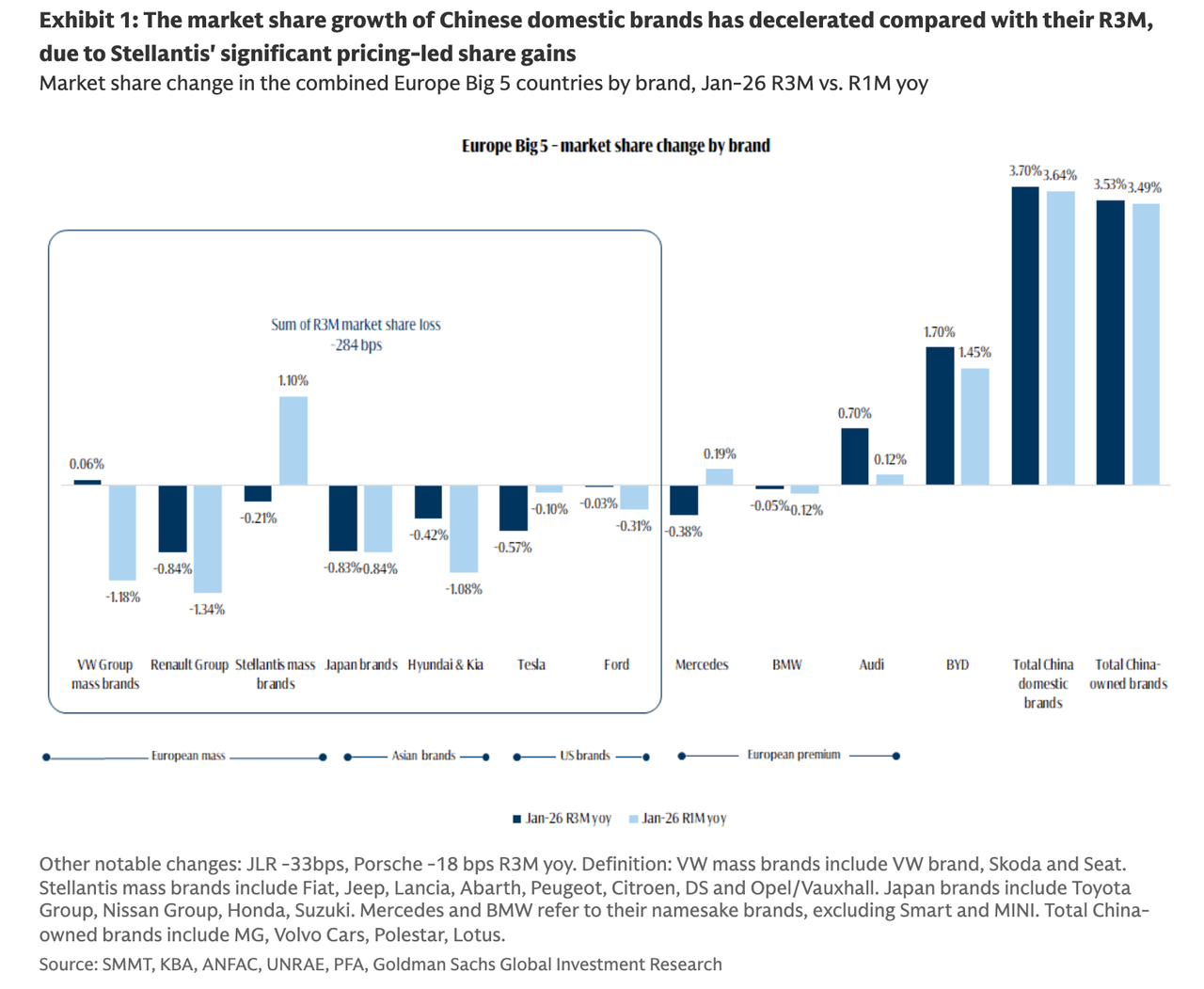
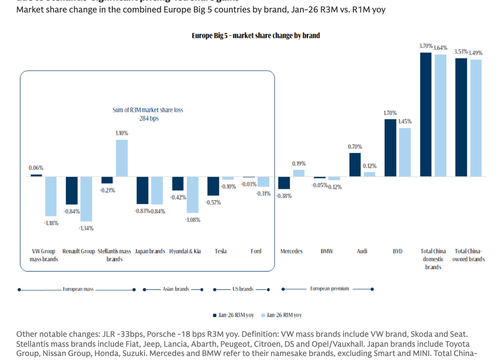
Even though Chinese brand EV sales softened in January, volumes remain elevated at 31,000 units in Jan-26 versus 40,100 in Dec-25 and 8,700 a year earlier, representing a whopping 257% year-over-year growth.
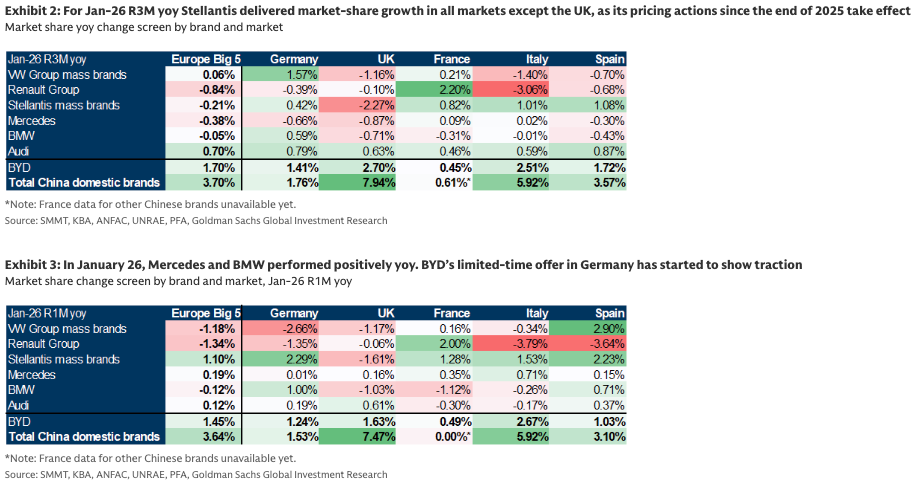
In Europe’s Big 5 markets (Germany, the United Kingdom, France, Italy, Spain), Chinese domestic brands nearly topped 5% of market share in January, up from 3.64% one year ago.
Market share growth of Chinese domestic brands outpaces that of local car companies.
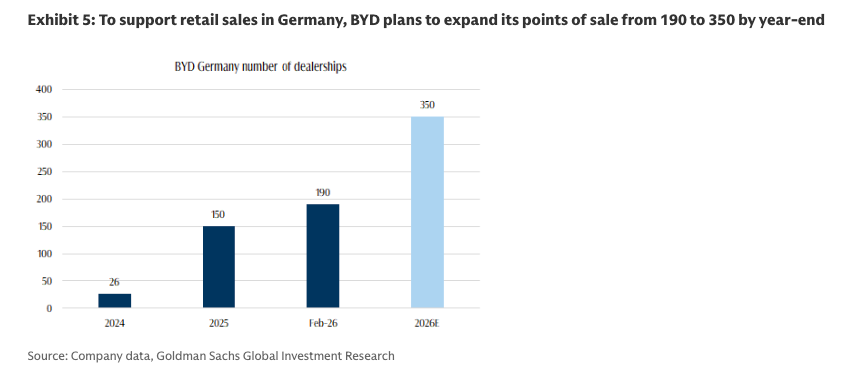
“Heading into 2026, we expect Chinese OEMs to further intensify their European expansion plans, e.g., BYD offering c.30% price discounts while aiming to double its volume in Germany this year,” Frenes said.
Here’s the demand of Chinese and local car companies for January.
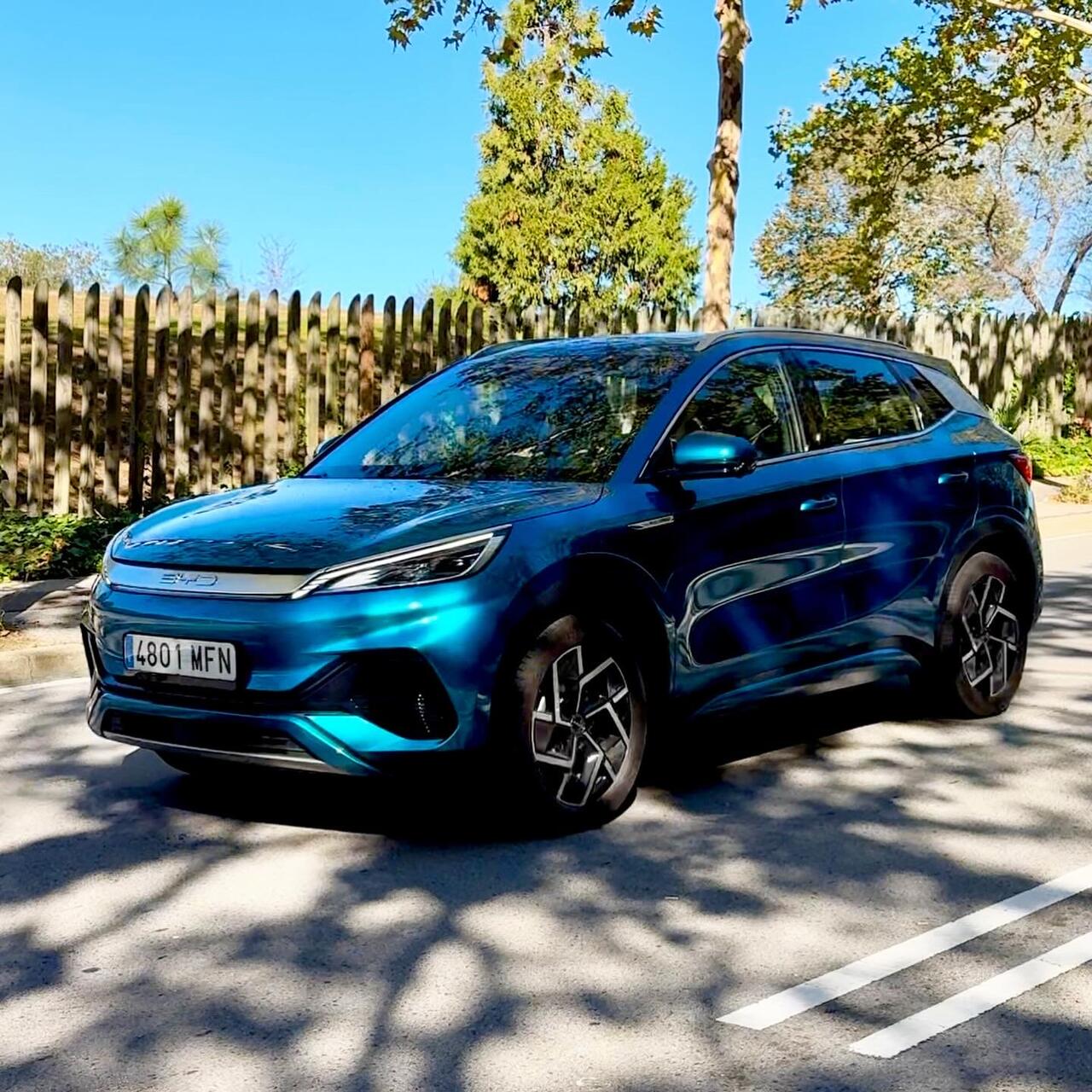
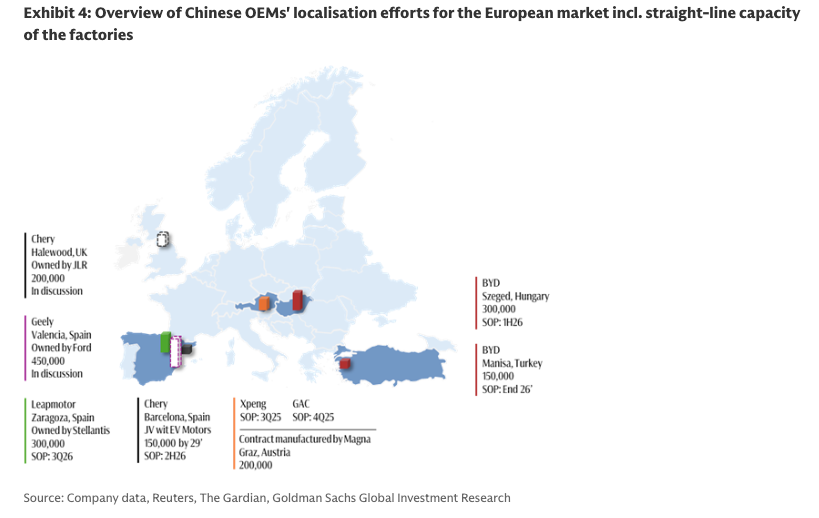
Where these Chinese car brands are invading Europe.
Frenes highlights several key developments of Chinese brand expansion across the bloc:
Chery & Jaguar Land Rover (JLR): Chery is reportedly exploring a manufacturing partnership with JLR that would leverage spare capacity at JLR’s Halewood plant in the UK (link). The plant, which has an annual capacity of c.200,000 units, was significantly underutilized in the past few years. We estimate the average utilization rate at c.60%. This initiative would build on the existing Chery–JLR relationship, as the two companies have operated a manufacturing joint venture in China since 2012. Discussions reportedly involve the UK government and JLR leadership, and Chery has publicly highlighted the UK as a potential production base as part of its localization strategy. No definitive agreement has been announced.
Geely & Ford: Both companies are reportedly in advanced discussions for a partnership under which Geely would utilize Ford’s manufacturing facilities in Valencia, Spain (link). We estimate the average ulilization rate of this factory to be at c.70% over the last 5 years. This approach is consistent with Geely’s established strategy of partnering with other automakers, such as its existing deal with Renault to leverage their factories in South Korea and Brazil. No definitive agreement has been announced.
Uncertainty over reported suspension of BYD’s Turkey plant: BYD has reportedly halted plans for its USD 1bn EV factory in Manisa, Turkey. Media cites that a dispute over core technology transfer requirements, along with parliamentary scrutiny, may have contributed to the investment being paused. The statement was rejected by the Turkish Trade Minister while the company has not issued any official confirmation.
BYD is planning for explosive demand across the bloc this year.
Our assessment here is much deeper than just market share; the fact that Brussels is allowing this invasion to occur in the first place puts severe pressure on European OEMs and suppliers.
Anduril Industries founder Palmer Luckey outlined exactly this threat in a recent Joe Rogan podcast.
“If you let them (US car manufacturers) freely compete, like if you let them go toe to toe, China would be thrilled if they could subsidise their way into destroying the American automotive apparatus, partly for economic reasons. But there’s another reason,” Luckey said.
He continued, “How did the United States win World War II … Manufacturing – some of it was new factories, but most of it was taking over old factories.”
“We took all of our farm implement factories, like John Deere and Caterpillar. They were building tanks and guns. We took all our automotive factories. We had them building aircraft, we had them building weapons, we had them building missiles,” he said.
He said, “In fact, we even designed those weapons so they could be manufactured by those plants … We won because we had all of this automotive and other industrial capacity.”
Luckey warned, “China would love to wipe out the American automotive industry, partly for economic reasons, because it also means we will never be able to fight a war against them. Imagine in America with like, we’ve lost a lot of manufacturing … If China could wipe out our industrial capacity entirely, they never need to worry about fighting a war with the US again because they know that we wouldn’t be able to get back in the game fast enough to matter.”
It’s as if Brussels is allowing its own decline, whether by letting a flood of Chinese EVs pour onto European streets or by pursuing climate policies that have weakened reliable power generation and eroded core industrial capacity.
However, we do think the bloc is starting to recognize where this trajectory ends and, as the world fractures and the war in Eastern Europe grinds on. That reality was reflected last week, when industrial leaders urged Brussels to dial back its carbon pricing regime to restore competitiveness.
Professional subscribers can read the full note Goldman on our new Marketdesk.ai portal
Tyler Durden
Thu, 02/19/2026 – 02:45