Category: News
Trial that could lead to the breakup of Ticketmaster’s parent company gets underway
NEW YORK — A high-stakes antitrust trial that could lead to the possible breakup of Live Nation, the parent company of Ticketmaster, got underway Tuesday in a case over whether the entertainment giant’s dominance of the concert industry amounts to an illegal monopoly.
In opening statements, a U.S. Justice Department lawyer pointed to the company’s infamously problem-plagued effort to sell Taylor Swift tickets in 2022 as he implored the Manhattan federal jury to end the company’s hold on the market and reward artists and consumers with a competitive marketplace that will leave them with more money.
“This case is about power, the power of a monopolist to control competition,” said the attorney, David Dahlquist. “Today, the concert ticket industry is broken.”
David Marriott, arguing on behalf of the companies, disputed the government’s claims.
“We’ll let the numbers do the talking,” he said. “We do not have monopoly power.”
Judge Arun Subramanian has told jurors that evidence will be presented over the next six weeks before they’ll be left to decide whether Live Nation and Ticketmaster broke antitrust laws.
The trial stems from a lawsuit filed in 2024 that alleged the companies have dominated the industry by suffocating competitors and controlling everything from concert promotion to ticketing.
Ticketmaster, which was established in 1976 and merged with Live Nation in 2010, is the world’s largest ticket seller across live music, sports, theater and more.
Dahlquist noted that the ticket seller sparked outrage in November 2022 when its site crashed during a presale event for Swift’s Eras Tour.
The company said the site was overwhelmed by both fans and attacks from bots, which were posing as consumers to scoop up tickets and sell them on secondary sites. The debacle prompted congressional hearings and bills in state legislatures aimed at better protecting consumers.
Dahlquist said Live Nation’s anti-competitive practices include using long-term contracts ranging from five to seven years to keep venues from choosing rivals and blocking venues from using multiple ticket sellers.
Ticketmaster’s clashes with artists and fans date back three decades. Pearl Jam took aim at the company in 1994, years before the Live Nation merger, although the Justice Department ultimately declined to bring a case.
Live Nation has maintained that artists and teams set prices and decide how tickets are sold.
Marriott said Live Nation was the world’s biggest supporter of musical artists, enabling 159 million people in 2025 to see 11,000 artists at 55,000 concerts.
He said the government has exaggerated how much the companies make, including by saying Ticketmaster pockets $7 a ticket, when it actually gets $5 and clears less than $2 after expenses.
Live Nation and Ticketmaster, he said, “are all about bringing joy to people’s lives.”
https://www.chicagotribune.com/2026/03/03/ticketmaster-parent-company-trial/

“Account Temporarily Unavailable”: Facebook Outages Reported In U.S.
“Account Temporarily Unavailable”: Facebook Outages Reported In U.S.
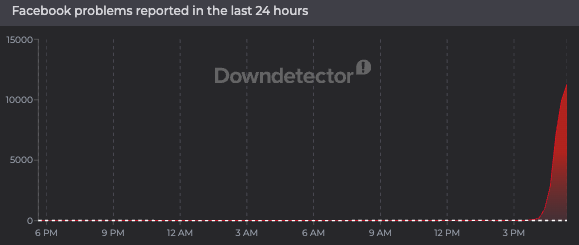
Facebook appears to be suffering widespread outages, as login attempts on the social media site produce the error: “Account Temporarily Unavailable.”
The full error reads: “Account Temporarily Unavailable. Your account is currently unavailable due to a site issue. We expect this to be resolved shortly. Please try again in a few minutes.”
Users on the website-tracking site Downdetector started reporting Facebook outages shortly after 1600 ET.
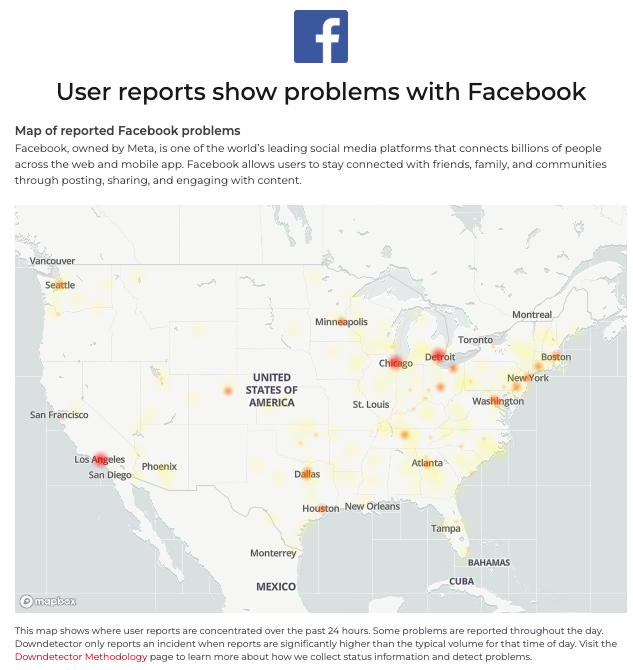
Outage map:
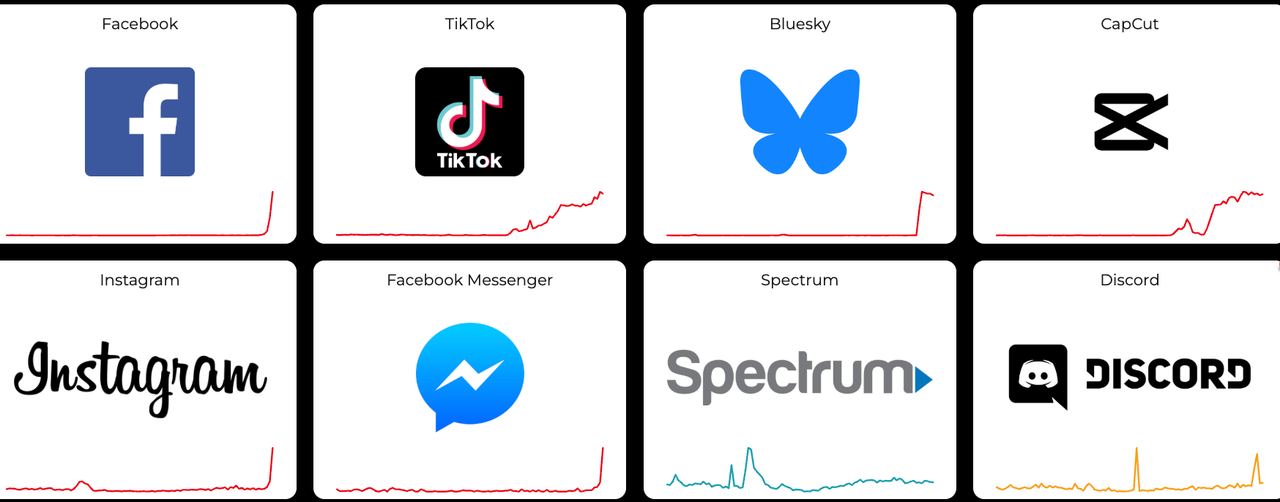
Besides Facebook, Downdetector users report TikTok, Bluesky, Instagram, and Facebook Messenger are also experiencing outages or disruptions.
*Developing…
Tyler Durden
Tue, 03/03/2026 – 17:44
https://www.zerohedge.com/technology/account-temporarily-unavailable-facebook-outages-reported-us
Behind America’s New Industrial Revolution
Behind America’s New Industrial Revolution
Authored by Emel Akan via The Epoch Times (emphasis ours),
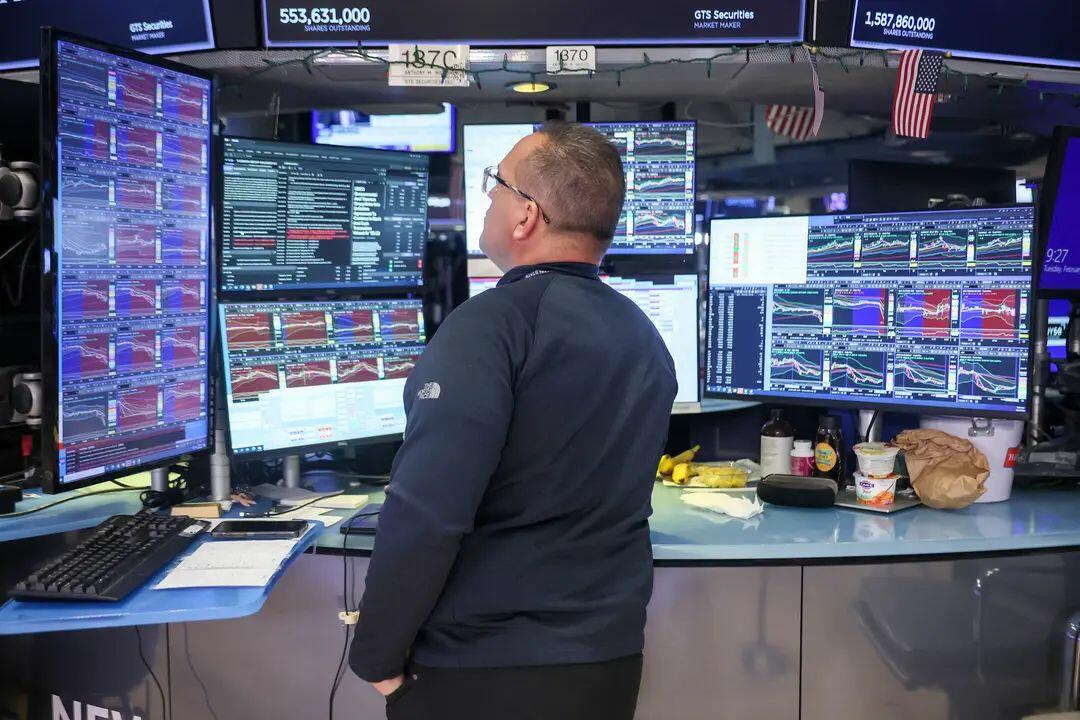
The U.S. economy grew faster than many predicted over the past year, outpacing other advanced economies, especially in Europe, where growth has nearly stalled.
Analysts say President Donald Trump’s pro-growth policies, combined with a surge in investment in artificial intelligence, have further strengthened the country’s economic momentum.
The United States is “at the doorstep of a new industrial revolution,” said Stoyan Panayotov, a financial adviser and founder of Babylon Wealth Management.
He said the country’s strong capital base, skilled workforce, and shareholder-friendly environment make it more attractive to investors than other markets.
Recently, S&P 500 companies have reported earnings that beat market expectations. More than 70 percent of companies recorded positive earnings surprises in the fourth quarter of 2025, according to FactSet data.
On Feb. 6, the Dow Jones Industrial Average surpassed 50,000 for the first time—after the S&P hit 7,000 on Jan. 28.
During his State of the Union address on Feb. 24, Trump credited these milestones to his economic policies, particularly tariffs.
In a Truth Social post on Feb. 6, the president also made a bold prediction: “I am predicting 100,000 on the Dow by the end of my term. Remember, Trump was right about everything!”
Strong corporate earnings, technological innovation, and a positive economic outlook all have contributed to the U.S. stock market’s appeal.
Despite the recent market volatility, entrepreneur and investor Kevin O’Leary believes the United States remains the “most trusted” investment hub for global investors.
“You’ve got to realize, 52 cents of every dollar created on earth is invested in the American stock market,” O’Leary told The Epoch Times on Jan. 28 during a summit about “Trump Accounts” for newborns.
“It’s the most liquid and most successful economy on earth,” the “Shark Tank” star said. “It provides consistent returns.”
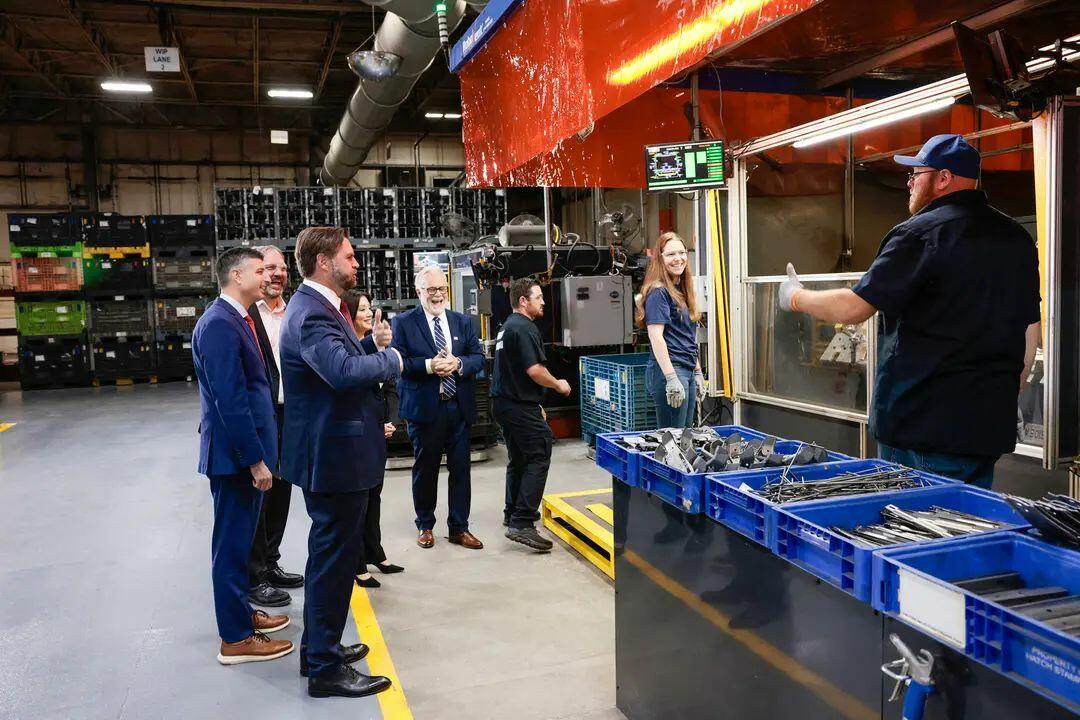
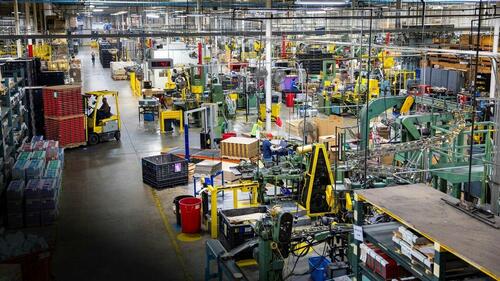
On Independence Day last year, Trump signed the One Big Beautiful Bill Act into law, which included pro-business measures aimed at boosting capital spending and encouraging the onshoring of factories.
Among its provisions was the permanent restoration of 100 percent bonus depreciation for qualified assets. The policy allows businesses to immediately deduct the full cost of new factories, factory improvements, capital investments such as machinery and equipment, and software, as well as domestic research and development. Many companies are leveraging bonus depreciation to reduce tax liability and reinvest in growth.
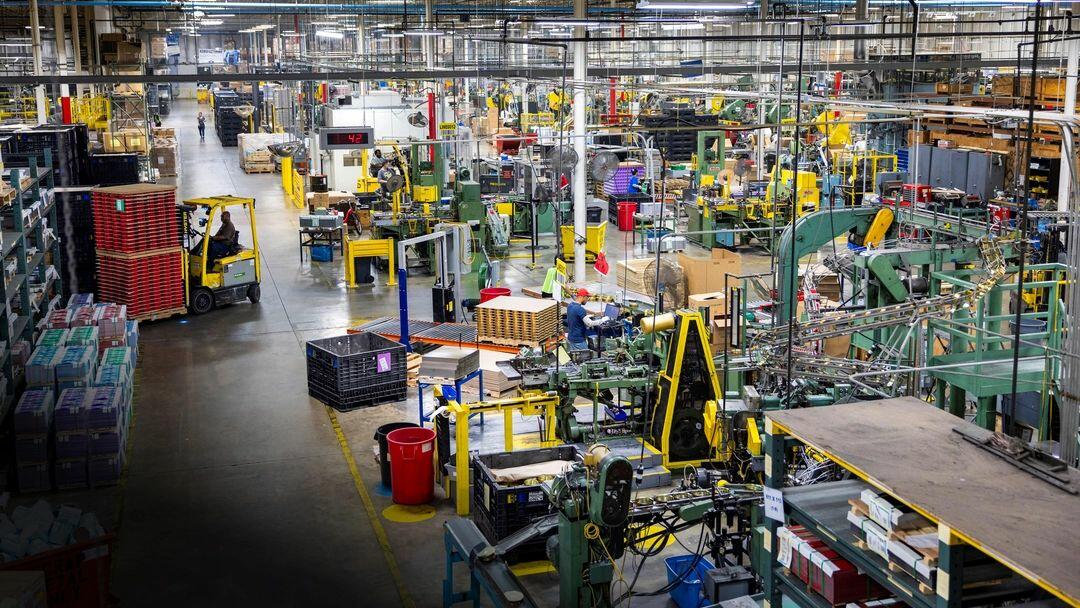
The manufacturing footprint is expanding, and the AI boom is increasing demand for energy, data centers, and commodities. Despite concerns about an AI bubble, U.S. technology giants Alphabet, Amazon, Meta, and Microsoft plan to invest collectively about $650 billion in 2026, mainly to expand their AI infrastructure.
These trends are driving renewed investor optimism, according to Panayotov.
Growing Productivity Gap
Recent data show U.S. businesses are also becoming more efficient, with nonfarm productivity jumping by 4.9 percent in the third quarter of last year. Productivity measures how efficiently companies produce goods and services using given input such as labor and capital.
While U.S. productivity has increased rapidly since 2019, productivity growth in the UK and eurozone has remained mostly stagnant, according to data from the Organisation for Economic Co-operation and Development. The growing productivity gap between the United States and Europe is largely explained by the tech sector.
Economists note that most innovation over the past few decades has occurred in the United States, while Europe has lagged behind, primarily because of excessive regulation.
“The EU is weak in the emerging technologies that will drive future growth,” a 2024 report by the European Commission stated. “Only four of the world’s top 50 tech companies are European.”
The outlook also appears favorable for the United States. A recent Financial Times survey found that more than three-quarters of economists expect the United States to keep or increase its productivity lead over other countries. They point to AI, strong capital markets, and lower energy costs as the main reasons.
“Productivity growth is good for everyone and keeps inflation at bay,” Nancy Tengler, CEO of Laffer Tengler Investments, said in a recent note to clients.
Cutting Red Tape
Reducing regulatory barriers is central to the Trump administration’s economic agenda. The administration aims to lower business compliance costs, thus allowing companies to reinvest capital, increase productivity, and create more jobs.
According to economist Daniel Lacalle, a contributor to The Epoch Times, deregulation has been a key driver of the U.S. economy’s strong performance in recent quarters relative to other advanced economies.
In his view, deregulation alongside lower taxes has delivered an “immediate boost to production, economic growth, and private investment.”
U.S. manufacturing activity expanded in January for the first time in 12 months. Typically, developed countries experience growth in services while manufacturing remains stagnant, Lacalle told The Epoch Times.
The United States is the only major economy implementing reforms, such as deregulation, tax cuts, and tariffs, to encourage manufacturing and investment, he said.
Since returning to office, Trump has rolled back regulations across sectors including finance, energy, and technology.
In December 2025, the White House Office of Management and Budget announced that federal agencies eliminated 646 regulations while introducing only five new ones in fiscal year 2025. That amounts to 129 regulations removed for every new one issued, far exceeding the 10-to-one goal set by the president. The White House estimates that these efforts have generated $212 billion in savings, or more than $600 per American.
“Deregulation is unleashing innovation in every sector,” Cathie Wood, founder and CEO of Ark Invest, said in her 2026 outlook report.
More recently, Trump announced the repeal of an Obama-era rule that imposed greenhouse gas emissions restrictions on U.S. industries. The White House described the move as “the largest deregulatory action in American history,” estimating that it will save the American people $1.3 trillion.
The change is expected to benefit the fossil fuel and automotive sectors as well as energy-intensive manufacturers and power plants.
Read the rest here…
Tyler Durden
Tue, 03/03/2026 – 17:40
https://www.zerohedge.com/technology/behind-americas-new-industrial-revolution

‘Deadliest Catch’ crewman Todd Meadows dies after falling overboard, Coast Guard says
JUNEAU, Alaska — A deckhand on the reality television show “Deadliest Catch,” which documents the lives of crab fishermen working in one of the world’s harshest environments, died after he was reported to have fallen overboard, the U.S. Coast Guard said Tuesday.
The Coast Guard received a notification shortly after 5 p.m. Feb. 25 from the Aleutian Lady that crew member Todd Meadows had fallen overboard about 170 miles (274 kilometers) north of Dutch Harbor, Alaska, Chief Petty Officer Travis Magee, a spokesperson with the Coast Guard’s Arctic District, said by email Tuesday.
“He was recovered unresponsive by the crew approximately ten minutes later,” Magee wrote. Efforts to resuscitate Meadows were unsuccessful, and the crew brought his body to Dutch Harbor, he said.
The Coast Guard is investigating.
Meadows, from Montesano, Washington, was in his first year as a cast member of the Discovery Channel show. He joined the series last May but no episodes for the new season have aired.
“We lost our brother,” Aleutian Lady Capt. Rick Shelford said in a social media post that did not detail how Meadows died. Shelford called it the “most tragic day in the history of the Aleutian Lady on the Bering Sea.”
Meadows was the newest member of the boat’s crew but quickly became family, Shelford wrote.
“Todd’s love for his children, his family, and his life was evident in everything he did. He worked hard, loved deeply, and brought joy to those around him,” Shelford wrote.
A statement released by the Discovery Channel called Meadows’ death “a devastating loss, and our hearts are with his loved ones, his crewmates, and the entire fishing community during this incredibly difficult time.”
An online fundraiser had brought in about $30,000 by Tuesday to assist Meadows’ family, including his three sons, and pay for funeral costs and other expenses. The fundraiser said Meadows, 25, died what doing what he loved best: crabbing on Alaska waters.
The death is the latest for cast members of the show detailing dangerous crab fishing on the Bering Sea. The show first aired in 2005.
In 2021, crewman Todd Kochutin, 30, died as a result of injuries he received while aboard the fishing vessel Patricia Lee, according to his obituary.
Several other cast members have died of substance abuse or natural causes. They include Capt. Phil Harris of the fishing vessel Cornelia Marie, who died in 2010 at age 53 following a massive stroke, NPR reported.
Thiessen reported from Anchorage, Alaska.
https://www.chicagotribune.com/2026/03/03/deadliest-catch-crewman-todd-meadows-dies/
President Trump says ‘someone from within’ Iranian regime might be best choice to lead once war ends
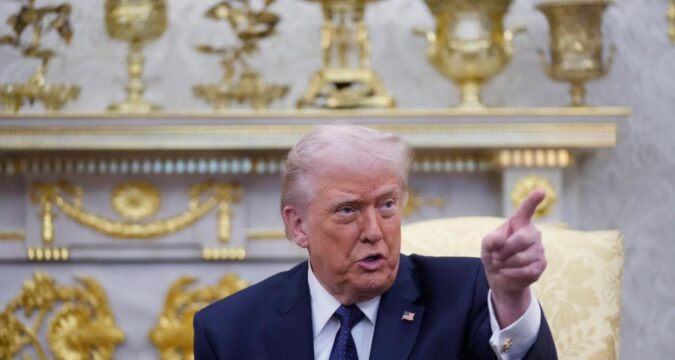
WASHINGTON — President Donald Trump on Tuesday said that “someone from within” the Iranian regime might be the best choice to take power once the U.S.-Israel military campaign is completed — but said “most of the people we had in mind are dead.”
The president, who four days ago had emphatically called on Iranians to “take over your government” once the U.S.-Israel bombardment ends, appeared to drift further away from the idea that the war presents an opportunity to end the theocratic rule that has been in place since the country’s 1979 Islamic revolution.
Trump said that many Iranian officials his administration had viewed as potential new leaders for the country had been killed in the U.S.-Israeli campaign that killed Iranian Supreme Leader Ali Khamenei and many other top officials.
Trump has not publicly identified anyone whom he views as a credible future leader for Iran. And it’s unclear what, if any, outreach the White House had with Iranian officials since the war started.
“Most of the people we had in mind are dead,” he said in an exchange with reporters in the Oval Office. “Now we have another group, they may be dead also, based on reports. So you have a third wave coming. Pretty soon we’re not going to know anybody.”
Trump said Reza Pahlavi, the exiled crown prince of Iran’s last shah who is trying to position himself for a return should Iran’s Shiite theocracy fall, is not someone that his administration has considered in depth to take over leadership in Iran.
“It would seem to me that somebody from within maybe would be more appropriate,” Trump said, adding that it may make sense for “somebody that’s there, that’s currently popular, if there is such a person” to emerge from the power vacuum.
Trump’s comments came as he hosted German Chancellor Friedrich Merz for his first in-person engagement with a foreign leader since the U.S. and Israel launched the war against Iran.
Trump said he wanted to avoid a “worst case” scenario where “somebody takes over who’s as bad as the previous person.”
“That could happen. We don’t want that to happen,” Trump added. “You go through this, and then in five years you realize you put somebody in who was no better.”
The White House is trying to counter criticism
The White House has stepped up its push to counter criticism that it moved unnecessarily quickly to launch a war of choice against Iran.
Trump’s decision to strike last week followed lengthy negotiations by the president’s envoy Steve Witkoff and son-in-law Jared Kushner with the Iranians — talks the U.S. increasingly viewed as an effort to stall any progress.
After the most recent round of discussions in Geneva, Switzerland, last week, Witkoff and Kushner told Trump that reaching a nuclear agreement similar to one that former President Barack Obama struck in 2015 was possible, according to a senior administration official.
The official, who briefed journalists on condition of anonymity, described it as a potential “Obama-plus deal” and Witkoff and Kushner believed such an agreement would take months, but was possible.
Still, even as they expressed their willingness to pursue diplomacy and “fight for every point that we can” if that’s what Trump wanted, the negotiators stressed to the president that the Iranians were not willing to make a deal that would be satisfactory to the U.S.
Trump snaps at the UK, Spain over lack of support
Meanwhile, Trump sharply criticized Britain and Spain for their reluctance to aid the U.S.-Israeli strikes on Iran.
“This is not Winston Churchill that we’re dealing with,” Trump fumed about British Prime Minister Keir Starmer.
Starmer had initially blocked American planes from using British bases for the attacks on Iran that started on Saturday. He later agreed to let the United States use bases in England and on Diego Garcia in the Indian Ocean to strike Iran’s ballistic missiles and their storage sites, but not to hit other targets.
Trump also said he was going to “cut off all trade with Spain,” the day after Foreign Minister José Manuel Albares said his country would not allow the U.S. to use jointly operated bases in southern Spain in any strikes not covered by the United Nations’ charter.
Trump disputes that Israel forced his hand
The president also sought to push back on criticism from some of his staunchest allies over the decision to go to war — questions that grew louder after Secretary of State Marco Rubio said on Monday that the U.S. had decided to strike because “we knew that there was going to be an Israeli action.”
“And we knew that if we didn’t preemptively go after them before they launched those attacks, we would suffer higher casualties,” Rubio said.
But Trump rejected the notion that the White House had been dragged into the conflict by Israel. “We were having negotiations with these lunatics, and it was my opinion that they were going to attack,” Trump said. “If anything, I might have forced Israel’s hand.”
Merz said during his visit with Trump at the Oval Office that Germany is “looking forward to the day after” the Iran war is over.
He said Berlin wants to work with the U.S. on a strategy for when the current Iranian government no longer exists.
“We are having a high interest in common approach and common work and what we can do,” Merz said. “And this is this is important not just for the Americans,” he said. “This is extremely important for Europe and extremely important for Israel and their security.”
Merz also noted surging oil prices were damaging the world economy, laying down an argument for finding a quick endgame to the conflict.
The president acknowledged that oil and gas prices were going to rise as the U.S. remains engaged in the strikes — yet argued it would be fleeting.
“We have a little high oil prices for a little while, but as soon as this ends, those prices are going to drop, I believe, lower than even before,” Trump said.
The average price for a gallon of gasoline in the U.S. jumped 11 cents overnight Tuesday to about $3.11 in the United States, according to the AAA.
AP writers Kirsten Grieshaber in Berlin, Fatima Hussein and Michelle L. Price in Washington, and Jill Lawless in London contributed reporting.
https://www.chicagotribune.com/2026/03/03/trump-iranian-regime-war/
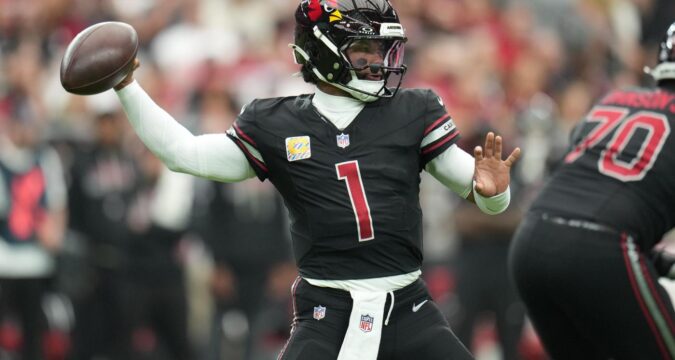
Cardinals informan al QB Kyler Murray que lo liberarán la próxima semana, confirma fuente AP
Por DAVID BRANDT
TEMPE, Arizona, EE.UU. (AP) — Los Cardinals de Arizona le informaron al mariscal de campo dos veces elegido al Pro Bowl Kyler Murray que lo dejarán en libertad al inicio del nuevo año de la liga el 11 de marzo, le confirmó a The Associated Press una persona familiarizada con la decisión.
La persona habló con la AP bajo condición de anonimato porque la medida se puede anunciar oficialmente hasta la próxima semana.
Murray, la primera selección global del draft de 2019 —a quien se le adeudan 36,8 millones de dólares en dinero garantizado en 2026— quedará libre para firmar con cualquier equipo una vez que sea dado de baja.
El jugador de 28 años publicó un mensaje de despedida para los aficionados de Arizona en redes sociales, y lamentó no haber podido tener más éxito con la franquicia. Condujo al equipo a los playoffs solo una vez en siete años —una derrota en la ronda de comodines en 2021.
“A todos los que me apoyaron y mostraron amabilidad con mi familia y conmigo durante mi tiempo en AZ, de todo corazón, gracias”, escribió Murray. “No quería nada más que ser quien terminara con la sequía de 77 años para esta organización; lamento habernos fallado. A esta comunidad y a mis hermanos les deseo solo lo mejor”.
“No soy ajeno a la adversidad; estoy preparado para lo que venga. Confío en Dios y en mi ética de trabajo. De verdad creo que mi mejor fútbol americano está por delante y espero con ansias demostrarlo. Que Dios los bendiga”.
Murray jugó apenas cinco partidos la temporada pasada —lanzó para 962 yardas, seis touchdowns y tres intercepciones antes de sufrir una lesión en el pie contra los Titans de Tennessee. Los Cardinals pensaron que Murray se perdería solo unas semanas, pero el suplente Jacoby Brissett jugó bien en su ausencia, lo que generó una disputa en la posición de mariscal de campo.
Con el tiempo, Murray fue colocado en la lista de reserva de lesionados y se perdió el resto de la temporada. Los Cardinals terminaron con marca de 3-14 y despidieron al entrenador Jonathan Gannon.
Murray llegó a Arizona con enormes expectativas tras ganar el Trofeo Heisman en Oklahoma en 2019, y por momentos respondió.
Fue el Novato Ofensivo del Año de la AP, y dejó múltiples jugadas electrizantes, como la llamada “Hail Murray” en 2020, cuando conectó con DeAndre Hopkins para el touchdown de la victoria contra los Bills de Buffalo en la última jugada del partido.
El punto más alto de su etapa con los Cardinals llegó en 2021, cuando el equipo llegó a diciembre con marca de 10-2. Pero Arizona se desinfló en el tramo final, perdió cuatro de sus últimos cinco partidos y luego fue eliminado por Rams de Los Ángeles en la ronda de comodines.
Los Cardinals firmaron a Murray en 2022 por cinco años y 230,5 millones de dólares, de los cuales 160 millones son garantizados, pero la luna de miel tras ese compromiso duró poco. Unas semanas después de firmar el acuerdo, la franquicia eliminó una cláusula extraña en su contrato, que exigía cuatro horas de “estudio independiente” durante las semanas de partido.
El revuelo puso en duda la ética de trabajo de Murray, y su relación con la franquicia nunca volvió a ser la misma.
Murray se rompió el ligamento anterior cruzado contra los Patriots de Nueva Inglaterra en 2022, lo que provocó que se perdiera el resto de esa temporada y una buena parte del 2023. El entrenador Kliff Kingsbury fue despedido tras la campaña 2022 y Gannon lo reemplazó.
La relación entre Gannon y Murray inició bien en 2024, cuando los Cardinals mejoraron a 8-9 y estuvieron en la pelea por los playoffs hasta las últimas semanas de la temporada.
Pero 2025 se desmoronó rápidamente, lo que aceleró el final del tiempo de Murray en el desierto.
___
Deportes AP: https://apnews.com/hub/deportes
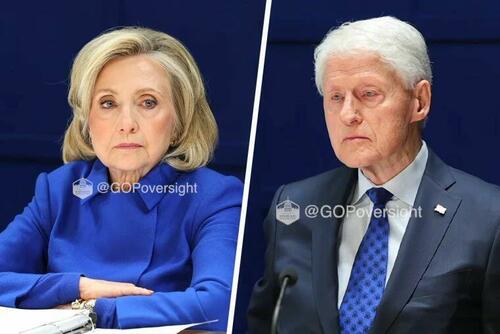
Bill Pervs Out Over Epstein Memories, Hillary Goes Berserk, And They Both Lied: Top Viral Moments From Clinton Depositions
Bill Pervs Out Over Epstein Memories, Hillary Goes Berserk, And They Both Lied: Top Viral Moments From Clinton Depositions
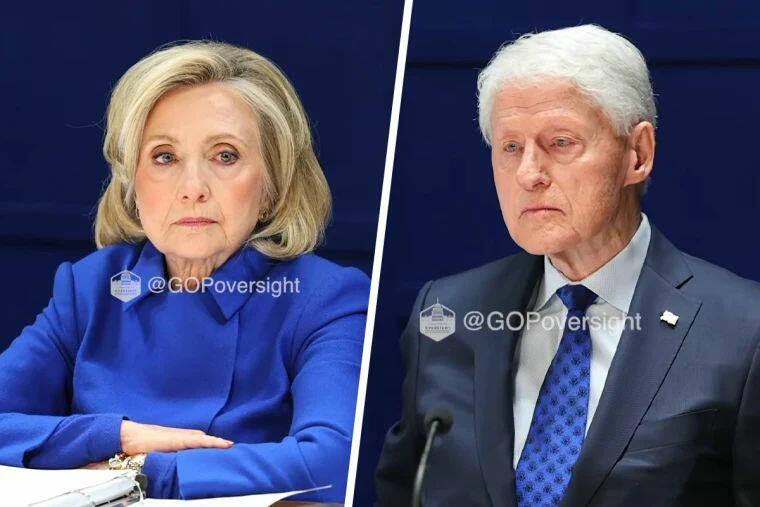
The House Oversight Committee dropped more than nine hours of raw video from Bill and Hillary Clinton’s closed-door Epstein depositions on Monday, where the pair were questioned over their longstanding relationship with Jeffrey Epstein.
Here are a few of the most memorable moments:
1. Bill Clinton Smirks While Flipping Through Epstein Photos; The #1 clip on the entire internet: Bill casually thumbs through old pictures with Jeffrey Epstein, nodding and smiling – until his lawyer lunges in and yanks them away.
Bill Clinton is smiling while looking back through old Epstein photos & nodding over memories🤣
His attorney snatches them out of Bill’s hands. pic.twitter.com/JlF0jFUwQm
— Star S.⭐️⭐️⭐️⭐️⭐️ (@DominguezH31015) March 2, 2026
2. Bill Explains the Hot Tub Photo from the Epstein Files; Lawmakers press Clinton on a specific photo of him in a hot tub with Epstein associates. His awkward answers and body language have everyone talking.
BREAKING: Former President Bill Clinton explains the photos of himself in a hot tub discovered in the Epstein files.
“I never knew the photo was taken.”
“This was taken in Brunei.”
“I don’t know who that is.”
“I sat in the hot tub for five minutes.”pic.twitter.com/aMtHrsJ8bB
— KanekoaTheGreat (@KanekoaTheGreat) March 2, 2026
3. Bill Says He Felt “Closer” to Ghislaine Maxwell Than Epstein Because She Was ‘good friends with Evelyn Rothschild and his wife, Lynn.’
Bill Clinton:
The Rothschilds have never been this exposed.
“I was closer to Ghislaine Maxwell then Epstein.”
For the record, why was that?
She was very close friends to the Rothschilds, whom I knew and was in regular touch with. pic.twitter.com/qID4b3RemC
— Trenlife (@Trenlife369) March 3, 2026
4. Hillary’s Full “I’m Done” Table-Pounding Meltdown; After learning Rep. Lauren Boebert leaked a photo of her testimony, Hillary explodes, pounds the table, screams “I’m done with this!” and storms out threatening contempt.
BREAKING: Hillary Clinton throws an unhinged, hysterical MELTDOWN after we posted a photo of her testifying on Epstein.
She SCREAMS at Republicans and then STORMS out of the room:
“I am DONE WITH THIS. You can hold me in contempt. I’m DONE!”
Yikes 😬 pic.twitter.com/kBsJqGqrFY
— Benny Johnson (@bennyjohnson) March 2, 2026
5. Hillary Goes Berserk and Slams the Table at Rep. Nancy Mace; Hillary loses it during a heated exchange with Nancy Mace over an Epstein invite to a private 2016 fundraiser. Repeated table-slamming and yelling ensues.
🚨 HOLY CRAP! Jaw-dropping footage released of Hillary Clinton GOING BERSERK, yelling in a fit of rage at Rep. Nancy Mace during her Epstein testimony
“I’m gonna ANSWER your question! *Slams table* I was TAKING CARE OF THE PEOPLE who lost 3,000 lives!”
Mace can be heard talking… pic.twitter.com/sV5Gpipqc1
— Eric Daugherty (@EricLDaugh) March 2, 2026
6. Hillary Triggered by Pizzagate Questions; Rep. Lauren Boebert asks Hillary straight-up about Comet Ping Pong, Podesta emails, and the “Life Insurance” file on Weiner’s laptop. Hillary and her lawyers immediately go off the record and freak out.
Breaking Video: Triggered Hillary Clinton Flips Out Over Questions About Pizzagate!
Rep. Lauren Boebert asked Hillary Clinton about Pizzagate in the Congressional deposition about Jeffrey Epstein. Boebert specifically asked about Comet Ping Pong, the Podesta E-mails and… https://t.co/kSg7wu4rn8 pic.twitter.com/ht7NRzjilG
— LIZ CROKIN (@LizCrokin) March 2, 2026
7. Bill Clinton Emphatically Denies Ever Visiting Epstein’s Island; Pressed on Virginia Giuffre’s claims and diary references, Bill declares under oath: “I have never been on his island. Period.”
Lauren Boebert makes a fool of herself during former President Bill Clinton’s deposition.
After being told that he’s never been to Epstein’s island, Gropert then asks if he’s ever been anywhere in the “Virginia Islands.”
— Art Candee 🍿🥤 (@ArtCandee) March 3, 2026
8. Bill says he has “no information” that Trump “did anything wrong:
Bill Clinton: “[Trump] never said anything to me to make me think he was involved in anything improper with regard to Epstein… I have no information that he did anything wrong.”
Cue the Democrat meltdown.pic.twitter.com/Ia52tuQX72
— Libs of TikTok (@libsoftiktok) March 2, 2026
Full depositions:
Tyler Durden
Tue, 03/03/2026 – 17:20
Bill Pervs Out Over Epstein Memories, Hillary Goes Berserk, And They Both Lied: Top Viral Moments From Clinton Depositions
Bill Pervs Out Over Epstein Memories, Hillary Goes Berserk, And They Both Lied: Top Viral Moments From Clinton Depositions
The House Oversight Committee dropped more than nine hours of raw video from Bill and Hillary Clinton’s closed-door Epstein depositions on Monday, where the pair were questioned over their longstanding relationship with Jeffrey Epstein.
Here are a few of the most memorable moments:
1. Bill Clinton Smirks While Flipping Through Epstein Photos; The #1 clip on the entire internet: Bill casually thumbs through old pictures with Jeffrey Epstein, nodding and smiling – until his lawyer lunges in and yanks them away.
Bill Clinton is smiling while looking back through old Epstein photos & nodding over memories🤣
His attorney snatches them out of Bill’s hands. pic.twitter.com/JlF0jFUwQm
— Star S.⭐️⭐️⭐️⭐️⭐️ (@DominguezH31015) March 2, 2026
2. Bill Explains the Hot Tub Photo from the Epstein Files; Lawmakers press Clinton on a specific photo of him in a hot tub with Epstein associates. His awkward answers and body language have everyone talking.
BREAKING: Former President Bill Clinton explains the photos of himself in a hot tub discovered in the Epstein files.
“I never knew the photo was taken.”
“This was taken in Brunei.”
“I don’t know who that is.”
“I sat in the hot tub for five minutes.”pic.twitter.com/aMtHrsJ8bB
— KanekoaTheGreat (@KanekoaTheGreat) March 2, 2026
3. Bill Says He Felt “Closer” to Ghislaine Maxwell Than Epstein Because She Was ‘good friends with Evelyn Rothschild and his wife, Lynn.’
Bill Clinton:
The Rothschilds have never been this exposed.
“I was closer to Ghislaine Maxwell then Epstein.”
For the record, why was that?
She was very close friends to the Rothschilds, whom I knew and was in regular touch with. pic.twitter.com/qID4b3RemC
— Trenlife (@Trenlife369) March 3, 2026
4. Hillary’s Full “I’m Done” Table-Pounding Meltdown; After learning Rep. Lauren Boebert leaked a photo of her testimony, Hillary explodes, pounds the table, screams “I’m done with this!” and storms out threatening contempt.
BREAKING: Hillary Clinton throws an unhinged, hysterical MELTDOWN after we posted a photo of her testifying on Epstein.
She SCREAMS at Republicans and then STORMS out of the room:
“I am DONE WITH THIS. You can hold me in contempt. I’m DONE!”
Yikes 😬 pic.twitter.com/kBsJqGqrFY
— Benny Johnson (@bennyjohnson) March 2, 2026
5. Hillary Goes Berserk and Slams the Table at Rep. Nancy Mace; Hillary loses it during a heated exchange with Nancy Mace over an Epstein invite to a private 2016 fundraiser. Repeated table-slamming and yelling ensues.
🚨 HOLY CRAP! Jaw-dropping footage released of Hillary Clinton GOING BERSERK, yelling in a fit of rage at Rep. Nancy Mace during her Epstein testimony
“I’m gonna ANSWER your question! *Slams table* I was TAKING CARE OF THE PEOPLE who lost 3,000 lives!”
Mace can be heard talking… pic.twitter.com/sV5Gpipqc1
— Eric Daugherty (@EricLDaugh) March 2, 2026
6. Hillary Triggered by Pizzagate Questions; Rep. Lauren Boebert asks Hillary straight-up about Comet Ping Pong, Podesta emails, and the “Life Insurance” file on Weiner’s laptop. Hillary and her lawyers immediately go off the record and freak out.
Breaking Video: Triggered Hillary Clinton Flips Out Over Questions About Pizzagate!
Rep. Lauren Boebert asked Hillary Clinton about Pizzagate in the Congressional deposition about Jeffrey Epstein. Boebert specifically asked about Comet Ping Pong, the Podesta E-mails and… https://t.co/kSg7wu4rn8 pic.twitter.com/ht7NRzjilG
— LIZ CROKIN (@LizCrokin) March 2, 2026
7. Bill Clinton Emphatically Denies Ever Visiting Epstein’s Island; Pressed on Virginia Giuffre’s claims and diary references, Bill declares under oath: “I have never been on his island. Period.”
Lauren Boebert makes a fool of herself during former President Bill Clinton’s deposition.
After being told that he’s never been to Epstein’s island, Gropert then asks if he’s ever been anywhere in the “Virginia Islands.”
— Art Candee 🍿🥤 (@ArtCandee) March 3, 2026
8. Bill says he has “no information” that Trump “did anything wrong:
Bill Clinton: “[Trump] never said anything to me to make me think he was involved in anything improper with regard to Epstein… I have no information that he did anything wrong.”
Cue the Democrat meltdown.pic.twitter.com/Ia52tuQX72
— Libs of TikTok (@libsoftiktok) March 2, 2026
Full depositions:
Tyler Durden
Tue, 03/03/2026 – 17:20
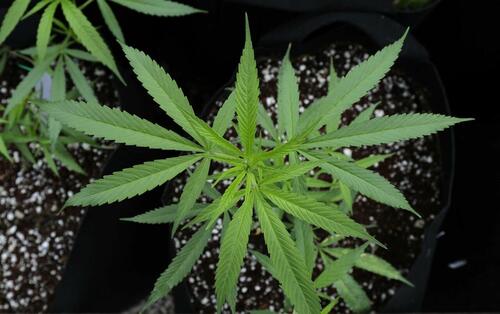
From Whiskey To Weed: A Second Amendment Fight
From Whiskey To Weed: A Second Amendment Fight
Authored by John R. Lott Jr. & Laura Lott via RealClearPolitics,
Are regular marijuana users the modern equivalent of “habitual drunkards” at the Founding? What about someone who regularly takes a sleep gummy? In oral arguments before the Supreme Court today in United States v. Hemani, the federal government argues that they are the same.
In August 2022, FBI agents searched Ali Danial Hemani’s home and found a Glock 9mm pistol, 2.1 ounces of marijuana, and 1.7 ounces of cocaine. Hemani told agents that he used marijuana roughly every other day.
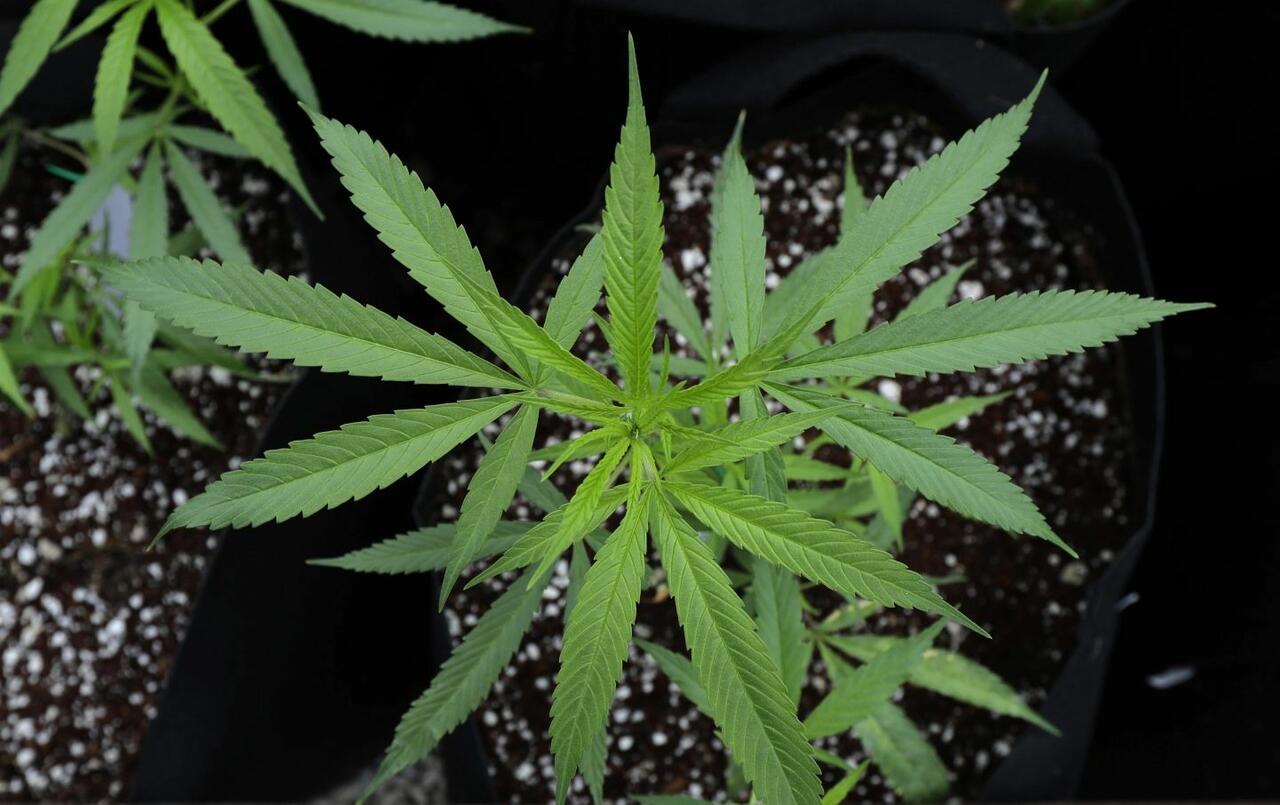
The case could have far-ranging implications as 40 states now allow medical marijuana and 24 states, the District of Columbia, and two territories allow recreational use, and it carries major practical consequences for millions of Americans – including many gun owners. In 2022, about 18 million Americans reported using marijuana daily or near-daily, and 62 million said they had used it at least once in the past year.
As of 2020, 3.5 million people are enrolled as medical cannabis patients to help with everything from chronic pain, chemotherapy-induced nausea and vomiting to multiple sclerosis and certain forms of epilepsy. The government classifies all “regular” marijuana users the same – regardless of why they use it – and bans them from owning guns, so the decision will also affect them.
“The Supreme Court must decide whether to strip even medical marijuana users of their right to protect themselves and their families or follow the government’s claim that anyone who regularly uses marijuana poses a danger to others,” David Mustard, a distinguished professor at the University of Georgia who extensively researches crime, told RealClearPolitics.
In its 2022 decision in New York State Rifle & Pistol Association, Inc. v. Bruen, the Supreme Court instructed lower courts that when the meaning of the Second Amendment isn’t clear, they must look to historical laws that were broadly in effect either in 1791, when the Second Amendment was adopted, or possibly in 1868, when the 14th Amendment made it applicable to the states. But there weren’t any laws during those periods that broadly barred people who regularly used alcohol from owning firearms.
The federal government points to historical restrictions on “habitual drunkards” as an analogue. The government argues that in early American history lawmakers barred people from carrying guns while they were intoxicated. It also cited what it called a “highly robust body of much harsher founding-era restrictions” on groups analogous to “habitual drug users,” specifically laws targeting “habitual drunkards” based on the belief that they were more likely to commit crimes or act violently.
According to the government, early American legislatures punished habitual drunkards far more severely than those who were drunk in public on isolated occasions: Habitual offenders faced jail time or confinement in a workhouse, while someone drunk in public typically received only a small fine or a few hours in the stocks. Authorities “committed drunkards to lunatic asylums, and subjected drunkards to surety laws backed by threat of jail.”
Hemani’s lawyers responded in their brief by rejecting that comparison as “far afield.” They argue that historical limits on the gun rights of habitual drunkards did not apply to people who merely consumed alcohol regularly, but instead “only those who habitually abused alcohol to the point of frequent intoxication.” These were people who engage in public disruption, disorderly conduct, or dangerous behavior (e.g., criminal negligence). Indeed, Hemani’s lawyers contend that labeling everyone who regularly drank alcohol a “drunkard” would have struck early Americans as anomalous and would have classified a significant share of the population as drunkards.
In 1790, drinking-age Americans consumed an average of about 5.8 gallons of pure (absolute) alcohol per year. That is the equivalent of drinking 3.4 twelve-ounces glasses of 5% alcohol beer every day. In terms of wine, it would be equal to 3.4 five-ounce glasses of 12% alcohol every day.
This is far higher than what Americans drink these days. The National Institute on Alcohol Abuse and Alcoholism estimates that the per capita pure alcohol consumption was about 2.5 gallons per person in 2022 – 57% less than in 1790.
The federal government argues in its brief that founding-era laws restricted the rights of “habitual drunkards,” in terms of vagrancy, through civil commitments, or with surety laws – laws that allowed magistrates to compel certain persons who posed a risk of future misbehavior to post bond.
Hemani lawyers respond that this argument has serious problems. None of the founding-era laws imposed an outright ban on gun possession. Authorities did not target people simply because they drank heavily – by modern standards, most people drank heavily at the time. Instead, courts required individuals to post bonds only when they became so intoxicated that they regularly posed a danger to others.
Alcohol also produces much stronger impairment than marijuana and can, in some cases, increase aggression. Marijuana, by contrast, typically reduces aggression. Regular marijuana users today certainly don’t pose more of a danger than regular alcohol users in the 1790s.
In addition, the Supreme Court’s Bruen decision noted that the historical tradition had to be widespread. But as Clayton Cramer, a historian whose work is frequently cited by both federal and state courts, told RealClearPolitics:
Massachusetts did not adopt the first Surety law (also known as a Peace Bonds law) until 1836—45 years after the ratification of the Second Amendment. And more importantly, only one state (Virginia) adopted a law in 1847 that applied bonds to “drunkards” who regularly were drunk and deemed dangerous if they possessed weapons.
Surety laws differed from today’s marijuana regulations in another important way: They required due process before forcing someone to post a bond. Under surety laws, a court determined whether an individual had to put up a bond. There was no requirement that people who were drinking a lot had to put up the bond before they had a judicial hearing. By contrast, under marijuana laws, no court decides whether someone is a “regular” user before requiring them to give up their guns. Instead, the law automatically bans all regular users from owning firearms.
Relatedly, Hemani’s lawyers argue that the statute is unconstitutionally vague. The law does not define how frequently someone must use marijuana to qualify as a “regular” user, nor does it specify how recent or substantial that use must be. The government contends that the regular use of marijuana presents sufficient risk to public safety to warrant disarmament under the Second Amendment and that this prohibition is consistent with historical analogues to disarming persons considered dangerous.
Supporters of the challenge argue that the Founding era did not categorically strip individuals of their right to self-defense based solely on alcohol consumption, and they contend that historical evidence does not support treating modern marijuana users – including those who use the drug legally for medical purposes under state law – as analogous to “habitual drunkards.” They say the government’s position would effectively transform otherwise lawful and widespread conduct into a basis for losing the ability to protect yourself and your family, even without individualized evidence of dangerousness.
John R. Lott Jr. is president of the Crime Prevention Research Center. He served as the senior advisor for research and statistics in the Office of Justice Programs and the Office of Legal Policy in the U.S. Department of Justice during 2020-21.
Tyler Durden
Tue, 03/03/2026 – 17:00
https://www.zerohedge.com/political/whiskey-weed-second-amendment-fight
From Whiskey To Weed: A Second Amendment Fight
From Whiskey To Weed: A Second Amendment Fight
Authored by John R. Lott Jr. & Laura Lott via RealClearPolitics,
Are regular marijuana users the modern equivalent of “habitual drunkards” at the Founding? What about someone who regularly takes a sleep gummy? In oral arguments before the Supreme Court today in United States v. Hemani, the federal government argues that they are the same.
In August 2022, FBI agents searched Ali Danial Hemani’s home and found a Glock 9mm pistol, 2.1 ounces of marijuana, and 1.7 ounces of cocaine. Hemani told agents that he used marijuana roughly every other day.
The case could have far-ranging implications as 40 states now allow medical marijuana and 24 states, the District of Columbia, and two territories allow recreational use, and it carries major practical consequences for millions of Americans – including many gun owners. In 2022, about 18 million Americans reported using marijuana daily or near-daily, and 62 million said they had used it at least once in the past year.
As of 2020, 3.5 million people are enrolled as medical cannabis patients to help with everything from chronic pain, chemotherapy-induced nausea and vomiting to multiple sclerosis and certain forms of epilepsy. The government classifies all “regular” marijuana users the same – regardless of why they use it – and bans them from owning guns, so the decision will also affect them.
“The Supreme Court must decide whether to strip even medical marijuana users of their right to protect themselves and their families or follow the government’s claim that anyone who regularly uses marijuana poses a danger to others,” David Mustard, a distinguished professor at the University of Georgia who extensively researches crime, told RealClearPolitics.
In its 2022 decision in New York State Rifle & Pistol Association, Inc. v. Bruen, the Supreme Court instructed lower courts that when the meaning of the Second Amendment isn’t clear, they must look to historical laws that were broadly in effect either in 1791, when the Second Amendment was adopted, or possibly in 1868, when the 14th Amendment made it applicable to the states. But there weren’t any laws during those periods that broadly barred people who regularly used alcohol from owning firearms.
The federal government points to historical restrictions on “habitual drunkards” as an analogue. The government argues that in early American history lawmakers barred people from carrying guns while they were intoxicated. It also cited what it called a “highly robust body of much harsher founding-era restrictions” on groups analogous to “habitual drug users,” specifically laws targeting “habitual drunkards” based on the belief that they were more likely to commit crimes or act violently.
According to the government, early American legislatures punished habitual drunkards far more severely than those who were drunk in public on isolated occasions: Habitual offenders faced jail time or confinement in a workhouse, while someone drunk in public typically received only a small fine or a few hours in the stocks. Authorities “committed drunkards to lunatic asylums, and subjected drunkards to surety laws backed by threat of jail.”
Hemani’s lawyers responded in their brief by rejecting that comparison as “far afield.” They argue that historical limits on the gun rights of habitual drunkards did not apply to people who merely consumed alcohol regularly, but instead “only those who habitually abused alcohol to the point of frequent intoxication.” These were people who engage in public disruption, disorderly conduct, or dangerous behavior (e.g., criminal negligence). Indeed, Hemani’s lawyers contend that labeling everyone who regularly drank alcohol a “drunkard” would have struck early Americans as anomalous and would have classified a significant share of the population as drunkards.
In 1790, drinking-age Americans consumed an average of about 5.8 gallons of pure (absolute) alcohol per year. That is the equivalent of drinking 3.4 twelve-ounces glasses of 5% alcohol beer every day. In terms of wine, it would be equal to 3.4 five-ounce glasses of 12% alcohol every day.
This is far higher than what Americans drink these days. The National Institute on Alcohol Abuse and Alcoholism estimates that the per capita pure alcohol consumption was about 2.5 gallons per person in 2022 – 57% less than in 1790.
The federal government argues in its brief that founding-era laws restricted the rights of “habitual drunkards,” in terms of vagrancy, through civil commitments, or with surety laws – laws that allowed magistrates to compel certain persons who posed a risk of future misbehavior to post bond.
Hemani lawyers respond that this argument has serious problems. None of the founding-era laws imposed an outright ban on gun possession. Authorities did not target people simply because they drank heavily – by modern standards, most people drank heavily at the time. Instead, courts required individuals to post bonds only when they became so intoxicated that they regularly posed a danger to others.
Alcohol also produces much stronger impairment than marijuana and can, in some cases, increase aggression. Marijuana, by contrast, typically reduces aggression. Regular marijuana users today certainly don’t pose more of a danger than regular alcohol users in the 1790s.
In addition, the Supreme Court’s Bruen decision noted that the historical tradition had to be widespread. But as Clayton Cramer, a historian whose work is frequently cited by both federal and state courts, told RealClearPolitics:
Massachusetts did not adopt the first Surety law (also known as a Peace Bonds law) until 1836—45 years after the ratification of the Second Amendment. And more importantly, only one state (Virginia) adopted a law in 1847 that applied bonds to “drunkards” who regularly were drunk and deemed dangerous if they possessed weapons.
Surety laws differed from today’s marijuana regulations in another important way: They required due process before forcing someone to post a bond. Under surety laws, a court determined whether an individual had to put up a bond. There was no requirement that people who were drinking a lot had to put up the bond before they had a judicial hearing. By contrast, under marijuana laws, no court decides whether someone is a “regular” user before requiring them to give up their guns. Instead, the law automatically bans all regular users from owning firearms.
Relatedly, Hemani’s lawyers argue that the statute is unconstitutionally vague. The law does not define how frequently someone must use marijuana to qualify as a “regular” user, nor does it specify how recent or substantial that use must be. The government contends that the regular use of marijuana presents sufficient risk to public safety to warrant disarmament under the Second Amendment and that this prohibition is consistent with historical analogues to disarming persons considered dangerous.
Supporters of the challenge argue that the Founding era did not categorically strip individuals of their right to self-defense based solely on alcohol consumption, and they contend that historical evidence does not support treating modern marijuana users – including those who use the drug legally for medical purposes under state law – as analogous to “habitual drunkards.” They say the government’s position would effectively transform otherwise lawful and widespread conduct into a basis for losing the ability to protect yourself and your family, even without individualized evidence of dangerousness.
John R. Lott Jr. is president of the Crime Prevention Research Center. He served as the senior advisor for research and statistics in the Office of Justice Programs and the Office of Legal Policy in the U.S. Department of Justice during 2020-21.
Tyler Durden
Tue, 03/03/2026 – 17:00
https://www.zerohedge.com/political/whiskey-weed-second-amendment-fight