Category: News
US detainees in Iran risk becoming collateral damage in war, families and supporters fear
NEW YORK — Families and supporters of Americans detained in Iran say their loved ones face new dangers during the intensifying war, including the risk of becoming unintended casualties of Israeli and American bombardment or victims of retaliation from Iran’s repressive regime.
“For Americans imprisoned in Iran, this is about as terrifying a moment as it gets,” said Siamak Namazi, an Iranian American who was detained for nearly eight years before being released as part of a deal with the U.S. in 2023. “What these families are facing now is days of war with no clear end in sight.”
The U.S. government would not confirm how many Americans are being held in Iran, but the James W. Foley Legacy Foundation, a hostage advocacy organization, said there are six and that they face “unprecedented danger” because of the military conflict.
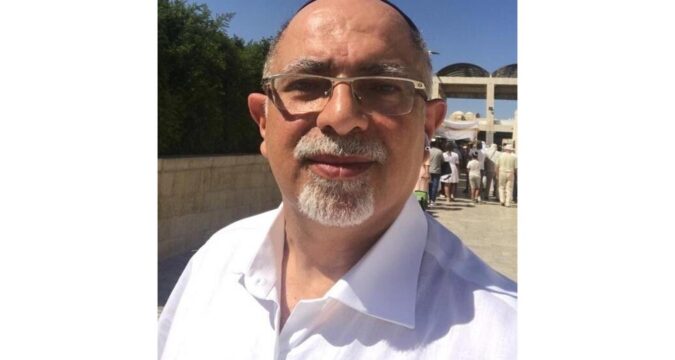
The known cases include a reporter formerly based in Washington and a Jewish Iranian American from New York who traveled to Iran last year for family reasons and hasn’t been permitted to return to the U.S.
At least two of the known detainees are housed in Evin Prison, the notorious Tehran penitentiary where Namazi was held, according to representatives for the individuals. The high-security facility holds many of the Islamic Republic’s political prisoners and has been the target of past Israeli bombardment.
Kamran Hekmati, a 61-year-old from Long Island detained at Evin, spoke with his wife on Monday, a few days into the war, to assure her that he was safe for now, according to Shohreh Nowfar, his cousin.
But the family worries his condition could quickly deteriorate because he hasn’t been receiving regular treatments for his bladder cancer in the months since he was detained, she said.
“It’s an uncertain time in an uncertain country,” said Nowfar, a Los Angeles resident.
Trump administration calls for detainees’ release
Ryan Fayhee, a lawyer for Reza Valizadeh, an Iranian American reporter also detained at Evin, said he’s stressed the urgency of the moment in his regular talks with White House and State Department officials.
Israel’s military has taken to social media in recent days to warn residents living near the prison that they should evacuate amid the continuing airstrikes. The families of other foreign nationals imprisoned at Evin have told European news outlets that bombs have been hitting close enough to the detention center to blow out windows.
“It’s my job to let the administration and the Israeli government know that there are innocent American citizens within that prison,” Fayhee said. “They should take great care with this military action to avoid any unfortunate collateral damage.”
White House and State Department officials declined to respond to specific questions about the status of the detainees out of concern for their safety and security, but called on Iran to immediately release them.
“President Trump has been clear that he wants every American wrongfully detained to be returned home safe and sound, and that there will be dire consequences for regimes who treat Americans as political pawns,” said Anna Kelly, a White House spokesperson.
Valizadeh is among at least 15 reporters currently jailed in Iran, according to the Committee to Protect Journalists.
The 50-year-old fled the country in 2009 after reporting on its pro-democracy protests, according to a petition his lawyers submitted to the United Nations in January.
Valizadeh obtained U.S. citizenship in 2022 while working in Washington for Radio Farda, the Persian-language arm of Radio Free Europe, which receives U.S. government funding.
He was detained in 2024 after returning to Iran to visit his elderly parents and sentenced to 10 years in prison on charges that he was collaborating with the U.S. government.
The U.S. has since officially designated Valizadeh as wrongfully detained, a classification that moves a case under the supervision of the State Department’s special presidential envoy for hostage affairs, the government’s chief hostage negotiator.
Americans imprisoned on dubious charges
Among the other Americans whose plight has become public is Afarin Mohajer, a California resident originally from Iran.
She was detained in September and charged with posting propaganda critical of the Islamic Republic on social media and insulting its Supreme Leader and Islam, according to her son Reza Zarrabi, a political activist who lives in Germany.
Zarrabi didn’t immediately respond to messages seeking comment this week, but he has told European media outlets that his mother isn’t politically active and that he believes she was arrested to silence his outspoken opposition to the regime.
Hekmati’s family, meanwhile, is convinced the New York City jewelry business owner is just the latest victim of Iran’s “hostage diplomacy.”
The country for decades has detained Americans in the hopes of securing the release of Iranians locked up in the U.S. or exacting concessions from Washington. Just last week, the U.S. sought to impose costs on Iran for hostage-taking, with the State Department a day before the conflict began designating the country as a state sponsor of wrongful detention.
Nowfar said her cousin, Hekmati, left Iran after the 1979 revolution but has returned several times without issue.
Then in May, Iranian authorities stopped him at the airport, seized his passport and forbade him from leaving the country. He was eventually charged under an Iranian law that makes it illegal to have visited Israel within the past 10 years.
Hekmati’s family maintains that his last trip to Israel was some 13 years ago for his son’s Bar Mitzvah. They also dispute espionage-related charges that accuse him of having met with Mossad agents.
“They just wanted to have a hostage. An American hostage,” Nowfar said.
There are also concerns that Hekmati’s faith exposes him to further mistreatment, says Kieran Ramsey, the chief investigative officer at Global Reach, a nonprofit working on Hekmati’s case.
“He’s not only American, he’s also Jewish — and we had had some concerns early on in this case of him” getting bullied, said Ramsey, who previously led the U.S. government’s Hostage Recovery Fusion Cell.
As for Namazi, he sympathizes with families seeking solace, recalling a chaotic 2022 fire that killed at least eight inmates during his time at Evin.
“I remember the smoke, the confusion, and the total absence of reliable information,” the 54-year-old Washington resident said. “For us prisoners it was terrifying. My mother says that night was one of the hardest she endured.”
Tucker reported from Washington.
https://www.chicagotribune.com/2026/03/07/us-detainees-iran-risk/
US detainees in Iran risk becoming collateral damage in war, families and supporters fear
NEW YORK — Families and supporters of Americans detained in Iran say their loved ones face new dangers during the intensifying war, including the risk of becoming unintended casualties of Israeli and American bombardment or victims of retaliation from Iran’s repressive regime.
“For Americans imprisoned in Iran, this is about as terrifying a moment as it gets,” said Siamak Namazi, an Iranian American who was detained for nearly eight years before being released as part of a deal with the U.S. in 2023. “What these families are facing now is days of war with no clear end in sight.”
The U.S. government would not confirm how many Americans are being held in Iran, but the James W. Foley Legacy Foundation, a hostage advocacy organization, said there are six and that they face “unprecedented danger” because of the military conflict.
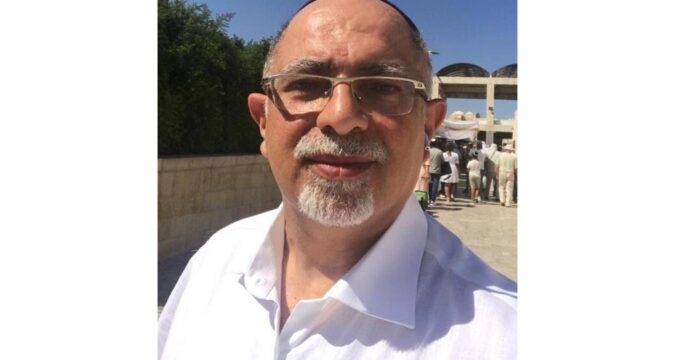
The known cases include a reporter formerly based in Washington and a Jewish Iranian American from New York who traveled to Iran last year for family reasons and hasn’t been permitted to return to the U.S.
At least two of the known detainees are housed in Evin Prison, the notorious Tehran penitentiary where Namazi was held, according to representatives for the individuals. The high-security facility holds many of the Islamic Republic’s political prisoners and has been the target of past Israeli bombardment.
Kamran Hekmati, a 61-year-old from Long Island detained at Evin, spoke with his wife on Monday, a few days into the war, to assure her that he was safe for now, according to Shohreh Nowfar, his cousin.
But the family worries his condition could quickly deteriorate because he hasn’t been receiving regular treatments for his bladder cancer in the months since he was detained, she said.
“It’s an uncertain time in an uncertain country,” said Nowfar, a Los Angeles resident.
Trump administration calls for detainees’ release
Ryan Fayhee, a lawyer for Reza Valizadeh, an Iranian American reporter also detained at Evin, said he’s stressed the urgency of the moment in his regular talks with White House and State Department officials.
Israel’s military has taken to social media in recent days to warn residents living near the prison that they should evacuate amid the continuing airstrikes. The families of other foreign nationals imprisoned at Evin have told European news outlets that bombs have been hitting close enough to the detention center to blow out windows.
“It’s my job to let the administration and the Israeli government know that there are innocent American citizens within that prison,” Fayhee said. “They should take great care with this military action to avoid any unfortunate collateral damage.”
White House and State Department officials declined to respond to specific questions about the status of the detainees out of concern for their safety and security, but called on Iran to immediately release them.
“President Trump has been clear that he wants every American wrongfully detained to be returned home safe and sound, and that there will be dire consequences for regimes who treat Americans as political pawns,” said Anna Kelly, a White House spokesperson.
Valizadeh is among at least 15 reporters currently jailed in Iran, according to the Committee to Protect Journalists.
The 50-year-old fled the country in 2009 after reporting on its pro-democracy protests, according to a petition his lawyers submitted to the United Nations in January.
Valizadeh obtained U.S. citizenship in 2022 while working in Washington for Radio Farda, the Persian-language arm of Radio Free Europe, which receives U.S. government funding.
He was detained in 2024 after returning to Iran to visit his elderly parents and sentenced to 10 years in prison on charges that he was collaborating with the U.S. government.
The U.S. has since officially designated Valizadeh as wrongfully detained, a classification that moves a case under the supervision of the State Department’s special presidential envoy for hostage affairs, the government’s chief hostage negotiator.
Americans imprisoned on dubious charges
Among the other Americans whose plight has become public is Afarin Mohajer, a California resident originally from Iran.
She was detained in September and charged with posting propaganda critical of the Islamic Republic on social media and insulting its Supreme Leader and Islam, according to her son Reza Zarrabi, a political activist who lives in Germany.
Zarrabi didn’t immediately respond to messages seeking comment this week, but he has told European media outlets that his mother isn’t politically active and that he believes she was arrested to silence his outspoken opposition to the regime.
Hekmati’s family, meanwhile, is convinced the New York City jewelry business owner is just the latest victim of Iran’s “hostage diplomacy.”
The country for decades has detained Americans in the hopes of securing the release of Iranians locked up in the U.S. or exacting concessions from Washington. Just last week, the U.S. sought to impose costs on Iran for hostage-taking, with the State Department a day before the conflict began designating the country as a state sponsor of wrongful detention.
Nowfar said her cousin, Hekmati, left Iran after the 1979 revolution but has returned several times without issue.
Then in May, Iranian authorities stopped him at the airport, seized his passport and forbade him from leaving the country. He was eventually charged under an Iranian law that makes it illegal to have visited Israel within the past 10 years.
Hekmati’s family maintains that his last trip to Israel was some 13 years ago for his son’s Bar Mitzvah. They also dispute espionage-related charges that accuse him of having met with Mossad agents.
“They just wanted to have a hostage. An American hostage,” Nowfar said.
There are also concerns that Hekmati’s faith exposes him to further mistreatment, says Kieran Ramsey, the chief investigative officer at Global Reach, a nonprofit working on Hekmati’s case.
“He’s not only American, he’s also Jewish — and we had had some concerns early on in this case of him” getting bullied, said Ramsey, who previously led the U.S. government’s Hostage Recovery Fusion Cell.
As for Namazi, he sympathizes with families seeking solace, recalling a chaotic 2022 fire that killed at least eight inmates during his time at Evin.
“I remember the smoke, the confusion, and the total absence of reliable information,” the 54-year-old Washington resident said. “For us prisoners it was terrifying. My mother says that night was one of the hardest she endured.”
Tucker reported from Washington.
https://www.chicagotribune.com/2026/03/07/us-detainees-iran-risk/
Trump Announces Military Coalition With Latin American Leaders To Eradicate Cartels
Trump Announces Military Coalition With Latin American Leaders To Eradicate Cartels
Authored by Emel Akan and T.J.Muscaro via The Epoch Times,
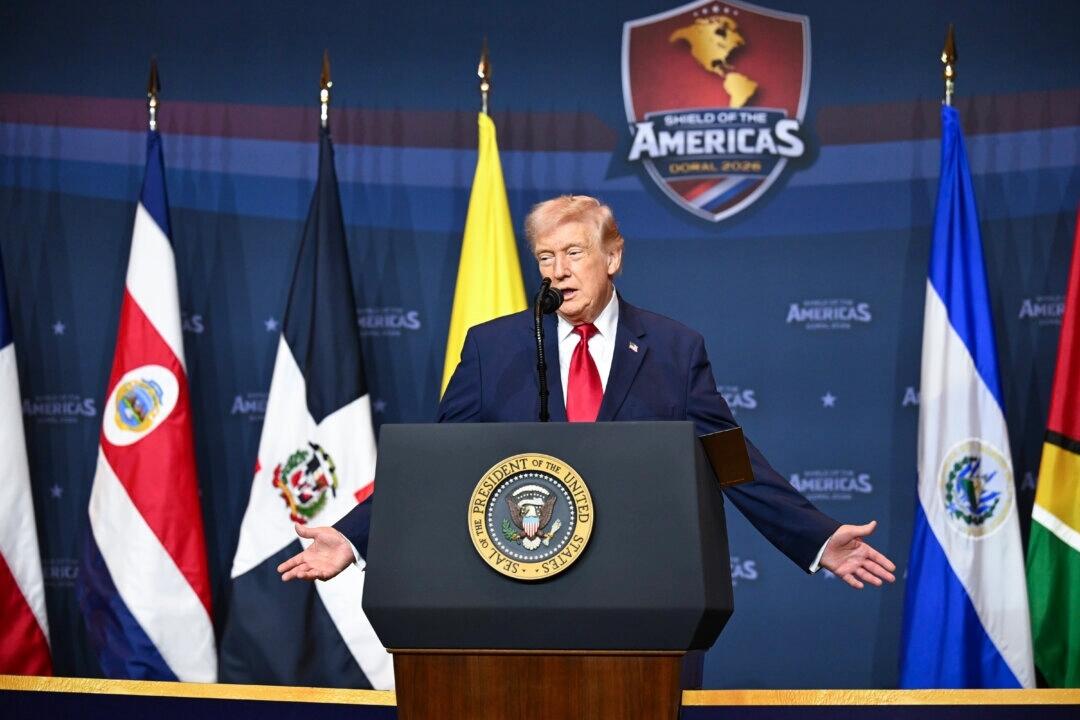
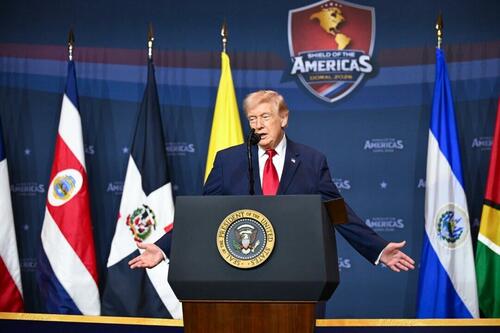
U.S. President Donald Trump on March 7 welcomed his Latin American allies to Florida for a summit focused on addressing regional issues and announced a new military coalition to combat drug cartels in the Western Hemisphere.
“On this historic day, we come together to announce a brand new military coalition to eradicate the criminal cartels plaguing our region,” Trump said as he began his remarks at the summit.
He said that the new partnership, called the Americas Counter Cartel Coalition, will leverage military resources, including the possible use of missiles, to combat the cartels.
The heads of state of Argentina, Bolivia, Chile, Costa Rica, the Dominican Republic, Ecuador, El Salvador, Honduras, Panama, Paraguay, and Trinidad and Tobago attended today’s summit, the White House said.
The event, called the Shield of the Americas Summit, is taking place at Trump National Doral Club in Miami and is the first such regional meeting to bring together, as the State Department described, “like-minded allies” in the Western Hemisphere.
“We’re going to be doing some incredible things together,” Trump told the leaders.
All countries in attendance are governed by right-wing or center-right parties, while left-leaning governments such as Brazil, Colombia, and Mexico did not participate in the summit.
On March 5, Trump announced that outgoing Homeland Security Secretary Kristi Noem will lead the effort as special envoy for the Shield of the Americas.
During his remarks, Trump criticized previous U.S. administrations for abandoning the Western Hemisphere.
“They went so far away. They went to these faraway places where they weren’t even wanted,” Trump said.
The Donroe Doctrine
In its national security strategy released in November 2025, the Trump administration made the Western Hemisphere its top priority, stating that it was a “great American strategic mistake of recent decades” to allow “non-Hemispheric competitors” to take hold in the region.
The Trump administration compared its new policy to the Monroe Doctrine of 1823, a U.S. policy that told European powers to stay out of the Americas.
After that, some media outlets began calling it the “Donroe Doctrine,” and the Trump administration adopted the term.
“It is a doctrine we will not allow hostile foreign influence to gain a foothold in this hemisphere that includes the Panama Canal,” Trump said without citing China during his speech.
Over the last two decades, China has become a dominant force in Latin America and the Caribbean, with trade surpassing $500 billion in 2024. In countries such as Brazil and Peru, China has replaced the United States as a key trading partner.
In recent years, more than 20 Latin American and Caribbean countries have joined Beijing’s Belt and Road initiative. As a result, China has secured hundreds of infrastructure projects, gaining control of assets, including ports, throughout the region.
In January, U.S. forces captured Venezuelan leader Nicolás Maduro in Caracas, effectively ending Venezuela’s relationship with China. Last week, Trump suggested that Cuba might be next.
“Cuba’s at the end of the line,” Trump said at the event, adding that the regime in Havana is negotiating with him and Secretary of State Marco Rubio.
“But, our focus right now is on Iran,” Trump said.
The summit comes amid a tense geopolitical backdrop, with the conflict in Iran entering its second week.
On Feb. 28, Iran’s Islamic leader, Ali Khamenei, and dozens of top leadership figures were killed in the U.S.–Israeli joint military operation. Since then, Tehran has launched a series of retaliatory attacks across the region.
The Hezbollah terrorist group, an Iran proxy, has networks in Latin America and, for years, used the Western Hemisphere for money laundering, fundraising, and terrorism.
US Offers Military Training
During the event, Trump signed a proclamation formally launching the new military coalition.
“Every leader here today is united in the conviction that we cannot and will not tolerate the lawlessness in our hemisphere any longer,” Trump said.
“You have some great police, but they threaten your police, they scare your police,” Trump added, referring to drug cartels.
“You’re going to use your military. In many cases, our forces have already been working closely with yours, and the United States looks forward to deepening and expanding that cooperation in the months ahead.”
U.S. Southern Command announced recently that Ecuadorian and U.S. military forces conducted joint operations against “designated terrorist organizations” in Ecuador as part of the U.S. effort to fight narco-terrorism.
The proclamation states that the United States will train and mobilize the militaries of partner nations to help dismantle cartels.
According to the proclamation, the United States and its allies should prevent external threats, including malign foreign influences from outside the Western Hemisphere.
Seventeen countries are signatories to this partnership.
The leaders attending the Miami summit are Javier Milei, president of Argentina; Rodrigo Paz Pereira, president of Bolivia; Jose Antonio Kast, president-elect of Chile; Rodrigo Chaves Robles, president of Costa Rica; Luis Rodolfo Abinader Corona, president of the Dominican Republic; Daniel Roy Gilchrist Noboa Azín, president of Ecuador; Nayib Bukele, president of El Salvador; Mohamed Irfaan Ali, president of Guyana; Nasry “Tito” Asfura, president of Honduras; José Raúl Mulino Quintero, president of Panama; Santiago Peña, president of Paraguay; and Kamla Persad-Bissessar, prime minister of Trinidad and Tobago.
Tyler Durden
Sat, 03/07/2026 – 16:15
Trump Announces Military Coalition With Latin American Leaders To Eradicate Cartels
Trump Announces Military Coalition With Latin American Leaders To Eradicate Cartels
Authored by Emel Akan and T.J.Muscaro via The Epoch Times,
U.S. President Donald Trump on March 7 welcomed his Latin American allies to Florida for a summit focused on addressing regional issues and announced a new military coalition to combat drug cartels in the Western Hemisphere.
“On this historic day, we come together to announce a brand new military coalition to eradicate the criminal cartels plaguing our region,” Trump said as he began his remarks at the summit.
He said that the new partnership, called the Americas Counter Cartel Coalition, will leverage military resources, including the possible use of missiles, to combat the cartels.
The heads of state of Argentina, Bolivia, Chile, Costa Rica, the Dominican Republic, Ecuador, El Salvador, Honduras, Panama, Paraguay, and Trinidad and Tobago attended today’s summit, the White House said.
The event, called the Shield of the Americas Summit, is taking place at Trump National Doral Club in Miami and is the first such regional meeting to bring together, as the State Department described, “like-minded allies” in the Western Hemisphere.
“We’re going to be doing some incredible things together,” Trump told the leaders.
All countries in attendance are governed by right-wing or center-right parties, while left-leaning governments such as Brazil, Colombia, and Mexico did not participate in the summit.
On March 5, Trump announced that outgoing Homeland Security Secretary Kristi Noem will lead the effort as special envoy for the Shield of the Americas.
During his remarks, Trump criticized previous U.S. administrations for abandoning the Western Hemisphere.
“They went so far away. They went to these faraway places where they weren’t even wanted,” Trump said.
The Donroe Doctrine
In its national security strategy released in November 2025, the Trump administration made the Western Hemisphere its top priority, stating that it was a “great American strategic mistake of recent decades” to allow “non-Hemispheric competitors” to take hold in the region.
The Trump administration compared its new policy to the Monroe Doctrine of 1823, a U.S. policy that told European powers to stay out of the Americas.
After that, some media outlets began calling it the “Donroe Doctrine,” and the Trump administration adopted the term.
“It is a doctrine we will not allow hostile foreign influence to gain a foothold in this hemisphere that includes the Panama Canal,” Trump said without citing China during his speech.
Over the last two decades, China has become a dominant force in Latin America and the Caribbean, with trade surpassing $500 billion in 2024. In countries such as Brazil and Peru, China has replaced the United States as a key trading partner.
In recent years, more than 20 Latin American and Caribbean countries have joined Beijing’s Belt and Road initiative. As a result, China has secured hundreds of infrastructure projects, gaining control of assets, including ports, throughout the region.
In January, U.S. forces captured Venezuelan leader Nicolás Maduro in Caracas, effectively ending Venezuela’s relationship with China. Last week, Trump suggested that Cuba might be next.
“Cuba’s at the end of the line,” Trump said at the event, adding that the regime in Havana is negotiating with him and Secretary of State Marco Rubio.
“But, our focus right now is on Iran,” Trump said.
The summit comes amid a tense geopolitical backdrop, with the conflict in Iran entering its second week.
On Feb. 28, Iran’s Islamic leader, Ali Khamenei, and dozens of top leadership figures were killed in the U.S.–Israeli joint military operation. Since then, Tehran has launched a series of retaliatory attacks across the region.
The Hezbollah terrorist group, an Iran proxy, has networks in Latin America and, for years, used the Western Hemisphere for money laundering, fundraising, and terrorism.
US Offers Military Training
During the event, Trump signed a proclamation formally launching the new military coalition.
“Every leader here today is united in the conviction that we cannot and will not tolerate the lawlessness in our hemisphere any longer,” Trump said.
“You have some great police, but they threaten your police, they scare your police,” Trump added, referring to drug cartels.
“You’re going to use your military. In many cases, our forces have already been working closely with yours, and the United States looks forward to deepening and expanding that cooperation in the months ahead.”
U.S. Southern Command announced recently that Ecuadorian and U.S. military forces conducted joint operations against “designated terrorist organizations” in Ecuador as part of the U.S. effort to fight narco-terrorism.
The proclamation states that the United States will train and mobilize the militaries of partner nations to help dismantle cartels.
According to the proclamation, the United States and its allies should prevent external threats, including malign foreign influences from outside the Western Hemisphere.
Seventeen countries are signatories to this partnership.
The leaders attending the Miami summit are Javier Milei, president of Argentina; Rodrigo Paz Pereira, president of Bolivia; Jose Antonio Kast, president-elect of Chile; Rodrigo Chaves Robles, president of Costa Rica; Luis Rodolfo Abinader Corona, president of the Dominican Republic; Daniel Roy Gilchrist Noboa Azín, president of Ecuador; Nayib Bukele, president of El Salvador; Mohamed Irfaan Ali, president of Guyana; Nasry “Tito” Asfura, president of Honduras; José Raúl Mulino Quintero, president of Panama; Santiago Peña, president of Paraguay; and Kamla Persad-Bissessar, prime minister of Trinidad and Tobago.
Tyler Durden
Sat, 03/07/2026 – 16:15

Ford llama a revisión a 1,74 millones de vehículos por fallas en la pantalla del retrovisor
NUEVA YORK (AP) — Ford hizo dos llamados a revisión que afectan a casi 1,74 millones de vehículos en Estados Unidos, debido a problemas en el software que afectan las pantallas de la cámara de visión trasera.
Un componente interno del sistema de infoentretenimiento de ciertas camionetas Ford Bronco 2021-2026 y Ford Edge 2021-2024 podría sobrecalentarse y apagarse, impidiendo que aparezca la imagen trasera cuando los conductores ponen reversa, señaló la Administración Nacional de Seguridad del Tráfico en las Carreteras de Estados Unidos (NHTSA, por sus siglas en inglés) en avisos publicados esta semana.
Además, algunos autos Ford Escape 2020-2022 y Lincoln Corsair 2020-2022, así como las camionetas Lincoln Aviator y Explorer 2020-2024, podrían mostrar una imagen trasera volteada o invertida.
Los llamados a revisión abarcan 849.310 Bronco y Edge, así como 889.950 Escape, Corsair, Aviator y Explorer. Ford calcula que todos estos vehículos presentan este defecto. A pesar de ello, la empresa no tiene conocimiento de lesiones o accidentes relacionados con ninguno de los dos retiros, según documentos de la NHTSA.
Aun así, la NHTSA ha advertido a los conductores que ambos problemas podrían incrementar el riesgo de un choque.
Para los propietarios de camionetas Bronco y Edge afectadas, Ford ofrece una actualización gratuita de software para el Módulo de Interfaz del Protocolo de Accesorios (APIM, por sus siglas en inglés). Las cartas de notificación se enviarán por correo a los propietarios a finales de mes, y la solución estará disponible ya sea en un concesionario o mediante una actualización remota.
Pero, según señaló los anuncios de esta semana, aún se desarrolla una solución para el retiro que afecta a los modelos Escape, Corsair, Aviator y Explorer. Se tiene previsto que en los próximos meses se envíen cartas por correo para notificar a los propietarios sobre los riesgos de seguridad.
Ford no respondió de momento a mensajes de The Associated Press en busca de comentarios.
Para más información, los conductores pueden visitar el sitio web de la NHTSA y el buscador en línea de llamados a revisión de Ford usando el número VIN de su vehículo, o llamar a la línea de atención al cliente de la empresa al 1-866-436-7332.
___
Esta historia fue traducida del inglés por un editor de AP con la ayuda de una herramienta de inteligencia artificial generativa.

Como gana tercer juego consecutivo en la Serie A tras vencer de visita al Cagliari
ROMA (AP) — Como superó el sábado 2-1 al Cagliari gracias a un golazo del mediocampista Lucas de Cunha para mantenerse en el quinto puesto de la Serie A.
El equipo de Cesc Fàbregas ha ganado tres partidos seguidos en la liga italiana y solo ha perdido una vez en 11 encuentros en total. Como empató sin goles con el Inter de Milán en el partido de ida de su semifinal de la Copa Italia a principios de esta semana.
Martin Baturina adelantó al Como en Cagliari al empujar el balón a la red a los 14 minutos.
Sebastian Esposito igualó para los locales al 56 y Cunha envió un disparo desde muy fuera, hacia la esquina superior derecha del área, que se coló junto al poste más lejano para marcar el gol de la victoria al 76.
El triunfo dejó al Como igualado en puntos con la Roma, cuarta clasificada, a una semana de que se enfrenten.
Además, Atalanta, séptimo, perdía por dos goles antes de que Gianluca Scamacca anotara dos veces, en los minutos 75 y 79, para rescatar un empate 2-2 con Udinese.
___
Deportes AP: https://apnews.com/hub/deportes
Como gana tercer juego consecutivo en la Serie A tras vencer de visita al Cagliari
ROMA (AP) — Como superó el sábado 2-1 al Cagliari gracias a un golazo del mediocampista Lucas de Cunha para mantenerse en el quinto puesto de la Serie A.
El equipo de Cesc Fàbregas ha ganado tres partidos seguidos en la liga italiana y solo ha perdido una vez en 11 encuentros en total. Como empató sin goles con el Inter de Milán en el partido de ida de su semifinal de la Copa Italia a principios de esta semana.
Martin Baturina adelantó al Como en Cagliari al empujar el balón a la red a los 14 minutos.
Sebastian Esposito igualó para los locales al 56 y Cunha envió un disparo desde muy fuera, hacia la esquina superior derecha del área, que se coló junto al poste más lejano para marcar el gol de la victoria al 76.
El triunfo dejó al Como igualado en puntos con la Roma, cuarta clasificada, a una semana de que se enfrenten.
Además, Atalanta, séptimo, perdía por dos goles antes de que Gianluca Scamacca anotara dos veces, en los minutos 75 y 79, para rescatar un empate 2-2 con Udinese.
___
Deportes AP: https://apnews.com/hub/deportes
Stablecoins And The Rebasement Of The Dollar
Stablecoins And The Rebasement Of The Dollar
Authored by Lance Roberts via RealInvestmentAdvice.com,
The “fiat is dying” argument has become a catchphrase narrative among digital asset bulls, gold bugs, and cryptocurrency advocates. That narrative’s core is that central banks have printed vast amounts of money. The “money printing” has led to currency debasement and rendered the U.S. dollar obsolete. We discussed this “debasement” narrative previously.
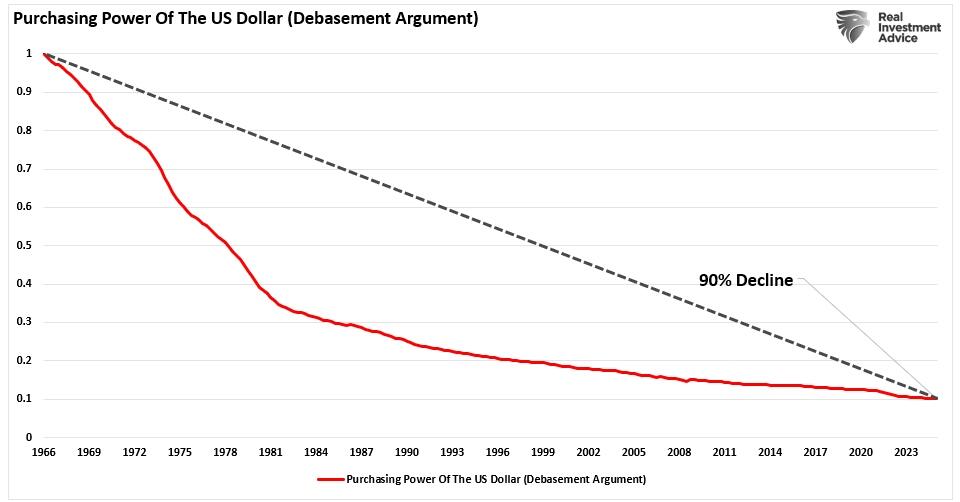
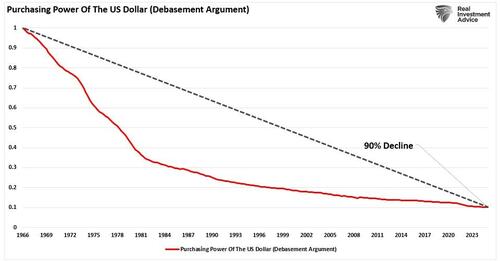
The narrative is seductive: inflation is out of control, the government is printing money, and the dollar is on its last legs. But while there are real risks to watch, most headlines sell fear rather than fact. It’s striking, and those selling gold, silver, or other doomsday assets often use it to scare individuals into taking action. One of their favorite charts used to make the “debasement” case is the classic graph showing that the U.S. dollar has lost 90% of its purchasing power since 1966.”
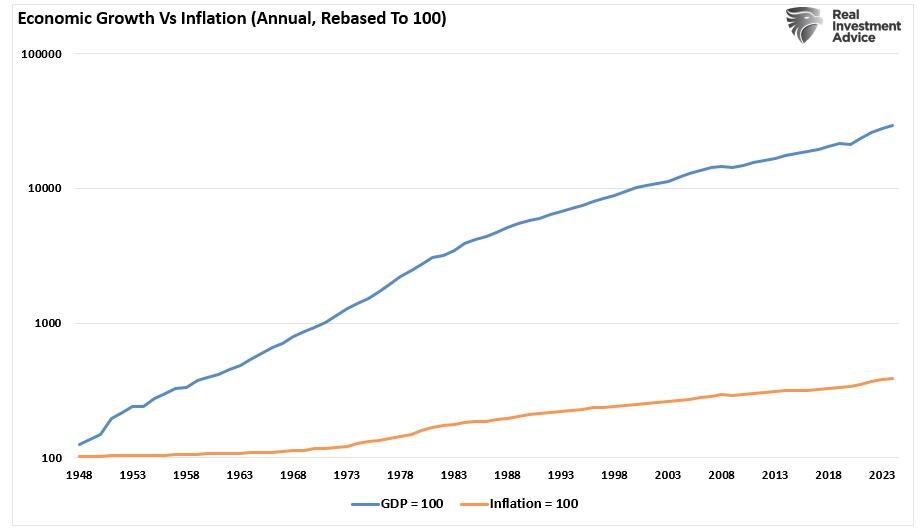
But here’s the thing: that chart doesn’t show debasement. It only reflects inflation, a well-understood and largely expected outcome in a growing economy. Prices rise over time because demand increases due to population growth, rising incomes, and growing consumption. This is especially true in a post-industrial, service-driven economy that incentivizes credit expansion and capital investment. In other words, it’s not the dollar losing value; it’s the economy expanding.
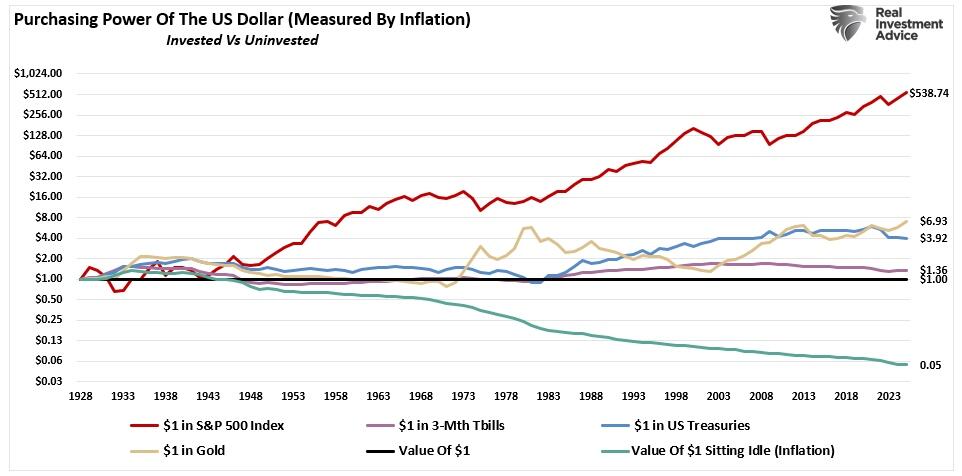
What those promoting the “debasement” argument misunderstand is how economics and modern inflation work. What the chart shows, in today’s economy, is only the loss of purchasing power of idle, or uninvested, dollars. Dollars that sit uninvested lose value relative to inflation over time. That is not a collapse of fiat currency. It is a signal to put capital to work. While the “gold bugs” argue that gold protects against debasement (i.e., inflation), which is true, so do 3-month T-bills and US Treasury bonds on a real, inflation-adjusted, total return basis. However, that same $1 invested in the S&P 500 index was by far the best protector of the purchasing power of the U.S. Dollar
Most importantly, the term “debasement” does not refer to the collapse of currency. It is only a “reflection of inflation on uninvested dollars.” Inflation erodes purchasing power if income and returns do not keep pace. A $100 bill in your pocket today buys less than it did in 2010, only because the general price level of goods and services purchased in an expanding economy rises over time. That effect is real, but it is a natural consequence of economic activity and monetary policy interacting with growth, not a structural collapse of confidence.
In reality, the dollar remains dominant. As we discussed in depth in “The Dollar’s Death Is Greatly Exaggerated:”
Roughly 80 percent of global transactions use the U.S. dollar as the unit of account or settlement.
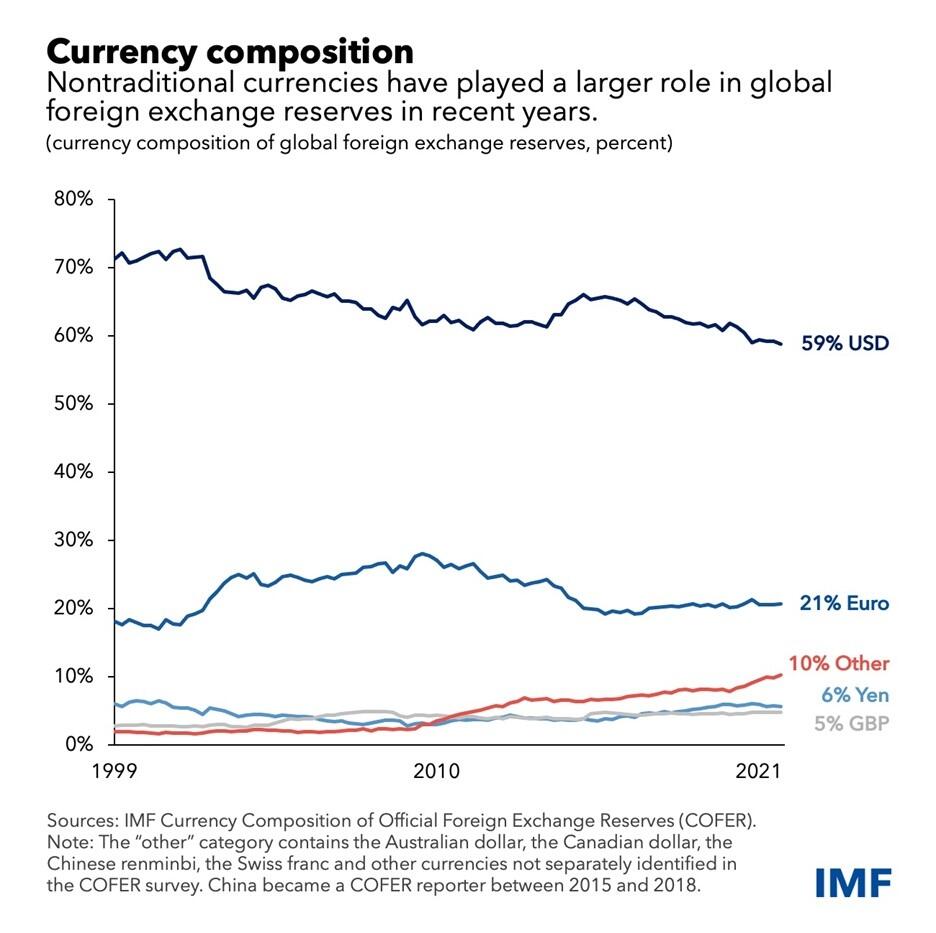
The U.S. dollar still accounts for nearly 60 percent of global foreign-exchange reserves held by central banks.
There is no alternative currency or asset with the depth, liquidity, and institutional trust of the U.S. dollar.
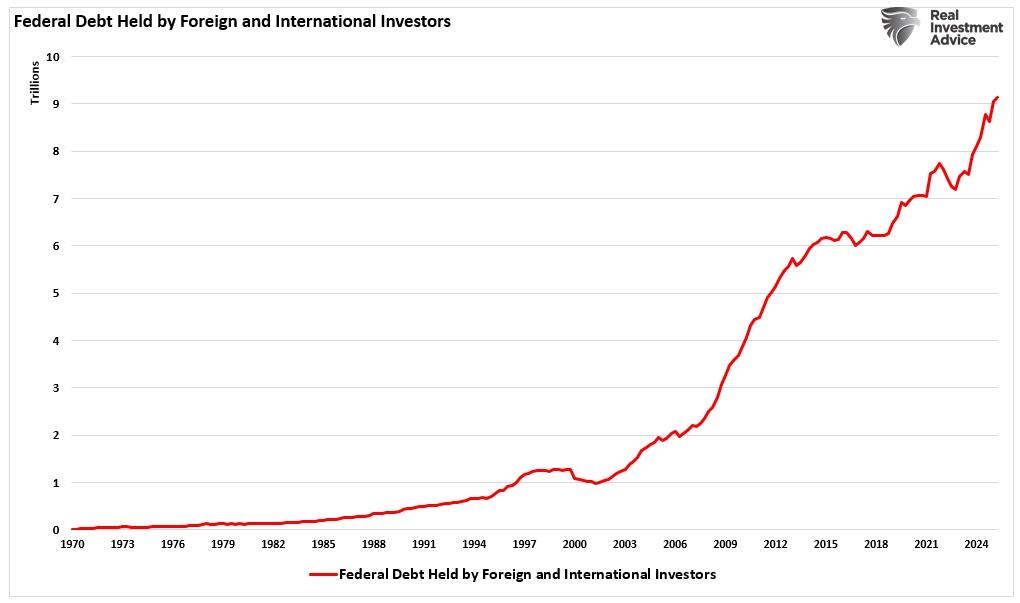
These facts contradict the idea that the world is abandoning fiat currencies or the U.S. dollar. The narrative that the dollar is dying ignores the overwhelming evidence of continued international demand and use, which is why foreign buying of US Treasuries has surged to a record.
The Illusion of Escape
Individuals who argue that investors are buying gold or Bitcoin by clinging to the “debasement” narrative are either intentionally trying to deceive others or are ignorant of how the monetary system, and the fundamental unit of pricing, exchange, and settlement, works in the modern economy.
We absolutely agree that investors should invest their “idle” dollars into “risk assets” like bonds, gold, stocks, or Bitcoin to protect their savings from inflation over time. However, the gains in those assets that rise in nominal terms only reflect shifts in relative valuation, not an abandonment of the dollar itself. Furthermore, while those buying into “debasement” fears, mostly due to headlines rather than the facts, seek so‑called “safe havens,” by buying Bitcoin or gold, thinking they are abandoning “fiat” money.
However, such is not the case as these assets are still priced and settled in dollars. Bitcoin trades in USD pairs, and gold’s global market price is quoted in dollars. When holders want to spend or transact outside the digital asset context, they must convert back into the dollar system. The belief that one can truly escape fiat is a philosophical idea. In practical terms, value transfer and utility still revolve around dollars. As shown above, the absolute best way to protect your purchasing power from “debasement” has been the US stock market.
While the “debasement” narrative often claims that US Treasuries are undesirable relics of a failing system, the reality is the opposite. US Treasuries remain the most liquid, trusted financial instruments on the planet. They are central to global interest rate benchmarks, risk‑free rate calculations, collateral markets, and international reserves.
Furthermore, a new development in today’s economy is about to make the US Dollar even more dominant: USD Stable Coins.
USD Stablecoins and Why They are Needed
As explained, the US Dollar is, and will remain, the backbone of global finance. That won’t change in the near or distant future, primarily because there are no realistic alternatives. However, the rise of USD stablecoins will likely cement that dominance even further.
Currently, nearly 99 percent of fiat‑backed stablecoins are pegged to the US dollar, as the US dollar dominates global foreign exchange reserves. The dollar’s share of global reserves continues to outweigh other major currencies combined, demonstrating that sovereign confidence in USD persists even amid inflation concerns. More notably, USD Stable Coins reflect the dollar’s strength, not its demise.
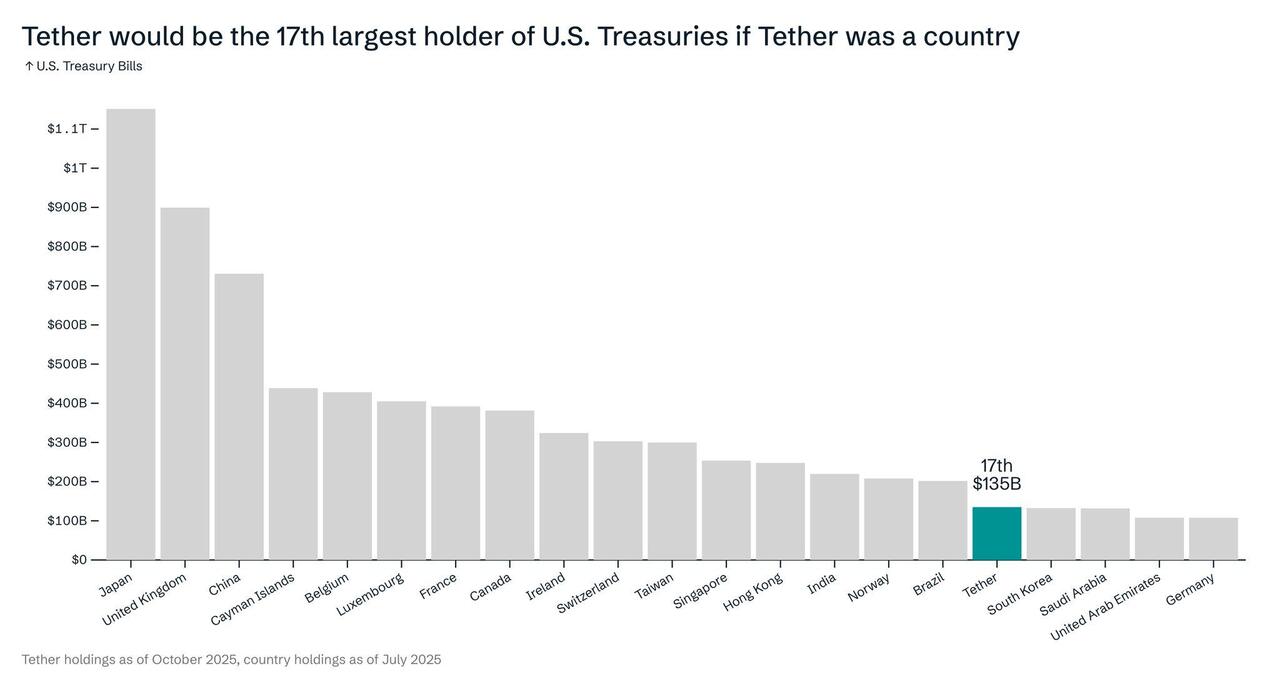
So, what are USD Stablecoins? They are digital tokens designed to maintain a 1:1 peg to the US dollar. Unlike volatile cryptocurrencies such as Bitcoin or Ether, which can swing wildly in price, stablecoins offer price stability by holding reserves of high‑quality liquid assets. The largest examples are Tether’s USDT and Circle’s USDC, which together account for over 90 percent of the USD stablecoin market. For context, as of late 2025, Tether (the issuer of the USDT stablecoin) held over $135 billion in U.S. Treasury securities, ranking it 17th globally among holders of U.S. sovereign debt. Tether’s holdings exceed those of South Korea, Saudi Arabia, Germany, and the UAE.
Here is why this is critical to the “death of the dollar” narrative.
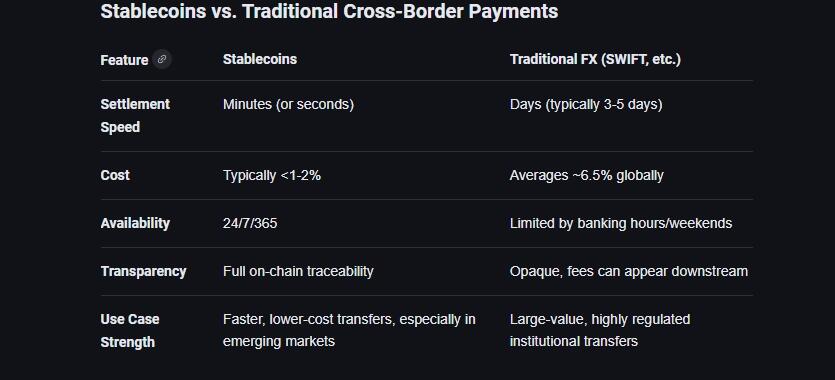
USD Stablecoins operate on blockchain networks, enabling real‑time settlement and global transfer of digital dollars without traditional banking intermediaries. This capability is especially valuable for cross-border transactions, remittances, and markets with less developed banking infrastructure. The International Monetary Fund notes that while most current stablecoin turnover is tied to crypto trading, cross‑border flows are rapidly growing, suggesting future use in broader financial systems. As noted by Chainstack:
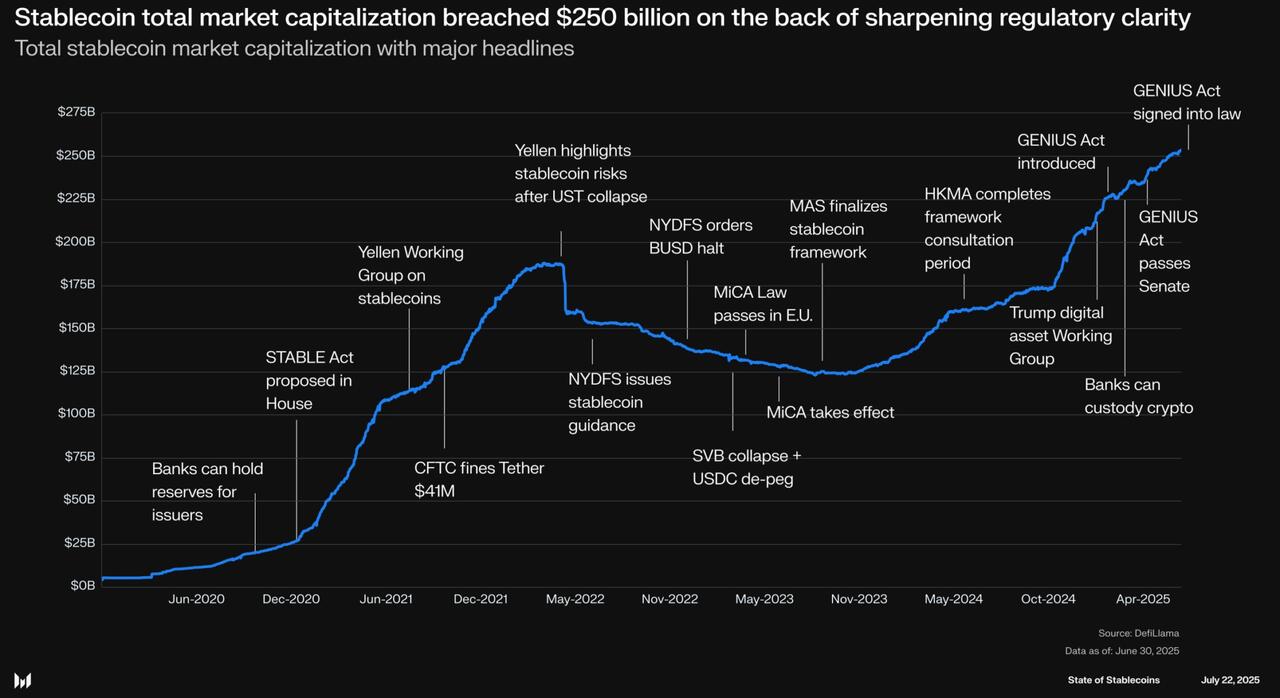
“Stablecoins have moved into mainstream finance, linking bank systems with digital asset networks. Dollar-pegged tokens already move volumes on par with major payment networks, with transactions rivaling those of ACH, Visa, and PayPal. In mid-2025, the supply of stablecoins crossed $250B, reflecting demand for quicker, always-on payments.”
While transaction volume still remains very small (about 1% of the current global cross-border payment volume, a $2 quadrillion annual market, there are several reasons why many expect the USD Stable Coin market to grow substantially in the future.
These use cases appeal to global finance as it modernizes payment systems. If USD Stable Coins realize broader adoption, they could become core infrastructure for digital money flows, making US Treasuries even more important to the global financial system.
How USD Stablecoins Could Make US Treasuries Even More Important
The presence of these assets in USD Stablecoin reserves underscores that the digital dollar infrastructure is intertwined with US sovereign debt markets rather than outside them. As the USD Stable Coin market grows, its relationship with US Treasuries could become more significant as issuers must hold liquid, low‑risk assets to maintain dollar pegs and meet regulatory and market expectations. Because short‑term Treasuries are widely accepted collateral and deeply liquid, they are a natural choice.
Regulatory developments, such as the GENIUS Act, passed in 2025, require stablecoin issuers to back their tokens with high‑quality liquid assets, such as USD or short‑dated Treasury instruments, increasing the likelihood that reserves remain closely tied to US sovereign debt. Furthermore, if and when the STABLE Act passes, it would impose additional requirements on stablecoin issuers to maintain safe, highly liquid assets as backing.
As such, Industry projections suggest the USD Stablecoin market could reach $2–$3 trillion by 2030, driven by clearer regulation and broader financial adoption. In that scenario, stablecoin reserve demand for Treasuries could become a meaningful incremental buyer in money markets, potentially supplementing traditional Treasury demand. Reuters reported that up to 80 percent of the existing stablecoin market’s reserves are in Treasury bills and repos, indicating that current reserve practices already lean heavily toward Treasuries.
Lastly, academic research suggests USD Stablecoin demand has already been large enough to influence short‑term yields. For example, one study found stablecoin purchases of Treasury bills correlated with measurable downward pressure on one‑month yields, highlighting how digital dollar reserve demand can affect real markets.
However, any discussion of USD Stablecoins must recognize the risks. Most importantly, this thesis assumes that USD stablecoins will become a broader global transaction utility. That is a “possible” future, not a certain one. Currently, high usage of USD stablecoins is concentrated in crypto trading and settlement, not in mainstream commerce or sovereign payments. Adoption depends on regulatory frameworks, institutional engagement, and global trust.
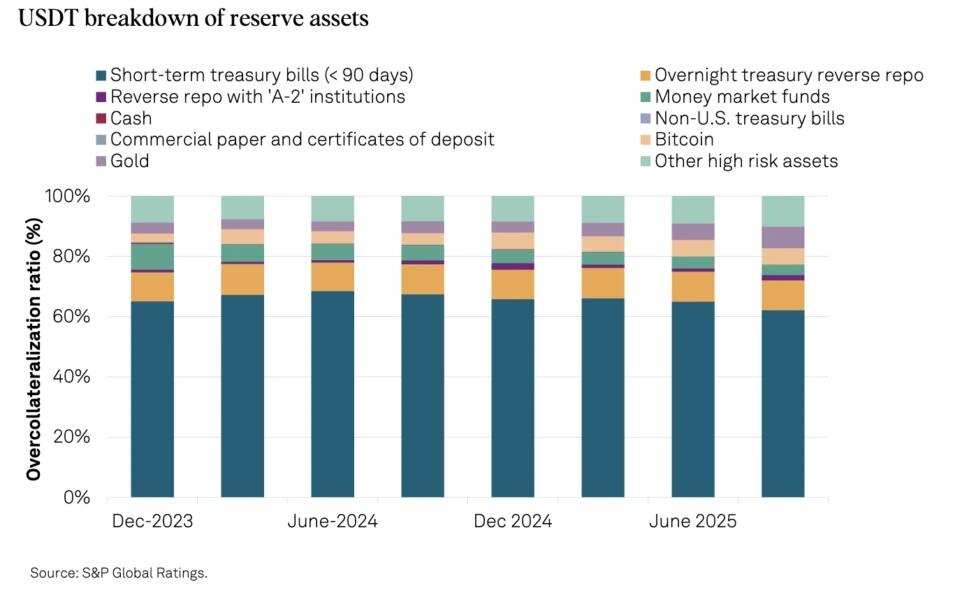
Custodial risk remains a valid concern. S&P Global Ratings recently downgraded Tether’s stability assessment, noting that only 64% of its reserves were held in short‑term US Treasuries and that transparency issues persist. This underscores the importance of clearer reporting, stronger governance, and more regulated custody solutions if stablecoins are to scale safely.
“Bitcoin represents 5.6% of USDT in circulation, exceeding the 3.9% overcollateralization margin associated with a collateralization ratio of 103.9%. A decline in the price of bitcoin or the value of other higher-risk assets could therefore reduce collateral coverage.” – S&P Global
There is also competition from central bank digital currencies (CBDCs). Governments might choose their own digital money rails, which could reduce the appeal of private USD Stable Coins in certain use cases; however, even if CBDCs gain substantial traction, they will likely also be backed by US Treasuries for the reasons listed herein.
Another risk is that as demand for Treasuries rises, yields will fall. However, while issuers of USD Stable Coins would likely shift reserve composition, the underlying assets remain dollar‑linked securities. This distinction is critical, as whether stablecoin issuers hold T‑bills, repos, or other short‑term dollar assets, the peg to the dollar persists. The system will continue to operate within the dollar monetary framework, not in an alternate monetary universe.
Finally, there is ALWAYS a risk that none of this materializes at the expected scale. Regulatory setbacks, technological barriers, or shifts in macroeconomic conditions could stall growth. While the future is never certain, the framework of USD Stable Coins and the current trajectory of technological developments suggest that how we currently transact business globally will change in the near future, and, most importantly, the US dollar will be at the center of it.
Conclusion and Investment Thesis
The narrative that “fiat is dying” is not supported by the data or reality. Inflation, while real, is not debasement in the historical sense. It’s the erosion of purchasing power on uninvested dollars in an expanding economy. The U.S. dollar remains the foundation of global finance, dominating in trade, reserves, and settlement. No alternative currency, asset, or system currently matches its liquidity, institutional trust, or market depth.
The illusion that one can escape fiat by moving into gold or Bitcoin misunderstands how the monetary system works. While those assets protect savings against inflation, they are not independent of the fiat currency system, as they are priced, settled, and used in U.S. dollars. Any claim of “escape” is more ideological than practical.
What’s emerging now is not the death of the dollar, but its “rebasement,” through the transformation of how it circulates, settles, and functions through digital infrastructure. USD Stable Coins are not a threat to the U.S. monetary system; rather, they are an extension of it. By facilitating real-time digital payments on blockchain networks while holding reserves in U.S. Treasuries and cash equivalents, USD stablecoins reinforce the dollar’s central role.
If USD stablecoins mature into a mainstream transaction utility, something that remains a forward-looking assumption, the demand for U.S. Treasuries could increase significantly. With a projected market size of $2–$3 trillion by 2030, stablecoin issuers could become significant buyers of US Treasuries. Such would deepen liquidity, support lower yields, and embed Treasury instruments even further into the plumbing of global finance.
But investors must recognize the risks. Stablecoin adoption is not a guarantee. Regulatory frameworks could stall. Custodial risks remain, particularly with non-transparent issuers. Central bank digital currencies may create competition. And if USD Stable Coins fail to expand beyond trading use cases, their impact will remain limited.
Still, the investment thesis is compelling:
US Treasuries remain critical. Continued and diversified demand, from both traditional buyers and digital dollar issuers, supports their role as a core asset.
USD stablecoin infrastructure offers opportunities for firms that provide custody, liquidity, and regulatory-compliant digital payment rails. (CRCL, COIN, PYPL, FI, V, and MA)
Banks and fintechs positioned at the intersection of blockchain settlement and fiat compliance may become integral to the rebasement architecture. (JPM, BK, C, SQ, and Stripe)
The dollar is not dying. It’s evolving. Notably, USD Stable Coins may serve as the bridge connecting the analog financial world to its digital future. The regulatory and technological framework is evolving. And the future of USD Stablecoins has the full weight of U.S. sovereign credit behind it. For investors willing to bet on that evolution, the opportunity lies in understanding the future of the dollar.
It’s not its destruction, but the digitization of dollar dominance.
Views expressed in this article are opinions of the author and do not necessarily reflect the views of ZeroHedge.
Tyler Durden
Sat, 03/07/2026 – 15:15
https://www.zerohedge.com/markets/stablecoins-and-rebasement-dollar

Detenidos estadounidenses en Irán podrían ser daño colateral en la guerra, temen familias y aliados
Por PHILIP MARCELO y ERIC TUCKER
NUEVA YORK (AP) — Familiares y simpatizantes de estadounidenses detenidos en Irán afirman que sus seres queridos afrontan nuevos peligros durante la guerra, como el riesgo de convertirse en víctimas involuntarias de los bombardeos israelíes y estadounidenses o en blanco de represalias del régimen represivo de Irán.
“Para los estadounidenses encarcelados en Irán, este es un momento tan aterrador como el que más”, afirmó Siamak Namazi, un iraní-estadounidense que estuvo detenido casi ocho años antes de ser liberado como parte de un acuerdo con Estados Unidos en 2023. “Lo que estas familias enfrentan ahora son días de guerra sin un final claro a la vista”.
El gobierno de Estados Unidos no confirmó cuántos estadounidenses están retenidos en Irán, pero la James W. Foley Legacy Foundation, una organización que aboga por los rehenes, indicó que son seis y que afrontan un “peligro sin precedentes” debido al conflicto militar.
Entre los casos conocidos está el de un reportero que residía en Washington y el de un iraní-estadounidense judío de Nueva York que viajó a Irán el año pasado por motivos familiares y no ha recibido permiso para volver a Estados Unidos.
Según representantes de las personas, al menos dos de los detenidos conocidos están recluidos en la prisión de Evin, el notorio penal de Teherán donde estuvo Namazi. La instalación de alta seguridad alberga a muchos de los presos políticos de la República Islámica y ha sido objetivo de bombardeos israelíes en el pasado.
Kamran Hekmati, un hombre de 61 años de Long Island detenido en Evin, habló con su esposa el lunes, a pocos días de iniciada la guerra, para asegurarle que por ahora estaba a salvo, de acuerdo con Shohreh Nowfar, su prima.
Pero la familia teme que su salud pueda deteriorarse rápidamente porque, en los meses transcurridos desde su detención, no ha recibido tratamientos periódicos para su cáncer de vejiga, señaló.
“Es un momento incierto en un país incierto”, expresó Nowfar, residente de Los Ángeles.
Gobierno de Trump pide la liberación de los detenidos
Ryan Fayhee, abogado de Reza Valizadeh, un reportero iraní-estadounidense también detenido en Evin, dijo que ha subrayado la urgencia del momento en sus conversaciones habituales con funcionarios de la Casa Blanca y del Departamento de Estado.
En los últimos días, el ejército de Israel ha recurrido a las redes sociales para advertir a los residentes que viven cerca de la prisión que deben evacuar ante los continuos ataques aéreos. Las familias de otros extranjeros encarcelados en Evin han dicho a medios europeos que las bombas han caído lo suficientemente cerca del centro de detención como para reventar ventanas.
“Es mi trabajo hacerle saber a la administración y al gobierno israelí que dentro de esa prisión hay ciudadanos estadounidenses inocentes”, afirmó Fayhee. “Deben actuar con sumo cuidado en esta acción militar para evitar cualquier daño colateral desafortunado”.
Funcionarios de la Casa Blanca y del Departamento de Estado declinaron responder a preguntas específicas sobre la situación de los detenidos por preocupación por su seguridad, pero instaron a Irán a liberarlos de inmediato.
“El presidente Trump ha sido claro en que quiere que todos los estadounidenses detenidos injustamente regresen a casa sanos y salvos, y que habrá graves consecuencias para los regímenes que traten a los estadounidenses como peones políticos”, declaró Anna Kelly, portavoz de la Casa Blanca.
Valizadeh figura entre al menos 15 reporteros que actualmente están encarcelados en Irán, según el Comité para la Protección de los Periodistas.
De acuerdo con una petición que sus abogados presentaron en enero ante las Naciones Unidas, el hombre de 50 años huyó del país en 2009 tras informar sobre sus protestas prodemocracia.
Valizadeh obtuvo la ciudadanía estadounidense en 2022 mientras trabajaba en Washington para Radio Farda, el servicio en persa de Radio Free Europe, que recibe financiación del gobierno de Estados Unidos.
Fue detenido en 2024 tras regresar a Irán para visitar a sus padres ancianos y condenado a 10 años de prisión, acusado de colaborar con el gobierno estadounidense.
Desde entonces, Estados Unidos ha designado oficialmente a Valizadeh como detenido injustamente, una clasificación que coloca el caso bajo la supervisión del enviado presidencial especial del Departamento de Estado para asuntos de rehenes, el principal negociador del gobierno en esta materia.
Estadounidenses encarcelados con cargos dudosos
Entre los estadounidenses cuya situación se ha hecho pública está Afarin Mohajer, una residente de California originaria de Irán.
Fue detenida en septiembre y acusada de publicar propaganda contra la República Islámica en redes sociales e insultar a su Líder Supremo y al islam, según su hijo Reza Zarrabi, un activista político que vive en Alemania.
Hasta el momento, Zarrabi no ha respondido a los mensajes enviados esta semana en los que se le solicitaban comentarios, pero ha dicho a medios europeos que su madre no es políticamente activa y que cree que fue arrestada para silenciar su oposición abierta al régimen.
La familia de Hekmati, por su parte, está convencida de que el empresario joyero de la ciudad de Nueva York es simplemente la más reciente víctima de la “diplomacia de rehenes” de Irán.
Durante décadas, el país ha detenido a estadounidenses con la esperanza de lograr la liberación de iraníes encarcelados en Estados Unidos o de arrancar concesiones a Washington. Apenas la semana pasada, Washington buscó imponer costos a Irán por la toma de rehenes, y, un día antes de que comenzara el conflicto, el Departamento de Estado designó al país como patrocinador estatal de detenciones injustas.
Nowfar contó que su primo, Hekmati, salió de Irán tras la revolución de 1979, pero ha regresado varias veces sin problemas.
Luego, en mayo, las autoridades iraníes lo detuvieron en el aeropuerto, le confiscaron el pasaporte y le prohibieron salir del país. Con el tiempo fue acusado en virtud de una ley iraní según la cual es ilegal haber visitado Israel en los últimos 10 años.
La familia de Hekmati sostiene que su último viaje a Israel fue hace unos 13 años, para el Bar Mitzvá de su hijo. También rechazan los cargos relacionados con espionaje que lo acusan de haberse reunido con agentes del Mossad.
“Solo querían tener un rehén. Un rehén estadounidense”, dijo Nowfar.
También hay preocupación de que la fe de Hekmati lo exponga a más maltratos, según Kieran Ramsey, jefe de investigaciones de Global Reach, una organización sin fines de lucro que trabaja en el caso de Hekmati.
“No solo es estadounidense, también es judío, y al principio de este caso tuvimos algunas preocupaciones de que” lo acosaran, indicó Ramsey, quien anteriormente dirigió la Hostage Recovery Fusion Cell del gobierno de Estados Unidos.
En cuanto a Namazi, dice que simpatiza con las familias que buscan consuelo, al recordar un caótico incendio en 2022 en el que murieron al menos ocho reclusos durante el tiempo que pasó en Evin.
“Recuerdo el humo, la confusión y la ausencia total de información confiable”, relató el residente de Washington, de 54 años. “Para nosotros, los presos, fue aterrador. Mi madre dice que esa noche fue una de las más duras que hubiera soportado”.
___
Tucker informó desde Washington.
___
Esta historia fue traducida del inglés por un editor de AP con la ayuda de una herramienta de inteligencia artificial generativa.
Detenidos estadounidenses en Irán podrían ser daño colateral en la guerra, temen familias y aliados
Por PHILIP MARCELO y ERIC TUCKER
NUEVA YORK (AP) — Familiares y simpatizantes de estadounidenses detenidos en Irán afirman que sus seres queridos afrontan nuevos peligros durante la guerra, como el riesgo de convertirse en víctimas involuntarias de los bombardeos israelíes y estadounidenses o en blanco de represalias del régimen represivo de Irán.
“Para los estadounidenses encarcelados en Irán, este es un momento tan aterrador como el que más”, afirmó Siamak Namazi, un iraní-estadounidense que estuvo detenido casi ocho años antes de ser liberado como parte de un acuerdo con Estados Unidos en 2023. “Lo que estas familias enfrentan ahora son días de guerra sin un final claro a la vista”.
El gobierno de Estados Unidos no confirmó cuántos estadounidenses están retenidos en Irán, pero la James W. Foley Legacy Foundation, una organización que aboga por los rehenes, indicó que son seis y que afrontan un “peligro sin precedentes” debido al conflicto militar.
Entre los casos conocidos está el de un reportero que residía en Washington y el de un iraní-estadounidense judío de Nueva York que viajó a Irán el año pasado por motivos familiares y no ha recibido permiso para volver a Estados Unidos.
Según representantes de las personas, al menos dos de los detenidos conocidos están recluidos en la prisión de Evin, el notorio penal de Teherán donde estuvo Namazi. La instalación de alta seguridad alberga a muchos de los presos políticos de la República Islámica y ha sido objetivo de bombardeos israelíes en el pasado.
Kamran Hekmati, un hombre de 61 años de Long Island detenido en Evin, habló con su esposa el lunes, a pocos días de iniciada la guerra, para asegurarle que por ahora estaba a salvo, de acuerdo con Shohreh Nowfar, su prima.
Pero la familia teme que su salud pueda deteriorarse rápidamente porque, en los meses transcurridos desde su detención, no ha recibido tratamientos periódicos para su cáncer de vejiga, señaló.
“Es un momento incierto en un país incierto”, expresó Nowfar, residente de Los Ángeles.
Gobierno de Trump pide la liberación de los detenidos
Ryan Fayhee, abogado de Reza Valizadeh, un reportero iraní-estadounidense también detenido en Evin, dijo que ha subrayado la urgencia del momento en sus conversaciones habituales con funcionarios de la Casa Blanca y del Departamento de Estado.
En los últimos días, el ejército de Israel ha recurrido a las redes sociales para advertir a los residentes que viven cerca de la prisión que deben evacuar ante los continuos ataques aéreos. Las familias de otros extranjeros encarcelados en Evin han dicho a medios europeos que las bombas han caído lo suficientemente cerca del centro de detención como para reventar ventanas.
“Es mi trabajo hacerle saber a la administración y al gobierno israelí que dentro de esa prisión hay ciudadanos estadounidenses inocentes”, afirmó Fayhee. “Deben actuar con sumo cuidado en esta acción militar para evitar cualquier daño colateral desafortunado”.
Funcionarios de la Casa Blanca y del Departamento de Estado declinaron responder a preguntas específicas sobre la situación de los detenidos por preocupación por su seguridad, pero instaron a Irán a liberarlos de inmediato.
“El presidente Trump ha sido claro en que quiere que todos los estadounidenses detenidos injustamente regresen a casa sanos y salvos, y que habrá graves consecuencias para los regímenes que traten a los estadounidenses como peones políticos”, declaró Anna Kelly, portavoz de la Casa Blanca.
Valizadeh figura entre al menos 15 reporteros que actualmente están encarcelados en Irán, según el Comité para la Protección de los Periodistas.
De acuerdo con una petición que sus abogados presentaron en enero ante las Naciones Unidas, el hombre de 50 años huyó del país en 2009 tras informar sobre sus protestas prodemocracia.
Valizadeh obtuvo la ciudadanía estadounidense en 2022 mientras trabajaba en Washington para Radio Farda, el servicio en persa de Radio Free Europe, que recibe financiación del gobierno de Estados Unidos.
Fue detenido en 2024 tras regresar a Irán para visitar a sus padres ancianos y condenado a 10 años de prisión, acusado de colaborar con el gobierno estadounidense.
Desde entonces, Estados Unidos ha designado oficialmente a Valizadeh como detenido injustamente, una clasificación que coloca el caso bajo la supervisión del enviado presidencial especial del Departamento de Estado para asuntos de rehenes, el principal negociador del gobierno en esta materia.
Estadounidenses encarcelados con cargos dudosos
Entre los estadounidenses cuya situación se ha hecho pública está Afarin Mohajer, una residente de California originaria de Irán.
Fue detenida en septiembre y acusada de publicar propaganda contra la República Islámica en redes sociales e insultar a su Líder Supremo y al islam, según su hijo Reza Zarrabi, un activista político que vive en Alemania.
Hasta el momento, Zarrabi no ha respondido a los mensajes enviados esta semana en los que se le solicitaban comentarios, pero ha dicho a medios europeos que su madre no es políticamente activa y que cree que fue arrestada para silenciar su oposición abierta al régimen.
La familia de Hekmati, por su parte, está convencida de que el empresario joyero de la ciudad de Nueva York es simplemente la más reciente víctima de la “diplomacia de rehenes” de Irán.
Durante décadas, el país ha detenido a estadounidenses con la esperanza de lograr la liberación de iraníes encarcelados en Estados Unidos o de arrancar concesiones a Washington. Apenas la semana pasada, Washington buscó imponer costos a Irán por la toma de rehenes, y, un día antes de que comenzara el conflicto, el Departamento de Estado designó al país como patrocinador estatal de detenciones injustas.
Nowfar contó que su primo, Hekmati, salió de Irán tras la revolución de 1979, pero ha regresado varias veces sin problemas.
Luego, en mayo, las autoridades iraníes lo detuvieron en el aeropuerto, le confiscaron el pasaporte y le prohibieron salir del país. Con el tiempo fue acusado en virtud de una ley iraní según la cual es ilegal haber visitado Israel en los últimos 10 años.
La familia de Hekmati sostiene que su último viaje a Israel fue hace unos 13 años, para el Bar Mitzvá de su hijo. También rechazan los cargos relacionados con espionaje que lo acusan de haberse reunido con agentes del Mossad.
“Solo querían tener un rehén. Un rehén estadounidense”, dijo Nowfar.
También hay preocupación de que la fe de Hekmati lo exponga a más maltratos, según Kieran Ramsey, jefe de investigaciones de Global Reach, una organización sin fines de lucro que trabaja en el caso de Hekmati.
“No solo es estadounidense, también es judío, y al principio de este caso tuvimos algunas preocupaciones de que” lo acosaran, indicó Ramsey, quien anteriormente dirigió la Hostage Recovery Fusion Cell del gobierno de Estados Unidos.
En cuanto a Namazi, dice que simpatiza con las familias que buscan consuelo, al recordar un caótico incendio en 2022 en el que murieron al menos ocho reclusos durante el tiempo que pasó en Evin.
“Recuerdo el humo, la confusión y la ausencia total de información confiable”, relató el residente de Washington, de 54 años. “Para nosotros, los presos, fue aterrador. Mi madre dice que esa noche fue una de las más duras que hubiera soportado”.
___
Tucker informó desde Washington.
___
Esta historia fue traducida del inglés por un editor de AP con la ayuda de una herramienta de inteligencia artificial generativa.