Category: News

Director de cine iraní planea regresar a su país pese a amenaza de cárcel
Por SAM METZ y MOSA’AB ELSHAMY
MARRAKECH, Marruecos (AP) — El aclamado director de cine iraní Jafar Panahi afirmó el jueves que planea regresar a su país después de la gira con su nueva película, “Fue solo un accidente”, y que nunca ha contemplado el exilio a pesar de la amenaza de prisión que enfrenta en Irán.
Un tribunal en Teherán lo sentenció a un año de prisión en ausencia a principios de esta semana y también le impuso una prohibición de salir del país por dos años por “actividades de propaganda contra el sistema”, según su abogado Mostafa Nili en una publicación en X. Nili dijo que apelaría el fallo.
La sentencia fue dictada mientras “Fue solo un accidente” recibía tres premios en los Gotham Awards de la ciudad de Nueva York, a los que Panahi asistió antes de volar a Marruecos.
“Sé que las películas que hago no agradan al gobierno, pero eso no es razón para dejar mi país”, dijo a una audiencia en el Festival Internacional de Cine de Marrakech el jueves.
“Mi país es donde puedo respirar, donde puedo encontrar una razón para vivir y donde puedo encontrar la fuerza para crear”, agregó, indicando que regresaría a Irán después de que su gira termine el próximo año.
Panahi es uno de los directores contemporáneos iraníes más celebrados y ha continuado haciendo películas a pesar de haber sido encarcelado repetidamente, prohibido de viajar y puesto bajo arresto domiciliario por las autoridades iraníes durante los últimos 20 años.
Filmó “Fue solo un accidente” clandestinamente en Irán tras una estancia de siete meses en prisión que solo terminó en 2023 una vez que inició una huelga de hambre.
La película es un drama de venganza sobre el sistema penitenciario de Irán, basado en historias que Panahi escuchó mientras cumplía condena en la notoria prisión de Evin en Teherán por cargos similares a los más recientes. Sigue a un hombre que cree haber visto a su antiguo captor y torturador.
El hombre inicialmente planea enterrar vivo a su supuesto torturador, pero en su lugar decide confirmar su sospecha llevándolo, encerrado en la parte trasera de su furgoneta, a otros ex prisioneros para determinar si debe prevalecer la venganza o el perdón.
“Fue solo un accidente” ha generado rumores de Oscar como la entrada de Francia en la categoría de Mejor Película Internacional y ganó la Palma de Oro en el Festival de Cine de Cannes en septiembre.
“Solo tengo un pasaporte. Es el pasaporte de mi país, y deseo conservarlo. Aunque se me dio la oportunidad, incluso en los años más difíciles, nunca consideré dejar mi país y convertirme en refugiado en otro lugar”, declaró Panahi.
“He estado trabajando día y noche en esta campaña para el Oscar durante más de tres meses”, apuntó. “Y sí, como mencionaste, esta sentencia llegó en medio del proceso. Pero terminaré esta campaña y regresaré a Irán lo antes posible.”
___________________________________
Metz reportó desde Rabat, Marruecos.
___________________________________
Esta historia fue traducida del inglés por un editor de AP con ayuda de una herramienta de inteligencia artificial generativa.

Dollar General Soars Most In Six Months As Cash-Strapped Consumers Flock To Value
Dollar General Soars Most In Six Months As Cash-Strapped Consumers Flock To Value
Dollar General shares jumped the most in six months following a quarterly earnings beat and an upward revision to full-year guidance, reflecting continued momentum from value-seeking, cash-strapped consumers.
Dollar General posted a strong quarter, with third-quarter EPS of $1.28, beating last year’s .89 cents and coming in well above the Bloomberg consensus estimate of .94 cents. Same-store sales rose 2.5%, also ahead of BBG expectations, driven entirely by higher traffic (+2.5%) while average ticket remained flat. Gains were broad-based across consumables, seasonal, home, and apparel.
Here’s a snapshot of the third quarter (courtesy of Bloomberg):
EPS: $1.28 vs. $0.89 y/y, estimate $0.94
Net sales: $10.65 billion, +4.6% y/y, estimate $10.62 billion
Comparable sales: +2.5% vs. +1.3% y/y, estimate +2.47%
Gross margin: 29.9% vs. 28.8% y/y, estimate 29.5%
SG&A as % of revenue: 25.9% vs. 25.7% y/y, estimate 26.4%
Operating profit: $425.9 million, +32% y/y, estimate $328.1 million
Dollar General also lifted its FY25 outlook:
Sees comparable sales +2.5% to +2.7%, prior +2.1% to +2.6%, estimate +2.5% (Bloomberg consensus)
Sees EPS $6.30 to $6.50, prior $5.80 to $6.30, estimate $6.12
Sees net sales +4.7% to +4.9%, prior +4.3% to +4.8%
Sees capital expenditure at the low end of $1.3 billion to $1.4 billion, unchanged, estimate $1.39 billion
Still sees an effective tax rate of about 23.5%
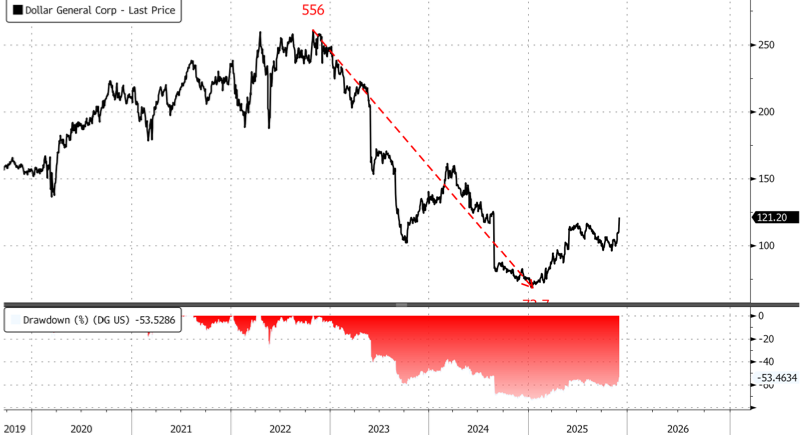
In markets, DG shares surged nearly 11% – the biggest jump since early June. The stock had been down as much as 73% from its 2022 highs as high interest rates crushed lower-income consumer activity, but the rebound is now well underway. DG suddenly looks like a name to watch heading into next year.
Goldman Sachs Managing Director Kate McShane is “Buy” rated on Dollar General with a 12-month price target of $126 …
Here’s what other Wall Street analysts are saying:
Bernstein, outperform (Zhihan Ma)
This is another “strong beat and raise” from Dollar General, with gross margin outperformance (up 110bps y/y) the key driver amid shrink recovery, higher inventory markups, partly offset by LIFO charges
NOTE: “Shrink” in retail refers reduced inventory due to theft, damage or other causes of product loss before it is sold to the consumer
Ma notes that comp. sales were “entirely led by traffic growth while ticket was flat”
“We don’t expect outsized comp sales growth from DG, like what Five Below reported yesterday, as DG doesn’t benefit nearly as much from tariff-driven price increases or Temu’s pullback,” she says
For DG, she sees further gross margin recovery potential into FY26
“Jury is still out on the retail media growth potential,” which she hasn’t assigned any value to
Bloomberg Intelligence, Jennifer Bartashus
“Dollar General’s efforts to improve operations by executing well on retail basics like clean stores, in-stock levels and sufficient labor are gaining traction with core and higher- income trade-down shoppers,” though it remains to be seen whether those new customers will stick, Bartashus writes
Gains in both consumable and discretionary categories in 3Q enabled the retailer to boost annual sales and profit forecasts
Jefferies (buy), Corey Tarlowe
This is a “clean beat” on both top- and bottom-line, driven by better‑than‑expected margins and “steady traffic gains”
Boosted guidance signals “confidence in holiday execution and continued market share gains across both departments”
Inventory discipline is “notable”
“Near term, the story strengthens on operational leverage and improved cost efficiency,” while longer term, “store growth and remodel productivity provide visibility into sustained EPS growth”
“The Company is raising its financial expectations for the year, primarily to reflect its outperformance in the third quarter, as well as its improved outlook for the remainder of the year, while also taking into consideration the potential for uncertainty related to consumer behavior,” Dollar General wrote in a press release.
Important to note: Dollar General’s customer base is primarily lower- to middle-income households that have been trapped in the K-shaped economy so far this year, still dealing with lingering woes from the Biden-Harris regime years. The third-quarter beat and rosier outlook suggest improvement within these cohorts as value-seeking consumers continue to trade down.
This previous earnings season revealed that consumers are aggressively hunting for deals:
TJ Maxx Hikes Outlook As Consumers Trade Down In Ominous Economic Signal
And there is good news for working-poor households heading into next year:
As K-Shaped Consumer Breakdown Widens, Bessent Points To Brighter 2026
And Walmart remains the discount retailer consumers gravitate to most.
Tyler Durden
Thu, 12/04/2025 – 11:25

Hobart woman gets 30 years in daughter’s neglect death
A Hobart woman got 30 years Thursday in a plea deal for her daughter’s neglect death.
Tiffany Jenkins, 34, pleaded guilty in September to neglect of a dependent resulting in death, a Level 1 felony.
Judge Salvador Vasquez rejected her first plea agreement in May for 20 years saying it was too lenient.
When Jenkins wept during that hearing, Vasquez said she failed the child.
“She should be crying,” he said.
Police responded at 6:30 p.m. June 4, 2023, to the 600 block of Harvest Court in Crown Point for an unresponsive 2-year-old child.
A toxicology report found Avia Jenkins had fentanyl in her system. An autopsy noted she had congested lungs with “foamy fluid” in her nose and mouth.
Paramedics tried to give the child naloxone to counteract the drugs.
Officers found the girl lying in a hallway. She didn’t have a pulse and was “cold” to the touch.
Tiffany said she might have swallowed “mint extract,” or something similar, the affidavit states.
The mother’s DCS drug test was positive for drugs, including cocaine, THC and fentanyl. The case worker noted she was “mentioned” in 28 case files.
Post-Tribune archives contributed.
https://www.chicagotribune.com/2025/12/04/hobart-woman-gets-30-years-in-daughters-neglect-death/

Repaving just the beginning for Waukegan corridor project: ‘The number one complaint we were getting’
Resurfacing of Washington Street in Waukegan, between Frolic and Park avenues, is nearly complete after months of work and planning for major changes to the roadway.
The project will significantly enhance mobility for motorists, pedestrians, cyclists, and public transportation users, with improvements scheduled to begin early next year.
Though planning will start in 2026, Mayor Sam Cunningham said the search for potential grant funding and the necessary engineering work, which must precede the start of any construction, puts completion of the Washington Street Corridor project years away.
Spending $5.2 million to resurface Washington Street now was a necessity even though Cunningham said the Washington Street Corridor project, which is estimated to cost in the neighborhood of $25 million, may be done in as little as five years or as long as 10 years.
“The road was in such disrepair it had to be done right now,” Cunningham said, referring to the resurfacing project. “The condition of Washington Street was the number one complaint we were getting from residents.”
Formal planning for the Washington Street Corridor Project from Green Bay Road to the Metra railroad station is expected to start in early 2026, which, when done, will complement plans for downtown Waukegan and the lakefront.
Crews work on the Washington Street resurfacing project while Waukegan officials begin to plan a much bigger effort for the roadway, one of the city’s major thoroughfares. (City of Waukegan)
“It will be a game-changer for pedestrians who will be able to walk to our lakefront,” Cunningham said. “This could be a 10-year project. It will help rebuild Waukegan.”
With more than one way to secure funding through grants or federal programs where the U.S. government pays 80% of infrastructure programs and the local governing body adds 20%, Cunningham said the first phase may take several years.
One potential source of funds is the Lake County Council of Mayors. The group is one of 11 in the Chicago area with the ability to allocate money for infrastructure projects. Cunningham said it is part of the Chicago Metropolitan Agency for Planning (CMAP).
“We plan to submit the project in 2026 for 2027 funding,” he said. “There is an annual allocation from CMAP. This may have to be a multiyear plan. Some of them take several years.”
Nearing completion, the Washington Street resurfacing project is just the beginning of the forthcoming Washington Street Corridor plan. (City of Waukegan)
Thomas Maillard, who handles special projects and legislative affairs for the city, said the entire Washington Street Corridor project includes rebuilding the road, a more extensive effort than the current repaving. Water, sewer and other underground infrastructure will be redone as well.
Maillard said the project will be multimodal, looking at how to improve the stretch of road for pedestrians, bicycle riders and public transportation like buses. Intersections will be studied to make changes that add to motorists’ efficiency, like turn lanes and traffic control devices.
“We’re already working on improving the bus shelters on Washington Street,” Maillard said. “This will include sidewalks and beautification of the Robert McLory Bike Path. It may include reconfiguring part of it.”
Once the first phase is done and funding secured, Cunningham said the project moves into Phase 2. It is an extensive and detailed engineering process that enables potential contractors to bid on the effort. Phase 3 is the actual construction.
https://www.chicagotribune.com/2025/12/04/waukegan-washington-street/

Riverside Parade of Lights along Fox River ‘truly is magical,’ organizers say
The Riverside Parade of Lights unites three villages with holiday cheer Saturday night, and this year will have a centenarian serving as its grand marshal.
The fourth annual Yuletide parade begins at 6:30 p.m. Dec. 6 on South Lincoln Avenue in West Dundee. It travels north to the Main Street bridge into Carpentersville about 6:45 p.m., heads east to Washington and Water streets, south to East Dundee and ends at Bartels Park about 7 p.m.
It will take a slight detour in East Dundee because of construction by Bartels Park, said Katherine Diehl, special events coordinator for the village.
“The big Coca-Cola truck and West Dundee’s big ladder truck will have to keep going straight down Barrington,” Diehl said.
DeLoris Doederlein, 100, of East Dundee, will serve as grand marshal. The former Illinois state representative celebrated her milestone birthday in October.
“She’s our local celebrity who turned 100 this year,” said Melissa Hernandez, president of the Northern Kane County Chamber of Commerce. “She’s super excited. She’s gotten the royal treatment since turning 100 and this will be the crown jewel for her.”
There are 45 floats in this year’s parade, she said.
“The floats have gotten more spectacular over the years. People put more lights up and they get more creative, which has been really fun to watch,” Hernandez said. “It’s vehicles that are covered from bumper to bumper with Christmas lights.”
Dundee Township Park District had a Charlie Brown/Peanuts theme for its entry last year in the Riverside Parade of Lights, which this year will take place Saturday night in East Dundee, West Dundee and Carpentersville. (Northern Kane County Chamber of Commerce)
The famous Coca-Cola Holiday Caravan, sponsored by Reyes Coca-Cola Bottling in West Dundee, is an annual crowd pleaser, she said.
Several other businesses and community groups participate, including Flood Brothers Disposal.
“They really do a garbage truck up in a way that even anyone who hates garbage would love,” she said. “It’s so beautiful.”
All three municipalities have in a fire truck, public works vehicle and police car in the lineup.
“They kind of have a little internal competition amongst themselves, which we enjoy every year,” Hernandez said.
The parade is sponsored by the villages of Carpentersville, East Dundee and West Dundee and the Northern Kane County Chamber of Commerce. West Dundee and East Dundee are presenting Dickens in Dundee on Friday and Saturday and Carpentersville has Winterville in Triangle Park along the parade route Saturday.
“People can come for Winterville and the tree lighting and photos with Santa and could stay and have a prime spot for watching the parade,” she said.
Hot cocoa will be sold by Eastside Cafe for $2 a cup (cash only) at the tent located on Water Street near Barrington Avenue in East Dundee. A coffee and seasonal beverage tent manned by Biggby Coffee will be next to the hot cocoa tent. Donations will be accepted for the D300 Food Pantry, with Eastside Cafe matching all donations received.
There are several good locations to view the parade, Hernandez said. Last year it was estimated about 2,500 people attended.
The parade route follows the Fox River for optimal viewing from East Dundee or West Dundee, she said.
“The lights reflect on the river so it truly is magical,” she said. “You can’t duplicate what we’re able to do with this parade in this area. Those on the route really get into the parade and I think that makes it more exciting.”
Annie Alleman is a freelance reporter for The Courier-News.
https://www.chicagotribune.com/2025/12/04/riverside-parade-fox-dundee-carpentersville/
Muere el diseñador de vestuario checo ganador del Oscar, Theodor Pištěk
Associated Press
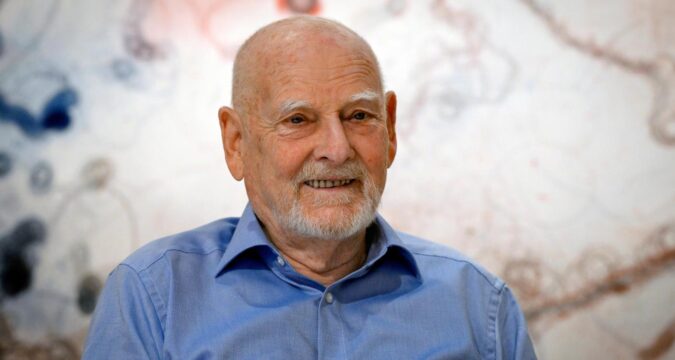
PRAGA (AP) — Theodor Pištěk, un diseñador de vestuario y escenografía y pintor checo que ganó un Oscar por su trabajo en la película de 1984 “Amadeus”, ha fallecido. Tenía 93 años.
Su muerte fue anunciada el jueves por la ciudad de Mukařov, al este de Praga, donde vivía, y fue confirmada por su familia a la agencia de noticias local CTK. Dijeron que murió el miércoles, pero no dieron más detalles.
Los trajes de Pištěk aparecieron en las películas del director František Vláčil desde finales de la década de 1950, incluyendo “Marketa Lazarová” y “El Valle de las Abejas”, pero su trabajo más famoso aparece en las películas del fallecido director de origen checo Milos Forman.
Los dos se hicieron amigos durante su servicio militar obligatorio en la Checoslovaquia comunista.
Forman terminó asentándose en Estados Unidos tras la invasión soviética de Checoslovaquia en 1968, y aunque Pištěk permaneció en Checoslovaquia, ambos cooperaron en películas.
Pištěk ganó un Oscar por el mejor diseño de vestuario en “Amadeus”, que ganó varios premio de la academia y fue filmada en Checoslovaquia.
Al aceptar el premio en 1985, dijo que era “el día más grande y feliz” de su carrera cinematográfica.
Pištěk también fue nominado a un Oscar por la película de Forman de 1989 “Valmont”. Ganó el premio César francés por esa película.
Pištěk y Forman también trabajaron juntos en “The People vs. Larry Flynt”.
Pištěk nació el 25 de octubre de 1932 en Praga, de padres que eran ambos actores. Se graduó de la Academia de Bellas Artes de Praga en 1958. Hasta mediados de la década de 1970, Pištěk también estuvo involucrado en las carreras de motor como piloto y los automóviles se convirtieron en un tema de las pinturas que realizó y que se exhibieron en Estados Unidos y en otros lugares.
Después de la Revolución de Terciopelo de 1989 liderada por el fallecido Vaclav Havel que derrocó al régimen comunista, Pištěk diseñó los uniformes para los guardias en el Castillo de Praga, la sede de la presidencia.
Como presidente, Havel le otorgó una condecoración estatal en 2000.
______
Esta historia fue traducida del inglés por un editor de AP con la ayuda de una herramienta de inteligencia artificial generativa.
In Case Of Emergency Break Rules
In Case Of Emergency Break Rules
By Michael Every of Rabobank
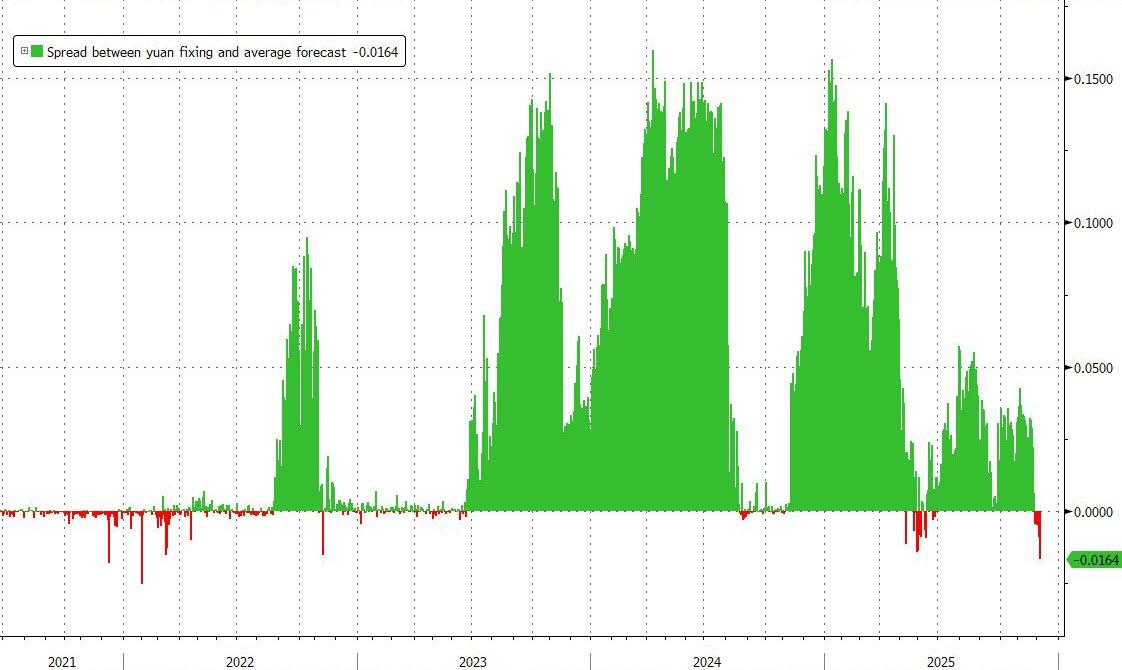
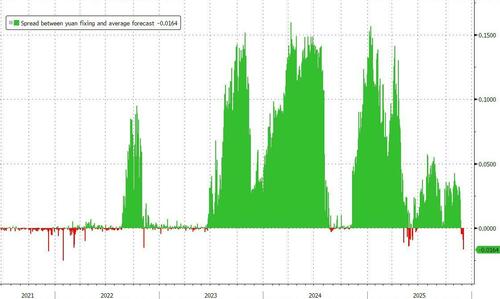
Markets start the day mixed. Bad US ADP jobs data saw the old rule that this is bullish for rates, so stocks. By contrast, Australian household spending of 1.3% m-o-m (regardless of how many it covers) saw rate hike bets pick up, with the 3-year yield above 4% for the first time since January. This morning, China also set the daily reference rate for CNY significantly weaker than expected, underlining its rule remains that its currency goes where it wants, not markets – and it doesn’t want it too strong even as its trade surplus reaches staggering dimensions.
But the rules are changing. The FT says hedge funds warned the White House about picking the head of the National Economic Council, Kevin Hassett, as the next Fed Chair because he “will be swayed by Trump on interest rates.” As our US strategist Philip Marey notes in his 2026 Outlook, that’s exactly what we expect to happen. Moreover, as underlined here many times before, that’s potentially just part of the new central banking rules as economic statecraft wins, and technocracy loses. Indeed, Bloomberg reports Treasury Secretary Bessent is floated to replace Hassett at the top of the NEC, double hatting like Secretary of State Rubio. ‘Move fast and break things’ comes to mind.
Likewise, Brussels floated “emergency” powers to raise €210bn from frozen Russian assets as: NATO’s head pledged it’s “ready to do what it takes” to protect Europe – when it isn’t; the Telegraph warned ‘Trump may now abandon both Russia and Ukraine’ – as Rubio will skip the NATO foreign ministers’ meeting for the first time in 20 years and send a NATO sceptic instead; and talk is of ‘Europe’s race back to the draft’ as “Europe’s defence debate now centers on one blunt question: how many people can fight if they must?” – and “very few” is the clear answer.
The EC proposal is still de facto seizure of Russian assets with extra pledged protections for Belgium vs. Moscow’s retaliation and qualified majority voting under Article 122, allowing for ‘exceptional measures’ when the European economy is at risk, to block Hungarian or Slovakian vetoes. EU leaders will make a final decision on 18 December: if no deal can be struck, von der Leyen stated the EU will resort to joint debt issuance, as in Covid. Either way, rules are going to be broken, it seems.
Yesterday, Europe also broke more of its preferred free-market rules. It banned Russian LNG by end-2026 and pipeline gas by September 2027, with oil floated by end-2027; revived its China de-risking plans in an economic security package; threatened to use its Anti-Coercion Instrument vs. China; pushed a magnet recycling plan; and announced a target for 70% of ‘critical goods’ to be “made in Europe”. Make Europe Great Again?
But can Brussels focus as the rule of law comes down on it? Politico argues, ‘Fraud probe risks plunging EU into biggest crisis in decades’ and “People who don’t like von der Leyen will use this against her.” Euractiv says, ‘Welcome to the jungle: Raids, arrests, and a crisis of EU credibility’, and “As far-right parties hammer Brussels over corruption, the EU’s own investigators may be proving them right.” Reportedly, top Commission official Sannino is also taking early retirement amid this scandal. For those thinking maybe economic statecraft is a flag to rally round, Germany’s far left just saved Chancellor Merz from a potential humiliation on pensions by abstaining in a key vote. What if a real military draft or joint debt issuance has to be voted on in Berlin, Paris, Madrid, Rome, etc.?
For the UK, this is tricky given Labor leans towards Europe, with suggestions it might consider a rule-breaking push to re-enter the Customs Union. Yet the EU’s new stance means the UK couldn’t supply most critical goods on top of limiting its ability to trade freely with the US, the Anglosphere, Japan, or South Korea, etc., unless/until a higher tariff pan-Western trade umbrella is eventually raised vs. China (which we see as the broad Trump plan). Grand macro strategy is hard when you don’t know you are in it.
At the macro level, some rule changes are the rule. In the UK, the OBR, stuck in a scandal, says billions in green energy subsidies were excluded from the recent, controversial Budget, as Chancellor Reeves has ordered a Treasury inquiry over leaks about it. (Not the officially sanctioned ones.)
In China, Shanghai launched a clampdown on “property market doom-mongering,” with up to internet 70,000 accounts shut down. That’s after the government reportedly told two private data agencies to withhold monthly home sales data for November, and until further notice. There are questions over when we will see those series return: presumably when sales are going up… which could be some time. Yet neither this nor the news that Chinese AI and big data are officially to guard against Western values and promote socialism will shake the market rule that says China is very investable vs. the previous “uninvestable.” THAT isn’t made by portfolio managers or analysts, but the MSCI equity index review process. Until one day it isn’t.
In the US, Axios reports the White House response to political and economic pressures is to double down on “ultra-MAGA”. As a new example, car fuel efficiency standards are to be relaxed to try to bring down vehicle prices, after floated changes in health insurance and mortgages.
Part of that will also be a White House focus on robotics to match that on AI, mirroring China. Yet how that eases MAGA voters’ concerns over looming job losses is unclear, unless robots first replace the millions of workers Trump wants to deport? Logically, labor costs don’t have to rise if so – and yet that again wouldn’t please many voters either. Mirroring rule breaking because of cost pressures and potential geopolitical emergencies also sees the Pentagon deploying a new, cheap kamikaze drone directly copied from an Iranian design, the Shaheed (as used by Russia vs. Ukraine, and which was unwittingly developed in part by British universities, “because markets”).
Ultra-MAGA also seems OK with its rule change towards backing regime change in Venezuela, as the Telegraph claims Maduro’s ‘terms of surrender’ were unacceptable to Trump: a blanket amnesty for himself and top officials as well as $200m. However, there rumours fly of a looming Maduro exit to various global locations, including Qatar. For its part, China is seen as unlikely to aid Venezuela: its experts reportedly think a Trump takeover could benefit Beijing if ‘spheres of influence’ come back into vogue, which obviously brings Taiwan into the mix again.
To come full circle, once spheres of influence are brought into the debate, and they are, the underlying emergency in Europe is even clearer. It doesn’t have one – it IS one.
If so, many more rules are going to be broken; either that or comfortable delusions will be. Remember:
IN CASE OF EMERGENCY BREAK RULES
Tyler Durden
Thu, 12/04/2025 – 11:05
https://www.zerohedge.com/markets/case-emergency-break-rules
EEUU y Kenia firman acuerdo de salud alineado con políticas de Trump
Por MATTHEW LEE y GERALD IMRAY
WASHINGTON (AP) — La administración Trump ha firmado el primero de lo que se espera sean docenas de acuerdos de salud que priorizarán la lucha contra enfermedades infecciosas en países considerados alineados con los objetivos y posiciones más amplios de política exterior del presidente.
El acuerdo “Estados Unidos Primero” abarcará cinco años y 2.500 millones de dólares, fue firmado con Kenia.
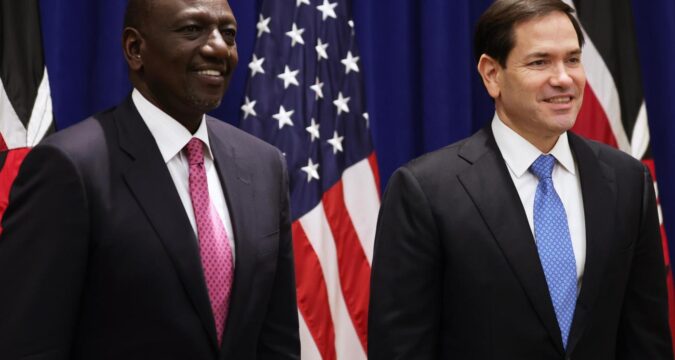
Fue firmado el jueves por el presidente keniano William Ruto y el secretario de Estado Marco Rubio para reemplazar un mosaico de acuerdos de salud anteriores que tradicionalmente habían sido gestionados por la Agencia de los Estados Unidos para el Desarrollo Internacional (USAID) durante décadas, hasta que la administración Trump lo desmanteló a principios de este año.
La eliminación de USAID como una agencia separada provocó críticas generalizadas y preocupación en la comunidad de salud global, ya que su impacto inmediato resultó en la desfinanciación de múltiples cientos de programas enfocados en el mundo en desarrollo, incluidos recortes a programas de atención materna e infantil, nutrición y anti-VIH/SIDA.
Rubio afirmó que el acuerdo con Kenia “tiene como objetivo fortalecer el liderazgo y la excelencia de Estados Unidos en salud global mientras elimina la dependencia, la ideología, la ineficiencia y el despilfarro de nuestra arquitectura de asistencia exterior”. También elogió a Kenia por su papel en liderar y contribuir a la fuerza de estabilización internacional que trabaja para combatir poderosas pandillas en Haití.
Ruto elogió el acuerdo y expresó que Kenia continuaría desempeñando un papel en Haití mientras la fuerza de supresión de pandillas se transforma en una operación más amplia.
Bajo el acuerdo de salud con Kenia, Estados Unidos contribuirá con 1.700 millones de dólares del monto total, mientras que el gobierno keniano cubrirá los 850 millones de dólares restantes. El acuerdo se centra en prevenir y tratar enfermedades como el VIH/SIDA, la malaria y la tuberculosis, con un énfasis en proveedores médicos basados en la fe, aunque todas las clínicas y hospitales inscritos en el sistema de seguro de salud de Kenia serán elegibles para recibir financiamiento, según funcionarios estadounidenses.
“Este marco de cooperación es un cambio significativo respecto al pasado y tendrá un impacto duradero en la salud para todos”, indicó Ouma Oluga, secretario principal de servicios médicos de Kenia.
Los programas de planificación familiar que cumplan con las restricciones de Estados Unidos sobre la provisión de servicios de aborto también serán elegibles, según Jeremy Lewin y Brad Smith, dos funcionarios del Departamento de Estado involucrados en las negociaciones. Dijeron que el acuerdo no discriminaría a personas homosexuales y transgénero ni a trabajadores sexuales.
Se espera que varios otros países africanos firmen acuerdos similares con Estados Unidos para fin de año aunque dos de las naciones más pobladas del continente —Nigeria y Sudáfrica— probablemente no formarán parte de ese grupo debido a diferencias políticas con Trump, según Lewin y Smith.
El desmantelamiento de USAID tuvo repercusiones en toda África, cerrando programas que combatían enfermedades y el hambre y apoyaban la salud materna, e incluso algunos que abordaban el extremismo y promovían la democracia. También dejó a miles de trabajadores de la salud sin empleo porque sus salarios eran financiados por la ayuda estadounidense.
___________________________________
Imray reportó desde Ciudad del Cabo, Sudáfrica.
___________________________________
Esta historia fue traducida del inglés por un editor de AP con ayuda de una herramienta de inteligencia artificial generativa.
Mensaje migratorio de Trump en conflicto con su bienvenida a aficionados al Mundial
Por SEUNG MIN KIM
WASHINGTON (AP) — El presidente Donald Trump seguramente acaparará la atención durante el sorteo de la Copa del Mundo que se celebrará el viernes en Washington. Dará la bienvenida a equipos y aficionados de todo el mundo en un momento en que su administración está ampliando las restricciones de viaje a Estados Unidos para personas de 19 países y ha endurecido su retórica contra los inmigrantes.
La administración espera que los planes para agilizar el procesamiento de visas para visitantes y la emoción por los enfrentamientos del torneo del próximo verano, organizado por Estados Unidos, Canadá y México, superarán las preocupaciones de que el mensaje de inmigración de Trump socava el tema de unidad global que la Copa del Mundo está destinada a representar.
En la última semana, Trump ha dicho que quiere detener permanentemente la inmigración de países pobres y ha señalado a Afganistán y Somalia con particular desprecio.
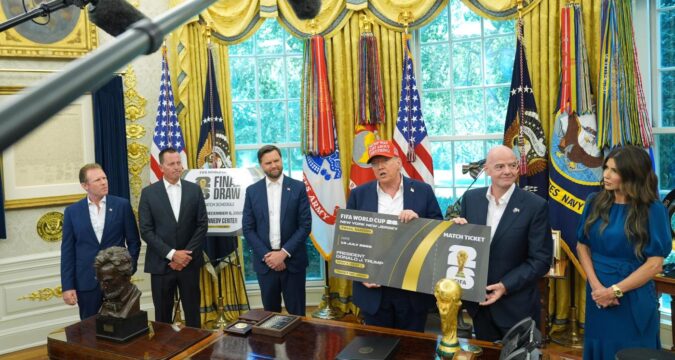
El presidente Trump estará presente este jueves para la firma de un acuerdo de paz entre Ruanda y Congo, un evento que incluirá a líderes de varios países. Además, se espera que sea honrado por la FIFA por sus esfuerzos de pacificación durante el sorteo de la Copa del Mundo.
Los críticos dicen que los mensajes contradictorios tienen importancia.
“El Mundial se supone que es un momento en el que el mundo se une, deja de lado las diferencias para celebrar el deporte, y mientras simboliza la unión del mundo, tienes a un presidente de Estados Unidos que está tratando de mantener al mundo fuera, de mantener a la gente fuera”, dijo el senador demócrata de Maryland Chris Van Hollen, miembro del Comité de Relaciones Exteriores del Senado.
“Ahí mismo, en el nivel más fundamental, tienes a un presidente que representa todo lo que la Copa del Mundo no representa”, expresó Van Hollen.
Pero Andrew Giuliani, el director ejecutivo del grupo de trabajo de la Casa Blanca para la FIFA, dijo a periodistas extranjeros el miércoles que “hay una narrativa ficticia de que el presidente no da la bienvenida a los extranjeros para que vengan a Estados Unidos” y desestimó las preocupaciones sobre la retórica de Trump.
“Es un neoyorquino como yo; a veces decimos cosas que son un poco diferentes a lo que dicen los políticos pulidos”, comentó Giuliani.
Niegan entrada a funcionarios iraníes
La administración de Trump está alistando una expansión del veto de viaje que promulgó en junio. La secretaria de Seguridad Nacional, Kristi Noem, dijo el lunes que planea recomendar un “veto total de viaje a todos los malditos países que han estado inundando nuestra nación con asesinos, sanguijuelas y adictos a los beneficios”.
Las restricciones afectan a dos países que se han clasificado para el torneo de fútbol: Irán y Haití. La prohibición impide la entrada a Estados Unidos a ciudadanos de 12 países, y hay restricciones más estrictas para visitantes de otros siete.
El veto incluye excepciones para atletas de la Copa del Mundo, entrenadores, “personas que desempeñan un papel de apoyo necesario” y sus familiares inmediatos. Pero no podrán entrar los aficionados de esos países y que son una fuente importante de ingresos turísticos para cualquier evento de la Copa del Mundo.
Irán ha dicho que boicoteará el sorteo en el Kennedy Center después de que se negaran visas a miembros clave de su delegación.
El portavoz de la federación de fútbol de Irán dijo que sus funcionarios enfrentaron obstáculos de Visa que iban más allá de consideraciones deportivas. La Casa Blanca remitió los comentarios sobre el asunto al Departamento de Estado, que dijo que la administración está comprometida a apoyar la Copa del Mundo mientras se mantiene la ley de Estados Unidos y se garantiza la seguridad nacional y la seguridad pública.
“Parte de la delegación fue aprobada y parte de la delegación no fue aprobada”, manifestó Giuliani. “Es una decisión de seguridad nacional”.
Las denegaciones de visa se produjeron a pesar de las garantías a principios de este año por parte de Gianni Infantino, el presidente de la FIFA que tiene estrechos lazos con Trump y es un visitante frecuente de la Casa Blanca.
En octubre le dijo a los periodistas en una asamblea de Clubes de Fútbol Europeos en Roma que “obviamente no habrá problemas con respecto a las Visas para los equipos participantes y las delegaciones, etc. Y estamos trabajando en algo para los aficionados, con suerte, pronto habrá buenas noticias”.
Un acto de equilibrio de la Copa del Mundo
La Casa Blanca ha enfatizado que está destinando recursos para agilizar el procesamiento de visas para los aficionados que asistirán al torneo de 48 naciones.
El representante Darin LaHood, quien ha participado en múltiples reuniones del grupo de trabajo de la FIFA en la Casa Blanca este año y es un entusiasta aficionado al fútbol, señaló que se han acortado los tiempos de procesamiento de Visa y dijo que eso es prueba de que la administración “quiere que esto funcione y quiere que la gente venga aquí”.
“Creo que el deporte y la Copa del Mundo trascienden la política”, dijo LaHood, R-Ill.
“Debe haber un mensaje de bienvenida para que la gente se sienta cómoda viniendo a Estados Unidos”, comentó LaHood. “Creo que comenzarán a ver eso después del sorteo y cuando las cosas estén establecidas”.
El Departamento de Estado ha desplegado más de 400 oficiales consulares adicionales para manejar la demanda global de visas, y el secretario de Estado Marco Rubio ha dicho que en aproximadamente el 80% del mundo, los viajeros a Estados Unidos pueden obtener una cita para visa dentro de 60 días. Un nuevo sistema, “FIFA Pass”, permite a aquellos que han comprado boletos para la Copa del Mundo a través de la FIFA obtener citas de visa aceleradas.
Sin embargo, ha habido recordatorios muy viscerales de cómo la represión de la inmigración por parte de la administración podría interferir con los eventos de la Copa del Mundo.
Durante el torneo de la Copa Mundial de Clubes este verano, Alex Lasry, el CEO del comité anfitrión de la Copa del Mundo de Nueva York/Nueva Jersey, notó publicaciones oficiales del gobierno en redes sociales advirtiendo que agentes federales de inmigración estarían “equipados y listos” en los partidos.
Preguntado el miércoles sobre la posibilidad de redadas de inmigración en los partidos de la Copa del Mundo, Giuliani dijo a los periodistas que Trump “no descarta nada que ayude a hacer más seguros a los ciudadanos estadounidenses”.
—
El escritor deportivo de AP Graham Dunbar en Ginebra, y el escritor diplomático de AP Matthew Lee contribuyeron a este informe.
___
Deportes AP: https://apnews.com/hub/deportes

“We Must Protect Volodymyr”: Leaked Call Shows European Leaders Conspiring Against Trump Peace Plan
“We Must Protect Volodymyr”: Leaked Call Shows European Leaders Conspiring Against Trump Peace Plan
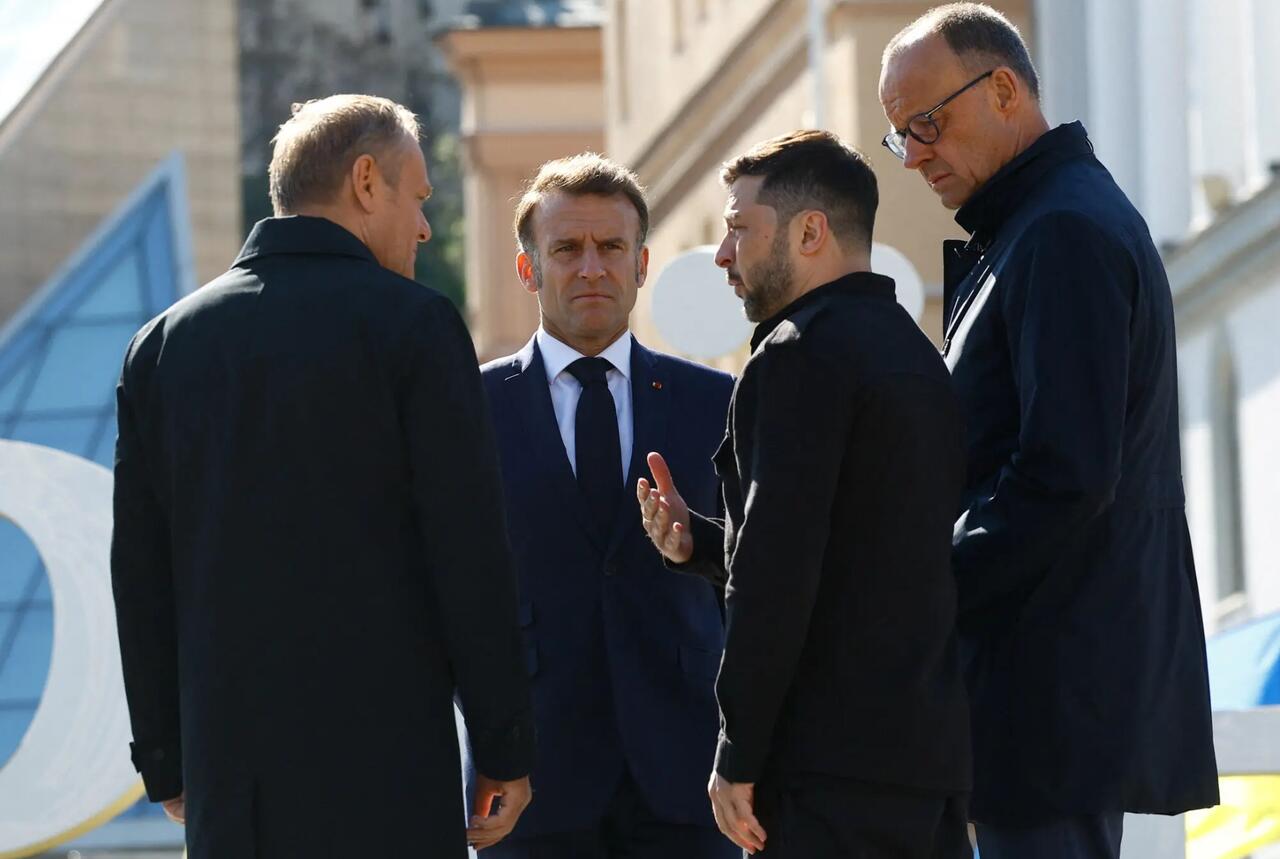
In a development that is not entirely surprising, European leaders are claiming that Washington is looking to “betray” Ukraine and President Zelensky during potential formal peace negotiations with Russia. “There is a possibility that the United States will abandon Ukraine on territorial questions without providing clarity on security guarantees,” French President Emmanuel Macron reportedly said according to a “leaked” phone call record with other European leaders.
Likely this was an intentional leak and bit of strong signaling to the Trump administration, as Europe has not been on board with the US President’s proposed peace plan from the start. “There is a possibility that the US will betray Ukraine on the issue of territory without clarity on security guarantees,” Macron continued. He laid his view that there was “a great danger” for Zelensky. However, Macron’s office has subsequently sought to clarify that “The president did not use those words.”
The leaked transcript of the call between European leaders strategizing about how to protect the Zelensky government and Kiev’s interests was published Thursday by the German magazine Der Spiegel.
Also reportedly on the line engaged in the conversation were German Chancellor Friedrich Merz, NATO Secretary-General Mark Rutte, Finnish President Alexander Stubb, and of course Zelensky as well.
Merz had in the dialogue agreed that Zelensky should be “extremely careful in the coming days” and warned the Ukrainian leader that “they are playing games with you and with us.”
Finland’s President Stubb followed with, “We must not leave Ukraine and Volodymyr alone with these people” – after NATO Secretary General Rutte chimed in: “I agree with Alexander. We must protect Volodymyr.” The underlying assumption seems to be that Zelensky is in a weak position and is being bullied by the more powerful US officials who have leverage.
The context to this part of the conversation is particularly interesting, given it seems to focus on Trump envoys Steve Witkoff and Jared Kushner, who were just in Moscow meeting with Putin, and are spearheading efforts to get the Trump 28-point peace plan (or 19-points based on reports of a revised version) past the goal line. Politico presents the section of the transcript as follows:
Finland’s Stubb seemed to agree with Merz, according to the transcript. “We cannot leave Ukraine and Volodymyr alone with these guys,” he said, apparently referring to Witkoff and Kushner, which attracted agreement from Rutte.
“I agree with Alexander — we must protect Volodymyr [Zelenskyy],” the NATO chief said. NATO declined to comment when reached by POLITICO.
Der Spiegel admits in its report that “These and other statements reproduced in the notes of the conversation illustrate the Europeans’ deep distrust of the two Trump confidants.” Michael Weiss, who was one of the report’s co-authors, framed all of this as focused on countering “American dirty tricks to the end war.“
One aspect to the conversation was the leaders found agreement on the issue of frozen Russian assets kept in EU banks, which they consider a purely European prerogative, amid recent reports the US is ready to return these to Moscow as part of a finalized Ukraine peace deal.
Washington efforts to quickly achieve peace by seriously engaging both sides are likened to “dirty tricks”?…
New at @derspiegel: We obtained the transcript of a conference call of top European leaders and Volodymyr Zelensky, warning of American dirty tricks to the end war.
Emmanuel Macron said there’s a chance the U.S. will “betray” Ukraine on territory.
Friedrich Merz said: “They… pic.twitter.com/BjvzKPTw52
— Michael Weiss (@michaeldweiss) December 4, 2025
Zelensky’s office has meanwhile neither conformed nor denied the accuracy of the leaked transcript. An unnamed Ukrainian diplomat did respond as follows when probed by Politico: “In general, only the Russians benefit from any splits between Europe and America, so our consistent position is that transatlantic unity must be maintained.”
But the reality is that Zelensky has constantly pushed back against the idea of forging a peace without direct Ukrainian oversight and input. He has also consistently refused territorial concession, and his European backers have also balked at this key part of the Trump plan. The Kremlin is currently insisting that its control over the Donbass and Crimea not be just deemed de facto – but it wants full international and Ukrainian legal recognition that these territories are under the Russian Federation.
Tyler Durden
Thu, 12/04/2025 – 10:45