Category: News

Editorial: Mayor Brandon Johnson should endorse Ald. Brian Hopkins’ latest teen curfew proposal
Ald. Brian Hopkins, whose 2nd Ward includes much of downtown Chicago, deserves the city’s thanks for striving repeatedly to find a means that will pass muster with our mayor to control mobs of teens who “take over” the Loop and cause mayhem and sometimes death.
The issue has resurfaced with the downtown shooting death of a 14-year-old last month after the annual tree-lighting ceremony. With two days’ notice that a large teen gathering was planned, police appeared to take all the right steps to keep things under control. But tragedy ensued anyway.
We think Ald. Hopkins finally has hit on the right way of giving the Chicago Police Department the tools it needs to stop these mob events before they get started. A new proposed ordinance he filed earlier this week would allow CPD Superintendent Larry Snelling, in consultation with Deputy Mayor for Community Safety Garien Gatewood, to declare four-hour curfews for minors within discrete areas with at least 12 hours’ advance notice.
Recall that an earlier Hopkins initiative to give Snelling powers to declare “snap” teen curfews passed the City Council but was vetoed by Mayor Brandon Johnson. Even Snelling at the time said he didn’t need the ability to impose curfews with almost no notice in order to disperse teen mobs. And, though we urged Johnson to sign the snap curfew, we’ve been squeamish, too, at the prospect that young people not part of these planned gatherings could get caught up accidentally in the police actions.
The minimum 12-hour lead time Hopkins now is proposing gives minors and their parents more than ample warning to stay away from a specific part of the city at a specific time. Arrests for curfew violations, rather than for failing to respond to dispersal orders outside of curfew hours, don’t go on teens’ records and thus don’t affect anyone’s future prospects. Those arrested are held until picked up by a parent or someone else responsible for them.
As Hopkins explained to us, police are reluctant to arrest teens who gather in mobs for fear precisely of having those arrests recorded for posterity. But police are more willing to arrest those who violated curfew.
Indeed, Hopkins said, the officers on the awful night of the tree-lighting waited until 10 p.m., when the city’s ordinary teen curfew begins, to make arrests. Once a few of the mob leaders had been arrested, the others quickly scattered, Hopkins said. But for nearly an hour before that point, police struggled to get the scene under control.
Hopkins’ explanation and his proposed method of addressing the problem make perfect sense to us. And they should make perfect sense, too, to the mayor. He’s likely again to have to decide whether to veto this latest curfew plan. Hopkins believes he’ll have more than 30 aldermen voting yes on his ordinance, but likely not the required 34 to override a veto.
He’s optimistic Johnson will find this version more palatable than the earlier effort.
Unfortunately, Ald. Jason Ervin, 28th, immediately moved to consign Hopkins’ proposal to the Rules Committee, where proposed ordinances famously “go to die.” There’s too much support for this measure to stay in the Rules Committee, but the maneuver does mean there will be some delay. That’s unfortunate.
All involved, including the mayor, agree these teen takeovers are a hazard. The mayor should signal quickly that he supports this version of the curfew, and the council should pass it as soon as possible.
Submit a letter, of no more than 400 words, to the editor here or email letters@chicagotribune.com.
Editorial: Cook County’s electronic monitoring system is putting people in danger. Fix it now.
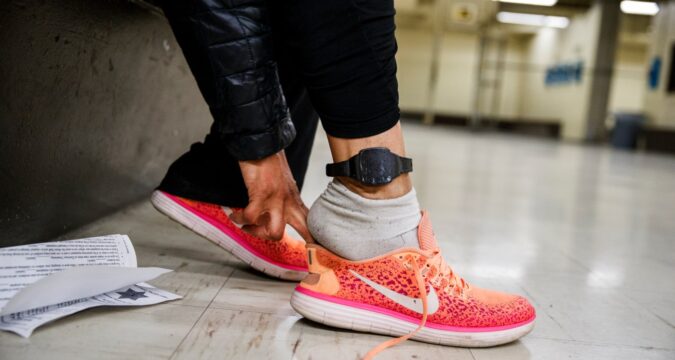
When we learned that the man who allegedly set 26-year-old Bethany MaGee on fire on a Blue Line train last month not only had been arrested more than 70 times but was also out on electronic monitoring after assaulting a social worker at MacNeal Hospital — in spite of the Cook County state’s attorney’s request that he be held — we were alarmed. That man, Lawrence Reed, had violated his electronic monitoring terms multiple times prior to the attack.
Given the shocking, high-profile nature of this story, you might be tempted to believe it an anomaly.
It is not.
In June, Chicagoan Arturo De La Mora was sentenced to 52 years in prison for murdering his girlfriend while he was on electronic monitoring for a prior felony gun case, crime news site CWBChicago reported. In October, a Chicago man received 22 years in prison for carjacking a Facebook Marketplace seller at gunpoint while on electronic monitoring for an earlier case in which he allegedly tried to kill a Cook County sheriff’s deputy.
A little over a year ago, Lacramioara Beldie was stabbed to death in Portage Park by her estranged husband, Constantin Beldie, who was on electronic monitoring at the time. A wrongful-death suit filed this month alleges he had dozens of monitoring violations leading up to the killing without any meaningful intervention from the county or its monitor vendor.
These are but a few horrific examples of a disastrous system that must be fixed, and quickly.
We spoke Tuesday with Cook County State’s Attorney Eileen O’Neill Burke about this serious problem. Burke assured us that her office is committed to requesting pretrial detention whenever the public is at risk, and the data she shared encourages us that the state’s attorneys arguing these cases on the front end are doing their part to prevent more danger.
Her team touted an increase in pretrial detentions under her watch, noting that, for example, detentions for aggravated domestic battery cases had increased to 85% from 61% under her predecessor. For cases involving handguns converted to the equivalent of machine guns, Burke’s office requested detention in 97% of cases, with judges approving pretrial detention 76% of the time. Again, these numbers and the higher frequency of judges approving prosecutors’ requests for detention are encouraging. But the problem of past detention refusals that have left violent folks on the streets with inadequate guardrails — and the potential for more in the future — continues to plague us.
“Electronic monitoring needs a law enforcement component,” Burke added, addressing the need to be able to enforce electronic monitoring terms and restrictions when people don’t comply. She’s right. As the system exists today, there’s next to no accountability and no muscle at all to ensure compliance while people remain free ahead of their court dates. Burke described herself as “the skunk at the garden party” for questioning what happens when someone, say, cuts off their monitor ahead of trial.
We need answers to questions like that. The county cannot continue operating a system without clear protocols for violations, otherwise Chicagoans and visitors to our city aren’t safe. Thankfully, the new chief judge understands this and is taking action. On Dec. 2, Cook County’s new Chief Judge Charles Beach ordered an urgent review of the county’s electronic monitoring program.
His announcement couldn’t have come soon enough. According to the November electronic monitoring report from the office of the chief judge, there are still troubling cases of defendants facing serious charges of violence on electronic monitoring, including individuals charged with murder, attempted murder and aggravated criminal sexual assault, underscoring concerns about who is being released pretrial.
Much of the problem can be attributed to a culture that predates Beach and O’Neill Burke. Electronic monitoring has been part of Cook County’s criminal justice system for decades. But its use has ballooned and been increasingly applied to people charged with serious violent offenses.
That has to change.
It’s clear the county’s electronic monitoring system isn’t working and isn’t adequately protecting the public. O’Neill Burke has committed to requesting detention for those accused of committing serious crimes, but judges have the final say on which defendants are detained. For those accused of violent crimes, there really is no alternative to home confinement and ankle monitors if a judge rules against incarceration.
So Beach needs to treat this as a crisis. We grant that solving the problem of a lack of sworn officers to enforce violations of electronic monitoring conditions will take time. Creating a new unit along those lines within the chief judge’s office should be considered now that the office has sole responsibility for managing the electronic monitoring system.
What happens in the meantime, though? Cook County shouldn’t be expected to endure the status quo a year or longer while the wheels of government spin. No doubt Beach needs to dedicate more personnel to improve compliance for those already on monitoring. But the chief judge should consider issuing temporary guidance to his fellow judges that errs on the side of protecting the public for those accused of violent crimes. Like Lawrence Reed.
Overall crime in the city is down statistically, and all are glad to see it. But no one thinks Chicago is “safe” yet. Unfortunately, the current state of electronic monitoring is a big reason why.
Submit a letter, of no more than 400 words, to the editor here or email letters@chicagotribune.com.
Chicago weather: Bitter temperatures, subzero wind chills on tap for the weekend
Bundle up, Chicago.
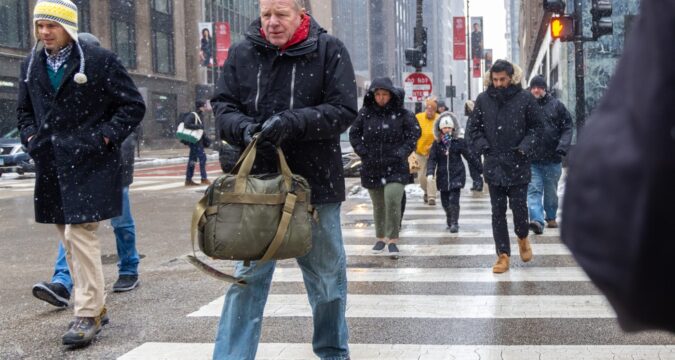
As the city’s quickest start to winter in nearly 50 years persists, this weekend is due to bring another round of bitter cold weather, officials say.
Expect temperatures to plunge starting Friday night. After highs in the low 30s, the cold will begin to set in overnight into Saturday, according to David King, a meteorologist with the National Weather Service in Chicago.
Through the start of the weekend, there’s a chance of snow, but most accumulation is expected southwest of the city, King said. It’s after that system that forecasters predict the bone-chilling temperatures to really set in.
Saturday night into Sunday morning, the city could see windchills reach as low 20 to 30 degrees below zero, King said.
As for Sunday, when the Chicago Bears face off against the Cleveland Browns at noon at Soldier Field, forecasters anticipate temperatures climbing to a frosty 12 degrees, with the lows dipping back down into the single digits by nightfall.
The Bears are no strangers to cold weather, having battled cold and windy conditions Black Friday in Philadelphia. They did it again last week at Lambeau Field in Green Bay.
Sunday’s temperatures aren’t expected to eclipse the coldest Bears game at Soldier Field on record in December 2008, when the Bears beat the Packers in a game that saw temperatures reach 2 degrees.
The weather service’s King encouraged anyone stepping out into the cold this weekend to take extra care with layering up.
Citywide, as subzero conditions set in, warming centers will be open starting Friday, the city’s Office of Emergency Management and Communications said in a news release. Warming center hours and locations can be found at https://bit.ly/4rTla3V or by calling 311.
Outside of the city, Cook County will be opening warming centers in the north, west and south suburbs, with locations at the Skokie, Maywood and Markham courthouses. The centers will open at 8:30 a.m. Friday and run continuously through 4:30 p.m. Monday. Centers are welcome to pets in cages or carriers and will have both snacks and access to restrooms.
A map of other warming centers operated by municipalities around the county is available at https://bit.ly/4q7POVK.
As a precaution, some suburbs have opted to cancel activities and holiday fare planned for the weekend. Local park district officials in Aurora have canceled all Holiday Express events at the city’s Blackberry Farm through Saturday and Sunday. In Will County, a food giveaway at Lockport Township High School planned for Sunday was also canceled ahead of the extreme cold.
Still, the region may get a reprieve from the frigid — and snowy — start to December beginning next week. On Monday, highs will start to reach into the 20s, weather officials say, followed by a milder pattern as the week goes on.
More weather news
Chicago weather: How our 2025-26 seasonal snowfall compares with previous years
Chicago’s winter parking ban goes into effect Dec 1. Here’s what to know — snow or no snow.
Chicago weather: What’s normal for fall’s first freeze and first snow? And when does it happen?
Early December snow breaks record in Chicago, National Weather Service says
A snowy, cold start to winter follows a very warm fall. How are Illinois seasons changing?
Christmas tree lots in Chicago prepare for heavy snow and customers: ‘When it snows, they feel more Christmasy’
https://www.chicagotribune.com/2025/12/12/chicago-weather-weekend-forecast/
Report: Cook County should revamp property tax breaks for businesses
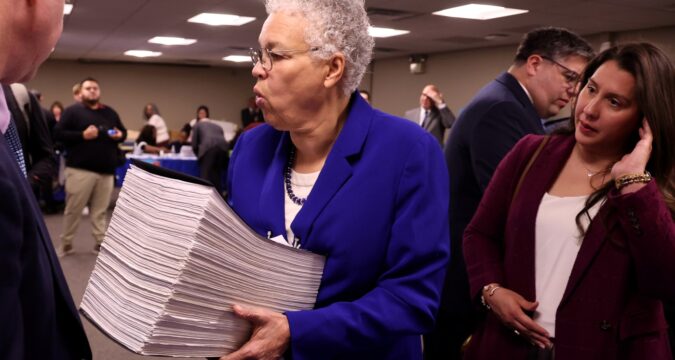
Cook County’s system to give property tax breaks to businesses is set to expire in two years, and Board President Toni Preckwinkle is looking to revamp the program that has already shifted billions of dollars in tax levies into the wallets of homeowners and other property owners.
While most Cook County residents are likely scarcely aware of the tax incentive program, its impact is far-reaching.
In 2022 alone, more than 90 municipalities across the county granted the breaks to qualifying businesses, taking $7.58 billion of those properties’ fair market value off the tax rolls, according to an analysis released by Preckwinkle’s office Friday.
That pushed $343 million onto property tax bills for other homeowners and businesses that year. But local officials generally consider incentives to be worth it to drum up jobs, broaden the county’s tax base and prevent industrial businesses from decamping to lower-tax competitors in Will County or Indiana.
The new analysis, though, found that there is little data to track whether the incentives are actually accomplishing those goals. One certain conclusion is that a 2009 break developed to help ailing south suburban communities has lost its edge.
And furthermore, the study found, the system is “difficult to navigate, opaque to outsiders, and fractured across different public offices,” making applicants reliant on pricey attorneys with know-how.
Economic development policy experts tend to agree that incentives shouldn’t be given to businesses that don’t need them, but that need is difficult to prove without examining a company’s books.
Doling out breaks to businesses that don’t need it can force governments to forgo property tax money they could otherwise use to offer better services or infrastructure. It can also fuel a “race to the bottom” where communities offer a pile of incentives to poach business from their neighbors.
The study is part of Preckwinkle’s Property Tax Reform Group and landed at a time when taxpayers are in a fighting mood about their bills. It was commissioned to give county leaders a road map to make the system more fair and effective before the clock runs out on the ordinances regulating the county’s most common incentives.
The Government Finance Research Center at the University of Illinois Chicago and the Chicago Metropolitan Agency for Planning have been studying the issue since 2024 and helped author the report, which recommended 30 fixes for the most common industrial breaks.
The incentives can drastically reduce a business’ property tax bill for over a decade, by dropping the amount of property value on which their tax assessment is based from 25% of the total to 10% for 10 years, then 15% for one year and 20% for a final year in the 12-year deal.
Take an industrial property in Hazel Crest worth $1 million: Normally, when its tax bill is calculated, it would be assessed at 25% of its value, or $250,000. With a “6b” incentive, it’s assessed at 10%, or $100,000. For the 2022 tax year, that owner’s 2022 bill would be about $77,000 instead of $192,000 thanks to the break.
Incentives are available to a dizzying array of properties. Newly-built, redeveloped or rehabilitated industrial properties; new commercial properties; grocery stores in food deserts and properties developed on former polluted areas known as brownfields can each qualify. The county also offers a three-year break for new or rehabbed commercial properties, and the dedicated 10-year Class 8 break is granted in certain communities “in need of revitalization” — Bloom, Bremen, Calumet, Rich, and Thornton townships.
The use of incentives is especially prevalent in the south and west suburbs and near Chicago’s two airports.
But for the most part, the county isn’t particularly selective about who gets the deals, the report found. Any business that fits the qualifications and makes it through the gantlet of government approvals is considered entitled to a break “by-right,” and its impact is ultimately not studied.
“The county has an incomplete and unreliable record of past applications (especially for unfinished or unsuccessful projects), and the limited information that is available cannot be joined with parcel-level data on properties’ characteristics and valuations,” the report notes.
During the pandemic, the county “also waived the requirement for recipients to submit triennial affidavits about the use, ownership, and occupancy of properties with an incentive.” Both prevented the study’s authors from grading the breaks’ effect on the tax base, job creation or other economic development metrics.
The county should change the application process to not only gather more of that data for municipal and county leaders to analyze, but also to simplify or centralize it for businesses applicants, the report recommends.
Right now, getting an incentive approved includes dealing with as many as five public offices, six votes by four public bodies, and thousands of dollars in fees that take up to three years to complete. Communication between the county’s Bureau of Economic Development and individual municipalities varies, which has fueled some mistrust of the program generally.
The effect of the breaks most closely guarded by local politicos, those in the Class 8 incentive, has also eroded because other incentives have changed to match its advantages. Those changes basically gave applicants the same benefit to locate elsewhere in the county, instead of what the break intended: to get businesses to locate or stay in disinvested suburban communities.
In suburban communities near lower-tax Indiana or Will County, municipal leaders anecdotally consider incentives a lifeline to hold on to businesses or attract any at all. Incentives are used extensively in communities such as Ford Heights, Phoenix, Matteson, Northlake, Bedford Park and Markham, the study found. But it’s hard to know whether businesses would have located in those communities with or without the incentive absent more data.
Industrial tenants’ exit en masse would significantly hike those communities’ already-high tax rates, the report found. But if they stayed after an incentive lapsed, it could dramatically reduce the area’s tax rate. Officials could grant more goodies to Class 8 recipients to induce more businesses to take them, or reduce the length or value of other incentives used around the county.
In general, the report recommended the county consider negotiated agreements that give more flexibility on the terms for incentives such as changing the timeline, the ramp down on the assessment percentage or the discount amount. The county could also consider “pay-for-performance” standards so the breaks only happen after they reach benchmarks.
Business incentives help determine hundreds of millions in shifted property tax burdens annually, but that’s far less than the billions that move around because of homeowner exemptions.
But they are also one of the few property tax reforms the county can tackle on its own without say-so from Springfield. Preckwinkle’s team hopes some targeted changes to incentives aimed at ailing suburban municipalities, paired with a less blanket approach countywide, better administration and a faster application process can deliver more equitable economic development. In the long run they hope to reduce tax rates and deliver other collateral benefits such as more jobs and sales tax revenue.
“We look forward to reviewing the study’s recommendations and working with the Board of Commissioners on next steps,” Preckwinkle said in a release.
https://www.chicagotribune.com/2025/12/12/report-cook-county-revamp-property-tax-breaks-businesses/
Delivery Theft And Scams Are Reshaping Holiday Shopping Decisions In 2025
Delivery Theft And Scams Are Reshaping Holiday Shopping Decisions In 2025
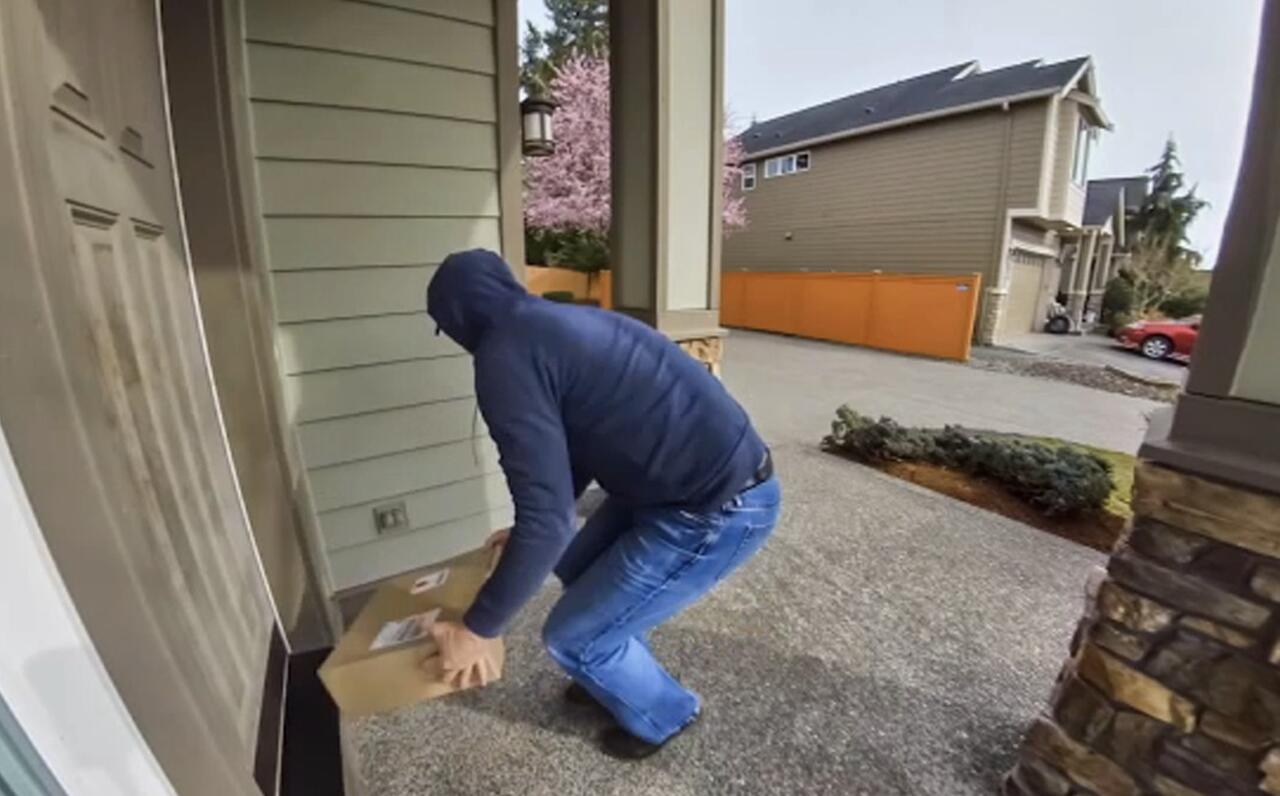
Americans may be preparing for holiday sales and gift lists, but a new survey shows that growing anxiety over safety and scams is shaping how they shop in 2025. Concerns about home security, crowded retail environments, and package theft are pushing changes in buying behavior, from delivery choices to how—and when—people visit stores, according to a study from Hanwah Vision. The key findings were:
62% of Americans are concerned about porch pirates this year.
59.5% would pay more for secure delivery options.
40.5% of Americans say that safety concerns influenced their decision to shop online or in-store this year. That share rises to 61% among Gen Z.
31% of Americans lack confidence that retailers provide adequate security during the holidays.
35.5% often avoid crowded stores or peak hours because of safety concerns.
40% of Gen Zers plan to do most of their holiday shopping online.
21% say they feel less safe in stores this year compared to last.
42% of men would buy from a website they’ve never heard of if it offered a big discount, compared to 32% of women.
Only 31% expect their overall holiday spending to rise.
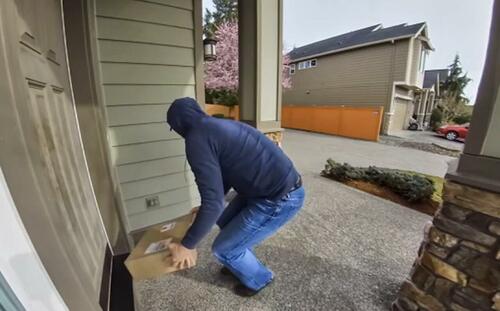
The study found that fear of package theft remains one of the biggest concerns of the season. Sixty-two percent of shoppers worry about porch pirates, and nearly 60 percent say they are willing to pay extra for delivery options that promise greater protection. Those worries are driving homeowners to beef up security with cameras, motion-sensing lights, doorbell alerts and locked delivery boxes. Shoppers are no longer just hoping their gifts arrive—they want assurance that they will arrive safely.
Safety is also influencing where people shop. Forty-point-five percent of Americans say concerns about crime, scams or crowded stores played a role in whether they chose in-person shopping or online purchasing this year. Among Gen Z shoppers, that figure climbs to 61 percent, with 40 percent planning to do most of their holiday shopping online. Younger shoppers are especially wary of in-store risks, with one in five saying they feel less safe in shops this year than last. Their shift online might protect them from in-store theft or crowds, but it brings new vulnerabilities such as phishing scams and counterfeit retailers.
The study says that security doubts extend to brick-and-mortar stores. Nearly a third of shoppers say they don’t trust retailers to provide adequate protection during the holidays, and more than a third say they avoid crowded stores or peak hours because of safety concerns. For retailers already battling competition from e-commerce, a sense of insecurity could become another reason customers choose to shop elsewhere. Shoppers want visible signs that stores are investing in protection, whether through trained staff, monitoring systems or stronger cybersecurity for payment data.
Meanwhile, financial pressure is pushing many consumers to take risks they might normally avoid. Only 31 percent expect to spend more on gifts this year, suggesting that tight budgets are pushing shoppers toward steep discounts and unfamiliar online sellers. That desire for bargains has a cost: 42 percent of men and nearly a third of women say they would purchase from a site they’ve never heard of if the deal was compelling enough. Temptation fuels vulnerability, making scams and fraudulent sites more effective at a time when shoppers are more focused on savings than verification.
With budgets stretched and more consumers modifying their traditions, every purchase carries a little more weight. Losing a gift to theft, fraud or delivery issues isn’t just frustrating—it represents money carefully saved and spent. This year’s Holiday Security Sentiment Index suggests that the season has two priorities: what people buy, and how safe they feel buying it.
The findings are based on a nationwide survey of 1,000 adults conducted ahead of the 2025 holiday season. Participants were asked how worries about theft, scams and personal safety are influencing where they shop, how much they spend and what precautions they take at home and in stores. Responses were analyzed across age groups, gender and income to identify emerging trends that link security and spending behavior.
Tyler Durden
Fri, 12/12/2025 – 05:45

Today in History: Minneapolis Metrodome roof collapses
Today is Friday, Dec. 12, the 346th day of 2025. There are 19 days left in the year.
Today in history:
On Dec. 12, 2010, the inflatable roof of the Minneapolis Metrodome collapsed in the early morning hours after a snowstorm dumped 17 inches on the city. (There were no injuries, but the NFL had to shift an already rescheduled game between the Minnesota Vikings and New York Giants to Detroit’s Ford Field.)
Also on this date:
In 1870, Joseph H. Rainey of South Carolina became the first Black lawmaker sworn into the U.S. House of Representatives.
In 1963, the east African nation of Kenya declared independence from Britain; it became a republic exactly a year later.
In 1985, 248 American soldiers and eight crew members were killed when an Arrow Air charter crashed after takeoff from Gander, Newfoundland.
In 2000, George W. Bush became president-elect as a divided U.S. Supreme Court reversed a state court recount decision in Florida’s tightly contested presidential election.
In 2015, nearly 200 nations meeting in Paris adopted the first global pact to fight climate change, calling on the world to collectively cut greenhouse gas emissions but imposing no sanctions on countries that didn’t do so.
In 2020, thousands of supporters of President Donald Trump gathered in Washington for rallies to back his efforts to subvert the election he lost to Joe Biden.
Related Articles
Vintage Chicago Tribune: Do you remember when 90 inches of snow fell almost 50 years ago?
Chicago weather: How our 2025-26 seasonal snowfall compares with previous years
Today in Chicago History: ‘Terrible’ Tommy O’Connor escapes from Cook County Jail
Today in History: Indiana admitted to Union
Today in History: Otis Redding killed in plane crash
In 2023, Ukrainian President Volodymyr Zelenskyy, capping a whirlwind two-day visit to Washington, D.C., urged Congress to approve more assistance to fight Russia’s invasion of his country.
Today’s Birthdays: Basketball Hall of Famer Bob Pettit is 93. Singer Dionne Warwick is 85. Hall of Fame race car driver Emerson Fittipaldi is 79. Actor Bill Nighy is 76. Gymnast-actor Cathy Rigby is 73. Singer-musician Sheila E. is 68. Actor Sheree J. Wilson is 67. Tennis Hall of Famer Tracy Austin is 63. Football Hall of Famer John Randle is 58. Actor Jennifer Connelly is 55. Actor Regina Hall is 55. Actor Mayim Bialik is 50. Model-actor Bridget Hall is 48. Actor Lucas Hedges is 29. Actor and rapper Sky Katz is 21.
https://www.chicagotribune.com/2025/12/12/today-in-history-minneapolis-metrodome-roof-collapses/
The Trans-Siberian Railway Is Poised To Play A Pivotal Role In Joint Russian-US Projects
The Trans-Siberian Railway Is Poised To Play A Pivotal Role In Joint Russian-US Projects
Authored by Andrew Korybko via Substack,
Unlocking this mutually profitable opportunity requires the US to first successfully manage the Turkish-Russian tensions in Central Asia that it’s responsible for exacerbating through TRIPP.
The US’ management of Turkish-Russian tensions in the South Caucasus and Central Asia, which was proposed here as part of a larger NATO-Russian Non-Aggression Pact, could lead to the merger of its planned rare earth mineral (REM) investments in Central Asia and related post-Ukraine joint projects in Russia. Regarding the first, Trump clinched such deals with Kazakhstan and Uzbekistan during the latest C5+1 Summit in DC, while the second were described by the Wall Street Journal in a recent report.
If Turkish-Russian tensions worsen in Central Asia and the Ukrainian Conflict continues raging, thus delaying the US’ joint REM projects in Russia, then the US will be fully dependent on Turkiye for importing its REMs from Central Asia. That’s because the Afghan and Iranian routes are unviable for security and political reasons, so the only realistic one is from Turkiye, the western anchor of the “Trump Route for International Peace and Prosperity” (TRIPP) across Armenia to Azerbaijan and Central Asia.
TRIPP will gradually replace Russia’s regional influence with Turkish-led Western influence, but this will also turbocharge Turkiye’s rise as a Eurasian Great Power, which might empower it to defy the US even more than it already does. The forms that this could take include cooperating more closely with China in Central Asia to break the US’ planned containment of the latter, funding more (possibly US terrorist-designated) Muslim Brotherhood chapters, and weaponizing its pivotal role in TRIPP to blackmail the US.
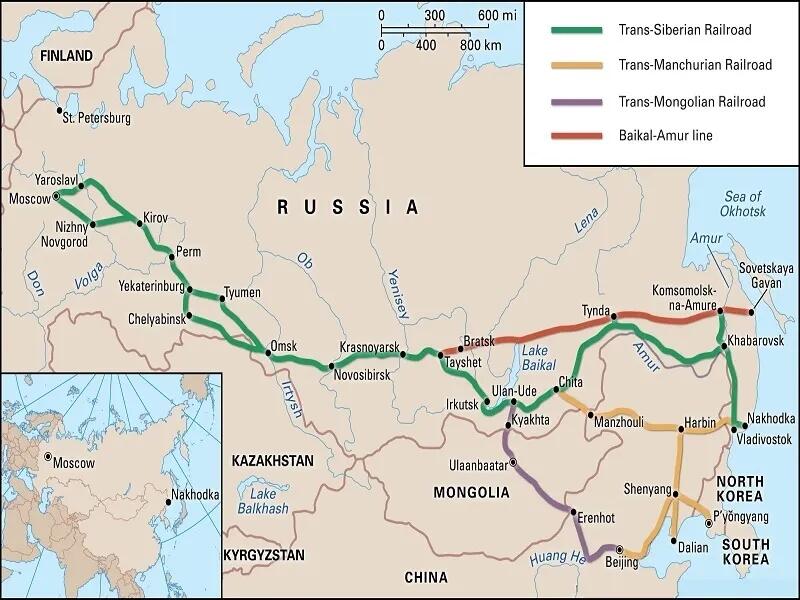
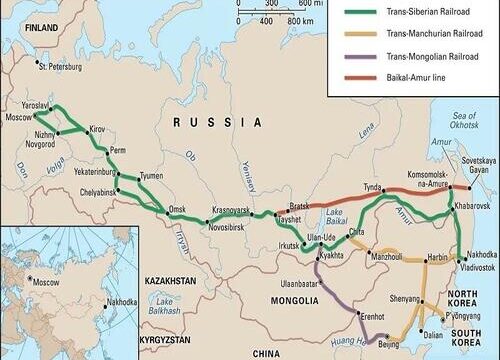
These dark scenarios can be averted if the US manages Turkish-Russian tensions and brokers an end to the Ukrainian Conflict. In that event, the US could diversify from its dependence on TRIPP and therefore Turkiye for importing its REMs from Central Asia by relying on Russia’s nearby Trans-Siberian Railway (TSR), which can conveniently deliver these resources to Vladivostok from where they can then be shipped to the US’ Californian tech hub. This can then lead to the merger of its two REM investments.
Not only would joint REM projects with Russia be unlocked, but the same US companies investing in Central Asian ones could then more easily scale their regional operations northward, with resources from both projects being shipped to the Pacific via the TSR. The increased logistical and resource importance of Siberia and the Russian Far East for the US could then lay the basis for more joint projects there and in the neighboring Arctic, thus advancing Putin’s master development plan for these regions.
The US and others who invest in Mongolia’s mineral sector might also begin rerouting exports through the TSR instead of continuing to rely on the US’ systemic Chinese rival. The gradual result could be the creation of complex strategic interdependence between the US and Russia, which was non-existent prior to the special operation, for reducing the risk of another crisis. The US would also establish a strategic economic presence along China’s western and northern peripheries that could be flaunted for prestige.
Amidst the Sino-US rivalry, the US has an interest in obtaining access to Russian resources that ipso facto denies them to China, whose superpower trajectory would be turbocharged by unlimited access at bargain-basement prices like would otherwise be the case without robust US competition. This makes the proposed arrangement of grand strategic importance to the US, which is why it should broker an end to the Ukrainian Conflict and then manage Turkish-Russian tensions in Central Asia without delay.
Tyler Durden
Fri, 12/12/2025 – 05:00

Chinese Drone “Mothership” Capable Of Swarm Attack Takes Flight
Chinese Drone “Mothership” Capable Of Swarm Attack Takes Flight
Whether launched from shipping containers, robotic arms, commercial box trucks, or delivered by heavyweight jet-powered mothership drones, the creativity of military technology developers in designing and deploying loitering-munition swarms has been remarkable to watch.
The latest piece of military hardware to hit our radar is China’s Jiutian (“Nine Heavens”) unmanned aerial mothership, capable of hauling up to six tons of guided bombs, air-to-air and anti-ship missiles, or entire racks of kamikaze drones.
Jiutian’s internal bay can deploy up to 100 kamikaze drones for a saturation-swarm attack, flying in coordinated patterns to strike targets simultaneously and overwhelm defenses.
Jiutian was first revealed at the air show in Zhuhai, in China’s southern Guangdong province near the border with Macau, last year. Now footage has surfaced of the mothership drone taking off for the first time.
The short footage on Weibo (11 December 2025) pic.twitter.com/yYm5MtU5vZ
— Dragon Wong 黄龙 (@DragonWong2024) December 11, 2025
Military and defense-related:
Did China Trigger A “DeepSeek Moment” In Hypersonic Missiles
Remember one year ago when New Jersey Rep. Jeff Van Drew, a Republican, speculated the mysterious drone sightings in the Northeast U.S. could be coming from an Iranian “mothership”…
Tyler Durden
Fri, 12/12/2025 – 04:15
https://www.zerohedge.com/military/chinese-drone-mothership-capable-swarm-attack-takes-flight

Ultraderechista Kast y comunista Jara se disputan la presidencia de Chile en segunda vuelta
Por NAYARA BATSCHKE
SANTIAGO (AP) — En medio de una agenda dominada por el temor a la delincuencia y la migración desenfrenada, los chilenos volverán el domingo a las urnas para elegir a su gobernante para los próximos cuatro años en unas elecciones que podrían marcar el giro a la derecha más extrema desde la dictadura militar de Augusto Pinochet.
El ultraderechista José Antonio Kast llega con una amplia ventaja en las encuestas de intención de voto —que ronda el 60%— al balotaje en el que se enfrentará a la candidata del oficialismo, la comunista Jeannette Jara.
A diferencia de hace cuatro años, cuando las libertades individuales y los pedidos por reformas estructurales pusieron en jaque al sistema político chileno, este año la delincuencia ha eclipsado a la economía, la salud y la educación como la principal preocupación.
Codo a codo en la lista de inquietudes ciudadanas figura también la llegada masiva, a partir de 2019, de miles de extranjeros, sobre todo venezolanos. Muchos sectores, incluso del gobierno saliente, han vinculado la migración descontrolada con el aumento de la violencia urbana.
“La delincuencia es una cuestión que nosotros no estábamos acostumbrados al nivel que hay ahora”, dijo a The Associated Press la jubilada Norma Ayala, de 67 años. “Y cambió mucho, aunque parezca mal, con llegada de tanto extranjero”.
Ayala es parte de los casi dos tercios de chilenos que apuntan a la violencia como su mayor temor: un 63% de los ciudadanos dijo que es lo que más preocupación le genera, en tanto que la inmigración fue motivo de intranquilidad para 40% de los consultados en el informe Preocupaciones del Mundo, divulgado en noviembre por IPSOS, que cada mes recoge la percepción de unas 25.000 personas en una treintena de países.
Aunque permanece como uno de los países más seguros de América Latina, Chile vio la tasa de homicidios duplicarse en la última década, pasando de 2,32 por cada 100.000 habitantes en 2015 a 6,0 en 2024.
Fronteras cerradas y expulsiones masivas
A lo largo de la campaña tanto Jara como Kast —fundador del Partido Republicano— han avalado medidas para mitigar la inseguridad y endurecer la política migratoria en el país, donde los extranjeros representan casi el 9% de los 18,5 millones de habitantes.
Pero han presentado hojas de ruta completamente distintas.
Jara, que busca dar continuidad a las políticas implementadas por el saliente gobierno de Gabriel Boric, propone medidas más moderadas para contener el flujo migratorio que incluyen un registro oficial de los más de 330.000 migrantes sin papeles que residen actualmente en Chile.
En materia de combate al crimen, aboga por la construcción de más cárceles, la modernización de los aparatos policial y estatal y la creación de equipos especializados para rastrear y eliminar el dinero de origen ilícito que alimenta a las organizaciones criminales.
De cara a la segunda vuelta, Jara endureció el tono y defendió la expulsión de los extranjeros que no se registren o hayan cometidos delitos en Chile. Tampoco descartó un Estado de Emergencia “si es necesario”, en un gesto por captar el centro político que pide medidas más contundentes ante la ola de inseguridad.
Kast, por su parte, promete implementar un gobierno de mano dura como el del presidente Nayib Bukele, cuya mega cárcel en El Salvador llegó a visitar.
Su plan de gobierno también incluye medidas como la construcción de centros de detención y expulsión para migrantes, la instalación de muros, vallas y zanjas en la frontera y un mayor poder de acción de las fuerzas de seguridad. “Quienes intenten ingresar de manera violenta o desobedecer las órdenes serán reducidos con protocolos estrictos”, advierte su programa.
Propuestas económicas para recuperar al país
Kast ha prometido impulsar la inversión, reducir trabas burocráticas y mejorar las condiciones para la creación de empleo. Asimismo, su plan de gobierno prevé el recorte de unos 6.000 millones de dólares en gastos a fin de reducir el tamaño del Estado y aliviar el presupuesto.
Jara, por su lado, plantea una economía que combine crecimiento con protección social, aumento de la productividad y fortalecimiento del trabajo formal. Para ello ha centrado sus propuestas en el mantenimiento y la expansión de algunos beneficios obtenidos durante el gobierno de Boric.
Entre ellos destacan el ingreso mínimo de unos 815 dólares mensuales, la limitación de las alzas sistemáticas en las áreas de salud y educación y la baja en las cuentas de luz.
“El mal menor”
La primera vuelta de las elecciones estuvo marcada por un alto nivel de polarización y la pugna entre las antípodas del espectro político, algo que no ocurría desde la redemocratización del país en 1990.
Estos comicios presidenciales se producen además en un contexto donde por primera vez el voto es totalmente obligatorio.
Según las últimas encuestas antes de la veda electoral, la cifra de electores que han afirmado no haber decidido su opción o que votarán nulo o blanco oscila entre 17% y 20%, una cifra que se vio elevada también por el desencanto de un electorado poco conforme con posturas más extremas.
“Ninguno de los dos candidatos, por lo menos a mí no me representa y siento que a mucha gente tampoco les representa”, dijo a AP el artista visual Gonzalo Medel. “Finalmente termina siendo lo mismo que ha sido hasta ahora: votas por el mal menor”.
En un intento por conquistar a esa fracción de los electores, tanto Jara como Kast han moderado sus discursos y abrazado propuestas de otros contendientes, en un guiño sobre todo a los votantes del economista Franco Parisi, quien terminó la primera vuelta en tercer lugar con casi el 20% de respaldo.
Sus electores son diversos y difíciles de codificar, ya que van desde jóvenes desconfiados de las instituciones hasta trabajadores y empresarios, pasando por los molestos con la clase política y aquellos que no se sienten representados por nadie. El grupo se convirtió, así, en un vital botín electoral codiciado tanto por Jara como Kast.
“Los dos candidatos están jugando a no definirse mucho en los temas que les pueden restar voto”, afirmó a AP la politóloga Claudia Heiss, de la Universidad de Chile. “Han tratado de esconder aquellos elementos que se puedan percibir como dañinos para esos votos indecisos”, agregó.
Jara apostó por desmarcarse aún más de su Partido Comunista y anunció que renunciará a la formación en caso de ser elegida. Igualmente incorporó propuestas de otros candidatos, como la devolución del impuesto agregado a medicamentos o el estímulo financiero para jóvenes.
Por su lado, Kast, un abogado opuesto al aborto y al matrimonio igualitario, adoptó un tono más ameno y aseveró que, en su eventual gobierno, “ningún derecho adquirido se va a tocar”.
Asimismo, en los últimos días ha enfatizado que acogerá a “cualquier persona que quiera dar su apoyo a las ideas de la libertad”.

Corte bloquea liberación de cientos de migrantes detenidos en redada en Chicago
Por SOPHIA TAREEN
CHICAGO (AP) — Un tribunal federal de apelaciones bloqueó la liberación inmediata de cientos de migrantes detenidos durante una redada en el área de Chicago en una decisión dividida el jueves, que también permitió la prórroga de un decreto de consentimiento que describe cómo los agentes federales de inmigración pueden realizar arrestos sin orden judicial.
El Tribunal de Apelaciones del Séptimo Circuito de Estados Unidos escuchó la semana pasada los argumentos sobre el acuerdo de 2022 que regula la forma en la que el Servicio de Inmigración y Control de Aduanas (ICE, por sus siglas en inglés) puede arrestar a migrantes, además de a aquellos que son el objeto específico de una operación. El decreto de consentimiento ha estado en el centro de atención en plena campaña de redadas migratorias del gobierno del presidente, Donald Trump, en Chicago, en la que se efectuaron más de 4.000 arrestos.
El mes pasado, el juez de distrito de Estados Unidos Jeffrey Cummings, quien determinó que el gobierno había violado el acuerdo, ordenó la liberación de más de 600 migrantes bajo fianza, una medida que quedó suspendida por la corte de apelaciones. Alrededor de 450 personas siguen bajo custodia, según abogados.
En la decisión —con dos votos a favor y uno en contra—, el tribunal de apelaciones dijo que Cummings excedió su autoridad al ordenar la liberación de los detenidos sin evaluar cada caso individualmente. El decreto de consentimiento “traza cuidadosamente lo que el juez de distrito puede o no puede ordenar” para equilibrar la aplicación de la ley y la seguridad pública, según el fallo. Pero el documento indicó también que el gobierno de Trump categorizó erróneamente a todos los arrestados como sujetos a detención obligatoria.
Los abogados de los demandantes dijeron que estaban desanimados por la decisión, pero contentos de que el tribunal mantuviera la prórroga del acuerdo, que entre otras cosas exige que el ICE muestre documentación en cada arresto que realiza. Jueces federales en otros lugares, incluyendo Colorado, también han fallado a favor de limitar los arrestos sin orden judicial.
Los abogados presionaron para una resolución rápida del caso, alegando que muchos están siendo deportados sin conocer sus opciones. Los cientos de detenidos, en su mayoría del área de Chicago, fueron arrestados entre el verano y las primeras semanas de la campaña migratoria “Operación Midway Blitz” en otoño. Los letrados apuntaron que recopilaron información sobre cientos de personas más que creen también fueron detenidas de manera inapropiada.
“Trabajaremos incansablemente para garantizar que quienes fueron arrestadas de forma ilegal puedan regresar a sus familias y comunidades lo antes posible”, manifestó Keren Zwick, del Centro Nacional de Justicia para Inmigrantes.
El Departamento de Seguridad Nacional no respondió el jueves a un mensaje pidiendo comentarios.
El decreto de consentimiento, que expiró a principios de este año, fue prorrogado hasta febrero. El gobierno federal intentó recurrir su ampliación en los tribunales.
El acuerdo fue alcanzado originalmente entre grupos de defensa de los derechos de los migrantes y el gobierno federal tras una demanda sobre redadas migratorias en 2018. Se aplica a migrantes arrestados en seis estados —Illinois, Indiana, Kansas, Missouri, Kentucky y Wisconsin.— que dependen de la oficina de campo del ICE en Chicago.
___
Esta historia fue traducida del inglés por un editor de AP con la ayuda de una herramienta de inteligencia artificial generativa.