Category: News

Amputados en Gaza luchan por reconstruir sus vidas ante la escasez de prótesis
Por ABDEL KAREEM HANA y FATMA KHALED
NUSEIRAT, Franja de Gaza (AP) — Sentada en su silla de ruedas, Haneen al-Mabhouh sueña con reconstruir su familia, con acunar a un bebé. Sueña con volver a caminar. Pero sin una pierna, su vida en Gaza está en suspenso, dice, a la espera de viajar al extranjero para recibir un tratamiento más avanzado.
En julio de 2024, un ataque aéreo israelí destrozó su casa en el centro de Gaza cuando ella y su familia dormían. Sus cuatro hijas murieron, entre ellas su bebé de 5 meses. Su esposo sufrió quemaduras graves. Las piernas de Al-Mabhouh quedaron aplastadas bajo los escombros y los médicos tuvieron que amputarle la derecha por encima de la rodilla.
“Durante el último año y medio no he podido moverme ni vivir como los demás. Durante el último año y medio he vivido sin hijos”, dijo en casa de sus padres.
El alto al fuego de dos meses en Gaza ha tardado en proporcionar ayuda a miles de palestinos que sufrieron amputaciones por los bombardeos israelíes en los últimos dos años. La Organización Mundial de la Salud (OMS) estima que hay entre 5.000 y 6.000 personas con alguna extremidad amputada a causa de la guerra, el 25% de ellos niños.
Quienes perdieron extremidades luchan por adaptarse ante la escasez de prótesis y las largas demoras en las evacuaciones médicas de Gaza.
La OMS informó que un cargamento de suministros protésicos esenciales llegó recientemente a Gaza. Este parece ser el primer envío significativo en los últimos dos años.
Anteriormente, Israel prácticamente no había permitido el ingreso de prótesis prefabricadas ni de material para producirlas desde el comienzo de la guerra, según Loay Abu Saif, director del programa de discapacidad de Medical Aid for Palestinians (Ayuda Médica para Palestinos, o MAP), y Nevin Al Ghussein, director interino del Artificial Limbs and Polio Center (Centro de Extremidades Artificiales y Polio) en Ciudad de Gaza.
El organismo militar israelí a cargo de coordinar la ayuda, conocido como COGAT, por sus siglas en inglés, no respondió cuando se le preguntó cuántos suministros protésicos habían ingresado durante la guerra ni sobre sus políticas al respecto.
“Mi futuro está paralizado”
Al-Mabhouh dormía con su bebé en brazos cuando el ataque impactó su hogar en Nuseirat, dijo. Durante varias semanas, cuando se recuperaba en el hospital, al-Mabhouh no supo que sus hijas habían muerto.
Fue sometida a múltiples cirugías y aún tiene dificultad para mover una mano. Su pierna restante sigue destrozada, sujeta con varillas. Necesita un injerto de hueso y otros tratamientos que sólo están disponibles fuera de Gaza.
Fue incluida en la lista de evacuación médica hace 10 meses, pero aún no obtiene el permiso de Israel para salir de Gaza.
En espera de su oportunidad, vive en casa de sus padres. Necesita ayuda para cambiarse de ropa y ni siquiera puede sostener un bolígrafo. Y sigue destrozada por el duelo de haber perdido a sus hijas.
“Nunca la oí decir ‘mamá’, ni vi su primer diente ni la vi dar sus primeros pasos”, dijo sobre su bebé.
Sueña con tener un nuevo hijo, pero no puede hasta que reciba tratamiento.
“Es mi derecho vivir, tener otro hijo, recuperar lo que perdí, caminar, simplemente volver a caminar”, agregó. “Ahora mi futuro está paralizado. Destruyeron mis sueños”.
Las evacuaciones médicas aún son lentas
El alto al fuego apenas si ha provocado un aumento en las evacuaciones médicas para los 16.500 palestinos que la ONU reporta que esperan recibir tratamiento vital en el extranjero —no sólo amputados, sino también pacientes con diversos tipos de enfermedades crónicas o heridas.
Hasta el 1 de diciembre, 235 pacientes habían sido evacuados desde que comenzó el alto al fuego en octubre: poco menos de cinco al día. En los meses anteriores a eso, el promedio era de unos tres al día.
Israel afirmó la semana pasada que estaba dispuesto a permitir que pacientes y otros palestinos salieran de Gaza a través del cruce de Rafah, controlado por Israel, entre Gaza y Egipto. No obstante, no es seguro que esto suceda porque Egipto, que controla el otro lado del cruce, exige que Rafah también se abra para la entrada de palestinos a Gaza, como se estipula en el acuerdo de alto al fuego.
El médico Richard Peeperkorn, representante de la OMS en el territorio palestino ocupado, explicó a The Associated Press que el retraso se debe a la falta de países que acojan a los pacientes evacuados. Agregó que es necesario abrir nuevas rutas de evacuación médica, especialmente a Cisjordania y Jerusalén Oriental, ocupados por Israel, donde los hospitales están listos para recibir pacientes.
Para quienes esperan, la vida está en pausa
Yassin Marouf yace en una tienda de campaña en el centro de Gaza, con el pie izquierdo amputado y la pierna derecha apenas sujeta con varillas.
El joven de 23 años y su hermano fueron impactados por los bombardeos israelíes en mayo cuando regresaban de visitar su hogar en el norte de Gaza, del que su familia tuvo que huir. Su hermano murió.
Marouf sangraba en el suelo cuando un perro callejero atacó su pierna izquierda destrozada.
Los médicos reportan que también será necesario amputarle la pierna derecha, a menos que pueda viajar al extranjero para someterse a operaciones que tal vez la salven. Marouf dijo que no puede pagar los analgésicos ni ir al hospital con la regularidad necesaria para que le cambien las vendas.
“Si quiero ir al baño, necesito que dos o tres personas me carguen”, lamentó.
Mohamed al-Naggar estudiaba Informática en la Universidad de Palestina antes de la guerra.
Hace siete meses, la metralla le atravesó la pierna izquierda durante los ataques a la casa donde se refugió su familia. Los médicos le amputaron la pierna por encima de la rodilla. Su pierna derecha también resultó gravemente herida y aún tiene metralla en algunas partes del cuerpo.
A pesar de cuatro cirugías y fisioterapia, al-Naggar, de 21 años, no puede desplazarse.
“Me gustaría viajar al extranjero, ponerme una prótesis, graduarme de la universidad y ser normal como los jóvenes de fuera de Gaza”, dijo.
Gaza enfrenta una escasez de prótesis
Durante la guerra, alrededor de 42.000 palestinos han sufrido lesiones que les han cambiado la vida, incluidas amputaciones, traumatismos cerebrales, lesiones de la médula espinal y quemaduras graves, detalló la OMS en un informe de octubre.
La situación ha “mejorado ligeramente” para quienes necesitan que los ayuden, pero “aún hay una enorme escasez general de productos de asistencia”, como sillas de ruedas, andadores y muletas. Gaza cuenta con sólo ocho especialistas protésicos capaces de fabricar y adaptar prótesis, resaltó la OMS en un comunicado a la AP.
El Centro de Extremidades Artificiales y Polio, en Ciudad de Gaza —uno de los dos centros protésicos que aún operan en el territorio— recibió un cargamento de material para fabricar prótesis justo antes del inicio de la guerra en 2023, informó Al Ghussein, su director. Otro pequeño cargamento entró en diciembre de 2024, pero nada desde entonces.
El centro ha podido proporcionar prótesis para 250 casos durante la guerra, pero los suministros se agotan, notificó Al Ghussein.
No han entrado prótesis de piernas ni brazos prefabricados, según Abu Saif, de MAP, quien dijo que Israel no las prohíbe, pero sus procedimientos causan retrasos y “al final lo ignoran”.
Ibrahim Khalif quiere una prótesis de pierna derecha para poder trabajar en labores manuales o en la limpieza de casas para mantener a su esposa embarazada y a sus hijos.
En enero, perdió una pierna cuando un ataque aéreo israelí impactó Ciudad de Gaza cuando salió a comprar comida.
“Antes era el sustento de mis hijos, pero ahora estoy aquí sentado”, dijo Khalif. “Pienso en cómo era y en lo que me he convertido”.

Ukrainian drone attack kills 2 in Russia as millions in Ukraine lose power
A Ukrainian drone attack in southwestern Russia killed two people and parts of Ukraine went without power following Russian assaults on energy infrastructure, authorities said Saturday, as U.S.-led peace talks on ending the war press on.
The drone attack damaged a residential building and several windows were also blown out at a kindergarten and clinic, said Saratov regional Gov. Roman Busargin. Russia’s Defense Ministry said it had shot down 41 Ukrainian drones over Russian territory overnight.
In Ukraine, Russia launched overnight drone and missile strikes on five Ukrainian regions, targeting energy and port infrastructure. Ukrainian Interior Minister Ihor Klymenko said that over a million people were without electricity.
Ukrainian President Volodymyr Zelenskyy said Russia had sent over 450 drones and 30 missiles into Ukraine overnight.
An attack on the Black Sea city of Odesa caused grain silos to catch fire at the port, Ukrainian deputy prime minister and reconstruction minister Oleksiy Kuleba said. Two people were wounded in attacks on the wider Odesa region, according to regional head Oleh Kiper.
Kyiv and its Western allies say Russia is trying to cripple the Ukrainian power grid and deny civilians access to heat, light and running water for a fourth consecutive winter, in what Ukrainian officials call “weaponizing” the cold.
On the front lines, Ukrainian forces said Saturday that the northern part of the critical city of Pokrovsk was under Ukrainian control, despite Russia’s claims earlier this month that it had taken full control of the city. The Associated Press was not able to independently verify the claims.
Russia plans to keep control over Donbas
The latest round of attacks came after Kremlin adviser Yuri Ushakov said Friday that Russian police and national guard will stay on in eastern Ukraine’s Donbas and oversee the industry-rich region, even if a peace settlement ends Russia’s nearly four-year war in Ukraine. It underscores Moscow’s ambition to maintain its presence in Donbas postwar. Ukraine is likely to reject such a stance as U.S.-led negotiations drag on.
Moscow will give its blessing to a ceasefire only after Ukraine’s forces have withdrawn from the front line, Ushakov said in comments published in Russian business daily Kommersant.
Meanwhile, Germany is set to host Zelenskyy on Monday for talks as peace efforts gain momentum and European leaders seek to steer negotiations.
For months, American negotiators have tried to navigate the demands of each side as U.S. President Donald Trump presses for a swift end to Russia’s war while growing increasingly exasperated by delays. The search for possible compromises has run into a major obstacle over who keeps Ukrainian territory currently occupied by Russian forces.
In other developments, around 480 people were evacuated on Saturday from a train traveling between the Polish city of Przemysl and Kyiv after police received a call concerning a threat on the train, Karolina Kowalik, a spokesperson for the Przemysl police, told The Associated Press. Nobody was hurt and she didn’t elaborate on the threat.
Polish authorities are on high alert since multiple attempts to disrupt trains on the line linking Warsaw to the Ukrainian border, including the use of explosives in November, with Polish authorities saying they have evidence Russia was behind it.
https://www.chicagotribune.com/2025/12/13/ukraine-major-power-outage/

Jefe de la ONU visita Irak para conmemorar el fin de misión de asistencia tras invasión de 2003
Por QASSIM ABDUL-ZAHRA
BAGDAD (AP) — El secretario general de Naciones Unidas, Antonio Guterres, estuvo en Bagdad el sábado para marcar el fin de la misión política establecida en 2003 tras la invasión a Irak liderada por Estados Unidos que derrocó a Saddam Hussein.
A petición de Irak, el Consejo de Seguridad de la ONU votó el año pasado a favor de finalizar el mandato de la Misión de Asistencia de Naciones Unidas para Irak (UNAMI) para finales de 2025. La misión se estableció para coordinar las tareas humanitarias y de reconstrucción postconflicto y ayudar a restaurar un gobierno representativo en el país.
El primer ministro interino de Irak, Mohammed Shia al-Sudani, dijo que su país “valora altamente” el trabajo de la misión en una región “que ha sufrido durante décadas de dictaduras, guerras y terrorismo”. Expresó que su conclusión muestra que Irak ha alcanzado una etapa de “plena autosuficiencia”.
“Irak emergió victorioso gracias a los sacrificios y el coraje de su pueblo”, señaló en una declaración conjunta con Guterres.
El fin del mandato de la UNAMI “no significa el fin de la asociación entre Irak y la ONU”, señaló Sudani, agregando que representa el comienzo de un nuevo capítulo de cooperación enfocado en el desarrollo y el crecimiento económico inclusivo.
El primer ministro anunció que una calle en Bagdad se llamará “Calle de Naciones Unidas” en honor al trabajo de la ONU y en reconocimiento a los 22 empleados de la ONU que fueron asesinados en un ataque con camión bomba el 19 de agosto de 2003 en el Hotel Canal de Bagdad, que albergaba la sede de la ONU.
Guterres elogió “el coraje, la fortaleza y la determinación del pueblo iraquí” y los esfuerzos del país para restaurar la seguridad y el orden tras años de violencia sectaria y el surgimiento de grupos extremistas, incluido el grupo Estado Islámico, en los años posteriores a la invasión de 2003.
“Los iraquíes han trabajado para superar décadas de violencia, opresión, guerra, terrorismo, sectarismo e interferencia extranjera”, afirmó el secretario general. “Y el Irak de hoy es irreconocible en comparación con esos tiempos”.
Irak “es ahora un país normal, y las relaciones entre la ONU e Irak se convertirán en relaciones normales con el fin de la UNAMI”, añadió Guterres. También expresó su agradecimiento por el compromiso de Irak de devolver a sus ciudadanos del campamento de al-Hol, un extenso campamento de tiendas de campaña en el noreste de Siria que alberga a miles de personas, principalmente mujeres y niños, con presuntos vínculos con el EI.
Guterres recomendó recientemente al expresidente iraquí Barham Salih para convertirse en el próximo jefe de la agencia de refugiados de la ONU, la primera nominación de Oriente Medio en medio siglo.
El mandato presidencial de Salih, de 2018 a 2022, se produjo inmediatamente después del asalto del grupo Estado Islámico en Irak y la batalla para recuperar el territorio tomado por el grupo extremista, incluida la importante ciudad norteña de Mosul.
Al menos 2,2 millones de iraquíes fueron desplazados al huir de la ofensiva del EI. Muchos, particularmente miembros de la minoría yazidí del distrito norteño de Sinjar, permanecen hoy en campamentos de desplazados.
___
Esta historia fue traducida del inglés por un editor de AP con la ayuda de una herramienta de inteligencia artificial generativa.

Peter Greene, 60, actor in ‘Pulp Fiction,’ ‘The Mask,’ found dead in New York apartment
Peter Greene, an actor noted for playing the character Zed in the classic film “Pulp Fiction,” was found dead inside his Lower East Side apartment on Friday, a police source and a neighbor told the Daily News.
Greene’s longtime manager, Gregg Edward, said the actor’s family had been notified of his death.
The neighbor, who asked that his name be withheld, said he found Greene, 60, in his ground-floor apartment on Clinton St. near Stanton St. after neighbors reported hearing Christmas music playing inside for several days.
“He was a unique individual,” said Edward, who had repped Greene for more than a decade. “One of the most brilliant character actors on the planet. Had a really good heart. Cared about people.
“Truly one of the great actors of our generation.”
The NYPD said a 60-year-old man was found dead at that location at 3:25 p.m. Friday, but did not immediately release his name.
NYPD outside the late actors building at 20 Clinton St on the Lower East Side. on Dec. 12, 2025. (Kerry Burke/NYDN)
There was no immediate indication as to the cause of death or whether foul play was suspected. Greene has a documented history of drug use, telling Premier magazine in an interview about his struggles with addiction in the 1990s.
Residents began hearing Christmas music blasting from “The Mask” actor’s apartment around 3 a.m. Wednesday, but it wasn’t until Friday that building management sent over a locksmith to gain access to Greene’s apartment, the neighbor said.
“Peter was lying on the floor, facedown, facial injury, blood everywhere…,” the neighbor said.
On the door to Greene’s unit, a handwritten note was posted, which included the line “I’m still a Westie,” in an apparent reference to the Irish-American gang that operated out of Hell’s Kitchen in the ’70s and ’80s.
NYPD outside the late actors apartment at 20 Clinton St on the Lower East Side. on Dec. 12, 2025. (Kerry Burke/NYDN)
Edward said that the “Usual Suspects” actor had been chosen for a role in a film starring Mickey Rourke set to film next year called “Mascots,” and was in the running for at least two other projects.
“He had a reputation as tough to work with… He was a perfectionist. He wanted it right,” said Edward. “He was a big believer in improvising stuff too. Some people were fine with it, some people were not.”
Greene, who spoke to his manager as recently as Wednesday, had surgery scheduled to remove a benign tumor near his lungs in the coming days, Edward said. The actor was otherwise healthy and fit, according to his manager.
“It’s a shock,” said Edward. “He wasn’t that old. In pretty good shape for his age, rode his bike everywhere around New York. He’d had some health issues throughout the last couple years, had always fought through and was very strong.”
The city’s medical examiner will determine Greene’s cause of death.
“Bottom line, he was really a good-hearted person and a brilliant, brilliant actor,” said Edward. “I’ve been trying to get him to write his autobiography. He’s got stories after stories.”
https://www.chicagotribune.com/2025/12/13/actor-peter-greene-found-dead/
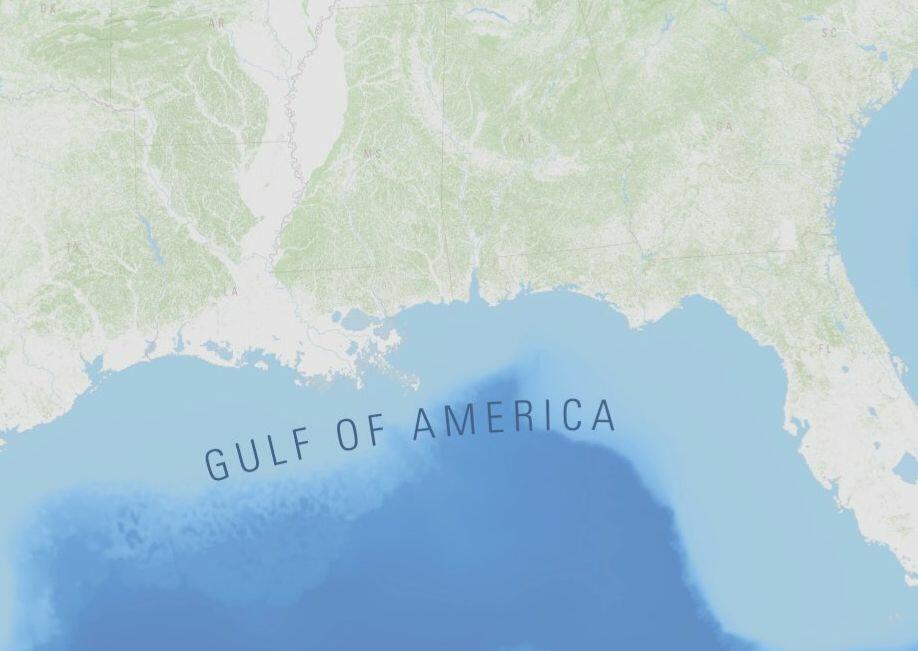
The Gulf Of America Is Back
The Gulf Of America Is Back
Authored by Erik Milito via RealClearEnergy,
After years of market swings, regulatory uncertainty, and deep staffing cuts, America’s energy workforce is overdue for a stabilizing signal. December 10th provides exactly that: the first federal Gulf of America lease sale in nearly two years, offering long-awaited certainty for the companies and workers that power America’s offshore energy engine.
In 2024, Gulf of America oil and gas activity supported approximately 428,000 jobs across all 50 states, contributed $35.9 billion in spending, and generated $7 billion in federal revenues. Few industries deliver that scale of widespread economic impact.
Mandated by President Trump’s One Big Beautiful Bill, this sale is the first of 30 over the next 15 years, with additional sales offshore Alaska. After an unprecedented 24-month leasing gap, the door to America’s offshore future, anchored by Texan expertise, is reopening.
Regular leasing is not a bureaucratic detail; it’s the foundation of long-term offshore development. Offshore oil and gas projects are multi-billion-dollar endeavors with 20–30-year timelines, and many high-skill engineering, fabrication, marine, and logistics jobs supporting are found across the Gulf coast. More than 200 job types, from subsea engineers to welders to data scientists, pay on average 29% above the national average. When leasing stalls, workers feels it first.
Production coming online today is the result of lease sales, policy choices, and investment decisions made years ago. Wood Mackenzie projects that long-planned deepwater projects will add 300,000 barrels per day in 2025 and another 250,000 in 2026, essential to replenish offshore production volumes, offset onshore declines, and strengthen long-term U.S. energy security. None of this happens overnight: consistent leasing is the lifeline for the offshore economy.
The 24-month pause forced operators, service companies, and supply-chain firms to delay projects, scale back planning, and freeze capital, contributing directly to staffing reductions across the region. Predictable leasing restores confidence, giving companies a horizon for investment and workers the stability they deserve.
The offshore ecosystem spans subsea engineering, advanced manufacturing, offshore construction, vessel operations, robotics, data analytics, and safety training, among other innovative energy fields. Regular lease sales mean steadier workloads, predictable capital cycles, and real stability for employers and workers alike.
The benefits ripple far beyond individual operating companies. Steady offshore activity supports local suppliers, fabrication yards, and service providers, sustaining thousands of additional jobs across the nation. When companies along the Gulf coast can count on long-term projects, they are better able to invest in technology, training, and infrastructure that strengthens the city’s energy cluster and keeps it globally competitive. This ripple effect ensures that the Gulf of America remains an anchor of America’s offshore energy industry, benefiting communities, families, and the local economy for decades.
Offshore development also delivers massive amounts of public revenue. In 2024, U.S. offshore activity generated $7 billion in direct federal revenue. Through updates to the Gulf of Mexico Energy Security Act (GOMESA), a growing share of that revenue flows back to Gulf states funding coastal restoration, hurricane protection, community infrastructure, and other critical investments.
The Gulf of America is one of the world’s most prolific and lowest-carbon intensity offshore basins, with Gulf barrels having 46% lower carbon intensity than the global average. Every barrel produced here displaces higher-emission imports while strengthening energy security for America and its allies.
With global threats rising and energy markets volatile, predictable investment opportunities are essential to our economic future, both locally and nationally. It signals to investors that the U.S. is committed to long-term energy development. It gives companies confidence. It gives workers stability. And it gives the Gulf of America, after years of uncertainty, a clear horizon it can finally plan around.
With the December 10th lease sale, and the 29 that follow, the Gulf of America is once again positioned to anchor America’s energy future, and our workforce has a reason to look forward with confidence.
Erik Milito is President of the National Ocean Industries Association.
Tyler Durden
Sat, 12/13/2025 – 10:30

Salah está de vuelta con el Liverpool y entra como suplente en el partido ante Brighton
LIVERPOOL, Inglaterra (AP) — Mohamed Salah recibió una bienvenida entusiasta de los aficionados del Liverpool tras ingresar como suplente en la primera mitad del encuentro del sábado contra el Brighton. Salah regresó al plantel después de mantener conversaciones con el entrenador Arne Slot tras su explosiva declaración el fin de semana pasado.
Tras la lesión del defensor Joe Gomez a los 26 minutos, el delantero egipcio ingresó con el apoyo de la afición local coreando su canción. Hubo un gran rugido cuando se anunció el nombre de Salah.
La semana pasada, Salah le dijo a los reporteros que la relación con Slot se había deteriorado después de que lo dejó fuera durante tres partidos consecutivos y que sentía que “alguien no me quiere en el club”.
Tras ese mensaje, Slot dejó a Salah en casa para el encuentro fuera de casa del Liverpool ante el Inter de Milán el martes en la Liga de Campeones, indicando que no sabía si Salah volvería a jugar para el club.
Sin embargo, unos días después, Salah estaba de regreso con el plantel para el partido contra el Brighton después de hablar el viernes con Slot.
Salah fue un suplente no utilizado en el empate del sábado pasado 3-3 con el Leeds, después de lo cual expresó sus frustraciones. Antes de eso, fue suplente no utilizado en la victoria contra el West Ham y entró en el medio tiempo de un empate en casa contra el Sunderland.
Salah es la máxima estrella del Liverpool y también el máximo goleador del club en la Liga Premier. Tiene cuatro goles en la liga en 13 apariciones esta temporada.
Está previsto que se dirija a la Copa Africana de Naciones la próxima semana y la semana pasada indicó que no sabía qué sucederá mientras esté fuera.
___
Deportes AP: https://apnews.com/hub/deportes
Muere Peter Greene, actor conocido por sus papeles de villano en “Pulp Fiction” y “The Mask”
Associated Press
NUEVA YORK (AP) — Peter Greene, un actor secundario conocido por su papel como el icónico villano Zed en “Pulp Fiction”, ha muerto. Tenía 60 años.
Greene falleció en su hogar en la ciudad de Nueva York, confirmó su representante Gregg Edwards el viernes. La causa de su muerte no ha sido revelada.
“Era simplemente un tipo estupendo. Posiblemente uno de los mejores actores secundarios del planeta; ha trabajado con todo mundo”, señaló Edwards.
Nacido en Montclair, Nueva Jersey, Greene consiguió algunos de sus primeros papeles protagónicos en “Laws of Gravity” en 1992 y “Clean, Shaven” en 1993, según IMDB.
En 1994, interpretó al memorable villano en “Pulp Fiction” de Quentin Tarantino. Ese mismo año, interpretó a otro villano principal junto a Jim Carrey y Cameron Diaz en “The Mask”.
Greene estaba trabajando en dos proyectos cuando falleció, incluyendo un documental sobre la retirada de fondos del gobierno federal de la Agencia de Estados Unidos para el Desarrollo Internacional (USAID, por sus siglas en inglés), según Edwards.
“Hemos sido amigos por más de una década. Simplemente el hombre más amable”, añadió Edwards.
___
Esta historia fue traducida del inglés por un editor de AP con la ayuda de una herramienta de inteligencia artificial generativa.

Planes, trains, automobiles: RDA’s strategic plan sets 20-year goals
In the past 20 years, the Northwest Indiana Regional Development Authority has been instrumental in bringing about the commuter rail expansion that had long been a dream. Now the RDA is looking ahead at what else it can accomplish.
The 212-page strategic plan released to the board and public on Thursday plans to continue the emphasis on Gary/Chicago International Airport in hopes of it being recognized as the Chicago area’s third major airport.
As the compact with Chicago ends, the Gary airport needs a new revenue strategy for future infrastructure investments, including increased connections to elsewhere in Indiana, the report recommends.
“The increase in airport activity and revenue is estimated to support an increase in gross regional product of $320 by 2050 for Northwest Indiana, increasing personal income by $565 million, and add over 3,200 jobs and 4,000 residents above the baseline,” the report says.
But the RDA is extending its aviation focus to Porter Regional Airport in Valparaiso as a future cargo hub for Northwest Indiana.
A revetment installed to protect the pavilion at the Portage Lakefront at Indiana Dunes National Park, July 7, 2023. (Antonio Perez/Chicago Tribune)
Increasing tourism
Redesignating Indiana Dunes National Lakeshore as a national park in 2019 saw the number of visitors increase by an average of 4.9% a year compared to about 1.5% between 2008 and 2019. The new designation has made the region more visible and more attractive to visitors. The RDA wants to capitalize on that.
Improving access to Indiana Dunes National Park and Indiana Dunes State Park for tourism spending is planned, including turning a portion of U.S. 12 into a scenic byway, completing the Marquette Greenway and connections to the trail, establishing iconic access points from lakefront communities to the parks, and adding services, amenities and creating a regional identity.
The new Beverly Shores/Pines transit development district includes a plan to extend sewers west from Michigan City along U.S. 12 to serve the two towns, offering the possibility of adding businesses along the scenic byway to serve tourists.
Sewers could be added to other lakefront communities as well to both prevent future environmental problems from failed septic systems and encourage growth in those communities.
In Portage, the transit development district connected to the Portage/Ogden Dunes South Shore Line station could bring lodging for park visitors as well as trail access and other development.
Redeveloping two NIPSCO power plants — Bailly is already closed and Michigan City is expected to be shut down at the end of 2028 — is estimated to bring nearly 400 new residents to Northwest Indiana and jobs for roughly 300 people. Private investment is estimated to produce $27 million in economic output annually by 2050 and $48 million in personal income.
Interstate 80/94 is pictured in 2019. (Kyle Telechan/Post-Tribune)
Highway congestion
Congestion along Northwest Indiana’s interstates “remains a major barrier to trade between the city of Chicago and other key markets in the region and beyond,” the report says.
Congestion costs totaled $556.2 million in 2022, the report says, so the goal is to reduce that cost by 10%.
Among the recommendations are open-road tolling along the Indiana Toll Road to keep traffic flowing, eliminating the barriers at the state line and Portage, and considering alternative routes for a new regional highway.
“While these steps will require additional feasibility studies and collaboration with state and federal agencies, the region’s economy is directly tied to transportation mobility improvements, and continued delays only deprive the state and regional of significant fiscal returns,” the report says. “Decades of delay only serve to deprive the state and the region of fiscal returns.
Already, the Indiana Department of Transportation is looking at ways to improve U.S. 30 traffic and making improvements to the Borman Expressway to address traffic issues. But the Borman Expressway is maxxed out in terms of adding lanes.
Then-Gov. Mitch Daniels proposed a route for the long-discussed Illiana Expressway, but that plan got shelved amid intense public opposition.
A South Shore commuter train approaches the East Chicago station. (Joe Puchek / Post-Tribune)
Expanding commuter rail
When the West Lake Corridor project was still in the discussion stage, the vision included extending the new service far beyond Dyer, the route expected to become operational in March.
The RDA plan looks to extend service to other communities as well as upgrading existing stations.
Expanding the commuter rail network would add stations in Dyer, Schererville, St. John, Highland, New Elliot, Crown Point, University Park in Gary, Hobart, Wheeler, and downtown Valparaiso.
“At the same time, new commuter rail stations will attract investment from private developers to construct housing, retail, dining and more to absorb increased consumer demand around the stations,” the report says.
Connecting Hoosiers to jobs in Chicago isn’t just about improving employment prospects for existing residents. It also brings more residents to Northwest Indiana and, consequently, additional amenities.
“Employees find jobs at higher wages or more to their liking and skill sets. Employers have a greater pool of workers to pick from. Families can locate in lower-cost housing with the same amenities,” the report says.
By 2050, the report predicts, annual commuter earnings will have increased by $91 million.
Northwest Indiana’s population will increase by 7,300 residents by 2050, with an increase in employment of about 6,500 jobs.
Short-term employment will spike because of the construction jobs to support private development around the new commuter rail stations. Steady job growth “is largely attributable to job opportunities supporting the operation of new private development in retail, multifamily housing, dining and more,” the report says.
The RDA’s 2016 strategic plan predicted $2.7 billion in new investment by 2037, and it’s already on pace to exceed that number, the report says.
Extending the West Lake route to St. John would be a boon to commuters, reducing travel time to 1 hour 50 minutes for drivers to 48 minutes by train, the report says.
From Crown Point, the travel time would shrink from 1 hour 50 minutes by car to 46 minutes by train.
From Valparaiso, it would be 55 minutes by train instead of 1 hour 50 minutes by car.
Building out the new train routes would be costly but would further relieve congestion on highways as well as attracting more residents and businesses.
The Valparaiso route would cost more than $1.1 billion with a similar but slightly higher cost for the Crown Point route. The St. John route would cost an estimated $416 million.
The Northern Indiana Commuter Transportation District, which operates the South Shore Line, is wrapping up work on its own strategic plan. That plan is expected to include relocating the existing South Bend station from the east side of the airport to the west side after a “temporary” relocation decades ago.
NICTD also plans to move its Hudson Lake station, which sees little use, to New Carlisle, where business is booming.
There are 11 transit development districts now surrounding existing stations, with Valparaiso and South Bend eligible for future ones. Additional TDDs — think TIF district but with the added incentive of capturing the increase in income taxes to sweeten the pot — would be likely for a 320-acre area surrounding future stations.
In Valparaiso, the train station likely would connect with the bus station located on the north side of the Journeyman Distillery complex. The city currently operates two bus services — the ChicaGo Dash buses to Chicago and the V-Line buses that circulate within the city.
A sign at the former Federated Metals smelting plant on the border of Hammond and Whiting warns visitors to not trespass on an area of the property that is heavily contaminated with lead and other toxic chemicals. The U.S. Environmental Protection Agency placed the property on the Superfund National Priorities List, a list of sites where releases of contamination pose significant human health and environmental risks. (Christin Nance Lazerus / Post-Tribune)
Land development entity
The RDA is well on its way toward establishing a land development entity as a nonprofit to work with agencies and municipalities to serve as a sort of real estate alchemist, assembling parcels, helping with environmental cleaning and attracting private investment to properties that are currently problematic.
In addition to setting up the nonprofit, the RDA has offered $5 million in seed money to get it started.
Among the issues the LDE will deal with include clearing up murky ownership issues.
The LDE is expected to help with redevelopment efforts surrounding train stations, in the transit development districts, but also throughout Lake and Porter counties.
Northwest Indiana has thousands of acres of underutilized, vacant, and contaminated land as well as 10 active U.S. EPA Superfund sites and hundreds of brownfields. Cleaning up all of them would require hundreds of millions of dollars.
“Although the Region is much cleaner environmentally than in past decades, this area still ranks as one of the most polluted areas in the country,” the report says. “Many of these contaminated sites are within legacy cities with minority populations or near or within national park and sensitive natural areas. Realizing the region’s opportunity will require substantial investments in environmental cleanup over multiple decades.”
The LDE will offer a multijurisdictional to what has been an intractable problem.
Doug Ross is a freelance reporter for the Post-Tribune.

Salvation Army’s red kettles are looking blue this year
With Christmas fast approaching, Salvation Army donations in Lake and Porter counties are lagging far behind expectations.
Cold and snow on heavy shopping days, a reduced number of volunteer bell ringers, and online shopping are all taking their toll, Major Troy Barker said.
“We’re not having as many volunteers ringing the bell this year,” he said. When bell ringers began seeking donations outside stores in mid-November, just eight bell ringers were on duty compared to the 18 the Salvation Army hoped to have, Barker said.
The Salvation Army hires bell ringers when there aren’t enough volunteers, helping unemployed people earn money before Christmas, but that also means getting less money for services throughout the year.
Bell ringer Pam Hay, of Valparaiso, is a volunteer bell ringer now that she’s retired but has been a Salvation Army supporter for years. On Wednesday, she used a tambourine while singing Christmas carols at Town & Country Market in Valparaiso.
“It’s worth it just to make people happy,” he said. “It seems to bring a lot of joy to a lot of people.”
Snowstorms on Saturdays, the heaviest Christmas shopping days, have also played a role.
“We look forward to that first snowfall, but sometimes that can play havoc,” Barker said.
“When the weather’s good on Saturday, we do well,” he said. But getting 6 to 8 inches of snow meant roads weren’t getting plowed and people weren’t getting out to shop and donate, he said.
This Saturday, just 12 days before Christmas, more snow is expected.
Shopping online instead of at retail stores also decreases the cash flow into the Salvation Army’s iconic red kettles.
Shoppers can drop coins or currency in the red kettle, as always, but they can now use their phones for tap-to-pay donations of $5, $10 or $20. Doing so, however, requires foot traffic at physical stores.
“I haven’t seen any of the retail numbers yet to see what’s happening in the stores,” Baker said, but he’s seen the kettle numbers.
As of Tuesday, only about 50% of the money needed to fund Salvation Army operations throughout 2026 had been raised.
Compared to last year, the need is high, he said. The temporary cutback on SNAP benefits sent 200 to 300 a month to Salvation Army food pantries. “We’re seeing a lot of new families, families we’ve never seen a record of coming to the Salvation Army as well,” Baker said.
“It’s not just raising money for Christmas. This helps support us throughout the year,” Baker said. “Need knows no season.”
Baker said he’s been with the Salvation Army for 55 years, since he was 7 years old and its services helped his single mom.
“I never forgot that as a child,” he said. “Here, all these years later, I still love what they do.”
Doug Ross is a freelance reporter for the Post-Tribune.
https://www.chicagotribune.com/2025/12/13/salvation-armys-red-kettles-are-looking-blue-this-year/

Court news: Man gets prison time after latest immigration conviction
Man gets time served after immigration arrest
A man was sentenced Friday to time served in an immigration case.
Esteban Quino-Rosas, 45, pleaded guilty in October in the U.S. Northern District Court of Indiana to reentry of removed alien. He was also sentenced to one year on supervised release. He is expected to be deported.
He was arrested by the Lake County Sheriff’s Department during a Sept. 23 traffic stop near Schneider after he was found driving without a license.
Assistant U.S. Attorney Emily Morgan wrote in court filings that he was deported previously in May 2012.
Defense lawyer Roxanne Mendez Johnson wrote her client grew up very poor in Mexico living on a farm with his parents and 10 siblings. Sometimes the family went “two to three days without eating” unless a neighbor stepped in.
He left school at age 10 to work, she wrote, making $3.50 per day. At school, classmates had mocked him for clothes made from “scraps” and homemade shoes made with “cardboard” and “plastic.”
After coming to the U.S., he worked in construction, she wrote.
Man gets prison time after latest immigration conviction
A federal judge opted to give a man more jail time Friday after he was caught again undocumented in the U.S.
Felipe Bautista-Ramirez, 29, pleaded guilty in August to illegal reentry of a removed alien.
He was arrested on July 29 in New Chicago, Indiana in a retail theft investigation on the 200 block of Lincoln Avenue, court records state. He has not been currently charged in Lake County courts. Filings show he has a pending theft case in Orlando.
His lawyer Adam Tavitas said in court Friday that his client came to the U.S. “trying to provide for his family” as a roofer. In America, he made up to $1,500 per week, compared to Mexico, where he made $250/week.
The U.S. economy was “significantly better,” Bautista-Ramirez said in court, as he apologized through a Spanish interpreter. He was deported twice in May and September 2024.
Both Tavitas and Assistant U.S. Attorney Steven Lupa asked for time served.
However, Judge Phillip Simon opted to give him six months in jail, with one year on supervised release, saying Bautista-Ramirez repeatedly broke immigration law by returning back to the country, noting the costs to the court system.
He said Bautista-Ramirez already served about 4 ½ months in jail, so he would likely have a few weeks left before he is transferred to immigration enforcement.
“I’m sympathetic to people who are trying to better their lives,” Simon said. “You can’t keep doing it the way you’re doing it.”