Category: News

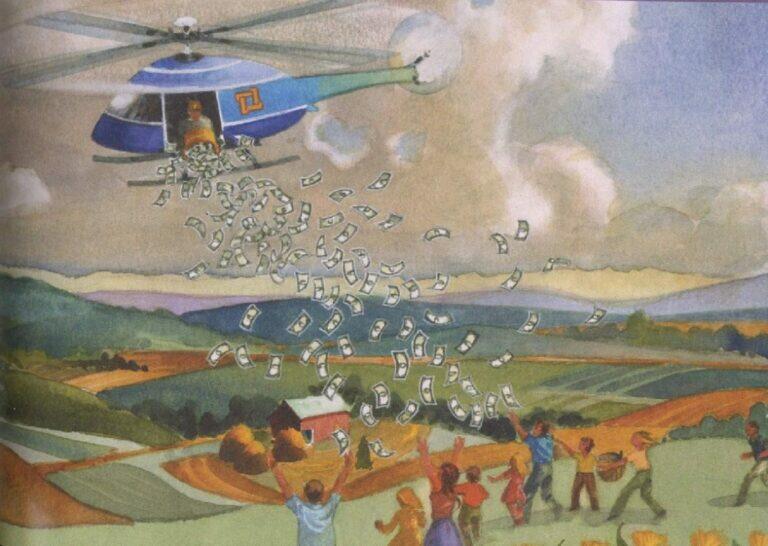
Will The US Hit A Deflationary Wall Or Will The Fed Inflate Again In 2026?
Will The US Hit A Deflationary Wall Or Will The Fed Inflate Again In 2026?
Authored by Brandon Smith via Alt-Market.us
In a system dominated by Keynesian economics the word “deflation” is considered taboo; like saying Donald Trump’s name out loud in a crowded Seattle yoga studio. The screeching reaction you will get is rarely worth the effort of arguing the point. Every element of modern financial policy is designed to prevent a deflationary event. Every central bank policy is designed to artificially drag the economy out of deflation using whatever fiat stimulus is necessary.
Of course, deflation is not always a bad thing. It’s the harsh tasting medicine sometimes needed to correct the many problems caused by bad investments, corporate fraud, consumer debt addiction, government interference in markets, etc. We saw this during the crash of 2008, but the Federal Reserve refused to let the treatment run its course.
The US, like many countries, has become disconnected from the concept of financial consequences. But when America’s massive system dodges accountability, the cost to future generations can be immense.
So now we’re stuck with 17 years of persistent monetary intervention and the inevitable stagflationary crisis it created. The fact that Keynesians like Paul Krugman, Janet Yellen and Ben Bernanke downplayed or outright denied the existence of the inflationary threat shows, at the very least, that they know inflation is a bad thing for the general public (otherwise, why would they try to hide it?).
They denied reality so hard it made them look stupid when 2022 hit the US with a 9.1% CPI rate. The consequences of stimulus driven policies are now undeniable and the Keynesian “experts” have been proven useless, but this doesn’t mean anything is going to change for the better.
My ongoing question with the return of Donald Trump to the White House has been this: How are the banks going to pull the rug out from under this administration? Will it be a deflationary crisis, or an even bigger inflationary crisis?
As I noted last month in my article “Inflection Point: US Government Shutdown And Strange Economic Signals”, gold and silver prices seem to be on the verge of going parabolic (beyond the price explosion we’ve already seen this year), which indicates incoming inflationary pressures. Or, at the very least, a global expectation among investors and central banks of a crisis event which will precipitate further inflation.
I suspect this is partially due to the monolithic interest payments that the US government is required to make on existing debt ($250 billion every 3 months currently). Central banks and investors are snapping up gold and silver, perhaps with the expectation that US debt will become unstable, thus affecting dollar value or triggering a new round of QE.
Furthermore, despite Federal Reserve intervention in interest rates, consumer spending has not significantly slowed down and debt borrowing continues to climb to record highs. CPI growth has slowed dramatically from the Biden era, but prices have not dropped enough to give relief to average Americans. If the Fed’s goal in jacking up interest rates was to slow demand, they failed miserably.
As I’ve noted in the past, the central bank had to hike interest rates to over 20% in the early 1980s to finally end the decade long stagflation crisis – We didn’t come anywhere close to that post-pandemic. Meaning, the Fed put a band aid on an inflationary gunshot wound.
But is deflation just around the corner? There are some signs that this is happening. For example, job availability has dropped by 500,000 openings in the past year, and keep in mind around 30% of all advertised employment opportunities are actually “ghost jobs” that don’t actually exist.
There have been increases in job layoffs in 2025, but 27% of those are connected to DOGE cuts to government bureaucracy. White collar jobs have seen a increase in layoffs of around 19% for the year.
The US national debt increased by $2.2 trillion in 2025. Consumer credit debt is increasing by around $190 billion every quarter. Total household debt has hit $18.5 trillion. Eventually, the debt expansion is going to drag down consumption, but this doesn’t seem to be happening yet.
There hasn’t been a noticeable slowdown in retail spending, nor in credit borrowing. Prices remain significantly higher compared to before the pandemic despite softening of the CPI. The elements needed for deflation to pull prices down just don’t exist.
I continue to suspect that a deflationary event is coming, but I think this will only happen after another round of inflation hits the economy. If the Fed cuts rates to the point that CPI spikes sharply again (which won’t take long), then rising prices will ultimately hobble consumer spending. If they don’t, then the Fed will hike rates well beyond recent highs, just as they did in the 1980s.
It’s the Catch-22 trap that I have been talking about for years and it’s not going away. The choice is really up to the Fed – To increase interest rates far beyond what they did in the past three years, or stimulate. In other words, the roller coaster starts in 2026 as the central bank continues to cut. Watch for returning instability in the CPI in the summer and fall.
Trump’s tariffs, if they are still in effect, will likely be blamed despite the fact that tariffs have avoided the kind of cost crisis that many critics were predicting. How did this happen? Well, because the critics don’t take into account the massive mark-up from manufacturers overseas to retail prices on the shelf.
Prices on many goods are jacked up by 250% on average once they reach the US. Some apparel items see a markup of over 900% before they hit the shelf. The price of labor and materials in Asia is exceedingly low, and the charges on final products in America are exceedingly high. This is why most international corporations can eat the tariff taxes without much trouble to consumers.
Tariffs are estimated to have caused an increase in CPI of 0.7% since they began according to Harvard research data; a negligible amount compared to the disastrous predictions of many mainstream economists.
That said, inflation continues to loom and tariffs make for a useful scapegoat simply because most people don’t understand them. There has been no deflationary correction, not since 2008 and not since the pandemic stimulus. Which means high demand has not been quelled and savings are not increasing (the US personal savings rate declined to record lows in 2024-2025). Excess dollars are still increasing in circulation and FRED M2 continues to climb. The system never took its medicine.
This means that as the central bank returns to lower rates, borrowing will explode to even higher levels. Inflation will resurface, likely by the third quarter of 2026 if the Fed continues to cut interest rates into next year.
The Trump Administration is taking measures that could help mitigate prices. Mass deportations will certainly reduce domestic demand for goods and housing, which means more supply and falling prices. But this won’t happen at the kind of pace we need unless Trump finds a way to at least double the current annual deportations. The effects will be cumulative and will take years to affect markets.
Overall, I don’t see a way to escape more inflation in the near term without dramatic changes to economic conditions, or a historic move by the Federal Reserve to hike interest rates to levels not seen since the stagflation crisis 50 years ago.
Tyler Durden
Tue, 12/16/2025 – 20:05
https://www.zerohedge.com/economics/will-us-hit-deflationary-wall-or-will-fed-inflate-again-2026
Congreso salvadoreño aprueba reforma constitucional para extender periodo de magistrados electorales
Associated Press
SAN SALVADOR (AP) — El Congreso salvadoreño, controlado por el partido Nuevas Ideas del presidente Nayib Bukele, aprobó expeditamente el martes una reforma constitucional para extender de cinco a seis años el período de los magistrados del Tribunal Supremo Electoral.
La iniciativa fue presentada por la diputada oficialista Dania González, quien solicitó reformar el artículo 208 de la Carta Fundamental con el objetivo de homologar el período de los magistrados electorales con los nuevos plazos derivados de una reforma constitucional aprobada en julio que habilitó la reelección presidencial indefinida.
La reforma aprobada el martes también incorpora una disposición transitoria para que el actual periodo de los magistrados concluya en 2027, fecha en la que se deberá escoger a un nuevo organismo bajo el nuevo período de elecciones establecido en la reforma de julio.
González dijo que la iniciativa se desprende de esa reforma que también alargó el periodo presidencial a seis años. Esa enmienda también dispuso que el actual período presidencial de Bukele, que empezó en 2024 e iba hasta 2029, terminará anticipadamente el 1 de junio de 2027. Ese año habrá nuevas elecciones presidenciales en coincidencia con las legislativas y locales.
La iniciativa oficialista fue respaldada por 57 de los 60 diputados del Congreso unicameral. Los dos diputados de la derechista Alianza Republicana Nacionalista (Arena), de oposición, y una suplente del conservador partido VAMOS votaron en contra.
Marcela Villatoro, diputada de Arena, criticó la decisión del partido gobernante y sus aliados para cambiar la Constitución y afirmó que “ocupan los periodos cercanos a vacaciones para hacer y deshacer la Constitución como si fuese un trozo de papel higiénico”.

Milei busca limitar la protección de glaciares para atraer inversiones
BUENOS AIRES (AP) — El presidente Javier Milei se dispone a dar un paso decisivo en su cruzada por desregular la economía de Argentina: una reforma en la ley de protección de glaciares que abrirá las puertas a millonarias inversiones mineras en el país sudamericano, en el que hasta ahora ha prevalecido un paradigma de protección de los recursos hídricos.
Con la firma del mandatario ultraliberal, el Poder Ejecutivo envió el martes al Congreso el proyecto de reforma a la ley de presupuestos mínimos para la protección de glaciares “con el objetivo de ordenar el marco normativo vigente, poner fin a interpretaciones arbitrarias y consolidar un esquema de federalismo ambiental plenamente compatible con la Constitución Nacional”.
La normativa vigente, sancionada en 2010, impide la exploración y explotación minera en glaciares y ambientes periglaciares, definidos como área con suelos congelados que actúa como regulador del recurso hídrico.
El cambio más sustancial en el proyecto de reforma propuesto por Milei, que será debatido en el Parlamento durante el período de sesiones extraordinaria, es mantener esta protección sólo para glaciares y geoformas identificados como portadores de “funciones hídricas”, lo cual deberá ser determinado por cada provincia.
“Todo glaciar o geoforma incluido en el Inventario Nacional de Glaciares se considerará protegido hasta que la autoridad ambiental competente verifique que carece de funciones hídricas”, según el texto de reforma.
El cambio en el marco regulatorio podría facilitar inversiones por más de 30.000 millones de dólares, según estimaciones el sector minero para la próxima década. El 70% estaría destinado a nuevos proyectos de cobre, oro y plata.
El gobierno de Milei apuesta a la minería para conseguir parte de los dólares necesarios para fortalecer sus reservas internacionales que le permitan afrontar sus abultados pagos de deuda. Sólo en 2026, el país sudamericano deberá cancelar vencimientos de deuda por 20.000 millones de dólares.
Sin embargo, la reforma en la ley de glaciares ha generado el rechazo unánime de las organizaciones medioambientales.
“Los glaciares y el ambiente periglacial son reservas estratégicas de agua dulce que abastecen de forma directa a 7 millones de personas en el país e indirectamente sostienen actividades económicas regionales”, advirtió Greenpeace. “No podemos permitir que toquen la Ley de Glaciares: implicaría una condena al agua de los argentinos”.

House Oversight Report Says DC Police Chief Manipulated Crime Data
House Oversight Report Says DC Police Chief Manipulated Crime Data
A few years ago a propaganda narrative was launched by Democrat leaders and the left-wing media asserting that conservative red states are the greatest source of criminal activity in the US. The narrative was designed to misdirect the public, distracting from the ongoing problem of progressive soft-on-crime policies which help violent offenders stay out of prison while putting the population at risk.
In reality, red states only have a crime problem because of blue cities. Democrat controlled cities suffer the most criminal activity by far. Data shows that 27 out of 30 of the most violent cities in the US are Democrat run. The leftist propaganda backfired, leading to wider discussions on blue city decay and liberal delusions that crime is a “product of society” rather than a product of inherent psychopathy.
The situation is far worse than reports indicate. For many years evidence has been mounting that reveals a pattern of suppression when it comes to blue city crime stats. One city that has been placed under a microscope is Washington DC – A new report from the House Oversight Committee alleges former D.C. Police Chief Pamela Smith played a considerable role in the overall Democrat effort to hide true crime stats from the general public.
The report, based on evidence and testimony collected over the course of the past several months, alleges that Smith pressured officers to manipulate crime data. The committee released the report on Sunday, less than a week after Smith announced she was stepping down.
DC crime stats have been under suspicion for many years, but suppression did not come to light until Donald Trump initiated a crackdown on DC crime, deploying the National Guard to the city leading to an immediate drop in reported violence. DC police officials claimed that there was no crime problem, boasting of a 30-year-low in murders and assaults. This claim is now under dispute after the House Oversight report.
The report’s key findings include:
1) Chief Smith used a pressure campaign against staff which led to inaccurate crime data. Testimony from MPD commanders revealed that Chief Smith prioritized lowering publicly reported crime numbers over reducing actual crime, placing intense pressure on district commanders to produce low crime statistics by any means necessary.
2) Commanders also testified that Chief Smith pushed for more frequent use of lesser, intermediate charges – which are not publicly reported – and required certain crimes to be reviewed by her office, actions that together amounted to manipulating crime data to present the illusion of lower crime in the District.
3) Chief Smith punished and removed officers for reporting accurate crime numbers and fostered a toxic culture. Commanders described a culture of fear and stated that Chief Smith propagated an ecosystem of retaliation and toxicity. Testimony reveals commanders were berated for reporting rising crime and faced retaliation.
4) D.C. crime statistics are still at risk of manipulation. Crime classifications – which affect reported MPD crime data – have been and are still at risk of being artificially reduced to manipulate crime statistics at the expense of public safety, even after Chief Smith’s abrupt resignation.
5) MPD commanders also confirmed that President Trump’s federal law enforcement surge in D.C. has been effective in lowering crime.
While Smith has not yet publicly responded to the report, she’s previously denied allegations of manipulating crime data, saying the investigation did not play a factor into her decision to step down at the end of the year. Democrat Mayor Muriel Bowser also released a statement Monday, writing in part that “the interim report betrays its bias from the outset, admitting that it was rushed to release.”
This argument doesn’t address the damning testimony from transcribed interviews with the commanders of all seven D.C. patrol districts and a former commander currently on suspended leave. The Democrat position is, as usual, that everyone else is lying and only they are telling the truth. When faced with questions about the testimonies, Mayor Bowser asserted that the Police Chief’s “management style” was none of Congress’ business.
This is the kind of blatant corruption that is suffocating many US cities.
According to current crime stats from the Metropolitan Police Department, since Trump’s federal law enforcement surge started in August, total violent crime is down 26%. Homicides are down 12% and carjackings 37%.
Tyler Durden
Tue, 12/16/2025 – 19:40

Relevista Gregory Soto y Piratas firman contrato de un año por 7,75 millones
PITTSBURGH (AP) — El relevista Gregory Soto, dos veces elegido al Juego de Estrellas, firmó el martes un contrato por un año y 7,75 millones de dólares con los Piratas de Pittsburgh.
Soto ofrece a los Piratas una opción experimentada como lanzador zurdo en un bullpen que se renovará en 2026 después de que los relevistas Colin Holderman y Dauri Moreta fueron dados de baja el mes pasado.
El dominicano de 30 años tiene un récord de 15-34 con una efectividad de 4.26 y 56 salvamentos a lo largo de siete temporadas con cinco equipos. Fue seleccionado al Juego de Estrellas en 2021 y 2022 con Detroit. Pasó 2025 con Baltimore y los Mets de Nueva York, quienes lo adquirieron a finales de julio, justo antes de la fecha límite de canjes.
Soto tuvo dificultades en Nueva York, con un récord de 1-3 y una efectividad de 4.50 en 25 apariciones. Su salida es la segunda baja significativa del bullpen de los Mets en la agencia libre después de que el cerrador boricua Edwin Díaz formalizó su acuerdo por tres años con los Dodgers de Los Ángeles el mismo martes.
Pittsburgh parece estar estable en la parte trasera del bullpen, donde el dominicano Dennis Santana se desempeñó bien después de que David Bednar, dos veces elegido al Juego de Estrellas, fue traspasado a los Yankees de Nueva York la temporada pasada. Soto ofrece a los Piratas un lanzador que ha desempeñado una gran variedad de roles, incluido el de cerrador.
_____
Deportes AP: https://apnews.com/hub/deportes
Esta historia fue traducida del inglés por un editor de AP con la ayuda de una herramienta de inteligencia artificial generativa.

Trump Wants Tiny Cars In America: What To Know
Trump Wants Tiny Cars In America: What To Know
Authored by Andrew Moran via The Epoch Times (emphasis ours),
Microcars could be driving on a street near you.
The affordability issue has also extended to the car market. At a time when the average price of a brand-new automobile is almost $50,000, the White House is seeking to offer motorists other affordable options.
Japan may have inspired President Donald Trump’s latest decision to allow U.S. manufacturers to produce tiny automobiles—also known as kei cars.
Administration Actions
Trump, speaking at a White House event on Dec. 3, expressed admiration for tiny cars after seeing them in Japan, comparing these models to the classic Volkswagen Beetle.
“They’re very small; they’re really cute,” Trump told reporters. “And everyone seems to think they’re good, but you’re not allowed to build them.”
He confirmed that he authorized Transportation Secretary Sean Duffy to “immediately approve the production” of these smaller vehicles, which are common throughout Malaysia and South Korea.
“So, you’ll be able to buy [them],” the president said.
In a Dec. 5 Truth Social post, Trump reiterated the charm of these miniature cars.
“Manufacturers have long wanted to do this, just like they are so successfully built in other countries. They can be propelled by gasoline, electric, or hybrid,” the president wrote.
“These cars of the very near future are inexpensive, safe, fuel efficient and, quite simply, amazing!!! Start building them now!”
In a Dec. 4 interview with CNBC’s “Squawk Box,” Duffy stated that if there is market support for low-cost microcars, he wants to afford U.S. manufacturers the opportunity to satisfy consumer demand.
While they might not be functional on freeways, the secretary noted that they could work in urban settings.
“If that’s where you drive, it could be a great solution for you,” he said. “And, by the way, much more affordable than other options that are on the market today.”
Terminating CAFE Standards
The president’s comments came as he moved to dismantle his predecessor’s fuel‑economy rules, formally scrapping the Biden administration’s Corporate Average Fuel Economy (CAFE) standards.
The original program required automakers to average 50.4 miles per gallon by 2031, but Trump’s rollback lowers the target to 34.5 miles per gallon over the next six years.
The White House estimates that the change will trim at least $1,000 from sticker prices and deliver about $109 billion in consumer savings over the next five years.
Driving a Kei Car
Emerging in the late 1940s and ‘50s, tiny automobiles—kei cars—were created to provide low-cost personal transportation during Japan’s postwar reconstruction. Their compact size suited the era’s infrastructure, when most roads were narrow, winding, and frequently unpaved.
The federal government does not explicitly ban Japanese-style microcars. However, regulatory exclusions effectively prevented automakers from producing these types of vehicles, forcing them to manufacture larger, heavier cars.
Since the 1970s, the United States has implemented modern federal crash-safety and highway-safety standards under the Federal Motor Vehicle Safety Standards. This includes airbags, crash-test performance, side-impact protection, and structural strength.
Kei cars—designed with small dimensions and engines—cannot comply with these standards without adding weight and size, ultimately undermining the very concept.
‘Game Changer’ for US Automakers
The president’s public support and policy actions regarding kei cars are a “game changer,” said Lauren Fix, a sector analyst and industry expert at Car Coach Reports.
“This is not an overnight process, but the tooling could be shipped to the U.S. and produced within a year,” Fix told The Epoch Times.
One automaker is already putting the pedal to the metal to see if Americans want smaller cars.
Chrysler parent Stellantis said on Dec. 8 that it will begin offering an all-electric small car called the Fiat Topolino—translated to “little mouse”—in the United States in 2026.
Fiat CEO Olivier François stopped short of providing more information, but he said in a statement that more details would be shared in 2026.
“The Fiat Topolino, our small, joyful, colorful car that is now everywhere in Europe, has made several appearances in the U.S. over the past year, including last month at the LA Auto Show, where it’s creating tremendous excitement among consumers,” François said in the statement.
“So much so that I’m happy to share that we’ll be bringing the Fiat Topolino to the U.S., with more details to come next year.”
Trump’s enthusiasm for tiny cars, meanwhile, could also lead to savings for families, according to Fix.
Affordability Versus Market Demand
In Japan, brand-new gasoline-powered kei cars range from $8,000 to $14,000—electric alternatives can run as high as $27,800.
Stellantis sells the Topolino in Europe for approximately $11,500.
By comparison, the average transaction price of a new automobile in the United States is almost $50,000, according to Cox Automotive’s Kelley Blue Book report, released on Dec. 9.
But availability and cost may not be enough to entice motorists to hop into a kei car anytime soon.
Two in five Americans say an SUV or crossover is their primary vehicle, according to YouGov survey data—and that preference is reflected clearly in the country’s best-selling models.
The U.S. auto market remains dominated by SUVs and pickup trucks—sedans account for a smaller share of domestic sales. In the first seven months of 2025, the top-selling cars have been the Ford F-Series, Chevrolet Silverado, Toyota RAV4, Honda CR-V, and Ram Trucks’ pickup.
If there is market demand, models such as Toyota’s Hilux pickup truck or the Fiat Topolino could be hitting U.S. streets in the coming years.
Travis Gillmore contributed to this report
Tyler Durden
Tue, 12/16/2025 – 19:15
https://www.zerohedge.com/political/trump-wants-tiny-cars-america-what-know

Trump ordena bloqueo de “buques petroleros sancionados” hacia Venezuela
Por MICHELLE L. PRICE
WASHINGTON (AP) — El presidente de Estados Unidos, Donald Trump, dijo el martes que ordenará un bloqueo de todos los “buques petroleros sancionados” que se dirijan a Venezuela, aumentando la presión sobre el mandatario venezolano Nicolás Maduro en una medida que parecía diseñada para asfixiar aún más la economía del país sudamericano.
La medida se produce después de que las fuerzas armadas de Estados Unidos decomisaron un buque petrolero frente a la costa de Venezuela la semana pasada, una medida inusual que se dio en el contexto de un incremento en el contingente naval estadounidense en la región.
En una publicación en redes sociales el martes por la noche en la que anunció el bloqueo, Trump alegó que Venezuela estaba utilizando el petróleo para financiar el tráfico de drogas y otros delitos y prometió escalar la presencia militar hasta que el país le devuelva a Estados Unidos el petróleo, la tierra y activos, aunque no estaba claro por qué Trump considera que Estados Unidos tenía un reclamo.
“Venezuela está completamente rodeada por la Armada más grande jamás reunida en la historia de Sudamérica”, publicó Trump en su red social. “Sólo aumentará de tamaño, y el impacto sobre ellos será algo que nunca han visto hasta que le devuelvan a Estados Unidos todo el petróleo, la tierra y otros activos que nos robaron previamente”.
Los funcionarios del Pentágono remitieron todas las preguntas sobre la publicación a la Casa Blanca.
El incremento del contingente militar ha estado acompañado de una serie de ataques contra embarcaciones en aguas internacionales en el Caribe y el Pacífico oriental. La campaña, que ha atraído un escrutinio de legisladores federales de ambos partidos, ha cobrado la vida de por lo menos 95 personas en 25 ataques conocidos a embarcaciones.
La administración Trump ha defendido la campaña como un éxito, asegurando que ha impedido que las drogas lleguen a Estados Unidos, y ha rechazado las preocupaciones de que pone a prueba los límites legales de un conflicto armado.
La Casa Blanca ha dicho que el objetivo de la campaña es frenar el flujo de drogas hacia Estados Unidos. Pero la jefa de despacho de Trump, Susie Wiles, pareció confirmar en una entrevista con Vanity Fair publicada el martes que los ataques son parte de un esfuerzo para derrocar a Maduro.
Wiles dijo que Trump “quiere seguir volando barcos hasta que Maduro se rinda”.
El anuncio del martes por la noche parecía tener un objetivo similar.
Venezuela, que tiene las mayores reservas probadas de petróleo del mundo y produce alrededor de 1 millón de barriles al día, ha dependido durante mucho tiempo de los ingresos del petróleo como el sustento de su economía.
Desde que la administración Trump comenzó a imponer sanciones petroleras a Venezuela en 2017, el gobierno de Maduro ha dependido de una flota clandestina de barcos sin bandera para introducir crudo de contrabando en las cadenas de suministro globales.
La empresa estatal Petróleos de Venezuela S.A. (PDVSA) está excluida de los mercados petroleros globales por las sanciones de Estados Unidos. Vende la mayoría de sus exportaciones con un gran descuento en el mercado negro en China.
Francisco Monaldi, un experto en petróleo venezolano de la Universidad de Rice en Houston, dijo que se exportan alrededor de 850.000 barriles de la producción diaria de 1 millón. De eso, dijo, el 80% va a China, del 15% al 17% va a Estados Unidos a través de Chevron Corp., y el resto a Cuba.
No estaba claro de inmediato cómo planeaba Estados Unidos implementar lo que Trump anunció como un “BLOQUEO TOTAL Y COMPLETO DE TODOS LOS BUQUES PETROLEROS SANCIONADOS que entran y salen de Venezuela”.
La Marina de Estados Unidos tiene 11 barcos, incluyendo un portaaviones y varios navíos de asalto anfibio, en la región.
Esos barcos llevan un amplio complemento de aeronaves, incluidos helicópteros y V-22 Ospreys. Además, la Marina ha estado operando un puñado de aviones de patrulla marítima P-8 Poseidon en la región.
En total, esos activos proporcionan a los militares una capacidad significativa para monitorear el tráfico marítimo que entra y sale del país.
______
Los periodistas de The Associated Press Konstantin Toropin en Washington y Regina García Cano en Caracas, Venezuela, contribuyeron a este informe.
______
Esta historia fue traducida del inglés por un editor de AP con la ayuda de una herramienta de inteligencia artificial generativa.

El agente Bovino regresa a Chicago a encabezar las redadas migratorias de la Patrulla Fronteriza
Por CHRISTINE FERNANDO
CHICAGO (AP) — El comandante de la Patrulla Fronteriza, Greg Bovino, regresó al área de Chicago el martes, aproximadamente un mes después de irse para liderar las redadas migratorias en otras ciudades, dijeron defensores de los inmigrantes.
El Chicago Sun-Times fotografió al agente Bovino, la cara visible de la represión migratoria de la administración Trump, el martes en el barrio predominantemente mexicano-estadounidense de La Villita, mientras vecinos y activistas sonaban silbatos y gritaban.
Videos obtenidos por The Associated Press mostraron varios autos sin identificación y agentes de la Patrulla Fronteriza lanzando bolas de pimienta y deteniendo a un hombre en el corredor comercial del vecindario.
Bovino llegó al área de Chicago en septiembre en medio de la Operación Midway Blitz, que ha resultado en miles de arrestos y generado temor entre las comunidades inmigrantes. El operativo ha destacado por sus tácticas agresivas, incluyendo el uso de municiones químicas y persecuciones en auto. Desde que comenzó, agentes federales han lanzado gas lacrimógeno en las calles del vecindario, golpeado a manifestantes y periodistas con bolas de pimienta y disparado al menos contra dos personas, matando a una.
Bovino se fue de Chicago en noviembre para liderar operaciones migratorias en Nueva Orleans y Carolina del Norte. Aunque las redadas continuaron en Chicago, fueron notablemente más moderadas, con menos confrontaciones tensas, y las acciones del martes fueron de las más visibles desde que Bovino dejó la ciudad.
“Como dijimos hace un mes, no nos estamos yendo de Chicago y las operaciones continúan”, dijo la subsecretaria del Departamento de Seguridad Nacional, Tricia McLaughlin.
El gobernador de Illinois, JB Pritzker, se quejó de que no se le notificó que Bovino y agentes adicionales de la Patrulla Fronteriza regresaban al área de Chicago el martes. Y dijo que no sabe cuánto tiempo se quedarán.
Pritzker también pidió que Bovino testifique ante una comisión de Illinois creada en octubre para documentar la mala conducta de los agentes federales.
“Estoy tan orgulloso de la gente de Illinois, por hacer lo que han hecho, que es proteger sus vecindarios y a sus vecinos, hacer lo correcto”, dijo Pritzker el martes. “Y así, creo que estamos en una posición mucho mejor”.
En una conferencia de prensa el martes, los activistas prometieron seguir apoyando a las comunidades inmigrantes en el área de Chicago. Los defensores dijeron que 15 personas, incluidos jornaleros y un vendedor de tamales, fueron detenidos el martes en el lado suroeste de la ciudad y en los suburbios de Berwyn y Cicero.
“Estamos cansados, pero no agotados”, dijo la senadora estatal de Illinois, Celina Villanueva. “Cada vez que vengan, nosotros estaremos presentes”.
Victor Rodriguez II, residente de toda la vida de La Villita, dijo que ayudó a una mujer cuando su esposo fue detenido después de que “una caravana de agentes enmascarados comenzó a aterrorizar a nuestra comunidad”, incluyendo el uso de bolas de pimienta en las calles del vecindario. Rodriguez acusó a Bovino de hacer “teatro político dirigido”.
Bob Reiter, presidente de la Federación de Trabajadores de Chicago, dijo que los agentes de la Patrulla Fronteriza interrogaron a trabajadores en huelga en el lado suroeste de Chicago y acusó a Bovino de “venir a nuestra protesta para enfriar la actividad sindical”.
“Hemos visto el primer acto de este teatro político que han traído”, dijo. “Ahora es el segundo acto, y estamos listos”.
___________
Esta historia fue traducida del inglés por un editor de AP con la ayuda de una herramienta de inteligencia artificial generativa.

Daily Horoscope for December 17, 2025
General Daily Insight for December 17, 2025
Opportunities to get out of our heads are likely to find us today. When the melancholy Scorpio Moon faces off against unpredictable Uranus, surprise glitches could interrupt our ruminations. Luna’s trine to dreamy Neptune softens reactions and helps us rebuild optimism. Once the emotional Moon enters the adventurous territory of Sagittarius at 11:38 am EST, we may embrace movement and a wider view of our choices. The world is probably a lot bigger than some of the things we worry about!
Aries
March 21 – April 19
Sometimes getting back on the horse is all it takes. The intuitive Moon arrives in your 9th House of Travel and Learning, potentially drawing your attention back toward a course of study you’ve drifted away from. Your energetic nature could thrive when you speak with a mentor and set a few clear milestones. You love a challenge, and you wouldn’t want to let down another person who’s counting on you! Momentum favors action more than perfection, so dig in however you can.
Taurus
April 20 – May 20
Deeper trust changes how money conversations flow. As the nurturing Moon lights up your 8th House of Shared Resources and Intimacy, you’re in an ideal position to negotiate a tender agreement that will ultimately provide both security and respect. Your sign is known to value comfort, and that’s helpful here because you’ve probably accumulated a lot of experience in naming what feels comfortable by now. Pursue progress by offering clear next steps that are fair and kind to everyone involved.
Gemini
May 21 – June 20
Partnership asks for transparent words at present. As the fluctuating Moon floats into your 7th House of Relationships, you might realize you’re not happy with the status quo in one of your close connections. If you’re able to translate your mixed feelings into plain terms without blaming anyone, you have a chance to build a fair agreement you can actually keep. While you’re reconfiguring things, try to make room for the possibility that your plans may change further in the future!
Cancer
June 21 – July 22
Patience and thoughtful judgment can help you pass the tests before you today. The temperamental Moon activates your 6th House of Work and Wellness, nudging you to streamline routines and care for your body with consistency. Your nurturing nature can calm the people around you if a small crisis pops up. Getting sucked too deeply into anyone else’s emotional upheaval isn’t ideal, though. You can also show leadership by breaking tasks into manageable pieces! Trust your instincts as to what’s most important.
Leo
July 23 – August 22
Your desire for excitement is likely to need an outlet today. The candid Moon in your 5th House of Creativity encourages heartfelt expression that feels fun and generous without pushing for attention. A simple gesture, like sharing a song, could open a door in a burgeoning friendship and help you start a conversation. Invite play into work, and let your dramatic tendencies develop into honest charm that builds trust rather than stealing the scene. Warm connections pave the way for bigger creative wins.
Virgo
August 23 – September 22
Home could ask for practical care today. The observant Moon wakes up your 4th House of Family and Roots, guiding you to make improvements that support your peace. Although it may be tempting to chase perfection, thoughtful triage is a better use of your analytical energy at this point. Prioritize fixing the squeaky hinge you encounter multiple times a day vs. complicated projects on your nice-to-have list. Any task that actually gets done is likely to build momentum for more!
Libra
September 23 – October 22
Having a good think about what really needs to be said could be necessary now. As the caring Moon pops into your 3rd House of Communication, you may be interested in starting a conversation to clear a misunderstanding. However, endless discussion often has the potential to worsen the sort of conflict that would otherwise fizzle out on its own. If you’re on the fence, try asking a test question that opens the dialogue. Listen carefully to the answer, and don’t push past obvious discomfort.
Scorpio
October 23 – November 21
Scorpio, your values ask for honest action. With the perceptive Moon passing into your 2nd House of Money and Self-Worth, you might reassess a financial decision that no longer fits your current priorities. Intense insight helps you hold a firm line during a negotiation, and you can maintain a respectful atmosphere by keeping your tone calm while you stick to numbers. Choose power that builds trust, not control that invites fear. You can convey to others that you’re serious without being mean about it!
Sagittarius
November 22 – December 21
The mood is likely to shift in your favor today. As the passionate Moon powers into your sign, your drive to start something new could land better than usual with the people around you. You might as well commit to action before doubts have a chance to develop. Momentum matters, so you can refine details later. Your confidence opens doors, and your enthusiasm reminds others why beginnings can be exciting. At that stage, just about any journey has the potential to be a great one!
Capricorn
December 22 – January 19
Private time could clear fog and restore your footing today. The unconscious Moon draws attention to your 12th House of Solitude and Closure, inviting rest and reflection. You might be surprised to discover how much hidden stress you’ve been carrying! Your disciplined personality benefits from an occasional short break. Consider journaling to help your mind untangle private worries. Putting as many concerns as you can to rest at this time should free up energy for you to pursue new interests later.
Aquarius
January 20 – February 18
When friendship calls, your purpose may grow clearer. With the nourishing Moon emphasizing your 11th House of Friends and Community, group plans are likely to pull you in, highlighting where your unique approach can truly help. You have the potential to remind people why collaboration unlocks fresh possibilities. Even if logistics shift, you’re able to stay focused on the shared goal rather than getting derailed by the quirks in how others work. Your thoughtful contribution today might seed connections that support you later.
Pisces
February 19 – March 20
Taking the next brave step is possible now. The temperamental Moon spotlights your 10th House of Career and Status, asking you to act on a goal that influences your reputation. Perhaps your compassionate instincts will help you present a solution during a meeting, or your creativity will turn a fuzzy idea into something that earns respect. Do what you can to prepare, but don’t overthink it. Your natural strengths give you a lot to offer, so you might as well share that with the world!
https://www.chicagotribune.com/2025/12/16/daily-horoscope-for-december-17-2025/

Medline raises more than $6.2 billion in initial public offering, one of the largest of the year
Northfield-based Medline has raised more than $6.2 billion in its intial public offering, making it one of the largest initial public offerings of the year.
Medline sold about 216 million shares at $29 a piece — a larger offering than the company had initially outlined. The company said earlier this month that it planned to sell 179 million shares for between $26 and $30 a share. Shares of the massive medical supply company will begin trading publicly Wednesday on the Nasdaq Global Select Market under the symbol MDLN.
Medline sells hundreds of thousands of products, including medical supplies and instruments, patient gowns, personal protective equipment, Curad bandages and the iconic blue-and–pink-stripled blankets hospitals wrap around newborns.
Nearly 6,100 of the company’s more than 43,000 employees worldwide work in Cook and Lake counties, including about 850 who work at the company’s flagship distribution center in Grayslake. Medline has eight facilities across the Chicago area
“Becoming a public company is a responsibility that we take seriously,” wrote CEO Jim Boyle in a note with Medline’s registration statement filed publicly with the U.S. Securities and Exchange Commission in October. “We will create value for our shareholders through our relentless customer focus, stellar execution, and commitment to long-term success.”
Medline’s efforts to go public have been building for some time, after decades of family ownership.
Brothers Jim and Jon Mills founded the company in 1966, building on the legacy of their grandfather A.L. Mills, who made surgeons’ gowns and uniforms during World War I at his company Mills Hospital Supply.
The family agreed in 2021 to sell a majority stake in Medline to funds managed by private equity firms Blackstone Group, Carlyle Group and Hellman & Friedman. At the time, members of the Mills family told the Tribune that the move was intended to raise cash for family members and to strengthen the company.
Medline had sales of $20.6 billion for the nine months that ended Sept. 27, according to a previous filing with the Securities and Exchange Commission.
The company’s strong initial public offering could partly reflect investor sentiment that it’s a recession-proof business because it sells medical supplies, said Pankit Bhalodia, a partner in life sciences at consulting firm West Monroe. The company has also been owned by private equity for several years and has presumably already gone through changes to make it operate more efficiently. Plus, investors may like that Medline is not just a distributor but also sells many of its own products, allowing it to capture more revenue, he said.
Challenges, however, include that Medline will continue to carry a large amount of debt moving forward, despite the fact that it’s using proceeds from the initial public offering to help pay down debt, Bhalodia said. Also, it will face pressure due to tariffs, Bhalodia said. Medline has said it estimates tariffs will cost it $325 million to $375 million in 2025, before taxes from tariffs, and $150 million to $200 million in 2026.
Before Medline’s initial public offering, the largest listing this year was for Chinese battery maker Contemporary Amperex Technology Co. Ltd. at $5.26 billion, according to Bloomberg.
Medline was previously a public company for five years in the 1970s, before it returned to private ownership.