Category: News
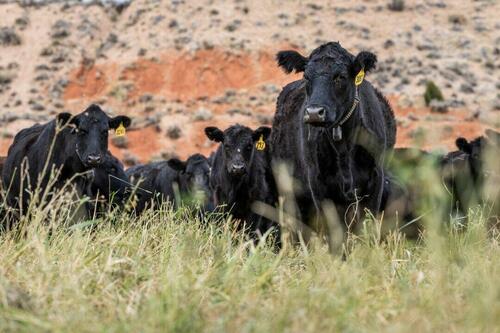
Trump Administration Faces Balancing Act On Agriculture
Trump Administration Faces Balancing Act On Agriculture
Authored by Beige Luciano-Adams via The Epoch Times (emphasis ours),
The Trump administration has in recent months rolled out a series of actions to address the long-brewing existential crisis facing America’s family farmers and ranchers, who for years have been pummeled by industry consolidation and rising costs, as well as regulatory, environmental, and trade issues.
Traditionally the backbone of American agriculture, family operations are disappearing, shrinking by more than 17 percent since 2017. In 2024, the number of U.S. farms dropped to the lowest level in more than a century.
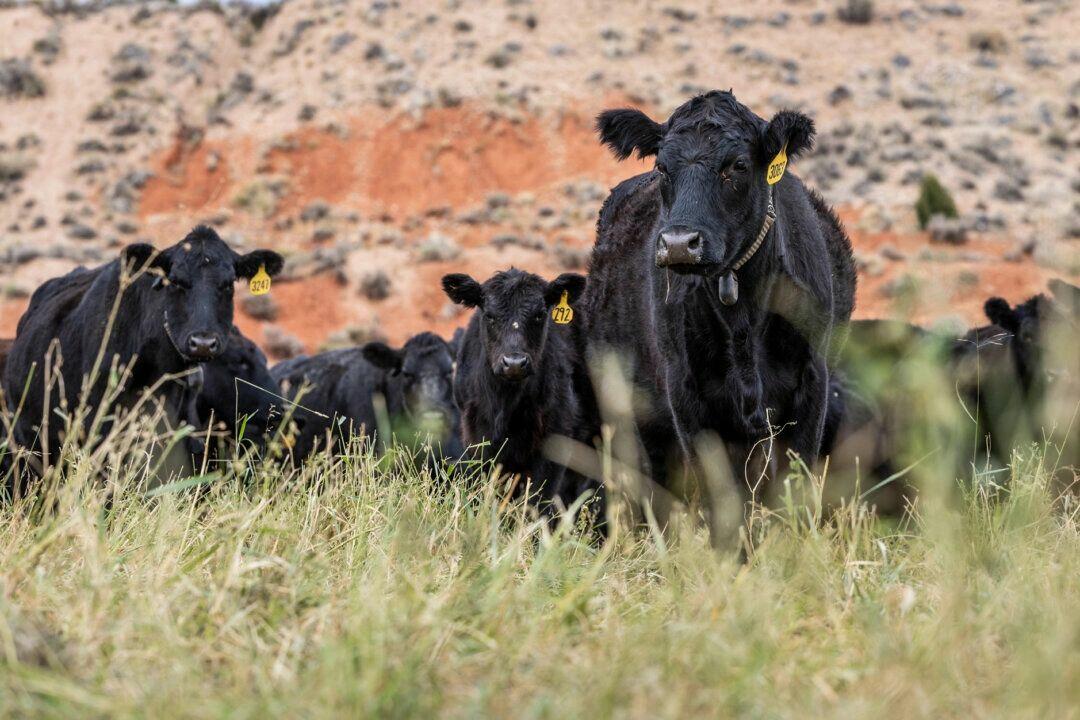
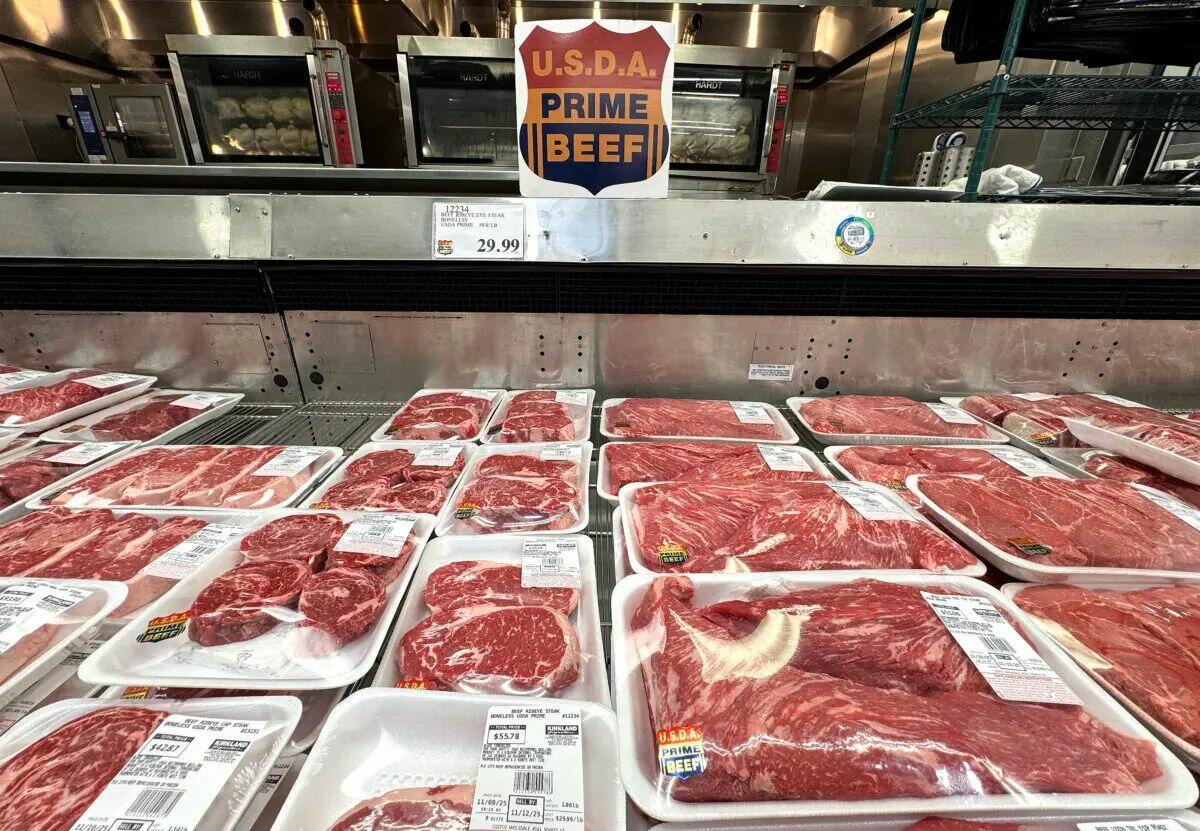
In the cattle and beef industry, an ongoing contraction driven by a dwindling domestic herd has created an increasingly unstable climate. As prices soar and processing plants shutter, the Trump administration faces a balancing act between calming consumer anxieties and reassuring ranchers that it will deliver on deep reforms.
The Trump administration has proposed renewed antitrust enforcement, land-use reform, and supportive programming for ranchers. But the administration also slashed the tariffs it imposed earlier this year on beef imports, which ranchers say may undercut their business.
In conversation with The Epoch Times, many ranchers have been largely sanguine about what they see as an administration that is listening to their concerns and taking decisive action, but suggest more is needed to transform an industry that has become deeply exploitative, corrupt, and anti-competitive.
“Trump is trying to satisfy a lot of people right now, and I don’t mean that in a bad way,” Patrick Robinette, a North Carolina cattle producer and industry consultant, told The Epoch Times.
“But he made promises to the rural people that he was going to improve their economy. He also made promises to the consumer that he was gonna lower their prices.”
Trump’s Reforms
In October, the U.S. Departments of Agriculture, Interior, Health and Human Services, along with the Small Business Administration, unveiled a sweeping plan to restore the nation’s shrinking cattle herd and bolster independent ranchers, including by expanding grazing on federal lands, a reversal of Biden-era policy.
Noting that around 10 percent (24 million acres) of grazing allotments are currently vacant, the Departments of Agriculture and Interior plan to position “grazing as a central element of federal land management,” while also promoting innovative tools such as virtual fencing and “outcome-based practices to sustain ecological health,” signaling federal support for regenerative grazing practices. The USDA in December confirmed it will launch a $700 million pilot program focused on regenerative agriculture.
Additionally, the government is attempting to assuage longstanding rancher concerns over predatory endangered species by developing new standards of evidence for compensating producers whose herds are impacted by wolves, bears, and coyotes.
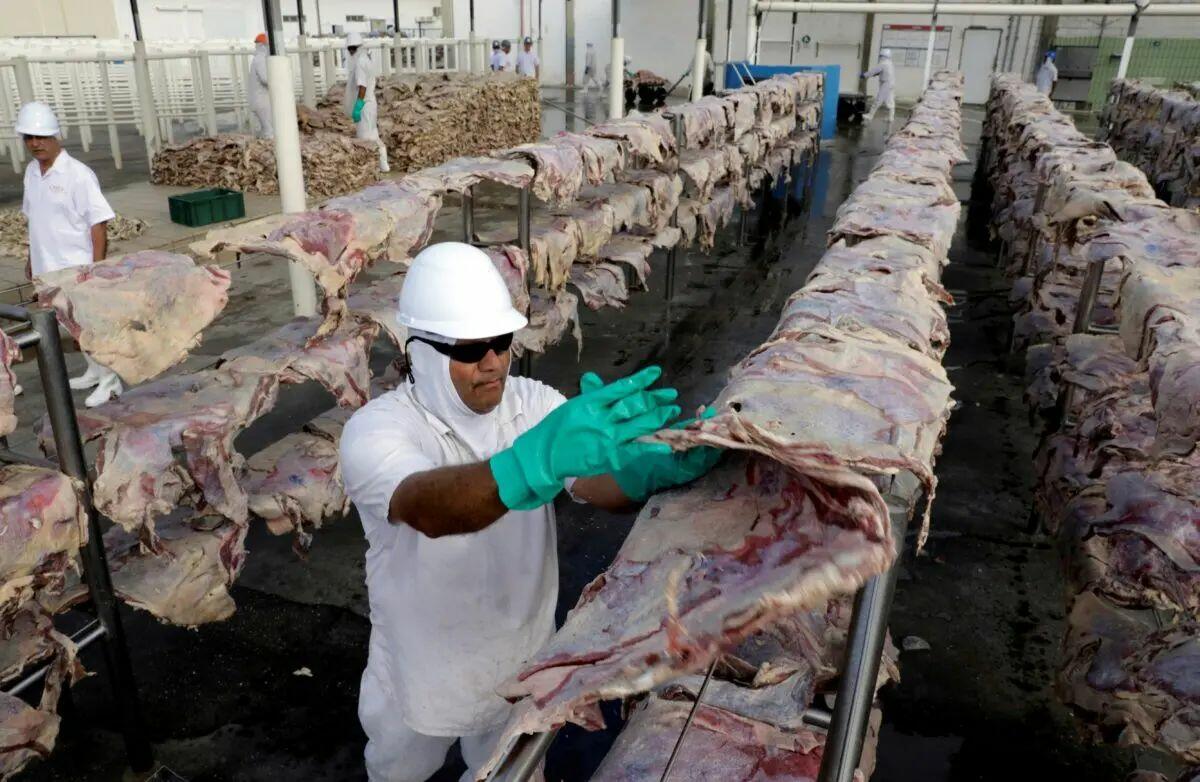
In an attempt to address consolidation in the packing industry and stabilize prices, the White House is also ramping up loans and grants to support small- and medium-sized processors that supply local and regional markets.
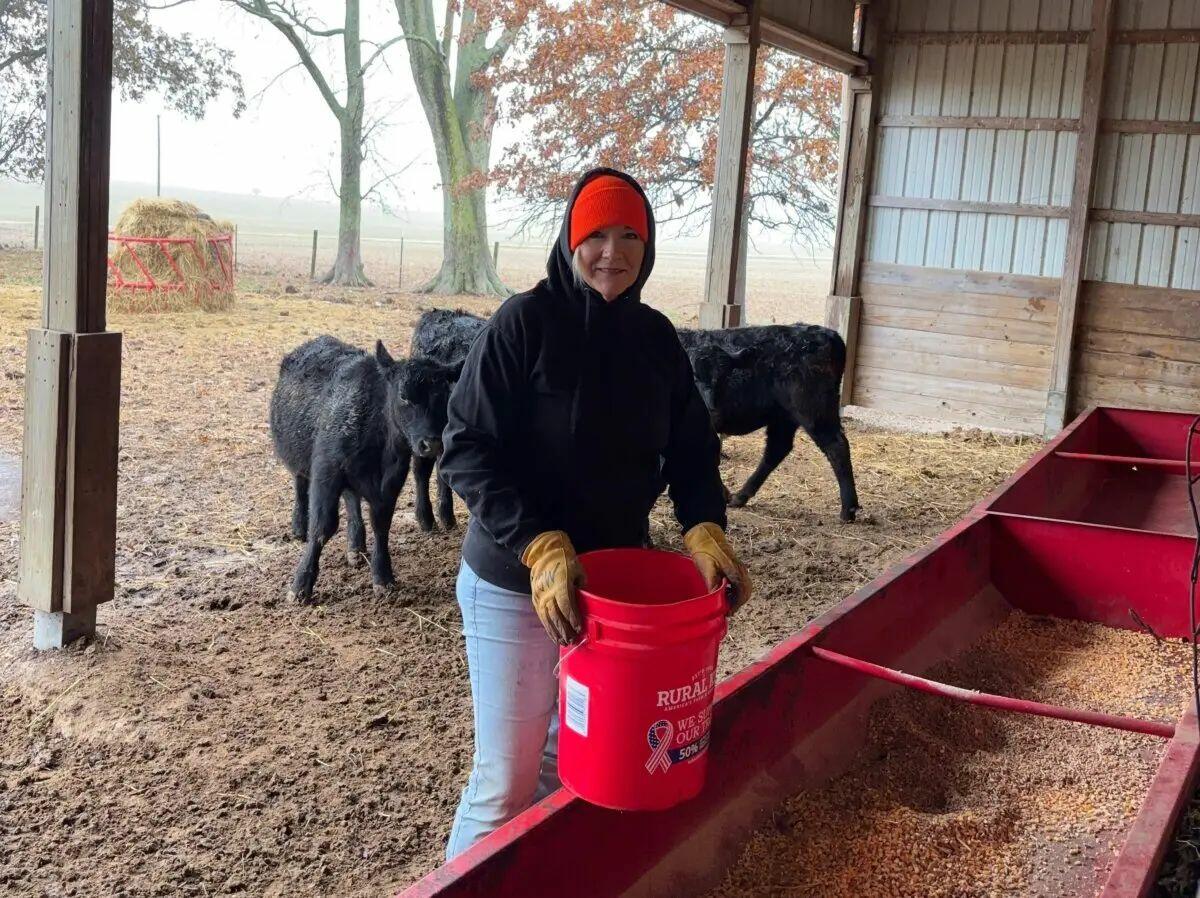
And to make ranching more accessible, it plans to expand benefits for new ranchers and prioritize support for veteran-owned and operated ranches.
The USDA announced earlier this month a $12 billion bailout for farmers “in response to temporary trade market disruptions and increased production costs.”
Antitrust Challenges
President Donald Trump on Nov. 7 ordered a Department of Justice (DOJ) crackdown on “foreign-owned meat packing cartels,” referring to the handful of massive conglomerates that dominate the industry, citing potential collusion, price fixing, and price manipulation. He said that the companies artificially inflate prices and jeopardize U.S. food security.
The “Big Four” meatpackers—Cargill, Tyson Foods, JBS, and National Beef—control 85 percent of U.S. beef processing and vast majorities of pork and poultry markets. JBS and National Beef are majority-owned by Brazilian parent companies.
For decades, industry consolidation has “crushed competition and hammered cattle producers,” the Trump administration said in its Nov. 7 memo, citing “mounting evidence” showing monopoly power has “slashed payments to ranchers, reduced herd sizes, driven up consumer prices and threatened America’s food supply chain.”
Robinette said it’s about time for a DOJ investigation. “But the other side to it is, maybe nothing comes out of it.”
He pointed to a similar investigation of the same companies in 2020, following years of class-action consumer lawsuits and urging from producers.
In a Nov. 21 statement, the U.S. Cattlemen’s Association, which represents independent producers and processors, said it appreciated the Trump administration returning to the issue, but added that past inquiries left producers without answers.
“We urge the Administration to ensure this investigation leads to substantive action and real reforms,” it stated.
Multiple federal investigations of the companies and their subsidiaries have spanned across administrations, resulting in millions in settlement payouts.
But their hold on the market remains.
The 2020 DOJ investigation, according to Farm Action, a nonpartisan watchdog group, produced “no major enforcement actions or reforms.”
All the “Big Four” companies have faced multiple antitrust lawsuits. Last month, Tyson and Cargill paid a combined $87.5 million to settle a federal class action lawsuit brought by consumers who accused them of conspiring to inflate beef prices by restricting supply. Along with other poultry producers, they settled a civil wage-fixing case in January for $398 million, which mirrored a DOJ case.
JBS, the world’s largest meat processing company, settled a case for $83.5 million in January, in which producers alleged all four companies conspired to artificially reduce the price of cattle.
The conglomerate has also been plagued by corruption scandals in the United States and in Brazil. In 2017, JBS owners agreed to a $3.2 billion plea deal in Brazil after admitting to bribing more than 1,800 politicians to illicitly acquire financing; in 2020, the company pleaded guilty to bribery charges and agreed to pay around $256 million in criminal fines following a DOJ investigation.
Despite increased scrutiny from lawmakers across various administrations over antitrust concerns, consolidation and U.S. expansion have continued.
According to a recent analysis by Farm Action, price-fixing settlement payouts remain a tiny fraction of the companies’ profits. And five years after the last DOJ investigation, their hold on the market remains undiminished.
“This time,” the group urges, “the DOJ must dig deeper into the collusion and political influence that define this industry.”
Trade Policy
In an effort to curb domestic beef prices, Trump in October proposed increasing imports from Argentina, drawing ire from U.S. ranchers who say cheap imports undercut them while failing to lower consumer prices.
In November, the administration solidified an agreement with Argentina that will quadruple low-tariff beef imports from the country, to some 80,000 metric tons.
The National Cattlemen’s Beef Association opposed the move and urged the president to “let the cattle markets work.”
Responding to pushback from ranchers, Trump said in an Oct. 22 Truth Social post that “the only reason cattle ranchers are doing so well, for the first time in decades,” is because of his tariffs.
“If it weren’t for me, they would be doing just as they’ve done for the past 20 years – Terrible! It would be nice if they understood that, but they also have to get their prices down, because the consumer is a very big factor.”
Secretary of Agriculture Brooke Rollins has attributed much of the affordability crisis to inherited impacts from the last administration, including a $50 billion agricultural trade deficit, and has defended Trump’s trade policy as putting America first. She also noted that while the cost of many staples has fallen since Trump took office, beef remains an outlier.
“The president is committed to getting that down but also to ensuring that we’re supporting, protecting and rebuilding our herd for our cattle ranchers,” she said in a Nov. 20 interview.
Heather Hampton-Knodle, an Illinois-based cattle producer and former president of American Agri-Women, told The Epoch Times that the Argentina beef deal “is really hard to relate to, given how tariff policies have impacted us on both ends—our costs of inputs and our opportunities for exports.”
Hampton-Knodle blames tariffs for driving up farm bankruptcies and the cost of inputs such as fertilizers, which are mostly imported.
“This is not sustainable,” she said, noting emergency federal aid for farmers—such as that doled out during Trump’s first administration, a $10 billion payout in March, and a similar, upcoming plan—only goes to the creditors, not to the root cause.
“It does not result in a return to farmers so they can reinvest in their business or send their children to college or do the things that people in developed countries want to do,” she said.
Hampton-Knodle said solidifying multiple significant trade deals could help smaller producers.
In the bigger picture, she said, “I am concerned not only for beef producers, but agriculture as a whole, that we continue to be pawns on other people’s chess boards.”
“A deeper understanding of how farming actually works and how the majority of us are price takers—we’re not price makers—would really help develop better policy.”
Some industry players welcomed the Trump administration’s efforts to address rising consumer prices.
Following a Nov. 14 executive order removing tariffs on certain foods and agricultural products, Michelle Korsmo, president of the National Restaurant Association, called the move a “common-sense step” to strengthen the food supply chain.
“This action delivers needed relief for restaurants and their customers at a time when food costs have risen nearly 40 percent over the past four years,” Korsmo said in a statement.
Trump on Nov. 20 issued an executive order exempting a range of Brazilian agricultural imports, including beef, from 40 percent retaliatory tariffs he’d imposed in July; reciprocal 10 percent tariffs remain in place.
Trade group representatives from different parts of the U.S. supply chain took opposite positions on the issue, a display of the complex balance the administration is trying to strike.
“When the president imposed 40 percent tariffs on Brazilian beef, we viewed it as a signal to support our industry’s ability to produce what we consume,” Bill Bullard, CEO of R-Calf, told The Epoch Times.
“Now, that’s been erased, sending a new signal that will deter the domestic industry from rebuilding and expanding as needed.”
On the other hand, the International Fresh Produce Association, a trade organization, welcomed Trump’s removal of the 40 percent tariff, noting Brazil is a “key global supplier” that complements U.S. production.
“This action will help maintain the affordability of high-quality fresh produce for American consumers,” the association said in a statement.
Cattle Versus Beef Prices
Before 2020, the issue for ranchers was that the price of live cattle collapsed while beef prices soared, benefitting processor conglomerates. While cattle prices historically followed beef prices closely, they began to diverge around 2015.
Bullard, of R-Calf, suggests the longstanding disconnect between cattle and beef prices is evidence of market failure.
A drought that began in 2020 accelerated the decline of the national herd, he explained, and cattle prices started chasing already inflated beef prices.
Both cattle and beef prices have hit record highs in recent months. The USDA reported this month that cattle prices fluctuated following the news of imports from Brazil and Tyson’s announcement of beef packing plant closures, but projects that tight supply will support record prices through 2026.
Bullard, in a recent analysis, points out that the per capita supply of beef was higher in 2024 than at any time since 2020. Still, domestic production has not kept up with consumption, and the United States has become increasingly reliant on imports.
A New World screwworm outbreak that temporarily suspended cattle imports from Mexico, which the United States relies on to maintain a stable supply of inexpensive beef, has also contributed to the shortage.
“Our problem is that we’ve reduced our nation’s ranchers and their herd size over the past few decades to the point where it cannot … meet domestic food security needs, but also it cannot withstand any form of economic shock without causing severe price anomalies for producers and consumers,” Bullard said in his analysis.
While the Trump administration is telling ranchers that beef prices are too high, R-Calf has asked the administration to investigate how much of that is caused by anticompetitive practices on the part of packers and retailers.
In its Oct. 21 letter to the president decrying the Argentina trade deal, the U.S. Cattlemen’s Association stressed today’s beef prices are not due to inflation or market manipulation, but rather the result of decades of industry contraction, a depleted national herd, and increased input costs for ranchers.
“For the first time in years, cattle producers are finally earning prices that reflect actual costs of production—a long-overdue correction, not an unintended sign of distress,” the group said.
But some warn the recent upswing may be particularly volatile.
As processing plants shut down during the COVID-19 pandemic, Robinette explains, many ranchers began switching at least part of their operation to a direct-to-consumer model. He suspects the jump in live cattle prices that followed, while good for producers, won’t last and may be artificial.
Robinette said one theory he is watching is “that the Big Four have worked with the brokers to artificially increase the price of the cattle, and then there will be a certain period of time, and they’ll collapse that price.” The purpose, he said, would be to undermine the direct-to-consumer model and further consolidate the market.
“The big Packers can afford to lose $300 a head while the independent producers and packers cannot—we don’t have enough runway,” R.C. Carter, an independent rancher based in Wyoming, told The Epoch Times.
Ranchers reason that conglomerates can afford temporary losses in part because they can make up for it with cheap imports.
“They need that foreign beef coming in at 30 or 40 percent below the USDA beef price so they can make their 2 to 3 percent margin they’re doing now,” Robinette said.
The Epoch Times contacted JBS, Cargill, Tyson, and National Beef for comment but did not receive a response by publication time.
Origin Labeling
A group of independent cattle ranchers has been lobbying the Trump administration to issue an executive order reinstating Mandatory Country of Origin Labeling, which they argue does not require congressional intervention, as it is based on existing federal code.
The White House and USDA did not respond to inquiries about a potential executive order by publication time.
For Robert Groom, a cattle producer and U.S. Cattlemen’s Association board member representing the Northeast, the problem is not so much that imports have increased, but that they have been deceptively labeled for decades.
“I’m not so worried about imports from Argentina or Brazil or anywhere if it’s properly inspected, and if it retains its origin [labeling] all the way to [the] consumer,” he told The Epoch Times. But under current policy, the country-of-origin label can be stripped and replaced with a “USDA Inspected” label, which consumers mistakenly believe is U.S. origin beef.
“Demand for beef has been on a continual upward trend since the early 1990s. That signal hasn’t gone through to the [producer]—they’ve lost money far more years than they made money. There’s no incentive to rebuild, and that’s entirely because we have no product differentiation,” he said.
The USDA in November announced that, beginning in 2026, it will begin enforcing compliance on products that bear voluntary U.S. origin labels—meaning that ultimately only animals born, raised, and slaughtered in the United States can make such claims. It also plans to invest in independent processors. This, however, doesn’t mean it will enforce Mandatory Country of Origin Labeling.
Groom is encouraged by the Trump administration’s focus on rebuilding the domestic herd and helping small producers.
“Their hearts are definitely in the right place; it’s just that some of the fundamental factors behind this are going to need to be at the top of their list,” he stated.
As for the DOJ investigation, Robinette said, it’s too broad and too soon to tell. The past two years will show razor-thin margins for the meat packers; looking further back, he said, a different pattern emerges.
“They are manipulating our market. It’s been obvious for decades, but nobody would touch ‘em,” he stated.
For now, there is an uneasy balance.
* * * Please consider buying clean, high-quality beef here.
Tyler Durden
Wed, 12/17/2025 – 22:10
https://www.zerohedge.com/food/trump-administration-faces-balancing-act-agriculture

Botafogo despide al hijo de Carlo Ancelotti como entrenador tras temporada frustrante
RIO DE JANEIRO (AP) — El club brasileño Botafogo despidió el miércoles al hijo del entrenador de la selección nacional de Brasil Carlo Ancelotti, apenas cinco meses después de haberlo contratado como su estratega en su primer trabajo a tiempo completo como técnico.
Davide Ancelotti, de 36 años, fue destituido después de que Botafogo no logró defender sus títulos de la Copa Libertadores ni de la liga brasileña.
El club de Río de Janeiro terminó en sexto lugar en la liga brasileña, 16 puntos detrás del campeón Flamengo, y fue eliminado por la Liga de Quito de Ecuador en los octavos de final de la última Copa Libertadores.
Botafogo dijo en un comunicado que la decisión se tomó después de reuniones sostenidas el mismo miércoles. No anunció ningún sucesor.
Davide Ancelotti se unió al club después de que el propietario de Botafogo, John Textor, despidió a Renato Paiva tras la eliminación del equipo en los octavos de final del Mundial de Clubes en julio.
El estratega italiano ha trabajado durante más de una década junto a su padre en diferentes roles en el Bayern Múnich, Napoli, Everton y Real Madrid. También forma parte del equipo de Ancelotti en Brasil.
_____
Deportes AP: https://apnews.com/hub/deportes

Meta Chose Revenue Over Policing Chinese Scam Ads, Documents Show
Meta Chose Revenue Over Policing Chinese Scam Ads, Documents Show
Meta knowingly tolerated large volumes of fraudulent advertising from China to protect billions of dollars in revenue, a new investigation from Reuters unveiled this week. Internal documents show executives prioritized minimizing “revenue impact” over fully cracking down on scams, illegal gambling, pornography and other banned ads.
Although Meta platforms are blocked inside China, Chinese companies are allowed to advertise to users abroad, according to Reuters. That business grew rapidly, reaching more than $18 billion in revenue in 2024—about 11% of Meta’s global sales. Internal estimates showed roughly 19% of that revenue, more than $3 billion, came from prohibited or fraudulent ads.
Meta documents reviewed by Reuters describe China as the company’s top “Scam Exporting Nation,” responsible for roughly a quarter of scam ads worldwide. Victims ranged from U.S. and Canadian investors to consumers in Taiwan. An internal presentation warned, “We need to make significant investment to reduce growing harm.”
In 2024, Meta briefly did just that. A dedicated China-focused anti-fraud team cut problematic ads roughly in half, from 19% to 9% of China-related revenue. But after what one document described as an “Integrity Strategy pivot and follow-up from Zuck,” the team was asked to pause its work. Meta later disbanded the unit, lifted restrictions on new Chinese ad agencies, and shelved additional anti-scam measures.
Within months, fraudulent advertising rebounded. By mid-2025, banned ads again made up about 16% of Meta’s China revenue. Former Facebook executive Rob Leathern said the scale of abuse was indefensible: “The levels that you’re talking about are not defensible. I don’t know how anyone could think this is okay.”
Reuters writes that Meta relies on a network of Chinese ad resellers that receive commissions and special protections. Ads flagged for violations often remain live during lengthy secondary reviews, allowing scammers time to profit. One internal document acknowledged that the delay was “adequate for scammers to accomplish their objectives.”
An external report commissioned by Meta concluded that the company’s own policies fostered systemic corruption. Because the ads target foreign users, Chinese authorities generally do not intervene, leaving fraudsters with “little or no risk.” Compared with competitors, the report found Meta’s enforcement in China to be inconsistent.
Despite internal warnings, Meta decided it would permanently tolerate higher levels of misconduct from Chinese advertisers rather than seek parity with ad quality elsewhere. A February 2025 document said the company would aim only to “maintain the % of global harm” from China.
Meta disputes aspects of Reuters’ findings, saying the China-focused team was always temporary and that Zuckerberg did not order its shutdown. The company says it has blocked or removed tens of millions of ads and cooperates with law enforcement. Still, internal discussions show enforcement proposals repeatedly scaled back because “the revenue impact is too high.”
As one document bluntly concluded, even when abusive accounts are shut down, “It’s likely the revenue will return.”
Tyler Durden
Wed, 12/17/2025 – 21:45
https://www.zerohedge.com/markets/meta-chose-revenue-over-policing-chinese-scam-ads-documents-show
Ejército de EEUU dice que mató a 4 personas en ataque contra lancha que supuestamente llevaba drogas
WASHINGTON (AP) — El ejército de Estados Unidos afirmó el miércoles que atacó un bote que supuestamente era usado para contrabandear drogas en el océano Pacífico, y que mató a cuatro personas a bordo, el mismo día en que la Cámara de Representantes rechazó propuestas para limitar el poder del presidente Donald Trump de usar la fuerza militar contra cárteles narcotraficantes.
El Comando Sur de Estados Unidos aseveró en redes sociales que la embarcación era operada por narcoterroristas a lo largo de una conocida ruta de tráfico. El ejército no proporcionó pruebas para sustentar las acusaciones, pero publicó un video de un bote avanzando sobre el agua antes de que ocurriera una explosión.
El ataque elevó a 26 el número total de ataques conocidos del ejército estadounidense contra pequeñas embarcaciones, mientras que al menos 99 personas han sido asesinadas por dichos ataques, según cifras anunciadas por el gobierno de Trump.
Trump alega que los ataques son necesarios para frenar el flujo de drogas hacia Estados Unidos y afirmó que Estados Unidos está involucrado en un “conflicto armado” con cárteles del narcotráfico.
El gobierno federal de Estados Unidos enfrenta un creciente escrutinio por parte de los legisladores sobre la campaña de ataques a embarcaciones. El primer ataque a principios de septiembre involucró un doble ataque que mató a dos sobrevivientes que se aferraban a los restos de un bote después del primer impacto.
Los republicanos de la Cámara de Representantes rechazaron el miércoles un par de resoluciones respaldadas por los demócratas que habrían obligado al gobierno de Trump a pedir autorización del Congreso antes de continuar los ataques contra los cárteles. Fueron las primeras votaciones en la cámara baja sobre la campaña militar de Trump en América Central y del Sur. Una mayoría de republicanos en el Senado había votado previamente en contra de resoluciones similares, y Trump casi con certeza las vetaría si llegaran a aprobarse en el Congreso.
___
Esta historia fue traducida del inglés por un editor de AP con la ayuda de una herramienta de inteligencia artificial generativa.

Chicago State commit Mia Carter enjoys being coached by father, and grandfather, at Larkin. ‘Really important.’
Back in the spring, Larkin guard Mia Carter started putting it together in her head.
Her dad, Deryn, was considering stepping down as the Royals’ boys basketball coach. Her coach, Stephen Knapp, was also thinking about stepping down as the school’s girls basketball coach.
Could that mean she could be coached by her dad for her senior season?
“When I heard coach Knapp was stepping down, I figured what was going to happen after that,” Mia said. “I was excited. I knew it would be a change, so I was a little nervous about that.
“But I had a good feeling about it.”
After 16 seasons in charge on the boys side, Deryn took over the girls program. He brought his father, Deryl, along as well.
Larkin’s Mia Carter (0) works around East Aurora’s Alyssa Adeoti (1) during the third quarter of a Upstate Eight West game in Elgin on Thursday, Dec. 5, 2024. (H. Rick Bamman / The Beacon-News)
Deryn has brought the same level of accountability that he did with the boys program along with him, which has helped the Royals (8-2) get off to one of their best starts in recent memory.
“I feel like we have different expectations now and people are just more confident in themselves,” Mia said. “They know they can do certain things, so that uplifts the team.”
Deryn didn’t think this was how it was going to play out, but he has enjoyed the change.
“It wasn’t planned,” he said. “It was coincidental timing. It’s been awesome. It’s been a lot of fun. I’ve coached a lot of these girls since they were in fifth grade.”
Larkin’s Mia Carter (0) hurries down court to defend against East Aurora during the third quarter of a Upstate Eight West game in Elgin on Thursday, Dec. 5, 2024. (H. Rick Bamman / The Beacon-News)
Although he has coached his daughter since she was in grade school and in AAU, guiding her on the varsity in high school is a different animal.
“Doing it at this level has been a lot easier in part because she’s so dynamic,” Deryn said. “It’s easier to be on the sideline than in the stands. It’s easy to put the dad hat aside and just coach.”
The thing that stands out to him is how Mia, a Chicago State recruit, has continued to evolve.
Since he’s the head coach, Deryn can impart his wisdom even more. That includes expanding her impact beyond scoring, which will come in handy in college as well.
Larkin’s Mia Carter (0) tries to cut off East Aurora’s Ziah McDowell (3) on defense during the third quarter of a Upstate Eight West game in Elgin on Thursday, Dec. 5, 2024. (H. Rick Bamman / The Beacon-News)
“This year, the big thing has been efficiency,” Deryn said of Mia. “The other thing is trying to teach her and show her and having her grasp the fact she can dominate the game by not just scoring.
“I’ve coached some special players. She impacts the game as much or more than anyone I’ve coached.”
Mia, meanwhile, is enjoying the change.
“I’m starting to realize I don’t just have to score necessarily to win,” she said. “There are so many other things that can help us win.
“Some girls on our team are really stepping up with scoring, and that’s helpful because it takes pressure off of me.”
Being coached by her grandfather also is a first for her.
“It gives me another perspective,” Mia said. “As much as me and my dad try not to, we get into it and he’s there to calm me down. He has a lot of experience.”
Larkin’s Mia Carter (0) and her teammates watch from the bench during the fourth quarter of a Upstate Eight West game in Elgin on Thursday, Dec. 5, 2024. (H. Rick Bamman / The Beacon-News)
Deryl has experience coaching girls at the high school level. He was on the staff at Whitney Young for his daughter, Corry, who is now the head coach at Chicago State.
He’s enjoying this extra time with his granddaughter.
“I thought she did well last year, but she’s taken a big step this year,” Deryl said. “She’s leading us in all categories and working hard. She’s going to be a great player at the next level.”
It’s a family affair as Mia hopes to leave her legacy at Larkin by helping the Royals win the program’s first conference title since 1979.
“I think it’s really important, just with the fact it hasn’t been done for such a long time,” she said. “When people look at Larkin girls basketball, they don’t think we have the opportunity to do that.”
Paul Johnson is a freelance reporter for The Beacon-News.

Polysilicon: An Opportunity To Demonstrate ‘America First’
Polysilicon: An Opportunity To Demonstrate ‘America First’
Authored by Emma Bishop via RealClearPolicy,
If the world’s future is powered by semiconductors and designed by advanced AI chips, then it will be printed on polysilicon; the purest manmade material and the foundation for any semiconductor chip. Without it, advanced technologies and electronics would not exist.
Importantly, the U.S. currently faces a decision: to rely on imported polysilicon from China to unlock the electronic economy, or to protect and expand existing capacity across the U.S. and allied nations to feed the growing demand for chips, and therefore for polysilicon. The ongoing Section 232 investigation into imported polysilicon is at the heart of this opportunity, as it allows the U.S. to confront China’s stranglehold on a key advanced material head-on. The investigation provides the federal government with the opportunity to enforce tariffs, quotas, or other import restrictions on Chinese polysilicon, and raises the question of how strong a stance the administration will take to cut dependence on volatile supply chains for vital technologies.
What makes this Section 232 decision unique is that polysilicon is one of a few materials the U.S. already produces in sufficient quantities. Today, the U.S. has approximately 50,000 metric tons (MT) of active production, with an additional 16,000 MT of announced new capacity and 17,600 MT of idled capacity that could be restarted. This production capacity, bolstered by supply from allies, is sufficient to meet expected U.S. demand.
China controls the polysilicon market and erodes global competition by producing more than double the polysilicon needed to meet global demand. State-backed programs including massive subsidies, limited environmental oversight, and forced labor programs targeting Uyghur workers are taken advantage of by Chinese entities as they produce polysilicon far below free-market prices. Cratering the global price for these materials enables China’s supply chain network to undermine the short- and long-term financial viability of U.S. and allied companies.
This moment demands uncompromising policy to protect American jobs and capabilities while reducing our dependence on the global behemoth that controls these markets, and the Section 232 investigation provides an opportunity to seize it. Yet, at such a critical time, some groups are calling on the administration to implement a tariff-rate quota (TRQ), which guarantees access to underpriced material by designating the amount of Chinese polysilicon that can enter the market duty-free. This approach does nothing to counter China’s anti-competitive, market-manipulative tactics, and instead institutionalizes dependence on an adversary while leaving American industry and workers out to dry. leaving American industry and workers out to dry.
As PV Tech recently noted, policymakers face key design questions for the 232: Will restrictions only cover raw polysilicon or extend to wafers, cells, and modules? Will enforcement differ by region, creating carve-outs for “friendly” exporters? Those questions are irrelevant if the U.S. begins with a quota for Chinese content – undermining the very goal of the Section 232 investigation, which is to address national security vulnerabilities associated with import reliance. In addition, a quota signals an interest in this cheaper material despite the ramifications of this dependence, leading importers to also relabel shipments, reroute through third countries, and exploit country-of-origin loopholes. That is not a trade remedy; it’s a blueprint for circumvention.
As with rare earths, we have seen what happens when the U.S. becomes dependent on a foreign adversary. Repeating mistakes that hurt existing domestic capacity in the interest of cheaper material is a short-term political compromise with long-term implications for U.S. competitiveness and technological leadership. Working closely with our G-7 partners presents an opportunity to coordinate restrictions on Chinese-origin or -linked polysilicon, close circumvention pathways, and create a unified front among free-market economies to prevent dependence on artificially low-cost polysilicon fraught with abusive labor regimes and environmental negligence.
The United States does not need half-measures. It needs clear, uncompromising enforcement that restores domestic market confidence. A full prohibition on imports of Chinese-origin and -linked polysilicon and derivatives ensures a competitive, transparent, and reliable supply chain for the material, unlocking a new era of advanced technologies. Anything less will leave American manufacturing expertise vulnerable, American jobs on the line, and America’s national security at risk.
Emma Bishop is the President of the Advanced Materials Security Council (AMSC) and a Vice President at Venn Strategies. Alex Rubin is a nonresident senior fellow at the Information Technology and Innovation Foundation (ITIF).
Tyler Durden
Wed, 12/17/2025 – 21:20
https://www.zerohedge.com/geopolitical/polysilicon-opportunity-demonstrate-america-first

Filis incorporan al derecho Keller con contrato de 22 millones y 2 años, según fuente de AP
Por JAY COHEN
Los Filis de Filadelfia añadieron a Brad Keller a su cuerpo de lanzadores el miércoles, mediante un contrato de dos años y 22 millones de dólares con el lanzador derecho, informó a The Associated Press una persona familiarizada con el acuerdo.
La persona habló bajo condición de anonimato porque el convenio estaba pendiente de un examen médico exitoso.
Keller viene de una temporada excelente con los Cachorros de Chicago, donde logró un récord de 4-2 con una efectividad de 2.07, la mejor de su carrera, en 68 apariciones. Ponchó a 75 en 69 entradas y dos tercios.
A sus 30 años, Keller trabajó desde el bullpen este año, pero también acumula 117 aperturas en su carrera. El venezolano Ranger Suárez, un miembro clave de la rotación de Filadelfia esta temporada, es agente libre.
La garantía de Keller coincide con el acuerdo de dos años y 22 millones de dólares que Luke Weaver firmó el miércoles con los Mets de Nueva York, también sujeto a un examen físico exitoso.
Filadelfia ganó la División Este de la Liga Nacional este año por segunda temporada consecutiva. Fue eliminado por los Dodgers de Los Ángeles en una serie divisional de cuatro juegos.
Los Filis respondieron una de las grandes dudas para la próxima campaña al firmar de nuevo a Kyle Schwarber con un contrato de cinco años y 150 millones de dólares. Se espera que el cubano Adolis García juegue en el jardín derecho para el equipo después de finalizar un contrato de un año y 10 millones el martes.
El veterano receptor de los Filis, J.T. Realmuto, sigue siendo agente libre, al igual que Suárez y el jardinero Harrison Bader.
Keller fue una selección de octava ronda por Arizona en el draft amateur de 2013. Hizo su debut en las Grandes Ligas con Kansas City en 2018, logrando un récord de 9-6 con una efectividad de 3.08 en 20 aperturas y 21 apariciones como relevista.
Keller tiene un récord de 42-59 con una efectividad de 4.14 y cinco salvamentos en 234 juegos de su carrera. Ha jugado también para Boston y los Medias Blancas.
___
AP MLB: https://apnews.com/MLB
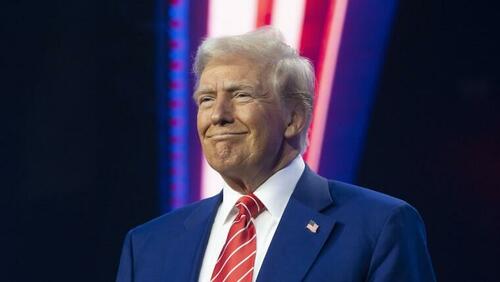
Watch Live: President Trump Addresses The Nation
Watch Live: President Trump Addresses The Nation
President Trump is due to deliver remarks to the nation at 9 p.m. ET.
While there has been no confirmation of the content of the address, The White House said his speech will highlight the administration’s actions during the past year and tease priorities for 2026.
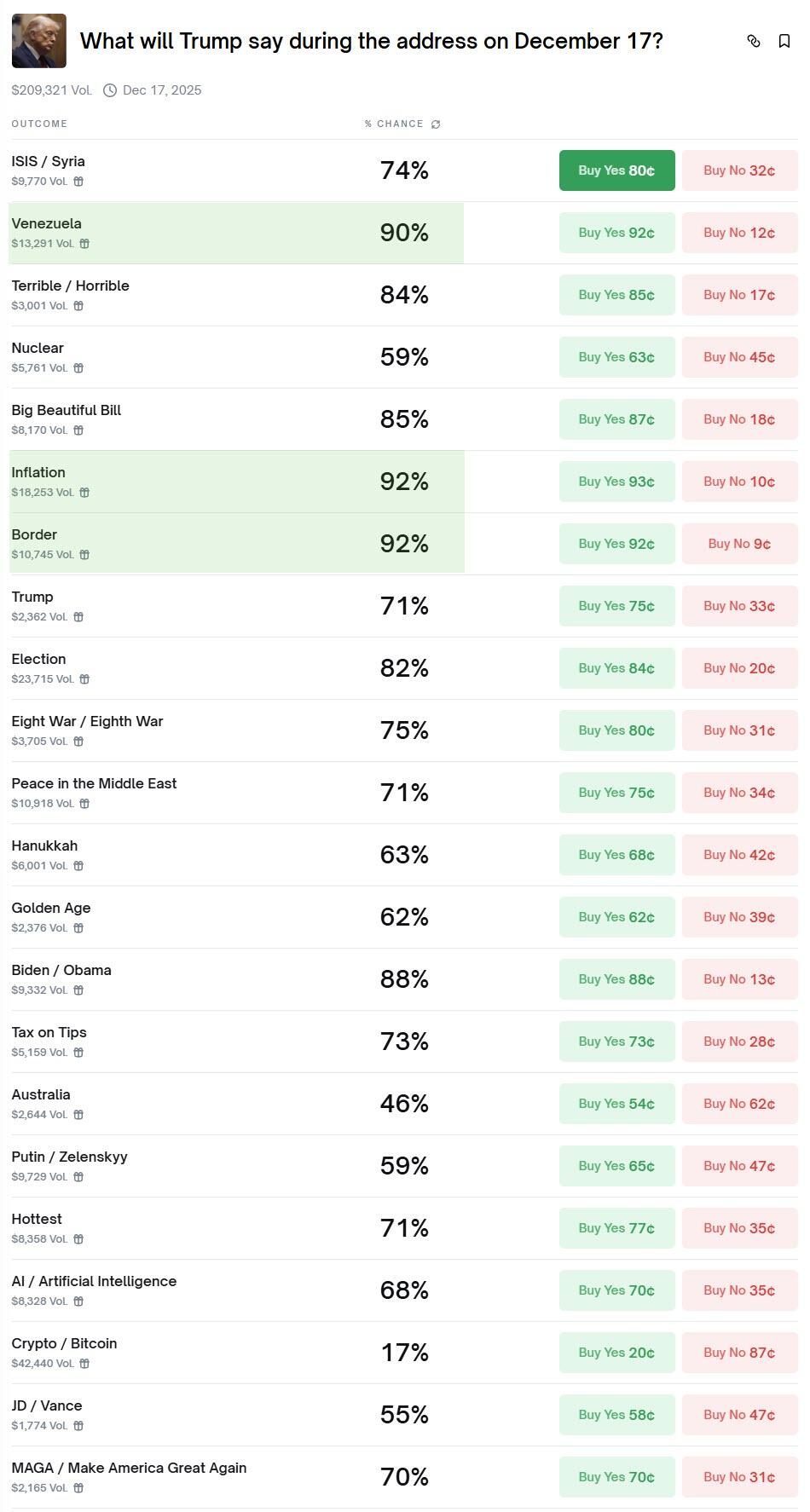
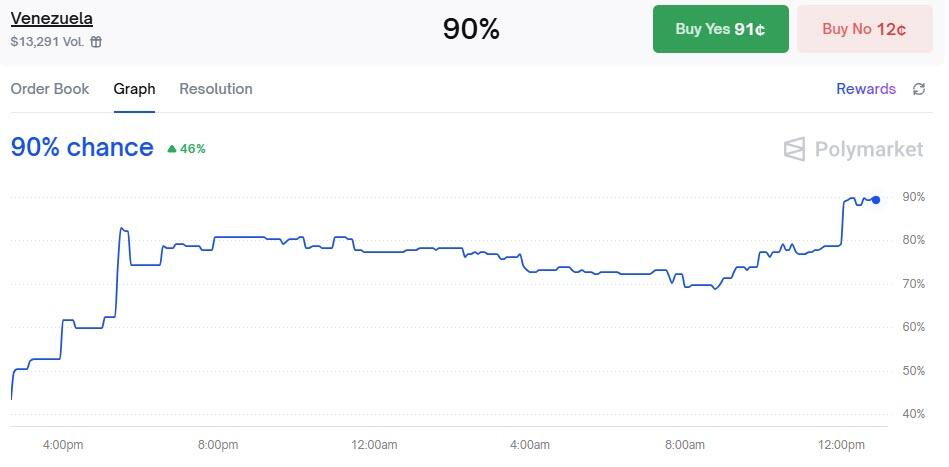
Prediction markets see Venezuela, Inflation, and the Border as the most likely topics for discussion…
..with some suggesting the ‘peace-maker’ president may use this moment to announce kinetic actions in Venezuela (following his complete blockade of sanctioned oil tankers this week)…
Earlier in the evening, Trump told reporters:
*TRUMP ON VENEZUELA: IT’S A BLOCKADE, NOT LETTING ANYONE GO THROUGH WHO SHOULDN’T
*TRUMP CLAIMS VENEZUELA ‘ILLEGALLY TOOK’ US HOLDINGS, THREW OUR COMPANIES OUT, WE WANT IT BACK
*TRUMP ON VENZ.: GETTING LAND, OIL RIGHTS, THEY TOOK IT AWAY
*TRUMP: MESSAGE THIS EVENING IS OUR COUNTRY WILL BE STRONG
TRUMP ADMINISTRATION ASKING US OIL INDUSTRY IF THEY WOULD RETURN TO VENEZUELA ONCE MADURO IS GONE -POLITICO
Odds have been rising…
“It has been a great year for our Country, and THE BEST IS YET TO COME!” Trump posted on social media on Tuesday while announcing the speech.
Watch Live here (due to start at 2100ET):
Tyler Durden
Wed, 12/17/2025 – 20:55
https://www.zerohedge.com/political/watch-live-president-trump-addresses-nation

Jeff Hafley predice un regreso con potencial récord de Parsons tras su lesión con Packers
GREEN BAY, Wisconsin, EE.UU. (AP) — El coordinador defensivo de los Packers de Green Bay, Jeff Hafley, ofreció una predicción audaz sobre el eventual regreso de Micah Parsons tras la rotura del ligamento cruzado anterior que terminó prematuramente con la temporada del estelar cazamariscales.
“Si fuera un apostador, apostaría a que regresa incluso mejor y probablemente rompa el récord de capturas el próximo año”, afirmó Hafley el miércoles.
Hafley también es optimista sobre las posibilidades de los Packers, de seguir jugando con una defensa de calidad, incluso sin Parsons, quien se lesionó el domingo la rodilla izquierda en el tercer cuarto de la derrota de los Packers por 34-26 en Denver.
Los Packers (9-4-1) jugarán su primer partido completo sin Parsons esta temporada el sábado, cuando visiten a los Bears de Chicago (10-4) con la cima de la División Norte de la Conferencia Nacional en juego.
“Tenemos muy buenos jugadores, hemos jugado buena defensa y vamos a seguir haciéndolo”, comentó Hafley. “Nuestros muchachos entienden eso, y creo que es importante que todos entiendan que estos chicos tienen mucho orgullo, y se van a unir aún más por esto. Y van a jugar bien”.
Las estadísticas sugieren que la defensiva de Green Bay podría tener dificultades sin Parsons, quien al momento de su lesión era el líder del equipo con 12,5 capturas de quarterback.
Aunque los Packers han permitido la sexta menor cantidad de yardas por encuentro (294,6) y el octavo menor promedio de puntos por partido (20,1), su juego en Denver expuso su vulnerabilidad cuando no aplican una presión constante al pasador. Bo Nix de Denver no fue capturado mientras lanzaba para 302 yardas y cuatro touchdowns.
Las 83 presiones al quarterback por parte de Parsons, la cifra más alta de la liga según NFL Next Gen Stats, fueron casi el doble del total de cualquier otro jugador de los Packers. Green Bay necesitará que las selecciones de primera ronda Rashan Gary y Lukas Van Ness recuperen la forma que mostraron al inicio de la temporada, cuando capitalizaron toda la atención que las ofensivas le daban a Parsons.
Gary ocupa el segundo lugar en el equipo con 42 presiones, pero sus 7,5 capturas de esta temporada ocurrieron en los primeros siete partidos de Green Bay.
Van Ness consiguió 1,5 sacks en los primeros cinco duelos de Green Bay. Se perdió siete de los siguientes ocho partidos de los Packers por una lesión en un pie. Van Ness regresó para participar en 22 jugadas y registrar dos tacleadas contra Denver.
Gary dijo que los Packers planean jugar el resto de la temporada de una manera que impresione a Parsons.
“Lo más importante es que él quiere que pasemos la página y sigamos jugando y consiguiendo victorias”, expresó Gary.
Green Bay todavía tiene a muchos de los jugadores clave de una defensiva que se ubicó quinta en yardas permitidas y sexta en puntos aceptados la temporada pasada. Eso les da a los Packers la confianza de que aún pueden contener a las ofensivas incluso sin Parsons como perseguidor de los quarterbacks.
Después de que Hafley habló sobre la posibilidad de que Parsons rompa el récord de capturas en una sola temporada el próximo año, se le preguntó si se refería específicamente al récord de la liga. Michael Strahan estableció esa marca con 22,5 en 2001 y T.J. Watt la igualó 20 años después, aunque Myles Garrett de Cleveland actualmente tiene 21,5 con tres duelos restantes en su temporada.
___
Deportes en español AP: https://apnews.com/hub/deportes

Potempa: ‘A Charlie Brown Christmas’ celebrating 60 years
This holiday season marks the 60th anniversary of the first airing of “A Charlie Brown Christmas.”
While some mistakenly credit the Peanuts Gang 1965 Yuletide 30-minute TV special as the first broadcast animated TV special ever to air, that distinction is held by the nearsighted Mr. Magoo for the December 1962 broadcast of “Mister Magoo’s Christmas Carol.”
Andy Glorioso plays Charlie Brown opposite Allison Granat as Snoopy in Chicago Street Theatre’s 2025 holiday run of the live stage telling of “A Charlie Brown Christmas” playing through Dec. 21, 2025 in downtown Valparaiso. (Photo provided by Chicago Street Theatre)
However, don’t try to find a network broadcast this year of “A Charlie Brown Christmas.”
The last time “A Charlie Brown Christmas” last aired on traditional broadcast TV was on ABC in 2019.
“A Charlie Brown Christmas” traditionally ran annually on the CBS network for 35 years before the Peanuts franchise, which to date includes more than 50 specials, was acquired by ABC in 2001, and the network continued the annual broadcast for the next 18 years.
After Apple acquired the rights in 2020, it now only streams on Apple TV+ with a few free limited streaming windows on other platforms for the tech-savvy.
Last weekend, on Dec. 13 and 14, was the exclusive stretch of free Apple access to revisit Charlie Brown, Lucy, Linus, Snoopy and the rest discover “the true meaning of Christmas.”
But another opportunity to share in the holiday moment continues for a live stage version this weekend in Northwest Indiana.
Chicago Street Theatre in Valparaiso is celebrating this holiday season with a stage adaptation of the TV holiday animated special classic “A Charlie Brown Christmas” with fun live portrayals of Lucy, Linus, Snoopy and the entire Peanuts gang with performances through Sunday, Dec. 21. Tickets are $25 for adults and special rates for children; call 219-464-1636 or visit www.chicagostreet.org. Located at 154 W. Chicago St. in downtown Valparaiso, the theater company’s intimate stage space is decked out in holiday flair.
I would never have realized that “A Charlie Brown Christmas” was celebrating 60 years if it hadn’t been for a short history included in the tiny religious reflection booklets published each year by a tiny parish in Michigan with the help of nun Sister Nancy Ayotte.
“The Little Blue Book” for Lenten devotions for 2025 mentioned this wonderful pop culture milestone and the faith-filled reasons “Peanuts” creator Charles M. Schulz penned the storyline.
According to my little booklet distributed at my All Saints Catholic Church in our tiny town of San Pierre, here is the story behind the story:
“On Dec. 8, 1965, ‘A Charlie Brown Christmas’ debuted on national television. Nearly half of all available American households tuned in, and what executives thought would be a complete flop, became an instant hit. The iconic character Charlie Brown, as the young boy who feels depressed by the commercialization of Christmas, is on a search to find the true meaning of the season. In a bold move at the time, the cartoon’s high point features the character Linus sharing the announcement of Jesus’ birth by reciting verses from the Gospel of Luke. ‘Do not be afraid; for behold, I proclaim to you good news of great joy that will be for all the people.’ (Lk 2:10) Including Scripture in the script was considered risky, but ‘Peanuts’ creator and cartoonist Charles M. Schulz insisted. He was teaching Sunday school at the time, and is famously quoted as saying ‘If we don’t, who will?’ And note, when Linus emerges onstage to share the real meaning of Christmas, he does so with his trusty blanket in hand. But when he says the words ‘fear not,’ he drops his false sense of security, his trusty blanket, symbolizing that Jesus frees us from our fears. ‘A Charlie Brown Christmas’ resonated with viewers who appreciated its message and sincerity. It won over the critics, too, and in 1966, was recognized with an Emmy and a Peabody Award. Its greatest legacy, however, is that 60 years later it continues to proclaim good news of great joy to the millions who watch it annually.”
This holiday season, the series called “The Little Blue Books” and “The Little Black Books” is also celebrating an anniversary since it was launched in 2000 and published by the Diocese of Saginaw, Michigan. They are based on the original writings of Bishop Ken Untener, who died in 2004, and Sister Nancy Ayotte and are now edited and compiled by Erin Looby Carlson with illustrations by MaryBeth O’Connor. For further details, visit www.littlebooks.org.
Philip Potempa is a journalist, published author and weekly radio host on WJOB 1230 AM. He can be reached at philpotempa@gmail.com.
https://www.chicagotribune.com/2025/12/17/potempa-a-charlie-brown-christmas-celebrating-60-years/