Category: News
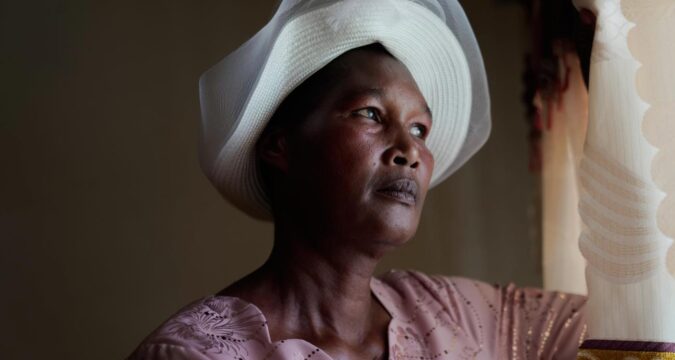
Mujeres kenianas perdieron a sus esposos y luego su tierra. Pero algunas oponen resistencia
Por EVELYNE MUSAMBI
SIAYA, Kenia (AP) — Rebecca Anyango permanecía de pie frente a la casa que ha sido su hogar desde hace 26 años y se preguntaba cuánto tiempo más será suya.
Al ser viuda, desde hace años la familia de su difunto esposo la ha amenazado con desalojarla, ya que alegan que no tiene derechos de herencia. Este año presentaron una demanda, y Anyango, de 70 años, no cuenta con representación jurídica.
Señaló dónde está enterrado su marido, a pocos pasos de la puerta.
“¿A dónde me llevo la tumba?”, preguntó con voz suave.
Anyango se encuentra entre miles de viudas del oeste de Kenia que se enfrentan a perderlo todo tras la muerte de sus esposos. A menudo viven en zonas rurales, su nivel educativo es bajo y desconocen cuáles son sus derechos.
En violación de la Constitución de Kenia
En los grupos étnicos luo, luhya y kisii, la viudez conlleva ciertas expectativas culturales que pueden considerarse ilegales. Una de ellas es la “limpieza sexual”, en la que se obliga a una viuda a tener relaciones sexuales con otro hombre —con frecuencia un hermano de su difunto esposo— con la creencia de que así se disipará la “nube oscura” de la viudez.
Otra es la de “heredar a la esposa”, en la cual una viuda es tomada como esposa por un hermano del marido fallecido.
Aquellas que se niegan, como Anyango y otras mujeres que hablaron con The Associated Press, suelen ser aisladas y despojadas de sus tierras, lo que constituye una violación de la garantía constitucional de Kenia del derecho a la propiedad de la tierra para todos los ciudadanos.
“Si la mujer no está consciente de qué la protege, entonces será desheredada”, observó Simiyu Waddimba, quien enseña antropología en la Universidad de Nairobi y es autora de un artículo científico sobre el heredar a la esposa de un hermano difunto.
Pero en noviembre, la asamblea local del condado Siaya, donde Anyango vive, aprobó por unanimidad un Proyecto de Ley de Protección a las Viudas. Si el gobernador lo promulga, penalizará la desheredación forzada y el obligar a una viuda a casarse de nuevo.
La ley fue impulsada por Scholastica Madowo, legisladora del condado, ella misma viuda y una de las cuatro mujeres electas en la asamblea local de 42 miembros. Dijo que las “atrocidades que sufren las mujeres” la inspiraron a actuar.
“De hecho, esas prácticas culturales constituyen una violación de sus derechos, a menos que la mujer lo haga voluntariamente”, agregó.
Si bien Madowo no fue desheredada a la fuerza ni obligada a casarse de nuevo, enfrentó insinuaciones de sus oponentes sobre su viudez durante su campaña, incluidas acusaciones de que asesinó a su esposo.
Su proyecto de ley establecería comités de bienestar para ayudar a las viudas a acceder a asistencia jurídica con el fin de impugnar el ser desheredado.
Iniciativas en otros lugares
En el vecino condado Kisii, Anne Bonareri fue despojada de su casa y su propiedad comercial, las cuales estaban a nombre de su difunto esposo.
A las pocas horas de la muerte de él, en 1997, sus suegros también se llevaron sus pertenencias, incluidas fotos y ropa. Bonareri se quedó con tres hijos pequeños y otro en camino.
“Se lo llevaron todo y sólo me quedó una foto del padre”, recordó la mujer de 60 años con la voz entrecortada.
Al día siguiente del entierro, señaló, el hermano mayor de su marido fue a reclamarla como esposa. Cuando ella se negó, enviaron hombres armados para atacarla.
Bonareri contó que más tarde trabajó en tres empleos para comprar un pequeño terreno y construir una casa nueva.
Su hija, Emma Mong’ute, fundó la Fundación Amandla MEK en 2019, para ayudar a mujeres en estas circunstancias y ofrecerles asesoramiento jurídico y contactarlas con abogados que trabajan pro bono. Reportó que han tenido cierto éxito en ayudar a las mujeres a conservar sus tierras.
Expulsada de su terreno, al igual que su madre —y sin poder visitar la tumba de su padre—, Mong’ute afirmó que el hecho de que las viudas sean desheredadas crea un ciclo de pobreza para cientos de miles de niños en Kenia. Indicó que su organización consideraría impulsar un proyecto de ley como el del condado Siaya.
Algunas viudas en otras partes de África se enfrentan a presiones similares. En el sur del continente existe tensión entre el derecho general y el derecho consuetudinario, que predomina en los casos de herencia.
“Si bien el derecho general protege los derechos sucesorios de cónyuges e hijos sobrevivientes, las prácticas consuetudinarias aún permiten que diferentes grupos étnicos administren los patrimonios según sus tradiciones, a menudo en detrimento de las viudas”, explicó Misheck Dube, exprofesor adjunto de la Universidad de Limpopo, en Sudáfrica, quien ha investigado la viudez.
Oponer resistencia
La mayoría de las viudas son desheredadas porque no comprenden las leyes de Kenia sobre la sucesión de tierras, que reconocen a las viudas y a los hijos como los verdaderos herederos, refirió Easter Okech, de la Kenya Female Advisory Organization —un organismo que promueve la igualdad de género y de oportunidades— en el condado Kisumu.
Actualmente, ella ofrece capacitación jurídica a mujeres para que puedan representarse a sí mismas, y algunas ya lo hacen en casos que están en curso. También anima a la gente a redactar testamentos —muchas personas en las zonas rurales no tienen uno— y a contar con un albacea neutral.
Algunas viudas del oeste de Kenia han opuesto resistencia por su cuenta.
Marie Owino, una exprofesora de 87 años, dijo que conocía sus derechos legales, y agregó que su confianza en sí misma e independencia económica hicieron que sus suegros “no se atrevieran” a desheredarla tras la muerte de su esposo, hace 33 años.
Aún vive en la casa de ladrillo que ella y su marido compartían en sus 40 hectáreas (100 acres), cuyos jardines cuidados simbolizan los límites que ella estableció hace mucho tiempo.
“Una vez que te demuestres a ti misma de lo que eres capaz, te aseguro que toda esa gente te respetará”, manifestó.
——-
El periodista de The Associated Press Farai Mutsaka colaboró desde Harare, Zimbabue.
——-
The Associated Press recibe apoyo financiero de la Gates Foundation para la cobertura de salud y desarrollo en África. La AP es la única responsable de todo el contenido. Consulte los estándares de la AP para trabajar con organizaciones filantrópicas, una lista de patrocinadores y las áreas de cobertura financiadas en AP.org.

House Speaker Endorses Impeachment Of Federal Judges Over Rulings
House Speaker Endorses Impeachment Of Federal Judges Over Rulings
Authored by Jack Phillips via The Epoch Times,
House Speaker Mike Johnson (R-La.) said on Jan. 21 that he would support articles of impeachment against some federal judges after congressional Republicans floated the prospect last year.
During a press conference, a reporter asked Johnson about Senate Republicans suggesting that the House bring articles of impeachment against judges. Multiple Republicans have signaled they want to impeach two U.S. district judges, James Boasberg and Deborah Boardman.
“I’m for it,” Johnson said during the Wednesday news conference alongside other Republican House members. “Judge Boasberg is one who’s been mentioned.”
“Impeachment, as we have discussed all together many, many times, is an extreme measure. But extreme times call for extreme measures. And I think some of these judges have gotten so far outside the bounds of where they’re supposed to operate, it would not be, in my view, a bad thing for Congress to lay down the law, so to speak, and to make an example of some of these egregious abuses,” the House speaker said, without naming other judges.
He did not offer a timeline on when impeachment articles could be introduced.
“We’ll see where it goes,” he said.
The House requires a simple majority to impeach an official such as a judge, but the bar is raised much higher in the Senate. A two-thirds majority in the upper chamber is needed to convict and remove an official if and after a House impeachment passes.
Rep. Brandon Gill (R-Texas) in March introduced articles of impeachment against Boasberg following court decisions that barred Trump from using the Alien Enemies Act to deport Venezuelan illegal immigrant gang members.
The lawmaker also moved to introduce articles to impeach Boasberg in November over a separate decision related to the Arctic Frost investigation.
In October, Rep. Chip Roy (R-Texas) introduced an impeachment resolution targeting Boardman for a sentencing decision that she made for a man accused of plotting to kill Supreme Court Justice Brett Kavanaugh. The man, Nicholas Roske, was sentenced to 8 years in prison, while prosecutors had sought upwards of 30 years of imprisonment.
The text of the resolution states that Boardman should be impeached for handing down an “indefensibly light sentence” to Roske, who prosecutors had said had traveled to Kavanaugh’s home in June 2022 with a plan to kill the justice before he called the authorities on himself.
Sen. Ted Cruz (R-Texas), the chair of the Commerce Committee, said in a Senate hearing earlier this month that he wants impeachment proceedings against Boardman and Boasberg, saying that “both … meet the standard for impeachment and for conviction and removal of office.”
Democrats in Congress say, however, that the impeachment efforts are misguided and pointless.
Among them is Sen. Sheldon Whitehouse (D-R.I.), who this week said in a statement that a call to impeach Boardman over the Roske sentencing “contradicts basic law and history.”
Whitehouse, who is the ranking member of the Senate Judiciary Courts Subcommittee, said that in the case, “a notice of appeal has been filed regarding that sentencing, so it remains an active judicial proceeding, not a proper subject of partisan legislative pressure,” according to a Jan. 20 news release from his office.
Whitehouse characterized impeachment suggestions against Boasberg as part of an unjust “barrage of threats by the MAGA movement and the Trump administration” that “appear intended to intimidate” the judge.
Tyler Durden
Thu, 01/22/2026 – 20:55
https://www.zerohedge.com/political/house-speaker-endorses-impeachment-federal-judges-over-rulings

‘Heated Rivalry’ stars Hudson Williams and Connor Storrie to be torchbearers for Winter Olympics
MILAN — The actors co-starring in the hit hockey romance TV series “Heated Rivalry” are set to be among the torchbearers carrying the Olympic flame on the way to the opening ceremony for the Milan Cortina Games.
The organizing committee announced Thursday that Hudson Williams and Connor Storrie will take part in the torch relay. The opening ceremony is scheduled for Feb. 6.
The series based off “Game Changers” books has captivated viewers with the fictional story of a Canadian and a Russian hockey player sustaining a decade-long secret relationship.
The first season became the the No. 1 series on HBO Max. Originally developed for the Canadian streaming service Crave, the show scored a distribution deal with HBO and has already been renewed for a second season, and it will broadcast in Italy beginning next month.
https://www.chicagotribune.com/2026/01/22/winter-olympics-torchbearers-heated-rivalry-stars/
Trump Suggests He Can Send $2,000 Tariff Rebate Checks Without Congress
Trump Suggests He Can Send $2,000 Tariff Rebate Checks Without Congress
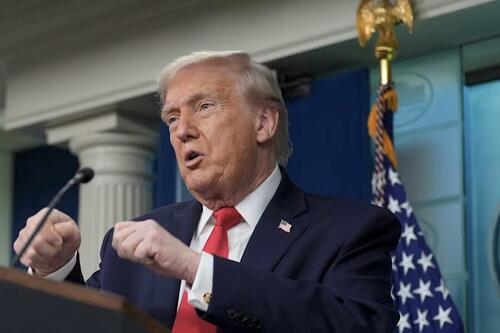
President Donald Trump claimed Tuesday that his administration could distribute $2,000 direct payments to Americans – a “dividend” from tariff proceeds – without congressional authorization, citing the absence of a Supreme Court ruling on the legality of his sweeping import duties.
Speaking to reporters outside the White House, Trump suggested that the surge in tariff revenue could fund the payouts while also reducing the national debt, which is approaching $38.5 trillion.
“We have so much money coming in from tariffs that we’ll be able to make a very substantial dividend to the people of our country,” the president said. “I believe we can do that without Congress.”
🚨 HOLY CRAP. President Trump says he’s going to give out the $2,000 tariff dividend check to middle class Americans WITHOUT Congress
This is HUGE for the midterms!
“$2K dividend and pay down debt. We’d set an income limit. We can make a payment to the people WITHOUT Congress!” pic.twitter.com/c7aUDVMcHq
— Eric Daugherty (@EricLDaugh) January 20, 2026
The proposal would largely benefit moderate-income households, potentially with eligibility caps based on income.
Tariff collections rose sharply in 2025 following the imposition of duties ranging from 10% to 50% on imports from major trading partners. An analysis conducted by the Bipartisan Policy Center shows gross federal revenue from tariffs reached approximately $288.5 billion—nearly triple the $98.3 billion recorded in 2024. Independent estimates have placed the 2025 figure in a range of roughly $260 billion to $300 billion.
In the meantime, Treasury Secretary Scott Bessent has adopted a more measured stance on Trump’s tariff “dividend.” In November, Bessent told Fox News’s “Sunday Morning Futures” that enacting the payments would require new legislation from Congress. “We will see. We need legislation for that,” the Treasury secretary replied when questioned about the checks, adding that they “could go out” if passed by Congressional lawmakers.
Bessent said the intended beneficiaries could be “working families” and stressed that an income limit would apply, potentially focusing on households earning under $100,000 or similar moderate-income thresholds.
Bessent has also suggested the $2,000 benefit might not take the form of direct cash disbursements. In an interview with ABC News’s “This Week,” the Treasury secretary said while he had not yet finalized details with Trump, the “dividend could come in lots of forms,” such as through tax reductions already under consideration—including exemptions for tips, overtime pay, and Social Security benefits, among other deductions.
Kevin Hassett, director of the National Economic Council, also said in December that any direct payments to Americans funded by tariff revenue would require a formal proposal to Congress and would ultimately hinge on lawmakers’ appropriations.
“I would expect that in the new year, the president will bring forth a proposal to Congress to make that happen,” Hassett told CBS News’s “Face the Nation” host Margaret Brennan
Tyler Durden
Thu, 01/22/2026 – 20:30

Newsom’s Gerrymander Just Might Have A Racial Discrimination Problem
Newsom’s Gerrymander Just Might Have A Racial Discrimination Problem
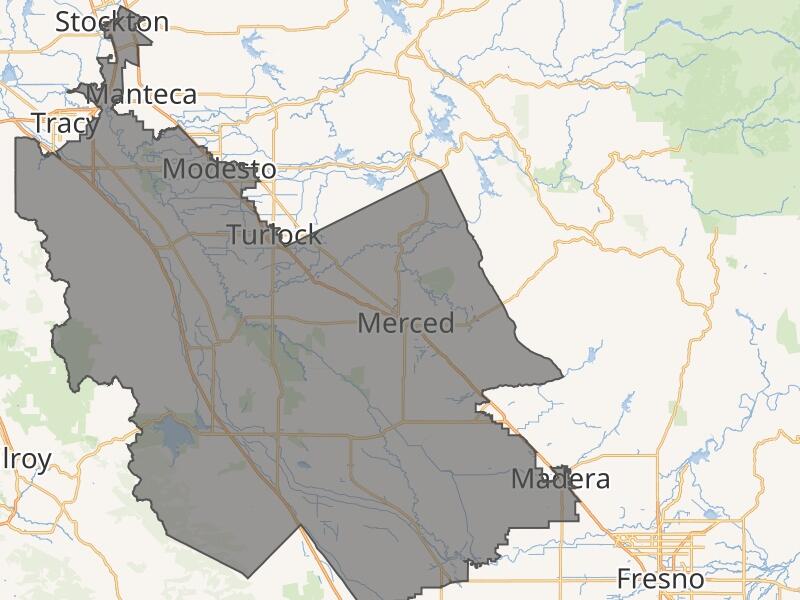
California Democrats face a pesky problem: their recent gerrymandering effort may have a racial discrimination problem. According to Ninth Circuit judge Kenneth Lee, the problem is District 13 and the public comments of the primary mapmaker, who declared his intention to create a Latino-dominated district.
Democrats are bullish about retaking the House of Representatives and making Rep. Hakeem Jeffries (D-N.Y.) the next Speaker after the midterm elections. Part of that optimism is the cushion of five seats created through further gerrymandering of California’s U.S. House districts.
According to one respected Ninth Circuit judge, however, California may have a slight problem: Its new congressional map may be based on racial discrimination.
Judge Kenneth Lee this week dissented from a decision upholding the districts, and his detailed dissent could lay the foundation for a serious challenge that goes all the way to the Supreme Court.
At issue is Congressional District 13, in the Central Valley, which Lee reveals was the result of openly racial criteria by the principal architect of the new districts.
Lee begins his dissent by quoting Chief Justice John Roberts for a 2006 decision, stating, “It is a sordid business, this divvying us up by race.” When it comes to gerrymandering, it is all a sordid business of course — but this sordid business may be unconstitutional.
The court has accepted that gerrymandering is part of politics. Majority parties, like Democrats in California and Republicans in Texas, have openly redesigned districts, sometimes into absurd shapes, to achieve political ends.
One of the vehicles long used to help boost Democratic seats is the Voting Rights Act, which prohibits districts that discriminate against racial minorities. But this law has long been challenged as itself a statutory mandate for racial discrimination.
We are currently awaiting a decision from the Supreme Court in Louisiana v. Callais on whether Section 2 of the Voting Rights Act is unconstitutional in barring any district that “results in a denial or abridgement of the right of any citizen of the United States to vote on account of race or color.”
The result of the law has been decades of protracted litigation over the design of districts to effectively guarantee minority — overwhelmingly Democratic — representation in Congress. That is viewed by many as flying in the face of the guarantee of the 14th Amendment barring the use of race to discriminate between citizens. As Chief Justice Roberts famously wrote in 2007, “the way to stop discriminating on the basis of race is to stop discriminating on the basis of race.”
Once again, partisan gerrymandering is constitutional. Indeed, last December, the Supreme Court allowed Texas to keep its redrawn maps. In Abbott v. League of United Latin American Citizens, the Supreme Court observed that “Texas adopted the first new map, then California responded with its own map for the stated purpose of counteracting what Texas had done.” In his concurrence, Justice Samuel Alito (joined by Justices Clarence Thomas and Neil Gorsuch), called it “indisputable” that “the impetus for the adoption of the Texas map (like the map subsequently adopted in California) was partisan advantage pure and simple.”
Judge Lee (a Trump appointee) is now saying that it was not that “pure and simple” with regard to at least California’s District 13.
He focused on the work of Paul Mitchell, whom he described as “a California redistricting expert paid hundreds of thousands of dollars by Congressman Hakeem Jeffries, House Majority PAC, and the DCCC to draw a redistricting map for California.”
“Race-based interest groups,” Lee noted, “wanted certain racial outcomes out of the process. He happily delivered.”
Mitchell is quoted as openly embracing race as the critical element in his design, including publicly declaring that the “number one thing that I started thinking about” was creating a “Latino majority/minority district” in Los Angeles.
Judge Lee notes that the stated intent to create a Latino-controlled district ignores that this is already one of the most powerful and well-represented racial groups in California: “Latinos do not just make up the largest racial/ethnic group in the state … [but also hold] significant sway among California’s Democratic elected officials and leaders.”
Nevertheless, the plan was upheld by U.S. District Judge Josephine Staton (an Obama appointee) and U.S. District Judge Wesley Hsu (a Biden appointee). In fairness to the panel, there were respected key witnesses, including redistricting experts Dr. Bernard Grofman and Dr. Jonathan Rodden of the Hoover Institution, who rejected race as the key criterion. They helped create a record to support redistricting driven by political motives. The majority also stressed that there is a presumption of good faith in such plans.
This is where it gets particularly interesting. Lee notes that, while there is a presumption, it is not absolute. It became unsupportable, he argued, when Mitchell refused to answer questions about his motivations and assurances.
“Mitchell went to great lengths to avoid testifying under oath about how he drew the California map — even though he publicly talked about it to the press and interest groups before this lawsuit.”
In such a circumstance, Lee insists, the court should “take Mitchell’s statements at face value and conclude they reflect his true motivations behind the Proposition 50 map. We have nothing else to go on.”
That sets up an interesting scenario. If the Supreme Court rules against the use of race in districting under the Voting Rights Act, the opinion could have blowback on gerrymandering cases that rely on the same criterion. The Roberts court has drawn a bright line against the use of race to discriminate in various areas, including college admissions.
Moreover, the court (and particularly its three liberal justices) has stressed that one cannot ignore legislative comments on such intent. Just this week, Justice Sonia Sotomayor pushed back on the claims of neutral intent of Idaho legislators in requiring student athletes to play on teams associated with their biological sex. Although the state argued that the record did not show anti-transgender intent, Sotomayor insisted that the record had to be considered and “there’s certainly a lot of comments” that could be weighed on the question.
While the panel wrote an equally detailed case in favor of the districting as politically (not racially) motivated, there remains the glaring incongruity of sheltering the key figure and his public statements that embrace a race-based motivation for District 13. That could prompt some to send the plan back with the rapidly approaching midterm elections at stake.
The question is whether a court can simply ignore the stated intentions of the map-maker in determining the purpose of the map. At some point, Judge Lee suggests, an assumption of good faith becomes a willful blindness to racial discrimination.
Jonathan Turley is a law professor and the author of the forthcoming “Rage and the Republic: The Unfinished Story of the American Revolution.” It will be released on Feb. 3 for the 250th anniversary of the Declaration of Independence.
Tyler Durden
Thu, 01/22/2026 – 20:05

TikTok finalizes deal to avoid US ban, ending a long legal saga
TikTok said Thursday that its Chinese owner, ByteDance, had struck a deal with a group of non-Chinese investors to create a new U.S. TikTok, concluding a six-year legal saga that saw the app banned by Congress, ensnared in politicking between global superpowers and forced into a 14-hour blackout in the United States.
Investors including software giant Oracle; MGX, an Emirati investment firm; and Silver Lake, another investment firm will own more than 80% of the new venture. That list also includes the personal investment entity for Michael Dell, the tech billionaire behind Dell Technologies, and other firms, TikTok said. Adam Presser, TikTok’s operations head, will be the CEO for the U.S. TikTok.
The deal is intended to loosen TikTok’s ties to China and address national security concerns that Beijing could use the app to surveil or manipulate its more than 200 million users in the United States. The changes enable “our U.S. users to continue to discover, create, and thrive as part of TikTok’s vibrant global community and experience,” said Shou Chew, TikTok’s CEO, calling the move “great news.”
The agreement, which was hammered out over more than a year, resolves existential questions about TikTok’s future. The app would have had to leave the U.S. market if it did not separate from ByteDance.
It was also the end of a legal odyssey. Since 2019, universities, several branches of the U.S. military, the vast majority of the House of Representatives and both President Donald Trump and President Joe Biden have tried to ban or block TikTok, with unanimous support from the Supreme Court. Influencers, mobilized by the app, lobbied politicians and mounted protests to save their feeds and follower counts. TikTok became embroiled in a trade war between the United States and China as the nations engaged in a heated contest over technology and industrial supremacy.
It was unclear how much, if anything, the deal would change for TikTok’s users in the United States.
Under the new arrangement, Oracle, MGX and Silver Lake will each own 15% of TikTok’s U.S. operations. ByteDance will own just under 20%.
The other investors include Dell’s office and a long list of investment firms, including affiliates of General Atlantic and Susquehanna, both of which had previously invested in ByteDance.
The majority of the seven-member board for the new entity will be American. Chew has a seat on the board.
This article originally appeared in The New York Times.
https://www.chicagotribune.com/2026/01/22/tiktok-strikes-deal-us-entity/

Shedd, Adler and Field Museum will close on Friday due to the cold
The Shedd Aquarium, the Field Museum and Adler Planetarium will close to the public on Friday, Jan. 23, “in anticipation of dangerously cold weather conditions,” according to an announcement late Thursday.
All three institutions on Chicago’s lakefront Museum Campus expect to reopen for normal operating hours on Saturday. Ticketholders affected by the closure will be contacted by the museums.
Essential staff will still report to work to look after the buildings, collections and animals — including the Shedd’s animal care team.
The National Weather Service has issued an extreme cold warning from 3 a.m. Friday until noon for central Cook County. Weather officials warned residents ahead of the cold stretch to expect dangerously cold wind chills as low as 30 to 35 degrees below zero. Chicago Public Schools canceled classes on Friday, as have a number of suburban school systems.
Arctic blast brings warnings, closures and cancellations to Chicago area
dgeorge@chicagotribune.com
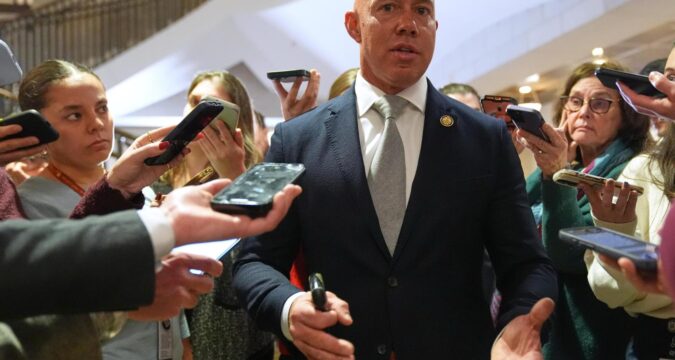
Cámara baja de EEUU rechaza resolución que le habría impedido a Trump enviar militares a Venezuela
Por STEPHEN GROVES
WASHINGTON (AP) — La Cámara de Representantes rechazó el jueves una resolución respaldada por los demócratas que le habría impedido al presidente Donald Trump enviar fuerzas de Estados Unidos a Venezuela luego que una votación empatada sobre el proyecto de ley no alcanzara la mayoría necesaria para su aprobación.
La votación empatada fue el último indicio del tenue control de la mayoría por parte del presidente de la Cámara de Representantes, el republicano Mike Johnson, así como de la creciente oposición en el Congreso, controlado por el Partido Republicano, a las agresiones de Trump en el hemisferio occidental. Una votación en el Senado sobre una resolución similar también quedó empatada la semana pasada hasta que el vicepresidente JD Vance intervino para romper el empate.
Para derrotar la resolución el jueves, los líderes republicanos tuvieron que mantener abierta la votación durante más de 20 minutos mientras el representante republicano Wesley Hunt, quien había estado fuera de Washington toda la semana haciendo campaña para un escaño en el Senado en Texas, regresaba apresuradamente al Capitolio con el fin de emitir el voto decisivo.
En el pleno de la cámara baja, los demócratas respondieron con gritos de que los líderes republicanos estaban violando las reglas de procedimiento del recinto. Dos republicanos —los representantes Don Bacon y Thomas Massie— votaron con todos los demócratas a favor del proyecto de ley.
La resolución sobre poderes de guerra le habría ordenado a Trump retirar a las fuerzas estadounidenses de Venezuela. El gobierno del mandatario les informó a los senadores la semana pasada que no hay efectivos estadounidenses en el terreno en la nación sudamericana, y se comprometió a obtener la aprobación del Congreso antes de lanzar operaciones militares importantes allí.
Pero los demócratas argumentaron que la resolución es necesaria después de la incursión estadounidense para capturar al líder venezolano Nicolás Maduro, y dado que Trump ha declarado tener planes para controlar la industria petrolera del país en los próximos años.
La respuesta a la política exterior de Trump
La votación del jueves fue la prueba más reciente en el Congreso de cuánto margen de maniobra le darán los republicanos a un presidente que hizo campaña para retirar a Estados Unidos de enredos extranjeros, pero que ha recurrido cada vez más a opciones militares para imponer su voluntad en el hemisferio occidental. Hasta ahora, casi todos los republicanos se han negado a ponerle límites a Trump a través de las votaciones sobre poderes de guerra.
El representante Brian Mast, presidente republicano de la Comisión de Servicios Armados de la Cámara de Representantes, acusó a los demócratas de someter a votación la resolución sobre poderes de guerra por “despecho” hacia Trump.
“Se trata del hecho de que ustedes no quieren que el presidente Trump arreste a Maduro, y lo censurarán sin importar lo que haga, aunque haya llevado a Maduro ante la justicia con el que posiblemente sea el operativo policial más exitoso de la historia”, añadió Mast.
Aun así, los demócratas argumentaron enérgicamente que el Congreso necesita reafirmar su papel en la determinación de cuándo el presidente puede usar poderes de guerra. Han podido obligar a que haya una serie de votaciones tanto en la cámara baja como en el Senado mientras Trump, en los últimos meses, intensificó su campaña contra Maduro y puso su mirada en otros conflictos en el extranjero.
“Donald Trump está haciendo que Estados Unidos se reduzca a ser un bravucón regional con menos aliados y más enemigos”, dijo el representante Gregory Meeks, el principal demócrata en la Comisión de Asuntos Exteriores de la Cámara de Representantes, durante un debate en el pleno. “Esto no le está devolviendo la grandeza a Estados Unidos. Nos está aislando y debilitando”.
La semana pasada, los republicanos del Senado sólo pudieron descartar por poco la resolución sobre poderes de guerra en Venezuela después de que el gobierno de Trump persuadiera a dos republicanos para que se retractaran del respaldo que le habían dado. Dentro de ese empeño, el secretario de Estado Marco Rubio se comprometió a sostener una sesión informativa la próxima semana ante la Comisión de Relaciones Exteriores del Senado.
Sin embargo, la insistencia de Trump en que Estados Unidos poseerá Groenlandia a pesar de las objeciones de Dinamarca, un aliado de la OTAN, ha alarmado a algunos republicanos en el Capitolio. Han esgrimido algunas de las objeciones más abiertas a casi cualquier cosa que el presidente haya hecho desde que asumió el cargo.
Esta semana, Trump se alejó de las amenazas militares y arancelarias contra aliados europeos, y anunció que su gobierno trabaja con la alianza atlántica en un “marco de un futuro acuerdo” sobre seguridad en el Ártico.
Pero de todas formas Bacon expresó su frustración con la agresiva política exterior de Trump y votó a favor de la resolución sobre poderes de guerra, aunque sólo se aplica a Venezuela.
“Estoy cansado de todas las amenazas”, expresó.
Las recientes acciones militares de Trump —y las amenazas de efectuar otras— han reavivado un debate de décadas en el Congreso sobre la Ley de Poderes de Guerra, la cual fue aprobada en la década de 1970 por legisladores que intentaban recuperar su autoridad sobre las acciones militares.
El debate sobre los poderes de guerra
La Resolución de Poderes de Guerra fue aprobada en la era de la Guerra de Vietnam, cuando Estados Unidos enviaba soldados a conflictos en toda Asia. Con ella se pretendía obligar a los presidentes a trabajar con el Congreso para desplegar efectivos si no se ha efectuado ya una declaración formal de guerra.
De acuerdo con esa ley, los legisladores también pueden obligar a llevar a cabo votaciones sobre proyectos de ley en los que se le ordene al presidente retirar a las fuerzas estadounidenses de hostilidades.
Desde hace tiempo, los mandatarios han sometido a prueba los límites de esos parámetros, y los demócratas argumentan que Trump en su segundo mandato ha llevado esos límites más lejos que nunca.
El gobierno de Trump no le informó al Congreso antes de ordenar la incursión sorpresa para capturar a Maduro. También ha utilizado un conjunto de justificaciones jurídicas para destruir presuntos barcos de drogas y confiscar petroleros sancionados cerca de Venezuela.
Los demócratas cuestionan quién se beneficia de las licencias petroleras venezolanas
Mientras el gobierno de Trump supervisa la venta del petróleo de Venezuela en todo el mundo, los demócratas del Senado también cuestionan quién se beneficia de los contratos.
En una de las primeras transacciones, Estados Unidos otorgó a Vitol, el mayor corredor de petróleo independiente del mundo, una licencia por un valor aproximado de 250 millones de dólares. Un destacado socio de Vitol, John Addison, donó aproximadamente 6 millones de dólares a comités de acción política alineados con Trump durante los comicios presidenciales, según registros de donaciones compilados por OpenSecrets.
“El Congreso y el pueblo estadounidense merecen total transparencia respecto a cualquier compromiso financiero, promesas, acuerdos u otros arreglos relacionados con Venezuela que puedan favorecer a los donantes de la campaña y la operación política del presidente”, escribieron 13 senadores demócratas a la jefa de despacho de la Casa Blanca, Susie Wiles, el jueves en una carta encabezada por el senador demócrata Adam Schiff.
La Casa Blanca ha dicho que está protegiendo el petróleo del país sudamericano para el beneficio del pueblo de Venezuela y del de Estados Unidos.
———
Esta historia fue traducida del inglés por un editor de AP con la ayuda de una herramienta de inteligencia artificial generativa.

Jefe de los Mets David Stearns cerró el intercambio de Peralta tras cena de aniversario
Por MIKE FITZPATRICK
NUEVA YORK (AP) — David Stearns no iba a permitir que su aniversario de bodas interfiriera con la adquisición de un as.
Un día después de completar un canje nocturno con Milwaukee que trajo al lanzador estelar Freddy Peralta a los Mets, el presidente de operaciones deportivas de Nueva York confirmó que estaba lidiando con una agenda completa el miércoles.
Stearns dirigió la oficina principal de los Cerveceros de 2015 a 2023 y mantiene una relación amistosa con su sucesor, el presidente de operaciones deportivas de Milwaukee, Matt Arnold. Fue Arnold quien mencionó a los periodistas el miércoles por la noche que podría haber arruinado la cena de aniversario de Stearns mientras trabajaban en la transacción.
“Matt hablaba en serio. Matt estuvo en mi boda hace nueve años, así que ciertamente sabe que era mi aniversario”, dijo Stearns el jueves en una llamada de Zoom. “Y así, tuvimos algunas conversaciones durante la cena y luego pudimos cerrar el intercambio una vez que llegamos a casa”.
Nueva York adquirió a Peralta y al también derecho Tobias Myers de los Cerveceros a cambio de un par de prospectos prometedores: el abridor Brandon Sproat y el infielder/jardinero de ligas menores Jett Williams.
“Creo que reconocemos que nos hemos desprendido de algunos jugadores jóvenes muy buenos aquí”, expresó Stearns. “Estamos adquiriendo a uno de los mejores abridores en el béisbol. Un tipo que ha sido realmente consistente, e iba a doler. Y duele. Desprenderse de buenos jugadores duele. Y esos muchachos van a estar jugando en Milwaukee por mucho tiempo y vamos a competir contra ellos. También estamos muy emocionados de tener a Freddy y Tobias aquí, y creo que ambos van a ayudarnos mucho”.
Stearns dijo que las discusiones entre los equipos sobre Peralta, quien puede convertirse en agente libre después de esta temporada, comenzaron en noviembre.
“Dieron muchos giros y vueltas e involucraron muchos nombres diferentes en varios puntos, diferentes estructuras, diferentes tamaños de acuerdos”, explicó Stearns. “Creo que las conversaciones probablemente se aceleraron en los últimos días y finalmente pudimos concretarlo para ambas partes anoche”.
Peralta les da a los renovados Mets un abridor de primera línea después de que su rotación flaqueó en la segunda mitad de una temporada 2025 enormemente decepcionante. Se une a una rotación de Nueva York que se proyecta incluir a Nolan McLean, Clay Holmes, David Peterson, Sean Manaea y Kodai Senga.
“Creo que agregar a Freddy como una especie de fuerza estabilizadora para liderar nuestra rotación probablemente le da un poco de espacio a algunos de nuestros lanzadores más jóvenes”, comentó Stearns. “Nos gusta dónde está nuestra rotación. Creo que tiene una buena combinación de juventud y veteranos establecidos de las Grandes Ligas”.
El movimiento se produjo horas después de que los ocupados Mets presentaron formalmente al agente libre Bo Bichette en una conferencia de prensa en el Citi Field, y una noche después de que el equipo obtuvo al talentoso jardinero central cubano Luis Robert Jr. en un intercambio con los Medias Blancas de Chicago.
Peralta tuvo un récord de 17-6 con una efectividad de 2.70 en 33 aperturas la temporada pasada, cuando lideró la Liga Nacional en victorias y terminó quinto en la votación del Premio Cy Young. Ponchó a 204 bateadores en 176 entradas un tercio y obtuvo su segunda selección al Juego de Estrellas.
“Un jugador que conozco bien, en quien confío y que creo que se va a integrar muy bien con nuestra organización, nuestro equipo y nuestra ciudad”, afirmó Stearns.
El dominicano de 29 años, no ha estado en la lista de lesionados desde 2022, cuando el derecho fue marginado por una distensión en el dorsal y más tarde por inflamación en el codo. Devengaría ocho millones de dólares esta temporada y se convierte en el último exjugador de los Cerveceros adquirido por Stearns desde que asumió en Nueva York.
“Hemos hablado durante todo el receso sobre nuestro deseo de agregar a nuestro grupo de abridores, de encontrar un abridor que pueda lanzar en la mitad superior de nuestra rotación, y ciertamente estoy muy complacido de que hayamos podido hacer esto aquí con esta transacción”, manifestó Stearns.
_____
Deportes AP: https://apnews.com/hub/deportes
House Republicans narrowly defeat Venezuela war powers resolution to check President Trump’s military actions
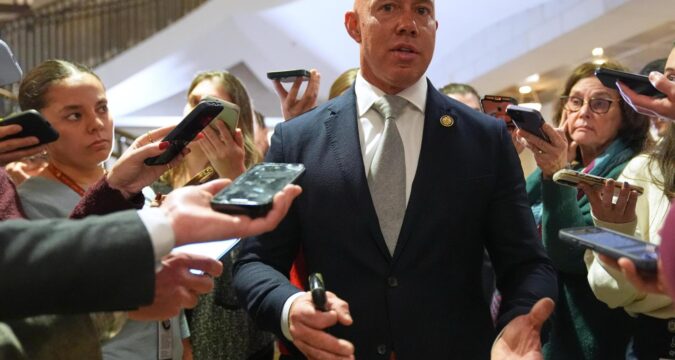
WASHINGTON — The House rejected a Democratic-backed resolution Thursday that would have prevented President Donald Trump from sending U.S. military forces to Venezuela after a tied vote on the legislation fell just short of the majority needed for passage.
The tied vote was the latest sign of Republican House Speaker Mike Johnson’s tenuous hold on the majority, as well as some of the growing pushback in the GOP-controlled Congress to Trump’s aggressions in the Western Hemisphere. A Senate vote on a similar resolution was also tied last week until Vice President JD Vance broke the deadlock.
To defeat the resolution Thursday, Republican leaders had to hold the vote open for more than 20 minutes while Republican Rep. Wesley Hunt, who had been out of Washington all week campaigning for a Senate seat in Texas, rushed back to Capitol Hill to cast the decisive vote.
On the House floor, Democrats responded with shouts that Republican leaders were violating the chamber’s procedural rules. Two Republicans — Reps. Don Bacon of Nebraska and Thomas Massie of Kentucky — voted with all Democrats for the legislation.
The war powers resolution would have directed Trump to remove U.S. troops from Venezuela. The Trump administration told senators last week that there are no U.S. troops on the ground in the South American nation and committed to getting congressional approval before launching major military operations there.
But Democrats argued that the resolution is necessary after the U.S. raid to capture Venezuelan leader Nicolás Maduro and since Trump has stated plans to control the country’s oil industry for years to come.
The response to Trump’s foreign policy
Thursday’s vote was the latest test in Congress of how much leeway Republicans will give a president who campaigned on removing the U.S. from foreign entanglements but has increasingly reached for military options to impose his will in the Western Hemisphere. So far, almost all Republicans have declined to put checks on Trump through the war powers votes.
Rep. Brian Mast, the Republican chair of the House Armed Services Committee, accused Democrats of bringing the war powers resolution to a vote out of “spite” for Trump.
“It’s about the fact that you don’t want President Trump to arrest Maduro, and you will condemn him no matter what he does, even though he brought Maduro to justice with possibly the most successful law enforcement operation in history,” Mast added.
Still, Democrats stridently argued that Congress needs to assert its role in determining when the president can use wartime powers. They have been able to force a series of votes in both the House and Senate as Trump, in recent months, ramped up his campaign against Maduro and set his sights on other conflicts overseas.
“Donald Trump is reducing the United States to a regional bully with fewer allies and more enemies,” Rep. Gregory Meeks, the top Democrat on the House Foreign Affairs Committee, said during a floor debate. “This isn’t making America great again. It’s making us isolated and weak.”
Last week, Senate Republicans were only able to narrowly dismiss the Venezuela war powers resolution after the Trump administration persuaded two Republicans to back away from their earlier support. As part of that effort, Secretary of State Marco Rubio committed to a briefing next week before the Senate Foreign Relations Committee.
Yet Trump’s insistence that the U.S. will possess Greenland over the objections of Denmark, a NATO ally, has alarmed some Republicans on Capitol Hill. They have mounted some of the most outspoken objections to almost anything the president has done since taking office.
Trump this week backed away from military and tariff threats against European allies as he announced that his administration was working with NATO on a “framework of a future deal” on Arctic security.
But Bacon still expressed frustration with Trump’s aggressive foreign policy and voted for the war powers resolution even though it only applies to Venezuela.
“I’m tired of all the threats,” he said.
Trump’s recent military actions — and threats to do more — have reignited a decades-old debate in Congress over the War Powers Act, a law passed in the early 1970s by lawmakers looking to claw back their authority over military actions.
The war powers debate
The War Powers Resolution was passed in the Vietnam War era as the U.S. sent troops to conflicts throughout Asia. It attempted to force presidents to work with Congress to deploy troops if there hasn’t already been a formal declaration of war.
Under the legislation, lawmakers can also force votes on legislation that directs the president to remove U.S. forces from hostilities.
Presidents have long tested the limits of those parameters, and Democrats argue that Trump in his second term has pushed those limits farther than ever.
The Trump administration left Congress in the dark ahead of the surprise raid to capture Maduro. It has also used an evolving set of legal justifications to blow up alleged drug boats and seize sanctioned oil tankers near Venezuela.
Democrats question who gets to benefit from Venezuelan oil licenses
As the Trump administration oversees the sale of Venezuela’s petroleum worldwide, Senate Democrats are also questioning who is benefiting from the contracts.
In one of the first transactions, the U.S. granted Vitol, the world’s largest independent oil broker, a license worth roughly $250 million. A senior partner at Vitol, John Addison, gave roughly $6 million to Trump-aligned political action committees during the presidential election, according to donation records compiled by OpenSecrets.
“Congress and the American people deserve full transparency regarding any financial commitments, promises, deals, or other arrangements related to Venezuela that could favor donors to the President’s campaign and political operation,” 13 Democratic senators wrote to White House Chief of Staff Susie Wiles Thursday in a letter led by Democratic Sen. Adam Schiff of California.
The White House has said it is safeguarding the South American country’s oil for the benefit of both the people of Venezuela and the U.S.
https://www.chicagotribune.com/2026/01/22/house-republicans-defeat-war-powers-resolution/