Category: News
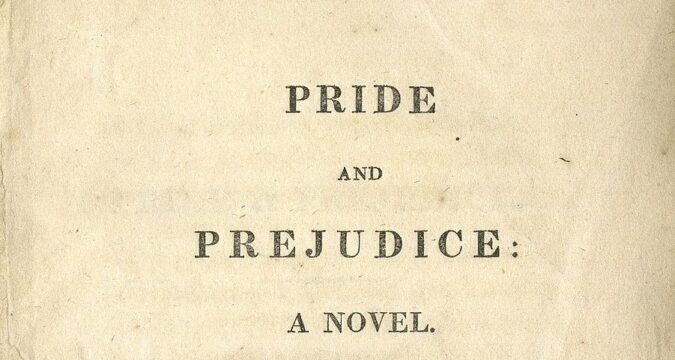
Today in History: ‘Pride and Prejudice’ published
Today is Wednesday, Jan. 28, the 28th day of 2026. There are 337 days left in the year.
Today in history:
On Jan. 28, 1813, the novel “Pride and Prejudice” by Jane Austen was first published, anonymously, in London.
Also on this date:
In 1547, England’s King Henry VIII died at age 55; he was succeeded by his 9-year-old son, Edward VI.
In 1922, 98 people were killed when the roof of the Knickerbocker Theatre in Washington, D.C., collapsed under the weight of nearly 2 feet of snow.
In 1956, Elvis Presley made his first national TV appearance on “Stage Show,” a CBS program hosted by Tommy and Jimmy Dorsey.
In 1980, six U.S. diplomats who had avoided being taken hostage at their embassy in Tehran flew out of Iran with the help of Canadian diplomats; the events were later dramatized in the film “Argo.”
In 1985, to raise funds in support of famine relief in Ethiopia, the supergroup USA For Africa recorded the song “We Are the World.”
In 1986, the space shuttle Challenger exploded 73 seconds after liftoff from Cape Canaveral, Florida, killing all seven crew members including schoolteacher Christa McAuliffe.
In 2011, protesters opposed to Hosni Mubarak’s nearly 30-year rule of Egypt seized the streets of Cairo, battling police, burning down ruling party headquarters and defying a military curfew. Hundreds of protesters would be killed in ensuing days in attempts to crush the uprising before Mubarak stepped down as president that February.
In 2017, Serena Williams won her record 23rd Open Era Grand Slam singles title, defeating her sister Venus at the Australian Open for what would be her final major championship.
Related Articles
Today in Chicago History: Donald Trump signs executive order banning refugees from entering US
Today in History: Michael Jackson suffers serious burns
Scientists recover the oldest wooden tools from a site in Greece
Chicago weather: How our 2025-26 seasonal snowfall compares with previous years
Today in History: Cullinan Diamond found
In 2024, three American troops were killed and 25 were injured in a drone strike in Jordan near the border with Syria. President Joe Biden blamed Iran-backed militias for the first U.S. fatalities after months of strikes by the groups against American forces across the Middle East amid the Israel-Hamas war.
Today’s birthdays: Actor Alan Alda is 90. Former NBA coach Gregg Popovich is 77. Golf Hall of Famer Nick Price is 69. Film director Frank Darabont is 67. Singer Sarah McLachlan is 58. Rapper Rakim is 58. Humorist Mo Rocca is 57. R&B singer Anthony Hamilton is 55. Supreme Court Justice Amy Coney Barrett is 54. Rapper Rick Ross is 50. Singer Joey Fatone Jr. (’N Sync) is 49. Singer Nick Carter (Backstreet Boys) is 46. Actor Elijah Wood is 45. Rapper J. Cole is 41. Actor Ariel Winter is 28.
https://www.chicagotribune.com/2026/01/28/today-in-history-pride-and-prejudice-published/
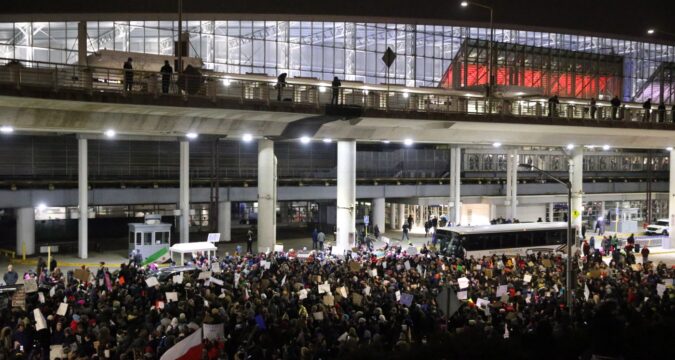
Today in Chicago History: Relatives, protesters and lawyers gather at O’Hare over Trump’s immigration order
Here’s a look back at what happened in the Chicago area on Jan. 28, according to the Tribune’s archives.
Is an important event missing from this date? Email us.
Front page flashback: Jan. 29, 1986
Shuttle Challenger exploded after takeoff on Jan. 28, 1986, at Cape Canaveral, killing all seven crew members. Tribune reporter Michael Hirsley called it the “worst disaster in space flight since America embarked upon its voyages above the Earth.” (Chicago Tribune)
1986: Space shuttle Challenger exploded after launch, killing seven crew members, including schoolteacher Christa McAuliffe.
Weather records (from the National Weather Service, Chicago)
High temperature: 60 degrees (1914)
Low temperature: Minus 13 degrees (1977)
Precipitation: 0.71 inches (1909)
Snowfall: 5 inches (2019)
The entrance gate to Northwestern University at Sheridan Road and Chicago Avenue on April 29, 2016. (Chris Walker/Chicago Tribune)
1851: The charter for Northwestern University was passed by the Illinois General Assembly. The school opened four years later in Evanston.
The start of razing the Grand Pacific Hotel Oct. 8, 1921, at Clark Street and Jackson Boulevard, in preparation for the erection of the east half of the Illinois Merchants Bank Building, which was completed April 9, 1923. (Chicago Architectural)
1901: The American League formed in Chicago at the Grand Pacific Hotel with the White Sox as a charter member.
1922: Staleys no more — Chicago’s professional football team changed its name to the Chicago Bears.
Nine firemen were killed and 15 others were injured after a wall collapsed inside a building at 614 Hubbard St. as they were fighting a blaze on Jan. 28, 1961. (Chicago Tribune)
1961: Temperatures were near zero the morning when a warehouse building shared by Hilker & Bletsch Co., a bakery supply firm, and P. & P. Blueberry Packing Co. went up in flames. Disaster struck when a team of firefighters trying to rescue two comrades trapped in the building were imperiled by a collapsing wall. Nine firemen perished, including two battalion chiefs.
The emotional toll was heavy because one of them, George Rees, could be heard crying for help as firefighters struggled feverishly but in vain to reach him. It required more than 300 men, 67 pieces of equipment and two fireboats pumping water from the Chicago River to knock down the blaze. Even then, the rubble smoldered for days. The Tribune reported the sewers clogged with ice so the area looked like an ice rink with water up to 18 inches thick surrounding the building.
Lew Alcindor, now known as Kareem Abdul-Jabbar, UCLA center, shoots the ball against Loyola in second game of a triple-header at Chicago Stadium on Jan. 28, 1967. Alcindor scored 35 points in the 82-67 UCLA victory. (AP)
1967: Though there was a massive storm in which 23 inches of snow fell on the city, basketball fans still made it to Chicago Stadium to watch sensational UCLA sophomore Lew Alcindor, who would later change his name to Kareem Abdul-Jabbar.
UCLA sophomore Lew Alcindor was awarded the game ball on Jan. 29, 1967, after eclipsing Chicago Stadium’s record for free throws in a 120-82 victory against Illinois. It was UCLA’s 16th consecutive win in what became an undefeated season and the team’s third consecutive championship in four seasons. (Chicago Tribune)
On Saturday, Alcindor warmed up by scoring 35 points as UCLA beat Loyola 82-67. On Sunday, he scored 45 as the Bruins romped 120-82 over Illinois. UCLA ended the season 30-0, winning the first of a record seven straight NCAA titles.
Ahmed Rehab, left, executive director of the Council on American-Islamic Relations in Chicago, and protesters gather at O’Hare International Airport on Jan. 28, 2017, in Chicago.U.S. authorities took more than a dozen travelers into custody at O’Hare in response to President Donald Trump’s immigration order. (Chris Sweda/Chicago Tribune)
2017: President Donald Trump’s crackdown on immigration set off a tumultuous day at O’Hare International Airport as frantic relatives, hundreds of protesters and volunteer lawyers gathered there.
U.S. authorities took more than a dozen travelers into custody at O’Hare in response to Trump’s order — but lawyers who came to their aid said all were set free after a federal judge temporarily barred deportations. Local immigration reform advocates denounced the order.
Want more vintage Chicago?
Subscribe to the free Vintage Chicago Tribune newsletter, join our Chicagoland history Facebook group, stay current with Today in Chicago History and follow us on Instagram for more from Chicago’s past.
Have an idea for Vintage Chicago Tribune? Share it with Kori Rumore and Marianne Mather at krumore@chicagotribune.com and mmather@chicagotribune.com
https://www.chicagotribune.com/2026/01/28/january-28-chicago-history/
Spanish Nationalists Furious: Socialist PM Sánchez Decrees Amnesty For 500K Illegals, Skirts Parliament
Spanish Nationalists Furious: Socialist PM Sánchez Decrees Amnesty For 500K Illegals, Skirts Parliament
Authored by Thomas Brooke via Remix News,
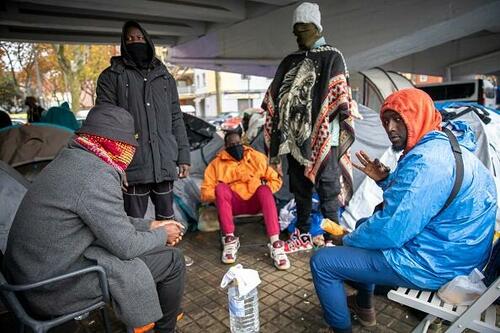
Spain’s struggling socialist Prime Minister Pedro Sánchez has agreed with the far left to push through a mass amnesty for around 500,000 illegal immigrants by royal decree, bypassing parliament and avoiding any binding vote in Congress.
The extraordinary regularization, negotiated between Sánchez’s Socialist Party (PSOE) and the far-left Podemos, is due to be approved by the Council of Ministers on Tuesday. By using a royal decree, the government can impose the measure directly, despite the fact that an almost identical proposal has been stalled in parliament for more than a year due to a lack of majority support.
Under the agreement, illegal migrants who can prove they were in Spain before Dec. 31, 2025, and have remained in the country for at least five months will be eligible for provisional residence and work permits, provided they have no serious criminal record. The moment an application is filed, any deportation or return proceedings will be suspended. If approved, applicants will receive a one-year residence permit, eligible for renewal. Podemos estimates that more than half a million people will benefit.
Podemos figures have openly celebrated the move. As cited by El País, Irene Montero, former equality minister and now an MEP, described the amnesty as an “urgent measure of social justice” and said her party would ensure the process is “swift.”
She claimed the regularization was necessary to protect migrants from what she described as “racist violence” and framed the policy as the granting of rights to people allegedly denied them through “institutional racism.”
The government argues that the decree merely provides legal certainty for an “existing social reality.” Critics, however, have labeled the move undemocratic and catastrophic for the message it sends to illegal immigrants who are still arriving in large numbers.
The amnesty mirrors a Popular Legislative Initiative backed by more than 700,000 signatures, but that proposal has been blocked in Congress for over a year because it lacks sufficient support. Rather than negotiate or abandon it, the executive has opted to force it through without parliamentary oversight.
The decision comes as illegal immigration in Spain has exploded. According to estimates from the Funcas think tank, cited by La Gaceta, the number of undocumented immigrants has risen from about 107,000 in 2017 to nearly 840,000 in 2025, an increase of almost 685 percent. Funcas estimates that illegal migrants now account for 17.2 percent of the non-EU foreign population in Spain. The think tank warns that mass regularizations do not reduce illegal immigration if current entry and legalization practices continue.
¡500.000 ilegales!
El tirano Sánchez odia al pueblo español. Quiere sustituirlo. Por eso pretende promover el efecto llamada por decreto, para acelerar la invasión.
Hay que detenerlo. Repatriaciones, deportaciones y remigración. https://t.co/emUBvUAybx
— Santiago Abascal 🇪🇸 (@Santi_ABASCAL) January 26, 2026
Santiago Abascal, leader of Spain’s right-wing Vox party, wrote on X, “500,000 illegals! The tyrant Sánchez hates the Spanish people. He wants to replace them. That’s why he intends to create a pull factor by decree, to accelerate the invasion. It must be stopped. Repatriations, deportations, and immigration.”
Vox MEP Hermann Tertsch, who is also vice-president of the Patriots for Europe group in the European Parliament, accused the government of attempting to import voters, saying, “These criminals want to bring all of Africa to see if they can at least buy the votes of those who don’t know Spanish.”
🔴 Esta maniobra de Sánchez es un atentado directo contra nuestra seguridad y detona un nuevo efecto llamada masivo. Regularizar a medio millón de inmigrantes ilegales es premiar la ilegalidad, un indulto a quienes violan nuestras normas de extranjería y un insulto a los que las… https://t.co/c8Ge7d92W6 pic.twitter.com/VZ1EyVzcK7
— Rubén Pulido (@rubnpulido) January 26, 2026
Migration analyst Rubén Pulido also condemned the move, calling it “a direct attack on our security” that would trigger a new pull factor. “Regularizing half a million illegal immigrants is rewarding illegality, a pardon for those who violate our immigration laws, and an insult to those who respect them,” he said.
Facilitating illegal immigration into the European Union via Spain has become big business, with record numbers arriving on the Canary Islands in recent years, and critics of Sánchez’s move argue this will only entice more to embark on the journey.
Several fraud networks have been uncovered in recent months, linked to fake residence permits and sham marriages to help regularize illegal migrants, including one in October last year, where 12 people were arrested for manufacturing fake family links to legitimize the stay of illegals.
Spain’s immigration crisis is also one of security and public safety, with foreigners disproportionately suspected of criminal offenses. In November last year, the Ertzaintza, the autonomous police force of Spain’s Basque Country, revealed that 64 percent of those arrested for crimes in the region were foreigners, including 68 percent of sexual assault and robbery suspects. This is despite migrants making up 14 percent of the Basque population.
In December, a CEU-CEFAS Demographic Observatory report, titled “Demography of Crime in Spain,” found that foreigners, who make up 31 percent of Spain’s prison population, commit per capita 500 percent more rapes and 414 percent more murders than Spanish citizens. The highest rates are seen among Arabs and Latinos, with many of them hailing from countries in South America known for their extremely high crime rates.
Tyler Durden
Wed, 01/28/2026 – 05:00
Chinese Hackers Reportedly Breached Phones At “Heart of Downing Street”
Chinese Hackers Reportedly Breached Phones At “Heart of Downing Street”
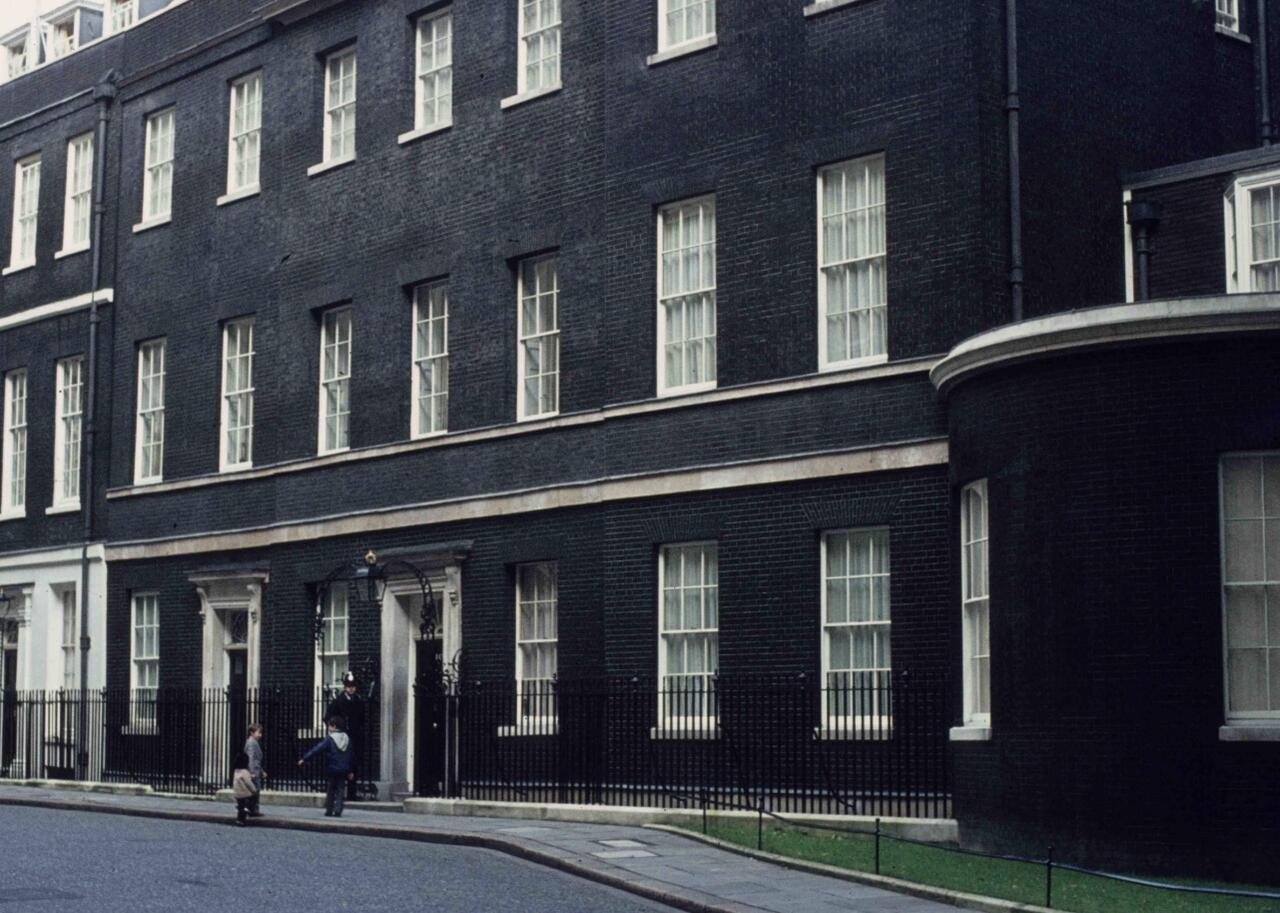
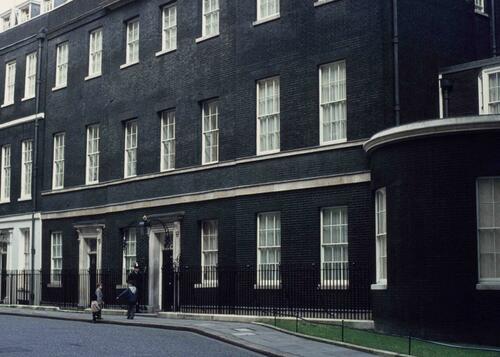
Chinese state-linked hackers reportedly accessed mobile phones “at the heart of Downing Street” as part of a long-running cyber-espionage campaign targeting telecom networks worldwide, according to Fox News.
U.S. intelligence agencies believe the breaches began as early as 2021, though they were publicly revealed in 2024 after American officials warned allies about widespread intrusions into global telecommunications systems.
The campaign targeted several countries, including the U.S. and members of the Five Eyes alliance. Investigators say the attackers may have gained access to the data of millions, with the ability to monitor calls, read messages, and track locations.
Former U.S. national security adviser Anne Neuberger said the “Chinese gained access to networks and essentially had broad and full access,” allowing them to “geolocate millions of individuals” and “record phone calls at will.”
Fox News reports that a source told The Telegraph that the breach reached “right into the heart of Downing Street,” raising concerns that senior U.K. officials may have been affected.
In response, U.S. agencies urged telecom companies in 2024 to strengthen security. A joint advisory in August 2025 warned that Chinese state-sponsored groups, including one known as “Salt Typhoon,” were continuing to target networks globally.
The Telegraph also reported “many” hacking incidents affecting British government phones, particularly during former Prime Minister Rishi Sunak’s term from 2022 to 2024.
Former Israeli intelligence chief Yuval Wollman said Salt Typhoon is “one of the most prominent names” in cyber-espionage, with operations extending across Europe, the Middle East, and Africa.
China has previously denied the allegations, calling them “baseless” and “lacking evidence.” U.K. officials have not yet commented on the latest reports.
Tyler Durden
Wed, 01/28/2026 – 04:15
https://www.zerohedge.com/markets/chinese-hackers-reportedly-breached-phones-heart-downing-street
Miles se manifiestan en Belgrado contra la represión de las protestas estudiantiles
Por JOVANA GEC
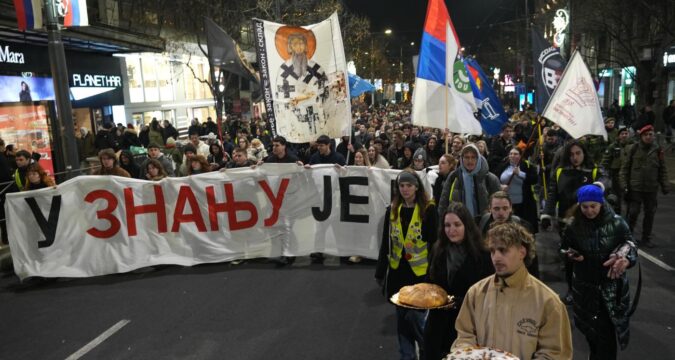
BELGRADO, Serbia (AP) — Miles de personas se congregaron en la capital de Serbia el martes para acusar al gobierno de tomar medidas drásticas contra las universidades, que han sido uno de los motores de la campaña que ha sacudido al mando autocrático del presidente, Aleksandar Vucic.
Los manifestantes se dieron cita frente a la sede de la Universidad de Belgrado en lo que fue un día nacional de la educación. La movilización pacífica, denominada “El conocimiento es poder”, se celebró en apoyo a decenas de profesores y maestros que han perdido sus empleos o cargos por participar en las movilizaciones antigubernamentales.
“Ningún gobierno en nuestra historia ha tratado a los miembros de la comunidad académica con tanta arrogancia, venganza y malicia, y solo porque la comunidad académica se negó a guardar silencio”, dijo Vladan Djokic, decano principal de la universidad, a la multitud.
Las manifestaciones lideradas por los estudiantes comenzaron tras el colapso del dosel de concreto de la estación de tren de Novi Sad, una ciudad del norte del país, que mató a 16 personas en noviembre de 2024. Muchos serbios culparon el desastre a un supuesto incumplimiento de las normas de seguridad alimentado por la corrupción durante las obras de renovación del edificio.
Las protestas, que se han extendido por todo el país, son las más constantes y numerosas registradas en Serbia en años, con cientos de miles de asistentes. Vucic se ha negado a convocar elecciones anticipadas como exigen los manifestantes y, en su lugar, ha intensificado la presión sobre ellos.
La manifestación en Belgrado se produjo días después de que la policía antimotines desalojó a estudiantes que protestaban en un edificio universitario en Novi Sad, una demostración de fuerza contra posibles intentos de reactivar las huelgas universitarias. Decenas de policías entraron en el inmueble y obligaron a los ocupantes a salir, algunos de los cuales acusaron a los agentes de violencia.
Djokic también citó la presión financiera y legal del gobierno sobre las universidades, así como los frecuentes ataques a los profesores y estudiantes que protestan, que son descritos por las autoridades y la prensa progubernamental como “terroristas”.
Instó a sus colegas a “resistir la presión y preservar la dignidad de nuestra profesión a través del ejemplo personal”.
Antes el martes, varias facultades en Belgrado suspendieron las clases durante la jornada en señal de protesta.
Serbia ha enfrentado críticas a nivel internacional por los reportes sobre uso excesivo de la fuerza y detenciones arbitrarias de manifestantes. Formalmente, Vucic busca que Serbia ingrese en la Unión Europea, pero al mismo tiempo refuerza sus lazos con Rusia y China en medio de acusaciones de reprimir las libertades democráticas.
___
Esta historia fue traducida del inglés por un editor de AP con la ayuda de una herramienta de inteligencia artificial generativa.
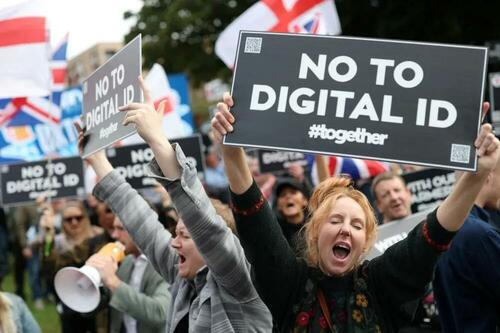
UK’s Government-Controlled Digital ID Is Not The Optional Convenience It Is Being Sold As
UK’s Government-Controlled Digital ID Is Not The Optional Convenience It Is Being Sold As
Authored by David Thunder via ‘The Freedom Blog;,
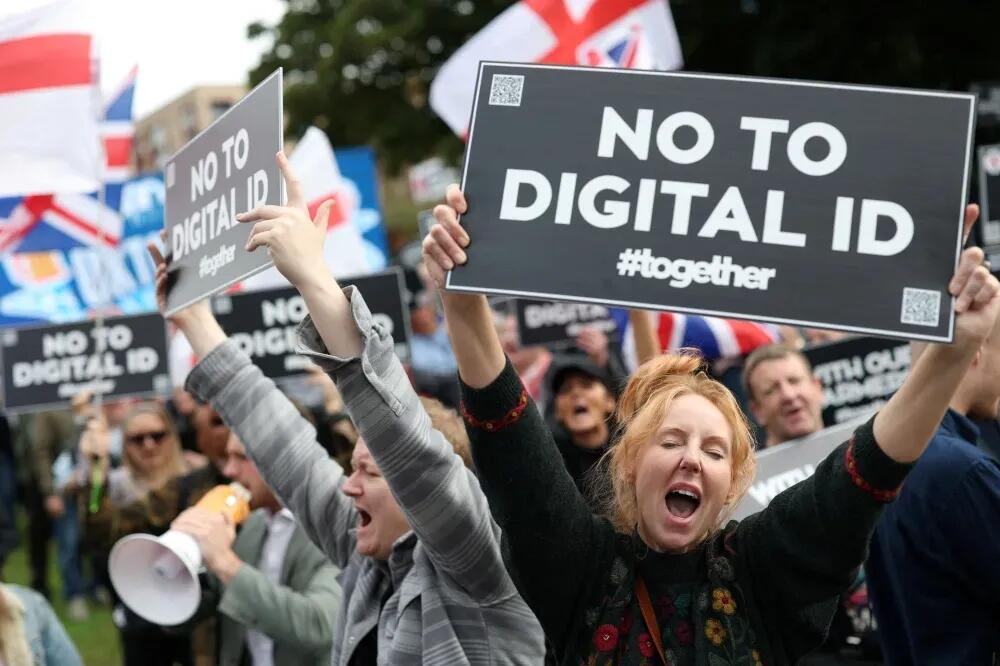
The UK government has pledged to introduce a digital ID system for all UK citizens and legal residents by the end of the current Parliament (so no later than 2029). The integration of digital ID into government services, though already under way, has hitherto been largely voluntary. However, is is becoming steadily less optional, as the government has said it will now be required as a precondition for work in the U.K, and a version of it (GOV.UK One Login) is already being imposed unilaterally upon company directors throughout the U.K.
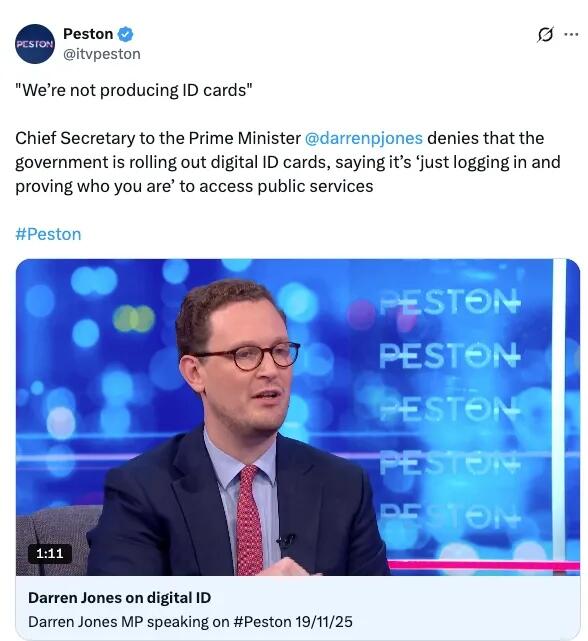
Chief Secretary to the Prime Minister Darren Jones has suggested in a recent interview (19/11) that digital ID is completely optional and will simply make government services more accessible and convenient. But this is a rather disingenuous sales pitch. On the one hand, Starmer himself insists that digital ID will be required as a precondition to work legally in the U.K; on the other hand, like any new technology, there will be a transition period, but voluntariness is unlikely to last forever.
Evidently, the government will not immediately require everyone to use a digital ID in their interactions with government agencies. But as digital ID becomes more normalised, it will likely become as compulsory as holding a passport for international travel. Can you really imagine a modern government allowing “hold-outs” to stay in the physical world while digital ID systems become the norm?
Providing citizens with an easy way to seamlessly verify their identity when they access government services may seem like the “efficient” thing to do. However, this apparent efficiency comes at a high price, exposing citizens to significant risks of government over-reach, surveillance, and system failures.
The old “clunky” system, in which there was bureaucratic redundancy and replication and in which physical ID cards had to be shown to access discrete government services made it more difficult for the government to comprehensively monitor and control a citizen’s choices in real time, and meant a single point of failure in the system did not necessarily compromise all of a citizen’s important data, or disable citizens’ ability to access public services.
The problem with universal digital ID overseen by the State is not that a dystopian State will be born overnight, or that all our data will be stolen the day after the scheme is initiated, but that the architecture of authoritarian control will be set in motion, and the potential repercussions of serious data breaches and system failures will be significantly enlarged.
According to a House of Commons Research Briefing, government statements suggest that “there will be no centralised digital ID database.” But as the same briefing points out, civil rights group Big Brother Watch stresses that “even decentralised systems can behave like centralised ones if identifiers link data across platforms.”
The creation of a digital ID system for accessing a wide range of public services clearly poses grave risks of abuse, given the evident conflict of interest of governments who both oversee the architecture of a digital ID system, and have incentives to extend their control over citizens’ lives.
Unlike a traditional physical ID system, in which there is a local gatekeeper who opens the gate to a service based on limited information – typically, a service-specific database – a digital ID system could, in some future iteration, permit a remote gatekeeper to use an AI algorithm to analyze a citizen’s data and history (unlocked by their ID) and ration their access to a service to induce compliance with the government’s preferred policies. This scenario becomes even more plausible given the momentum behind centralised digital currencies, which could offer governments direct leverage over citizens’ income and spending choices.
Do such scenarios seem far-fetched? If the digital ID system is controlled, overseen and effectively programmed by centralised governments and their agencies, and is already intended as an obligatory verification procedure for employment rights, there is certainly no technological impediment to governments extending the logic of digital surveillance and control, through “mission creep,” to other sectors of social life.
For example, just as a government uses digital ID to track someone’s employment history and residency status as a way of corroborating their right to work, surely it could also use digital ID to track someone’s health history or vaccination status as a criterion for the right to, say, attend public venues, use public transport or enter the country?
And if the same digital ID is associated with a “digital wallet” tied to CBDC (Central Bank Digital Currency), then what is preventing a government from capping a citizen’s spending on international travel once they reach their “carbon allowance”? What if a government-regulated digital ID is required for citizens to post content on social media? This scenario, which is far from fanciful, would give governments leverage to restrict “non-compliant” citizens’ social media activities.
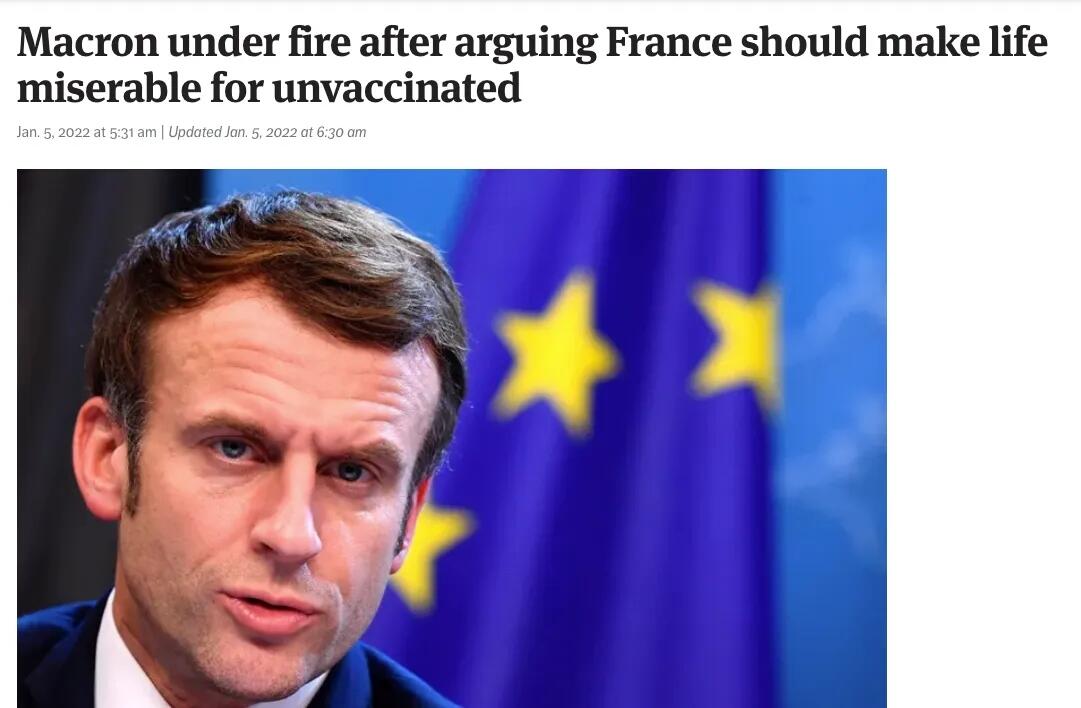
So much for the technological feasibility of leveraging a digital ID system to exert ever greater control over citizens’ lives. Now, do we think government officials are so profoundly committed to civil liberties that they would balk at the thoughts of leveraging digital ID programmes to engage in far-reaching forms of surveillance and control over citizens’ lives? We hardly have grounds for optimism, given Western governments’ abysmal track record during the Covid era, when they were prepared to lock down citizens in their homes based on scientifically flimsy theories of disease control, and “make life hell” (to use a loose translation of President Macron’s notorious expression) for citizens who opted out of an experimental vaccine.
Besides the substantial risks of government surveillance and over-reach, there is a very real risk that citizens’ data may be more exposed to cyber-attacks in a more ambitious, integrated and data-rich digital ID system, and that the very ability to access public services may be as fragile as the weakest point in the system.
On the one hand, government-overseen databases, no less than privately managed databases, have notoriously been compromised, time and again, by serious data breaches and leaks over the years. An increasingly complex and wide-ranging system, linking an ever wider pool of citizens’ data, will be sure to attract the interest of international hackers. On the other hand, if and when these systems experience major glitches, such as the recent outage of internet security company Cloudfare that took ChatGPT and X offline, public services may experience major disruptions, if not paralysis. We want resilience, not just efficiency.
There are more and less safe and efficient ways to harness the technology of digital ID. But the development of digital ID systems should be managed by a complex web of service providers who can develop competitive solutions to the technical problems they pose, under a broad legal framework, and reliance on such systems should be maximally voluntary.
We are living through a major crisis of trust in public institutions. Governments have shown themselves to be unworthy stewards of the ship of State, and citizens are right to distrust their intentions and competence. There could hardly be a worse time – and I’m not saying there ever was a good time – to entrust politicians with an ambitious digital ID programme plagued with risks of government surveillance, technocratic over-reach, system failures, and data breaches.
Tyler Durden
Wed, 01/28/2026 – 03:30
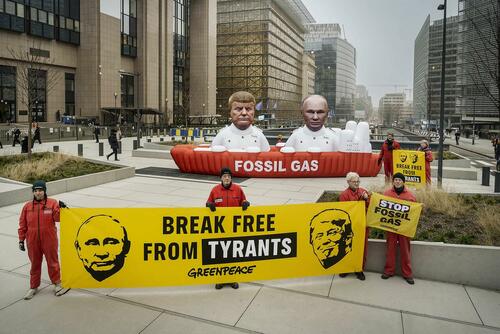
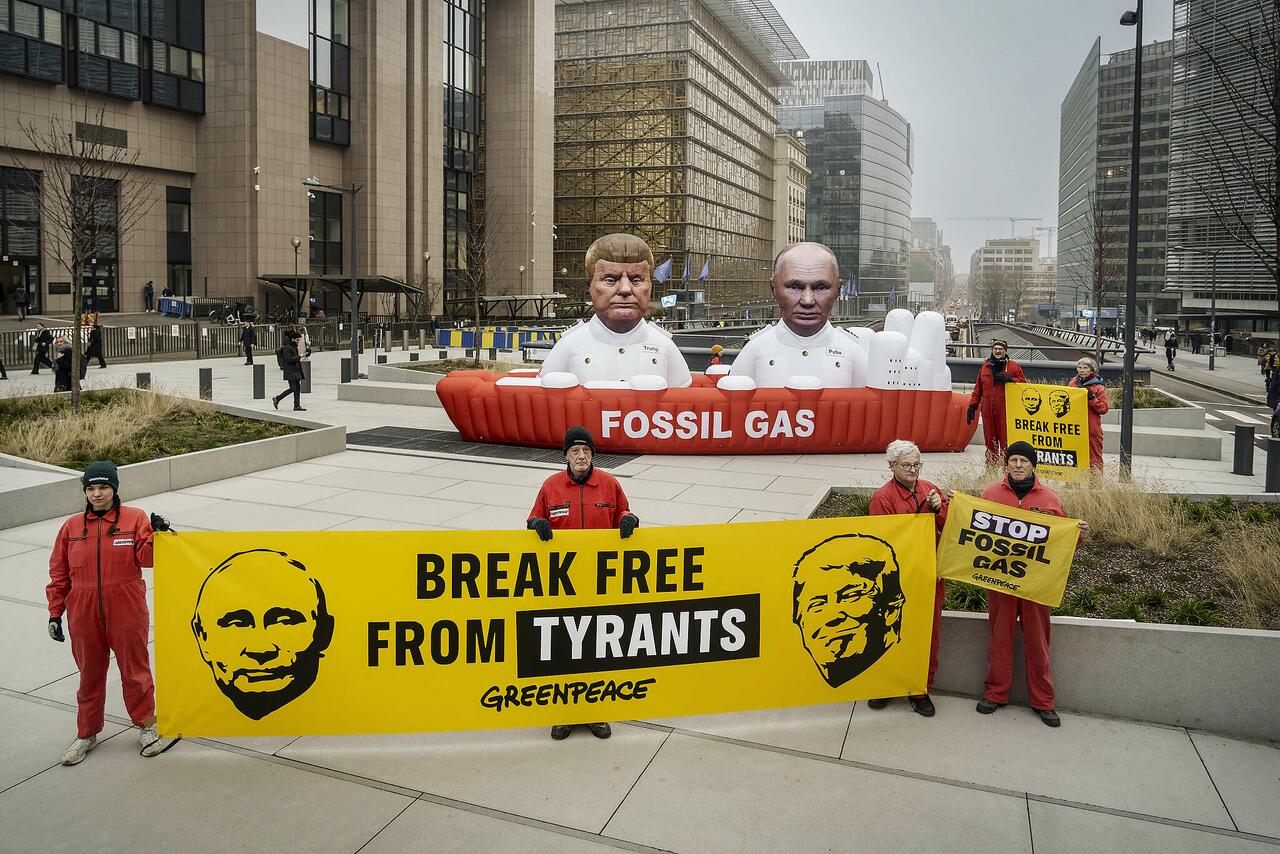
EU ‘Celebrates’ Replacing One Massive Energy Dependency With Another One
EU ‘Celebrates’ Replacing One Massive Energy Dependency With Another One
EU member states on Monday finally signed off on a legally binding ban on Russian gas imports, locking in a hard deadline to sever the bloc’s remaining dependence on Russian energy flows by late 2027.
The move turns Brussels’ long-running pledge to cut Moscow energy loose into enforceable law, nearly four years after Russia’s full-scale invasion of Ukraine, or what Putin calls the Special Military Operation, which has still not been legally declared by Russia to be an official state of war.
Under the deal, the EU will shut the door on all Russian liquefied natural gas (LNG) imports by the end of 2026, followed by a complete ban on pipeline gas by September 30, 2027.
A limited escape hatch was built in for those countries struggling to replace Russian supply and fill storage ahead of winter. These can push the pipeline cutoff to November 1, 2027.
Before 2022, Russia accounted for more than 40% of the EU’s gas supply – a figure which has fallen to roughly 13% by 2025. But there’s still a sizeable gap between Brussels’ political messaging and the bloc’s actual energy behavior. As Reuters reports:
Last month, the five biggest EU importers spent 1.4 billion euros ($1.66 billion) on Russian energy, mostly on gas and LNG, data from the non-profit Centre for Research on Energy and Clean Air showed. Hungary was the biggest buyer, before France and Belgium.
Here’s how the president of the European Parliament, Roberta Metsola, announced the ban Tuesday: “We have just signed the ban on Russian gas into law. Europe is securing control of our energy supply and strengthening our autonomy.”
There’s only one obvious problem in all this from a supposed European ‘energy independence’ perspective, summarized well in the following:
They’ve just locked themselves into total dependency on the US, the country they claim to want to become “independent” from. Utter clowns. https://t.co/yO5UdBMTAY
— Thomas Fazi (@battleforeurope) January 27, 2026
Another commenter, a European libertarian, reacted as follows:
What an idiot stooge, willing to do anything for power. This is the tragedy of Europe: with such a “leadership” we assure our continued submissiveness to the US.
And journalist Mark Ames roundly mocks these new ‘boasts’ EU energy freedom in the following remarks, and invoking the Greenland crisis, on the below clip:
Danish PM bragging how they swapped out their dependence on cheap Russian gas, which posed a theoretical threat, for dependence on expensive US gas, a direct existential threat to Denmark. Must be that high European IQ that race science weirdos rave about.
Danish Prime Minister Mette Frederiksen:
I think, or I hope, that all Europeans can now see that it was a huge mistake to be dependent on Russian fossil fuels. We should never have been.
And now we have to make sure that we will have no dependencies on other countries outside… pic.twitter.com/J9o6c0HXYe
— Clash Report (@clashreport) January 26, 2026
“We’ve replaced one massive dependency with another one,” Henning Gloystein, a managing director for energy at Eurasia Group, told The NY Times. “That looked fine three years ago, but now it doesn’t.”
That same Tuesday NYT report points out that soon after the Feb.2022 Russian invasion of Ukraine, “The United States came to the rescue. Tankers loaded at U.S. terminals shipped large volumes of liquefied natural gas to European ports in the Netherlands, France and Belgium, among other destinations, helping to replace the Russian fuel and calming markets.”
And the report follows with this epic and ironic line, highlighting the elephant in the room: “Not long ago, those gas flows looked heroic. Now, they are raising eyebrows. Since beginning his second term, President Trump has sought to use trade as leverage in disputes with other countries, including his recent push to take over Greenland.”
Tyler Durden
Wed, 01/28/2026 – 02:45
https://www.zerohedge.com/energy/eu-celebrates-replacing-one-massive-energy-dependency-another-one
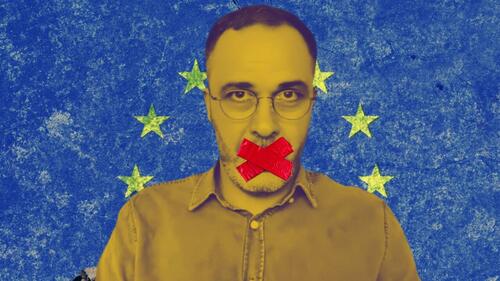
EU’s Deadly New Weapon Against Press Freedom: Already Wreaking Havoc
EU’s Deadly New Weapon Against Press Freedom: Already Wreaking Havoc
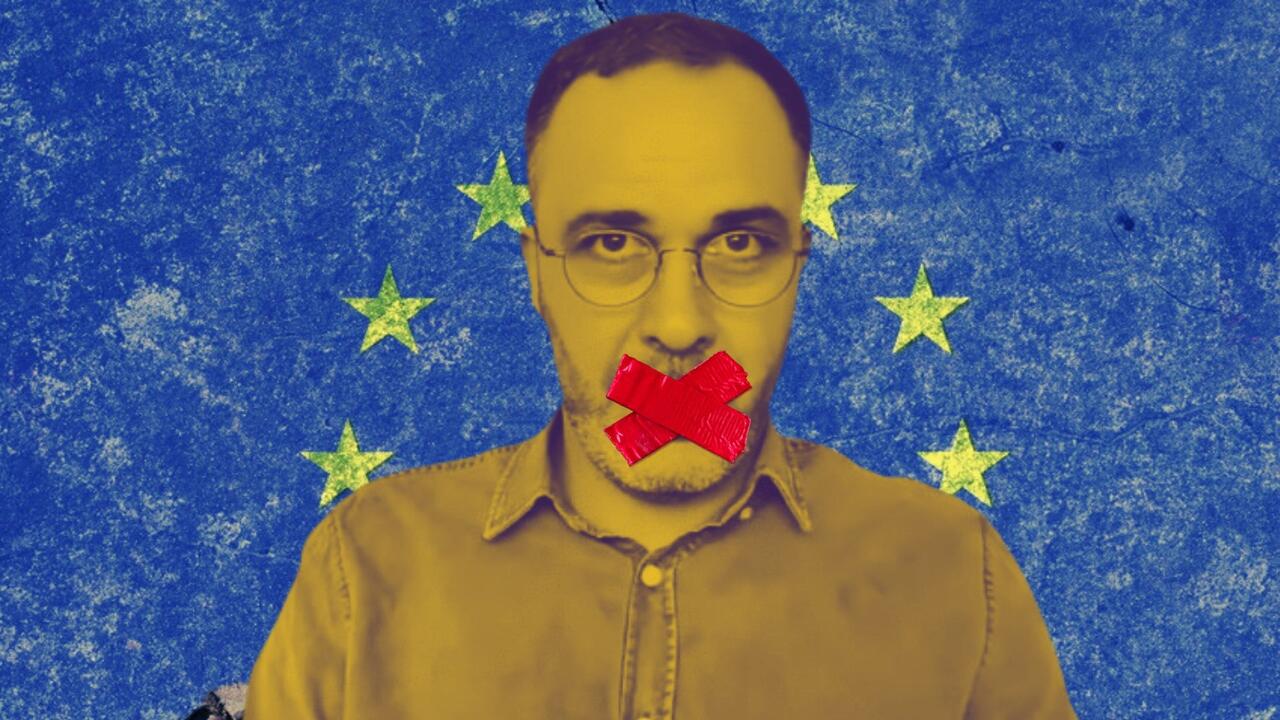
In an extraordinary case that could decide the future of press rights in Europe, Berlin-based German-Turkish journalist Hüseyin Doğru is currently under European Union sanctions for his reporting, which left him completely unable to access his bank account for months.
Under orders from the EU, his assets were frozen, and these sanctions were dispensed with no trial or appeal. Currently, Doğru says he is not even allowed to leave Germany.
As Berliner Zeitung reports, Doğru completely exhausted all financial means, telling the paper that his bank has completely blocked access to his previously approved minimum subsistence allowance of €506. He stated that he can no longer support his family or even buy food for his two newborn children.
“Not only I, but also my wife and my three children are effectively being sanctioned,” Doğru, a left-wing journalist, said in the interview.
“The sanctions themselves stipulate that I am entitled to access to essential funds. The fact that my bank is nevertheless blocking these funds violates applicable law in my view,” he told the Berlin newspaper.
Since then, he has won some reprieve and regained access to his account on Jan. 22 through the actions of his lawyer, but a legal battle over the sanctions is continuing.
UPDATE: Comdirect finally (and unwillingly) restored my account access—only after public and media pressure. Thank you ALL for supporting me. Next goal: lift the sanctions, not just against me, but against all punished for expressing their opinions. https://t.co/P6rdkNhCC8
— Hüseyin Dogru (@hussedogru) January 22, 2026
There are now fears that the extraordinary case may be a sign of where the future is headed, where an authoritarian EU can censor and financially ruin dissidents and journalists with no oversight or judicial review. Notably, similar sanctions could also be deployed against others, such as Roger Köppel, the Swiss editor-in-chief of the weekly Die Weltwoche.
Doğru has been on an EU sanctions list since May 2025, with Brussels arguing that his pro-Palestinian journalistic work incites “ethnic, political, and religious discord” and therefore, he allegedly supports “destabilizing activities by Russia.” Notably, he filmed a number of the occupations of Berlin universities by pro-Palestinian activists.
The basis for the sanctions was his alleged connections to Russia, but the Berliner Zeitung indicates that so far, no proof has been presented to confirm this accusation, and more importantly, there was no trial or evidence provided to support this accusation.
“Brussels justifies the measures by saying that he is using his pro-Palestinian journalistic work to stir up ‘ethnic, political and religious discord’ and thus allegedly ‘destabilizing activities that support Russia.’ The EU has not yet publicly provided any concrete evidence of a connection to Moscow,” wrote the paper.
Germany couldn’t do it, but the EU could
In a recent interview on Youtube, which included the Greek progressive Yanis Varoufakis, Doğru provided further details about his case, including why these sanctions came from the EU and not Germany.
“And this now all applied to me the first time in the form of a sanction, but the German government did not do it directly with me. They, as Yanis said, pass it over to the European Union because in Germany, they could not do that in a legal way, because the backlash is still there in this bourgeois democracy. The little backlash, if it comes to their own citizens, which I am, even though they don’t maybe accept me as such. But if a journalist is in court here, he has a lot of rights.
But if you go through the European Union, the European Commission, there is no judge, there is no hearing, there is no evidence. It’s an extrajudicial act of… and the EU says sanctions are not punishment, they are punitive to change your behavior for the benefit of the European Union, which is not a punishment. So, it’s an extrajudicial execution of a journalist.
But now coming back to the beginning, why is that happening? They’re all laid that out and they’re testing it with me for the first time. And what makes the whole situation unique is that the first time, if they can get away with it, this is going to soon happen to you guys as well, or even those who attacked us.”
The sanctions had a devastating effect on Doğru and illustrate how they could be used to silence nearly any journalist, whether on the left or the right.
“I’m not allowed to pay my lawyer. I’m not allowed to buy water. I’m not allowed to provide my child with food. I’m not allowed to work. I’m not allowed to buy medicine. Every single monetary transaction with me is forbidden. Technically, you’re not even allowed to give me a basket of food because I could turn that technically into money. And this is forbidden.
And if I violate or you do, I don’t know about you, but if I were to violate one of these things, I could face like five years of prison time by avoiding sanctions technically, but they went further. I’m sanctioned, I’m on that list, but they also technically sanctioned my wife and our unborn twins because they froze older accounts. She is not allowed to receive her salary right now.
So in this moment, we technically have no money that we can access to go and buy something. There is also the problem because a lot of activists, journalists, colleagues, politicians and family members even said, ‘Should we send you money?’ We said, ‘Don’t do that. Don’t do that because you would be maybe categorized as avoiding sanctions.’ And this is the problem here. Sanction, as the European Union describes on their website, is a tool that is aligned with humanitarian law, which is not deemed to punish, but rather to change your behavior.”
You literally sanctioned me for exercising my freedom of speech. https://t.co/tgP9kMiJIu pic.twitter.com/56Cb7vq0Jz
— Hüseyin Dogru (@hussedogru) December 24, 2025
Notably, this is tool is being used on a journalist in Europe during a time when EU Commission President Ursula von der Leyen is claiming that Europe is a place where freedom of speech is valued, a point that Doğru is more than willing to point out.
The German-Turkish journalist stated during the interview that he does not understand what “behavior” is supposed to be changed by the sanctions, saying:
“To change behavior, what kind of behavior do they want to change? My behavior to use my rights as a citizen of Europe or of the world to express my opinion on certain events. Also, the right to survive because all my existential grounds are taken away from me. To be a bit more specific, maybe that sounds a bit crude, but just to make the point that I don’t want anyone to misunderstand me, someone in a prison currently technically has more rights than I have, because they can, in custody, buy something which I can’t even.”
The Russian accusations
For those on the right who dismiss this case because of Doğru’s pro-Palestinian coverage or maybe even dislike him because he’s a Muslim, it is clear that this is only a test case. Many of his views or the views of Varoufakis, such as their claims about European colonialism, can be contested, but that is besides the point. Conservatives, libertarians, and the right will all be targeted in the future, not only with this type of method, but other similar methods that are already being deployed.
Doğru indicates that the argument, as far as he can see, is not that he has any direct connection to Russia, but that the EU can interpret his reporting as beneficial to Russia, and therefore, it can legally use these extrajudicial sanctions. Notably, Doğru said he was openly criticizing Russia and its war in Ukraine long before these sanctions hit him.
“And I think this is unique as Yanis said at the beginning with my case, because for the first time ever, Europe sanctioned a journalist in the context of the Russian sanction packages and laws and regulations, who was criticizing Russian policies publicly, which I did, who was criticizing the war in Ukraine,” he said.
He added that he was targeted for “covering protests across Europe, which meant for the European Union that covering that, covering protests, covering violent protests, means for the European Union that only Russia can benefit from that because I’m creating social discord. I’m focusing on that, apparently, and Russia can benefit from that. Therefore, that makes me a Russian news outlet or pro-Russian journalist, which is, I can’t see you’re rolling your eyes. It’s exactly what happened to me as well.”
It is important to note that a report from German newspaper Tagesspiegel indicated that Doğru previously worked for Russian-linked news source Redfish Media. After the war in Ukraine broke out, Redfish closed down, and Doğru began a new outlet called Red, which included a number of former Redfish employees. Doğru indicated that the Red outlet, founded in Istanbul, was independent and received support from private individuals and organizations, without providing further details.
Even if this outlet, however, is connected to Russia in some manner, and so far no evidence has been presented in that direction, the EU’s ability to implement such powerful sanctions against an individual without due process should raise concerns for journalists everywhere.
Concerns expressed from many corners
It is not just the far left complaining about these sanctions against Doğru, but a broad political spectrum is taking issue with how they have been implemented. Here is what Berliner Zeitung wrote:
The Doğru case has been causing a stir for months. Critics see the sanctioning of a German journalist as a dangerous precedent for press freedom in the European Union. The criticism is particularly harsh in a legal opinion prepared by former European Court of Justice judge Ninon Colneric and international law professor Alina Miron. The opinion was presented to the European Parliament in the fall and addresses the new EU sanctions regime against so-called disinformation.
The authors conclude that the sanctions constitute a profound infringement of fundamental rights. The measures act like a “civil death” (“mort civile”): assets are frozen, access to banking services is effectively blocked, and the economic capacity of those affected is almost completely eliminated. This not only affects the sanctioned individuals themselves but also has a direct impact on their professional and private lives.
The report states that it is particularly problematic that sanctions are imposed without prior judicial review. Denying the right to a hearing before being placed on a sanctions list is disproportionate and violates European fundamental rights. The damage to freedom of expression and of the press is completely out of proportion to the stated goal of combating disinformation.
In short, the EU took a sledgehammer to this case, and with the other issues such as Central Bank Digital Currencies (CBDCs) and efforts to fight so-called “disinformation,” it is clear that these tools and terms can be weaponied within the EU establishment against any reporting they do not agree with or find to be a threat.
The history of these sanctions
While the main points of this text has been addressed, some readers may be interested in how these sanctions were implemented and their background.
Doğru addresses the history of these sanctions in his interview with Varoufakis.
“How did we come to this point? It’s going to be a little bit technical, like using technical words, but I think for the audience it is very, very important because that did not just happen from nowhere. It technically started with the annexation of Crimea by Russia. So that’s when the European Union created the European External Action Service (EEAS), which was tasked to combat disinformation and Russian influence in Europe.
After around 2018, that body was extended with more rights, which created a kind of like an action plan against this information. And then we first heard like these words, and I think everyone knows that now. It’s like undermining European democracy, the European values, the European project and about strategic threats, and at some point about disinformation.”
He goes on to address terms like “disinformation” and “hybrid threat,” saying these terms were first coined around 2020. He said that disinformation, in particular, does not have to be a lie, but simply information that is categorized as a threat by the EU.
“That means technically information is now categorized by the EU as a threat, as long as it does not serve their benefit. In that case, as long as a journalist does not report on behalf of or for the benefit of the European Union. This might be a protest, that might be, if I criticize in the context of the Ukraine war, Russia and Europe, for example. So it’s kind of militarizing and criminalizing information, and by fighting disinformation and shutting down information, the EU started to use this (term),” he said.
He then delves further into the history of these sanctions and how the Digital Service Act (DSA) raised the stakes because it allows the EU to punish and sanction individuals, including journalists.
So what happened after that is also like the EAS created or introduced the FIMA, I think it is called, the foreign information manipulation and interference. This was very, very unique and very, very important because that gives the EEAS the right to punish, sanction everyone who is also, how should I work that now, involved in, this is very important: non-illegal suspicious behavior. So they say you have maybe a suspicious behavior and it is no illegal but we judge that as a threat to us, and we can’t punish you. That’s what the FIMA says. So this is very important. The only evidence is look at EEAS, look at FIMA. That’s the template for that…And that brings us to the last point, the Digital Service Act.
The Digital Service act says that in a state of emergency, whatever that is, they don’t announce that or explain that, that they technically can sanction, punish or whatever punishment they have in their mind, journalists and information.
Varoufakis closes by addressing how dangerous this threat now is for European citizens and journalists.
“And we need to emphasize this. I’m glad we have Hüseyin (Doğru) here because this innovation by the German government on the one hand and of course the European Commission on the other is a vile and dangerous precedent, as Hüseyin said. Today, they choose to use anti-Russian or Russian related decrees in order to stop a journalist, a German citizen, from writing about Palestine.
Tomorrow, they can do exactly the same thing regarding any issue, any topic that they do not want people to talk about. It could be anything from the investigation of an accident, a railway accident, an airplane crash. Once we have allowed them to use extrajudicial cancellation methods of European citizens, then that is the thin edge of the wedge. And we go back to really before Magna Carta, before Magna Carta. We’re not talking about democracy now in big domains. We’re going, no, we are digging ourselves into a hole, a wormhole that brings us out like a time machine before the time of Magna Carta.”
Tyler Durden
Wed, 01/28/2026 – 02:00
Saludo fascista en podio: los ‘Minijuegos Olímpicos’ olvidados de Cortina en la 2da Guerra Mundial
Por ANDREW DAMPF
CORTINA D’AMPEZZO, Italia (AP) — Un retrato gigante de Benito Mussolini flotaba sobre el “Estadio de Nieve”, exactamente en el mismo lugar donde ahora se encuentra la arena de curling para los Juegos Olímpicos de Invierno de Milán-Cortina.
El campo de tiro para el evento de patrulla militar, precursor del biatlón, estaba donde ahora se ha erigido una Villa de Atletas de casas móviles para albergar a los competidores de los Juegos del próximo mes.
Los aficionados olímpicos pueden saber que Cortina d’Ampezzo fue sede de los Juegos de Invierno una vez antes, en 1956. Menos conocido es que 15 años atrás de eso, durante la Segunda Guerra Mundial, la ciudad italiana celebró un campeonato mundial de esquí que sirvió como escaparate de propaganda para la Italia fascista y la Alemania nazi.
Alemania, que competía bajo la bandera de la esvástica y podía contar con esquiadores expertos de la Austria anexada, e Italia, controlada por Mussolini, arrasaron con las medallas alpinas en una competición de la que fueron excluidos los enemigos de las dos potencias.
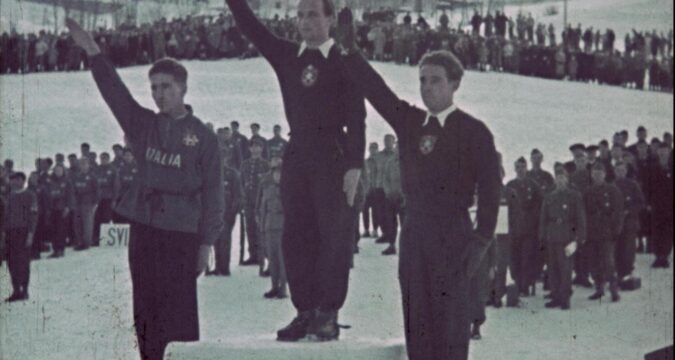
Antiguos noticieros de los campeonatos de 1941 y una película amateur muestran a los deportistas haciendo saludos fascistas en los podios de medallas, banderas nazis exhibidas por toda Cortina y una fuerte presencia militar.
Después de la guerra, la Federación Internacional de Esquí (FIS) borró todos los resultados, lo que es una de las principales razones por las que el evento sigue siendo en gran parte desconocido.
“En muchos sentidos es como si nunca hubiera sucedido”, dijo Nicola Sbetti, historiador deportivo de la Universidad de Bolonia. “Y la república italiana nunca ha estado interesada en asumir la responsabilidad de los campeonatos”.
Sbetti dijo que el evento fue parte de un plan del Eje “para crear un nuevo orden mundial”, también en el deporte.
“Alemania y también Italia y Japón querían que los eventos deportivos continuaran celebrándose como si nada más estuviera ocurriendo. Y así, éste fue uno de los últimos grandes eventos internacionales celebrados (antes de que la guerra se expandiera)”, dijo Sbetti.
Pero no fue realmente un evento internacional, porque naciones aliadas como Gran Bretaña, Francia y Estados Unidos fueron excluidas. Noruega, ocupada, fue representada por un equipo debilitado y Suiza, neutral, tampoco estaba en plena forma.
“Fue un campeonato mundial donde tenías a los países del Eje, países neutrales y Estados títeres como Eslovaquia”, dijo Sbetti. “Noruega bajo (el colaboracionista nazi Vidkun) Quisling participó sólo con atletas que se alinearon. Yugoslavia participó y fue invadida dos meses después.”
Italia trató el evento como una ‘Miniolimpiada’
Antes de la guerra, a Cortina se le habían asignado los derechos de sede para los Juegos Olímpicos de Invierno de 1944, que luego fueron cancelados a medida que las hostilidades empeoraban.
Pero Mussolini, el líder fascista de Italia, no se dejaría disuadir.
Los campeonatos mundiales de 1941 no fueron sólo para el esquí alpino. La competencia también incluyó eventos nórdicos como el esquí de fondo, el combinado y el salto en esquíes.
“Mussolini les dijo a sus hombres: ‘Lo haré de todos modos’”, dijo Max Vergani, director de comunicaciones de la Federación Italiana de Deportes de Invierno, quien escribió un libro titulado “Cortina41, Il Mondiale fantasma”, que se traduce como “El campeonato mundial fantasma”.
“No pudieron albergar los Juegos Olímpicos, pero sí organizaron los campeonatos mundiales”, dijo Vergani. “Fue esencialmente una Miniolimpiada.”
A menor escala, los mundiales fueron una demostración de fuerza y poder similar a cuando la Alemania de Adolf Hitler fue sede de los Juegos Olímpicos de Verano e Invierno de 1936 en Berlín y Garmisch-Partenkirchen, respectivamente.
“Fue un campeonato mundial fuertemente (influido) por el régimen, para mostrar que los italianos son fuertes, que Italia es un país fuerte, que la guerra no me toca y soy capaz de producir un gran espectáculo deportivo porque estoy tranquilo y ganaré la guerra”, dijo Vergani.
Los campeonatos tuvieron lugar mientras las potencias del Eje dominaban gran parte de Europa. La Alemania nazi estaba intensificando su persecución de los judíos y planificando la Operación Barbarroja, la desafortunada invasión de la Unión Soviética que se lanzaría solo meses después. Mientras tanto, las fuerzas italianas luchaban contra los británicos en el norte de África, lo que provocó la llegada de refuerzos alemanes.
Medallistas hicieron saludos nazis en el podio
La esquiadora destacada de los mundiales de 1941 fue Christl Cranz, alemana que arrasó con los oros en descenso y combinado y se llevó la plata en eslalon.
Cuando Cranz subió al podio flanqueada por sus compañeras de equipo Käthe Grasegger y Anneliese Schuh en una barrida alemana en descenso, las tres mujeres realizaron saludos nazis mientras vestían camisetas con un emblema de la esvástica.
Luego que sus tres podios de 1941 fueron retirados del archivo, el récord total de 15 medallas en la carrera de Cranz en mundiales fue igualado por Mikaela Shiffrin el año pasado, cuando la estadounidense se unió a Breezy Johnson para ganar el nuevo evento combinado por equipos en los campeonatos mundiales de 2025 en Austria.
Del lado masculino, el austriaco Josef Jennewein también arrasó con el oro en descenso y combinado para Alemania.
La única ganadora no alemana en esquí alpino fue Celina Seghi, italiana de 20 años que logró una victoria sorpresiva sobre Cranz en el eslalon.
De las 18 medallas alpinas, Alemania reclamó 11 e Italia se llevó las otras siete.
Fue, dijo Vergani, “como si Mussolini hubiera escrito la tabla de medallas de su puño y letra”
El medallero para los eventos nórdicos tampoco fue muy extenso. Finlandia, que entonces estaba siendo ayudada por Alemania en su lucha contra la Unión Soviética, lideró con siete medallas, seguida por Suecia (5), Alemania (2) e Italia (1).
Gustav Berauer y Josef Gstrein se llevaron el oro y el bronce para Alemania en el combinado nórdico a pesar de que eran originarios de Checoslovaquia y Austria, respectivamente. Ambos países estaban ocupados por los nazis.
Suecia ganó la competencia de patrulla militar de 25 kilómetros por delante de Alemania e Italia.
Noruega, históricamente un líder en eventos nórdicos, no ganó una sola medalla.
Varios medallistas murieron en la guerra
Aunque el campeonato de 1941 fue borrado después de la guerra, una versión manuscrita de los resultados oficiales salió a la luz recientemente.
Vergani encontró los resultados en un “archivero muy viejo y muy polvoriento” en la federación italiana. Su libro, sin embargo, fue una iniciativa privada.
Muchos de los atletas que compitieron en 1941 perecieron en la guerra.
Jennewein se convirtió en un hábil piloto de combate para la Luftwaffe. Su avión fue derribado sobre la Unión Soviética en 1943.
Rudolf Cranz, el hermano menor de Christl y medallista de bronce en descenso en 1941, murió en el frente oriental ese mismo año, al igual que el medallista de oro en salto de esquí Paavo Vierto de Finlandia.
Berauer fue gravemente herido en el frente oriental y nunca volvió a competir. De 1963 a 1975 se desempeñó como presidente del comité de combinado nórdico de la FIS.
Seghi continuó compitiendo después de la guerra. Terminó cuarta en descenso y combinado en los Juegos Olímpicos de 1948 en St. Moritz y ganó el bronce en eslalon en los mundiales de 1950 en Aspen, Colorado, para su única medalla reconocida.
Se retiró poco antes de los Juegos de Invierno de 1956. Murió a los 102 años en 2022.
Durante el primer congreso de la FIS después de la Segunda Guerra Mundial, celebrado en agosto de 1946 en Pau, Francia, el primer punto en la agenda fue la cancelación de los mundiales de 1941.
La moción, que fue propuesta por Estados Unidos, Bélgica y Austria, se aprobó de inmediato y se ordenó el retiro de todas las medallas.
Eventualmente, esta competición fue eclipsada por los Juegos Olímpicos de Invierno de 1956 en Cortina, que se convirtieron en un símbolo de renacimiento mientras Italia abrazaba los valores democráticos después de la guerra.
Hoy en día, hay pocos rastros físicos de los campeonatos de 1941, aunque las tiendas de souvenirs en Cortina todavía venden artículos con la imagen del cartel oficial de los mundiales.
“La historia es historia”, dijo Sbetti. “Así que incluso si el evento fue cancelado, sucedió. Necesita ser recordado. Pero en este caso, los elementos políticos necesitan contextualizarse.
_____
Deportes AP: https://apnews.com/hub/deportes

Grandes Ligas fijan el plazo de canjes de este año para el lunes 3 de agosto
NUEVA YORK (AP) — Los equipos de las Grandes Ligas tendrán algunos días adicionales este verano a fin de adquirir peloteros que los ayuden a buscar los boletos de playoffs o bien para reducir la nómina.
Las Grandes Ligas establecieron el martes el 3 de agosto a las 6 de la tarde, hora del Este de Estados Unidos (2200 GMT) como la fecha límite de canjes.
La oficina de las mayores ha evitado que el plazo de los canjes venza los fines de semana en los últimos años, y este año cae en un lunes.
La fecha límite del año pasado fue el 31 de julio, mientras que fue el 30 de julio venció el plazo en 2024 y 2021. El 1 de agosto fue el último día para estos truques en 2023 y 2022.
_____
Deportes AP: https://apnews.com/hub/deportes