Category: News
Gun Rights Group Slams California Ghost Gun Lawsuit For “Criminalizing Law-Abiding Citizens”
Gun Rights Group Slams California Ghost Gun Lawsuit For “Criminalizing Law-Abiding Citizens”
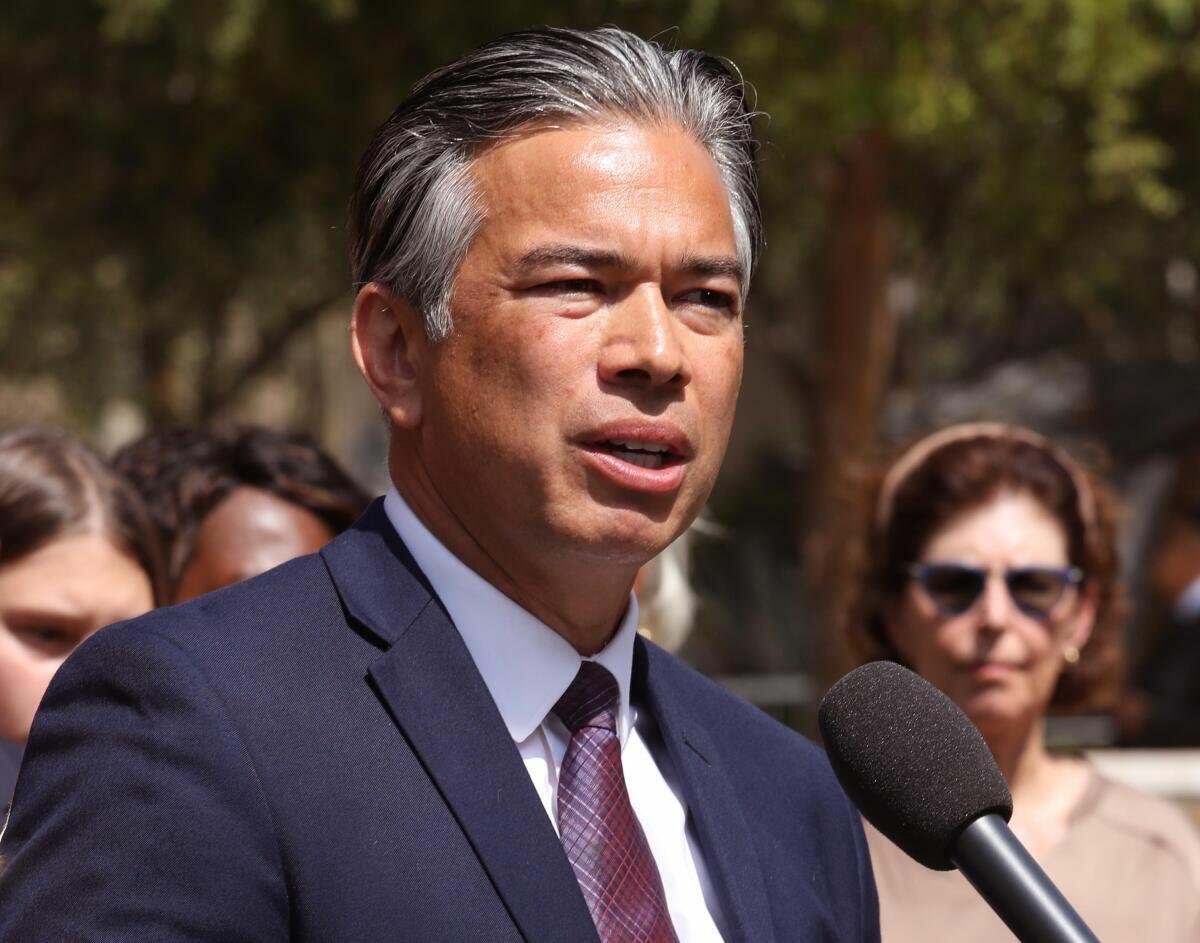
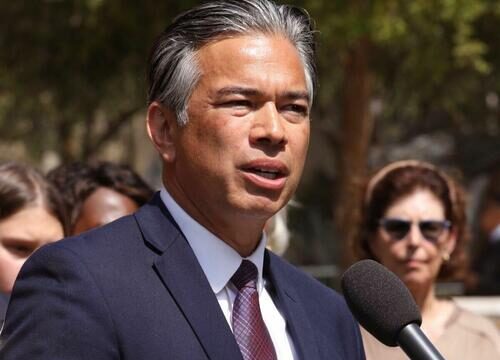
California Attorney General Rob Bonta has filed a lawsuit against two out-of-state companies and more than 100 individuals, accusing them of distributing computer code that lets people 3D-print their own firearms – a case critics say pits the right to bear arms and free speech against Sacramento’s latest gun-control crusade.
In a San Francisco Superior Court filing on Feb. 6, Bonta and San Francisco City Attorney David Chiu allege Florida-based Gatalog Foundation Inc. and CTRLPew LLC unlawfully distributed digital blueprints and computer code used to manufacture hundreds of “ghost guns” and banned accessories like Glock switches and illegal high-capacity magazines.
The complaint claims defendants made available over 150 designs for weapons and components that can be 3D printed at home – including frames, receivers, and suppressors – without serial numbers or background checks. California law already bars unlicensed firearm manufacture, background check-skipping schemes, and, more recently, distributing the code that makes it all possible.
According to the complaint, California laws “specifically prohibit 3D printing firearms and prohibited firearm accessories without a license to manufacture firearms, and since 2023, has also prohibited the distribution of computer code for printing them to those without a license.”
“Dangerous Untraceables,” Says Bonta
Bonta claims that people making their own guns constitutes a “public safety crisis,” as law enforcement seizures of ghost guns in the state skyrocketed from 26 in 2015 to an average of 11,000 per year since 2021. Prosecutors argue ghost guns bypass serials, background checks and traditional gun-safety measures, making them a magnet for people prohibited from possessing guns.
“These defendants’ conduct enables unlicensed people who are too young or too dangerous to pass firearm background checks to illegally print deadly weapons without a background check and without a trace,” Bonta said in the press release.
But gun-rights advocates argue there’s more to the story.
“The Second Amendment protects the right of the people to keep and bear arms – and that right does not disappear because California dislikes how a firearm is made,” Gun Owners of America Senior VP Erich Pratt told ZeroHedge. “For generations, Americans have lawfully built firearms for personal use. This lawsuit doesn’t target criminals; it targets constitutionally protected conduct and even speech itself. You don’t defend public safety by gutting the Second Amendment and criminalizing law-abiding citizens. Criminals will continue to ignore the law, as they always have.”:
Hobbyists or Criminal Enablers?
Among the named defendants is gun-rights attorney Matthew Larosiere – long a voice for hobbyists who argue it’s been legal for Americans to build firearms for personal use so long as they obey federal law. Critics of the lawsuit, including analysts in the gun-rights community, say this latest action blurs the line between hobby and crime and could chill lawful expression and innovation.
Indeed, the complaint’s own exhibits show some files are labeled with names like FGC-9 – shorthand for “F** Gun Control”* – and include detailed step-by-step instructions with shopping lists and recommended printer settings that make it easy even for beginners to produce frames compatible with common commercial parts.
To opponents, the lawsuit isn’t just about public safety – it’s about free speech and the right to arms. The digital codes at issue are arguably analogous to protected technical speech, and their suppression raises alarms in a state already notorious for some of the strictest gun laws in the nation.
A Patchwork of Law Meets Cutting-Edge Tech
California has been tightening its grip on ghost guns for years, adding prohibitions on 3D-printed firearms and the distribution of associated digital files only in the past few election cycles. At the federal level, the U.S. Supreme Court upheld regulations on ghost guns in 2025, underscoring the legal complexity around homemade weapons.
Elsewhere, courts have diverged. In Minnesota, for example, a state Supreme Court ruled that older firearms lacking serial numbers aren’t automatically criminal — a nod to common-sense recoil against overbroad interpretation of serialization laws.
What’s Next?
California is seeking an injunction to halt distribution of the files and other relief. Gatalog and CTRLPew didn’t immediately respond to requests for comment, but gun-rights groups are already lining up to challenge this on constitutional grounds.
Whether you see DIY firearm blueprints as a dangerous loophole or a legitimate exercise of liberty, one thing is clear: this lawsuit marks a high-stakes test of how far states can go in regulating code, guns, and the rights of citizens in the digital age.
Tyler Durden
Mon, 02/09/2026 – 13:40
Trump’s Venezuela Tanker Crackdown Goes Global With Indian Ocean Interdiction
Trump’s Venezuela Tanker Crackdown Goes Global With Indian Ocean Interdiction
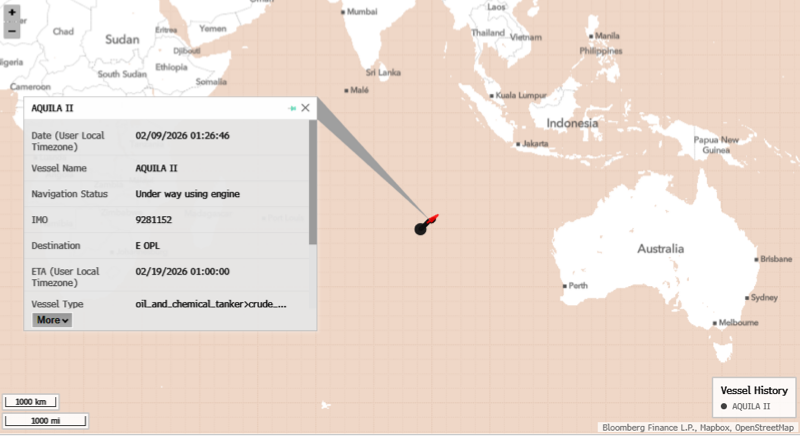
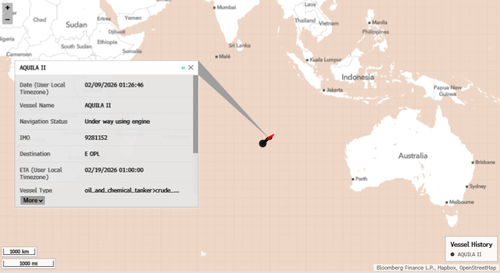
U.S. forces boarded the crude tanker Aquila II in the Indian Ocean after tracking it from the Caribbean, the Department of War disclosed on X early Monday. Officials accuse the vessel of violating Washington’s quarantine on sanctioned tankers moving to or from Venezuela.
“When the @DeptofWar says quarantine, we mean it. Nothing will stop DoW from defending our Homeland — even in oceans halfway around the world,” DoW wrote on X.
DoW said U.S. forces boarded the tanker Aquila II in the United States Indo-Pacific Command (USINDOPACOM) area. It claims Aquila II was evading President Trump’s quarantine of sanctioned vessels in the Caribbean area.
— Department of War 🇺🇸 (@DeptofWar) February 9, 2026
“The Department of War tracked and hunted this vessel from the Caribbean to the Indian Ocean. No other nation on planet Earth has the capability to enforce its will through any domain. By land, air, or sea, our Armed Forces will find you and deliver justice. You will run out of fuel long before you will outrun us,” DoW emphasized on X.
When the @DeptofWar says quarantine, we mean it. Nothing will stop DoW from defending our Homeland — even in oceans halfway around the world.
Overnight, U.S. military forces conducted a right-of-visit, maritime interdiction and boarding on the Aquila II without incident in the… pic.twitter.com/kYVAQC5io9
— Department of War 🇺🇸 (@DeptofWar) February 9, 2026
Reuters reports the Aquila II departed Venezuela’s waters in early January carrying roughly 700,000 barrels of heavy crude bound for China. Shipping data did not clearly identify the vessel’s flag or registration.
The U.S. has seized or “apprehended” seven Venezuela-linked, sanctioned tankers under Trump’s quarantine enforcement effort, otherwise known as Gunboat Diplomacy, with most interdictions occurring in the Caribbean Sea.
One of the more daring interdictions occurred in the Atlantic Ocean, when U.S. forces seized a Russian-flagged shadow-fleet tanker in early January.
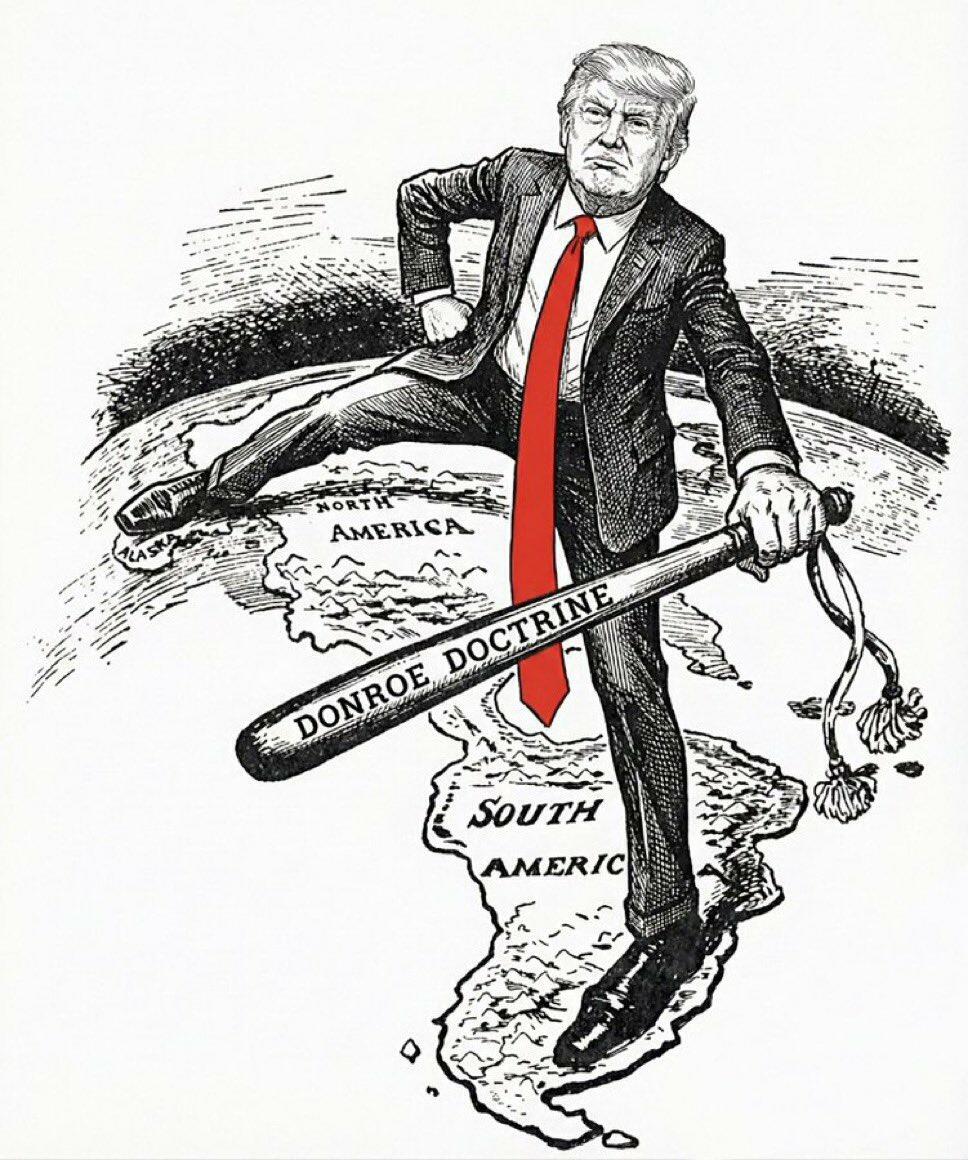
The latest Venezuela-linked seizure in the Indian Ocean suggests President Trump’s “Don Roe Doctrine” is intended to defend the Western Hemisphere even if that means chasing a sanctioned tanker halfway around the world.
Tyler Durden
Mon, 02/09/2026 – 13:20
Pitcher Erick Fedde returns to the Chicago White Sox on a 1-year deal
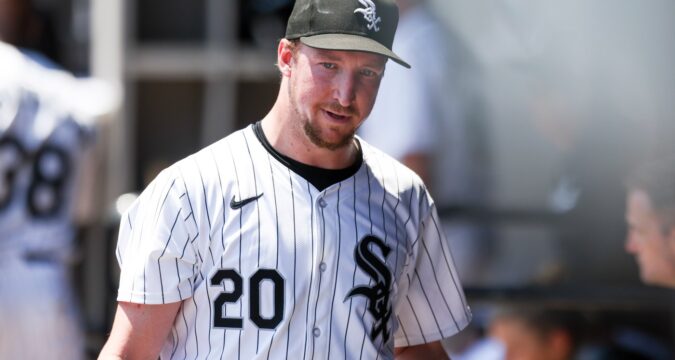
GLENDALE, Ariz. — Erick Fedde had a successful short stint with the Chicago White Sox in 2024.
The right-hander is returning to the team after agreeing to a one-year deal Monday, a source confirmed to the Tribune. The move is pending a physical.
Fedde joined the Sox in 2024 after a season pitching in the Korea Baseball Organization. He went 7-4 with a 3.11 ERA in 21 starts for the Sox before being dealt to the St. Louis Cardinals in late July that year as part of a three-team trade that also included the Los Angeles Dodgers.
Fedde had a 3.72 ERA in 10 starts for the Cardinals in 2024. He had a rocky 2025, going 4-13 with a 5.49 ERA in 32 outings (24 starts) for the Cardinals, Atlanta Braves and Milwaukee Brewers.
Fedde, who turns 33 this month, is 34-55 with a 4.94 ERA in 165 career outings (143 starts) over eight major-league seasons with the Washington Nationals (2017-22), Sox (2024), Cardinals (2024-25), Braves (2025) and Brewers (2025). He has 589 strikeouts and 310 walks in 772 2/3 career innings.
Joel Sherman of the New York Post and MLB Network initially reported Monday’s signing. Financial terms were not disclosed.
Fedde gives the Sox another option on the mound as spring training begins Tuesday with the first workout for pitchers and catchers at Camelback Ranch.
https://www.chicagotribune.com/2026/02/09/chicago-white-sox-erick-fedde-returns/

Re-Set: Reversing The Debt-Debasement Death-Spiral
Re-Set: Reversing The Debt-Debasement Death-Spiral
Authored by Charles Hugh Smith via OfTwoMinds blog,
The end-game of debt-debasement is already visible. The only thing that’s still up in the air is our response.
The unspoken foundation of the US dollar debasement narrative is TINA: There Is No Alternative to debasing the USD to zero because reversing course by reversing the expansion of debt and the money supply (i.e. monetary inflation) are impossible in a debt-dependent economy.
Without a steady expansion of debt and a steady debasement of the dollar so debtors have an easier time paying existing debts, the economy would crash, and so doing more of what leads to collapse is the status quo “solution.”
The second assumption of the US dollar debasement narrative is that those who own crypto, precious metals and other tangible assets will not just survive the eventual crisis but emerge wealthy, as the value of their assets is not dependent on fiat currencies.
This suggests the following thought experiment: since those holding the levers of power “know” the end-game of debasement is the collapse of the currency and the economy, and they “know” the economic devastation that this collapse will deliver not just to the majority but to the wealthy whose wealth ultimately depends on a functioning economy, wouldn’t they consider pursuing a still-painful but less apocalyptic option that steers clear of the death-spiral?
Let’s also consider that history hasn’t been kind to governments that let their currency collapse. Those in power who “know” this would be wise to seek a way to escape the debasement death-spiral simply out of self-preservation, as their power would not survive the (entirely avoidable) destruction of the currency and economy.
Put another way: is there a way to escape the debasement death-spiral that actually re-sets the economy for legitimate advances in the quality of life after a painful excising of the fatal dependence on ever-soaring debt and debasement to prop up the illusion of “prosperity”?
There is a way to reverse the death-spiral, and the key for those in power is to distribute the unavoidable pain evenly enough that no one class reaches the point where they have nothing to lose in seeking to dismantle the entire status quo.
For the past 50 years, the status quo has slowly bled the bottom 80% while channeling all the gains to the top 10%. There were sufficient crumbs left by those feasting on capital gains to give the bottom 80% a reason to comply rather than revolt, but the pain of reversing debasement could make revolt more appealing than compliance.
Note that this redistribution was the result of policy decisions that benefited those reaping the gains of financialization and globalization. It was a choice, not fate.
Those in power must even out the distribution of pain so those who reaped the gains (the top 10%) bear the brunt of the financial damage while funneling enough of life’s essentials to the bottom 80% to avoid revolt.
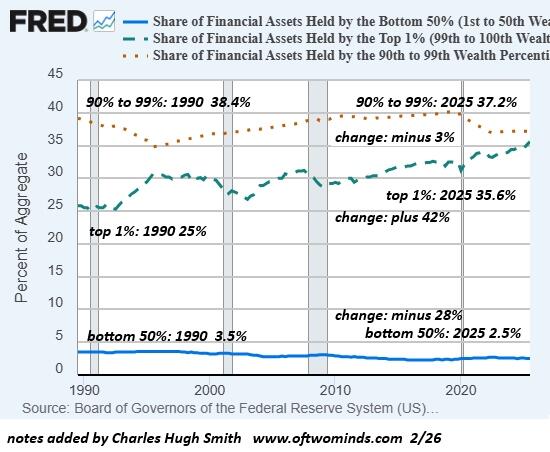
Recall that the top 10% own the vast majority of financial assets, with the bottom 50% owning a wafer-thin 2.5% of financial assets, a 28% decline from their 3.5% share in 1990. The share owned by the top 1%, meanwhile, rose by 42% to 35.6%.
The only way to reverse the debasement death spiral is to end the economy’s dependence on ever-rising debt to fund consumption and an ever-expanding money supply to inflate the asset bubbles that fuel both soaring wealth inequality and the outsized spending of the top 10%–spending that generates a lopsided illusion of “growth.”
The most effective way to defend the dollar and suppress debt expansion is to influence supply and demand by jacking up Treasury yields / interest rates. Global capital will flow into US Treasury bonds to reap the higher rates while demand for new loans declines as rates rise. The federal government’s borrowing costs will jump, squeezing spending while debt-based consumption falls off a cliff.
This is the recession that’s necessary to clear the dependence on debt, inflation and speculative excesses, the recession that’s been put off for 45 years by excessive money / debt expansion.
At the same time, the Federal Reserve lets the resulting bankruptcies and defaults reduce private-sector debt by refusing to bail out Wall Street and the “too big to fail” banks. Overleveraged banks will fail as the necessary step to re-establish some semblance of market discipline rather than backstop the biggest gamblers (i.e. Moral Hazard).
As when the Savings and Loan debacle wiped out (often fraudulent) lenders, the appropriate public agencies will liquidate assets and spread the losses borne by the public over enough time to manage the pain.
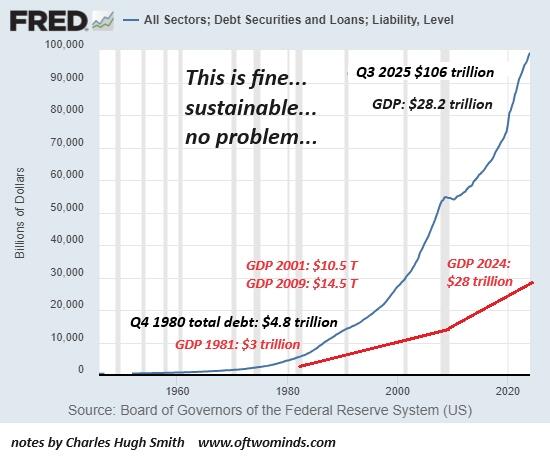
Note that federal debt (i.e. the national debt) of $38 trillion is about a third of total debt, with 2/3 being private-sector.
Recall that private-sector lenders create most of the new currency: when a bank issues a new mortgage, that origination creates new currency. When the mortgage is paid off, that currency goes to Money Heaven–the money supply declines accordingly. Paying down debt or writedowns of debt both reduce the quantity of dollars.
Concurrently, the Federal Reserve tightens liquidity / ceases creating USD out of thin air, reducing the money supply, which induces a scarcity of dollars globally as investors seeking to lock in the higher yields of Treasuries (see above) are in effect bidding for dollars, as Treasury bonds / bills / notes are denominated in US dollars.
The dollar rises due to this shift in supply and demand, and while this punishes exporters, it increases the purchasing power of the dollar for workers and employers alike. Again, any reversal / re-set will generate extreme pain, and the only management strategy with any hope of success is to distribute the pain widely enough, and fairly enough, so that no one class absorbs all the pain.
The long-avoided rebalancing of federal obligations and revenues is finally undertaken, reversing the past 50 years of policies that benefited owners of capital (the top 10%) at the expense of wage earners (the bottom 90%).
Here’s an example of such a policy change: apply the 15.3% social-welfare tax paid by self-employed workers to all unearned income: capital gains, stock option compensation, etc. As with self-employed workers, income tax is on top of this 15.3% social-welfare tax.
On the expense side, ending the perverse incentives built into SickCare and the no-limits funding of all the sacred cows (Big Ag, Big Processed Food, Big Pharma, Big Defense, Big Banks, SickCare, Higher Education, etc.) would spread the pain to those elites and sectors that have enjoyed unimpaired federal largesse for decades.
As recession cuts consumption and employment, mass defaults will wipe out trillions in debt. You can’t get blood from a stone, and the owners of all this debt–auto loans, student loans, credit cards, mortgages, etc.–will eat the writedowns. All the currency created by the debt issuance disappears, and the quantity of dollars in circulation plummets, reversing the debt-debasement-inflation death-spiral.
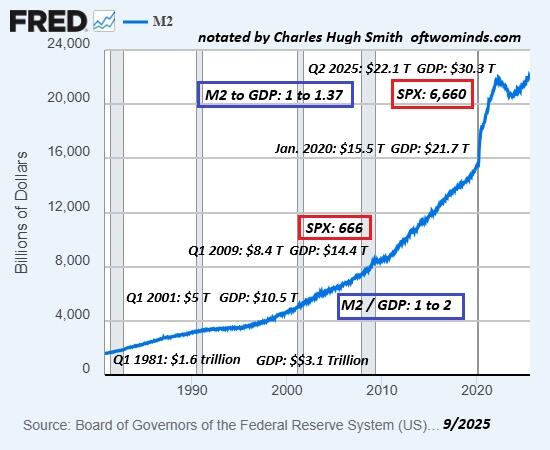
This is a chart of M2 Money Supply, which shows the expansion of the money supply in relation to the GDP generated by the money. (Note that M2 and GDP are imperfect / misleading measures, but everyone uses them anyway.)
Yes, I get it, every one of these steps is “impossible” because some entrenched concentration of wealth / power would suffer. The point here is the suffering that will be inflicted on the elites and sacred cows by the collapse of the currency will be far greater than the pain they will suffer in a re-set that actually changes the nation’s course from a debt-debasement death-spiral to an economy with market discipline and a dynamic balance of social and financial interests.
As I explain in my new book Investing In Revolution, the extreme imbalances generated by the current death-spiral policies will get rebalanced one way or the other, and those influencing policy have a stark choice: leave the status quo as-is and guarantee a non-linear (i.e. uncontrolled, chaotic) collapse, or reverse course now while some control of the re-set is still available.
The end-game of debt-debasement is already visible. The only thing that’s still up in the air is our response. Don’t think it won’t happen just because it hasn’t happened yet.
* * *
My new book Investing In Revolution is available at a 10% discount ($18 for the paperback, $24 for the hardcover and $8.95 for the ebook edition). Introduction (free)
Check out my updated Books and Films. Become a $3/month patron of my work via patreon.com. Subscribe to my Substack for free
Tyler Durden
Mon, 02/09/2026 – 13:00
https://www.zerohedge.com/personal-finance/re-set-reversing-debt-debasement-death-spiral
Serena Williams podría regresar al tenis este mes, pero no está claro si lo hará
Por HOWARD FENDRICH
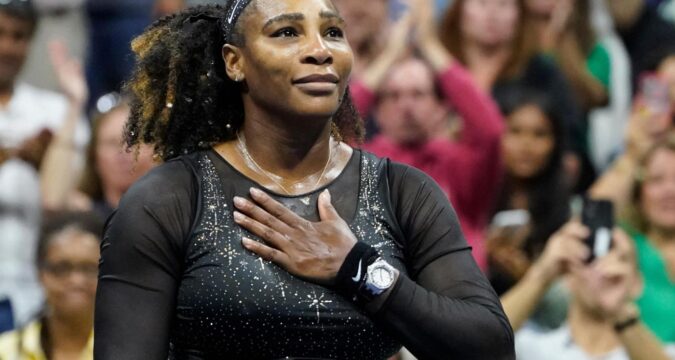
Serena Williams superó otra etapa en el camino hacia un posible regreso al tenis profesional, al ser incluida el lunes por la organización de pruebas de dopaje del deporte como elegible para volver a la competición el 22 de febrero.
Eso se produce seis meses después de que la dueña de 23 títulos de Grand Slam en individuales se registrara inicialmente con la Agencia Internacional de Integridad del Tenis.
Williams, que tiene 44 años, fue incluida el lunes en la página de reinstalación del sitio web de la ITIA, algo que fue reportado por primera vez por Bounces.
Lo que no se sabía de inmediato era cuándo o dónde —o, realmente, si— Williams jugará de nuevo.
Cuando se reveló el año pasado que Williams se había inscrito en la ITIA para regresar al grupo de pruebas de dopaje, escribió en las redes sociales: “Dios mio, gente, NO estoy regresando. Este incendio es una locura”.
Su agente no respondió de inmediato a una solicitud de comentarios el lunes. Tampoco lo hizo un portavoz de la Gira de la WTA.
El año pasado, cuando surgió la noticia de que Williams había dado un paso inicial necesario para un regreso, el portavoz de la Asociación de Tenis de Estados Unidos, Brendan McIntyre, dijo que “si Serena decide regresar y competir a nivel profesional, junto con sus fanáticos, daremos la bienvenida entusiasta al regreso de una de las más grandes campeonas en la historia de nuestro deporte”.
Williams no ha competido desde que se despidió en el Abierto de Estados Unidos 2022. En ese momento, Williams dijo que no quería usar la palabra “retirarse” y en su lugar declaró que estaba “evolucionando” fuera del tenis.
Los atletas que regresan a las pruebas necesitan proporcionar información sobre su paradero —detalles sobre su ubicación cuando no están en un evento oficial y horarios en los que están disponibles para dar muestras. Alguien que se retira mientras está en la lista y luego regresa necesita estar disponible para pruebas durante seis meses antes de que se le permita volver a la competición.
Venus, la hermana mayor de Williams, regresó a la competición el pasado julio a los 45 años después de casi uno año y medio fuera del circuito. Nunca había anunciado su retiro. En el US Open, Venus se convirtió en la jugadora de mayor edad en disputar un partido individuales en el Grand Slam estadounidense desde 1981.
Cuando Venus, campeona de siete grandes en individuales, regresó en el Abierto de Washington, habló sobre su deseo de que Serena se uniera a ella de nuevo en el circuito. Juntas, ganaron 14 títulos de Grand Slam en dobles.
“Siempre le digo a mi equipo: Lo único que haría esto mejor es si ella estuviera aquí. Como siempre hacíamos todo juntas, por supuesto la extraño”, dijo Venus en ese momento cuando se le preguntó sobre un video en las redes sociales que mostraba a Serena balanceando una raqueta. “Pero si ella regresa, estoy segura de que se los hará saber”.
___
Deportes AP: https://apnews.com/hub/deportes
Enfermeros de Nueva York llegan a un acuerdo para poner fin a huelga en dos hospitales
Por PHILIP MARCELO y JENNIFER PELTZ
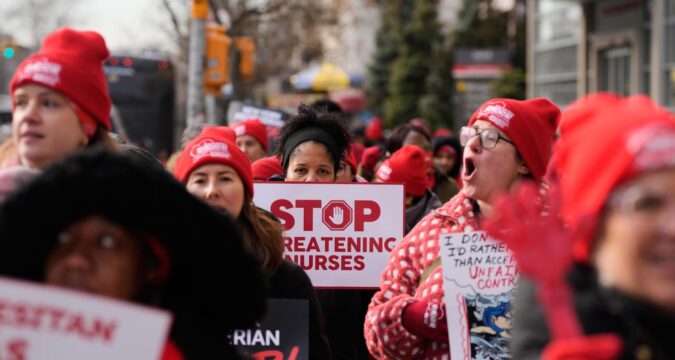
NUEVA YORK (AP) — Enfermeros en huelga llegaron a un acuerdo con dos de los principales sistemas de salud de la ciudad de Nueva York para poner fin a un paro laboral de casi un mes, el cual giró en torno a los niveles de personal, seguridad en el lugar de trabajo y seguros de salud, entre otros temas.
El sindicato que representa a los enfermeros dio a conocer el lunes un acuerdo tentativo que involucra a los sistemas hospitalarios de Montefiore y Mount Sinai. La huelga de enfermeros continúa en el NewYork Presbyterian.
La huelga, que comenzó el 12 de enero, obligó a los hospitales afectados a contratar a toda prisa a un gran número de enfermeros temporales para cubrir turnos durante la demandante temporada de influenza.
El sindicato señaló que los miembros de los hospitales Montefiore y Mount Sinai votarán para ratificar los contratos y regresar al trabajo esta semana.
El acuerdo por tres años afecta a aproximadamente 10.500 de los cerca de 15.000 enfermeros en huelga en algunos de los hospitales privados sin fines de lucro más grandes de la ciudad.
“Durante cuatro semanas, casi 15.000 miembros de NYSNA mantuvieron la huelga bajo el frío y la nieve en busca de una atención segura para los pacientes”, aseguró Nancy Hagans, presidenta de la Asociación de Enfermeros del Estado de Nueva York (NYSNA por sus iniciales en inglés). “Ahora, los enfermeros de los sistemas Montefiore y Mount Sinai regresarán al lado de los pacientes con la frente en alto”.
El sindicato de enfermeros destacó que el acuerdo contempla un aumento salarial del 12% en tres años, además de mantener los beneficios de salud de los enfermeros sin costos adicionales.
El pacto también incluye nuevas protecciones contra la violencia en el lugar de trabajo, incluidas protecciones específicas para enfermeros y pacientes transgénero e inmigrantes, así como salvaguardias contra la inteligencia artificial, dijo el sindicato.
Los enfermeros de Montefiore, Mount Sinai y Mount Sinai Morningside y West comenzarán a votar a partir de hoy para ratificar sus contratos, informó el sindicato.
De ratificarse los acuerdos contractuales, los enfermeros volverán al trabajo el sábado.
Un portavoz de Montefiore se negó a comentar, aparte de decir que se tiene previsto que sus enfermeros voten el miércoles sobre el pacto.
Los portavoces de los otros dos sistemas hospitalarios no respondieron de momento a correos electrónicos en busca de comentarios.
Los hospitales afectados han insistido en que han operado sin complicaciones durante la huelga, realizando trasplantes de órganos, cirugías cardíacas y otros procedimientos complejos prácticamente sin interrupciones. Pero muchos de los centros médicos cancelaron cirugías programadas, transfirieron a algunos pacientes y dieron de alta a otros antes del inicio de la huelga.
Las prioridades de los enfermeros en huelga varían según el hospital, pero los niveles de personal fueron uno de los temas principales. Los enfermeros señalaron que han estado sobrecargados y que los hospitales se negaban a comprometerse a alcanzar niveles de personal que fueron manejables para los enfermeros y seguros para los pacientes.
Los hospitales sostienen que han ocupado vacantes, e incluso agregado trabajos de enfermería en los últimos tres años, saliendo de la crisis de personal que se remontaba a la pandemia.
Hospitales y enfermeros también han estado en desacuerdo sobre los beneficios, y el sindicato luchó por mejoras en cuanto a la seguridad en el lugar de trabajo y las restricciones en el uso de inteligencia artificial.
Las preocupaciones de seguridad del personal hospitalario salieron a relucir cuando un hombre armado ingresó a Mount Sinai en noviembre y otra persona se atrincheró en un hospital de Brooklyn con un objeto punzocortante el mes pasado. La policía abatió a ambos hombres.
Según los hospitales, las demandas del sindicato eran exorbitantes. Afirman que los salarios de los enfermeros sindicalizados promedian entre 162.000 y 165.000 dólares al año, sin incluir beneficios.
Los enfermeros respondieron que los principales ejecutivos de los centros médicos ganan millones de dólares al año, argumento que destacaron el alcalde de la ciudad de Nueva York, Zohran Mamdani, el senador federal independiente Bernie Sanders de Vermont y otros políticos que han visitado las líneas de piquete en las últimas las semanas.
No todos los hospitales de los tres sistemas de atención médica se vieron afectados por la huelga. Tampoco lo fueron los hospitales públicos administrados por la ciudad. Otros hospitales privados llegaron a acuerdos de última hora con el sindicato.
Los enfermeros llevaron a cabo una huelga de tres días en 2023 en los sistemas de Mount Sinai y Montefiore. Finalmente firmaron contratos que establecieron aumentos salariales del 19% a lo largo de tres años y permitieron un pago adicional si los enfermeros trabajaban con personal reducido.
___
Esta historia fue traducida del inglés por un editor de AP con la ayuda de una herramienta de inteligencia artificial generativa.

Del gran día de Darnold a Bad Bunny: Una semana de Super Bowl llena de momentos memorables
Por JANIE McCAULEY
SANTA CLARA, California, EE.UU. (AP) — Sam Darnold y la firme defensa de los Seahawks de Seattle atraparon el segundo campeonato de Super Bowl de la franquicia en el campo familiar de su rival: los 49ers de San Francisco.
El gerente general John Schneider consideró que eso fue una ventaja en la victoria de su equipo por 29-13 contra los Patriots de Nueva Inglaterra el domingo por la noche, después de que Seattle ganara 13-3 en el Levi’s Stadium el mes pasado.
“Han sido un grupo muy confiado”, afirmó Schneider.
Aquí hay un vistazo a algunos de los momentos destacados del juego del domingo y de la semana previa al Super Bowl 60 en el Área de la Bahía.
El hombro de Maye
Drake Maye, el quarterback de los Patriots, recibió una inyección antes del juego para adormecer su problemático hombro. Completo 27 de 43 pases para 295 yardas, dos touchdowns y un par de intercepciones para los campeones de la AFC.
“Hubo más oscilaciones en la primera mitad donde siento que podría haber hecho un mejor lanzamiento o tomado una mejor decisión”, expresó.
Maye no lanzó mucho la semana pasada debido a su problemático hombro, que se lesionó en una escapada durante el juego de campeonato de la AFC en Denver.
Bad Bunny
La estrella puertorriqueña Bad Bunny trajo parte de la rica cultura e historia de la isla al Super Bowl, sin mencionar una sorpresa durante su colorido espectáculo de medio tiempo: Lady Gaga. Ricky Martin, también.
Bad Bunny hizo un llamado a las naciones de América del Norte, del Sur y Central, incluyendo Uruguay, Colombia, Venezuela, Cuba, Estados Unidos y Canadá. Un desfile de banderas de esas naciones atravesó los campos de caña de azúcar que funcionaron como el centro del espectáculo.
Lady Gaga apareció en una escena de boda real en el escenario. La pareja se separó para mostrarla en el escenario, y se unió a Bad Bunny para interpretar “Baile Inolvidable”.
Stafford se queda
Matthew Stafford ganó el premio al Jugador Más Valioso de la AP con sus cuatro hijas a cuestas el jueves por la noche, luego anunció que regresaría a los Rams de Los Angeles por otra temporada.
Stafford cumplió 38 años el sábado y quiere perseguir otro campeonato.
“Volveré”, declaró el mariscal de campo.
Recuperación
Para Terrell Williams, entrenar en el Super Bowl significó mucho después de estar alejado del equipo durante una lucha de casi cinco meses contra el cáncer de próstata.
Los Patriots dieron la bienvenida a su coordinador defensivo, quien no había estado viajando ni en la línea de banda durante su prueba.
Personal de los Seahawks
El Super Bowl marcó el último juego para este cuerpo técnico de los Seahawks. El coordinador ofensivo Klint Kubiak se marchará para entrenar a los Raiders de Las Vegas. Kubiak probablemente se llevará a algunos asistentes de Seattle con él.
___
Deportes AP: https://apnews.com/hub/deportes

Vance está en Armenia, un país que ningún presidente o vicepresidente de EEUU ha visitado
Por MICHELLE L. PRICE
EREVÁN, Armenia (AP) — El vicepresidente JD Vance aterrizó en Armenia el lunes, un país que ningún vicepresidente o presidente de Estados Unidos ha visitado antes, mientras la administración Trump ofrecía oportunidades económicas mientras trabaja para avanzar en un acuerdo mediado destinado a poner fin a un conflicto de décadas con Azerbaiyán.
Vance y el primer ministro armenio Nikol Pashinyan firmaron un acuerdo para impulsar las negociaciones sobre un acuerdo de energía nuclear civil, y Vance declaró que Estados Unidos estaba dispuesto a exportar chips de computadora avanzados y drones de vigilancia a Armenia, e invertir en la infraestructura del país.
La visita se produce después de que Pashinyan firmara un acuerdo en la Casa Blanca en agosto con el presidente azerbaiyano Ilham Aliyev, donde los líderes firmaron acuerdos reafirmando su compromiso de firmar un tratado de paz. El texto del tratado fue inicialado por los ministros de relaciones exteriores, lo que indica una aprobación preliminar. Pero los líderes aún no han firmado el tratado y los parlamentos aún no lo han ratificado.
“La paz no la hacen los tímidos”, indicó Vance, quien planea viajar a Azerbaiyán el martes. “La paz no la hacen las personas enfocadas en el pasado. La paz la hacen las personas que están enfocadas en el futuro”.
El acuerdo de agosto entre las dos ex repúblicas soviéticas exige la creación de un importante corredor de tránsito denominado la Ruta Trump para la Paz y la Prosperidad Internacional. La ruta debe conectar Azerbaiyán y su enclave autónomo de Nakhchiván, que están separados por una franja de territorio armenio de 32 kilómetros (20 millas) de ancho.
El puente terrestre había sido un punto de fricción en la resolución de un conflicto que duró casi cuatro décadas sobre el control de la región de Karabaj, conocida internacionalmente como Nagorno-Karabaj. La región había estado bajo el control de fuerzas étnicas armenias respaldadas por Armenia desde 1994. Una guerra de seis semanas en 2020 resultó en que Azerbaiyán recuperara el control de partes de la región y las áreas circundantes. En septiembre de 2023, Azerbaiyán lanzó un ataque relámpago que obligó a las autoridades separatistas a capitular. Después de que Azerbaiyán recuperó el control total de Karabaj, la mayoría de sus 120.000 residentes armenios huyeron a Armenia.
Vance señaló que el primer ministro armenio contaba con su respaldo en las próximas elecciones y enfatizó que el país estaba entre los más antiguos en haberse identificado como cristiano.
Pashinyan expresó su gratitud hacia el presidente Donald Trump y Vance, señalando que había aceptado una invitación para participar en la primera reunión de la Junta de Paz de Trump el 19 de febrero en Washington. El grupo, fundado por Trump, está supervisando el plan de alto el fuego en Gaza.
Apuntó que la visita de Vance era “de verdadera importancia histórica y simbólica” y que “refleja la profundidad de la fuerte y estratégica asociación forjada entre la República de Armenia y los Estados Unidos de América”.
El vicepresidente y su esposa, Usha, llegaron a Ereván después de pasar cuatro días en Milán en los Juegos Olímpicos de Invierno con su familia. Fueron recibidos con una alfombra roja, una guardia de honor y una delegación de funcionarios. Banderas armenias y estadounidenses colgaban de los postes mientras la delegación se dirigía a la reunión del vicepresidente, con algunos manifestantes al costado de la carretera, incluido uno con un cartel que decía: “¿Trump apoya a los demonios?”
___________________________________
Contribuyeron a esta nota los corresponsales Josh Boak en Washington y Daria Litvinova en Tallinn, Estonia.
___________________________________
Esta historia fue traducida del inglés por un editor de AP con ayuda de una herramienta de inteligencia artificial generativa.
NY Times Columnist Says Vance’s Mother Should Have Sold Him To Feed Her Addiction
NY Times Columnist Says Vance’s Mother Should Have Sold Him To Feed Her Addiction
In an age of rage, it is often difficult to stand out in the mob as so many pander to the perpetually irate.
However, New York Times columnist Jamelle Bouie has found a way to win the race to the bottom.
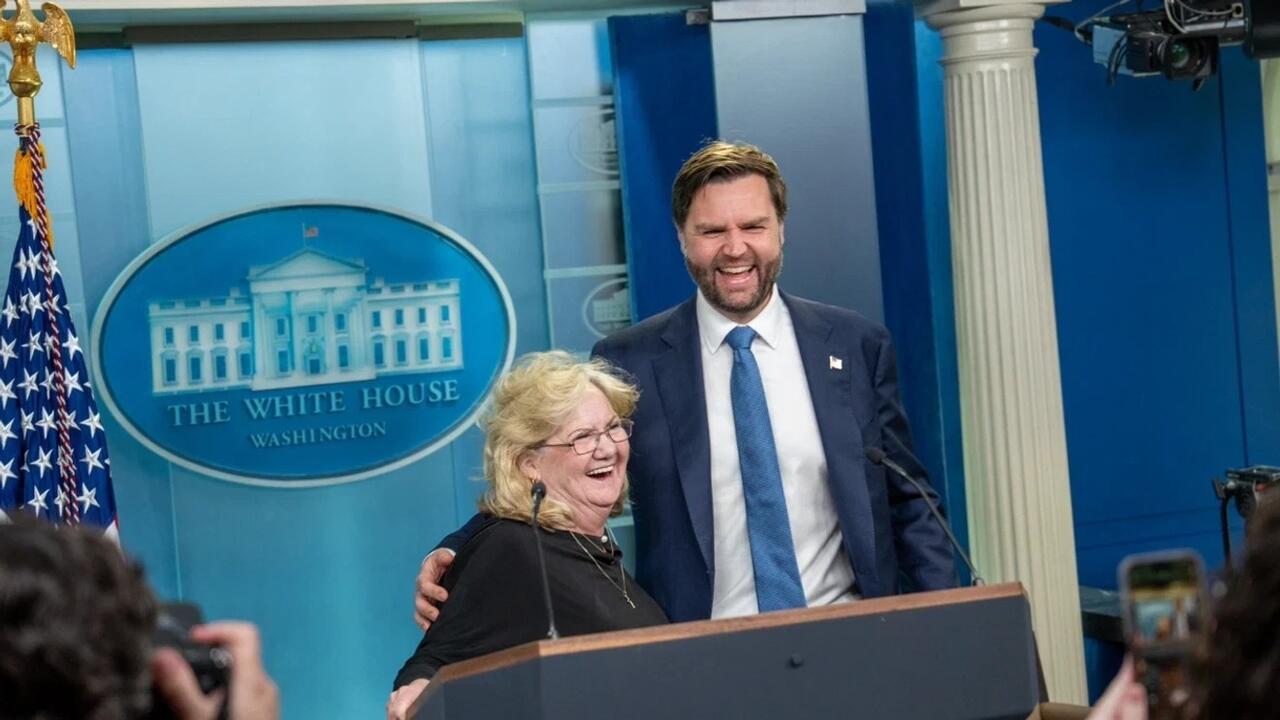
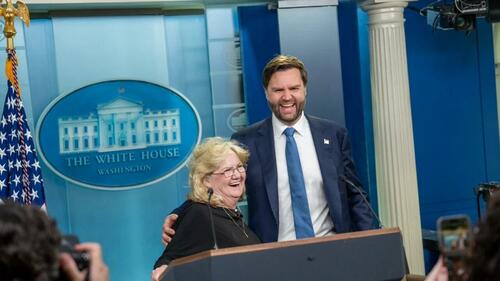
In a posting on Bluesky, Bouie mocked the account of the addiction of the mother of Vice President J.D. Vance, saying that she should have sold her son for drugs.
Bouie used Bluesky (the digital safe zone for the viewpoint intolerant on the left) to post one of the most reprehensible attacks on Vance. Bouie wrote that “this is a wicked man who knows he is being wicked and does it anyway.”
That is hardly notable on today’s rage scale.
However, he then decided to use the painful addiction history of Beverly Aikins against her son: “No wonder his mom tried to sell him for Percocets. [I] can’t imagine a parent who wouldn’t sell little JD for percocet if they knew he would turn out like this.’
Vance wrote a celebrated bestseller, “Hillbilly Elegy,” about his difficult childhood with a mother who became addicted to pain medication and eventually found herself stealing drugs from her patients. It was a tragic account of how addiction tore their family apart, but also a tale of redemption: “I knew that a mother could love her son despite the grip of addiction. I knew that my family loved me, even when they struggled to take care of themselves.”
In April of last year, Vance celebrated his mother’s decade of sobriety.
As I discuss in my new book “Rage and the Republic,” a common element to past radical movements has been the dehumanization of political opponents. In calling others “Gestapo,” “fascists,” and “Nazis,” you achieve a certain license to say and do things that you would ordinarily never say or do. By stripping them of any humanity or right to empathy, you are free to discard the limitations of decency and civility.
Rage is itself a type of drug. It is addictive and, while they never admit it, they like it.
Bouie shows the lack of self-awareness in his hateful posts. It is the ultimate example of transference; a self-description ascribed to those you hate.
On his New York Times bio, Bouie insists that “I come from a left-leaning, social democratic perspective, but I strive for honesty, fairness and good faith in my writing.” He adds that “I abide by the same rigorous ethical standards as all Times journalists.”
If using Vance’s tragic childhood and his mother’s addiction is an example of the “fairness and good faith” of the New York Times, it is a chilling prospect.
In his book, Vance observes that the children of broken and impoverished homes often give up hope, as he did: “Psychologists call it “learned helplessness” when a person believes, as I did during my youth, that the choices I made had no effect on the outcomes in my life.”
He found that choices do matter in shaping your life. We all make such choices, as did Bouie in becoming another voice of rage and the New York Times in giving him a platform to amplify his views.
It is the same choice that the Times makes in barring a U.S. senator and firing editors for exposing readers to alternative viewpoints while publishing those who advocate repression or rationalize political violence. To the obvious appeal of its readers, the paper now peddles in hate to feed a national addiction.
In the end, Vance and his mother have overcome far greater challenges than this vicious columnist or the hatefest at Bluesky. From adversity, they found a strength and a bond that has inspired many who are struggling with such addictions and poverty.
It is clear who is “wicked” in these postings. Perhaps it is even strangely edifying and self-condemning. As Victor Hugo observed, “the wicked envy and hate; it is their way of admiring.”
Jonathan Turley is a law professor and the best-selling author of “Rage and the Republic: The Unfinished Story of the American Revolution.”
Tyler Durden
Mon, 02/09/2026 – 12:20

Aviación, cultura, actividades deportivas y bancos se ven afectados por falta de combustible en Cuba
Associated Press
LA HABANA (AP) — Los efectos de un programa de racionalización del crudo anunciado por el gobierno cubano para enfrentar las últimas sanciones de Estados Unidos comenzaron a sentirse con la falta de disponibilidad de combustible para las aeronaves, la suspensión de eventos culturales y la modificación de los horarios de los bancos.
El presidente estadounidense Donald Trump firmó en enero una orden ejecutiva amenazando con imponer aranceles a los países que se atrevieran a vender petróleo a la isla en el marco de una escalada para asfixiar la economía de la nación caribeña y presionar por un cambio del modelo político.
Las autoridades de la aviación civil cubana enviaron el domingo a las compañías y personal del sector un comunicado indicando que no habrá “combustible disponible” para las aeronaves en ninguno de la media docena de aeropuertos de la isla, confirmó el lunes a The Associated Press un piloto comercial que prefirió no identificarse por no estar autorizado por su compañía a comentar sobre el asunto.
Según el piloto, si bien no es la primera vez que sucede, es extremadamente inusual incluso para la isla, cuyo abasto de combustible suele ser intermitente o estar a expensas de la importación del producto.
La vez anterior que sucedió —hace más de una década— las aeronaves con destino a Europa repostaron en Nassau, Bahamas, recordó el piloto; ahora las líneas regionales podrían evitar problemas trayendo combustible extra y otras recargando en Cancún o República Dominicana. Se desconoce cuánto tiempo estaría vigente el aviso y las autoridades no comentaron nada al respecto públicamente.
Las sanciones contra Cuba —que llevan más de seis décadas— tomaron un nuevo giro tras el ataque de Estados Unidos en enero a Venezuela para capturar al entonces presidente Nicolás Maduro. El país sudamericano es aliado de la isla y uno de sus principales suministradores del crudo necesario para su economía.
Dado su carácter de isla y que el turismo es un ingreso fuerte en la economía —llegó a alcanzar los 3.000 millones de dólares en 2019—, la no disponibilidad de combustible constituye un duro golpe para sus ingresos, ya menguados en este lustro en medio de una severa crisis que se tradujo en apagones de hasta 10 horas, desabastecimiento de combustible para vehículos y carencia de alimentos o medicinas.
El jueves, el presidente Miguel Díaz-Canel compareció en la televisión cubana por dos horas reconociendo el impacto y advirtiendo que en los días por venir se tomarían medidas.
Este fin de semana se informó también que se suspendería hasta nuevo aviso la Feria Internacional del Libro de La Habana —prevista del 12 al 22 de febrero—, mientras que se modificó el calendario de la Serie Nacional de Béisbol para hacerlo más corto y eficiente.
Además, bancos como el Metropolitano informaron que acortaron su horario de operaciones de lunes a viernes desde las 8.30 a las 13.00 horas. Asímismo la empresa distribuidora del combustible anunció la suspensión de la venta de combustible en pesos cubanos a la población y que la misma se hará en dólares y hasta 20 litros por usuario.
Las medidas se suman a otras más generales difundidas el viernes, como el recorte del transporte interprovincial de buses, el espaciamiento de las salidas de los trenes y la limitación de la circulación de autobuses urbanos.
—————
Siga a Andrea Rodríguez en X: https://x.com/ARodriguezAP