Category: News

Messi y el Inter Miami avanzan a final de MLS con goleada de 5-1 ante NYCFC
Por TIM REYNOLDS
FORT LAUDERDALE, Florida, EE.UU. (AP) — Lionel Messi jugará por otro trofeo. Y es evidente que Jordi Alba y Sergio Busquets tampoco están listos para comenzar sus jubilaciones.
El argentino Tadeo Allende anotó tres goles, los dos primeros con asistencias de Alba y Busquets, y el Inter Miami aplastó el sábado 5-1 al New York City FC, para obtener el título de la Conferencia Este y avanzar a la final de la MLS.
Alba y Busquets, un par de excompañeros de Messi en el Barcelona, han anunciado que se retirarán cuando termine esta campaña.
Mateo Silvetti anotó a los 67 por el Inter Miami, en una jugada que preparó su compatriota argentino Messi para llegar a 405 asistencias de por vida con clubes y con la selección argentina. Sería la mayor estadística de su tipo en la historia del fútbol.
El venezolano Telasco Segovia anotó con un pase de tacón de Alba a los 83 para convertir el duelo en una goleada, y Allende completó el hat-trick a los 89.
Inter Miami —el tercer preclasificado del Este— será anfitrión de San Diego o Vancouver en la final del 6 de diciembre a las 2:30 de la tarde 1930 GMT. San Diego y Vancouver juegan por el título de la Conferencia Oeste más tarde.
Con gol en la agonía, Monterrey elimina al América y avanza a semifinales en Liga MX
CIUDAD DE MÉXICO (AP) — Germán Berterame mandó un potente cabezazo a las redes durante el descuento por Monterrey, que pese a caer el sábado por 2-1 en la cancha del América, avanzó a las semifinales del torneo Apertura de la Liga MX por un marcador global de 3-2.
Berterame entró solo por el centro del área para impactar el preciso centro de Ricardo Chávez a los 90+2.
Alejandro Zendejas a los 30 minutos y Raúl Zúñiga a los 59 marcaron las dianas que necesitaba América para estar en las semifinales de haber preservado ese marcador.
Monterrey se había impuesto por 2-0 como local en el encuentro de ida, disputado el miércoles. Pero al América le bastaba una ventaja de dos tantos en la vuelta para seguir adelante, gracias a su mejor posición en la tabla durante la campaña regular.
En cambio, los Rayados les cortaron a las Águilas una racha de siete torneos avanzando a semifinales. En los cuatro certámenes más recientes, América había llegado hasta la final.
Los visitantes lograron la proeza pese a terminar con 10 elementos tras la expulsión de Jorge Rodríguez a los 84 minutos por una segunda tarjeta amarilla.
El seleccionado estadounidense Zendejas acercó en el global a los azulcremas con el 1-0 después de animarse a realizar un zurdazo rasante desde fuera del área, que pasó entre las piernas de Sergio Ramos antes de ir a las redes junto al poste a los 30 minutos.
Zúñiga hizo explotar la emoción en las gradas del estadio de La Ciudad de los Deportes a los 59, después de rematar un pase de Zendejas a segundo poste, que atravesó el área hasta que el delantero colombiano lo mandó a las redes.
A Zúñiga le anularon un tanto a los 69, por una apretada posición adelantada antes de rematar un centro de Kevin Álvarez en el corazón del área.
Con la expulsión de Rodríguez, los regios no dejaron de buscar el tanto que les daría la clasificación. Cuando el tiempo expiraba, encontraron la recompensa con el gran testarazo del naturalizado mexicano Berterame.
Más tarde concluirán otras dos series de cuartos de final, con los choques entre el campeón Toluca ante Ciudad Juárez, serie que dominan por 2-1 los Diablos Rojos, y Tigres vs. Tijuana, duelo que los Xolos controlan con un sólido 3-0.
El domingo se realizará el último de los duelos de esta fase entre Cruz Azul y Chivas; que empataron 0-0 en la ida.
_____
Deportes AP: https://apnews.com/hub/deportes

China Issues Rare Bubble Warning Forming In Humanoid Robotics
China Issues Rare Bubble Warning Forming In Humanoid Robotics
China’s top economic-planning body, the National Development and Reform Commission (NDRC), issued a rare warning earlier today about the emergence of bubble conditions in the country’s humanoid robotics industry. This warning comes just as Elon Musk is planning to scale production of the Tesla Optimus robot next year.
Bloomberg cites comments from NDRC spokeswoman Li Chao, who warned that more than 150 companies and startups are developing nearly identical robots, creating the risk of a classic investment bubble that could trigger a bust cycle and stifle real innovation.
“Frontier industries have long grappled with the challenge of balancing the speed of growth against the risk of bubbles, an issue now confronting the humanoid robot sector as well,” Li warned.
Humanoid robotics has exploded in popularity since Unitree’s robot dog with a flamethrower attachment. We’ve purchased one from an importer (minus flamethrower attachment) to see what all the excitement is about…
Taking a look at the Solactive China Humanoid Robotics Index – a thematic equity index tracking Chinese companies involved in the commercialization of humanoid and robotics technologies – is up 28.5% year to date and doubled from 2024 lows.
Related:
Goldman Finds “Inflection Point” With Humanoid Robots; We Tested Unitree’s Robodog
Goldman’s Chat With Top Robotics Firm Reveals Skynet Humanoid Timeline
China Humanoid Robotics Index Jumps After Unitree Debuts “Stellar Hunter”
Latest reports:
Humanoid Robot Roundup: Auto Industry Poised To Lead First Wave Of Adoption
Citi forecasts the humanoid robot industry could reach $7 trillion by 2050, although mass adoption remains a 2030s story.
Tyler Durden
Sat, 11/29/2025 – 20:25
https://www.zerohedge.com/ai/china-issues-rare-bubble-warning-forming-humanoid-robotics
Edwards brilla con 39 puntos y triple inesperado en victoria de Wolves, 119-115 sobre Celtics
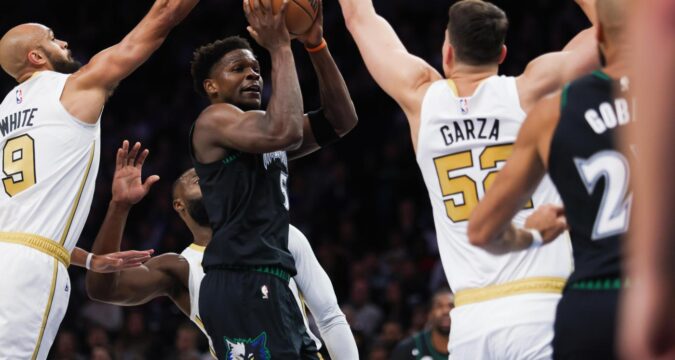
MINNEAPOLIS (AP) — Anthony Edwards anotó 39 puntos, incluyendo un triple inesperado que resolvió el encuentro, y los Timberwolves de Minnesota resistieron para imponerse el sábado 119-115 a los Celtics de Boston.
Julius Randle sumó 16 puntos y Donte DiVincenzo añadió 15 por los Timberwolves, quienes colocaron a seis jugadores en cifras de dos dígitos y vencieron a un equipo con un récord de .500 o mejor por primera vez en ocho intentos esta temporada.
Jaylen Brown igualó su mejor marca de la temporada con 41 puntos por Boston, que perdió por segunda vez en siete compromisos. Neemias Queta igualó su mejor marca personal con 19 puntos y capturó 18 rebotes, la estadística más alta en su carrera.
Derrick White anotó 16 tantos.
Los Wolves estaban adelante 115-112 y el reloj de tiro se agotaba cuando Edwards perdió brevemente el control del balón pero rápidamente lo recuperó y embocó un triple sobre White, con 14 segundos restantes.
Edwards, quien promedia 38,5 puntos en sus últimos cuatro partidos, anotó nueve seguidos para darle a Minnesota una ventaja de 110-98 con 3:52 minutos por jugar. Pero los Celtics montaron una racha de 12-0 para empatar el juego con 1:38 por jugar.
_____
Deportes AP: https://apnews.com/hub/deportes

Obamacare’s Costly Illusion Of Affordability: From Subsidies To Serfdom
Obamacare’s Costly Illusion Of Affordability: From Subsidies To Serfdom
Authored by Richard Menger via The American Institute for Economic Research (AIER),
Since the enactment of the Affordable Care Act (ACA), health insurance premiums have steadily increased, as has healthcare’s proportion of the gross domestic product (GDP). In employer-sponsored insurance, escalating premiums are the primary driver for stagnant take-home wages.
The structure of the Affordable Care Act (ACA) and employer-sponsored insurance conceal the true cost of healthcare. The recent government shutdown exposed this underlying flaw to public scrutiny.
Should the premium tax credits lapse as expected, the Kaiser Family Foundation (KFF) projects that premiums for Americans will increase by more than 75 percent. This stark price increase will now confront consumers, leaving patients worried and dissatisfied.
Both the ACA and employer-sponsored healthcare obscure actual healthcare costs, promoting moral hazard and distorting economic incentives.
Unraveling the Mechanics of ACA Premium Subsidies
The ACA in 2010 established premium tax credits (PTCs) to enhance the affordability of health insurance through Marketplace exchanges. These refundable credits, authorized under IRC Section 36B, reduce premiums for households with modified adjusted gross income (MAGI) at or above 100 percent of the federal poverty level ($15,650 for an individual in 2025). In 2021, enhancements increased credit amounts for existing eligible participants and extended eligibility to those exceeding 400 percent of the federal poverty level. The 2023 resolution of the “family glitch” enables dependents to access PTCs when family coverage is deemed unaffordable.
Absent congressional intervention, enhanced subsidies will expire in 2025, potentially doubling premiums and disenrolling millions, thus undermining the coverage gains championed by ACA advocates. Estimates suggest that without renewal, enrollees would face an average premium increase of $1,016 on the marketplace. The expiration of enhanced PTCs is projected to escalate annual premium costs for subsidized enrollees by 114 percent, rising from an average of $888 in 2025 to $1,904 in 2026.
In essence, the collapse of this support structure threatens the stability of the ACA’s framework. The house of cards comes crashing down.
The Hidden Challenge With Employer-Based Coverage
A Kaiser Family Foundation survey revealed that the average premium for employer-sponsored family coverage increased by 26 percent from 2020 to 2025. In 2024, the average annual cost for single coverage was $8,951, with employees typically contributing $1,368, while family coverage averaged $25,572, with employees paying $6,296.
A recent Mercer survey reported that employers expect a 6.5 percent rise in employee healthcare costs for 2026, the largest increase since 2010. Likewise, a Business Group on Health poll indicated employers anticipate a 7.6 percent surge in healthcare expenses in 2026, the most significant jump in over a decade.
Employees often remain unaware of true healthcare costs, as their contributions are partially offset by tax-advantaged employer benefits. However, these costs indirectly suppress wage growth. Meanwhile, healthcare inflation consistently outpaces general wage increases.
Conversely, insurance companies are thriving.
Since the ACA’s passage, the top five health insurers’ annual profits have soared by 230 percent. In 2024, UnitedHealth’s CEO earned $26.3 million, Cigna’s CEO $23.2 million, and others followed suit.
This dynamic does not reflect true capitalism or free-market principles but rather crony capitalism bolstered by government subsidies.
The Core Economic Problem
Imagine a pizza system mirroring healthcare. Employers subsidize 80 percent of a Supreme Pizza plan for employees, lowering the visible cost per slice to $2, though the true price is $10. Uninformed consumers add extravagant toppings—pineapple, anchovies, glitter sprinkles—perceiving them as nearly free. With numerous pizza varieties available, consumption surges. Moral hazard drives daily orders, even for breakfast pizza, escalating demand. Pizzerias, aware of this price ignorance, promote lavish new combinations. An ACA-style “PizzaCare” program caps costs at a fraction of income, encouraging excessive consumption without consideration. Prices skyrocket, benefiting pizza companies. Government subsidies intensify this distortion, further inflating costs. Employees relish their pizza; it becomes part of their daily or weekly routine. They are unaware of its true cost, but may notice and object if their pizza price component rises from $2 to $2.50 or $3.
Hayek’s Warnings and the Dependency Trap
Notably, Marketplace enrollment doubled from 11 million to 24 million following the introduction of enhanced premium tax credits in 2021.
This is Hayek’s cautionary narrative.
The critical issue lies in the vulnerability of ordinary individuals, distracted by whether Notre Dame will secure a College Football Playoff berth, the Islanders will win the Stanley Cup, or their seven-year-old will score in Saturday’s soccer game. These individuals face significant financial strain, having grown reliant on subsidies to afford healthcare. The broader healthcare system similarly depends on government support, embodying Hayek’s warning of diminishing personal autonomy and deepening entanglement with state intervention.
In “The Road to Serfdom,” Friedrich Hayek vividly depicts government overreach as a frog slowly boiling in a pot, lulled by promises of security. The ACA’s subsidies, like a siren call, have enticed 24.2 million enrollees with affordable premiums, obscuring the escalating true cost of healthcare. Once established, these subsidies become indispensable, with millions now dependent on them, as evidenced by projected premium spikes.
Should the enhanced subsidies, originally temporary, expire as planned in 2025, the resulting premium surge reveals the trap: dependence on state generosity. As Hayek cautioned, this reliance, cloaked in equity and justice, erodes freedom, empowering a bureaucracy to dictate government-directed winners and losers.
Once entrenched, dismantling programs initially deemed temporary becomes politically toxic. Individuals adapt to a subsidized reality, viewing affordable premiums as essential, mirroring Hayek’s portrayal of populations bound to state largesse. The ACA’s framework, with 24.2 million enrollees dependent on credits, fosters a cycle of deepening reliance. Any rollback, such as the looming 2025 expiration, risks economic disruption, entrenching a system where insurers profit from inflated costs while patients, shielded from true price signals, remain tethered to subsidies.
This validates Hayek’s thesis: centralized interventions breed dependency, eroding choice and fueling a gradual descent into serfdom.
Tyler Durden
Sat, 11/29/2025 – 19:50
https://www.zerohedge.com/political/obamacares-costly-illusion-affordability-subsidies-serfdom

Study Finds Tattoo Ink Accumulates In Lymph Nodes
Study Finds Tattoo Ink Accumulates In Lymph Nodes
A new study shows tattoo ink drains into the lymphatic system and accumulates in lymph nodes, diminishing the effects of immune cells. This accumulation of ink pigment triggers both local and systemic inflammation that persists for months.
A third of American adults, roughly 32% – or about 80 million people – have tattoos, and they should read this new study published in the Proceedings of the National Academy of Sciences of the United States of America (PNAS).
“Despite safety concerns regarding the toxicity of tattoo ink, no studies have reported the consequences of tattooing on the immune response. In this work, we have characterized the transport and accumulation of different tattoo inks in the lymphatic system using a murine model,” researcher Arianna Capucetti wrote in the study.
Capucetti continued:
Upon quick lymphatic drainage, we observed that macrophages mainly capture the ink in the lymph node (LN).
An initial inflammatory reaction at local and systemic levels follows ink capture. Notably, the inflammatory process is maintained over time, as we observed clear signs of inflammation in the draining LN 2 mo following tattooing. In addition, the capture of ink by macrophages was associated with the induction of apoptosis in both human and murine models. Furthermore, the ink accumulated in the LN altered the immune response against two different types of vaccines.
On the one hand, we observed a reduced antibody response following vaccination with a messenger ribonucleic acid (mRNA)-based severe acute respiratory syndrome coronavirus 2 (SARS-CoV-2) vaccine, which was associated with a decreased expression of the spike protein in macrophages in the draining LN.
In contrast, we observed an enhanced response when vaccinated with influenza vaccine inactivated by ultraviolet (UV) radiation.
Considering the unstoppable trend of tattooing in the population, our results are crucial in informing the toxicology programs, policymakers, and the general public regarding the potential risk of the tattooing practice associated with an altered immune response.
As we noted earlier this year, “Many tattoo inks contain chemicals that have been classified as carcinogenic — or cancer-causing — by the International Agency for Research on Cancer.”
While black tattoo inks use carbon black, colored inks contain pigments designed for industrial applications such as plastics and paints. More troubling, tattoo inks are far less regulated than pharmaceuticals.
We have already covered two important studies:
A 2024 Swedish study tracking nearly 12,000 people found that individuals with tattoos had a 21% higher risk of malignant lymphoma compared with those without ink.
A Danish twin study published earlier this year reported similar trends. Tattooed participants showed higher rates of skin cancer.
Dr. Trisha Khanna, dermatologist and medical advisory board member at Codex Labs, recently told The Epoch Times, “Current regulations on tattoo ink ingredients are not sufficient,” adding, “This is a growing concern among dermatologists.”
Tyler Durden
Sat, 11/29/2025 – 19:15
https://www.zerohedge.com/medical/study-finds-tattoo-ink-accumulates-lymph-nodes

Daily Horoscope for November 30, 2025
General Daily Insight for November 30, 2025
Simple kindness can currently turn walls into open doors. As tender Venus waltzes into Sagittarius at 3:14 PM EST, we’re encouraged to lean on kindness and good communication. Earlier, Venus, planet of compassion, formed a trine with dreamy Neptune, giving our imagination space to flow freely. We can soften rough edges through creativity expressed with care. As the day unfolds, promises are continually strengthened by our cosmically-inspired efforts. Sincerity is key to finding the best path forward, regardless of the context of a specific relationship.
Aries
March 21 – April 19
Take the road less traveled by! This doesn’t necessarily mean the road everyone else avoids — perhaps you’ve resisted trying a food everyone loves or ignored a TV show all your friends adore. As vigorous Venus trots into your exploratory 9th house, a spark of curiosity could mark the beginning of the trail you’re about to blaze. If a rule feels overly restrictive, now is the time to talk (respectfully!) about potentially changing it. Travel a fresh trail and let the universe reward your courage!
Taurus
April 20 – May 20
Think of today like walking along a beach — slow, steady paces will get you further than tripping as you attempt to sprint on unsteady sand. Your 8th House of Sharing begins hosting Venus, planet of values, encouraging honest talk about material resources. Even if you totally trust someone, consider setting up a contract before lending any valuables. If someone resists, stay calm and grounded in the knowledge that rules will support both the lender and lendee. Patience can turn tension into a realistic plan.
Gemini
May 21 – June 20
A simple question can bring a whole conversation alive. Appreciative Venus twirls into your connection zone today, where she’ll boost your ability to interpret mixed signals. Whether you can’t tell if a friend is angry or you’re struggling to align with a co-worker, this is the time to apologize when necessary or reach out with friendly plans. Regardless of context, make sure everyone knows what the expectations are (including yourself). If someone talks in circles, repeat what you heard and get the vital details.
Cancer
June 21 – July 22
A tidy space equals a tidy mind. With fashionable Venus strutting into your practical 6th house, your ability to look and feel good is maximized. Small acts of care for others shine, though you could also beautify your own desk. You might draft a kinder schedule or plan a lunch with a co-worker — you never know when they’ll return the favor, after all. If emotions rise with chores, take a deep breath. Look for ways to simplify the next step, alone or on a team.
Leo
July 23 – August 22
Your playful heart wants a stage — and the spotlight. Your 5th House of Charm gleams under the light of Venus’s entry, encouraging expression and generous affection that make life feel bright. You may share a song over text or plan a fun game night in person. Either way, praise and laughter should warm the room. If someone seems shy, offer gentle encouragement by showing your own enthusiasm. That should help them relax and join the fun. Your warmth invites others to blossom!
Virgo
August 23 – September 22
A calmer room can soothe your anxious mind. Gracious Venus shifts into Sagittarius, imbuing your 4th House of Comfort with her charming kindness. You may rearrange a shelf or choose warmer lighting in your quest to make small improvements that ease shared routines. On the other hand, some relatives or roommates may cause tension. Try asking what everyone needs most right now, since modest changes can likely smooth whatever friction you keep noticing. Tend small details, allowing comfort to grow from simple care.
Libra
September 23 – October 22
A friendly chat could brighten the strictest schedule. Words carry extra power as socialite Venus slides into your 3rd House of Communication, inviting you to start more conversations. You might text a sibling or invite a neighbor for coffee, letting your kind tone invite cooperation. You’re at risk of being easily distracted, though, so make sure to keep your eyes on the prize. Stay focused on your next actual step if the situation gets overwhelming in any way. Above all else, speak with kindness.
Scorpio
October 23 – November 21
Every choice today shapes how you value yourself. Venus, with her mind on the money, moves to your 2nd House of Resources, linking earning and esteem. You’ll understand what your time is worth. You might also compare subscriptions or return an impulse buy, because careful selection strengthens your sense of power. If a negotiation feels intense, pause and speak slowly. Staying level-headed shows resolve without force and turns fraught confrontations into honest conversations. Invest in self-worth — it’s the best way to nurture your soul.
Sagittarius
November 22 – December 21
A single smile can bring countless people joy. Your charm opens doors as free-loving Venus enters your sign, refreshing your identity and presence with her characteristic grace. You might update a profile photo or reintroduce yourself to an acquaintance, letting a casual warmth permeate your connections. It’s also possible that you’ll be in the public eye — in that case, accept any applause (or critique) with gratitude and don’t let it go to your head. Wherever you’re at, you can lead with warmth.
Capricorn
December 22 – January 19
Taking a quiet hour or so should give you room to breathe. Your 12th House of Solitude is softened by the entry of compassionate Venus, encouraging reflection and rest that restore focus. You may silence social media notifications to finish a task in peace, or tell your friends that you’ll be offline for a while. If chaotic feelings threaten your rest, try jotting them down by hand. You don’t have to keep your notes, either. The simple act of writing could be immensely restorative.
Aquarius
January 20 – February 18
Big ideas will need a big team to pull them off. Cosmic darling Venus is sashaying into your 11th House of Humanitarianism, inspiring collaborative invitations that spark progress around societal hopes. You may plan a volunteer outing, revive a club chat, or otherwise encourage positive momentum. People may not agree on the best way to help others, but you can keep the conversation steady with a reminder that you’re all here for the same reasons. Build together to create a better future.
Pisces
February 19 – March 20
Kindness doesn’t have to cost a thing at the moment. You’re gifted with extra grace as Venus strides into your high-powered 10th house, especially when it comes to your career and publicly visible life. You may polish your portfolio or let someone know how grateful you are for their support. Conflict isn’t impossible, but it shouldn’t be too rough to handle overall (especially if you rely on empathy and mutual respect). You’re capable of having high standards without exhausting yourself or others.
https://www.chicagotribune.com/2025/11/29/daily-horoscope-for-november-30-2025/

Desfile declarado Patrimonio Cultural Inmaterial de la Humanidad viste de color a Bogotá
Associated Press
BOGOTÁ (AP) — La capital colombiana se llenó de fiesta el sábado con la celebración del “Carnaval de Negros y Blancos” originario de una ciudad suroccidental del país andino y que fue declarado por la Unesco como Patrimonio Cultural Inmaterial de la Humanidad casi una década atrás.
En la céntrica Plaza Bolívar, en Bogotá, monigotes gigantes se desplazaban al son de la música tradicional que acompañaba a diversas comparsas. Máscaras de lo más variadas, con diseños andinos, deleitaban a los cientos de asistentes que disfrutaron de una explosión de color y algarabía.
Entre diciembre y enero, en San Juan de Pasto, 518 kilómetros (322 millas) al suroeste de la capital, comparsas, murgas, monigotes, máscaras y más toman las calles como una muestra de igualdad en la diversidad cultural. Por segundo año consecutivo, una muestra de la festividad llegó a Bogotá para simbolizar la integración de culturas.
El nombre del carnaval alude a que los dos últimos días del festejo, en su ciudad originaria, los participantes se pintan los rostros de blanco y negro para simbolizar la diversidad étnica, en contraste con el resto de los días, donde el color se impregna en todas sus expresiones.
El Carnaval de Negros y Blancos “significa mucho para nosotros como pastusos porque es algo que nos pertenece … y que esto sirva también como una invitación para que puedan compartir esta diversidad cultural que tenemos en Nariño (cuya capital es Pasto)”, dijo a The Associated Press Jhon Maya, poblador originario de esa ciudad.
Cerca de 200 artistas participaron en la capital colombiana en las distintas comparsas, murgas y coreografías portando disfraces colmados de tradición.
Una feria de más de tres decenas de emprendimientos, en la que los asistentes disfrutaron la gastronomía del territorio nariñense, también acompañó al desfile.
Bull Vs Bear: The Pain Trade Is “Likely To Be Higher”
Bull Vs Bear: The Pain Trade Is “Likely To Be Higher”
Authored by Lance Roberts via RealInvestmentAdvice.com,
Rally Begins As Doves Emerge
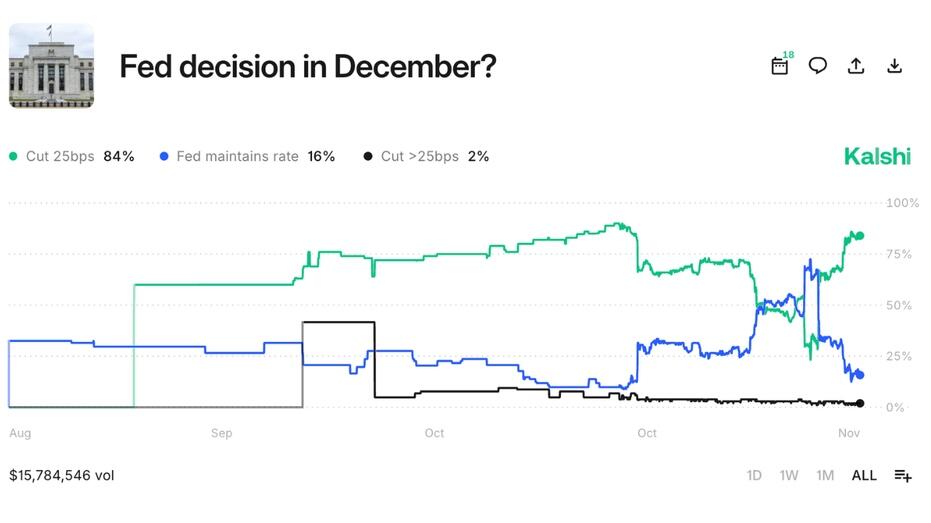
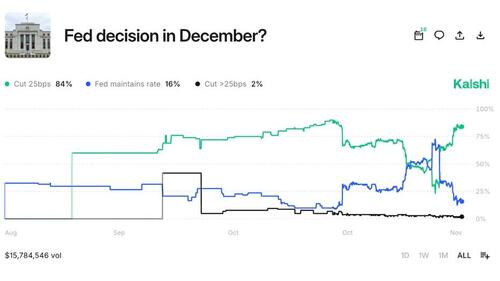
Markets surged into the Thanksgiving holiday, ending the week with substantial gains across all major U.S. indexes. The S&P 500 rose by approximately 3.7%, marking one of its strongest weeks in the past six months. The catalyst was a combination of falling bond yields and increasing confidence that the Federal Reserve has completed its rate hikes. Currently, Kalshi (prediction market) is projecting an 80% chance of a rate cut in December.
With inflation data continuing to trend lower and growth indicators remaining stable, the markets are starting to price in stronger earnings and economic growth in 2026, particularly as lower Treasury yields boosted duration-sensitive sectors and encouraged risk-on behavior.
Unsurprisingly, despite all of the recent talk of the “Death of the AI Trade,” Technology stocks once again led the charge. The AI narrative regained momentum, pulling mega-cap names higher and lifting the broader Nasdaq. Nvidia’s earnings beat helped reinforce the bull case around AI infrastructure and cloud demand. The “Magnificent Seven” tech leaders contributed outsized returns to index performance, though broader participation remained limited.
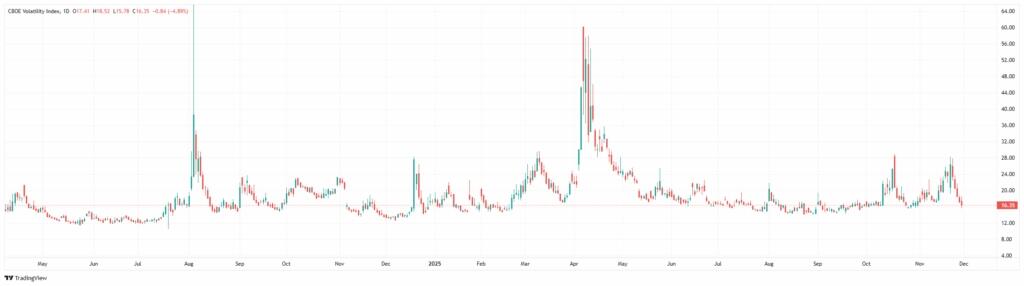
Volatility declined as technical indicators turned more supportive after the last few weeks of choppy action, which was also unsurprising. Despite the gains, many risks remain, including concentration in the market-cap-weighted index, valuations, and market breadth. However, those concerns may take a backseat temporarily following the recent correction and reversal in bullish sentiment.
Heading into December, all eyes will turn to the upcoming PCE inflation report, jobs data, and the final round of Fed comments before the blackout period. Until then, momentum favors the bulls, but the foundation remains fragile.
Year-End Rally Begins
In last week’s #BullBearReport, we discussed how the market becomes more predictable as we approach year-end. To wit:
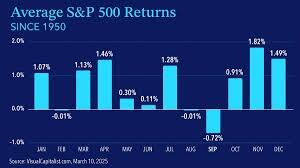
“Heading into December, the seasonal tailwinds remain intact, as noted above. December is historically the best month for equities, with the “Santa Claus rally” often delivering average gains of 1.5% to 2.0%. With corporate buybacks in full swing, adding $5-6 billion in daily volume, investor positioning remaining stable, and professional managers underweight in exposure, particularly in technology companies, the fuel for a rally is present. However, the market also remains fragile due to poor underlying breadth and rising volatility, so caution is advised.
The near-term outlook is constructive, provided the Fed remains quiet and bond volatility remains contained. But any surprise, in inflation, growth, or geopolitics, could shift sentiment quickly. The key for investors is discipline. Don’t chase the rally blindly. Stick to quality, stay diversified, and use elevated prices to trim into strength where appropriate. While the potential for a year-end rally is higher after the recent correction, nothing is guaranteed.”
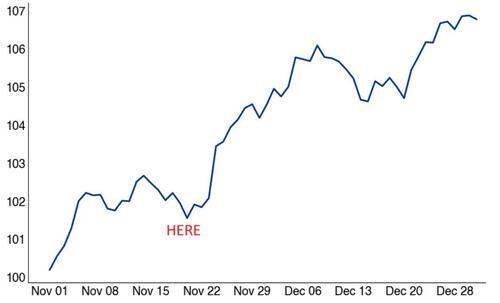
As discussed in the “Market Brief” above, the rally appears to have begun. November and December have historically shown a strong performance bias since 1950, with the S&P 500 posting gains in roughly 75% of the years. This period accounts for a disproportionately large share of annual returns.
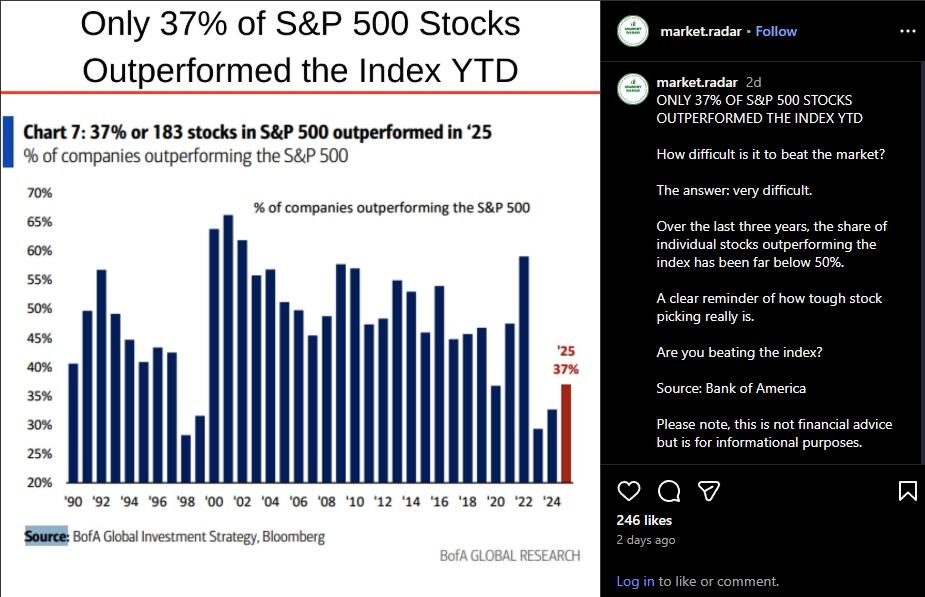
The drivers aren’t mysterious. Mutual funds and institutions close their books on the calendar, or fiscal year, so there tends to be a push to catch up on exposures to certain stocks or sectors before year-end reporting goes out. This is commonly referred to as “window dressing,” but it does add support for the markets in the near term. Furthermore, as noted, investment managers who have underperformed try to play “catch-up,” so they rotate into the winners. “Beating the Market,” which isn’t a financial goal, has been incredibly difficult this year, as only 37% of the index is actually outperforming. As a result, mega-cap stocks and growth names are likely to be chased into the end of the year. That’s performance chasing, not investment strategy, but it still moves markets.
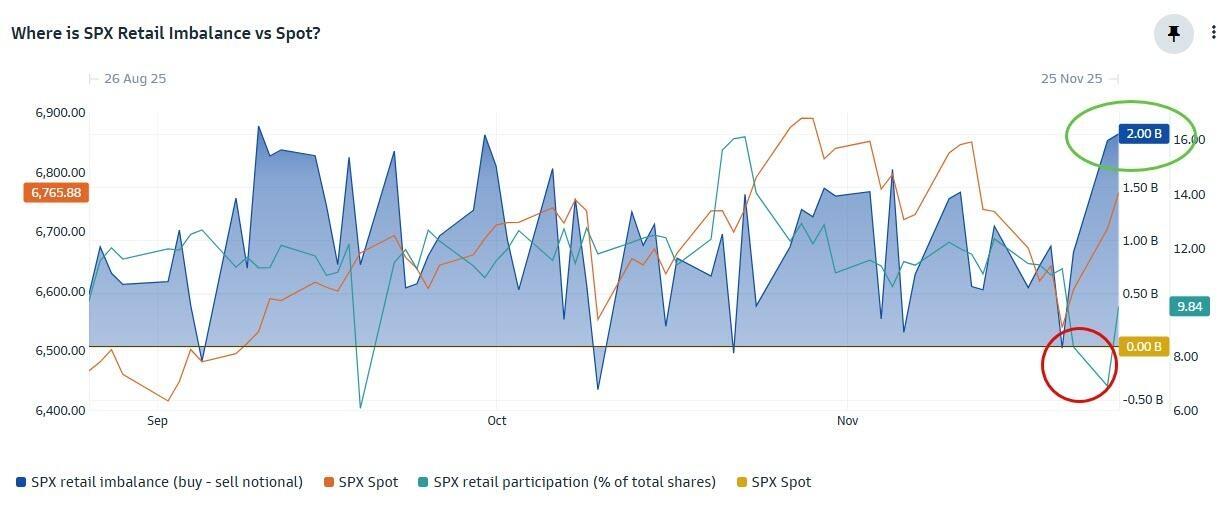
Lastly, retail flows also increase as post-October corrections tend to shake out weak hands. When that fear subsides, sidelined cash looks for a home, and retail investors tend to add to the buying pressure in November. We commented on this behavior in our October newsletter, “Year-End Rally, 3-Reasons To Buy The Dips,” we said:
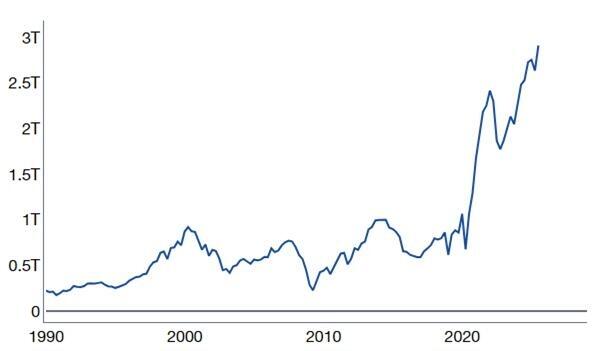
“Furthermore, the “retail demand” remains consistent in 2025, and every dip continues to be bought aggressively. We can visualize this retail investing “BTFD” momentum trade. The following chart shows the “buying panic” that has occurred since the “Pandemic Shutdown” for investors under the age of 40, which dwarfs all other periods in the data set. While the eventual reversion is likely massive, by year-end, there is likely very little that can break the current psychology driving markets.”
As we stated in that mid-October newsletter, investors should have expected the recent pullback.
“Strong earnings, aggressive buybacks, and trend-following behavior provide a durable backdrop for the stock market rally to continue. Pullbacks should be expected, but they are more likely to serve as buying opportunities than signals of a larger trend reversal.“
That’s precisely what’s happened, and Thanksgiving week is usually the kickoff. Over the past decade, the S&P 500 has been green during Thanksgiving week in seven out of ten years. This year, that rally appears to have started early with Technology, small caps, and crypto turning higher.
As noted in the Technical Update above, the much-needed corrective action in the first half of November relieved the overbought conditions impacting the market, providing a better base for a year-end rally.
Tailwinds and Why the Correction Set Up This Move
With the majority of selling pressure having exhausted itself over the last few weeks, the backdrop for a year-end rally has improved. The setup is no longer dominated by panic-driven selling or forced de-risking, but, instead, several identifiable tailwinds are providing the necessary fuel for sustained upside. These forces don’t guarantee a rally, but they reintroduce one critical factor that had been missing: consistent buying power.
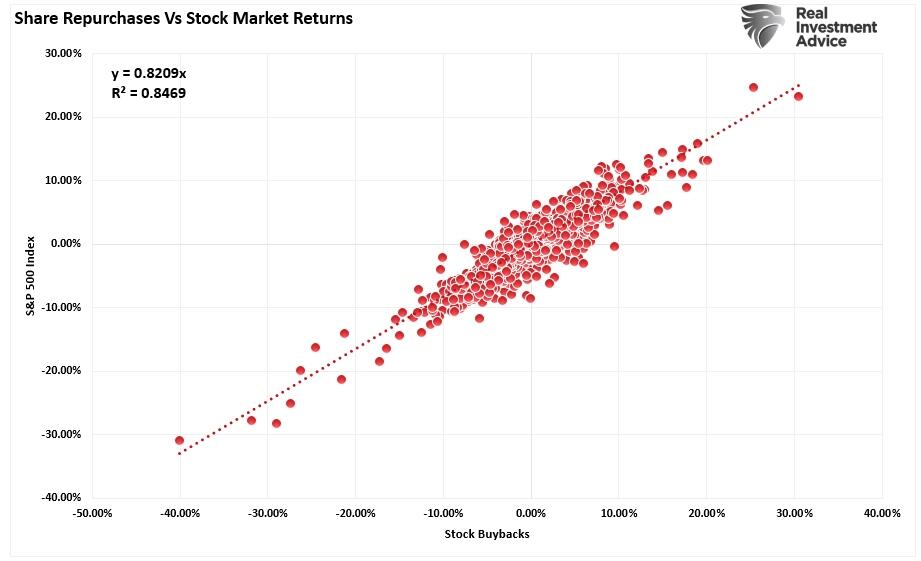
One of the most critical catalysts is the return of corporate buybacks, which, since 2000, has accounted for nearly 100% of net equity purchases. As shown, there is a very high correlation between corporate share buybacks and stock market returns. Now, with earnings season mostly complete, blackout periods have ended, and companies, particularly the mega-caps, are now stepping back in as steady buyers of their own stock. According to Goldman Sachs, daily buyback demand is expected to exceed $5 billion through early December. That kind of structural bid creates a firm floor under prices, especially in a low-volume environment.
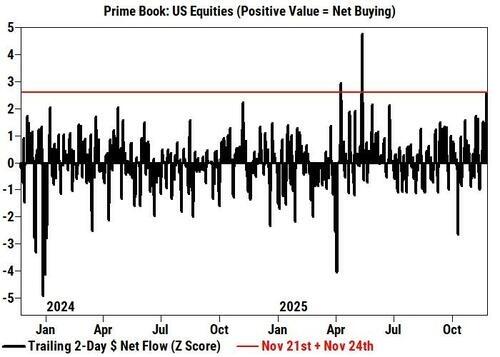
Another overlooked factor is the cessation of CTA-driven selling. These computer-driven trend followers were net sellers throughout the recent correction. As they unwind bearish positions and shift to neutral or net-long exposure, the pressure flips. What was previously a source of downside has now become a source of upward momentum. Furthermore, hedge funds have been aggressive net buyers of equities in recent days to gain exposure to the market.
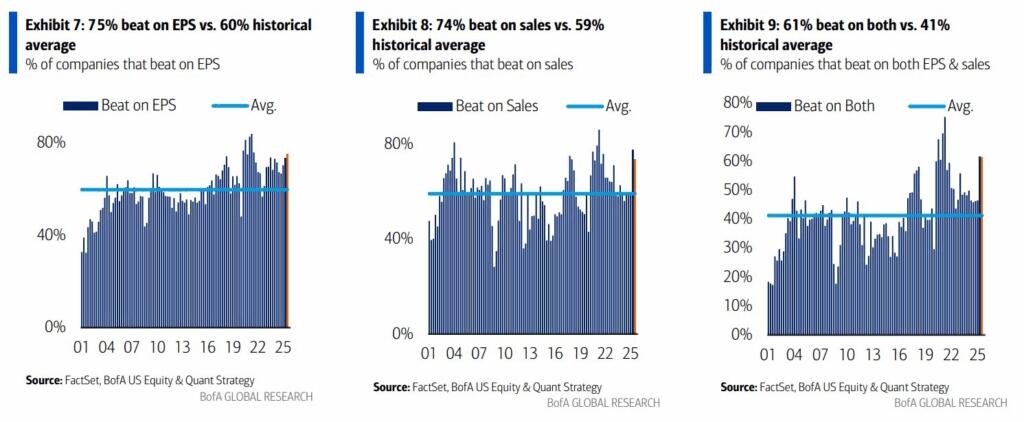
Earnings also play a key role in a year-end rally. With earnings season behind us, where expectations heading into Q3 were low, most of the bearish concerns have been laid to rest. Over 75% of companies beat estimates, 74% beat revenues, and 61% beat on both, which was well above the historical averages. More importantly, profit margins didn’t collapse, and forward guidance, while cautious, remained optimistic. That helped reset sentiment and reduce fears of an imminent earnings recession.
Finally, retail investors showed up to “buy the dip,” as they have done continuously this year. Such is also not surprising over a holiday-shortened Thanksgiving trading week when trading volume is lighter because institutional traders are away, leaving the “inmates to run the asylum.”
While there are undoubtedly many concerns heading into 2026 that investors should be aware of, over the next few weeks, several catalysts suggest that the “pain trade” is likely to be higher.
Is that a guarantee? Absolutely not.
Does that mean the markets can pull back in the first couple of weeks of December when mutual funds distribute their gains and incomes for the year? No.
However, the data does suggest that the market will likely have a positive bias into year-end, and dips should be used opportunistically.
Key Catalysts Next Week
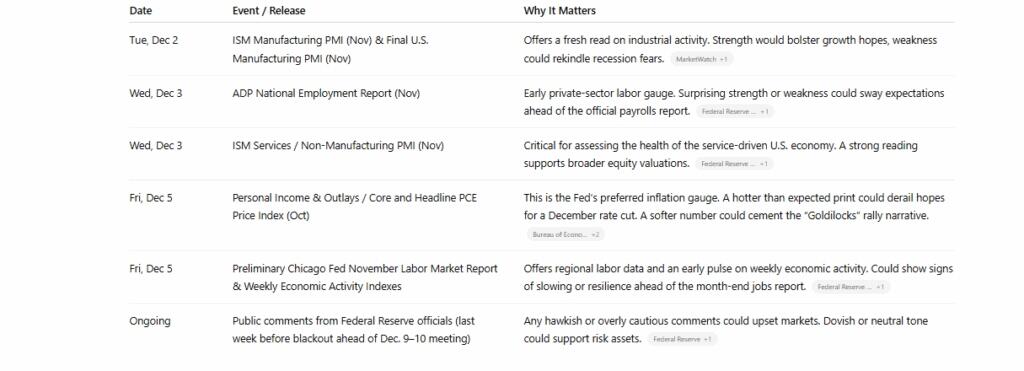
Next week marks a pivotal moment for investors. The bulk of U.S. economic data is expected to resume after recent delays. Liquidity remains seasonally light. That raises the stakes. A few data points and events could drive outsized volatility. They also carry the potential to reinforce or derail the market’s year‑end setup. Below is a table of the most important market and economic events to watch.
The first week of December reconnects markets with key economic data that had been delayed during the recent government shutdown. The arrival of those data releases reactivates the fundamental underpinnings of market direction. A few strong prints — on inflation, employment, manufacturing, or services — could validate a bullish year-end narrative. Conversely, any surprise weakness could derail current optimism. Inflation data is especially sensitive, and the upcoming PCE release is expected to shape market expectations ahead of the next Fed meeting on December 9–10.
Liquidity remains thin with many traders still on holiday or in partial holiday mode. In such an environment, headline‑driven moves can be magnified. That means surprises, either good or bad, have the potential to move markets significantly more than usual. Lastly, with this being the last week before the Fed’s policy blackout period, any public statements from officials carry extra weight. Market participants will scrutinize every word looking for any tone or messaging that will influence yield expectations, risk sentiment, and positioning as we head into the final stretch of the year.
Bull Vs Bear
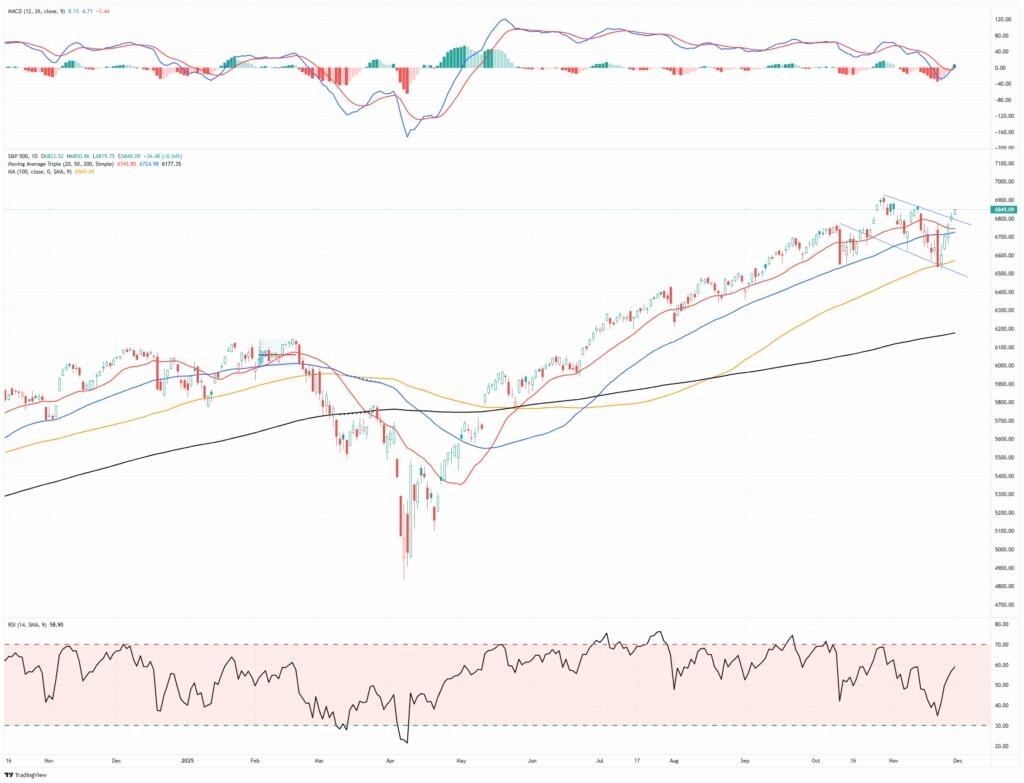
Over the last few weeks, we discussed the risk of downside pressure in the market and that the correction set up potential for a rally during the holiday-shortened trading week. That occurred with the S&P 500 rising roughly 3.7% from last Friday’s close near 6,849. That rebound recaptured the losses from the prior AI- and rate-cut-wobble selloff and pushed the index back toward its late-October highs. On a bigger picture basis, the index remains up around 16% year-to-date and is now roughly flat for November, reflecting a strong tape that has simply been digesting earlier gains. The rally also triggered a fresh momentum “buy signal” which will be supportive of further gains into next week.
From a trend standpoint, the price remains aligned with the bulls. The S&P is trading above its rising 50- and 100-day moving averages, which sit roughly in the 6,700–6,575 zone, and well north of the 200-day moving average near 6,175. Earlier in November, the index finally broke its streak above the 50-day moving average (DMA) and corrected back to the 100-DMA, working off some of the speculative excess in AI and high-beta names. This week’s bounce off that support pulled the price back into the upper half of its recent trading range, keeping the primary uptrend intact.
Volatility has cooled but not disappeared. After spiking into the upper 20s during the recent tech/AI downdraft, the VIX slid back into the high teens, around 16, by Friday’s close, signaling that the panic bid for protection is fading but that investors are not yet entirely complacent. That’s consistent with a market transitioning from a “shot across the bow” correction to a more typical year-end positioning grind.
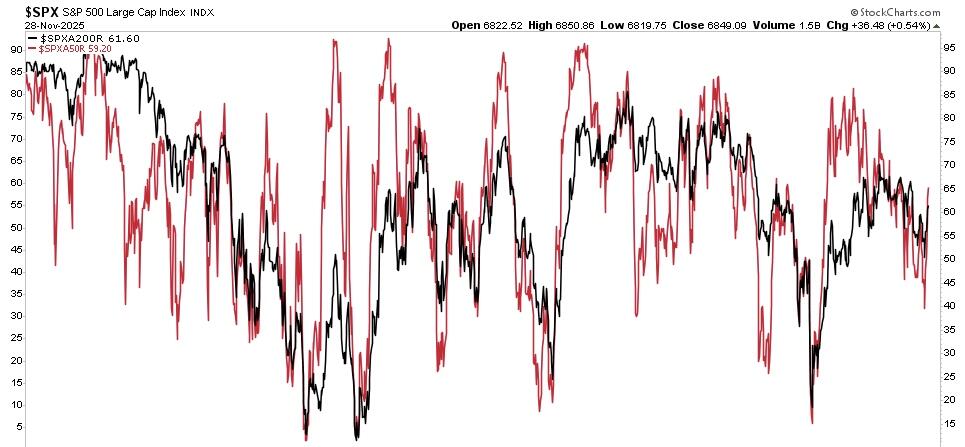
Breadth is improving, but it isn’t a blow-out green light. Roughly 59% of S&P 500 stocks are back above their 50-day moving averages, and just over 61% trade above their 200-day, a solid improvement from the trough earlier in the month but still shy of the 70%+ readings you’d expect in a truly broad-based rally. Participation has also expanded beyond mega-cap tech, with more cyclical and value names stabilizing; however, leadership remains heavily tilted toward large-cap growth and AI-adjacent beneficiaries.
Bullish case heading into December:
Seasonality, positioning, and trend still lean in favor of the bulls. December is historically one of the stronger months for equities, particularly when the market is already up by double digits year-to-date. Expectations for a December Fed rate cut, and a gradual cooling of inflation, support the “soft-landing” narrative, while corporate buybacks and under-invested managers create fuel for a “chase into year-end” if resistance gives way. With volatility easing and breadth improving, the path of least resistance near term remains higher if key support zones are maintained.
Bearish case heading into December:
The bears will point out that valuations in AI and growth expectations remain stretched, that volatility is still elevated compared to the summer lows, and that breadth, while improved, is not confirming a runaway advance. The recent episode, where AI leaders and other risk assets (including Bitcoin) sold off together, is a reminder that risk appetites can shift quickly when the crowd questions the durability of earnings or the timing of Fed cuts. Delayed economic releases from the earlier government shutdown create an additional wildcard: a batch of weaker-than-expected data hitting all at once could challenge the soft-landing narrative just as liquidity gets thinner into year-end.
Support and Resistance Levels
Near-term support:
~6,725–6,750: cluster of short-term support at the 20 and 50-DMA
~6,569: last week’s support at the 100-DMA.
Deeper support: ~6,175 (200-DMA) on any more serious risk-off move,
Resistance:
6,867–6,909: Previous market tops in mid-October and early November.
7,000: psychological round-number magnet if momentum accelerates
Volatility “line in the sand”:
VIX back above ~22–23 would signal a renewed risk-off phase; sustained readings in the mid-teens would confirm a constructive backdrop for a “Santa Rally” push.
Bottom line: the primary trend remains bullish, but the margin for error is narrowing. As we enter the final month of the year, the bulls remain in control as long as the index holds above the 50-day moving average and breadth continues to improve. A failure back below the 6,600 area, especially if accompanied by a renewed spike in volatility and renewed AI/credit jitters, would shift the balance of risk toward a deeper consolidation rather than a clean “Santa rally” into year-end.
Tyler Durden
Sat, 11/29/2025 – 18:40
https://www.zerohedge.com/markets/bull-vs-bear-pain-trade-likely-be-higher

Flamengo derrota 1-0 a Palmeiras y gana su cuarta Copa Libertadores
LIMA (AP) — Con un tanto solitario de Danilo en el complemento, Flamengo venció el sábado 1-0 a Palmeiras y conquistó por cuarta ocasión la Copa Libertadores.
El defensa del Mengao anotó a los 67 minutos con un potente cabezazo a la salida de un saque de esquina.
Flamengo, que había ganado el título en 1981, 2019 y 2022, aseguró la séptima coronación consecutiva en el máximo torneo regional para los equipos brasileños, que llegaron a 25 títulos en el historial de la competición e igualaron la marca de los conjuntos argentinos.
El equipo de Río de Janeiro se convirtió en el primer tetracampeón brasileño y superó el registro de Palmeiras, Sao Paulo, Santos y Gremio. Con su éxito, alcanzó a los argentinos River Plate y Estudiantes de La Plata. Por delante solo quedaron Independiente (7), Boca Juniors (6) y Peñarol (5).
Flamengo se embolsó un premio de 24 millones de dólares y obtuvo su clasificación al Mundial de Clubes de 2029. Además, disputará la Recopa contra Lanús, que conquistó la Copa Sudamericana el pasado sábado. Palmeiras recibió 7 millones de dólares.
En el estadio Monumental, de Lima, que fue el escenario de la quinta final en los últimos seis años entre equipos brasileños, Flamengo se impuso gracias a Danilo, que aprovechó un córner de Giorgian de Arrascaeta para elevarse entre los zagueros y anotar con un potente remate de cabeza.
De Arrascaeta y Bruno Henrique levantaron por tercera vez el trofeo del certamen sudamericano.
Flamengo — que se desquitó de la final perdida ante Palmeiras en 2021 — podría extender su celebración, ya que también está cerca de conquistar el campeonato brasileño, que lidera con 75 puntos, cinco más que el Verdao, con dos fechas por disputarse.
El camino del equipo carioca hacia su cuarta corona de la Libertadores comenzó con una fase de grupos irregular en la que clasificó segundo por detrás de Liga de Quito. En las rondas eliminatorias, siempre definió fuera de casa, pero logró superar a Internacional en octavos de final y luego a dos equipos argentinos: Estudiantes de La Plata en los penales y Racing Club por un ajustado marcador global de 1-0 en semifinales.
El inicio del compromiso se postergó 15 minutos debido a un retraso en la llegada de la delegación del Palmeiras al escenario.
Ya con la pelota en juego, Flamengo comenzó mejor y antes de los 20 minutos registró dos remates de Bruno Henrique y Samuel Lino, que se marcharon ligeramente desviados.
Tras un período de dudas en el tramo inicial, Palmeiras se acomodó con su defensa de tres centrales compuesta por Bruno Fuchs, Gustavo Gómez y Murilo.
Flamengo tuvo 67% de posesión en el período inicial e intentó asociarse con Jorge Carrascal y De Arrascaeta, pero no fue capaz de inquietar al arquero Carlos Miguel, sustituto del lesionado Weverton.
A falta de emociones en una primera parte que no tuvo remates entre los tres palos, lo más llamativo ocurrió a los 30 minutos cuando Erick Pulgar cometió una entrada en plancha contra la pantorrilla de Bruno Fuchs con el juego detenido, pero el juez argentino Darío Herrera solo castigó con tarjeta amarilla la conducta violenta del centrocampista del Mengao.
En el segundo período se mantuvo la misma tónica: Flamengo manejó la pelota sin profundidad y Palmeiras defendió con orden e intentando salir en un contragolpe con Vitor Roque como referencia ofensiva.
En el primer remate a puerta del encuentro, Danilo abrió el marcador y consiguió la anotación que definió la 66ta. edición de la Libertadores.
Con la desventaja en el resultado, Palmeiras adelantó sus líneas y buscó el empate con la entrada de los volantes Felipe Anderson y Facundo Torres.
El cuadro dirigido por Filipe Luis, que había ganado dos veces el torneo como jugador, tuvo ocasión de ampliar la diferencia en el tiempo de descuento con un disparo al palo de Carrascal que no prosperó.
_____
Deportes AP: https://apnews.com/hub/deportes