Category: News

Michael y Susan Dell donan $6.250 millones para dar cuentas de inversión a niños
Por THALIA BEATY
NUEVA YORK (AP) — Los multimillonarios Michael y Susan Dell prometieron el martes 6.250 millones de dólares para proporcionar a 25 millones de niños estadounidenses menores de 10 años un incentivo para abrir cuentas de inversión infantiles creadas como parte de la legislación fiscal y de gasto del presidente Donald Trump.
El histórico regalo tiene pocos precedentes, con pocos compromisos caritativos individuales en los últimos 25 años que superen los 1.000 millones de dólares, y mucho menos múltiples miles de millones. Anunciado en GivingTuesday, los Dell creen que es el mayor compromiso privado individual hecho a los niños de Estados Unidos.
La estructura también es inusual. Esencialmente, se basa en el programa de “Cuentas Trump”, donde el Departamento del Tesoro depositará 1.000 dólares en cuentas de inversión establecidas por el Tesoro para niños estadounidenses nacidos entre el 1 de enero de 2025 y el 31 de diciembre de 2028. El regalo de los Dell utilizará la infraestructura de las “Cuentas Trump” para dar 250 dólares a cada niño calificado menor de 10 años.
“Creemos que si cada niño puede ver un futuro por el cual valga la pena ahorrar, este programa construirá algo mucho más grande que una cuenta. Construirá esperanza, oportunidad y prosperidad para las generaciones venideras”, declaró Michael Dell, el fundador y CEO de Dell Technologies, cuya fortuna neta estimada es de 148.000 millones de dólares según Forbes.
Aunque las “Cuentas Trump” se convirtieron en ley en julio, los Dell dicen que las cuentas no se lanzarán hasta el 4 de julio de 2026. Michael Dell comentó que querían marcar el 250 aniversario de la independencia de Estados Unidos.
“Queremos que estos niños sepan que no solo sus familias se preocupan, sino que sus comunidades se preocupan, su gobierno, su país se preocupa por ellos”, indicó Susan Dell.
“Y todos estamos apoyándolos para que tengan un futuro maravilloso, un futuro brillante, y que eso esté disponible para ellos”, agregó.
Bajo la nueva ley, las “Cuentas Trump” están disponibles para cualquier niño estadounidense menor de 18 años con un número de Seguro Social y sus familias pueden financiar las cuentas, que deben invertirse en un fondo índice que siga el mercado de valores en general. Cuando los niños cumplan 18 años, pueden retirar los fondos para destinarlos a su educación, comprar una casa o iniciar un negocio.
Los Dell pondrán dinero en las cuentas de los niños de 10 años o menos que vivan en códigos postales con un ingreso familiar medio de 150.000 dólares o menos y que no recibirán el dinero inicial de 1.000 dólares del Tesoro. Los Dell esperan que su regalo anime a las familias a reclamar las cuentas y depositar más dinero en ellas, incluso pequeñas cantidades, para que crezcan con el tiempo junto con el mercado de valores.
El presidente Trump planea celebrar el compromiso más tarde el martes y un portavoz de la Casa Blanca, Kush Desai, señaló que el regalo de los Dell será el primero de muchos nuevos compromisos para financiar las cuentas.
“Las Cuentas Trump del Gran Proyecto Hermoso son una inversión revolucionaria del gobierno federal en la próxima generación de niños estadounidenses”, sostuvo Desai.
“También es un llamado a la acción del presidente Trump para que las empresas y filántropos estadounidenses hagan su parte”, añadió.
“Es difícil donar dólares de manera efectiva a gran escala, particularmente a los niños más necesitados del país, de una manera que tengas confianza en que esos dólares se van a multiplicar con el crecimiento de la economía estadounidense”, aseguró Brad Gerstner, un capitalista de riesgo que abogó por la aprobación de esta legislación.
“Esta es una plataforma única que está siendo creada por el gobierno que podría allanar el camino a grandes donaciones”, añadió.
Gerstner también es el fundador de Invest America Charitable Foundation, que está apoyando al Tesoro en el lanzamiento de las cuentas. Dijo que el objetivo de las cuentas es dar a los jóvenes fondos para iniciar sus vidas, pero también ayudarlos a beneficiarse del crecimiento de la economía a través de la inversión en acciones.
“Fundamentalmente, necesitamos incluir a todos en el crecimiento del experimento estadounidense. De lo contrario, no durará. Y así, en su esencia, creemos que puede reenergizar la creencia de las personas en la democracia capitalista de libre mercado”, apuntó.
Según la Comisión de Bolsa y Valores de Estados Unidos, alrededor del 58% de los hogares estadounidenses poseían acciones o bonos en 2022, aunque el 1% más rico poseía casi la mitad del valor de las acciones en ese mismo año y el 50% inferior poseía alrededor del 1% de las acciones.
En 2024, alrededor del 13% de los niños y jóvenes en Estados Unidos vivían en la pobreza, según la Fundación Annie E. Casey, y los expertos vinculan las altas tasas de pobreza infantil con la falta de apoyos sociales para los nuevos padres, como la licencia parental remunerada.
Si bien los fondos en las Cuentas Trump pueden ayudar a los jóvenes adultos cuyas familias o empleadores pueden contribuir a ellas con el tiempo, no ayudarán inmediatamente a disminuir la pobreza infantil. Los recortes a Medicaid, cupones de alimentos y cuidado infantil que también se incluyeron en el paquete de gastos probablemente reducirán el apoyo que reciben los niños de familias de bajos ingresos.
Ray Boshara, asesor principal de políticas tanto en el Instituto Aspen como en la Universidad de Washington en San Luis, se expresó entusiasmado con la idea de que las Cuentas Trump puedan recibir contribuciones de los sectores empresarial, filantrópico y gubernamental.
“Nos gustaría ver que esta idea continúe y mejore con el tiempo, al igual que cualquier política ambiciosa”, comentó Boshara.
“La ley de salud asequible, el Seguro Social: comienzan bastante defectuosos, pero mejoran mucho y se vuelven más progresivos e inclusivos con el tiempo. Y así es como pensamos en las Cuentas Trump. Es un pago inicial en una gran idea que merece ser mejorada y hay interés bipartidista en mejorarlas”.
A través de la Fundación Michael & Susan Dell, los Dell han reportado haber donado 2.900 millones de dólares desde 1999, con un gran enfoque en la educación.
Michael Dell manifestó que inicialmente no habían previsto comprometer tanto para impulsar las cuentas de inversión infantil, pero Susan Dell comentó que con el tiempo decidieron aumentar el tamaño de su compromiso.
“Estamos encantados de liderar esto en el sector filantrópico y estamos muy emocionados porque sabemos que más personas se unirán porque realmente, no podemos pensar en una mejor idea y mejor manera de ayudar a los niños de Estados Unidos”, afirmó Susan Dell.
___________________________________
La corresponsal Darlene Superville en Washington contribuyó con esta nota.
___________________________________
La cobertura de la Associated Press de temas filantrópicos y organizaciones sin fines de lucro cuenta con apoyo de The Conversation US, con fondos de la Lilly Endowment Inc. La AP es la única responsable del contenido.
___________________________________
Esta historia fue traducida del inglés por un editor de AP con ayuda de una herramienta de inteligencia artificial generativa.

More feasting: Marquee college basketball games continue the week after Thanksgiving holiday tournaments
Thanksgiving is a great time to be a college basketball fan with all the holiday tournaments and marquee matchups.
The feast of high-level hoops doesn’t end there.
This week will feature another trove of must-see games, including 10 between AP Top 25 opponents. No. 4 Duke, No. 6 Louisville and No. 18 Kentucky double up on tough games, each playing two ranked opponents within days of each other.
The Blue Devils (8-0) tip it off Tuesday against reigning national champion and No. 15 Florida, then head to East Lansing to face No. 7 Michigan State on Saturday.
Duke and star freshman Cam Boozer have passed three big tests already, beating Texas, No. 21 Kansas at Madison Square Garden and No. 25 Arkansas in Chicago.
Florida (5-2) has in-state wins over Miami and Florida State, but slipped up against TCU last week.
Michigan State (7-0) has rolled through a difficult schedule, beating Arkansas, Kentucky and No. 16 North Carolina with the usual hard-nosed brand of basketball coach Tom Izzo loves. On Tuesday, the Spartans first have to play Iowa, a team that’s undefeated (7-0) and on the cusp of being ranked.
Louisville (7-0) has backed up its first NCAA Tournament berth in six seasons with a stellar start in its second season under coach Pat Kelsey. Led by Xavier transfer Ryan Conwell and stellar freshman Mikel Brown Jr., the Cardinals score in a hurry, eclipsing 100 points in four games already — most since 1989-90.
Louisville beat rival Kentucky last month and faces two stiff tests at No. 25 Arkansas on Wednesday and against No. 22 Indiana in Indianapolis on Saturday.
John Calipari’s Razorbacks took Michigan State down to the wire in early December and are coming off an 80-71 loss to Duke at the United Center in Chicago.
The Hoosiers aren’t yet ranked, but are off to a 7-0 start in their first season under former West Virginia coach Darian DeVries and his sharpshooting son, Tucker.
Kentucky (5-2) has yet to find a groove as injuries and turnovers have piled up. The Wildcats have won their games against smaller-conference schools by an average of 41.4 points per game, but were no match for Michigan State and lost to Louisville.
Kentucky opens its tough week Tuesday at home against No. 16 North Carolina and fantastic freshman Caleb Wilson, who’s often been the best player on the floor in every game.
The Wildcats don’t have much time to prepare for another difficult matchup on Friday, facing No. 11 Gonzaga in Nashville. The Zags blew through their first seven games before having the tables turned in a 101-61 loss to No. 3 Michigan in the Players Era Championship, the worst loss in Mark Few’s 902-game career as Gonzaga’s coach.
Huskies and Jayhawks
No. 5 UConn again looks like a national title contender behind preseason All-American Alex Karaban, high-scoring guard Solo Ball and former Georgia point guard Silas Demary Jr.
The Huskies (6-1) have wins over No. 9 BYU and No. 14 Illinois, but lost to No. 2 Arizona by four at home a couple of weeks ago.
UConn’s next test will be Tuesday at No. 21 Kansas.
The Jayhawks (6-2) are coming off an 81-76 win over Tennessee and are hoping to have star freshman Darryn Peterson back after he missed six games with a hamstring injury. The game also will be played at Allen Fieldhouse, so the Huskies will certainly have their hands full.
Saturday’s slate
Anyone wanting a basketball break from the conference football championship games on Saturday will have some good choices.
Purdue was No. 1 in the AP preseason poll for the first time this year and has looked unstoppable so far, picking up wins over Alabama, Memphis and No. 19 Texas Tech.
The Boilermakers (7-0) will need to be their best against No. 10 Iowa State.
The Cyclones (7-0) moved up five places in this week’s AP Top 25 after edging No. 23 St. John’s, then blowing out Creighton and Syracuse at the Players Era Championship.
Arizona rose to No. 2 last week and cruised to two lopsided victories. The Wildcats won’t figure to have it quite as easy when No. 20 Auburn visits McKale Center.
The Tigers still have some things to work out in their first season under Steven Pearl — a 30-point loss to Michigan is evidence of that — but they have a stellar 1-2 punch in UCF transfer Keyshawn Hall and dynamic guard Tahaad Pettiford.
Two teams coming off tough losses will meet in Nashville when No. 13 Tennessee faces No. 14 Illinois.
The Vols came up just short in their loss to Kansas after beating No. 8 Houston, and the Illini are looking to bounce back from a 13-point loss to UConn.
https://www.chicagotribune.com/2025/12/02/marquee-college-basketball-this-week/

Hadjar será compañero de Verstappen en Red Bull en 2026. Tsunoda pierde su plaza en la F1
MILTON KEYNES, Inglaterra (AP) — El piloto francés Isack Hadjar se unirá a su ídolo Max Verstappen en Red Bull el próximo año después de una impresionante temporada de novato, mientras que Yuki Tsunoda perdió su asiento en la Fórmula 1 tras una aciaga campaña.
Además, el británico Arvid Lindblad debutará en la F1 con Racing Bulls.
Hadjar fue recompensado por una campaña de debut en la que superó regularmente a Liam Lawson, su compañero en Racing Bulls. El punto culminante hasta ahora fue el tercer lugar de Hadjar en el Gran Premio de los Países Bajos, lo que lo convirtió en el quinto piloto más joven en subir al podio en la historia de la F1.
“Es un movimiento increíble; trabajar con los mejores y aprender de Max es algo que no puedo esperar”, indicó Hadjar, de 21 años.
Lindblad será el único piloto novato en la parrilla el próximo año, ya que el piloto de F2 ocupará el antiguo asiento de Hadjar en Racing Bulls.
Hadjar tiene la desafiante tarea de mantenerse al día con Verstappen, quien tendrá su cuarto compañero de equipo en poco más de un año.
“Ha mostrado tener gran madurez y ha demostrado ser un aprendiz rápido”, comentó Laurent Mekies, CEO y director de Oracle Red Bull Racing. “Lo más importante es que ha exhibido la velocidad pura que es el requisito número uno en este deporte. Creemos que Isack puede prosperar junto a Max y producir magia en la pista”.
Después de que Red Bull se desvinculó del mexicano Sergio Pérez a finales de 2024 tras una temporada decepcionante, el neozelandés Lawson apenas duró dos carreras antes de ser enviado de regreso a Racing Bulls, y el japonés Tsunoda ocupó su plaza.
Tsunoda tiene como mejor resultado un sexto lugar en 21 carreras para Red Bull, con Verstappen obtieniendo siete victorias durante ese lapso. Permanecerá en Red Bull como piloto de reserva.
Lindblad asciende a la F1 después de ganar dos carreras de la F2 esta temporada.
La temporada culmina el domingo con el Gran Premio de Abu Dabi.
___
Deportes AP: https://apnews.com/hub/deportes

Putin Says ‘Ready For War’ Against Europe If Attacks On Russian Tankers, Energy Continue
Putin Says ‘Ready For War’ Against Europe If Attacks On Russian Tankers, Energy Continue
US envoy Steve Witkoff and Trump’s son-in-law and unofficial diplomat Jared Kushner have been at the Kremlin on Tuesday for high-level talks with President Vladimir Putin. The Americans are presenting Trump’s Ukraine peace plan in its current form after the high stakes Miami meeting with the Ukrainian delegation, which focused on ceding territory and what future boundaries might look like in the Donbass.
President Putin’s public words in the context of the meeting wherein the US side is formally pitching the plan have presented an opportunity for him to lash out at Europe. If Europe starts a war with Russia, soon there will be “no one left to negotiate with” – he warned after several EU and NATO officials have lately issued hawkish words and threats.
Russia is not planning to fight European countries, but if Europe starts a war, Russia is “ready right now” – the Russian leader said. The Kremlin had last month issued a generally positive outlook on what it framed as genuine efforts of the Trump administration to reach peace settlement in Ukraine. Putin has previously said the now 19-point plan could be a workable basis on which to find a solution. By day’s end Tuesday, the world might get a better glimpse of how this is proceeding.
But on the question of Europe, which has been largely sidelined when it comes to the US peace plan version, Putin is angry. He denounced a recent series of drone strikes on oil and gas tankers carrying Russian energy exports acts of “piracy”.
He also on Tuesday made clear that European demands related to Moscow are not at all acceptable, suggesting that they are by intention an effort to prod and anger Russia. He said that “Europe only proposes unacceptable demands,” according to Interfax. “They are on the side of war,” he said of the Europeans.
“Russia has no intention of going to war with European countries. But if Europe wants war Russia is ready” – Putin has told journalists before meeting Witkoff and Kushner.
“Europe has withdrawn itself from the Ukrainian settlement. It has no peace agenda, and now they are hindering US efforts to achieve a settlement,” Putin said additionally. “Europe is putting forward proposals for a peace plan for Ukraine that are unacceptable to Russia.”
Importantly, he also vowed to expand strikes on Ukrainian ports, as retaliation for the some four tankers which have already been hit by Ukrainian attacks, which are believed to have had the support of Western intelligence. According to more of his words via newswires:
Europeans have detached from the talks themselves.
Attacks on tankers near Turkey are piracy.
Will take measures against tankers of countries that help Ukraine.
Will increase strikes on facilities and Ukrainian vessels.
If attacks continue, Russia may strike Ukraine tankers.
President Zelensky has meanwhile admitted the road ahead will be “tough” – but he’s yet to outright reject the Trump-proposed plan, also knowing he could be cut off in terms of US funding and political support at any time. “Now, more than ever, there is a chance to end this war,” he has has said during a Tuesday visit to Ireland.
Putin:
If Europe starts a war with Russia, soon there will be “no one left to negotiate with.”
Russia is not planning to fight European countries, but if Europe starts a war, Russia is “ready right now.” pic.twitter.com/xsu9W2scDX
— Clash Report (@clashreport) December 2, 2025
* * *
Below is a note contextualizing where things stand via Rabobank…
Ukraine is saying there are still “tough issues” to be resolved to get to a peace deal, but the US revolver on the table may overcome them: the White House team is in Moscow to negotiate; Europeans are not at the table. That’s as Russia claimed Filipino troops are fighting in Ukraine(!); a test of its Satan II ballistic missile failed; a Chinese firm took a stake in a Russian drone maker; and Russia claimed it’s finally captured the strategic Ukrainian towns of Pokrovsk and Vovchansk.
Europe is to revamp its border-control force and told the White House it won’t accept a pardon for Putin’s war crimes in any deal – but what if the US agrees one? The WSJ says ‘Trump’s Push to End the Ukraine War Is Sowing Fresh Fear About NATO’s Future.’ That all smells like a lot more military spending for Europe, and faster than timetabled; or a split between those who see it as necessary and those who think you can defend yourself with committees and acronyms.
Tyler Durden
Tue, 12/02/2025 – 10:45

No “Unmoved Mover”, All Part Of A Now Systemic Metacrisis
No “Unmoved Mover”, All Part Of A Now Systemic Metacrisis
By Michael Every of Rabobank
“The unmoved mover” is ancient philosophy from Aristotle interpreted to mean ‘the divine’. For modern Mammon, it means a finance industry with siloed sector coverage grudgingly agreeing that the US is primus inter pares. But not always. Yesterday, markets moved a lot: crypto crumbled, again; stocks were down; and bond yields were up, as were silver and copper. What moved them most was perhaps Japan, not the US.
If you started working in markets after the late 90s, all you’ve known until recently is Japanese low/deflation and ultra-low or negative yields. Not anymore. Japanese CPI is around 3% and has been there for over three years: “transitory”? The 2-year JGB yields is 1.02%, as in 2008; the 10-year yield is 1.88%; and the 30-year is 3.40%, the highest this century and well into the previous. This is leading global bond yields higher just as ‘Japanification’ used to depress yields.
The BOJ is indicating it’s leaning towards a December hike. Yet JPY is still weak given the BOJ base rate is far below the level of inflation. Worse, decades of massive JGB issuance at ultra-low yields ensures higher yields raise questions about debt sustainability; but reversing BOJ course when inflation is high would weaken JPY further, which given Japan’s dependence on imported commodities, would push inflation up even more. Bloomberg called the 10-year JGB auction this morning “a global event” – though with firmer demand than the 12-month average it didn’t meet that top billing.
Market acting as if every JGB auction could be the last
— zerohedge (@zerohedge) December 2, 2025
Indeed, we live in a world full of global events, and most still revolve around the US: but not its monetary policy, rather its political, economic, and military statecraft.
Ukraine is saying there are still “tough issues” to be resolved to get to a peace deal, but the US revolver on the table may overcome them: the White House team is in Moscow to negotiate; Europeans are not at the table. That’s as Russia claimed Filipino troops are fighting in Ukraine(!); a test of its Satan II ballistic missile failed; a Chinese firm took a stake in a Russian drone maker; and Russia claimed it’s finally captured the strategic Ukrainian towns of Pokrovsk and Vovchansk. Europe is to revamp its border-control force and told the White House it won’t accept a pardon for Putin’s war crimes in any deal – but what if the US agrees one? The WSJ says ‘Trump’s Push to End the Ukraine War Is Sowing Fresh Fear About NATO’s Future.’ That all smells like a lot more military spending for Europe, and faster than timetabled; or a split between those who see it as necessary and those who think you can defend yourself with committees and acronyms.
In Latam, as Honduras’ presidential election vote is counted in a very tight race, Trump posted: “Looks like Honduras is trying to change the results of their Presidential Election. If they do, there will be hell to pay!” That’s after Trump had earlier named the only candidate he is prepared to work with. Welcome to the Monroe Doctrine.
Oil markets are monitoring Venezuela, where Trump has reportedly given Maduro a Friday deadline to leave the country as Caracas accuses the US of wanting to “take over its oil resources” and is seeking help from OPEC+: as Stalin asked, “How many divisions do they have?”
Elsewhere, Ukraine not only just struck another oil terminal, but may have attacked a ‘shadow fleet’ ship carrying Russian oil near Singapore. Who had ‘more global attacks on upstream commodity supply chains’ on their bingo cards? Those who listened to our 2026 Financial Markets Outlook.
Not being focused on by oil markets (yet) is Israel saying it will strike Iraq if Iran-backed militias there support Hezbollah, with whom tensions are again running high, as Israeli media also underline risks that Iran may try to attack it, for which Jerusalem is preparing a new spectrum of weapons – as the US warns Israel not to bomb Syria again, with which it’s now partnering against ISIS.
In broader geoeconomics, the Aussie spy boss warned businesses of “hacking, sabotage, and assassinations”;
The WSJ reports Chinese rare-earth dealers are finding ways to dodge Beijing’s export restrictions – is this “because markets” related to the US deepening rare earths supply chains with Japan, South Korea, Singapore, the Netherlands, the UK, Israel, the UAE, and Australia? That’s as European firms report debilitating impacts from rare earths restrictions – one saw it cost 20% of its global revenue, 40% see licensing process added two months-plus to delivery times, 38% expect significant disruption or production stoppages, 11% had to disclose sensitive IP info to get licenses, and 42% said once license is granted, there are further delays gaining customs clearance.
New survey shows the massive impact China’s rare earth controls are still having on EU firms
– One company said the controls cost 20% of its global revenue
– 40% said licensing process added 2 months+ to delivery times
– 38% expect significant disruption or production stoppages pic.twitter.com/zKuyAx3i34
— Finbarr Bermingham (@fbermingham) December 1, 2025
Japan defense firms are seeing sales boom as Tokyo eyes the end of more export curbs – which will also help JGB yields rocket (as Bloomberg says, ‘Japan’s Inflation-Proof ‘Stan Economy’ Is Booming’);
Canada is to join the EU Security Action for Europe (SAFE) instrument (again, what did Stalin say?), as the EU will axe trade perks for countries that refuse to take back failed migrants, and its CBAM carbon border tax is criticized for going easy on ‘dirty’ Chinese imports because “Brussels got its math wrong on the carbon footprint of imports from China, Brazil and the US.”;
In politics, spot the pattern: ‘Germany’s far-right AfD attempts to rebrand as real power comes within reach’ (Politico); ‘German Mittelstand in turmoil after breaking taboo on meeting far’ (FT); ‘France’s business leaders scramble to shape far right’s agenda as election looms’ (Politico); and ‘One in four male Gen Xers now support One Nation’ (AFR). Elsewhere, the head of the UK fiscal watchdog was forced to quit after a pre-Budget info leak – so perhaps now won’t have to testify to Parliament about what happened; and the UK’s new far-left Your Party saw its first conference plagued with cries of factionalism, cliques, splittists, rigged votes, and exclusionary tactics – and decided on a 20-member ruling executive rather than a party leader.
In the economy, Aussie private sector wages just soared 6% y-o-y, outpacing profits: so, not “rate cuts!” then(?) On the other hand, the US financial press warns consumers are ‘losing patience’ with high car prices and are downsizing or opting for second-hand models, as ‘Gen Z Shoppers Aren’t Spending Like Retailers Need Them To.’
In Europe, the think tank Ember claims super-grid plans are threatened by a huge power line funding gap and that “80% of the EU power system is expected to miss the 2030 interconnection target.” The WSJ is blunter and more controversial: ‘Europe’s Green Energy Rush Slashed Emissions – and Crippled the Economy’, adding, “Political consensus is cracking, industry is hobbled and high-profile projects are being postponed thanks to some of the highest electricity prices in the developed world.”
In markets, new RBNZ Governor Breman told parliamentary select committee that she would be “laser focused” on the Bank’s core mandate of low and stable inflation, and she favoured greater transparency. Excellent. Except it’s transparent that we need to ask what a laser focus on low and stable inflation means when so many factors domestic and foreign can impact on it in so many ways and monetary policy has nothing to do with most of them. Tellingly, Powell spoke today and didn’t say anything at all for markets to mull over. Should we start to get used to it(?)
Look around and see that there is no earthly unmoved mover, be it Japan, or crypto, the Mag-7, or any central bank – even the Fed. They are all just part of a now systemic metacrisis.
Tyler Durden
Tue, 12/02/2025 – 10:40
https://www.zerohedge.com/markets/no-unmoved-mover-all-part-now-systemic-metacrisis
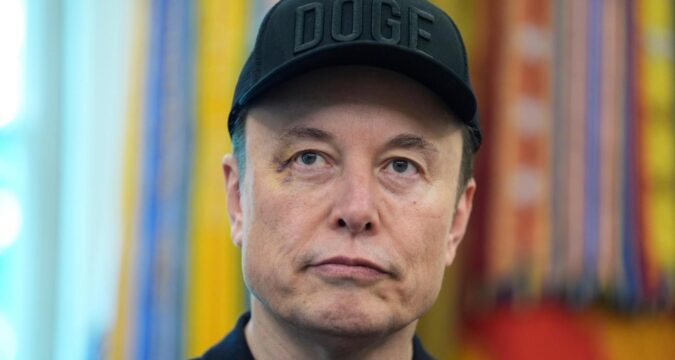
Elon Musk is building out his next company town with science center, gym
Elon Musk, the richest person in the world, has already shown that when a city’s rules won’t bend to his will, he’ll create a new city and new rules. That’s how Starbase, the self-governing town built around SpaceX’s southern Texas launch site, came to be.
He’s had a relatively easier time building his other company town about 350 miles north in Bastrop County, where the local government has (mostly) gone along with the billionaire’s vision so far. The more than 10-square-mile Musk compound known as Snailbrook is home to his tunnel-drilling venture the Boring Company, X and a manufacturing facility for SpaceX, amidst a handful of amenities for employees.
Snailbrook is now set to get even more of the trappings of a full-fledged company town: a development of eventually more than 20 homes for staff onsite, science center, gym and other facilities are in the works, according to correspondence between Musk’s executives and city and state officials that Bloomberg obtained through a public records request.
As Musk tasks Boring with building out the town, he’s also testing the limits of just how amenable the area will be to his ambitions. To date, Bastrop has had relatively little red tape to deal with and has tolerated infractions.
But Starbase proves he has a plan B, should he need one.
Boring and the city of Bastrop did not return requests for comment on the new construction plans.
Haggling for Tax Breaks
Musk has taken a combative approach since his arrival in Bastrop in 2021. Boring, the company he founded to revolutionize cities with futuristic tunnels, has built infrastructure and test projects without the required permits. Due to several wastewater violations, Boring has been fined around $9,000 in penalties.
More recently, the company has been focused on lowering its tax bills, according to people familiar with the matter who aren’t authorized to speak publicly. Documents show executives have haggled with officials over late payment penalties and sought property tax exemptions on company-owned houses.
Boring argued that because it operates its own preschool on campus, the company shouldn’t have to pay school taxes. The Bastrop Central Appraisal District disagreed, and didn’t respond to a request for comment.
To smooth over relations, the company has pitched donating some of its undeveloped land and funds to build community soccer fields, according to company correspondence. That, too, might help Boring lower some of its tax bills, because it would be considered a charitable deduction. It’s unclear if company executives had any success with that proposal — it came with the requirement that local groups kick in some of the estimated $300,000 in costs.
Boring had more luck pushing for changes to the state’s liquor laws, which require its on-campus bar, Prufrock Pub, to collect voter signatures to petition for a private license to sell mixed beverages.
“Good news!” Adena Lewis, head of economic development at the Bastrop Chamber of Commerce, wrote Boring’s CFO in a June letter seen by Bloomberg. She explained her organization had managed to get a bill through the Texas Legislature specifically to give Bastrop more control over its liquor permits. “We will be able to eliminate the need for your private club license [in 2026]… help is on its way!” she wrote.
Lewis said in an email that the Chamber did not take any “special action” specifically for Boring and had been working on a legislative fix on behalf of “many” applicants.
Too Much, Too Fast?
Situating Snailbrook on formerly agricultural land made it less disruptive to the surrounding community than Starbase’s takeover of Boca Chica, though it hasn’t come without controversy.
Some people welcome the amenities Musk has brought in, such as a bodega, pub, salon and playground in an otherwise rural area. Those additions have “definitely helped with goodwill,” said Judah Ross, a Realtor with Bastrop Real Estate Group. Boring also has plans to create a public STEM center and Hyperloop Health Club with climbing walls, according to people familiar with the plans and company correspondence with the county.
Others worry Snailbrook is spurring too much growth, too fast. Skip Connett, a Bastrop resident and co-founder of Friends of the Land, a volunteer-led effort to preserve the environment, points to the blooming algae growth in the nearby Colorado River. That’s due to an increase in wastewater from the influx of industries and more people moving in, and he’s concerned that there are no plans in place to protect the area.
In 2023, Boring and SpaceX applied for a permit to dump more than 100,000 gallons of treated wastewater per day in the river. After pushback from local residents, lawmakers and environmental groups, the companies reached a deal with Bastrop to treat their wastewater at a city facility.
“They should be good corporate citizens, better than they’ve been,” said Connett, adding that they ought to prioritize land preservation and resident accessibility.
One amenity Boring is willing to offer Bastrop is, what else: tunnels. The company has pitched a network of pedestrian tunnels, including a 2,000-foot one that would connect the center of town to the Colorado River.
Boring has quoted around $7.5 million for the project, and the county is currently seeking to raise the funds via grants, said Vivianna Nicole Andres, assistant to Bastrop’s city manager. She noted the nearby city of Smithville recently obtained a grant for a pedestrian bridge that had cost about $15 million, making Boring’s tunnel a faster and cheaper solution.
Not everyone is sold on the potential benefits.
“People don’t really go those routes on foot,” said longtime resident Herb Smith, adding that Bastrop has more important infrastructure improvements to address first.
“Just because someone can do tunnels now doesn’t mean they should do them.”
More stories like this are available on bloomberg.com
https://www.chicagotribune.com/2025/12/02/elon-musk-science-center-company/

New York Jets and ECAC launch largest collegiate women’s flag football league in the US
FLORHAM PARK, N.J. — Quincy Williams and his neighborhood buddies would get together and play football games wherever they had some room to run while growing up in Birmingham, Alabama.
Williams has since been living out his childhood dream in the NFL as a playmaking linebacker for the New York Jets, an example for the kids now playing on those fields. And he’s excited that girls — maybe someday even his young daughter — are finding increasing opportunities to play football.
“When I was younger, we had females who wanted to play 7-on-7 with us and stuff like that,” Williams said. “To see how much it has grown, it’s been amazing.”
The Jets and the Eastern College Athletic Conference announced Tuesday they’re launching the largest collegiate women’s flag football league in the country, starting in February. It will include 15 Division I, II and III universities from New York, New Jersey, Pennsylvania, Maryland, Ohio and Virginia.
“Taking that chance, taking that big jump of actually playing the game is something that we wanted to lead by making this collegiate league,” said Williams, who has been heavily involved in the Jets’ efforts to support girls flag football leagues in the United States and overseas. “And also letting people see that it’s not just an idea, that there’s something that can actually happen.
“There’s an opportunity that we can give these girls and the younger generation, also.”
As girls flag football continues to grow, Chicago Bears look to middle schoolers
Jets owner Woody Johnson, through the Betty Wold Johnson Foundation, is making a $1 million investment to support the creation and operation of the women’s flag league. Each participating school will receive a grant to help offset costs such as equipment, uniforms, coaches’ salaries and travel.
“It is absolutely huge,” ECAC Commissioner Dan Coonan said. “And it’s a game changer, really. … Without it, this doesn’t happen.”
The Jets’ support for girls flag football dates to 2011 when they were the first NFL team to help launch a league at the varsity high school level in New York. They have since helped create more than 260 teams around the world, including in England and Ireland.
“Ultimately it came down to, it was just the next evolution of everything we’ve done in girls flag football,” said Jesse Linder, the Jets’ vice president of community relations. “It was like, what’s the next step for these girls? How do we provide opportunities for them to play? We also saw there was a little bit of a gap between high school and Olympic or international competition. So the collegiate space just made the most sense.”
Linder and the Jets reached out to Coonan, who similarly felt there was a void for the sport at the college level. Coonan said he had already been contacting the NFL’s offices to see which teams might be the right fit for the ECAC.
“By far the most urgency I felt on the other side of the phone was when I talked to the Jets,” Coonan said. “It was just kind of a match made in heaven.”
Coonan, who spearheaded the ECAC’s esports program in 2018, emailed the athletic directors of all 200 schools associated with the conference to gauge their interest in a women’s flag football league.
“Within 10 days or so, I got 15 responses saying, ‘Yeah, we’re in,’” Coonan said.
The initial group of schools that will compete in the first season includes Allegheny College, Eastern University, Franciscan University, Kean University, Long Island University, Mercy University, Mercyhurst University, Montclair State University, Mount St. Mary’s University and Penn State Schuykill.
Five others — Caldwell University, Fairleigh Dickinson, Dominican University, Union College and Sweet Briar College — will begin competing in 2027.
Linder said the goal is to have at least 20 schools competing within the first four years, a number Coonan told him will be reached in short order. They both think the new league will help serve as a blueprint for college athletics, especially with the NCAA set to vote on making women’s flag football an “emerging sport” in January.
“I hope this is kind of the nudge to push things over the edge,” Linder said.
Regular-season games will be played with a 7-on-7 format on campus sites from February through April. The Jets will host a playoff tournament at their facility in May, with future postseasons played at MetLife Stadium.
Callie Brownson, a scouting intern for New York in 2017 and the first woman hired as a full-time NCAA Division I coach a year later with Dartmouth before coaching with the Bills and Browns, will be the Jets’ flag football adviser.
Commissioner Roger Goodell said in October that the NFL plans to launch women’s and men’s professional flag football leagues “in the next couple of years” — ahead of the 2028 Los Angeles Olympics, which will feature flag football for the first time.
“The desire has always been there and the talent has always been there,” Coonan said. “It’s just needed a little vision of somebody to say, ‘Why not? Why can’t we do this?’ In the era of Caitlin Clark and women’s sports again getting another big boost out of her, I think it’s perfect.
“So, to be associated with that is everything. It means everything. And it’s why we exist, really.”
https://www.chicagotribune.com/2025/12/02/collegiate-womens-flag-football-league/

Venezuela seguirá aceptando migrantes deportados pese a sugerencia de Trump sobre cierre aéreo
CARACAS (AP) — Los vuelos operados por Estados Unidos para devolver migrantes deportados a Venezuela continuarán a pesar de la sugerencia del presidente Donald Trump de que el espacio aéreo del país sudamericano debería considerarse cerrado.
El gobierno del presidente venezolano Nicolás Maduro anunció que los vuelos dos veces por semana continuarán tras una solicitud de la administración Trump. Esto revierte un anuncio del gobierno venezolano el sábado de que las autoridades de inmigración de Estados Unidos habían suspendido unilateralmente los vuelos.
Una solicitud de sobrevuelo y aterrizaje presentada el lunes por la estadounidense Eastern Airlines solicita permiso para una llegada el miércoles. La solicitud fue hecha pública el martes por el ministro de Relaciones Exteriores de Venezuela.
Los venezolanos han sido deportados de manera constante a su país de origen este año después de que Maduro, bajo presión de la Casa Blanca, eliminara su política de larga data de no aceptar deportados de Estados Unidos.
Los inmigrantes ahora llegan regularmente al aeropuerto fuera de la capital, Caracas, en vuelos operados por un contratista del gobierno estadounidense o la aerolínea estatal de Venezuela. Los vuelos han continuado a pesar de los ataques militares de Estados Unidos contra embarcaciones sospechosas de contrabandear drogas en el Océano Pacífico oriental y frente a la costa caribeña de Venezuela.
La administración Trump dice que los ataques son contra cárteles de drogas, algunos de los cuales afirma que están controlados por Maduro. Trump también está considerando si llevar a cabo ataques en territorio venezolano.
Más de 13.000 migrantes han sido deportados a Venezuela este año en docenas de vuelos chárter, el más reciente de los cuales llegó el viernes.
___________________________________
Esta historia fue traducida del inglés por un editor de AP con ayuda de una herramienta de inteligencia artificial generativa.
Entra en recta final juicio a 17 militares por desaparición de adolescentes en Ecuador
Por GONZALO SOLANO
QUITO (AP) — Casi dos años después de la desaparición y muerte de cuatro adolescentes en una ciudad del suroeste de Ecuador, el proceso judicial contra un grupo de militares por ese caso entraba el martes en la recta final.
Se esperan los últimos testimonios de tres militares y pruebas de descargo de los acusados, tras lo cual el Tribunal Penal entraría en deliberación en un proceso judicial conocido como “Las Malvinas”, en alusión a la zona donde vivían las víctimas.
Durante las audiencias judiciales, que iniciaron hace casi un mes, la Fiscalía presentó testigos y pruebas que incriminan supuestamente a los uniformados, mientras que los 17 militares ofrecieron versiones contradictorias, unos negaron que los menores hayan sido agredidos y otros detallaron pormenores de actos de violencia, tortura y amenazas.
El caso inició en diciembre de 2023, cuando los hermanos Ismael y Josué Arroyo, de 15 y 14 años, sus amigos, Saúl Arboleda de 14 y Steven Medina de 11 años salieron a jugar fútbol en un barrio del sur de la ciudad portuaria de Guayaquil, pero no regresaron a casa.
Imágenes captadas en videocámaras de seguridad mostraron a dos patrullas militares de la fuerza aérea que los interceptaron y subieron a la fuerza a dos camionetas. Los uniformados argumentaron que recibieron una alerta por robo en el sector, pero la Fiscalía ha negado que los menores hayan estado involucrados.
La captura de los cuatro adolescentes ocurrió en medio de la declaratoria de conflicto armado interno por parte del gobierno del presidente Daniel Noboa a inicios de enero de 2024 cuando movilizó un bloque de seguridad integrado por policías y militares en operativos para combatir al crimen organizado.
Los militares han sostenido que los menores fueron abandonados horas más tarde del apresamiento en una zona rural de difícil acceso. Luego de 23 días desaparecidos , los restos calcinados de los menores fueron hallados cerca de una base militar en las afueras de Guayaquil. Los uniformados aseguran que los liberaron “vivos”.
Lo que sucedió mientras los cuatro menores estuvieron bajo custodia de los militares se reveló durante la audiencia de juicio.
A través de peritajes y unos 100 testigos, la Fiscalía mostró que los adolescentes fueron víctima de golpes en la cabeza, patadas, insultos y malos tratos, según el relato de un perito policial. Acostados boca abajo y contra el suelo recibieron puñetazos en la cabeza, a uno se le aplicó una llave y oro fue lanzado desde el vehículo al suelo, agregó.
También fueron obligados a desnudarse, mientras su ropa fue lanzada en la vía. Uno de los militares disparó cerca del más pequeño y fueron intimidados por un militar que les dijo que llegaron “al lugar donde van a morir”, de acuerdo con el relato.
El caso puso a Ecuador en el foco de organismos internacionales como el Comité de Desapariciones Forzadas de las Naciones Unidas que expresó su preocupación por la falta de información en el caso.

Welcome To Hotel California: Democrats Push Retroactive Billionaire Tax
Welcome To Hotel California: Democrats Push Retroactive Billionaire Tax
California was once known as the destination for anyone seeking a fortune, from the Gold Rush to Hollywood. The image of a line of wagon trains heading West has now been replaced by a line of U-Hauls heading anywhere but California. Unable to stem the exodus, California is again toying with retroactive taxes — targeting the wealthy regardless of whether they flee the state.
Welcome to Hotel California, “you can check out any time you like, but you can never leave.”
California democrats have long faced the same dilemma of constantly tapping the wealthy to cover their deficit spending: these individuals and their wealth are mobile. They can simply leave and many are doing so. We recently discussed how California is now losing a taxpayer every minute.
Previously, the state moved to tax people who left the state. Now, the state is seeking a billionaire tax and making it retroactive. Thus, even if you were waiting to decide to leave, it is too late. You are being taxed for the prior year.
California Governor Gavin Newsom is pushing the retroactive billionaire tax targeting the roughly 220 billionaires residing in California in 2025. It signals not just desperation in the face of crippling debt and overspending but a recognition that California is chasing its highest earners out of the state.
The “2026 Billionaires Tax Act” would impose a one-time 5% tax on individual wealth exceeding $1 billion. While technically using 2026 wealth figures, it would apply to billionaires who resided in California in 2025.
So you cannot hope to flee… at least with your wealth intact.
It is a penalty for those who stayed too long hoping that rational minds would prevail in California.
The tax is a familiar tactic of many in politics who attack the wealthiest citizens as somehow ripping off the poor.
If states can do this for billionaires, it is likely to do it for those in lower tax brackets as they face the choice between financial discipline and tax increases.
As I discuss in my forthcoming book, Rage and the Republic: The Unfinished Story of the American Revolution, there is a common myth that the top five percent of this country do not “pay their fair share.” However, putting that debate aside, the question is whether it will produce more revenue than it costs the state in the long run. As these politicians campaign on clipping the “fat cats” who are not paying their fair share, many are likely to follow the exodus to lower tax states with greater fiscal discipline.
The constitutionality of a retroactive tax has long been controversial. In Landgraf v. USI Film Products (1994), the Supreme Court declared “the presumption against retroactive legislation is deeply rooted in our jurisprudence… [e]lementary considerations of fairness dictate that individuals should have an opportunity to know what the law is and conform their conduct accordingly; settled expectations should not be lightly disrupted.”
Most Americans are obviously not billionaires, but see the obvious unfairness to such retroactive taxes. People are allowed to make decisions on whether they want to stay in a state and how to invest their money in light of tax and other considerations. These retroactive taxes allow a bait-and-switch for taxpayers as politicians tap wealth from prior years.
However, in United States v. Carlton (1994), the Court addressed a new estate tax deduction for selling stock in employee stock ownership plans that was included in the 1986 tax reform law. In January 1987, the IRS announced that the legislation had a flaw: it did not require a taxpayer to own the stock before dying. New legislation was passed in December 1987 with retroactive effect to the 1986 law.
The Supreme Court refused to strike down the 14 months of retroactive application. Calling the change “modest,” the Court noted that the IRS sent out a quick notice that it would seek a legislative fix, and that the law essentially corrected an unintended error. However, even that left some on the Court uneasy, and justices like Sandra Day O’Connor, Antonin Scalia, and Clarence Thomas warned against “bait-and-switch taxation.” The key was the notice and the fact that it only applied to a single year.
Some retroactive taxes have been struck down. For example, in Blodgett v. Holden, 275 U.S. 142 (1927), a 12-year period of retroactivity was struck down as “so arbitrary and capricious as to amount to confiscation.”
The Court has left the area a mess of countervailing rationales and holdings. However, it has clearly held that retroactive taxes are not per se unconstitutional. In Welch v. Henry, 305 U.S. 134, 147 (1938), the Court upheld a retroactive tax and held that the outcome depends upon whether “retroactive application is so harsh and oppressive as to transgress the constitutional limitation.” It stressed that:
“Provided that the retroactive application of a statute is supported by a legitimate legislative purpose furthered by rational means, judgments about the wisdom of such legislation remain within the exclusive province of the legislative and executive branches . . .’
The rational basis test is difficult for a state to fail. However, California could force the Court to reexamine this area and offer more concrete protections for citizens who are retroactively fleeced by a state.
Until then, welcome to the Hotel California:
Last thing I remember, I was
Running for the door
I had to find the passage back
To the place I was before
“Relax,” said the night man
“We are programmed to receive
You can check out any time you like
But you can never leave”
Tyler Durden
Tue, 12/02/2025 – 10:20