Category: News

White anota 30 puntos, Celtics propinan a Wizards su peor derrota de la temporada: 146-101
WASHINGTON (AP) — Derrick White anotó 30 puntos, su máximo número de la temporada, Jordan Walsh añadió 22, un récord personal, y los Celtics de Boston aplastaron el jueves 146-101 a los Wizards de Washington, pese a jugar sin Jaylen Brown.
White sumó nueve asistencias y siete rebotes para ayudar a que los Celtics mejoraran a 13-9. Han ganado ocho de los últimos diez partidos.
C.J. McCollum lideró a Washington con 22 puntos. Khris Middleton añadió 15, pero la derrota por 45 puntos fue la peor de la temporada para los Wizards, que se hundieron a una foja de 3-18.
Fue la décima derrota consecutiva de Washington ante Boston.
Brown anotó el martes 42 puntos, su máxima cifra de la temporada, en un duelo contra los Knicks de Nueva York. Esta vez estuvo ausente debido a una enfermedad.
Peyton Pritchard contabilizó 20 puntos y ocho asistencias por Boston. Neemias Queta anotó 17 puntos, y Afrernee Simons añadió 16.
_____
Deportes AP: https://apnews.com/hub/deportes

EEUU prioriza visas para aficionados que viajan al Mundial, Juegos Olímpicos y otros eventos
Por MATTHEW LEE
WASHINGTON (AP) — El gobierno estadounidense ha instruido a sus embajadas y consulados en todo el mundo priorizar las solicitudes de visa para quienes deseen venir a invertir en el país o asistir a la Copa del Mundo 2026, los Juegos Olímpicos de 2028 u otros eventos deportivos importantes.
Al mismo tiempo, la administración ha añadido nuevos criterios para los trabajadores extranjeros altamente calificados que apliquen para una visa en particular. Las nuevas reglas negarían la entrada a aquellos considerados como responsables o participantes en la censura de ciudadanos estadounidenses en las redes sociales a través de iniciativas de moderación de contenido que han surgido en toda Europa y otros lugares para combatir el discurso extremista.
En una serie de cables enviados esta semana a todas las misiones diplomáticas de Estados Unidos que fueron obtenidos por The Associated Press, el Departamento de Estado dijo que las solicitudes de visa para empresarios que consideren “inversiones significativas” en el país deberían estar en la parte superior de la lista de consideración junto con las solicitudes de aquellos que deseen viajar “para eventos deportivos importantes que muestren la excelencia estadounidense”.
Es el último esfuerzo de la administración del presidente Donald Trump para reducir la inmigración o la entrada de cualquier extranjero. Pero con eventos deportivos importantes planeados en Estados Unidos, la administración busca asegurar que los fanáticos puedan asistir a esas competiciones. Las políticas están recibiendo una atención especial antes del sorteo del Mundial el viernes.
Enfocándose en el deporte
Como parte de una iniciativa más amplia para controlar la entrada de extranjeros, el Departamento de Estado ha dicho que todos aquellos que requieran visas para ingresar al país deberán someterse a una entrevista en persona y a un examen para evaluarlos por posibles riesgos de seguridad nacional.
Esto ha llevado a largos tiempos de espera en muchas embajadas y consulados para entrevistas para solicitar lo que se conoce como visas “B1” y “B2” a pesar de un aumento en el personal consular.
El mes pasado, Trump anunció una nueva iniciativa, denominada “FIFA Pass”, para los extranjeros que viajan a Estados Unidos para la Copa del Mundo que les permitirá obtener entrevistas para visas más rápidamente. No obstante, aún los alentó a solicitar sus visas “de inmediato”.
El secretario de Estado Marco Rubio dijo que la administración había enviado más de 400 empleados consulares adicionales alrededor del mundo para manejar la demanda de visas para el Mundial y que en aproximadamente el 80% del mundo, los viajeros a Estados Unidos pueden obtener una cita para visa dentro de 60 días, algo reflejado en el cable.
Las medidas van más allá de la iniciativa FIFA Pass para agilizar las solicitudes de aquellos que buscan viajar a Estados Unidos para los Juegos Olímpicos y otros eventos deportivos importantes.
Los puestos diplomáticos “deben asegurar una capacidad de citas suficiente para acomodar a los espectadores y otros fanáticos que viajan para eventos relacionados con el torneo (de la Copa del Mundo)”, dijo uno de los dos cables enviados el martes. “Estos deberían tener prioridad sobre todas las demás solicitudes B1/B2, excepto aquellas relacionadas con la reindustrialización estadounidense”.
Otros que deben ser priorizados incluyen diplomáticos extranjeros, funcionarios gubernamentales que viajan por negocios oficiales, trabajadores agrícolas temporales, trabajadores religiosos, médicos y enfermeras, y estudiantes que asisten a instituciones académicas con menos del 15% de matrícula extranjera.
“Las oficinas consulares deben asegurar que los solicitantes de grupos de mayor rango tengan prioridad sobre los solicitantes de grupos de menor rango, independientemente de la demanda de los solicitantes de menor rango”, decía el cable. “Los puestos pueden reducir significativamente el número de espacios de citas disponibles para grupos de menor rango para acomodar la demanda de grupos de mayor rango”.
Nuevas pautas de visa para trabajadores altamente calificados
Un segundo cable enviado el martes a todas las embajadas y consulados estableció nuevos criterios para considerar las solicitudes de visa H-1B, instruyendo a los diplomáticos a “estar atentos” a aquellos que puedan haber sido o sean “responsables o cómplices en la censura de estadounidenses” en línea y en otros lugares.
Estas visas permiten a las empresas estadounidenses traer personas con habilidades técnicas que son difíciles de encontrar en Estados Unidos, y el presidente Donald Trump ha dicho que impondría una tarifa anual de 100.000 dólares sobre ellas.
El departamento indicó que la evidencia de esto podría llevar a la denegación de la visa. Definió dicha información como “adoptar políticas de moderación de contenido globales inconsistentes con la libertad de expresión, cumplir con demandas de moderación de contenido o censura global de una entidad extranjera y proporcionar acceso a datos privados de ciudadanos estadounidenses en relación con la moderación de contenido”.
La prueba de esto podría obtenerse del currículum del solicitante, historial laboral, perfiles y publicaciones en redes sociales, y declaraciones o escritos públicos, dice el cable, añadiendo que el Departamento de Estado estaba desarrollando herramientas para facilitar y acelerar estas evaluaciones.
Señaló que todos los solicitantes de visa están sujetos a estos criterios, pero que los solicitantes de H-1B deberían ser examinados más de cerca “ya que muchos trabajan o han trabajado en el sector tecnológico, incluidas empresas de redes sociales o servicios financieros involucradas en la supresión de la expresión protegida”.
“Debe explorar a fondo sus historiales laborales para asegurar que no haya participación en tales actividades”, dice el cable, añadiendo que “si descubre evidencia de que un solicitante fue responsable o cómplice de la censura o intento de censura de la expresión protegida en Estados Unidos, debe determinar que ese solicitante no es elegible” para una visa.
___
Deportes AP: https://apnews.com/hub/deportes

‘They Saw People Getting Away With It’: How Minnesota’s Somali Fraud Exploded
‘They Saw People Getting Away With It’: How Minnesota’s Somali Fraud Exploded
Authored by Janice Hisle via The Epoch Times,
When 200 federal agents raided dozens of Minnesota homes and businesses on Jan. 20, 2022, policy analyst Bill Glahn took notice. So did a lot of other people—at first.
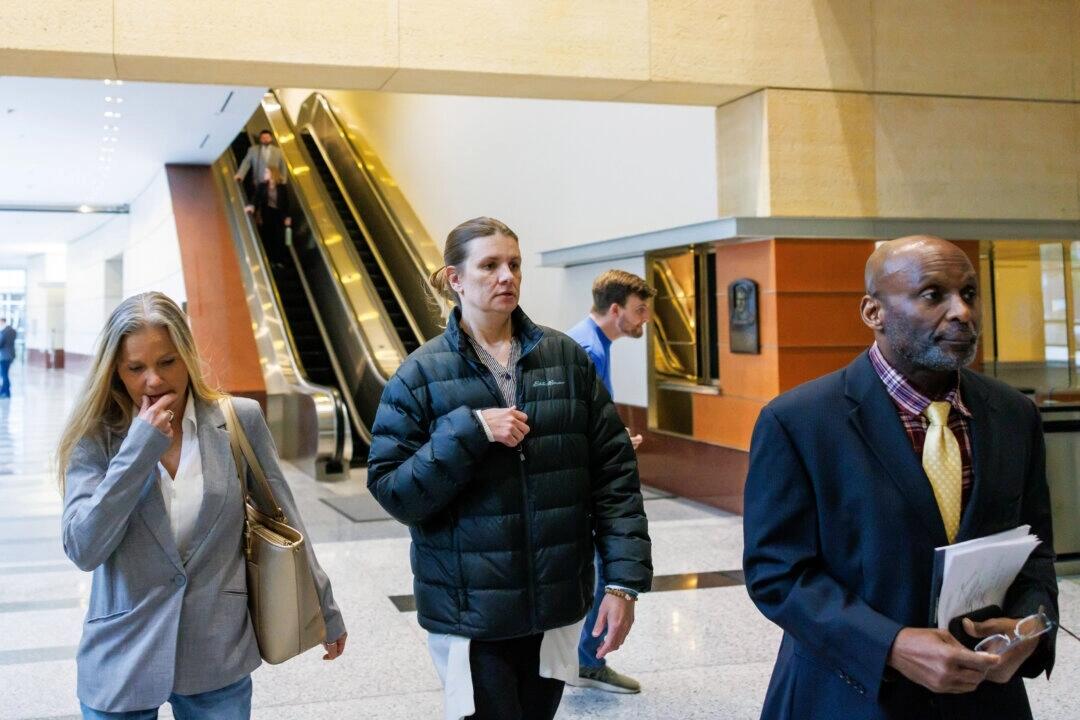
Aimee Bock (C), founder and executive director of the nonprofit organization Feeding Our Future, arrives at the Minneapolis federal courthouse with her attorney, Ken Udoibok (R) in Minneapolis on March 19, 2025. Kerem Yücel/Minnesota Public Radio via AP
An initial blast of news coverage trumpeted an emerging multimillion-dollar welfare-fraud scandal. Then “it just vanished from the radar” of most media outlets and public consciousness, Glahn told The Epoch Times. “The stories just dried up,” and reporters moved on to cover other topics.
Glahn, however, said it was obvious to him that “this was a pretty big deal … something to keep an eye on.”
Thus, for nearly four years, Glahn and a few independent journalists continued digging into what he calls “a whole portfolio of fraud.” He has documented nearly $662 million in fraud losses on the “Minnesota scandal tracker” for his employer, Center of the American Experiment, a public policy nonprofit in Minneapolis.
Yet federal prosecutors say welfare-fraud schemes have reaped billions of dollars in taxpayers’ money. Most of the defendants charged are of Somali heritage—a fact that has been taboo to report, Glahn said, even after dozens of Somalis were convicted in Minnesota welfare-fraud cases.
Fear of facing allegations of “racism” deterred whistleblowers, news outlets, and public officials who dared to raise concerns about fraud among Somalis, he said. Thus, the problem didn’t get the attention it deserved.
While hundreds or even a couple thousand Somalis may have been wrapped up in the schemes, Glahn emphasized that many Somalis are just as outraged as other taxpayers are; they have cooperated with him and with authorities to expose the fraudsters.
Thus, he said, “There is a Somali-fraud problem in Minnesota, but that doesn’t mean there is a Somali problem in Minnesota.”
Terror Allegations
In recent weeks, the schemes that had gone largely unnoticed on the national stage began to attract national attention.
City Journal—a publication of the Manhattan Institute for Policy Research—produced a bombshell story that prompted President Donald Trump to cut off deportation protections for Somalis in Minnesota.
The article asserted that, when Somali fraudsters sent stolen funds back to their homeland, the Somali terror group, Al-Shabaab, had been taking a “cut,” perhaps unbeknownst to the original sender.
Glahn, a former Federal Reserve systems analyst, told The Epoch Times he believes “with 100-percent certainty” that Al-Shabaab is receiving the money, most likely despite the senders’ intentions to benefit their friends and relatives back home.
He bases that declaration on multiple factors, including his knowledge of the money-transfer process, information he gathered from Somalis, and evidence disclosed in court cases.
On Dec. 1, Treasury Secretary Scott Bessent announced that his office is investigating the fraud-for-terror allegation.
Glahn hopes that the increased scrutiny on multiple fronts will remedy welfare-system problems that have persisted for years.
The fraud cases also have political implications. Gov. Tim Walz appears to be facing headwinds over the scandals as he seeks reelection to a third term in office.
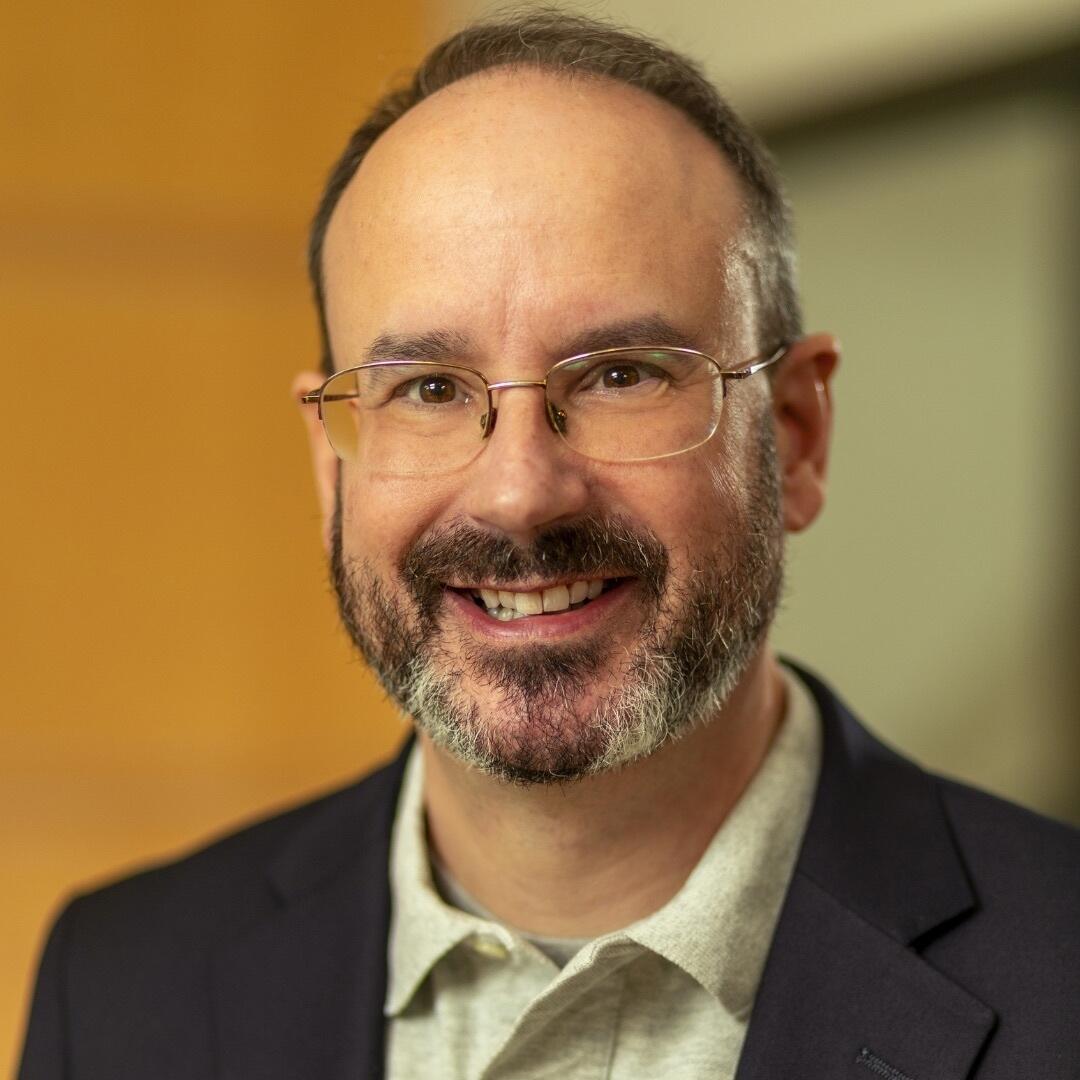
Bill Glahn, a policy fellow with Center of the American Experiment. Courtesy of Bill Glahn/Center of the American Experiment
A newly released Thinking Minnesota Poll shows that 56 percent of respondents “don’t think he’s done enough to prevent fraud in Minnesota.” And half of the respondents said “fraud will be a major factor in their vote for governor next year.” Walz has in the past denounced fraudulent use of welfare dollars, but has made no comments about the recent firestorm, other than taking jabs at Trump for his action.
Public records, along with statements from Glahn and a former fraud investigator, help show why Somali welfare-fraud snowballed in the North Star State despite early efforts to halt it.
‘A Green Light for Fraud’
After the 2022 federal raids, Glahn looked back at earlier scandals. He believes they set the stage for schemes that eventually emerged. The scope is now so overwhelming that federal prosecutors admit they lack the manpower to charge everyone involved.
Concerns over the federal Child Care Assistance Program being vulnerable to fraud date to 2009, according to a 2019 Minnesota report.
Specific concerns about Somali-run childcare programs in Minnesota exploiting those weaknesses surfaced around 2016, Glahn said.
By 2018, a Minnesota whistleblower and some media organizations were reporting that up to $100 million was being stolen via fraudulent childcare billing.
Those reports also alleged the stolen money was funding terrorist organizations in Somalia.
The Office of the Legislative Auditor was able to prove that about $6 million a year was lost to fraudulent child-care billing. The special review was unable to substantiate the terrorism-funding allegation, but cited factors that showed it was plausible.
“Federal regulatory and law enforcement agencies are concerned that terrorist organizations in certain countries, including Somalia, obtain and use money sent from the United States by immigrants and refugees to family and friends in those countries,” according to the special review.
The report also pointed out: “Federal prosecutions have convicted several individuals in Minnesota of providing material support to terrorist organizations in foreign [countries].”
People who alleged that Somalis were committing fraud were branded “racist,” Glahn said.
Perceptions spread throughout the Somali community and beyond. “They saw people getting away with it,” he said, so they thought they would try it, too.
“It seemed to be a ‘green light’ for fraud.”
“It totally emboldened people,” Glahn said, so they branched into other types of fraud.
Former Investigator Says Racism Claims a Factor
Kayseh Magan, a Somali American who formerly investigated Medicaid fraud for the Minnesota Attorney General, acknowledged in a 2024 Minnesota Reformer column an “uncomfortable” truth: Nearly all the defendants in the Feeding Our Future scandal were from the Somali community.
Feeding Our Future was a nonprofit that disbanded after authorities charged dozens of its affiliates with falsely claiming to provide meals to needy children. At least 78 people have been accused. Nearly 60 have been convicted. The stolen funds are estimated at $240 million or more.
Since then, more suspects have been charged in two more recent scandals. One case involves alleged theft of Medicaid money that was supposed to help the homeless. The other scandal centers on allegedly false claims that children with autism were receiving therapy. Instead, children were receiving fake “autism” diagnoses, and their parents were getting kickbacks for cooperating in the scheme, authorities said.
Magan explained that Somalis, fleeing civil war and famine in the 1990s, were drawn to Minnesota despite its “unforgiving winters.”
“Word spread that Minnesota is an inviting place, with generous social programs and a history of welcoming immigrants,” Magan wrote. Thus, Minnesota became home to the nation’s largest Somali community.
The group makes up only about 1 percent of the population but has been growing in political influence, partly because of the prominence of leaders such as Somali-born Rep. Ilhan Omar (D-Minn).
Minnesotans quietly wondered why so many Somalis were caught up in fraud, Magan acknowledged. His response: “My experience as a fraud investigator has taught me that fraud occurs when desire meets opportunity.”
People who are poor or out of work become desperate; professionals whose credentials aren’t recognized in the United States are stuck with “menial jobs,” he said, yet they must support their families here and in Somalia financially.
“That covers the desire, and here’s where opportunity comes into play: Minnesota’s public programs don’t adequately guard against organized fraud,” he wrote.
Fraud-catching systems “are mostly designed to root out recipient fraud,” he said.
“It is exceedingly difficult to guard against providers who collude with recipients, which is the type of fraud most pervasive in the Somali community.”
Fraudsters also took advantage of “the feckless fear that establishment politicians and state agencies show when confronted with charges of racism or Islamophobia,” he wrote in that column last year.
In his most recent op-ed, Magan said that backlash over publicity about alleged childcare fraud in 2018 gave politicians “license to ignore warnings about fraud in public programs.”
However, in that same column, Magan denounced the City Journal report, saying it “appears to be little more than an effort by the right-wing propaganda machine to whip up hatred against Somali Americans.”
He also expressed skepticism over the article’s claim about ill-gotten gains ending up in Al-Shabaab’s coffers.
The Epoch Times sought comment from Christopher Rufo, a co-author of the City Journal article, but received no reply prior to publication time.
However, in a Nov. 25 City Journal article entitled “It’s Not ‘Racist’ to Notice Somali Fraud,” Rufo pushed back against attacks on the expose.
“Progressives have suggested that our reporting and the subsequent policy change were ‘racist,’” Rufo wrote. “While many of those indicted in these schemes are Somali, these critics argue, the federal government should not hold Minnesota’s Somali community corporately responsible for the actions of individuals.
“The truth is that numerous members of a relatively small community participated in a scheme that stole billions in funds,” Rufo wrote, saying this raises implications for American immigration policy, which “has favorably treated Somalis relative to other groups” for more than 30 years. He said cultural differences might help explain reasons for the extent of the Somali fraud networks.
“It is more than fair to ask whether that policy has served the national interest,” Rufo said. “The fraud story suggests that the answer is ‘no.’”
Tyler Durden
Thu, 12/04/2025 – 21:45

5 years later, authorities arrest a suspect in Washington pipe bomb case. Here’s what to know.
WASHINGTON — The FBI has arrested a suspect five years after an unidentified person placed two pipe bombs outside the headquarters of the Republican and Democratic national parties in Washington.
Agents arrested Brian J. Cole Jr., 30, of Woodbridge, Virginia, on explosive charges. Calls to relatives of Cole listed in public records were not immediately returned.
The mystery behind the person’s identity has bedeviled law enforcement and helped fuel conspiracy theories about Jan. 6, 2021, and the Capitol riot by a mob of President Donald Trump’s supporters.
Here’s what to know about the arrest:
Why now
The FBI and Justice Department declined to elaborate on what led them to the suspect. But authorities attributed the arrest to a reinvigorated investigation and a fresh analysis of already collected evidence and data.
Attorney General Pam Bondi said there was no new tip or witness that led officials to Cole. “Just good, diligent police work and prosecutorial work,” she said.
Investigators have, over the years, sought the public’s help in identifying a person shown in surveillance video taken the night before the riot.
They struggled to determine answers to basic questions, including the person’s gender and motive. They didn’t know whether the act had a clear connection to the riot at the Capitol a day later, when supporters of Trump stormed the building in a bid to halt the certification of the Republicans’ 2020 election loss to Democrat Joe Biden.
Pipe and kitchen timer purchases
Law enforcement officials used credit purchases of bomb-making materials, cellphone tower data and a license plate reader to zero in on Cole, according to an FBI affidavit filed in the case.
His bank account and credit card information showed he bought materials in 2019 and 2020 consistent with those used to make the pipe bombs, according to court papers. This included galvanized pipes and white kitchen-style timers, according to the affidavit. The purchases continued even after the devices were placed.
The two explosive devices found at the scenes were each roughly 1 foot (0.3 meters) long and packed with gunpowder and metal, according to two law enforcement officials familiar with the investigation.
Cole owns a 2017 Nissan Sentra with a Virginia license plate, the affidavit says. Around 7:10 p.m. on Jan. 5, 2021, Cole’s vehicle drove past a license plate reader less than a half mile from where the person who placed the devices was first spotted on foot around 7:34 p.m. that night, the document says.
Nike shoes
Surveillance video showed the person wearing a light sweatshirt, dark pants and sneakers, with a dark backpack slung over one shoulder. Investigators have long said the gait suggested the person was a man, but their face was obscured by a surgical mask and a hood.
Investigators focused some attention on the suspect’s shoes, believed to be Nike Air Max Speed Turfs. Nike told investigators thousands of pairs had been distributed through more than two dozen retailers and so agents filed subpoenas for credit card records from Foot Locker and other chains to narrow down potential buyers.
Motive unclear
Authorities didn’t disclose why they think Cole may have placed the explosives at the offices of the Democratic and Republican national committees.
Other questions also remain, including whether the act was connected to the assault on the Capitol the following day by Trump’s supporters.
Classmate called suspect ‘well-behaved and quiet’
Cole lived with his mother and other family members in a five-bedroom house on a quiet Virginia cul-de-sac about 30 miles (about 48 kilometers) south of the U.S. Capitol. He has no criminal record and was not registered to vote.
One of four children, he worked in the office of his father, a bail bondsman. His mother works as a realtor.
A high school classmate who lived in the same neighborhood and rode the bus with Cole described him as friendly but said he didn’t speak much.
“He didn’t stand out,” said the classmates, who spoke on condition of anonymity out of concern for having their name associated with the suspect in a politically charged criminal case. “As far as I remember, he was well-behaved and quiet.”
Court records show Cole’s parents divorced in October 2020, just a couple of months before authorities allege he planted the bombs.
Associated Press writers Eric Tucker, Alana Durkin Richer, Mike Balsamo, Michael Biesecker and Brian Witte contributed to this report.
https://www.chicagotribune.com/2025/12/04/washington-pipe-bomb-case-what-to-know/

Naperville City Council adopts $685M budget for 2026
With little fanfare, the Naperville City Council adopted a $685.34 million budget for next year, nearly 6.8% more than the $641.15 million spent this year.
Naperville’s budget totals a little more than what had recommended by city staff due to changes in the capital improvement expenses and the last-minute addition of a mobile crisis intervention team (MCIT), a policing initiative focused on mental health crises.
Over the course of months-long deliberations, Munch described budget planning for next year as more challenging than usual.
Earlier this year, city staff were staring down a $6.5 million deficit caused by the elimination of the state grocery tax as well as a $4 million hole caused in part by skyrocketing health insurance costs and a decline of certain city revenue sources. The city has found ways to plug both but staff noted that this year’s budget calls for few new initiatives and personnel.
At the third and final city budget workshop in November, Councilman Ian Holzhauer proposed adding MCIT into the city budget, arguing that the service is essential for addressing mental health crises. The program had been part of the 2025 city budget but was put on hold because of the uncertainty surrounding the grocery tax and contract negotiations with the police and firefighters.
The council voted 7-2 to add the $1.17 million MCIT program to the budget, which includes funding for six full-time dedicated officers, a K-9, and additional equipment and training. Council members Nate Wilson and Josh McBroom voted against the addition, arguing that it was a financially risky move.
MCIT will be funded as a recurring expenditure in the city’s general fund, although there will be some one-time expenses for the program coming out of the city’s capital projects fund.
Salaries and benefits for the full MCIT program cost $854,589. Equipment will cost $58,600 and training $18,585. Purchasing the K-9 will be about $10,000 and vehicles for the program will cost $230,700.
“For the general fund to support the MCIT program, the corporate (city services) portion of the property tax levy will need to increase by 9.0% to $10,079,751,” Munch said in a memo. The city’s property tax rate remains lower than in previous years, he said.
The new tax rate with the six officers is 0.5595, an increase from the prior projected rate of 0.5506 but still lower than the current rate of 0.5960. A median-valued home in Naperville is about $580,000, which means adding the full six officers will create a tax bill increase of $16 next year.
The council will hold a hearing and adopt property tax levies for next year’s budget at its Dec. 16 meeting.
One Naperville resident spoke against adding the MCIT program at Tuesday’s public hearing, arguing that the city should avoid raising property taxes and find places to cut in the budget. He pointed to cities like Syracuse, New York, and Eugene, Oregon, as examples of similarly sized cities that have reduced spending.
“Additionally, a well-known source of mental health crises or domestic disputes is financial stress and rather than getting to the heart of any medical mental health issues, this planned solution was to contribute to family’s financial stress,” the resident said. “People cannot continually be nickel and dimed, especially in an age of inflation.”
On the other side, another Naperville resident submitted a written comment in support for the program.
“Naperville’s commitment to safety and public service is well known across the state and country, which contributes to our consistent rankings as a desirable community to live in and a safe community to live in,” wrote Rhonda Ansier. “It is of utmost importance that we continue to grow and evolve with the increased knowledge and understanding of how to serve our most vulnerable.”
Munch also wrote in his memo that the fire department’s capital expenses budget decreased by $400,000, public works was down by $500,000 and the library by $60,000. These adjustments were made for various reasons, including funding that was no longer needed or renovations that were delayed.
SECA grant funding
In addition to the budget approval, the council also voted 6-3 to raise the funding cap for the Special Events and Community Arts (SECA) program from $2.14 million to $2.51 million. Money for SECA is collected through the city’s 1% food and beverage tax. The cap was raised to fulfill a funding request from nonprofit community television station NCTV17 while also keeping up with inflation.
As people continue to cut the cord on cable, reducing NCTV17’s income, the station has been forced to find new revenue sources. While it already receives some funding from the city, the station asked for an additional $200,000 from the city this year. In order to meet the request and maintain a balanced budget, staff suggested raising the SECA cap.
Mayor Scott Wehrli, McBroom and Wilson voted against the new cap. They previously cited issues ranging from the station becoming too reliant on city funding to broader concerns over raising the SECA funding cap.
cstein@chicagotribune.com
https://www.chicagotribune.com/2025/12/04/naperville-budget-increase-mental-health/

Did China Trigger A “DeepSeek Moment” In Hypersonic Missiles
Did China Trigger A “DeepSeek Moment” In Hypersonic Missiles
China has triggered a “DeepSeek moment” in hypersonic weapons, unveiling cement-coated Mach-7 missiles that can be mass-produced for roughly $100,000 per unit. The development is setting off alarm bells within the U.S. military, which has yet to field a hypersonic weapon and cannot come anywhere close to matching such production costs.
The South China Morning Post reports that Chinese private aerospace firm Lingkong Tianxing introduced the YKJ-1000, a Mach-7 hypersonic glide weapon built almost entirely from civilian-grade materials to keep costs ultra-low.
Slides circulating on X claim the YKJ-1000 costs just $100,000 to produce. The economics are absolutely staggering because a U.S. SM-6 interceptor costs about $4 million per unit, a THAAD interceptor can run upwards of $15 million, and a Patriot PAC-3 can cost as much as $4.2 million.
“Developed by a private company rather than state-owned firms, demonstrating the success of China’s Military–Civil Fusion strategy,” one slide reads.
The economics of war shift dramatically when missiles become cheap. Low-cost hypersonic systems will reduce Beijing’s marginal cost of engagement. Just imagine: a swarm of YKJ-1000s would cost the U.S. or regional Asian allies hundreds of millions to shoot down in the event of a conflict.
The missile showcases how China leverages its civilian manufacturing base of low-cost sensors, BeiDou chips, off-the-shelf camera modules, die-cast structures, and other locally produced technologies.
👀 SPACE-TRANSPORTATION is now in defense industry.
🚀 YKJ-1000 hypersonic missile released. https://t.co/Vpmk4MdWHC pic.twitter.com/ypLBjvm24F
— China ‘N Asia Spaceflight 🚀𝕏 🛰️ (@CNSpaceflight) November 25, 2025
“If this missile were introduced on the international defence market, it would be formidably competitive,” military commentator Wei Dongxu told state broadcaster CCTV earlier this week.
Dongxu added: “Many nations have yet to develop their own hypersonic missiles, and this one—with its long range, high destructive power, and strong penetration capability—would likely become a hot commodity due to its dirt-cheap price.”
If the report is accurate, then the “DeepSeek moment” for hypersonic missiles has officially arrived.
Tyler Durden
Thu, 12/04/2025 – 21:20
https://www.zerohedge.com/military/did-china-trigger-deepseek-moment-hypersonic-missiles

Dodgers renuevan contrato con Miguel Rojas, el héroe de la Serie Mundial, por 1 año y 5,5 millones
LOS ÁNGELES (AP) — Los Dodgers de Los Ángeles firmaron el jueves a Miguel Rojas, el infielder que conectó un jonrón para empatar el séptimo juego de la Serie Mundial en la novena entrada el mes pasado y que permanecerá con el equipo con un contrato de un año y 5,5 millones de dolares.
El venezolano de 36 años bateó para .262 con siete jonrones y 27 carreras producidas la temporada pasada. En los playoffs, su promedio fue de .278, con un cuadrangular y dos carreras impulsadas por los Dodgers, que se coronaron bicampeones.
Rojas ha pasado 12 temporadas en las mayores con Los Ángeles y Miami. Tiene un promedio en su carrera de .260 con 57 jonrones y 363 carreras impulsadas.
Ha tenido dos periodos con los Dodgers. En su segundo, tiene 18 jonrones y 94 carreras impulsadas en 341 juegos.
_____
Deportes AP: https://apnews.com/hub/deportes

Avistamiento de un nuevo jaguar en Arizona indica avances en la recuperación de la especie
Por SUSAN MONTOYA BRYAN
Las manchas lo delataron. Al igual que una huella dactilar en el ser humano, el patrón de rosetas en cada jaguar es único, por lo que los investigadores sabían que tenían un nuevo animal en sus manos cuando revisaron las imágenes captadas por una cámara remota en el sur de Arizona.
El Centro de Investigación y Conservación de Felinos Silvestres de la Universidad de Arizona asegura que se trata del quinto ejemplar de la especie que ha sido avistado en los últimos 15 años en la zona después de cruzar la frontera desde México. El animal fue captado por la cámara en noviembre mientras visitaba un abrevadero, y sus distintivas manchas lo diferenciaron de avistamientos anteriores.
“Estamos muy emocionados. Esto significa que esta población marginal de jaguares sigue viniendo aquí porque están encontrando lo que necesitan”, señaló el jueves Susan Malusa, directora del proyecto de jaguares y ocelotes del centro.
El equipo ahora trabaja para recolectar muestras de excremento con el objetivo de realizar un análisis genético y determinar el sexo y otros detalles del nuevo jaguar, incluida su dieta. El menú puede incluir desde zorrillos y jabalíes hasta pequeños ciervos.
Como especie indicadora, Malusa señaló que la presencia continua de grandes felinos en la región deja entrever que el panorama es saludable, pero el cambio climático y los muros fronterizos ponen en riesgo los corredores migratorios. Explicó que el incremento en las temperaturas y una significativa sequía aumentan la urgencia de asegurar la conectividad para los jaguares con su hábitat histórico en Arizona.
Más del 99% del hábitat del jaguar se encuentra en Centro y Sudamérica, y se cree que los pocos jaguares machos que se han avistado en Estados Unidos se han dispersado desde poblaciones en México, según el Servicio de Pesca y Vida Silvestre de Estados Unidos. Las autoridades han dicho que no se ha documentado la reproducción de jaguares en territorio estadounidense en más de 100 años.
Biólogos federales han enumerado las principales amenazas para esta especie en peligro de extinción, como la pérdida y fragmentación del hábitat, así como la caza y el comercio ilegal.
En respuesta a una impugnación legal, Servicio de Pesca y Vida Silvestre emitió una decisión final en 2024 en la que se ajustó el hábitat reservado para los jaguares. La zona se redujo a aproximadamente 2.590 kilómetros cuadrados (1.000 millas cuadradas) en los condados de Pima, Santa Cruz y Cochise en Arizona.
Los más recientes datos de detección respaldan los hallazgos de que un jaguar aparece cada pocos años, comentó Malusa, y su desplazamiento por lo general está vinculado a la disponibilidad de agua. Cuando la comida y el agua abundan, el desplazamiento es menor.
En el caso del Jaguar #5, destacó que el felino siguió regresando a la zona durante un período de 10 días. Fuera de eso, señaló que estos animales son bastante elusivos.
“Ese es el mensaje: esta especie se está recuperando”, afirmó Malusa. “Queremos que la gente sepa eso y que todavía tenemos la oportunidad de hacer las cosas bien y mantener estos corredores abiertos”.
___
Esta historia fue traducida del inglés por un editor de AP con la ayuda de una herramienta de inteligencia artificial generativa.

Useless U
Useless U
Authored by Larry Sand via American Greatness,
A stunning new report from the University of California, San Diego, reveals that incoming college students are less prepared for their classes than ever. The steep decline in academic readiness among its first-year students is particularly noticeable in mathematics.
The UCSD paper shows that between 2020 and 2025, the number of students with math skills below high school level increased nearly thirtyfold. Additionally, 70% of these students are below the middle school level.
The decline is attributed to the COVID shutdown, the elimination of standardized testing, and grade inflation, all of which have resulted in an incoming class that is less prepared for the rigor expected at UCSD.
UCSD students who required remedial math had average high school GPAs that rose from 3.47 in 2019 to 3.65 in 2024. Therefore, not only are our schools passing students without equipping them with basic skills, but they are also inflating their sense of competence.
UCSD’s issues are not unique. Over the past five years, all other University of California campuses, including UC Berkeley and UCLA, have seen the number of first-year students who are unprepared for precalculus double or triple.
Regarding grade inflation, the situation is no better in other parts of the country. A recent internal Harvard report disclosed that over 60% of grades given to undergraduates in the 2024-25 academic year were A’s—up from about 25% twenty years ago. The median GPA at graduation, which was 3.29 in 1985, has now increased to 3.83.
Yale’s data are even worse: 80% of grades awarded in 2023 were “A” or “A-.”
Many students are opting out of college, which had an enrollment of 19.28 million undergraduate students in fall 2024, a decline of 8.43% from the peak of 21.0 million in 2010. Besides the decrease in college enrollment over the past 15 years, even fewer students are expected to attend in the next 15 years.
In a desperate attempt to fill seats, the Cal State system will admit students with C’s in college-prep courses—without requiring an application—starting next year, reports EdSource. “Direct admissions” students who accept the offer can select from 16 Cal State campuses, which are trying to boost attendance. Additionally, Cal State won’t consider SAT or ACT scores in admissions. (The most selective schools—San Jose State, San Diego State, Cal Poly San Luis Obispo, Cal Poly Pomona, Cal State Fullerton, and Long Beach State—are not included.)
For those who graduate from college, the job market is weak. Bloomberg reports that the latest data from the Bureau of Labor Statistics show a significant decline in white-collar jobs, especially for students with four-year degrees. These degrees now account for a record 25% of all unemployed, about 1.9 million people, the highest level since 1992.
The unemployment rate for bachelor’s degree holders rose to 2.8% in September, while joblessness for other education groups stayed relatively steady. Young degree-holders are experiencing the most impact: unemployment for ages 20 to 24 jumped to 9.2%, a rise rarely seen outside recessions.
It’s worth noting that going to college can be quite costly. The average annual per-student expense in the United States is $38,270, covering books, supplies, and living costs.
If a student attends a private, nonprofit university, they will spend, on average, $58,628 per year living on campus, with $38,421 of that going toward tuition and fees.
Considering student loan interest and lost potential income, investing in a bachelor’s degree can ultimately cost students’ families and taxpayers over $500,000.
What are some alternatives to traditional college?
There is one college-related program that connects employers with community colleges that might be worth trying if it is available in a student’s state. The Federation for Advanced Manufacturing Education began in 2010 as an experiment among several companies, including Toyota Motor Corp.’s Georgetown, KY factory, which was having trouble finding “middle-skill” workers to operate new technology. Today, nearly 400 employers participate in the program across 13 states.
BuildWithin, whose motto is “Potential over Credential,” makes it easier for employers and organizations to start professional apprenticeships and maximize skills-based hiring. In this model, employers hire young men and women who may not have a college degree but have the drive and innate talent to succeed.
A Philadelphia nonprofit has introduced new opportunities for students. Launchpad, a three-year career and technical education program, is not only free, but students also get paid for their work.
Next Prep, available at two high schools in St. Louis, is a pilot program that helps teens start early in figuring out what they might want to do after graduation. The class begins in ninth grade and focuses on exploring each student’s strengths and talents. Later, the class dives into careers by visiting employers and speaking directly with professionals. Hands-on and personal, the course aims to lay out the stepping stones from high school to a meaningful career.
High school graduates in California can join registered apprenticeships, which provide opportunities to get paid while learning a trade—like carpentry or plumbing—from skilled industry professionals, often leading to a job afterward. California’s Department of Industrial Relations (DIR) has traditionally offered apprenticeship programs in the building trades—bricklaying and carpentry, for example. But DIR also trains for careers in healthcare, technology, transportation, and firefighting, among others.
It’s time for students and their parents to reconsider whether a college degree is necessary. Unless a student is pursuing a career that requires higher education, it would be better for them, their families, and taxpayers to skip college and explore other options. They can acquire skills that will enrich their lives and, at the same time, help them become productive members of society.
Tyler Durden
Thu, 12/04/2025 – 20:55

Ejército de EEUU ataca otro bote que supuestamente llevaba drogas; Congreso investiga 1er ataque
Por KONSTANTIN TOROPIN
WASHINGTON (AP) — El Comando Sur de Estados Unidos anunció el jueves que había atacado otra pequeña embarcación en el Océano Pacífico, tras una pausa de casi tres semanas.
Es el vigésimo segundo ataque que el ejército de Estados Unidos ha realizado contra lanchas en el mar Caribe y el Océano Pacífico oriental que, según el gobierno estadounidense, se usaban para traficar drogas.
Cuatro personas murieron por el ataque del ejército de Estados Unidos del jueves, según la publicación en redes sociales, lo que eleva a por lo menos 87 el número de personas asesinadas durante la campaña naval estadounidense.
En un video que acompañó el anuncio, se puede ver una pequeña embarcación moviéndose por el agua antes de ser repentinamente consumida por una gran explosión. El video luego se aleja para mostrar el bote cubierto en llamas y humo.
El ataque se llevó a cabo el mismo día en que el almirante Frank Bradley se presentó para una serie de sesiones informativas clasificadas a puerta cerrada en el Capitolio de Estados Unidos, donde los legisladores comenzaron una investigación sobre el primer ataque realizado por el ejército estadounidense el 2 de septiembre. Las sesiones se produjeron después de un reporte de prensa que indicaba que Bradley ordenó un segundo ataque contra una lancha con el que mató a los sobrevivientes del primer ataque, para cumplir con las demandas del secretario de Defensa Pete Hegseth.
Bradley dijo a los legisladores que no hubo una orden de “matar a todos” de Hegseth, pero un video de toda la serie de ataques dejó a algunos legisladores con serias preguntas.
Expertos en derecho han dicho que matar a los sobrevivientes de un ataque en el mar podría ser una violación de las leyes de la guerra.
Bradley habló con los legisladores junto al presidente del Estado Mayor Conjunto, el general Dan Caine, en una sesión confidencial. Su testimonio proporcionó nueva información en un momento crucial en el que el liderazgo de Hegseth está bajo escrutinio, pero hizo poco para resolver las crecientes preguntas sobre la base legal de la campaña del presidente Donald Trump para usar poderes de guerra contra presuntos traficantes de drogas.
Los legisladores ofrecieron relatos diferentes de lo que vieron en el video.
El senador republicano Tom Cotton dijo que vio a los sobrevivientes “tratando de voltear un bote cargado de drogas con destino a Estados Unidos para poder seguir en la lucha”.
El representante Jim Himes, el principal demócrata en la Comisión de Inteligencia de la Cámara de Representantes, señaló que lo que vio “fue una de las cosas más preocupantes que he visto en mi tiempo en el servicio público”.
“Tienes a dos individuos en clara angustia, sin ningún medio de locomoción, con una embarcación destruida”, que “fueron asesinados por Estados Unidos”.
El representante Adam Smith, el principal demócrata en la Comisión de Servicios Armados de la cámara baja, dijo que los sobrevivientes eran “básicamente dos personas sin camisa aferrándose a la proa de un bote volcado e inoperable, a la deriva en el agua, hasta que los misiles llegan y los matan”. ___
Esta historia fue traducida del inglés por un editor de AP con la ayuda de una herramienta de inteligencia artificial generativa.