Category: News
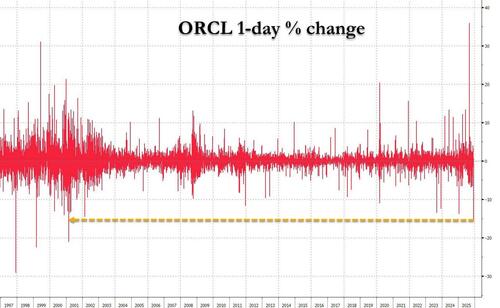
Oracle Plunges Most Since Dot Com Bubble, CDS Blow Out To Lehman Crisis Levels
Oracle Plunges Most Since Dot Com Bubble, CDS Blow Out To Lehman Crisis Levels
It’s a very ugly morning for Oracle.
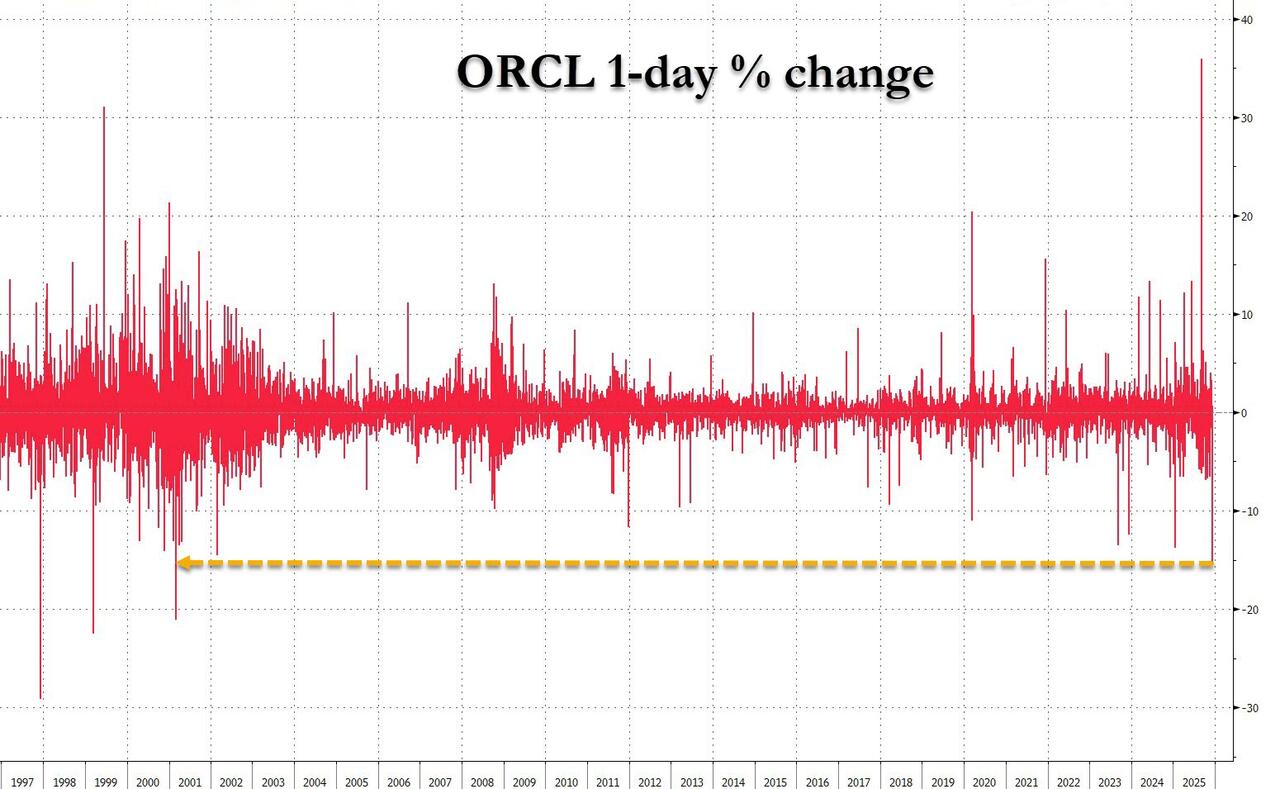
The company, once viewed as a bellwether of the AI investment boom, and which plunged as much as 40% from its September highs ahead of earnings amid fears (first discussed here) how it would fund its massive future spending needs and which prompted multiple banks to downgrade its debt as it became clear that Oracle would have to issue massive amounts of debt becoming the “first AI domino to fall” (not to mention setting it up as the first AI “fallen angel”), was down 16% early this morning, losing $100 billion in market cap. It was the biggest one-day drop since the bursting of the dot com bubble.
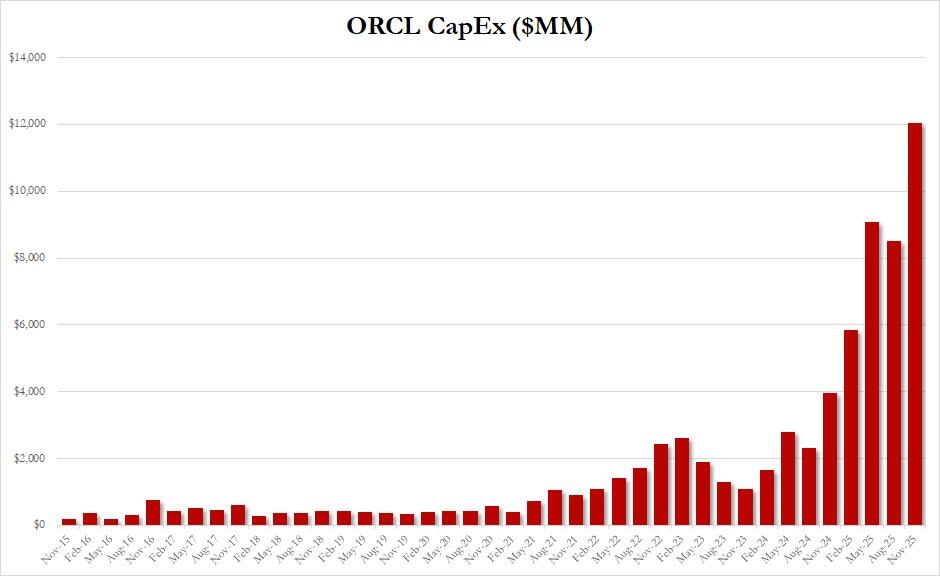
The reason, as we pointed out yesterday after it ORCL reported Q2 earnings and when the stock was still trading well north of $200 (it no longer is), is that capex, at $12BN, came in far hotter than the $8.8 consensus estimate…
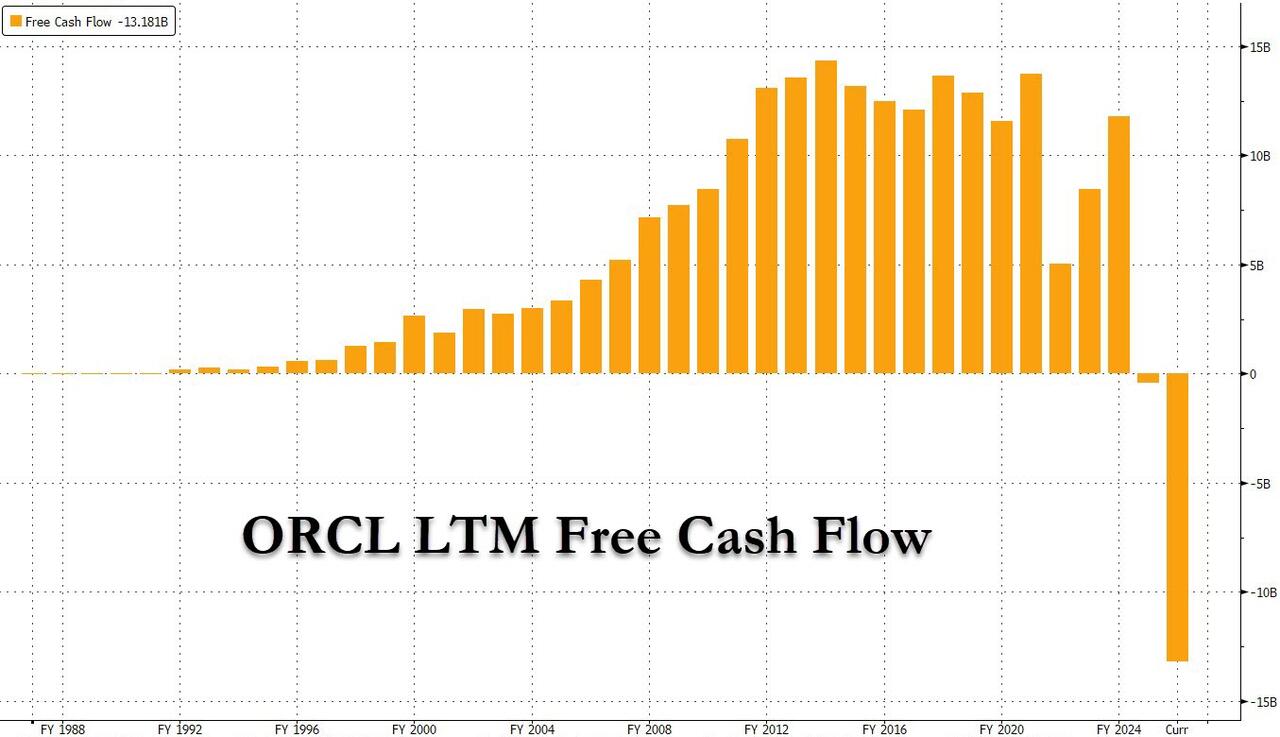
… prompting renewed questions how this company, whose free cash flow just hit a record low, will fund all this future spending.
This is how Barclays credit analyst Andrew Keches framed the results (in a note available to pro subscribers):
FCF burn worse than anticipated: FCF (pre-dividend) was -$10.0bn in the quarter, driven by a drag in working capital and higher than anticipated capex spending, as the FCF-burn has now surpassed consensus expectations for FY26 through just two quarters. Net of dividends, the YTD FCF burn is -$13.2bn, which we model will grow to a $28bn burn by the end of this fiscal year. The dividend was maintained; though we did not expect a dividend cut, many investors had asked about the potential of one into earnings. Gross and net leverage moved from 3.0x and 2.7x to 3.4x and 2.8x, respectively, following ORCL’s $18bn issuance in October, with its debt balance growing to $108bn from $91bn last quarter, and its cash balance increasing from $10.4bn to $19.2bn.
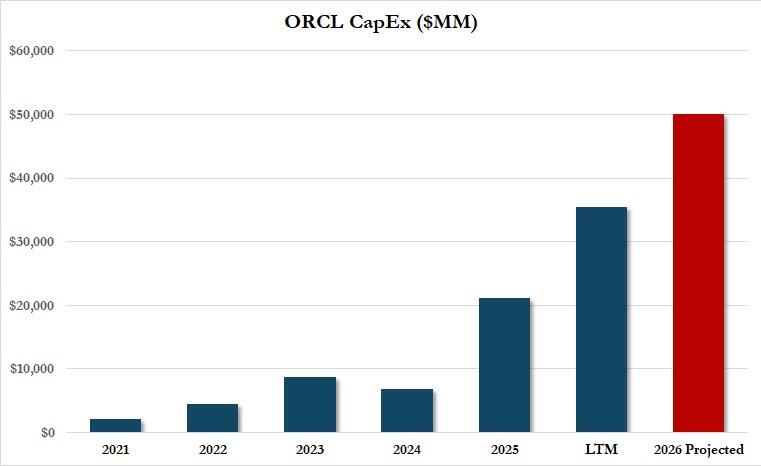
And then, the stock selloff accelerated during the earnings call when the company shocked investors – who clearly have lost their appetite for ridiculous capex spending plans at a time when the entire AI space is in flux – by raising its CapEx projection for 2026 an incremental $15B to $50BN to build capacity for the $68B in new contracts booked in Q2.
Adding insult to injury, Barclays wrote that “the FY26 capex number is higher than previously anticipated, and suggests upside risk to the 2027/28 guides. For context, the FY26 guide of $50bn is flat to current FY27 consensus.”
That’s when the bottom fell off the stock as investors were promptly reminded of Barclays calculation from a month ago (when the bank downgraded ORCL bonds and recommended buying its CDS), that unless something changes, Oracle “would run out of cash by the November 2026 quarter, implying substantial funding needs.“
The only thing that changed is that the cash burn became even bigger.
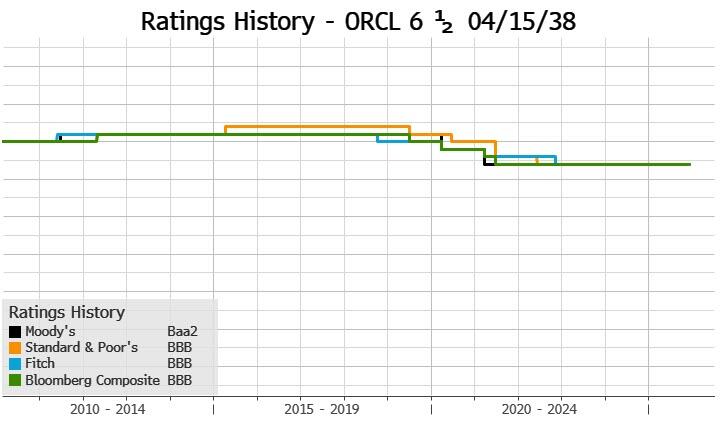
Which also means that the company’s debt-funded needs will be even bigger, and it’s why management on the call, went so far as to emphasize its commitment to Investment Grade ratings (currently rated Baa2/BBB, meaning it can be notched lower just once before it goes junk and all hell breaks loose), while laying out a variety of different funding sources including public debt markets, bank markets, and private debt markets, as well as vendor financing and leasing models (unclear if going all in on off balance sheet gimmicks is what the market wants here, but we’ll cross that bridge in time).
The company also discussed scenarios where customers may supply their own chips to be installed in the data centers (a “Bring Your Own Chips” approach) which can reduce capital intensity. Management added that it expects its funding needs to be less than $100bn, if not substantially less in some cases. We would take the over.
Goldman Delta-One head Rich Privorotsky dedicated half of his note this morning to Oracle, whose results were so shocking they offset the market’s entire positive mood from the Fed’s dovish cut, and sent futures tumbling as much as 1%, to wit:
I’m genuinely surprised and think a few had started to get more constructive… the idea that ORCL might use this report to alleviate some of the market concerns around spending and balance sheet. Last night was precisely what the market didn’t want… disappointing performance and rapidly rising capex. We’re back in the nexus of credit concerns and that explains the magnitude of the equity move. As I’ve argued, the picks-and-shovels trade has become erratic… volatile… and without clear leadership. Flows have been migrating to broader pockets of the market and the leadership has been more pro-cyclical and in financials. Watch credit today.
Going back to the latest note from Barclay’s Keches, whose analysis was one of the catalysts to trigger the ORCL meltdown a month ago, this is how he summarizes the bigger picture:
Our view on Oracle is unchanged and we reiterate our Underweight rating on the credit. We think it is important to call out that management answered the market and addressed the balance sheet rather explicitly on the earnings call. A commitment to IG ratings is arguably the most meaningful financial policy that ORCL has ever given (more so than the Cerner buyback cap/leverage target). While one could argue that keeping IG ratings is a minimum expectation at this point (“how can you really fund this as a BB?” is a very frequent and fair question), it is positive nonetheless. Framing the funding needs as being less than $100bn (or potentially much less) is also positive for credit in that it provides a goalpost.
Our concerns are that capex is running at a higher base in 2026 which we viewed as a less impacted year given the phasing of the revenue ramp being larger 2028/29. With 2027 consensus at $50bn, flat to the new 2026 guide, we continue to think there is upside to capex. To be clear, management is adjusting its approach and offering a “BYOC” option to customers which would reduce its capex (albeit from a potentially higher-than-expected base line). While this would ease the cash flow dynamics, we are unsure what it would mean for margins and earnings power if ORCL is no longer providing the hardware for certain customers.
Net net, we see a mixed set of credit implications and maintain our Underweight rating. With spreads having rallied 15bp into the results, we expect earnings to be somewhat of a “sell the news” dynamic rather than a clean clearing event for bonds and CDS. We recommend buying 5y CDS (121/128bp pre-call); the company noted that it will consider bank financing as an option which suggests that hedging demand could increase, as could non-traditional demand if vendor financing activity picks up. The stock is also down ~10% post market (as of writing) which should weigh on spreads given the correlation of those products.
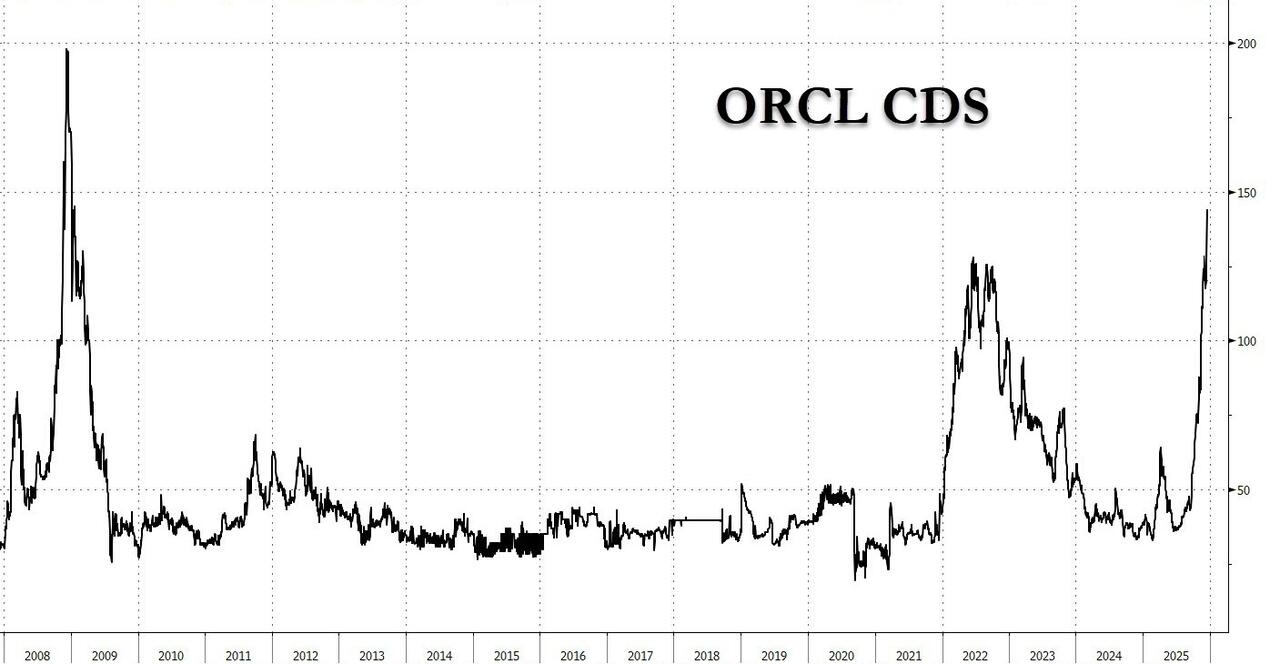
The market listened: ORCL CDS is blowing up this morning, wider by about 17 bps, surpassing 140bps and at levels last seen during the global financial crisis.
Much more in the Barclays FICC research and Goldman equity research notes, both available to pro subs.
Tyler Durden
Thu, 12/11/2025 – 11:21
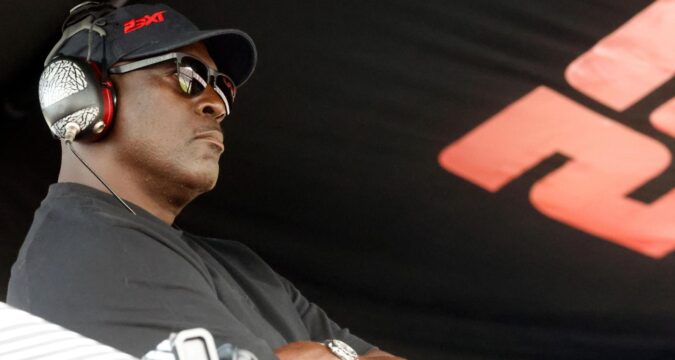
NASCAR resuelve caso antimonopolio presentado por dos equipos, uno de Michael Jordan
Por JENNA FRYER
CHARLOTTE, Carolina del Norte, EE.UU. (AP) — NASCAR llegó a un acuerdo el jueves en la demanda antimonopolio presentada contra la serie de autos de carrera por dos de sus equipos, incluyendo uno co-propiedad de la leyenda de la NBA Michael Jordan.
“Hoy es un buen día”, afirmó Jordan mientras esperaba a que los abogados anunciaran el acuerdo. Los detalles no fueron revelados de inmediato.
El acuerdo se alcanzó en el noveno día del juicio ante el juez federal Kenneth Bell, quien reservó las mociones para una audiencia de una hora.
Jeffrey Kessler, abogado de 23XI Racing y Front Row Motorsports, salió de una sala de conferencias al final de la hora para informar a un secretario del tribunal “estamos listos”. Kessler luego condujo a Jordan y al co-propietario de 23XI, Denny Hamlin, así como al propietario de Front Row, Bob Jenkins, a otra sala para más conversaciones.
23XI y Front Row presentaron su demanda el año pasado después de negarse a firmar acuerdos sobre las nuevas ofertas de acuerdo que NASCAR presentó en septiembre de 2024. Los equipos tenían hasta el final del día para firmar el documento de 112 páginas, que garantiza acceso a las carreras de la Cup Series y una fuente de ingresos, y 13 de las 15 organizaciones aceptaron con reticencia. Jordan y Jenkins demandaron en su lugar y corrieron la mayor parte de la temporada 2025 sin acuerdo.
Ambos equipos argumentaron que perder la demandalos habría dejado fuera del negocio.
Bell dijo al jurado que a veces las partes en un juicio tienen que ver cómo se desarrolla la evidencia para llegar a una resolución.
“Desearía que hubiéramos hecho esto hace unos meses”, expresó Bell en el tribunal. “Creo que esto es genial para NASCAR. Genial para el futuro de NASCAR. Genial para la entidad de NASCAR. Genial para los equipos y, en última instancia, genial para los fanáticos”.
Todos los equipos sintieron que el acuerdo anterior de reparto de ingresos era injusto y más de dos años de complicadas negociaciones llevaron a la oferta final de NASCAR, que fue descrita por los equipos como “tómalo o déjalo”. Los equipos creían que el nuevo acuerdo carecía de las cuatro demandas clave, especialmente que dichos permisos se volvieran permanentes en lugar de renovables.
El acuerdo siguió a ocho días de testimonios en los que se mostró que la familia France, con sede en Florida, fundadores y propietarios privados de NASCAR, eran inflexibles en hacer que los acuerdos fueran permanentes.
Cuando la defensa comenzó su caso el miércoles, parecía más enfocada en mitigar los daños que en probar que no actuó de manera anticompetitiva.
Un economista testificó anteriormente que 23XI y Front Row tenían derecho a más de 300 millones de dólares en daños.
___
Deportes AP: https://apnews.com/hub/deportes
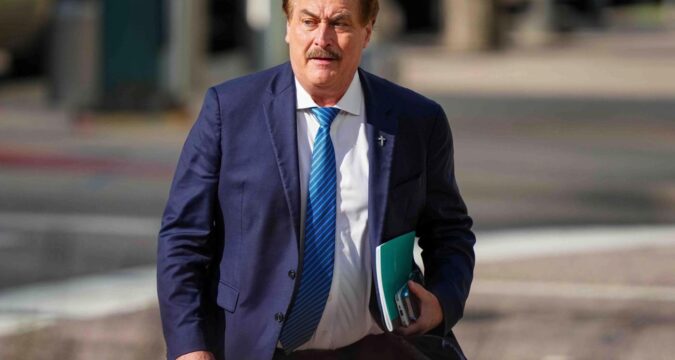
‘MyPillow Guy’ and Trump supporter Mike Lindell says he’s running for Minnesota governor in 2026
SHAKOPEE, Minn. — Mike Lindell, the fervent supporter of President Donald Trump known to TV viewers as the “MyPillow Guy,” officially entered the race for Minnesota governor Thursday in hopes of winning the Republican nomination to challenge Democratic Gov. Tim Walz.
“I’ll leave no town unturned in Minnesota,” Lindell told The Associated Press in an interview ahead of a news conference set for Thursday.
He said he has a record of solving problems and personal experiences that will help businesses and fight addiction and homelessness as well as fraud in government programs. The fraud issue has particularly dogged Walz, who announced in September that he’s seeking a third term in the 2026 election.
A TV pitchman and election denier
Lindell, 64, founded his pillow company in Minnesota in 2009 and became its public face through infomercials that became ubiquitous on late-night television. But he and his company faced a string of legal and financial setbacks after he became a leading amplifier of Trump’s false claims that the 2020 election was stolen. He said he has overcome them.
“Not only have I built businesses, you look at problem solution,” Lindell said in his trademark rapid-fire style. “I was able to make it through the biggest attack on a company, and a person, probably other than Donald Trump, in the history of our media … lawfare and everything.”
While no Republican has won statewide office in Minnesota since 2006, the state’s voters have a history of making unconventional choices. They shocked the world by electing former professional wrestler Jesse Ventura as governor in 1998. And they picked a veteran TV pitchman in 1978 when they elected home improvement company owner Rudy Boschwitz as a U.S. senator.
Lindell has frequently talked about how he overcame a crack cocaine addiction with a religious conversion in 2009 as MyPillow was getting going. His life took another turn in 2016 when he met the future president during Trump’s first campaign. He served as a warm-up speaker at dozens of Trump rallies and co-chaired Trump’s campaign in Minnesota.
Trump’s endorsement could be the key to which of several candidates wins the GOP nomination to challenge Walz. But Lindell said he doesn’t know what Trump will do, even though they’re friends, and said his campaign isn’t contingent on the president’s support.
His Lindell TV streaming platform was in the news in November when it became one of several conservative news outlets that became credentialed to cover the Pentagon after agreeing to a restrictive new press policy rejected by virtually all legacy media organizations.
Lindell has weathered a series of storms
Lindell’s outspoken support for Trump’s false claims that the 2020 election was stolen triggered a backlash as major retailers discontinued MyPillow products. By his own admission, revenue slumped and lines of credit dried up, costing him millions. Several vendors sued MyPillow over billing disputes. Fox News stopped running his commercials. Lawyers quit on him.
Lindell has been sued twice for defamation over his claims that voting machines were manipulated to deprive Trump of a victory.
A federal judge in Minnesota ruled in September that Lindell defamed Smartmatic with 51 false statements. But the judge deferred the question of whether Lindell acted with the “actual malice” that Smartmatic must prove to collect. Smartmatic says it’s seeking “nine-figure damages.”
A Colorado jury in June found that Lindell defamed a former Dominion Voting Systems executive by calling him a traitor, and awarded $2.3 million in damages.
But Lindell won a victory in July when a federal appeals court overturned a judge’s decision that affirmed a $5 million arbitration award to a software engineer who disputed data that Lindell claimed proved Chinese interference in the 2020 election. The engineer had accepted Lindell’s “Prove Mike Wrong Challenge,” which he launched as part of his 2021 “Cyber Symposium” in South Dakota, where he promised to expose election fraud.
The campaign ahead
Lindell said his crusade against electronic voting machines will just be part of his platform. While Minnesota uses paper ballots, it also uses electronic tabulators to count them. Lindell wants them hand-counted, even though many election officials say machine counting is more accurate.
Some Republicans in the race include Minnesota House Speaker Lisa Demuth, of Cold Spring; Dr. Scott Jensen, a former state senator from Chaska who was the party’s 2022 candidate; state Rep. Kristin Robbins, of Maple Grove; defense lawyer and former federal prosecutor Chris Madel; and former executive Kendall Qualls.
“These guys haven’t lived what I live,” Lindell said.
Lindell wouldn’t commit to abiding by the Minnesota GOP endorsement and forgoing the primary if he loses it, expressing confidence that he’ll win. He also said he’ll rely on his supporters to finance his campaign because his own finances are drained. “I don’t have the money,” he acknowledged.
But he added that ever since word got out last week that he had filed the paperwork to run, “I’ve had thousands upon thousands of people text and call, saying from all around the country … ‘Hey, I’ll donate.’”
https://www.chicagotribune.com/2025/12/11/mike-lindell-minnesota-governor/
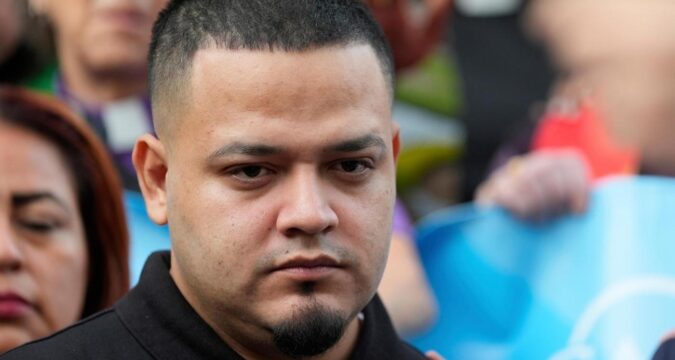
Judge orders Kilmar Abrego Garcia to be immediately released from immigration detention
GREENBELT, Md. — A federal judge in Maryland ordered Kilmar Abrego Garcia freed from immigration detention on Thursday while his legal challenge against his deportation moves forward.
U.S. District Judge Paula Xinis ruled that Immigration and Customs Enforcement must release Abrego Garcia from custody immediately.
“Since Abrego Garcia’s return from wrongful detention in El Salvador, he has been re-detained, again without lawful authority,” the judge wrote. “For this reason, the Court will GRANT Abrego Garcia’s Petition for immediate release from ICE custody.”
Justice Department and Homeland Security spokespeople didn’t immediately respond to messages seeking comment on the judge’s order. Messages seeking comment were left with Abrego Garcia’s attorney Simon Sandoval-Moshenberg.
Abrego Garcia, a Salvadoran national, has an American wife and child and has lived in Maryland for years, but he originally immigrated to the U.S. illegally as a teenager. An immigration judge in 2019 ruled Abrego Garcia could not be deported to El Salvador because he faced danger from a gang that targeted his family. When Abrego Garcia was mistakenly deported there in March, his case became a rallying point for those who oppose President Donald Trump’s immigration crackdown.
Abrego Garcia was returned to the U.S. under a court order. Since he cannot be deported to El Salvador, ICE has been seeking to deport him to a series of African countries. His lawsuit in federal court claims Trump’s Republican administration is illegally using the deportation process to punish Abrego Garcia over the embarrassment of his mistaken deportation to El Salvador.
Meanwhile, in a separate action in immigration court, Abrego Garcia is petitioning to reopen his immigration case to seek asylum in the United States.
Additionally, Abrego Garcia is facing criminal charges in federal court in Tennessee, where he has pleaded not guilty to human smuggling. He has filed a motion to dismiss the charges, claiming the prosecution is vindictive.
A judge has ordered an evidentiary hearing to be held on the motion after previously finding some evidence that the prosecution against Abrego Garcia “may be vindictive.” The judge said many statements by Trump administration officials “raise cause for concern.”
The judge specifically cited a statement by Deputy Attorney General Todd Blanche that seemed to suggest the Justice Department charged Abrego Garcia because he won his wrongful deportation case.
https://www.chicagotribune.com/2025/12/11/kilmar-abrego-garcia-immigration-detention-release/

Affordability Crisis: Challenging The Poverty Line
Affordability Crisis: Challenging The Poverty Line
Authored by Michael Lebowtiz via RealInvestmentAdvice.com,
Michael Green, Chief Strategist and Portfolio Manager at Simplify Asset Management, wrote a provocative Substack essay, Part 1: My Life Is A Lie, that is sparking a debate among economists and raising awareness of the affordability crisis. It’s not just the wonky economists debating the merits of his article; The Washington Post, CNN (News Central), FOX Business (Charles Payne), and social media are also critiquing it.
Michael uses the official poverty line calculation and what he deems the “Mathematical Valley” to help his readers better appreciate why affordability is becoming a hot topic.
The Poverty Line
Per Michael Green:
But there was one number I had somehow never interrogated. One number that I simply accepted, the way a child accepts gravity.
The poverty line.
I don’t know why. It seemed apolitical, an actuarial fact calculated by serious people in government offices. A line someone else drew decades ago that we use to define who is “poor,” who is “middle class,” and who deserves help. It was infrastructure—invisible, unquestioned, foundational.
This week, while trying to understand why the American middle class feels poorer each year despite healthy GDP growth and low unemployment, I came across a sentence buried in a research paper:
“The U.S. poverty line is calculated as three times the cost of a minimum food diet in 1963, adjusted for inflation.”
I read it again. Three times the minimum food budget.
I felt sick.
This article summarizes Michael Green’s perspective and opposing arguments regarding the poverty line. Bear in mind, as you read on, that there is no “right” poverty line. However, what Michael Green has successfully done is ignite a conversation about the large number of Americans who feel left behind economically and repeatedly raise affordability as a key political issue.
The 1963 Poverty Line Benchmark
Green’s analysis centers on the poverty line, which was established in the early 1960s by Mollie Orshansky. The original formula she developed was simple: take the cost of a basic basket of food for a family, multiply it by three (on the assumption that food accounted for about one-third of a household’s budget), and use that as the poverty threshold.
Her benchmark was then adjusted for inflation each year, but the underlying assumptions about household spending and needs haven’t been updated since. Per Green:
Orshansky’s food-times-three formula was crude, but as a crisis threshold—a measure of “too little”—it roughly corresponded to reality. A family spending one-third of its income on food would spend the other two-thirds on everything else, and those proportions more or less worked. Below that line, you were in genuine crisis. Above it, you had a fighting chance.
Notably, Green emphasizes that Orshansky’s poverty line served as a threshold. Those with incomes beneath this threshold were in crisis.
Orshanky’s Poverty Line Is Outdated
Green emphasizes the items we spend money on, and their costs compared to food prices have changed significantly since then. For example, he points out:
Housing costs as a percentage of income rose significantly.
Cell phones didn’t exist.
Healthcare costs have become the most significant expense for most families.
A second income became a necessity for many families after the formula was devised, leading to increased childcare expenses.
He also notes rising college and transportation costs.
Simply, feeding a family no longer constitutes a third of total family budgets. To wit, he states:
Housing now consumes 35 to 45 percent. Healthcare takes 15 to 25 percent. Childcare, for families with young children, can eat 20 to 40 percent.
Michael Green’s punchline:
Which means if you measured income inadequacy today the way Orshansky measured it in 1963, the threshold for a family of four wouldn’t be $31,200.
It would be somewhere between $130,000 and $150,000.
What does that tell you about the $31,200 line we still use?
It tells you we are measuring starvation.
Green’s Data Analysis
Green supports his theory with a basic family budget based on national averages. He applies it to a family earning the median household income of $80,000. The results, as we share below, cast significant doubt on the value of the current $31,200 poverty line. Furthermore, they argue that at least half of the nation is “living in deep poverty.” Per Green:
I wanted to see what would happen if I ignored the official stats and simply calculated the cost of existing. I built a Basic Needs budget for a family of four (two earners, two kids). No vacations, no Netflix, no luxury. Just the “Participation Tickets” required to hold a job and raise kids in 2024.
Using conservative, national-average data:
Childcare: $32,773
Housing: $23,267
Food: $14,717
Transportation: $14,828
Healthcare: $10,567
Other essentials: $21,857
Required net income: $118,009
Add federal, state, and FICA taxes of roughly $18,500, and you arrive at a required gross income of $136,500.
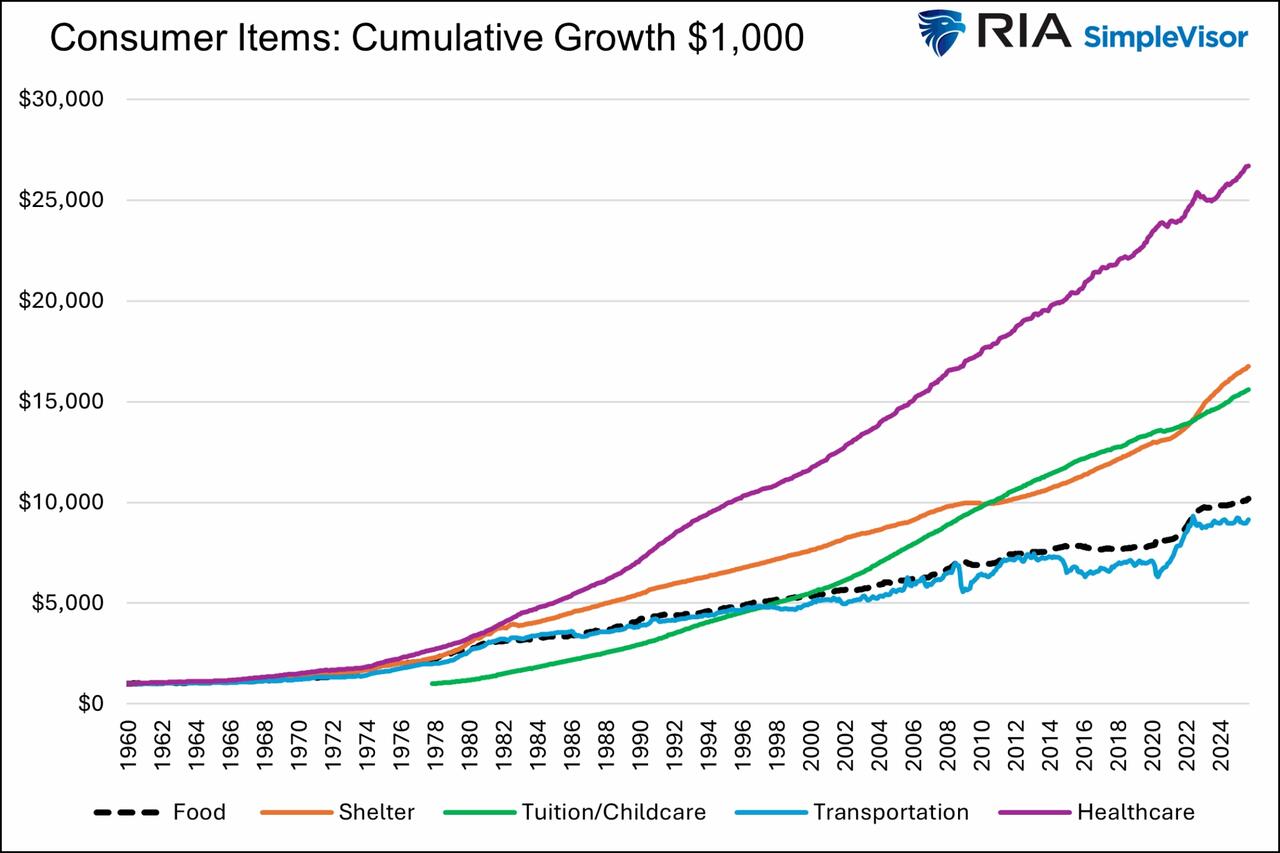
The graph below shows the cumulative price growth for $1,000 across many of the spending items Michael Green identifies above. As shown, except for transportation prices, all the others have significantly outpaced food prices. Thus, to Green’s point, a poverty line based on a steady price-consumption relationship for these goods and others in relation to food prices has become grossly ineffective.
Hedonics
Hedonics is a statistical method used by the BLS in the CPI report to distinguish pure price changes from changes in product quality and how those changes impact value.
For example, if a new laptop offers twice the performance at the same sticker price as an old one, hedonics treats that as a quality improvement and will record an effective price decline. Supporters say it prevents overstating inflation as products improve. In contrast, critics argue that it can understate inflation and relies on modeling choices that are impossible to validate.
Green is a critic. As we share below, he uses landline telephones and smartphones to make his point:
To function in 1955 society—to have a job, call a doctor, and be a citizen—you needed a telephone line. That “Participation Ticket” cost $5 a month.
Adjusted for standard inflation, that $5 should be $58 today.
But you cannot run a household in 2024 on a $58 landline. To function today—to factor authenticate your bank account, to answer work emails, to check your child’s school portal (which is now digital-only)—you need a smartphone plan and home broadband.
The cost of that “Participation Ticket” for a family of four is not $58. It’s $200 a month.
Green states that food prices, not hedonics, are the only primary factors used to compute the CPI for food. In his calculations, the rate of inflation across many other CPI items greatly exceeded the CPI’s reported rate, in part due to faulty hedonics.
Mathematical Valley
Michael Green introduces what he calls a “mathematical valley.” This idea illustrates a trap within the American economic system. The valley symbolizes the area where working families earn enough to lose government benefits but not enough to cover the actual cost of middle-class economic stability.
As families move from poverty into the lower middle class—usually earning between about $40,000 and $100,000—they lose access to safety net programs like food stamps, housing subsidies, or Medicaid. Still, their wages don’t keep up with the rising costs of housing, healthcare, childcare, and transportation. As a result, climbing the economic ladder can actually make families worse off financially because the loss of benefits outweighs the income gains.
This Valley creates a perverse incentive to stay poor or near-poor, traps millions in financial insecurity, and fuels widespread cynicism among the working poor who feel punished for trying to get ahead.
Green’s Summary
The Orshansky poverty line is based on the amount required to cover a minimum food budget times three. Since she developed her formula in 1963, the price of food has tracked below the broad CPI inflation rate. At the same time, many essential items have grown faster than food prices. To wit, food-at-home expenditures currently account for only 5 to 7 percent of spending, not the 33% assumed by Orshansky.
Therefore, because food prices are used as the basis for calculating the poverty line instead of a broader range of essential expenses, which have increased much more than food prices, the $31,200 poverty line is significantly understated. Additionally, the Mathematical Valley diminishes some incentives to earn more, thus resulting in affordability issues.
Arguing Against Green
While Michael Green makes a strong case that the poverty rate in this country is much higher than we think, and that affordability is becoming a hot topic, other opinions on Green’s article are worth considering. We summarize a few of them below.
Child Care Costs Exaggerated: While childcare is costly, it isn’t part of most budgets once their children are past the age of four or five.
Stuff is also cheaper: Green harps on things we buy that are more expensive, but some necessities, like clothing and electronics, are more affordable.
Real incomes are rising. While a good argument, it raises questions about whether CPI is a good indicator of actual costs.
What is the poverty line? To quote Alex Tabarrok of George Mason via the Washington Post: “He takes the poverty measure — and then turns it around and turns it into a middle-class measure,” Tabarrok said. “What do you need to be comfortable or thriving or middle class? Then, of course, you get a much bigger number. But to think that we today are living in some hellish landscape compared to our parents and even our grandparents is just a complete distortion of reality.”
Our Take- Summary
There isn’t a single inflation rate or poverty line. We live in a diverse country with many different regional economies. Also, families have unique needs and desires that can’t be summarized in one number. That said, no matter the poverty line, many American households are struggling.
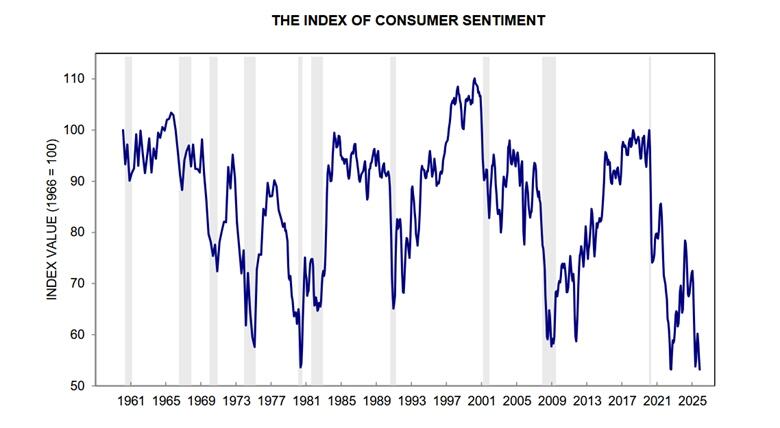
Remember when Obama ran on “Change”? He was followed by Trump, who ran twice on a similar message. The economic system remains broken for many Americans, and they are voicing concerns about affordability in election polls and sentiment surveys. Look at the graph below. According to the University of Michigan, consumer sentiment is at its lowest point since at least 1960!
Of course, diagnosing the affordability problem and fixing it are two different things. But it’s hard to fix the problem without being aware of it. Hopefully, Michael Green’s article is raising enough debate and awareness on affordability to inspire action.
Tyler Durden
Thu, 12/11/2025 – 11:05
https://www.zerohedge.com/personal-finance/affordability-crisis-challenging-poverty-line
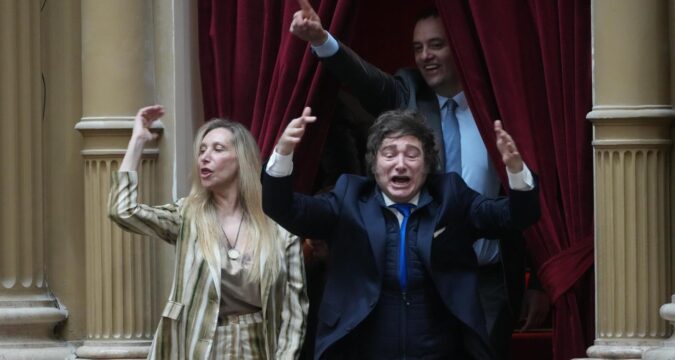
Milei envía reforma laboral al Congreso en busca de “transformación” del mercado argentino
Associated Press
BUENOS AIRES (AP) — El gobierno del presidente ultraliberal Javier Milei envió el jueves al Congreso un proyecto de reforma laboral con el que busca la transformación del mercado de trabajo que ha generado la resistencia del peronismo opositor y la principal central sindical del país.
Milei firmó el proyecto de Ley de Modernización Laboral y el gobierno anunció que la iniciativa fue remitida al Senado, la primera cámara que lo tratará durante el periodo de sesiones extraordinarias que comenzó la víspera y se extenderá, en principio, hasta fin de año.
El mandatario, un economista que viene aplicando desde su llegada al poder a fines de 2023 políticas de ajuste económico y reformas en distintos ámbitos, impulsa una serie de cambios en el mercado laboral en momentos en que su partido, La Libertad Avanza, se ha empoderado en el Parlamento luego de las elecciones de mitad de mandato del 26 de octubre en las que los argentinos respaldaron su gestión.
La iniciativa “representa la transformación más grande de la historia argentina en materia laboral”, dijo el jefe de Gabinete, Manuel Adorni en un posteo en X en el que aparece en una imagen junto a Milei, que está firmando la iniciativa.
El bloque peronista y la Confederación General del Trabajo (CGT) —la mayor central sindical— acordaron trabajar en una estrategia conjunta para bloquear el proyecto. Legisladores peronistas alertaron la víspera que los borradores que han circulado en los últimos días con la propuesta oficialista contienen medidas que perjudican a los trabajadores, como la flexibilización de las contrataciones y el abaratamiento de los despidos.
Al describir los alcances de la iniciativa —cuya letra pequeña no se difundió aún— el gobierno indicó que pretende deja atrás un modelo laboral obsoleto y avanzar hacia un sistema que genere más empleo formal.
Se trata de una reforma “destinada a actualizar un marco normativo” que ya no responde a las necesidades, señaló un comunicado del Ejecutivo. Como consecuencia, “millones de argentinos han sido expulsados del sistema y enfrentan enormes dificultades para acceder a un empleo estable y registrado”.
La tasa de informalidad laboral en Argentina es de 43,2%, según los últimos datos oficiales conocidos, lo que significa que cuatro de cada 10 trabajadores operan fuera del marco legal en el mercado de trabajo y en materia impositiva y de seguridad social.
El gobierno cuestionó los “altos costos derivados de la litigiosidad” imperantes, en referencia a los largos juicios laborales en la justicia, y que las “reglas imprecisas, burocracia excesiva y una estructura laboral rígida” han frenado la creación de empleo registrado, afectando especialmente a jóvenes y pequeñas y medianas empresas.
Acotó que pretende, entre otras cosas, simplificar la registración laboral, “precisar los componentes salariales que integran las indemnizaciones y modernizar licencias y procedimientos”.
Exhortó además a que el Parlamento le dé un tratamiento rápido a la iniciativa. El oficialismo deberá sumar el apoyo de fuerzas aliadas conservadoras en ambas cámaras. En el Senado —de 72 integrantes— el oficialismo amplió de 7 a 20 los miembros de su bancada. En la Cámara de Diputados suma 95 legisladores, siendo así la primera minoría en el cuerpo de 257 miembros.
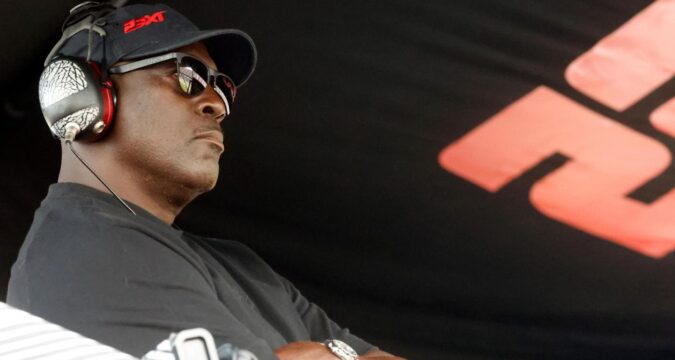
NASCAR settles federal antitrust lawsuit filed by two of its teams, including one co-owned by Michael Jordan
CHARLOTTE, N.C. — NASCAR reached a settlement Thursday of the bruising antitrust lawsuit filed against the stock car series by two of its race teams, including one co-owned by NBA great Michael Jordan.
“Today’s a good day,” Jordan said as he waited in the gallery for attorneys to announce the deal. Details were not immediately released.
The settlement came on the ninth day of the trial before U.S. District Judge Kenneth Bell, who set aside motions hearing for an hour-long sidebar. Jeffrey Kessler, attorney for 23XI Racing and Front Row Motorsports, emerged from a conference room at the end of the hour to inform a court clerk “we’re ready.” Kessler then led Jordan and 23XI co-owner Denny Hamlin, as well as Front Row owner Bob Jenkins, to another room for more talks.
23XI and Front Row filed their lawsuit last year after refusing to sign agreements on the new charter offers NASCAR presented in September 2024. Teams had until end of day to sign the 112-page document, which guarantees access to top-level Cup Series races and a revenue stream, and 13 of 15 organizations reluctantly agreed. Jordan and Jenkins sued instead and raced most of the 2025 season uncharted.
Both teams said a loss in the case would have put them out of business.
Bell told the jury that sometmes parties at trial have to see how the evidence unfolds to come to the wisdom of a settlement.
“I wish we could’ve done this a few months ago,” Bell said in court. “I believe this is great for NASCAR. Great for the future of NASCAR. Great for the entity of NASCAR. Great for the teams and ultimately great for the fans.”
All teams felt the previous revenue-sharing agreement was unfair and two-plus years of bitter negotiations led to NASCAR’s final offer, which was described by the teams as “take-it-or-leave it.” The teams believed the new agreement lacked all four of their key demands, most importantly the charters becoming permanent instead of renewable.
The settlement followed eight days of testimony in which the Florida-based France family, the founders and private owners of NASCAR, were shown to be inflexible in making the charters permanent.
When the defense began its case Wednesday it seemed focused more on mitigating damages than proving it did not act anticompetitively.
An economist earlier testified 23XI and Front Row were owed over $300 million in damages.
https://www.chicagotribune.com/2025/12/11/nascar-settles-antitrust-lawsuit-michael-jordan/
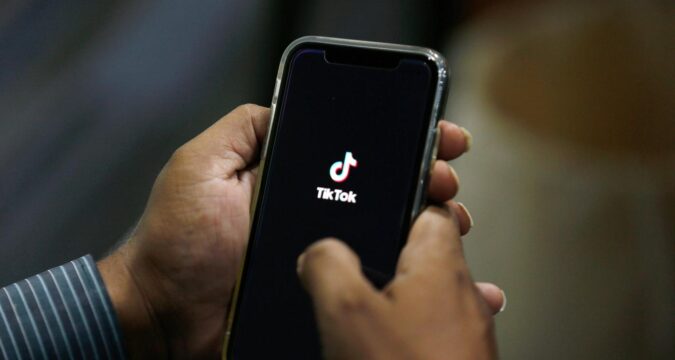
Pakistán insta a redes sociales a eliminar cuentas vinculadas con grupos extremistas
Por MUNIR AHMED
ISLAMABAD (AP) — Pakistán instó el jueves a las principales plataformas de redes sociales a tomar medidas contra las cuentas vinculadas a grupos extremistas, advirtiendo que la falta de acción podría llevar a medidas gubernamentales más estrictas o acciones legales.
En una conferencia de prensa en Islamabad, el viceministro del Interior, Talal Chaudhry, declaró que decenas de cuentas en X estaban operando desde los países vecinos Afganistán, India y otros lugares del mundo, difundiendo contenido extremista y ayudando a grupos proscritos.
Presentó lo que describió como evidencia documental y afirmó que los radicales se estaban beneficiando del apoyo dentro de los dos países.
No ha habido comentarios desde Kabul o Nueva Delhi.
Se estima que 70 millones de personas en Pakistán —una nación de aproximadamente 250 millones— utilizan plataformas de redes sociales. Chaudhry indicó que Pakistán actualmente está sirviendo como “un muro entre los terroristas y el mundo”, y advirtió que los grupos que operan contra Pakistán podrían eventualmente amenazar a otras naciones.
Pakistán ha presenciado un aumento de la violencia en los últimos meses, en su mayoría reivindicada por el Ejército de Liberación de Baluchistán, o BLA, y los talibanes paquistaníes, conocidos como Terik-e-Talibán-Pakistán o TTP. El TTP es una facción separada pero aliada con los talibanes afganos, que tomaron el poder en Afganistán en agosto de 2021.
Muchos líderes y combatientes del TTP han encontrado refugio en Afganistán desde entonces.
Pakistán a menudo acusa a Afganistán e India de apoyar al BLA y al TTP, acusaciones que ambos vecinos niegan.
Chaudhry señaló que los investigadores paquistaníes identificaron recientemente al menos 19 cuentas de X que estaban vinculadas a extremistas y estaban siendo operadas desde India. Más de dos docenas de cuentas adicionales de este tipo están activas desde Afganistán, algunas con aparentes vínculos con el gobierno talibán afgano, dijo.
“Esto es un asunto de seria preocupación”, afirmó Chaudhry. “Kabul no solo está dando refugio a milicianos sino que, en algunos casos, elementos del gobierno afgano están brindando patrocinio a individuos que difunden material de odio y contenido terrorista contra Pakistán”. Dijo que Islamabad ha pedido repetidamente a Kabul que no permita que los militantes utilicen suelo afgano para ataques en Pakistán.
“No queremos prohibir las plataformas de redes sociales”, expresó Chaudhry. “Pero nos veremos obligados a hacer lo que no queremos si no obtenemos cooperación”, añadió.
Chaudhry sostuvo que hasta ahora la cooperación de X ha sido limitada, mientras que plataformas como WhatsApp, YouTube, Telegram y Facebook han comenzado a ayudar a Pakistán a identificar cuentas que difunden contenido extremista. Instó a las empresas de redes sociales a abrir oficinas en Pakistán para una mejor coordinación y pidió el uso de inteligencia artificial para detectar y eliminar cuentas duplicadas que glorifican a grupos violentos o promueven discursos de odio.
Aunque Pakistán aún no ha tomado acciones legales contra X, el viceministro de Justicia, Aqeel Malik, quien también habló en la conferencia de prensa, sugirió que el gobierno podría considerar medidas similares a las de Brasil, donde el Tribunal Supremo multó a la plataforma por no proporcionar datos de registro vinculados a cuentas que difunden desinformación.
En los últimos años, Pakistán ha prohibido brevemente YouTube, TikTok y X, a menudo acusando a las plataformas de compartir contenido odioso, obsceno o antiestatal. A principios de este año, el parlamento de Pakistán aprobó un proyecto de ley controvertido que otorgará al gobierno amplios controles sobre las redes sociales, incluyendo enviar a los usuarios a prisión por difundir desinformación.
___________________________________
Esta historia fue traducida del inglés por un editor de AP con ayuda de una herramienta de inteligencia artificial generativa.

EEUU jugará contra Senegal el 31 de mayo en amistoso previo al Mundial
Associated Press
FAYETTEVILLE, Georgia, EE.UU. (AP) — Estados Unidos enfrentará a Senegal en un encuentro amistoso el 31 de mayo en Charlotte, Carolina del Norte, el penúltimo partido de los estadounidenses antes de su debut en la Copa del Mundo.
Estados Unidos disputará cuatro fogueos previo al Mundial del cual es coanfitrión con con México y Canadá. Los estadounidenses jugarán contra Bélgica el 28 de marzo y contra Portugal, tres días después, ambos en Atlanta.
Después de enfrentarse a Senegal, el siguiente ensayo de Estados Unidos será contra Alemania el 6 de junio en Chicago.
Los tres rivales europeos del equipo dirigido por el técnico argentino Mauricio Pochettino se encuentran dentro de los 10 primeros del actual ranking de la FIFA, con Senegal en el puesto 19. Estados Unidos ocupa la 14ta plaza.
Este será el primer encuentro entre los estadounidenses y Senegal. La Federación de Fútbol de Estados Unidos anunció el jueves el encuentro ante la nación africana.
En el Mundial, Estados Unidos abrirá el Grupo D contra Paraguay, el 12 de junio en Inglewood, California, enfrentará a Australia, siete días después en Seattle y cerrará la fase de grupos de nuevo en Inglewood el 25 de junio contra el ganador del repechaje europeo entre Turquía, Eslovaquia, Rumania y Kosovo.
Senegal comenzará el Grupo I contra Francia, el 16 de junio y ante Noruega, seis días después, ambos en East Rutherford, Nueva Jersey. Los Leones de Teranga terminarán la primera ronda el 26 de junio en Toronto contra el ganador del repechaje intercontinental entre Bolivia, Irak y Surinam.
___
Deportes AP: https://apnews.com/hub/deportes
Juez ordena la libertad inmediata de Kilmar Ábrego García
GREENBELT, Maryland, EE.UU (AP) — Juez ordena la libertad inmediata de Kilmar Ábrego García.
https://www.chicagotribune.com/2025/12/11/juez-ordena-la-libertad-inmediata-de-kilmar-brego-garca/