Category: News
Impeachment Articles Filed Against Robert F. Kennedy Jr.
Impeachment Articles Filed Against Robert F. Kennedy Jr.
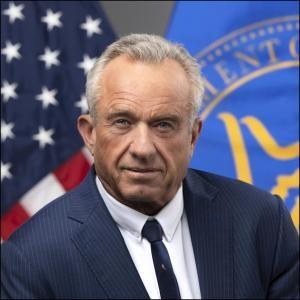
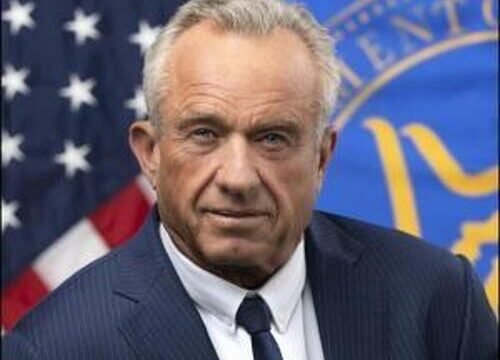
I recently wrote about the absurdity of the Democratic effort to impeach Defense Secretary Pete Hegseth. I have also opposed Republican calls to impeach judges. Impeachment mania has returned for the midterm elections. However, on the scale of utter lunacy, the call to impeach Health and Human Services (HHS) Secretary Robert F. Kennedy Jr. takes the cake.
This effort is being led by Rep. Haley Stevens (D-MI), who is running for Senate and has decided that the best way to achieve that distinction is to turn the constitutional process into a mockery.In academic writings, testimony (including at the impeachment hearings of Clinton, Trump, and Biden), and litigation (as the lead counsel in the last judicial impeachment trial), I have long argued against such ill-defined articles for impeachment.Stevens is seeking to impeach Kennedy for turning “his back on science”:
“Today, I formally introduced articles of impeachment against Robert F. Kennedy, Jr. RFK Jr. has turned his back on science and the safety of the American people. Michiganders cannot take another day of his chaos.”
Many Americans welcome Kennedy’s efforts to make food healthier and to challenge the status quo at HHS. Others, like Stevens, have strong objections to those policies. This is a good-faith and worthy debate for us to have. For years, there was little debate on such questions.
Indeed, in the prior Administration, to challenge prevailing expert opinion was to risk being labeled a wingnut or conspiracist. The very same people who are calling for Kennedy’s head were part of the mob denouncing dissenters in the scientific community, or those who remained silent as scientists were fired, censored, and cancelled.
The most anti-science position was to demand compliance with the orthodoxy of the pandemic years. Take Jay Bhattacharya, who co-authored the Great Barrington Declaration and was a vocal critic of COVID-19 policies.
Bhattacharya is now the 18th director of the National Institutes of Health and is working with Kennedy to change the culture of groupthink among health researchers and regulators in the government.
Bhattacharya was censored, blacklisted, and vilified due to his opposing views on health policy, including opposing wholesale shutdowns of schools and businesses. He was recently honored with the prestigious “Intellectual Freedom” award from the American Academy of Sciences and Letters.
He was one of many who were blacklisted for challenging pandemic policies. It did not matter that positions once denounced as “conspiracy theories” have been recognized or embraced by many.
Some argued that there was no need to shut down schools, which has led to a crisis in mental illness among the young and the loss of critical years of education. Other nations heeded such advice with more limited shutdowns (including keeping schools open) and did not experience our losses.
Others argued that the virus’s origin was likely the Chinese research lab in Wuhan. That position was denounced by the Washington Post as a “debunked” coronavirus “conspiracy theory.” The New York Times Science and Health reporter Apoorva Mandavilli called any mention of the lab theory “racist.”
Federal agencies now support the lab theory as the most likely based on the scientific evidence.
Likewise, many questioned the efficacy of those blue surgical masks and supported natural immunity to the virus — both positions were later recognized by the government.
Others questioned the six-foot rule, which shut down many businesses, as unsupported by science. In congressional testimony, Dr. Anthony Fauci recently admitted that the rule “sort of just appeared” and “wasn’t based on data.” Yet not only did it result in heavily enforced rules (and meltdowns) in public areas, but the media further ostracized dissenting critics.
Again, Fauci and other scientists did little to stand up for these scientists or call for free speech to be protected. As I discuss in my new book, “The Indispensable Right,” the result is that we never really had a national debate on many of these issues and the result was massive social and economic costs.
The point is that these attacks were “turning your back on science” by crushing dissent and stopping any meaningful debate on these issues. These same figures were wrong on the science, but now seek to lead another mob to impeach those seeking to change policies and practices at HHS and NIH.
Democrats clearly oppose Kennedy’s initiatives. Fine. Use legislation and the power of the purse to push back on those efforts if you have a majority in Congress. What you should not do is use impeachment to achieve what you could not achieve during the confirmation process.
Many on the left appear to have a particular hatred for Kennedy as a type of fallen angel, a progressive from an iconic Democratic family who rejected the party’s intolerance and direction. Hell hath no fury like a party scorned.
The pledges of new impeachments are ominous going into the midterm elections, where Democrats appear to be promising more of the same dysfunctional efforts to use this constitutional process for raw partisan advantage. Even with those who oppose Trump Administration policies, it is hard to believe that a majority of Americans want to return to the same chaos of the first term.
Tyler Durden
Thu, 12/11/2025 – 13:45
https://www.zerohedge.com/political/impeachment-articles-filed-against-robert-f-kennedy-jr

Técnico de Girona dice que el arquero Livakovic no volverá a jugar para el equipo
Por TALES AZZONI
MADRID (AP) — El técnico de Girona fustigó el jueves al arquero croata Dominik Livakovic por no priorizar al club y afirmó que no volverá a jugar para el equipo.
Míchel expresó que el portero suplente se negó a jugar en un partido reciente y quiere salir del club catal´na. Comentó que Livakovic sólo estaba preocupado por la Copa del Mundo.
Livakovic es un tío (persona) espectacular, pero él tiene una línea de tiempo con sus objetivos diferente a los objetivos de Girona”, señaló Míchel. “Él necesita jugar por el mundial, no por Girona, y él me lo dijo. Es sincero y yo también. Es así”.
Míchel señaló que Livakovic, de 30 años y quien está cedido por el Fenerbahce turco, le dijo que no quiere jugar porque quiere seguir siendo elegible para jugar en otro club. Los jugadores solo pueden militar para dos equipos en una temporada y Livakovic ya lo hizo con Fenerbahce.
Míchel mencionó que quería que Livakovic jugara un partido de la Copa del Rey a principios de este mes, pero se negó, obligando al titular Paulo Gazzaniga a atajar con gripe y fiebre alta.
“Gazzaniga lleva tres años haciendo cosas muy buenas”, dijo Míchel sobre el argentino. “Ha tenido errores, como todo el mundo, pero su compromiso está fuera de duda. Yo cuando compiten por la posición siempre he dicho que cuando uno da el cien por cien juega. Pero este no es mi problema porque yo no puedo contar con Livakovic. Espero que en el mercado de invierno demos una solución”.
Míchel dijo que decidió hacer público lo que debería haber sido un asunto privado porque “la afición lo necesita saber”.
Gazzaniga ha tenido una temporada irregular, incluyendo algunos errores embarazosos. Ocurrió en el partido inaugural de La Liga española del equipo y nuevamente el domingo, cuando sus fallos propiciaron dos goles Elche.
Girona se encuentra en el puesto 18 en la clasificación de la liga, dentro de la zona de descenso.
___
Deportes AP: https://apnews.com/hub/deportes

Family of Krystal Rivera files suit against CPD, partner who shot her, while alleging pair had romantic relationship
In late May, Chicago Police officer Krystal Rivera ended an off-and-on romantic relationship with her partner, fellow officer Carlos Baker, according to her family and attorneys.
Police Officer Krystal Rivera was shot and killed during an armed confrontation in a Chatham apartment on June 5, 2025. (Chicago Police Department)
Just days later, Baker shot and killed her while the two tactical officers tried to arrest a weapons suspect on the South Side. Rivera, 36, was the first CPD officer to die in a friendly fire incident in nearly 40 years.
Rivera’s family on Thursday filed a nine-count lawsuit against Baker, the city and Chicago Police Department, alleging willful and wanton conduct, negligence and intentional infliction of emotional distress.
“Every day is painful as we continue to grieve the loss of my daughter, Krystal,” Rivera’s mother, Yolanda Rivera, said at a press conference Thursday. “Her child, her sisters, our family, (and) an entire community miss her deeply.
“From this moment forward, my purpose is simple: that those responsible for her death must be held accountable.”
Attorneys for Rivera’s family said Baker was profoundly unfit to be a police officer, as demonstrated by the 11 misconduct complaints in which he was a subject in the years before he shot and killed Rivera. In the moments after the June 5 shooting, Baker did not call a dispatcher for help, nor did he attempt first aid on Rivera, her family’s attorneys said. Instead, he ran from the scene.
“He never should have been a Chicago Police officer. He never should have got past his probationary period. He was not fit to police our communities, let alone carry a gun under the color of law,” attorney Antonio Romanucci said Thursday.
“Against all decency, her partner not only shot her, but ran in an opposite direction and left her to die,” Romanucci added.
Representatives for the city and CPD declined to comment on the pending litigation. Baker did not immediately respond to a request for comment.
Rivera, a four-year CPD veteran with a young daughter, was killed after the Gresham (6th) District tactical team she was part of tried to check on a report of an individual with a weapon at about 9:50 p.m. on June 5 in the 8200 block of South Drexel Avenue.
Police search a residential building at the scene where Officer Krystal Rivera was shot near the 8200 block of South Drexel Avenue in the Chatham neighborhood on June 5, 2025, in Chicago. (Armando L. Sanchez/Chicago Tribune)
Authorities previously said that Rivera was running down a hallway when she was shot. Her fellow officers rushed her to the University of Chicago Medical Center, where she was soon pronounced dead.
Thursday, though, Romanucci said Rivera was in a tactical position, standing behind Baker, when she was shot.
Records show the Civilian Office of Police Accountability’s shooting investigation remains open.
The Cook County medical examiner’s office found Rivera was shot in her left flank from behind. The fatal shot pierced her skin near her left armpit and traveled through both her lungs, wedging itself in her ribs, autopsy records show.
“Because the lethal injury was caused by another individual who volitionally fired a weapon knowing the action could cause death,” Rivera’s autopsy report stated. “The manner is HOMICIDE.”
Though two men now face an array of weapons and narcotics charges in connection with the shooting, neither faces a count of murder in her death. The two, Adrian Rucker and Jaylin Arnold, remain held in the Cook County Jail as their cases progress. CPD bodyworn camera footage that captured the shooting also remains withheld from public view.
In August, the Civilian Office of Police Accountability opened an investigation after Baker allegedly battered an off-duty female CPD officer at a bar in Wicker Park. Soon after, he was stripped of his police powers after he allegedly tried to interfere with CPD’s investigation of the battery.
Maura White, another attorney for Rivera’s family, said a 2022 complaint against Baker alleged that he brandished a gun at a former romantic partner when she was on a date with another person. That investigation was “dropped” after three months.
The next year, in 2023, Rivera and Baker began their relationship, lawyers said. It would continue “on-and-off” for another two years.
In early 2025, Rivera learned that Baker was dating another woman who he was also residing with. Rivera, to that point unaware of Baker’s other relationship, told him that she planned to speak with the other woman. Baker tried to dissuade her, and Rivera ended the relationship in late May 2025, according to the court document.
On June 4, Baker “show(ed) up uninvited” at Rivera’s home after she told him to stay away. The following day, Baker fatally shot her.
Rivera’s family’s attorneys noted, too, that in the months before her death, Rivera “told her supervisors that Carlos Baker was reckless” and requested that she be reassigned with a new partner.
“CPD failed to protect Krystal,” her mother said through tears Thursday. “There were opportunities to intervene, and yet, nothing was done.
“Krystal believed in justice, and that belief is what led her to wear her badge every day. Now I ask the city of Chicago directly, where is justice for Krystal?”
The first hearing in the case is scheduled for February 2026.
https://www.chicagotribune.com/2025/12/11/krystal-rivera-lawsuit/

Bad Bunny inunda de salsa y plena su regreso a la Ciudad de México
Por BERENICE BAUTISTA
CIUDAD DE MÉXICO (AP) — Bad Bunny llenó de salsa, bomba y plena el Estadio GNP Seguros en su regreso a la Ciudad de México.
A pesar de la ligera lluvia y un resbalón, el astro puertorriqueño tuvo la noche del miércoles un retorno triunfal después de tres años de ausencia en el territorio mexicano, al presentar el primero de ocho conciertos con entradas agotadas que ofrecerá como parte de su gira “DeBÍ TiRAR MáS FOToS”.
Acompañado de toda una orquesta salsera y de Los Pleneros de la Cresta, su presentación sirvió como preámbulo para su show en el Super Bowl de 2026.
La carrera de Bad Bunny se ha caracterizado por su defensa de la identidad latinoamericana y del español como su medio de expresión. Es el primer músico nominado a tres categorías principales de los Grammy, incluyendo grabación, álbum y canción del año, por música totalmente en castellano y con un álbum en el que rinde homenaje a la música puertorriqueña como “DeBÍ TiRAR MáS FOToS”. Los Grammy se entregarán el 1 febrero del próximo año.
Además, este año Bad Bunny recuperó su trono como el artista más escuchado del mundo en Spotify. Un título que obtiene por cuarta vez y tras haberlo conseguido en tres años consecutivos entre 2020 y 2022.
“Este show se trata… de la unión de Puerto Rico con México y de América Latina”, dijo antes de interpretar “BAILE INoLVIDABLE”, uno de sus temas con salsa. “Y disfrutar esta noche, disfrutar este momento que no se va a repetir”.
Otros de sus invitados puertorriqueños fueron el grupo Chuwi para la primera parte del concierto en la que interpretó temas como “WELTiTA” y “PIToRRO DE COCO”.
En la sección del concierto en su famosa casita, Bad Bunny habló más de su defensa de la música y la identidad de la región.
“Gracias por haber permitido que lo que tú estás escuchando ahora, es plena de Puerto Rico, mi tierra, mi país, haya llegado tan lejos como lo hicieron ustedes”, señaló. “Lo llevo con orgullo, los represento a ustedes también, a toda la raza latina en el mundo entero, yo quiero que todo el que esté orgulloso de ser de aquí, de esta tierra, como lo estamos nosotros de la nuestra, el que esté orgulloso de ser latino, como lo estamos nosotros, cante”, agregó al interpretar “CAFé CON RON”.
Este es un sentimiento que comparten sus fans que se sienten identificados con un músico orgulloso de sus raíces latinas.
“Me impacta la magnitud del impacto a nivel social, me sorprende … Me encanta que la gente quiera hablar español por él”, dijo a la entrada del concierto María Fernanda Simón, psicóloga de 35 años. “Mucho tiempo … todo lo anglo, lo gringo, lo güero, el inglés era lo ‘in’, lo ‘fashion’ y ahorita verlo al revés me hace sentir emoción, como que ser latino está ‘cool’”.
Varios en el público llevaban pavas, o sombreros de jíbaro puertorriqueño, de factura artesanal mexicana.
Un gran regreso
Bad Bunny no se había presentado en concierto en el país desde 2022 cuando conquistó el Estadio Azteca en dos noches. Ahora lo verá mucha más gente en sus ocho fechas en el GNP para un total de casi medio millón de asistentes.
En varias ocasiones, Bad Bunny agradeció al público por apoyarlo desde el comienzo de su carrera en el lejano 2017, cuando debutó en escenarios mexicanos en el Pepsi Center, un foro con capacidad para unos 7.000 asistentes.
“Creyeron en mí antes de que el mundo entero lo hiciera”, dijo antes de interpretar “Mónaco”. “Han sido justo ustedes y gracias a ustedes, ¡viva México cabrones!”.
El público, que en su mayoría llevaba puestas linternas con forma de cámara fotográfica que les fueron entregadas a la entrada como souvenir, le respondió con una ovación.
Momentos irrepetibles e inesperados
Los conciertos de Bad Bunny incluyen canciones sorpresa exclusivas que no se tocan en otra fecha o en otra ciudad de la gira. Para el concierto del 10 de diciembre en la Ciudad de México, Bad Bunny interpretó su sencillo “Chambea” de 2017.
También incluyó una animación con el sapo Concho que aparece en el cortometraje de “DeBÍ TiRAR MáS FOToS” protagonizado por Jacobo Morales. En la animación para México, el anfibio contó todo lo que había comido y los lugares que había visitado en la capital, incluyendo el Zócalo, los tacos de birria y el pozole.
Antes de que comenzara el concierto cayó una lluvia ligera en la Ciudad de México. Al parecer el techo mojado de la casita de Bad Bunny, sobre el cual cantó a la mitad de la presentación, quedó demasiado resbaloso por el agua y esto provocó que se cayera de sentón. Rápidamente, se puso de pie y siguió cantando “Efecto”. La lluvia volvió con más intensidad hacia el final de la presentación. Pero ni la caída ni el agua hicieron que el ánimo del público se apagaran.
La gira de Bad Bunny continuará con siete conciertos en la Ciudad de México, tras esto viajará a Chile, Perú y Colombia. Su gran noche en el Super Bowl será el 8 de febrero. Luego seguirá su gira en Argentina.
Solid 30Y Auction Stops Through, Easing Long-End Selloff Concerns
Solid 30Y Auction Stops Through, Easing Long-End Selloff Concerns
After two impressive coupon auctions ahead of yesterday’s FOMC, moments ago we got the week’s final auction, a sale of $22BN in 30Y paper. The auction was solid: it through, with a bounce in the bid to cover and solid buyside demand despite a modest dip in foreign bidders.
Here are the details.
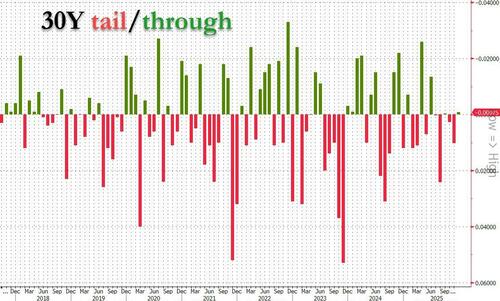
The auction stopped at a high yield of 4.773%, up from 4.694% in November, although unlike the November auction, today’s auction stopped through the 4.774% When Issued by 0.1bps. This was the first through since September, and only the second in the past 6 months.
The bid to cover rose to 2.365% from 2.295% in November, and was just fractionally above the 2.355% six auction average.
The internals showed continued solid buyside demand: Indirects were awarded 65.4%, down from 71.0% in November. but stripping away that one outlier auction, the foreign demand was the highest since January. And with Directs taking 23.5%, in line with the recent average of 23.9%, Dealers were left with 11.2%, down from 14.5% last month and below the six auction average of 12.5%.
Overall, this was another solid auction with impressive demand and refuting creeping concerns about rapidly rising long-end yields amid a global bond selloff, one which for now at least has avoided the US.
Tyler Durden
Thu, 12/11/2025 – 13:30
https://www.zerohedge.com/markets/solid-30y-auction-stops-through-easing-long-end-selloff-concerns
Senado de EEUU rechaza ampliar subsidios de salud: aumentarán costos para millones de personas
Por MARY CLARE JALONICK
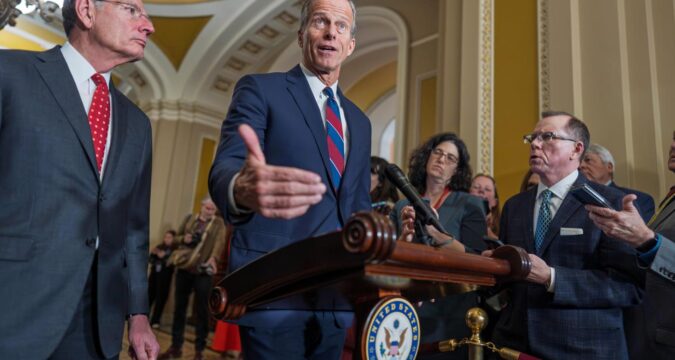
WASHINGTON (AP) — El Senado rechazó el jueves una legislación para extender los créditos fiscales de la Ley de Cuidado de Salud Asequible, lo que esencialmente garantiza que millones de estadounidenses verán un fuerte aumento en los costos al comienzo del año.
Los senadores rechazaron un proyecto demócrata para extender los subsidios por tres años y una alternativa republicana que habría creado nuevas cuentas de ahorro para la salud, un final poco ceremonioso para un esfuerzo de meses por parte de los demócratas para evitar que los subsidios de la era COVID-19 expiren el 1 de enero.
Antes de las votaciones, el líder de la minoría demócrata, Chuck Schumer de Nueva York, advirtió a los republicanos que si no votaban para extender los créditos fiscales, “no habrá otra oportunidad para actuar” antes de que las primas aumenten para muchas personas que compran seguros fuera de los mercados de la ley, conocida como ACA.
“Evitemos un desastre”, afirmó Schumer. “El pueblo estadounidense está observando”.
Los republicanos han argumentado que los planes de la Ley de Cuidado de Salud Asequible son demasiado caros y necesitan ser reformados. Las cuentas de ahorro para la salud en el proyecto republicano darían dinero directamente a los consumidores en lugar de a las compañías de seguros, una idea que ha sido respaldada por el presidente Donald Trump. Pero los demócratas rechazaron inmediatamente el plan, diciendo que las cuentas no serían suficientes para cubrir los costos de la mayoría de los consumidores.
Algunos republicanos han instado a sus colegas a extender los créditos, incluido el senador Thom Tillis de Carolina del Norte, quien pidió votar por una extensión a corto plazo para poder encontrar un acuerdo sobre el tema el próximo año. “Es demasiado complicado y difícil de lograr en el tiempo limitado que nos queda”, expresó Tillis el miércoles.
Pero a pesar del deseo bipartidista de continuar con los créditos, los republicanos y los demócratas nunca han entablado negociaciones significativas o de alto nivel sobre una solución, incluso después de que un pequeño grupo de demócratas centristas llegara a un acuerdo con los republicanos el mes pasado para poner fin al cierre del gobierno a cambio de una votación sobre la extensión de los subsidios. La mayoría de los legisladores demócratas se opusieron a la medida, ya que muchos republicanos dejaron claro que querían que los créditos fiscales expiraran.
El acuerdo generó esperanzas de un compromiso bipartidista en el cuidado de la salud. Pero eso se desvaneció rápidamente ante la falta de conversaciones bipartidistas reales.
Las votaciones enfrentadas en el Senado son el último duelo de mensajes en un Congreso que ha operado casi enteramente en términos partidistas, ya que los republicanos impulsaron una ley de recortes de impuestos y gastos este verano utilizando maniobras presupuestarias que eliminaron la necesidad de votos demócratas. También modificaron las reglas del Senado para superar un bloqueo demócrata de todos los nominados de Trump.
Un problema complicado
Las votaciones también fueron el último intento fallido en el debate sobre la Ley de Cuidado de Salud Asequible, la ley emblemática del presidente Barack Obama que los demócratas aprobaron siguiendo líneas partidistas en 2010 para expandir el acceso a la cobertura de seguros.
Los republicanos han intentado sin éxito desde entonces derogar o reformar la ley, argumentando que la atención médica sigue siendo demasiado cara, pero no han ofrecido una alternativa. Mientras tanto, los demócratas han hecho del tema una retórica central en varias elecciones, apostando a que los millones de personas que compran atención médica en los mercados gubernamentales quieren mantener su cobertura.
“Cuando los pagos mensuales de las personas aumenten el próximo año, sabrán que fueron los republicanos quienes lo hicieron posible”, declaró Schumer en noviembre, dejando claro que los demócratas no buscarían un compromiso.
Incluso si lo ven como una victoria política, las votaciones fallidas son una pérdida para los demócratas que exigieron una extensión de los beneficios mientras forzaban un cierre del gobierno durante seis semanas en octubre y noviembre, y para los millones de personas que enfrentan aumentos en las primas en enero.
El senador Angus King de Maine, un independiente que vota con los demócratas, indicó que el grupo intentó negociar con los republicanos después de que terminó el cierre. Pero, dijo, las conversaciones se volvieron improductivas cuando los republicanos exigieron añadir límites a la cobertura del aborto, lo cual era una “línea roja” para los demócratas. Dijo que los republicanos iban a “hacerse responsables de estos aumentos”.
Muchos planes, poco acuerdo
Los republicanos han utilizado la inminente expiración de los subsidios para renovar sus críticas a la iniciativa llamada Obamacare.
Thune anunció a principios de esta semana que la conferencia del Partido Republicano había decidido votar sobre el proyecto liderado por el senador Bill Cassidy de Luisiana, presidente del Comité de Salud, Trabajo, Educación y Pensiones del Senado, y el senador Mike Crapo de Idaho, presidente del Comité de Finanzas del Senado, incluso cuando varios senadores republicanos propusieron ideas alternativas.
El presidente de la Cámara de Representantes, el republicano Mike Johnson, ha prometido una votación la próxima semana. Los republicanos sopesaron diferentes opciones en una reunión de conferencia el miércoles, sin un consenso aparente.
Los moderados republicanos en la Cámara que podrían tener candidaturas de reelección competitivas el próximo año están presionando a Johnson para encontrar una manera de extender los subsidios. Pero los miembros más conservadores quieren ver la ley reformada.
El representante republicano Kevin Kiley ha abogado por una extensión temporal, que dijo podría ser una apertura para dar más pasos en el cuidado de la salud.
Si no actúan y los costos de atención médica aumentan, la calificación de aprobación del Congreso “será aún más baja”, señaló Kiley.
_______________________________
Contribuyeron a esta nota los corresponsales Kevin Freking y Joey Cappelletti.
___________________________________
Esta historia fue traducida del inglés por un editor de AP con ayuda de una herramienta de inteligencia artificial generativa.

Ian McKellan will perform Shakespeare, and Gandalf, in Chicago
The actor Sir Ian McKellen, a Shakespearean actor also known as the wizard Gandalf in all three “Lord of the Rings” films, is coming to Chicago Shakespeare Theater for a one-night benefit performance in January.
According to an announcement Thursday, “One Knight Only” will play at 7 p.m. Jan. 30, 2026, in The Yard at Chicago Shakespeare Theater on Navy Pier. In addition to the public event, McKellen will present a free performance of the show for some 600 Chicago-area students and teachers. “One Knight Only” is described as McKellen “sharing his illustrious, 60-year career and reprising some of his most iconic roles. This will be his first performance in Chicago in 40 years.
McKellen is donating his performance as part of his activism to share Shakespeare in schools and support education, in recognition of Chicago Shakespeare’s longtime educational outreach programs.
Tickets go on sale to theater subscribers on Friday, to the public on Saturday. More information at www.chicagoshakes.com
dgeorge@chicagotribune.com
https://www.chicagotribune.com/2025/12/11/ian-mckellan-chicago-shakespeare/

Nueva fase de venta de entradas para el Mundial permite solicitar boletos para partidos específicos
Por JAMES ROBSON
Los aficionados del fútbol pudieron solicitar el jueves entradas para presenciar partidos específicos en la Copa del Mundo del próximo año por primera vez, ya que la FIFA abrió su última fase de ventas.
Tras el sorteo de la semana pasada para el torneo de 2026, en el que Estados Unidos, Canadá y México serán co-anfitriones, se publico un calendario actualizado.
Eso significa que los aficionados saben cuándo y dónde jugarán figuras como Lionel Messi y la campeona defensora Argentina. Los sorteos de entradas anteriores eran a ciegas, ya que el período de clasificación ni siquiera se había completado y el sorteo aún no se había realizado.
Ahora las naciones participantes han sido ubicadas en grupos, con sus posibles caminos a través del torneo determinados. Por ejemplo, Messi y Cristiano Ronaldo podrían encontrarse en los cuartos de final en Kansas City si tanto Argentina como Portugal salen primero de sus respectivos grupos.
Sin embargo, no se garantiza que los aficionados obtengan entradas para los partidos a los que se postulen.
La tercera fase de venta de entradas se llama “sorteo aleatorio” y los aficionados serán informados si han tenido éxito en la última lotería.
¿Cómo solicitar entradas en el sorteo aleatoria?
El sorteo se abrió el 11 de diciembre a las 11:00 en el Este de Estados Unidos (1600 GMT) y cierra el 13 de enero de 2026.
“El momento exacto en el que los aficionados se inscriban en el sorteo aleatorio no afectará a sus posibilidades de resultar elegidos”, dijo la FIFA.
Los aficionados pueden solicitar un máximo de cuatro entradas por hogar por partido y un máximo de 40 entradas durante todo el torneo a través del sitio web de la FIFA.
Los aficionados necesitarán un ID de la FIFA para solicitar entradas y pueden elegir a qué partidos y a qué categoría de precios quieren postularse.
Hay cuatro categorías, con los mejores asientos en la Categoría 1, y los asientos de la Categoría 4 en algún lugar alrededor de la parte superior de los estadios.
Los solicitantes exitosos serán notificados por correo electrónico en febrero y se les cobrará automáticamente.
Precios
La FIFA dijo en septiembre que los precios de las entradas oscilarían inicialmente entre 60 dólares para los partidos de la fase de grupos y 6.730 para la final. Esos precios están sujetos a cambios y en muchos casos probablemente se disparen ya que la FIFA utiliza precios dinámicos por primera vez en un Mundial.
La última vez que Estados Unidos fue anfitrión de la Copa del Mundo en 1994, los precios oscilaron entre 25 y 475. En Qatar 2022, los precios oscilaron entre alrededor de 70 y 1.600 cuando trascendieron los detalles de las entradas.
Las entradas para la final en el estadio MetLife de Nueva Jersey el 19 de julio ya están superando los 11.000 dólares en sitios de reventa secundarios.
Para este torneo, la FIFA también ha establecido su propia plataforma de reventa donde cobra una tarifa del 15% basada en el precio total de reventa.
Precios extorsivos
La FIFA asigna el 8% de las entradas a las asociaciones nacionales para los partidos que involucran a su equipo para vender a los aficionados que viajan.
Los precios de esas entradas comenzaron a circular el jueves.
En una lista publicada por la federación de fútbol alemana, los precios oscilaron entre 180 y 700 para los diferentes partidos de la fase de grupos.
El precio más bajo para la final fue de 4,185 y el más alto fue de 8,680.
Los precios fueron descritos como “extorsivos” por la organización de aficionados Football Supporters Europe.
“Esto es una traición monumental a la tradición de la Copa del Mundo, ignorando la contribución de los aficionados al espectáculo que es”, dijo la FSE en un comunicado.
Última oportunidad
La FIFA dijo que más cerca del torneo, cualquier entrada restante se pondrá a la venta general por orden de llegada.
No reveló un marco de tiempo para la liberación de esas entradas restantes.
___
Deportes AP: https://apnews.com/hub/deportes

Riverwoods suitcase with baby’s bones leads to woman’s arrest: ‘She is presumed to be the mother’
A Washington state woman was arraigned Thursday in Lake County on charges that she left the body of her newborn infant in a suitcase at a Riverwoods family residence five years ago.
Natalie Schram, 40, of the Bellingham area, appeared before Judge Michael Nerheim and entered a not guilty plea to four counts, including concealment of a death, which are all Class 4 felonies. Authorities said additional charges could be levied, depending on the ongoing investigation.
Schram’s attorney, Jonathan Bedi, asked the judge to allow his client to appear via Zoom at her next court date, which is in February. Nerheim granted the request and ordered that Schram go to the Riverwoods Police Department for processing within the next 48 hours.
Bedi declined to comment after the hearing.
Police say the body of the infant in the suitcase was discovered by a work crew on a residential property on or about May 5, 2020. Family members of Schram lived in the house in the 1800 block of Robinwood Lane, Riverwoods Detective David Martinovich said Thursday.
Martinovich, who has been following the case for five years and attended the arraignment, said items in the suitcase directly linked the body to Schram, along with DNA evidence and profiles created by the FBI.
“She is presumed to be the mother of the baby, based on the FBI analysis,” Martinovich said.
Martinovich said the remains of the newborn, which were bones, may have been in the suitcase for several years before it was discovered. He declined to comment when asked whether police think the child was born alive or was stillborn.
The detective said Schram had moved to Washington two to three years ago. Schram declined to be interviewed by police, he said.
According to court records, a grand jury issued a Jane Doe indictment in 2020. In July, a different panel reissued the indictment, this time naming Schram as the person allegedly responsible for concealing the child’s death.
She is also charged with abuse of a corpse and failing to notify the authorities of the death of a child.
https://www.chicagotribune.com/2025/12/11/newborn-baby-mother-charges/
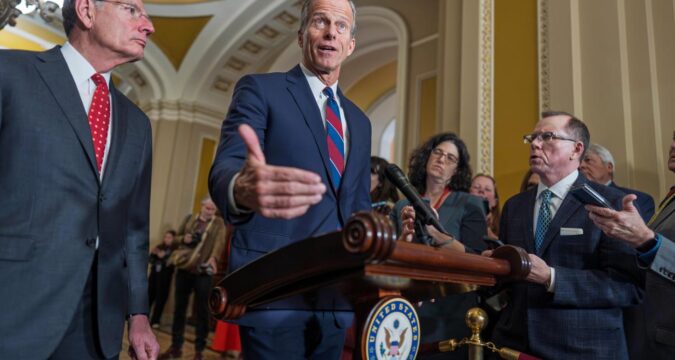
Senate rejects extension of health care subsidies as costs are set to rise for millions of Americans
WASHINGTON — The Senate on Thursday rejected legislation to extend Affordable Care Act tax credits, essentially guaranteeing that millions of Americans will see a steep rise in costs at the beginning of the year.
Senators rejected a Democratic bill to extend the subsidies for three years and a Republican alternative that would have created new health savings accounts — an unceremonious end to a monthslong effort by Democrats to prevent the COVID-19-era subsidies from expiring on Jan. 1.
Ahead of the votes, Senate Democratic Leader Chuck Schumer of New York warned Republicans that if they did not vote to extend the tax credits, “there won’t be another chance to act,” before premiums rise for many people who buy insurance off the ACA marketplaces.
“Let’s avert a disaster,” Schumer said. “The American people are watching.”
Republicans have argued that Affordable Care Act plans are too expensive and need to be overhauled. The health savings accounts in the GOP bill would give money directly to consumers instead of to insurance companies, an idea that has been echoed by President Donald Trump. But Democrats immediately rejected the plan, saying that the accounts wouldn’t be enough to cover costs for most consumers.
Some Republicans have pushed their colleagues to extend the credits, including Sen. Thom Tillis of North Carolina, who said they should vote for a short-term extension so they can find agreement on the issue next year. “It’s too complicated and too difficult to get done in the limited time that we have left,” Tillis said Wednesday.
But despite the bipartisan desire to continue the credits, Republicans and Democrats have never engaged in meaningful or high-level negotiations on a solution, even after a small group of centrist Democrats struck a deal with Republicans last month to end the 43-day government shutdown in exchange for a vote on extending the ACA subsidies. Most Democratic lawmakers opposed the move as many Republicans made clear that they wanted the tax credits to expire.
The deal raised hopes for bipartisan compromise on health care. But that quickly faded with a lack of any real bipartisan talks.
The dueling Senate votes are the latest political messaging exercise in a Congress that has operated almost entirely on partisan terms, as Republicans pushed through a massive tax and spending cuts bill this summer using budget maneuvers that eliminated the need for Democratic votes. They also tweaked Senate rules to push past a Democratic blockade of all of Trump’s nominees.
An intractable issue
The votes were also the latest failed salvo in the debate over the Affordable Care Act, President Barack Obama’s signature law that Democrats passed along party lines in 2010 to expand access to insurance coverage.
Republicans have tried unsuccessfully since then to repeal or overhaul the law, arguing that health care is still too expensive. But they have struggled to find an alternative. In the meantime, Democrats have made the policy a central political issue in several elections, betting that the millions of people who buy health care on the government marketplaces want to keep their coverage.
“When people’s monthly payments spike next year, they’ll know it was Republicans that made it happen,” Schumer said in November, while making clear that Democrats would not seek compromise.
Even if they view it as a political win, the failed votes are a loss for Democrats who demanded an extension of the benefits as they forced a government shutdown for six weeks in October and November — and for the millions of people facing premium increases on Jan. 1.
Maine Sen. Angus King, an independent who caucuses with Democrats, said the group tried to negotiate with Republicans after the shutdown ended. But, he said, the talks became unproductive when Republicans demanded language adding new limits for abortion coverage that were a “red line” for Democrats. He said Republicans were going to “own these increases.”
A plethora of plans, but little agreement
Republicans have used the looming expiration of the subsidies to renew their longstanding criticisms of the ACA, also called Obamacare, and to try, once more, to agree on what should be done.
Thune announced earlier this week that the GOP conference had decided to vote on the bill led by Louisiana Sen. Bill Cassidy, the chairman of the Senate Health, Labor, Education and Pensions Committee, and Idaho Sen. Mike Crapo, the chairman of the Senate Finance Committee, even as several Republican senators proposed alternate ideas.
In the House, Speaker Mike Johnson, R-La., has promised a vote next week. Republicans weighed different options in a conference meeting on Wednesday, with no apparent consensus.
Republican moderates in the House who could have competitive reelection bids next year are pushing Johnson to find a way to extend the subsidies. But more conservative members want to see the law overhauled.
Rep. Kevin Kiley, R-Calif., has pushed for a temporary extension, which he said could be an opening to take further steps on health care.
If they fail to act and health care costs go up, the approval rating for Congress “will get even lower,” Kiley said.
https://www.chicagotribune.com/2025/12/11/health-care-subsidies/