Category: News
General Mills Earnings Top Expectations But CEO Warns Of ‘K-Shaped’ Bifurcation
General Mills Earnings Top Expectations But CEO Warns Of ‘K-Shaped’ Bifurcation
General Mills reported better-than-expected quarterly earnings. Organic revenue fell 1% in the fiscal second quarter, much less than the Bloomberg Consensus estimate of -2.53%, while volumes remained flat after an 8% plunge in the first quarter. Still, the packaged food giant, with more than 100 brands worldwide, cautioned that a bifurcated consumer environment persists across North America.
“While we’re encouraged by the progress we’re making in improving volume, we’ve seen a change in consumer behavior this year that is driving an increase in the cost of volume across our categories,” CEO Jeff Harmening said in prepared remarks.
But Harmening warned about the “K-shaped” economy, also known as the bifurcated consumer environment, where middle-income and upper-income households are doing just fine, while lower-income, working-class households are under pressure from lingering effects of failed Bidenomics, which the Trump administration has been rushing to correct.
“More specifically, with lower- and middle-income consumers continuing to feel significant economic pressure, we’ve seen them make a greater proportion of their food purchases on promotion rather than at everyday prices,” the CEO pointed out.
He added, “And this has not been driven by increased frequency or depth of promotions by General Mills or our competitors – those metrics are essentially unchanged from a year ago. It’s simply a reflection of stressed consumers finding ways to stretch their dollars further.”
It is important to note that General Mills operates as a defensive consumer staples company, with sales closely tied to household food budgets, promotion sensitivity, and supermarket behavior rather than to discretionary spending.
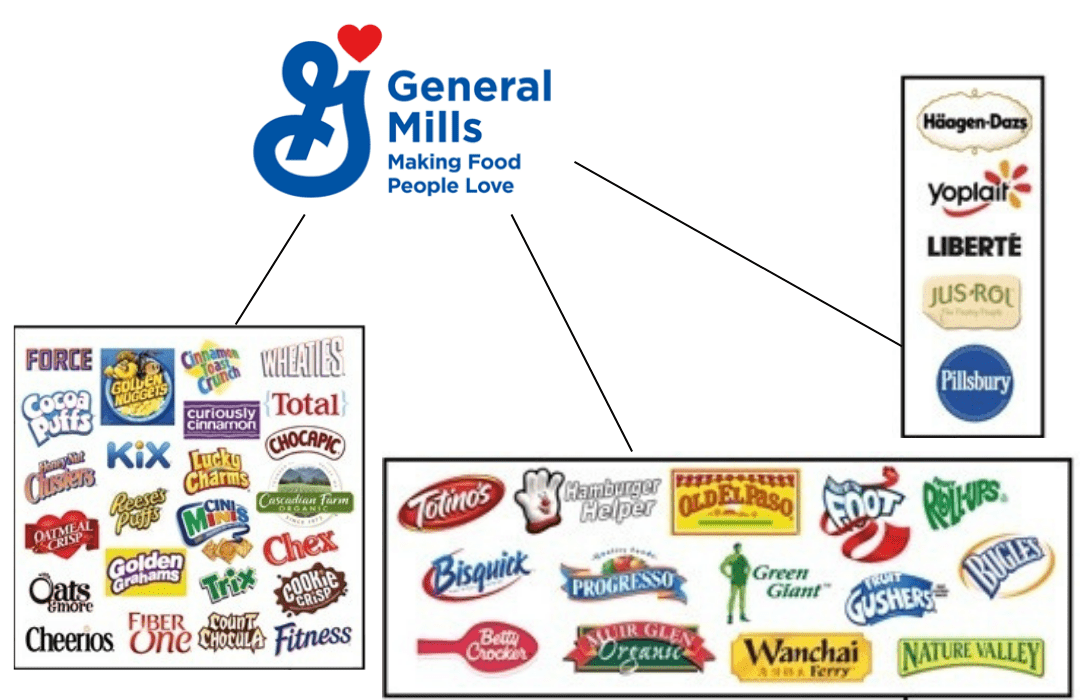
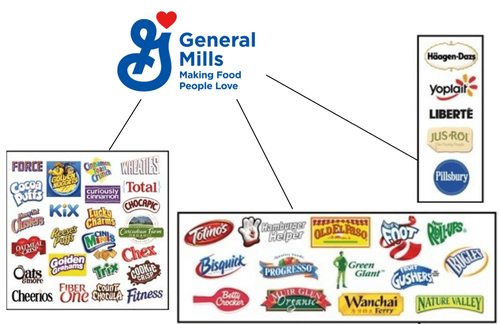
Some of the major brands under General Mills’ umbrella include Cheerios, Lucky Charms, Cinnamon Toast Crunch, Betty Crocker, Pillsbury, Old El Paso, Nature Valley, Fiber One, and many more brands lining supermarket shelves.
Harmening said this consumer environment only means more deals are coming for cash-strapped consumers: “This is a phenomenon we’ll watch closely as we move through the rest of this year. And it gives us even more confidence that our focus on delivering more value to consumers, along with amplifying the other elements of our remarkability framework, is the right one in the current environment.”
Comments from the CEO on the bifurcated consumer environment are important because they serve as an almost real-time signal of consumer stress, pricing power, and food inflation dynamics. This helps explain why the Democratic Party is pushing an affordability narrative ahead of the midterms. However, Democrats have failed to tell the whole story: much of the inflation shock was self-inflicted, driven by reckless green spending and left-wing, nation-damaging policies.
However, there has been some talk of an improving consumer landscape for working-class households in 2026, from Treasury Secretary Scott Bessent to Goldman, which this week told clients to buy nicotine, energy drink, and candy stocks.
Tyler Durden
Wed, 12/17/2025 – 09:05
Oracle Claims Michigan Data-Center ‘On Schedule’ Despite Blue Owl’s Absence
Oracle Claims Michigan Data-Center ‘On Schedule’ Despite Blue Owl’s Absence
Update (0900ET): Oracle has issued a statement claiming the deal on the Michigan data center remains on schedule (though not with Blue Owl):
“Our development partner, Related Digital, selected the best equity partner from a competitive group of options, which in this instance was not Blue Owl . . . Final negotiations for their equity deal are moving forward on schedule and according to plan.”
Related Digital said:
“This is an exceptional project that drew significant interest from equity partners. We evaluated all of our options and selected our equity partner of choice for their unparalleled expertise in the space.”
Related Digital declined to name the equity partner for the project. A person close to the company said it was in the “final stages of diligence” with the investor.
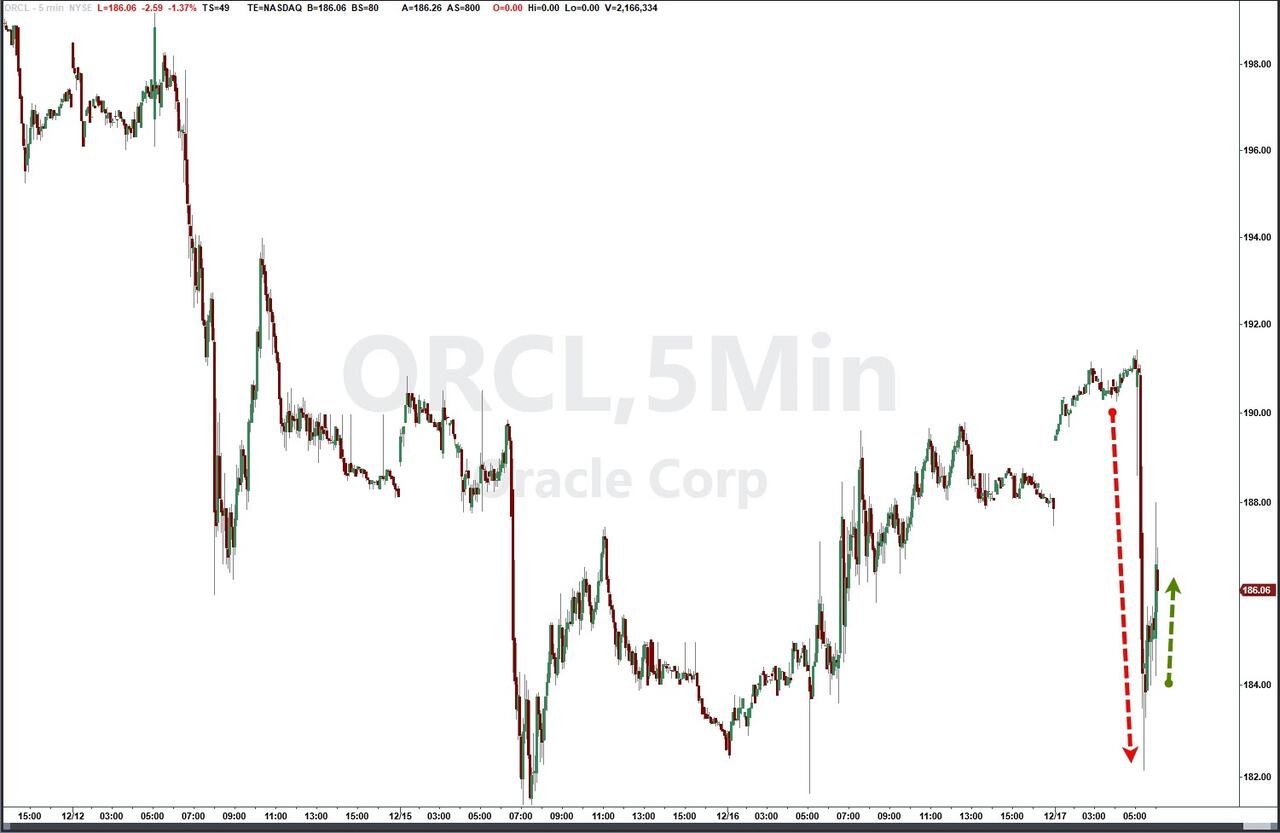
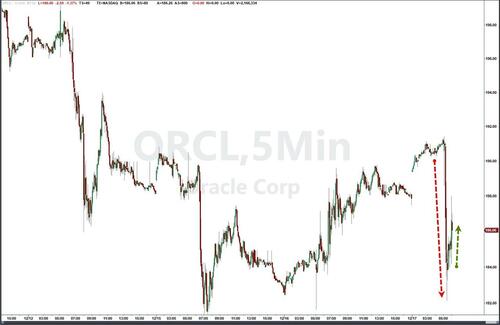
ORCL shares rebounded very modestly on the news…
* * *
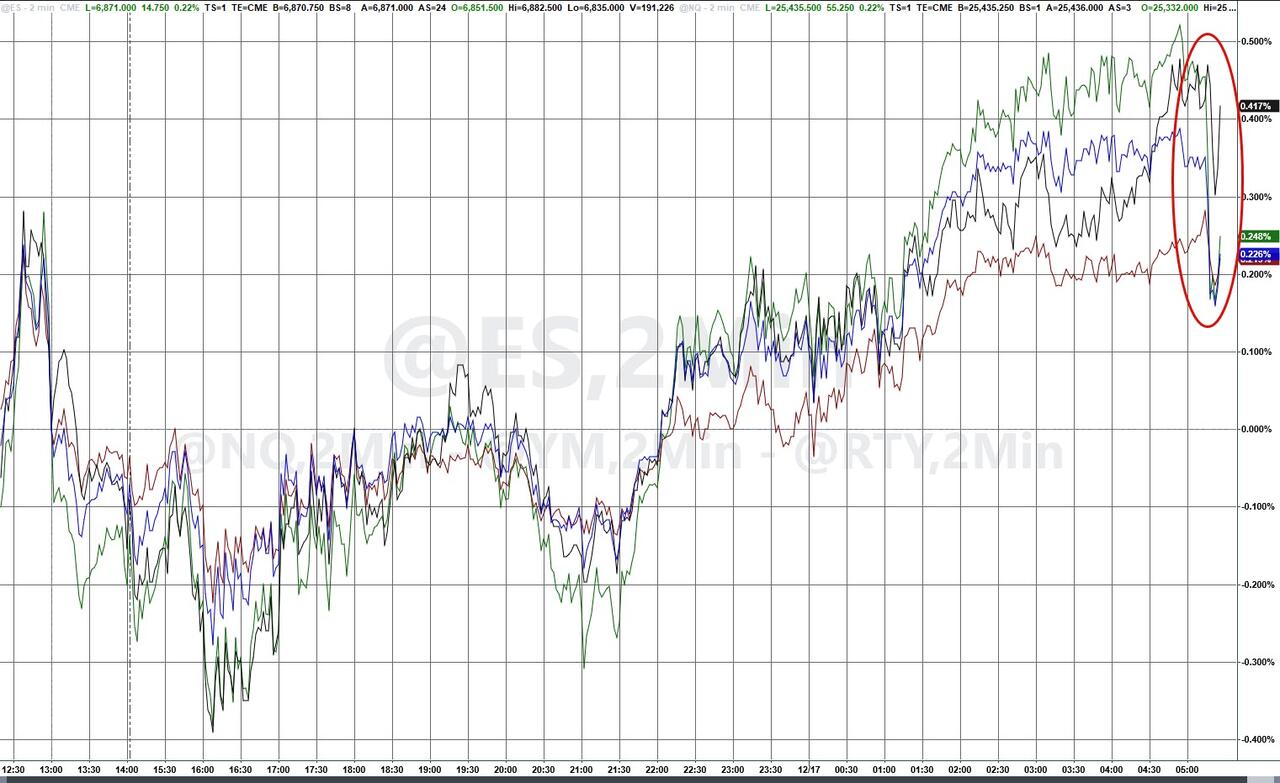
The broad equity futures markets, most notably Nasdaq, is falling the pre-market after The FT reports that Oracle’s largest data centre partner Blue Owl Capital will not back a $10bn deal for its next facility, as the software group faces increased concerns about its rising debt and artificial intelligence spending.
The private credit provider had reportedly been in discussions with lenders and Oracle about investing in the planned 1 gigawatt data centre being built to serve OpenAI in Saline Township, Michigan. But the agreement will not go forward after negotiations stalled, according to three people familiar with the matter.
Blue Owl has been the primary backer for Oracle’s largest data centre projects in the US, investing its own money and raising billions more in debt to build the facilities, which Blue Owl typically owns and leases to Oracle.
The FT adds that people close to the Michigan deal said lenders pushed for stricter leasing and debt terms amid shifting market sentiment around enormous AI spending including Oracle’s own commitments and rising debt levels.
As a result, the deal was less attractive financially for Blue Owl than its earlier projects, according to some of the people.
One quick question… what happened in the last 7 days that changed their mind?
*BLUE OWL’S PACKER: DATA CENTERS ARE ‘REALLY ATTRACTIVE SPACE’ https://t.co/BRL0HMAu71
— zerohedge (@zerohedge) December 10, 2025
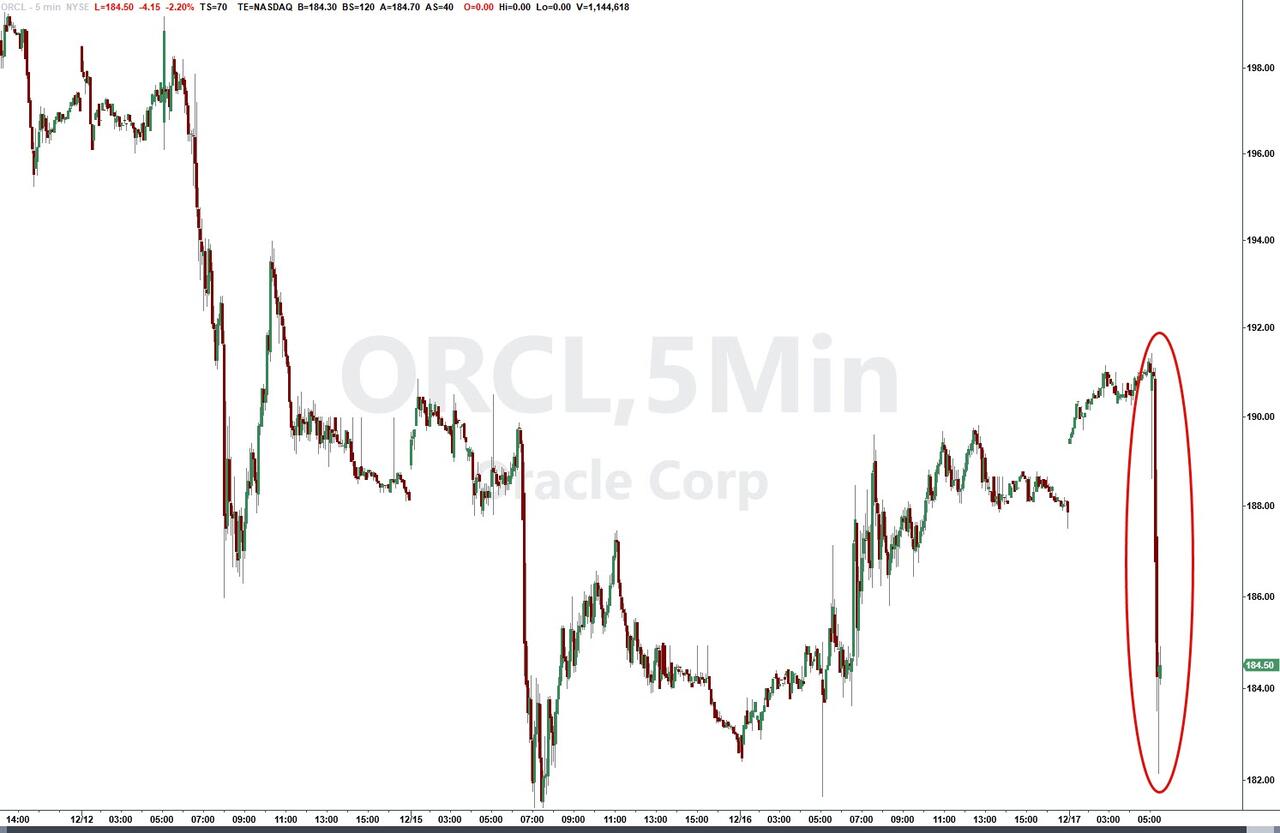
This sparked an immediate drop in ORCL shares..
…which knocked into the tech sector more broadly…
This could potentially be very bad news for both the data-center ecosystem within AI and ORCL itself, since, as we have detailed numerous times previously, if private credit is saying ‘no mas’, then no way the AI cycle will be completed…
Who could have seen this coming?
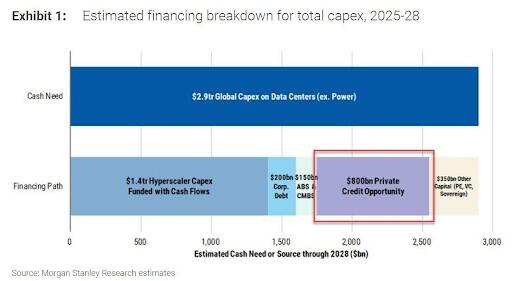
This, plus the fact that the AI cycle will need $1.5 trillion in private credit funding, is why the US will have to throw private credit in the bailout bucket too.
Yes, a lot of things will need a bailout to win the AI wars. That’s why the $ is reserve for now. https://t.co/ozlvzvD98K
— zerohedge (@zerohedge) November 18, 2025
As far back as June 2024, we have warned that the debt backing of this massive capital expenditure has been an event horizon that seemed inevitable. We appear to be crossing it now…as Blue Owl has largely pioneered this type of arrangement with large tech companies that want to offset the upfront costs of enormous data center construction projects… and is now, apparently, becoming much more discerning.
Tyler Durden
Wed, 12/17/2025 – 09:00
https://www.zerohedge.com/markets/tech-stocks-tumble-blue-owl-pulls-out-funding-oracle-data-center
Fundador de Tricolor Holdings es acusado de fraude
NUEVA YORK (AP) — El fundador de Tricolor Holdings y otros ejecutivos de la prestamista de autos fueron acusados el miércoles un fraude masivo que llevó a la empresa a la bancarrota.
Daniel Chu, fundador y director ejecutivo de la empresa, fue acusado en el tribunal federal de Manhattan de dirigir a múltiples ejecutivos desde 2018 para defraudar a inversores e instituciones de crédito a través de múltiples esquemas fraudulentos.
Su abogado no respondió a un mensaje en busca de comentarios.
Según la acusación, el alcance del fraude se reveló a finales de agosto cuando los prestamistas confrontaron a Chu y otros ejecutivos sobre el colateral de Tricolor.
Chu y otros acusados de llevar a cabo el fraude inicialmente intentaron ocultarlo, diciendo que los problemas con el colateral se debían a un error administrativo, según la acusación.
Después de que esos esfuerzos fracasaron, Chu extrajo más de seis millones de dólares de la empresa, según la acusación.
El 10 de septiembre, Tricolor se declaró en bancarrota porque debía más de 900 millones de dólares a los mayores prestamistas de la empresa, según la acusación.
___________________________________
Esta historia fue traducida del inglés por un editor de AP con ayuda de una herramienta de inteligencia artificial generativa.
https://www.chicagotribune.com/2025/12/17/fundador-de-tricolor-holdings-es-acusado-de-fraude/

Woman discovered critically injured in possible hit and run in Garfield Park
A woman was discovered lying in the street overnight after a possible hit and run accident on the West Side in the Garfield Park neighborhood, Chicago police said.
Shortly after 1:30 a.m., officers were waived down and alerted to a person in the middle of the street in the 3900 block of West Fifth Avenue. The officers discovered a woman about 40 years of age with multiple injuries to the body, police said.
The woman was taken in critical condition to Mount Sinai Hospital. The Major Accidents Investigation Unit was investigating as police said it was a possible hit and run accident.
No one was in custody.
https://www.chicagotribune.com/2025/12/17/accident-garfield-park/
Pakistán denuncia campaña para vincularla con ataque en Australia
Por MUNIR AHMED
ISLAMABAD (AP) — Pakistán denunció una campaña para desprestigiarla vinculándola con el reciente ataque contra un festejo judío en Australia.
El ministro de Información paquistaní, Attaullah Tarar, acusó a “países hostiles”, incluyendo a India, de difundir afirmaciones falsas de que uno de los dos atacantes era un ciudadano paquistaní.
Hablando en una conferencia de prensa en Islamabad, Tarar expresó que el liderazgo de Pakistán condenó enérgicamente el ataque del domingo, que mató a 15 personas en el tiroteo contra a judíos que celebraban Janucá.
El ministro dijo que la información engañosa comenzó a circular casi inmediatamente después del ataque, con publicaciones en redes sociales que identificaban falsamente a uno de los sospechosos como un ciudadano paquistaní llamado Naveed Akram. Comentó que las afirmaciones se propagaron rápidamente a través de plataformas digitales y fueron repetidas por algunos medios de comunicación sin verificación.
Tarar manifestó que hallazgos posteriores, incluyendo la confirmación por parte de la policía india, establecieron que uno de los atacantes, Sajid Akram, era de India, mientras que su hijo de 24 años, Naveed Akram —quien también estuvo involucrado— nació en Australia.
Añadió que la desinformación parecía originarse de un caso de identidad equivocada, ya que un hombre paquistaní que vive en Sydney comparte el mismo nombre que uno de los dos sospechosos.
“¿Cómo restauramos la situación a como estaba antes del ataque en Bondi Beach?” preguntó Tarar, añadiendo que el hombre paquistaní —también llamado Naveed Akram— había publicado un video negando cualquier implicación y pidiendo al público que no lo asociara con el ataque.
Tarar afirmó que el hombre paquistaní era “una víctima de una campaña maliciosa y organizada” y que el esfuerzo de desinformación se originó en India.
No hubo una respuesta de los funcionarios indios.
Tarar instó a los medios de comunicación que publicaron los informes falsos a emitir disculpas y declaró que Pakistán aún no había decidido si emprender acciones legales.
Pakistán e India, rivales con armas nucleares, tienen una larga historia de relaciones tensas y han librado tres guerras desde que obtuvieron la independencia del dominio británico en 1947, la mayoría de ellas por la disputada región de Cachemira. Las dos partes estuvieron cerca de la guerra en mayo antes de que el presidente estadounidense Donald Trump mediara un alto al fuego.
___________________________________
Esta historia fue traducida del inglés por un editor de AP con ayuda de una herramienta de inteligencia artificial generativa.

Ace defender Delaney Myers is surprised to be Andrean’s top scorer. ‘I didn’t know how I was going to do it.’
Andrean sophomore forward Delaney Myers describes herself as easygoing.
Teammate Lailoni Staten agrees, but only up to a point.
“She’s not afraid to say what’s on her mind, do a little dance or crack a joke,” Staten said. “She’s the jokester in the locker room and on the bench.
“But she’s also hard-going and competitive. You’ll notice how often she ends up on the ground. She’s not afraid of contact while driving to the basket, taking charges or diving for 50-50 balls.”
That mindset led Andrean coach Tony Scheub to believe the 5-foot-7 Myers could handle more of an offensive workload in her second varsity season following the graduation of the two leading scorers from the 2025 Class 2A sectional championship team.
“We’re looking for her to score a little bit more, maybe even a lot more,” Scheub said. “We’re putting her in positions she wasn’t in last year, when she was strictly a defensive player. She played because she could defend and rebound.
“Now we’re looking for her to score, and each game she’s starting to see what she needs to do. But her role defensively hasn’t changed.”
Myers, who guards the opposing team’s best player, has more than tripled her scoring output this season. Through 10 games, Myers was averaging a team-high 9.8 points, a team-high 7.4 rebounds and 2.0 steals for the defending Northwest Crossroads Conference champion 59ers (4-7, 1-2).
But scoring had never been Myers’ focus, so she had reservations about transforming her game. In a short time, however, she has proved to be more than capable of providing a scoring punch even as she leans on what she does best.
“It’s really hard,” Myers said. “I didn’t know how I was going to do it. So I just tell myself I can always control my defense. If I miss a shot, I can get back on the defensive end and make it up. If I turn the ball over, I can get it back on defense or grab a rebound.
“If it’s not my night offensively, I try to make it up defensively.”
Scheub acknowledged the role may be a lot for a sophomore, but he thinks Myers will thrive in the long run.
“With her determination, work ethic and the kind of kid she is, I can see her eventually averaging a double-double,” Scheub said. “I don’t see why that would be out of the realm of possibility because she’s going to keep getting better, not only for herself, but for her teammates.
“I know she’s willing to put in the work, and not only will it make her better, but it’ll make our team better.”
Andrean’s Mikayla Hadt, left, and Delaney Myers get in position on defense during a game at Griffith on Saturday, Dec. 13, 2025. (Michael Gard / Post-Tribune)
But Myers, who also plays volleyball, remains solely focused on the present. Hoping the 59ers have turned a corner this season, she points to a recent 45-28 win over Griffith.
“I think we’re starting to click again,” she said. “We got off the road a little bit, but we’re finally getting back on.
“Against Griffith, we played hard and showed just because our record isn’t where we want it, that doesn’t mean we aren’t capable of dominating on the court. We did what we were supposed to and shut them down from the beginning, and I think we’ll only keep growing and hopefully continue to build confidence too.”
Noah Poser is a freelance reporter.
https://www.chicagotribune.com/2025/12/17/basketball-andrean-delaney-myers/

China accede a tecnología nuclear de EEUU a través de asociaciones de investigación: informe
Por DAVID KLEPPER y DIDI TANG
WASHINGTON (AP) — China se aprovecha de las asociaciones con investigadores de Estados Unidos financiados por el Departamento de Energía para dar acceso a su ejército a tecnología nuclear sensible y otras innovaciones con aplicaciones económicas y de seguridad nacional, según un informe del Congreso publicado el miércoles.
Los autores del informe afirman que Estados Unidos debe hacer más para proteger la investigación de alta tecnología y garantizar que los resultados del trabajo financiado por los contribuyentes no terminen beneficiando a Beijing. Recomiendan varios cambios para proteger mejor la investigación científica en Estados Unidos, como nuevas políticas para que el Departamento de Energía (DOE, por sus siglas en inglés) las utilice para decidir el financiamiento de trabajos que involucren asociaciones chinas.
La investigación es parte de un esfuerzo del Congreso para levantar un cortafuegos que impida que la investigación de Estados Unidos impulse el fortalecimiento militar de China, en un momento en que ambos países están inmersos en una rivalidad tecnológica y armamentista que dará forma al orden global futuro.
Investigadores del Comité Selecto de la Cámara de Representantes sobre el Partido Comunista Chino y el Comité de Educación y Trabajo de la Cámara identificaron más de 4.300 artículos académicos publicados entre junio de 2023 y junio de este año que se refieren a colaboraciones entre científicos financiados por el DOE e investigadores chinos. Cerca de la mitad de los artículos hacen referencia a investigadores chinos afiliados al ejército o la base industrial de China.
Algo que resulta particularmente preocupante es que los investigadores encontraron que los fondos federales se destinaron a colaboraciones de investigación con laboratorios y universidades estatales chinas que trabajan directamente para el ejército de ese país, incluidas algunas listadas en una base de datos del Pentágono de empresas militares chinas con operaciones en Estados Unidos. En el informe también se detallan colaboraciones entre investigadores estadounidenses y grupos a los que se han atribuido ciberataques, así como abusos de derechos humanos en China.
El Departamento de Energía financia rutinariamente investigaciones avanzadas en energía nuclear y el desarrollo y eliminación de armamento nuclear, junto con una larga lista de campos de alta tecnología como la computación cuántica, la ciencia de materiales y la física. Distribuye cientos de millones de dólares cada año para investigación. El departamento supervisa 17 laboratorios nacionales que han liderado el desarrollo en muchas tecnologías.
El informe se produjo tras una serie de indagaciones del Congreso sobre investigaciones financiadas por el gobierno federal en las que han participado científicos e investigadores chinos. El año pasado, en un informe publicado por los republicanos se encontró que las asociaciones entre universidades de Estados Unidos y China durante la última década habían permitido que cientos de millones de dólares en fondos federales ayudaran a Beijing a desarrollar tecnología crítica que podría ayudar a fortalecer su ejército. Otra investigación realizada este año reveló que el Pentágono, en un período reciente de dos años, financió cientos de proyectos en colaboración con entidades chinas vinculadas a la industria de defensa de China.
Durante décadas, el Departamento de Energía ha omitido tomar medidas para garantizar que la investigación que financia no beneficie a China, según los autores del informe. Éstos hicieron varias recomendaciones para endurecer las reglas, entre ellas, una nueva metodología estandarizada para evaluar los riesgos de seguridad nacional de la investigación, así como requisitos para que el departamento comparta con otras agencias del gobierno de Estados Unidos información sobre vínculos de investigación con China para facilitar la detección de problemas.
“Estas fallas políticas e inacción de larga data han hecho que la investigación financiada por los contribuyentes sea vulnerable a la explotación por parte de la base de investigación y defensa de China y las actividades de transferencia de tecnología dirigidas por el estado”, concluyeron los autores.
Hasta el momento, el Departamento de Energía no ha respondido a preguntas sobre el informe y sus recomendaciones. Se dejó un mensaje en la Embajada de China en Washington para solicitar comentarios.
El representante republicano de Michigan John Moolenaar, que preside el comité selecto, dijo en un comunicado que la “investigación revela un problema profundamente alarmante: el Departamento de Energía no garantizó la seguridad de su investigación e hizo que los contribuyentes estadounidenses financiaran el ascenso militar de nuestro principal adversario”.
Este año, Moolenaar presentó una legislación destinada a prevenir que la financiación de la investigación en ciencia y tecnología y defensa se destine a colaboraciones o asociaciones con entidades “controladas por adversarios extranjeros” que representen un riesgo para la seguridad nacional.
La legislación fue aprobada por la Cámara, pero no logró avanzar para convertirse en parte del proyecto de ley anual de política de defensa. Fue recibida con fuerte oposición por parte de científicos e investigadores, quienes argumentaron que las medidas eran demasiado amplias y podrían enfriar la colaboración y socavar la ventaja competitiva de Estados Unidos en ciencia y tecnología.
En una carta enviada en octubre, un grupo de más de 750 miembros del cuerpo docente y personal de alto nivel de universidades estadounidenses dijo a los líderes del Congreso que supervisan los servicios armados que Estados Unidos compite a escala global por el talento. Llamaron a tomar “medidas muy cuidadosas y específicas para la gestión de riesgos” con el fin de abordar las preocupaciones de seguridad.
___
Esta historia fue traducida del inglés por un editor de AP con la ayuda de una herramienta de inteligencia artificial generativa.
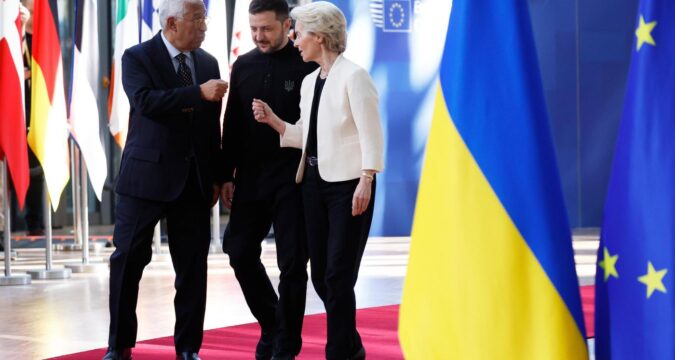
Líderes de la UE se preparan para tomar medidas sin precedentes en apoyo a Ucrania en cumbre crucial
Por LORNE COOK
BRUSELAS (AP) — Los líderes de la Unión Europea están a punto de intentar algo que nunca han probado antes. Las posibilidades de fracaso son significativas. Sus acciones esta semana podrían sentar precedentes peligrosos y un movimiento en falso podría socavar la confianza entre los 27 países miembros del bloque durante años.
En una cumbre que comienza el jueves, muchos de los líderes presionarán para que decenas de miles de millones de euros en activos rusos congelados en Europa se utilicen para satisfacer las necesidades económicas y militares de Ucrania durante los próximos dos años.
Ucrania está al borde de la bancarrota. El Fondo Monetario Internacional estima que requerirá un total de 137.000 millones de euros (160.000 millones de dólares) en 2026 y 2027. Debe obtener el dinero para la primavera. La UE se ha comprometido a reunir los fondos, de una forma u otra.
“Una cosa está muy, muy clara”, dijo la presidenta de la Comisión Europea, Ursula von der Leyen, a los legisladores de la UE el miércoles. “Tenemos que tomar la decisión de financiar a Ucrania durante los próximos dos años en este Consejo Europeo”.
El presidente del Consejo Europeo, António Costa, quien presidirá la cumbre, ha prometido mantener a los líderes negociando hasta que se alcance un acuerdo, incluso si toma días.
Préstamo de alto riesgo
La Comisión Europea ha propuesto que los líderes utilicen algunos de los activos congelados —que suman 210.000 millones de euros (246.000 millones de dólares)— para respaldar un “préstamo de reparaciones” de 90.000 millones de euros (105.000 millones de dólares) a Ucrania. Reino Unido, Canadá y Noruega pondrían el faltante.
El plan es controvertido. La Comisión Europea insiste en que su razonamiento y base legal son sólidos. Pero el Banco Central Europeo ha advertido que la confianza internacional en el euro podría verse dañada si se sospecha que los líderes están confiscando los activos.
La mayoría de los activos congelados pertenecen al Banco Central de Rusia y están retenidos en la cámara de compensación financiera Euroclear, que tiene su sede en Bruselas. Bélgica teme represalias rusas, a través de los tribunales o de otras maneras más nefastas.
Euroclear teme por su reputación. Cree que la idea de la comisión es legalmente inestable y que los inversores internacionales podrían buscar otros lugares si transfieren los activos rusos a un instrumento de deuda de la UE, como exige el plan de Von der Leyen.
La semana pasada, el Banco Central de Rusia presentó una demanda contra Euroclear en un tribunal de Moscú. Las posibilidades de que el caso tenga éxito parecen limitadas, pero la acción aumenta la presión sobre todas las partes antes de la cumbre.
Un plan B poco probable
La Comisión Europea, el poderoso brazo ejecutivo de la UE, ha propuesto una segunda opción: recaudar el dinero en los mercados internacionales, de manera similar a como respaldó un importante fondo de recuperación económica tras el inicio de la pandemia de coronavirus.
Bélgica prefiere esta opción. Pero el plan B requeriría que los 27 líderes estuvieran de acuerdo para que funcione, y Hungría se niega a financiar a Ucrania. El primer ministro húngaro, Viktor Orbán, se considera un pacificador. También es el aliado más cercano del presidente ruso Vladímir Putin en Europa.
En contraste, el plan A —el préstamo de reparaciones— solo requiere una mayoría de alrededor de dos tercios de los países miembros para ser aprobado. Hungría no puede vetarlo sola. Eslovaquia podría decir que no. Bélgica, Bulgaria, Italia y Malta aún deben ser convencidos.
Incluso si los seis países rechazan el préstamo a Ucrania —que solo sería reembolsado si Rusia termina su guerra y paga cientos de miles de millones de euros en daños de guerra, algo que muchos europeos dudan que Putin haga—, aún no tendrían una minoría de bloqueo.
Pasar por encima de Bélgica, que tiene un gran interés en el resultado y profundas preocupaciones sobre el préstamo, podría socavar todo el proyecto europeo, haciendo infinitamente más difícil encontrar mayorías de votación en otros temas en el futuro.
Pero en vísperas de la cumbre, seguía sin estar claro cómo funcionaría exactamente el plan, qué tipo de garantías daría cada país para asegurar a Bélgica que no enfrenta a Rusia sola, e incluso si los líderes pueden realmente aprobarlo directamente esta semana.
“Es un enfoque realmente nuevo. Todos tienen preguntas”, según un alto diplomático de la UE involucrado en las negociaciones, que continuaron el miércoles. “Estás hablando de movilizar finanzas públicas. Los parlamentos podrían necesitar intervenir. No es fácil”.
El diplomático fue designado para informar a los periodistas sobre los últimos desarrollos con la condición de que no se revelara su nombre.
______
Esta historia fue traducida del inglés por un editor de AP con la ayuda de una herramienta de inteligencia artificial generativa.
Aristócrata británico vinculado a Churchill acusado de asfixiar a alguien
LONDRES (AP) — El duque de Marlborough, un aristócrata británico con un pasado problemático, ha sido acusado de estrangular a alguien, informó la policía el miércoles.
Charles James Spencer-Churchill, de 70 años, fue citado a comparecer el jueves en el Tribunal de Magistrados de Oxford por tres cargos de estrangulamiento intencional no fatal entre noviembre de 2022 y mayo de 2024, informó la Policía del Valle del Támesis.
El duque, quien es un pariente lejano del ex primer ministro Winston Churchill y de la princesa Diana, ha luchado contra la adicción a las drogas en el pasado y fue desheredado por su padre.
Antes de que su padre falleciera en 2014, era el marqués de Blandford y también conocido como Jamie Blandford.
Su padre, el 11º duque de Marlborough, acudió a los tribunales en 1994 para evitar que su hijo obtuviera Blenheim Palace, una hacienda de 300 años de antigüedad, lugar de nacimiento de Churchill y ahora un sitio del Patrimonio Mundial de la UNESCO popular entre los turistas.
“Creo que hay ovejas negras en cada familia y no hay nada nuevo en eso”, dijo su padre fuera del tribunal en ese momento. “Hemos tenido algunos buenos y algunos malos”.
El lema de la familia es “fiel aunque desafortunado” y el duque ha culpado a su privilegio por sus problemas.
Es primo hermano en tercer grado de Churchill y está relacionado lejanamente con la fallecida Diana a través de la línea Spencer.
Blenheim Palace, que es propiedad y está gestionado por la Fundación del Patrimonio de Blenheim Palace, fue el sitio de un robo de un inodoro de oro, una obra de arte satírica, valorada en 4,7 millones de libras (6,2 millones de dólares) en 2019.
___________________________________
Esta historia fue traducida del inglés por un editor de AP con ayuda de una herramienta de inteligencia artificial generativa.

EU Will Be AIsimilated
EU Will Be AIsimilated
By Bas van Geffen, Senior Macro Strategist at Rabobank
Resistance is futile. You will be AIsimmilated. The Trump administration really wants the rest of the (Western?) world to embrace American-made artificial intelligence and technology. Last week, the US suspended the US-UK Technology Prosperity deal, reportedly because the Trump administration was frustrated about the lack of progress on trade talks.
But the Telegraph reported that this may be due to concerns that the UK’s Online Safety Act could slow development of US artificial intelligence – as the US races to stay ahead of China. That makes sense: the US government has been unhappy with European regulation in many fields, including digital services providers.
The US Trade Representative argues that this creates an unequal playing field for US companies, whereas European companies are allowed to operate freely in the US. Yesterday, Greer warned the European Union that the US could use every tool at its disposal to counter “unreasonable” regulations, naming about a dozen of European companies that might be affected.
The EU may be looking at cutting red tape in several areas, but it has so far shown little appetite for hollowing out privacy laws, for example. Meanwhile, the Trump administration has shown its willingness to coerce governments by other means. Could Brussels’ insistence on these rules lead to a new trade dispute with the US?
These threats cast new doubt over EU-US relations, after the US have also called into question the country’s commitment to Article 5 of the NATO treaty. The trade agreement reached earlier this year has clearly failed to pacify the US government, despite Brussels’ pledges to invest more in the US, and buy more American energy and defense equipment.
In the latest iteration in the Ukraine-Russia peace talks, the US is now offering Ukraine “guarantees similar to those under Article 5 of the NATO treaty.” It’s an attempt to bridge the Ukrainian demand for strong security guarantees with Russia’s demand that Ukraine does not become a NATO member.
It’s a take-it-or-leave-it offer, and one can certainly wonder whether “similar guarantees” are sufficient for Ukraine to sign up to any deal – especially after Treasury Secretary Bessent undermined Article 5 when he stated that the US would not send troops to Europe, but only sell weapons, if Russia were to attack.
Nonetheless, oil markets have been drifting lower as peace talks continue and a global glut hangs over the market. WTI fell almost 6% in the past four sessions, hitting $55 per barrel for the first time since February 2021. However, oil prices came off their fresh lows after President Trump ramped up pressure on Venezuela with a blockade of tankers.
Yesterday also saw a busy data calendar as US statistics offices are still working through their backlog of data, after the shutdown disrupted many official data releases.
This made for a very unusual Employment Report, and not only because it was released on a Tuesday. The BLS made up for missing the October report. So, we learned that non-farm payrolls declined 105,000 in October and that payrolls recovered by 64,000 in November. This means that the labor market has shown little net change since April.
Average hourly earnings for November were softer than expected, and the unemployment rate rose to 4.6% from 4.4% in September. So the overall picture remains one of a weaker labor market. That supports further monetary easing, but probably not in January. These two months of data were not so weak to instill more urgency in the FOMC.
Moreover, some of the data come with slightly bigger margins of error, as a result of the shutdown. Lack of an October report may have left traders without their entertainment on the first Friday of November. But it left statisticians with bigger problems, such as missing the usual statistical weights for the current report – which are based on prior months. So, they had to adjust their methodology for weighing individual responses into the aggregate employment statistics. Add to that a lower response rate than usual.
By contrast, the response rates for the establishment survey were higher than usual. The collection periods for the October and November surveys were extended due to the shutdown, giving employers more time to respond. This could lead to somewhat smaller revisions to yesterday’s non-farm payroll estimates in the coming months.
Meanwhile, European PMIs were a little weaker than expected. Eurozone activity has been more resilient than expected, and these data suggest that some of this resilience may now be fading. We’ve been expecting a soft patch before Eurozone growth regains momentum in the course of 2026. Nonetheless, the PMI report took some of the sting out of the market’s recent expectations of a potential rate hike by end-2026. That decline in short-term rates caused a modest steepening of the European yield curve.
Rate cut expectations are building in more earnest in sterling money markets. UK inflation undershot expectations again in November. Headline CPI slowed to 3.2% y/y. That’s below the Bank of England’s projection of 3.4% and the weakest print in eight months. Underlying inflation eased too. Core inflation fell to 3.2% y/y, the slowest in nearly two years, while services inflation declined to 4.4% y/y. The Bank also watches food price inflation closely, given its influence on household inflation expectations, and this slowed from 4.9% to 4.2% y/y.
Combined with weak activity data since the summer, rising unemployment, and a slowdown in private sector wage growth, the disinflationary narrative appears to dominate MPC discussions. And risks of persistence are easing. Overall, the data suggest the BoE has been behind the curve.
Tomorrow’s 25bp cut looks to be locked in, and further easing as early as February is starting to look very plausible. We had already penciled in a subsequent cut in February, and we see some downside risks to our forecast of a 3.25% terminal rate for next year, especially if the UK economy fails to recover from the weakness seen in the second half of this year.
Tyler Durden
Wed, 12/17/2025 – 08:25