Category: News
Fuerzas de EEUU interceptan otro petrolero sancionado en el mar Caribe, afirma ejército estadounidense
WASHINGTON (AP) — Fuerzas de EEUU interceptan otro petrolero sancionado en el mar Caribe, afirma ejército estadounidense.
As Trump promises Venezuelan renaissance, locals struggle with crumbling economy
CARACAS, Venezuela — At the White House, President Donald Trump vows American intervention in Venezuela will pour billions of dollars into the country’s infrastructure, revive its once-thriving oil industry and eventually deliver a new age of prosperity to the Latin American nation.
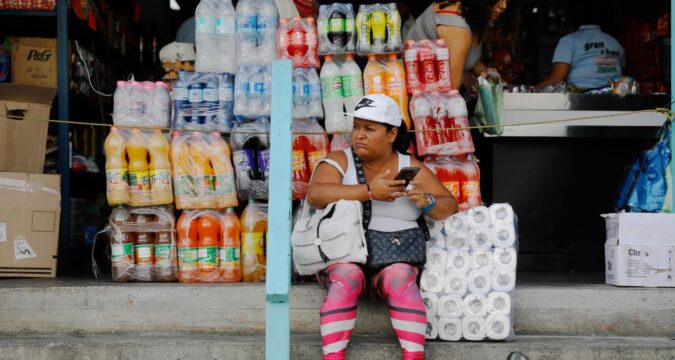
Here at a sprawling street market in the capital, though, utility worker Ana Calderón simply wishes she could afford the ingredients to make a pot of soup.
“Food is incredibly expensive,” says Calderón, noting rapidly rising prices that have celery selling for twice as much as just a few weeks ago and a kilogram (2 pounds) of meat going for more than $10, or 25 times the country’s monthly minimum wage. “Everything is so expensive.”
Venezuelans digesting news of the United States’ brazen capture of former President Nicolás Maduro are hearing grandiose promises of future economic prowess even as they live through the crippling economic realities of today.
“They know that the outlook has significantly changed but they don’t see it yet on the ground. What they’re seeing is repression. They’re seeing a lot of confusion,” says Luisa Palacios, a Venezuelan-born economist and former oil executive who is a research scholar at the Center on Global Energy Policy at Columbia University. “People are hopeful and expecting that things are going to change but that doesn’t mean that things are going to change right now.”
Whatever hope exists over the possibility of U.S. involvement improving Venezuela’s economy is paired with the crushing daily truths most here live. People typically work two, three or more jobs just to survive, and still cupboards and refrigerators are nearly bare. Children go to bed early to avoid the pang of hunger; parents choose between filling a prescription and buying groceries. An estimated eight in 10 people live in poverty.
It has led millions to flee the country for elsewhere.
Those who remain are concentrated in Venezuela’s cities, including its capital, Caracas, where the street market in the Catia neighborhood once was so busy that shoppers bumped into one another and dodged oncoming traffic. But as prices have climbed in recent days, locals have increasingly stayed away from the market stalls, reducing the chaos to a relative hush.
Neila Roa, carrying her 5-month-old baby, sells packs of cigarettes to passersby, having to monitor daily fluctuations in currency to adjust the price.
“Inflation and more inflation and devaluation,” Roa says. “It’s out of control.”
Roa could not believe the news of Maduro’s capture. Now, she wonders what will come of it. She thinks it would take “a miracle” to fix Venezuela’s economy.
“What we don’t know is whether the change is for better or for worse,” she says. “We’re in a state of uncertainty. We have to see how good it can be, and how much it can contribute to our lives.”
Trump has said the U.S. will distribute some of the proceeds from the sale of Venezuelan oil back to its population. But that commitment so far largely appears to be focused on America’s interests in extracting more oil from Venezuela, selling more U.S.-made goods to the country and repairing the electricity grid.
The White House is hosting a meeting Friday with U.S. oil company executives to discuss Venezuela, which the Trump administration has been pressuring to open its vast-but-struggling oil industry more widely to American investment and know-how. In an interview with The New York Times, Trump acknowledged that reviving the country’s oil industry would take years.
“The oil will take a while,” he said.
Venezuela has the world’s largest proven oil reserves. The country’s economy depends on them.
Maduro’s predecessor, the fiery Hugo Chávez, elected in 1998, expanded social services, including housing and education, thanks to the country’s oil bonanza, which generated revenues estimated at some $981 billion between 1999 and 2011 as crude prices soared. But corruption, a decline in oil production and economic policies led to a crisis that became evident in 2012.
Chávez appointed Maduro as his successor before dying of cancer in 2013. The country’s political, social and economic crisis, entangled with plummeting oil production and prices, marked the entirety of Maduro’s presidency. Millions were pushed into poverty. The middle class virtually disappeared. And more than 7.7 million people left their homeland.
Albert Williams, an economist at Nova Southeastern University, says returning the energy sector to its heyday would have a dramatic spillover effect in a country in which oil is the dominant industry, sparking the opening of restaurants, stores and other businesses. What’s unknown, he says, is whether such a revitalization happens, how long it would take and how a government built by Maduro will adjust to the change in power.
“That’s the billion-dollar question,” Williams says. “But if you improve the oil industry, you improve the country.”
The International Monetary Fund estimates Venezuela’s inflation rate is a staggering 682%, the highest of any country for which it has data. That has sent the cost of food beyond what many can afford. Venezuela’s monthly minimum wage of 130 bolivars, or $0.40, has not increased since 2022, putting it well below the United Nations’ measure of extreme poverty of $2.15 a day.
The currency crisis led Maduro to declare an “economic emergency” in April.
Usha Haley, a Wichita State University economist who studies emerging markets, says for those hurting the most, there is no immediate sign of change.
“Short-term, most Venezuelans will probably not feel any economic relief,” she says. “A single oil sale will not fix the country’s rampant inflation and currency collapse. Jobs, prices, and exchange rates will probably not shift quickly.”
In a country that has seen as much strife as Venezuela has in recent years, locals are accustomed to doing what they have to in order to get through the day, so much so that many utter the same expression
“Resolver,” they say in Spanish, or “figure it out,” shorthand for the jury-rigged nature of life here, in which every transaction, from boarding a bus to buying a child’s medicine, involves a delicate calculation.
Here at the market, the smell of fish, fresh onions and car exhaust combine. Calderon, making her way through, faces freshly skyrocketing prices, saying “the difference is huge,” as the country’s official currency has rapidly declined against its unofficial one, the U.S. dollar.
Unable to afford all the ingredients for her soup, she left with a bunch of celery but no meat.
Iran supreme leader signals crackdown coming as protesters are ‘ruining their own streets’ for Trump
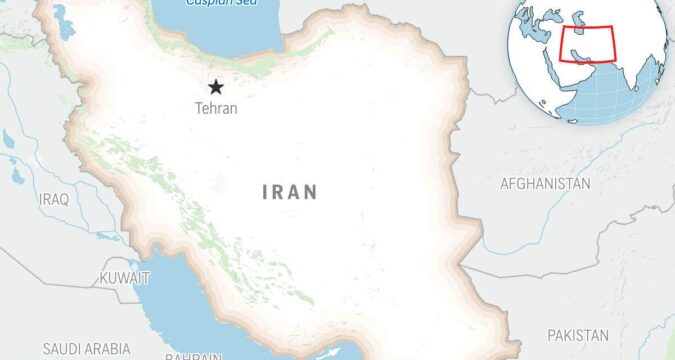
DUBAI, United Arab Emirates — Iran signaled Friday that security forces would crack down on protesters, directly challenging U.S. President Donald Trump’s pledge to support those peacefully demonstrating as the death toll rose to at least 50.
Supreme Leader Ayatollah Ali Khamenei dismissed Trump as having hands “stained with the blood of Iranians” as supporters shouted “Death to America!” in footage aired by Iranian state television. State media later repeatedly referred to demonstrators as “terrorists,” setting the stage for a violent crackdown like those that followed other nationwide protests in recent years.
Protesters are “ruining their own streets … in order to please the president of the United States,” Khamenei said to a crowd at his compound in Tehran. “Because he said that he would come to their aid. He should pay attention to the state of his own country instead.”
Iran’s judiciary chief Gholamhossein Mohseni-Ejei separately vowed that punishment for protesters “will be decisive, maximum and without any legal leniency.”
There was no immediate response from Washington, though Trump has repeated his pledge to strike Iran if protesters are killed, a threat that’s taken on greater significance after the U.S. military raid that seized Venezuela’s Nicolás Maduro.
Internet cut off
Despite Iran’s theocracy cutting off the nation from the internet and international telephone calls, short online videos shared by activists purported to show protesters chanting against Iran’s government around bonfires as debris littered the streets in the capital, Tehran, and other areas into Friday morning.
Iranian state media alleged “terrorist agents” of the U.S. and Israel set fires and sparked violence. It also said there were “casualties,” without elaborating.
The full scope of the demonstrations couldn’t be immediately determined due to the communications blackout, though it represented yet another escalation in protests that began over Iran’s ailing economy and that has morphed into the most significant challenge to the government in several years. The protests have intensified steadily since beginning Dec. 28.
The protests also represented the first test of whether the Iranian public could be swayed by Crown Prince Reza Pahlavi, whose fatally ill father fled Iran just before the country’s 1979 Islamic Revolution. Pahlavi, who called for the protests Thursday night, similarly has called for demonstrations at 8 p.m. Friday.
Demonstrations have included cries in support of the shah, something that could bring a death sentence in the past but now underlines the anger fueling the protests that began over Iran’s ailing economy.
So far, violence around the demonstrations has killed at least 50 people while more than 2,270 others have been detained, said the U.S.-based Human Rights Activists News Agency.
“What turned the tide of the protests was former Crown Prince Reza Pahlavi’s calls for Iranians to take to the streets at 8 p.m. on Thursday and Friday,” said Holly Dagres, a senior fellow at the Washington Institute for Near East Policy. “Per social media posts, it became clear that Iranians had delivered and were taking the call seriously to protest in order to oust the Islamic Republic.”
“This is exactly why the internet was shut down: to prevent the world from seeing the protests. Unfortunately, it also likely provided cover for security forces to kill protesters.”
Thursday night protests preceded internet shutdown
When the clock struck 8 p.m. Thursday, neighborhoods across Tehran erupted in chanting, witnesses said. The chants included “Death to the dictator!” and “Death to the Islamic Republic!” Others praised the shah, shouting: “This is the last battle! Pahlavi will return!” Thousands could be seen on the streets before all communication to Iran cut out.
“Iranians demanded their freedom tonight. In response, the regime in Iran has cut all lines of communication,” Pahlavi said. “It has shut down the internet. It has cut landlines. It may even attempt to jam satellite signals.”
He went on to call for European leaders to join Trump in promising to “hold the regime to account.”
“I call on them to use all technical, financial, and diplomatic resources available to restore communication to the Iranian people so that their voice and their will can be heard and seen,” he added. “Do not let the voices of my courageous compatriots be silenced.”
Pahlavi had said he would offer further plans depending on the response to his call. His support of and from Israel has drawn criticism in the past — particularly after the 12-day war Israel waged on Iran in June. Demonstrators have shouted in support of the shah in some demonstrations, but it isn’t clear whether that’s support for Pahlavi himself or a desire to return to a time before the 1979 Islamic Revolution.
The internet cut also appears to have taken Iran’s state-run and semiofficial news agencies offline. The state TV acknowledgment at 8 a.m. Friday represented the first official word about the demonstrations.
State TV claimed the protests were violent and caused casualties, but did not elaborate. It also said the protests saw “people’s private cars, motorcycles, public places such as the metro, fire trucks and buses set on fire.” State TV later reported that violence overnight killed six people in Hamedan, some 175 miles southwest of Tehran.
The European Union and Germany condemned the violence targeting demonstrators.
Trump renews threat over protester deaths
Iran has faced rounds of nationwide protests in recent years. As sanctions tightened and Iran struggled after the 12-day war, its rial currency collapsed in December, reaching 1.4 million to $1. Protests began soon after, with demonstrators chanting against Iran’s theocracy.
It remains unclear why Iranian officials have yet to crack down harder on the demonstrators. Trump warned last week that if Tehran “violently kills peaceful protesters,” America “will come to their rescue.”
In an interview with talk show host Hugh Hewitt aired Thursday, Trump reiterated his pledge.
Iran has “been told very strongly, even more strongly than I’m speaking to you right now, that if they do that, they’re going to have to pay hell,” Trump said.
He demurred when asked if he’d meet with Pahlavi.
“I’m not sure that it would be appropriate at this point to do that as president,” Trump said. “I think that we should let everybody go out there, and we see who emerges.”
Speaking in an interview with Sean Hannity aired Thursday night on Fox News, Trump went as far as to suggest 86-year-old Supreme Leader Ayatollah Ali Khamenei may be looking to leave Iran.
“He’s looking to go someplace,” Trump said. “It’s getting very bad.”
https://www.chicagotribune.com/2026/01/09/iran-supreme-leader-trump/

Sabalenka despacha a Keys en sets corridos con miras al Abierto de Australia
BRISBANE, Australia (AP) — Este enfrentamiento entre las finalistas del Abierto de Australia fue desigual, y Aryna Sabalenka alteró el resultado con una victoria en sets corridos sobre Madison Keys.
La número uno del mundo quebró el saque de Keys en cinco juegos consecutivos rumbo a una victoria por 6-3, 6-3 en una hora y media para alcanzar el viernes las semifinales del Brisbane International, un torneo de preparación para el Abierto de Australia que comienza el 18 de enero.
“No tuve realmente un recuerdo del Abierto de Australia del año pasado, para ser honesta. Sé que perdí en Australia contra ella y es una gran motivación, por supuesto, salir y conseguir la victoria”, dijo Sabalenka.
“Pero siempre veo el (próximo) partido como un nuevo partido contra una nueva jugadora. Esa es mi forma de verlo”, agregó.
La rival de turno de la campeona defensora de Brisbane será Karolina Muchova. La 11ma cabeza de serie se apuntó una victoria 6-2, 2-6, 6-4 sobre Elena Rybakina para frenar la racha de 13 triunfos seguidos por la quinta del ranking femenino y reciente campeona de las Finales de la WTA.
En tanto, Jessica Pegula (4ta preclasificada) doblegó 6-3, 7-6 (3) a Liudmila Samsonova (10) y se las verá en semifinales contra Marta Kostyuk (16), quien venció 7-6 (7), 6-3 a Mirra Andreeva (6).
Muchova lidera 3-1 en el historial directo contra Sabalenka.
“No importa si soy la que lidera los enfrentamientos directos o soy la que está perdiendo, no me importa”, dijo Sabalenka, añadiendo que su enfoque es controlar las emociones que a veces la descarrilaron cuando era más joven.
“En el pasado, podía perder un partido porque me frustraba mucho. Ahora solo intento seguir adelante: ‘OK, lo que sea’”, comentó “Siento que eso ha funcionado bien para mí”.
Acto seguido, Keys irá Adelaide con el objetivo de retener el título allí y luego esperar repetir la secuencia de 2025, cuando atrapó su primer título de Grand Slam dos semanas después en Melbourne.
“Espero poder ganar y luego mantener mucho impulso”, dijo. “Espero que haya muchos más primeros por venir.”
En una cálida tarde de viernes en la Arena Pat Rafter, Sabalenka consiguió el primer quiebre de servicio en el séptimo juego y luego ganó seis de los siguientes siete juegos. Keys rompió el servicio para abrir el segundo set en la única interrupción de esa secuencia.
La estadounidense de 30 años enfrentó una inmensa presión con su segundo saque, terminando el partido con ocho dobles faltas y ganando solo el 33% de los puntos con el segundo servicio.
Anteriormente en el torneo de Brisbane, Sabalenka describió el calendario de la temporada como “una locura” y dijo que arriesgará multas para saltarse torneos y evitar lesiones o agotamiento. Aun así, quiere tanta competencia como sea posible antes del primer grande de la temporada.
“Solo estoy tratando de conseguir algunos partidos, conseguir algunas victorias y recuperar el ritmo”, remarcó.
___
Deportes AP: https://apnews.com/hub/deportes
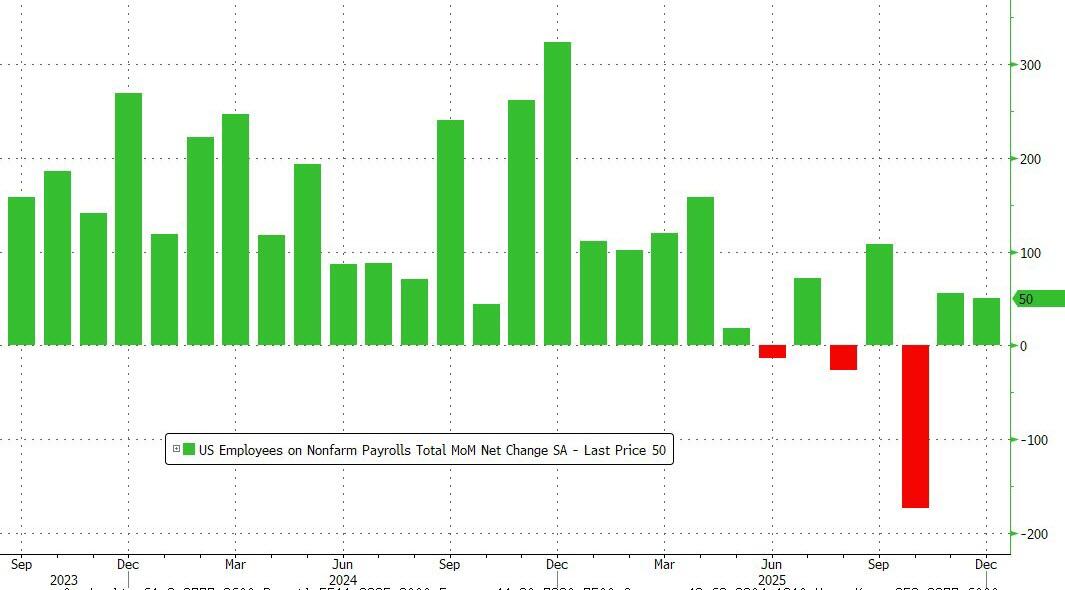
US Adds Only 50K Jobs In December, Missing Estiamtes, But Unemployment Rate Drops To 4.4%
US Adds Only 50K Jobs In December, Missing Estiamtes, But Unemployment Rate Drops To 4.4%
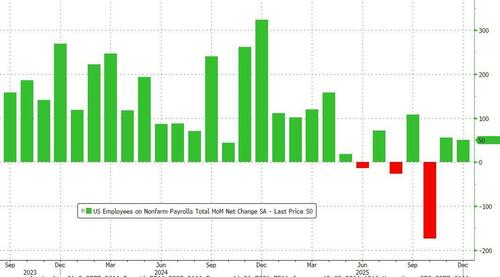
Ahead of today’s jobs report, expectations were that the NFP number would show another rebound from the terrible Sept/Oct prints, but remain muted (or else spark fears about reheating and an end to the Fed’s easing cycle). Well, that’s precisely what we got moments ago when the BLS reported that in December the US gained 50K jobs, a modest miss to estimates of 50K, but smack in the middle of JPM’s sweet spot range of 35K-75K (as previewed earlier) which would be best for the market.
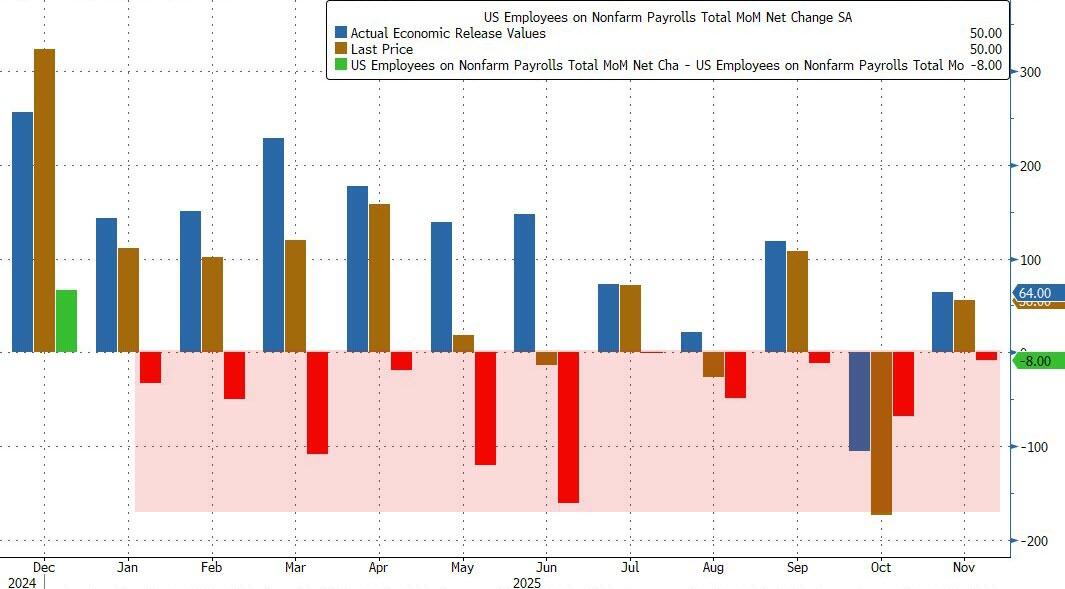
The change in total nonfarm payroll employment for October was revised down by 68,000, from -105,000 to -173,000, and the change for November was revised down by 8,000, from +64,000 to +56,000. With these revisions, employment in October and November combined is 76,000 lower than previously reported. Notably, as shown in the chart below, the initial NFP print has now been revised lower in every single month of 2025.
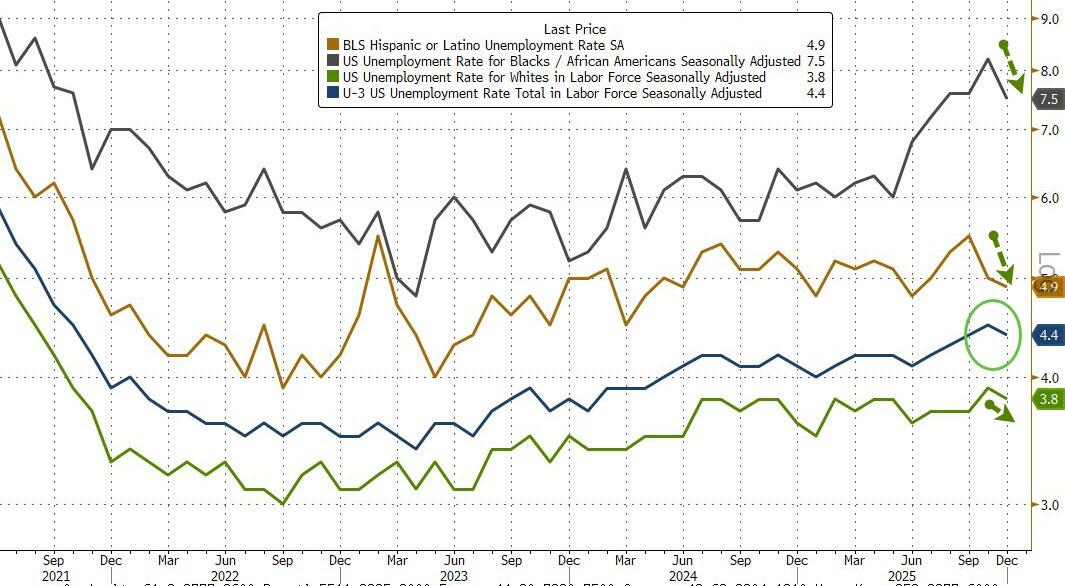
While there was NFP print was on the weak side, there was a modest improvement in the unemployment rate, which dipped from a downward revised 4.5% (was 4.6% originally) to 4.4%, which still is the highest since 2021, save for Nov 2025. Among the major worker groups, the unemployment rates for adult men was 3.9%, adult women 3.9%, teenagers 15.7%, Whites 3.8%, Blacks 7.5%, Asians 3.6%, and Hispanics 4.9%.
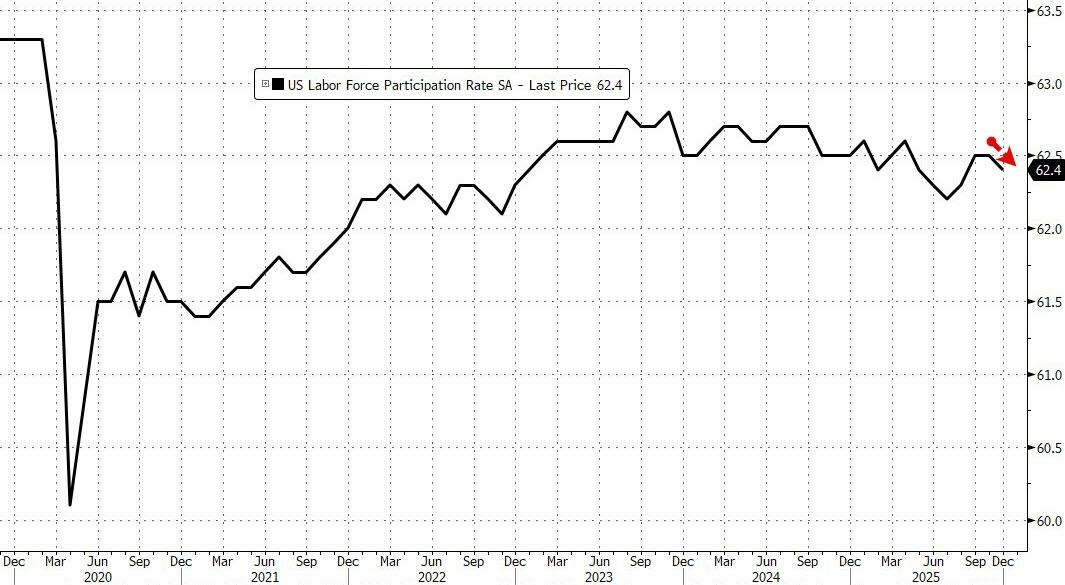
Labor force participation dipped fractionally from 62.5% to 62.4%, in line with estimates. The employment-population ratio, at 59.7%, was also unchanged in December. These measures have shown little change over the year.
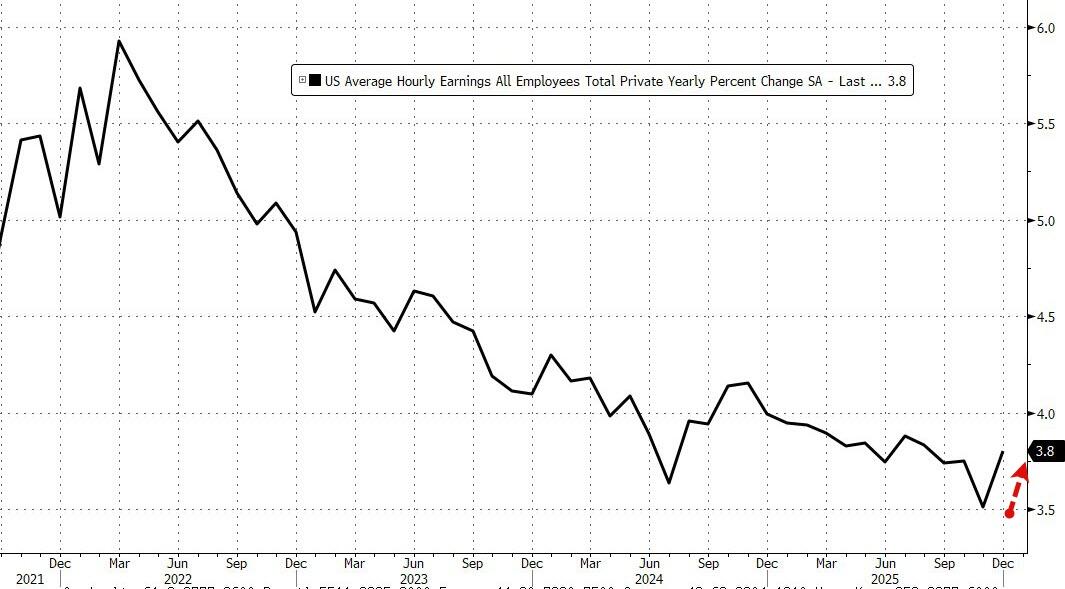
While jobs came on the cool side, hourly earnings came slightly hot: rising 0.3% MoM, up from 0.2% in November (and in line with estimates), this translates to a 3.8% increase YoY, up from 3.6% and above the 3.6% expected.
Some more details from the report:
The number of people jobless less than 5 weeks edged down to 2.3 million in December. The number of long-term unemployed (those jobless for 27 weeks or more) changed little over the month at 1.9 million but is up by 397,000 over the year. The long-term unemployed accounted for 26.0 percent of all unemployed people in December.
The number of people employed part time for economic reasons, at 5.3 million, changed little in December but is up by 980,000 over the year. These individuals would have preferred full-time employment but were working part time because their hours had been reduced or they were unable to find full-time jobs.
The number of people not in the labor force who currently want a job was little changed at 6.2 million in December but is up by 684,000 over the year. These individuals were not counted as unemployed because they were not actively looking for work during the 4 weeks preceding the survey or were unavailable to take a job.
Among those not in the labor force who wanted a job, the number of people marginally attached to the labor force changed little at 1.8 million in December. These individuals wanted and were available for work and had looked for a job sometime in the prior 12 months but had not looked for work in the 4 weeks preceding the survey. The number of discouraged workers, a subset of the marginally attached who believed that no jobs were available for them, decreased by 183,000 in December to 461,000.
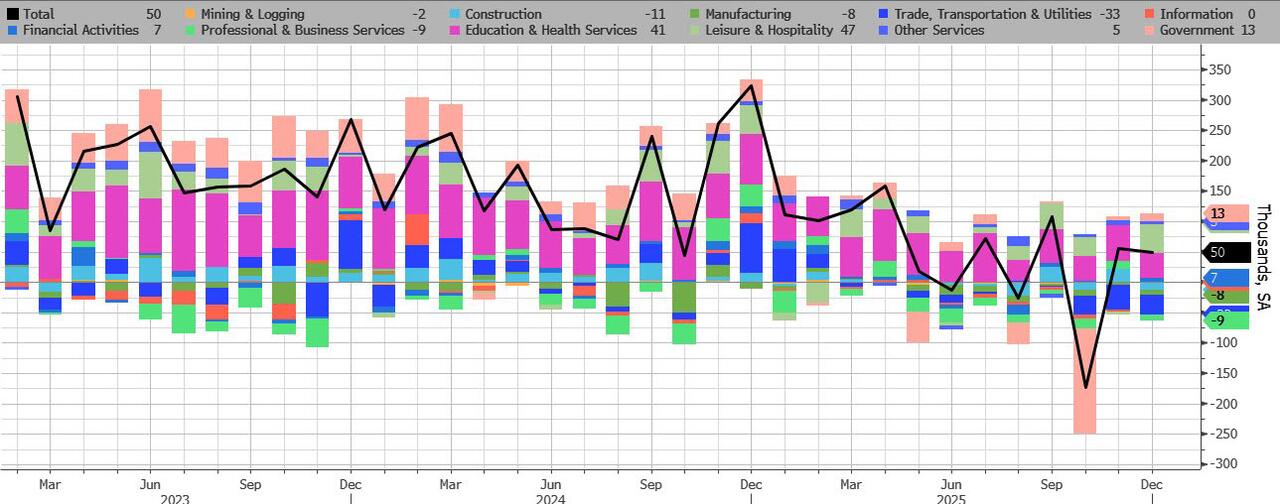
Taking a closer look at the Establishment survey, we find that employment continued to trend up in food services and drinking places, health care, and social assistance. Retail trade lost jobs. Payroll employment rose by 584,000 in 2025 (an average monthly gain of 49,000), less than the increase of 2.0 million in 2024 (an average monthly gain of 168,000). Here is the breakdown:
Employment in food services and drinking places continued to trend up in December (+27,000). Food services and drinking places added an average of 12,000 jobs per month in 2025, similar to the average increase of 11,000 jobs per month in 2024.
Health care employment continued its upward trend in December (+21,000), with a gain of 16,000 jobs in hospitals. Health care employment rose by an average of 34,000 per month in 2025, less than the average monthly gain of 56,000 in 2024.
In December, employment in social assistance continued to trend up (+17,000), mostly in individual and family services (+13,000).
Retail trade lost 25,000 jobs in December. Over the month, employment declined in warehouse clubs, supercenters, and other general merchandise retailers (-19,000) and in food and beverage retailers (-9,000). Electronics and appliance retailers added 5,000 jobs. Retail trade employment showed little net change in both 2024 and 2025.
Federal government employment was little changed in December (+2,000). Since reaching a peak in January, federal government employment is down by 277,000, or 9.2 percent. (Employees on paid leave or receiving ongoing severance pay are counted as employed in the establishment survey.)
Employment showed little or no change over the month in other major industries, including mining, quarrying, and oil and gas extraction; construction; manufacturing; wholesale trade; transportation and warehousing; information; financial activities; professional and business services; and other services.
And the visual breakdown:
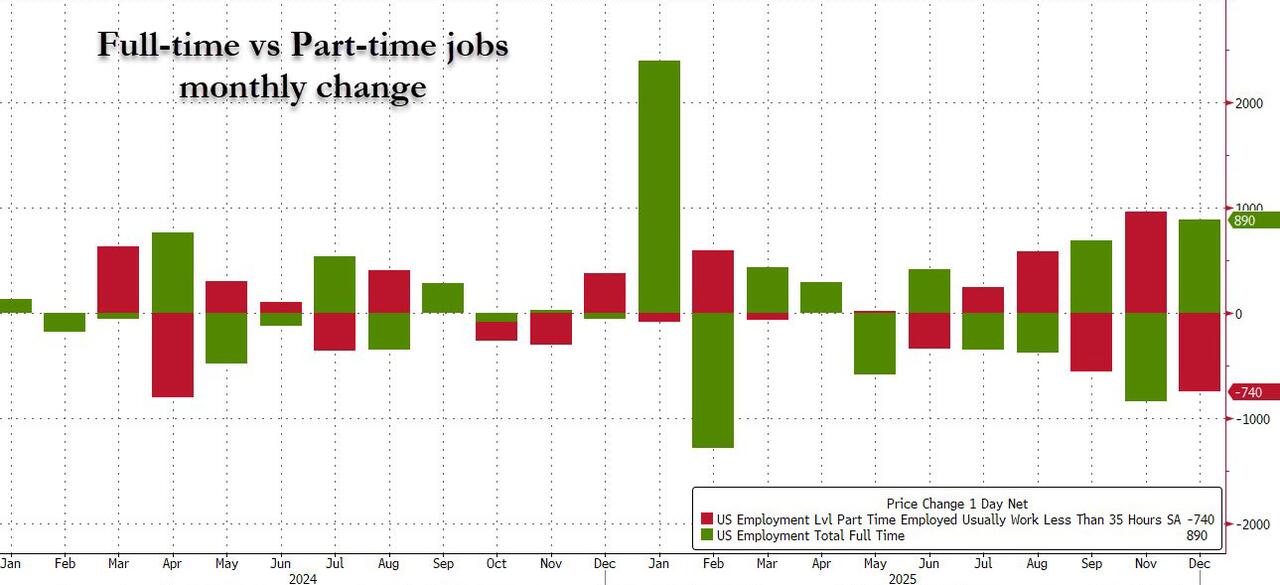
Elsewhere, there were some notable improvements in other qualitative metrics we track, including the full/part-time breakdown, where last month’s ugly push to Part-Time jobs was almost entirely reversed as full-time jobs rose 890K to 135.215MM, offset by a 740K plunge in part-time jobs -740K to 28.712MM…
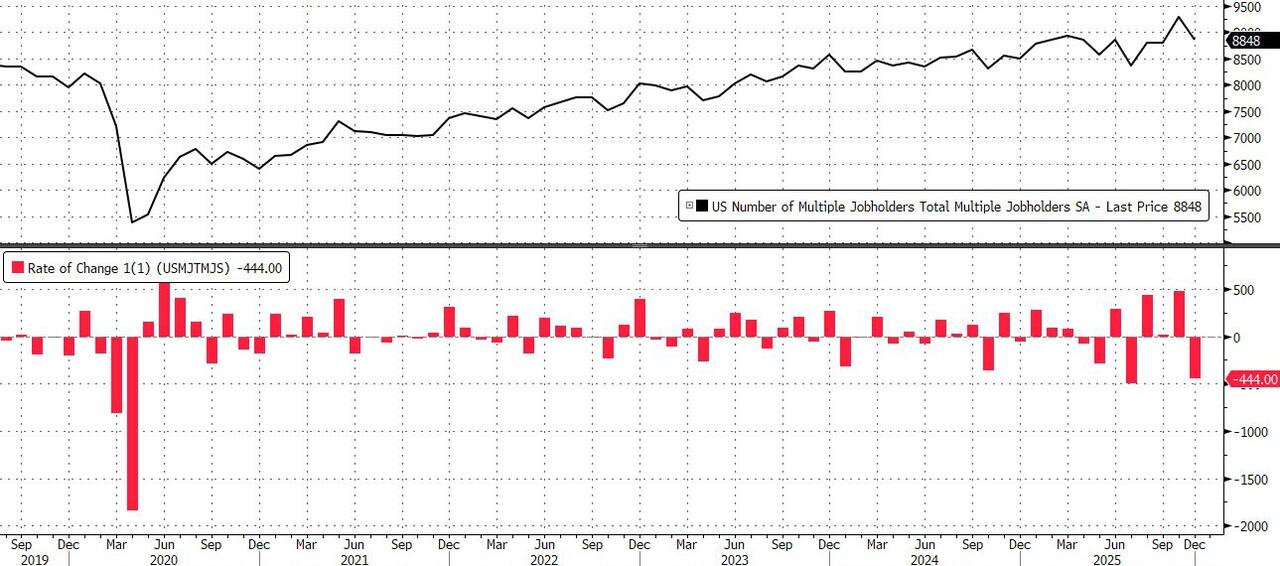
… while the number of multiple jobholders slumped by 444K – the second biggest drop since Covid – to 8.848MM.
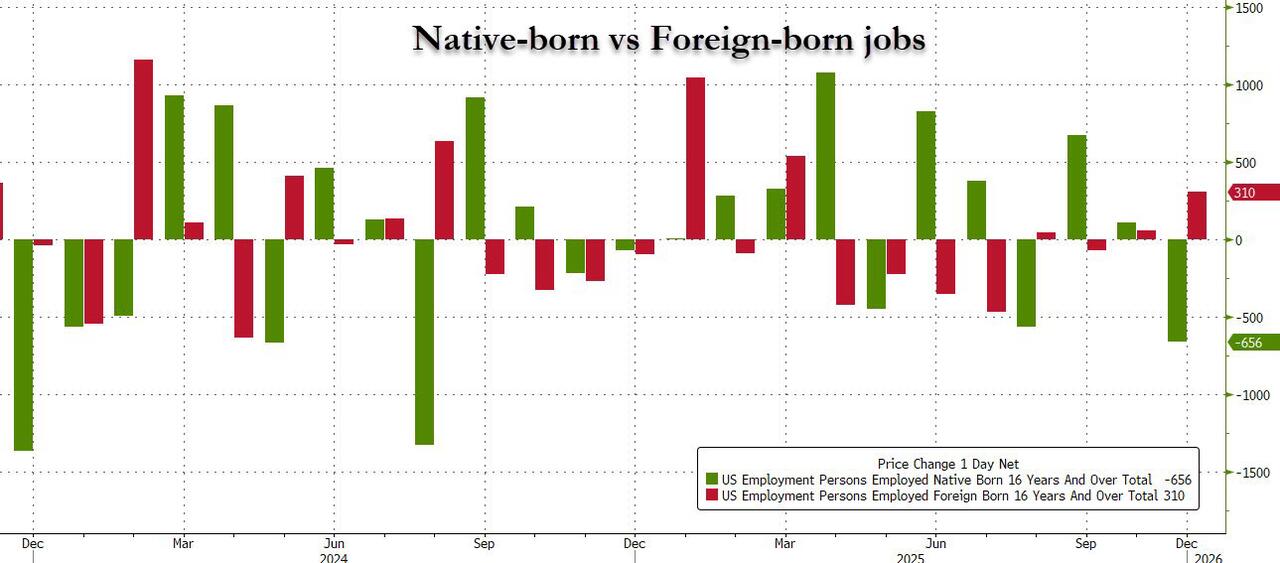
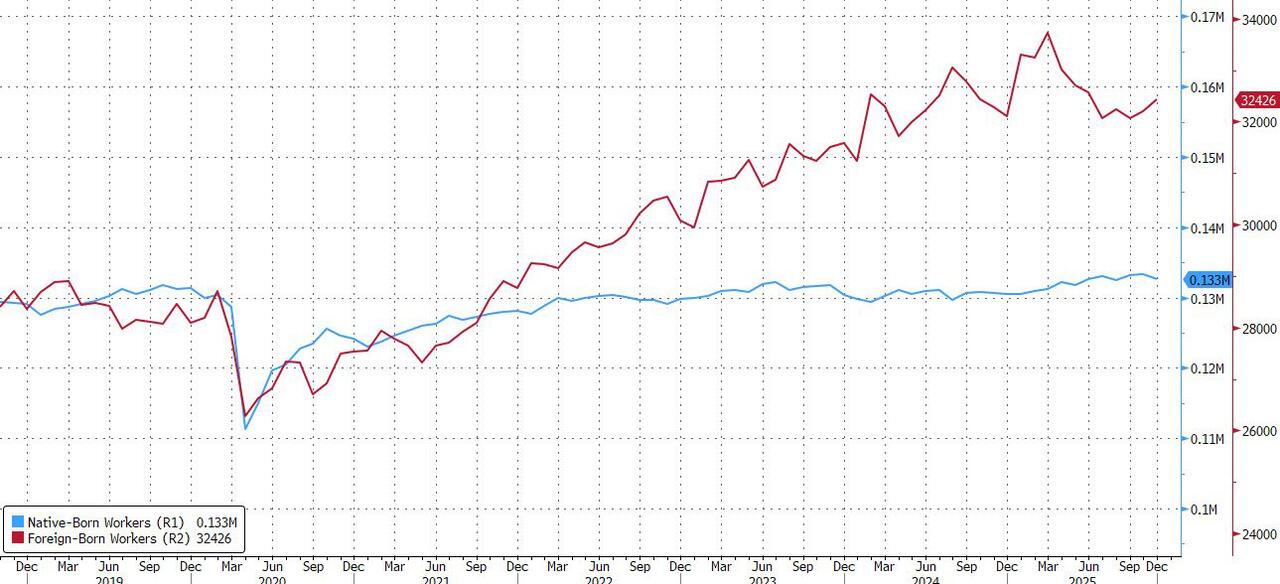
And one red flag: the number of native-born workers dropped by 656K to 132.6 million, while foreign-born workers rose by 310K to 32.426 million, a modest reversal of the trends observed in 2025.
Commenting on the data, TradeStation’s head of market strategy, David Russell said that “the labor market has reached an equilibrium after a year of policy shocks. There are no red flags compelling the Fed to cut now. Inflation is a bigger factor on rates than employment, which focuses attention on next week’s CPI. Investors may see less impact from macro-level data in the next few months and more impact from company-level events like earnings.”
Overall, this was a goldilocks report: neither too hot (with NFP missing) nor too cold (as unemp rate dropped), which leaves the Fed on autopilot and likely to cut at least 2 more times this year, absent any major changes.
Tyler Durden
Fri, 01/09/2026 – 09:00

After 3 broken ankles, Grayslake Central’s Addison Thomas is ‘just scratching the surface.’ But she digs deep.
Grayslake Central’s Addison Thomas may not be lucky, but she is resilient.
Since eighth grade, Thomas has suffered a broken left ankle three times. She has worked her way back to the basketball court after each injury.
“I learned it’s really important to take care of your body, just as much as playing and getting the work in,” she said. “You have to heal and feel good, but also mainly don’t let the bad times get you too low. Your confidence level is really important. It shows in your game.”
Thomas is definitely showing off her game in her first season as a starter. The 5-foot-9 junior guard was averaging 7.8 points, 2.7 rebounds, 1.3 assists and 1.6 steals before the Rams (8-7, 5-0) played Wauconda (14-0, 5-0) in a key Northern Lake County Conference game Friday.
Thomas, who is shooting 32.3% from 3-point range, scored a career-high 17 points in the Rams’ conference win over Grant on Tuesday.
“Addison has played great,” Grayslake Central coach Steve Ikenn said. “She’s been shooting the three well and playing good defense. She goes strong to the hoop and has good court vision. She’s just scratching the surface of the player she can be.”
Thomas first suffered a broken ankle during the summer before her freshman year and said she was sidelined for five months. It happened again during the summer before her sophomore year, sidelining her for another three months.
After coming off the bench for the Rams the past two seasons, Thomas was motivated to earn a starting job. But she suffered a broken left ankle for the third time in April — in the middle of her AAU season — and was out for four months.
Thomas said she hopes her ankle injuries are in the past because her growth plate is closed.
“I’ve had to work really hard in rehab and physical therapy,” she said. “I had a mental block for a while, and it’s definitely been challenging.
“It made me lose a little confidence the third time breaking my ankle. I had to work to the best of my abilities to become a starter and come back with the right head space to attack the basket and not play scared that I would hurt my ankle again.”
Thomas’ older brother, Chris, understands. A former three-sport athlete at Grayslake Central, Chris Thomas was forced to stop playing basketball after suffering an injury in his freshman season at Carroll University. He has become a personal trainer and has helped her recover both physically and mentally.
“Injuries are always a risk with sports,” Chris Thomas said. “I know that firsthand. What matters most is how you respond. Getting back to your baseline takes time and real work once you’re cleared. Recurring injuries are tough, but her love for the game and mental toughness won’t let setbacks define her.
“I told her to accept the injury, even though it’s frustrating, and understand that the recovery isn’t always quick or easy. Your mindset matters most. Treat rehab like training — another opportunity to improve and come back stronger.”
Grayslake Central’s Addison Thomas (1) attempts a 3-point shot over Glenbrook North’s Paige Giannoulias (10) during a game in St. Viator’s Blenner Classic in Arlington Heights on Friday, Dec. 19, 2025. (Talia Sprague / News-Sun)
Addison Thomas has done that, impressing Grayslake Central junior guard/forward Peyton Hoffmann.
“I feel like it shows her true dedication to the team and the sport,” Hoffmann said. “She is always someone we can count on and works hard all year round to keep improving as a team player.”
Grayslake Central senior point guard Mosey Drevline often shares ballhandling duties with Thomas and is glad she’s back on the court.
“Addi never complains,” Drevline said. “She shows up at every practice with a smile and is ready to work.
“Addi has always been a great shooter but especially this year she’s been shooting great. She brings calmness but also aggression into our games.”
Thomas said she wants to make a difference in the Rams’ pursuit of a fourth consecutive conference title.
“It feels amazing playing and being a starter,” she said. “My role has changed. I feel like I’ve really got to the point that I know I’m better on the floor.”
Bobby Narang is a freelance reporter.
https://www.chicagotribune.com/2026/01/09/basketball-grayslake-central-addison-thomas/

1 dead and 2 wounded in Gage Park shooting
A 19-year-old man was fatally wounded and two other men were seriously injured in a shooting Thursday night in the Gage Park neighborhood, Chicago police said.
Shortly after 10:30 p.m., the victims were inside a parked car in the 5800 block of South Western Avenue when they were approached by a gunman who pulled out a gun and opened fire before fleeing the scene, police said.
A 19-year-old man was struck multiple times to the body and was taken to UChicago Medicine where he was pronounced dead. A 22-year-old man suffered wounds to the stomach and back and was taken to the same hospital where he was listed in serious condition.
A third man, 41, was taken to Advocate Christ Medical Center in Oak Lawn with wounds to the lower torso and listed in serious condition, police said.
No one was in custody and detectives were investigating.
https://www.chicagotribune.com/2026/01/09/gage-park-shooting/

Residents, activists, officials demand police oversight board open inquiry into CPD’s actions during Midway Blitz
Chicago residents, activists and elected officials demanded that the city’s civilian police oversight board launch a thorough probe into how the Chicago Police Department has interacted with or assisted federal immigration agents before, during and after “Operation Midway Blitz” at a heated Thursday night meeting.
City police have been on the scenes of many of the highest-profile standoffs between Chicago residents and federal agents throughout the Trump administration’s highly publicized 64-day immigration enforcement surge in the city and suburbs.
While prohibited from participating in or aiding that enforcement, CPD has often conducted crowd control or made arrests in the chaotic aftermath of federal raids. Police brass — who have both been accused of leaving federal agents out in the cold and of aiding their efforts at different points during the blitz — have said that they’ll respond to any 911 call they get and ensure basic public safety when they are on-scene alongside federal agents.
Community Commission for Public Safety and Accountability President Remel Terry reminded the hundreds of people who filled Pilsen’s Thalia Hall of what CPD is and isn’t allowed to do at the top of the meeting Thursday night and encouraged people to report their concerns to the Civilian Office of Police Accountability and Chicago’s Office of Inspector General. And most of the commissioners said they were looking forward to hearing from those at the meeting, which was intended to be a “listening session” for residents to share their accounts of how Chicago police may have acted inappropriately while responding to situations involving immigration agents.
Many commenters were focused on how CPD had or hadn’t been involved with the federal personnel, from whether they could arrest agents for reckless driving to how they positioned themselves during confrontations between agents and neighbors. But the meeting was shot through with political animosity as speaker after speaker directed almost equal frustration toward the seven-member commission for its delay in holding a forum as they did toward CPD, Immigrations and Customs Enforcement or U.S. Customs and Border Protection.
“You exist because of the power of the people,” Ald. Leni Maana-Hoppenworth, 48th, told the commission. “So I implore you to listen to what you are hearing today, to work with us, to help us hold all of law enforcement accountable, no matter what the alphabet soup of their name is. You all are a part of that too. ”
Members of the Community Commission for Public Safety and Accountability (CCPSA) hold a listening session at Thalia Hall on Jan. 8, 2026. (John J. Kim/Chicago Tribune)
Police district council members who helped set the meeting up said they’d originally asked the commission to hold a hearing on CPD’s role in the “blitz” on Nov. 13. The councilors met with the commission Dec. 11, they said, and ultimately collected 2,000 petition signatures to trigger Thursday’s listening session.
While they worked to make the hearing happen, Border Patrol Cmdr. Gregory Bovino and his men made a brief, chaotic return to the city and suburbs to arrest more people.
“Through this process, we felt that this issue was not being treated with the urgency that it deserved,” 10th District Council member Elianne Bahena said. “In the face of this reality, waiting is not neutral.”
Ald. Andre Vasquez, 40th, said it had been 218 days since Chicago police were on the scene at a pre-Blitz tussle between ICE agents who were arresting immigrants at their court appearances, elected officials and members of the public.
Vasquez, who chairs the City Council Committee on Immigrant and Refugee Rights, said his committee has had to “force these conversations to happen to find out what, exactly, are the interactions (between federal officials and CPD).”
“There is no excuse for 218 days to go by without a hearing from the body who’s charged with police accountability in regards to police accountability,” he said.
A woman who identified herself as an organizer with the Chicago Alliance Against Racist and Political Repression, a key group that helped create the commission, told the seven commissioners that “you should be (expletive) ashamed of yourselves.”
The woman’s time on the microphone was cut short, apparently due her use of profanity during her remarks, and the meeting briefly ground to a halt while hundreds of people jeered and yelled, “let her speak!” as event staff sent her back into the audience.
Another speaker told the commission that “CPD is absolutely collaborating with ICE in ways that violate the law. The law has to mean something.”
“I know that you all care a lot and are trying your best, but I say to each and every one of you on that dais, your best is not good enough right now,” she continued. “You have state power. (Expletive) use it. This body is not supposed to be a nice line on your resume.”
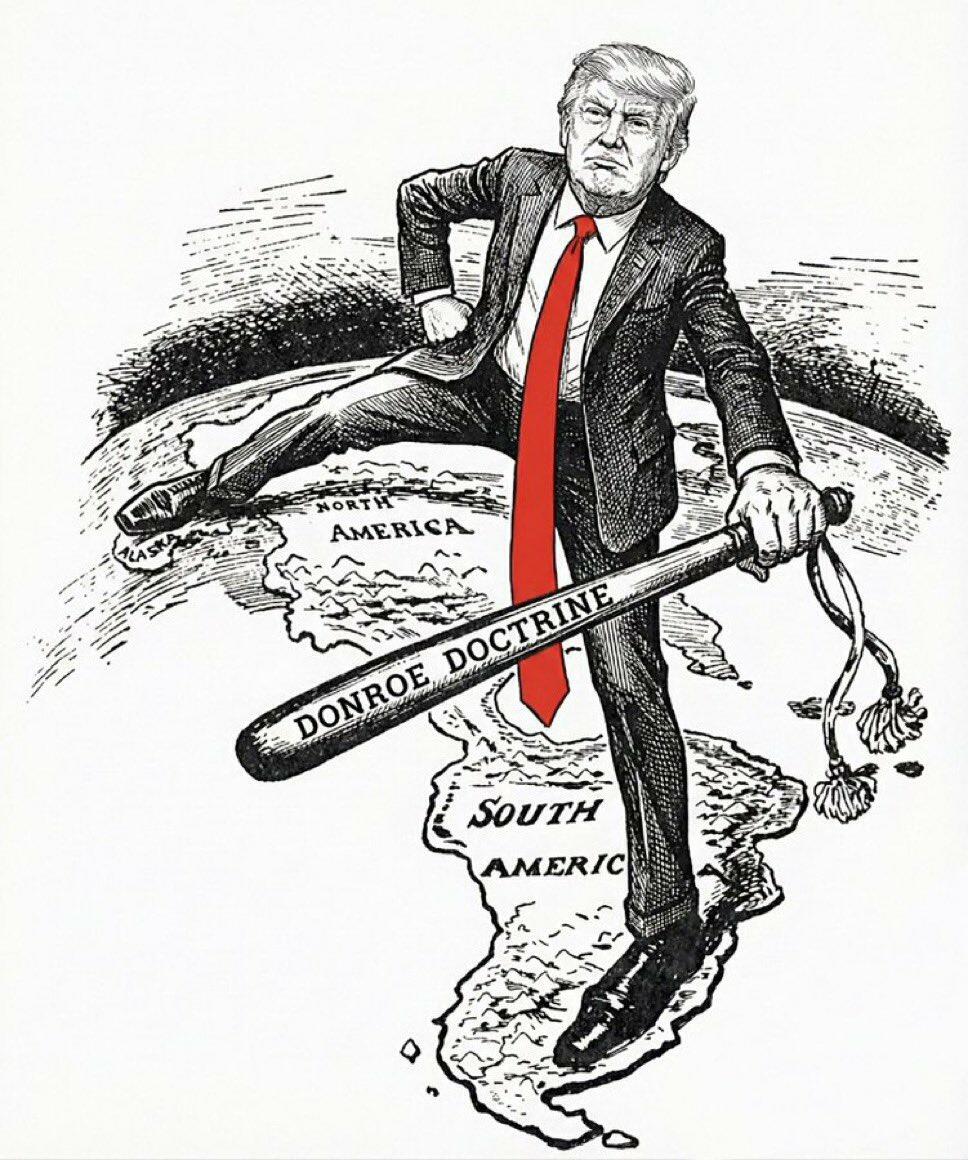
US Seizes Another Oil Tanker In Caribbean As ‘Donroe Doctrine’ Steams Ahead
US Seizes Another Oil Tanker In Caribbean As ‘Donroe Doctrine’ Steams Ahead
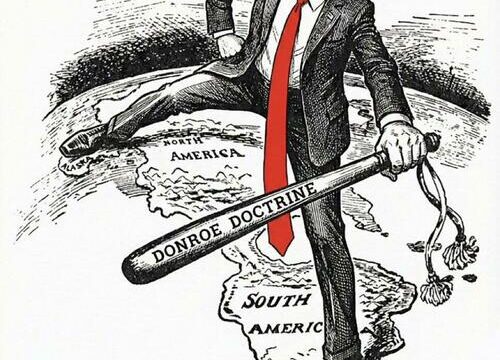
The foreign policy move to dismantle the so-called “dark fleet” of crude oil tankers moving Venezuela’s oil around the world, through President Trump’s gunboat diplomacy to secure the Western Hemisphere, was once again on full display on Friday morning.
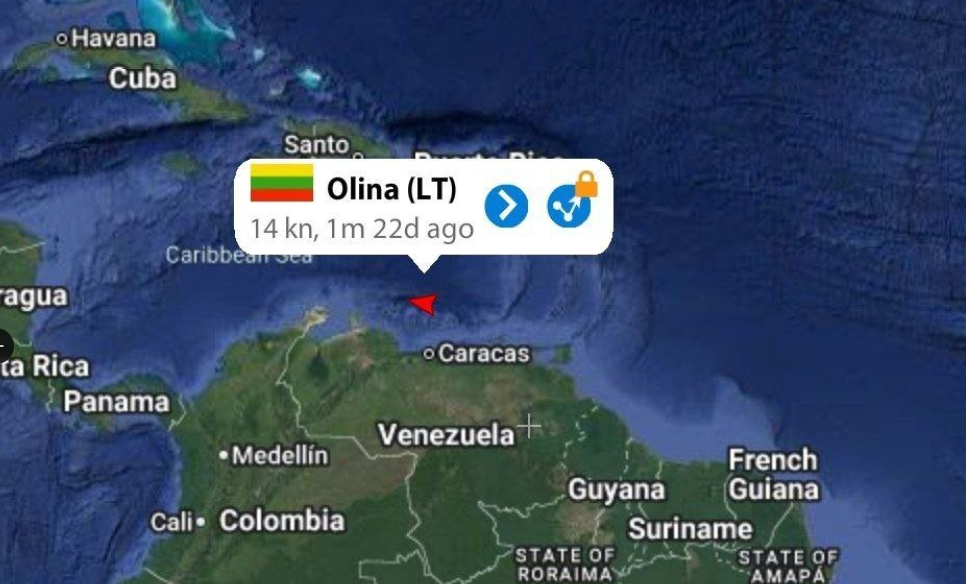
The Wall Street Journal reported that the U.S. Coast Guard forces boarded a fifth oil tanker, Olina, as part of a widening blockade targeting sanctioned dark-fleet vessels.
Olina, previously sanctioned for transporting Russian oil, was last tracked near Venezuela.
OLINA (9282479) belongs to an extremely exclusive club of naughty tankers. pic.twitter.com/9yKRziKvat
— TankerTrackers.com, Inc. (@TankerTrackers) January 9, 2026
The seizure of Olina is likely to further ignite tensions between Washington and Moscow, days after the US seized Marinera (formerly Bella 1) in the North Atlantic. Russia previously told the US not to seize Bella 1, which was shadowed by Russian Navy assets.
Latest from the Western Hemisphere:
Chevron Contracts 11 Tankers For Venezuela Port Calls As Don-Roe Doctrine Begins
The “Don-Roe Doctrine” Has Already Set The Tone For 2026
White House Mulls Payments Up To $100,000 Per Greenlander To Join US
US Plans To Keep Troops In Caribbean Through 2028, Planning Docs Show
The Trump administration is using these seizures to dismantle Venezuela’s dark fleet of about 1,000 tankers that evade sanctions – a network that carries about 70% of the country’s oil exports, much of which ends up in Asia.
Marco Rubio said earlier this week that the blockade provides maximum leverage over Caracas, while also warning Russia, China, and Iran against backing Venezuela. This gunboat diplomacy is supported by the U.S. Navy, including the USS Gerald R. Ford, and backed by Justice Department resources, signaling that more tanker seizures are just ahead.
Tyler Durden
Fri, 01/09/2026 – 08:45

Grok limita generación de imágenes tras críticas por deepfakes sexualizados
Por KELVIN CHAN
LONDRES (AP) — Grok, el chatbot de IA de Elon Musk, ha comenzado a impedir que los usuarios gratuitos generen o editen imágenes tras la reacción global por los deepfakes sexualizados de personas, pero el cambio no ha satisfecho a las autoridades en Europa.
En las últimas semanas, el chatbot, al que se accede a través de la red social X de Musk, ha atendido una ola de solicitudes maliciosas de usuarios para modificar imágenes, como poner a mujeres en bikini o en posiciones sexualmente explícitas, señalan investigadores.
Los investigadores han advertido que, en algunos casos, algunas imágenes parecían representar a niños. Gobiernos de todo el mundo han condenado a la plataforma y han abierto investigaciones.
El viernes, Grok respondió a las solicitudes de alteración de imágenes con el mensaje: “La generación y edición de imágenes actualmente están limitadas a suscriptores de pago. Puedes suscribirte para desbloquear estas funciones.”
Aunque las cifras de suscriptores de Grok no están disponibles públicamente, el viernes hubo una notable disminución en el número de deepfakes explícitos que Grok genera, en comparación con pocos días antes.
El chatbot seguía atendiendo solicitudes de imágenes, pero solo de usuarios de X con marcas de verificación azules otorgadas a suscriptores premium que pagan 8 dólares al mes por funciones que incluyen límites de uso más altos para el chatbot.
Hasta el momento, un portavoz de X no ha respondido a una solicitud de comentarios.
Las restricciones para los usuarios, salvo para los suscriptores de pago, no parecieron cambiar las opiniones de los líderes o reguladores en Europa.
“Esto no cambia nuestro problema fundamental. Suscripción de pago o no, no queremos ver tales imágenes. Es así de simple”, dijo Thomas Regnier, portavoz de la Comisión Ejecutiva de la Unión Europea. La Comisión ya había criticado a Grok por un comportamiento “ilegal” y “espantoso”.
El gobierno británico tampoco estaba satisfecho.
Los cambios de Grok “no son una solución”, dijo Geraint Ellis, portavoz del primer ministro británico Keir Starmer, quien había amenazado el jueves con tomar medidas no especificadas contra X.
“De hecho, es insultante para las víctimas de misoginia y violencia sexual”, afirmó, señalando que esto muestra que X “puede actuar rápidamente cuando quiere hacerlo”.
“Esperamos una acción rápida”, dijo, y agregó que “todas las opciones están sobre la mesa”.
En declaraciones a la radiodifusora Greatest Hits, Starmer señaló que X necesita “ponerse las pilas y eliminar este material. Tomaremos medidas sobre esto porque simplemente no es tolerable.”
Los reguladores de medios y privacidad del Reino Unido dijeron esta semana que han contactado a X y a xAI, la empresa de inteligencia artificial de Musk, para obtener información sobre las medidas tomadas para cumplir con las regulaciones británicas.
Francia, Malasia e India también han examinado la plataforma, y una legisladora brasileña ha pedido una investigación. La Comisión Europea ha ordenado a X que conserve todos los documentos internos y datos relacionados con Grok hasta finales de 2026, como parte de una investigación más amplia bajo la ley de seguridad digital de la UE.
Grok es de uso gratuito para los usuarios de X, quienes pueden hacerle preguntas en la red social. Pueden etiquetarlo en publicaciones que han creado directamente o en respuestas a publicaciones de otros usuarios.
Grok se lanzó en 2023. El verano pasado, la empresa agregó una función de generador de imágenes, Grok Imagine, que incluía un llamado “modo picante” que puede generar contenido para adultos.
El problema se amplifica por el hecho de que Musk presenta su chatbot como una alternativa más atrevida a los rivales con más salvaguardas, y porque las imágenes de Grok son públicamente visibles, por lo que pueden difundirse fácilmente.
___
Los periodistas de la AP Jill Lawless en Londres y Lorne Cook en Bruselas contribuyeron a este despacho.
___
Esta historia fue traducida del inglés por un editor de AP con la ayuda de una herramienta de inteligencia artificial generativa.