Imminent Supreme Court Rulings To Watch For
Authored by Sam Dorman via The Epoch Times (emphasis ours),
Birthright citizenship, girls sports, the definition of Election Day, and other hot-button topics are on the line in upcoming Supreme Court decisions.
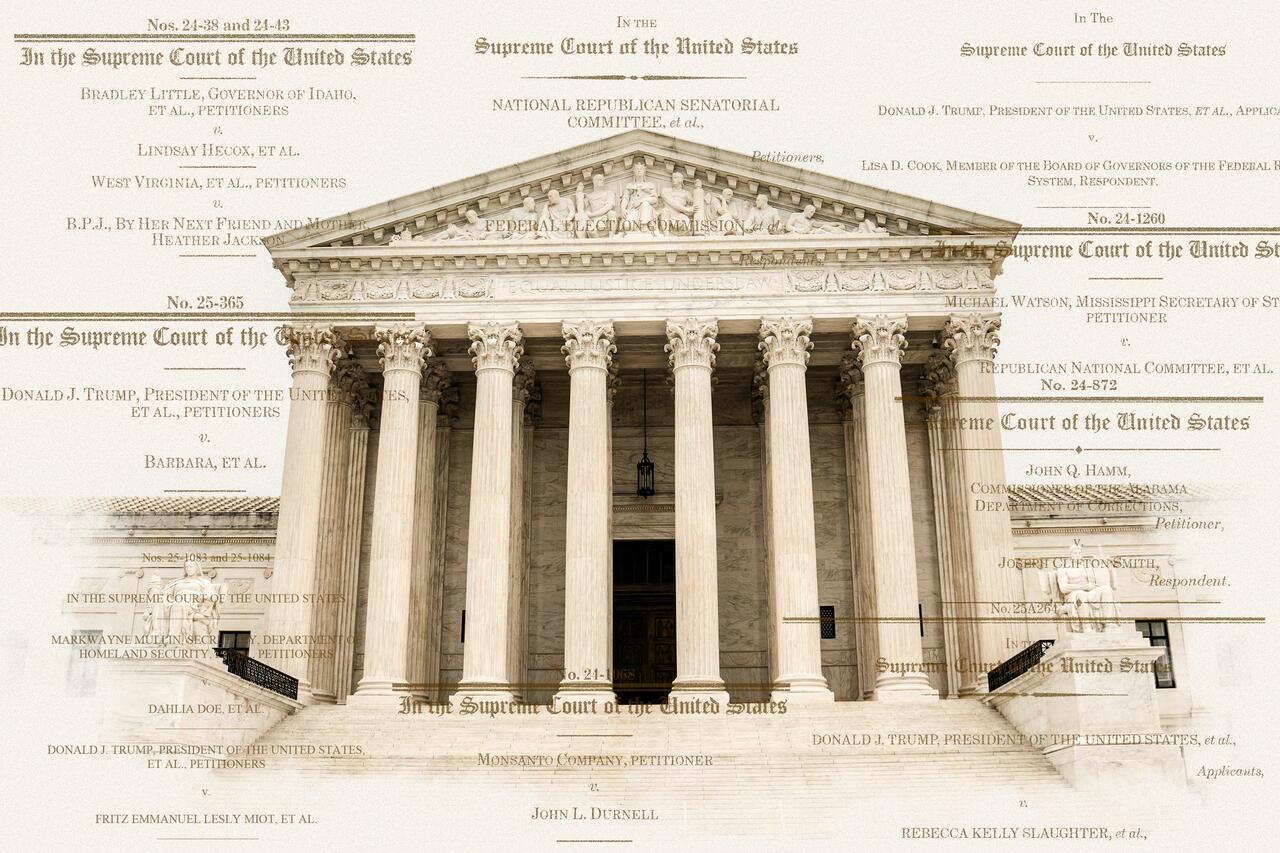
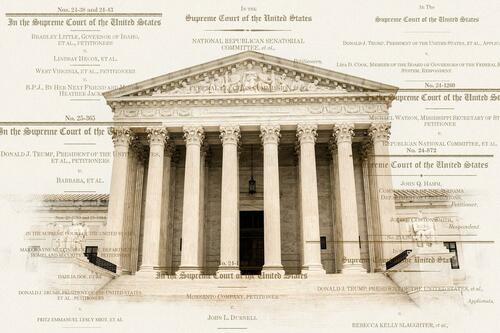
Illustration by The Epoch Times, Madalina Kilroy/The Epoch Times
The court’s 2025–2026 term is expected to end in June with a series of rulings that could impact social issues and President Donald Trump’s agenda.
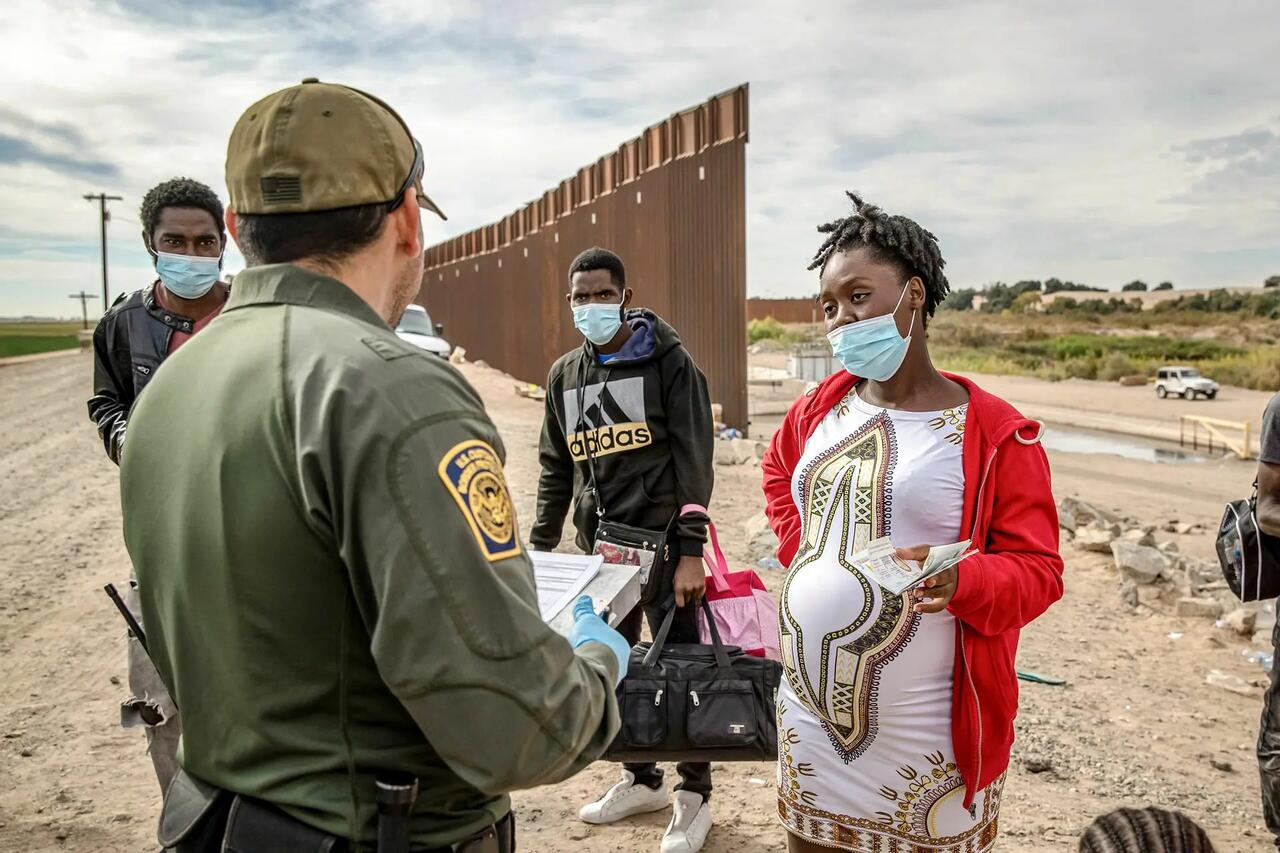
The last scheduled oral argument was held on April 29; the justices considered whether Trump wrongfully terminated deportation protections for thousands of Haitian and Syrian nationals. That decision and a ruling on Trump’s order restricting birthright citizenship could influence immigration policy for decades to come.
So far, the court has already issued opinions on Trump’s tariffs and redistricting. Its remaining decisions could change how elections are conducted, as well as alter the balance of power between Congress and the president.
Here are the main decisions expected before the end of June.
Birthright Citizenship
A key part of Trump’s immigration agenda has been his attempt to limit who receives American citizenship. The 14th Amendment states that “all persons born or naturalized in the United States, and subject to the jurisdiction thereof, are citizens of the United States and of the State wherein they reside.”
Historically, the executive branch interpreted this amendment to grant citizenship to babies born to illegal immigrants. Trump changed this interpretation on his first day in office, passing an executive order stating that the amendment only applied to children who had at least one parent with citizenship or lawful permanent residency.
In Trump v. Barbara, the president asked the Supreme Court to intervene after a federal judge blocked his executive order. During oral argument on April 1, the Justice Department said that parents should be legal residents or have some kind of allegiance to the United States before their children receive citizenship. The justices, however, seemed skeptical and indicated they may view citizenship more broadly.
Girls Sports
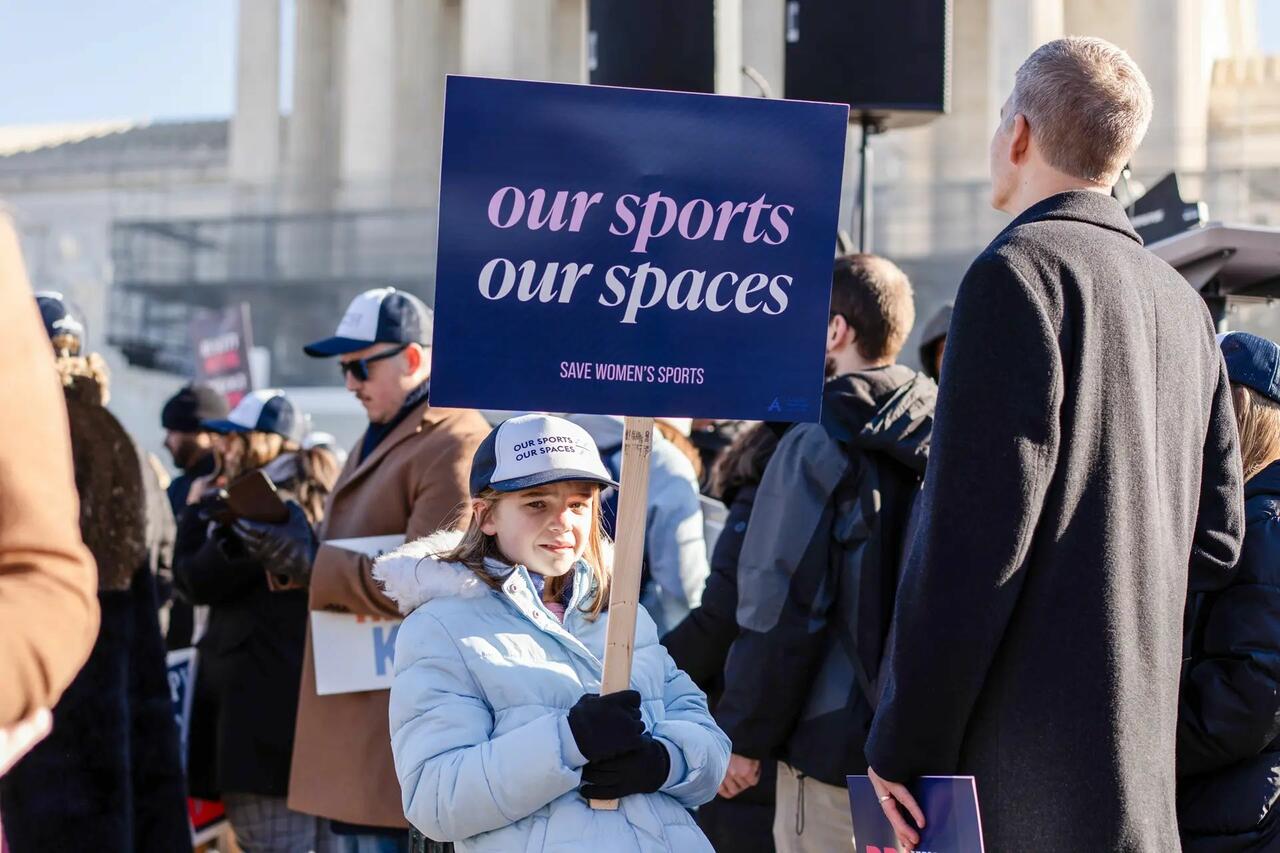
Another highly anticipated decision focuses on Idaho’s and West Virginia’s laws preventing males from participating in girls and women’s sports. Federal appeals courts blocked those laws, stating that they conflict with another portion of the 14th Amendment known as the equal protection clause. That clause generally prohibits laws that classify or discriminate on the basis of certain characteristics.
The appeals courts said the state laws conflict with that clause because they classify individuals on the basis of their sex and “transgender status.” The U.S. Court of Appeals for the Fourth Circuit also said West Virginia’s law violated Title IX of the Civil Rights Act. That law prohibits sex-based discrimination in federally funded education.
The justices heard oral argument in January for the cases, known as Little v. Hecox and West Virginia v. B.P.J. Overall, the justices seemed inclined to uphold the states’ laws.
Monsanto’s Weedkiller
Monsanto’s herbicide, known as Roundup, has cost the company millions of dollars following lawsuits alleging one of its ingredients, glyphosate, increases cancer risk.
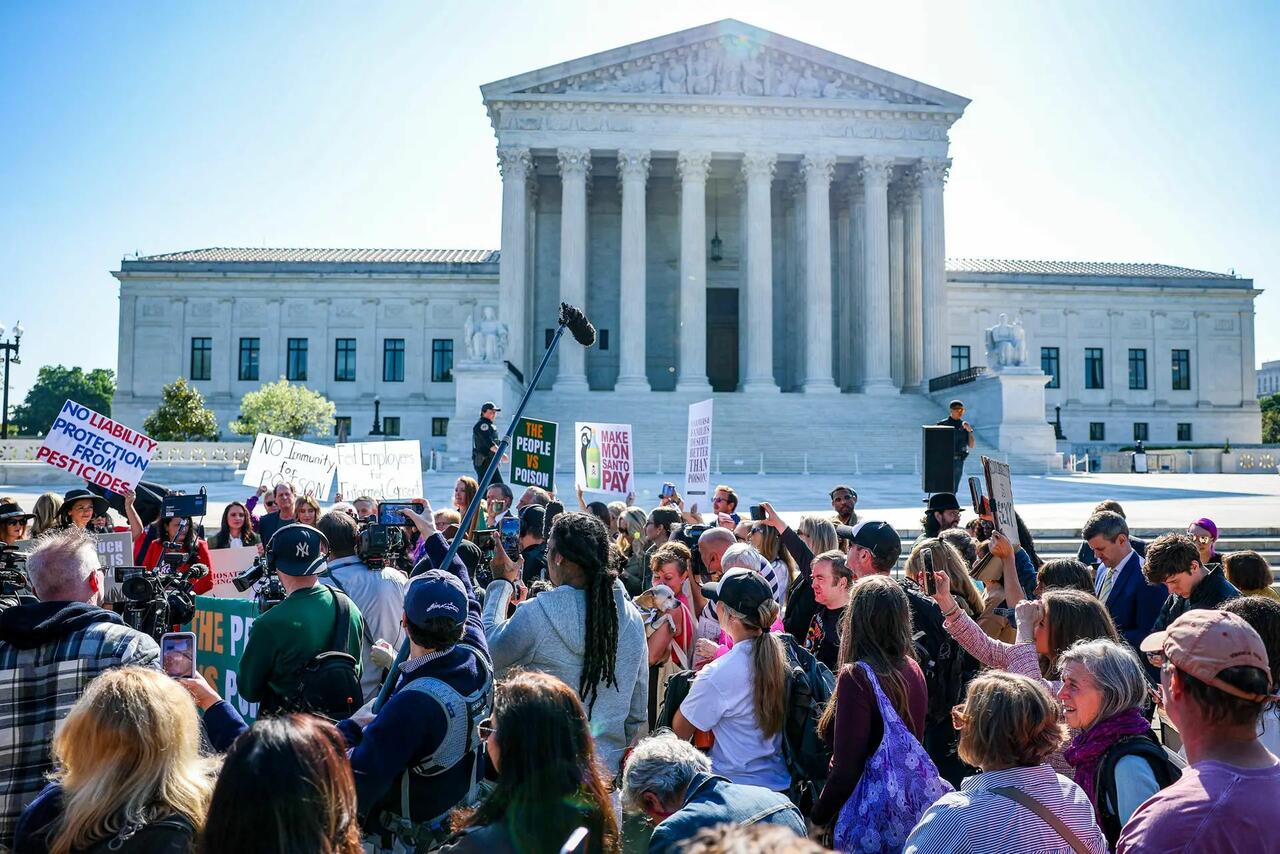
One of those lawsuits made it to the Supreme Court in April and could determine how much Monsanto has to pay in future lawsuits. The case, Monsanto v. Durnell, focused on a Missouri jury that held the company liable for not warning about glyphosate’s purported risks.
Monsanto told the Supreme Court that the jury’s verdict was based on a faulty interpretation of the law. The jury said Monsanto was liable under a Missouri law that requires warnings for consumer products. Monsanto argued that the jury interpreted the law in a way that conflicted with another law passed at the federal level.
The Supreme Court’s eventual decision is expected to touch on a legal doctrine known as preemption, which says that federal law takes precedence over state law when there is a conflict between the two. In this case, Monsanto said the Federal Insecticide, Fungicide, and Rodenticide Act should take precedence.
That law gives the U.S. Environmental Protection Agency authority to regulate chemicals such as glyphosate. Because the agency already approved glyphosate’s use and didn’t require additional warnings, Monsanto said Missouri couldn’t require more either. Durnell argued that the verdict didn’t conflict with federal law and that Missouri should be able to protect its citizens’ health.
Trump’s Ability to Fire Bureaucrats
One of the main legal complaints leveled during Trump’s second administration was that he fired high-level bureaucrats without good reason. Leaders of so-called “independent” agencies, such as the Federal Trade Commission (FTC), sued, alleging that Trump didn’t show the type of cause federal law required of presidents when firing officials.
In Trump v. Slaughter, Trump asked the Supreme Court to intervene after a lower court blocked his attempt to fire FTC Commissioner Rebecca Slaughter. The justices seemed inclined in December 2025 to not just allow her firing, but also expand the authority presidents have in removing bureaucrats like her.
Their eventual decision could overturn a 90-year-old precedent from Humphrey’s Executor v. United States. In that 1935 case, the Supreme Court held that former President Franklin D. Roosevelt wrongly fired a former FTC commissioner and that Congress could restrict his ability to do so.
The Trump administration argues that the Constitution gives the president greater authority and that Congress cannot use laws such as the FTC Act to restrict his ability to remove bureaucrats.
Fed Independence
Like the FTC Act, another law, known as the Federal Reserve Act, said presidents couldn’t remove high-level officials without cause. That was the law that Federal Reserve Governor Lisa Cook cited when she challenged Trump’s attempt to fire her last year.
Trump removed Cook while citing allegations that she committed mortgage fraud, something she has denied. During oral argument in January, the Supreme Court wrestled with multiple questions: whether Trump gave Cook enough due process before firing her, how the firing would impact the economy, and how Trump’s view of his authority would impact the Federal Reserve’s independence.
Overall, the justices seemed inclined to side with Cook. The case, Trump v. Cook, followed other decisions in which the Supreme Court suggested that the Federal Reserve was more independent than agencies such as the FTC and that its members therefore deserved additional protections.
Definition of ‘Election Day’
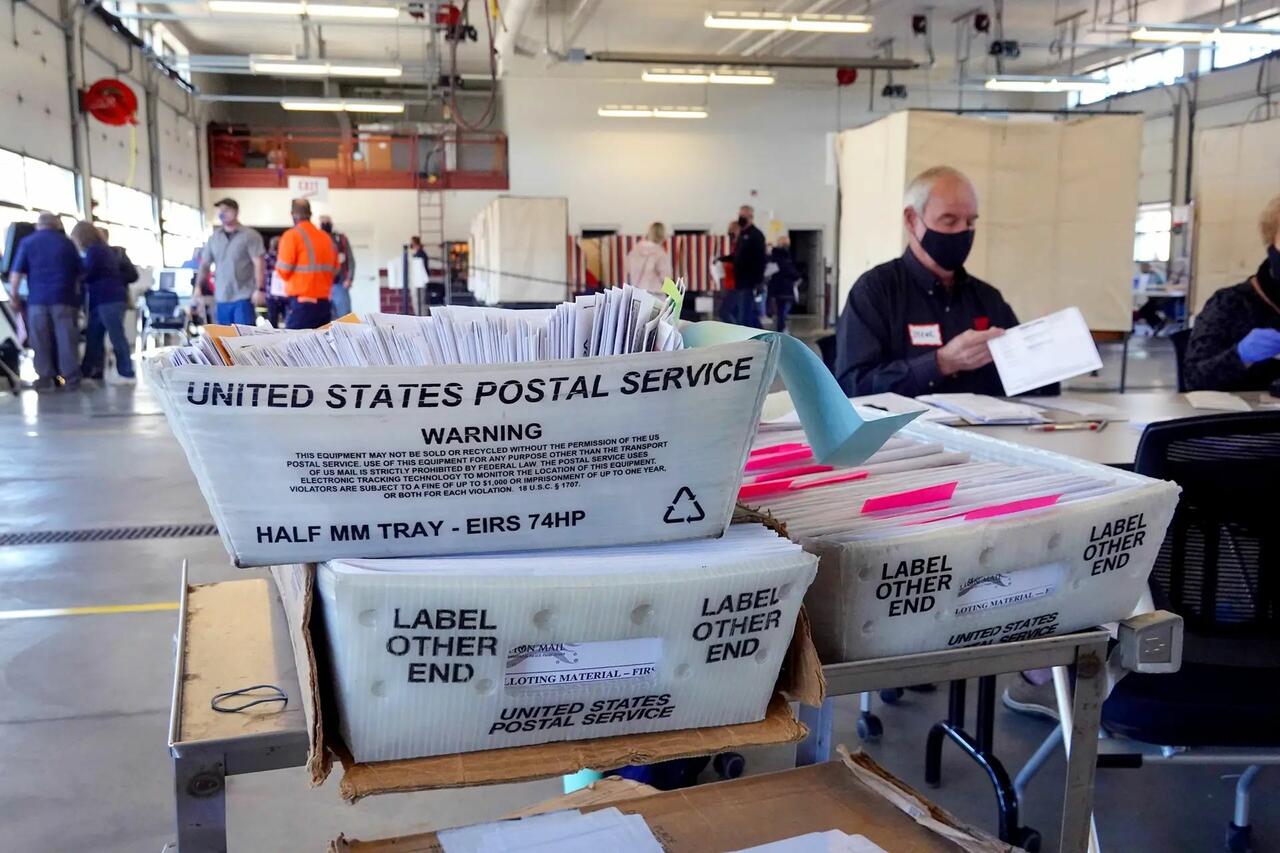
The 2020 presidential election reinvigorated debate over mail-in ballots, a controversial method of voting that Trump and others argue is vulnerable to fraud. Multiple states, including Mississippi, have allowed mail-in ballots to be counted after Election Day as long as they are postmarked on or before that day.
Trump and the Republican National Committee argue that practice violates a federal law that defines Election Day as “the Tuesday next after the first Monday in November.”
When the case, Watson v. Republican National Committee, reached the Supreme Court, the Trump administration supported the committee’s position.
“‘Election day’ was the day all voting needed to be completed; and the act of voting was not complete until a ballot had been officially received,” the Justice Department told the court.
Mississippi argues the law simply requires that voters make their choice by Election Day, not that their ballots are counted.
During oral argument in March, the justices seemed more likely to side with the committee. “We’re moving in this direction,” Justice Samuel Alito said. “We don’t have Election Day anymore. We have election month or we have election months.”
Deportation Protections
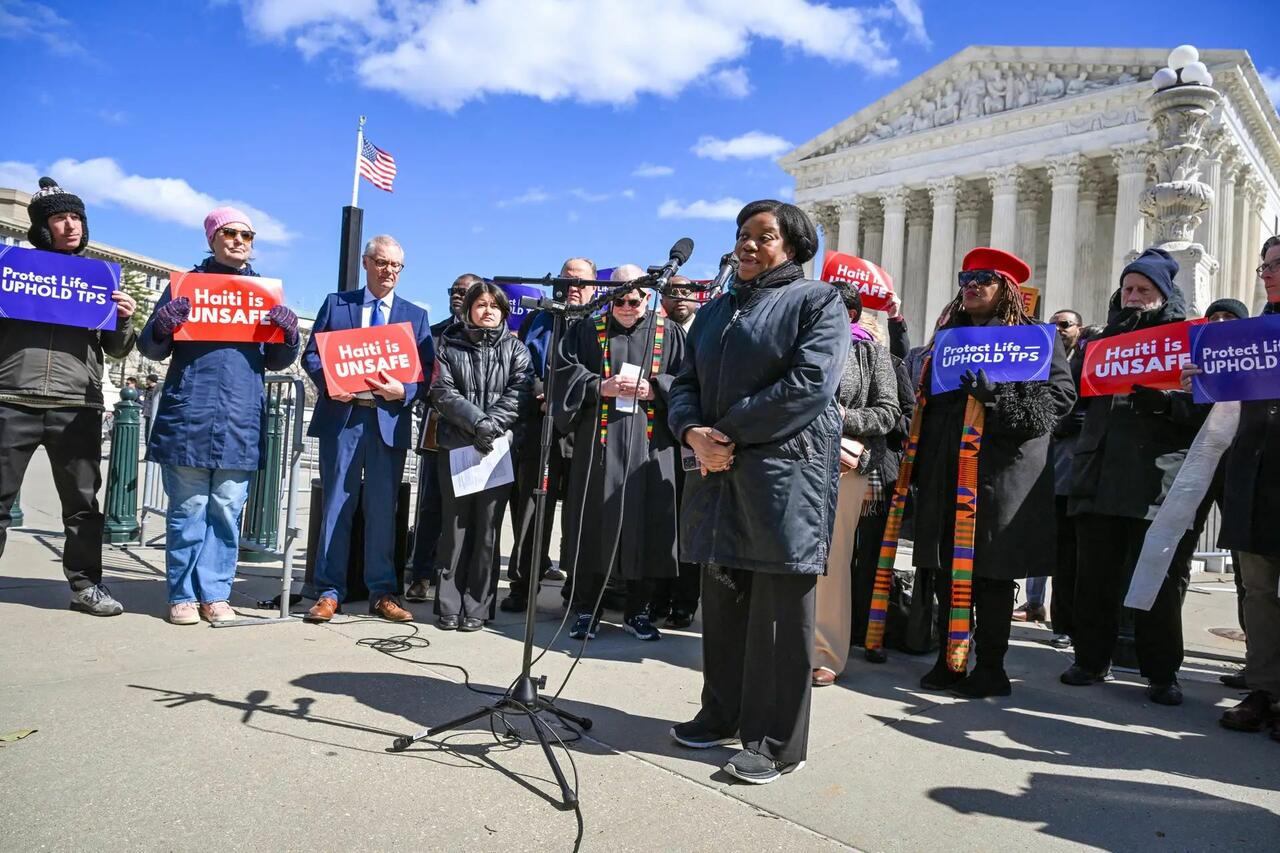
The court’s most recent oral argument focused on the Department of Homeland Security’s termination of deportation protections for thousands of Haitians and Syrians. “Temporary protected status” prevents nationals of certain countries from being removed if conditions in their home countries would make returning unsafe.
Under President Barack Obama, the department granted that status for Haiti, which was impacted by the 2010 earthquake, and Syria, which has seen ongoing political turmoil and armed conflict.
Former Homeland Security Secretary Kristi Noem terminated those protections last year, prompting lawsuits and federal judges’ orders blocking those terminations.
The justices heard oral argument in the cases, known as Mullin v. Doe and Trump v. Miot, on April 29. They considered whether those judges exceeded their authority under the Immigration and Nationality Act, which generally prohibits judicial review of the department’s determinations about temporary protected status.
Lower court judges, however, said the administration still had to follow certain procedures, but that it didn’t when it terminated those protections. The justices also considered a federal judge’s argument that the administration likely acted with racial animus toward Haitians and therefore violated the Constitution.
Campaign Finance
How much protection does the First Amendment afford political parties when they spend money on campaigns? That’s one of the questions the Supreme Court is expected to address in a case called National Republican Senatorial Committee v. Federal Election Committee.
The case originated with a lawsuit brought by then-Senate candidate JD Vance, who argued that Congress violated the First Amendment with the Federal Election Campaign Act. That law restricts how much political parties and candidates’ campaigns can coordinate their spending.
The Supreme Court upheld that restriction in 2001 on the basis that coordination opened a backdoor for corruption. In its upcoming decision, the court could maintain its prior position or overrule itself while siding with Republicans.
Read the rest here…
Tyler Durden
Wed, 05/13/2026 – 13:35
https://www.zerohedge.com/political/imminent-supreme-court-rulings-watch