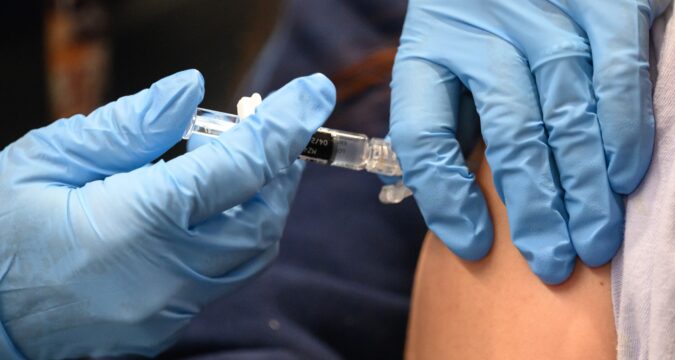
Michael Isaacson, executive director of the Kane County Health Department, says parents and caregivers are being bombarded with inaccurate information about the safety and efficacy of vaccines.
“This makes it harder for them to sift through all of the information and get the facts they need to make the decisions that will protect their children and the community,” he said. “Vaccines are one of the most important things that we have done to reduce death and illness.”
Isaacson’s comments come in the wake of the U.S. Department of Health and Human Services decision this month to reduce the number of recommended childhood vaccines from 17 to 11, a move that has raised red flags for some medical experts who say it’s bad guidance.
Illinois Department of Public Health Director Sameer Vohra said the state will not adhere to the changes and plans to stick with the recommendations already in place.
“As the federal government unilaterally makes changes without transparent review or evidence to support changes, Illinois will continue to promote the well-being of Illinoisans by issuing recommendations based on the full weight of scientific evidence,” Vohra said in a statement.
Reuters reported this week that the United States officially left the World Health Organization despite “a year of warnings that doing so would hurt public health in the U.S. and globally, saying its decision reflected failures in the U.N. health agency’s management of the COVID-19 pandemic.”
At the same time, the nation is seeing an increase in some diseases once considered eradicated here, particularly measles. Last year, according to the Centers for Disease Control, there were more than 2,000 reported cases of the contagious viral disease. A CNN report said that is the highest number since 1992, before doctors began to recommend two doses of the measles-mumps-rubella vaccine for children.
Almost 650 measles cases have been reported in South Carolina alone since October 2025, according to reports. The Utah Department of Health and Human Services website puts the number of cases there at 216 in its ongoing outbreak.
Michael Isaacson, executive director of the Kane County Health Department, is urging people to speak with medical professionals about what vaccinations they should get for themselves and their children rather than relying on the new federal guidelines. (Kane County Health Department)
The number of flu cases across the country and in Illinois has been high this year too.
Isaacson said that in Kane County, though, the most recent data puts flu and COVID-19 cases at moderate levels and RSV at low levels.
According to the Illinois Department of Public Health website, there were 14 measles cases in the state in 2025; 67 in 2024; five in 2023; and none in 2020, 2021 and 2022.
“It’s been more than 30 years since we’ve had a confirmed case here,” Isaacson said.
Less than 25% of the county’s population is vaccinated for the flu, Isaacson said. The number is 57% for residents 65 and older.
County school districts have reported that 95.6% of students are up to date on required vaccinations. Ten years ago that number was 97.6%.
The number of students across the county getting nonmedical vaccine exemptions for religious reasons has grown to 869 in the 2024-25 school year, up from 385 a decade ago, Isaacson said. This despite the fact that only a small number of religions forbid members from getting vaccinated, he said.
Isaacson noted there are decades of research on the efficacy of vaccinations, but things started to change with the COVID-19 pandemic. Adding to the confusion is that some CDC vaccine advisers are calling into question the need for certain shots, such as Dr. Kirk Milhoan, who recently said the polio vaccine should be optional.
“Comments like these seem to be based on opinion rather than facts and decades of data,” Isaacson said.
In addition to the potential rise in disease cases, the trend could mean reduced access to vaccinations that people might want for their children or themselves, he said. While that not be the case in Illinois, the states opting to follow the CDC’s new recommendations might result in insurance companies or Medicare/Medicaid opting not to pay for those that aren’t on the list, Isaacson said.
The Kane County Health Department wants to forestall that from happening in Illinois and has been doing outreach to the medical community about the vaccination issue, he said. It has posted vaccine-related information to its website and social media and has been manning booths at municipal events with vaccine- related information available and staff there to answer questions.
Isaacson is also recommending that those with concerns visit the Illinois Department of Public Health online for credible, data-driven information and to ask their health care providers for advice.
Given the current climate, those working in health care should take a “we’re all in this together” approach, he said.
“We want to meet caregivers and those getting care where they are and have respectful conversations with them. Parents want to get accurate information to make the healthiest choices for their children. So it’s important to engage in conversation,” Isaacson said.
Mike Danahey is a freelance reporter for The Courier-News.
https://www.chicagotribune.com/2026/01/23/kane-vaccinations-flu-isaacson-advice-federal/


