Two recent deaths at Chicago-area nursing homes highlight a growing problem not just of poor care, nursing home advocates say, but of difficulty in holding those responsible accountable.
In both cases, families reluctantly put their elderly mothers with dementia into nursing homes. Both cases ended tragically when the mothers died with severe infections due to bed sores.
The cases resulted in legal judgments against the nursing homes, but plaintiffs said neither has been paid. The nursing homes were managed by Infinity Healthcare Management of Illinois LLC, and other businesses that are part of the portfolio of Strawberry Fields REIT, a real estate investment fund trust that takes rent from nursing homes that its affiliates also operate.
There were 30 lawsuits consolidated between 2019 and 2025 involving companies associated with Strawberry Fields CEO Moishe Gubin, according to the plaintiffs’ lawyers in many of the cases, Levin & Perconti. The total amount the lawyers say is owed in these cases is nearly $5 million.
Gubin and Strawberry Fields could not immediately be reached for comment. Affected families plan to hold a news conference Tuesday morning in downtown Chicago to demand accountability.
The cases highlight common problems, advocates say, involving nursing homes that are run by a confusing web of shell corporations that avoid financial liability and increasingly are under- or uninsured, leaving them unable to compensate victims.
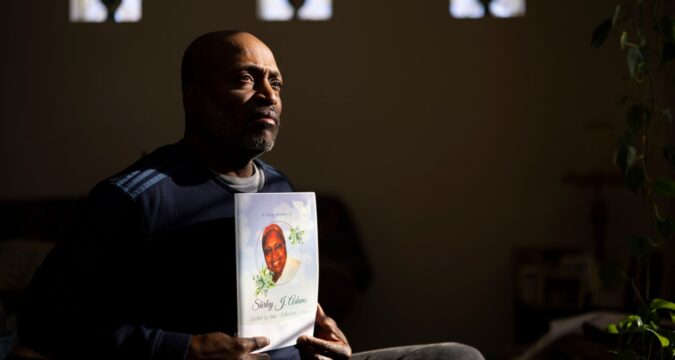
“It was a slap in the face,” said Leslie Adams, whose mother, Shirley Adams, died after going into a nursing home. “The negligence of this was unbelievable. She had bed sores, surgeries and a colostomy. We thought a nursing home would be a place that would care for loved ones.”
Shirley Adams was able to walk with a cane before she went into Lakeview Rehabilitation and Nursing Center in 2021. Her family said they brought her there because she had dementia and needed care around the clock, which they could no longer provide.
But when they visited her at the facility, they were surprised to find she was confined to a wheelchair, and later to bed. She developed painful bed sores that went to the bone, and which forced her to undergo multiple surgeries to remove infected tissue. She died at age 79 in 2023.
Lakeview Nursing and Rehabilitation Center in Chicago on June 8, 2018. (Chris Sweda/Chicago Tribune)
Similarly, Barbara Marchinska went into Oak Lawn Respiratory and Rehabilitation Center in 2021 with dementia. Her family worked full time and could not continue to care for her.
Within a few months, her granddaughter Kasia Robberechts said, she suffered advanced pressure sores that caused a sepsis infection. She contracted COVID-19 and acute hypoxemic respiratory failure. She entered the nursing home in July and was dead by December. She was 83.
“It was shocking,” Robberechts said. “You send your loved one where you have trust, and that trust was broken really fast in the worst possible way. It was unethical, because this was preventable.”
Lawyers who advocate for nursing home residents have talked to lawmakers about the problems, saying that state law should be changed to require better insurance for nursing homes and to require greater transparency in their ownership.
“It’s time to amend the Illinois Nursing Home Care Act,” attorney Margaret Battersby Black said. “No incentive to improve care or meet staffing requirements.”
The state did pass a nursing home reform law in 2022, which tied increased funding to increased staffing, and aimed at greater disclosure of nursing home ownership, but advocates say more needs to be done.
Under the law, to qualify for bonus reimbursement, nursing homes have to meet at least 70% of federal staffing guidelines and get compensated based on their quality rating by the U.S. Centers for Medicare & Medicaid Services.
Nursing home trade groups like the Healthcare Council of Illinois have called for increased Medicaid payments to sustain struggling long-term care facilities and improve staffing and care.
Since COVID-19, the council reported, 31 skilled nursing facilities in Illinois have closed, and the state’s largest independent operator filed for bankruptcy in 2024.
https://www.chicagotribune.com/2026/01/20/nursing-home-negligence-lawsuits/


