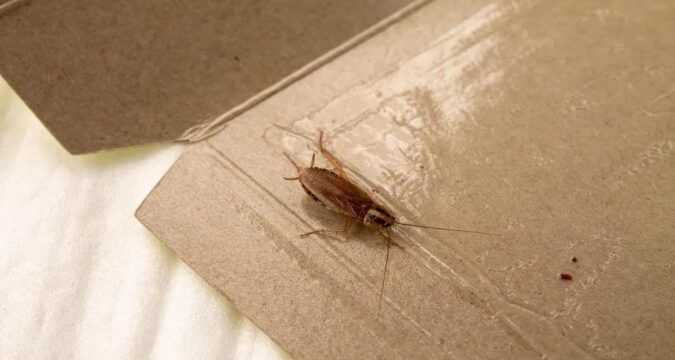
Q. I live in a high-rise and my association is battling multiple rounds of insect infestations. While most unit owners have allowed the association access to perform pest control abatement services, some units have refused to allow the association’s exterminator access to their unit. Can a condominium association require abatement treatments in a unit?
A. Under the Condominium Act, and association governing documents, a condominium board of directors administers its condominium property, which is comprised of common elements and units. In fact, section 18.4(j) of the Condominium Act expressly grants condominium boards access to every unit as maybe necessary for the maintenance, repair and replacement of the common elements or for making emergency repairs necessary to prevent damage to the common elements or to other units.
An insect infestation qualifies as a situation for a condominium board to have legal right to enter a unit to abate the infestation that is damaging the common elements and other units. Pursuant Sections 9.2 and 18.4(l) of the Condominium Act, a unit owner refusing the association access to perform pest control services to abate an insect infestation from spreading throughout the building will subject the unit owner to: significant fines, if necessary; a lawsuit by the association to obtain a court order for access to the unit; and liability for all legal fees and costs incurred to enforce the governing documents to abate the infestation.
Q. My association’s plumber discovered a cracked vent pipe that leaks sewer smells into my unit and neighboring units. The cracked pipe services my unit exclusively and the association has advised me the cost to access and repair the cracked pipe is my responsibility. While I understand the cost of repairing the pipe is my responsibility under the governing documents, shouldn’t the association have to pay for the cost to access the cracked pipe?
A. A pipe that exclusively serves a unit is defined as a limited common element under the Condominium Act and condominium governing documents. Condominium declarations universally state that the maintenance, repair and replacement of limited common elements shall be assessed back to the unit owner affected thereby. As such, the cost to access the cracked pipe, including removal of drywall and any other behind-the-wall impediments for access is part of the maintenance, repair and replacement of the cracked pipe, and thus, properly a unit owner expense.
Q. I am the board president of a small, self-managed condominium association. I am aware of applicable Illinois case law that prohibits a quorum of a condominium board from discussing association business outside of a properly called board meeting. However, is it a violation of law if the condominium property manager discusses association business with all board members individually and provides a summary of the discussion?
A. In 2014, the Illinois appellate court rendered its opinion in Palm v. 2800 N. Lake Shore Drive Condominium Association, which held that a quorum of a condominium board cannot discuss association board business outside of a properly called board meeting.
However, it is not a violation of the Palm case ruling if a discussion of less than a quorum of the board members occurs among board members themselves or the condominium property manager discusses association business with individual board members and provides a management report containing a summary of such discussions.
Got a question for the Condo Adviser? Email ctc-realestate@chicagotribune.com.
https://www.chicagotribune.com/2025/12/14/condo-adviser-insect-abatement/


