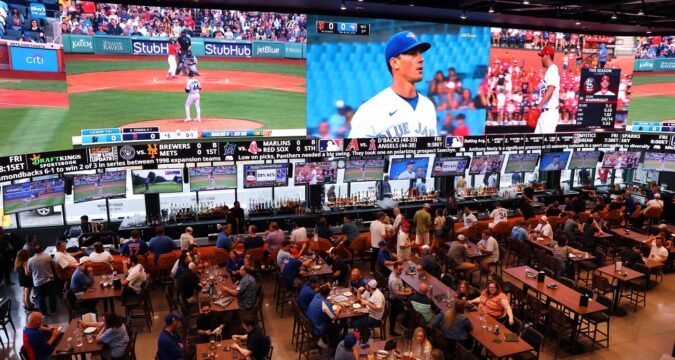
The number of sports bets in Illinois dropped 15% after the state imposed a new tax on every wager, officials said, prompting warnings from licensed gambling operators that more bettors are fleeing to the illegal online market.
There were more than 5 million fewer bets placed in September 2025 than in the same month last year — a 15% decrease — according to statistics from the Illinois Gaming Board.
Despite the drop in the number of bets, the amount of money wagered on sports in September increased 9% from the previous year to a new record high handle of $1.4 billion. That means gamblers on average were spending more per bet, generating $10.6 million in taxes.
The average ticket size for the month ballooned to $46.44, a 28% increase from last year, according to Legal Sports Report. Keith Whyte, former executive director of the National Council on Problem Gambling who now consults on gaming issues, has written about the harmful effects of higher taxes pushing gamblers toward the illegal market.
The reduction in the number of bets runs counter to sports betting nationwide, which is generally increasing, said Maura Possley, spokeswoman for the Sports Betting Alliance of Illinois, which represents online and retail gambling companies like Bet MGM, FanDuel and DraftKings.
“This data is a warning sign for Chicago, Illinois, and other state policymakers that overtaxing legal betting will have profound negative ramifications for the sustainability of the legal market and future tax revenues for state coffers,” Possley said.
The new state tax, which was the first in the nation when it took effect in July, levies 25 cents per wager on each company’s first 20 million bets, and 50 cents per bet after that.
The state tax followed a tiered tax increase instituted in 2024, which most affected the biggest online betting companies like FanDuel and DraftKings, potentially adding up to a tax rate of more than 30%. Numerous companies passed on the new tax to consumers in the form of transaction fees. But some companies skip the fee on wagers of $50 or more, or increased their minimum bets.
In addition, Chicago Mayor Brandon Johnson has proposed an extra tax of 10.25% on sports gambling revenue as part of his proposed budget. A proposed state law would prevent municipalities from instituting a tax on sports bets.
The debate over sports betting taxes comes following a letter sent in August by 50 state attorneys general asking the U.S. Department of Justice to crack down on illegal online gambling.
Illinois Attorney General Kwame Raoul wrote that illegal gaming fuels criminal enterprises and preys on vulnerable adults and young people.
“These operations also increase the tax burden for all taxpayers, as states are forced to make up for billions in lost gaming revenue,” he wrote. “I urge the DOJ to prioritize enforcement against illegal offshore gaming operations, upholding the rule of law and protecting states and our residents in the process.”
Anti-gambling groups have criticized online gambling, both legal and illegal, as corrosive because it’s constantly available on users’ phones, making it more addictive for problem gamblers. Illinois is one of the biggest sports betting markets in the country, with nearly $11 billon bet this year through October.
Legal online gaming companies were once themselves the object of criticism. Before online sports betting was legalized in Illinois effective in 2020, former Illinois Attorney General Lisa Madigan had considered online sports fantasy betting as illegal, but the Illinois Supreme Court ruled otherwise.
https://www.chicagotribune.com/2025/11/17/sports-bets-illinois-wager-taxes/


