Category: News
Donna Vickroy: Unsolved Lane Bryant murder case focus of new documentary
Although Feb. 2, 2008, is a day many southwest suburbanites will never forget, Charlie Minn is adamant the unsolved Lane Bryant murder case needs a boost.
The documentary filmmaker and former producer for “America’s Most Wanted” hopes his latest foray into the world of heinous crimes brings new leads to the grisly deaths of five women in Tinley Park.
“The Tinley Park 5” is set to be released Feb. 13 at AMC theatres.
It revisits that fateful snowy Saturday morning when six women were shot, five of them killed, inside the women’s clothing store at Brookside Marketplace, 191st Street and Harlem Avenue.
The store manager, an employee and four customers were taken to a back room and, while the manager quietly placed a call to 911, shot.
Only the employee survived. She helped police develop a sketch of the suspect, which, along with the 911 recording, remains on the Tinley Park Police website, www.tinleypark.org/government/departments/police_department/lane_bryant_homicide_investigation.php.
Killed were store manager Rhoda McFarland, 42, of Joliet; customers Connie Woolfolk, 37, of Flossmoor; Carrie Hudek Chiuso, 33, of Frankfort; Sarah Szafranski, 22, of Oak Forest; and Jennifer Bishop, 34, of South Bend, Indiana.
Tinley Park Police Department released this 3-D image of the man suspected of killing five women at a Lane Bryant store on Feb. 2, 2008. Police said the suspect is between 6 feet and 6 feet 2 inches tall with a husky build, broad shoulders and medium to dark skin. He appeared to be 25 to 35 years old at the time of the killings. (Tinley Park Police Department)
Minn hopes his film will renew interest and outrage. He also hopes the survivor will be among those offering new leads.
“The Tinley Park 5” includes interviews with the first responder on the scene, a victim’s husband and former Lane Bryant employees.
“Right now, everything is too calm, too dormant, everything has faded into oblivion. Why should it take an outside filmmaker to come into the city to make some noise,” Minn said.
“We need more chatter, more activism, awareness and anger,” he said.
“There really should be a public outcry about this thing,” Minn said. “Five women slaughtered inside a department store and all we know is that the killer had some beads on his hair.
“Of all the films I’ve made, this one is probably the most confusing,” he said.
Minn’s other films include “77 Minutes,” about the San Ysidro McDonald’s mass murder; “Robb-Ed,” an interview with survivors of the Uvalde school shooting; “49 Pulses,” detailing the Orlando nightclub shooting; and a documentary about a case that has eerie similarities to Lane Bryant. “Nightmare in Las Cruces” relives the horror of a Saturday morning massacre at a bowling alley in New Mexico.
“It’s kind of bizarre how (the New Mexico case) mirrors Lane Bryant,” Minn said. “Both happened on a Saturday morning in early February. Same number of deaths. One survivor. There were no cameras inside. And both cases remain unsolved.”
Minn said he’s always had a fascination with true crime. “I’ve always taken the sociology angle, of focusing on the victims, the aftermath and the human element. What I don’t do is ever mention the killer’s name because I think that creates copycats,” he said.
The Lane Bryant case, he said, is “a tough one, a puzzle. I think the only way I’m going to get anything here is if I get help from the public. The lone survivor is key.”
Minn expressed doubt that the police theory of a robbery gone awry is the whole story. “A 40-minute robbery?” he said. He also wonders if sirens blaring about another crisis at the same time at the Target store across the parking lot might have caused the killer to panic and hurriedly shoot the women before fleeing.
“Most people believe (the killer) must have boasted about this (crime) to someone, like the (1993 Palatine) Brown’s Chicken killer did (resulting in his arrest years after those murders),” he said. “Or is this the perfect crime? Did he kill these women and go his whole life without ever telling a soul?”
At TheTinley5.com, he said, there is an email address where people can leave thoughts and ideas.
“All tips are welcome, no matter how small,” he said.
“People have lost interest,” he said. “Where’s the outrage? Where are all the women’s groups demanding answers?”
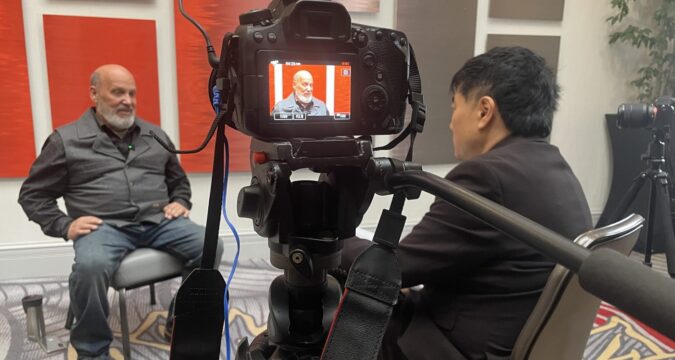
Filmmaker Charlie Minn, seen here in a shot being taken for his documentary on the unsolved Lane Bryant murder case in Tinley Park, said he hopes the movie will spark new interest and leads in the cold case. (Charlie Minn)
But Minn is not entirely correct in thinking people no longer care.
We do.
Locals still talk about that fateful day. The murders come up frequently in conversation, often sparked by talk of other cold cases or of the randomness of being in the wrong place at the wrong time, particularly in this age of near-daily mass shootings.
It seems every time my friends and I chat about that horrific day, we end in a moment of silence for the victims. I know that every time I visit that now expanded shopping center, my thoughts migrate to the victims. A social worker, a recent college graduate, a mother, a nurse, an ordained minister and a nursing student.
The thought of these women being terrorized and then shot while doing something as ordinary as shopping on a wintry Saturday morning is haunting.
Though time has a way of softening outrage, most everyone I know, from fellow suburbanites to newspaper colleagues, still long for justice.
All of us want to know the rest of this story.
Donna Vickroy is an award-winning reporter, editor and columnist who worked for the Daily Southtown for 38 years. She can be reached at donnavickroy4@gmail.com.

Fentanyl Trafficking Rings Run By Illegal Immigrants Dismantled Across Washington
Fentanyl Trafficking Rings Run By Illegal Immigrants Dismantled Across Washington
In his Nov. 24 op-ed, Seattle conservative commentator Jason Rantz puts a sharp spotlight on what he frames as the overlooked reality of Washington’s fentanyl pipeline: that major trafficking networks are increasingly being run or staffed by illegal immigrants.
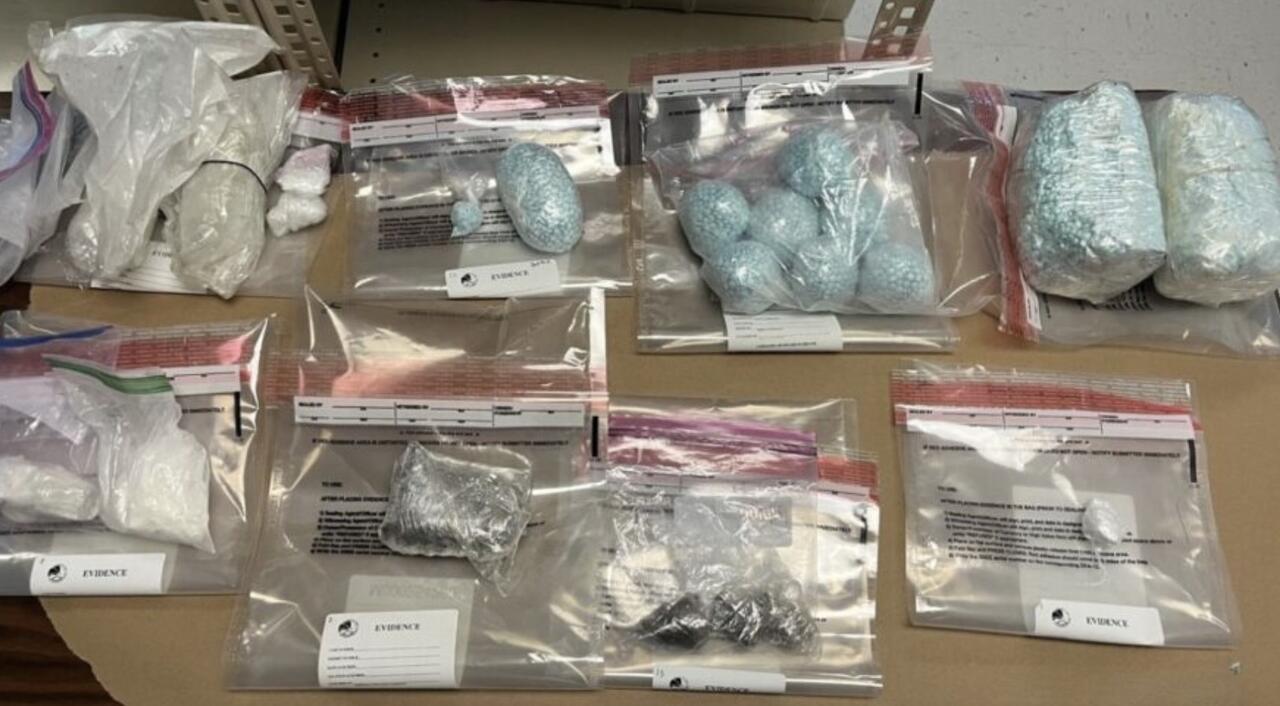
Rantz reports that federal agents dismantled two international drug rings in October—one tied to Ecuador, the other to Mexico—resulting in more than 18 arrests and the seizure of millions of lethal fentanyl doses, narcotics, illegal firearms, and even an improvised explosive device.
Rantz writes that the central revelation is that “many of the suspects… are in this country illegally,” a detail he says federal officials had not previously made public. U.S. Attorney Neil Floyd confirmed to The Jason Rantz Show that not all suspects are U.S. citizens and that investigators routinely discover unlawful status during arrests.
Floyd argued that the public deserves clarity about who is behind these crimes, even as investigations themselves are not driven by immigration status. As he told Rantz, “It’s fair for the public to know… the Trump administration is not wrong about the fact that many of the people that are here illegally are committing crimes, and very serious crimes.”
The Ecuador-linked Gutama Escandon network pushing fentanyl and meth across the Puget Sound region, and the Mexico-connected ring in rural Lewis County tied to 105,000 fentanyl pills and 34 kilograms of powder—amounts the DEA equates to more than 3 million potentially deadly doses, according to 770AM.
For Rantz, the takeaway is blunt. These cases show that Washington’s fentanyl crisis cannot be separated from immigration realities, despite political narratives that portray illegal immigrants as uniformly harmless.
By surfacing details federal authorities acknowledge but often do not publicize, Rantz argues the public can better understand the forces driving the drug epidemic devastating communities across the state.
Tyler Durden
Fri, 11/28/2025 – 11:00

Lando Norris se mantiene tranquilo y llega a Qatar con el campeonato en la mira
LUSAIL, Qatar (AP) — Lando Norris tiene una ventaja lo suficientemente grande como para no entrar en pánico de cara a la penúltima carrera de la temporada de la Fórmula 1 en Qatar el domingo.
El piloto de McLaren está cerca de asegurar su primer título de la F1. El británico de 26 años mantiene una ventaja de 24 puntos sobre Oscar Piastri, su compañero de equipo, y de Max Verstappen de Red Bull, cuya brillante remontada en las últimas semanas lo tiene cada vez más cerca de un quinto título consecutivo.
Las 69 victorias de Verstappen lo tienen tercero en la lista histórica, detrás de Michael Schumacher (91) y Lewis Hamilton (105). El neerlandés ya es considerado uno de los mejores pilotos de F1 de todos los tiempos y la descalificación de los dos pilotos de McLaren el fin de semana pasado en Las Vegas ayudó a su remontada.
Norris perdió los 18 puntos que había ganado al cruzar la meta en el segundo lugar y Piastri los 12 que recibió por su cuarto lugar.
“Por supuesto que duele. Pero en realidad me resultó bastante fácil seguir adelante”, afirmó Norris, quien a principios de esta temporada se encontraba rezagado detrás de un dominante Piastri. “Me siento tan relajado como antes, cuando estaba 35 puntos detrás (de Piastri), y me siento igual cuando estoy 24 puntos por delante. Esa es mi fortaleza por ahora”.
Hay 33 puntos en juego este fin de semana, con ocho adicionales de la carrera sprint del sábado. En términos más simples: Norris asegurará el título de Fórmula 1 si consigue al menos dos unidades más que Verstappen y Piastri durante el fin de semana.
La estrategia de carrera será más difícil de imponer dado que los equipos tienen dos paradas en boxes obligatorias en Qatar, una medida impuesta por razones de seguridad debido al alto riesgo de degradación de neumáticos en el Circuito Internacional de Lusail de 5.4 kilómetros (3,35 millas). Los neumáticos Pirelli están restringidos a un máximo de 25 vueltas en la carrera de 57.
La penalización de McLaren en Las Vegas perjudicó a Norris, quien había ganado las dos carreras anteriores, más que a Piastri, quien involuntariamente cerró la brecha con Norris, habiendo terminado seis puntos detrás de él en esa carrera antes de la descalificación.
Pero Piastri no ha ganado desde el último día de agosto en el Gran Premio de Holanda y no ha subido al podio en las últimas seis carreras.
“Todavía hay una oportunidad”, comentó el piloto australiano. “También sé que es una posibilidad remota”.
Verstappen ha ganado las dos últimas carreras en Qatar y cuatro de las últimas cinco en Abu Dabi, donde la temporada terminará la próxima semana.
La carrera sprint le ayudará en su intento de ganar el campeonato, incluso si es un mini-formato que generalmente no le gusta.
“Listo. Veamos qué pasa”, expresó. “Sí, está más cerca (de lo esperado). Idealmente, me hubiera encantado que estuviera aún más cerca. Todo dentro, y con suerte podemos hacerlo emocionante hasta el final”.
Los McLaren lideran la primera práctica
Piastri encabezó la sesión de práctica del viernes por delante de Norris, con Verstappen en sexto lugar.
Verstappen se quejó por la radio del equipo de que su coche rebotaba un poco y que le faltaba ritmo al salir de la curva seis.
Más tarde se realiza la clasificación a la carrera sprint bajo los reflectores. Al sprint de 19 vueltas del sábado le sigue la clasificación nocturna para la carrera principal.
Ferrari en declive
Ferrari necesita un fuerte final de temporada después de recibir críticas del presidente ejecutivo John Elkann.
Hamilton ha tenido dificultades esta temporada y las actuaciones del siete veces campeón demla F1 han estado por debajo de las expectativas.
“Me siento terrible. Terrible”, dijo Hamilton después de Las Vegas, donde registró su peor actuación en clasificación al terminar 20mo.
Aparte de salir primero en una carrera sprint en China en marzo, el británico de 40 años no ha ganado con Ferrari. En general, solo ha ganado dos carreras de F1 en cuatro temporadas, incluida esta.
Charles Leclerc tampoco ha ganado una carrera esta temporada tras llevarse tres con Ferrari en 2024.
Pero el piloto de Mónaco lidera a Hamilton en podios (7-0) y cómodamente en la clasificación. Leclerc es quinto con 226 puntos, mientras que su compañero de equipo está sexto con 152, apenas 15 puntos por delante de Kimi Antonelli, su reemplazo de 19 años en Mercedes.
___
Deportes AP: https://apnews.com/hub/deportes

More snow, rain, and cold weather in store for post-Thanksgiving travelers
A lot of snow, rain and cold weather await travelers for the rest of the Thanksgiving holiday weekend, with winter storm warnings posted Friday across the northern part of the country and more snow falling over the Great Lakes region.
Officials warn winter storm and heavy snow will affect holiday travel plans Saturday
Storm warnings and advisories extended from Montana to New York, the National Weather Service said. Snow was expected to start Friday and last well into the weekend in some areas with Iowa and Illinois getting the brunt of it. Six inches to a foot of snow is expected in much of west-central Illinois Friday night through Saturday night.
So far, forecast conditions do not meet blizzard warning criteria, meteorologists said — winds of at least 35 mph (56 kph), visibilities of less than a quarter mile and lasting more than three hours.
A storm that already brought snow to parts of the northern Plains states and the Great Lakes region continued Friday. Snowfall totals of at least a foot were expected by the end of the storm, particularly downwind of Lake Superior across the northern Lower Peninsula of Michigan and downwind of lakes Erie and Ontario, the weather service said. Areas of central New York state could see a foot of snow.
Snow squalls Friday bringing quick bursts of heavy snow and dangerous, whiteout conditions for driving were possible across the interior Northeast, the weather service said.
In the Pacific Northwest and the Rockies, a combination of snow and rain was expected Friday. By Saturday, the snow will taper off for the Rockies and northern Plains, but continue on to the Midwest.
To the south, storms — some of them heavy — are in the forecast, with some flash flooding possible Saturday in the western Gulf Coast.
Temperatures were well below average in the eastern and central parts of the country, with highs Friday expected in the 20s degrees F and 30s degrees F in the Midwest, the 30s and 40s in New England and Mid-Atlantic areas, and the 40s and 50s in the Southeast.
The snowy weather on Thanksgiving brought a number of vehicle crashes in western Michigan.
https://www.chicagotribune.com/2025/11/28/more-snow-rain-and-cold-weather/

Cifra de muertos por inundaciones en Tailandia llega a 145; menor nivel de agua revela devastación
Por JINTAMAS SAKSORNCHAI
BANKOK, Tailandia (AP) — El número de muertos por las inundaciones en el sur de Tailandia ha alcanzado al menos 145, informaron las autoridades el viernes, al tiempo que las aguas que retroceden comienzan a revelar daños devastadores en toda la región.
Más de 1,2 millones de hogares y 3,6 millones de personas han sido afectados por las inundaciones provocadas por fuertes lluvias en 12 provincias del sur, indicó el Departamento de Prevención y Mitigación de Desastres.
El portavoz del gobierno, Siripong Angkasakulkiat, expresó en una conferencia de prensa en Bangkok que las inundaciones han causado la muerte de 145 personas en ocho provincias, particularmente en la provincia de Songkhla, que registró al menos 110 muertes.
Comentó que los esfuerzos de búsqueda y rescate han tenido más éxito a medida que las aguas de la inundación comenzaron a disminuir más.
La provincia de Songkhla registró un fuerte aumento en el número de muertos después que las inundaciones comenzaron a disminuir. Los reportes de noticias mostraron que los rescatistas tuvieron más acceso a las áreas residenciales que anteriormente estaban sumergidas bajo el agua y recuperaron más cadáveres, particularmente en Hat Yai, la ciudad más grande del sur.
El departamento contra desastres informó el viernes por la mañana que el nivel de las aguas ha bajad en la mayoría de las áreas afectadas, pero siguen siendo altos en algunos lugares. El Departamento Meteorológico indicó que las lluvias han disminuido en el sur, pero advirtió sobre tormentas eléctricas en algunas áreas.
Las inundaciones causaron una grave interrupción, dejando a miles de personas varadas, haciendo que las calles fueran intransitables y sumergiendo edificios de poca altura y vehículos.
Videos y fotos de las áreas afectadas el viernes muestran carreteras dañadas, postes de electricidad caídos, electrodomésticos y escombros arrastrados por las aguas de la inundación amontonados a lo largo de las calles. Los autos abandonados estaban volcados o apilados uno sobre otro, aparentemente arrastrados por corrientes poderosas.
___
Esta historia fue traducida del inglés por un editor de AP con la ayuda de una herramienta de inteligencia artificial generativa.

Zelensky’s Closest, Most-Powerful Aide Resigns After Office Raided By Anti-Corruption Agents
Zelensky’s Closest, Most-Powerful Aide Resigns After Office Raided By Anti-Corruption Agents
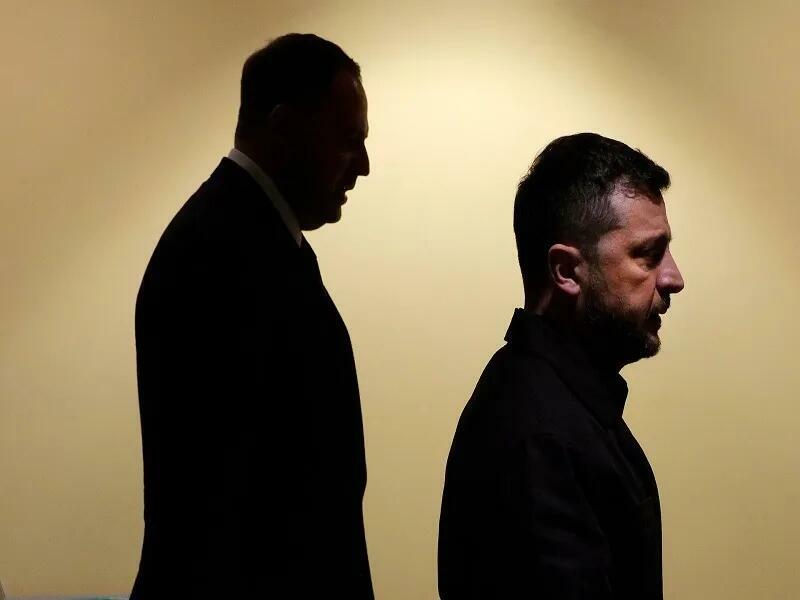
Zelensky’s chief of staff, Andrii Yermak, has submitted his resignation – the highest level official to fall amid the massive graft probe which has brought rare international embarrassment on the Zelensky government.
As a reminder, Andrew Korybko recently opined that Yermak’s removal could prompt some progress in peace talks:
He’s Zelensky’s powerbroker so his downfall could undo the already shaky alliance between the armed forces, the oligarchs, the secret police, and parliament that keeps Zelensky in power, thus pressuring him into peace, especially if his warmongering grey cardinal is no longer pushing him to keep fighting.
Earlier The Associated Post reported Friday: “Anti-corruption units have raided the home, and reportedly also the office, of Ukrainian President Volodymyr Zelenskyy’s chief of staff, Andrii Yermak.” Zelensky now says he will hold consultations on replacing Yermak.
This is a huge and very high level development in the country’s ongoing graft investigation scandal as Yermak is essentially the closest one can get to Zelensky, given the top presidential aide was made by Zelensky chief negotiator in talks with the United States. Some speculate this appointment was made precisely to protect Yermak from criminal charges.
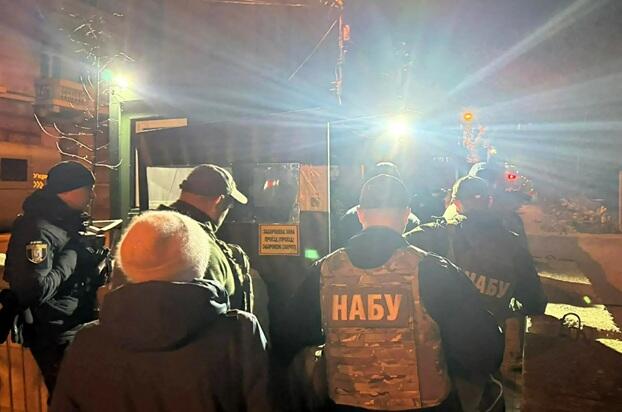
Ukraine’s anti-corruption agencies, NABU and SAP, confirmed they had officially sanctioned searches at the office of President Zelensky’s top aide, again emphasizing the probe has extended all the way to the top. Could this be the beginning of the end for Zelensky himself?
The $100 million energy sector corruption scandal has already embroiled and resulted in the dismissals of several top ministers and officials.
Soros and the 2nd most corrupt man in Ukraine pic.twitter.com/UIupC9lPk2
— zerohedge (@zerohedge) November 28, 2025
Yermak had earlier deneid wrongdoing, and is vowing personal transparency as the investigation unfolds. “The investigators are facing no obstacles,” Yermak wrote on Telegram. He said his lawyers were present for the searches, and that he’s cooperating fully.
Zelensky makes the televised, ‘shocking’ announcement of Yermak being ousted dismissed:
Breaking news: Andriy Yermak has resigned from his longtime post of head of the Ukrainian presidential office, President Zelenskyy says in a statement. pic.twitter.com/seGDBbWJbh
— Christopher Miller (@ChristopherJM) November 28, 2025
It’s as yet unknown and unclear precisely what Yermak is being accused of in terms a potential role in the energy kickback and graft scandal, but the growing pressure which has entered the heart of the presidential office has huge political repercussions:
Although Yermak has not been accused of any wrongdoing, several senior lawmakers in Zelenskyy’s party said Yermak should take responsibility for the energy sector scandal in order to restore public trust. Some said that if Zelenskyy didn’t fire him, the party could split, threatening the president’s parliamentary majority. But Zelenskyy defied them.
Interesting timing, Yermak swears “no concessions” while NABU is raiding his office.
Nothing sounds tougher than a man negotiating peace with handcuffs warming in the background
— Irony Man (@IronyManHQ) November 28, 2025
But local critics of the anti-corruption action say this is an attempt to bring unprecedented pressure on Zelensky. Reports say that 10 NABU and SAPO officers were on premise to search Yermak’s office, which is just a few dozen meters from the president’s office.
One Ukrainian lawmaker, Yaroslav Zheleznyak of the Holos party, wrote that segments of parliament stand ready to defend the anti-corruption agencies should they find anything at this highest level of government. “NABU and SAPO are conducting searches at [the home of] Andriy Yermak this morning. If anything, get ready to defend NABU/SAPO if necessary,” Zheleznyak wrote.
What hard evidence involves Yermak? If there’s not enough, political retaliation could follow…
Yermak so far denying any wrongdoing. Key question: will his voice appear on compromising tapes. If the “rebels” fail a second time, retaliation will likely follow https://t.co/jFslHZDVjN
— Jakub Parusinski (@j_parus) November 28, 2025
As chief negotiator, Yermak has presented Zelensky’s hard line on the Trump-proposed peace plan to end the war. Yermak was for example just cited in The Atlantic as saying, “No sane person would sign away territory.” He has argued that the national constitution forbids it and thus Zelensky “will not” agree to territorial concessions.
And, if the Zelensky administration keeps losing public and international trust amid the massive corruption probe, which has already proven highly embarrassing, Kiev’s ‘firm line’ on the negotiations could indeed quickly soften.
* * * BLACK FRIDAY SALE IS HERE AT ZeroHedge Store!
Tyler Durden
Fri, 11/28/2025 – 10:35
Soldados de Guinea-Bisáu anuncian nuevo primer ministro tras golpe militar
Por ASSANA SAMBU y MARK BANCHEREAU
BISÁU, Guinea-Bisáu (AP) — Soldados en Guinea-Bisáu, que tomaron el poder a mediados de semana tras unas elecciones presidenciales muy reñidas, nombraron como primer ministro el viernes a un aliado cercano del presidente depuesto.
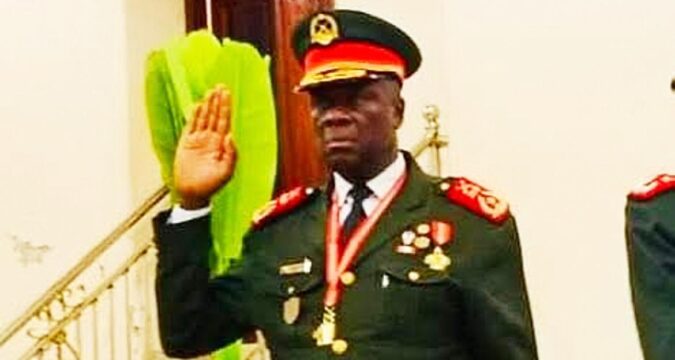
El nuevo líder militar del país, el general Horta Inta-a, anunció en un decreto el nombramiento del ministro de Finanzas, Ilídio Vieira Té, como primer ministro.
Vieira Té es un aliado cercano del presidente depuesto Umaro Sissoco Embaló, y fungió como su director de campaña durante la elección presidencial que se llevó a cabo el domingo.
Soldados en Guinea-Bisáu tomaron el poder en el país el miércoles, tres días después de las elecciones presidenciales.
La oposición afirmó que Embaló había “fabricado” el golpe para evitar una derrota electoral en la votación del domingo. La toma militar y el arresto de Embaló fueron fabricados para interrumpir los resultados electorales, según su rival Fernando Dias, quien, al igual que Embaló, afirmó haber obtenido la mayoría de votos.
Guinea-Bisáu, uno de los países más pobres del mundo, ha sufrido una sucesión de golpes de Estado e intentos de golpe desde su independencia de Portugal hace más de 50 años, incluido un intento de golpe en octubre. El país de 2,2 millones de habitantes es conocido como un punto de tránsito para el tráfico de drogas entre América Latina y Europa, una tendencia que, según los expertos, ha avivado sus crisis políticas.
Vuelve la calma a la capital y presidente depuesto abandona el país
El alto mando militar de la nación levantó el viernes el toque de queda que impuso durante su toma militar y autorizó la movilidad de la población y la reactivación del transporte público en todos los barrios de la capital, Bisáu.
La calma ha regresado a la capital, con gente y vehículos circulando por las calles de la ciudad después que se retiraron los puntos de control del ejército. La principal bolsa de valores y los mercados en los distritos periféricos, así como los bancos comerciales, también han reabierto.
Por su parte, Embaló llegó el jueves al vecino Senegal en un vuelo fletado por el gobierno senegalés, que ha estado “en comunicación directa con todos los involucrados de Guinea-Bisáu”, informó el Ministerio de Relaciones Exteriores de Senegal en un comunicado, que indicó que el país promete trabajar con socios para restaurar la democracia en Guinea-Bisáu.
El primer ministro senegalés Ousmane Sonko describió el viernes la toma militar en Guinea-Bisáu como un “complot”, adoptando las afirmaciones de que el golpe fue fabricado para evitar una derrota en las elecciones presidenciales del domingo. Hizo un llamado a la liberación de los miembros de la oposición arrestados.
“El proceso democrático debe llevarse a cabo hasta el final y los resultados deben ser anunciados”, dijo Sonko durante una sesión parlamentaria.
El bloque regional suspende al país
El jueves por la noche, el bloque regional de África Occidental conocido como ECOWAS anunció la suspensión de Guinea-Bisáu de sus órganos de toma de decisiones “hasta la restauración del orden constitucional pleno y efectivo en el país”.
ECOWAS agregó que también “se reserva el derecho de usar todas las opciones” permitidas bajo sus reglas, “incluyendo sanciones a todas las entidades consideradas culpables de interrumpir el proceso electoral y democrático”.
El bloque regional señaló que un equipo de mediación, encabezado por el presidente del organismo e incluyendo a los mandatarios de Togo, Cabo Verde y Senegal, viajará a Bisáu para “involucrar a los líderes del golpe con el fin de asegurar la plena restauración del orden constitucional”.
Ampliamente vista como la principal autoridad política y regional de África Occidental, la ECOWAS de 15 naciones fue formada en 1975 para promover la integración económica en los Estados miembros. El bloque a menudo colabora con los gobiernos de los miembros para resolver desafíos internos en varios frentes, desde la política hasta la economía y la seguridad.
Ha batallado en los últimos años para revertir golpes de Estado en la región, donde los pobladores se han quejado de no beneficiarse de los ricos recursos naturales.
Las sanciones contra Mali, Níger y Burkina Faso, países gobernados por juntas, y las amenazas de intervención militar en Níger para revertir el golpe finalmente llevaron a la retirada de los tres países del bloque a principios de este año.
Bakary Sambe, quien dirige el Instituto Tombuctú para Estudios de Paz con sede en Senegal, subrayó que la situación en Guinea-Bisáu aún no está clara, y cualquier decisión inmediata de ECOWAS respecto a sanciones parecerá apresurada y contraproducente.
“Estamos en un estado de total incertidumbre, atrapados entre un proceso electoral inconcluso y una interrupción del orden constitucional causada por un golpe, lo que ha llevado a interpretaciones contradictorias y varias preguntas”, dijo.
“La organización regional parece haber aprendido de los errores cometidos en Níger y está tratando en la medida de lo posible de moderar su inclinación a imponer sanciones”, agregó Sambe.
——
Banchereau reportó desde Dakar, Senegal.
___
Esta historia fue traducida del inglés por un editor de AP con la ayuda de una herramienta de inteligencia artificial generativa.
Harvard Report Warns Of ‘Damaging’ Grade Inflation, 60% Of Grades Are A’s
Harvard Report Warns Of ‘Damaging’ Grade Inflation, 60% Of Grades Are A’s
Authored by Cecilia Jones via TheCollegeFix.com,
Harvard University’s Office of Undergraduate Education is raising concerns about mounting grade inflation, reporting that the school’s grading system is “damaging the academic culture of the College.”
The office sent a 25-page report to faculty and students, stating that 60 percent of all undergraduate grades are now A’s. This is a 35 percent increase compared to 20 years ago, according to The Harvard Crimson.
Veronica Bryant, academic affairs fellow at the American Council of Trustees and Alumni, told The Fix that if Harvard allows grade inflation to skyrocket, the problem will worsen at other schools.
“‘As goes Harvard, so goes the nation’ is a phrase for a reason. If other schools see America’s oldest and most prestigious university as weakening standards, why should they keep high standards, especially as they compete for fewer and fewer students?” she said.
Bryant told The Fix that Harvard’s reputation has taken a hit in recent years with stories such as the resignation of President Claudine Gay and a 2023 New Yorker article in which a Harvard administrator stated that Harvard students struggled to identify the subjects and verbs within The Scarlet Letter.
Furthermore, the question of academic rigor extends beyond grade inflation, with many voicing concerns about a general lowering of expectations, she said.
“Harvard students receive only the smallest educational foundation. It only requires one subject of all students: a writing course, according to ACTA’s What Will They Learn?(R) project,” Bryant told The Fix.
However, she also said it is a good sign that Harvard appears to be taking the issue seriously.
“Gen Z values authenticity. We hope they will take steps to ensure grades actually reflect student performance, not just reduce the number of A’s,” she said.
“If Harvard makes this bold move, others may follow their lead,” Bryant said.
The report itself underscores the severity of the problem.
Dean of Undergraduate Admissions Amanda Claybaugh wrote in the report that “Nearly all faculty expressed serious concern.”
They believe the grades students receive no longer reflect the actual quality of their work, she wrote.
Further, the dean stated that “grading is … also too inconsistent, as students have observed. More importantly, our grading no longer performs its primary functions and is undermining our academic mission.”
Claybaugh’s report also recommends several steps to curb this issue.
It urges instructors to clearly define what level of work merits each grade and to reintroduce in-person, sit-down exams, arguing they are vital in the age of AI.
It also calls for more consistent grading across different sections of the same course, noting that students are often frustrated by disparities among teaching fellows.
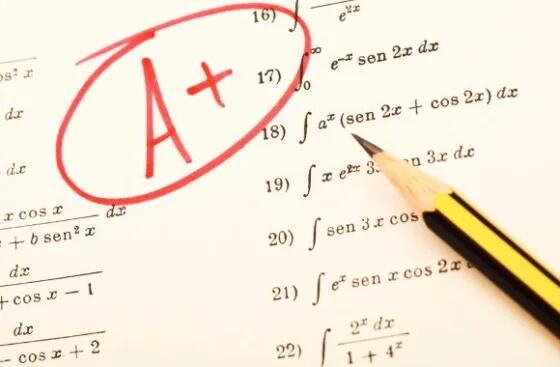
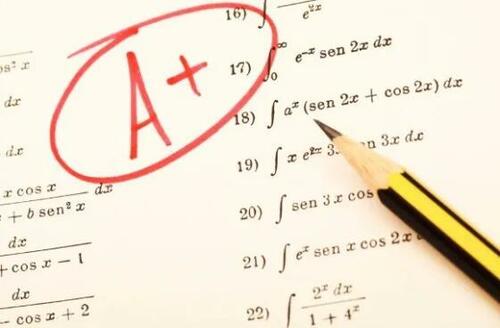
Moreover, the report notes that a faculty committee is considering allowing instructors to award a small number of A+ grades to distinguish exceptional work. The committee is additionally weighing whether to list each course’s median grade on student transcripts as another way to reduce grade inflation.
Harvey Mansfield, a retired Harvard professor, wrote in The Crimson, “The principle of merit used to get into Harvard is abandoned once there.”
He wrote that students seek to distinguish themselves through extracurriculars, creating an environment where academics are put on the back burner.
Mansfield added that a measure implemented in 2008, which required faculty to participate in course evaluations, led professors to inflate students’ grades.
The Crimson published a series of student editorials that present a wide range of responses. Some students praised the report for encouraging higher standards, while others suggested eliminating general education requirements.
Harvard students Jack Flanigan, Edward Hall, and Ari Kohn, who lead the university’s Intellectual Vitality Initiative, stated that the academic culture has eroded, as “faculty maintain low expectations for students’ effort, while students expect little of their professors in return.”
Though many students criticized the proposed solutions within the report, all acknowledged that grade inflation was negatively impacting the student experience.
The Fix reached out to Harvard media relations and Amanda Claybaugh for comments, but did not receive a response.
Tyler Durden
Fri, 11/28/2025 – 10:20
https://www.zerohedge.com/political/harvard-report-warns-damaging-grade-inflation-60-grades-are

Introducing the 2025 News-Sun Girls Volleyball All-Area Team
The team includes four players each from Libertyville and Stevenson and three players each from Carmel and Grayslake Central.
FIRST TEAM
Kiersten Cieslinski, Vernon Hills, junior, outside hitter: Had 335 kills, 152 digs and 43 aces. All-conference and Class 3A all-state second team. Marshall commit.
Claire Evans, Libertyville, senior, outside hitter: Had 273 kills, 129 digs and 48 aces for 4A sectional champion. Conference co-player of the year and all-state honorable mention.
Charlie Fleegle, Libertyville, junior, libero: Had 309 digs, 110 assists and 53 aces for 4A sectional champion. All-conference and 4A all-state second team. Illinois State commit.
Abby Inman, Stevenson, junior, outside hitter: Had 328 kills, 270 digs and 37 aces. All-conference and all-state honorable mention.
Sage Olson, Lake Zurich, sophomore, setter/right-side hitter: Had 305 kills, 278 assists, 160 digs, 31 blocks and 28 aces. Conference co-player of the year.
Lucy Roscoe, Grayslake North, senior, libero: Had 272 digs and 74 assists. All-conference and all-state honorable mention.
SECOND TEAM
Ryler Bondad, Stevenson, junior, setter: Had 454 assists, 203 digs and 36 aces. All-conference.
Lyla Christensen, Warren, senior, setter: Had 316 assists, 102 kills, 179 digs and 53 aces. All-conference.
Niah Mondesir, Grayslake Central, senior, middle hitter: Had 96 kills, 128 blocks and 30 aces. All-conference.
Paige Prochnow, Mundelein, senior, outside hitter: Had 230 kills, 194 digs and 58 aces. All-conference.
Charlotte Shepherd, Carmel, sophomore, setter: Had 557 assists, 201 digs, 63 kills, 45 blocks and 31 aces for 3A sectional finalist. All-conference.
Addison Sundquist, Lakes, junior, right-side hitter: Had 219 kills, 113 digs and 20 aces. Conference player of the year.
Carmel’s Charlotte Shepherd (11) sets the ball during the Class 3A Vernon Hills Regional championship match against Wauconda on Thursday, Oct. 30, 2025. (Brian O’Mahoney / News-Sun)
HONORABLE MENTION
Nomin Baterdene, Stevenson, senior, outside hitter
Makayla Berg, Wauconda, sophomore, outside hitter
Alissa Eglite, Lake Forest, senior, outside hitter
Ella Elsen, Lake Zurich, junior, setter
Abigail Garcia, Deerfield, sophomore, outside hitter
Mikayla Haskell, Antioch, senior, middle hitter
Liv Johnson, Carmel, freshman, middle hitter
Elle Knight, Libertyville, junior, right-side hitter
Ella LaPorte, Grayslake Central, senior, outside hitter
Audri Linnane, Stevenson, junior, right-side hitter
Avery Maddux, Libertyville, senior, middle hitter
Madalene Meckl, Grayslake Central, senior, libero
Emily Middleton, Zion-Benton, senior, libero
Isabella Miechowicki, Deerfield, junior, outside hitter
Scarlett Olszowka, Carmel, sophomore, outside hitter
Eisani Perez, Round Lake, senior, libero
Caitlyn Pyke, Mundelein, junior, libero
Dunja Savic, Highland Park, senior, middle hitter
Neda Savic, Highland Park, sophomore, outside hitter
Kara Schubert, Grant, sophomore, middle hitter
Aria Shah, Vernon Hills, freshman, setter
Brynn Skinner, Lakes, sophomore, outside hitter
Molly Thomas, Lake Forest, senior, libero
Ava Werner, Grayslake North, junior, right-side hitter
Bobby Narang is a freelance reporter.
https://www.chicagotribune.com/2025/11/28/2025-news-sun-girls-volleyball-all-area-team/

Naperville News Digest: Barbershop singers to perform holiday faves at two concerts; internationally-known artists to present church concert
Barbershop singers to perform holiday faves at two concerts
More than 70 barbershop singers from across the western suburbs and Chicago will combine their talents Dec. 6 and 7 for Christmas shows in Naperville, event organizers said.
The 2025 program, “Home for the Holidays,” will unite singers from seven area barbershop organizations for a program of holiday favorites and carols performed in the four-part harmonies, a news release said. The mass chorus has adopted the name Northern Illinois Harmony Alliance.
“This is a program for all ages, and showcases some of the finest barbershop talent in this part of the state,” Bill Murschel, of Wheaton, one of the organizers of the annual event, said in the release. “The energy and showmanship created by this many performers on stage is certain to be inspirational and sure to put attendees in the Christmas spirit.”
The program will be presented at 3 p.m. Saturday, Dec. 6, and Sunday, Dec. 7, at Grace United Methodist Church, 300 Gartner Road.
All selections performed will be done without accompaniment, and the shows will feature full-chorus selections, quartets and ensembles.
Tickets cost $15 and $25 and are available at www.chorusofdupage.com/events or by calling the organization’s ticket hotline at 331-444-2740. There may be limited tickets available at the door, organizers said.
Internationally-known artists to perform at church concert
St. Thomas the Apostle Catholic Church in Naperville will host three internationally-recognized vocalists and recording artists at its annual Advent Lessons and Carols program.
The program will take place at 7 p.m. Friday, Dec. 12, at the church, 1500 Brookdale Road, and will include Scripture readings and music to prepare for Christmas, officials with St. Thomas the Apostle said.
John Angotti, Meredith Augustin and Tony Alonso will join the St. Thomas Music Makers, including both youth and adult choirs and instrumentalists.
Angotti, director of music and liturgy at St. Philip Catholic Church in Franklin, Tennessee, travels worldwide delivering inspirational music through concerts, workshops, conferences and worship, church officials said.
Augustin, director of music at the Church of St. Francis of Assisi in midtown Manhattan, New York, is a featured soloist on most of Angotti’s recordings. She has released four solo records and serves as vice president of pastoral services at RENEW International.
Alonso is a Latin Grammy-nominated composer of sacred music. His music appears in compilations and hymnals across Christian denominations throughout the world, and his “Mass of Joy and Peace” is one of the most widely sung Mass settings in the English-speaking world.
For more information, go to www.stapostle.org.
Block 59 to hold holiday events with Santa in December
Santa will be ice skating at Block 59’s new outdoor ice rink from noon to 2 p.m. Dec. 6, 13 and 20.
Skate with Santa is $14 for adults ages 13 to 49 and $12 for children 12 and under and seniors 50 and older. Block 59’s ice rink also offers $12 admission for members of the military, teachers, nurses and first responders with identification.
The Rink at Block 59, 404 Route 59, is open through Jan. 19. Skate rentals are available. Tickets can be bought at www.theblock59.com/therink.
Block 59 is also offering a chance to have breakfast with Santa.
Reservations are available for the special breakfast Saturday, Dec. 13, at Lazy Dog Restaurant and Bar, 436 Route 59. Time slots range from 10 a.m. to 11:45 a.m.
The event includes a free kids meal, photos with Santa, a hot cocoa and cookies bar, and a gift for the kids.
Reservations are required through www.opentable.com.
For more information, go to www.theblock59.com.
https://www.chicagotribune.com/2025/11/28/naperville-barbershop-church-concerts-santa-skating/