Category: News
Aliado clave del exmandatario surcoreano Yoon es condenado a 23 años por rebelión en crisis por ley marcial
Associated Press
SEÚL, Corea del Sur (AP) — Aliado clave del exmandatario surcoreano Yoon es condenado a 23 años por rebelión en crisis por ley marcial.

This spinach apple salad is perfect with everything
I’ll be honest: I don’t often get creative with my salads. If you come over for a weeknight dinner, I’ll likely be serving a big bowl of greens tossed with a basic vinaigrette. You could either call me a purist or boring; I like to think it’s the former. When I want to glam it up without really trying, I make this spinach salad. This is the kind of salad you make once and never have to look at the recipe again after that. It’s infinitely adaptable and is always welcome on the table, no matter the day or season. Here’s how to make it.
Why you’ll love it
This spinach salad is one to memorize. Chopped apple adds tart crunch, toasted walnuts lend heft, feta provides salty intrigue, and it’s all tied together with a quick honey-sweetened apple cider vinaigrette.
Delicious with everything. It’s a salad that pairs well with most main dishes, but could just as easily be enjoyed for lunch on its own, or topped with chicken if you’re craving more.
Key Ingredients in spinach salad
Spinach: Use one (5-ounce) bag of baby spinach (about 5 packed cups).
Apple: Core and thinly slice one large tart apple, such as Granny Smith or Honeycrisp.
Vinaigrette ingredients: You’ll need olive oil, apple cider vinegar, Dijon mustard, and honey for the dressing.
Feta cheese: Crumble 4 ounces of feta cheese.
Walnuts: Toast and coarsely chop 1/2 cup of walnuts.
Helpful swaps
Greens: Swap arugula or baby kale for the spinach.
Fruit: Add in whatever seasonal fruit you have on hand in place of the apple, like berries or stone fruit.
Nuts: If you’d rather use pecans or almonds instead of walnuts, go right ahead!
Cheese: Crumbled goat cheese would make a lovely replacement for the feta.
Make-ahead tip
The vinaigrette can be made up to a week ahead and stored in an airtight container in the refrigerator.
What to serve with spinach salad
Chicken au Poivre
Creamy Lemon-Dill Salmon
French Onion Pot Roast
Cacio e Pepe Chicken Thighs
Parmesan Chicken Meatballs with Creamy Spinach
Spinach Salad
Serves 4 to 6
3 tablespoons olive oil
2 tablespoons apple cider vinegar
1 teaspoon Dijon mustard
1/2 teaspoon honey
1/4 teaspoon kosher salt
1/8 teaspoon freshly ground black pepper
1 (5-ounce) bag baby spinach (about 5 packed cups)
1 large tart apple, such as Granny Smith or Honeycrisp, cored and thinly sliced (about 1 1/2 cups)
4 ounces feta cheese, crumbled (about 1 cup)
1/2 cup walnuts, toasted and coarsely chopped
1. Whisk together 3 tablespoons olive oil, 2 tablespoons apple cider vinegar, 1 teaspoon Dijon mustard, 1/2 teaspoon honey, 1/4 teaspoon kosher salt, and 1/8 teaspoon ground black pepper in a large bowl.
Related Articles
Boston cream brownies are the boxed mix hack anyone can make
The Kitchn: How to make a classic whiskey sour
The Kitchn: This easy lasagna is what comfort food dreams are made of
The Kitchn: These Southern deviled eggs will be the hit of your New Year’s Eve party
The Kitchn: This pillowy potato bread is an easy, homemade loaf anyone can make
2. Add 1 (5-ounce) bag baby spinach and toss gently to coat in the vinaigrette. Add 1 thinly sliced Granny Smith or Honeycrisp apple, 4 ounces crumbled feta cheese, and 1/2 cup coarsely chopped toasted walnuts and toss gently again to combine. Serve immediately.
(Sheela Prakash is a senior contributing food editor and Jan Valdez is an associate recipe producer for TheKitchn.com, a nationally known blog for people who love food and home cooking. Submit any comments or questions to editorial@thekitchn.com.)
https://www.chicagotribune.com/2026/01/21/spinach-apple-salad/

“Naive To Think We’re Not At War”: Latvia’s Central Banker Warns Europe On Russia
“Naive To Think We’re Not At War”: Latvia’s Central Banker Warns Europe On Russia
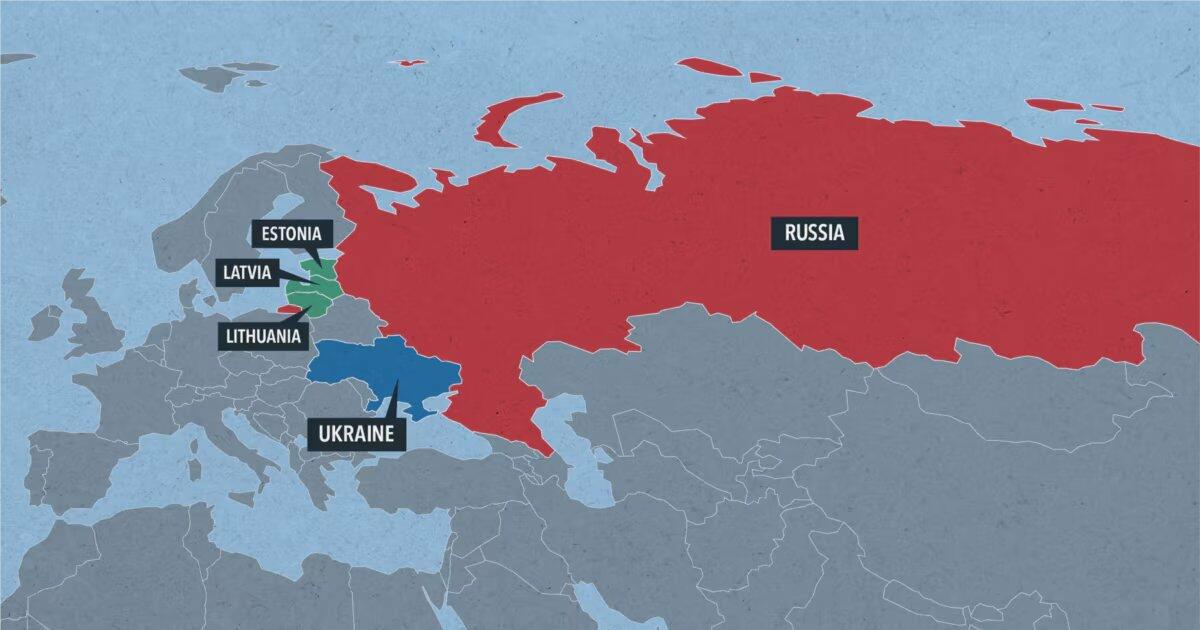
Latvia’s central bank governor, Martins Kazaks, has warned European leaders against downplaying the danger posed by Russia, describing in a fresh interview the European Union is already “at war” with Moscow and must be ready for further escalation, particularly in its financial systems.
This is raising eyebrows at the Kremlin, but many Russian officials might actually agree with this grim assessment: “It’s naive to think that we are not at war” with Russia, Kazaks told the Financial Times.
Governor of the Bank of Latvia, Martins Kazaks
He cited as examples of an active war situation the ongoing cyberattacks on Europe, alleged acts of sabotage targeting infrastructure in the Baltic Sea, as well as drone violations of Danish and other EU airspace – the latter which has involved plenty of speculation and accusations leveled among EU officials, but no final or clear proof of links to Russia or its intelligence services.
Kazaks acknowledged that as of yet, the conflict connected to Ukraine is not being fought directly on EU soil, but he stressed “we need to be resilient to deal with that.”
In response, Latvia’s central bank has intensified contingency planning in recent years, prioritizing uninterrupted access to cash and digital payments during emergencies and the ability to carry out offline card transactions for essential purchases. On this Kazāks emphasized, “We are in many cases best in the class.”
He further cautioned that an armed conflict involving a eurozone member could trigger “financial stability issues” – but ironically he claimed that more and constant European/NATO support to Kiev would make these risks “marginal”, also as the EU has newly sought to greatly bolster its own defensive capabilities.
This is in line with his own government’s consistently hawkish anti-Moscow stance, along with the other tiny (but loud) Baltic and former Soviet satellite states.
We can say at the very least that Russia-NATO proxy war has been in full swing for quite a while now. As a reminder, the world just reached the following tragic milestone:
Russia’s full-fledged war against Ukraine has already lasted longer than the Soviet fight against Nazi Germany in World War II—as discussed in Steve Gutterman’s RFE/RL. “None of the conditions for a final resolution of the conflict are in place,” Ruth Deyermond of King’s College London told Gutterman for his analysis entitled “Will Russia’s War Against Ukraine End In 2026?” Deyermond believes neither Ukraine nor Russia are “in a position to achieve a conclusive victory on the battlefield” or to collapse under pressure. According to Deyermond, the main obstacle to peace is Moscow’s stance: “Russia… seems to have no interest in an end to the fighting, let alone the war,” she says, while CSIS analyst Mark Cancian argues the Russians’ “stated goals are totally unacceptable” and their intransigence “stems from their belief that they are winning.” At best, a cease-fire or “temporarily frozen conflict” is possible so long as Putin’s presidency remains tied to the war, according to Crisis Group’s Olga Oliker.
But the above doesn’t address the other pressing question: can Ukraine and its dwindling and fatigued armed forces last? While the West believes it is weakening Russia, there is little doubt that Ukraine is being fast drained and weakened to the brink of collapse. It is being propped up by the Western powers, financially, militarily, and really on almost every level.
For example, on the pressing issue of the country’s collapsing power infrastructure, regional media warns amid rolling blackouts, power outages could begin to last over 16 hours a day under newly proposed emergency schedules. The country can’t get parts fast enough to replace damaged substations, and this is an area where no amount of external support can keep up, ultimately.
Tyler Durden
Wed, 01/21/2026 – 02:45
Las batallas legales en torno a las redadas migratorias en Minnesota se intensifican
Por STEVE KARNOWSKI y ALANNA DURKIN RICHER
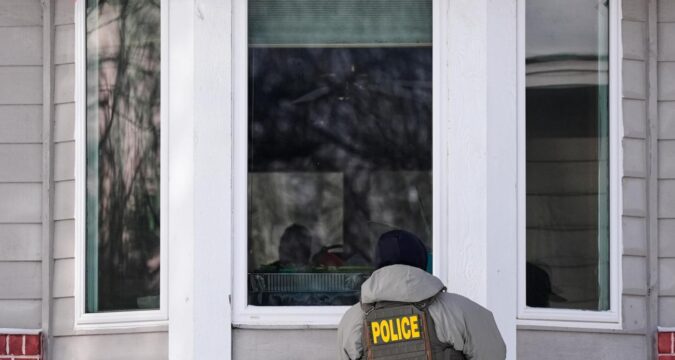
MINNEAPOLIS (AP) — Mientras las confrontaciones con los agentes federales por su gran operación de control migratorio en Minnesota continuaban el miércoles, las batallas legales sobre el despliegue y la respuesta local también se intensificaban.
Los fiscales federales entregaron el martes citaciones para comparecer ante un jurado investigador a la oficina del gobernador de Minnesota, Tim Walz, y a otros cinco funcionarios del estado como parte de una investigación sobre si obstruyeron o impidieron la aplicación de la ley durante una amplia operación de inmigración en el área de Minneapolis-St. Paul, dijo una persona familiarizada con el asunto.
Las citaciones, que buscan registros, también fueron enviadas a las oficinas del Fiscal General del estado, Keith Ellison; el alcalde de Minneapolis, Jacob Frey, la alcaldesa de St. Paul, Kaohly Her y funcionarios de los condados de Ramsey y Hennepin, dijo la persona.
La persona no estaba autorizada para discutir públicamente una investigación en marcha y habló con The Associated Press bajo condición de anonimato.
Las citaciones llegaron al día siguiente de que el gobierno instara a un juez a rechazar los esfuerzos para detener la operación de redadas migratorias que ha sacudido a Minneapolis y St. Paul durante semanas.
El Departamento de Justicia calificó la demanda del estado, presentada poco después de que un agente de inmigración matara a tiros a Renee Good, como “legalmente frívola”. Ellison ha dicho que el gobierno está violando la libertad de expresión y otros derechos constitucionales.
Mientras tanto, se espera que el vicepresidente, JD Vance, viaje a Minneapolis el jueves para una reunión con líderes locales y miembros de la comunidad, según fuentes familiarizadas con sus planes que hablaron bajo condición de anonimato porque el viaje aún no había sido anunciado oficialmente.
Alcalde tacha las citaciones de intentos de infundir miedo
Las citaciones están relacionadas con una investigación sobre si los funcionarios de Minnesota obstruyeron la aplicación federal de la ley de inmigración a través de declaraciones públicas que hicieron, dijeron el viernes dos personas familiarizadas con el asunto. Dijeron entonces que se centraba en la posible violación de una norma sobre conspiración.
En una citación divulgada por la oficina de Frey, la larga lista de documentos requeridos incluye “cualquier registro que tienda a mostrar un rechazo a acudir en ayuda de los funcionarios de inmigración”.
“No deberíamos tener que vivir en un país donde la gente teme que las instituciones federales de seguridad y justicia se utilicen para hacer política o reprimir voces locales con las que no están de acuerdo”, afirmó Frey.
La oficina del gobernador remitió a los periodistas a una declaración anterior del martes en la que Walz dijo que el gobierno de Trump no estaba buscando justicia, solo creando distracciones.
Arrestos difíciles de rastrear
Greg Bovino, de la Patrulla Fronteriza de Estados Unidos y que ha dirigido la campaña de redadas migratorias en grandes ciudades ordenada por el gobierno de Trump, dijo que más de 10.000 personas que estaban en Estados Unidos de forma ilegal han sido arrestadas en Minnesota en el último año, incluidos 3.000 “de algunos de los delincuentes más peligrosos” en las últimas seis semanas durante la Operación Metro Surge.
Julia Decker, directora de políticas del Centro de Leyes de Inmigración de Minnesota, expresó su frustración porque los defensores no tienen forma de saber si las cifras de arrestos del gobierno y las descripciones de las personas retenidas son precisas.
Good, de 37 años, fue asesinada el 7 de enero mientras movía su vehículo, que había estado bloqueando una calle de Minneapolis donde operaban agentes de ICE. Los funcionarios del gobieno de Trump dicen que el agente, Jonathan Ross, le disparó en defensa propia, aunque los videos del encuentro muestran al Honda Pilot alejándose lentamente de él.
Desde entonces, el público ha confrontado repetidamente a los agentes, haciendo sonar silbatos y gritando insultos al ICE y la Patrulla Fronteriza. Ellos, a su vez, han utilizado gas lacrimógeno e irritantes químicos contra los manifestantes. Los transeúntes han grabado videos de agentes usando un ariete para entrar en una casa, así como rompiendo ventanas de vehículos y sacando a personas a rastras de los autos.
Bovino defendió a sus “tropas” y dijo que sus acciones son “legales, éticas y morales”.
Un pastor dice que los manifestantes invadieron una iglesia
Una iglesia de Minnesota que fue objetivo de una protesta contra el ICE el domingo la tachó de ilegal, mientras que una de los líderes de la protesta pidió la renuncia de un líder de la iglesia que trabaja en una oficina local de ICE. Unas tres docenas de personas entraron en la iglesia Cities en St. Paul, y algunas caminaron directamente hacia el púlpito.
“Invadir un servicio religioso para interrumpir la adoración de Jesús, o cualquier otro acto de adoración, no está protegido ni por las Escrituras Cristianas ni por las leyes de esta nación”, dijo el martes la iglesia Cities en St. Paul en un comunicado compartido por su pastor, Jonathan Parnell.
La secretaria de Seguridad Nacional, Kristi Noem, describió a los manifestantes como “agitadores” en una publicación en X y dijo: “arrestos en camino”.
Nekima Levy Armstrong, abogada y activista local, pidió la renuncia de otro pastor que trabaja en el ICE, diciendo que su doble rol plantea un “conflicto moral fundamental”.
___
Richer informó desde Washington. Los reporteros de Associated Press Ed White en Detroit; Sarah Raza, Jack Brook y Giovanna Dell’Orto en Minneapolis; Rebecca Boone en Boise, Idaho, y Ali Swenson en Washington contribuyeron a este despacho.
___
Esta historia fue traducida del inglés por un editor de AP con la ayuda de una herramienta de inteligencia artificial generativa.

Ukraine Is Defending Itself With Money Europe Doesn’t Have
Ukraine Is Defending Itself With Money Europe Doesn’t Have
Authored by Ian Proud,
The ugly truth is that an end of the Ukraine war may have as devastating economic and political consequences for Europe as its continuance…
Ukraine already faces a $63 billion U.S. dollar funding shortfall in 2026 and I would be surprised if this figure doesn’t increase if the war continues. Ukraine’s massive fiscal splurge is driven by two factors
The enormous cost of maintaining a standing army of almost one million people;
The vast expense of importing weapons from the west to fight the war.
Weapon purchases are not sources of productive investment as they are literally burned in the heat of battle.
The same, of course, is true for Russia.
Both countries saw reducing economic growth in 2025, with Ukraine’s at 2.1% and 1.5%.
And, western pundits would point to this as evidence that Ukraine’s economy is performing better.
But the opposite is true.
Russia’s economy is around twelve times larger than Ukraine’s nominally and just over ten times larger when you look at GDP using purchasing power parity.
You can see this in the defence spending numbers.
Russia spent a record $143 billion on defence in 2025 compared to around $60 billion for Ukraine, so around 2.3 times higher. Yet, Russian defence spending amounted to just 6.3% of its GDP whereas for Ukraine it was 31.7%. So, massive spending on defence is a much less pivotal issue for Russia in terms of its economic fortunes.
Defence spending represents a far smaller proportion of total economic activity than it does for Ukraine. And Russia can afford to pay for its defence needs with its own finances, while Ukraine is entirely dependent on money from western donors to keep the war going.
Despite the massive cost of war, Russia ran a fiscal deficit of just 1.7% of GDP in 2025.
That is still well below the EU fiscal rule of 3% of GDP with some countries like France and Poland having deficits at or more than double that figure.
Ukraine’s fiscal deficit on the other hand was around 20% of GDP.
That gap had to be filled by foreign funding as it has debt of 107% of GDP and is cut off from foreign lending.
So, hence the EU stepping up with a loan of 90 billion Euros, two thirds of which is earmarked for defence.
Russia on the other hand has debt of around 15% of GDP and doesn’t really need to borrow heavily to keep its war effort afloat. By the way, 15% of GDP is far lower than the U.S. or any European nation, many of which, like Ukraine, have debt levels of over 100% of GDP.
Ukraine is defending itself with money Europe doesn’t have.
Despite the shock of sanctions, Russia doesn’t have to break the bank nor boost its lending significantly.
This also means that when the war eventually ends, Russia will be able to make the economic transition back to peace in a less painless way.
Russia will be under no pressure to impose massive cuts to defence spending to live within its means and can instead do so gradually.
Ukraine on the other hand faces a massive financial cliff edge when the war ends.
Ukrainian economic growth according to the OECD is set to fall further to 1.7% in 2027 if the war continues.
And that assumes continued large injections of capital from outside countries. In 2025, Ukrainian defence spending made up 31.1% of Ukrainian GDP, and two thirds of state budgetary expenditure. None of that spending goes into improving Ukraine’s weak economy.
With all of the support that it receives, Ukraine’s GDP in 2025 amounted to just under $210 billion according to the IMF.
Bear in mind here that Ukraine received $52.4 billion in external financing in 2025, or around one quarter of its GDP at the end of the year.
Take away foreign funding and Ukraine suddenly sees its economy shrink by over 20%.
Or, put it another way, take away the war and Ukraine sees its economy shrink by over 20%.
Russia simply does not face the same problem.
Rather, an end to the war may help Russia to get inflation – perhaps its biggest economic challenge – under control as economic activity returns to its normal rhythm.
But still the question arises, how come Ukraine has grown so little when it received so much foreign funding?
One big reason is that Ukraine recorded a trade deficit of $30 billion over the same period, a record according to the National Bank of Ukraine.
So, $52 billion in foreign money came into Ukraine during the year and $30 billion went straight back out again.
Because Ukraine’s massive trade deficit is fuelled by two things.
First, a huge increase in the import of weapons from western suppliers which have doubled since 2022, not least as they are no longer being provided free of charge.
Second, Ukraine has increased its imports of natural resources, in particular a massive increase in gas imports, because domestic production has been hit hard by the war. Coal is another area, as Russia has swallowed up important coal mines in the Donbas.
Not all of that deficit in trade will be recoverable even after the war ends, even if Ukraine was able to reduce the overall size of its trade deficit.
By comparison, Russia’s surplus of trade in goods was already at over $100 billion by October 2025, although the overall trade picture is narrower, at around $36 billion because of a significant deficit in services trade, including from large numbers of Russians who have moved overseas since the war started.
An end to the war, if anything, may allow Russia’s trade surpluses to grow further. A future relaxation on the import of natural resources into Europe could mean that Russia benefited from already increased trade with Asia and renewed trade with Europe.
In any case, the consistent surpluses that Russia pulls in both help shore up economic growth and foreign exchange reserves, which in 2025 grew by over $135 billion to a whopping $734 billion.
And just to be clear, Russia put their reserve funds almost completely into gold which now stand at over $310 billion.
One big reason for Russia storing its reserves in gold is to keep them clear of the stealing hands of western bureaucrats, who froze around $300 billion in reserves at the start of the war.
This means that Russia has a surplus of $434 billion in foreign exchange reserves which is almost completely insulated from western expropriation. The $10 billion rise in foreign currency reserves in 2025 was undoubtedly caused by an accumulation of reserves in non-dollar, Euro and sterling currencies, suggesting the move to greater trade in Chinese Yuan and Indian rupees.
An end to the war may at some point lead to the unfreezing of immobilised Russian assets in the U.S., Europe and Japan.
Ukraine’s reserve position is also comparatively strong, at $57.3 billion at the start of 2026, a record figure. However, that rise is completely down to inflows of foreign capital to fund the war effort. An end to the war would likely shrink Ukraine’s reserves as its stubborn trade deficit was not being offset by foreign inflows of funds as they had been during war.
But it’s the sudden and shocking loss of foreign funding that accompanies an end to the war which will cause Ukraine’s economy to shrink dramatically.
But fear not, Europe is determined that Ukraine maintain an army of 800,000 personnel when the war ends. However, this seems more about economic survival than about security.
Ukraine would not be able to pay for such as large army with its own money, as it doesn’t have any money. So, once again, Europe will be forced to step in to meet Ukraine’s financing needs to pay the salaries of soldiers who are no longer in war fighting mode.
This will lead to debt and taxes rising in Europe, according to a recent Kiel Institute study. But it will also lead to a loss of business for European defence firms. Because peace time will inevitably mean a sharp drop in the munitions and military material being burned on a daily basis in the fog of war.
Two thirds of the EU’s recently 90 billion Euro loan to Ukraine will be spent on military support, including weaponry. That has sparked an argument between Germany and France over a proposed ‘buy European’ clause, with France wanting to prevent Ukrainian purchases of U.S. equipment. Perhaps with one eye on the future, the French in typical fashion, are trying to ensure that their firms get a decent share of what could amount to dwindling Ukrainian orders for weapons.
A bit like the French army, Europe is reversing itself inevitably into economic defeat when the war ends.
Obligated to keep an economically failed Ukraine on life support.
Having to increase its debt and taxes to support bad foreign policy decisions it has been taking since 2014.
Trying to boost its defence industrial complex but losing business with the end of war.
For the mainstream political parties in Europe, this adds to the trend of them heading towards electoral Armageddon when they start putting themselves to the polls from 2027 onward.
Until then, they are stuck, knowing that continuing the war will kill them electorally, and knowing that ending the war will too.
To quote my old British soldier dad, they are like the mythical oozlum bird, continually going round in circles until they disappear up their own backsides.
Tyler Durden
Wed, 01/21/2026 – 02:00
https://www.zerohedge.com/geopolitical/ukraine-defending-itself-money-europe-doesnt-have
Primer ministro de Israel, Benjamin Netanyahu, acepta unirse a la Junta de Paz de Trump
Associated Press
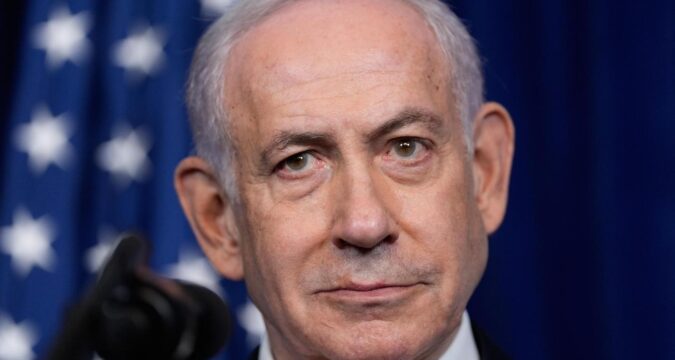
JERUSALÉN (AP) — El primer ministro de Israel, Benjamin Netanyahu, dijo el miércoles que había aceptado unirse a la Junta de Paz de Donald Trump.
El mandatario realizó el anuncio en un comunicado de su oficina.
El anuncio se produjo después de que Israel manifestó que la composición del órgano ejecutivo de la junta para Gaza no se alineaba con sus intereses.
___
Esta historia fue traducida del inglés por un editor de AP con la ayuda de una herramienta de inteligencia artificial generativa.

Quickley anota 40 puntos y Raptors doblegan a Warriors en 1er partido de Golden State sin Butler
SAN FRANCISCO (AP) — Immanuel Quickley igualó su récord personal con 40 puntos y añadió diez asistencias a la causa de los Raptors de Toronto, quienes se alejaron de Golden State en el marcador en los albores para doblegarlos el martes por 145-127 en el primer encuentro de los Warriors desde que perdieron al astro Jimmy Butler por una lesión de rodilla derecha que puso fin a su temporada.
Quickley atinó 11 de 13 disparos y acertó sus 11 tiros libres, mientras que Scottie Barnes añadió 26 puntos y 11 asistencias en el encuentro de mayor puntuación de los Raptors y la peor actuación defensiva de los Warriors esta temporada.
Buddy Hield consiguió sus números máximos de la temporada con 25 puntos y seis triples. Acertó todos sus intentos desde larga distancia, mientras que Stephen Curry anotó 16 puntos y Draymond Green añadió seis unidades, seis rebotes y cinco asistencias.
El triple de Hield con 5:02 minutos restantes redujo la ventaja de Toronto a nueve puntos, pero Brandon Ingram inmediatamente encestó desde lejos.
Sin Butler, el entrenador de Golden State, Steve Kerr, recurrió a Jonathan Kuminga por primera vez en 17 juegos y el alero de gran vuelo terminó con 20 puntos al acertar siete de diez tiros y cinco rebotes en 21 minutos. Kuminga ha solicitado un canje dado que jugaba muy poco pero ahora no está claro si los Warriors lo moverán antes de la fecha límite del 5 de febrero.
El jugador y Kerr hablaron la semana pasada.
_____
Deportes AP: https://apnews.com/hub/deportes
El primer ministro de Israel, Benjamin Netanyahu, acepta unirse a la Junta de Paz de Donald Trump
JERUSALÉN (AP) — El primer ministro de Israel, Benjamin Netanyahu, acepta unirse a la Junta de Paz de Donald Trump.
Trump viaja a Davos, donde su interés por Groenlandia podría eclipsar otros sus objetivos
Por JOSH BOAK y AAMER MADHANI
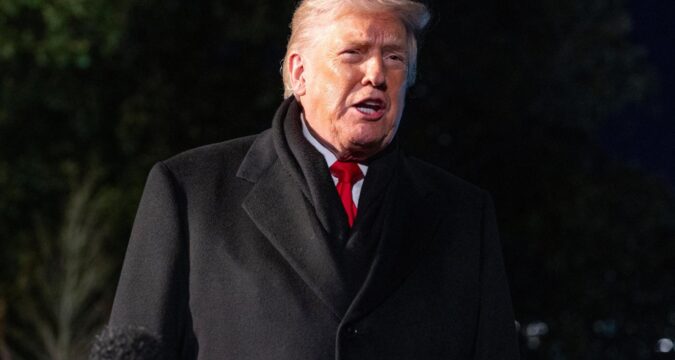
A BORDO DEL AIR FORCE ONE (AP) — El presidente de Estados Unidos, Donald Trump, se dirigía el miércoles al Foro Económico Mundial, en los Alpes suizos, donde sus ambiciones de arrebatar el control de Groenlandia a Dinamarca, aliado de la OTAN, podrían deteriorar las relaciones con los socios europeos y eclipsar su plan original de aprovechar su aparición en la reunión de las élites mundiales para para abordar los problemas de asequibilidad en su país.
Trump llega a Davos tras amenazar con aranceles a Dinamarca y a otros siete aliados a menos que negocien la transferencia del territorio semiautónomo, una concesión que los líderes europeos han indicado que no están dispuestos a hacer. El mandatario estadounidense apuntó que los gravámenes comenzarían en un 10% el próximo mes y subirían al 25% en junio, unas tasas lo suficientemente altas como para aumentar los costos y frenar el crecimiento, lo que podría perjudicar sus esfuerzos para reducir el alto costo de vida.
En un mensaje de texto que circuló entre funcionarios europeos esta semana, Trump vinculó también su agresiva postura hacia Groenlandia con la decisión del año pasado de no otorgarle el Premio Nobel de la Paz. En el mensaje, le dijo al primer ministro de Noruega, Jonas Gahr Støre, que ya no sentía “una obligación de pensar solamente en la paz”.
En un momento de inusuales desafíos a las relaciones entre Estados Unidos y sus aliados de larga data, parece incierto lo que pueda suceder durante los dos días de Trump en Suiza.
“Este será un viaje interesante”, dijo Trump a reporteros a su salida de la Casa Blanca el martes por la noche para tomar su vuelo a Davos. “No tengo idea de lo que va a pasar, pero están bien representados”.
El viaje a Davos comenzó con dificultades: un problema eléctrico menor en el Air Force One, obligó a la tripulación a dar la vuelta unos 30 minutos después del despegue por precaución, lo que retrasará la llegada del mandatario a Suiza.
Wall Street se tambaleó el martes mientras los inversionistas sopesaban las nuevas amenazas arancelarias de Trump y las crecientes tensiones con los aliados europeos. El S&P 500 cayó un 2,1%, su peor dato desde octubre. El Promedio Industrial Dow Jones bajó un 1,8% y el compuesto Nasdaq se dejó un 2,4%.
“Está claro que estamos llegando a un momento de inestabilidad, de desequilibrios, tanto desde el punto de vista de la seguridad y defensa, como desde el punto de vista económico”, señaló el presidente de Francia, Emmanuel Macron, en su discurso en Davos. Macron no mencionó de forma directa a Trump, pero instó a los demás líderes a rechazar “la ley del más fuerte”.
Por su parte, la presidenta de la Comisión Europea, Ursula von der Leyen, advirtió que la respuesta del bloque si Trump avanza con los aranceles “será inflexible, unida y proporcional”. Además, sugirió de forma tajante que la nueva amenaza del líder estadounidense podría socavar el marco comercial entre Washington y Bruselas alcanzado el pasado verano y que la Casa Blanca se esforzó por cerrar.
“La Unión Europea y Estados Unidos llegaron a un acuerdo comercial en julio”, apuntó von der Leyen en Davos. “Y tanto en política como en los negocios, un acuerdo es un acuerdo. Y cuando los amigos se dan la mano, debe significar algo”.
Por qué Trump habla de vivienda en Davos
Antes de su discurso en Davos, Trump dijo que planeaba aprovechar su presencia en Davos para hablar sobre hacer la vivienda más accesible y otros problemas de asequibilidad que son prioritarias para los estadounidenses.
Pero la amenaza arancelaria de Trump sobre Groenlandia podría perturbar la economía nacional si destruye la tregua comercial alcanzada el año pasado, dijo Scott Lincicome, crítico con los aranceles y vicepresidente de asuntos económicos en el Instituto Cato, un grupo de expertos liberal.
“Socavar significativamente la confianza de los inversionistas en la economía de Estados Unidos a largo plazo probablemente aumentaría las tasas de interés y, por lo tanto, haría que las viviendas sean menos asequibles”, indicó Lincicome.
Trump también advirtió el martes a Europa contra las posibles represalias por los próximos aranceles.
“Cualquier cosa que hagan con nosotros, simplemente la enfrentaré”, afirmó el mandatario en el programa de televisión “Katie Pavlich Tonight”, de NewsNation. “Todo lo que tengo que hacer es responder, y eso va a tener un efecto rebote”.
Davos, un foro conocido por su atractivo para las élites globales, es un escenario extraño para un discurso sobre asequibilidad. Pero los funcionarios de la Casa Blanca lo han presentado como un momento para que Trump intente reavivar el apoyo populista en Estados Unidos, donde muchos votantes que lo respaldaron en 2024 ven la asequibilidad como un problema importante. Aproximadamente seis de cada 10 adultos en el país dicen ahora que el presidente ha perjudicado el costo de vida, según la última encuesta de The Associated Press-NORC Center for Public Affairs Research.
La venta de viviendas en Estados Unidos está en su nivel más bajo en 30 años, con precios al alza y tasas hipotecarias elevadas que dejan a muchos posibles compradores fuera del mercado. Hasta ahora, Trump ha anunciado planes para adquirir 200.000 millones de dólares en valores hipotecarios para ayudar a reducir las tasas de interés en los préstamos para viviendas, y ha pedido que se prohíba la compra de viviendas a las grandes empresas financieras.
Promoverá su “Junta de la Paz”
La Casa Blanca indicó que, tras su discurso, el mandatario planea reunirse con líderes en un aparte del foro. Más de 60 otros jefes de Estado asisten al evento.
Trump tiene previsto celebrar el jueves un evento para hablar sobre la “Junta de la Paz”, un nuevo organismo destinado a supervisar el fin de la guerra entre Israel y Hamás en Gaza, y que posiblemente asuma un mandato más amplio, rivalizando potencialmente con Naciones Unidas.
Por el momento, menos de 10 líderes han aceptado la invitación para unirse al grupo, incluyendo un puñado considerados autoritarios antidemocráticos. Varios de los principales socios europeos de Estados Unidos han declinado la oferta o no se han comprometido, entre ellos Reino Unido, Francia y Alemania.
Trump dijo a reporteros el martes que su junta “podría” acabar dejando obsoleta a la ONU, pero insistió en que quiere ver que el organismo internacional siga existiendo.
“Creo que hay que dejar que la ONU continúe, porque su potencial es muy grande”, manifestó.
___
Madhani informó desde Washington.
___
Esta historia fue traducida del inglés por un editor de AP con la ayuda de una herramienta de inteligencia artificial generativa.

Doncic logra triple-doble y Lakers vencen a diezmados Nuggets, 115-107
DENVER (AP) — Luka Doncic totalizó 38 puntos, 13 rebotes y diez asistencias, y los Lakers de Los Ángeles se recuperaron para vencer el martes 115-107 a los Nuggets de Denver.
LeBron James, quien no fue votado como titular del Juego de Estrellas por primera vez desde su temporada de novato, anotó 19 puntos para Los Angeles, que jugó la segunda mitad sin el pívot Deandre Ayton debido a una lesión en el ojo izquierdo.
Jamal Murray anotó 26 de sus 28 puntos en la primera mitad para Denver y añadió 11 asistencias, pero sólo encestó uno de cinco disparos en la segunda mitad.
El esquinero de los Broncos de Denver, Patrick Surtain II, estaba sentado al lado de la cancha. Bajo su mirada, los Nuggets, con varias bajas, tomaron una delantera de 16 puntos en el tercer cuarto a pesar de la ausencia de cuatro jugadores de rotación, incluido Nikola Jokic, quien se ha perdido los últimos 12 compromisos por una hiperextensión en la rodilla izquierda.
Aaron Gordon y Peyton Watson anotaron 18 cada uno por los Nuggets.
Un juego cerrado se sumó a la incipiente rivalidad que comenzó en las finales de la Conferencia Oeste de 2023, cuando Denver barrió a los Lakers en su camino al título de la NBA.
Parecía que los Nuggets se llevarían otra victoria después de tomar una ventaja de 13 puntos en el primer cuarto y tener un buen cierre en el segundo cuarto.
Pero los Lakers empataron temprano en el cuarto periodo y tomaron su primera ventaja con dos tiros libres de Doncic con 6:42minutos restantes durante una racha de 16-0 que convirtió un déficit de dos puntos en una ventaja de 108-96.
_____
Deportes AP: https://apnews.com/hub/deportes