Fed Chair Pick Warsh Approved By Key Senate Committee Along Party Lines
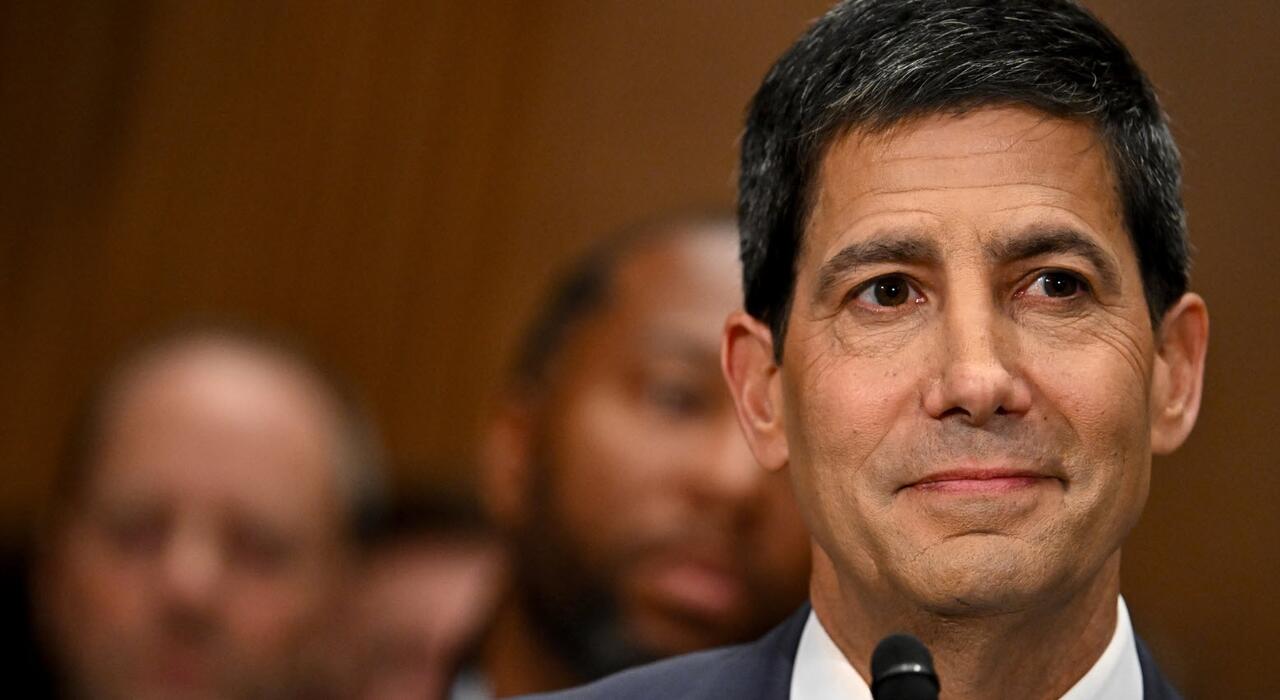
The drama over Kevin Warsh’s nomination as Trump’s pick for next Fed chair appears to be over.
Moments ago, Warsh won the backing of the Senate Banking Committee Wednesday in a 13-11 party-line vote, putting him on track to be confirmed by the full Senate before Jerome Powell’s term ends May 15, Bloomberg reproted.
Warsh’s nomination had been held up by Republican Senator Thom Tillis until the Department of Justice agreed last week to drop (for now) a criminal probe into cost overruns in a renovation of the Fed’s Washington headquarters. Tillis, who saw the probe as “bogus” and a threat to the Fed’s independence on monetary policy, said in an interview on NBC’s “Meet the Press” that he received assurances the department wouldn’t reopen the case unless the Fed’s inspector general, who is also reviewing the project, sends a criminal referral.
As expected, Democrats weren’t won over: Senator Elizabeth Warren warned that Trump is still intent on controlling the Fed; Democrats have also demanded an end to a legal pursuit of Fed Governor Lisa Cook.
“The stink of stagflation is in the air,” Warren said. She said confirmation of Warsh would help Trump dominate the Fed’s monetary policy. “Trump has not been subtle about his takeover,” she said.
The vote makes real the prospect of a Warsh-led Fed that promises the biggest shake up of the US central bank in years. Having raised the prospect of “regime change” as part of his bid to win Trump’s nomination, Warsh has promised to shrink the Fed’s $6.7 trillion balance sheet, establish a new framework for managing inflation and change how the central bank communicates with the public. He has, however, offered few details on how he might pursue each of these goals.
Warsh is almost certain to face heavy pressure from Trump over monetary policy. In a CNBC interview on April 21, the president said he’d be disappointed if Warsh didn’t cut rates as soon as he took office.
Meanwhile, Warsh has vowed to protect the Fed’s independence. In his hearing last week Warsh blamed the Fed for allowing inflation to surge following the Covid-19 pandemic. While he said high prices remain a problem for Americans, he also floated the idea of a new framework for dealing with persistent inflation, though didn’t offer specifics. He also steered clear of committing to a near-term path for interest rates and suggested Fed officials have made a habit of providing financial markets with too much guidance on where policy is headed.
The combination of Warsh’s calls for a smaller balance sheet, new ways to think about inflation and communication changes put Warsh in the spotlight to explain how he’ll defend the Fed’s independence, said EY-Parthenon Chief Economist Gregory Daco.
“Taken together, this points to a more centralized, less transparent and potentially more politically-exposed policy framework,” he said.
Earlier, Warsh and his wife, Jane Lauder, reported assets worth at least $192 million in financial disclosures filed as part of his nomination. But his total net worth is likely much larger and makes him one of the wealthiest Fed officials in the central bank’s history. Bloomberg has estimated his wife’s net worth at $2.5 billion, many of which are market-dependent. Democratic lawmakers called for more scrutiny of Warsh’s assets, while Warsh has promised to quickly divest from certain funds for which he hasn’t disclosed the underlying assets, citing confidentiality agreements.
Tyler Durden
Wed, 04/29/2026 – 10:23